The Derek Jarman Protest! retrospective opened at Manchester Art Gallery on 2 December, and members of Out In The City formed an orderly queue to view the exhibition.
We had dined earlier at the China Buffet, just two minutes walk from the Art Gallery. It’s a simple all-you-can-eat hangout offering Chinese dim sum, noodles, seafood and fortune cookies and is great value for money.
The exhibition had been postponed and unfortunately the Derek Jarman Pocket Park – a new community garden space designed and planted by green-fingered LGBT+ people over 50 was not ready due to the corona virus and the weather. However you can download the zine here.
I’m sure we will revisit at some time to engage in a planned workshop or exhibition tour with Jez Dolan, the artist in residence.
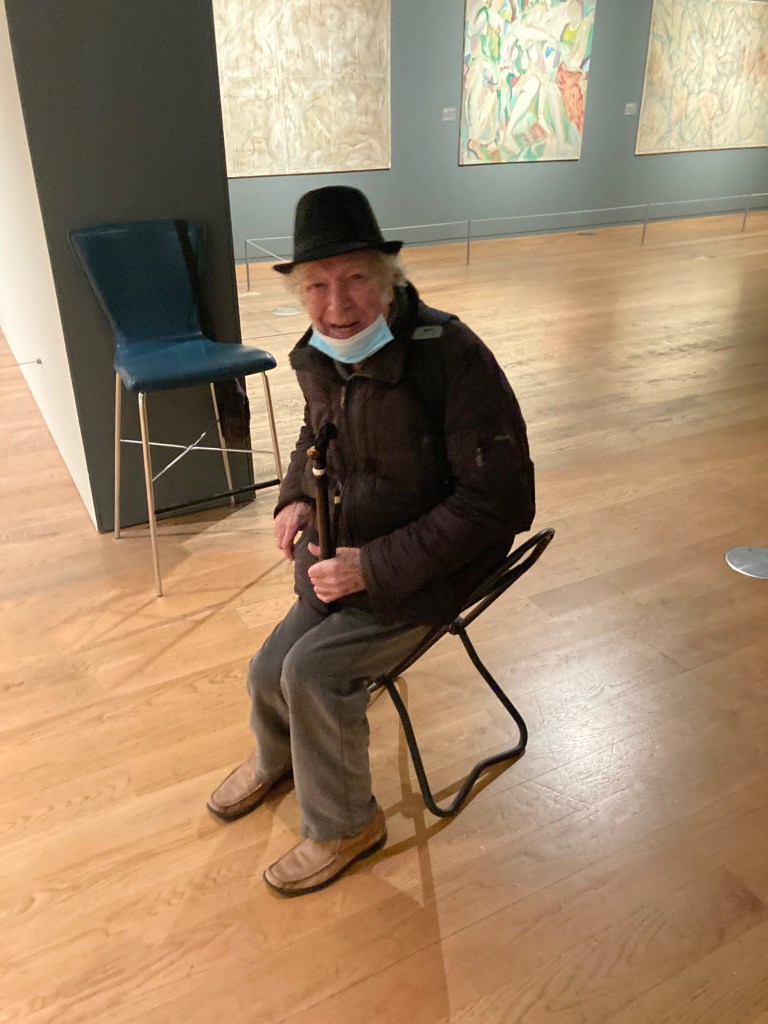
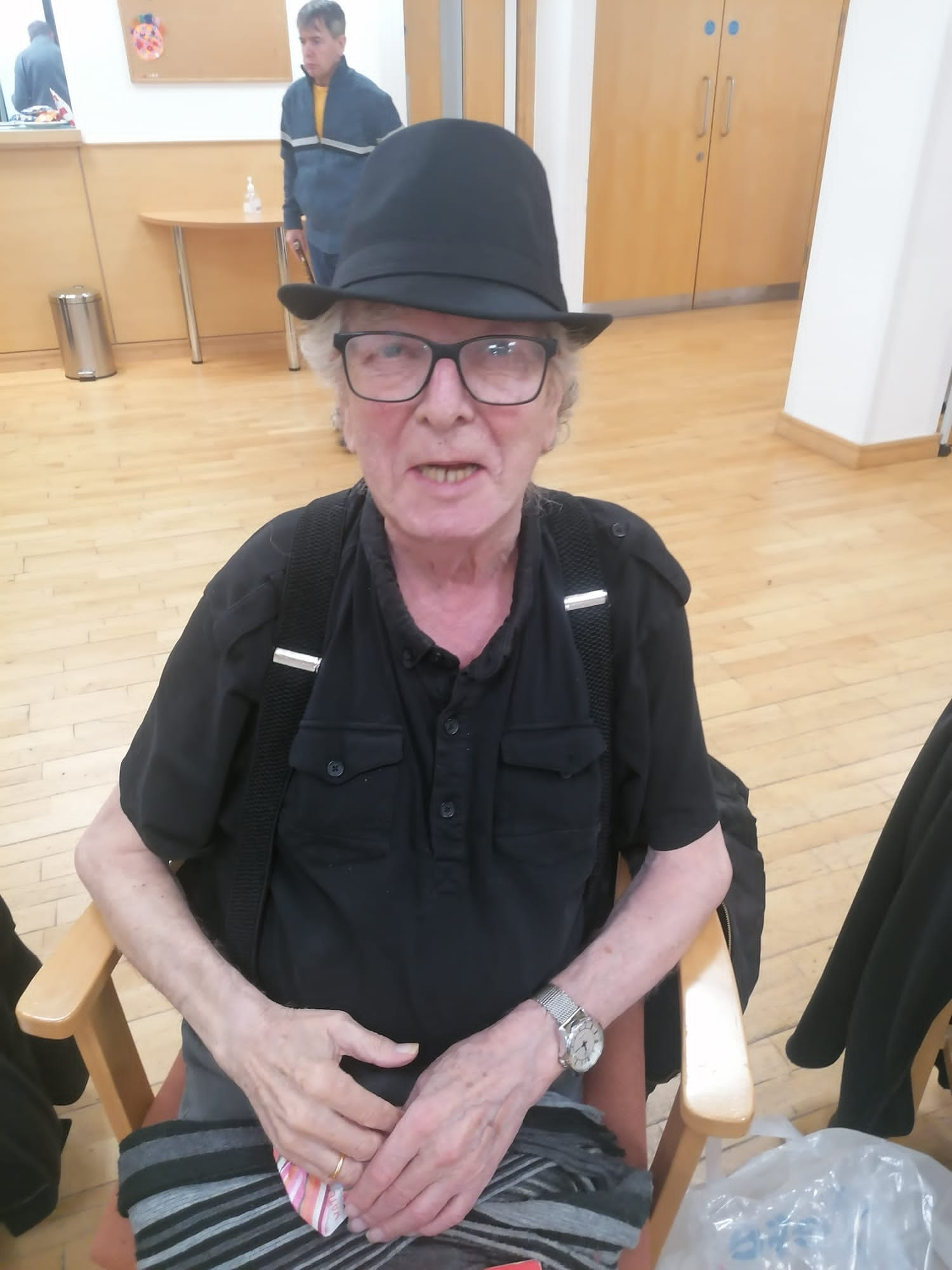
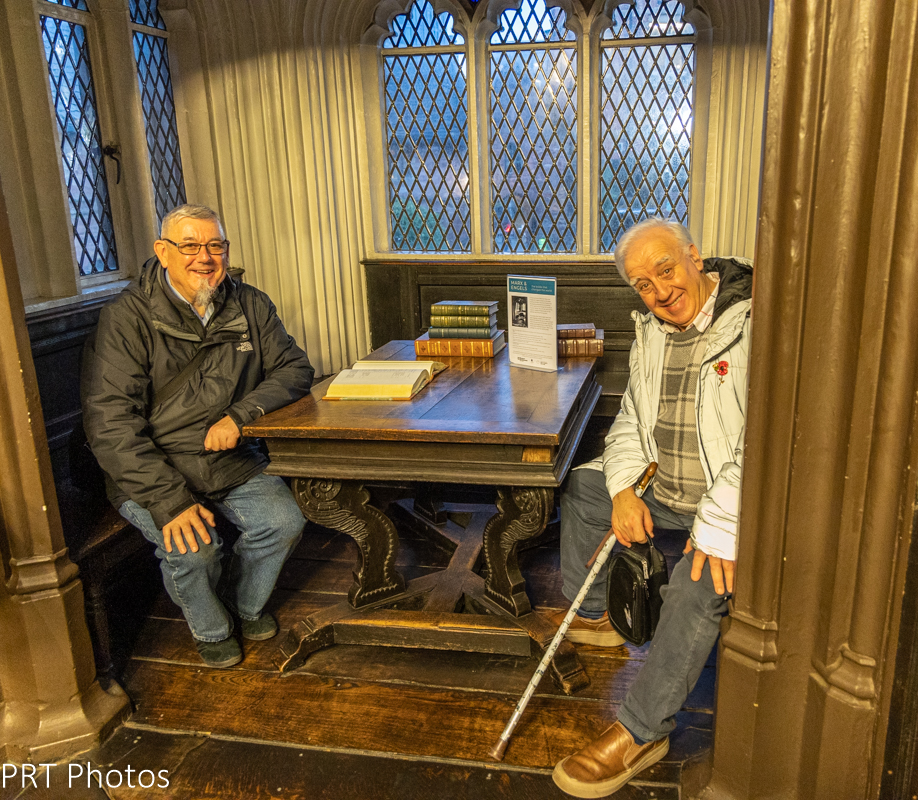
Is this an exhibit? Walter having a bit of a sit down.
The exhibition focused on the diverse strands of Jarman’s practice as a painter, film maker, writer, set-designer, gardener and political activist. This is the first time that all of these strands of his practice were brought together in over 20 years; many of which have never been seen in public before.
Protest! captures Jarman’s engagement with both art and society, as well as his contemporary concerns with political protest and personal freedoms arising from the AIDS crisis.
Almost 30 years on from Derek Jarman’s landmark “Queer” exhibition at Manchester Art Gallery, the word “queer” is becoming more mainstream. We have “Queer Lit” bookshop in Manchester and the Sunday Boys recent concert at Manchester Cathedral was entitled “A Very Queer Christmas”. The priest introducing the event started: “Welcome to queers and non-queers … “.
But the word “queer” is polarising. For some LGBT(Q)+ individuals, it’s a reclaimed badge of honour, a political statement, a declaration of attraction without binaries. For others, it’s still a homophobic slur, a weaponised word that can reopen years-old wounds.
When asked what “queer” means on an American social news website, there were a variety of responses. Here’s a selection:
“It meant I was about to get my butt beat by a homophobe. I despise that word …”
“For me, it’s always meant bullying. Thankfully, I was never beaten up by someone saying it, but like the f-word, it always cut me like a knife whenever I heard it.”
“I guess it’s just all-encompassing. When I tried coming out to my brother when I was a teen, he asked, ‘You think you may be queer?’ It was the first time I heard the word used in a non-derogatory way.”
“Not straight and/or not cis”
“Queer to me means anyone who doesn’t identify as straight.”
“Queer to me means, like, non-specifically sexually and gender fluid, an all-encompassing term that doesn’t keep someone stuck in definite boundaries … When someone tries to use it as a slur, I genuinely don’t have a reaction to it.”
“I am not queer; I’m gay. Queer is an offensive word. I dislike how academics and non-homosexuals use it all the time, when it seems that a lot of gay men aren’t down with reclaiming it. If someone describes themselves as queer, I assume they are heterosexual but want to seem interesting.”
“Queer to me, denotes ‘peculiarity.’”
“I’ve always used ‘queer’ in the ‘take back the word’ sense. Also, I refer to myself as queer when I’m being very specific about how I label my identity. Although I identify as a gay man in a general sense, if I got very specific about what is going on inside myself. ‘Queer’ is a more accurate term, i.e. how I feel about my gender and who I’m attracted to.”
Does it matter who uses the word? Has the word “queer” been appropriated by heteronormative people? What do you think?
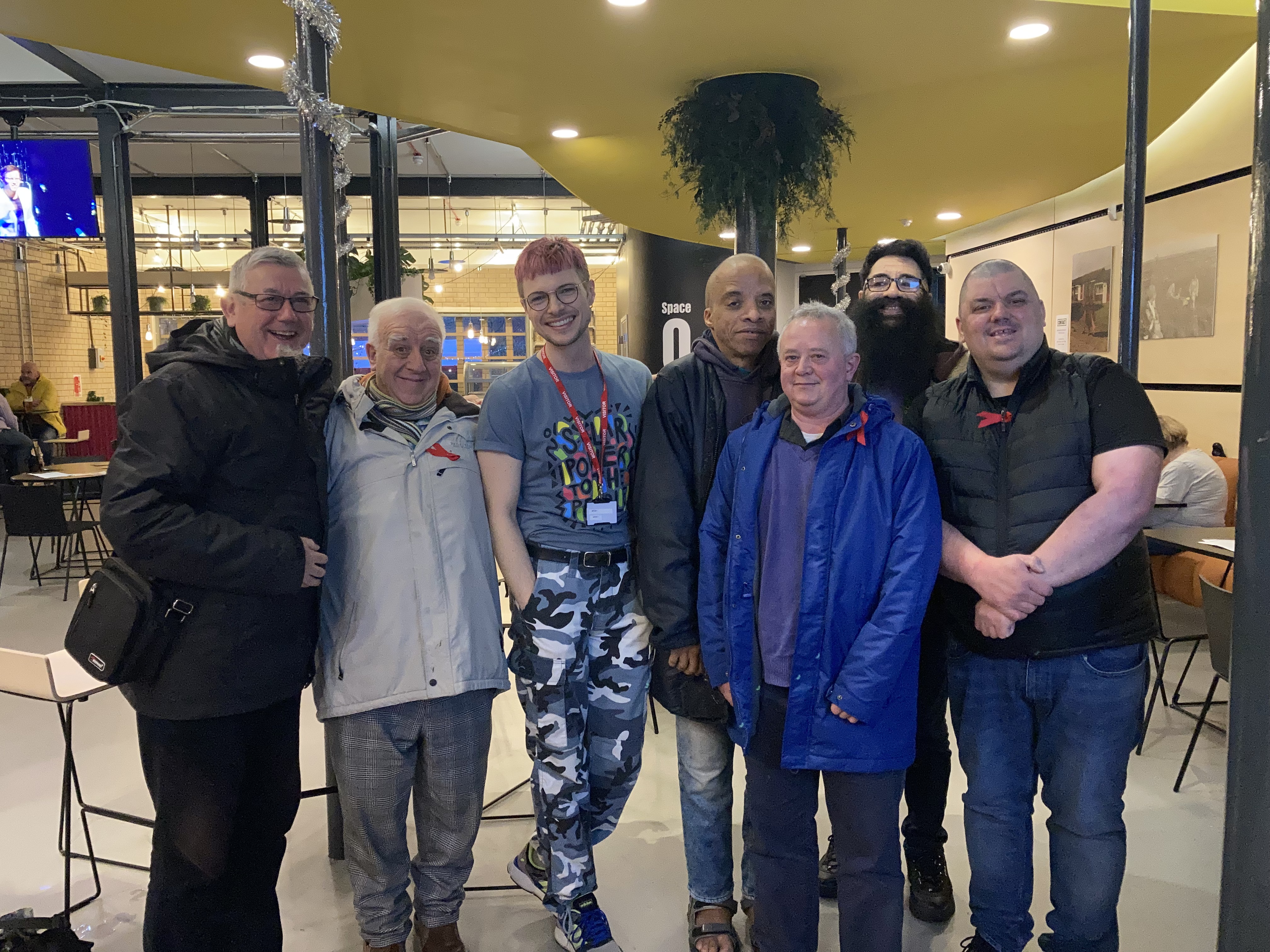
Out In The City at the Contact TheatreOut In The City members with Nathaniel Hall after seeing “First Time” at the Contact Theatre
The Government’s consultation on banning conversion therapy
The Government is currently consulting on proposals to ban conversion therapy and support victims of these practices.
Of course, there should not even be a consultation into banning this abhorrent practice.
Liz Truss MP has said that free speech and religion are more important than an outright ban on conversion therapy. A worry is that loopholes are being created for religious freedoms and “consenting” adults. The Government are just dragging their feet along and creating loopholes which does not fill anyone in the LGBT+ community with confidence.
You can read a summary of the proposals, and share your views here. The consultation will close on 10 December 2021.
If you haven’t got time to respond to the consultation, please sign the petition here. It only takes a minute and over 35,500 people have signed.
Dorothy Arzner
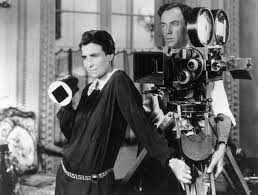
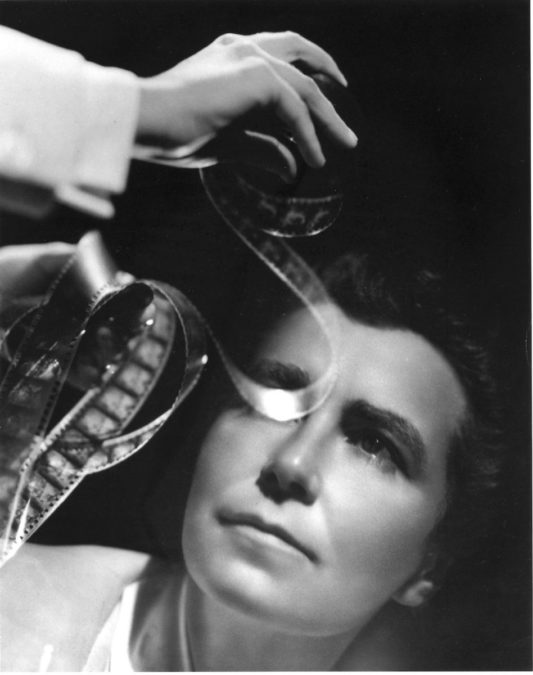
Dorothy Arzner was a pioneering film director – She was the only woman director during Hollywood’s “Golden Age.”
During her 15 year career (1927-1943), Arzner, who identified as a lesbian, helmed 20 features, including silents and “talkies,” which is still a record in Hollywood.
Arzner lived with her partner Marion Morgan for four decades.
In 1938, the auteur filmmaker also was the first female member of the Director’s Guild of America. Arzner remained the only female member until Ida Lupino joined the guild in 1950.
Dorothy Arzner was an indispensable filmmaker who told a different kind of story, a story of someone swimming in a world of violence and contradictory forces run by men who is trying to navigate that world.
Arzner was uniquely focused on stories about female bonding and the female journey that had not been mapped in other cinema. The woman is not objectified. She is the story. Many face epic challenges, but she is not the victim. She is a voyager and a fighter.
Dorothy Arzner was a pioneering film director. Photo: UCLA Film & Television Archive.
Arzner directed eleven films for Paramount during the 1920s and 1930s. In 1927, Paramount made Arzner the only woman director on contract with a Hollywood studio.
Pioneering director
Arzner even directed Paramount’s first sound feature in 1929, “The Wild Party,” starring Clara Bow. Arzner also invented the first boom microphone to follow Bow around set.
Through Arzner’s direction, Bow made the cinematic transition to sound.
After breaking from her contract with Paramount in 1932, Arzner directed star-turning performances for many other actresses, including Katharine Hepburn in “Christopher Strong” (1933) for RKO, Anna Sten in “Nana” (1934) for Samuel Goldwyn, Rosalind Russell in “Craig’s Wife” (1936) for Columbia, Joan Crawford in “The Bride Wore Red” (1937) for MGM, Lucille Ball and Maureen O’Hara in “Dance, Girl, Dance” (1940) for RKO and Merle Oberon in “First Comes Courage” (1943) for Columbia.
After becoming the first female member, Arzner told the Directors Guild, “I was averse to having any comment made about being a woman director … because I wanted to stand up as a director and not have people make allowances that it was a woman.”
Left Hollywood
In 1943, Arzner walked away from Hollywood, but continued working, directing television commercials and producing plays. Arzner also was a professor at the UCLA film school, teaching screenwriting and directing from 1959 to 1965.
Arzner died in 1979 at the age of 82.
In 2018, Paramount honoured Arzner by dedicating its Dressing Room building after her.
Sexuality influenced filmmaking
Arzner’s films also were influenced by her sexuality. We are fortunate to not only enjoy the perspective of a woman, but also a lesbian. Dorothy reveals what interested her most – women bonding with each other and sometimes to the exclusion of men, which is part of a women’s lived experience, not just lesbians.
Nevertheless, her films have not been circulated, studied, praised as much as those of her male peers, and they are far more interesting than her rarity value, so see them whenever you can.
In the following video, fabulous hostess Jewels giving history lessons about LGBT+ trailblazers and significant events to readers:
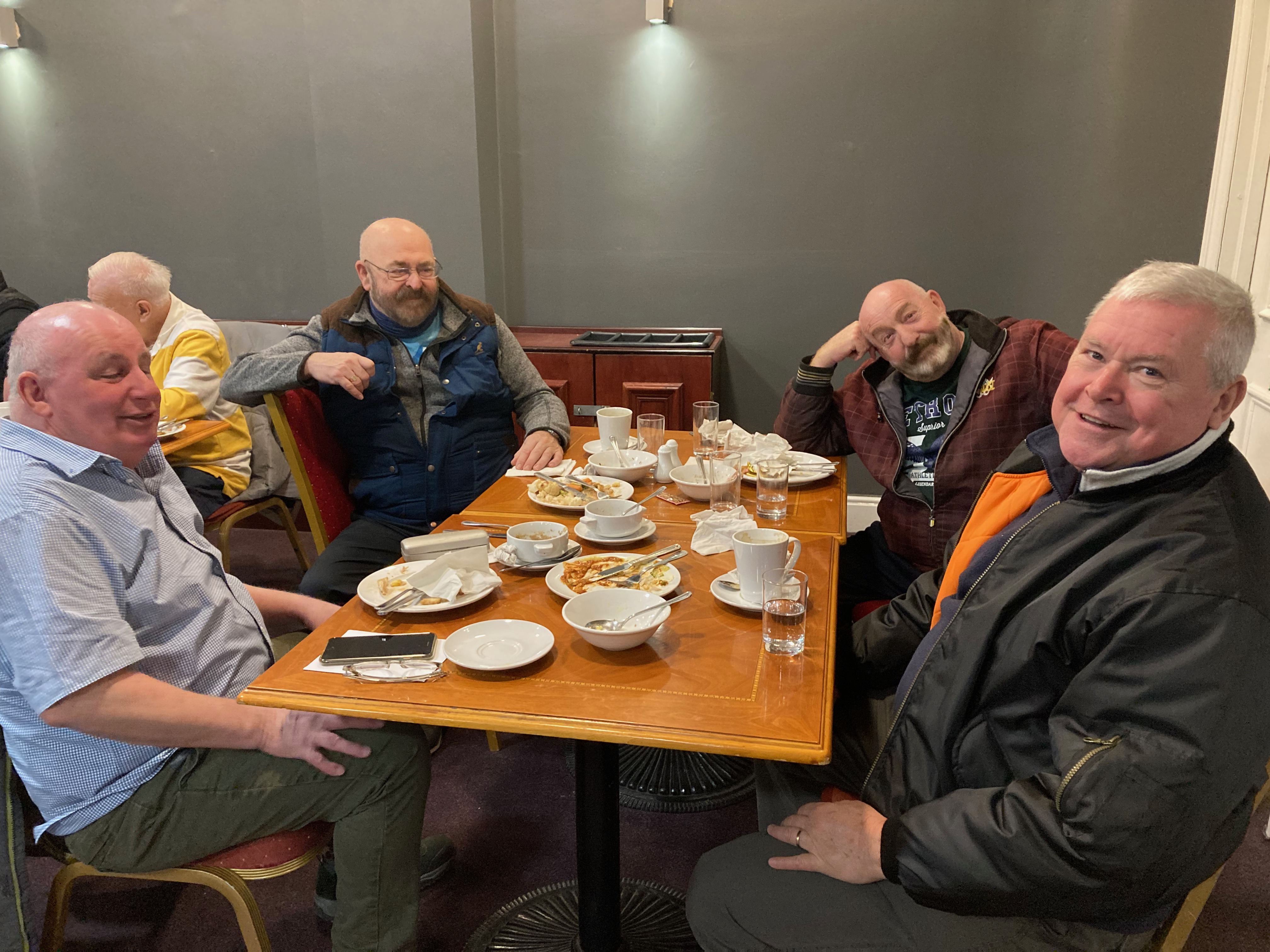
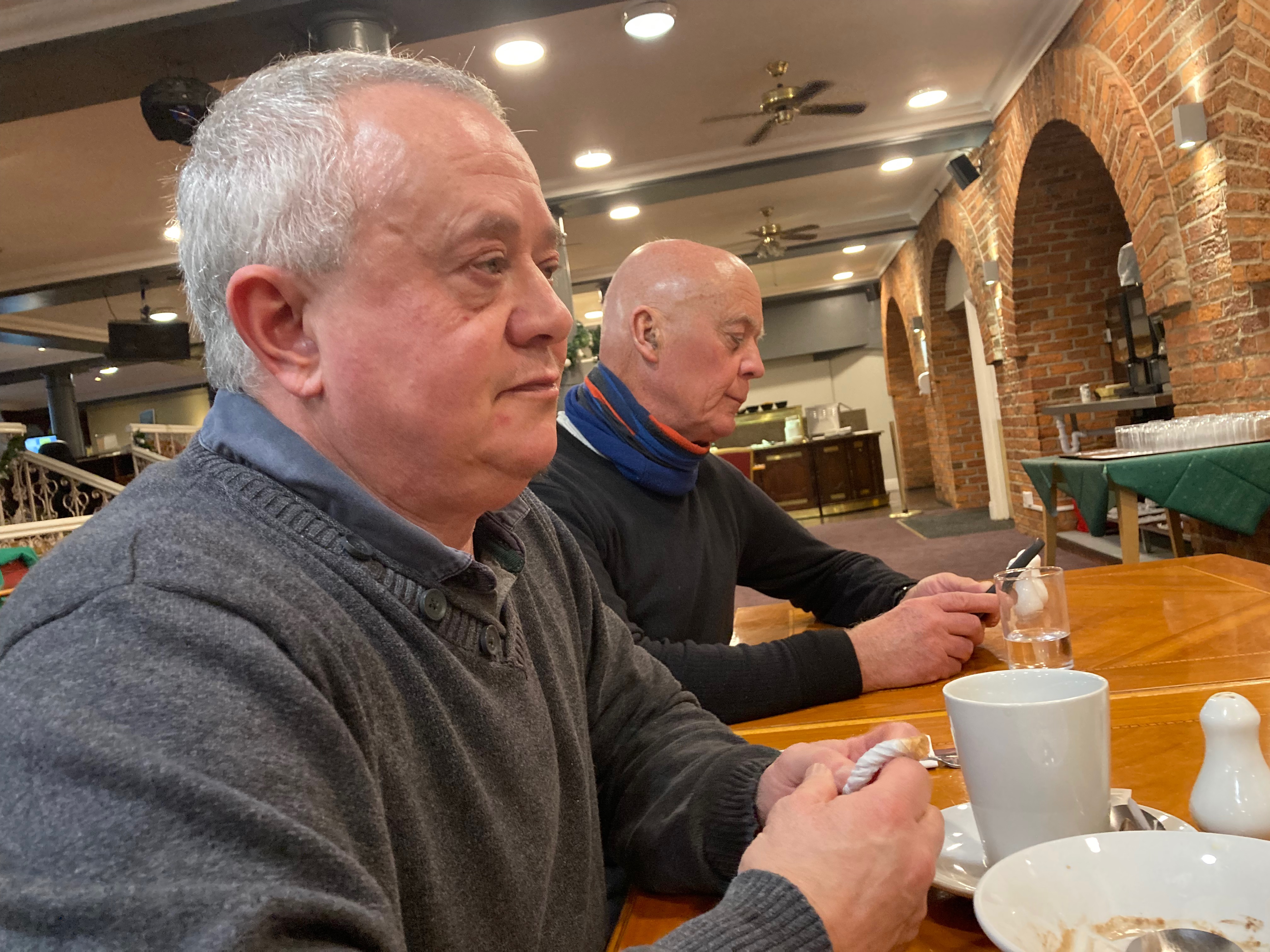
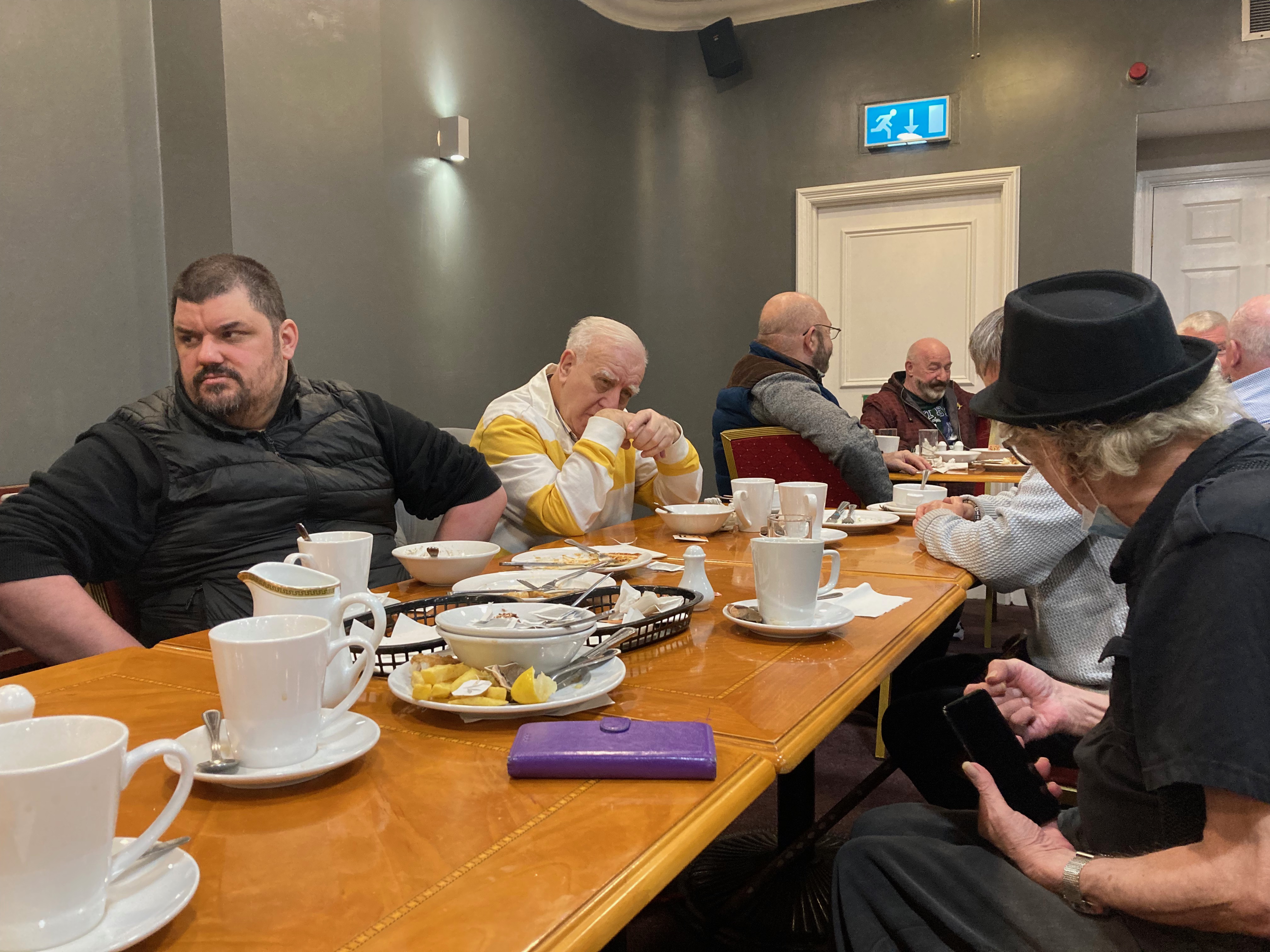
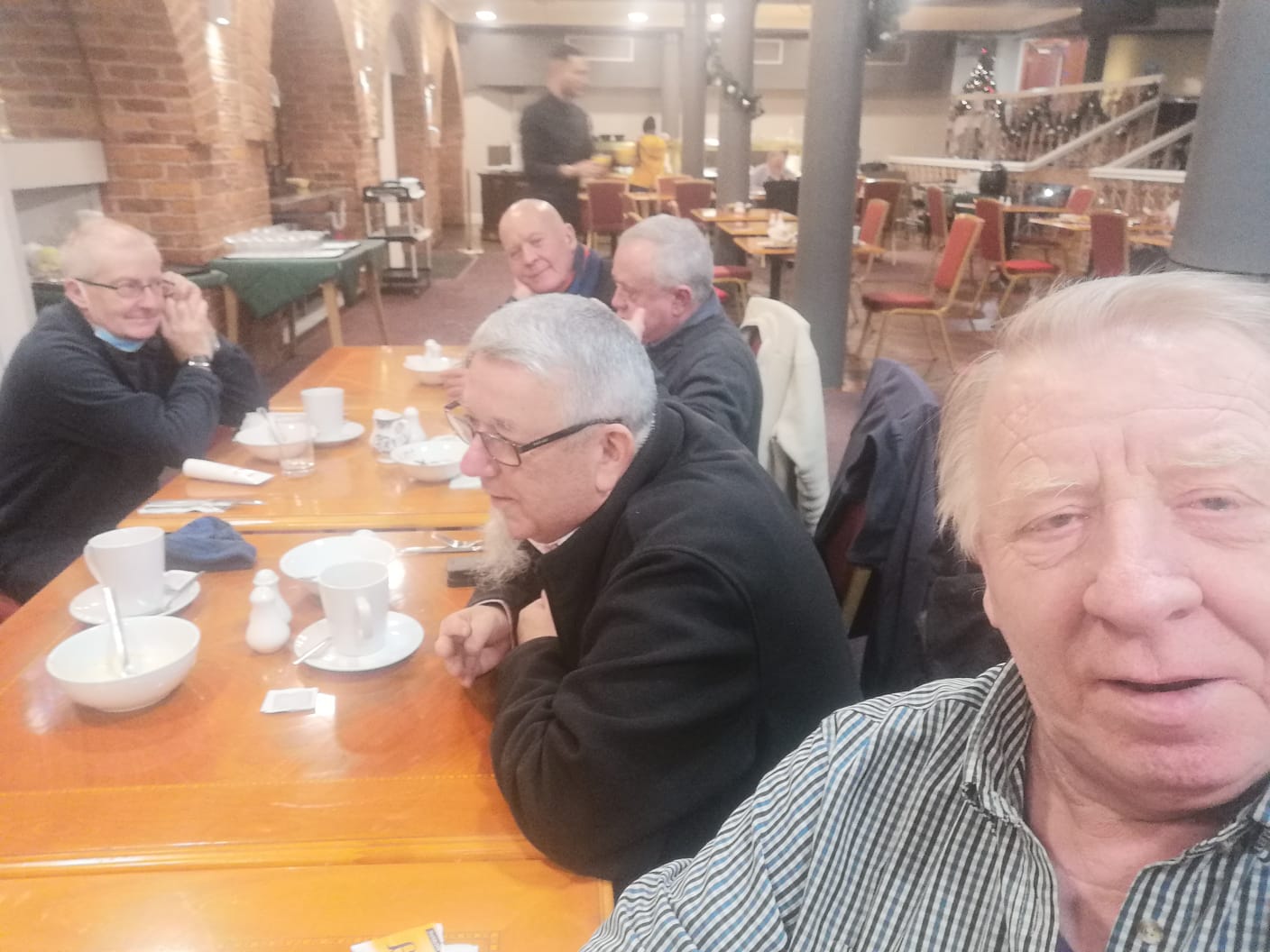
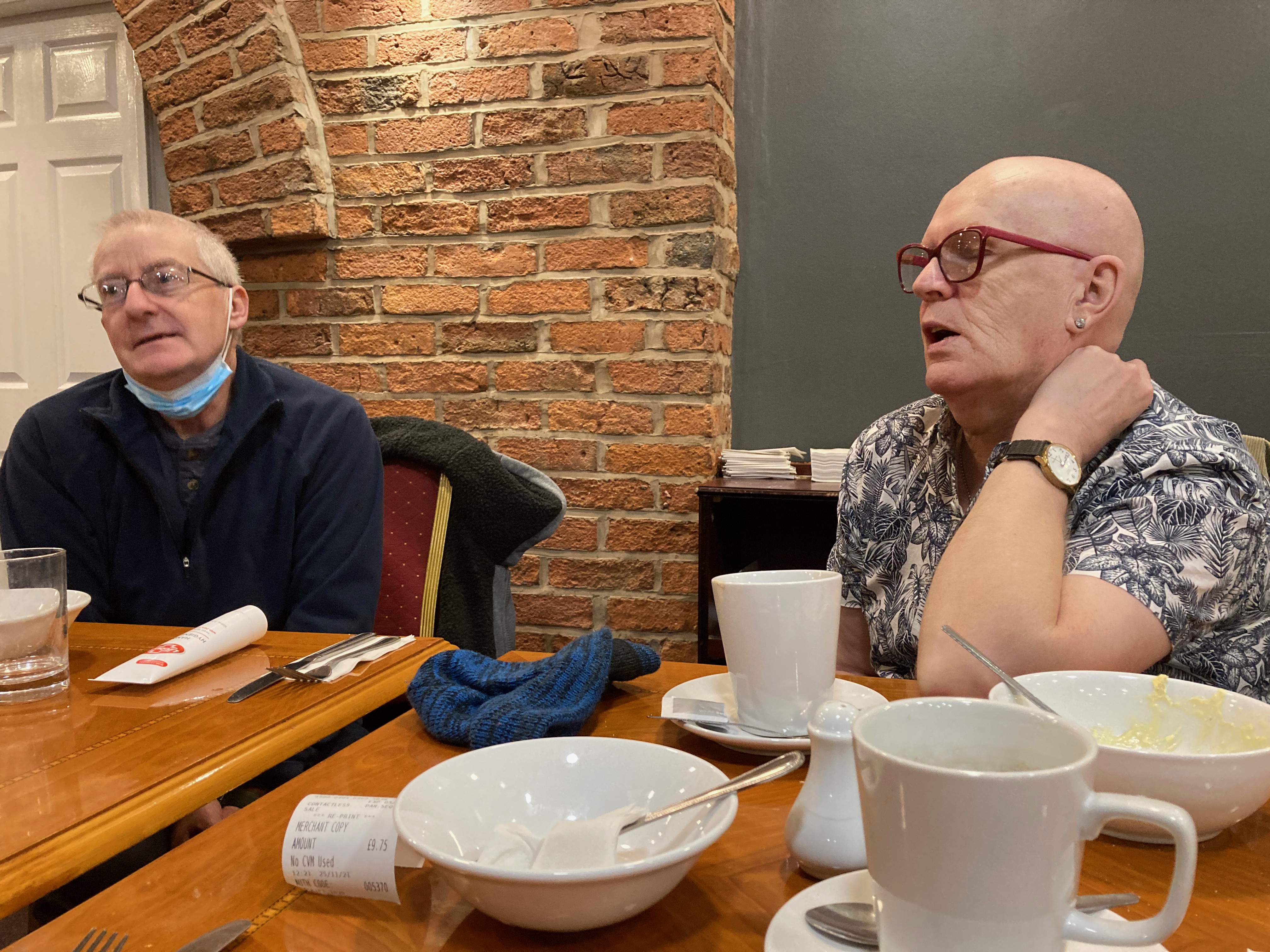
We met at Jenny’s Restaurant, part of The Britannia Hotel in the centre of Manchester. They have a three course self-service buffet style meal for £7.50. It’s excellent value and we all enjoyed it.
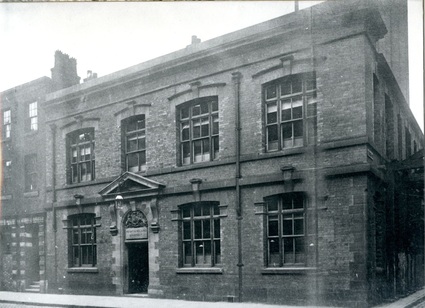
We then made our way to the Greater Manchester Police Museum, located on Newton Street in Manchester’s Northern Quarter. It is a short walk from the restaurant. This former police station was built in 1879, but closed in 1978.
Today it is the Greater Manchester Police Museum with archives detailing the history of policing in the area.
Our guide, Allan, brought history back to life at the Police Museum, with lots of information and interesting stories. Imagine stepping back in time to a Victorian Manchester, not the city of commerce and corporate splendour but a hidden city of gas lamps and narrow alleys, of slums and unruly alehouses. Now imagine a busy police station in the heart of that city from where police officers arrested criminals and upheld the law.
Upon its conversion to a museum in 1981 the interior was redesigned to reflect its past and now serves as a reminder of Victorian policing. The building was Grade II listed in 1994 as the Former Newton Street Police Station.
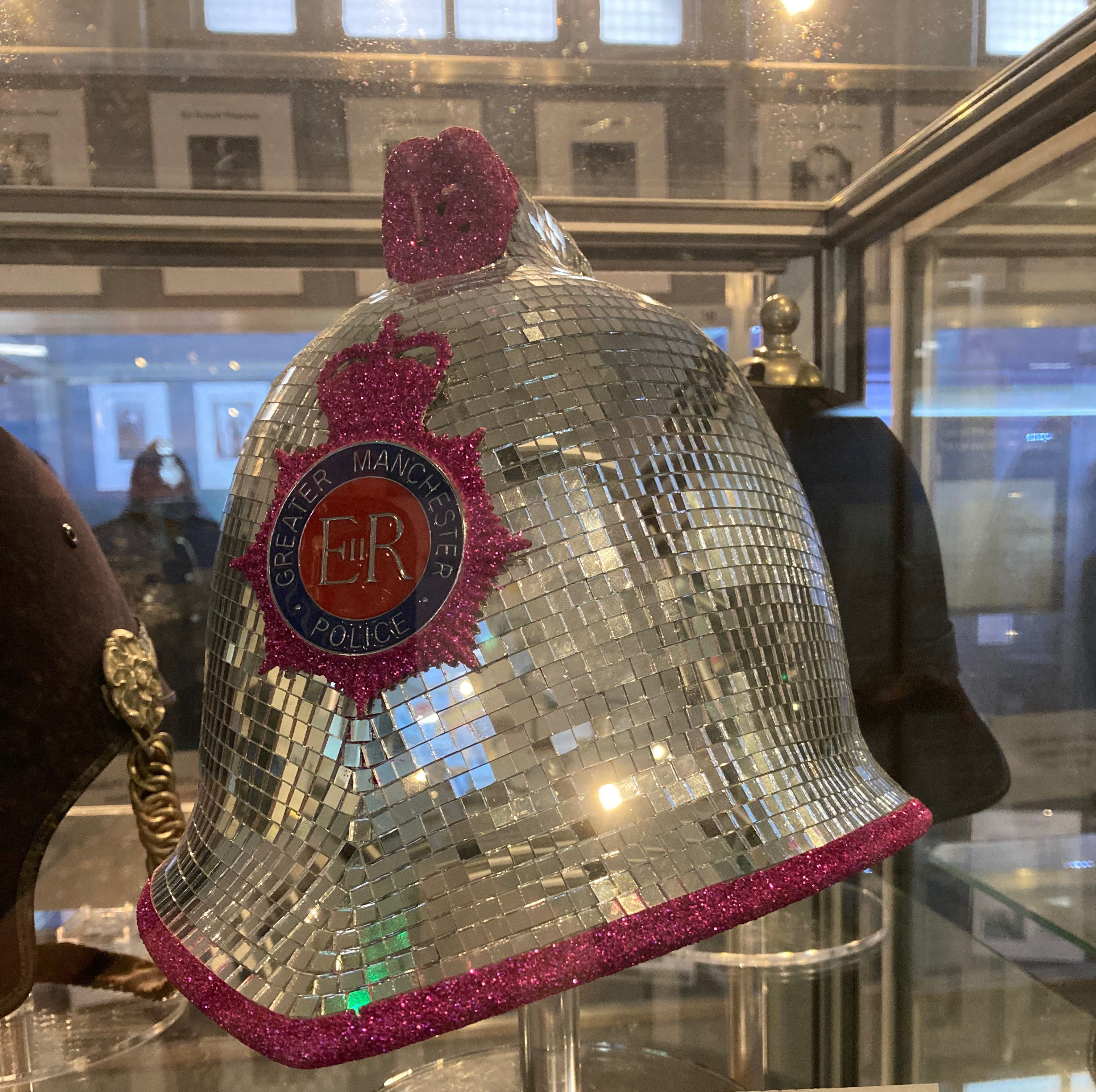
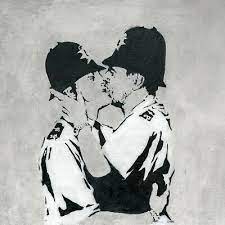
One of the exhibits is a helmet named “Bobby Dazzler”, one of two helmets worn by officers to recreate Banksy’s “Kissing Coppers” mural at Manchester Pride 2016. Each helmet is made of 5,000 reflective tiles
“Kissing Coppers” is a Banksy stencil that pictures two British policeman kissing. It was originally unveiled on the wall of The Prince Albert pub in Brighton in 2004 and gained significant attention due to Banksy’s notoriety as a provocative street artist and activist. “Kissing Coppers” has frequently been regarded as one of Banksy’s most notable works, so much so that it was selected as the most iconic British piece of art at The Other Art Fair in London.
We saw the charging room, cells and the court room. Altogether it was a very interesting visit.
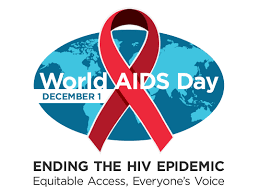
This year marks 40 years of the HIV response. Whilst medical treatment has developed so much that an HIV diagnosis no longer means a death sentence, there’s still work to do in raising awareness and understanding of HIV, fighting stigma and discrimination and inspiring people living with HIV to live healthy and confident lives.
This World AIDS Day, we are highlighting the urgent need to end the inequalities that drive AIDS and other pandemics around the world.
Without bold action against inequalities, the world risks missing the targets to end AIDS by 2030, as well as a prolonged COVID-19 pandemic and a spiralling social and economic crisis.
Forty years since the first AIDS cases were reported, HIV still threatens the world. Today, the world is off track from delivering on the shared commitment to end AIDS by 2030 not because of a lack of knowledge or tools to beat AIDS, but because of structural inequalities that obstruct proven solutions to HIV prevention and treatment.
Economic, social, cultural and legal inequalities must be ended as a matter of urgency if we are to end AIDS by 2030.
Although there is a perception that a time of crisis is not the right time to prioritise tackling the underlying social injustices, it is clear that without doing so the crisis cannot be overcome.
Tackling inequalities is a long-standing global promise, the urgency of which has only increased. In 2015, all countries pledged to reduce inequalities within and between countries as part of the Sustainable Development Goals.
As well as being central to ending AIDS, tackling inequalities will advance the human rights of key populations and people who are living with HIV, make societies better prepared to beat COVID-19 and other pandemics and support economic recovery and stability. Fulfilling the promise to tackle inequalities will save millions of lives and will benefit society as a whole.
But ending inequalities requires transformative change. Political, economic and social policies need to protect the rights of everyone and pay attention to the needs of disadvantaged and marginalised communities.
We know how to beat AIDS, we know what the inequalities obstructing progress are and we know how to tackle them. The policies to address inequalities can be implemented, but they require leaders to be bold.
Governments must now move from commitment to action. Governments must promote inclusive social and economic growth. They must eliminate discriminatory laws, policies and practices in order to ensure equal opportunity and reduce inequalities. It is time for governments to keep their promises. They must act now, and we must make them accountable.
Five Facts about HIV
1) HIV is an easily managed medical condition when diagnosed early.
2) People who don’t know that they’re HIV positive are more likely to pass it on during sex.
3) People living with HIV and taking effective treatment cannot pass HIV on to anyone else. U=U (Undetectable = Untransmittable).
4) HIV discrimination and stigma haven’t gone away.
5) Testing for HIV has never been easier.
Out Late
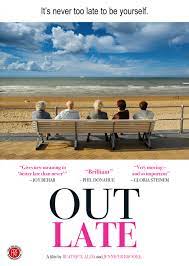
Out Late is a film by Beatrice Alda and Jennifer Brooke, made in 2008. Watch the trailer here:
Out Late is an inspirational and moving documentary about five individuals who made the courageous and life-altering decision to come out as lesbian, gay or transgender, after the age of 55.
Why did they wait until their 50’s, 60’s, or 70’s to come out? And what was the turning point that caused each of them to openly declare their sexuality? From Canada to Florida to Kansas, we explore what ultimately led these dynamic individuals to make the liberating choice to live openly and honestly amongst their family, friends and community, perhaps for the first time in their lives. Their stories are nothing less than extraordinary.
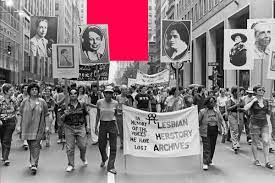
Since 2015, Matthew Riemer and Leighton Brown have run the Instagram account @lgbt_history, which offers spellbinding photos of our vast LGBT+ past, from protests and parties to riots and balls.
With thousands of unearthed LGBT+ historical artifacts, the massively popular Instagram account does the vital work of making our past accessible to all. Their slogan is: Our Past Becomes Inspiration for a Better Future.
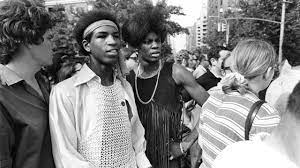
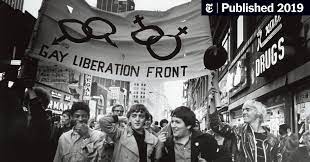
View of attendees in Washington Square Park at one of first mass rallies in support of gay rights, New York, New York, July 27, 1969. The event marked the one month anniversary of the Stonewall riots (28 June); the following year, the event was repeated as the first annual Gay Liberation Day . Fred W McDarrah / Getty Images
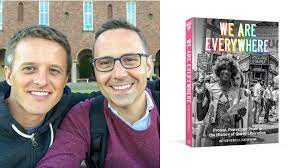
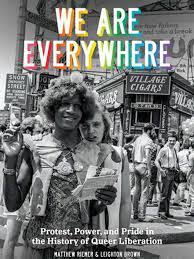
Leighton Brown and Matthew Riemer; their book “We Are Everywhere”
Scouring archives both online and off, Riemer and Brown have unearthed thousands of images that reveal the complex web of connections that tie the LGBT+ communities together, both in the present day and stretching back centuries.
Alongside each picture, they supply a brief caption to provide context that’s often more jaw-dropping than the photo itself. An image of an elderly man staring at the ground turns stunning when the caption reveals that it’s Frank Kameny, who coined the protest phrase “gay is good”, studying the names of friends stitched into the AIDS quilt. A twenty-something man sitting on a dock with friends becomes haunting when the caption reveals that it’s a young Alan Turing, whose engineering prowess helped win World War II.
Riemer and Brown, who are a couple, began the project after realising that they lacked a connection to their past during a ceremony honouring Frank Kameny. Now, they’ve produced a new book, “We Are Everywhere”, that gathers some of their most amazing finds.
Matthew Riemer was interviewed about his work alongside Brown, their mission, and their hopes for the future:
What’s your background with history, particularly queer history?
We were both history majors in undergrad, though neither of us had any interaction with queer history when we were undergrads. I had started to collect buttons in 2013 from queer history, mainly based on aesthetic.
I knew the name Frank Kameny, who’s best known for coining “Gay is Good,” and much much more. We went to the unveiling of Kameny’s headstone in 2015, and it was during that event where activists and historians spoke that Leighton and I both had a moment, an existential crisis where we realised we don’t know shit — anything — about our history.
Stonewall, Harvey Milk, AIDS, and marriage is what we knew, and we didn’t know anything about those things. Without really talking about it, we went off on our own directions. On the Uber ride home Leighton was looking at images, searching Frank Kameny, and seeing images of the homophiles in front of the White House 1965. I started to do more of the reading.
What was it like to find out how much history you’d missed?
It was really sad and scary and discombobulating. It’s something that I think more and more privileged people — and we are privileged — have come to understand, with the sociopolitical realities of the US, that we have been walking around taking history, belonging, and everything for granted. All of a sudden it became clear to us that we don’t have an anchor, and there’s much more to it than what we know.
As underrepresented people, we’re taught never to ask questions. We grow up assuming there isn’t anything. We show up at Pride and then we go home. We wanted to show the connections, that it’s a 24/7 job to be activists.
Where do you find the images that you use?
Everywhere. Leighton started with the ONE Archives, which has done an amazing job of digitising. So has the New York Public Library. I went to seven to ten archives, and I’d go through thousands of negatives and take photos with my iPhone. Very quickly it opens up and it never stops. You start to realise that among libraries and archives, there are a ton that have digitised, but that’s barely the tip of the iceberg.
One of the things that we’ve learned in this project is that history isn’t dead. We would learn these names, and there’d be a picture and there’s a list of names, and we’d go on Facebook and there those people are.
There’s internalised homophobia and modesty that makes those people think, “Who wants to see pictures of me and my friends in a park in 1975?” And the answer is, “We do.” We thought there was a finite number of images to use. But Leighton’s collected about 100,000 images, and we have the rights to maybe five percent.
How do different generations respond to your work?
The younger folks have a recognition of our infinite existence. Our work isn’t a history of queer people, it’s a history of queer activism. We want people to know that the anger and isolation and frustration and joy they feel has always been there. Hopefully that will have somewhat of a humbling effect, and we see that.
On the opposite end, with our elders, there’s a realisation that people know that it mattered. The elders always knew that it mattered, but now they’re getting the credit they know they deserve. In a community that has always prioritised whatever Hollywood star comes out over the front-liners, to be able to have a popular social media platform where at least for a second someone is seeing all these kids freak out about their outfit or their sign from a 1987 protest is gratifying.
So many kids will say, “these people were so badass,” and I’m like, “I tagged them! You can talk to them, you can tell them.”
We try to moderate a conversation in the comment section. Hopefully there’s conversation between generations, a mutual respect. For those willing to engage and listen and be part of this, it’s been incredible.
We take comments very seriously, and learning to listen and learning to understand the perspective of those who feel unincluded. It’s my obligation not to convince people who feel excluded that they’re welcome, but rather to ask, what did I do and what can I do to be more successful in telling history? That doesn’t mean changing history, that just means making sure that the language that I use is respectful of all.
Has this project changed how you see yourselves in relation to the LGBTQ+ community?
I don’t know how we saw ourselves before. I think looking back that I focused more on how I saw myself in the cis-het community than I thought about my relation to the LGBTQ+ community. Meaning, assimilation. I was a gay attorney at a big law firm, and I was on brochures and stuff. I represented diversity.
That was more about existing in space carved out for me both by the work of my elders in the queer community and a little bit of space by the dominant culture. With all my privilege, I wasn’t focused on what I can — and should — do for my community. That’s entirely changed. Today the question I ask myself is, “What are we doing for the community?” The job is not just to exist in the space that others created for us, but to create more space.
And if people try to shout us down, we have the privilege of shouting back.
Living Out Palm Springs to offer LGBT+ seniors a retirement community
One of the amenities to be offered at Living Out Palm Springs will be a dog park.
For decades, Palm Springs has been a popular retirement destination for well-to-do gay men. The city in the desert might become more attractive as it prepares to welcome Living Out Palm Springs, an upscale resort-style apartment community designed specifically to meet the unique needs of LGBT+ seniors.
A groundbreaking ceremony will take place at the 9-acre development during Palm Springs Pride.
The project was initially scheduled to break ground in early 2020 as a luxury condo retirement community, but then COVID-19 pandemic hit, and it was put on hold.
The developers eventually decided to pivot their business model from luxury condominiums to upscale apartments.
The Coachella Valley’s first and — so far — only LGBT+-centric retirement community, North Palm Springs’ Stonewall Gardens, opened in 2014. The facility’s 24 bungalow-style apartments include an option for 24-hour on-site care.
If residents require it, Living Out Palm Springs will recommend supportive in-home care companies with LGBT+ cultural competency.
LGBT+ seniors don’t have many options for welcoming and inclusive living environments for people 55 and over. LuAnn Boylan, who’s in charge of marketing and sales with Living Out Palm Springs, said: “We hear stories all the time about people who are discriminated against from the senior communities they live in, whether it’s from other residents or from the staff. Sometimes people have to hide photographs in their own homes, photographs of them with their partners, so people don’t know they’re in a same-sex relationship.”
According to SAGE (Services & Advocacy for LGBT Elders), when compared to older heterosexual adults, LGBT+ seniors face several challenges:
Twice as likely to live alone
Half as likely to have life partners or significant others
Half as likely to have close relatives to call for help
Are caregivers for older loved ones, but four times less likely to have children to help them.
Living Out Palm Springs has been created to fight loneliness and increase socialisation among residents. The project will feature numerous amenities:
Upscale restaurant and piano bar operating
Private screening room
Massage studio
Hair, pedicure, and manicure salon
Community lounge with coffee bar, prepared food options, yogurt bar, and workspace
Resort-style swimming pool
2 jacuzzi-spa areas
State-of-the-art fitness centre
Putting green
2 ball courts
Outdoor BBQ and entertainment areas
Pet park for large and small dogs adjacent to a full-service pet facility (retail, grooming, boarding, and daycare).
The 122 luxury apartments will range from 1,100 to 1,700 square feet, with every unit containing a large usable balcony or patio.
An official with the project said the rates have not yet been set, but will be comparable to some of the luxury heterosexual communities in the area. That means starting rents could be between $4,500 and $5,000 a month.
Project construction is scheduled to take 18 months with anticipated opening in early 2023.
Do you want an opportunity to create a Greater Manchester that’s better for LGBTQ+ people?
The deadline for applying to join the Greater Manchester LGBTQ+ Advisory Panel has been extended to Tuesday, 7 December2021.
The Panel is one of seven established by Greater Manchester Combined Authority (GMCA) to tackle inequality and injustice in the region. They aim to improve the lives of LGBTQ+ people across the city region by putting LGBTQ+ communities at the heart of decision-making in Greater Manchester.
Join the Panel
LGBT Foundation is currently looking for passionate individuals with links to local LGBTQ+ communities to join the Panel on a voluntary basis. In this role, you will have the opportunity to advocate for LGBTQ+ people across Greater Manchester and influence policy at the highest level. You will also have access to training and development opportunities to ensure you can make the most of the time that you volunteer.
If this sounds like you, visit their website to find out more and apply by Tuesday, 7 December!
They particularly encourage applications from trans and non-binary people; LGBTQ+ women, people of colour (PoC), and disabled people; and others with lived experience of multiple marginalisation to ensure that the Panel is representative of diverse LGBTQ+ communities across Greater Manchester.
We had a meal in the Seven Stars pub, part of the Printworks entertainment venue. The premises are named after one of Manchester’s long-lost inns, as the original Seven Stars stood close by and had a picturesque Tudor-style front. It claimed to have been licensed since 1350.
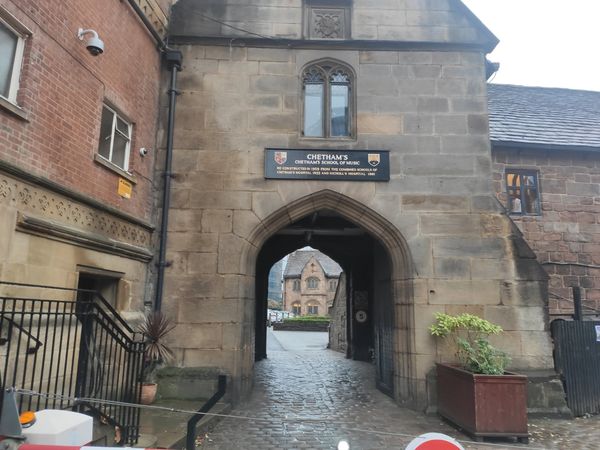
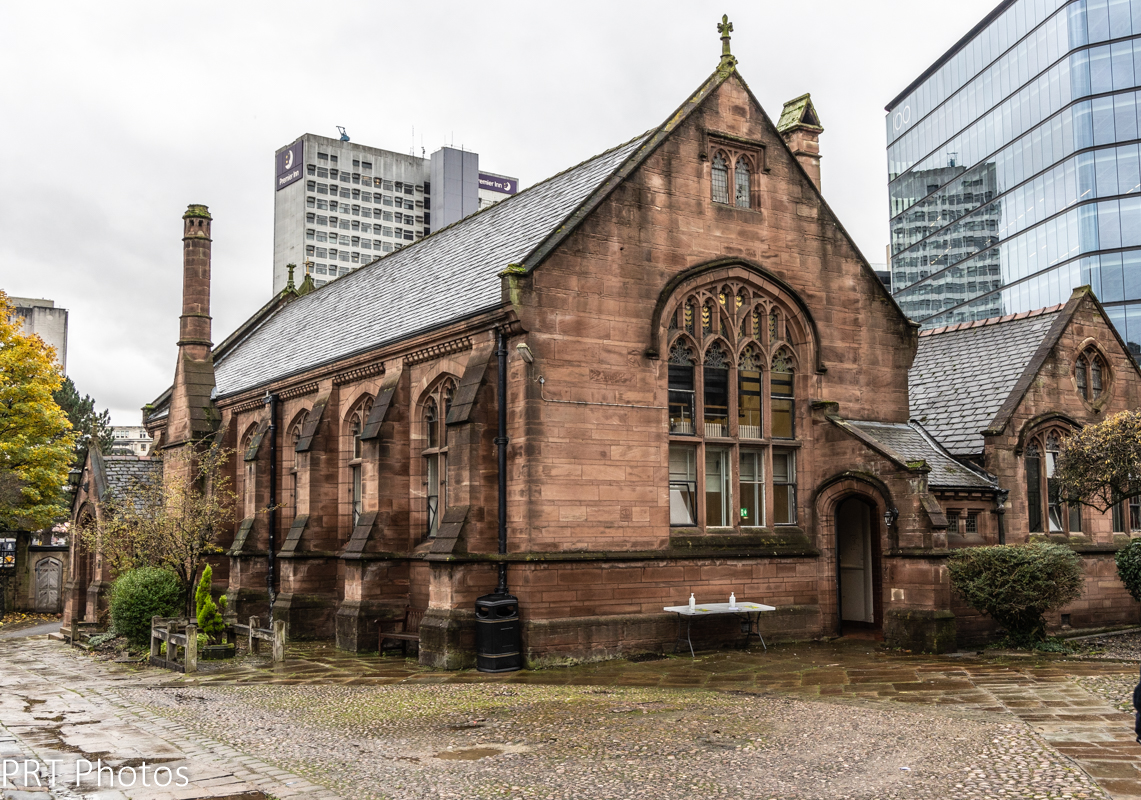
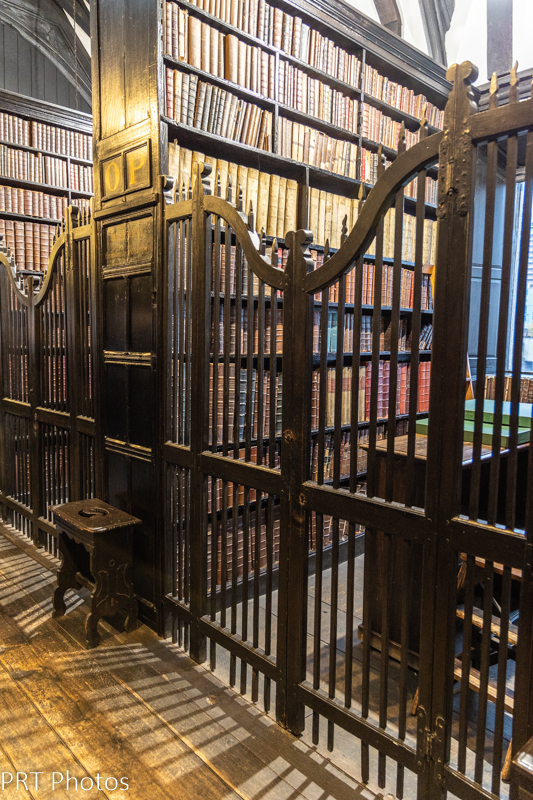
It was then just a few minute’s walk to Chetham’s Library, the oldest free public reference library in the English-speaking world, where we had arranged a guided tour with one of the librarians.
Chetham’s Hospital, which contains both the library and Chetham’s School of Music, was established in 1653 under the will of Humphrey Chetham (1580–1653), for the education of “the sons of honest, industrious and painful parents”,and a library for the use of scholars. The library has been in continuous use since 1653. It operates as an independent charity,open to readers free of charge, by prior appointment.
Chetham’s is also famous as the meeting place of Karl Marx and Friedrich Engels when Marx visited Manchester in the summer of 1845. Facsimiles of the economics books they studied can be seen on a table in the window alcove where they would meet. The research they undertook during this series of visits to the library led ultimately to their work, The Communist Manifesto.
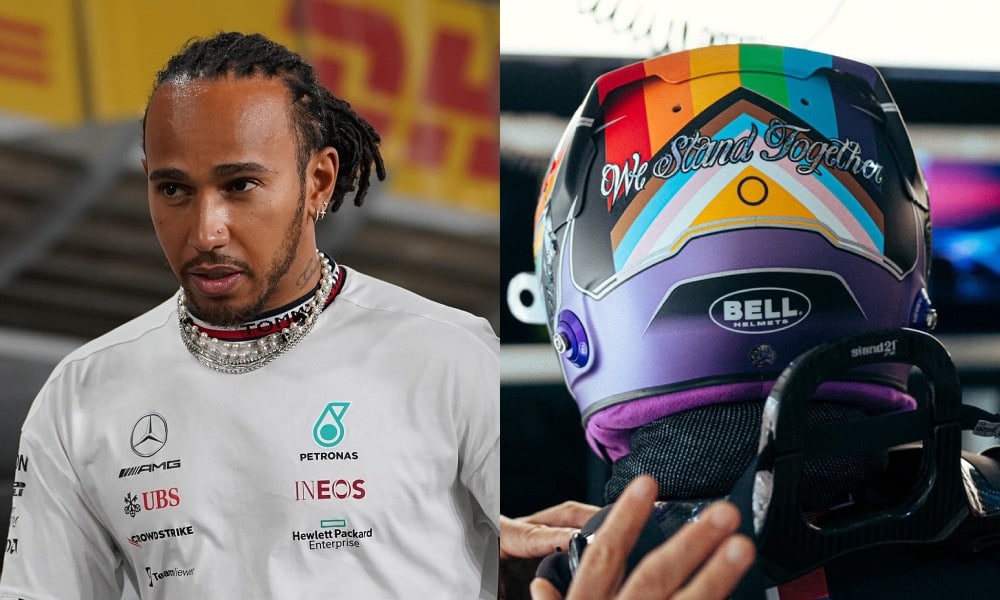
Formula One champ Lewis Hamilton wore the Pride flag on his helmet for last weekend’s Qatar Grand Prix
The racer is making a show of LGBT+ solidarity at the race, with his crash helmet – which will be beamed from the in-car camera – also emblazoned with the message “We Stand Together”.
Qatar hosted its first Grand Prix on Sunday, 21 November as part of a new 10-year deal.
When it was first announced, in September 2021, Amnesty International was among those to criticise the decision. It noted Qatar’s “extremely troubling” human rights record, and said that “drivers and their teams should be prepared to speak out about human rights in Qatar.”
Speaking ahead of the race, Lewis Hamilton said: “We’re aware there are issues in these places that we’re going to. But of course Qatar seems to be deemed as one of the worst in this part of the world. I do think as the sports go to these places, they are then duty bound to raise awareness for these issues. These places need scrutiny from the media to speak about these things. Equal rights is a serious issue.”
It is illegal to be homosexual in Qatar, with a punishment of up to seven years in prison or flogging.
Your Words are Powerful
Amnesty International organise an annual “Write for Rights” campaign and hundreds of thousands of supporters take part showing solidarity with people and organisations enduring human rights abuses.
It might only take a few minutes to write a letter or card, but for an LGBT+ organisation suffering homophobic attacks, this simple gesture has a powerful impact. Your letters, words and actions also put pressure on the authorities to bring perpetrators of human rights abuses to justice.
LGBT and Women’s Rights under attack
Sphere has championed LGBT and women’s rights since 2006, and is one of the oldest organisations of its kind in Ukraine. Founded by activists Anna Sharyhina and Vira Chernygina, it provides a safe space for women and LGBT people in the city of Kharkiv. In recent years the organisation has suffered frequent homophobic attacks.
The authorities are not addressing the growing rate of hate crimes. Anti-LGBT groups have set upon Sphere’s supporters and premises, urinating on walls, daubing faeces on doorknobs, breaking windows and chanting homophobic slogans. Anna and Vira report them to the police, but no one is held accountable.
In 2019, Sphere organised Kharkiv’s first Pride. Despite threats and intimidation, it was a huge success, attended by up to 3,000 people. But the police failed to protect marchers from violence, and instead joined in by hurling homophobic abuse. Anna and Vira say police inaction has left Sphere and its supporters in a permanent state of fear.
What You Can Do
Send a message of support and solidarity to
Sphere
PO Box 10399
Kharkiv, 61005,
Ukraine.
Send an appeal letter to
The Minister of Interior
Ministry of Interior Affairs
Vul. Akademika Bohomoltsa, 10
01601, Kyiv
Ukraine
Address your letter to Dear Minister and ask him to take all necessary steps to ensure the perpetrators of the attacks against Sphere are identified and held to account in fair trials and to ensure the discriminatory motive of the attacks is taken into account during the investigations.
Campaigning can work
Last year more than 445,000 letters and cards were sent to support students Melike Balkan and Ozgür Gür from Turkey defending their right to celebrate Pride on their university campus. They faced nearly three years in prison but were acquitted on 8 October 2021 and their ordeal is finally over.






 Out in the City