Holocaust Memorial Day … Queer Britain … Dame Gracy Memorial Project

News

International Day of Commemoration in Memory of the Victims of the Holocaust

Holocaust Memorial Day is an annual observance to commemorate the victims of the Holocaust, the genocide of six million European Jews by Nazi Germany, alongside the millions of other people killed under Nazi persecution and in subsequent genocides in Cambodia, Rwanda, Bosnia and Darfur. In the UK it is observed on 27 January, the anniversary of the liberation of Auschwitz concentration camp in 1945.

Pink triangle

A pink triangle has been a symbol for various LGBTQ identities, initially intended as a badge of shame, but later reclaimed as a positive symbol of self-identity. In Nazi Germany in the 1930s and 1940s, it began as one of the Nazi concentration camp badges, distinguishing those imprisoned.

In Nazi concentration camps, each prisoner was required to wear a downward-pointing, equilateral triangular cloth badge on their chest, the colour of which identified the reason for their imprisonment. Early on, homosexual male prisoners were variously identified with a green triangle (indicating criminals) or red triangle (political prisoners), the number 175 (referring to Paragraph 175, the section of the German penal code criminalising homosexual activity), or the letter A (which stood for Arschficker, literally “arse fucker”).

Later, the use of a pink triangle was established for prisoners identified as homosexual men, which also included bisexual men and transgender women. Lesbian and bisexual women and trans men were not systematically imprisoned; some were, but were classified as “asocial”, wearing a black triangle. Prisoners wearing a pink triangle were harshly treated by other prisoners.
Willem Arondeus

Willem Arondeus was born on 22 August 1894 in Naarden in the Netherlands.

One of six children, Willem grew up in Amsterdam where his parents were theatre costume designers. When Willem was 17, he fought with his parents about his homosexuality. He left home and severed contact with his family. He began writing and painting, and in the 1920s was commissioned to do a mural for the Rotterdam town hall. In 1932 he moved to the countryside near Apeldoorn.

When he was 38, Willem met Jan Tijssen, the son of a greengrocer, and they lived together for the next seven years. Although he was a struggling painter, Willem refused to go on welfare. In 1938 Willem began writing a biography of Dutch painter Matthijs Maris, and after the book was published, Willem’s financial situation improved.

The Germans invaded the Netherlands in May 1940. Soon after the occupation, Willem joined the resistance. His unit’s main task was to falsify identity papers for Dutch Jews. On 27 March 1943, Willem’s unit attacked the Amsterdam registry building and set it on fire in an attempt to destroy records against which false identity papers could be checked. Thousands of files were destroyed. Five days later the unit was betrayed and arrested. That July, Willem and eleven others were executed.

Before his execution, Willem asked a friend to testify after the war that “homosexuals are not cowards.” Only in the 1980s did the Dutch government posthumously award Willem a medal.

Frieda Belinfante

Dutch cellist, conductor, and anti-Nazi resistance fighter, Frieda Belinfante was born into a musical family. She began studying the cello at the age of 10. She debuted professionally at age 17, and worked as a director of various ensembles.

In 1931 she was briefly married, although she explained to her husband that she was a lesbian. She had relationships with women throughout her life, keeping them private, but caring little about public opinion.
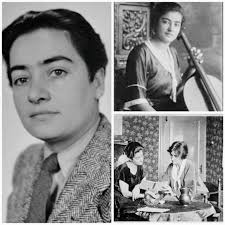
In 1937, she was invited to manage the Concertgebouw in Amsterdam, making her the first woman in Europe to conduct a professional orchestra. She continued to enjoy success in her career, appearing regularly on Dutch radio and conducting around Europe, but her work was cut short when Nazi Germany invaded the Netherlands.

Along with her friend, gay artist Willem Arondeus, she joined the resistance movement early on, creating forged documents for Dutch Jews. Belinfante, herself, was half Jewish. In 1943, to prevent the Nazis from checking forged documents against public records, she aided her friends in the bombing of the registration office in Amsterdam. The plan successfully destroyed 800,000 identity cards of Jews and non-Jews alike. Sadly, members of the resistance group, including Arondeus, were arrested and executed shortly afterwards.

For the next three months, Belinfante disguised herself as a man to evade discovery. She eventually escaped to Switzerland by crossing the Alps on foot, only returning to the Netherlands after the war.

In 1947, she came to the United States, where she resumed her musical career in California, forming and conducting the Orange County Philharmonic Society to great acclaim. But preferences for a male conductor and rumours about her lesbianism contributed to her dismissal from the orchestra in 1962.

Fifteen years later, Orange County would acknowledge her contributions by declaring a ‘Frieda Belinfante Day.’

Queer Britain

Queer Britain has secured its first physical home in Granary Square, King’s Cross, London, occupying part of a historic building owned by the charity, Art Fund.

Queer Britain moves in from 24 January 2022 and is working to throw open the doors to the public free of charge in the Spring and will announce further plans shortly.
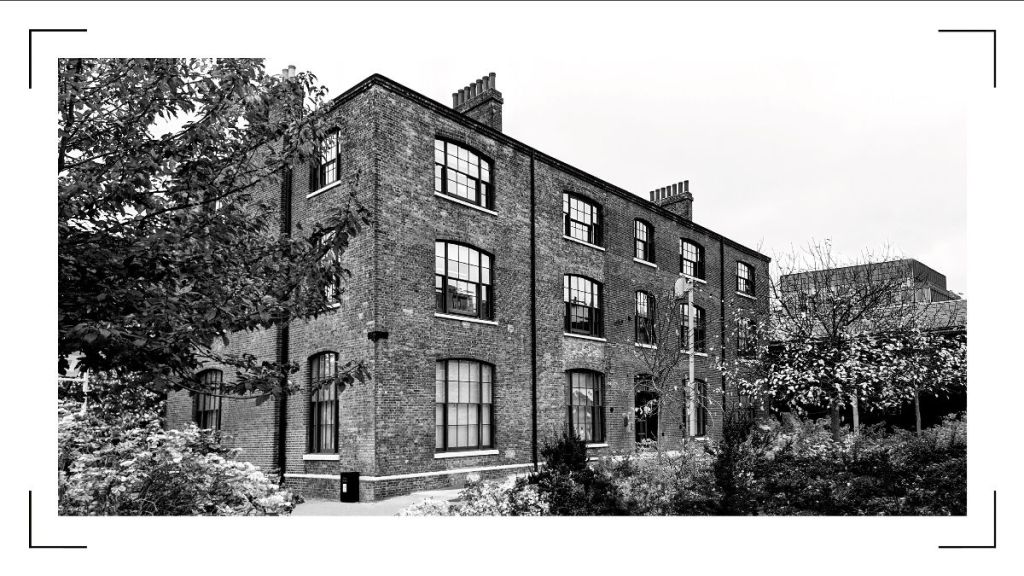
The museum will be fully accessible via lifts and ramps and will always be free to visit but welcomes donations to support its work. When open, it will have four gallery spaces, a gift shop and office facilities, later to be followed by education and workshop spaces.

Joseph Galliano (he/him), director and co-founder, Queer Britain, said, “It’s time the UK had an LGBTQ+ museum, for all. And we are delighted to have found our first home in beautiful Granary Square with Art Fund as our first landlord. It’s a prime location, accessible to swathes of the country, and in a part of town with a rich Queer heritage.”

Lisa Power (she/her), Queer Britain trustee, said, “I’m really excited that Queer Britain is finally going to have a space to show what we can do and that we’re here for all the community, from old lesbian feminist warhorses like me to young queer folk of all genders and ethnicities. Queer Britain aims to tell our many and diverse histories, and now we have a home to do that from.”

Anjum Mouj (she/her), Queer Britain trustee, said, “The UK is finally getting the LGBTQ+ museum it deserves, to reflect and celebrate all our exciting and wildly diverse communities, whatever their sexualities, gender identities, backgrounds, ability or heritage. Community lives in unity.”

Jenny Waldman (she/her), director, Art Fund, said, “We’re delighted to welcome Queer Britain as our new tenants. Their exciting proposal for the first UK museum dedicated to exploring LGBTQ+ histories, people and ideas was warmly supported by our trustees, and we’re thrilled that our beautiful building in Granary Square will be home for the first phase of the Queer Britain museum. It promises to be an essential destination.”

Dame Gracy

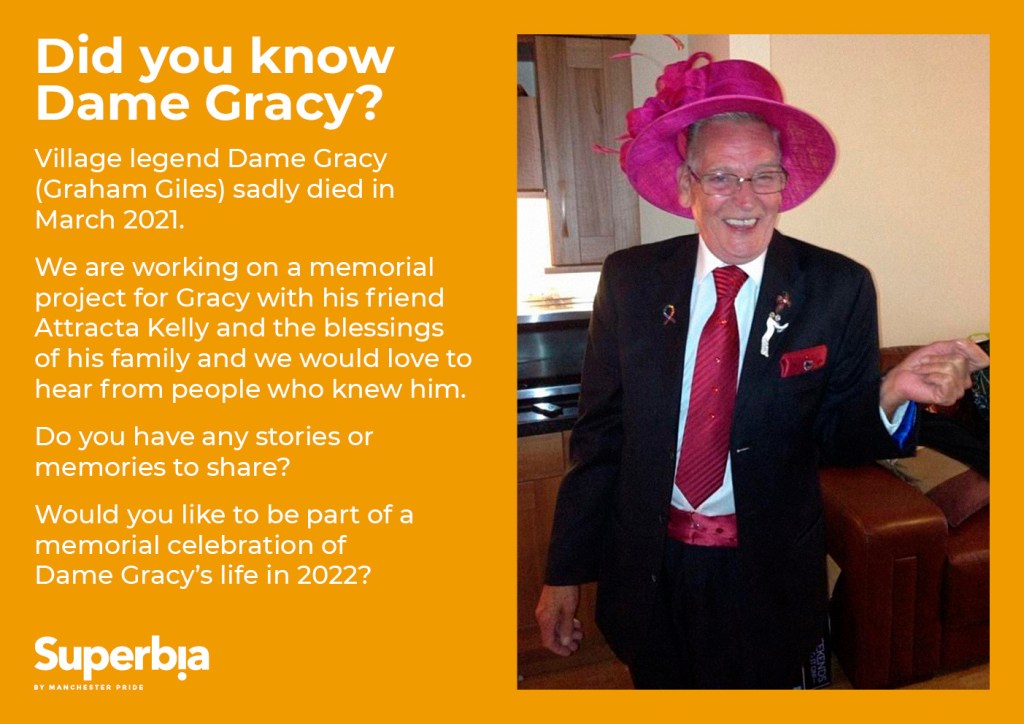
Village legend, Dame Gracy (Graham Giles), sadly died in March 2021.

We are working on a memorial project for Gracy with his friend, Attracta Kelly, and the blessings of his family and would love to hear from people who knew him.

Do you have any stories or memories to share? Would you like to be a part of a memorial celebration of Dame Gracy’s life in March 2022? If so, please get in touch with greg@manchesterpride.com
John Rylands Library … Pictures that changed the course of LGBT history

News

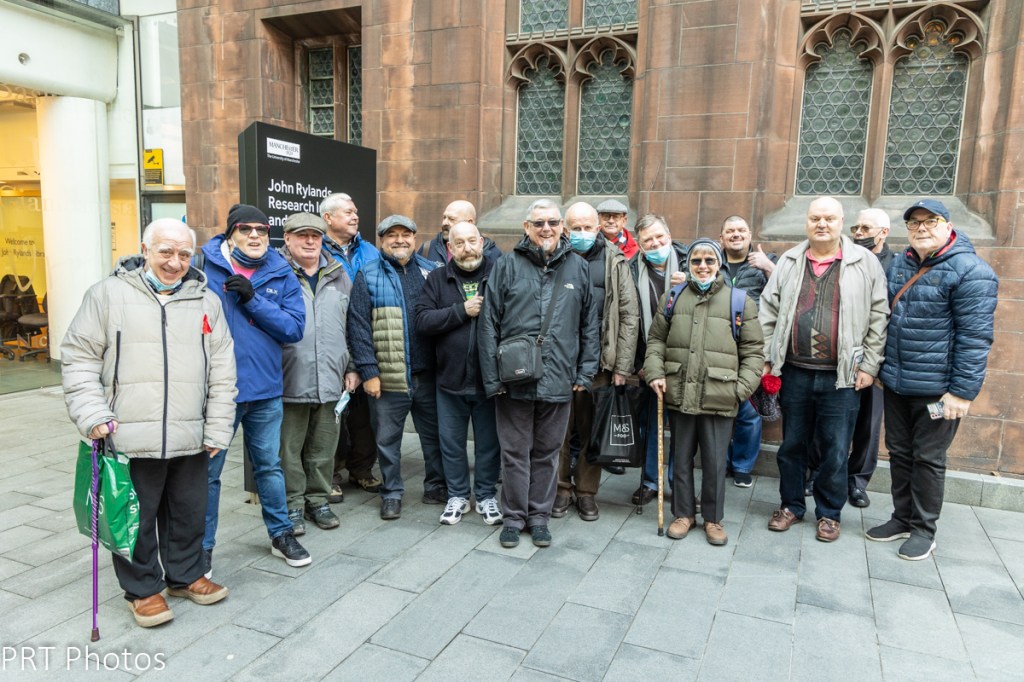
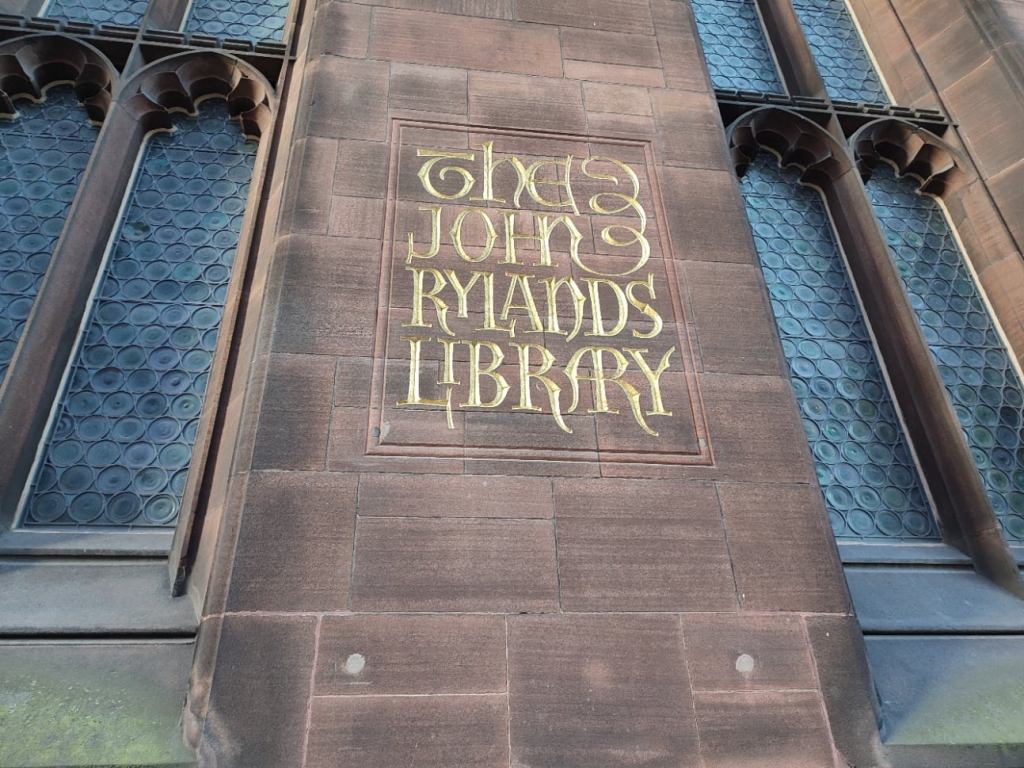
The John Rylands Library

The John Rylands Library was founded by Enriqueta Rylands in memory of her husband John Rylands, who died in 1888.

The building and collections

The following year Enriqueta commissioned the architect Basil Champneys to design the Library, which took ten years to build and opened to readers and visitors on 1 January 1900. Enriqueta was closely involved in the design and construction of the building, and in the simultaneous development of the collections.

In particular, she was personally responsible for purchasing the two foundational collections: the incomparable collection of printed books assembled by the 2nd earl Spencer (which she bought for £210,000 in 1892) and the earl of Crawford’s collection of manuscripts (costing £155,000 in 1901).

The John Rylands Library is one of the finest examples of neo-Gothic architecture in Europe and is indisputably one of the great libraries of the world.

The library became part of The University of Manchester in 1972. It now houses the majority of Special Collections of The University of Manchester Library, the third largest academic library in the United Kingdom. We enjoyed our visit to this beautiful building – more photos can be seen here.

Pictures That Changed The Course Of LGBT History

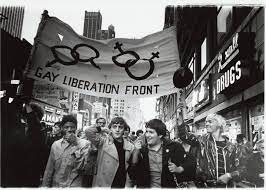
Photo by Diana Davies: Gay Liberation Front marches on Times Square, New York, 1970.

In the 1960s and ’70s, amid a climate of political upheaval and civil rights activism, LGBT communities across the US were uniting for visibility and change. Events like the 1969 Stonewall riots, which saw LGBT activists rise up against discrimination in New York City, helped to galvanise this movement by bringing together a generation of LGBT young people under a banner of pride. And the work of photojournalists such as Kay Tobin Lahusen and Diana Davies brought this movement to the masses through their groundbreaking photography.

An exhibition at the New York Public Library titled Love & Resistance: Stonewall 50 brought together the work of these two influential photographers, as well as periodicals, flyers, and first-person narratives from this pivotal moment in LGBT history.
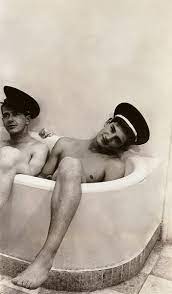
Photo by Kay Tobin Lahusen: Men reading Gay magazine, 1971.
Left: Photo by Diana Davies: Stonewall Inn, 1969. Right: “All Women’s Dance” New York, Gay Liberation Front, 1970.

Who were Kay Tobin Lahusen and Diana Davies?

Kay was one of the first LGBT photojournalists in the United States documenting LGBT political communities. She started her career photographing for a magazine called the Ladder in the early 1960s, which was the main magazine for lesbians in the US at that time. Before Kay, the magazine depicted people mostly through cartoons; if they were photographed, it was in silhouette or from behind to protect the identity of the people in the pictures.
She broke with this by placing out lesbians on the cover. A lot of these pictures are some of the first positive images of lesbians in American culture. There simply weren’t images of lesbians being depicted as smiling, happy, well-adjusted people before Kay made them. By the 1970s, she was documenting essentially all of the major activity and demonstrations that were happening.

Photo by Dance at Gay Activists Alliance Firehouse, 1971
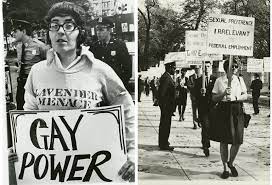
Left: Photo by Diana Davies: “Ida,” member of the Gay Liberation Front and Lavender Menace, 1970. Right: Photo by Kay Tobin Lahusen, Ernestine Eckstein, and Barbara Gittings: Third White House picket, 1965.

Diana was another photographer who honed her craft in the 1960s, documenting the antiwar movements, the civil rights movements, as well as the jazz and blues music scenes. Then in ’69 she became part of this organisation called the Gay Liberation Front and began documenting gay, lesbian, and transgender activists in New York City and around the country.

How was photography used as a tool for LGBT activism?

The exhibition had this section on “love” which is most telling in this regard. There are images that are always shot from behind or in silhouette — so you’re depicting the person but also protecting their identity at the same time. This was due to the fact that homosexuality was illegal in the United States during this era. In New York, you could serve three months in prison and in some states you could be sentenced to life in prison. You could be institutionalised, subjected to electric shock treatment, you could lose your job — so very few people are willing to be publicly depicted in this way.

Left: Photo by Kay Tobin Lahusen: Men kissing under a tree, 1977. Right: Photo by Diana Davies: Women embracing at Michigan Womyn’s Music Festival, 1976.

Post-Stonewall you have a real emergence as part of gay liberation of trying to document these people’s lives. These photographers were a part of a movement of gay visibility with the objective of taking back public space. Part of the oppression faced by gay and transgender people in the ‘60s was being denied access to public space. A bar could be shut down if they had gay patrons, you could be arrested for cross-dressing during the time. So part of creating these images was to depict these individuals as full human beings.

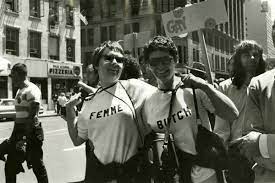
Photo by Kay Tobin Lahusen: Nancy Tucker and her partner in butch-femme T-shirts, 1970.
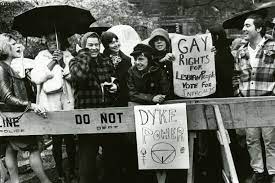
Photo by Diana Davies: Demonstration at City Hall, New York (from left: Sylvia Rivera, Marsha P. Johnson, Jane Vercaine, Barbara Deming, Kady Vandeurs, Carol Grosberg, and others), 1973.
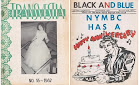
Left: Transvestia no. 16, Los Angeles: Chevalier Publications, 1962. Right: Black and Blue vol. 1, no. 5, New York Motor Bike Club, September 1967.
Photo by Kay Tobin Lahusen: Germantown couple on porch, 1977.
Photo by Diana Davies: Martha Shelley sells Gay Liberation Front paper during Weinstein Hall demonstration, 1970.

Wolf in concert … First Global LGBT+ conference … Name the new LGBT Foundation building

News

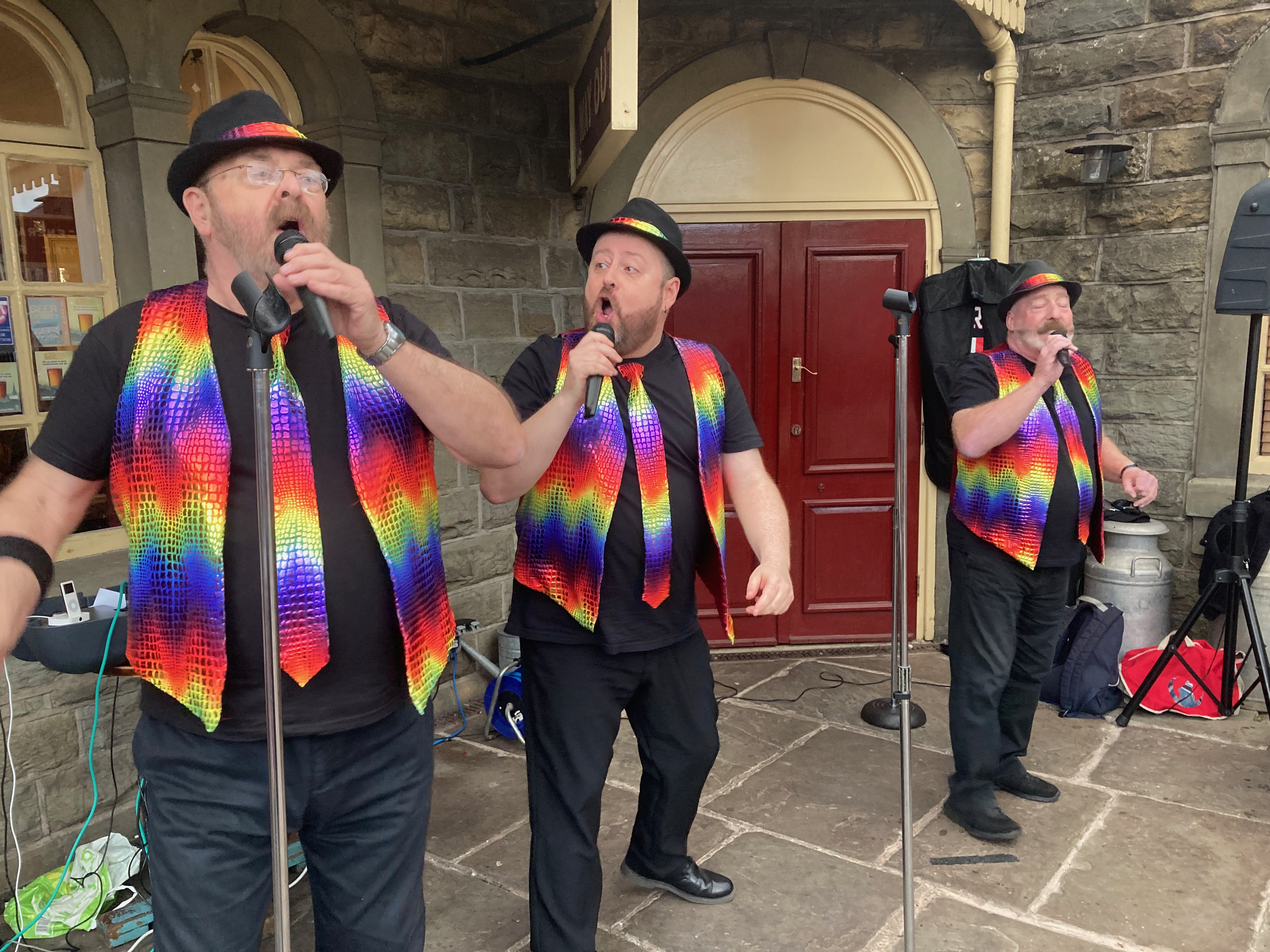
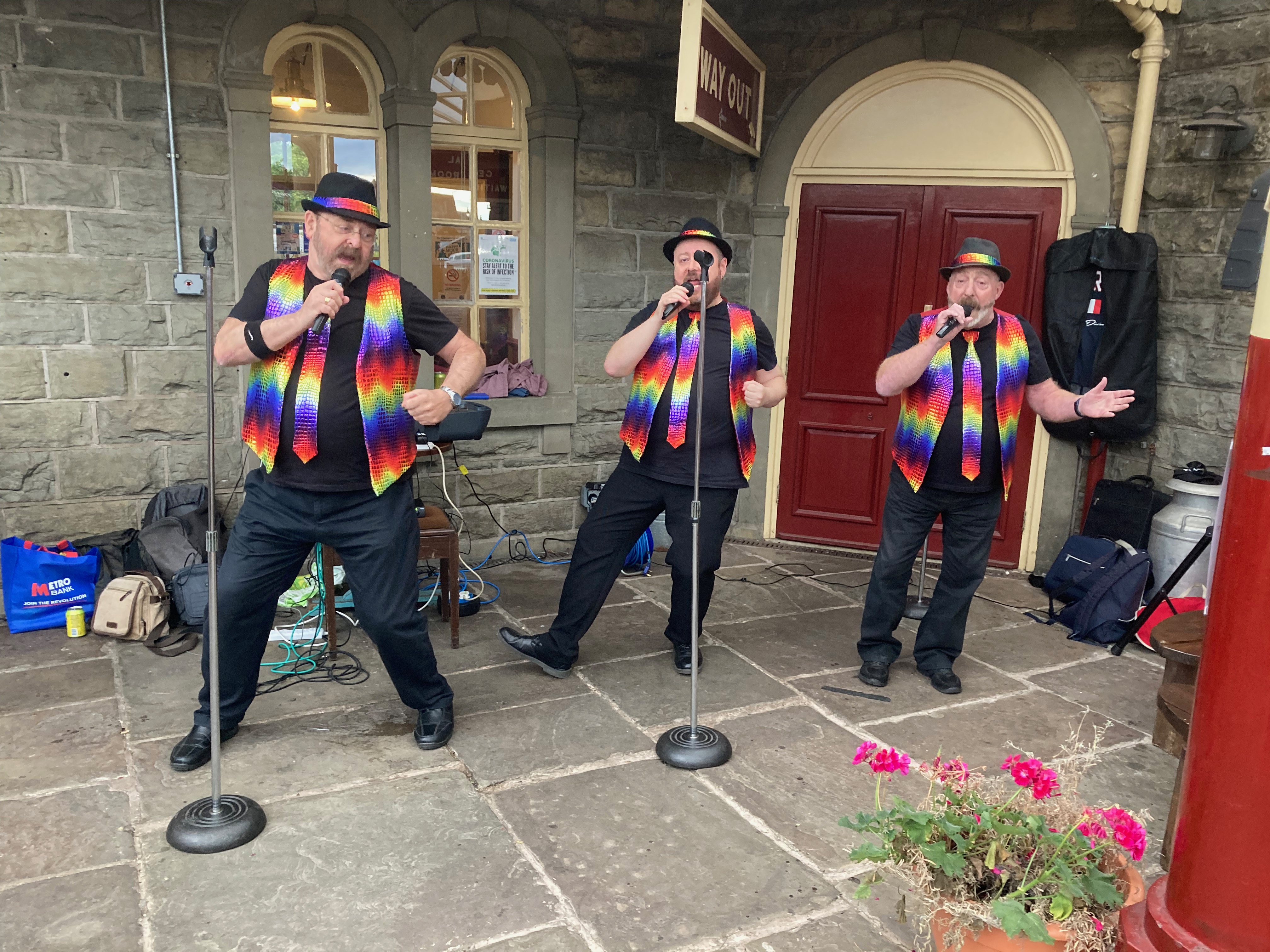
Wolf in concert

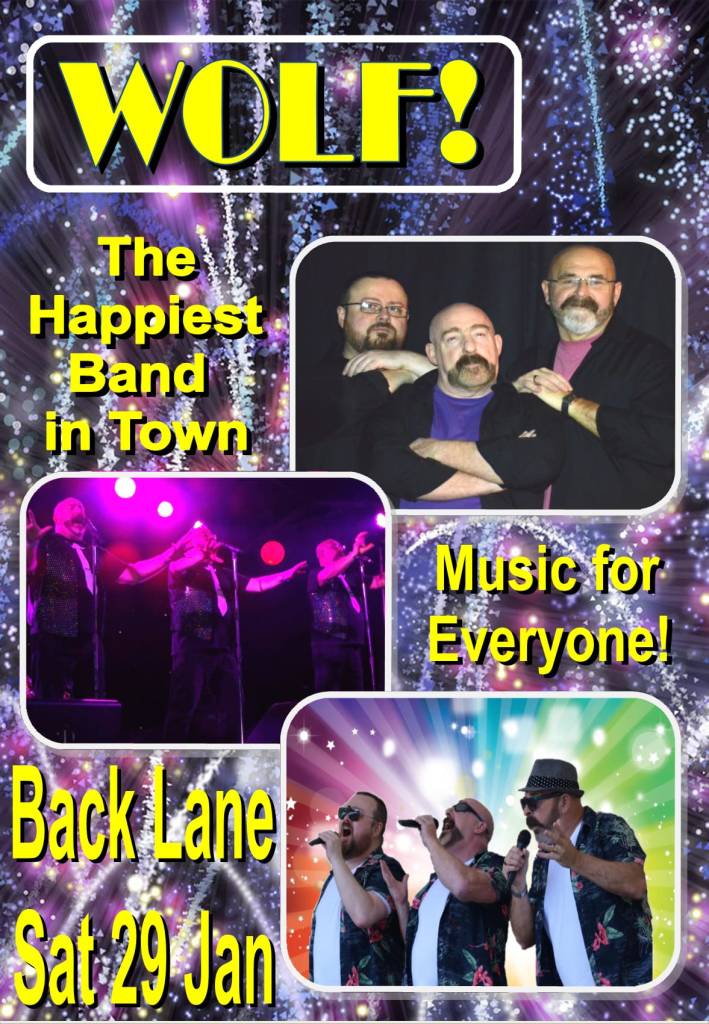
Wolf are performing at Back Lane Club, 2 Wilson Street, Hyde, Tameside SK14 1PP on Saturday, 29 January. On stage at 8.30pm. Don’t miss this great group performing.

UK to host its first global LGBT conference

The UK will host its first ever global LGBT conference to tackle inequality around the world and urge countries to take action.

Countries across the world will be invited to London to attend the UK’s first global LGBT conference in June 2022.

Safe To Be Me’ will be the largest event of its kind and will focus on making progress on legislative reform, tackling violence and discrimination, and ensuring equal access to public services for LGBT people.

Conference Chair Nick Herbert (Lord Herbert of South Downs) has also been appointed by the PM as the UK’s Special Envoy on LGBT rights to promote the conference and champion LGBT equality at home and abroad.

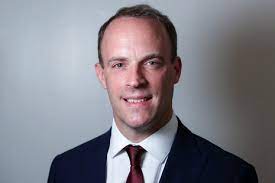
Minister for Women and Equalities, Liz Truss, alongside Foreign Secretary Dominic Raab announced the global event, which will bring together elected officials, policy makers, and the international LGBT community including activists, experts, and civil society to protect and promote the rights of LGBT people around the world.

Safe To be Me: A Global Equality Conference’ will take place 27-29 June 2022, coinciding with the 50th anniversary of the first official London Pride marches. The conference will take place in person and virtually, ensuring all can take part.

Minister for Women and Equalities, Liz Truss, said:

“I want everyone to be able to live their life free from prejudice, malice, or violence, regardless of their background or who they choose to love.

People should be judged on the basis of their individual character and talents alone, and we want to ensure that this message is heard around the world.

This conference will take aim at the prejudices LGBT people still face, and look at the collective action we can take to tackle those injustices alongside our international friends and partners.”

Foreign Secretary, Dominic Raab, said:

“The right to live life without fear and persecution are the bedrock of inclusive and open societies and the UK, as a force for good, will protect and promote these values at home and around the world.

As co-chair of the Equal Rights Coalition, we are already working with 41 countries to defend the rights of LGBT people. We are urging every country to make sure LGBT people can live free from the discrimination and violence that persists today.”

The Prime Minister announced that Conference Chair Lord Herbert of South Downs will also take on the role of the United Kingdom’s Special Envoy on LGBT Rights. He will promote the conference internationally and lead efforts to champion LGBT equality at home and abroad. He will also be working with the Minister for Women and Equalities to coordinate a year of domestic action on LGBT issues, in the run up to the global conference.

Lord Herbert of South Downs, said:

“With our immense soft power, and as a global force for good, the UK has an important role to play in leading international efforts to tackle the violence and discrimination against LGBT people which should have no place in the modern world.

I am committed to the cause of advancing LGBT+ rights worldwide and I look forward to continuing that in my role as the Prime Minister’s Special Envoy and as the Chair of the Global LGBT Conference. At a time when Covid has pulled many of us apart, the conference offers a real chance to bring people together and drive change for good.”

On 11 October 2021, Nick Herbert, the Prime Minister’s Special Envoy on LGBT+ Rights, hosted key conference partners to discuss the ‘Safe to Be Me’ Global LGBT Conference.

Across the world, 69 countries still criminalise consensual same-sex acts. The UK is considered a leader on LGBT equality, having legalised same-sex marriage and introduced one of the world’s most comprehensive legislative frameworks for protecting LGBT people from discrimination.

Evidence suggests that the COVID-19 pandemic has exacerbated the existing inequality LGBT people experience globally, with violence and discrimination a daily reality for some. The UK Government, with our international partners, believes this is the time to take collective, global action.

As co-chairs of the Equal Rights Coalition (ERC), the UK and Argentina will launch the ERC’s first Strategy and Five-Year Implementation Plan at a virtual meeting in July 2021. This comprehensive strategy will increase international action to defend the rights of LGBT people around the world.

In the lead up to the Conference there will be a series of virtual events, bringing together the UK’s key international partners with the first held on 18 May 2021 to mark International Day Against Homophobia, Biphobia and Transphobia (IDAHOBIT).

Further information:

  • Details of speakers and delegates for the conference will be announced in due course.
  • The Conference will be delivered with the UK’s co-chair of the Equal Rights Coalition, Argentina and Cyprus, co-host of the Council of Europe’s LGBTI Focal Points Network IDAHOT+ Forum.
  • The Equal Rights Coalition is an intergovernmental coalition of 42 countries that are committed to protecting and promoting LGBT rights globally. It was launched in August 2016, under the leadership of Uruguay and the Netherlands at the Global LGBTI Human Rights Conference in Montevideo. The United Kingdom took over as co-chair of the ERC on 14 June 2019, in partnership with Argentina.
  • The Council of Europe’s LGBTI Focal Points Network (EFPN) is a network of 37 Council of Europe member states. It was founded in 2005 and the UK has been an active participant since inception. The EFPN meets twice a year: to celebrate the International Day Against Homophobia, Biphobia and Transphobia (IDAHOBIT) on 17 May and again in the Autumn for a policy roundtable. The UK are the current hosts for the IDAHOT+ Forum until 2022 alongside Cyprus.

……………………………………………..

On 11 October 2021, Nick Herbert, the Prime Minister’s Special Envoy on LGBT+ Rights, hosted key conference partners to discuss the ‘Safe to Be Me’ Global LGBT Conference.

The Conference will focus on LGBT issues in three key areas: supporting decriminalisation and legislative reform to advance equality and legal protections for LGBT people, tackling violence and discrimination, and improving access to public services.

Across the world, nearly 70 countries still criminalise consensual same-sex acts. As current Co-Chair (with Argentina) of the Equal Rights Coalition and current Co-Chair (with Cyprus) of the European Focal Points Network the UK has a unique opportunity to mobilise efforts to protect LGBT people worldwide.

Prime Minister’s Special Envoy on LGBT+ Rights, Nick Herbert, said: “I am excited by the potential of the Safe to Be Me Conference which will bring together governments, civil society organisations, businesses and parliamentarians to agree how we can work together to drive forward LGBT rights, especially in the countries where the need is greatest.

This will be a major international event which will also coincide with the 50th anniversary of London Pride. I believe we are stronger when we stand together, and that the UK has a powerful opportunity to act as a global force for good and help to improve the lives of LGBT people worldwide.”

The meeting was also attended by representatives from the Equal Rights Coalition and a number of key stakeholder groups.

Name the new LGBT Foundation Centre

Name the new LGBT Foundation Centre – go their website here and the winning entry will win an iPad. The closing date is 31 January 2022.

Refuge Exhibition … The Invisibles

News

The UK AIDS Memorial Quilt Exhibition

We dined at Pizza Express before walking to the Refuge Bar at the Kimpton Clocktower Hotel.

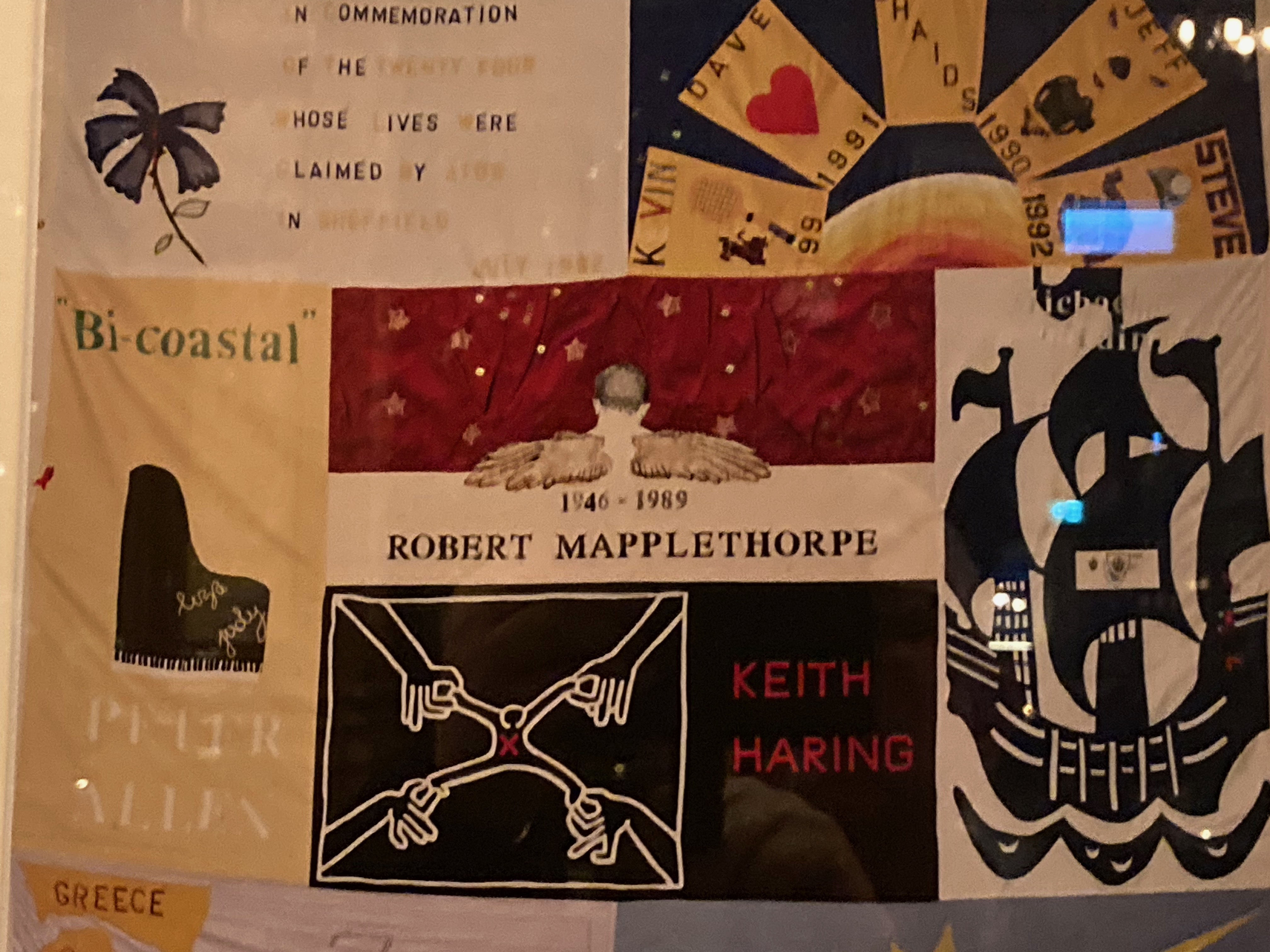
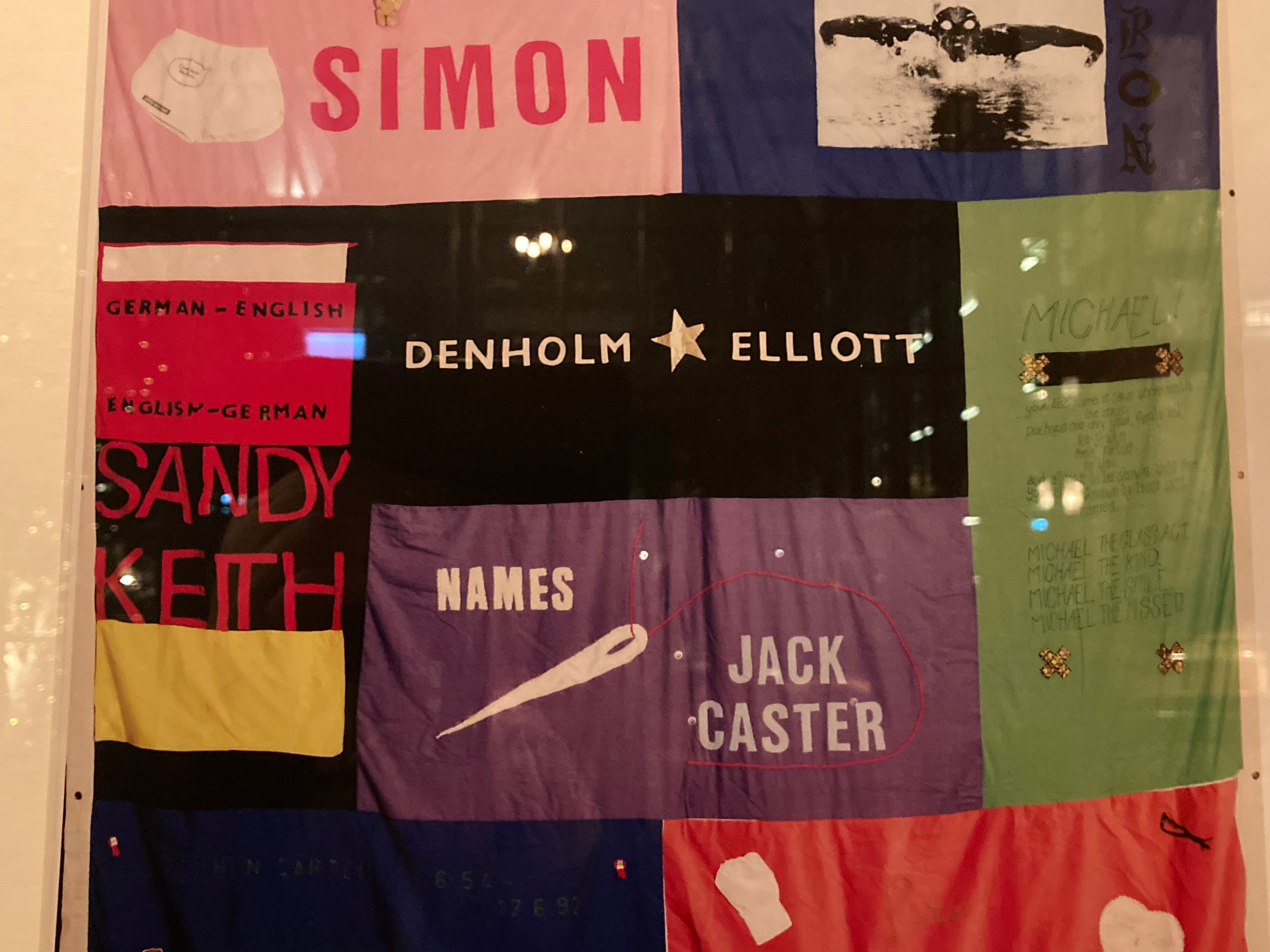
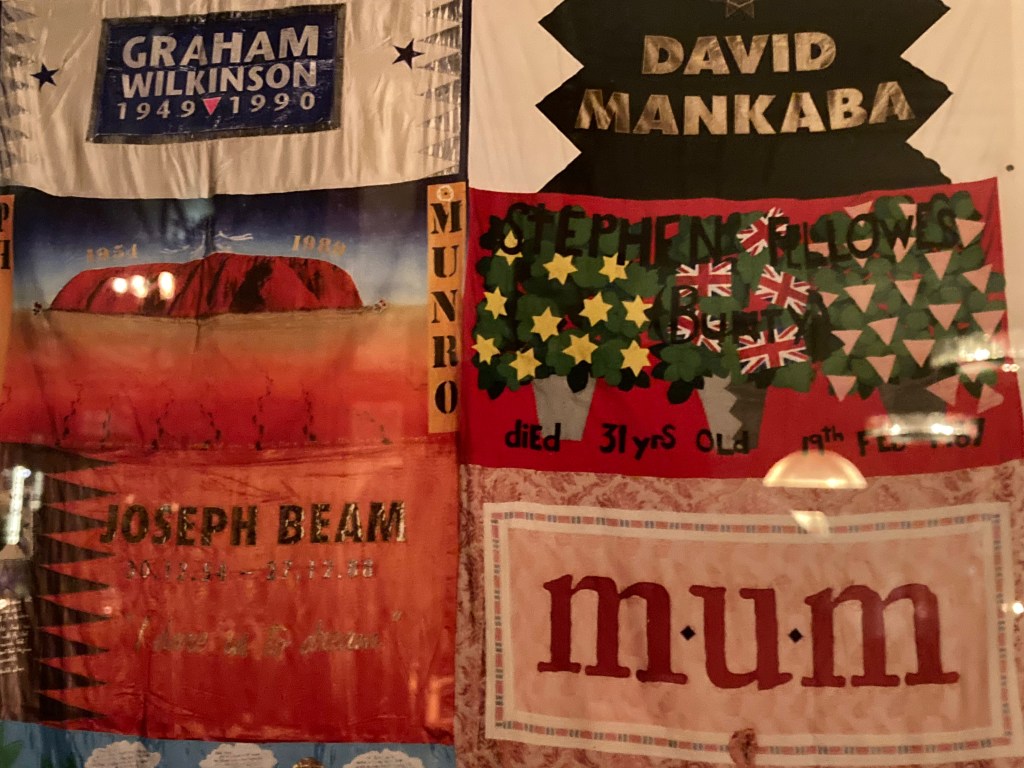
They were hosting an exclusive exhibition displaying digital prints of the UK AIDS Memorial Quilts in memory of the lives lost during the AIDS pandemic. The UK AIDS Memorial Quilt is a precious artefact and a unique document of social history. Each of the panels commemorates lives lost to the AIDS pandemic during the 80s and 90s. It is a public naming of loved ones lost, and also a memorial for the many who died and went unnamed.

It is part of an international movement that sought to raise awareness of the impact of the AIDS pandemic and ensure that these lives would never be forgotten. This exhibition is a call to action to challenge HIV stigma and support those who are living with HIV today.

The stories told, the lives lost and the commitment to remembrance are poignant and important. As we take a moment to reflect, it’s also vital that we look forward with hope because HIV has changed since the time the quilts were made.

Today, with early diagnosis and treatment, people living with HIV can expect to live a normal life span. People living with HIV who are on effective treatment cannot pass the virus on during sex. Undetectable equals Untransmissable or U=U.

We need to work to ensure that everyone knows their HIV history and equally importantly, that HIV is a manageable illness now and how they can play their role in knowing the facts and tackling stigma.

This panel is dedicated to all women lost to AIDS or who act as carers and whose lives and love has yet to be named. It also honours a friend’s mother who died with AIDS in 1985. She nurtured him and brought him up. They were both proud of him being gay. When she discovered that she was HIV positive and developed AIDS he in turn gave her the support she needed as she negotiated a series of AIDS-related illnesses. It drew them closer together.

More photos can be seen here.

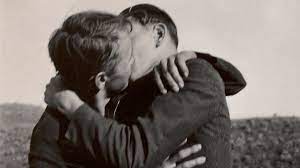
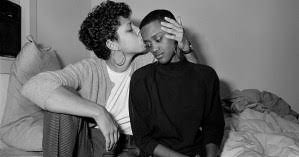
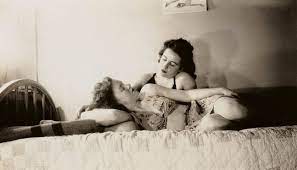
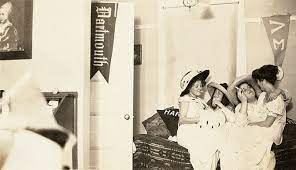
The Invisibles: Moving Vintage Photos of LGBT Couples in the Early 20th Century

Any form of excess can usually be traced to the seed of a basic human longing. Before photography turned into excessive “aesthetic consumerism,” long prior to the narcissistic golden age of the selfie, it was a miraculous medium that granted one simple, fundamental human wish — the desire to be seen and, in the act of seeing, to be understood.

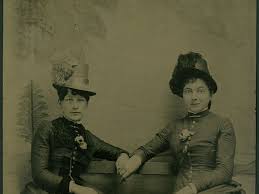
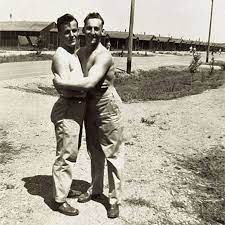
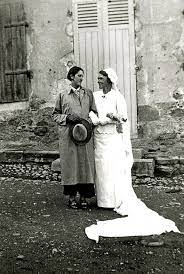
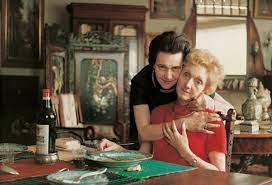
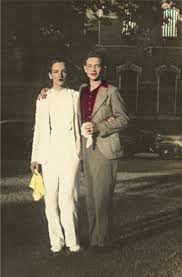
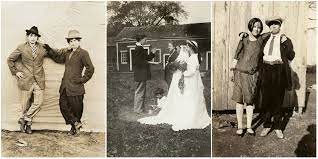
Perhaps that is why photography, in its dawning decades, had a particularly poignant role for individuals and groups who were largely invisible to society. It was the role photography played for the LGBT community between the time of the medium’s invention and the first-ever Pride parades as it came to document, and validate by making visible, the love of LGBT+ couples — love reserved not only for such famous lovers as Margaret Mead and Ruth Benedict, Virginia Woolf and Vita Sackville-West, Oscar Wilde and Sir Alfred “Bosie” Douglas, and Gertrude Stein and Alice B Toklas, but also experienced by a great many ordinary men and women alike.

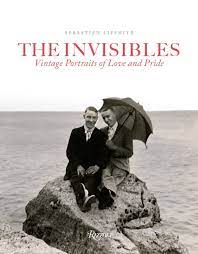
That’s precisely what French screenwriter and director Sébastien Lifshitz explores in The Invisibles: Vintage Portraits of Love and Pride, a remarkable collection of archival photographs — sometimes poignant, sometimes playful, invariably tender — of gay and lesbian couples privately celebrating their love in the early twentieth century.

Each couple gets to redefine love, and these are some humble and humbling, beautifully human, immeasurably yet quietly courageous redefinitions.


For Lifshitz, the project began somewhat serendipitously: As a long time collector of vintage amateur photos, he chanced upon a photo album that belonged to two elderly women, “very bourgeois, very ‘old France.’” It didn’t take him long to realise that they were in a lifelong lesbian relationship. He found himself fascinated by such family albums by openly gay couples and was surprised by the freedom and happiness they exhibited in those photos, despite living in eras of extreme social intolerance toward LGBT+ people.

Looking back over the first half of the twentieth century, Lifshitz set out to interview gay women and men born between the two World Wars, seeking to understand what life was like for them.

The Story of Sister Rosetta Tharpe … Rare footage of Fire Island gay wedding

News

Do you love learning about LGBT+ history? We do, and we love sharing news about the pioneers who have played a role in gay liberation.

The Story of Sister Rosetta Tharpe

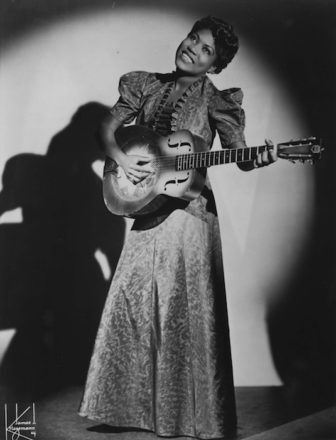
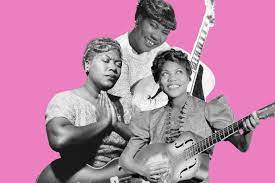
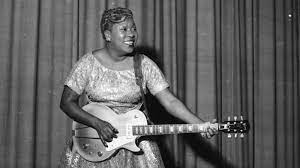
Sister Rosetta Tharpe was a gospel-singing Black woman who astounded audiences in the 1940s and 50s with her guitar pyrotechnics and powerful soprano.

Tharpe was considered by many to be “The Godmother of Rock ‘n’ Roll”, who influenced rock legends such as Johnny Cash, Jerry Lee Lewis, Keith Richards, Elvis Presley and Little Richard.

Tharpe had a rumoured romantic relationship with singer Marie Knight, among other women, and might have been bisexual or lesbian.

Tharpe’s amazing talents were recognised when she was posthumously inducted to the Rock & Roll Hall of Fame.

“America’s first gospel rock star, Sister Rosetta Tharpe paved the way for rock & roll to grip new audiences,” the Rock & Roll Hall of Fame said about the pioneering musician.

Mick Csaky’s documentary “Sister Rosetta Tharpe: The Godmother of Rock & Roll,” aired in 2013.

“Despite not being a household name today, Sister Rosetta Tharpe is one of the most influential artists of the 20th century,” the documentary said.

Sister Rosetta Tharpe’s “flamboyance, skill, and showmanship on the newly electrified guitar played a vital role in the conception of Rock & Roll as a genre of music,” the documentary said.

Sister Rosetta Tharpe

Born in 1915 in Cotton Plant, Arkansas, Tharpe, was christened Rosetta Nubin. She picked up a guitar at 4 and then, two years later, started singing at church with her mom.

Tharpe eventually moved to Chicago and experimented with different musical styles. She married gospel with Delta blues and New Orleans jazz with her howling electric guitar to create her signature sound. That musical creation also helped her appeal to a larger audience.

Tharpe was catapulted into the music mainstream with her 1938 record “Rock Me.”

Seven years later, her 1945 track “Strange Things Happening Every Day” is acknowledged as the first gospel song to cross over to the “race” charts, which later was renamed the R&B charts. The song reached No 2 and was a huge influence for rock ‘n’ roll.

Tharpe’s incendiary guitar playing was revolutionary and pioneering, decades before other male guitarists. Nobody – not Chuck Berry, not Scotty Moore (Elvis Presley’s famed guitarist), not James Burton, not Keith Richards – played wilder or more primal rock ’n’ roll guitar than this woman who gave her life to God. With a Gibson SG in her hands, Sister Rosetta could raise the dead, and that was before she started to sing.

Marie Knight

Tharpe’s musical relationships also raised a few eyebrows. In 1946, Tharpe met singer Marie Knight, and after they recorded “Up Above My Head,” the two women teamed up and went on tour. The women worked together until 1950.

Rumours circulated for years that the women had a romantic relationship. Tharpe also had been married previously twice to men. She married a third time in 1951.

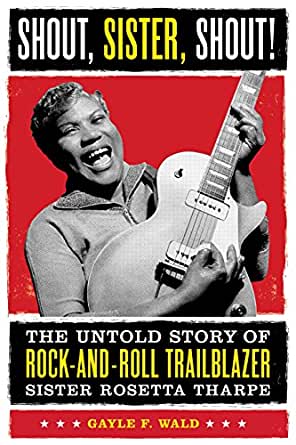
In 2007, Gayle Wald wrote a biography about the trailblazing musician, “Shout, Sister, Shout!” Tharpe died in 1973 and didn’t leave any archives or written record about her life, Wald said.

When Wald asked Knight about the rumours of an intimate relationship with Tharpe, Knight told her they were untrue.

Sexuality and identity

Wald also interviewed other sources who spoke about Tharpe’s attractions to men and women, but none of them would go on the record, Wald said.

“Do I think Sister Rosetta Tharpe had attractions to and sexual relations with women? Yes,” Wald said. “But I don’t know if she used any words to identify herself.”

Wald said she wasn’t surprised that people didn’t go on the record about Tharpe’s sexuality.

“In the gospel world, it was understood that people protected each other’s privacy. You didn’t want to ruin anyone’s career or life,” Wald said. “That way, people lived their lives as openly as they could.”

“Sister Rosetta Tharpe lived with a certain amount of openness,” Wald said. “It was typical for people to be out, but there was no attempt to be public or for their private life to be a part of their public identity.”

Health problems, Blues Hall of Fame

Tharpe continued to have success through the 1950s, but by the time the 1960s rolled around, she began to lose fans to a new musical revolution. Tharpe then moved to England and performed her signature music for young blues fans of London and Liverpool.

Tharpe performed less live gigs after having a stroke in 1970. Three years later, 9 October 1973, on the eve of a recording session in Philadelphia, Tharpe suffered another stroke and died.

On 15 July 1998, the United States Postal Service issued a 32-cent commemorative stamp to honour Tharpe.

In 2007, Tharpe was inducted into the Blues Hall of Fame. A Pennsylvania historical marker was placed at her former residence in Yorktown, a Philadelphia neighbourhood. Later, 11 January was designated Sister Rosetta Tharpe Day in Pennsylvania.

Rare footage of Fire Island gay wedding offers a peek at pre-Stonewall era LGBT life

Home movie enthusiasts, take note: those old videos could be worth some big money one day!

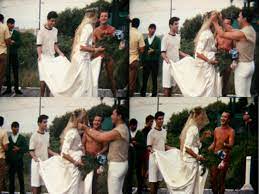
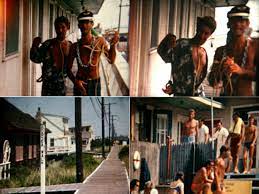
Rare footage of a mock gay wedding on Fire Island recently sold for a whopping $980 on eBay. The footage, taken sometime in the 1960s, shows two men – one in a wedding dress – undergoing a marriage rite before a group of joyful onlookers.

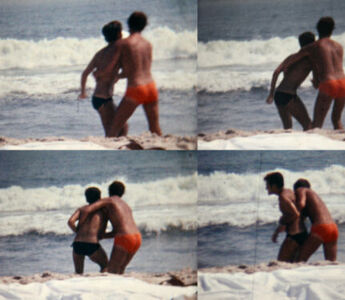
The same reel also shows two men in speedos wrestling, men in swimsuits hanging out by a pool, and another scene of men engaging in some kind of … bondage play?

Before you get too excited, the eBay listing specifies that the film contains no footage of sexually explicit acts. It also states that the origins of the footage is unknown, though the Fire Island locations are clearly identifiable.

“While you do see some women and children, the bulk of the 3in 8mm home movie features gay men at the beach,” the listing reads. “There is no nudity no sexual acts this is a HOME MOVIE.”

The footage in question offers a rare look into the pre-Stonewall era of LGBT life. At the time, LGBT people could only live openly in a handful of pockets around the country, as gay sex was outlawed. Even the insinuation that someone could be gay could destroy a career.

Fire Island became one of those havens for LGBT people thanks to its isolated location and beach scenery. It remains very popular with LGBT vacationers today.

Given the danger in filming LGBT people living openly – and the danger in the recording said activity – the historical value of the footage in question is very high. Here’s hoping somebody who paid for it gets it digitised and released to the public.

Footage of a gay pool party in 1945 has surfaced online and it’s pretty incredible

Footage of a gay pool party in 1945 surfaced online and it’s pretty incredible.

The lost home videos were discovered by Geoff Story, a filmmaker from St Louis. He tells Nancy Fowler at St Louis Public Radio that he stumbled upon them 20-some years ago at an estate sale of the now-deceased Buddy Walton.

Walton was often referred to as St Louis’ “hairdresser to the stars” and did hair for everyone from Eleanor Roosevelt to Ethel Merman whenever they passed through town. He was known for throwing lavish pool parties at his property.

“These men are still in their 20s in the sun, swimming, like they always will,” Story says. “There’s a real sweet pain, and when you watch it, there’s a happiness but you can’t believe it’s so long ago and you can’t touch it – it’s gone.”

Finding the footage sparked an idea for a documentary. Story set out to find gay men who were alive in the 1940s and talk to them about their lives and experiences.

His new film Gay Home Movie, which he’s currently working on, offers a rare peek into a largely invisible world when LGBT people were forced to live and love in the shadows.

Story has high hopes for the documentary, which has already captured the interest of gay Hollywood executive Brian Graden, best known for his role in developing South Park.

“It speaks to a wide array of people on a very deep level,” Graden tells Fowler. “What are the chances someone would go to an estate sale and pick up these canisters of old footage? It’s almost like these men are trying to talk to us from beyond the grave.”