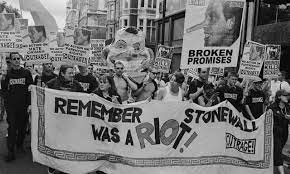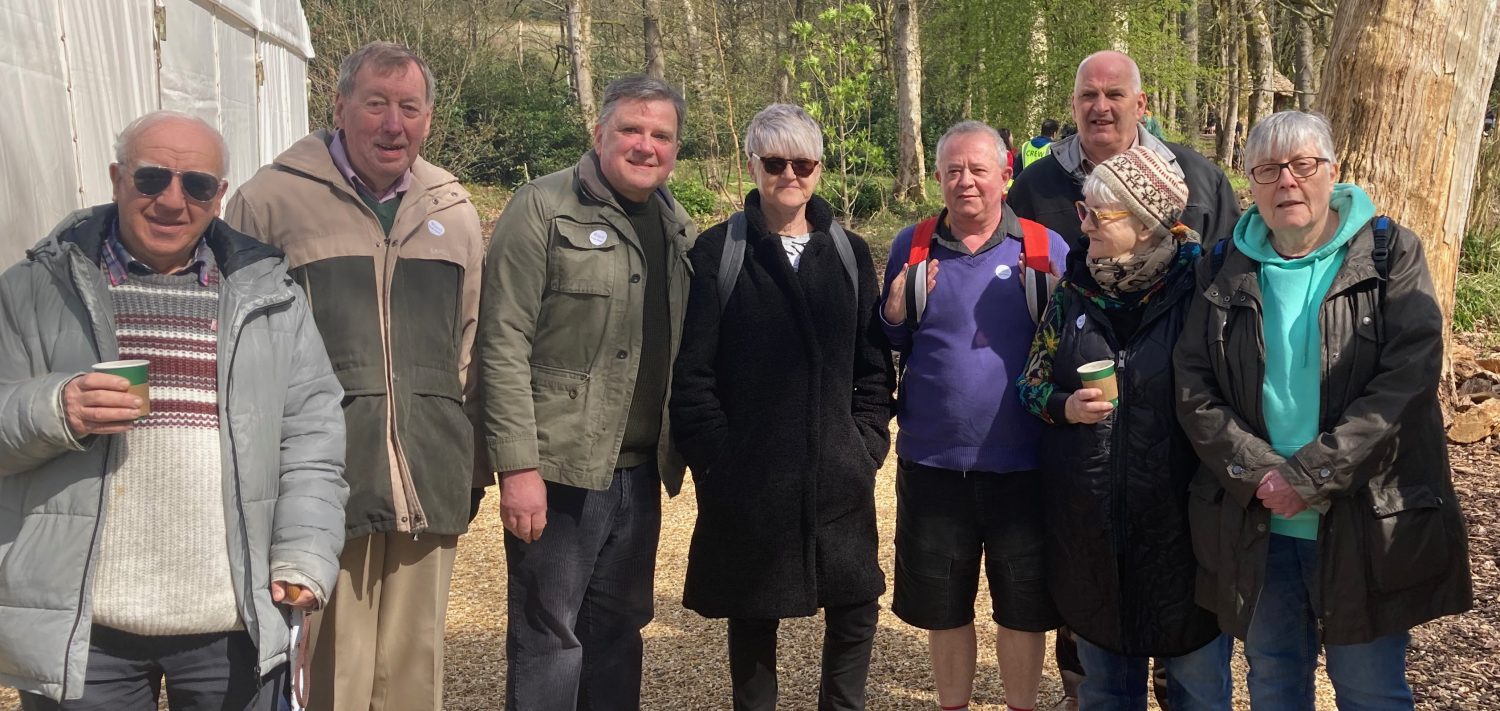
Bury LGBTQI+ Forum Poetry Evening … AIDS Memorial

News

Bury LGBTQI+ Forum Poetry Evening
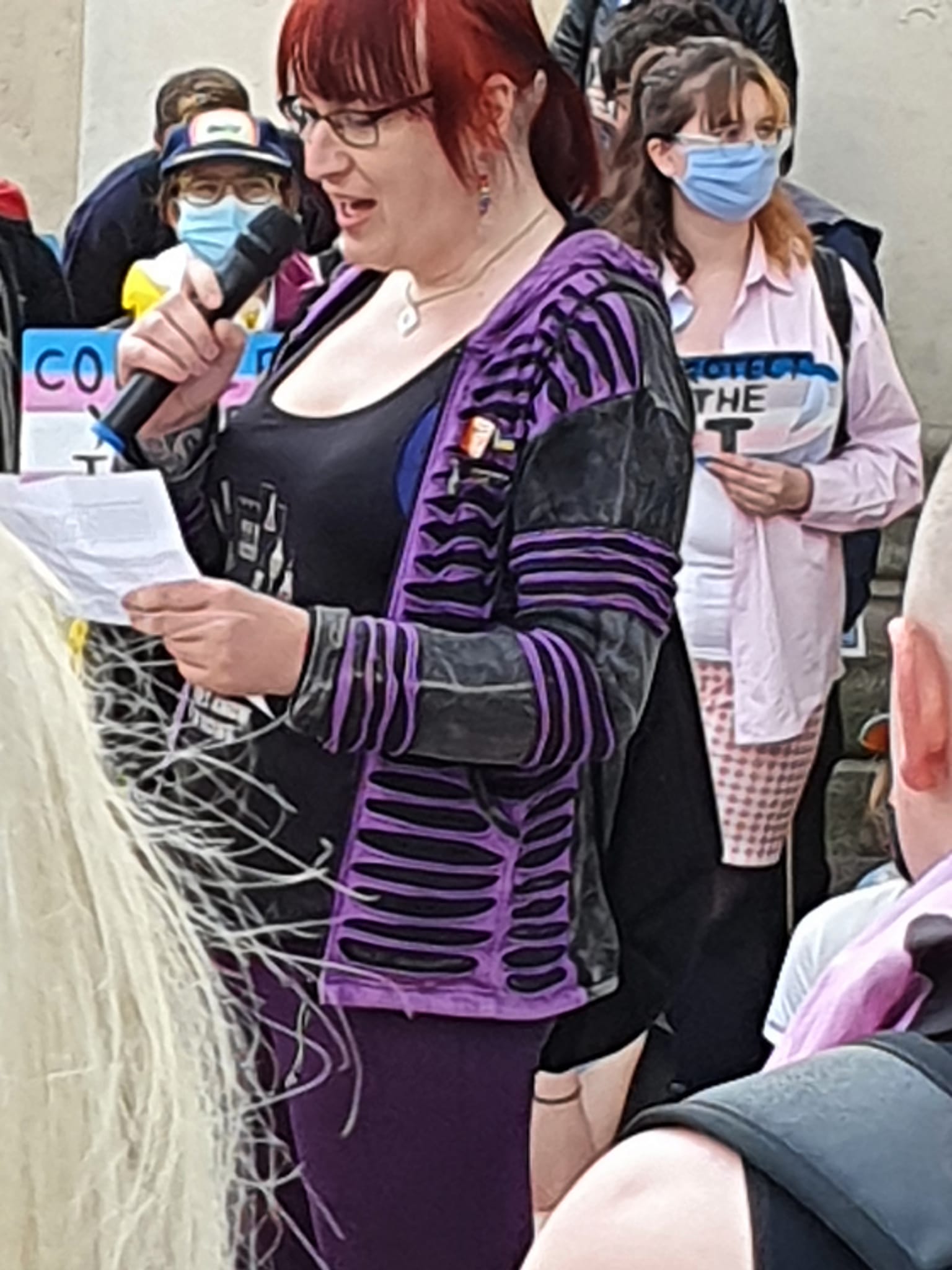
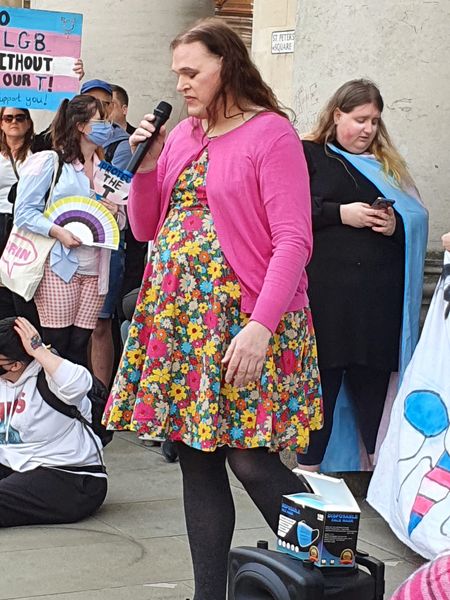
In the wonderful surroundings of the Bury Art Museum and compered by Ben, members of the Bury LGBTQI+ Forum and members of Out In The City gathered for an open mic poetry evening. People read their own work and also their favourite poems.

It was a fantastic evening, in two halves, with cheese and wine during the break. The poems took us on a rollercoaster of emotions from anger to laughter.
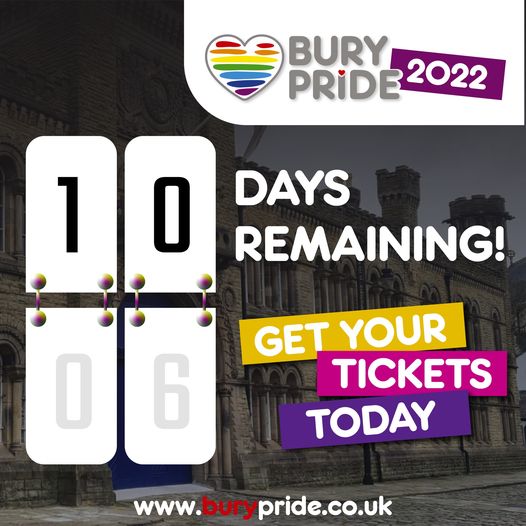
The evening was a prelude to Bury Pride 2022, which is only ten days away! Bury Pride and The Walking Rainbow Parade is being held on Saturday, 30 April from 10.00am to 6.00pm at Castle Armoury Drill Hall, Castle Street, Bury BL9 0LB and Market Street, Bury.

Don’t forget this is a ticket only event, get your FREE tickets via the website here.

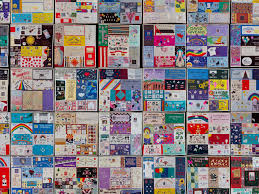
The AIDS Memorial – a true story by Lulu

When I was a little girl, we rented out a room in our large Haight-Ashbury flat to generate extra income. It was always rented to a young gay man, probably because my mum, a single parent, felt it was the safest and most sensible option. Their room was right next to mine in the front of the house and included a sitting room that we called the “library” because it had floor to ceiling bookcases, big puffy pillows on the floor and comfy nooks to settle in for reading or taking a nap. It was a common area in the house, but was mainly for our renter’s use, though I could often be found perched on the big overstuffed chair, peering out the window to observe the view of the always entertaining corner of Haight and Ashbury Streets.

If I wasn’t daydreaming, I had my nose buried in a book; such is the life of an only child in a household with no TV. Inevitably, our housemate would slide open the French doors that divided their room to the library and slowly, gently, tenderly, carefully, our friendship would unfold.

The men who lived with us all referred to themselves as my “fairy godfathers” – their term, not mine. As a child, I didn’t understand the tongue in cheek we’re-taking-our-power-back meaning. Once I did, I both grimaced and grinned.

We had about five young men live with us over the years. This was in the late 70’s – early 80’s, before gay people could easily adopt kids or were even really allowed to think, dream about becoming parents in some cases. I was the only child in their circle of friends and was often invited to tag along to their ever so glamorous soirées, Oscar parties, holiday fetes and any other over the top event that might just really be a Tuesday night but always seemed like so much more to me. These outings gave my mum nights off from mum-ing and me, adventures to be fondly remembered decades later.

I often found myself sitting crossed leg in the middle of one of their friend’s exquisitely decorated antique filled living rooms in the Castro district on a priceless oriental rug, beading necklaces or playing with antique paper dolls (theirs, not mine), Judy blasting in the background, watching a group of lively young men gossip and flirt and dance and share stories about their hopes, dreams & fears.

I heard them talk about how they had escaped to San Francisco from places like Iowa, Kentucky, Texas, so that they could live and love freely. They had all been disowned by their families for being gay. They had to create their own families and I was privileged to play the role of the little sister, niece, cousin they had to leave behind or, on an even deeper level, the child they never believed they would ever be able to have. It was from them that I learned my lifelong mantra: friends are the family we choose for ourselves. And love is love. Sorry but they said it first.
Of course, I was much too young to really understand the implications of all of this, but what I did know was that I felt so grown up and cherished in their presence. I knew there was something special about these men; to me they were worldly and fancy and sparkly and they knew a little something about everything. And most importantly, they taught me what they knew.

From them, I learned about music and fashion and art and literature and Broadway and why black and white movies of the 40’s were the best movies and that you must always bake with butter, never margarine and that cookie dough is calorie free and that one must always dress up when going downtown and the difference between Barbra Streisand and Barbara Stanwick; Bette Davis and Bette Midler; Oscar the Grouch and THE Oscars and the importance of wearing sunglasses, even in the fog, to prevent wrinkles, darling.

They were men of great style, class, elegance, intellect, wit, charm, creativity, beauty and fun. They were incredibly cultured and had exquisite taste. My memories of my time with them run deep:

  • Going to the “Nutcracker” every Christmas Eve.
  • Having high tea at Liberty House.
  • Lip syncing and dancing to the Andrew Sisters “Boogie Woogie Bugle Boy.” I know all the words, still, to this day.
  • Taking in the Christmas decorations downtown at Macy’s and ending the day with a cable car ride to Ghirardelli Square for hot chocolate with extra cherries and whipped cream.
  • Lengthy sermons on the essential need for dust ruffles and monogrammed stationery and silk dressing gowns.

To a young child, these experiences leave a mark; a permanent mark of rainbow coloured glitter sprinkled on her soul.

To my child’s eye, mind and heart, these men were magical. They were my playmates; the most delightful big brothers to a shy, often sad and lonely little girl. They were fun and silly and played dress up and always let me be Cher to their Sonny. A major sacrifice on their part, to be sure!

They told me I was a glittering gem and that I was “fabulous” and they meant it in a REAL way, not a “hey girl hey” way, though we had those moments too. They treated me with respect. They didn’t patronise or pander to me. They expected me to keep up my end of the conversation, regardless of the topic or my lack of knowledge about it. Local politics or Best Dressed at the Oscars; my opinion mattered to them. They didn’t baby me. They treated me like an equal. But that didn’t mean that they didn’t spoil and coddle me. They made me feel special and valued and respected. Perhaps because society didn’t offer them the same respect as gay men, they felt compelled to make sure I was always treated as a whole person. For a young girl of colour, this went far in developing my sense of self and worth and pride in being who I was.

They also showered me with gifts, some that I still have to this day:

  • A beautiful hand-woven throw made on an old-fashioned loom.
  • A hand beaded necklace with an antique tiny bell at its centre. Too tiny now for my adult neck but still cherished.
  • A beautiful white cake stand from Tiffany’s; an odd gift for a 10-year-old girl, you might think, but as the gift giver said when he handed me the HUGE blue box, “Sweetie, if I’ve taught you nothing else, please remember this: the light blue box is always the BEST box!”

I still have those treasures, but I no longer have my fairy godfathers.
They all eventually succumbed to AIDS. They were all in long-term relationships. Their partners died too. By the early 90’s they were all gone.

These men were the first and most prominent adult male figures in my young life; in truth, the only father figures I had growing up. I know for a fact that it is because of my time with them that I am the person, the woman, the friend, the activist, I am today.

They didn’t live to see the many strides and advances that the LGBTQ community has made. If they were still alive today, they would be at the front of the line continuing to fight the good fight for the strides still to be made.

But they aren’t, so I do it for them. It is the least I can do to honour their legacy and repay them for all they have given me.

My description of these men might seem almost disrespectful in its seemingly stereotypical depiction of gay men, but these were the men I knew, as I knew them, when I knew them. This was who they were, at a time when the gay community in San Francisco was thriving and carefree; when the pulse of the disco beat of the day seemed to ring in sync with the beat of the cultural awakening that was taking the world by gloriously gay rainbow storm on the streets of San Francisco.

I am so lucky that I spent my formative years as their fairy goddaughter, wrapped up in the glow of this historical time. But my golden carriage turned into a pumpkin well before midnight of my young adulthood dawned and my fairy godfathers vanished with it.

I am a better human being because I knew them. THIS, I know for sure. My fairy godfathers may be gone, but their rainbow coloured fairy dust flows in my veins forever. They had their Pride. And they gave me mine, too.

xo Lulu
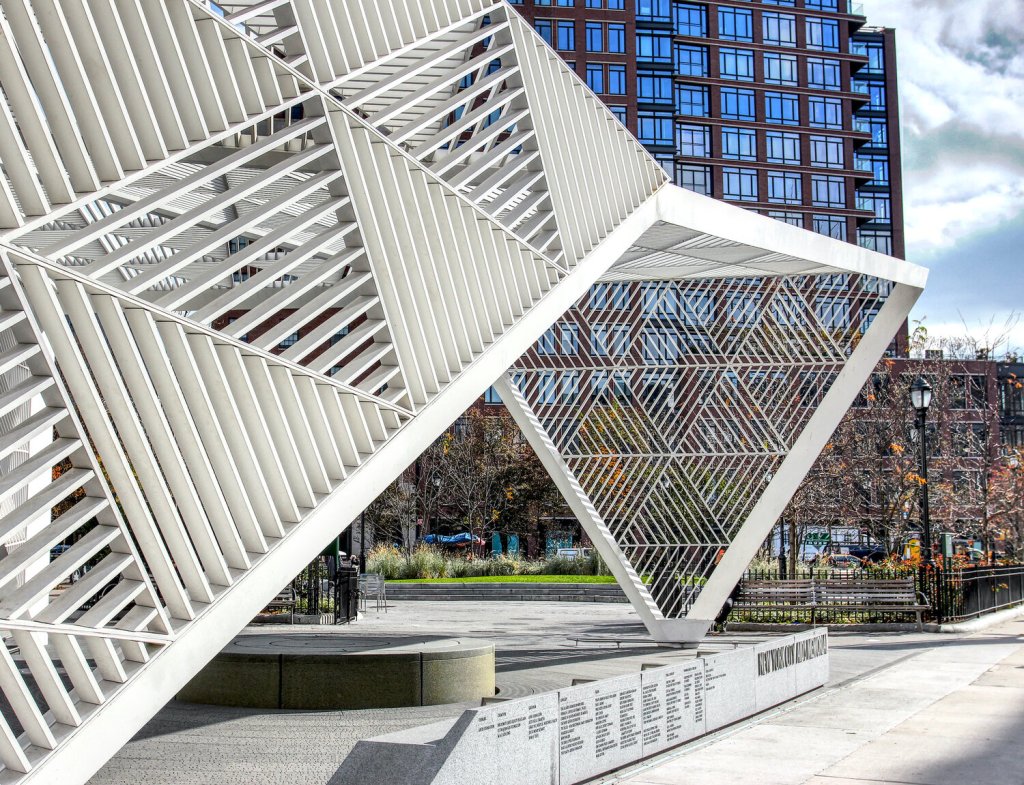
New York City AIDS Memorial

Manchester Demo … Rainbow Lottery … Liverpool’s Gay Quarter

News

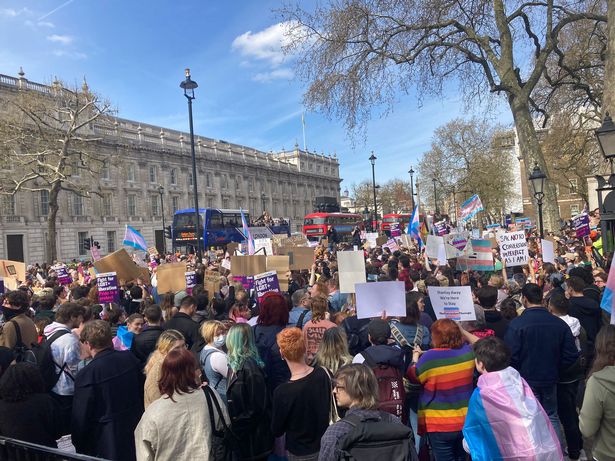
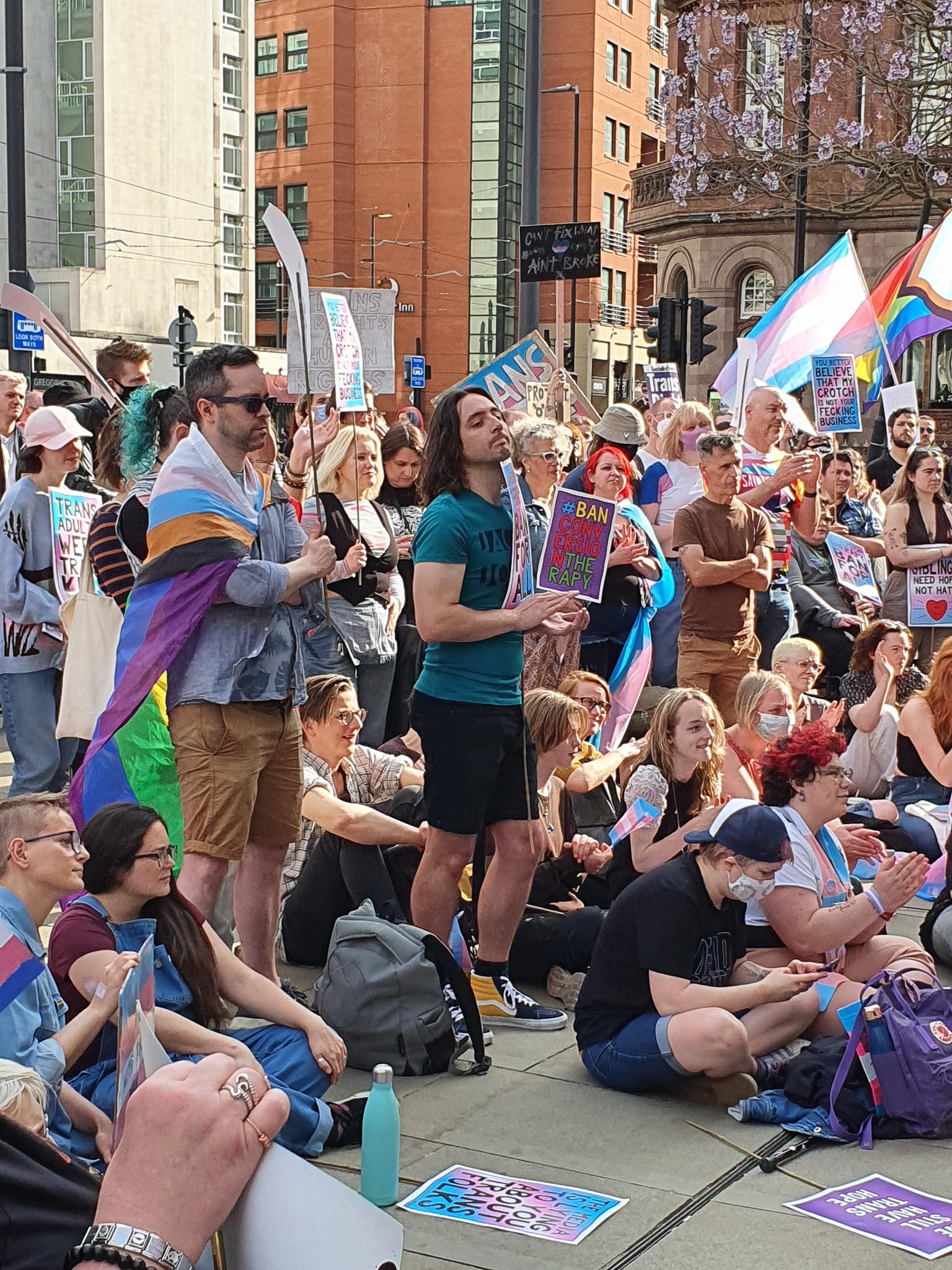
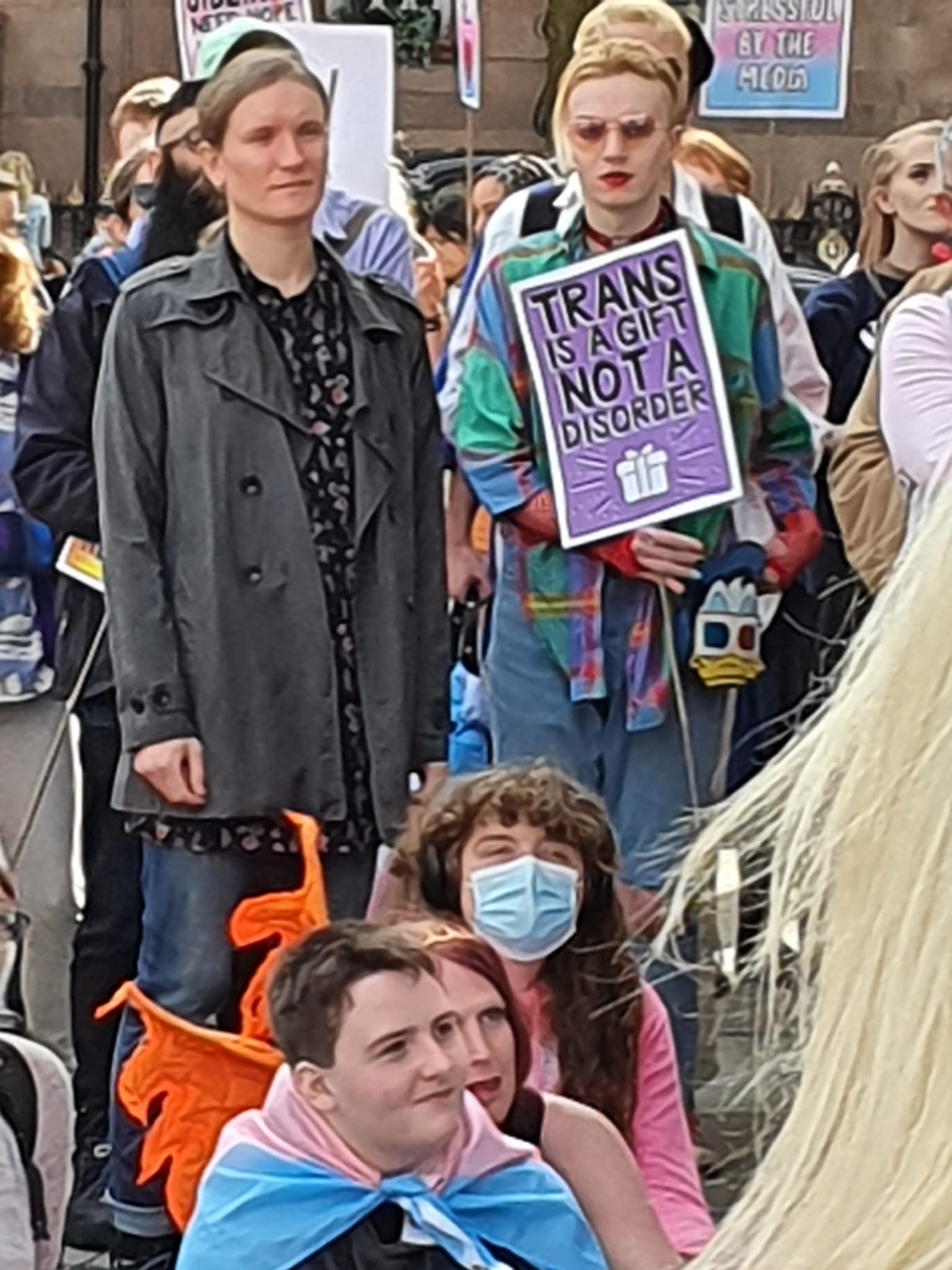
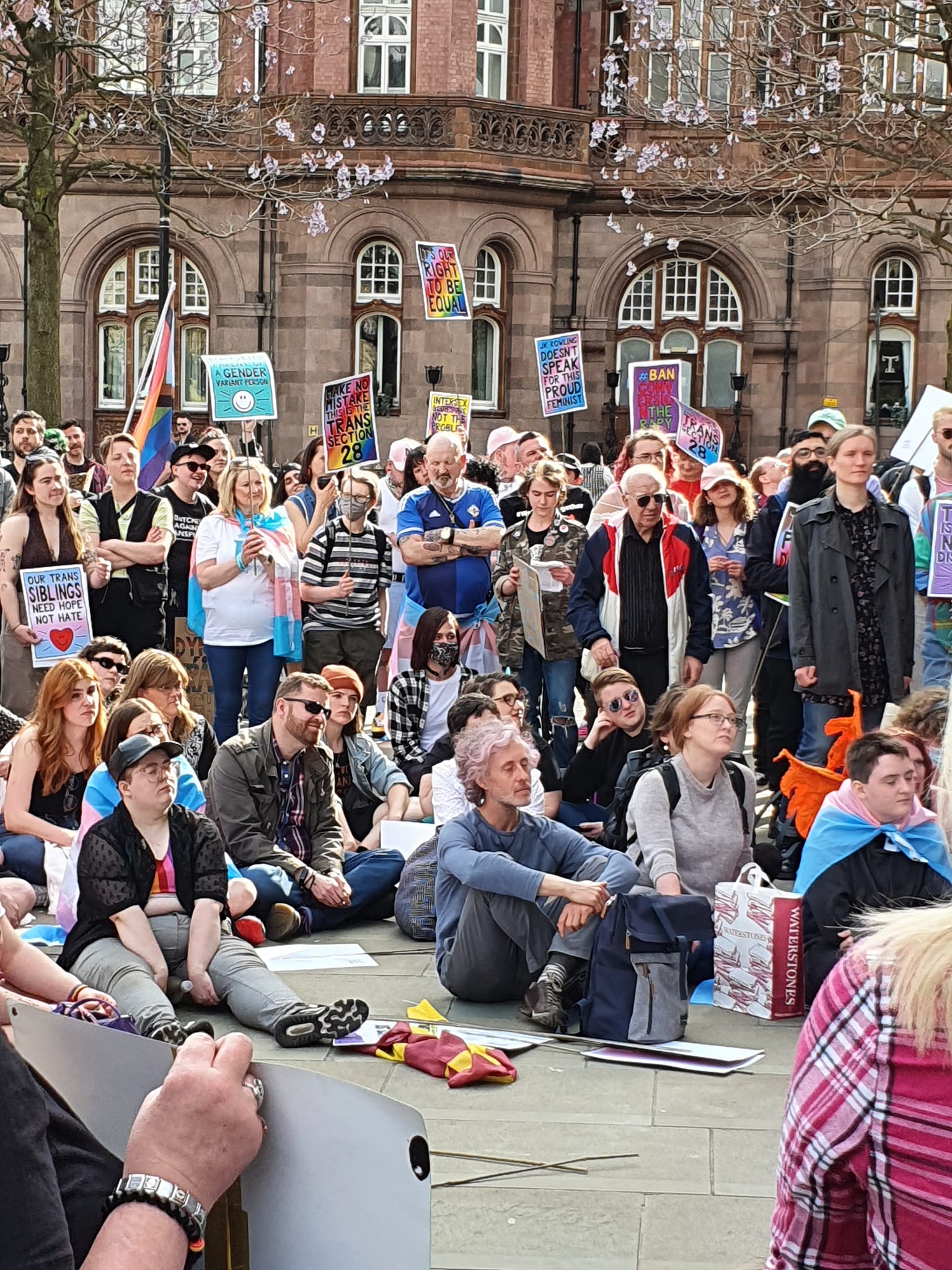
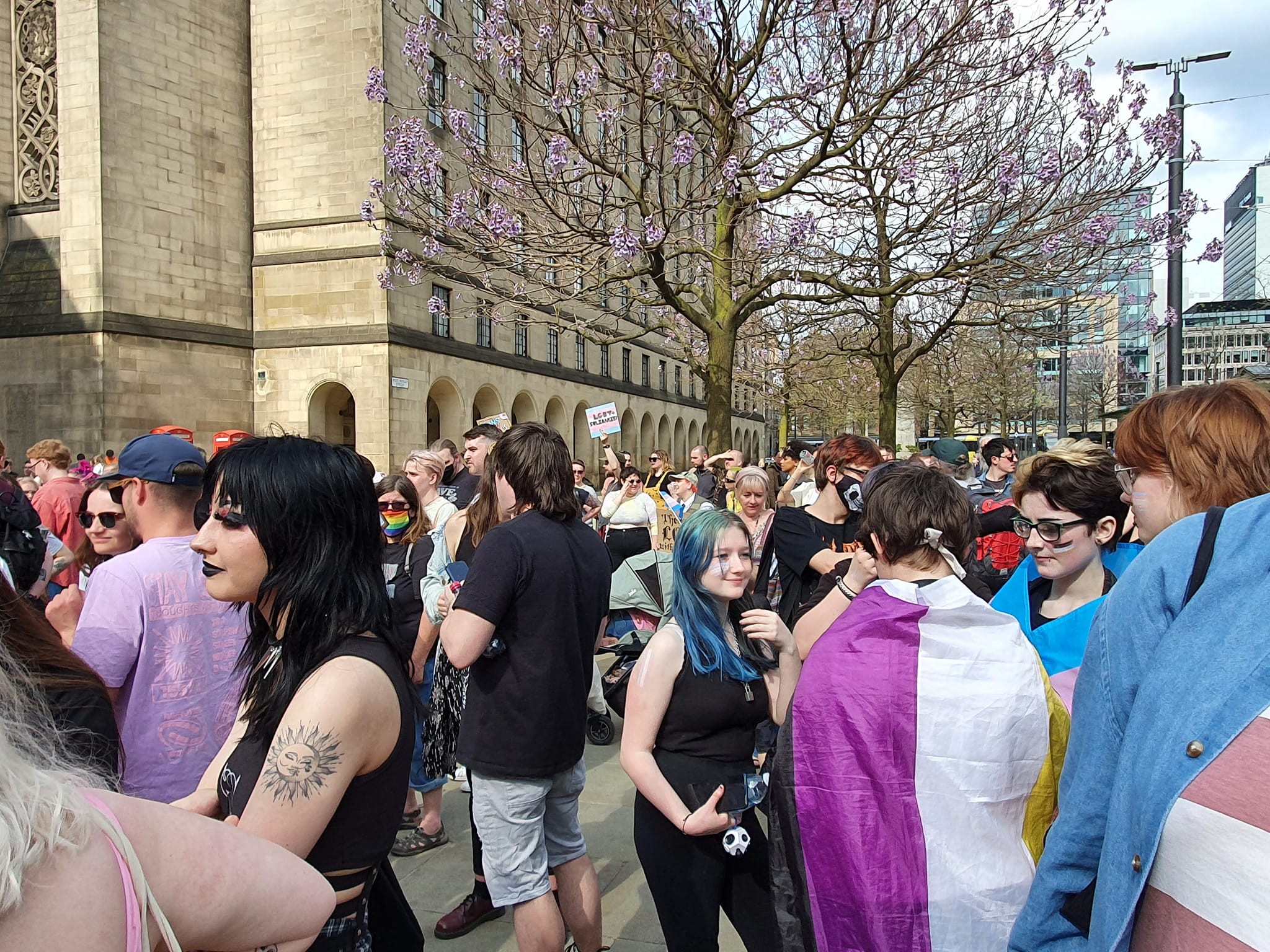
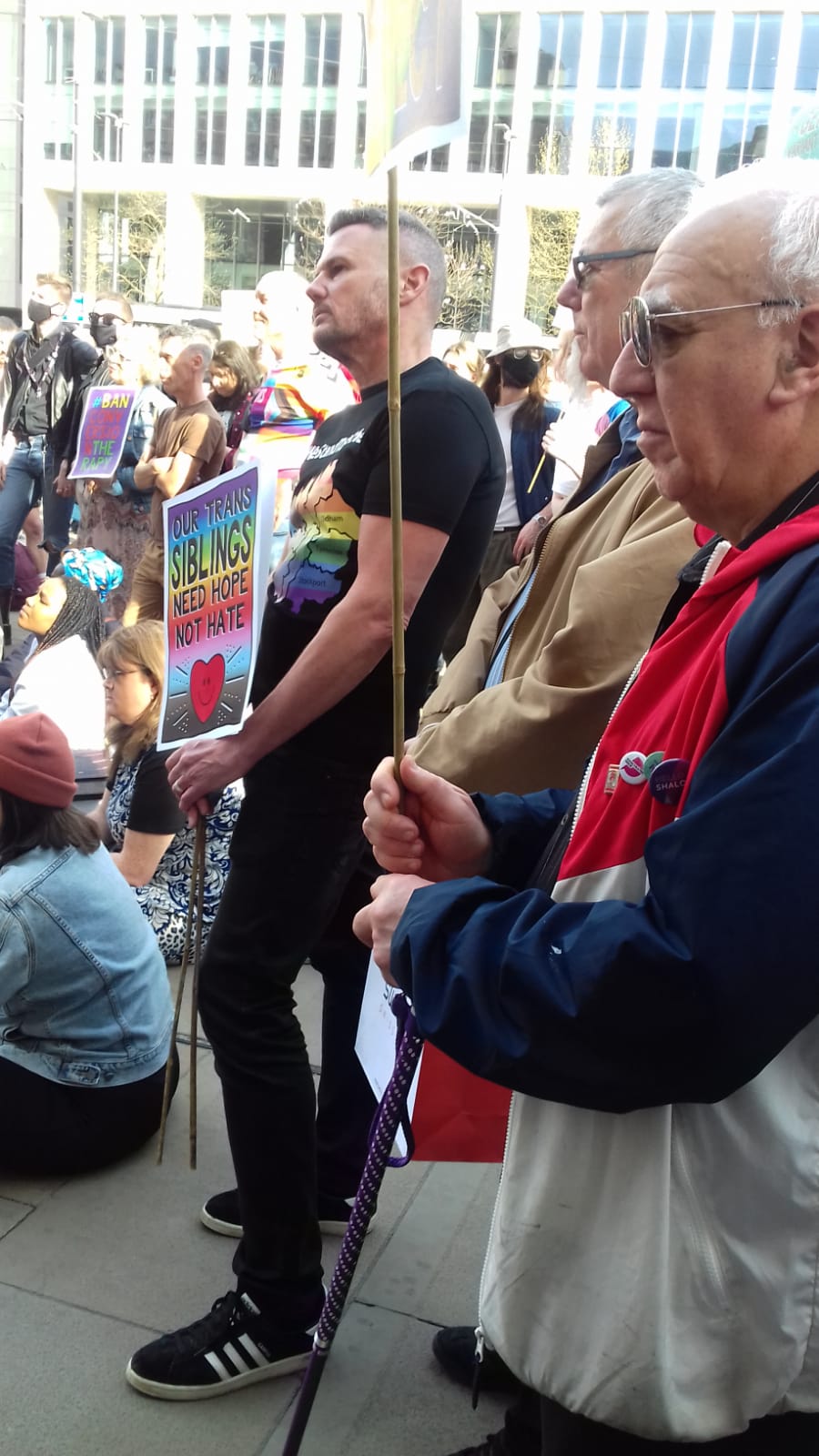
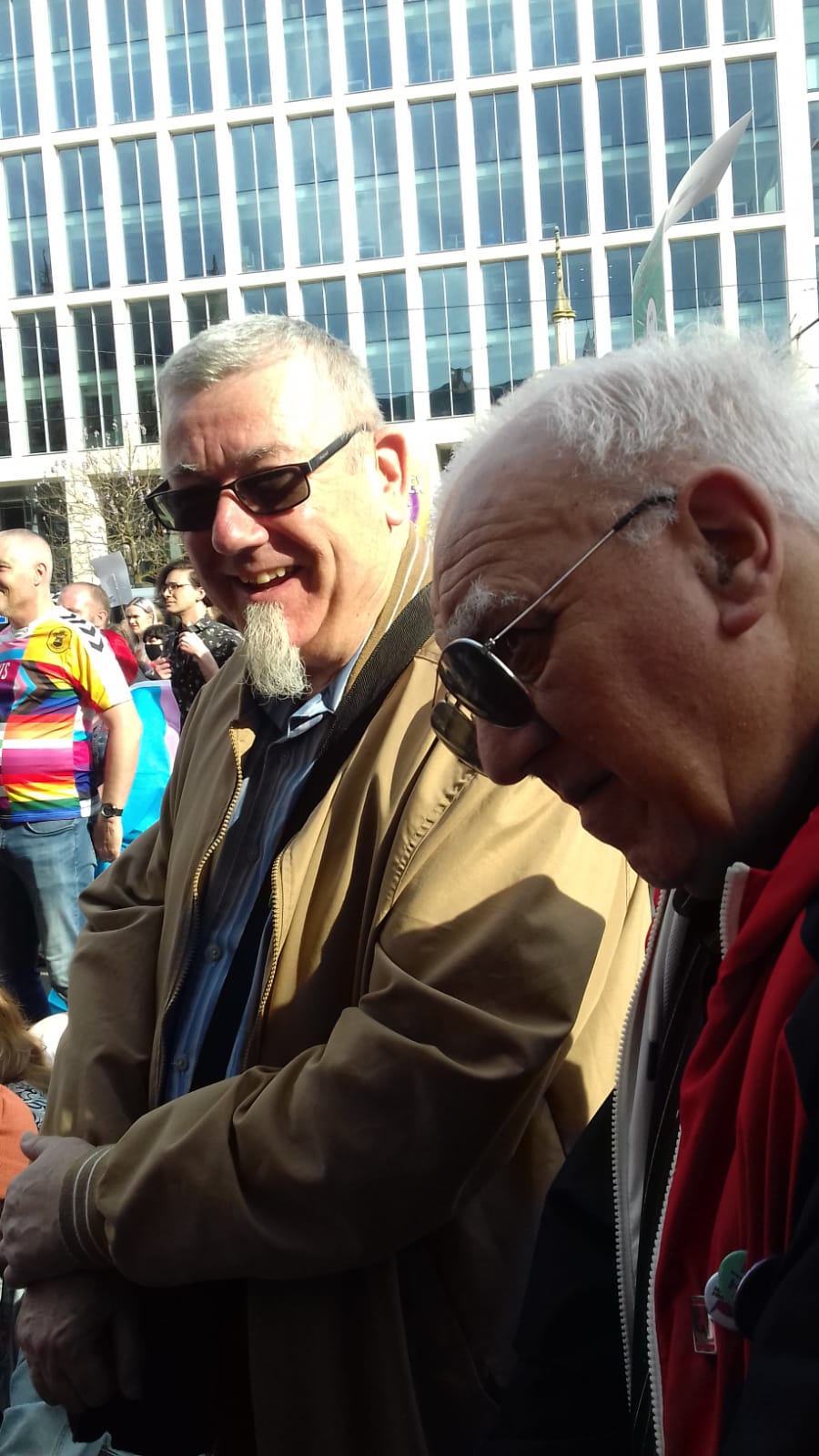
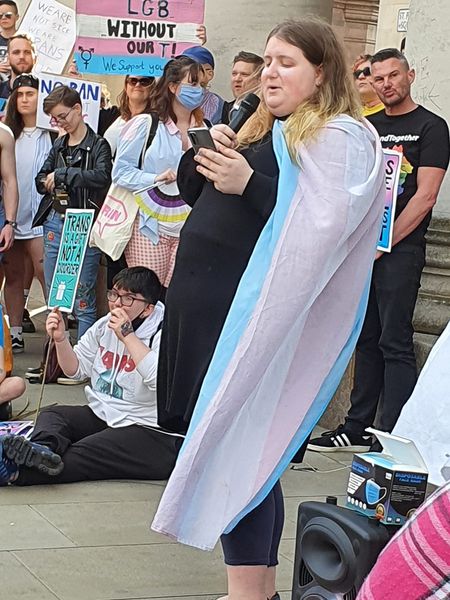
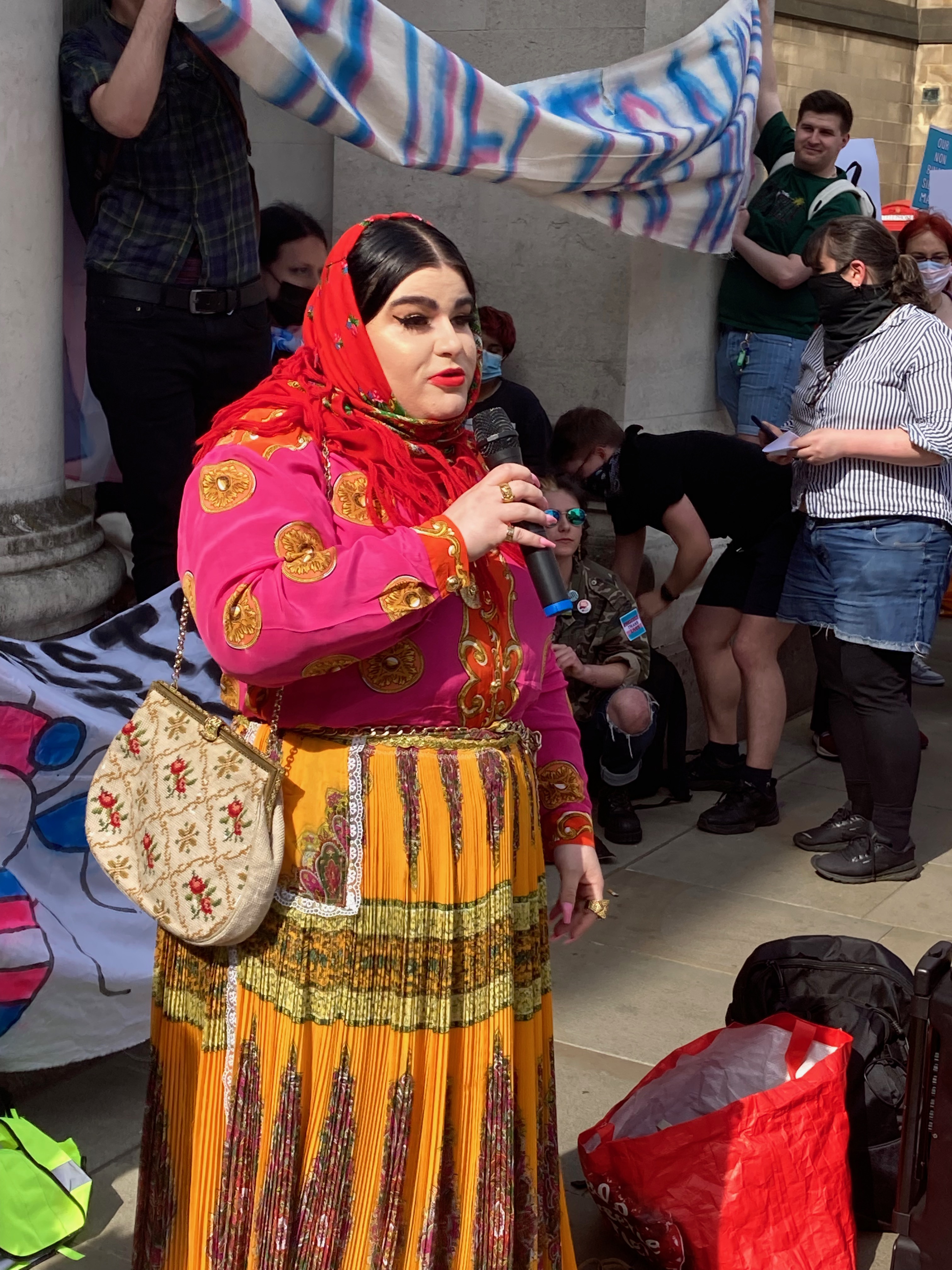
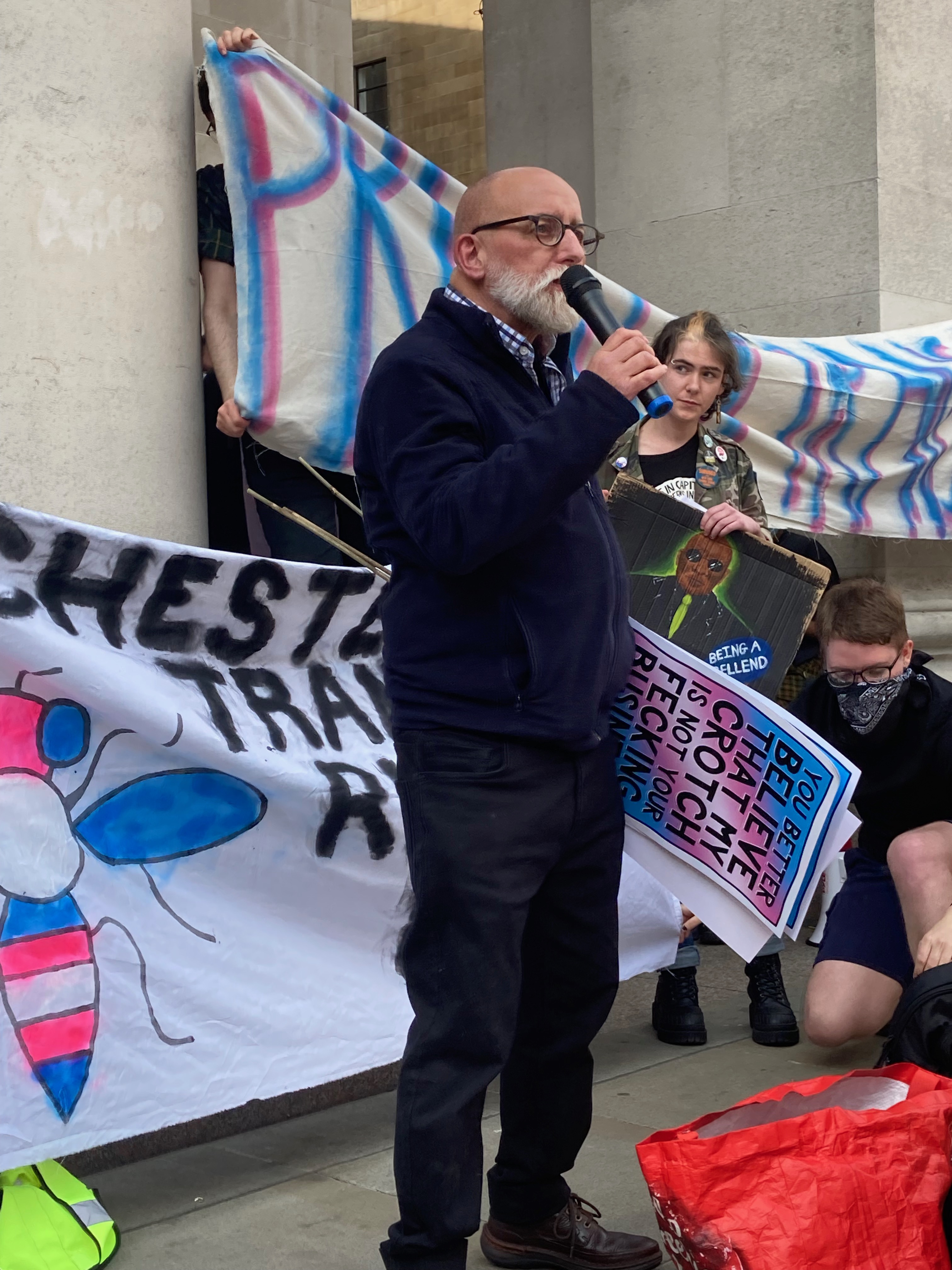
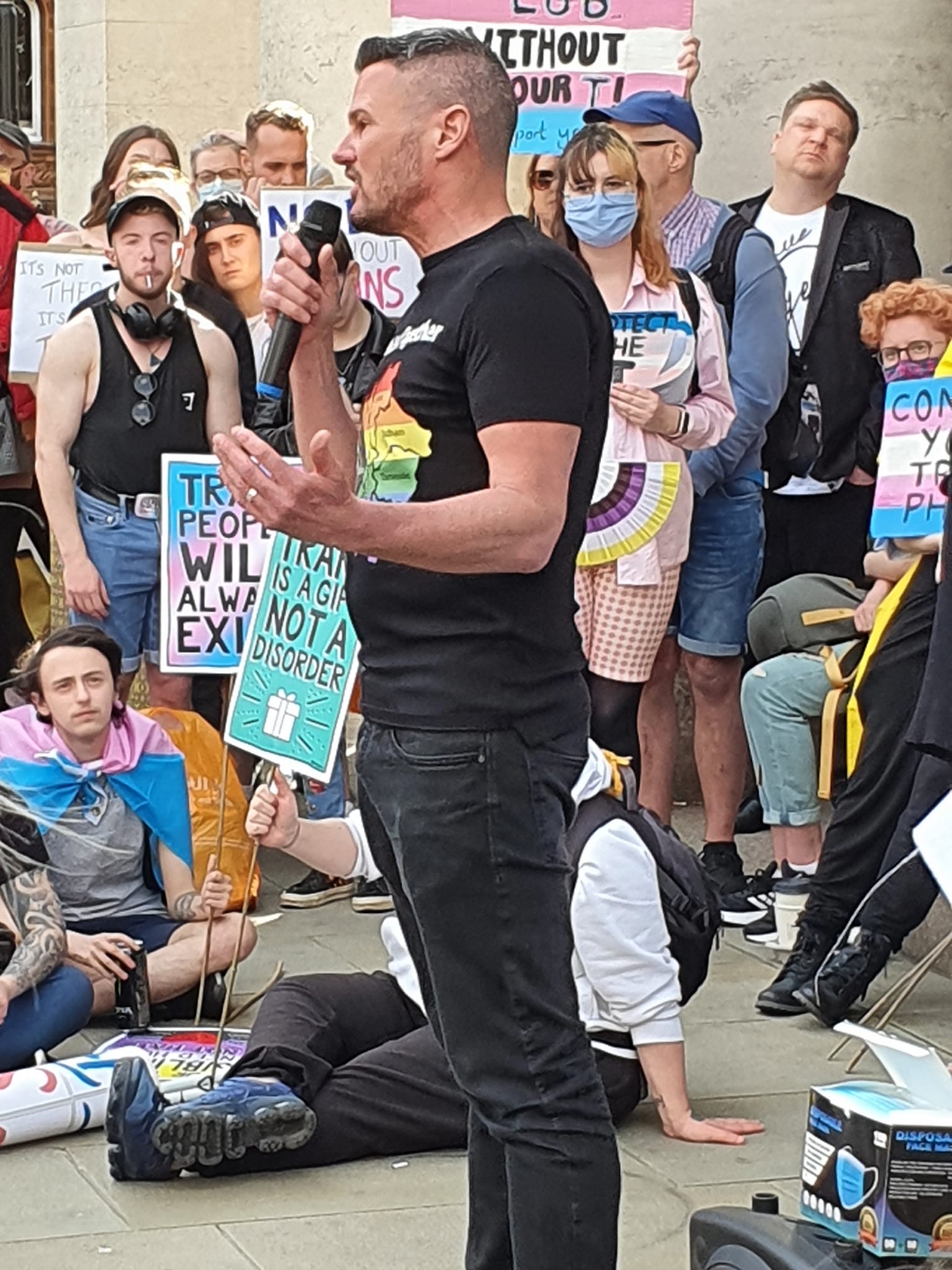
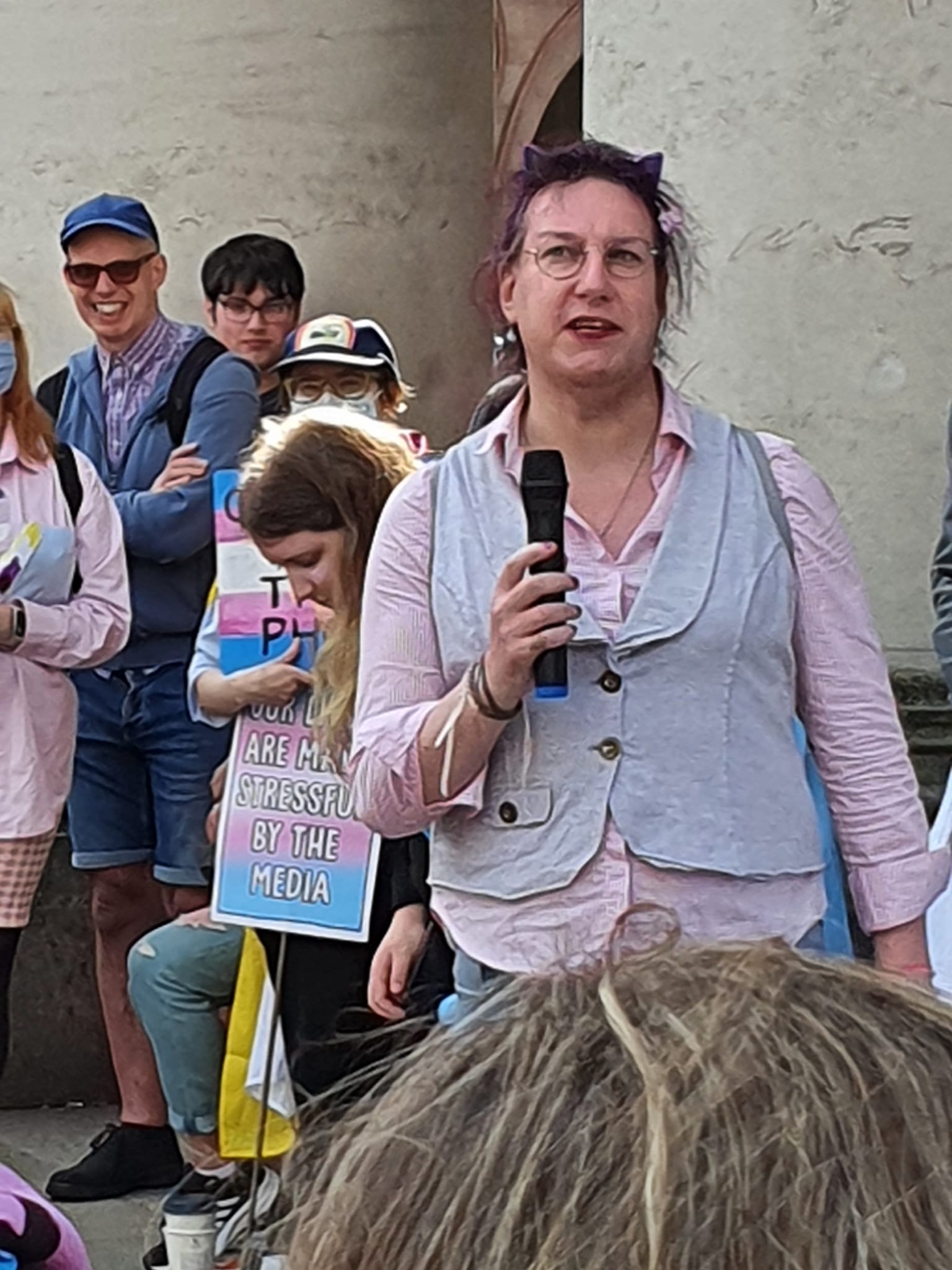
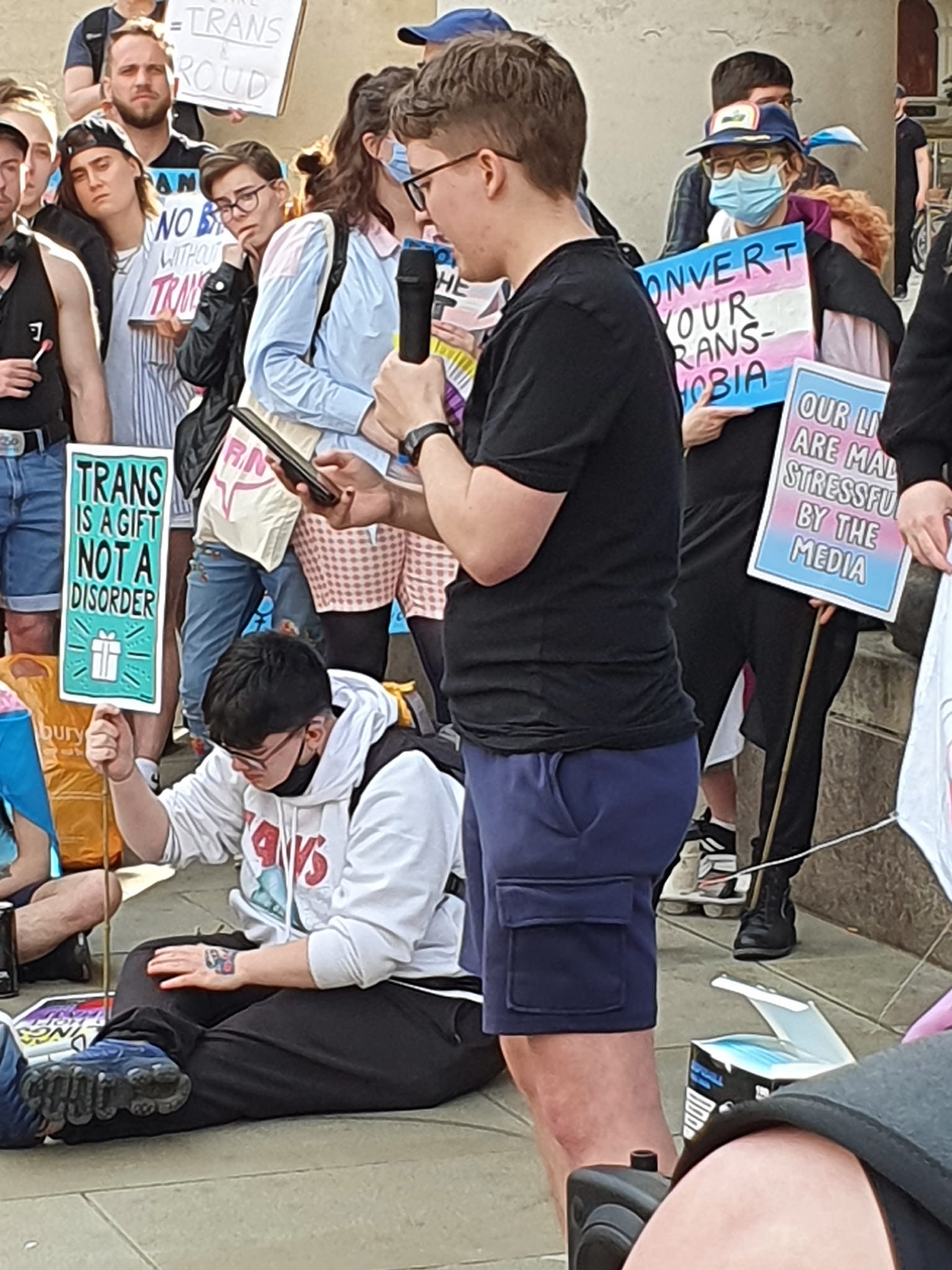
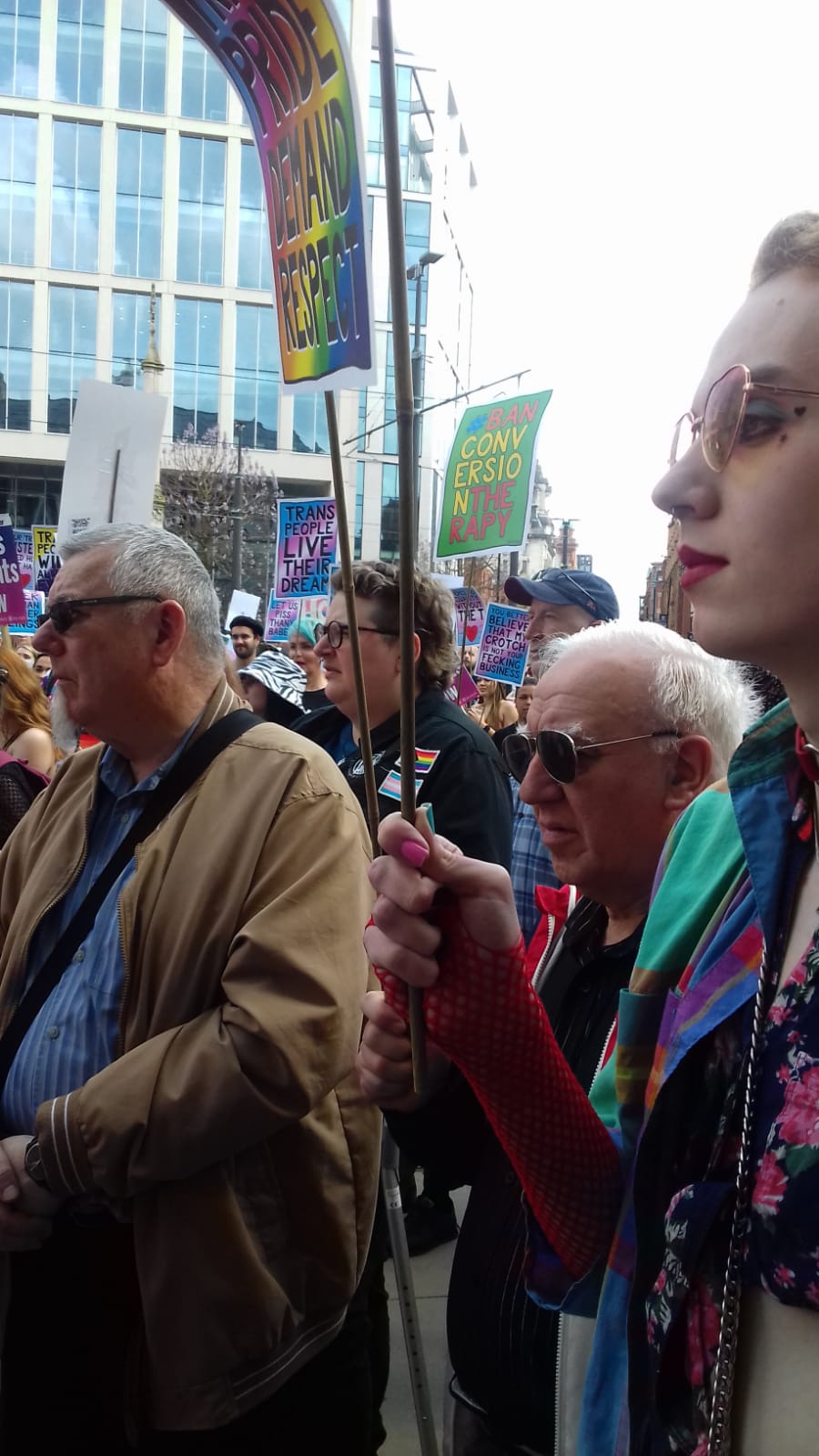
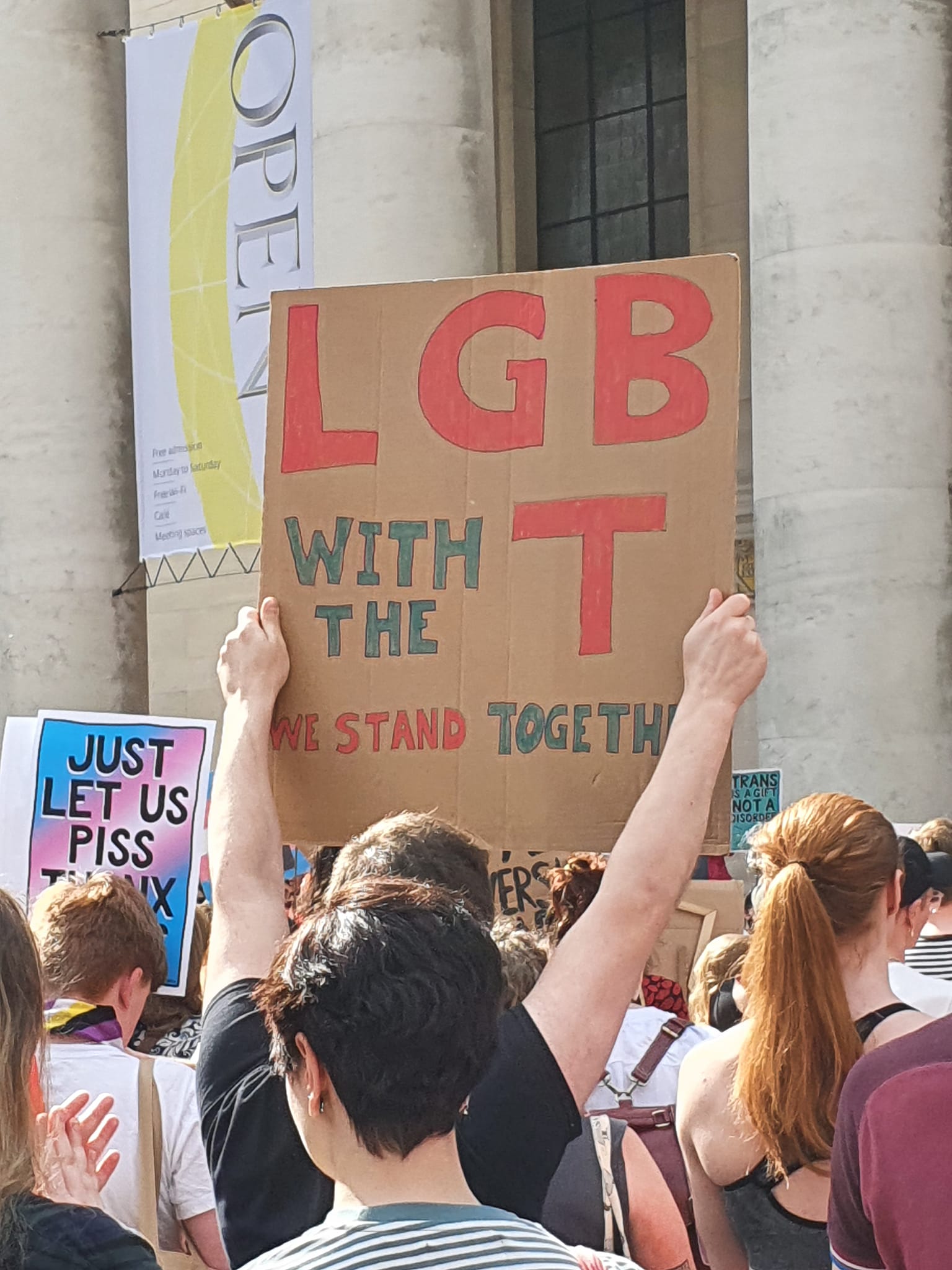
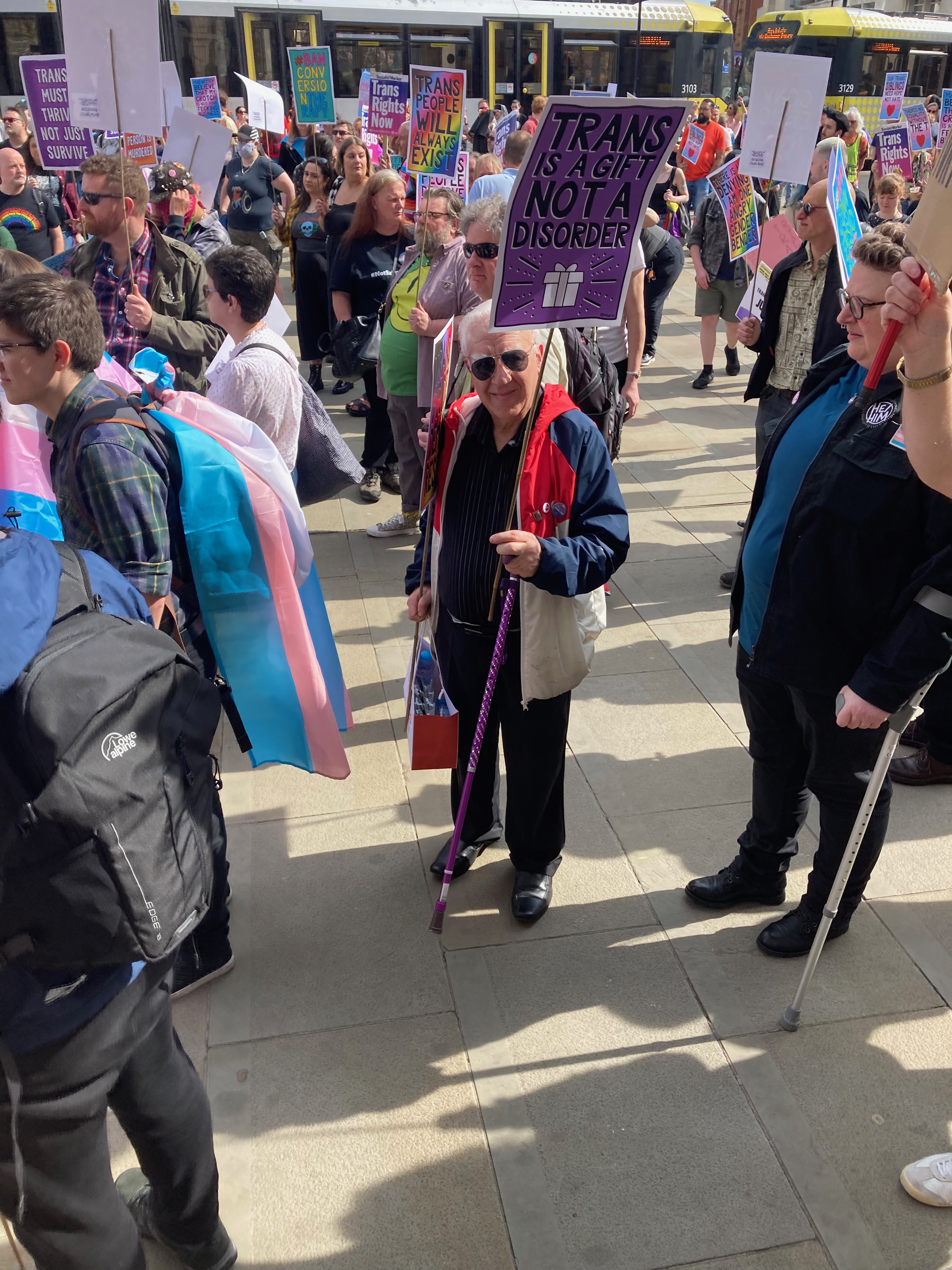
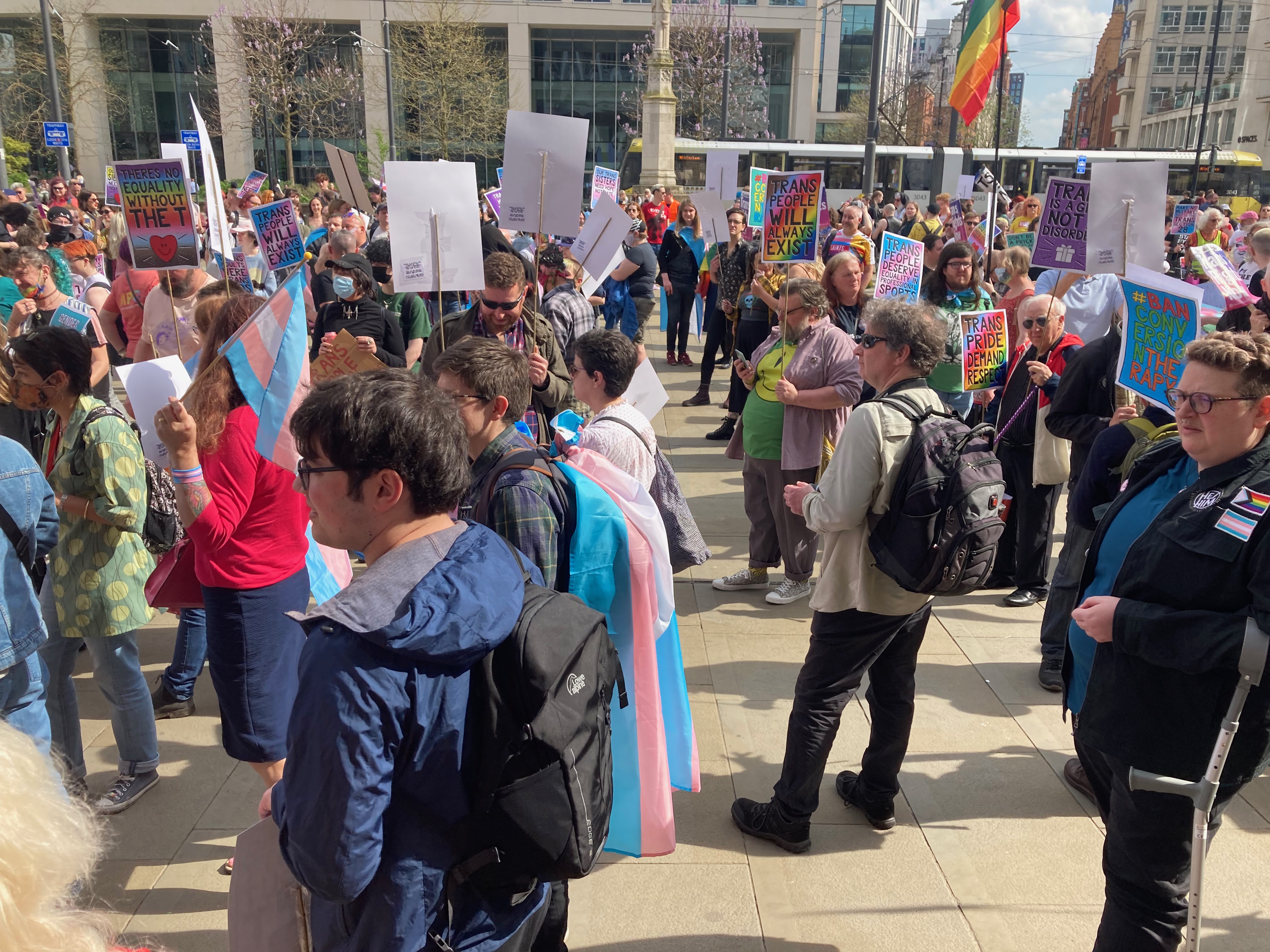
Hundreds protest in St Peter’s Square over transgender exclusion from conversion therapy ban

Conversion therapy attempts to change a person’s sexual orientation or gender identity and is banned in several countries.

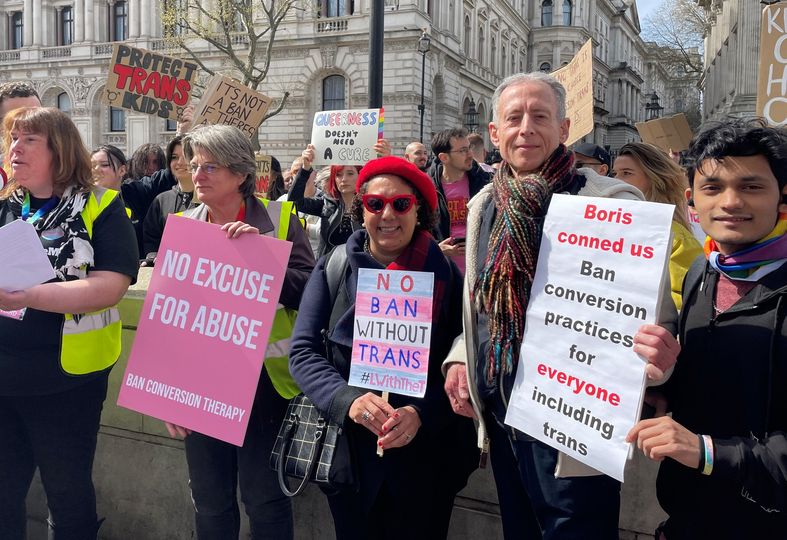
Protestors in London against the conversion therapy ban excluding trans people (Image: Matt Spivey / MyLondon)

Conversion therapy is a repulsive practice which, the Government’s own research shows, causes harm to LGBT+ people. This is supported by NHS England and other major bodies in the UK who have all warned that all forms of ‘conversion therapy’ are “unethical and potentially harmful”.

However, the government plans to go ahead with a ban on conversion therapy for gay people but not in relation to those identifying as transgender.

It has said this was to ensure that the law did “not interfere in the work of legitimate therapists providing appropriate support for people with gender dysphoria who may be considering taking life-changing medication”.

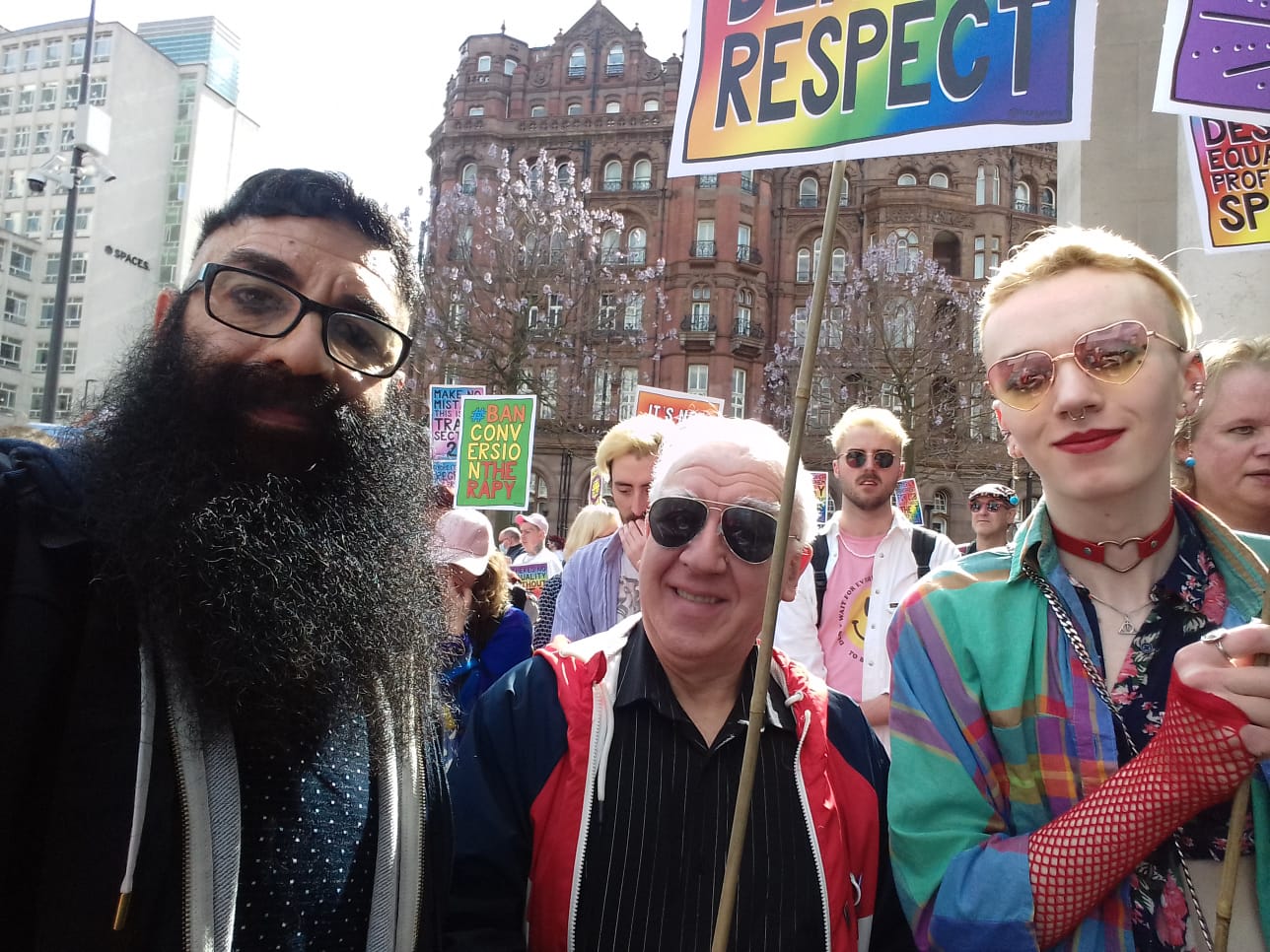
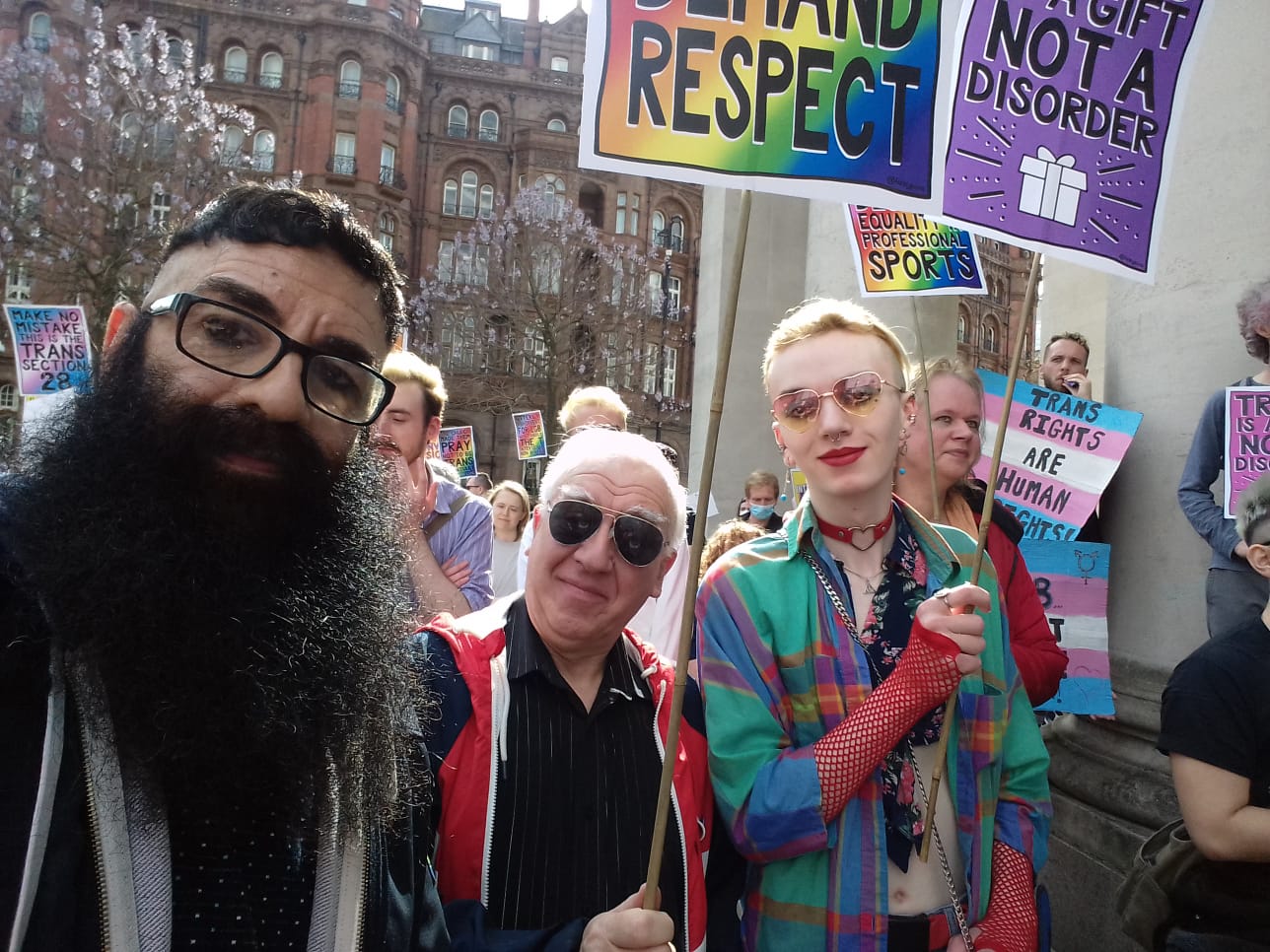
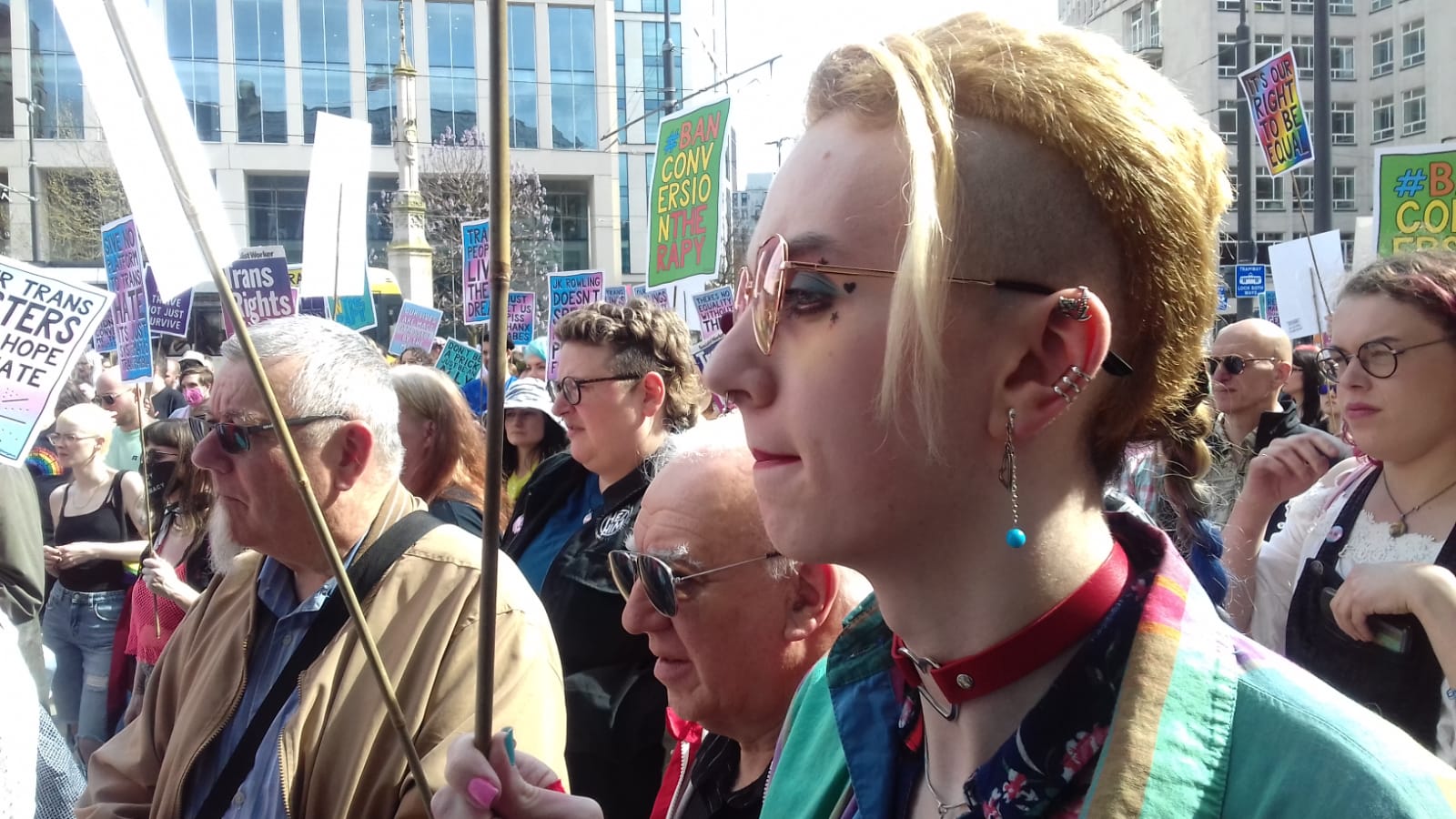
But that has led campaigners to accuse the government of breaking promises. Hundreds gathered in Manchester’s St Peter’s Square.

Boris Johnson set out his thinking on the issue a few days ago, saying: “We will have a ban on gay conversion therapy, which to me is utterly abhorrent. But there are complexities and sensitivities when you move from the area of sexuality to the question of gender.”

Labour leader Sir Keir Starmer has said that “conversion therapy in all forms should be banned” and that the government must “stick to its promises”.

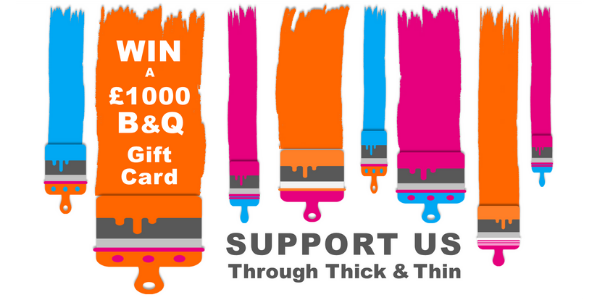
Rainbow Lottery – Win a £1,000 B&Q Voucher!

As a thank you for your ongoing support of Out In The City we’ve got something extra special coming up for you – the chance to win a fantastic £1,000 B&Q voucher! This is in addition to the usual prizes available including a jackpot of £25,000.

Just think of all the things you could do with that – freshen up your garden ready for summer, finally make a start on redoing that tired old bathroom, or get a whole shed-full of new power tools – the choice is yours!

The national draw for the £1,000 B&Q voucher will take place on 23 April 2022. There’s no need to buy separate tickets, you will be automatically entered into this prize draw. Of course, you are welcome to buy additional tickets. Every ticket you buy is an extra chance to win, and an extra fundraising boost for Out In The City. It’s a win-win situation!

Thank you & good luck! Buy tickets here.

How Liverpool became the first UK city to recognise its ‘Gay Quarter’

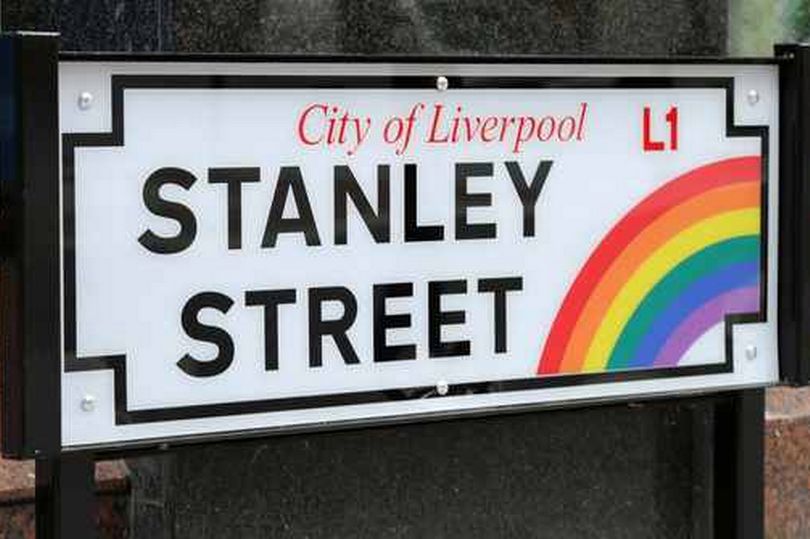
Stanley Street in Liverpool is one of the streets that make up the city’s gay quarter

Liverpool’s ‘Gay Quarter’ is a prime destination for not only the LGBT+ community but for tourists from all over the world and it’s easy to see why.

Week in and week out, thousands of people from all over Liverpool and beyond descend on the streets and back alleys in and around Stanley Street in the city centre to drink, dance and party the night away. It has been a haven for the LGBT+ community, their friends, families and allies for decades now.

But how did Liverpool’s iconic gay quarter become the main focal point for the lesbian, gay, bisexual and transgender community which it is known as today?

Members of Liverpool’s gay community couldn’t always be found being unapologetically themselves along Stanley Street. For a long time, their presence was felt more towards the centre of the city, however, with the building of the new St John’s Shopping Centre and subsequent demolition of the original Queen Square, it meant the gay community was forced to find a new home elsewhere. With the opening of the gay bar, Paco’s in the 1970’s, alongside The Lisbon’s already established gay following, it wasn’t long before they found a place they could call their second home in Stanley Street.

In 2004, Richie Wright, a 41-year-old freelance scene reporter, suggested to the City Council that they make a gay tourism guide, primarily based on the community in Stanley Street, in the run up to Liverpool’s European Capital of Culture year.

“I felt it was important to put the scene on the map and promote it to the wider world. I was regularly out and about and in contact with the venues and there was a feeling in the air that they wanted a more prominent role in Liverpool’s very special year.”

Richie, who is from North Liverpool, said the idea was loved and was invited for an interview with Lesley Delves and Keith Blundell, two tourism officers in charge of promotional material that was being distributed to elevate the city. Richie added: “2500 copies of the first ever gay tourism guide were printed in August 2004 and they were distributed across the North West and beyond. This was the first time the City Council acknowledged the gay quarter in an official document.”

Garlands nightclub on Eberle Street Liverpool, was one of the original clubs found in the quarter

“It was important to me because it put the bars and clubs on the map. It welcomed tourists to a dozen venues in the gay quarter. There were also listings for other LGBT frequented bars, clubs, nights and restaurants elsewhere in the city. For me, the gay tourism guide was a big turning point for the city. It was a moment when the City Council publicly recognised that there was a gay quarter in place and developing.”

Seven years later, Liverpool recognised its gay quarter once again and on 12 August 2011, it became the first city in the UK to do so officially. Making up the quarter was Stanley Street, Cumberland Street, Temple Lane, Eberle Street and Temple Street, which were all revamped with symbolic new street signs, each incorporating a rainbow arch.

The first sign was unveiled outside the Lisbon pub found on Stanley Street by the then Deputy Lord Mayor, Councillor Sharon Sullivan, in a ceremony which was attended by representatives of the LGBT+ community, local businesses, residents and the family of gay teenager Michael Causer who was killed in 2009.

The scene continued to thrive throughout the years but it was decided it would need to be refreshed up a decade later after becoming the UK’s first formally recognised LGBT+ area. The Stanley Street Quarter then rebranded as the Pride Quarter, with support from LCR Pride Foundation and Marketing Liverpool.

The rebranding was intended to unite the LGBT+ area while also cementing the city’s position as ‘the most LGBT+ friendly in the UK’ and mitigate the impact of Covid-19 restrictions on the various venues.

As a result of Covid-19, Pride 2020 was celebrated a little differently with the quarter, which incorporates a large number of venues located in and around Victoria Street, Dale Street and Tithebarn Street, coming together under its new banner to throw an indoor festival.

The 13 LGBT+ venues located in the quarter follow in the footsteps of similar successful national initiatives to promote inclusion, collaboration and unite LGBT+ venues, such as Leeds ‘Freedom Quarter’ or Manchester’s ‘Gay Village’. There is no doubt that Liverpool’s Pride Quarter has established itself as a leading destination for thousands of locals and tourists from far and wide.

Royal Armouries Leeds … Manchester Protest Against Conversion Therapy … Rainbow Call Companions

News

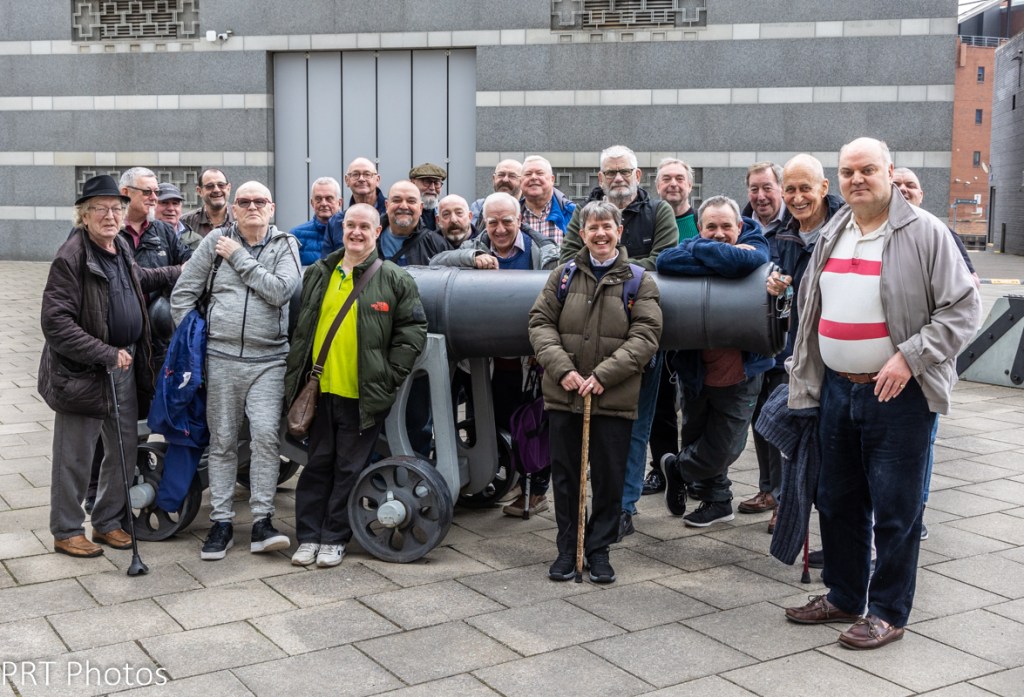
Royal Armouries Leeds

The Royal Armouries Museum in Leeds, West Yorkshire is a national museum, which displays the National Collection of Arms and Armour.

Situated close to the city centre on the bank of the River Aire the museum is among many buildings built in the same era that saw a rejuvenation of the Leeds waterfront. It is located on Armouries Square in Leeds Dock.

The Royal Armouries Museum is a £42.5 million purpose-built museum that opened in 1996, and is part of the Royal Armouries family of museums, the other sites being the Tower of London – its traditional home, Fort Nelson, Hampshire for the display of its National Collection of Artillery, and permanent galleries within the Frazier History Museum in Louisville, Kentucky, USA.

The Royal Armouries is a non-departmental public body sponsored by the Department for Culture, Media and Sport.

More photos can be seen here.

Manchester’s protest against conversion therapy

Meet at 3.00pm Saturday, 16 April in St Peter’s Square, Manchester. There were 3,000 to 4,000 outside Downing Street last week:

Petition

Over 132,000 people have signed a petition to ensure any ban on conversion therapy fully includes trans people and all forms of conversion therapy. Parliament considers all petitions that get more than 100,000 signatures for a debate.

It’s shameful that the UK intends to deliberately exclude trans people from a ban in contrast to the approach taken by many countries, despite trans people being at a greater risk of experiencing the harmful and degrading practices.

The government’s own figures show that trans people are nearly twice as likely to be at risk of experiencing the harmful and degrading practices of conversion therapy. A ban needs to ensure all forms of conversion therapy are banned.

You can sign here. There is also another petition here.

Rainbow Call Companions

Re-engage, a charity preventing loneliness and isolation for older people have just launched a new, UK-wide, LGBT+ specific service for older people aged over 75 who would like to speak to someone who’s also LGBT+.

The service is called Rainbow Call Companions and is designed to provide you with a regular telephone befriender who will give you the opportunity to develop friendship, free from judgement. They love a good chat and they are great listeners too.

Calls are usually weekly and last for half an hour or so and you can chat about anything that interests you. What’s great is that the same volunteer phones you every time, so you can get to know each other and share stories and laughter – for as long as you both want.

You can refer yourself here to find a Rainbow Call Companion.

Gorton Monastery … Canonisation of David Hoyle … Pride in Nature

News

Gorton Monastery

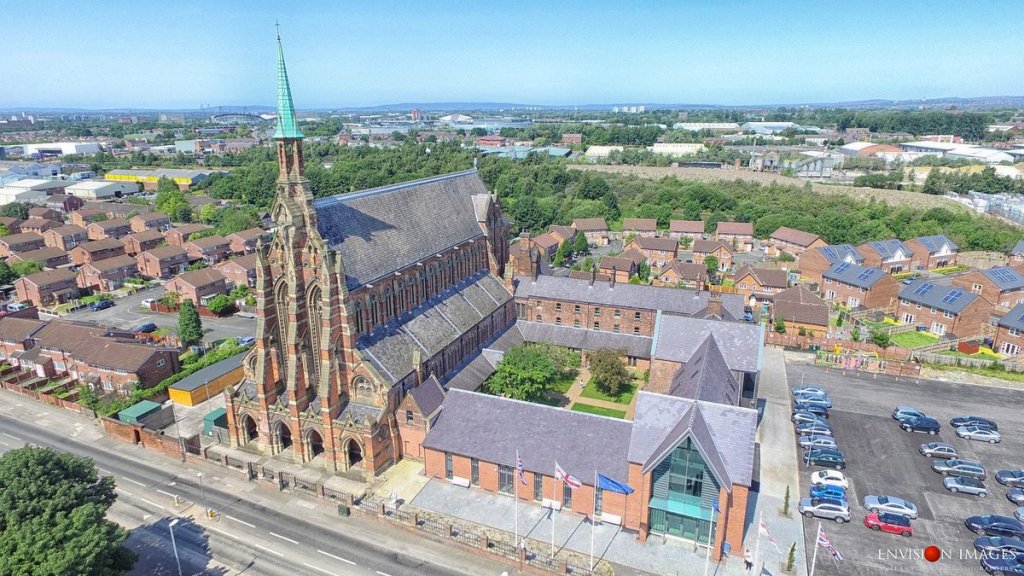
Gorton Monastery is a short 15-minute bus ride from Piccadilly Newton Street.

The monastery is a former church and Franciscan friary, which has been described as architect Edward Welby Pugin’s masterpiece. It is also known as Manchester’s Taj Mahal.

Derelict for many years, it was saved from ruin by the charity and building preservation trust that still maintains and operates the site to this day. Stockport-born broadcaster and writer Joan Bakewell and former Beirut hostage Terry Waite backed the campaign to save the church and are patrons of the Gorton Lane Monastery.

In 1997 the monastery was placed on the World Monuments Fund Watch List of 100 most endangered sites in the world, alongside the Taj Mahal, Pompeii and the Valley of the Kings.

Today, The Monastery operates as a heritage visitor attraction as well as a venue for hire.

Once we arrived we settled in the café and enjoyed soups, paninis, jacket potatoes and toasties all prepared by the wonderful Carl. We then looked round the enclosed garden, church, cloisters, sanctuary café and refectory. More photos can be seen here.

Canonisation of David Hoyle

On 22 September 1991, The Sisters of Perpetual Indulgence canonised Derek Jarman as Saint Derek of The Order of Celluloid Knights of Dungeness. The Sisters of Perpetual Indulgence are an international order of queer nuns with groups all over the world, including here in Manchester.

They perform radical queer and left-wing activism, essentially HIV and community fundraising work that, in their own words, “expiate stigmatic guilt and promulgate universal joy”.

On Saturday 9 April 2022, as a finale to the Derek Jarman PROTEST! exhibition, Jez Dolan (the artist in residence) together with The Manchester Sisters of Perpetual Indulgence held the canonisation of internationally acclaimed performance-art icon, David Hoyle, hereafter to be referred to as Saint David of the Avant-Garde.

As is traditional and time-honoured in these matters, the ceremony began with the procession of the Saint-to-be through the streets to the place of canonisation. The procession, accompanied by the Eclipse New Orleans Parade Band, began from New York New York in Manchester’s gay village.

The night before we had attended Dame Gracy’s Memorial at Tribeca. We learnt that Gracy, back in the day, had led a march from the Rembrandt pub along Sackville Street. However before the dozen or so people reached Portland Street they were all arrested by the police.

Today’s parade took the same route out of the Gay Village and continued through China Town to the renowned splendour of the Manchester Art Gallery accompanied by flags and banners, smoke and mirrors.

Once we were in the Art Gallery, Jez Dolan announced: “In the beginning Gloria created the heaven and the earth. And the earth was nanti form, and void; and munge was upon the eke of the deep. And the Fairy of Gloria trolled upon the eke of the aquas. And Gloria cackled, Let there be sparkle: and there was sparkle.” This made the whole event truly fantabulosa!

More photos can be seen here.

Pride in Nature

The RHS (Royal Horticultural Society) Garden Bridgewater organised a Pride in Nature event and members of Out In The City attended. We walked through the gardens, enjoyed refreshments and listened to the talks from Queer Out Here (an LGBT+ walking group), Hidayah LGBT (a group which supports LGBT Muslims) and Let’s Get Botanical Together (a collaboration between Pride in Ageing at LGBT Foundation and Manchester Art Gallery to create a pocket park inspired by Derek Jarman’s garden at Prospect Cottage in Dungeness).

Government’s LGBT+ Conference Cancelled … RHS Garden Bridgewater … Paragraph 175 … Requests for help

News

UK Government’s LGBT+ Conference cancelled

The UK has cancelled its first-ever international LGBT+ conference after a boycott by more than 100 organisations.

The three-day “Safe To Be Me” conference was scheduled to begin in London on the 29 June, coinciding with the 50th anniversary of London’s first official pride marches, to promote LGBT+ rights within the UK and globally.

The event will not go ahead after LGBT+ charities and other groups pulled out over the government’s stance on conversion therapy. They also failed to get sponsorship from Vodafone, BP, Virgin Media, NBC Universal and OVO Energy due to the government’s poor record on LGBT+ rights.

The Stonewall statement (below) is backed by more than 100 LGBT+ and other organisations including GIRES, Gendered Intelligence, Mermaids, The LGBT Foundation, The Peter Tatchell Foundation, The Intercom Trust and The Proud Trust.

Stonewall Statement on the “Safe To Be Me” conference

“Due to the Prime Minister’s broken promise on protecting trans people from the harms of Conversion Therapy, we regret that we are withdrawing Stonewall’s support for the UK Government’s Safe To Be Me conference. We will only be able to participate if the Prime Minister reverts to his promise of a trans-inclusive ban on conversion therapy.

This is a decision we take with a heavy heart. As the UK’s first global LGBT+ conference, Safe To Be Me should be a moment for redoubling efforts globally to improve LGBTQ+ people’s rights and experiences. This is why we have worked hard with government and civil society organisations over the last few months to try to make the conference work.

However, last week’s leaked plans, which revealed that Number 10 planned to scrap the conversion therapy ban, have left us with no choice but to withdraw our support. That the Prime Minister would so casually walk away from four years of promises to the LGBTQ+ community is appalling, and we cannot in good conscience back Safe To Be Me at a time when our community’s trust in the UK Government is shattered.

We recognise that in response to outrage from the LGBTQ+ community and our allies, the Prime Minister’s position has shifted. He now proposes a partial ban, one that protects lesbian, gay and bi cis people, but leaves trans people, including trans children, at continued risk of abuse. This is out of step with every other nation that has recently introduced a ban on conversion therapy and ignores all credible international research that is available, including the position of the UN Independent Expert.

It is apparent that trans people have once again been sacrificed for political gain. Commissioning a separate body of work to unpick something that has already been resolved many times the world over, can only be read as an attempt to kick the issue of protecting trans people into the long grass. This is callous and unacceptable.

Conversion therapy is happening to LGBTQ+ people in the UK right now, and every day without a ban is a day where LGBTQ+ people remain at risk of lifelong harm. Trans people are amongst the highest risk groups in our community – the latest research from Galop shows that 11% of trans people have been subjected to conversion practices by their own families.

Trans people are no less worthy of respect, care and protection than cis lesbian, gay and bi people. If the UK Government cannot stand behind and respect all LGBTQ+ people’s fundamental human rights, it should not be convening an LGBTQ+ rights conference on the global stage.

Stonewall remains a civil society co-chair of the Equal Rights Coalition, and we continue to engage with ERC processes and events. This includes the upcoming ERC conference, which is separate from the UK government’s ‘Safe to be Me’ event, and which we will continue to be a part of. Our commitment to this mechanism, and to progressing global LGBTQI+ rights, remains unchanged.”

RHS Garden Bridgewater

Have you got your garden ticket ready for #PrideInNature on Sunday 10 April?

There’s a cracking line up of performances, talks and workshops to celebrate the LGBTQIA+ community who work and make a difference in the horticulture, environment and nature sectors.

Out In The City has 15 free tickets (usually £11.50 each). There’s still two left. Please contact us here to be added to the guest list.

RHS Garden Bridgewater is at Occupation Road, off Leigh Road, Worsley, Salford M28 2LJ.

In April 1938 Homosexual Prisoners Were Sent To Concentration Camps

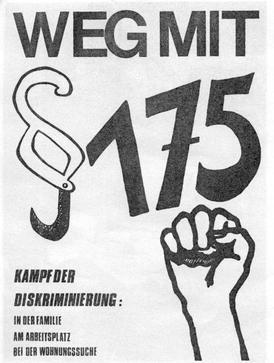
Poster against Paragraph 175

Paragraph 175 was a provision of the German Criminal Code established in May 1871 that made homosexual acts between males a crime. It was not until April 1935 that the German Nazi party broadened the law so that the courts could prosecute any “lewd act” whatsoever, even one involving no physical contact. That move caused convictions of gay men under Paragraph 175 to multiply by a factor of ten to over 8,000 per year by 1937.

Just when it seemed things couldn’t get any worse for gay men in Germany, on 4 April 1938, the Gestapo publicly announced that men condemned for homosexuality would be deported to concentration camps.

Under the orders of Heinrich Himmler, leader of the SS, the police and the Gestapo arrested around 100,000 men suspected of the crime of homosexuality.

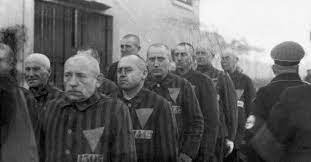
Homosexual prisoners at the concentration camp at Sachsenhausen, Germany, wearing pink triangles on their uniforms on 19 December 1938. Corbis / Getty Images

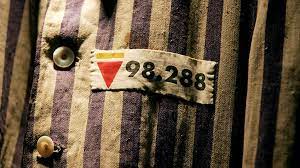
In his memoirs, Rudolf Höss, commandant at Auschwitz, describes how the camp guards would often assign homosexuals, forced to wear pink triangles for recognition, to some of the most dangerous jobs and they were sometimes separated from other prisoners to prevent homosexuality being “propagated” to other inmates and guards. Judges and officials at SS camps could even order the castration of homosexual prisoners without consent whenever they wished.

Survival in camps took on many forms. Some homosexual prisoners secured administrative and clerical jobs. For other prisoners, sexuality became a means of survival despite the Gestapo’s best attempts to stop it. In exchange for sexual favours, some Kapos protected a chosen prisoner, usually of young age, giving him extra food and shielding him from the abuses of other prisoners.

SS doctors also performed cruel experiments on prisoners to “cure” them of their homosexuality. In fact, these tests resulted in illnesses, mutilations and the deaths of hundreds upon hundreds of gay prisoners.

Even though there are no definite statistics on the number of homosexuals murdered at the Nazi camps, estimates range anywhere from 100,000 to 200,000 gay men were detained in concentration camps under the Nazi regime with little chance of survival.

Paragraph 175 stayed in effect in Germany until 1969. Even after the concentration camps were liberated gay prisoners who had survived would be sent to regular prisons to finish out the terms of their sentences.

In 1985, gays and lesbians had wanted to place a plaque in the camp at Dachau, but it was not until 10 years later, in 1995, that they would be officially recognised as victims of the Holocaust.

Requests for help

Out In The City has been contacted by Alex Schellekens, a trainee journalist, who is producing a TV documentary about gay men who were convicted under historic anti-gay laws, in light of the recent amendment in January to the Police, Crime, Sentencing and Courts Bill to waive those convictions.

He is currently looking for more interviewees! If you were previously arrested due to old homophobic laws, or maybe had a close encounter with the police, he would love to hear your story. Equally, if you have any friends or family members who were arrested and convicted he would love to hear from you as well.

All interviews will be handled sensitively, and if you prefer to remain anonymous that is something that can be arranged.

If you’re interested in speaking to Alex, it would be great to arrange an initial chat soon, with a view to hopefully filming interviews between 11 – 24 April. Please contact us here and we will put you in touch.

Out In The City has also been contacted by Alex Bingham, who is working on a feature-length documentary which will celebrate 50 years since the first official Pride march in the UK. The aim is to tell a story not just of how Pride events in the UK have developed since 1972, but also how Pride’s history reflects broader changes in LGBTQ+ lives and communities during those five decades – including key battles fought, and those yet to be won. The film is being made by BBC Studios for broadcast premiere on Channel 4 at the start of July this year. 

Central to the documentary will be the voices, memories and perspectives of a diverse range of LGBTQ+ figures from around the country.

If you have memories or stories relating to Pride events, please contact us here so we can link you up.