AIDS: The Unheard Tapes … IDAHOBIT … Trans Rights are Human Rights … Jackie Shane … Pride Events

News

AIDS: The Unheard Tapes

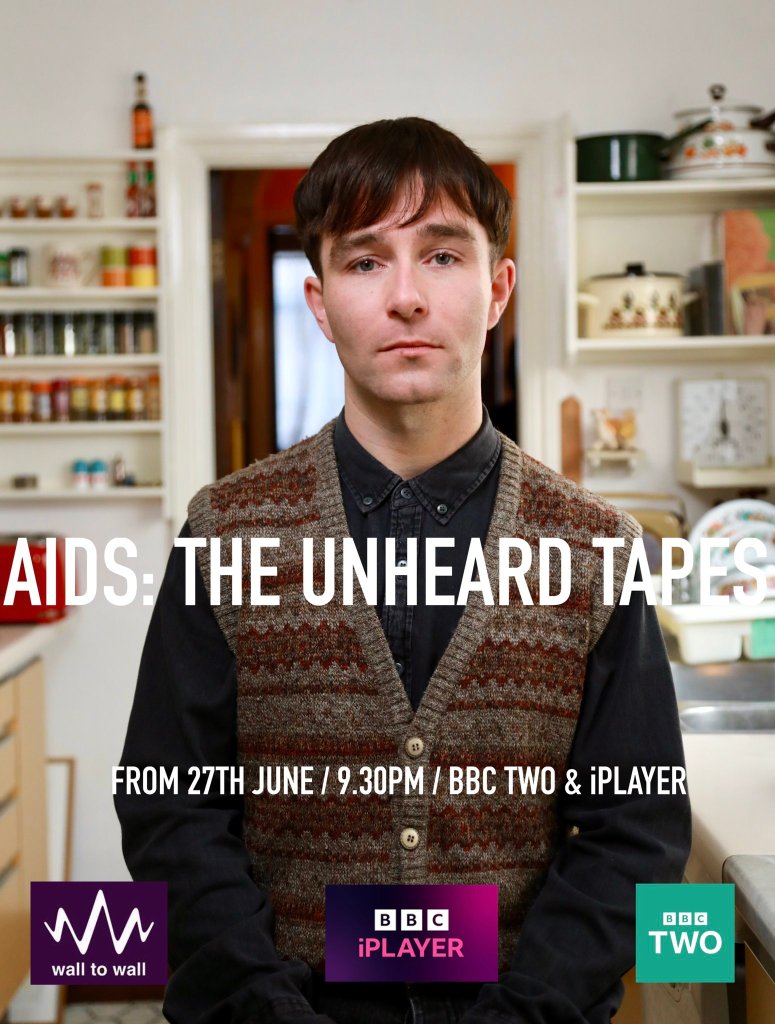
This 3-part series featured audio interviews with gay men recorded throughout the 1980s and 90s and archived at the British Library.

“AIDS: The Unheard Tapes”was nominated for a BAFTA in the Specialist Factual category announced on 14 May 2023.

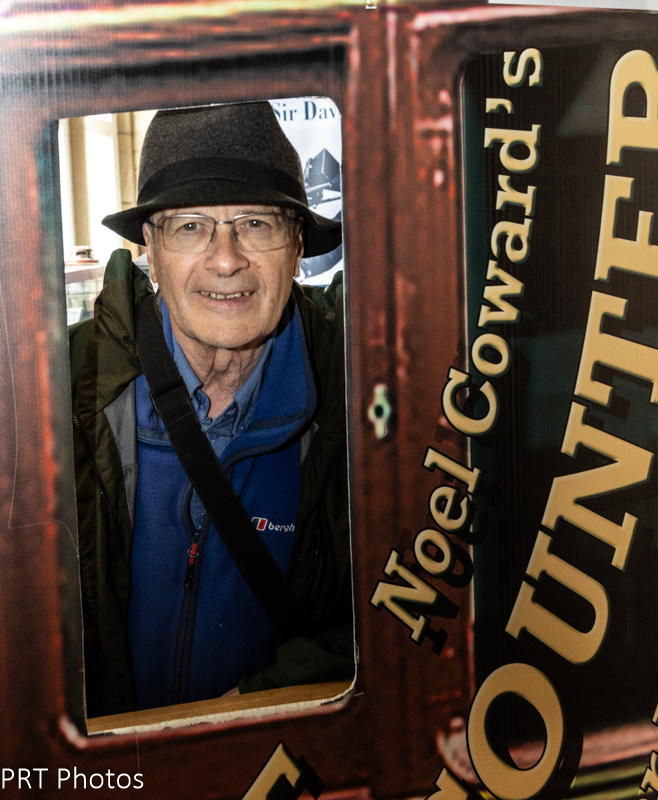
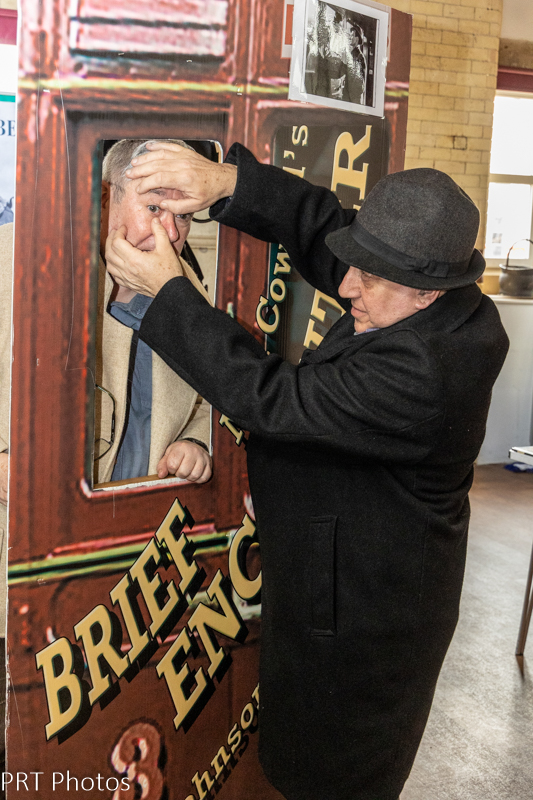
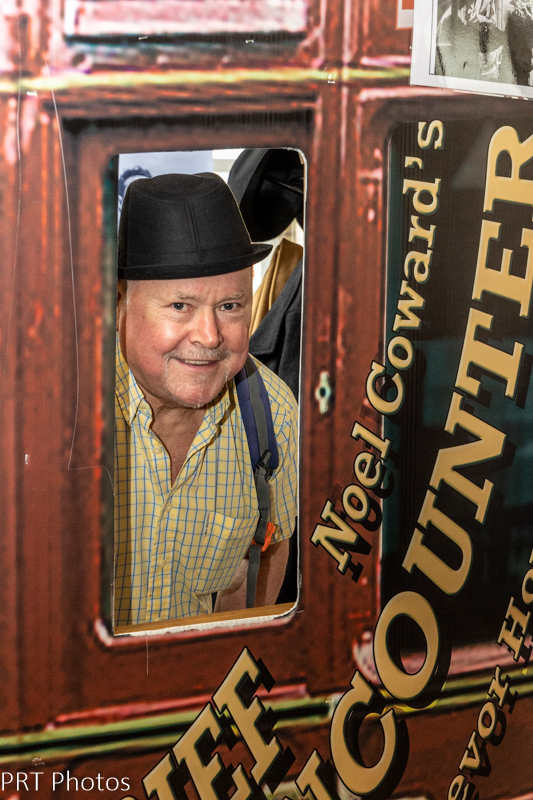
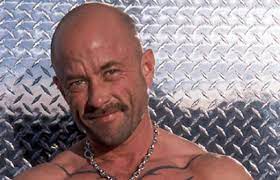
“Russia 1985-1999: Traumazone” won the award, but for “AIDS: The Unheard Tapes” to have been nominated is of course a huge honour. By the way the photo is George Ure playing me!

The three programmes are still available on BBC iPlayer.

IDAHOBIT is celebrated on 17 May 2023
We are happy and proud to announce that the theme for the 2023 edition of the International Day against Homophobia, Transphobia and Biphobia (IDAHOBIT) will be “Together Always: United in Diversity”.

Decided during a large consultation with LGBT+ organisations from across the world, the theme will allow for advocacy and celebrations in many forms – from human rights defenders, LGBT+ voluntary and community groups, millions of people in our communities and our allies.

At a time when hard-won advances for our LGBT+ communities around the globe are increasingly under threat, the power of solidarity, allyship and community across identities, borders, and movements has never been more necessary.

When we unite, in all our beautiful diversity, we can really bring about change!

When it comes to transgender human rights, there should be no debate

The vast majority of the LGBT+ community believe framing the discussion of transgender rights as a ‘debate’ is harmful, a Gay Times survey has found.

The findings come as the UK media puts topics like self-identification and using the spaces that align with someone’s gender identity in the spotlight, despite trans and non-binary people being estimated to make up just 1 per cent of the population in Britain.

This is often framed as the so-called ‘trans debate’, which frequently sees human rights issues tossed around as if they are a trivial matter and are used to fuel a wider anti-trans agenda.

On 29 March 2023, two days before Trans Day of Visibility, talkRADIO ran Twitter polls asking if a woman can have a penis and whether or not a man can get pregnant.

“Equalities watchdog launches study aiming to ‘reduce distress’ in trans debate,” wrote The Telegraph a week earlier, referencing alleged “fears” that trans activists are “harming freedom of expression” and abusing feminist academics.

Four years earlier, the same outlet ran a think-piece titled: “The tyranny of the transgender minority has got to be stopped.”

“Stonewall should stay out of trans rights war,” read another headline on 22 May 2022, this time in The Times.

The list of examples could go on, as a quick Google search of “trans debate” returns 137,000,000 results.

Despite how frequent this characterisation is becoming, the Gay Times’ survey has revealed that framing the discussion in this way is not welcomed by the LGBT+ community.

Of the 996 respondents, more than three quarters (77.5 per cent) have seen trans rights described as a ‘debate’ in the UK media.

96.4 per cent said they believe this framing to be harmful, a figure which rises to 96.6 per cent when looking solely at LGBT+ people who took the survey.

“We know how detrimental anti-trans rhetoric in the media is, particularly when framed as a ‘hot topic’ for ‘debate’,” said Bex Shorunke, the PR & Media Engagement Manager at trans charity Mermaids. “Since when did a human being’s fundamental rights, and access to spaces, become something up for discussion?”

There are also serious concerns in the way trans issues are portrayed by the UK media, with just 0.9 per cent of respondents believing it to be a ‘completely accurate’ depiction and 6.2 per cent viewing it as ‘somewhat accurate’.

Almost 9 in 10 (86.4 per cent) believe trans issues are ‘somewhat’ or ‘completely’ inaccurately reported on, and just 6.5 per cent believe it to be ‘fair’.
Peter Tatchell, one of the UK’s most prominent human rights campaigners, said the Gay Times “survey result is a damning indictment of transphobia in much of the UK media.”

“Trans voices are routinely ignored, demonised and ridiculed,” he continued. “In contrast, inflammatory, inaccurate and bigoted anti-trans views are given ceaseless coverage. Most journalists would never dare publicise similar abusive opinions about disabled, Black or LGBT+ people, but many seem to think that trans people are fair game.”

Only 2.8 per cent of respondents said they ‘never’ see transphobic reporting in the UK media, a stark contrast to the 44.9 per cent who see it ‘often’ and the 27.3 per cent who see it ‘sometimes’.

A further 14.9 per cent stated that they see it ‘all the time’, with just 1 in 10 (10 per cent) ‘very rarely’ encountering it.

“The press watchdog has failed completely to uphold fair, impartial reporting,” Tatchell added. “It is unfit for purpose and should be disbanded.”

A lot of the UK’s print media is regulated by the Independent Press Standards Organisation (IPSO) in order to hold outlets to account and ensure high standards are being met.

Gay Times contacted IPSO to ask if there were any plans to update its guidelines on trans reporting, particularly when it comes to the depiction of these issues as a ‘culture war’ that is up for debate.

“IPSO periodically updates all its guidance and plans to refresh its guidance on the reporting of transgender issues towards the end of this year,” a spokesperson stated. “As with all IPSO guidance, it is designed to explain how the Editors’ Code applies to the reporting of particular topics. It aims to support editors and journalists to uphold high editorial standards, but does not supersede or replace the Editors’ Code itself.”

Trans Media Watch is an organisation that exists to help the media report on trans issues with accuracy, dignity and respect.

jane fae, Chair of Trans Media Watch, who stylises her name in lowercase, told Gay Times that the findings “are disappointing but not at all surprising.”

“One constant in our work representing trans people to the UK media is the enormous toll that this sort of constant transphobic presence in the press is wreaking on the trans community,” fae stated.

She further explained that this reporting often worsens the mental health of trans people and makes them “more likely to hide at home and not go out”.

“For their part, the UK press and media are utterly shameless,” fae continued. “They twist. They sensationalise. They are more than happy to lead with stories that are simply untrue, even where these stories can have significant negative consequences for trans people.”

Trans Day of Visibility takes place on 31 March each year in order to celebrate the trans community and raise awareness of the discrimination they continue to face.

Gay Times ran its survey for 24 hours from the morning of 15 March through to the following day, with a total of 996 respondents having their say.

This ‘60s soul songstress rocked the Toronto soul scene – and strict gender norms

Jackie Shane was born on 15 May 1940 and started her soul-singing career in her native Nashville, Tennessee, donning makeup and long hair even as a teen in the 1950s Jim Crow South.

She took to performing as part of the travelling Cetlin & Wilson carnival to make her name and live her truth on stage. In 1959, the carnival found its way to Ontario, and she knew she’d found where she was supposed to be.

“I never felt that good before. I felt so free,” she later recounted to Toronto musicologist Rob Bowman. “I just loved it.”
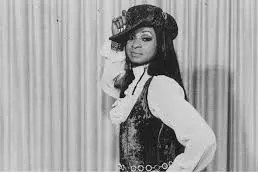
Moving to Quebec for a short time, she came to collaborate with Frank Motley and his Motley Crew as their lead vocalist. Her new gig led her back to Ontario, with Toronto becoming her home base as she travelled around recording and performing.

Shane started cutting singles, like her 1962 cover of William Bell’s “Any Other Way”, along with Motley. That song in particular caught fire in her new Toronto scene, making its way up the local charts and earning her a top two hit in the area.

Despite her foundational impact on the Toronto Sound in the ’60s, Shane came to shun away from the spotlight in the ’70s. She wouldn’t be seen much by the public eye until 2017, when reissue label Numero Group worked with her on a double-LP compilation of her work. Her star shone once again, earning her a well-deserved “Historical Album” Grammy nomination.
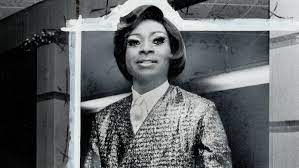
For decades, Shane was identified as a gay man or drag queen in the press. She herself identified a number of different ways before publicly settling on “trans woman” in an interview that same year, just a couple of years before her passing in early 2019. Such is the nature of queer identity and terminology over decades, of course. What matters most is that she was Jackie, and she was ferocious.

To quote a bit from a live performance of her song “Money“: “When I’m walkin’ down Yonge Street — you won’t believe this — but you know, some of them funny people have the nerve to point the finger at me and grin and smile and whisper. But you know, that don’t worry Jackie, because I know I look good. And every Monday morning, I laugh and grin on my way to the bank because I’ve got mine.”

Check out Jackie Shane’s scene-stealing cover of “Any Other Way”:

Dates for the diary – Greater Manchester Pride Events Taking Place

Bury PrideSaturday 29 April
Pride in TraffordWednesday 17 – Saturday 20 May
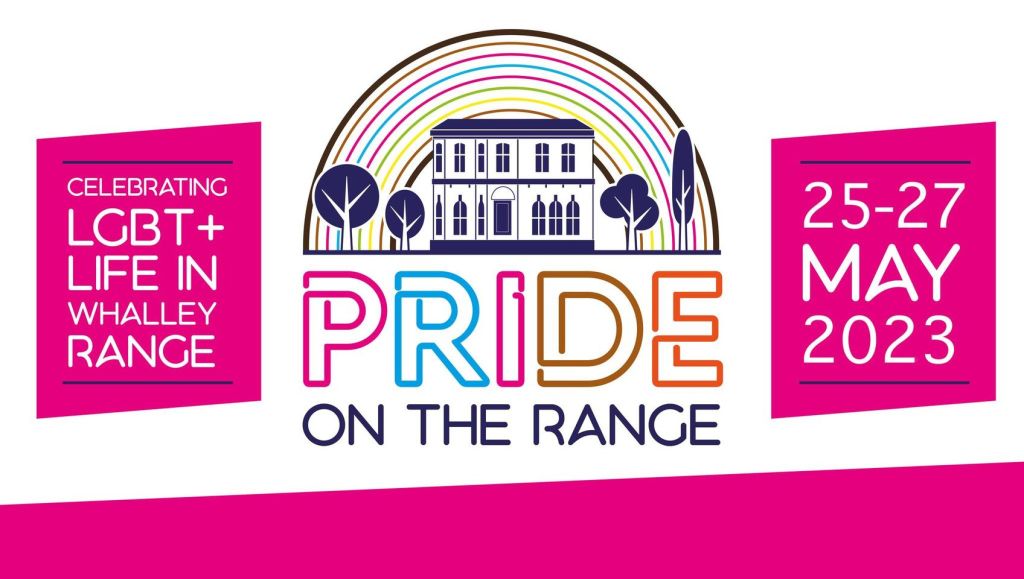
Pride on the Range (Whalley Range)Saturday 27 May
Salford Pink PicnicSaturday 17 June
Pride in WythenshaweSaturday 24 June
Sparkle (Transgender Festival)Friday 7 – Sunday 9 July
Tameside PrideSaturday 15 July
Rochdale in RainbowsSunday 16 July
Oldham PrideFriday 21 – Sunday 23 July
Pride in BoltonFriday 28 – Sunday 30 July
Stockport PrideSunday 30 July
Levenshulme PrideFriday 11 – Sunday 13 August
Wigan PrideSaturday 12 August
Prestwich PrideSaturday 12 – Monday 14 August
Manchester PrideFriday 25 – Monday 28 August
Didsbury PrideSaturday 2 September
Chorlton PrideSaturday 16 September
  
Happy Valley Pride (Hebden Bridge)Monday 24 July – Sunday 30 July

Carnforth … Legacy of ’67 – The Symposium … Rainbow Lottery

News

Carnforth

This week we visited Carnforth, a market town situated around seven miles north of Lancaster, which grew in the 19th century through the presence of the railway and ironworks.

The name “Carnforth” is thought to derive from its old function as a ford of the River Keer on which it is situated. Over time the name “Keer-ford” may have morphed into the modern “Carnforth”.

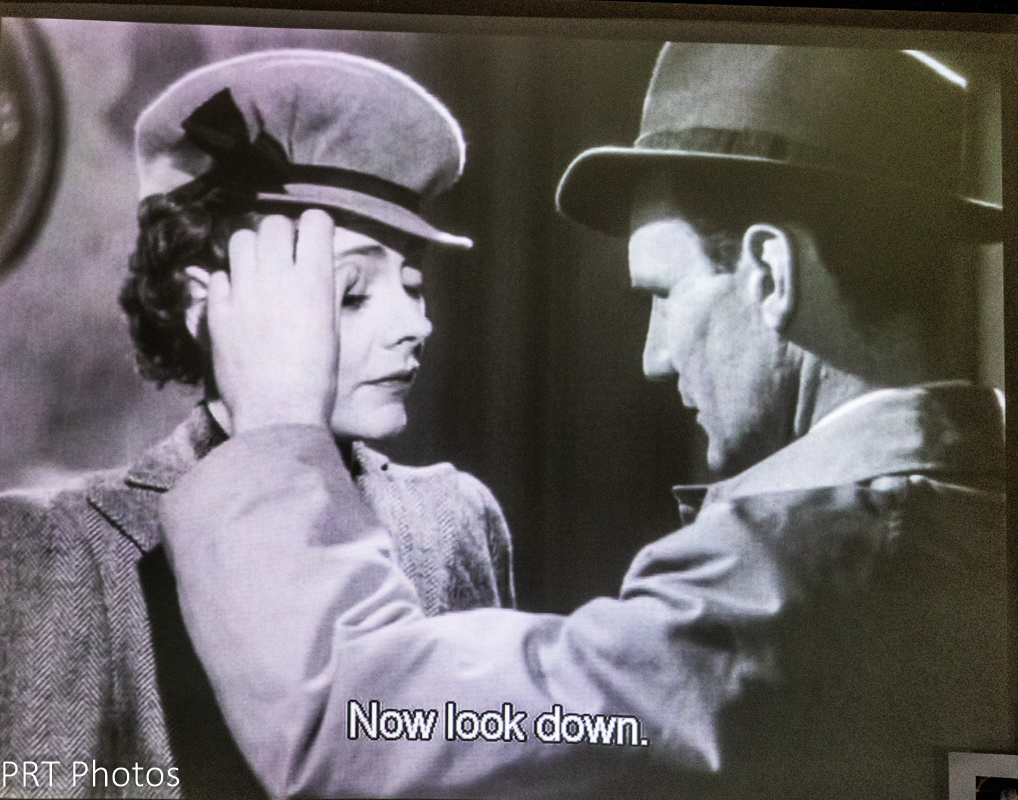
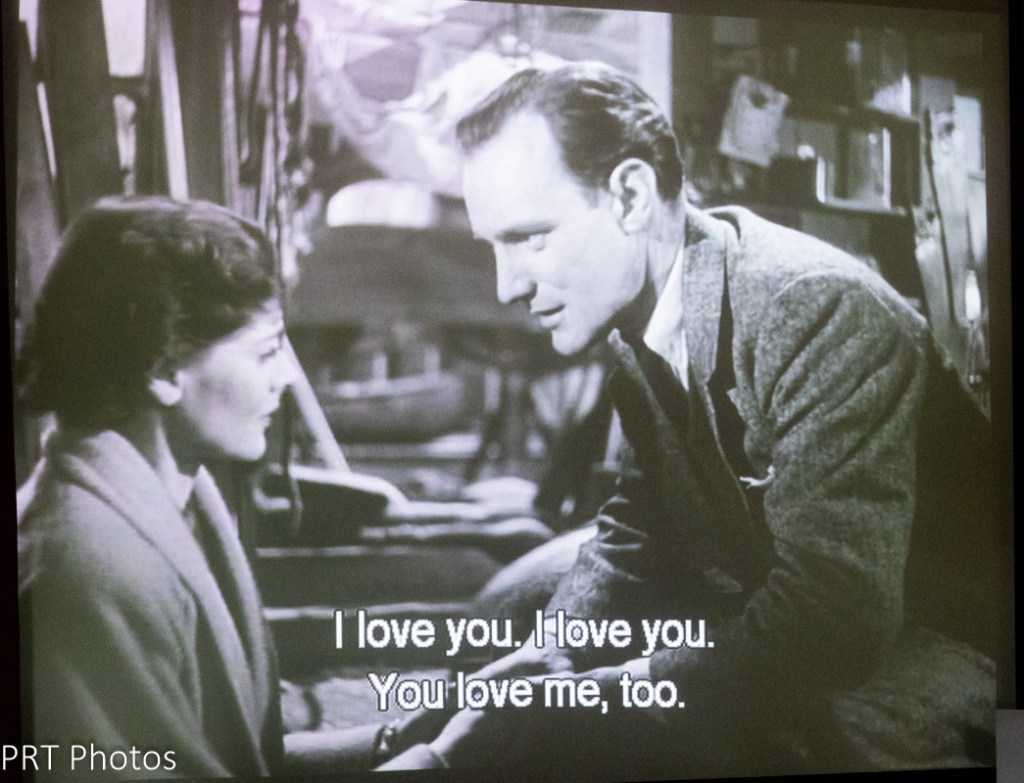
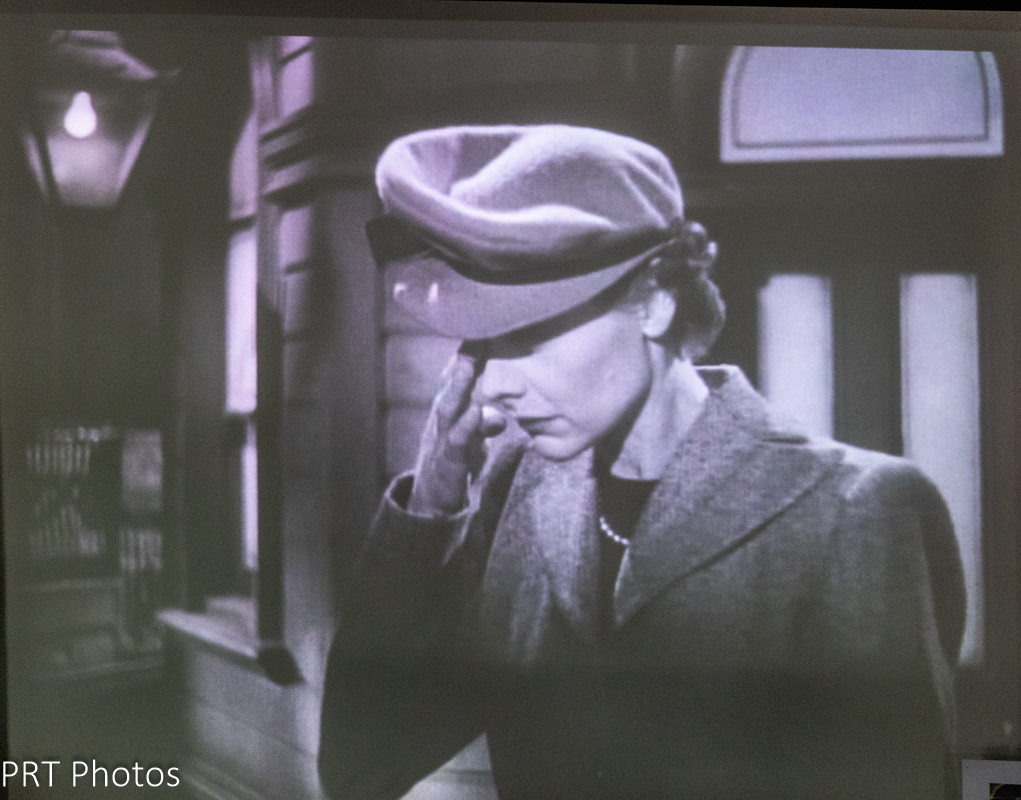
In 1945, Carnforth railway station was used as a location for the David Lean film Brief Encounter, starring Celia Johnson and Trevor Howard.

Fans of this film were one of the major factors in the recent refurbishment of the railway station, including construction of a refreshment room to match the studio set used in the film. This reopened in 2021 as the Brief Encounter Refreshment Room Bistro and Bar.

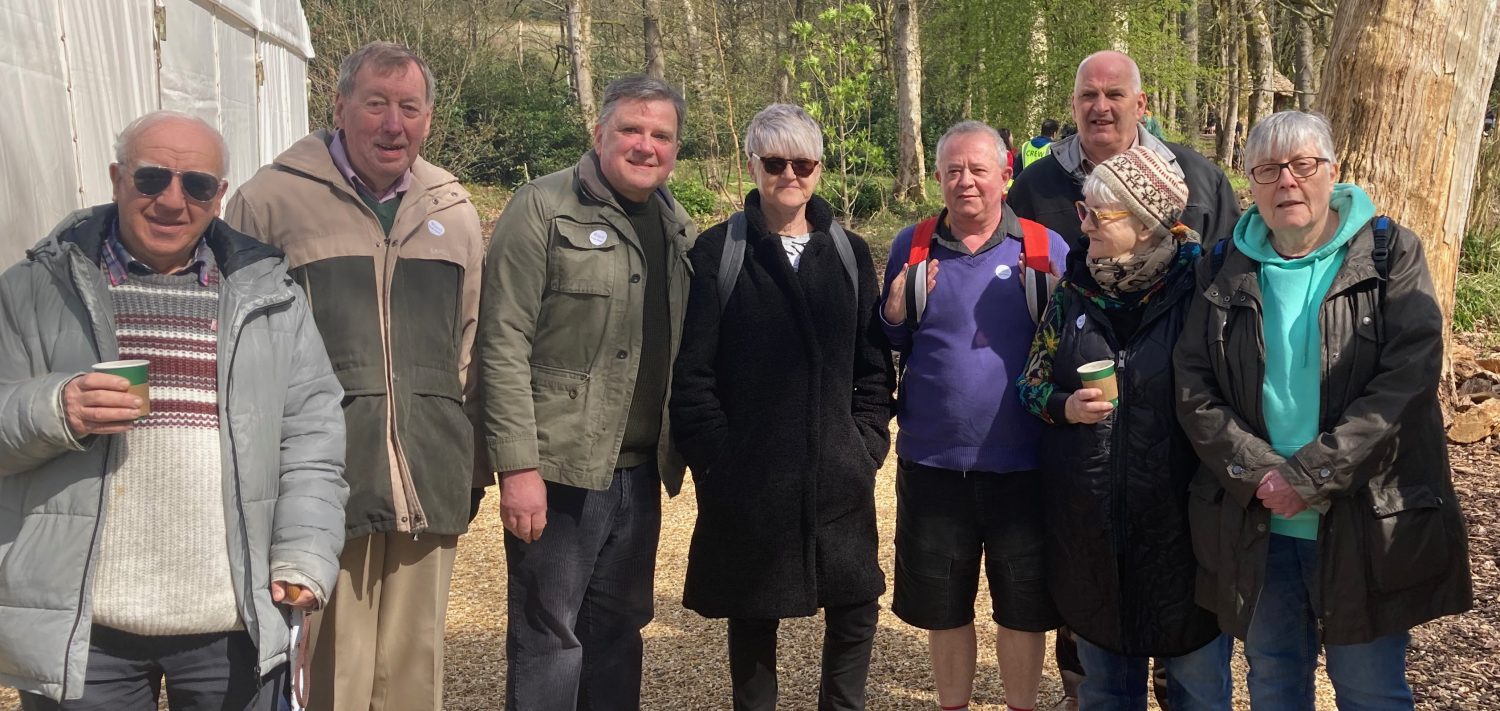
The heritage centre, now run by the Carnforth Station Trust, features a small cinema area, shop and exhibitions. A few of us ventured into the town, and all in all we had a great day out.

Photos can be seen here. Some are black and white photos with some subjects in colour!

Legacy of ’67 – The Symposium

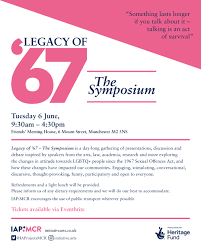
The Legacy of ’67 project launched in February 2022 to illuminate the stories and histories of LGBT+ people before and after the partial decriminalisation of homosexuality in 1967. Personal stories of older people who identify as LGBT+ were collected and preserved in Archives+ at Manchester Central Library. These interviews formed the basis for a theatre show and exhibition.

The Symposium is the last public event of the project – a day-long gathering of presentations, discussion and debate inspired by speakers from the arts, law, academia, research and more exploring the changes in attitude towards LGBT+ people since the 1967 Sexual Offences Act, and how these changes have impacted our communities.

The day will be engaging, stimulating, conversational, discursive, thought provoking, funny and participatory.

Refreshments and a light lunch will be provided.

The event will be on 6 June 2023 from 10.00am to 5.00pm at Friends’ Meeting House, 6 Mount Street, Manchester M2 5NS.

Tickets are £5.00 or free to people who are unwaged or low waged. Booking is essential here

Rainbow Lottery – Win a Summer Getaway!

As the weather (slowly!) gets more summer-y, we’re thrilled to be able to bring you this amazing prize.

To thank you for your ongoing support for Out In The City, we’re giving you the chance to win a fantastic European City Break this May! Whether you want to see the architecture and nightlife of Barcelona, sample the art and food of Florence, soak up the culture in Paris – or simply unwind and see the sights – this prize is simply not to be missed!

The special prize draw will take place on Saturday 27 May. For existing ticket holders there’s no need to buy separate tickets, you will be automatically entered into this prize draw. Of course, you are welcome to buy additional tickets. Every ticket you buy is an extra chance to win, and an extra fundraising boost for Out In The City.

All this for just £1 a week.

Thank you and good luck!

Bee Corner … Eurovision Party … Will King Charles III address LGBT+ rights? … Pride on the Range

News

Bee Corner

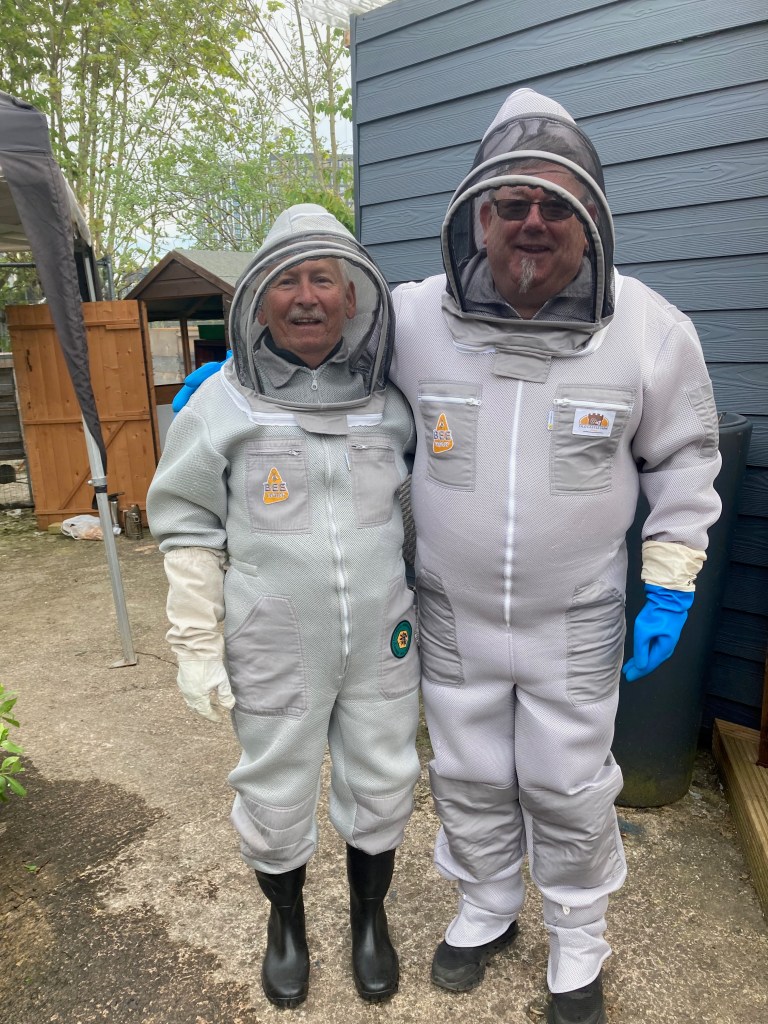
After a bee-utiful lunch in Manchester city centre, we made a beeline for Bee Corner, an urban beekeeping experience, tucked away bee-hind Islington Mill in Salford. As luck would hive it, a bus came straight away.

I know I’m just winging it, but bee puns are good for your health. It’s true: they give you a dose of vitamin Bee! OK, I’m pollen your leg.

Our host, Amber and her team, really looked after us – you’d better bee-lieve it. We started off with refreshments before donning our protective outfits and visiting the hives.

The experience is very “hands on” and Amber is very knowledgeable. We bought some Salford honey, and If truth bee told, this trip is un-bee-table.

And now Culture Corner – a poem and a riddle:

The Last Bee

After the last ee
had uzzed its last uzz,

the irds and the utterflies
did what they could.

ut soon the fields lay are,
few flowers were left,

nature was roken,
and the planet ereft.

Poem by rian ilston

What music do bees like?

If you answered Bee-thoven, Bee-yoncé, The Bee-tles, The Bee Gees, Justin Bee-ber or Sting, give yourself a point.

Some fantastic photos can bee seen here.

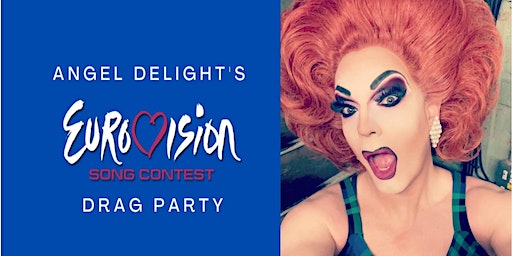
The perfect party to make your Eurovision week go with a boom bang a bang!

Join the gorgeous Angel Delight, for an evening of singalongs, card games, bongo bingo, music quizzes and lots of surprises, all with an added Eurovision sparkle!

Doors open at 7.30pm. Bar will be open all evening. Over 18’s only

Wednesday, 10 May 2023 8.00pm

Register here for Angel Delight’s Eurovision Drag Party

Manchester Central Library

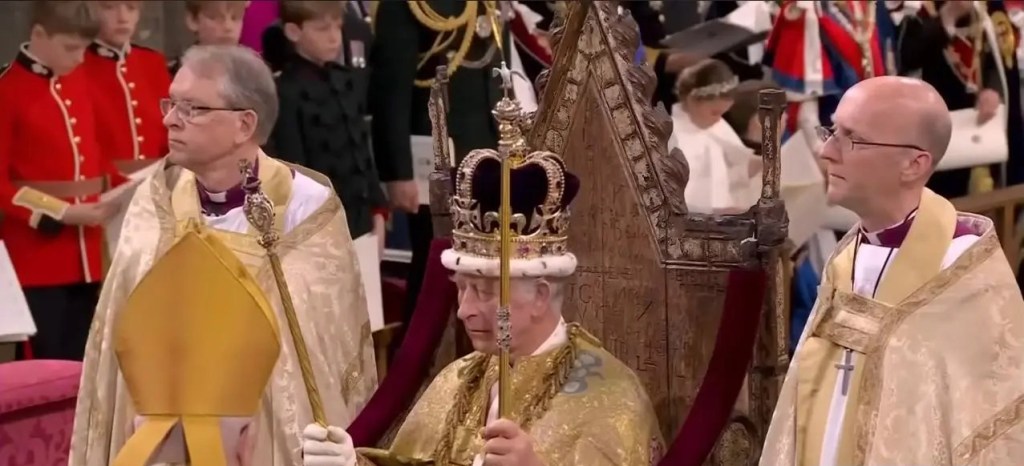
King Charles III is crowned as British monarch

Will King Charles III address LGBT+ rights?

In a solemn ceremony the Archbishop of Canterbury anointed Charles III king.

What will be the new king’s stance on the issues that impact the LGBT+ communities? Queen Elizabeth’s 70-year reign saw transformative changes in the UK, including major laws that advanced LGBT+ rights including the partial decriminalisation of homosexuality in 1967 and the Marriage (Same Sex Couples) Act in 2014.

However, the late queen avoided commenting publicly on LGBT+ rights. She kept herself out of social and political issues, and it seems that LGBT+ rights, even in the 21st century, were considered just that.

LGBT+ rights advocates in the UK, and in the Commonwealth of Nations that the king will now head, are waiting to see if he will be more vocal about LGBT+ rights. Charles has largely followed in Queen Elizabeth’s footsteps, and there is no record of him speaking on LGBT+ rights.

For the transgender community, especially in Scotland, which passed an updated Gender Recognition Law only to have it blocked by the conservative government, barring it being signed into law by the king in the process known as “royal assent,” the king remaining silent has become problematic according to LGBT+ rights advocates.

Same-sex relations remain illegal in many countries once colonised by Britain — many of which now form the Commonwealth.

Obviously, things don’t happen instantly. You can’t change a culture and people’s way of thinking over night. Homophobia is one of the many lingering legacies of the British Empire, which carried over into the Commonwealth of Nations headed first by Elizabeth and now by her eldest son.

Around the world LGBT+ people are outlawed by legislation criminalising same-sex sexual activity and through so-called ‘cross dressing’ laws and public order offences, which disproportionately affect trans people.

Many of these laws remain virtually unchanged since they were first introduced in the 19th century. Throughout Elizabeth’s reign, as the British Empire gradually fell away and was replaced by the Commonwealth, many of those former British colonies — now independent countries, have begun working to recant anti-LGBT+ laws.

While some, such as Uganda where a draconian law was passed to essentially imprison LGBT+ people, there have also been advances. Recently the premier of Australia’s Victoria state castigated anti-LGBT+ groups and in New Zealand lawmakers recently banned so-called conversion therapy and recognised self-identity for trans New Zealanders.

LGBT+ rights across the Commonwealth are changing rapidly, though unevenly. It is hugely important that the government owns up to the nation’s past. Given this legacy, the UK has an important role in supporting LGBT+ people around the world.

The question now is as Charles takes the throne and the reins of both the monarchy and the Commonwealth, will the king remain silent or speak out?

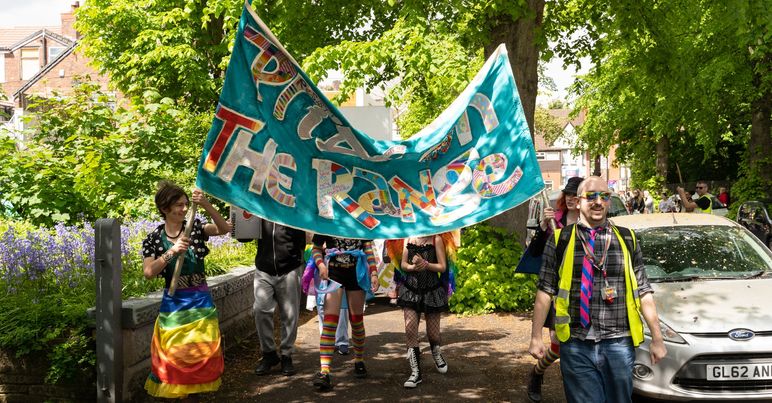
Pride on the Range

Whalley Range Pride features a parade, music, entertainment galore, a dog show and loads more!

Meet at the Nip & Tipple, Upper Chorlton Road, Whalley Range, Manchester at 11.30am, Saturday 27 May followed by various events at The Carlton Club.

Petition: Equality Act’s Definition of Sex … “Secretly” … Clonezone attacked … Pride in Trafford

News

Petition: Commit to not amending the Equality Act’s definition of sex

It has been reported that the Government may amend the Equality Act to “make it clear that sex means biological sex rather than gender.” The Government has previously committed to not remove legal protections for trans people, an already marginalised group, but this change would do so.

Currently, the Act protects trans people from discrimination on the basis of both sex and “gender reassignment”, regardless of whether they have undergone medical transition or hold a Gender Recognition Certificate. It can allow trans people to access single-sex spaces such as Domestic Violence shelters, bathrooms and hospital wards.

The proposed change would remove a legal protection for trans people and encourage discrimination. A petition asking the Government to refuse this change to the Equality Act 2010 was signed by more than 138,500 people as at 1 May 2023.

The petition closes on 15 May 2023 but as more than 100,000 have signed the petition, Parliament is going to debate the issue. The debate is scheduled for 12 June 2023.

Previously, on 25 January 2023, the Government responded to the petition:

“This Government believes in individual liberty. There are processes with appropriate checks to allow for those who wish to legally change their gender. Changes to the Equality Act are not necessary.

The Equality Act 2010 provides protection against discrimination, harassment and victimisation across a number of grounds, including sex. We are committed to upholding Britain’s long-standing record of protecting the rights of individuals against unlawful discrimination.

The Government is also committed to maintaining the safeguards that allow organisations to provide single-sex services. It is important that the principle of being able to operate spaces reserved for women and girls is maintained, in line with the Equality Act. Government is committed to tackling harassment and abusive behaviours by all individuals, and ensuring single-sex spaces are safe for those using them.

The Act makes it clear that providers have the right to restrict use of spaces on the basis of sex and gender reassignment where this is justified.

The Equality and Human Rights Commission (EHRC) have published guidance on the existing legislation which provides much needed clarity to those offering single-sex spaces.

Finally, this Government believes in the principle of individual liberty and in the humanity and dignity of every person. There are processes in place, with the right checks and balances, to allow for those who wish to legally change their gender to do so. We have listened to the responses in the Gender Recognition Act consultation and have taken steps to modernise the way that individuals can apply for a Gender Recognition Certificate as a result, reducing the cost and moving the process online. Everyone that decides to transition, deserves our respect, support and compassion.”

This hit love song from the ‘50s is chock-full of very gay subtext

The straight-laced 1950s weren’t known for their flourishing gay culture. The Lavender Scare was forcing LGBT+ people out of their jobs in droves, homosexuality was still considered a mental illness, and the Stonewall Riots were still a decade away. But one song still managed to be a breakthrough hit, even with lyrics that could easily be a rallying cry for gay rights when viewed through a modern lens.

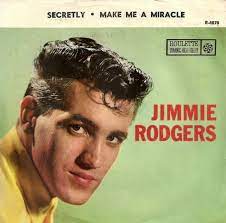
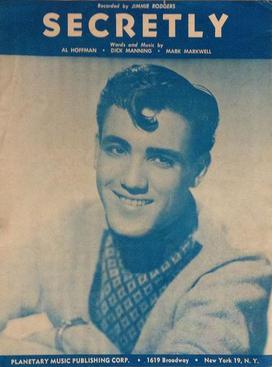
“Secretly” is a pop song by Jimmie Rodgers, released in May 1958. It tells a story of forbidden love: “Why must I meet you in a secret rendezvous? / Why must we steal away to steal a kiss or two? / Why must we wait to do the things we want to do?” he laments.

Through the first half of the chorus, the song might be taken as your classic Romeo and Juliet situation: two lovers, forced apart by unknown circumstances. “Wish we didn’t have to meet secretly / Wish we didn’t have to kiss secretly / Wish we didn’t have to be afraid / To show the world that we’re in love.”

Then, though, the song takes on a political slant: “Till we have the right to meet openly / Till we have the right to kiss openly / We’ll just have to be content to be in love secretly.” 

Hmmmm. We don’t know about you, but asking for “the right to kiss openly”? Sounds pretty gay to us!

Also, the song uses no gendered pronouns or other gendered identifiers for Rodgers’ love interest, which was unusual for love songs of the era. Regardless of Rodgers’ specific intention for the song, it certainly speaks to the idea of fighting the status quo, a contrast to the conservatism of the ‘50s. Nonetheless, the song was a hit, peaking at number 3 on the Billboard Hot 100.

Some folks have interpreted the song as being about an interracial relationship, given that interracial marriage wasn’t legal in all US states until 1967. That’s the beauty of “Secretly”: it speaks to all the hidden relationships of the ‘50s that deserved to see the light of day. Whatever interpretation speaks to you is fair game.

For LGBT+ listeners, of course, a gay interpretation comes naturally. In 2012, On You Tube there is a montage of vintage photos of men together set to “Secretly.” Though not all the pictures are explicitly romantic, just like the song, they paint a clear picture of gay love for anyone reading between the lines.

“Although the years have gone by, whether it was secretly or out in the open, we loved then and we still love today,” reads the video’s caption.

Rodgers himself was never confirmed to be gay. In fact, he had three wives throughout his life, with whom he had five children in total. He died from kidney disease in 2021 at age 87, so his own interpretation of “Secretly” is anyone’s guess — but we’re sure he wouldn’t mind if we claimed this one for the gays!

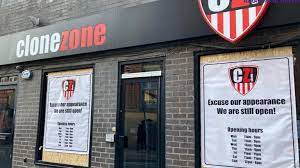
Clonezone failed by police over attacks, owners say

The shop shared an image of the latest attack, which showed a GMP car on the street nearby

At a glance

  • Clonezone Manchester has been attacked three times in six weeks in what its owners called a “targeted hate crime”.
  • They said Greater Manchester Police had “failed” in its response to the attacks.
  • The force said the attacks were thought to be “hate motivated”, but it was still investigating so could not confirm that for certain.

The police response to a series of attacks has been a failure, its owners have said.

Clonezone Manchester said it had been targeted three times in six weeks, with the latest attack seeing its windows smashed by two men on a motorbike.

Its owners said they were the “victims of a premeditated, targeted hate crime” and Greater Manchester Police (GMP) had “failed us and allowed these attacks to continue”.

The force said the attacks were believed to be “hate motivated” but officers were still investigating.

The shop, which stands on Sackville Street in the heart of Manchester’s Gay Village, describes itself as a “gay superstore”.

In a statement on Twitter, its owners said it had been targeted because it was a “queer business” and it believed the attacks were symptomatic of wider issues.

They said the area, which centres around Canal Street, had “always been a safe space and that now sadly is becoming less and less of a reality”.

They added that they had been touched by the “outpouring of love and support” which had followed the latest attack.

Two people fled on a motorbike in the latest attack

Jeremy Hoad from local group Friends of Manchester’s Gay Village said he was shocked by the attacks, the latest of which happened two hours after GMP officers met with community leaders to discuss the incidents.

“It is really disconcerting [and] it’s frustrating,” he said.

“It worries people, whatever the motivation for the attack, and the police say they can’t attribute it to a hate incident.

“It concerns people in the LGBT+ community – it makes us angry that something like this is still happening.”

GMP said two people were seen on CCTV on Sackville Street on a “distinctive-looking red motorcycle”, before one jumped off to repeatedly smash the shop’s windows.

“After a minute or so, they jumped back on to the motorcycle and left in the direction of London Road,” it added.

Ch Insp Adam Wignall said GMP would not “tolerate these kinds of mindless acts of vandalism”.

“As such, we are providing ongoing support to the owners of the shop, whilst we thoroughly investigate these incidents,” he said. A force representative added that GMP’s theory was that it was “hate motivated at the moment, but we cannot confirm this as we are still investigating”.

Pride in Trafford ’23

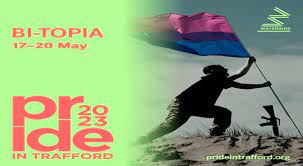
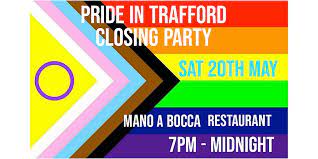
Pride in Trafford is an exploration and celebration of identity and LGBT+ life in Trafford from Wednesday 17 May to Saturday 20 May.

Celebrate LGBT+ arts at Sale Waterside as they present another fabulous line up from comedy and cabaret, to theatre, dance and circus, plus a celebratory family day on the Plaza and an exciting closing party hosted by neighbours Mano a Bocca pizzeria. There is plenty for everyone to enjoy!

The programme kicks off on the International Day Against Homophobia, Transphobia and Biphobia where they will raise the progress flag and enjoy speeches from the Leader and Chief Executive of Trafford Council. 

Throughout the four days there will be theatre from emerging artist Sam Danson exploring an authentic bisexual experience in BI-TOPIA and a dark-humoured coming-of-age story Jesus, Jane, Mother & Me; a unique performance on Chinese poles exploring love, drugs and Islam in The Chosen Haram; as well as brilliant comedy from the acclaimed Stephen Bailey in the Laugh Riot stand up night, joined by Rosie Wilby, Marie Goulbourne and MC Jonathan Mayor. 

There’ll be lots of entertainment for the whole family on the Saturday in Pride on the Plaza – with free activities throughout the afternoon as well as contemporary circus performances from High Tea (with a Twist) and a Closing Party at partner venue Mano a Bocca including comedy, cabaret, pizza, raffle and disco hosted by the infamous Belinda Scandal.

Bury Pride … Is This The Future of LGBT+ Elders Care? … Loren Cameron

News

Bury Pride

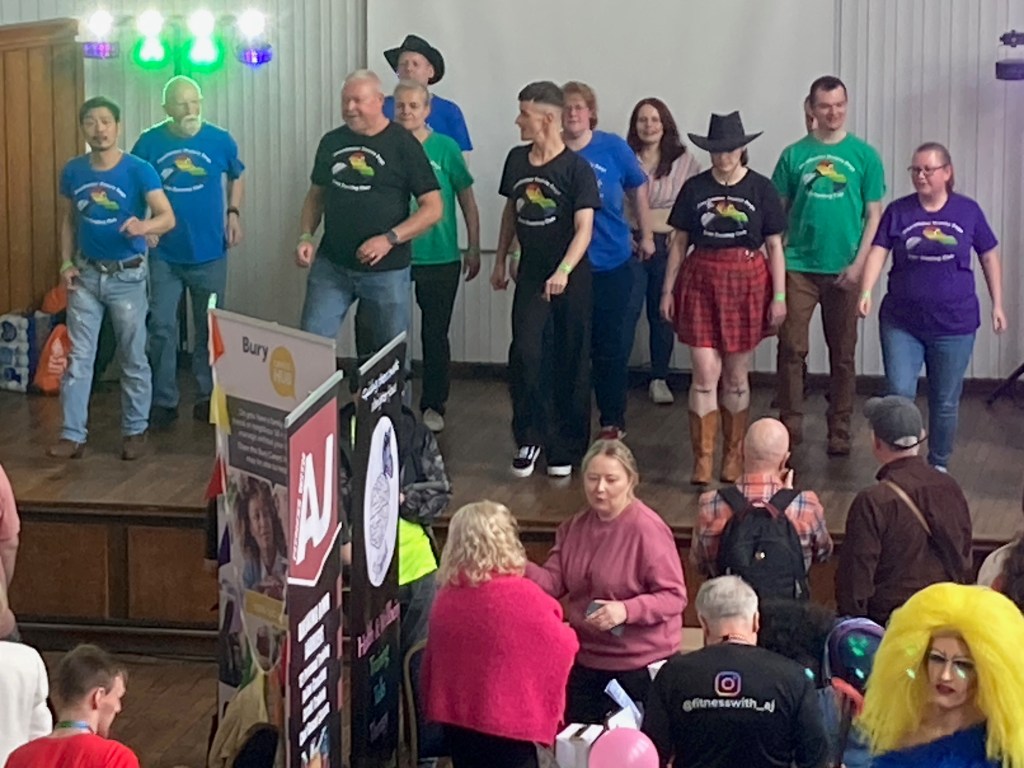
Last Saturday, 29 April, Bury Pride was back – bigger and better than ever! The event took place at the Elizabethan Suite at Bury Town Hall with lots of stalls and indoor entertainment. There was also the Walking Rainbow Parade and an outdoor stage with multiple acts and drag queens. The occasion was a joyous celebration to unite people through diversity and equality.

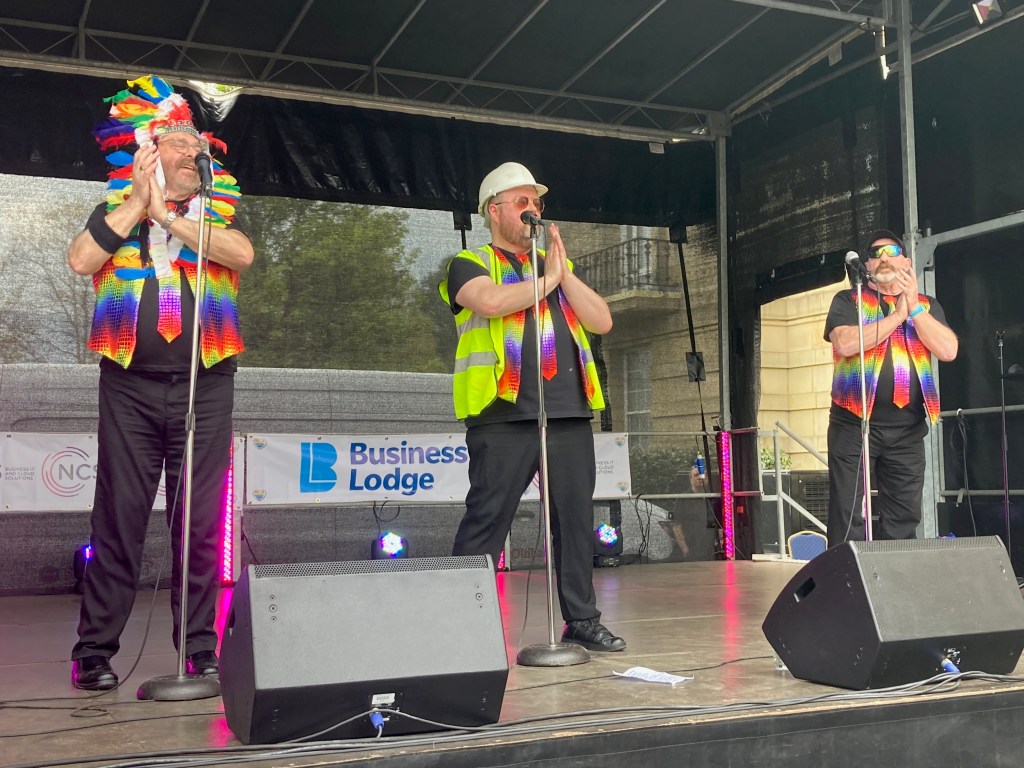
More than twenty members of Out In The City attended including David and Patrick who line-danced on stage as part of the Prairie Dogs and Derek and Gary who performed as Wolf – the oldest boy band.

We had a fantastic time including an excellent coffee and cake in Tina’s Tea Room within Bury Art Gallery.

More photos can be seen here.

Long-term care home unveils ‘Rainbow Wing’ for LGBT+ residents in Toronto

Barry Van Buskirk, a resident at the Rekai Centre said the opening of the ‘Rainbow Wing’ is very ‘comforting.’ (Talia Ricci / CBC)

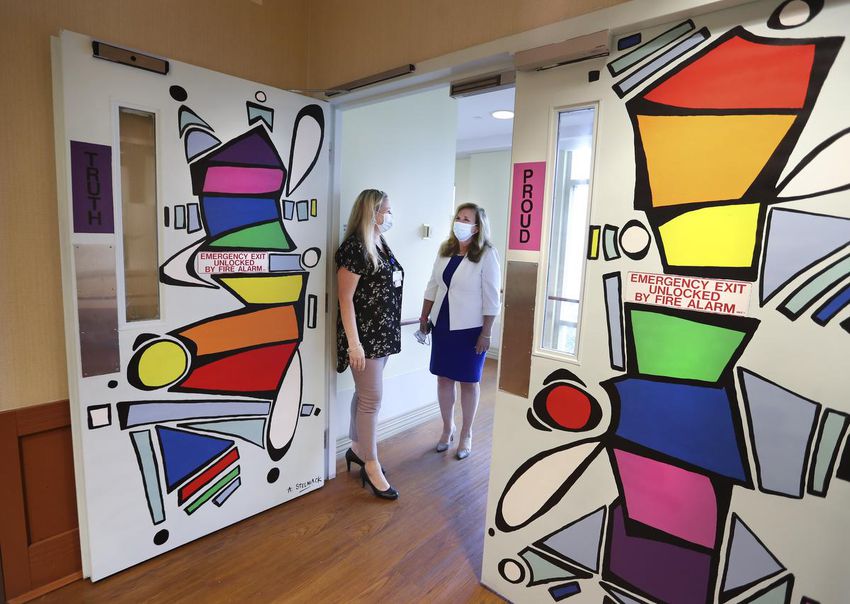
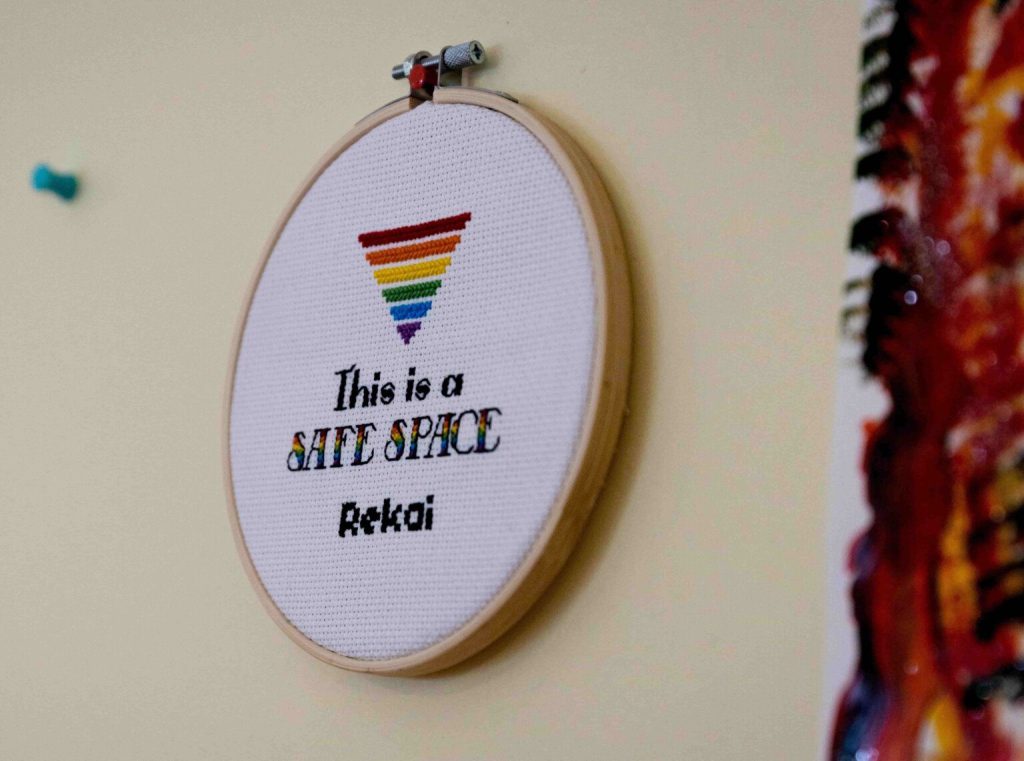
In June 2022 a long-term care home operator unveiled a ‘Rainbow Wing’ at one of its facilities to address the need for a dedicated space for LGBT+ seniors.

Rekai Centres opened the 25-bed wing with residents, staff and community members gathered to celebrate the opening.

Barbara Michalik

Barbara Michalik, executive director, said she believes the space is the first in North America dedicated to the LGBT+ senior community.

“We have family members who may not feel comfortable coming into a long-term care home because of their gender or their preference in life, and it’s very important that we foster that and foster our staff who are from the community,” Michalik said.

“We can’t just slap a sticker on a door. We can’t just do one education during the month of June for pride. It’s continuous. It’s a feeling of culture when you come into that home [and] safety. It’s really constant reinforcement of welcoming.”

A new ‘Rainbow Wing’ was unveiled at the Rekai Centre on Saturday 18 June 2022. (Submitted by The Rekai Centres)

Currently. The Rekai Centres, have more than 20 per cent of residents who identify as LGBT+ at two of their long-term care homes.

‘Seniors often looked over’ during pride celebrations

Barry Van Buskirk, a resident, said he was thrilled to be there not only for the opening of the wing, but to also be able to participate in Pride.

“I think it’s very exciting. It’s very comforting and very loving,” Van Buskirk said.

“Seniors are often looked over because they’re considered too old to participate. I’ve been in many, many Pride parades because I just love people [and] I want to spread that love.”

Sue Graham-Nutter, CEO of the Rekai Centres, said the new wing has been a long time in the making.

“The launch of the Rainbow Wing is the result of over a decade of work with the LGBT+ community,” said Graham-Nutter.

“What makes us most proud and emotional are the hugs and the tears that flow from our residents, and families saying simply ‘I belong, and I am accepted here. Thank you.’  Everyone needs a home where they are safe and loved.”

They should not have to go back into the closet

Sherwin Modeste, executive director of Pride Toronto, said he hopes to see more of these types of spaces in the future.

“Seniors are part of society, they have contributed, they have paid taxes and they should be able to enjoy their lives,” Modeste said. “They should not have to go back into the closet at their retirement age.”

Toronto Mayor, John Tory, attended the event to celebrate the opening of the wing. He said the wing will allow people to be themselves.

“We benefit from people being able to be their authentic selves,” Tory said.

Staff to provide ‘culturally competent’ care

In 2018, the Rekai Centres commissioned a market research firm to solicit community input through surveys and focus groups. The research gathered by the firm was a key factor in the opening of the dedicated wing.

A survey was conducted that year that targeted people 50 and over who identify as LGBT+. The survey found that 94 per cent of respondents indicated that they were in favour of opening the space.

Projections show that there are more than 65,000 people in Toronto who identify as being part of the LGBT+ community over the age of 65. That number is expected to grow as the population ages.

The focus groups highlighted the need for culturally sensitive staff who are allies or members of the community. They also stressed a need for the revision of the admission process to break down systematic barriers that persist in health care.

Rekai Centres says the new wing will have staff who are “culturally competent” in providing care for residents, programming that meets the needs of residents and a gender sexuality alliance that will provide a platform for residents, families, staff and community partners.

Dozens of residents, staff and community members attended the unveiling, including Toronto Mayor John Tory and Marci Ien, MP for Toronto Centre and Canada’s minister of women and gender equality and youth. (Talia Ricci / CBC)

Michalik said staff need to be well trained to ensure that residents feel safe within the home. “There’s a sense of culture that the residents from the community need and feel, especially when they’re suffering from dementia. There is an extra level of education that our staff need,” she said.

Loren Cameron, 63, Dies; His Camera Brought Transgender Men to Light

Mr Cameron’s groundbreaking portraits of himself and others, collected in his book, “Body Alchemy,” inspired a generation of transgender people.

A self-portrait of Loren Cameron, whose photos portrayed transgender people, including himself, as they had never been seen before. Credit: Loren Cameron / Cleis Press

Loren Cameron was in his early 30s when he bought his first suit, walking nervously into a haberdashery for short men. Size was a delicate subject for him. He was 5-foot-3 and wanted so much to be bigger, equating masculinity with heft – which is why he was also a dedicated body builder.

The salesman sized him up “as a regular working-class Joe,” as Mr Cameron put it, who was entering unfamiliar territory, and set out to teach him the rituals of fine dressing. He fitted Mr Cameron into a double-breasted Italian-made suit, taught him the difference between a half and a full Windsor tie knot and showed him four variations on folding a pocket square.

He even offered dating advice: Never give a woman a rose on a first date. Offer carnations instead.

Mr Cameron took a self-portrait in that snappy suit, handsome, bearded and brandishing a bunch of carnations, creating one of many tender and lovely photographs of transgender men like himself that he collected in “Body Alchemy: Transsexual Portraits,” published in 1996.

“I felt at least two inches taller when I walked out of there,” Mr Cameron wrote of his suit-shopping adventure, “and it wasn’t because of the elevator shoes.”

Mr Cameron, a photographer and activist whose depictions of transgender people – and documentation of his own experience – inspired a generation, died on 18 November 2022 at his home in Berkeley, California. He was 63.

The cause was suicide, his sister Susan Tarleton said, adding that he had suffered from congestive heart failure. He had been isolated from friends and family for many years, and his death was not widely reported at the time.

When “Body Alchemy” appeared, it was a revelation. At the time it was groundbreaking, even radical, to photograph transgender people as regular folk, rather than as exotics or freaks or medical specimens, and rarer still for the lensman to be transgender.

Images of transgender women were more familiar than those of transgender men, and they were often famous figures, like Christine Jorgensen, the American actress whose transition surgery in the 1950s was front-page news, and Jan Morris, the British journalist and travel writer who wrote of her own transition in her 1974 memoir, “Conundrum.”

Over the decades, fine artists like Andy Warhol, Robert Mapplethorpe and Diane Arbus “have all trained their lenses on the transgendered figure,” Kate Bornstein, the gender theorist and author, wrote in The Bay Area Reporter in reviewing “Body Alchemy” upon its release. “Never have the transgendered seriously photographed their own. Not until Loren Cameron, that is.”

Mr Cameron found work as a massage therapist, a physical trainer and a stocker in pet stores. His work ethic was inspired by his father, who taught him to honour manual labour. Credit: Loren Cameron / Cleis Press

In “Body Alchemy”, for perhaps the first time, transgender men could see representations of themselves outside of the pages of medical texts.

There was Jeffrey, a Jewish man who had yearned to have a bar mitzvah, affirming his heritage, and was able to do so. Mr Cameron photographed him in a prayer shawl and yarmulke.

Brynne, a rangy surfer, was shown in the back of his van pulling on his wet suit, short board at the ready. Stephan, a police sergeant honoured for his valour who transitioned while on the job, was framed against his squad car.

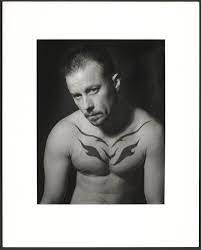
There were nudes, too, the most potent of which was a photo of Mr Cameron in a classic bodybuilder pose, back arched, muscles rippling, his body emblazoned with flame-shaped tattoos, injecting his buttock with a syringe of testosterone.

Mr Cameron wrote eloquently and honestly of the challenges of therapies like his biweekly testosterone shot, which played havoc with his mood, escalating his temper and often making him emotionally distant from his partner, Kayt, a lesbian.

He framed a pair of portraits of himself with the typical responses his body often provoked, rendered in a bold typeface: “You’re so exotic! May I take your photograph?” “You must be some kind of freak.” “You don’t belong here.”

Despite such bigotry and stigma, Patricia Holt wrote in her review for The San Francisco Examiner in 1997, Mr Cameron’s observations reflect “a kind of innocence and awe of the body.” She called the book a “poignant yet matter-of-fact study” of transgender people that was both “sensitive and insightful.”

Mr Cameron’s work was exhibited all over the country, in galleries and universities like Cornell, where he donated his papers in the early 2000s, when he was in his early 40s. Among his papers is his high school yearbook, showing a young woman as class president. “I was cute, huh?” Mr Cameron wrote in the margin before he sent it to Cornell.

“He wasn’t invested in hiding that he had been a woman,” said Brenda Marston, curator of Cornell’s Human Sexuality Collection. “He put his whole body and soul out there.”

Mr Cameron was sensitive about his size – he stood 5 foot 3 – equating heft with masculinity, which is why he was such a dedicated body builder.

Loren Rex Cameron was born on 13 March 1959, in Pasadena, California. His mother, Barbara (Chambers) Cameron, was an office manager at Sears. After her death in 1968, he moved to Dover, Arkansas, to live with his father, Robert, a nuclear engineer and nuclear plant manager.

Robert Cameron had a farm and raised horses, and Loren worked alongside him, building fences and taking care of the horses. He was daring and adventurous as a teenager, as he wrote in “Body Alchemy,” drag racing and rafting swollen rivers. He dressed in overalls and work boots and learned to swear like a trucker.

He was deeply uncomfortable in his female body, and at age 12 he wrote away for information on sex changes. When a friend suggested he might be a lesbian, he thought, “Why not?” But classmates began to treat him as an outcast, and he quit school and ran away from home, travelling the country by bus. He found work picking fruit and cleaning construction sites.

He ran a truck-stop fuel station and joined a youth conservation-corps crew, where he met a group of lesbians who suggested he might find a like-minded community in San Francisco.

He lived as a lesbian for nine years before addressing his discomfort with his gender. He was 26 and had recently quit smoking pot and cigarettes. “For the first time in my life, I wasn’t numb,” he wrote.

As he began to transition, he took snapshots of the process, sending them to family and friends so they could get used to his new body and also see how happy he was. “What was initially a crude documentation of my personal journey became an impassioned mission,” he wrote. He took a basic photography class, bought a simple Pentax K1000 and began photographing other transgender people and learning their stories.

“I wanted the world to see us,” he wrote, “I mean, really see us.”

Mr Cameron often said his aesthetic was influenced by the photography books his parents had at home, work by Walker Evans and Dorothea Lange that made vivid the stories his father had told of growing up poor during the Depression. His work ethic was inspired by his father, who taught him to mend fences and bale hay – to honour manual labour. “The last time I saw him, he told me that I had a lot of guts to move to California with only a duffel bag and a hundred bucks in my pocket,” Mr Cameron wrote. “I think if he could see me now, he would be proud to call me his son.”