Remembering The Day Manchester Said NO to Section 28
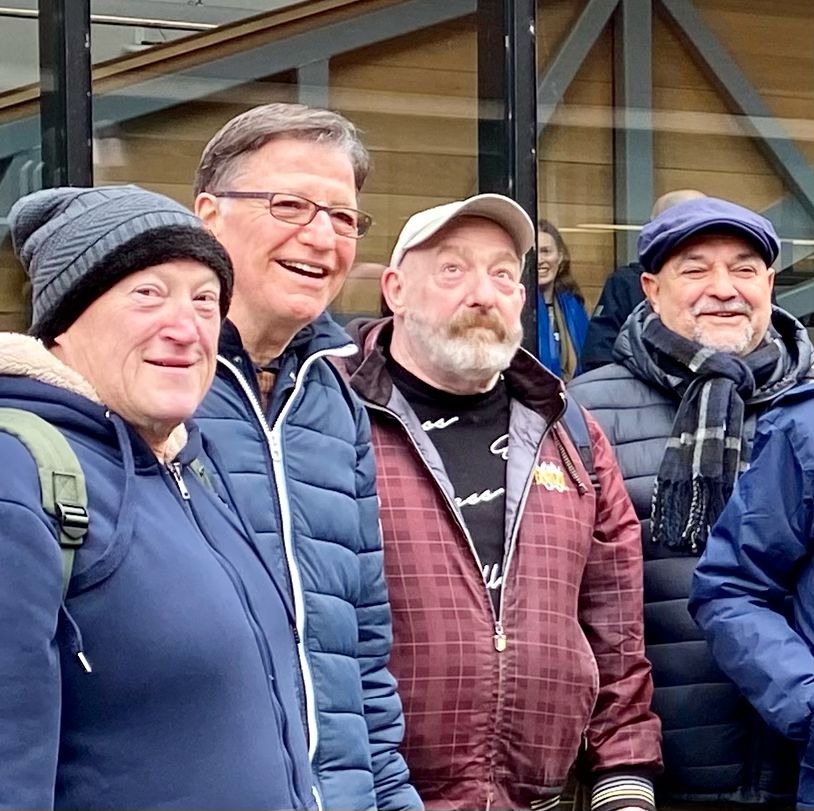
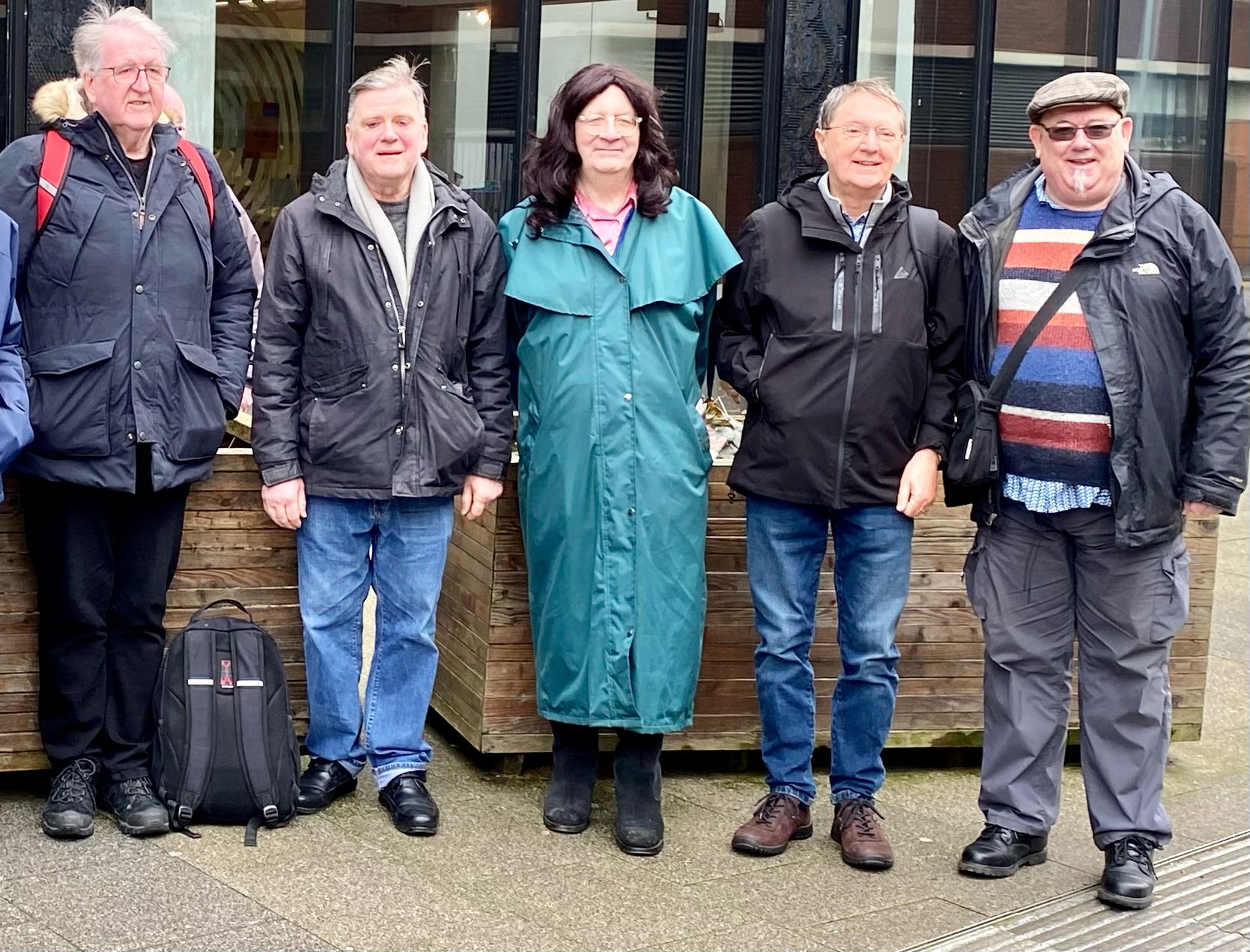
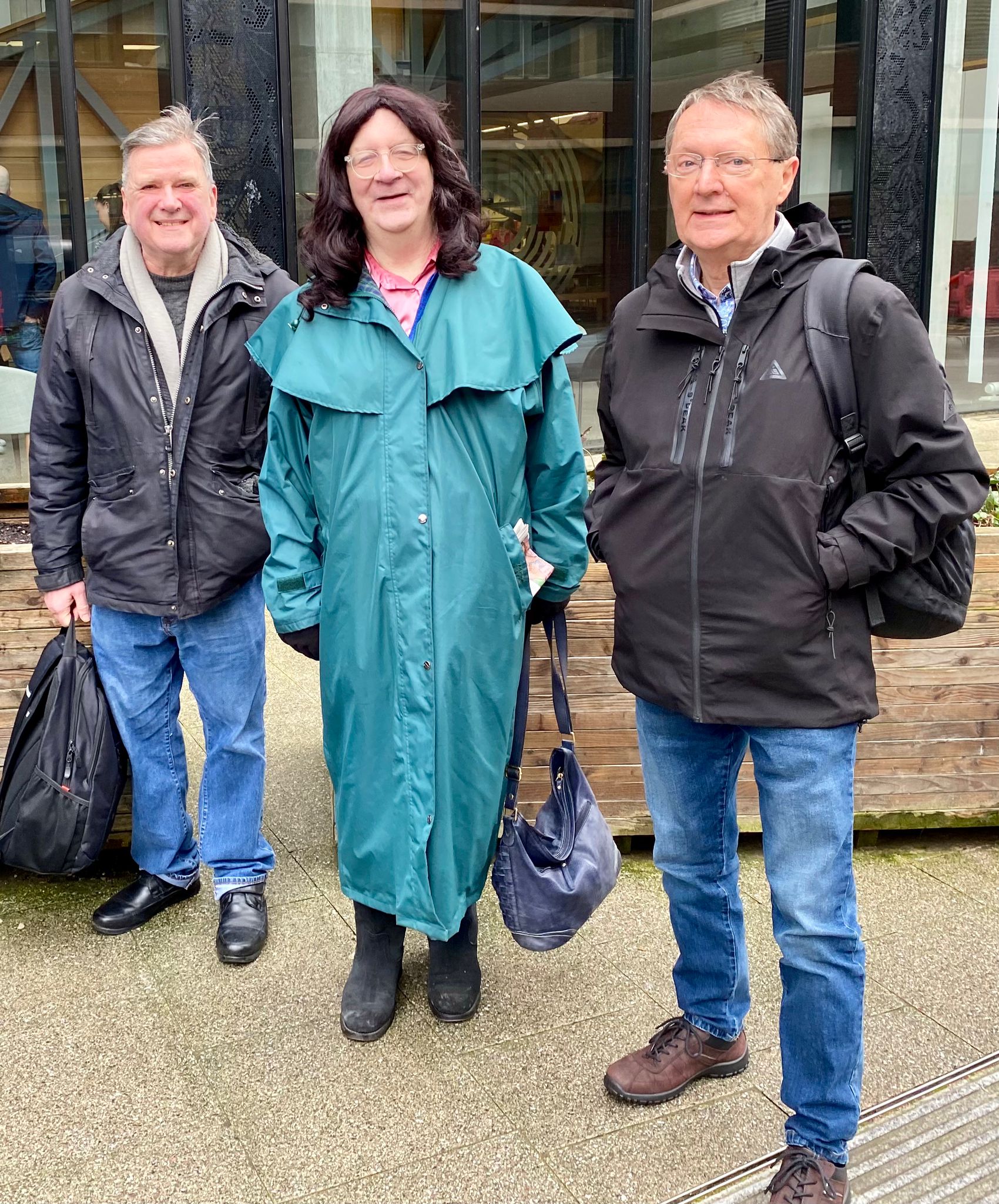
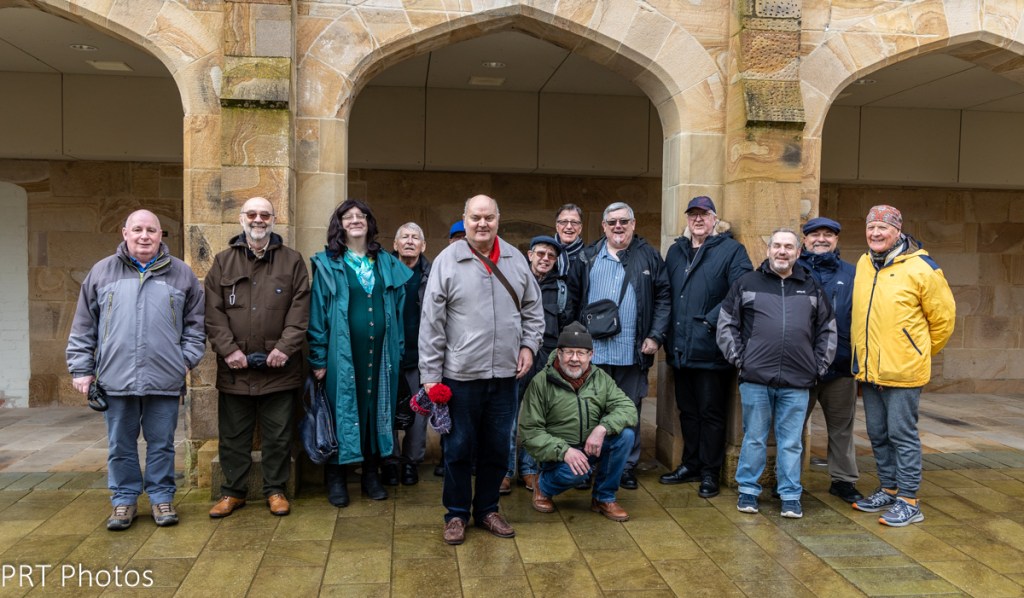
Our trip this week was advertised as a “mystery trip”. We met at Piccadilly Gardens Bus Station and headed towards the university area.
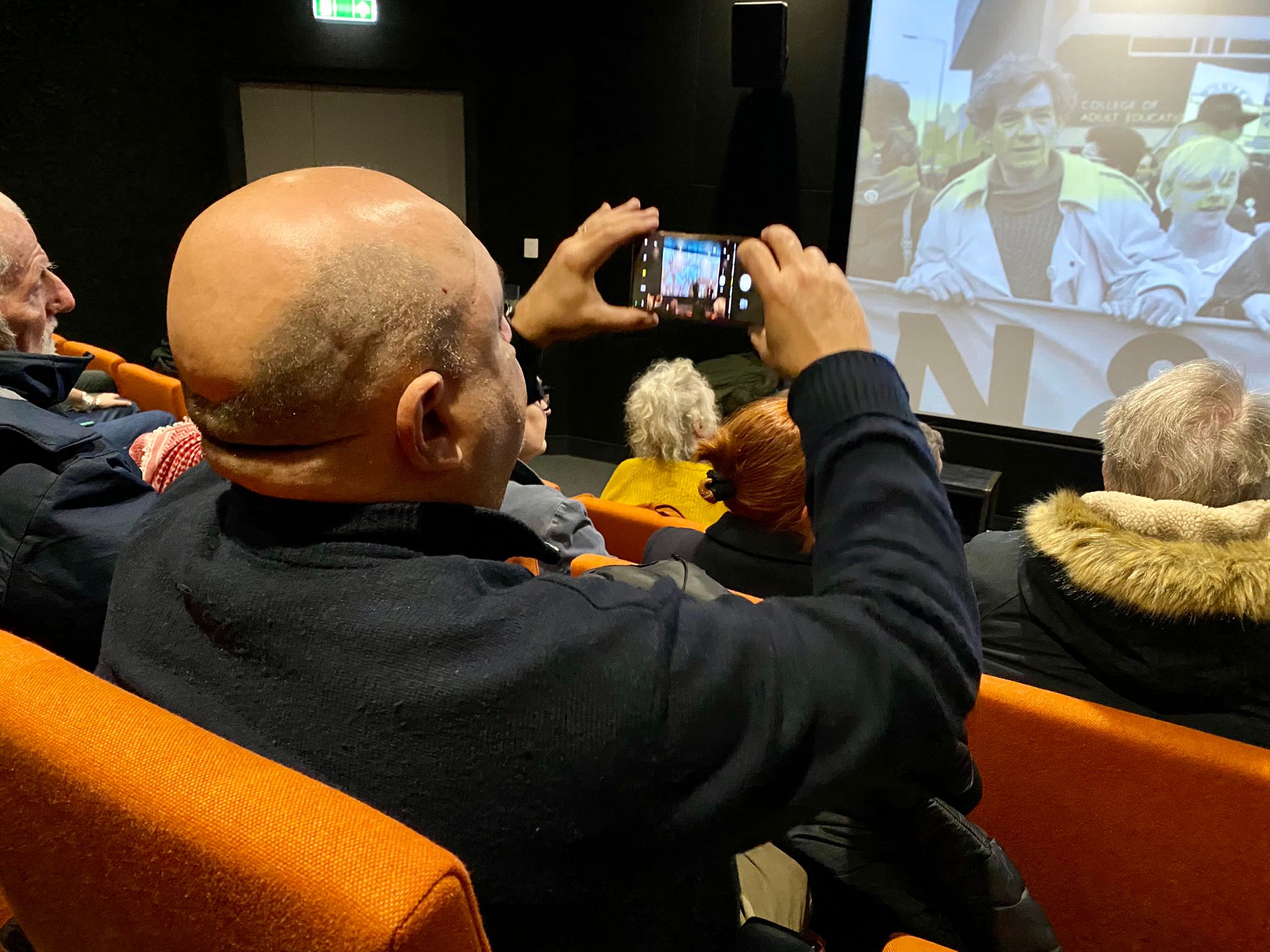
To round off LGBTQ+ History Month, Manchester Metropolitan University was holding a special screening of a film showing footage of the Manchester protest against Section 28.
A new law known as Section 28 banned local authorities from “promoting” homosexuality or educating people about its acceptability. It was a clause in the Local Government Act, and caused real problems for people in their workplaces and schools due to self censorship.
A huge rally against Section 28 was organised by the NW Campaign for Lesbian & Gay Equality. On Saturday 20 February 1988, over 20,000 people took to the streets of Manchester. They were there to protest against the Thatcher Government’s proposed introduction of the homophobic Section 28.
There were a number of speeches (including from Sir Ian McKellen, Michael Cashman and Sue Johnston), as well as music performances. This landmark event in the fight for LGBTQ+ rights was captured on film and is held in the North West Film Archive. The law was finally repealed in 2003.
Paul Fairweather MBE and Councillor Pat Karney introduced the film and there was the opportunity to discuss the fight for LGBTQ+ rights then and now.
LGBTQ+ people are coming under increasing attack from hostile governments – both at home and abroad. The rights we fought so hard for are at risk of being lost, meaning the need to stand up and be heard is more vital than ever before.
LGBT+ History Month is an annual celebration of the lives of LGBT+ people of the past. It is marked every February in the UK, with each year’s celebration having its own unique theme. To round off the month we are celebrating with another article from Arthur Martland.
Mancunian Cruising in the Eighteenth Century
Where could Mancunian men who enjoyed sex with other men meet like-minded partners during the eighteenth century?
Philip Dawe, The Macaroni. A Real Character at the Late Masquerade (1773)
One Mancunian, Ralph Harrison, in search of a friend, went over to Wigan! His trip there did not end happily, alas, for on 14 April 1760 he was indicted ‘for that most detestable horrid and Sodomitical crime called buggery’. As the ‘offence’ occurred locally, it was Magistrates in Wigan who arranged for Ralph’s committal to the Lancaster Assize for trial. The outcome of the trial is, as yet, unknown and we only know about the case as a copy of his indictment was preserved at the Lancashire Archives in Preston (ref QJI/1/134/43).
Information about a more popular local meeting place, however, came to light following the raid on Isaac Hitchen’s molly house in Great Sankey, near Warrington, in 1806. One of those arrested in the raid, Thomas Rix (a 47-year-old native of Salford, working as a chair-bottomer), gave details of where he had previously met men for sex in Manchester when questioned by the prosecuting magistrates.
The record of his examination was uncovered in the Althorp Papers by the academic writer H G Cocks who provided some of the detail of Rix’s confession in an essay on the aftermath of the raid on Hitchen’s molly house (1).
Rix claimed that in the 1780s he had met a man named Bromilow who had ‘persuaded’ him into homosexual acts –
Rix said he had been ‘making water on the way home with Bromilow from a pub in Manchester when his friend ‘came up to him and took hold of his yard’ [his penis]. Then, Rix recalled simply, they had ‘used friction with each other till nature spent’. Bromilow also reassured his friend that ‘there were many other persons who did what they had been doing’. They met, he said, in the heart of Manchester’s civic and commercial spaces, at the Exchange in the centre of the town … (Cocks 131).
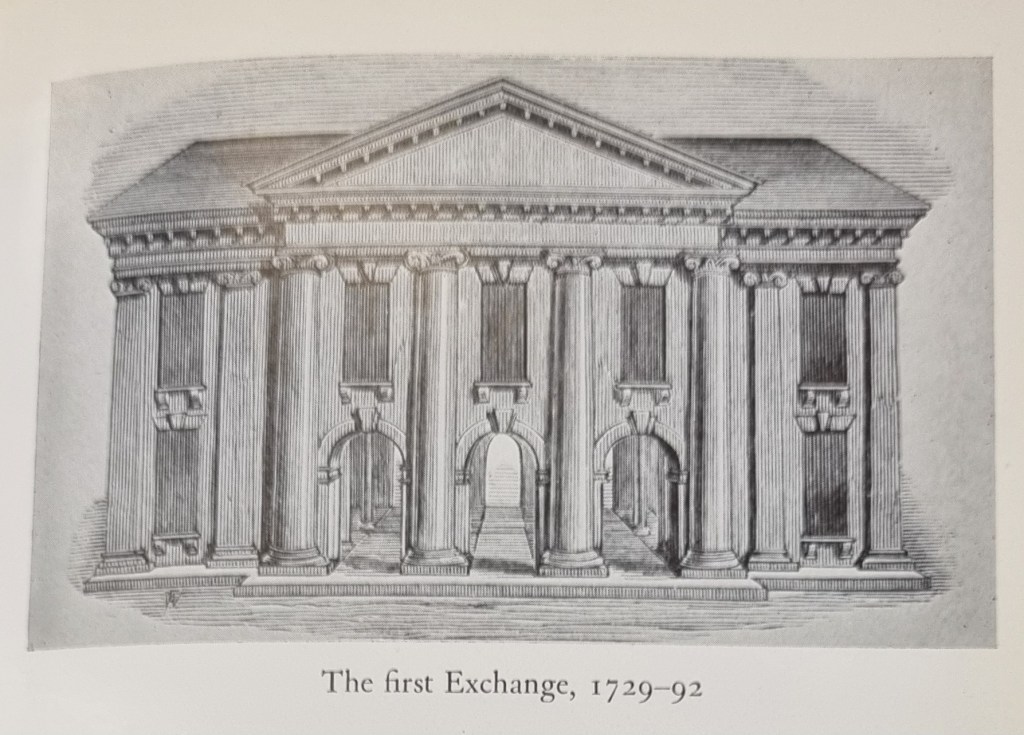
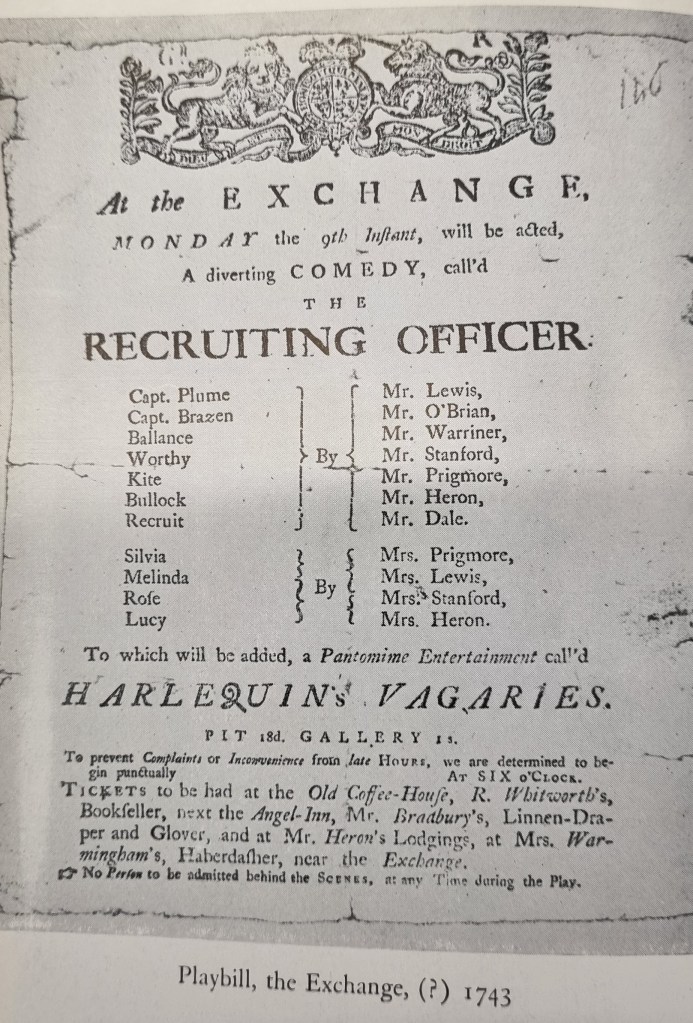
Built in 1729, the first Manchester Exchange was a small affair in the Market Place serving primarily as a cotton exchange, where cotton was bought and sold. The upper storey was used for occasional concerts and plays but also served as a meeting place for local magistrates and for the leet court. The classically-designed building stood out among narrow, predominantly medieval, streets with half-timbered houses surrounding it. The approach to St Ann’s Square was blocked by buildings ‘penetrated by narrow dirty passages’ and, by the 1780s, ‘its open colonnades had become the haunt of riff-raff’ (2). The courts, wynds and alleys that surrounded the Exchange were dark, even at noon, one even going by the name of ‘Dark Entry’ (Cocks 132).
Cocks writes how soon after his meeting with Bromilow at the unnamed Manchester pub, Rix frequently visited the Exchange and that –
…. he learned how to identify potential partners from his informant. Bromilow told him that ‘these sort of persons … Generally stood in the night as if they were making water … in the corner in the inside, and that if any person wanted to be connected with people of that sort they might go and stand near them and put their hands behind them’. If they ‘were of this description of people they would put their yards into their hands’. According to his statement, Rix then went to the Exchange in a spirit of curiosity to see if what he had been told was true and ‘often repeated this experiment at the ‘Change in Manchester, but never with any person that he knew’ (Cocks 132-3).
Encounters were also common in the dark streets that surrounded the Exchange, which offered excellent cover for clandestine sex.
Towards the latter end of the eighteenth century, butchers’ stalls filled the arcades of the Exchange and it became ’a harbour for vagrants and dirt’ (Manchester Guardian, 8 October 1921). It was said that it had ‘long afforded a lounging place for idleness and petty criminals’, acquiring a ‘deteriorating reputation for cleanliness and morality’ (Cocks 132).
Eventually, in 1792, the building was demolished. And, in that same year, nightwatchmen were employed to patrol the streets of Manchester, who, no doubt, like the earlier followers of The Society for Reformation of Manners, were on the look-out for ‘criminals’ of all kinds, including those practitioners of –
that most detestable and unnatural Sin of Sodomy, which … has been of late transplanted from the hotter Climates to our more temperate Country, and has dared to shew its hideous Face among a People that formerly had it in the utmost Abhorrence; (3)
Should any ‘Sodomite’ have tired of Manchester, or failed to find another meeting place after the demise of the Exchange, he could go over to Liverpool (where Rix had lived in the 1790s) for ‘there were several persons who followed the same practices’ in that town who met in the Rope Walk leading out of White Chapel and in the recently improved Dale Street (Cocks 133).
Reference List:
Cocks, H. G. Safeguarding Civility: Sodomy, Class and Moral Reform in Early Ninteenth Century England in Past & Present, Number 190, February 2006, pp. 121-146
The Story of the Exchange in Manchester Guardian of 8 October 1921
Extract from A Sermon preached to the Societies for Reformation Of Manners at St Mary-le-Bow on Wednesday, 10 January 1727 by the Right Reverend Father in God, Richard [Smallbroke], Lord Bishop of St David’s.
Thanks to Arthur Martland for researching and writing this article.
British Royal Mint Issues George Michael £5 Coin
The Royal Mint has announced a limited edition £5 coin honouring the late singer George Michael.
The commemorative coin features the former Wham! lead singer wearing his signature sunglasses. It also includes a snippet of lyrics from his song “Faith,” released after he left the band to embark on a solo career.
One of the best-selling artists in the world, the gay icon came out in 1998.
Michael was arrested for performing “a lewd act” with another man in a Los Angeles public restroom shortly before coming out.
The singer died at the age of 53 in 2016 after battling a drug and alcohol addiction.
The £5 uncirculated coin can be purchased for £15.50.
“We are deeply honoured that the Royal Mint is paying tribute to him by creating a series of beautifully crafted coins,” George Michael Entertainment said after the announcement. “He would have been enormously proud and genuinely touched that a national institution should have decided to pay tribute to his memory this way.”
The 1oz Gold Proof £5 coin costs £2770.00 and comes in a limited edition of 150.
It Left Them Jobless, Ostracised and Judged … But It Saved Their Lives
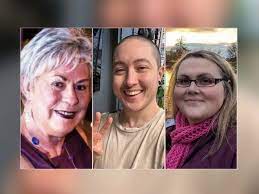
With anti-trans hate crime at a record high, the Manchester Evening New’s James Holt speaks to three inspirational people about their journey to becoming their true self
(From left) Pauline Smith, Paris Munro, Meg Challinor
Years spent in self dispute, tumultuous childhoods and standing up to ignorance – they all had one simple wish … to live their truth without justification or judgement.
At a time where it has ‘never felt more dangerous’ to live openly as a transgender person, with anti-trans hate crime at a record high nationally, these are the honest stories of pain and oppression.
They are the inspirational tales of three Manchester people who are more than a statistic – but individuals who bravely sought self-love and acceptance; encouraging open conversations about trans rights and unity.
‘There was a dark shadow following me and I couldn’t get rid of it’
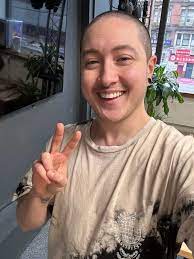
Kerrang and Gaydio presenter Paris Munro, 33, bravely came out as transgender live on air in January 2022. Paris, who identifies as a trans man or non-binary, said he knew something was ‘very different’ about him from the age of four. Confused and lost in his youth, he started trying to shave his face and questioned why his body wasn’t developing like his brother’s.
It was years of ‘crying in front of the mirror’; a burning desire to find his identity.
“I realised something was very different about me. Growing up with a younger brother and seeing him go through puberty was a wake up call,” Paris said.
Trans man radio Presenter Paris Munro
“I questioned why his voice was deeper, why I didn’t have facial hair. It was extremely tough. When I was four or five I tried shaving my face. I used to watch him doing it so I wanted to do the same – it was such a confusing time.
I knew for a long time from crying in front of the mirror there was something seriously wrong. The sense of trying to have self love was so difficult because people tell you ‘you should learn to love your body’, but I just couldn’t.
I had always been in a mental battle between self-love and asking ‘who the hell am I?’ It was a yoyo of hell and back mentally; there was a dark shadow following me around and I couldn’t get rid of it.
When I met trans people at university, things started falling into place. I got this light bulb moment and the way I felt started making sense. I wanted pecks, facial hair and all the things you stereotypically assign with what you are taught is ‘masculine’.”
It was the 1990s – a time when education did not encompass LGBTQ+ history or rights. Yet, even in 2024, the battle for an inclusive education continues in the UK. In April 2019, the government announced new regulations for teaching Relationships and Sex Education in England. It was not introduced quietly, instead sparking raging protests at school gates across the country.
Conversion therapies in the UK are also still legal, after the government failed to fulfil its promise to ban the practice. On 1 March, a private members’ Bill to ban conversion therapy will have its second reading.
‘If I hadn’t have transitioned, I would be dead’
Although there are safe spaces for transgender people in Manchester and a visible LGBTQ+ presence, Paris says the damaging public discourse surrounding the community and the all too often reports of hate crime attacks means that as a society, there is still a long way to go. His wish is simple – respect and acceptance for all.
Paris Munro says if he hadn’t transitioned, he would be dead (Image: Paris Munro)
As of March last year, anti-trans hate crimes increased by 11 per cent since 2022 – the highest rate since the recording of figures in 2012.
“It really feels like it wasn’t long ago that we were fighting for gay rights. If I was to go back in time and tell my younger self what this world looks like now – I would be disturbed.”
Although transitioning has been life-saving for Paris, who now feels ‘so at peace’ with his identity, there are still anxieties and concerns that arise when carrying out even the most normal of tasks; leaving the house, going to the bathroom or catching a bus.
“Most people would leave the house and just wonder if their hair is okay or if they ironed their shirt – the regular stuff. In my head I have to question whether I will get jumped and whether I have anything to protect myself, even when doing things like just getting an Uber. It’s the small things people wouldn’t ever have to think about,” he said.
“Even going to the toilet, if someone is in there sometimes I don’t go in just because you never know… all it takes is for someone to know I am trans and react – and that’s scary.”
Paris moved to Manchester because of its ‘freedom and culture’ – but still navigates life with an element of caution. He claims trans people are made the ‘butt of jokes’ by the government and used as a pawn for division and votes. It comes after Rishi Sunak faced calls to apologise over a trans jibehe made during Prime Minister’s Questions, ridiculing Sir Keir Starmer for U-turning on “defining a woman”.
“What doesn’t help the situation and the safety of the community is we have someone running the country who makes us the butt of jokes and as clout for laughs or votes and starting culture wars. We are human beings. It shapes opinion, which means so many questioning children won’t feel like they can speak to their parent because of attitudes.”
However, Paris admits if he didn’t transition, he would be dead.
“Hearing me say that out loud is quite something,” he said. “I feel so at peace now, more than you would ever know that I can start to really love and understand who I am. Everything has aligned mentally, physically and spiritually.
All the pieces feel like they fit together in my life and they aren’t jammed, crooked and broken, but I know that not all trans people have the same experience and are surrounded by love and support.
Being on this journey in Manchester has had its ups and its downs, but there is a culture here of people who get you and a community that will love and support you no matter what.”
‘I was forced to resign from my job when I came out as trans’
Meg Challinor, 40, transitioned in 2006. Growing up in Crewe in the ’80s and ’90s, with limited exposure to the LGBTQ+ community and history, she didn’t discover other people who were just like her until her teenage years.
Her journey to living authentically as a woman began two decades ago. Although attitudes were arguably more ignorant and blind to the existence of transgender people, this had its ups and downs, she says.
In some ways, Meg says she felt she was able to integrate into society more easily. Fewer discussions at the time meant less questions were asked and fewer eyebrows were raised. The challenge was accessing the right support and the absence of trans visibility and representation. But now, living in bustling and colourful Manchester, there are comforting reminders that she is never alone.
“I always knew something was wrong,” she explained. “I’d always fitted in better with the girls. I remember a conversation with my mum when I was about seven years old, where she told me about the difference between boys and girls but knew that wasn’t my experience.
Meg Challinor, 40, lives in Manchester
“I would always want to wear girls clothes and gravitated towards the female clichés. Gender is much more nuanced than that, but as a kid those things just spoke to me and I didn’t know why. It was scary – and then I heard cases of people being abandoned by their families for coming out so knew I needed to build a safe space for myself first.
Moving to Manchester has meant the world to me – I can walk around and see a trans person in a shop or trans couple holding hands and it’s beautiful; a reminder that you are not alone.”
In 2006, Meg began transitioning. Only in her early 20s and developing a promising career in IT, her dreams were almost shattered when her boss at the time, in an all-male workplace, told her he would be ‘expecting her resignation’ because she was different.
“I couldn’t believe it … I was being kicked out. Their words, admittedly, were that it was an all male IT department and I wouldn’t fit in,” Meg said.
“Nobody realised I was trans a lot of the time or was looking for it; so it was easier in some ways. But there were so many negatives because conversations weren’t happening, you didn’t connect with people who were trans as much and it felt like people didn’t know as much about it. Less people on the street knew what it was; and when they would find out, there was a more visceral reaction which felt like a danger at the time.”
‘From the moment I started my journey – I never looked back’
But like many others, Meg said her transition has transformed – and saved – her life. Meg says we are balancing on a ‘scary precipice’ in which trans people being weaponised, with the risk of forming a society of ignorance.
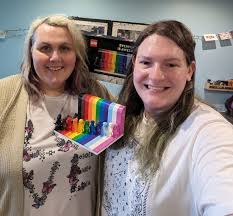
Meg with her partner and Manchester Liberal Democrat councillor Chris Northwood
Despite this, the increase in trans visibility, through the likes of social media and trans pride, as well as more transparent and public discussions, reinforces the strength and unity of the transgender community, she says.
“When we are discussed in the public sphere and in parliament, especially as a joke, it sends a message to the public that that is okay. If you have those bigoted and ignorant views, it is reinforced and people feel empowered by it – it gives them ammunition,” Meg said.
“I try to work out if we are taking two steps back and one step forward. When I first transitioned, someone said to me that trans rights were where gay rights were in the 80s. What hit hard last year was a friend said the same thing – the perception was, we hadn’t moved. Of course in many ways we have, but there is loads of work still to be done.
For a transphobe to argue against trans rights, it’s a lopsided argument. If they lose the fight it’s like ‘oh well’, but for us it means losing equal rights to be who we are. But, the community is bigger and stronger than it’s ever been before. There is so much love inside this community and support for one another.
From the moment I started the journey, I never looked back. Yes there were dark days and bad reactions, but I always knew it felt right for me … and I have loved my life since.”
‘I would dress up in secret … until I could no longer hide or pretend’
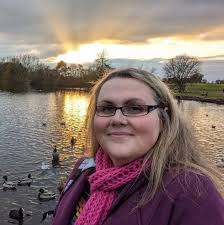
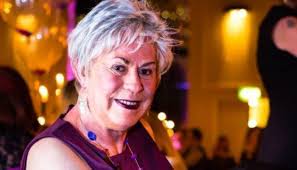
Pensioner Pauline Smith, 75, didn’t begin living her truth until she was almost 50-years-old. A childhood and adult life spent in self dispute, she dressed up as a woman in secret from the age of nine – and harboured guilt for doing so, but says she never initially realised she was transgender.
Growing up in a religious society and traditional 1950s household, Pauline went to an all-boys school. To the outside world, she was a ‘normal heterosexual teenager’.
Pauline Smith did not come out until she was almost 50 years old
“For my generation, where could you go to get advice? There was no internet, you couldn’t ask your parents, and it was an incredibly religious society,” she said. “How was I going to say to my mum ‘oh yesterday I put on a load of your clothes and looked at myself in the mirror and wished I was a girl?’
I had no idea why I wanted to do that and I felt guilty for it. I also thought God would strike me down with a thunderbolt for sinning and I swore blind I wouldn’t ever do it again.
It was the school holidays and my mother had gone back to work so the day after I did it again. I lived full time as a man, dressing up only occasionally and in private until I realised there were people like me.”
Pauline, who has an adult son, was married to a woman and living in Holland when she eventually came out. Her wife divorced her because her cross-dressing came to light. A marketing manager, she had continued to conceal her true identity and present as a man to be ‘successful’ in her field.
“Between being a child and 50, I grew a beard to deny I could possibly be a woman, but still dressed up in private. I’d go on a business trip and wasn’t happy with the ‘me’ I was presenting,” she said.
“My wife discovered that her darling husband wore women’s clothes. She went through my financial files where I had hidden a couple of items and we rapidly got divorced. I could no longer hide and pretend that this was not there. It had always been.
If I’d have carried on, I was just going to end up being more miserable by denying who I was. It was a very painful time. Over the decades, I built this tower around myself. I was not the person I am now, where I am comfortable with who I am.
For me it’s been a rollercoaster of delayed decisions, but I can’t pull the clock back and live my life differently.”
“I want to show that people like me do not have two heads”
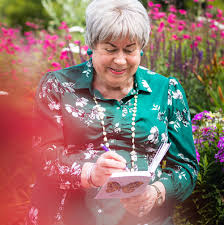
Now living back in Manchester after decades working and living in Europe, Pauline is an author and active volunteer who is on the advisory board for the Pride in Ageing campaign at the LGBT Foundation. She also writes for Talking About My Generation, in which she wants to enable older people to embrace their age and help those who are vulnerable overcome loneliness and depression and to show that ‘life can be fun.’
Pauline Smith lives in Manchester
“There is a lot of mud thrown by all kinds of people, a lot of which has stuck,” Pauline said. “I am very open about who and what I am; my mantra and stance towards others is that I demonstrate by the way I dress and behave, that I want to show people like me do not have two heads.
The whole anti-trans toilet argument … where else am I supposed to go to the loo? I will be in a cubicle doing my business.”
The ‘backwards’ attitudes of society have meant Pauline has been subjected to hate crimes and abuse over the years, including being verbally abused on a bus in Bury. Her son, who is accepting of Pauline, has raised concerns about her being beaten or murdered because of her trans identity.
“So I said so what do you suggest I do? Do I change back to living as a man?” Pauline said. “But we still seem a long way as a society from, on the surface, being tolerant.”
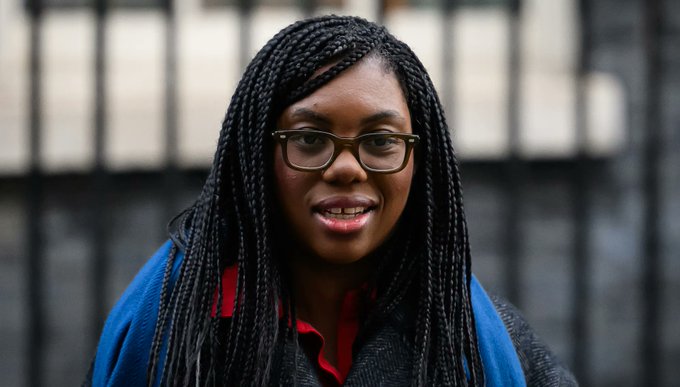
Kemi Badenoch Equalities Minister
The Equalities Minister Kemi Badenoch told Parliament she has “engaged extensively” with LGBT organisations, but a Freedom of Information request reveals that in 18 months in the job she hasn’t met a single one. She has met two fringe anti-trans groups – Transgender Trend and Sex Matters.
Does this really constitute “engaged extensively”?
She has also not attended any Pride-related events in 2023 and has not bothered to reply to Peter Tatchell’s invitation to meet LGBT+ groups. Her remit is to engage with the LGBT+ community but she refuses to do so.
It appears that she holds us in contempt.
LGBTQ+ History Month event organised by LGBT Foundation
I came of age with Queer As Folk – the TV show that changed everything for gay men
By Matt Cain
‘For the first time, Queer As Folk also made being gay seem cool, something you’d actually want to be.’ Photograph: Channel 4
When Queer As Folk was first broadcast on Channel 4, 25 years ago this week, I knew immediately that I was witnessing something momentous. The first episode famously featured graphic images of rimming. Sexy and shameless, the series went on to show drug use, pornography and endless “copping off”. This was accompanied by a jolly theme tune, an uplifting soundtrack and a lot of humour – much of it directed at straight people. It was clearly unlike anything I’d seen on TV before. What I couldn’t have realised is that it would change everything for gay men in the UK.
I came of age with Queer As Folk – the TV show that changed everything for gay men.
Twenty-five years ago, the Channel 4 drama revolutionised what it meant to be gay in the UK – mostly for the better
When Queer As Folk was first broadcast on Channel 4, 25 years ago this week, I knew immediately that I was witnessing something momentous. The first episode famously featured graphic images of rimming. Sexy and shameless, the series went on to show drug use, pornography and endless “copping off”. This was accompanied by a jolly theme tune, an uplifting soundtrack and a lot of humour – much of it directed at straight people. It was clearly unlike anything I’d seen on TV before. What I couldn’t have realised is that it would change everything for gay men in the UK.
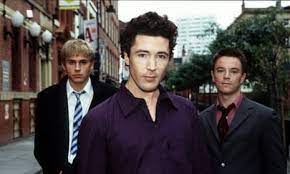
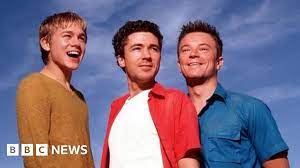
Queer As Folk, written by Russell T Davies, told the story of two gay best friends and their wider circle – including families and found families, boyfriends and casual sexual partners – as they romped through a series of adventures on and around Manchester’s Canal Street. As this had been the setting for my own sexual awakening just a few years earlier – like the character Nathan, as a schoolboy travelling in from the suburbs – for me it carried an extra charge.
Not that it needed any extra charge: the series was full of very explicit, very sexy gay sex. But for the first time, Queer As Folk also made being gay seem cool, something you’d actually want to be.
It was the human drama at the heart of the show – and some exceptional writing by Davies – that helped it attract a weekly audience of up to 3.5 million. Yes, Queer As Folk opened up gay life to the mainstream, but more importantly it showed we experienced the same emotions as everyone else. As the American activist Harvey Milk had argued, if every gay person came out of the closet, it would be harder for straight people to believe we were perverted freaks who represented a danger to society. Queer As Folk proved his point.
But the show didn’t shy away from exploring the downside of gay life. Each of the central characters encountered homophobia, one of their friends died of an accidental drug overdose, and some of their parents expressed disgust at their sexuality. (The only thing missing was HIV, which was all too present in society’s perception of gay men at the time and which Davies more than made up for in his later drama It’s a Sin.) I believe this made viewers support positive social changes and paved the way for legislation such as equalising the age of consent (2001) and the repeal of Section 28 (2003).
Queer As Folk also proved to cultural gatekeepers that mainstream audiences were ready to engage with gay stories – as did the US version that arrived the following year. It blew open the doors to other TV phenomena such as RuPaul’s Drag Raceand Queer Eye, films that explore gay experiences such as Brokeback Mountain and Moonlight, and gay pop acts such as Will Young and Years and Years. It took the publishing industry a few years to catch up, but I don’t think I’d have a career as a gay novelist if it weren’t for Queer As Folk.
Now, in my own fiction, I try to explore what’s happened to our community since Queer As Folk was first broadcast, and the show’s impact on a generation who were brought up thinking our sexuality was a source of shame and then had to adjust to a society in which we’re valued, respected and even celebrated. But I also like to explore some of the new challenges facing our community.
In making the gay scene seem such fun, Queer As Folk unwittingly attracted parties of straight women to places like Canal Street, and some of them wanted to ogle us as if we were animals in a zoo. Other factors – such as the popularity of apps for dating or hooking up – have contributed to the closure of many venues across the UK. Yes, the gay community no longer has the same need of a place to meet in secret, a place of safety from widespread prejudice and the near-constant threat of persecution (although hate crimes are unfortunately still an issue). But as a minority population, with minority needs and interests, we’ll always need somewhere to come together, somewhere away from the mainstream. In recent years, I’ve been pleased to see the scene evolving, its focus broadening from booze, banter and sex to encompass queer reading groups, history societies and sports clubs.
Likewise, there was a time when the Pride movement seemed like it might be losing its way. Post-Queer As Folk, many people thought the battle had been won. Pride events up and down the country lost their political edge and just became drunken street parties and mini-music festivals. More recently, there’s been a growing acknowledgment that they too need to broaden their focus. Manchester Pride, for example, now includes an arts programme and a youth festival, as well as its famous street party, parade and the candlelit vigil that honours all those who died in the Aids epidemic or as victims of hate crime.
Another issue is the division of our community into “good gays” and “bad gays”. In the past, all gay men were considered beyond respectability, but now we’ve achieved equal rights there’s sometimes a pressure to show straight people we’re “just like them”. Gay men who still want to go out partying or sleep around can be reproached for “letting the side down”. But with this we’re straying from the spirit of Queer As Folk: the show was gloriously sex-positive, while also offering us a rare representation of gay relationships and parenting. It celebrated our difference while also demanding equality.
That’s the message I’ll be holding on to for the 25th anniversary of the show’s broadcast. Because being allowed – or even expected – to live life a little more freely is one of the greatest joys of being gay.
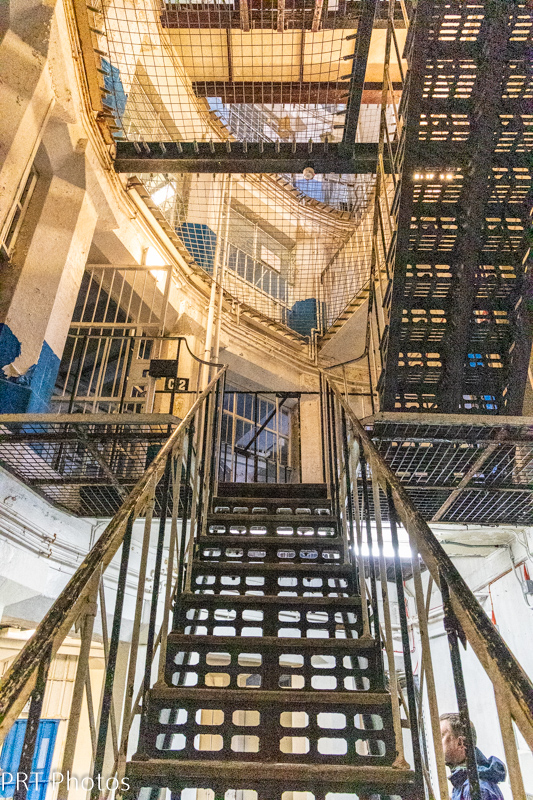
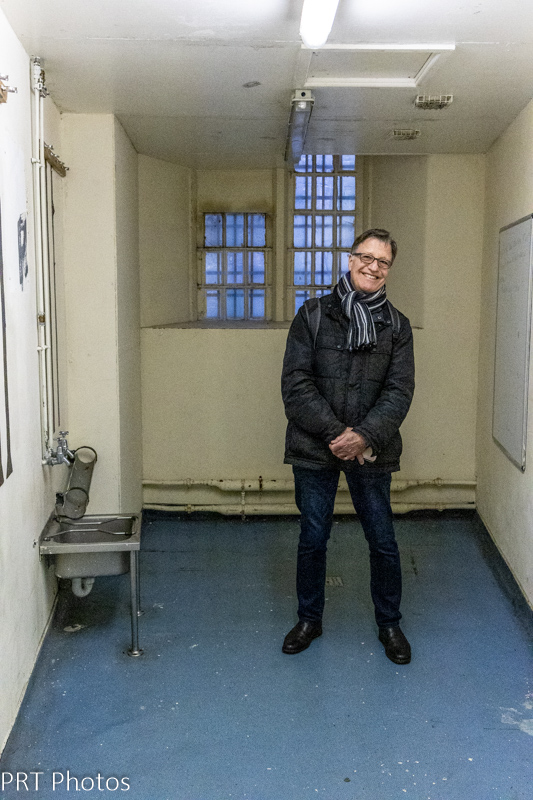
Our visit this week was to Lancaster Castle, a medieval castle and former prison. The castle was first used as a prison in 1196 although this aspect became more important during the English Civil War. The castle buildings are owned by the British sovereign as Duke of Lancaster; part of the structure is used to host sittings of the Crown Court.
Lancaster has a reputation as the court that sentenced more people to death than any other in England. This is partly because until 1835 Lancaster Castle was the only Assize Court in the entire county and covered rapidly growing industrial centres including Manchester and Liverpool. Between 1782 and 1865, around 265 people were hanged at Lancaster; the executions were frequently attended by thousands of people crowded into the churchyard.
Panopticons
As the Prison Reform movement got underway in the 1780s, the idea of simply locking a prisoner away behind high walls seemed insufficient. More control of the felon within the prison was needed to aid reform. Internal security and discipline became important design issues in new prisons built in the late 18th century.
The first construction development was the central observation tower, which allowed wardens to watch prisoners in internal courtyards. Some reformers wanted to go further to establish constant observation of prisoners’ activities – even in their cells. The great radical philosopher Jeremy Bentham was a key proponent of this idea.
Jeremy Bentham (1748 – 1832) was the leading radical of his time, and the father of 19th century liberal thought. He wrote extensively on social reform, including prison reform. He pioneered the idea of the Panopticon prison (pan meaning ‘all’, opt meaning ‘seeing’).
Jeremy felt this design would be ideal for prisons. Placing the cells in a circular pattern and replacing doors with bars would allow a warden to observe everything from a central position. This would reduce costs, as fewer wardens would be needed.
In 1818 Lancaster Castle built the first ever Female Penitentiary. However usage proved that without privacy humans become disturbed, leading to breakdowns, so the idea had to be abandoned.
“Committed for Kissing”
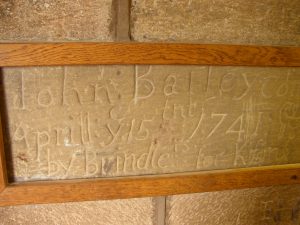
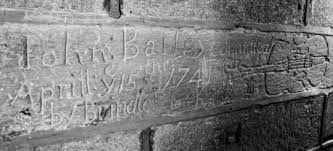
There is an amount of graffiti in Lancaster Castle and one particular piece is without doubt the most important. It is an extremely rare example of someone openly stating, in the 18th century, that they had been arrested for homosexual practices.
Unfortunately, we know nothing of John Bailey, and the records for the assizes of 1741 have not survived. Nevertheless, he tells us a great deal. He could clearly read and write, so he was an educated man. ‘Committed’ means that he was awaiting his trial at the time he composed the graffiti. The person, ‘Brindle’, was the man who had arrested him. The small ‘rs’ after his name probably points to Brindle being a member of The Reformation Society, whose full title was the Society for the Reformation of Manners. During the 18th and early 19th centuries this group took it upon themselves to try and stamp out drinking, gambling, prostitution and homosexuality.
The Georgian slang meanings of the words ‘kissing’ and ‘tulip’ (note the drawing of the flower), point towards the sexual act for which he had been arrested – Kissing the Tulip. It is unknown what happened to John Bailey, but records show that he was not in the prison on 1 January 1742. The most probable reasons for this are that he was found ‘not guilty’, or that he was one of the many who died of disease whilst imprisoned at the castle.
‘Desurter’ (Deserter)
In 1806 five men from the Warrington area were tried for their lives at Lancaster Castle on charges of sodomy; they were Isaac Hitchen, Joseph Holland, Samuel Stockton, John Powell and Thomas Rix. Such cases were very difficult to prove as it required someone to give evidence that the ‘crime’ had taken place, but by doing so such a witness would have to admit to committing an act that carried the death penalty. Not surprisingly, getting a witness to do so was very difficult unless an incentive were given. This usually amounted to the prosecution promising freedom to someone in exchange for their testimony by turning ‘King’s Evidence’.
During pre-trial interviews the authorities would play on the fears of the accused, not only for themselves but also for their families. Men were usually the main wage earners, and many of the accused were married men – if they were hanged, what would become of the wives and children? No doubt they would also mention that some of the other accused were already talking (whether, or not, that was actually true) so they had better make their mind up quickly or it would be too late.
Perhaps not surprisingly, it was common for such tactics to succeed and that is what happened in this case. Two men, one of whom was called John Knight, who had been arrested at the same time and also accused of sodomy gave evidence for the prosecution in exchange for all charges against them being dropped. Their evidence sent the other five to the gallows.
In one prison cell can be seen the name ‘Knight’ carved into the wall. Another hand has written, much more quickly and lightly, just in front of the name, the single word – ‘desurter’.
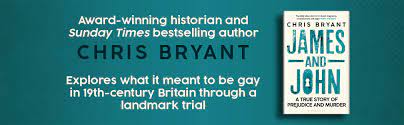
‘James and John: A True Story of Prejudice and Murder’
Available on BBC Sounds is a Radio 4 broadcast called ‘James and John: A True Story of Prejudice and Murder’ by Chris Bryant MP and read by gay BAFTA winning actor Simon Russell Beale. It is available on BBC Sounds (for the next month only) and consists of five short episodes about two men who were lovers and the last two men to be hanged in England for sodomy.
It gives a vivid impression of the life and times of that era and the injustice these two men and many others suffered.
The Laramie Project, created by Moisés Kaufman and the Tectonic Theater Project, presents a collage of accounts following the murder of a young gay man named Matthew Shepard in Laramie, Wyoming, in 1998.
The narrative draws from over 200 interviews with locals and people connected to the case recorded in the 18 months after Matthew’s death. The result is a moving piece of verbatim theatre that explores the dividing viewpoints of prejudice and intolerance and the potential for human compassion. The production serves as both a memorial to Matthew Shephard and a powerful commentary on hate crime and acceptance in society.
Content warnings
Descriptions of homophobia, violence, death and sexual violence.
Performances
Thursday 25 April (7.15pm)
Friday 26 April (2.00pm & 7.15pm)
Saturday 27 April (7.15pm)
Manchester School of Theatre
Cavendish Street Manchester M15 6BG
Tickets now available Tickets (from £5.00) for each performance can be purchased on the Fatsoma ticketing site using this link.
Important Closure Announcement
Opening Doors was the largest UK charity providing activities, events, information and support services specifically for LGBTQ+ people over 50.
It is with a heavy heart that we are announcing the permanent closure of Opening Doors on 29 February 2024 due to ongoing financial challenges, ultimately resulting in insolvency.
Since launching the charity in 2016, they have dedicated themselves to supporting and advocating for LGBTQ+ individuals over 50, addressing their unique needs, isolation and invisibility.
Despite the relentless efforts of their Board of Trustees and staff to secure a sustainable future for the work, the current economic environment has significantly impacted their funding sources, leaving them unable to continue.
Care & Loss: LGBTQ+ Experience and Expectation of End-of-Life Care
This film was commissioned by Cottage Hospice and produced by METRO Charity to understand more about end-of-life experiences through an LGBTQ+ lens to inform care within hospices and other care settings.
The film features seven people who were interviewed in London about their experiences of supporting a loved one who was dying, including partners and friends within the LGBTQ+ community.
Meet the campaigner at the forefront of HIV/AIDS activism since the 1980s
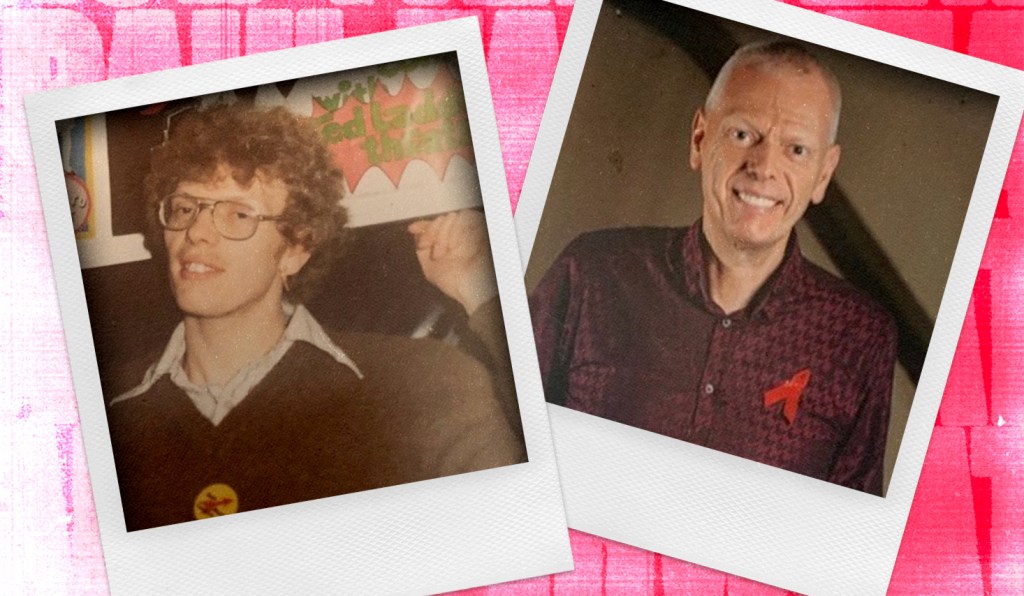
Since co-founding the Manchester AIDS Line in 1985, Paul Fairweather has continued to be a fearless advocate for people living with HIV.
When the first cases of HIV were identified in the 1980s, virtually nothing was known about the virus except that it was fatal for those who contracted it. Initially referred to as Gay Related Immune Deficiency (GRID), gay and bisexual men in particular faced unparalleled levels of stigma in society because of the way HIV disproportionately affected them – something that only made LGBTQIA+ advocacy tougher at the time. “I worked full time on lesbian and gay equality, which was very unusual in those days,” says Paul Fairweather, a renowned human rights activist who has been at the forefront of the community response to the HIV/AIDS epidemic in the UK since it started. “I think in the beginning of the 1980s, things were beginning to change and improve and then I think HIV really, particularly in terms of stigmatising gay men, put things on hold in a way.”
As things worsened across Manchester and the North West where Fairweather was based, he began to organise meetings and lobby for those living with HIV to get the support they needed. He also wrote articles in gay media outlets to raise awareness among his peers and the wider LGBTQIA+ community, many of whom were increasingly fearful as they watched people close to them die of what was then a very mysterious condition.
“I remember the mid-1980s towards the 1990s, people, friends of mine, who were young gay men in their 20s, began developing AIDS and dying really quickly. We were supporting them, campaigning and trying to get the government to take it seriously,” explains Fairweather, who says that this was only made harder once Section 28 took effect in 1988 and prohibited the so-called “promotion” of homosexuality – which he helped organise a mass demonstration against that same year. “Beneath that was the HIV epidemic and the sense that, particularly gay men, were ‘dangerous’ and a ‘threat’ to society. So I think it linked in with all the stuff that was going on with Section 28 and the huge ignorance, the fear, because in the earliest days of the epidemic, we didn’t know what caused HIV.”
In order to help his community, Fairweather was one of six people who launched the Manchester AIDS Line in 1985. With the goal of supporting and giving advice to those affected by HIV/AIDS, it quickly became a source of comfort for anyone grappling with the virus at a time when wider society offered them little empathy.
“We started off literally one night a week with a telephone helpline. Then slowly there were more people in Manchester living with HIV, so very quickly we expanded, we got more volunteers, we got a lot of support from Manchester City Council, we got some paid staff. But also, I think the other thing was that we began to meet. I remember going to meetings in Monsall Hospital, which was the regional infectious diseases unit, and actually sitting down with consultants and doctors and talking to them, arguing with them being involved,” he remembers. “HIV transformed the relationship between doctors and patients, really. We had a really big impact in terms of actually being part of those discussions and trying to influence in terms of how they were supporting people, influencing them in terms of actually trying new medication.”
Five years after Manchester AIDS Line launched, it became the George House Trust that most people know it as today. The charity continues to provide support, advice and advocacy for people living with HIV, something Fairweather says is “still needed” despite how much attitudes and healthcare has come. “I think there’s still issues of people being scared to come out in smaller communities, I think particularly people experience more than one form of discrimination,” he continues. “The stigma is still out there, but the stigma is more damaging than the disease.”
“When I was first diagnosed, I took about 12 tablets a day and I now take one tablet a day. I see my consultant every six months. My health is completely fine, so it’s completely different, but I still know too many people living with HIV who are isolated, they don’t know anybody, they’ve stopped dating,” adds Fairweather. “So I think it’s the stigma, even within the gay community, that’s still really damaging for some people. Not everyone knows about U=U or believes U=U and there’s still lots of issues about people not knowing the facts about HIV transmission these days.” As part of his ongoing campaign work, Fairweather continues to work with George House Trust as its Positive Speakers project lead. His decades of activism recently saw him awarded with an MBE which, he says, makes him “hopeful” that he can continue teaching people about LGBTQIA+ history so the mistakes of the past are never repeated: “I think it’s really important that we learn from history … I talk to a lot of young people and they’re quite astonished by what the situation was like back then. But it’s not that long ago and things can change again, so people need to be really vigilant.”
The Incredible Author Exploring Manchester’s Vibrant LGBTQ+ Scene
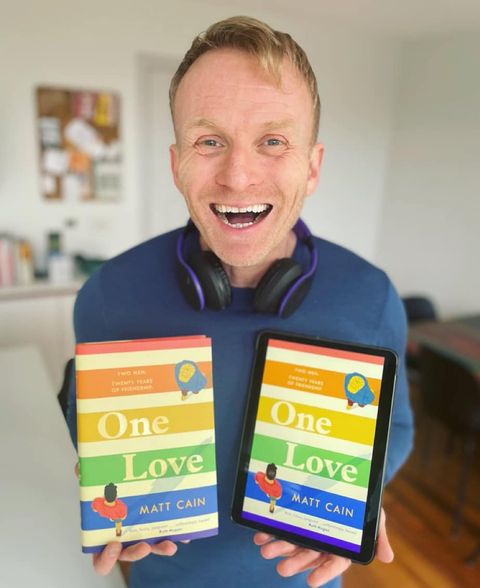
Author and LGBT+ advocate, Matt Cain, returns to his roots with One Love, a novel set in Manchester, exploring themes of social class, identity, and a transformative journey over two decades.
Photo credit: Claire Gardner Photography
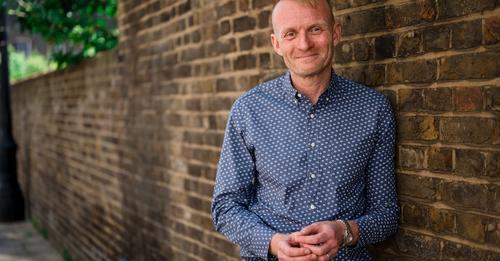
Bury-born author, and leading commentator on LGBT+ issues Matt Cain grew up in Bolton and then moved to London, as his work as a journalist took him there.
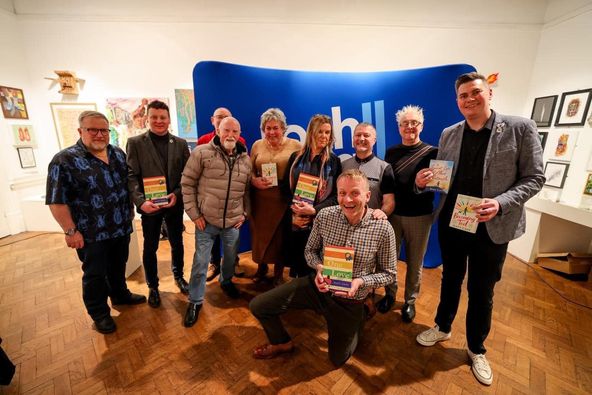
He has remained an ambassador for Manchester Pride and the Albert Kennedy Trust and his new novel One Love is set in Manchester.
It feels as if he has come full circle. His first novel The Madonna of Bolton was rejected by publishers at the time for being “too gay.”
It was then published via a huge crowd funder, which was incredibly successful, and paved the way for Matt to explore various issues, including sexuality and identity in books such as Becoming Ted and The Secret Life of Albert Entwistle.
He has come a long way since those early rejections. He is now married and he hopes to attract newcomers to his Canal Street set novel, as well as his readers who have been there since the very beginning.
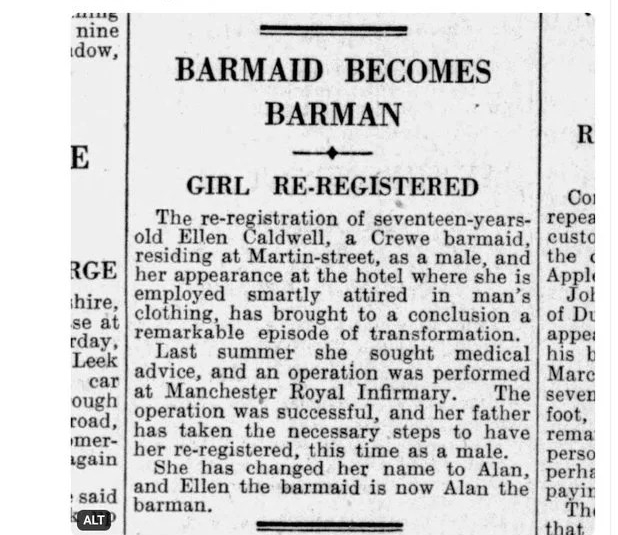
Barmaid becomes Barman
In The Liverpool Daily Post of 29 March 1937 (page 8) the story of “Ellen the barmaid is now Allen the barman” is told in a matter of fact way:
In the 1939 register, a census showed the Caldwell family living at 46 Martin Street, Crewe as:
“John Caldwell, head of the family, a 54 year old general labourer;
Edith Caldwell, (John’s wife), also 54 years old and listed as “unpaid domestic duties” (a housewife);
Alan (spelled Allen here) is 20 (birthday 12 May), working as a garage hand; and
John Junior, who is 12 and still at school.”
In Spring 1941 Allen got married to Miss Sylvia Copp.
Coming Up …
This is not a comprehensive list!
You may need to check the internet for further information including prices where applicable.
LGBT+ History Month Archive Exploration
Saturday, 24 February – Two sessions 11:00am – 12:45pm and 1.15pm – 3.00pm – Price on a range from Free to £16.78
People’s History Museum, Left Bank, Spinningfields, Manchester M3 3ER
Delve into People’s History Month’s incredible archive collection to celebrate LGBT+ History Month 2024.
Friends’ Meeting House, 6 Mount Street, Manchester M2 5NS
Manchester City Council will be hosting a Question Time event to mark this year’s LGBTQ History Month
Doors will open at 6.30pm. Light refreshments will be provided.
The event will take place from 7.15pm to 8.30pm.
You will hear from a diverse panel of speakers representing local government, public health, voluntary sector and the creative arts.
You’ll also have an opportunity to ask questions of the panel. If you would like to submit a question in advance for the panel, please ensure make sure you include this on the sign up form and we will do our best to answer them at the event. We will randomly select a number of these to be answered by the panel. There will also be an opportunity for questions from the audience on the night itself.
We’re keen to want to hear from the people of Manchester, and we are delighted to be holding an event covering issues affecting the LGBTQ community here in the city.
The Proud Place LGBT+ Community Centre 49-51 Sidney St Manchester M1 7HB
Join Manchester Pride and BiPhoria to talk about being bi+ in Greater Manchester! We’ll be talking about experiences of being included and excluded from the pride movement, how to challenge biphobia and how to uplift and celebrate bisexuals everywhere.
Manchester Pride Community Sessions bring people together to learn, discuss, share resources and celebrate the diversity of our communities.
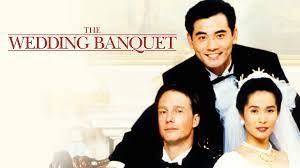
MCR ESEA PRIDE: Film Screening of The Wedding Banquet
Tuesday, 27 February – 6.00pm – 9.00pm (screening starts at 6.30pm) – £3.00 + fees
ESEA Contemporary, 13 Thomas Street, Manchester M4 1EU
We are celebrating the end of the Lunar New Year period and LGBT+ History Month with a special film screening of Ang Lee’s “The Wedding Banquet” at esea contemporary. This coincides with the award-winning and critically-acclaimed film’s 21st birthday.
£3 each + fees. These minimal fees include free snacks and non-alcoholic drinks (this is a sober event) and the money raised goes towards helping fund future events and projects like this. Tickets are limited to just 25 and unless not sold out won’t be available on the door so please book early and let us know if you can’t make it in advance so your place can be offered to someone else.
Meeting at Cross Street Chapel, 29 Cross Street, Manchester M2 1NL
Drop in – No need to book
Friday, 1 March – Saturday, 23 March – 7.30pm – 9.45pm (some shows at 2.00pm – 4.15pm) – Queer re-telling of Jane Austen’s “Northanger Abbey” at Octagon Theatre, Bolton.
Saturday, 9 March – 1.00pm – 3.00pm – Digital Café at LGBT Foundation.
Thursday, 14 March – 2.00pm to 4.00pm – The Community Engagement Team will attend the Out In The City meeting to talk about “Sleep Management”.
Thursday, 18 April – 8.00pm – LOUD Cabaret at The Met, Bury – A new monthly queer cabaret night.
Thursday, 25 April – Saturday, 27 April – 7.15pm – “Laramie Project” (verbatim theatre following the murder of Matthew Shepard in Laramie, Wyoming in 1998) at Manchester School of Theatre.
Wednesday, 29 May – Friday, 31 May – 8.00pm – “Birthmarked” at The Lowry – A new concept gig with original music.
Friday, 21 June – 7.30pm – 9.30pm – “My Gay Best Friend” at The King’s Arms, Salford.
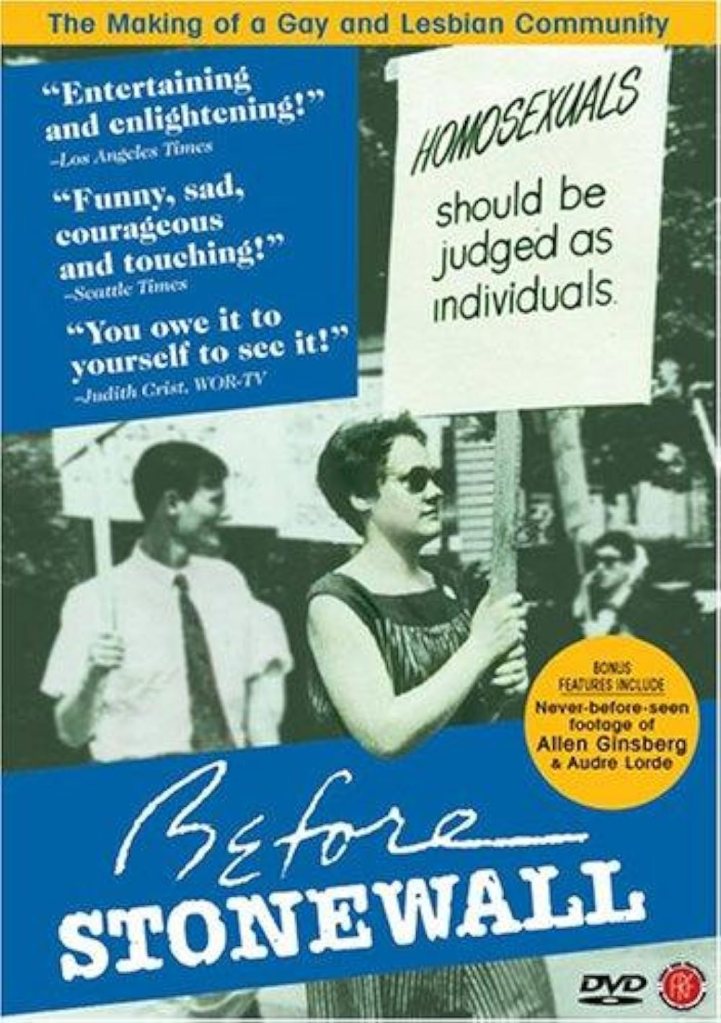
For LGBT+ History Month Out In The City showed the film “Before Stonewall” at the Mini Cini in Ducie Street Warehouse.
Revealing and often humorous, the award winning “Before Stonewall” exposes the fascinating and unforgettable decade-by-decade history of homosexuality in America, from 1920s Harlem through to World War II and the witch hunt trials of the McCarthy era. “Before Stonewall” is essential viewing for all those who have celebrated their sexuality, or have been persecuted because of it.
If you missed it (or want to watch it again!) go to https://www.youtube.com/ and search for “Watch Before Stonewall – (1984) Movie”.
There is another film called “Before Stonewall” from 1979, but I prefer the earlier documentary.
Controversial Alan Turing Sculpture Unveiled
After years of planning meetings, a sculpture honouring Alan Turing was finally unveiled at Cambridge’s Kings College, where he studied maths, the foundation of his illustrious career.
Turing, a gay man, is widely considered the father of computer science and artificial intelligence. He is most famous for his work on breaking the German Enigma codes during World War II.
Despite his essential work, he was punished by the British government for his sexuality and was chemically castrated after being convicted in 1952 of “gross indecency” with another man.
Turing died by suicide in 1954. He was 41.
Queen Elizabeth II officially pardoned Turing under the Royal Prerogative of Mercy in 2013. The Historic England Planning Commission, however, was less forgiving when it came to permission to build the sculpture in Cambridge.
“We consider that it would harm the particular character, created by the interplay of buildings and landscape, which makes the college so remarkable a place,” they wrote in a letter to the Cambridge City Council.
The large sculpture is a heavy series of blocks meant to portray a man’s figure. It is made of steel and copper so that it will oxidise into a deep red colour over the years.
Sir Antony Gormley, the designer, joked that he had worried the sculpture “wasn’t controversial enough” during the unveiling ceremony.
“I’m amazed by the way the sculpture speaks to the buildings and the buildings to the sculpture,” he said. “They’ve immediately entered a kind of dialogue. I have to say it took a long time to get here. It was 2015 when the journey started, and the planning permission was perhaps the biggest hurdle, though everyone agrees it looks like the sculpture has always been here.”
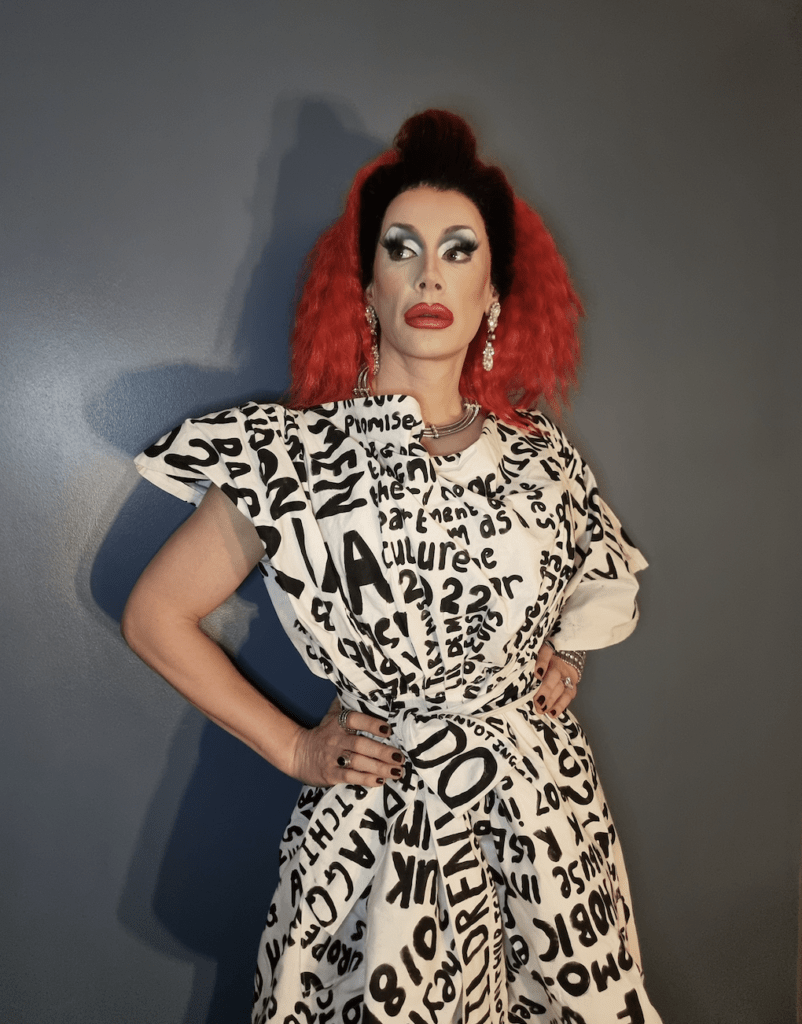
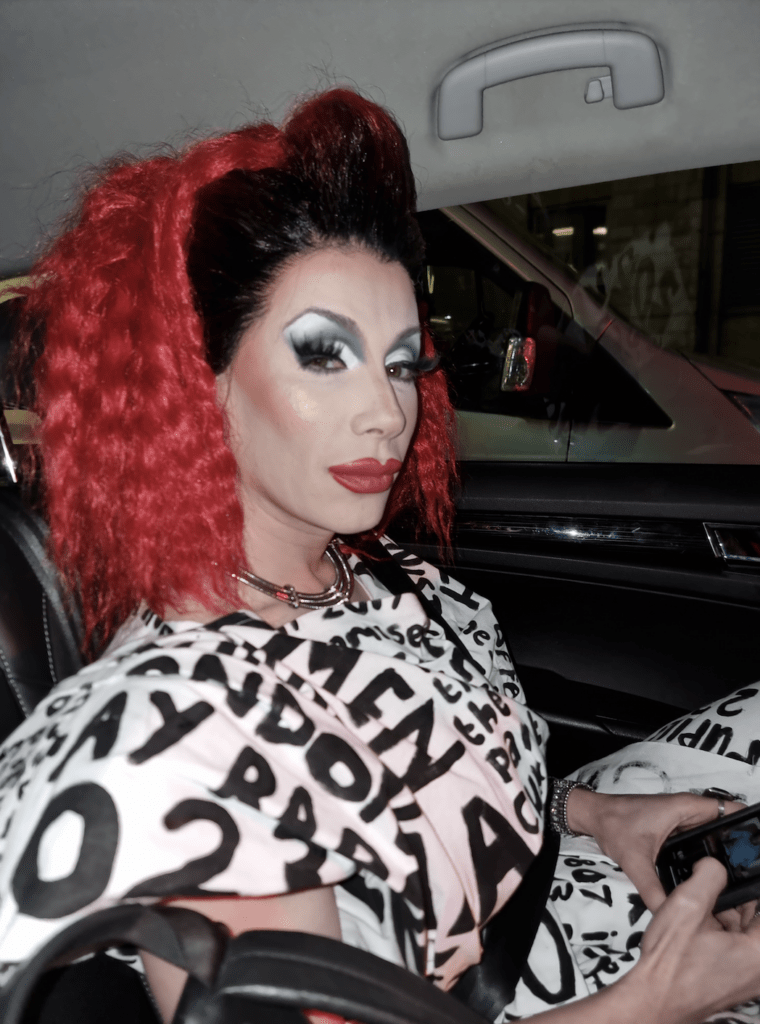
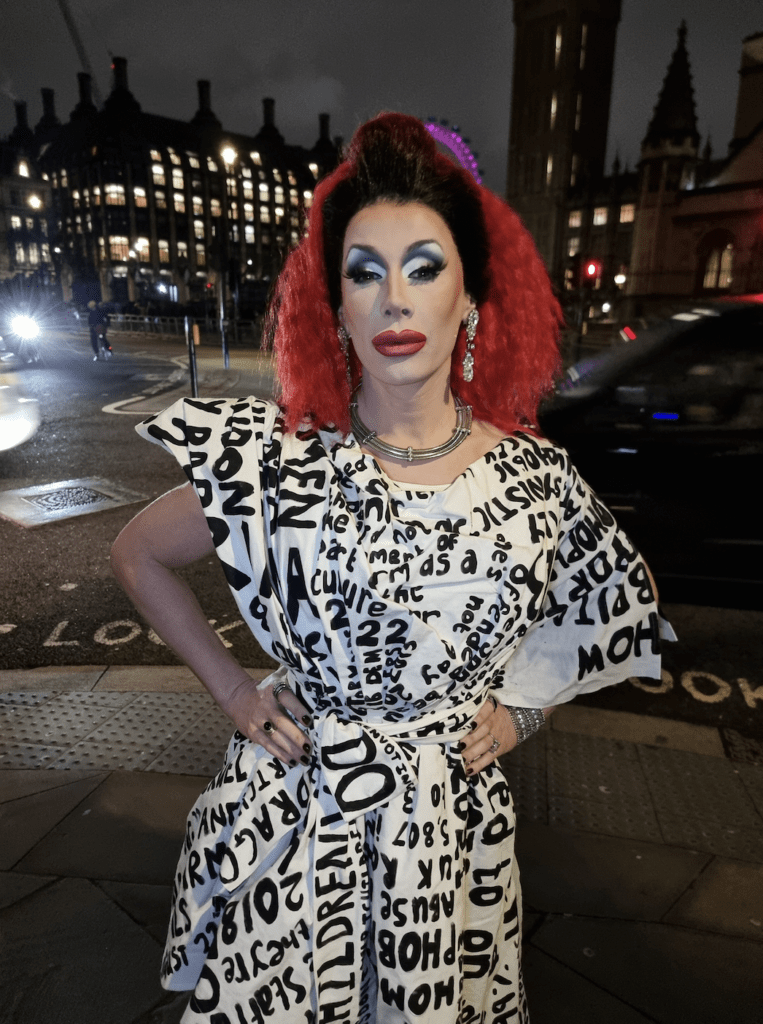
‘A tabloid on legs’: Divina de Campo wears red wig and newsprint protest dress to Parliament event
The same week PM Rishi Sunak made a joke about trans women in front of murdered trans teen Brianna Ghey’s mum, Drag Race star Divina de Campo hit the Houses of Parliament and made a stand.
Drag artist and theatre star Divina De Campo attended an LGBT History Month reception on 7 February 2024 hosted by Speaker of The House, Sir Lindsay Hoyle, and used the opportunity to highlight the continued rise in anti-LGBTQ hate crime and normalisation of inflammatory rhetoric from elected officials in recent years.
Divina’s protest dress and shoes – made specially in Manchester and worn throughout the aforementioned event – displayed derogatory headlines that have been written about LGBTQ people over the last 10-15 years, as well as hate-crime statistics, and reference to the lack of access to services for LGBTQ people. Explaining the purpose behind wearing the dress to the event, Divina emphasised that parliamentarians ought to understand that their words and actions have real-life consequences.
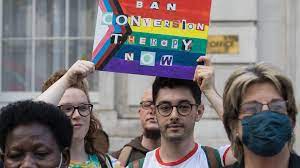
Ban Conversion Therapy
LGBTQ+ people have nothing to be ashamed of and there is nothing wrong or broken about who we are. Our sexual orientations and gender identities are diverse and should be celebrated.
Yet conversion practices are still legal in the UK today. Conversion therapy isn’t therapy. It’s abuse.
Since the UK Government failed to fulfil its promise to ban this abusive practice, parliamentarians from across parties have been rallying to bring forward the legislation themselves.
On Friday 1 March, a private members’ Bill to ban conversion therapy will have its Second Reading. We need your help to get as many MPs there as possible, and vote.
Email your MP
Ask your MP to attend the Second Reading of the Private Members’ Bill to ban conversion therapy on Friday 1 March.
Please personalise your email as much as possible. Tell your MP why this issue matters to you by including any experiences faced by yourself, your friends, or your family. And remember to include your postal address for maximum impact. MPs need to know they’re talking to a constituent!
Copy and paste the following draft letter, but personalise it if you can.
Draft letter
(Your postal address)
Dear MP,
Re: Second Reading of the Conversion Practices (Prohibition) Bill – Friday, 1 March 2024
I am writing to you as a constituent to ask you to attend the Second Reading of the Private Members’ Bill to ban the abusive practice of conversion therapy on Friday 1 March and to vote in favour of the Bill.
It has now been over five years since the UK Government first promised to ban conversion therapy – but the LGBTQ+ community is still waiting. I’m sure that people have written to you multiple times, and to the Prime Minister Rishi Sunak, and I’m ashamed that this abuse has been allowed to continue across the UK.
According to the UK Government’s own research, 7% of LGBT people have been offered or undergone conversion therapy. This indicates that, in the past five years, thousands of people in the UK were put at risk of harm. This needs to stop.
There is widespread public support for banning conversion therapy. The Bill is a cross-party effort, and it is the Government’s own policy. There is support from across the House to get this legislation over the line.
Therefore, I urge you to attend the Second Reading of the Conversion Practices (Prohibition) Bill, sponsored by Lloyd Russell-Moyle MP, on Friday 1 March 2024 – and to vote in favour of its passing.
I understand that Fridays are traditionally reserved for you to be present in your constituency. However, this matter is of the utmost importance to many of your constituents, including myself. In this instance, where attendance by minimum 100 MPs at the Reading dictates its validity, your presence in House would only demonstrate a commitment to your constituents’ needs and interests.
As it is important to me that you please commit to voting in favour of this Bill, I would appreciate a response from you outlining your intentions.
























 Out in the City