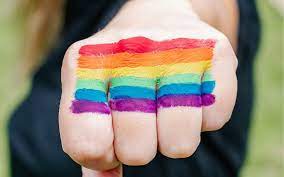
The bisexual flag was unveiled 25 years ago on 5 December 1998. The pink purple and blue emblem was launched by designer Michael Page.
Clitheroe
Clitheroe is a town in the Borough of Ribble Valley located 34 miles north-west of Manchester.
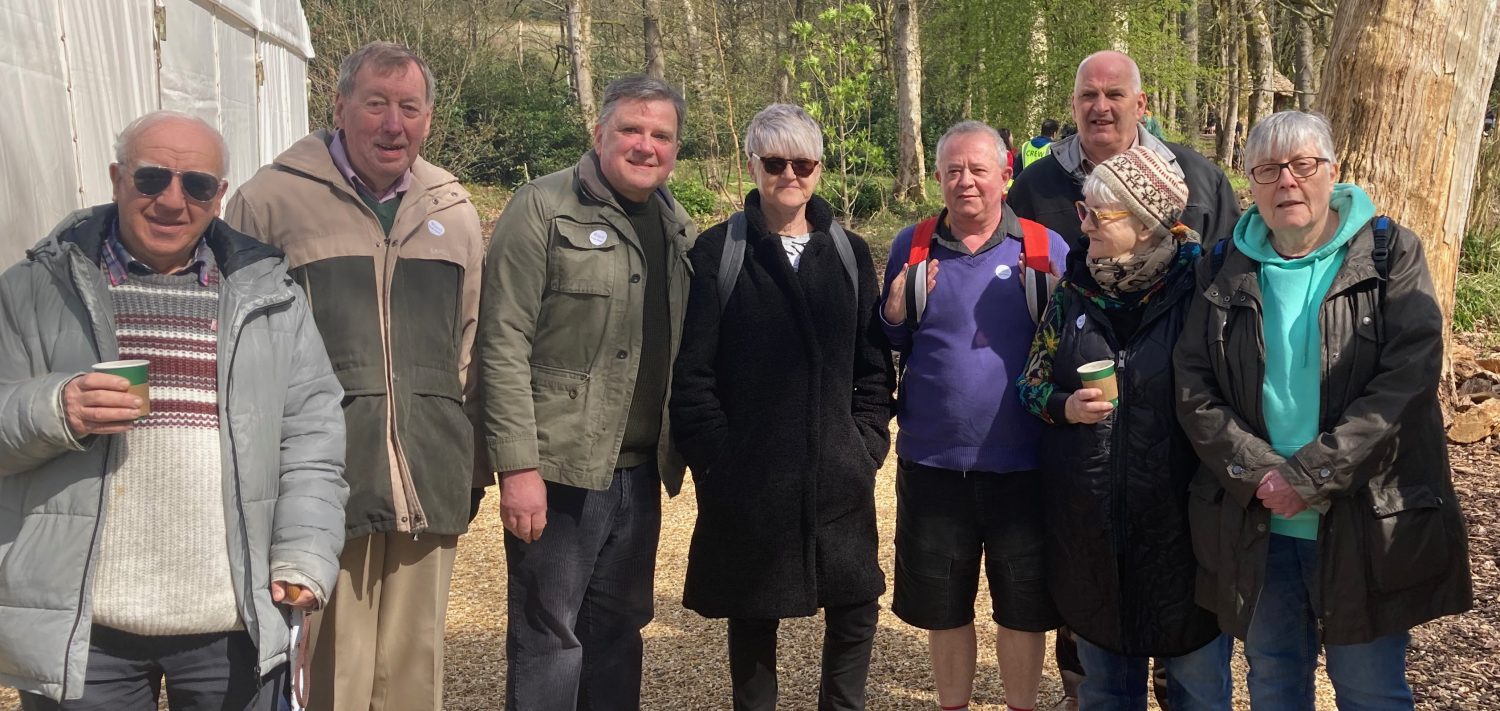
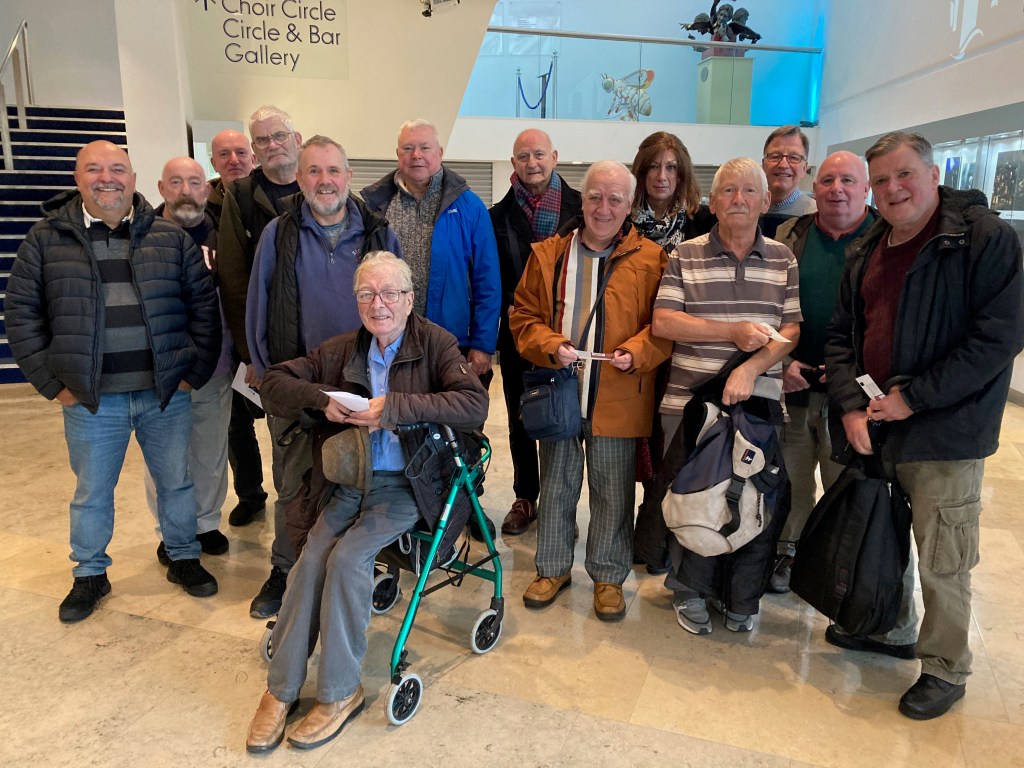
Fifteen of us travelled by train, although two of us only just arrived in time due to a delay on the tram. The journey time was one hour and fifteen minutes, but it flew by.
Clitheroe is a very hilly picturesque town and we wandered towards Castle Street where we discovered “Ice and Spice”, a lovely café serving delicious food including homemade cheese and onion pie.
Overlooking the town of Clitheroe is the ancient landmark, Clitheroe Castle. Sitting proudly on top of its limestone mound the Castle has dominated the local skyline for over 800 years. Stunning panoramic views of Ribble Valley’s beautiful, historic landscape can be seen from here which certainly makes the climb up to the top worthwhile!
Every Body is a documentary focussing on three individuals (Sean Saifa Wall, Alicia Roth Weigel and River Gallo) who overcame shame, secrecy and unauthorised surgery throughout their childhoods to enjoy successful adulthoods.
They chose to ignore medical advice to conceal their bodies and came out as who they truly were. They are now leaders in a fast-growing global movement advocating for greater understanding of the intersex community and an end to unnecessary surgeries.
Approximately 1.7% of the global population is intersex, and up to 1.1 million people in the UK alone. Being intersex is as common as being a twin.
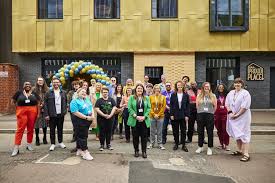
The film is on general release – see it at HOME Cinema, 2 Tony Wilson Place, Manchester M15 4FN from Friday, 15 December at 6.30pm and various times until Thursday, 21 December.
Watch the trailer here:
Celebrity Mastermind
Clive Myrie hosts another episode of the classic quiz where he asks the questions as four famous faces go under the spotlight and brave the famous black chair, donating to their chosen charities.
Danny O’Carroll, who plays Buster in Mrs Brown’s Boys, star of RuPaul’s Drag Race UK, Cheddar Gorgeous, Brendan Sheerin, tour guide from Channel 4’s Coach Trip, and comedian Jayde Adams answer questions on Robbie Keane, Mythical Creatures of the British Isles, the Sagrada Família and Buffy the Vampire Slayer.
Christmas is upon us, and it’s a time for giving – so we’re giving away our biggest prize EVER!
As the festive season approaches, we’re thrilled to spread some holiday cheer with an exciting opportunity for you to make your Christmas merrier than ever: in our big draw on Saturday 23 December, one lucky winner will scoop a whopping £3,000 Christmas cash bonus ready to be spent on anything your heart desires!
Hit the January sales in style, spread the joy by giving back to a cause that holds a special place in your heart, plan your dream holiday getaway, treat yourself to the latest tech and gadgets, spruce up your living space for the new year; the choice is yours!
The special prize draw will take place onSaturday 23 December. If you already have tickets, you don’t need to do anything.
As you know, our Super Draw gives people flexible ways to play – instead of committing to weekly tickets, supporters can choose to just buy tickets for the Super Draw week, meaning more flexibility and less commitment, whilst still supporting Out In The City. Existing supporters can even choose to TOP-UP their tickets just for the week of the Super Draw!
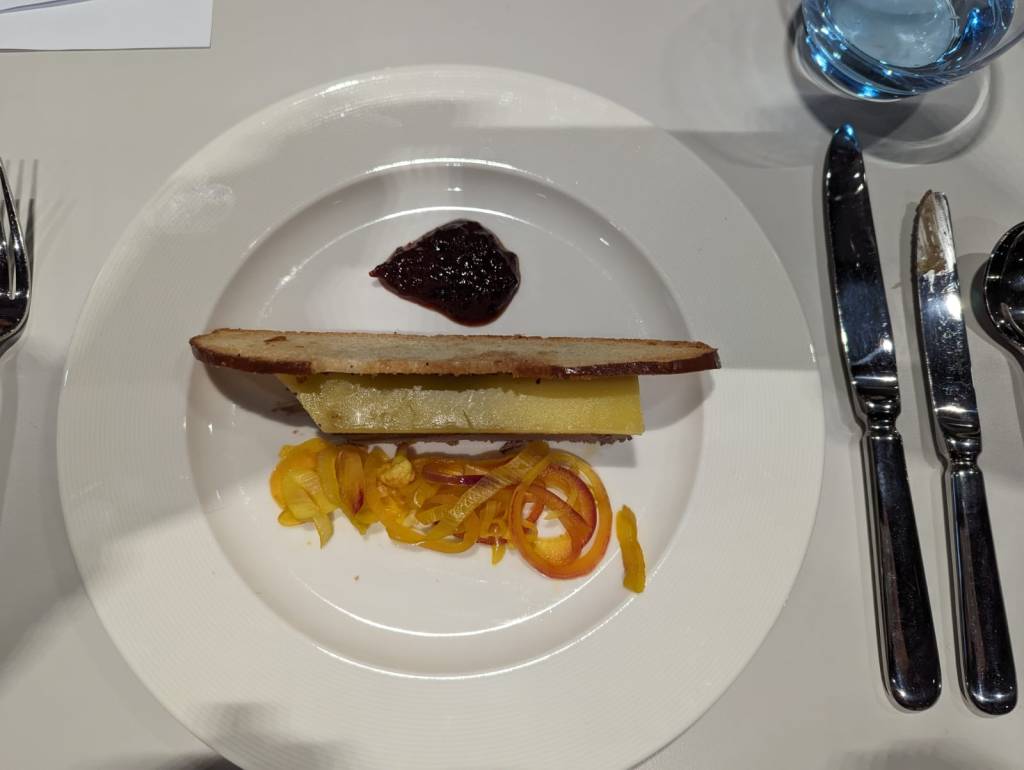
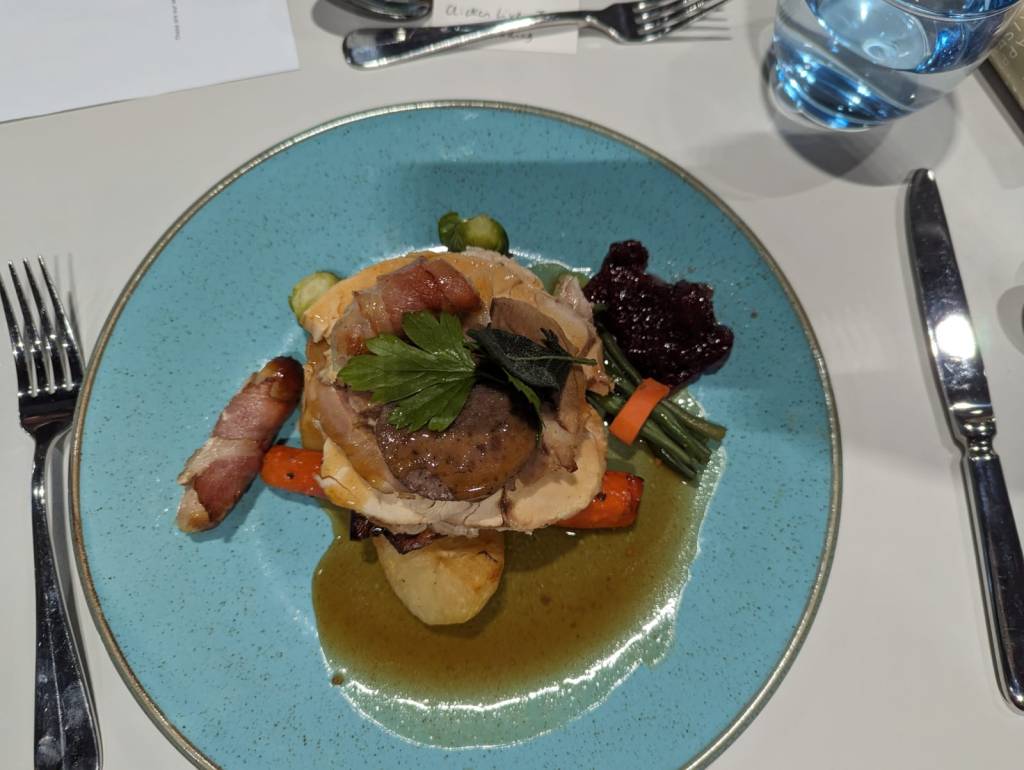
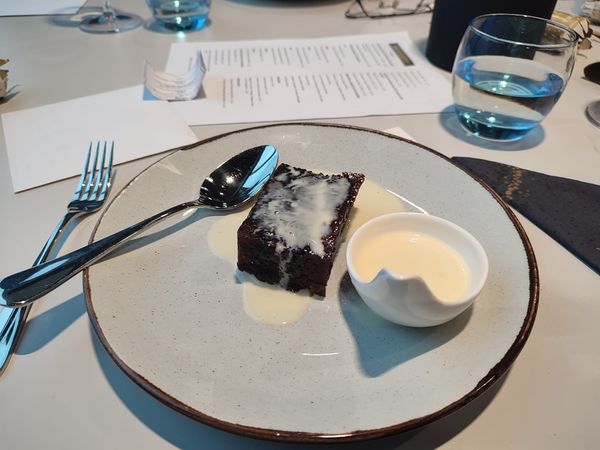
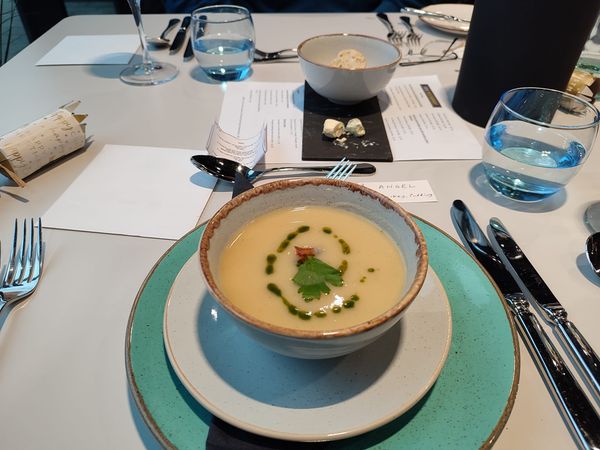
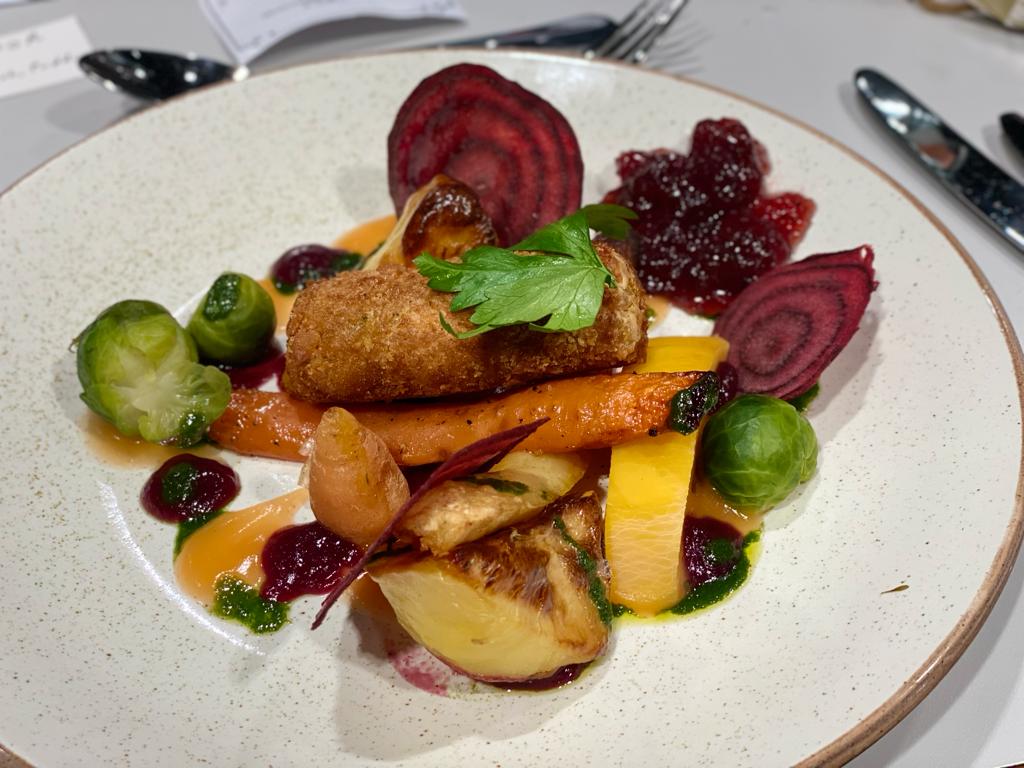
The meal held on Thursday, 7 December was a great success. The venue is a training restaurant situated right next door to the AO Arena, and 45 of us gathered in the friendly and relaxed atmosphere.
The restaurant is run by Hospitality and Catering students.
The special attention given by the students serving food as well as the skills and talents of the chefs working in the kitchen were superb.
Celebrating the 75th anniversary of the Universal Declaration of Human Rights
This Human Rights Day (10 December), we celebrate the 75th anniversary of the Universal Declaration of Human Rights.
In 1948, the world came together to agree on the fundamental rights and freedoms all humans should inherently hold. The Universal Declaration is the most translated document in the world, and has promoted basic rights such as education and freedom of speech.
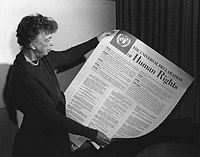
Eleanor Roosevelt holding the English language version of the Universal Declaration of Human Rights in November 1949
The theme for Human Rights Day 2023 is “Freedom, Equality and Justice for All”. In the decades since the ratification of the UDHR, human rights have become more widely recognised and protected around the world.
Discrimination against LGBT+ people undermines the human rights principles outlined in the Universal Declaration of Human Rights. Yet discrimination and violence against people in the LGBT+ communities are all too common. Homophobic, biphobic and transphobic attitudes remain deeply embedded in many cultures around the world.
All States are obligated under International human rights law to promote and protect the human rights of all persons without discrimination. In 70 countries, discriminatory laws criminalise private, consensual same-sex relationships.
As a result, LGBT+ individuals are exposed to the risk of arrest, blackmail, extortion, stigma, discrimination, violence and, in at least five countries, the death penalty.
Watch “Human Rights Forum Presents: Pride is a Protest” which was recorded on 25 August 2022 in partnership with the LGBT Foundation. Scroll to 01:02 for an interview with Tony Openshaw.
“Back In My Gay”
“Back In My Gay” is a new theatre project that Manchester-based LGBTQIA+ company, Sugar Punch, are embarking on in the new year. It’s all about celebrating LGBT+ history over the last 50 years with local creatives.
They are calling out for writers of all ages to submit short stories to be performed in the play, sort of like a timeline unfolding on stage. They have received a lot of submissions from writers in their 20s, but they really want this to be an inter-generational show, representing the experience of elders and making for an evening of celebration.
“Back In My Gay” is intended to be a theatre show that looks back on the last few decades of LGBT+ history in a way that gives everyone the love, respect and acceptance they deserve.
“Back In My Gay” isn’t a show about coming out or the politics of pronouns. It’s about raising up the people who shaped a culture and having a spectacular time doing it. They are still in the early stages and open to collaboration!
To express an interest or to find out more, please contact us here.
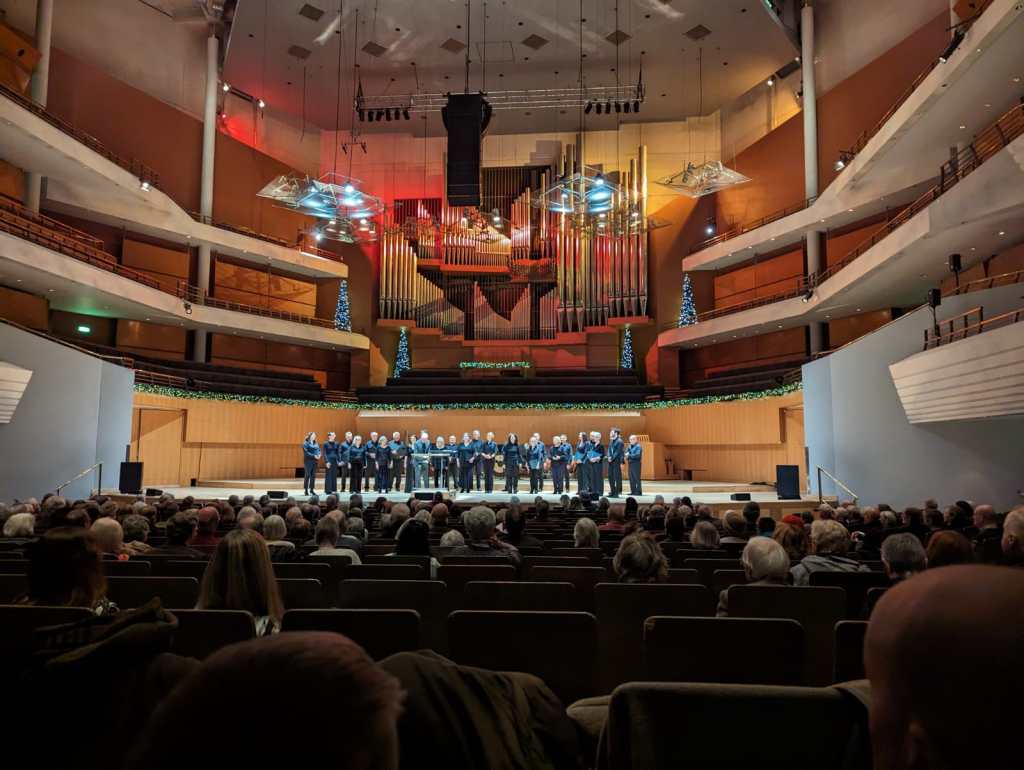
We’re delighted to advise that The Bridgewater Hall offered us 12 FREE tickets to various performances from the International Concert Series, BBC Philharmonic and Manchester Mid-day Concerts Society.
This week we heard the Manchester Chamber Choir with a varied programme including Benjamin Britten and William Byrd. The Choir was formed in 2002 and has become one of the UK’s most versatile and accomplished vocal ensembles. They regularly work with the BBC Philharmonic but have also broadcast a BBC2 Special with the Pet Shop Boys!
We really appreciate the support of Bridgewater Hall. Altogether 38 different people have enjoyed 13 concerts this season.
The first concert in 2024 (12 January at 1.10pm) is fully booked up, but we have tickets for the concert on the same day – Friday, 12 January at 7.30pm. This is an International Concert Series featuring pieces by Chopin, Schumann and Liszt.
More concerts can be found on our Next Outings page and you can book tickets here.
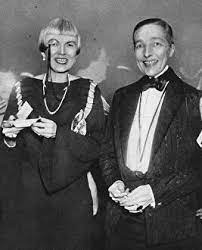
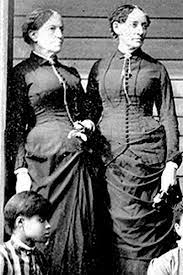
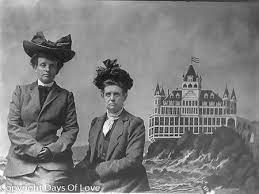
10 Iconic Lesbian Couples Through Herstory
Wherever and whenever LGBT+ people have lived, they have loved.
Whether they found romance in ancient Egypt or a 1920s salon, the history of lesbian women and their lovers is rich with devotion, betrayal, and activism. Throughout history, lesbian couples have fallen in and out of love and experienced joy and heartbreak, just like anyone else.
For anyone who can’t get enough of vintage love stories, here are ten same-sex couples who have defined lesbian romance over the centuries.
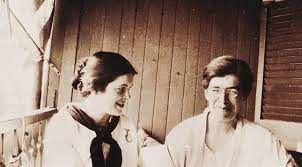
Ethel Collins Dunham and Martha May Eliot
Martha May Eliot and Ethel Collins Dunham, two doctors who got their medical degrees together from Johns Hopkins, met while they were students at Bryn Mawr College. They decided to attend medical school together in 1914 and forever stay by each other’s side.
Though they were both active in fighting for women’s right to vote, their ambitions to medicine separated them until they were both invited to the brand-new paediatrics department at Yale .
Both pioneers in their own right, they changed the role of women in children’s medicine forever. During the Great Depression, Eliot was an architect of the New Deal’s programmes regarding maternal and child health, and later she was named chief of the Children’s Bureau, a federal health agency, by President Truman. Dunham focused on caring for premature babies and newborns, establishing the national standards for how hospitals care for babies. She became one of the first female professors at Yale’s School of Medicine, while her partner was the first female member of the American Paediatric Society and the first woman to become president of the American Public Health Association.
In 1957 the American Paediatric Society awarded Dunham its highest honour, the John Howland Award. She was the first woman to receive the honour. Eliot was the second.
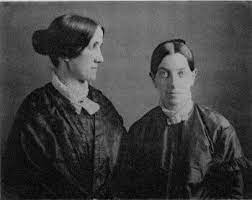
Sallie Holley and Caroline Putnam
These lifelong companions met at Oberlin College and became agents of the American Anti-Slavery Society as soon as they graduated. The couple travelled on the abolitionist lecture circuit alongside Sojourner Truth fighting for black people to be freed.
After the Civil War and emancipation, the two split to pursue their calling for justice. Holley gave talks in the North raising money to educate freed slaves, while Putnam went to Virginia to teach them. She ended up founding the Holley School, named after her partner.
Holley joined Putnam in Lottsburg, Va., where they taught together at the school year-round. Dedicated to encouraging and enabling black men to vote when they as women still could not, they died having left the school to an all-black board of trustees who kept it open for decades.
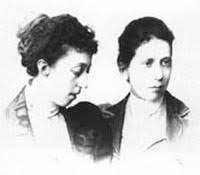
Edith Anna Somerville and Violet Florence Martin
Throughout the late 19th century, Irish novelist Edith Somerville wrote in collaboration with “Martin Ross,” who in reality was her second cousin, Violet Martin. Publishing 14 stories and novels, the two achieved success under the pseudonym “Somerville and Ross.”
While the exact nature of their relationship is a subject of debate, they lived together like a married couple in Drishane, County Cork, and later in her life Edith became a close companion of lesbian composer Ethel Smyth.
After Violet died, Edith continued to write under their shared pen name, convinced that the two could communicate through spiritualist séances.
Queen Kristina of Sweden & Countess Ebba Sparre
Queen Christina, who ruled Sweden in the 17th century, marched to the beat of her drum since she was a tot. Her father, King Gustav II Adolph, lost his life in battle when she was only 6 years old, but his fondness for his daughter followed her throughout her life after he requested she be raised not as a princess, but a prince.
Adhering to the fallen king’s wishes, the court educated and treated Christina like a boy. She dressed androgynously and even when she took the throne at 18, she refused to marry or become a mother. As a monarch, she established the first Swedish newspaper and country-wide school ordinance, but as a woman, she found love in her lady-in-waiting Countess Ebba Sparre.
The queen wrote often about the countess’s beauty, nicknaming her Belle and referring to her as a bedfellow. “It was actually quite normal for women to have intimate relationships at the time, because all the men were at war. So I think it was tolerated, but it wasn’t recognised as a lesbian relationship,” said Mika Kaurismaki, who directed the 2015 film The Girl King on Queen Christina’s life.
“I do not intend to give you reasons, [I am] simply not suited to marriage,” Christina told her officials. She went on to behead nobles who accused her of being a “jezebel,” losing much of her popularity. In 1654, the queen announced her plans to abdicate. Having thrown away her throne, she fled Sweden for Denmark, dressed as a man and taking most of the country’s treasures in her luggage. As she sought new homes in Italy and France, Christina continued to exchange passionate letters with her former lady-in-waiting, telling Sparre she would always love her.
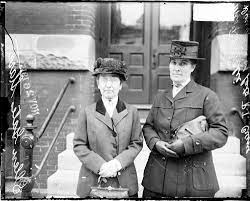
Jane Addams & Ellen Starr
The two lesbians behind Chicago’s Hull House, which provided social services and innovative educational programmes to recently arrived immigrants, first met in 1877 at Rockford Female Seminary. Though Starr was forced to leave school due to financial problems, their romance endured.
Starr joined Addams on a tour of Europe in 1888, where they observed the English settlement movement in London. Determined to bring the same resources to Chicago, they cofounded the now-500-house-strong charity. The original Hull House included a kindergarten, a day nursery, an infant care centre, and a centre for continuing education for adults.
The ladies lived together and were partners in advocacy and life. Starr joined the Catholic Church in 1920, when she felt it was seriously teaching social justice, though the church would go on to fight her when she campaigned against child labour. “Let’s love each other through thick and thin and work out a salvation,” Addams wrote to Starr.
Gabriela Mistral & Doris Dana
The first Latin American author to receive a Nobel Prize in Literature, Chile’s Gabriela Mistral was known for her lyrical love poetry. But she should also be known for her complicated bond with Doris Dana, who married or not stood by her in sickness and health.
Dana, who was born into a wealthy New York family, lost all her family money in the Wall Street crash of 1929. She met Mistral in 1946, an event only she remembered. Two years later, they began writing letters, one of which was an invitation for Dana to join the acclaimed poet at her Santa Barbara, California, home. After that they travelled the world, visiting Mexico and Italy, until Mistral fell gravely ill.
When Mistral was suffering from pancreatic cancer, Dana moved them to Long Island, where she cared for her life partner until her final days. After that, Dana remained the executor of the poet’s works and guarded them closely, refusing to let them be published in Chile. She even declined an invitation from President Ricardo Lagos Escobar.
Committed to the richness of Mistral’s work, Dana published a final volume of her poetry, Poema de Chile, after the poet’s death in 1957.
Marguerite Radclyffe Hall & Una Troubridge
Hall, a prominent lesbian writer, fell for the sculptor Troubridge in the most reckless of ways.
In 1907, the writer met Mabel Batten, a married singer with adult children and grandkids, in a spa in Germany. Despite a 30-year age gap, the two fell in love, setting up house after Batten’s husband died. Batten gave Hall the nickname John, which she kept even after their relationship went up in flames.
The cause of fire? Batten’s cousin Una Troubridge, whom Hall met in 1915. Batten died a year later and Hall ran to her cousin. The two began living together in London.
Though the two were involved until death, Hall had affairs with a number of other women, including Russian Evguenia Souline. However, their matching dachshunds remained faithful.
Harriet E Giles & Sophia B Packard
Few know that Spelman, the historically black college for women, was founded by a lesbian. Sophia B Packard met Harriet E Giles while teaching at Connecticut Literary Institution in Suffield. Later the two moved to the South intent on opening a school for African-American women and girls in Georgia. With only $100 from a Massachusetts church and a promise of support from the Woman’s American Baptist Home Mission Society, the couple opened a school in the basement of Friendship Baptist Church.
There they were not just teachers but held prayer meetings and sewing lessons. Impressed by Packard’s vision, John D Rockefeller made a down payment for a permanent site for the school in 1884, naming it Spelman in honour of his wife and her parents.
Packard went on to become the treasurer and Giles worked as the president of the college until she died in 1909. The two are buried together.
Fannie Johnston & Mattie Edwards Hewitt
Born in 1864, Fannie Johnston received her first camera from George Eastman, the founder of Kodak. With it she shot portraits of those closest to her and the era’s most famous people, including Mark Twain, Susan B Anthony, and Alice Roosevelt.
Surrounded by impactful people, Johnston met the woman who would impact her the most, Mattie Edwards Hewitt, the wife of another photographer. With her own passion for art, Hewitt worked in her husband Arthur’s darkroom. Immediately she was enamoured of Johnston’s acclaimed work, and mutual admiration evolved into a deep, dangerous romance.
“Ever since you told me that I was indeed worthwhile, I have felt like another woman, and now if I have been able to make you truly care for me, well, I am very very happy over it. You do not know the wealth of tenderness there is in my heart for you, and shall I tell you why I have needed you so much and seemed so longing for love and affection?” Hewitt wrote in one of the many love letters exchanged between the women. “When I married that nice little man, I thought of course I should get all the love my heart had yearned for, but somehow he has always seemed too busy to stop long enough for such nonsense, as he calls it.”
In 1909, Hewitt divorced Arthur and moved to New York, where she and Johnston worked and lived together. They opened a joint photography studio and spent their lives in harmony.
“Ah I love you, love you better than ever you know … Yes my dear we will turn over a new leaf and stand together in time of weakness,” Hewitt declared.
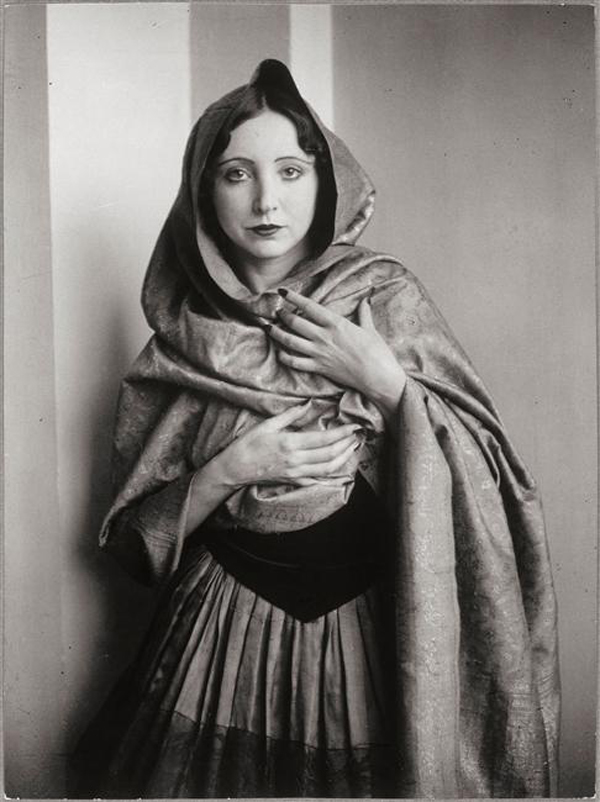
June Miller & Anaïs Nin
Though June was best known for being married to American writer Henry Miller, some believe her true love was French-American scribe Anais Nin, who found fame writing novels, essays and non-fiction.
In 1931, while visiting Henry in Paris, Miller met his colleague Nin, who quickly saw her as a muse. Throughout their flirtation (that Nin claimed was not sexual), Nin used June as inspiration for a number of her characters. Descriptions of their relationship in Miller’s diary makes it hard to imagine their relationship wasn’t sexual; Nin seemed fixated to the point of obsession with June.
Henry & June – a 1986 book culled from Nin’s unedited diaries, and published after Nin’s death – again stoked talk of the women’s affair. A 1990 movie, starring Maria de Medeiros as Nin and Uma Thurman as June, brought more attention to their relationship.
After their encounters in the 1930s, Nin would eventually reunite with her husband and live out her final years in Los Angeles. June was in and out of psychiatric wards during the 1950s, where she received electric shock treatments. During one, she fell off the table, breaking several bones. She never fully recovered.
A Festive Celebration of the LGBT+ Community – Monday, 18 December 7.00pm – 9.00pm
Manchester Cathedral – FREE – just a few tickets left – apply here
The Proud Trust, akt, LGBT Foundation, George House Trust and Manchester Pride are coming together for a festive gathering of Greater Manchester’s LGBT+ community at Manchester Cathedral – a space for celebration and inclusion.
We are stronger when everyone is included, and this event will be a celebration of all within our wonderfully diverse LGBT+ community.
Please join us for a joyful evening of Carols and readings. This is a free event, with donations made on the evening supporting The Proud Trust, akt, LGBT Foundation and George House Trust charities, who work hard to keep our community safe and strong.
Out In The City Party
Out In The City Party on Thursday, 14 December from 2.00pm to 4.00pm at Cross Street Chapel. Buffet! Entertainment! Not to be missed!
Please let us know if you are coming for catering purposes (vegetarian and gluten free will be catered for).
Members of BEE YOUth at the Proud Trust and Pride in Ageing at the LGBT Foundation have been working together on a project.
BEE YOUth is a weekly group for LGBT+ young people, and those questioning their gender or sexuality, aged 13-19 (and up to 25 with additional needs) who live or spend time in Greater Manchester.
The Pride in Ageing programme was set up in response to concerns that too many lesbian, gay, bisexual and trans people over the age of 50 are living in isolation and facing discrimination as a direct result of their sexual orientation or gender identity.
The two groups have been meeting over the last few months, which culminated in “Things Have Only Got Better” – a fantastic evening of songs, poetry, workshops, readings, dance, exhibition and more!
Russia
Russia’s Supreme Court has declared what it described as the “LGBT public movement” an extremist organisation and banned its activities across the country.
The ruling was prompted by a motion from the justice ministry, although no such organisation exists as a legal entity.
Russia’s constitution was changed in 2020 to make it clear that marriage meant a union between a man and a woman. Same-sex unions are not recognised in Russia.
In recent years the country’s LGBT community has come under increasing pressure from the authorities. In 2013 a law was adopted prohibiting “propaganda of non-traditional sexual relations” aimed at minors.
Last year, those restrictions were extended to all age groups in Russia. References to LGBT people have been deleted from books, films, adverts and TV shows.
In November, one Russian TV channel discoloured a rainbow in a South Korean pop video, to avoid being accused of violating the “gay propaganda” law.
Queendom review – queer drag artist’s dangerous protest in Putin’s Russia
Queendom is a documentary which suggests that when performer Gena Marvin takes to the streets she is squaring up not only to prejudice but to the state.
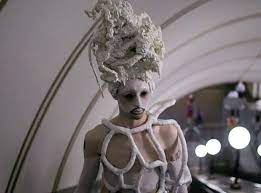
Like a Giacometti creature … a still from Queendom
It often takes actual physical courage to be different anywhere you grow up – but it takes superhuman courage to be different in Vladimir Putin’s Russia. Queendom is a study of queer drag performance artist Gena Marvin (born Gennadiy Chebotarev), who challenges the machismo of the Putin regime, the attack on Ukraine and the Russian state’s homophobic attitudes in general by taking to the streets in Moscow, either as part of a demonstration or on her own, always in extravagant, surreal outfits and vertiginous heels, like a Giacometti figure — sometimes subversively assuming the three colours of the Russian Federation’s flag. Often she is beaten up.
Gena was born in the grimly remote far eastern town of Magadan, associated with forced labour camps of the Stalin era; here she infuriated the locals with drag experiments, got a wide following on TikTok, then moved to Moscow to study. Then she got thrown out of college and had to come home, before finally going to France as a refugee. She is also an orphan who was brought up by her grandparents and has an explosive relationship with her grandfather who never makes any secret of his alienation from Gena’s identity and his profound irritation that it is getting Gena into trouble. He even demands that Gena join the army and Gena (perhaps to humour him) finally shows up at the recruitment centre in fatigues – but doesn’t enter.
Gena is only 21. She stages radical performances in public that become a new form of art and activism. By doing that, she wants to change people’s perception of beauty and queerness and bring attention to the harassment of the LGBT+ community. The performances – often dark, strange, evocative, and queer at their core — are a manifestation of Gena’s subconscious. But they come at a price.
The documentary is being screened at HOME Cinema, 2 Tony Wilson Place, Manchester M15 4FN on Tuesday 5 December at 4:10pm and will be preceded bya recorded Q&A with director Agniia Galdanova, presented by Reclaim the Frame.
The screening and the recorded Q&A will have standard English subtitles.
Was Roman emperor Elagabalus really trans?
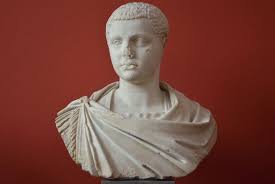
Elagabalus. Photograph: Getty Images
There are legendary dinner parties, and then there are the stories told about those thrown by the Roman emperor Elagabalus. The teenage ruler, who managed just four years as emperor before being assassinated at the age of 18 in AD222, would serve bizarre dishes like camels’ heels or flamingos’ brains to guests, stage themed nights when all the food was blue or green, or release lions or bears to roam among the diners.
On one famous occasion, according to a Roman historian, those present at a dinner were suffocated to death under an enormous quantity of rose petals; another saw guests seated on slowly deflating whoopee cushions – their first recorded use in western history.
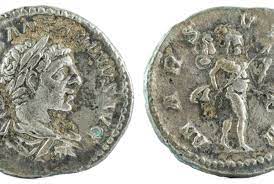
But did he really do all those things? Or perhaps we should be asking – did she? The obscure young emperor made headlines this week when it was reported that North Hertfordshire Museum in Hitchin has changed the pronouns it uses with reference to a coin of Elegabalus in its collection, and would now refer to the emperor as a trans woman using “she” and “her”.
It’s not such a stretch as it may sound. As well as throwing wild parties, Elagabalus was also said to have openly flouted contemporary gender roles. The emperor is said to have also dressed as a female sex worker, “married” a male slave and acted as his “wife”, asked to be referred to as “lady” rather than “lord” and even, according to one account, begged to have a surgical vagina made by a physician.
The stories led Keith Hoskins, executive member for arts at North Herts council, to say in a statement: “Elagabalus most definitely preferred the she pronoun, and as such this is something we reflect when discussing her in contemporary times … It is only polite and respectful.
“We know that Elagabalus identified as a woman and was explicit about which pronouns to use, which shows that pronouns are not a new thing.”
But do we know that? Thanks to a growing awareness of more complex ideas of gender in history, and a desire to reject historical prejudices, Elagabalus has been reclaimed in recent decades as a genderqueer icon.
However, many historians disagree that the evidence is as unambiguous as the museum says. Mary Beard, formerly professor of classics at Cambridge University, directed followers on X to her latest book, titled Emperor of Rome, which opens with a lengthy discussion of the “tall stories” told about Elagabalus.
The accounts of sexual unconventionality (and extravagant cruelty) largely originate with hostile historians who wanted to win the favour of Elegabalus’s successor, Severus Alexander, and so portrayed the emperor in the worst light possible, she says. “How seriously should we treat them? Not very is the usual answer,” Beard writes, calling the stories “untruths and flagrant exaggerations”.
The Romans may not have shared current understandings of trans identity, but several of the contested accounts about Elagabalus feel remarkably modern, points out Zachary Herz, assistant professor of classics at the University of Colorado in Boulder, who has written about how we should approach the story of Elagabalus in the context of queer theory.
Asserting that Elagabalus requested female pronouns is an “astonishingly close translation” of a story written by the third-century historian Cassius Dio, says Herz. “Elagabalus is literally saying, ‘Don’t call me this word that ends in the masculine ending, call me this word that ends in the feminine.’ So it’s unbelievably close to correcting someone’s pronouns.”
The problem, as he sees it, is that “I just don’t think it really happened.” “The quote-unquote biographies” written under Elagabalus’s successor are “hit pieces”, he says. “I would be inclined to read [them] as basically fictional.”
Martijn Icks, a lecturer in classics at the university of Amsterdam and author of a book about Elagabalus’s life and posthumous reputation, agrees that the stories about the emperor should be taken with “a large pinch of salt”. The same “effeminacy narrative” that has made Elagabalus a queer icon “was meant to character assassinate the Emperor, to show that he was completely unsuitable to occupy this position,” he says, adding that other so-called “bad emperors” including Nero and Caligula were described in very similar terms.
Racial prejudice also played a part, says Icks: before coming to Rome to rule it, Elagabalus was a priest in an obscure cult in Syria that venerated a black stone meteorite – a culture that would have been deeply strange to the Romans.
“And the stereotype that Romans had of Syrians … is that they were very effeminate and not real men like the Romans were.”
Some facts about Elagabalus’s biography can be asserted with confidence, says Herz, but in truth, comparatively few. And so while he says he considers it “perfectly justifiable” if his students use “they/them” to refer to the emperor (“if we don’t know a person’s gender, it’s a perfectly polite thing to use”), he believes “he” and “him” more accurately reflect the emperor’s own wishes.
“We don’t know what Elagabalus was like. We don’t know how Elagabalus saw himself. But we have portraits and coins that all look male, that portray him with male facial hair, male features and in garments that would have been understood as male within Elagabalus’s culture – including the coin that the museum has at the centre of its display.” While “there is a long history of people who have been expected to be good at being a man or being a woman and have had a hard time with that”, says Herz, “I worry that when we tell our students they should care about Elagabalus because she’s trans or because they’re non-binary – because they fit a modern category that our students use for themselves – we’re depriving them of the richness of history.”
You don’t own me I’m not just one of your many toys You don’t own me Don’t say I can’t go with other boys
In November 1980, Klaus Nomi released his self titled debut album featuring the song “You Don’t Own Me”.
We met at the corner of Oldham Street and Piccadilly before taking the short walk to Nell’s Pizza in the Northern Quarter.
There had been a lot of time spent on pre-booking and most of us enjoyed our 14 inch pizzas – “Cheese & Onion Pie”, “Do You ‘Roni Honey”, “Funghi Jambon”, “Hawaiian”, “Marinara Plus”, “Original Sausage Material”, “‘Shroom with a View” and “Whimsy”. There was a special offer and the prices were reduced by about a fiver to £7.77 and £9.99.
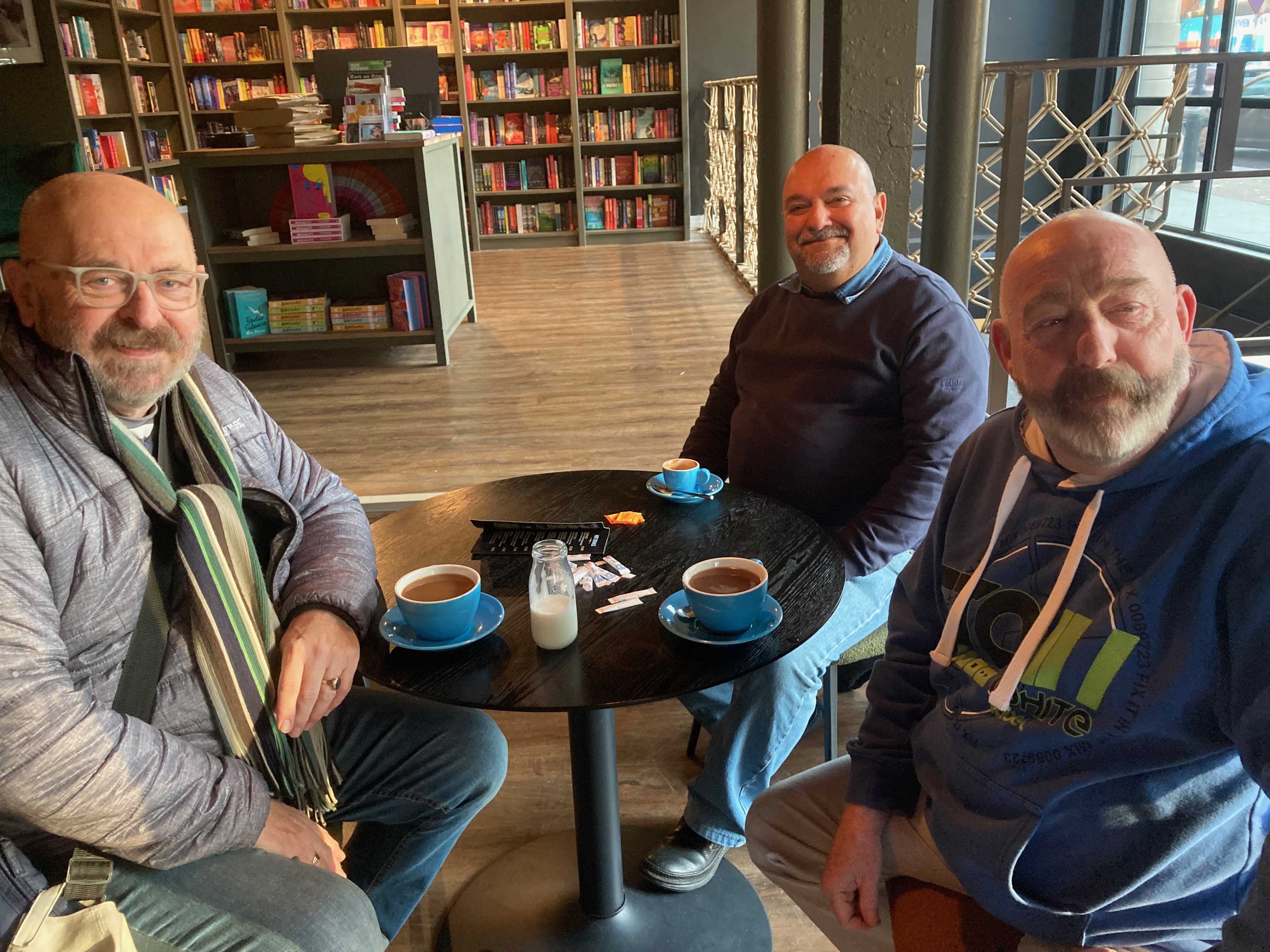
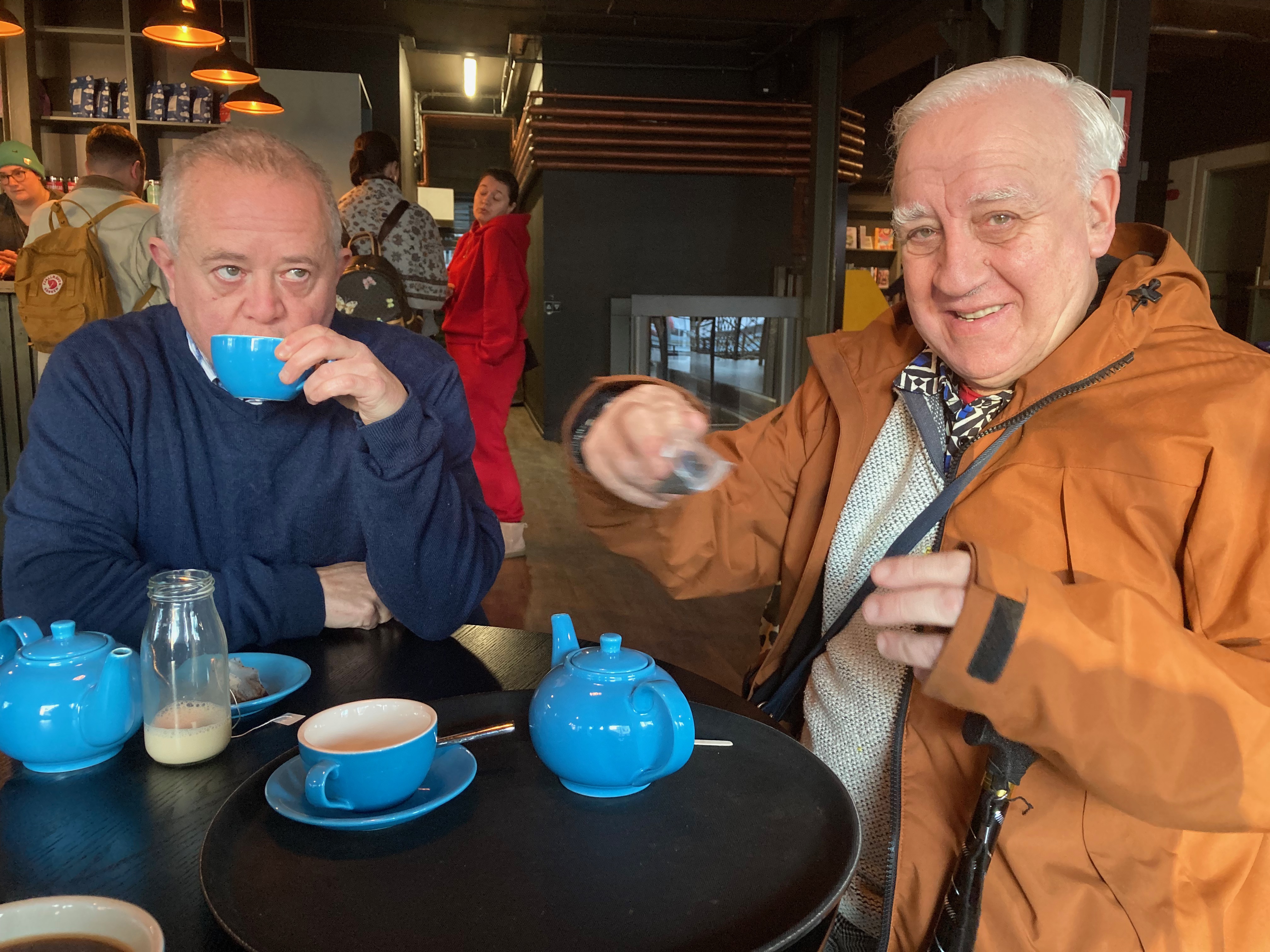
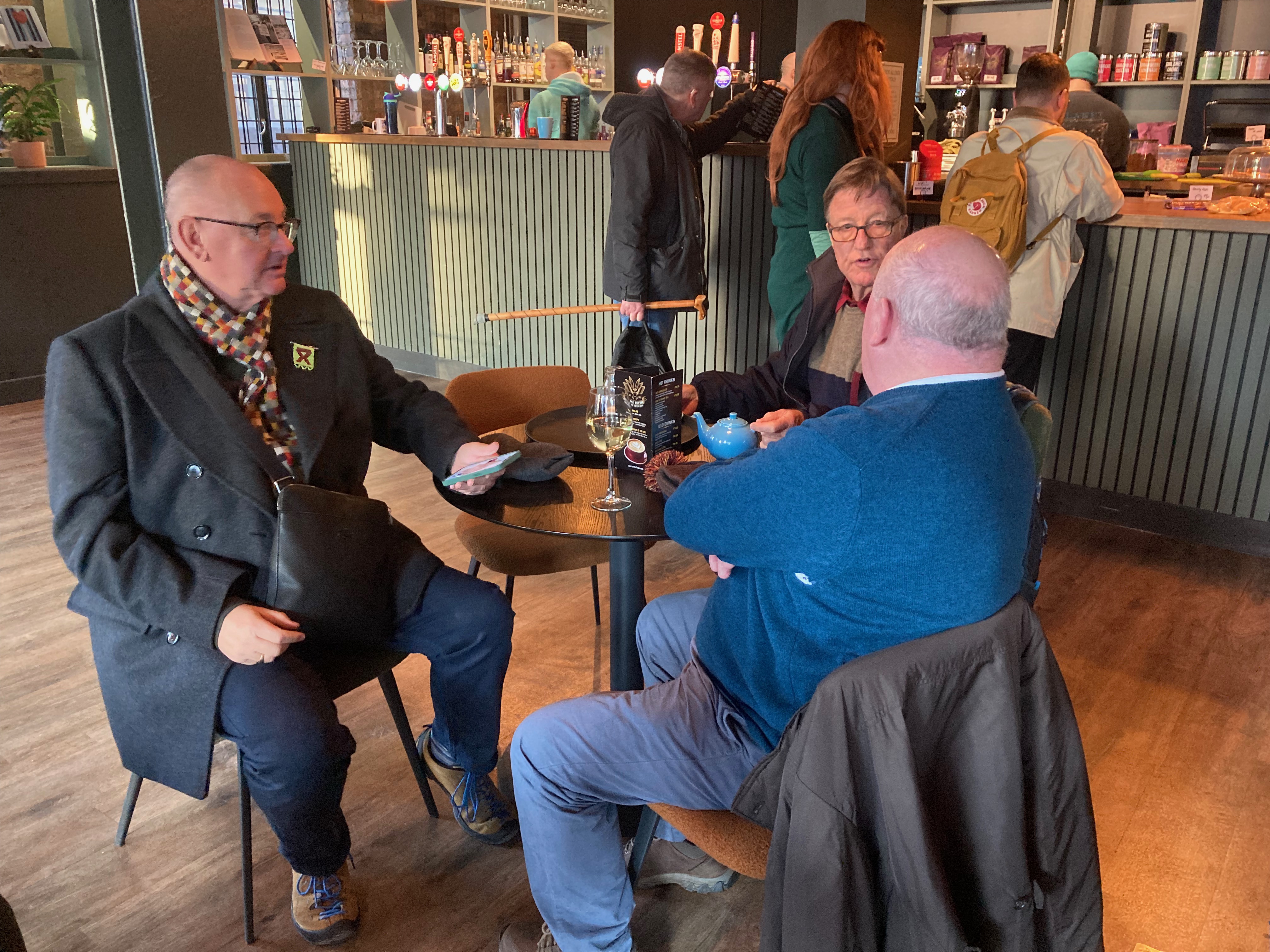
Following the meal we walked over to Queer Lit’s new premises at 27 Great Ancoats Street.
While many small businesses in the UK have sadly closed due to the poor economic climate, Queer Lit has bucked the trend and rapidly expanded. After starting as an online-only business during the start of the COVID-19 pandemic, Queer Lit opened a small bookstore on Tib Street in central Manchester in 2021.
Customers often crowded this small store, meaning Queer Lit had to expand. In October 2023, they finally opened their new, expanded venue close to the old premises.
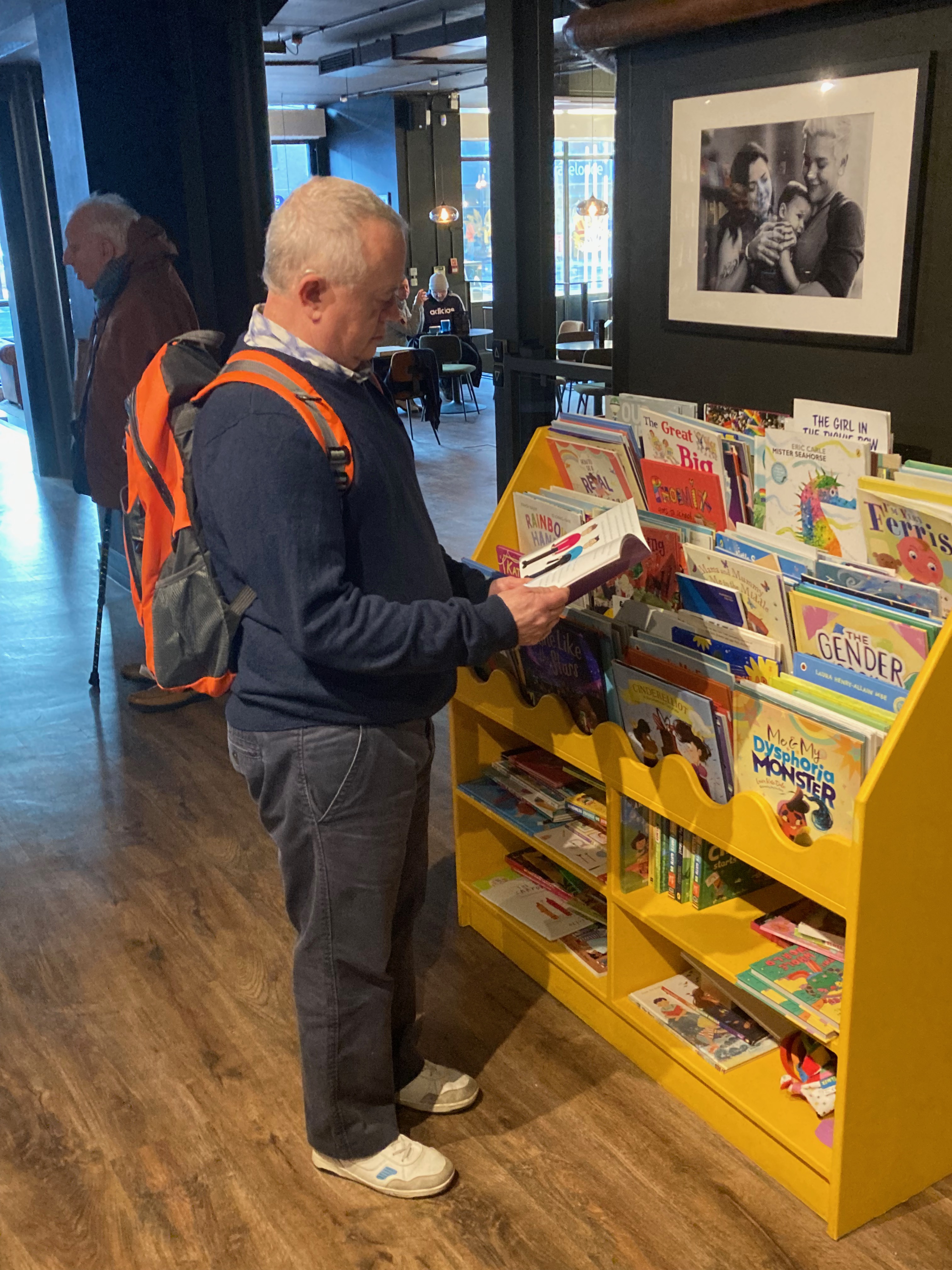
Location-wise, the new venue is easy to find in a prime location on Great Ancoats Street, part of the ring road around the city centre. I was very impressed with the amount of space inside. The unique combination of black, green and orange all come together to create a lovely atmosphere, especially when combined with the lights. There are also LGBT+ themed pictures on the walls – mostly of same-gender couples.
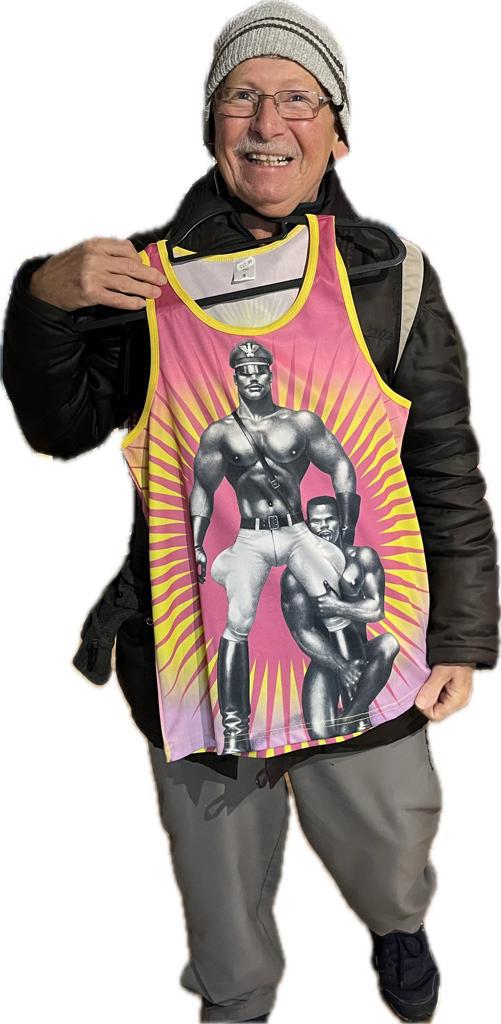
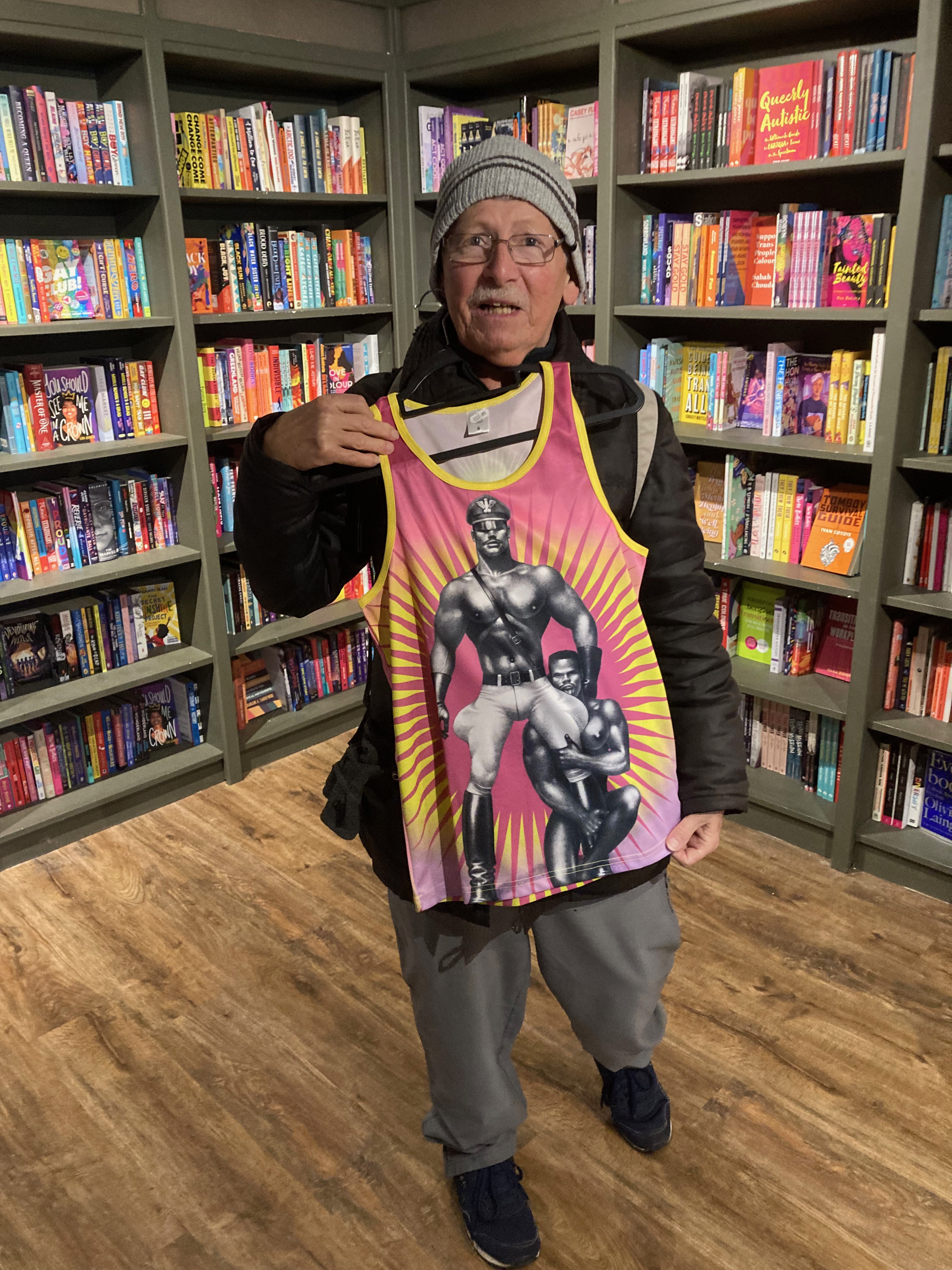
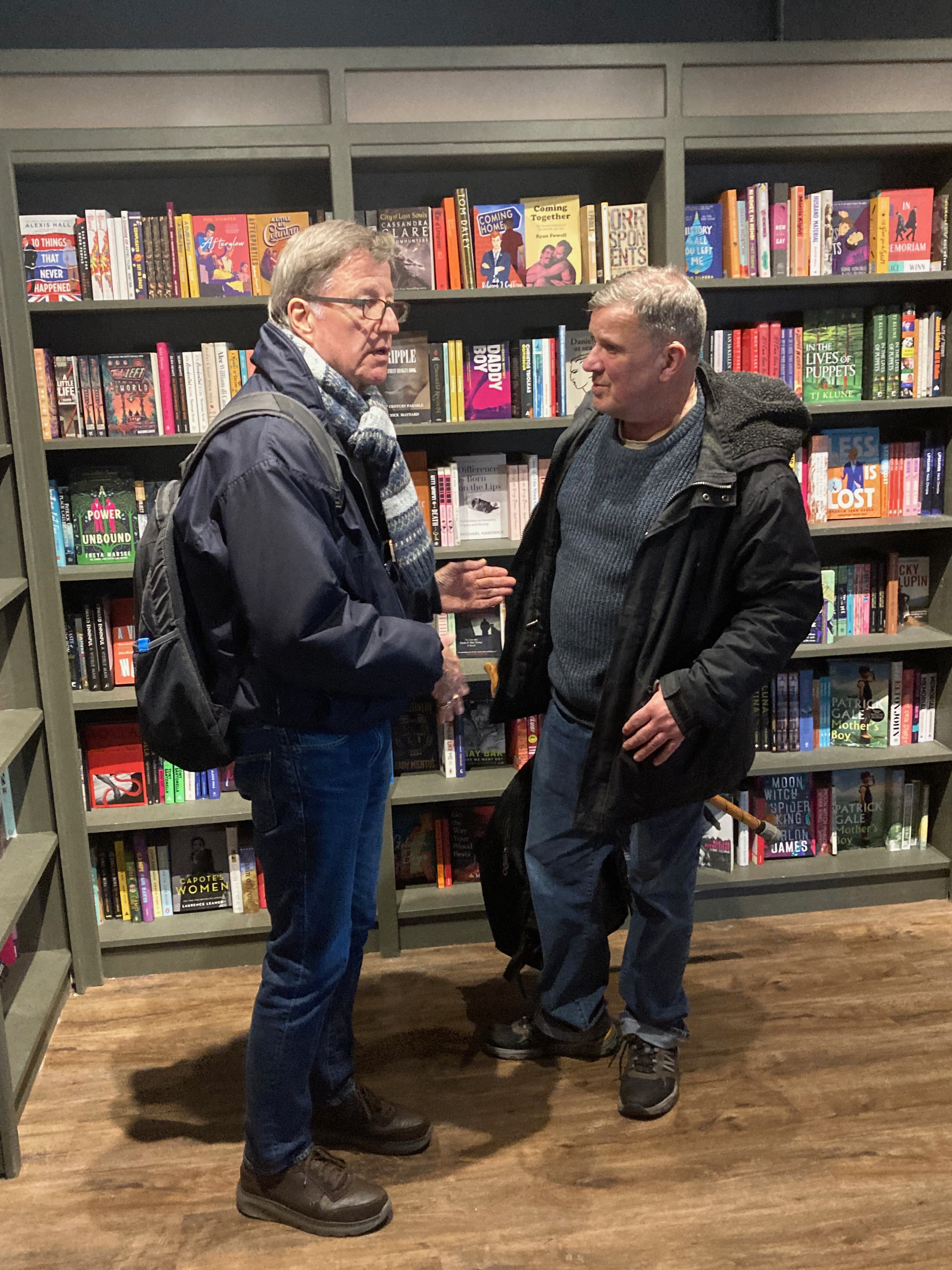
There is a bar, café and bookstore section, which is located towards the back of the café. Various LGBT+ books are stacked up nicely for a wide range of genres and identities, from queer young adult fiction to autobiographies, right the way through to non-LGBT themed books, written by other LGBT+ creatives. There is also a lot of LGBT+ pride merchandise available. They include badges, coasters and pride flags. It’s lovely browsing this vastly expanded selection, especially with more space to browse.
It’s well worth a visit and highly recommended as a place to relax.
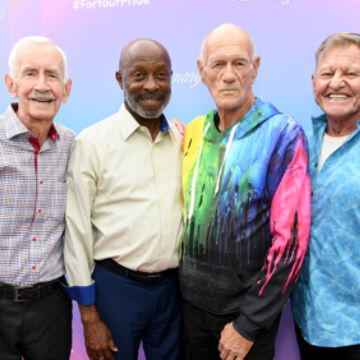
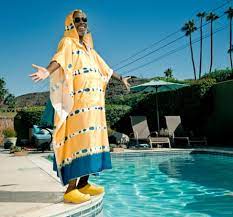
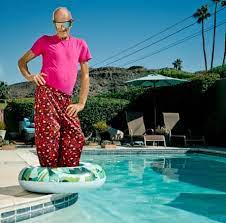
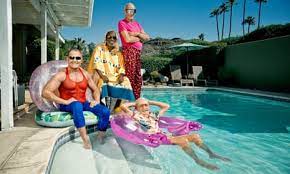
The Old Gays are an open book when it comes to their “Guide To The Good Life”
If you know The Old Gays, you know they’re not exactly shy.
The original quartet – Jessay Martin (70), Robert Reeves (80), Bill Lyons (79) and Mick Peterson (67) – have been making videos together since 2018, sharing their hot takes and shaking their hot cakes, gaining a massive following of adoring fans on social media in the process.
But there’s still a lot about them you don’t know – which shouldn’t come as a huge surprise, considering they’ve got 296 years of life experience between them.
So, with that in mind, the four of them finally set out to tell their story, sharing some wisdom and spilling more than a little tea along the way. “The Old Gays’ Guide To The Good Life” is part memoir, part juicy tell-all and all love.
Some of the biggest secrets revealed in the book are their philosophy on sleeping with friends and the life lessons they’ve learned from each other. The book dishes out endless life lessons, but, if pushed, what single, standout piece of advice would they share? “Be passionate about everything you do,” offers Bill. Robert is next: “Take the time to understand who you are, not who other people tell you to be.” Mick usually tells people to floss, “and also do your very best. Don’t hold anything back.”
Before Jessay answers, he takes a breath, then smiles. “Be free,” he says, “I didn’t know how to be until the Old Gays. I was trying to please everyone all the time, not taking care of me. All of this? It’s taught me to love and respect myself. To be exactly who I am and to enjoy every second. Trust me, don’t wait until you’re our age to do the same.”
The Old Gays Guide to the Good Life, published by William Collins, out 23 November (£16.99).
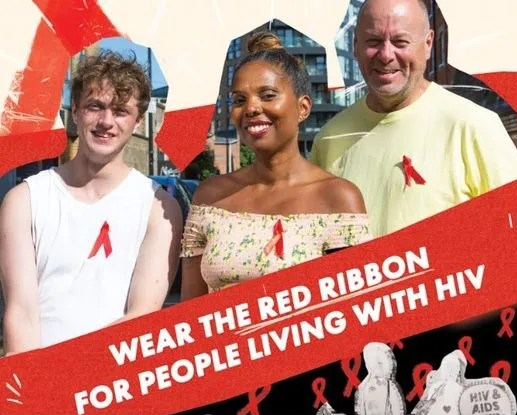
World Aids Day
Join us on Friday 1 December 2023 at 6.00pm in Sackville Gardens, Manchester for a special World AIDS Day Vigil.
Let’s remember people lost to HIV, show our solidarity with people living with HIV around the world and commit ourselves to ending HIV stigma and discrimination.
World AIDS Day, held annually on 1 December since 1988, is an international day dedicated to raising awareness of the AIDS pandemic caused by the spread of HIV, and mourning those we have lost.
Around 105,200 people in the UK are currently living with HIV – around 6,000 of whom live in Greater Manchester. We are a ‘Fast Track City’ region committed to ending all new transmissions of HIV by 2030.
Thank you to Manchester City Council for supporting the PaSH Partnership 2023 World AIDS Day Vigil.
You can support the PaSH Partnership’s HIV support and prevention work with a donation by texting WAD to 70450 to donate £3.00.
Watch the video to learn about the history of HIV in the UK.

























 Out in the City