Golden Age Big Band … Not In Our Name … Like Free Travel? … Birthdays … Exercise For People Over 60

News

Golden Age Big Band

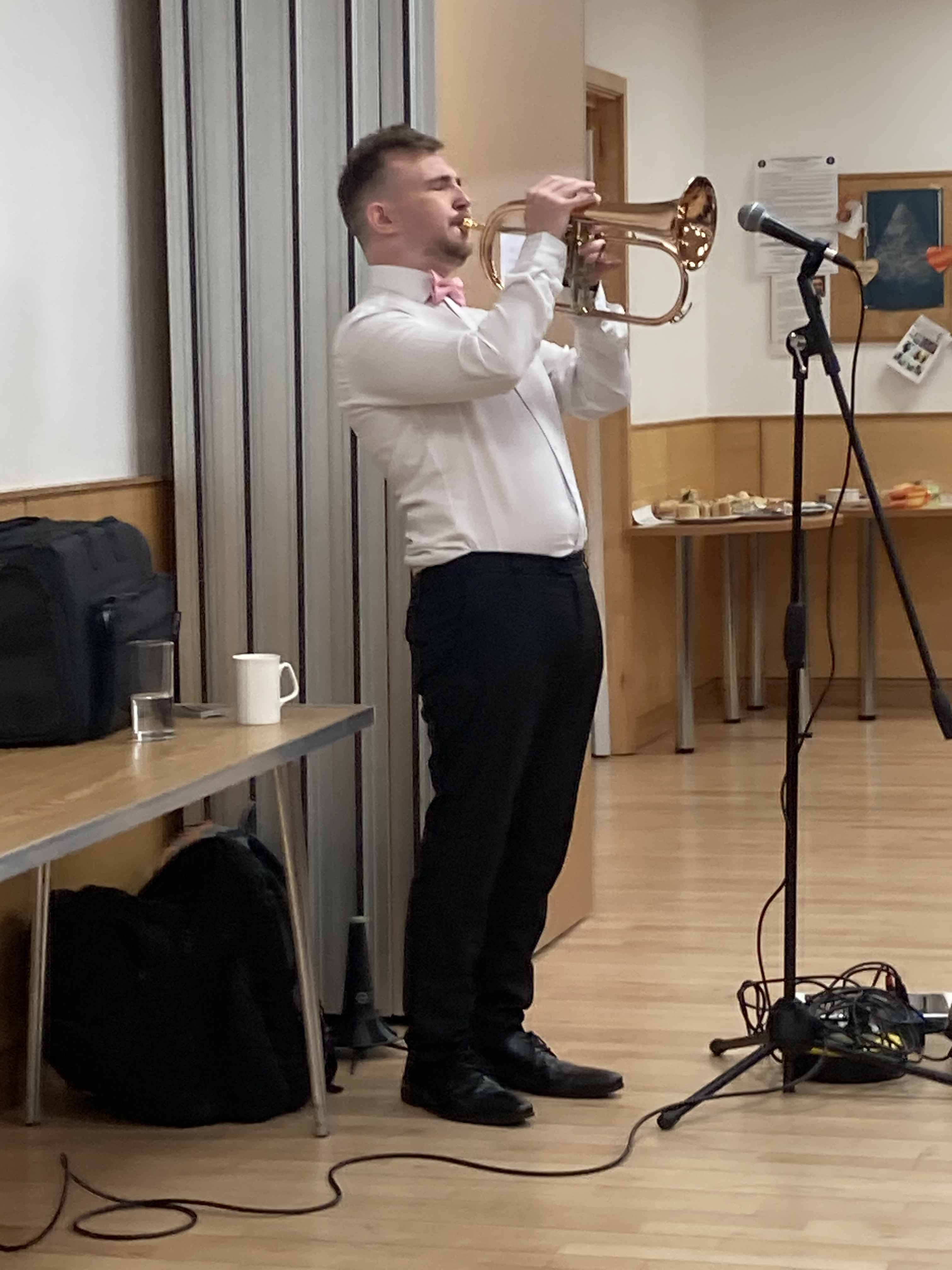
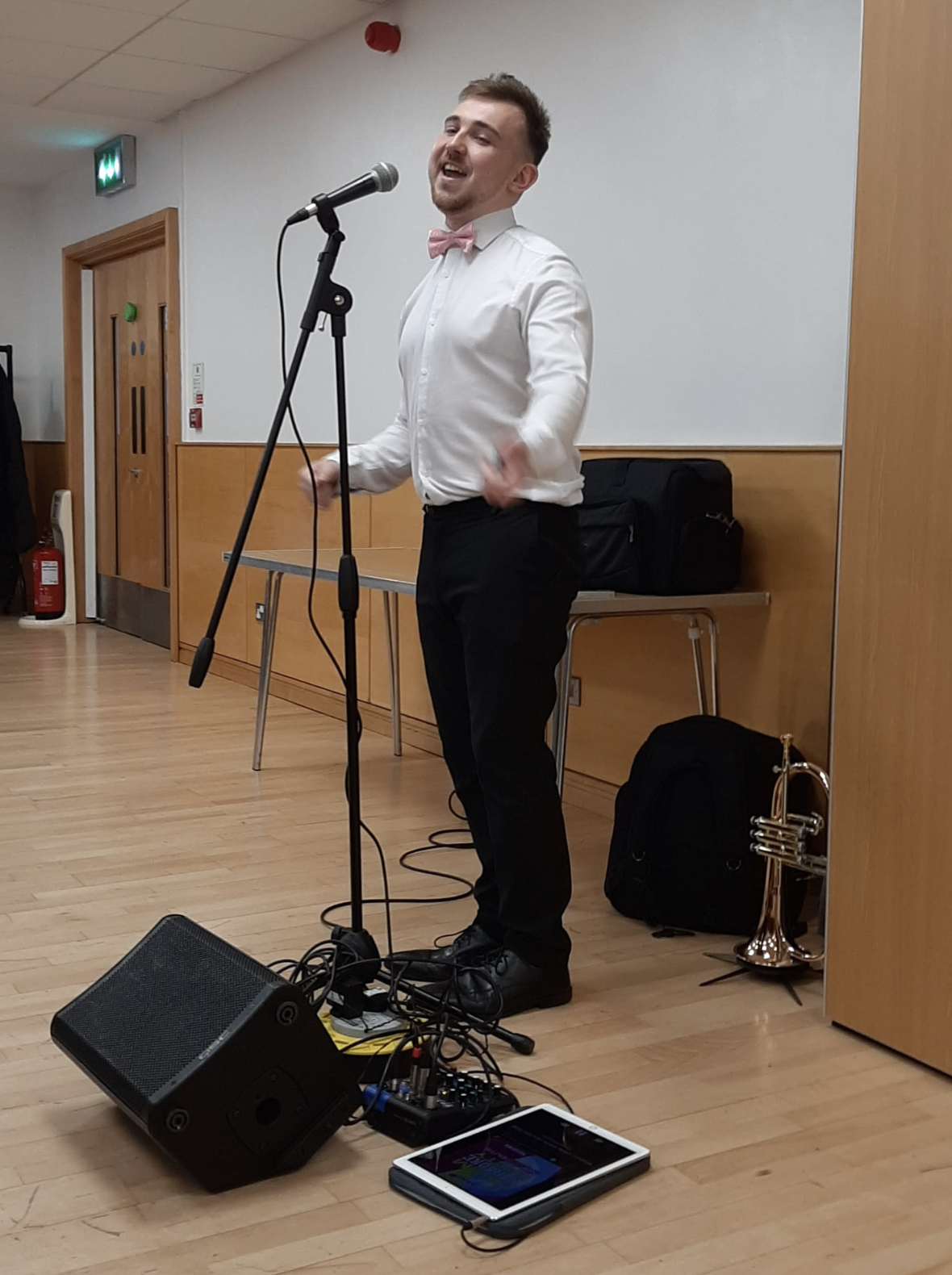
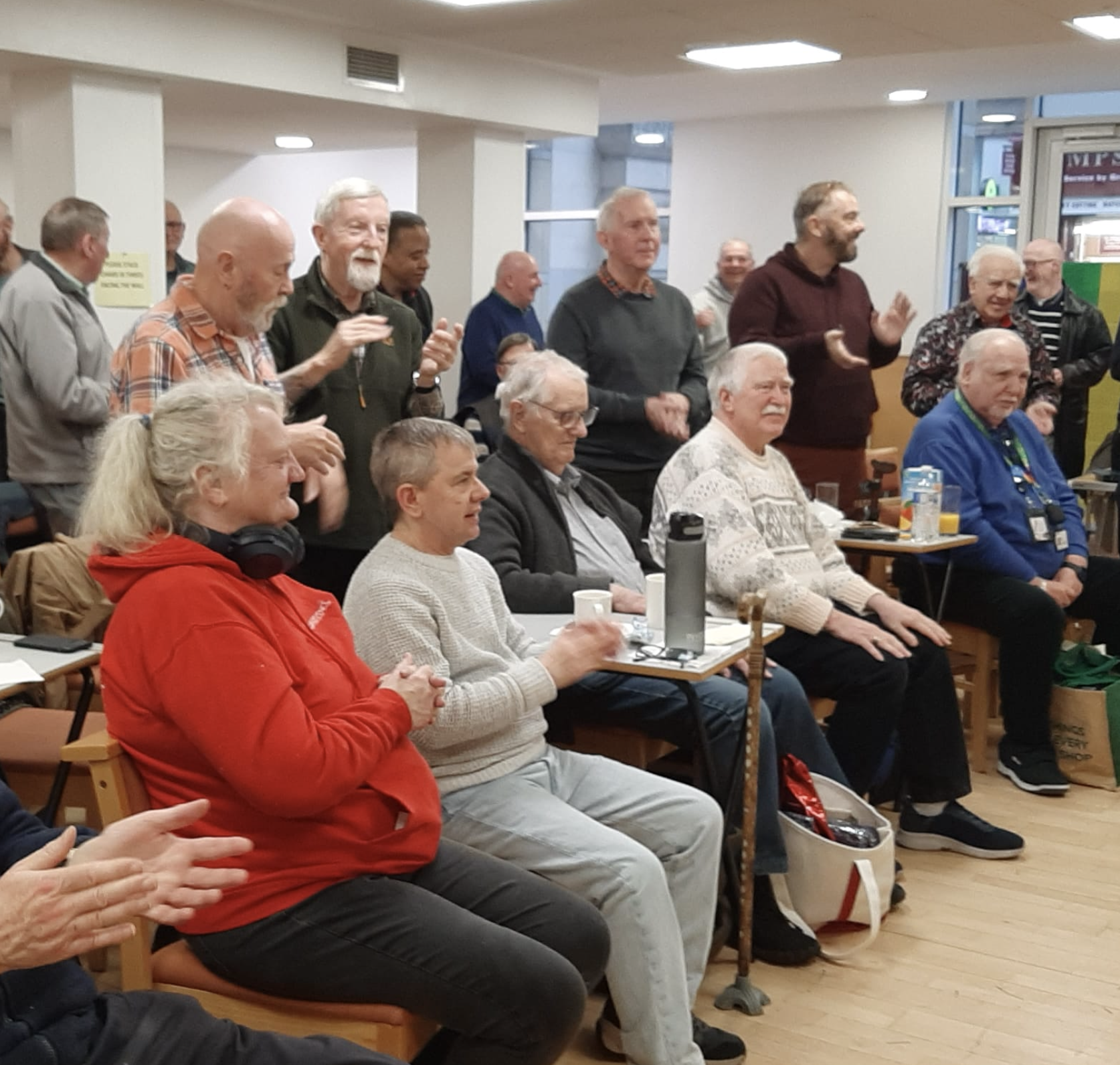
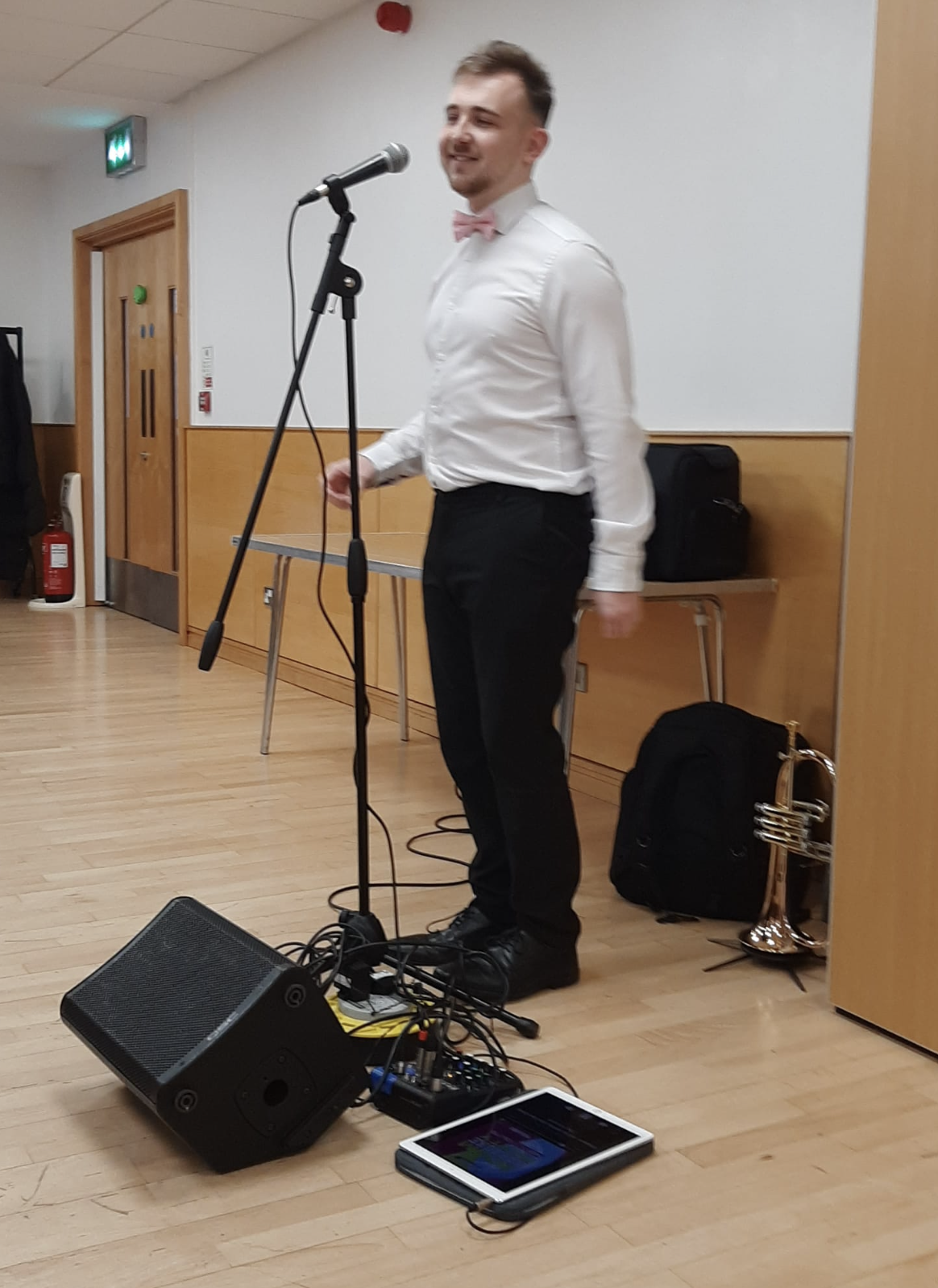
This was our second visit to the John Alker Club, near Flixton, for a Golden Age Big Band music performance.

The Golden Age Big Band is renowned for its dynamic performances and timeless repertoire, capturing the spirit of the swing era. Their arrangements blend classic hits with fresh interpretations.

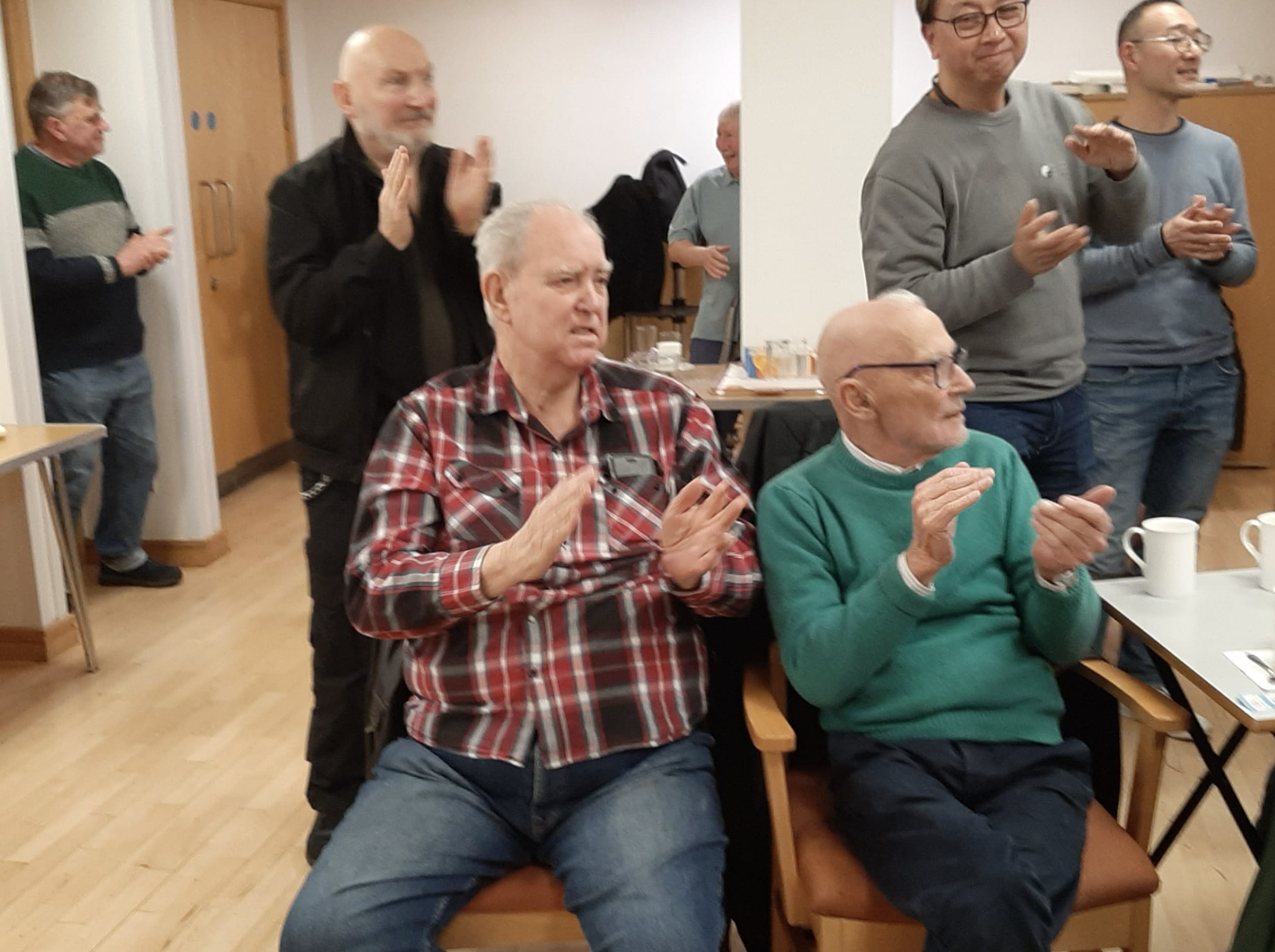
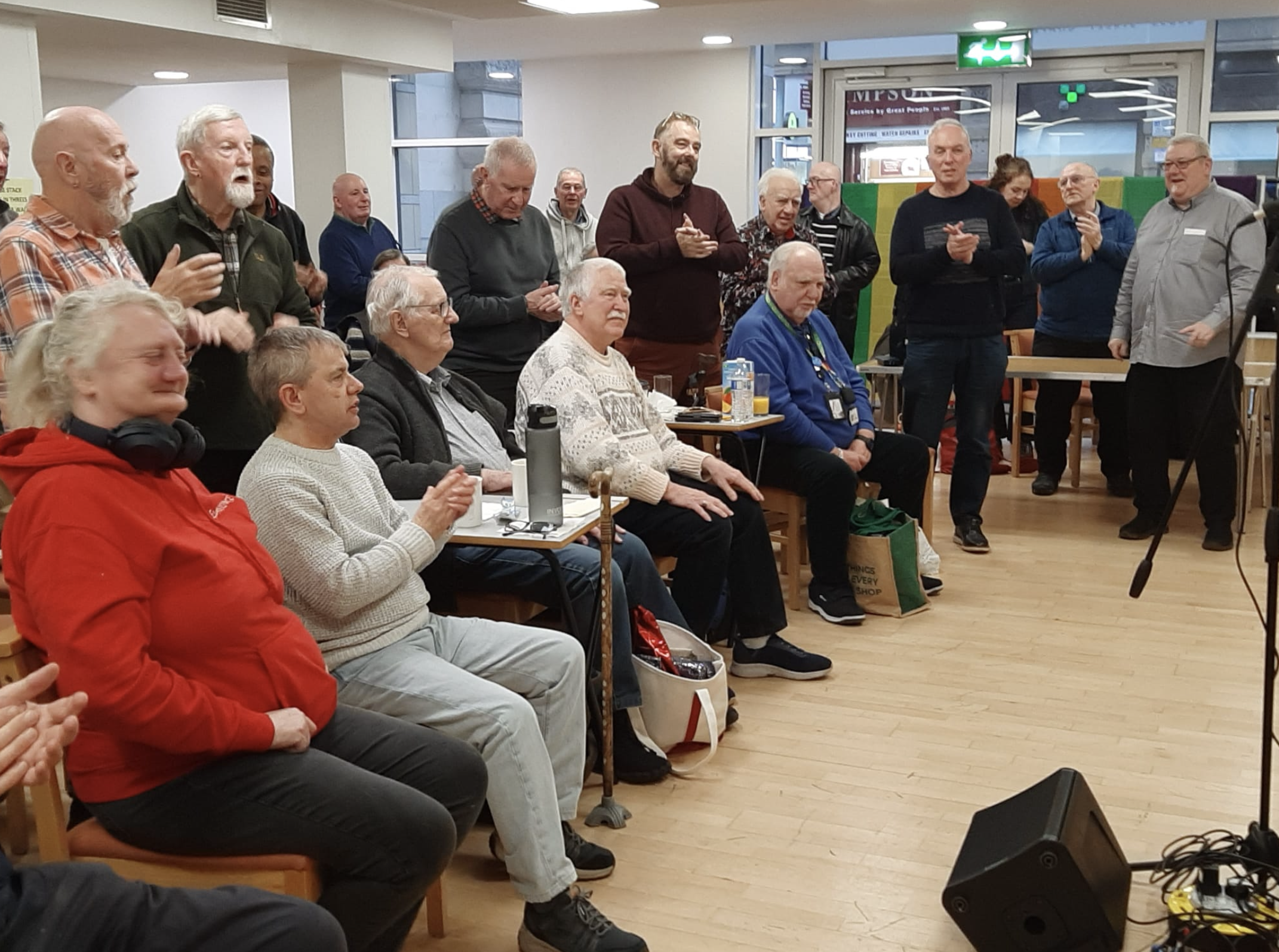
The club was packed out and the atmosphere was lively, with a sense of anticipation. The audience, many of whom were returning fans, eagerly awaited the first notes of “In The Mood”. We knew we were in for an afternoon filled with classic tunes and vibrant performances.

The audience joined in on Glenn Miller’s “Pennsylvania 6-5000” and “Chattanooga Choo Choo”. We enjoyed Frank Sinatra’s “I’ve Got You Under My Skin” and Etta James’s “At Last”.

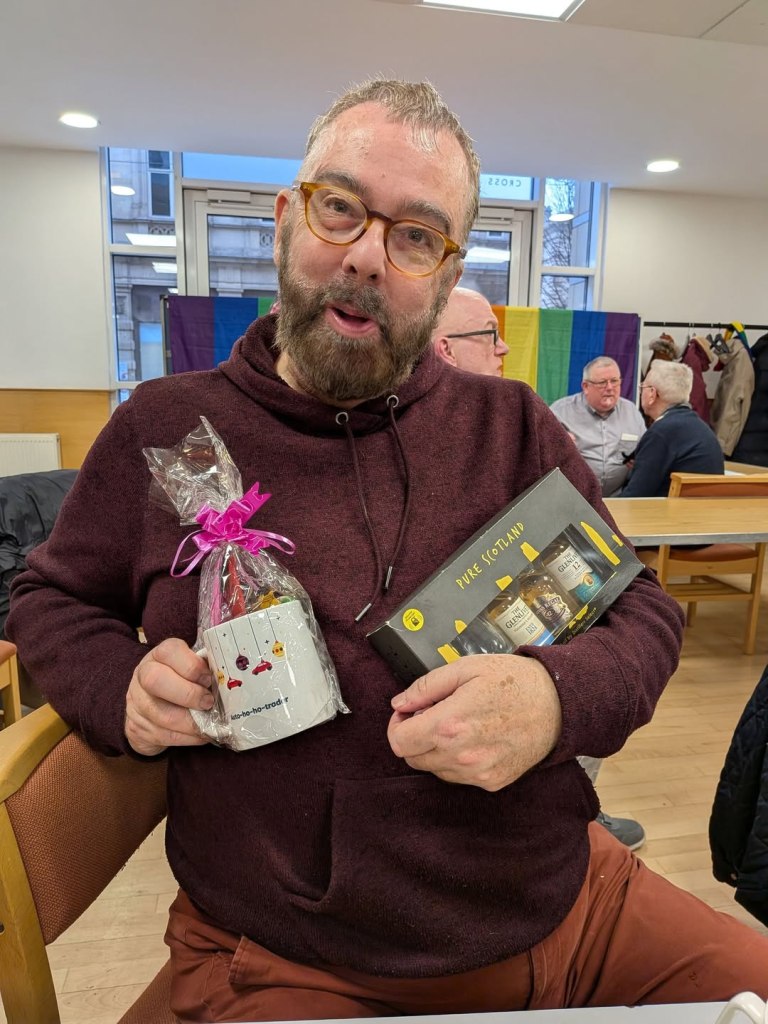
During the break we had an afternoon tea and raffle. All in all, it was a great afternoon.

63,000 cisgender women write powerful open letter in support of trans community: ‘We have had enough’

“Not in our Name” is the title of a collective of cisgender women who have written an open letter calling out the media and politicians for disseminating anti-trans rhetoric. 

In collaboration with the Good Law Project, the letter has so far been signed by more than 63,000 cisgender women, including high-profile figures such as Beverley Knight, Kate Nash and Green Party co-leader Carla Denyer MP.

To celebrate Transgender Awareness Week (13 to 19 November), one member of the collective spoke on behalf of the group about the letter’s purpose.

‘It is a voice that is missing from the conversation’

She explains that its aim is to show that the majority of women stand with the trans community, while also serving as “a tangible way” to push against anti-trans rhetoric. It is signed exclusively by cisgender women – referring to those who are not trans – as the collective felt, “it is a voice that is missing from the conversation”. 

“We’re everyday people who fundamentally believe all humans should have access to certain spaces and be treated with dignity and respect.” 

She highlights that gender critics, or TERFs (trans-exclusionary radical feminists), as their opponents often call them, wrongfully claim to speak on behalf of all cisgender women. 

“The women with the strongest views, who tend to be gender critical, have risen to the surface and become emblematic of what women think. But that is not us. It’s not acceptable, and we do not believe that to be representative of the majority of women, despite certain media pushing the argument that supporting trans women means being against cisgender women.” 

‘Gender critical isn’t the norm’

She describes the trans community as having become a “totem” for “all the ills of the world”, adding that as a collective they believe “you can still be pro-woman by signing a letter that supports the trans community”.

As for prominent figures in the gender-critical movement, such as Harry Potter author JK Rowling, she questions why “anyone would use their platform to harm people”. 

“Being gender critical isn’t the norm and being inclusive of trans people – and trans women in particular – isn’t anti-woman. This is a narrative that is being pushed in order to create division and it’s one that we reject.”

Although she believes that gender critical women are perfectly within their rights to have their views, she also thinks that gender critics have an “inability to understand that, as humans, we come in all shapes and sizes,” and explained that her group are using their letter as a tool to demonstrate that this is not how the majority of women feel.

‘Stop scapegoating minorities

The letter, she says, conveys “that you don’t have to be all or nothing. You just need to believe in the right of humans to exist with dignity and be treated with respect”.

As well as challenging anti-trans rhetoric, the letter also emphasises the collective’s desire to refocus attention on the issues that truly affect women. 

“Stop scapegoating minorities and put the focus back on the things that are really harming women,” she states. 

Last year, the Crime Survey for England and Wales revealed that more than 1.6 million women experienced domestic abuse in the year ending March 2024, while Cambridge Rape Crisis highlights Home Office statistics from 2018 showing 89 per cent of adults prosecuted for sexual offences are men. 

“Yes, women face massive challenges, but statistically, it’s not the trans community that are causing the problems. We have had enough,” she adds. 

Like free round-the-clock bus travel? Have your say on older person’s concessionary bus pass trial

In November, Greater Manchester is trialling 24-hour use of the older person’s concessionary bus pass – no 9.30am restriction or people arriving ‘too early’ to use their bus pass.

This pilot is being evaluated before a decision is made by Mayor Andy Burnham on whether to make the change permanent. 

Have your say on the pilot and whether you think the 9.30am restriction should be removed permanently

Fill in the online survey on the Transport for Greater Manchester (TfGM) website here.

For those unable to respond online: 

please call the TfGM contact centre on 0161 244 1000 

(Monday to Friday: 7.00am to 8.00pm,

Weekends and Bank Holidays: 8.00am to 8.00pm)

or write to Transport for Greater Manchester, 2 Piccadilly Place, Manchester, M1 3BG.

Birthdays

Exercise For People Over 60

  • Begin by standing on a comfortable surface, where you have plenty of room at each side.
  • With a 5 pound potato bag in each hand, extend your arms straight out from your sides and hold them there as long as you can. Try to reach a full minute, and then relax.
  • Each day you’ll find that you can hold this position for just a bit longer.
  • After a couple of weeks, move up to 10 pound potato bags. Then try 50 pound potato bags and eventually try to get to where you can lift a 100 pound potato bag in each hand and hold your arms straight for more than a full minute. (I’m at this level!)

After you feel confident at that level, put a potato in each bag.

Kirkstall Abbey and Abbey House Museum … Transgender Awareness Week … The history of LGBT+ kiss-in protests … Birthdays

News

Kirkstall Abbey and Abbey House Museum

Our day out at Abbey House Museum in Kirkstall promised a delightful journey into the past. We began our visit by exploring the fascinating recreated Victorian streets, where you can step inside traditional shops and homes, gaining a real sense of what daily life was like in Leeds during the 19th century.

The Hark to Rover pub was a refuge for the working classes who often had a miserable existence. It provided warmth, music, games and company along with a chance to forget about their troubles. Men were the main clientele and would often drink away their wages resulting in drunkenness and violence. In 1894, over 2,000 people were prosecuted for drunkenness in Leeds. Some pubs in Leeds only admitted women in the 1970s!

Theatre going was promoted as an alternative to pub going and as a result many theatres were constructed during this period. The Temperance Movement was led by middle class social reformers. Temperance rooms selling cocoa were set up but were never as popular as the pub!

The streets also featured the chemist, grocer, police station, Sunday school and many more.

The museum also features interactive exhibits in the form of original working penny slot machines. We watched the murder mystery, the haunted room and had our fortune told.

After wandering through the displays, we crossed the road to Kirkstall Abbey where there is an onsite café. We combined our visit with a walk around the beautiful abbey ruins, rounding off a memorable and educational day out.

More photos can be seen here.

Transgender Awareness Week

Each year between 13 – 19 November, people and organisations around the country participate in Transgender Awareness Week to help increase understanding about transgender people and the issues members of the community face.

Trans Awareness Week takes place the week before Transgender Day of Remembrance on 20 November. 

Transgender Day of Remembrance (TDOR), is an annual observance on 20 November that honours the memory of the transgender people whose lives were lost in acts of anti-transgender violence that year.

Trans Day of Remembrance Vigil 2025 The Manchester Transgender Day of Remembrance Vigil will take place on Thursday 20 November in Sackville Gardens, Sackville Street, Manchester M1 3HB⁠.

Arrival from 6.30pm and the service will start at 7.00pm⁠.

There will be a service of speakers and performers. Candles will be provided and we can take the time to remember those trans & gender diverse lives we have sadly lost.

The history of LGBT+ kiss-in protests

Ted Brown, Noel Glynn and Peter Tatchell at UK’s first Gay Pride

Did you know that kissing can be a form of activism?

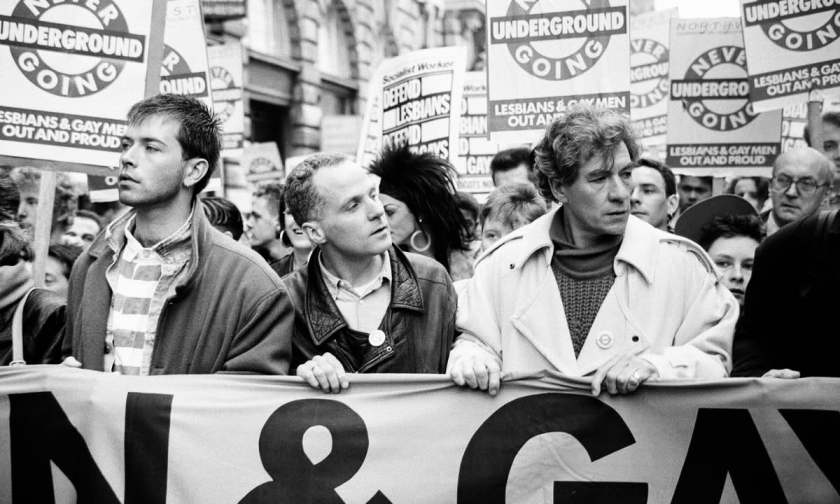
The first documented kiss-ins took place in 1970 in New York City during a gay liberation march commemorating the first anniversary of the Stonewall Riots. 

In 1972, members of Gay Liberation Front put on the UK’s first Gay Pride parade, which ended in a mass kiss-in.

In 1973, the first national lesbian kiss-in protested the lack of female artists at the Los Angeles County Museum of Arts.

And in 1976, LGBT+ organisations in Toronto staged a kiss-in protesting the arrest of two gay men who kissed each other at an intersection.

While the use of kiss-ins petered out after the late 1970s, they became an organising strategy among ACT UP chapters in the US and Canada in the late 1980s and early 1990s – including at the historic HIV/AIDS protest at St Vincent’s Hospital in New York.

While more recent kiss-ins have taken place from 2002 up until 2018, they have once again become a less common form of activism. But its history and impact should not be forgotten.

We Have Always Been Here

Portrait claimed to be of Barry, c. 1820s

In 1812 James Miranda Barry graduated from the Medical School of Edinburgh University as a doctor. Barry went on to serve as an army surgeon working overseas. Barry lived as a man but was found to be female-bodied upon his death in 1865.

In 1833, 24-year old actor Eliza Edwards was found dead. The corpse was taken to Guy’s Hospital for an autopsy, where it was discovered that Edwards was ‘a perfect man’.

Birthdays

Aaron Copland

Aaron Copland (born 14 November 1900 – 2 December 1990) was an American composer, critic, writer, teacher, pianist and conductor of his own and other American music.

The open, slowly changing harmonies in much of his music are typical of what many consider the sound of American music, evoking the vast American landscape and pioneer spirit. He is best known for the works he wrote in the 1930s and 1940s in a deliberately accessible style often referred to as “populist”.

Works in this vein include the ballet Appalachian Spring, and his Fanfare for the Common Man. In addition to his ballets and orchestral works, he produced music in many other genres, including chamber music, vocal works, opera and film scores.

Wendy Carlos 

Wendy Carlos (born 14 November 1939) is an American musician and composer known for electronic music and film scores.

Born and raised in Rhode Island, Carlos studied physics and music at Brown University before moving to New York City in 1962 to study music composition at Columbia University. Studying and working with various electronic musicians and technicians at the city’s Columbia-Princeton Electronic Music Center, she helped in the development of the Moog synthesizer, Robert Moog’s first commercially available keyboard instrument.

Staircase House … New Bill to Criminalise LGBTQ+ Ugandans … Manchester United Fan Gets 3-Year Ban … Birthday … Rainbow Noir

News

Staircase House

By Angel Utset

Today we visited the “Staircase House” in Stockport, Greater Manchester. Built in 1459, it’s the oldest existing building in Stockport, right in the centre of the town. The house is famous for its rare Jacobean cage newel staircase, one of only three in the UK.

The “Staircase House” was wood and much of the original construction is lost. Excellently preserved, however, many of the updates were made in the 17th century, when the Shallcross family moved into the house. The biggest attraction is its box-shaped staircase, uncommon in those years. The original staircase was lost in a fire, but was rebuilt.

The house is now a museum, recreating Stockport life in the 17th century. Enter through the courtyard, where you can see part of the original construction and renovations done over the centuries. The house was inhabited until the mid-20th century.

Move from the courtyard to the basement, where crops and animals were kept. Although it is now in the centre of the town, in those years the house was surrounded by fields. It was situated in front of the market, making life easier for the Shallcross family. The basic diet was meat, milk and bread, which were processed in the house itself. Fruits and products from the home garden were also consumed. Stockport in particular was famous in the 17th century for its cheese.

On the upper floors are the kitchen and bedrooms. The glazed windows, originally made of wood, were installed in later centuries. In addition to meat, milk and products from the garden, spices, salt and sugar were obtained in the market.

Something very interesting about the museum is an original wall of the house, which shows the different constructive elements from its origins in the 15th century. Also the “Linen Room”. The British dressed in thick fabrics of cotton and wool, until silk and other fine fabrics were introduced from Italy and especially from India. Fine thread, silk and spices were the most important commodities of the “Company of India”, with headquarters in Kolkata and Mumbai. They started using fine fabrics with vivid colours, which was the precursor to the Industrial Revolution.

We discovered this ghostly note in one of the rooms!

A very interesting and instructive visit.

We also went to visit Stockport Museum next door. More photos can be seen here.

New bill would send people to prison for 10 years for identifying as LGBTQ+ in Uganda

Anita Among, Speaker of Parliament of Uganda – Uganda Times via Wikipedia

Not content with holding title to one of the harshest anti-LGBTQ+ laws in the world, Uganda’s parliament is considering a bill that would outlaw identifying as lesbian, gay, bisexual, transgender or queer.

The country’s Anti-Homosexuality Act, passed in 2023, already provides a sentence of life in prison for gay men who have sexual relations, and in extenuating circumstances, even death.

The new measure would criminalise Ugandans for simply saying they’re anything but straight.

Among more than 30 African nations that ban same-sex relations, the proposed law would be the first to criminalise just identifying as LGBTQ+, according to Human Rights Watch.

The proposed law was introduced with the goal of combating “threats to the traditional, heterosexual family”. 

The measure mandates punishment of up to 10 years in prison for any person who “holds out as a lesbian, gay, transgender, a queer or any other sexual or gender identity that is contrary to the binary categories of male and female.”

The bill also criminalises the “promotion” of homosexuality and “abetting” and “conspiring” to engage in same-sex relations.

Much of the bill’s content is revived from the original “Kill the Gays” law, passed in 2013 but overturned by Uganda’s high court on technical grounds. That law criminalised lesbianism.

“One of the most extreme features of this new bill is that it criminalises people simply for being who they are as well as further infringing on the rights to privacy, and freedoms of expression and association that are already compromised in Uganda,” said Oryem Nyeko, Uganda researcher at Human Rights Watch.

Speaker of the Parliament Anita Among, the rabidly homophobic lawmaker who helped usher the Anti-Homosexuality Act into law, sent the new bill to committee for debate and public hearings after it was read to legislators.  

Among urged fellow lawmakers to reject intimidation, referencing threats by Western countries to impose travel bans on those responsible for the legislation.

“This business of intimidating that ‘you will not go to America,’ what is America?” she asked.

Ugandan lawmakers, the speaker prominent among them, have for years warned of “degenerate Western values” threatening Ugandan families and sovereignty.

Among was urged on in her anti-Western pose by Russia’s ambassador to Uganda, who encouraged her to fast-track the “Kill the Gays” law through parliament in 2023. It passed overwhelmingly and was cheered by lawmakers.

“This is the time you are going to show us whether you’re a homo or you’re not,” Among told the packed chamber.

Manchester United fan gets 3-year ban after online homophobic post about Chelsea

Manchester United’s Portugal international full-back Diogo Dalot (centre) was also targeted on social media by the fan – Cristi Mitu / Shutterstock

A Manchester United fan has been told he is being suspended from the club’s games for three years after using homophobic language online.

The man has been handed what is likely to be the toughest punishment yet imposed by a professional football team on one of its own supporters for use of the “rent boy” slur on social media.

Two days before United hosted Chelsea in the Premier League in September, the 20-time champions issued an unequivocal statement about discriminatory chanting.

Fans were warned that the “rent boy” chant is considered discriminatory by the Football Association and the police.

The statement continued: “As such, supporters who engage in this behaviour risk serious consequences, including ejection from the stadium, banning orders, and potential criminal charges.

Within the club’s Official Club Sanctioning Document, this behaviour is identified as a Level 4(c) Offence and carries a three-year suspension.”

Six weeks later, the club’s clampdown has been shown to be in full effect after a supporter shared an image on X of a letter sent to him by the club.

The letter said: “It has recently come to our attention that you may have breached our official terms and conditions.

Specifically, we understand that you have used homophobic written communication online towards Chelsea and their supporters.

This offence contravenes ground regulations … For a first offence, this carries a three-year suspension (home and away).”

Level 4(c) offences are listed by United as being “racist, homophobic or discriminatory language / behaviour.”

The fan had “also joked that officials had tried to throw him out at a recent game after he referred to United full-back Diogo Dalot as “a gay ****”.

United’s statement from September also included an embed of a video produced by the anti-discrimination charity Kick It Out featuring out gay athletes Zander Murray and Jake Williamson, explaining the history and impact of the “rent boy” chant.

Rainbow Devils, which is United’s official supporters group for LGBT+ people and allies, previously issued its own statement about the chant, warning their fellow fans about the potential consequences of using the discriminatory term.

The group added: “We want to use education to hopefully avoid any of our fans being punished and to do our best to eradicate this outdated chant.”

Manchester United has zero tolerance of discriminatory language or behaviour of any kind.

The Premier League is due to launch a new initiative in February which is the UK’s LGBT+ History Month as well as the Month of Action for Football v Homophobia.

Birthday

Phyllis Lyon, 79, left, and Del Martin, 83, right, look at each other after being married at city hall in 2004. The are the first legally married same-sex couple in San Francisco.

Phyllis Ann Lyon (10 November 1924 – 9 April 2020) and Dorothy Louise Taliaferro “Del” Martin (5 May 1921 – 27 August 2008) were an American lesbian couple based in San Francisco who were known as feminist and gay rights activists. Lyon and Martin met in 1950, became lovers in 1952, and moved in together on Valentine’s Day 1953 in an apartment on Castro Street in San Francisco.

They had been together for three years when they cofounded the Daughters of Bilitis (DOB) in 1955. This became the first social and political organisation for lesbians in the United States and soon had a national reach.

“Born For You” … Herculine Adélaïde Barbin … South Korea Census Change … Older LGBTQ+ Londoner’s Guide … Man Enough

News

Born for You”

This film, directed by Fabio Mollo, is based on a true story set in Italy.

Luca together with his male partner desire to adopt a child. However, the couple encounter difficulties within their relationship and split up.

Meanwhile, a pregnant woman delivers a baby girl with Down syndrome and rejects the child, abandoning her in the hospital. The hospital authorities name her Alba.

Although thirty seven heterosexual couples, looking to adopt, reject the child, the authorities are reluctant to encourage Luca because he is homosexual.

With the help of an enthusiastic, but inexperienced lawyer, Luca shows determination and the social worker eventually warms to the idea of entrusting Alba to Luca. He is overjoyed.

He is the first single gay man in Italy to adopt a child. Be sure to take a handkerchief as this is a very emotional film.

This film was shown as part of Odeon Pride Nights – community focused events where they are screening LGBTQI+ films at the Odeon Cinema, Great Northern, 235 Deansgate, Manchester M3 4EN. The next films are “Out” on Monday, 1 December at 7.00pm and “The Bearded Mermaid” on Monday, 5 January at 7.00pm.

Herculine Adélaïde Barbin

Herculine Adélaïde Barbin, later known as Abel Barbin (8 November 1838 – February 1868), was a French intersex person who was assigned female at birth and raised in a convent, but was later reclassified as male by a court of law, after an affair and physical examination.

Herculine Barbin: Being the Recently Discovered Memoirs of a Nineteenth-century French Hermaphrodite is a 1980 English language translation of Herculine Barbin’s nineteenth century memoirs, which were originally written in French.

Most of what is known about Barbin comes from her later memoirs. Barbin was born in Saint-Jean-d’Angély in France in 1838. She was assigned as female and raised as such; her family named her Alexina. Her family was poor but she gained a charity scholarship to study in the school of an Ursuline convent.

According to her account, she was enamoured of an aristocratic female friend in school. She regarded herself as unattractive but sometimes slipped into her friend’s room at night and was sometimes punished for it. Her studies were successful and in 1856, at the age of 17, she was sent to Le Château to study to become a teacher. There, she fell in love with one of her teachers.

Although Barbin was in puberty, she had not begun to menstruate and remained flat chested. The hairs on her cheeks and upper lip were noticeable.

In 1857, Barbin received a position as an assistant teacher in a girls’ school. She fell in love with another teacher named Sara. Sara’s ministrations turned into caresses and they became lovers. Eventually, rumours about their affair began to circulate.

Although in poor health her whole life, Barbin began to suffer excruciating pains. When a doctor examined her, he was shocked and asked that she should be sent away from the school, but she stayed.

Eventually, the devoutly Catholic Barbin confessed to Jean-François-Anne Landriot, the Bishop of La Rochelle. He asked Barbin’s permission to break the confessional silence in order to send for a doctor to examine her. When Dr Chesnet did so in 1860, he discovered that although Barbin had a small vagina, she had a masculine body type, a very small penis, and testicles inside her body. In 19th-century medical terms, she had male pseudohermaphroditism.

A later legal decision declared officially that Barbin was male. She left her lover and her job, changed her name to Abel Barbin and was briefly mentioned in the press. She moved to Paris where she lived in poverty and wrote her memoirs, reputedly as a part of therapy. In these memoirs Barbin would use female pronouns when writing about her life prior to sexual redesignation and male pronouns following the declaration. Nevertheless, Barbin clearly regarded herself as punished, and “disinherited”, subject to a “ridiculous inquisition”.

In his commentary to Barbin’s memoirs, Michel Foucault presented Barbin as an example of the “happy limbo of a non-identity”, but whose masculinity marked her from her contemporaries.

Barbin’s own writings showed that she saw herself as an “exceptional female”, but female nonetheless.

In February 1868, the concierge of Barbin’s house in rue de l’École-de-Médecine found her dead in her home. She had died by suicide by inhaling gas from her coal gas stove. The memoirs were found beside her bed.

Title page of Ambroise Tardieu’s 1872 book in which excerpts of Herculine Barbin’s memoirs were first published.

The birthday of Herculine Barbin on 8 November is marked as Intersex Day of Remembrance. The event appears to have begun on 8 November 2005.

South Korea census allows same-sex couples to identify as spouses in “historic” change

The first Pride March in Jeonju, South Korea (7 April 2018) | Shutterstock

The South Korean census will allow same-sex couples to identify themselves as spouses for the first time in a move LGBT+ activists have praised as a significant step toward equality.

The census is conducted every five years. The Ministry of Data and Statistics confirmed that committed same-sex couples can now check “spouse” or “cohabiting partner.” In the past, doing so would cause a form to be rejected or marked with an error.

While homosexuality is not criminalised in the country, same-sex marriage remains illegal. There are also no anti-LGBT+ discrimination protections, and only 23% of the public fully supports LGBT+ people being open about who they are.

Despite South Korea’s portrayal in its global entertainment industry as modern and gay-friendly, the country has long tolerated LGBT+ discrimination and, in a 2020 report, was ranked among the least gay-inclusive countries in the Organisation for Economic Cooperation and Development.

The absence of progress can be traced to lobbying efforts by The United Christian Churches of Korea and other church associations, and to very public hate campaigns by loosely affiliated groups like Anti-Homosexuality Christian Solidarity, who have deep-rooted connections to the country’s political class.

Efforts to pass a broad anti-discrimination law through the legislature have failed many times, but hope was renewed last year when the country’s liberal party took a majority of seats in the legislature.

Advocates have praised the census change as a critical step forward.

Rainbow Action Korea, a coalition of 49 LGBT+ groups, called it a “historic decision” and “the first step towards having LGBT+ citizens fully reflected in national data.

“We believe this will lead to further change,” the country’s Justice Party also said in a statement. “The day will come when even transgender citizens are visible in national statistics.”

While LGBT+ rights have a long way to go in South Korea, advocates scored another major victory in the summer of 2024, when the nation’s top court ruled to uphold the rights of people in same-sex relationships, giving them the same rights as people in heterosexual relationships.

The landmark ruling states that benefits from South Korea’s National Health Insurance Service (NHIS) can be claimed by people in same-sex partnerships and that treating same-sex couples differently from heterosexual ones is “an act of discrimination that … violates human dignity and the right to pursue happiness.”

Older LGBTQ+ Londoner’s Guide

Credit: Danny Knight

LGBT+ Consortium has been hosting the Older LGBTQ+ Londoner’s Roundtable, a group of LGBTQ+ organisations who support or are led by LGBTQ+ people over 50. This group meets quarterly to discuss the serious gaps in provision for older LGBTQ+ people in London and the challenges that older LGBTQ+ people face, including the social and health consequences of a lifetime fighting discrimination.

One of the aims of the roundtable has been to map services and groups after the closure of Opening Doors in 2024.

Together they have created the Older LGBTQ+ Londoner’s Guide to Socials, Events and Services 2025 which offers a smaller-scale list of LGBT+ groups, additional resources and contact information.

Access this free new guide, sharing events, socials and services for Older LGBTQ+ Londoners.  The guide is intended to be shared, distributed, and freely printed. Please share this resource far and wide if you can.

Introducing LGBT Foundation’s new national billboard campaign running through November and December, following the success of This is What a Woman Looks Like – this is Man Enough.

Man Enough was created to challenge harmful stereotypes about masculinity and to celebrate the visibility of gay, bi, and trans men. Through powerful images of queer brotherhood, allyship and solidarity they want to send a clear message to men of all backgrounds and identities: who you are is enough, and it matters.

Being Man Enough isn’t about fitting into outdated ideas of masculinity. It’s about showing up – for yourself, for others, and for your community.

From billboards across the high streets of our cities to the timelines of your favourite social feeds, this campaign is a visible, proud declaration that all men – trans men, gay and bisexual men, men of colour, disabled men, older men, working-class men, migrant men, and many more – of all shapes, sizes and walks of life – deserve to be seen, heard, and celebrated.

Special thank you to everyone who answered the public open call for men to take part in this campaign.

Thank you to QPOC artist Scarlett Novoa for helping bring the campaign to life.

Transgender Parent Day … Glamour UK Features Trans Cover … A Pictorial History of the Art of Female Impersonation … Birthdays

News

Transgender Parent Day

Transgender Parent Day is celebrated on Sunday, 2 November.

The day, first established in 2009, is observed annually on the first Sunday of November to honour transgender parents and parents of transgender children. 

It serves as a non-gendered alternative to traditional Mother’s or Father’s Days and highlights the resilience and love of these families.  

Glamour UK features trans cover

Glamour UK proved how to “Protect the Dolls” with a sharp witty response against JK Rowling complaining about its latest cover, which features a group of trans women.

The fashion magazine honoured nine “ground-breaking” trans women in a cover story for its annual award, which commemorates women who have made “extraordinary and inspirational” changes over the past year.

Its latest issue, revealed in a social media post, dated 30 October, features campaigners, musicians, actresses and authors all wearing “Protect the Dolls” shirts created by Connor Ives.

The phrase is often used by trans women to affirm their femininity and as a synonym for trans rights. Its usage originated in 80s ballroom culture.

Featured on the cover are Munroe Bergdorf, Maxine Heron, Taira, Munya, Bell Priestley, Dani St. James, Ceval Omar, Mya Mehmi, and Shon Faye.

JK Rowling (also known as Robert Galbraith), whose gender-critical views about trans people are extensive and well-recorded, was quick to complain about the magazine’s decision to name the nine “dolls” as women of the year.

The Harry Potter writer claimed that, by choosing to platform transgender women, the magazine is suggesting that trans women are “better” than cisgender women.

In a post on X, she wrote: “I grew up in an era when mainstream women’s magazines told girls they needed to be thinner and prettier. Now mainstream women’s magazines tell girls that men are better women than they are.”

Nowhere in Glamour UK’s cover story does it suggest this. This is only the second time the magazine has picked a trans woman for one of its awards in its almost three-decade history. JK Rowling herself was selected for an award in 2005.

A social media spokesperson for the publication made its thoughts on Rowling’s criticism clear, replying in a post on X / Twitter: “Better luck next year Jo x.”

Glamour UK’s feature highlighted the continued activism of its nine inductees and focused on positivity amid growing hostility towards trans people.

Asked what sisterhood means to her, Not A Phase chief executive, Dani St James emphasised the community’s need to stick together as the UK grows more volatile.

“We are only going to get through this if we stick together and support one another through this very difficult time, and what is likely to be an even more challenging period ahead,” she said. “Sisterhood for me is the assurance that I’m able to share that experience with people and get through it.”

A Pictorial History of the Art of Female Impersonation

Female impersonation, dating back to almost Garden of Eden days, embraces many vivacious, volatile and, indeed, voluptuous personalities in its history. Pursuers and pursued, loved and lovers, wanted and wanton, have all donned the drag to achieve their ends.

At the turn of the 20th century, the great comedian, Dan Leno, had but four tragic years to live. Dogged by mental sickness he was never more relaxed than when earning his laughs whilst dressed as a skinny, hard faced middle-aged dame. Here was a pioneer of female impersonation who won the hearts of the nation at a time when people dare hardly admit that such outrages of supposed normality existed.

Within a very short time the boards of the music hall were bouncing with many impersonators of both sexes. Whilst Hetty King, Vesta Tilley and Ella Shields all did their best to achieve manhood, Wilkie Bard, Malcolm Scott and Bert Erroll did their darndest to deceive as dames.

Among the other “greats” of this period must be included G S Melvin as a rampant girl guide; Shaun Glenville, held by many to be the top dame of all time; Duggie Byng, master of slightly saucy songs; and, although not British, mention must be made also of the fabulous Babette who played several circus seasons in this country. Dating back to this period are George Lacey and Clarkson Rose, both topping pantomime bills in 1966 – what indestructible troupers. Bless ‘em!

The start of the current boom came in the mid-forties with the touring revue, “Soldiers in Skirts” which played the ailing music halls with tremendous success. Once a year, around December and January, the whole scene becomes a gay, festive whirl when the song “There’s nothing like a dame” becomes literally true. From village hall to London Palladium, pantomime dames thrust forth their falsies. This is their season of fulfilment and they make the most of every delightfully shocking second.

Now that the Empires, Hippodromes and Palaces are but memories of the past, impersonators found an eager audience in the patrons of London’s East End pubs and in clubs up and down the country. Among the most creative entertainers in this field being Tommy Osborn, Chris Shaw and Danny La Rue. There are, of course, many more holding the flag of the dames high today, a fitting tribute to the fine artistes of the past. Long may they reign!

The video looks back in time at the bygone days of the 60s Drag Scene and beyond through the World wars and into the late 19th Century Music Hall.

Enjoy a saucy jaunt down memory lane with some forgotten greats!

Birthdays