George Street Chapel Heritage Tour … Holly Johnson Story … International Day of Older People … LGBTQ+ Majority Extra Care Scheme Update

News

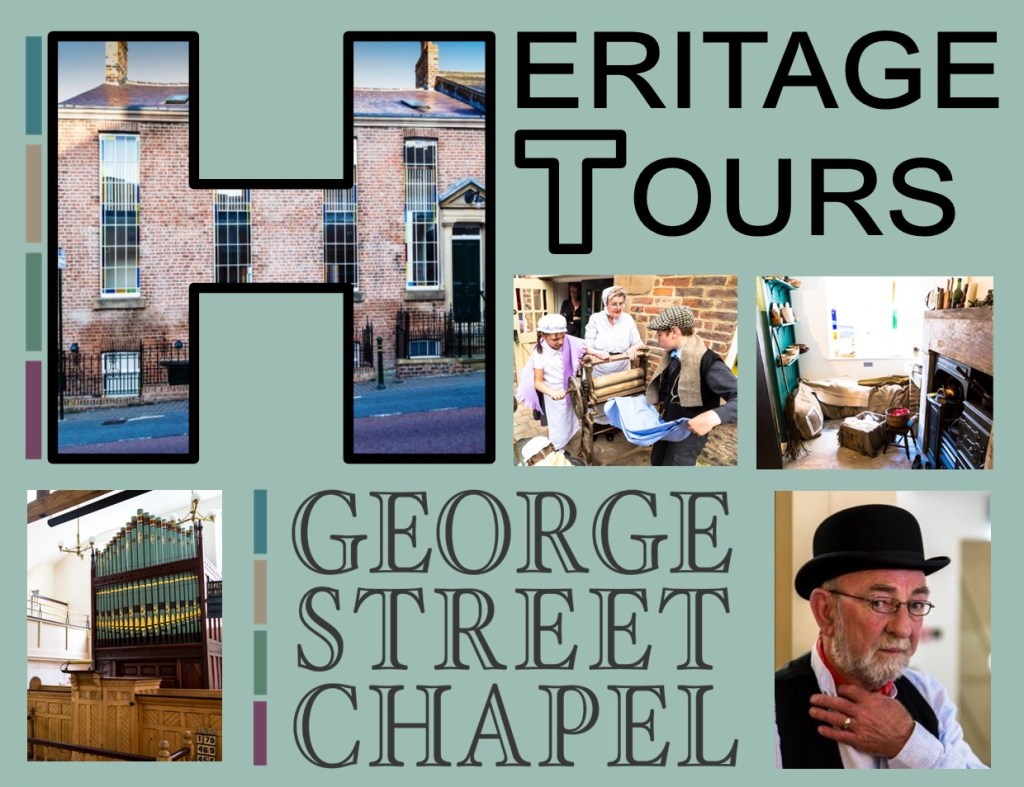
George Street Chapel Heritage Tour

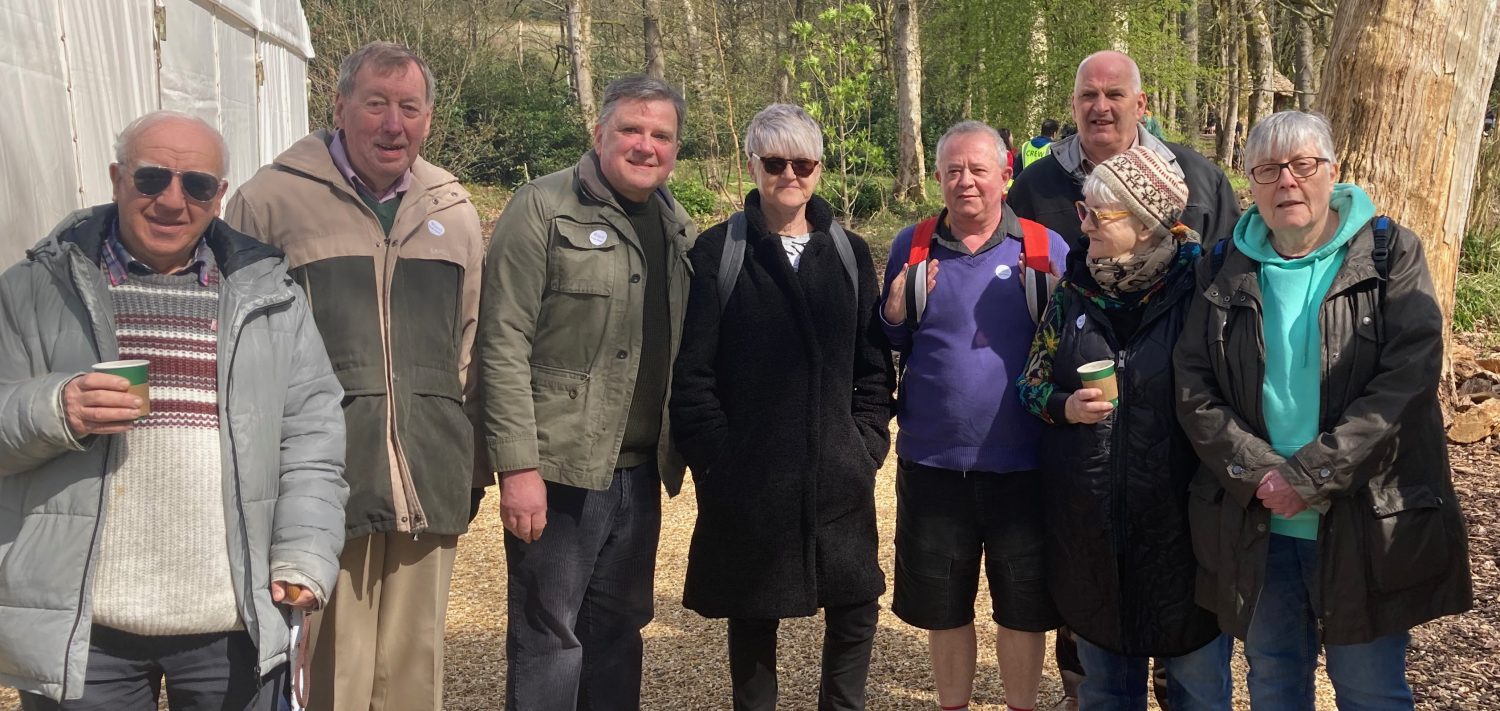
We travelled by tram from Manchester to Oldham to join a fascinating tour telling the remarkable stories of the George Street Chapel.

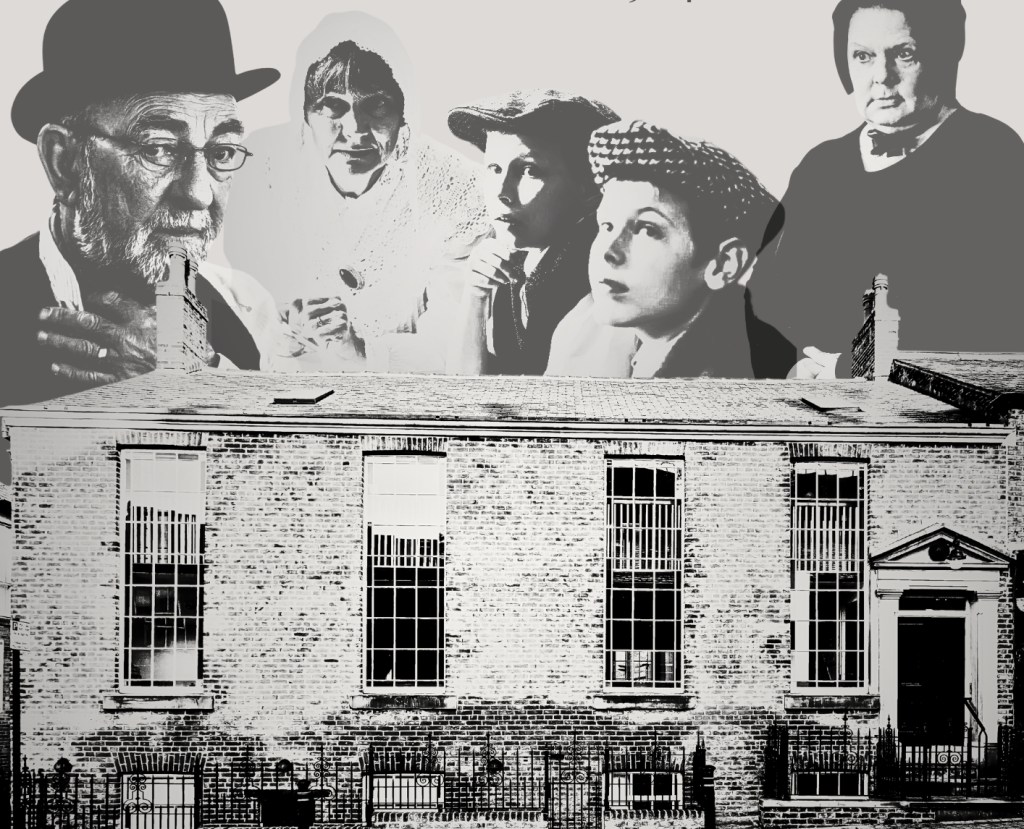
George Street Chapel was built by its congregation between 1815 and 1816. Though it was re-modelled and re-pewed by them in the 1830’s and 1850’s, and they purchased a pipe organ in 1890, its appearance has remained substantially as it was built in 1815. It closed for worship in 1990 with only six regular members.

The original chapel members had broken away from St Peters Church in 1805 and the group initially were known as ‘George Hardman’s folk’ before taking the name of ‘Independent Methodists’. Their chapel in George Street was the first purpose built Independent Methodist Chapel in the country.

After an introductory talk and a short film we stepped back in time to meet the people who lived, learnt and worshipped in the chapel building.

On our journey back in time to 1851 (using costumed actors) we visited the inhabitants of the cellar dwellings. We encountered real Oldhamers and enjoyed a traditional washday experience in Jackson Pit. After seeing the petty man we visited the school room where we had do as we were told as Miss Hopwood was very strict and expected excellent behaviour in her class.

We ended up with tea, coffee and cake and some of us even had a bacon sarnie.

More photos can be seen here.

The Holly Johnson Story

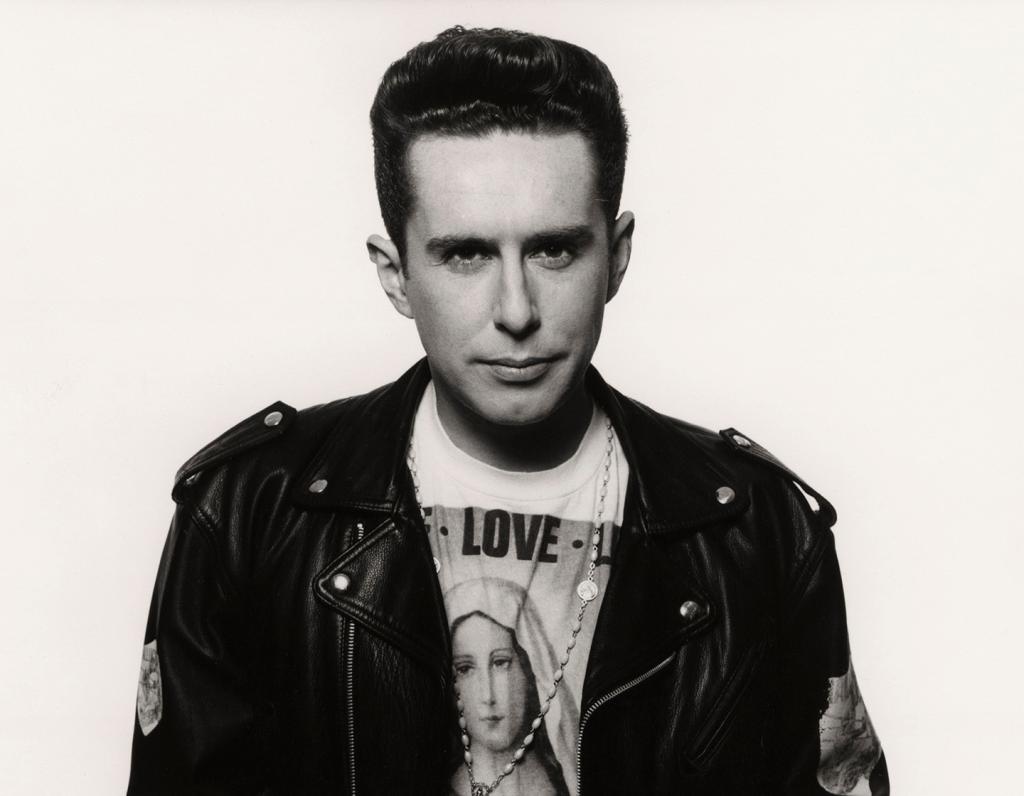
Holly Johnson Story

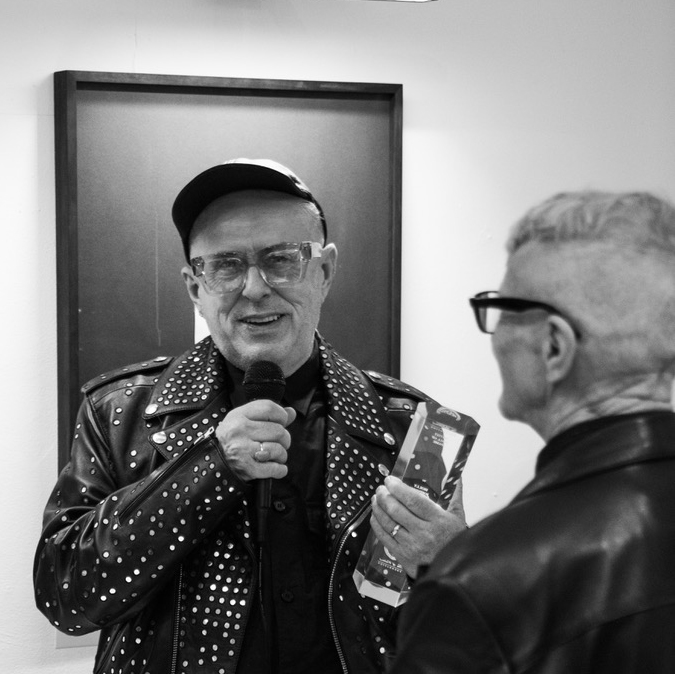
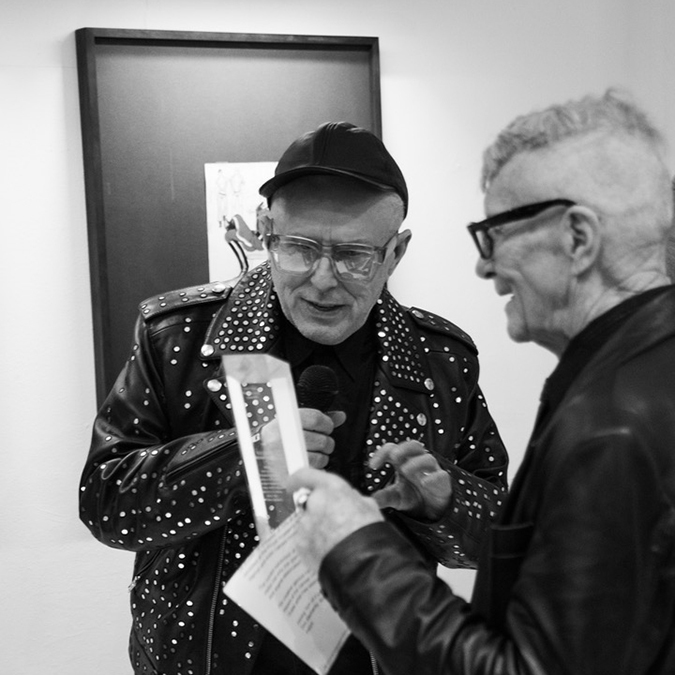
On Wednesday, 9 October we will be travelling to Liverpool to see the Holly Johnson Story. The exhibition at the Museum of Liverpool celebrates Holly Johnson’s creative genius, charting his personal life and extraordinary music career over five decades. If you wish to join us, please contact us here.

The Tom of Finland Foundation is thrilled to announce that Holly Johnson has been inducted into the Artist Hall of Fame for artistic achievements and steadfast commitment to the art and culture of our community.

Firmly established as a household name with his success with Frankie Goes To Hollywood and his first solo debut album in 1989.

In 1994, he revealed to us his struggle with, and acceptance of, his gayness. He has been a monumental figure in our community. He was diagnosed with HIV in 1991 and has remained creative as a painter and printmaker and songwriter. One of his paintings appears as the cover to the Kirsty MacColl single “Angel”.

Born in Liverpool, he studied for a Master of Arts at art school and had his paintings exhibited at the Royal College of Art and at the Royal Academy of Arts in 2001. As a lover of art, he met Warhol and even named himself after one of Andy’s “superstars” (Holly Woodlawn).

The current exhibition at the Museum of Liverpool shows the visitor not only the glamour and sexual liberation but also the fear and stigma associated with being a gay man.

His creative genius has always put him at the forefront of every aspect of his career. His courage as an internationally renowned queer artist has been an inspiration to untold millions.
This year’s theme is: “The part we play”: Celebrating the integral role of older people in our communities.

Background

Each year on 1 October, people across the world mark United Nations International Day of Older People to raise awareness of opportunities and challenges faced by ageing populations, and to mobilise the wider community to address difficulties faced by older people.

Introduction to the theme for 2024

Older people play an integral part in strengthening our communities and neighbourhoods; as workers, carers, volunteers, activists and community connectors. But these vital contributions are often overlooked, or limited by ageism and other societal and physical barriers. 

As well as helping others, volunteering has been shown to improve our social connections, enhance our sense of purpose and self-esteem. Paid work can have a positive impact on wellbeing as well as finances. Despite this, many older people find themselves encountering barriers to getting involved in all the ways they would like to.  

We all have a part to play in making our communities and neighbourhoods better places to age, and in celebrating and enabling the contributions of older people. 

On this International Day of Older People, we are celebrating older people and the vital part they play, and have the potential to play, in making our community a better place to be.     

An Afternoon With The King!! – Elvis is Back in the Building!!

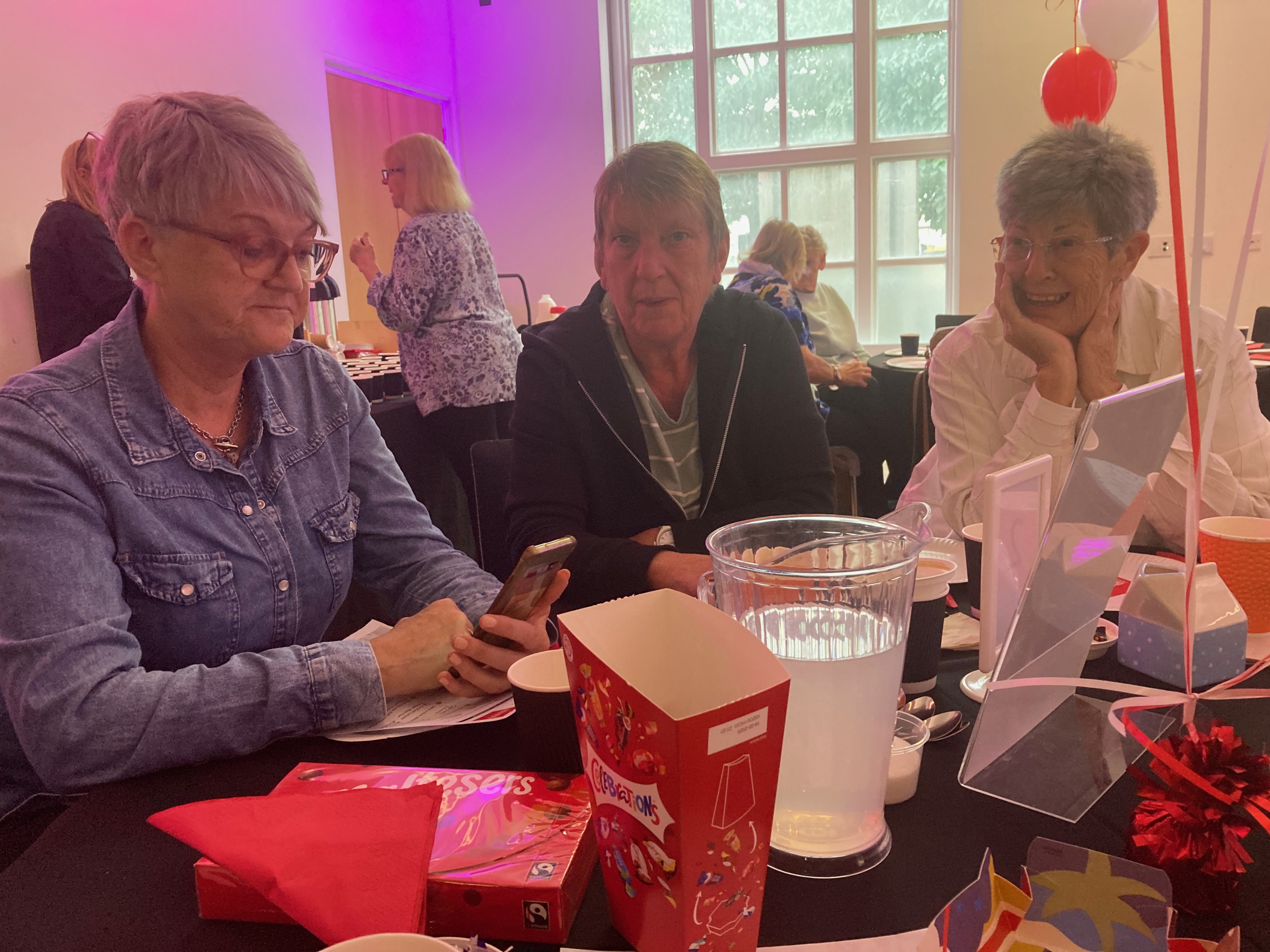
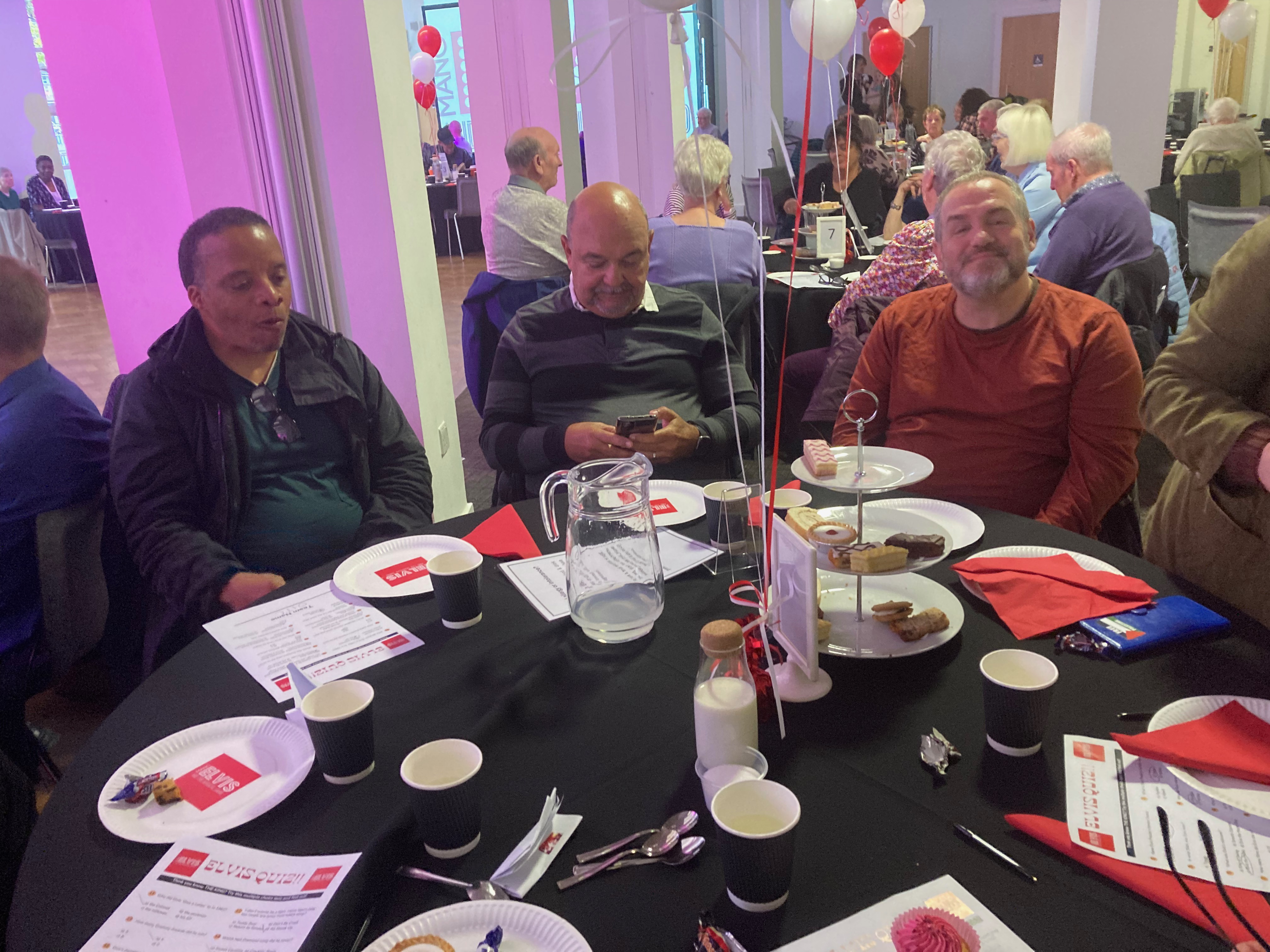
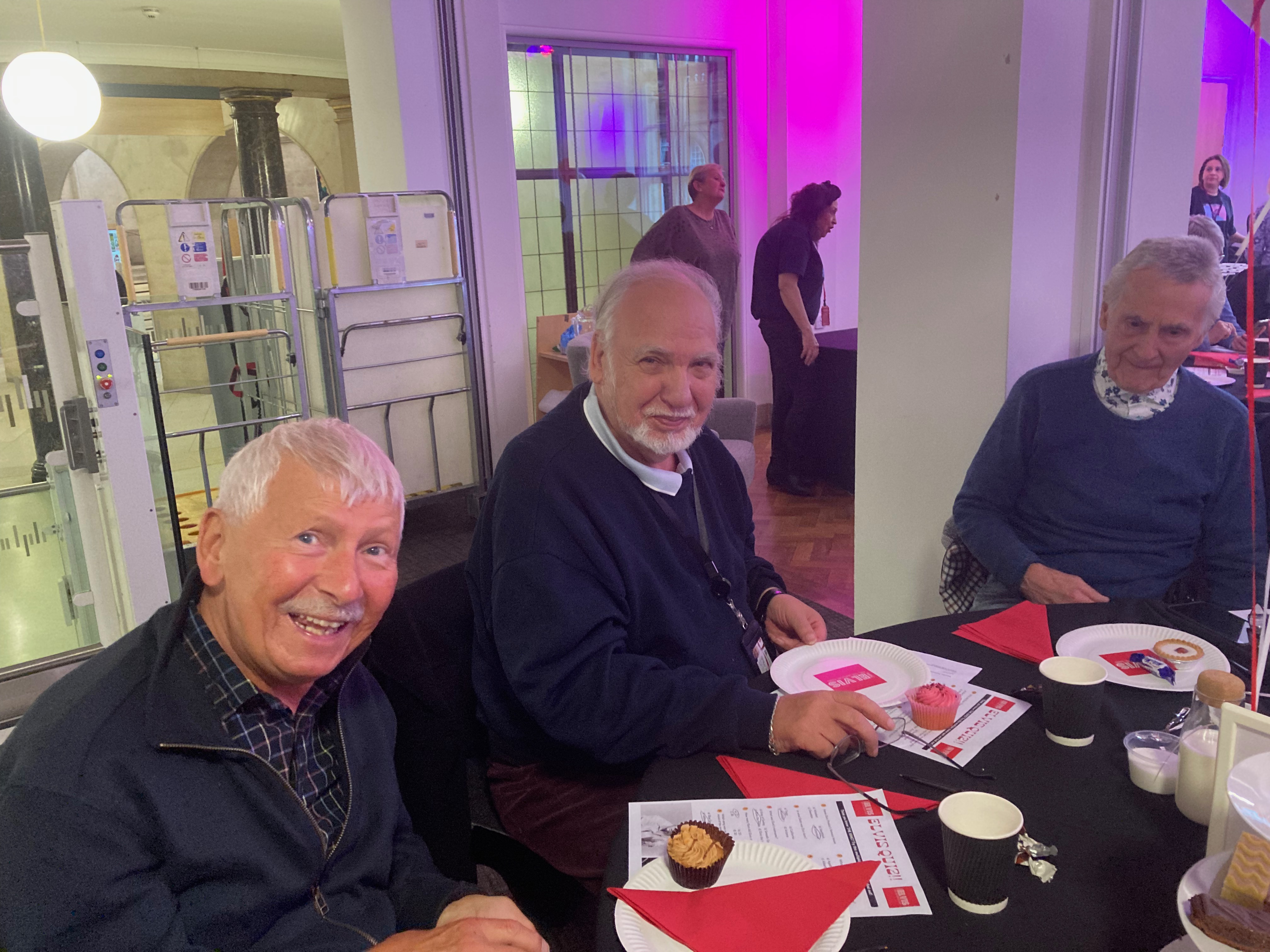
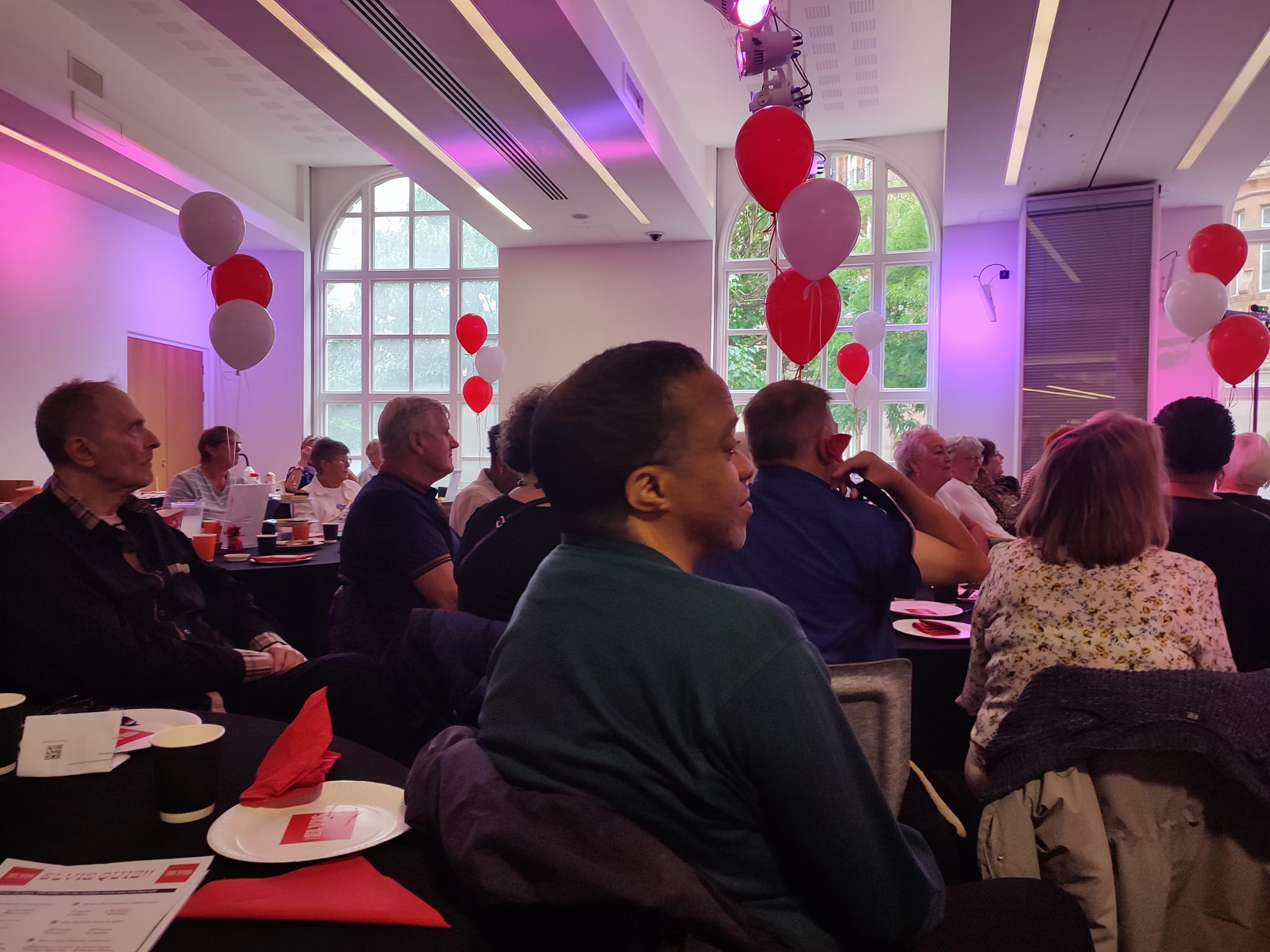
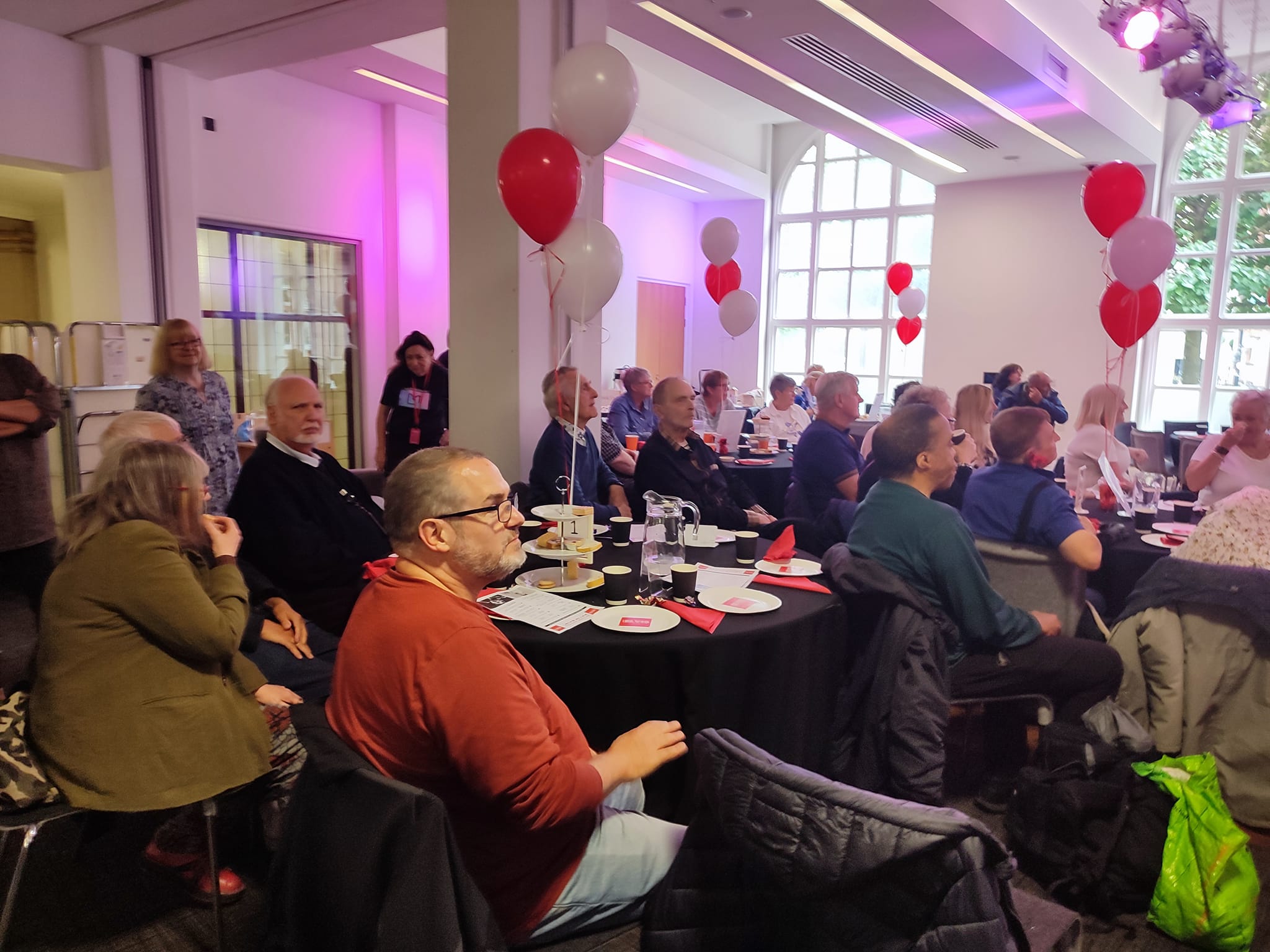
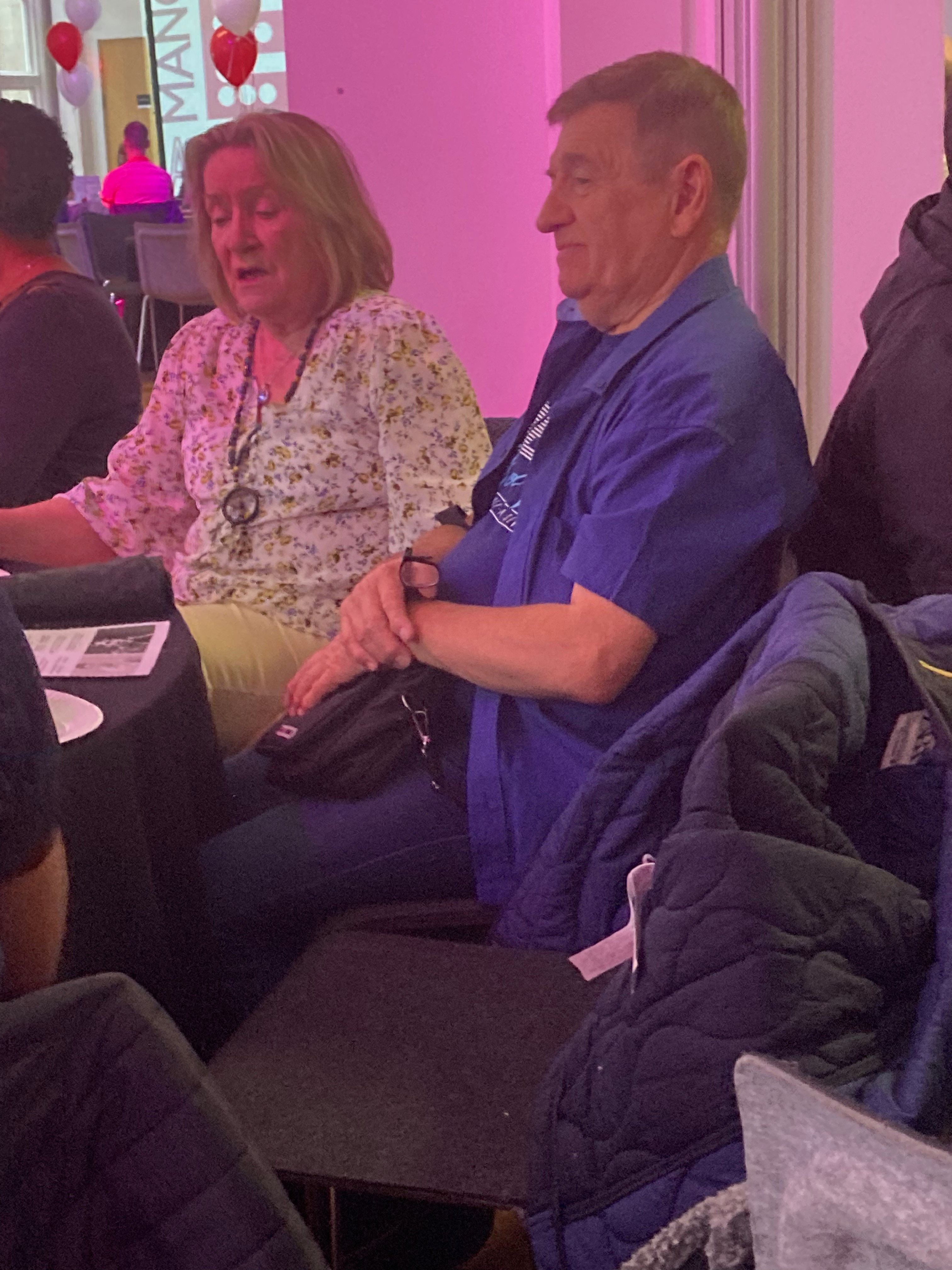
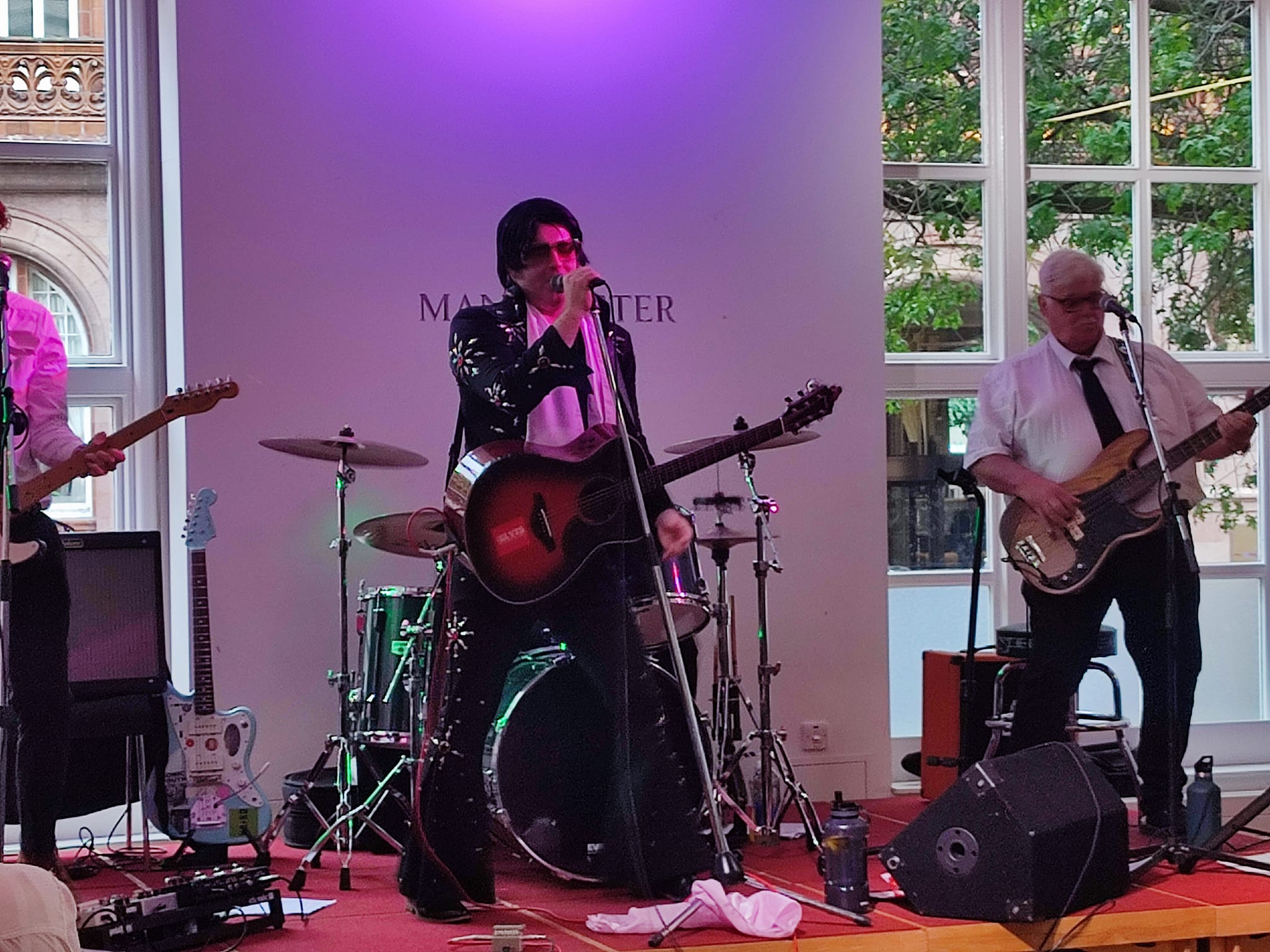
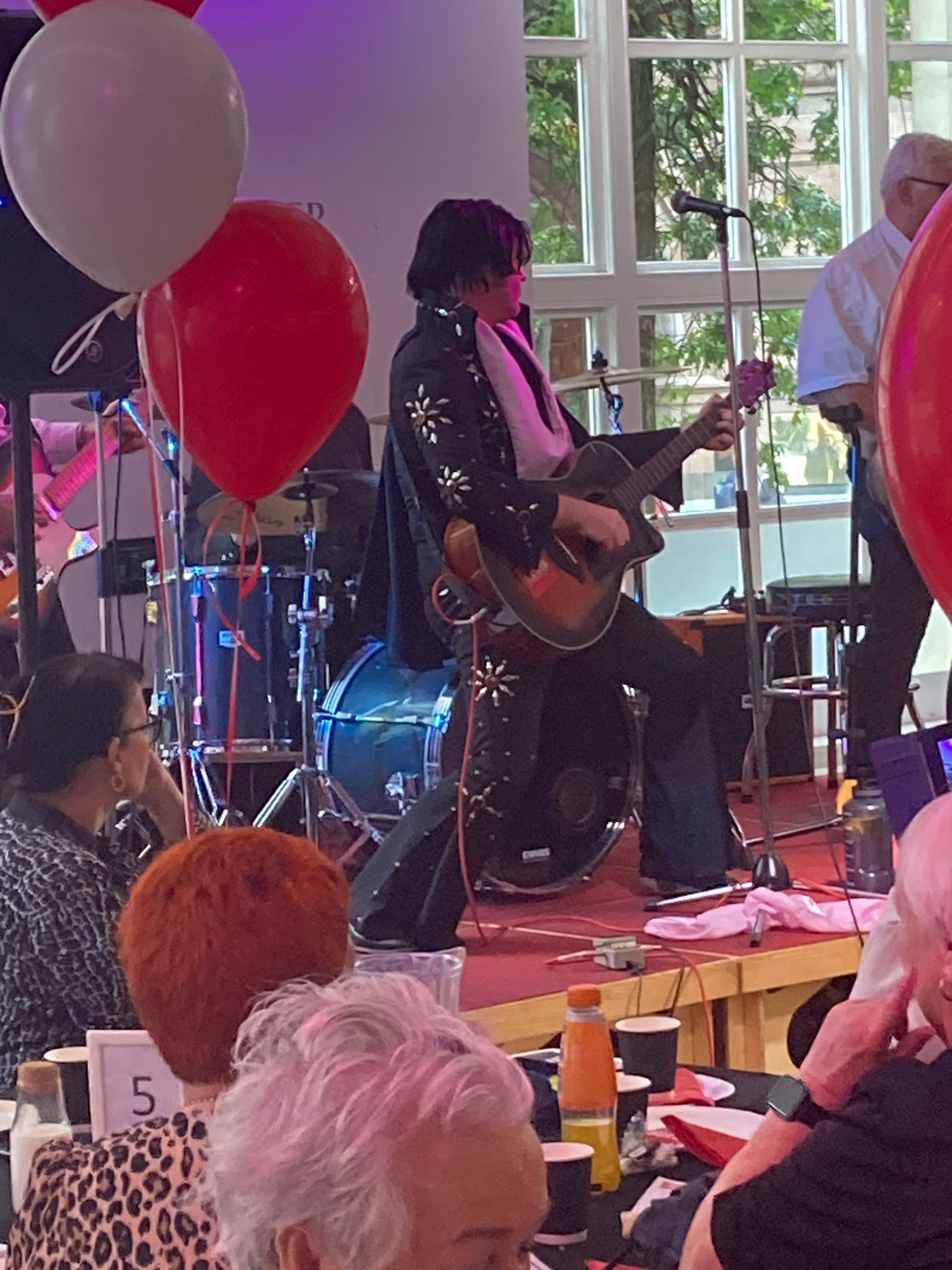
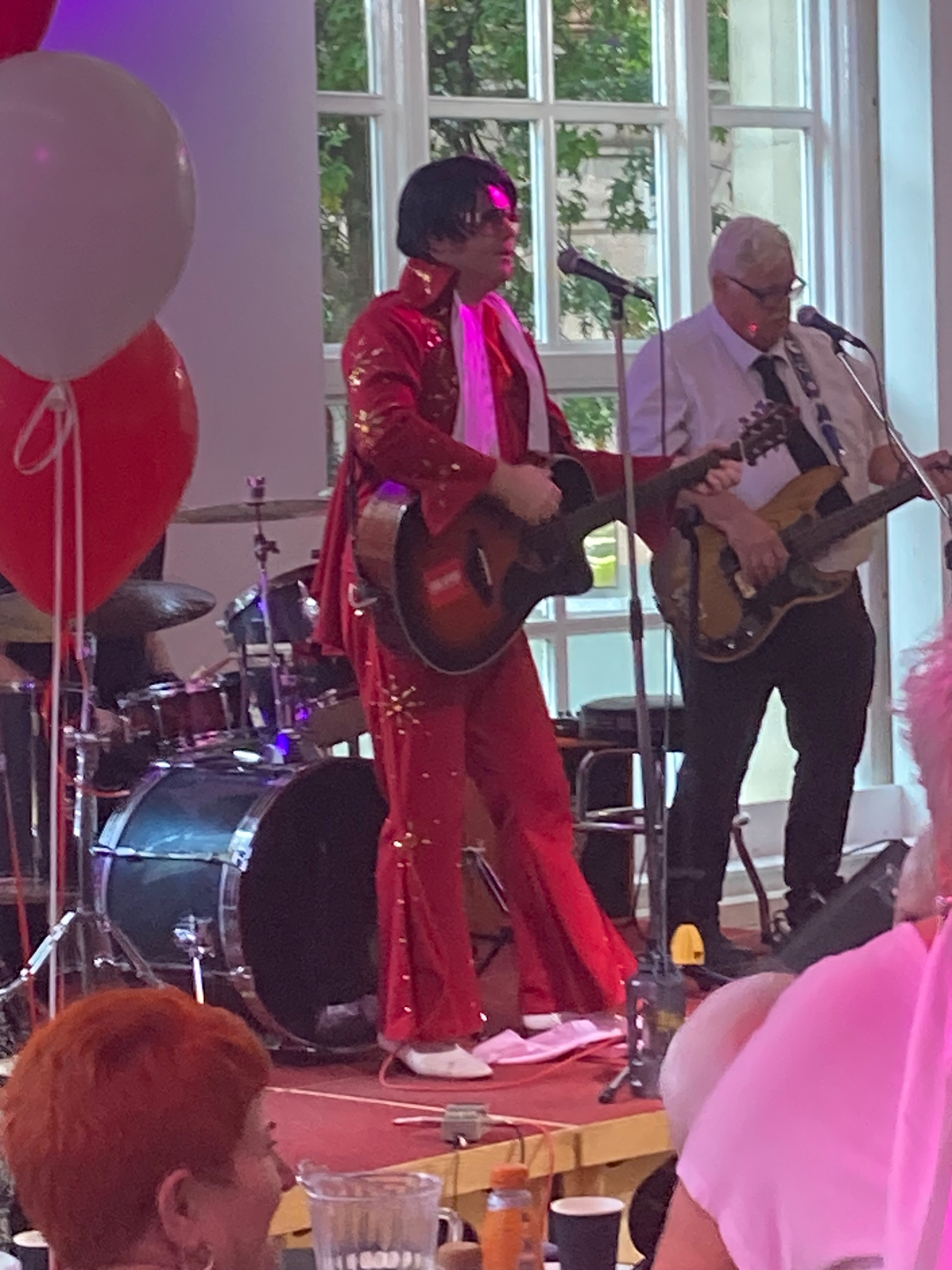
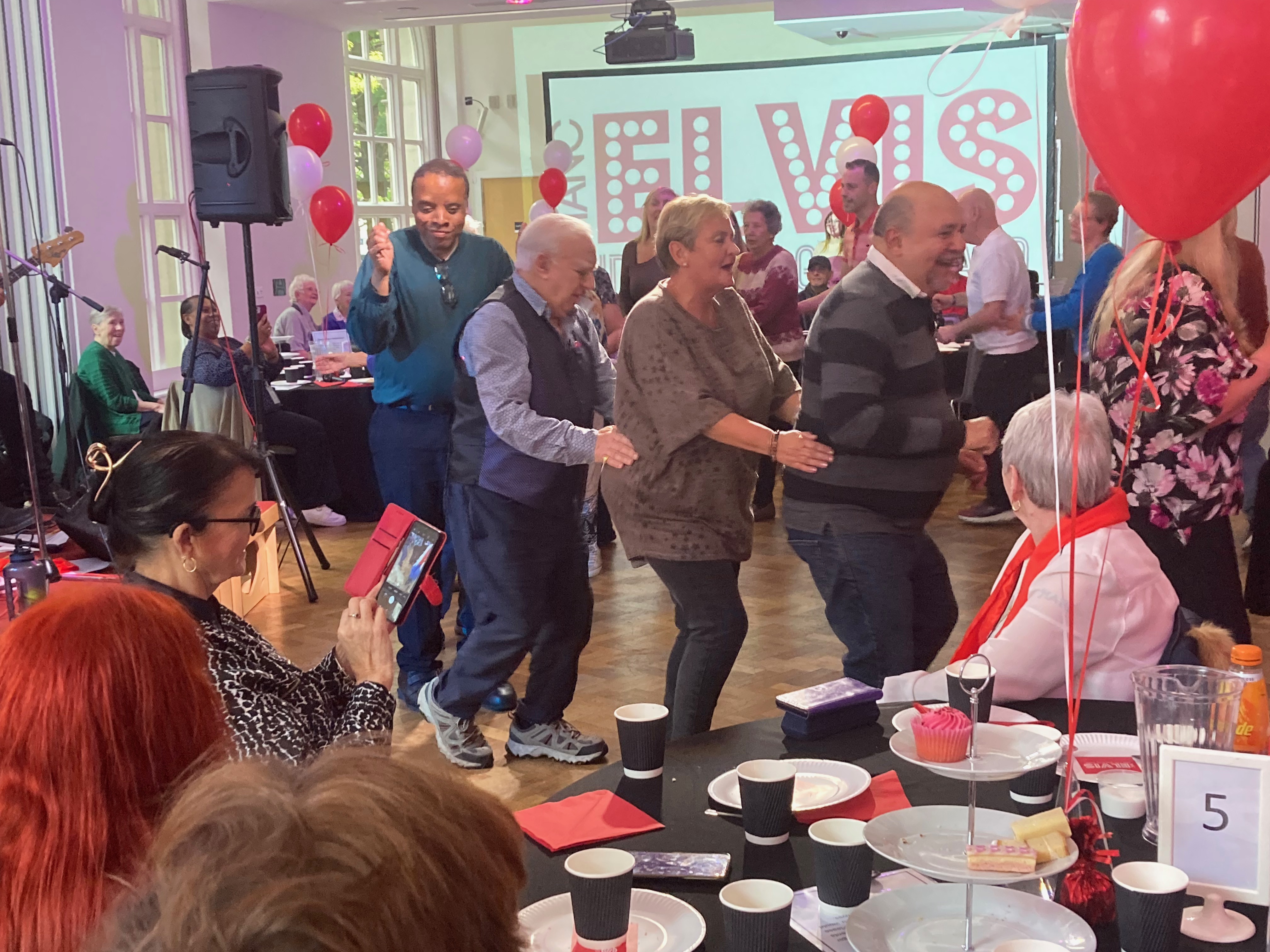
We celebrated older people’s day with a Rock ‘n’ Rolling party starring Manc Elvis & His Magical Band!

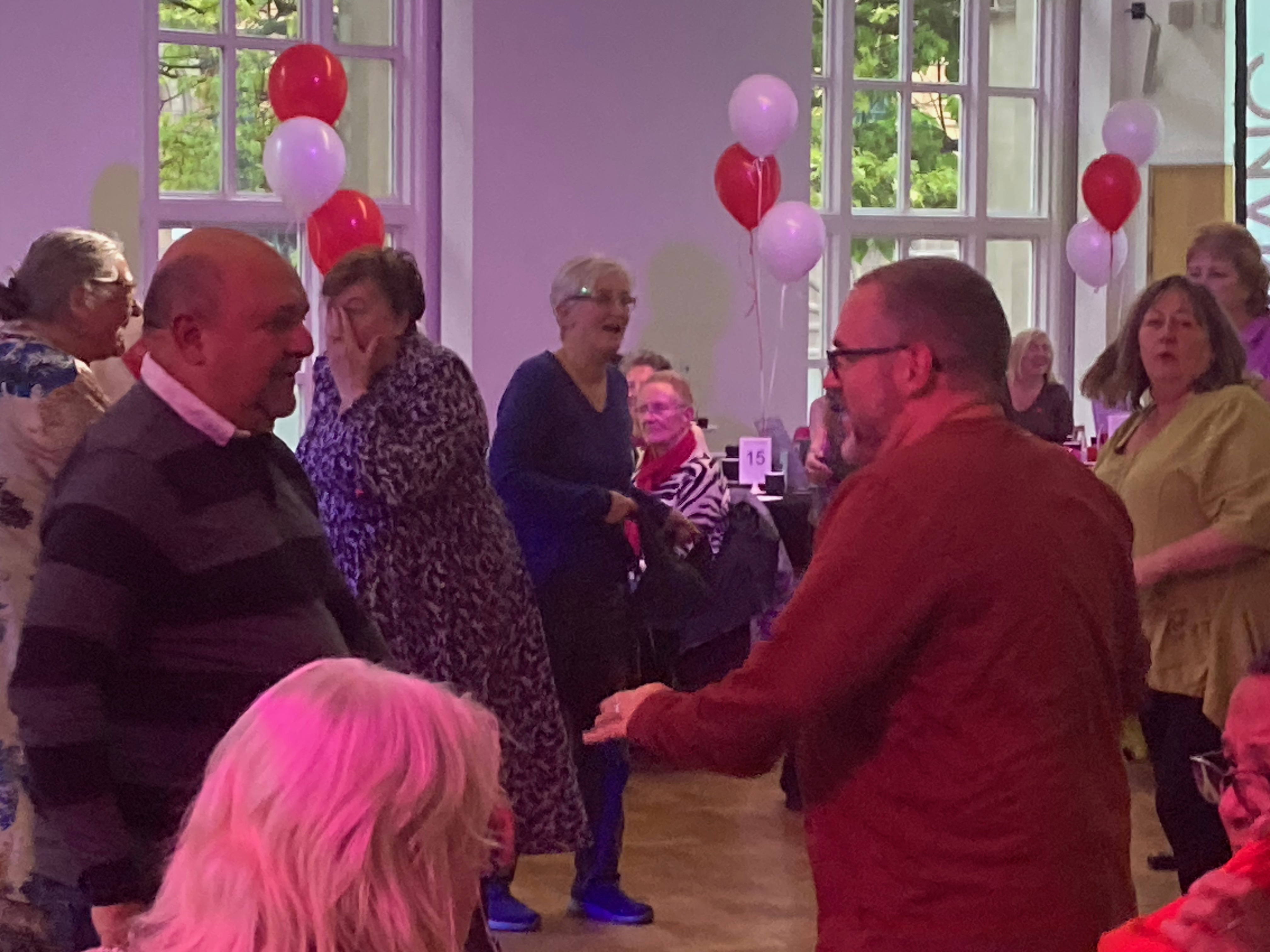
Manchester’s premier Elvis tribute act presented a Saturday afternoon packed with all the King’s greatest hits guaranteed to get us up and dancing in our blue suede shoes!

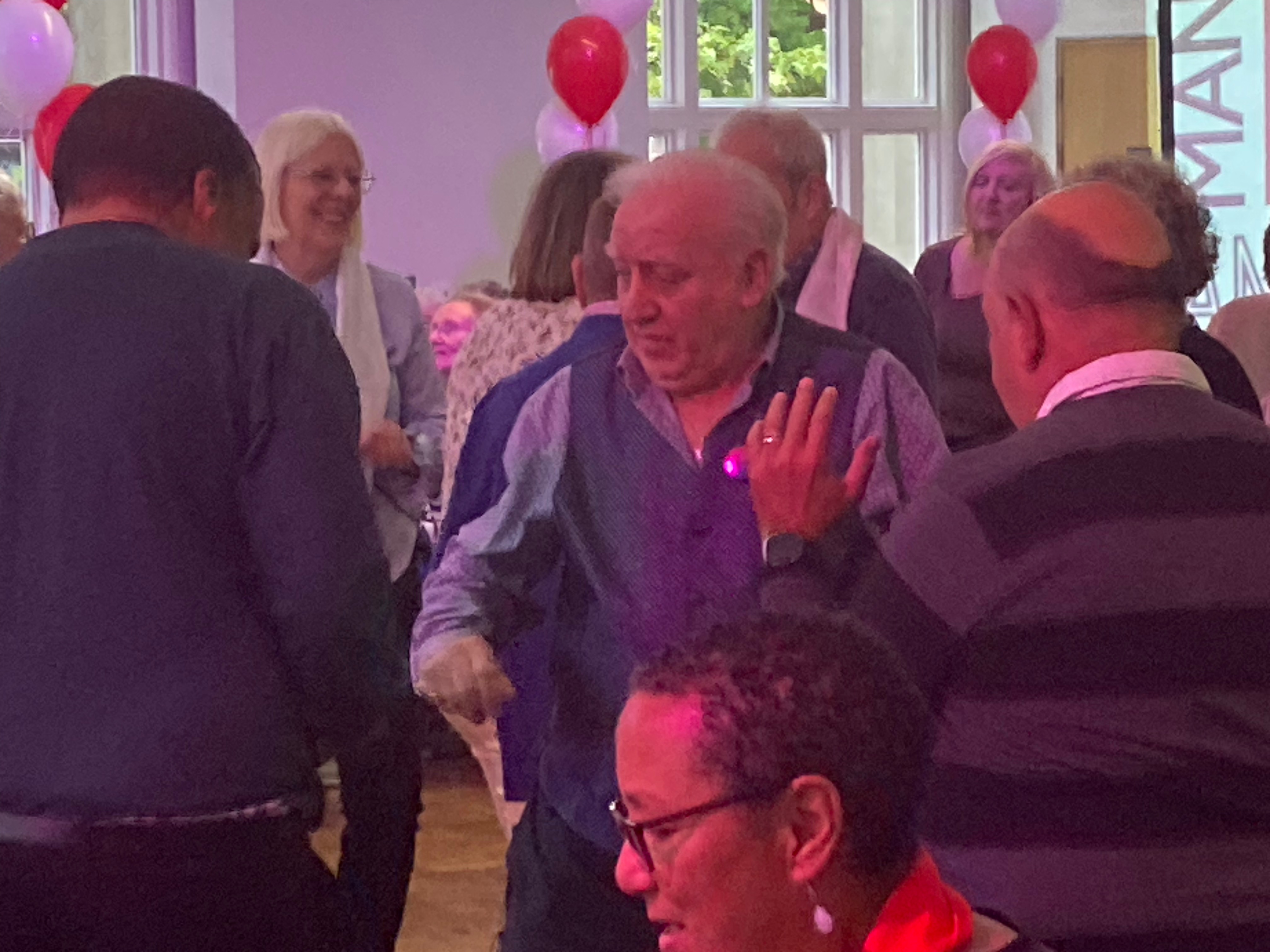
It was a great afternoon – think ‘a little less conversation’ and a lot more ‘all shook up’!
LGBTQ+ Majority Extra Care Scheme Update

We are delighted to share the good news that planning permission has been approved for the UK’s ‘first of a kind’ purpose-built majority LGBTQ+ Extra Care social rent housing scheme.
 
This is a real celebratory moment for all partners involved in this development, which has been in the works for some years and is designed to meet a clear need for quality, social rent housing for LGBTQ+ older people to live in safety, dignity and as part of a welcoming and supportive community.

Commenting on the planning approval actor Ian McKellen, LGBT Foundation patron and committed supporter of the Pride in Ageing Programme, who visited the Russell Road site earlier this year, said: 

“It’s wonderful to see Manchester leading the way yet again. Our community deserves to be able to age in a safe and welcoming environment where we are accepted for who we are, and Russell Road will do just that. Congratulations to everyone involved in the project and I look forward to following its progress and seeing the scheme open!”

The plans for the majority LGBTQ+ Extra Care housing scheme will deliver 80 one- and two-bedroom apartments for older people within a high-quality sustainable building offering a safe and welcoming feel and inviting presence whilst designed to respect the surrounding conservation area. The low-carbon scheme will include shared communal facilities including lounges, treatment rooms and landscaped gardens and will deliver an overall net gain of trees on the site.

Extra Care housing schemes look to increase the housing opportunities for older people to move into high-quality accommodation, with flexible care and support services available to meet changing needs and encourage independent living.

The residents at Russell Road will be aged 55 years or over, with the majority of residents being members of the LGBTQ+ community from Manchester.

For more information on how you can get involved contact Adam Preston from LGBT Foundation at adam.preston@lgbt.foundation
Bisexuality Visibility Day … New Guidance to Support LGBTQ+ Inclusion in UK Care Homes … ‘Danesha’: Black Joy, Queer Love

News

This banner’s on the fence. Bisexuals aren’t.

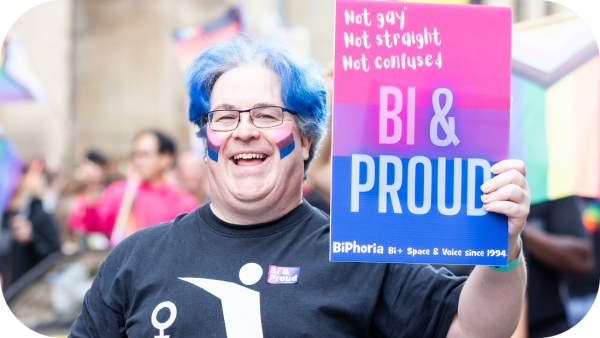
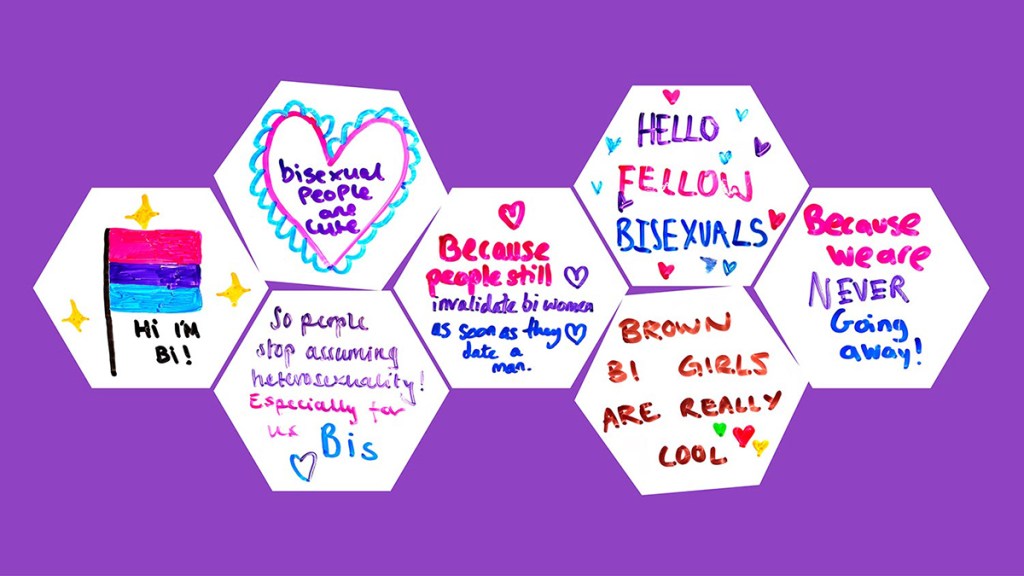
Bisexual Visibility Day – 23 September

This week is Bisexual Awareness Week – a chance to shine a light on those who represent the B in the LGBT+.

The week always culminates with Celebrate Bisexuality Day / Bi Visibility Day on 23 September. Of course, there’s a lot to celebrate about being bi but there’s also a lot of negative stereotypes and biphobia that still exists today.

This year actually marks the 25th anniversary of the occasion and  Manchester was the only place in the UK to officially celebrate it back in 1999.

Research by Stonewall found that around 46% of bi men and 26% of bi women aren’t open about their sexual orientation to any members of their family – compared to some 10% of gay men and 5% of lesbians.

Jen Yockney MBE, who has run the international listings site BiVisibilityDay.com since 2001, said it’s expected there will be around 250 events taking place across the country on 23 September. This is up by more than 47% compared to five years ago.

“After a quarter of a century Bi Visibility Day, much like bisexual visibility in wider culture, keeps growing and growing,” Jen explains.

“I’ve been organising events celebrating Bi Visibility Day since 1999 and the transformation in that time is huge. We are more talked about and more heard as bi people than ever before; yet also the challenges and particular needs of bisexuals have been thrown into sharper relief over that time.”
Jen says that a lot of the work she does around bi visibility is often stemmed around attitudes and perceptions that have been existent for many years. There are still people who will make the same remarks that were said some 30 or so years ago.

“In the 1990s, bi people were often seen as a kind of ‘gay lite’,” Jen explains. “With the assumption that bi people were less impacted by legal and social discrimination than gay and lesbian people.
“But research increasingly shows bi people have greater mental and physical health challenges than gay or straight people. We’re more likely to experience domestic violence from our partners, too. And bi people have lower earnings than their straight and gay co-workers.

Far from the old ‘best of both worlds’ cliche, the challenge of either persistently reasserting your bisexuality or having part of your life erased proves wearing for many bi people.

“Where lesbians and gay men have one closet to escape, many bi people find that leaving one closet just leads to being put in another.

“Greater bisexual visibility is the best solution to that problem, along with creating groups and events to help more bis find a space where they are neither in the ‘straight closet’ nor the gay one.

“Across the past quarter of a century we have seen how greater visibility and the ability to connect with other bi people the internet has provided has brought so many more bisexual and biromantic people out of the closet.”

And with that, Jen hopes that the statistics for events like Bi Visibility Day in perhaps the next five years will have risen once again compared to this year.

It’s also why the work she and others continue to do is so important and valued in contributing towards that effort.

New guidance released to support LGBTQ+ inclusion in UK care homes

“There is an urgent need for improvements with regards to LGBTQ+ inclusion within care homes” said Dr Jolie Keemink, who led the project.

47% of LGB people said they would not be comfortable being open about their sexuality to care home staff (Image: Pixabay)

Researchers at the University of Kent, in collaboration with Surrey and Hertfordshire universities, have developed new guidance for care homes to support inclusive care provision for older LGBTQ+ people.

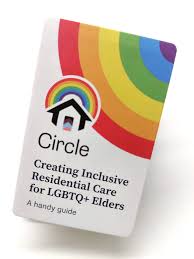
The new guide, which is available to download for free, is part of a research project, Creating Inclusive Residential Care for LGBTQ+ Elders (CIRCLE), which aims to understand how care providers can improve services for LGBTQ+ users.

“Research shows that the older LGBTQ+ population is expected to rely more heavily on social care than their cisgender, heterosexual counterparts, because they are less likely to have children and more likely to experience a lack of social support,” said Dr Jolie Keemink, who led the CIRCLE research project.

“Older LGBTQ+ people may also have unique health risks that increase their likelihood of needing care. There is an urgent need for improvements with regards to LGBTQ+ inclusion within care homes and we hope that this guide can play a useful role in this.”

The guidance arrives following a study by Stonewall which found that 61% of LGB people were not confident that social care and support services were equipped to support their needs. That same study found that 47% of LGB people said they would not be comfortable being open about their sexuality to care home staff.

As a result, many LGBTQ+ people worry about going “back in the closet” when they get older in order to remain safe.

In fact, according to a report by Metro, more than 400 reports of homophobic abuse in care homes were reported to elderly abuse charity Compassion in Care’s helpline. The issue was the subject of a moving short film, Ted & Noel, which focussed on Gay Liberation Front (GLF) veteran Ted Brown and his journey after losing his civil partner Noel, who was subjected to physical abuse while living in a care home in Croydon in 2018.

“There are at least 1 million people over the age of 50 who identify as LGBTQ+. These generations have lived through decades of discriminatory policies and laws that have severely impacted their confidence in public services,” Dr Keemink wrote in a blog post.

“These policies and laws have led to trauma, stress, and internalised stigma for the LGBTQ+ community, which may have significant health implications. Additionally, because of these experiences, there is an increased need for explicit LGBTQ+ inclusive services to signal people are safe to be themselves.”

The new guidance was developed in conjunction with a group of older LGBTQ+ people and care home managers and will provide “actionable steps that are easy to implement that will help make the care home environment more LGBTQ+ inclusive”.

Discover ‘Danesha’: Black Joy, Queer Love (£5 Tickets!) – Lowry Theatre (Studio), Pier 8, The Quays, Salford, Manchester M50 3AZ

Danesha by Stefanie Reynolds – Performance Dates: Wednesday 2 October – Saturday 5 October, 8.00pm

“Sometimes I pretend I’m in a music video. And that I have a backing group. And they’re always black, even though I don’t have any black friends, in real life”

All they play in Preston nightclubs is Little Mix and Miley Cyrus. How is Danesha the dancer supposed to vibe to that?

After successfully managing to convince her Preston mates (as well as telling a teeny, tiny white lie to her dad), Danesha arranges a night out in Manchester. She finds the sickest club with the sickest music and the sickest vibe. It’s proper, proper mint. 

Then she meets Her and Danesha’s whole existence becomes one big question mark. Because Danesha thought it was normal to feel like you don’t quite fit in, to like music that nobody else likes, to move your body in a way your friends can’t, and to not know anything about your mum and the island she comes from…

Danesha is a new coming-of-age story exploring black culture, queer joy and finding and loving your authentic self.

Buy tickets here.

Trip to the Jewish Museum … Derek Jarman Pocket Park … Miss Major Griffin-Gracy

News

Trip to the Jewish Museum – (Thanks to Norman for the report back)

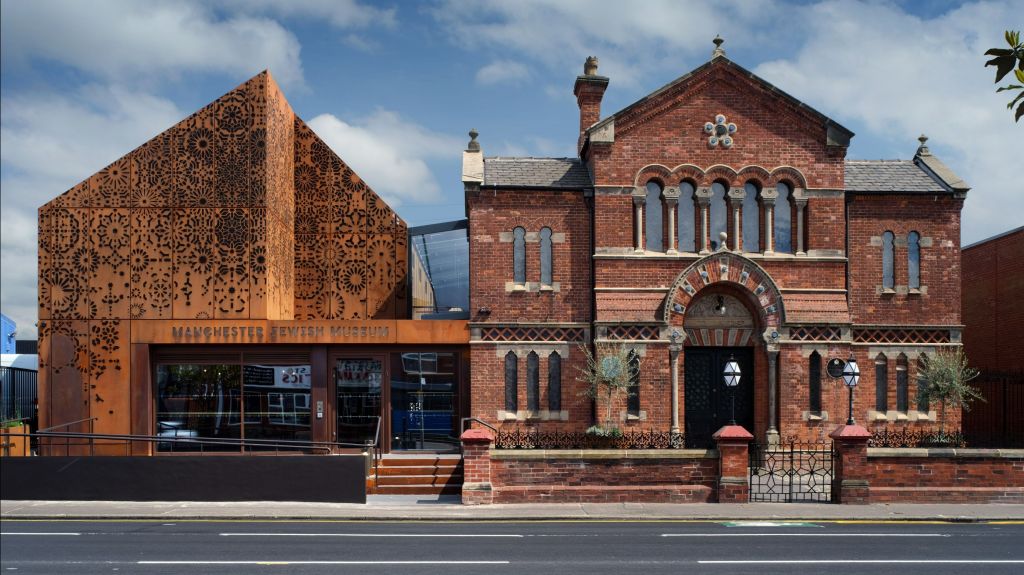
Today a party of twenty five from Out In The City had a visit to the Jewish Museum on Cheetham Hill Road, Manchester.

On arrival we were welcomed by staff and a volunteer on reception. Elly took us all into a room with tables and chairs and a kitchen where we were all excited as we were going to make Challah.

We saw some slides about the Sabbath including the shabbat candles being lit to welcome the Sabbath. Also we saw prepared food a family would enjoy for the Sabbath.

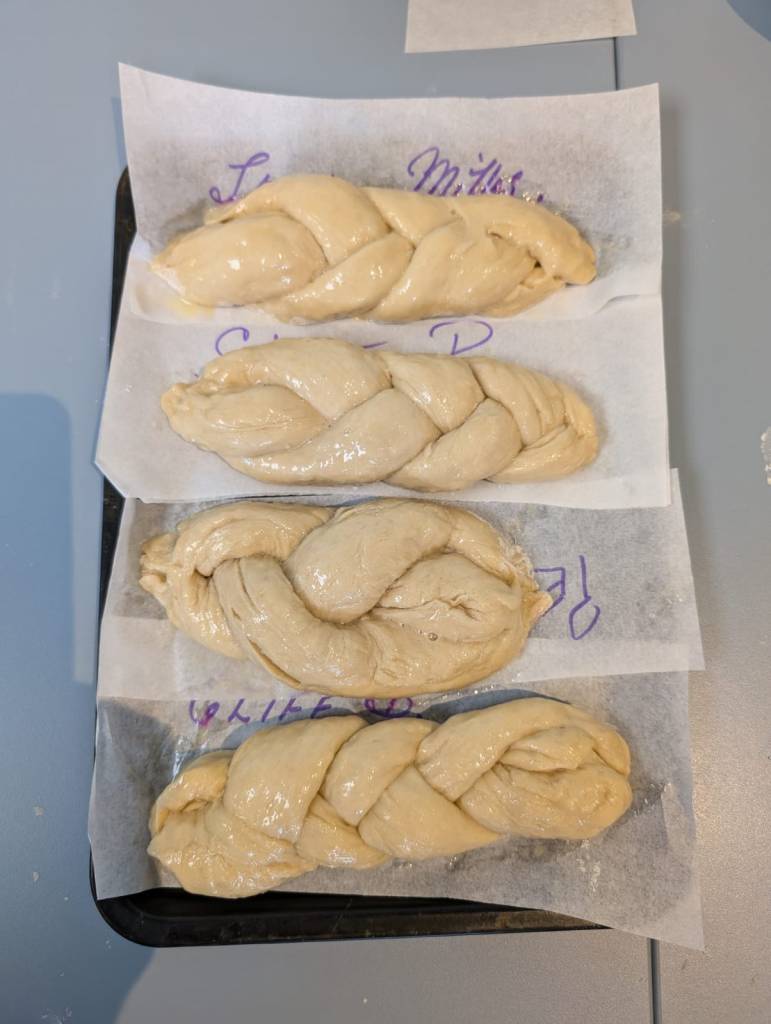
Elly gave us each a piece of dough and demonstrated how to knead and plait the dough. This was great fun, and we completed by adding poppy seeds. Our finished product went in the oven for thirty-five minutes.

Some of the group went for a coffee and others had an interesting look around the museum. About twelve of us went into the synagogue, which in the 1940s was the Spanish and Portuguese Synagogue. It is very much as it was when in use.

Richard McCarthy explained and answered questions pertaining to the Torah. The stained glass windows all represent a scene from the Old Testament such as Joseph’s dream and Moses in the bullrushes. We were shown the Ark where all the Sefer Torahs are that contain all the services in the year. Richard was inundated with questions.

Before we knew it our bread was ready, and a lovely aroma greeted us as we collected our Challah.

Appreciations were shown to all who made our visit so enjoyable. Occasionally Bar Mitzvahs or weddings are celebrated at the synagogue.

More photos can be seen here.

Derek Jarman Pocket Park

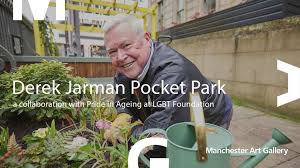
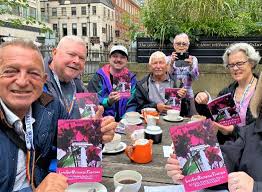
The Derek Jarman Pocket Park team is made up of a small group of LGBT+ volunteers, aged 50+ resident in Greater Manchester. They use their creativity and gardening skills to take care of the Derek Jarman Pocket Park at Manchester Art Gallery.

You may have already visited the pocket park, but if you haven’t, it’s really worth going to see. It’s a calm and queer oasis in the centre of the city!

You can find out more about the pocket park here.


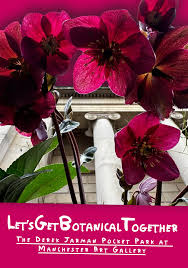
In addition to all the gardening, a couple of years ago, the volunteers put together a zine entitled “Let’s Get Botanical Together”, which really is a fantastic and inspiring read, full of important history and insight. You can find it here

More recently, over this summer, the gardeners recorded a soundscape with artist Caro C and LGBT+ people living with dementia. Listen carefully and you will hear the voices of the gardeners, sounds from the garden and noises made with garden tools! The sound piece will be shown as an interactive installation at Bridgewater Hall as part of So Many Beauties, a dementia-friendly music festival this Friday, 20 September. 
The sound piece can be heard here.

Miss Major Griffin-Gracy

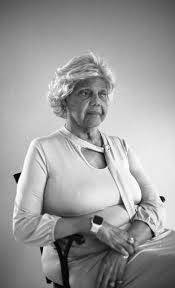
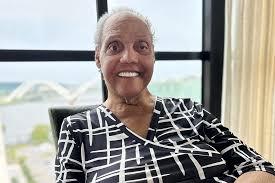
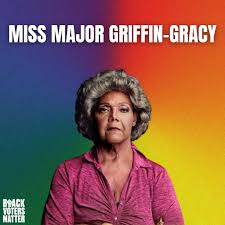
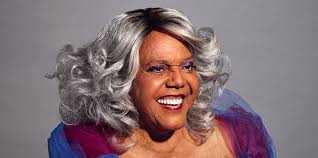
Miss Major Griffin-Gracy (born 25 October 1946), often referred to as Miss Major, is an American author, activist, and community organiser for transgender rights. She has participated in activism and community organising for a range of causes, and served as the first executive director for the Transgender Gender Variant Intersex Justice Project.

Griffin-Gracy was born in Chicago in the 1940s, and assigned male at birth. Her father worked for the post office and her mother managed a beauty shop. She has said after she came out to her parents around age 12 or 13, they responded by enrolling her in psychiatric treatment and taking her to church.

Griffin-Gracy came out in Chicago as trans in the late 1950s, and has described drag balls at the time as places where “You had to keep your eyes open, had to watch your back, but you learned how to deal with that … we didn’t know at the time that we were questioning our gender. We just knew it felt right.” She has also described the influence of Christine Jorgensen, who became well known in the 1950s for having gender-affirming surgery; according to Griffin-Gracy, “After Christine Jorgensen got her sex change, all of a sudden there was a black market of hormones out there,” and she was familiar with how to obtain illicit hormones in Chicago.

Griffin-Gracy has said she was expelled from college for having feminine clothes, and she lost her home with her parents after they refused to accept her gender. She has described working as a showgirl at the Jewel Box Revue in Chicago and New York, and how she developed her name to add “Griffin” to honour her mother. She has also discussed how becoming a sex worker provided the steadiest available income. She recalls that after an incarceration in a psychiatric facility in lieu of jail in Chicago, she moved to New York.

New York

In a 2014 interview with the Bay Area Reporter, Griffin-Gracy said that after moving to New York City, she found the Stonewall Inn “provided us transwomen with a nice place for social connection” and that few gay bars otherwise allowed entry to trans women at the time. She has said she was a regular patron of the Stonewall, and that she was there on the first night of the 1969 Stonewall rebellion. Police raids were common for LGBT bars, and Griffin-Gracy has said, “This one night, though, everybody decided this time we weren’t going to leave the bar. And shit just hit the fan.”

Griffin-Gracy has described the impact of the death in 1970 of her friend Puppy, a trans woman who was determined by authorities to have died by suicide while Griffin-Gracy strongly suspected she was murdered by a client. She has said, “Puppy’s murder made me aware that we were not safe or untouchable and that if someone does touch us, no one gives a shit. We only have each other. We always knew this, but now we needed to take a step towards doing something about it. We girls decided that whenever we got into a car with someone, another girl would write down as much information as possible. We would try not to just lean into the car window but get a guy to walk outside the car so that everyone could see him, so we all knew who he was if she didn’t come back. That’s how it started. Since no one was going to do it for us, we had to do it for ourselves.” She has described this as the start of her activism.

Griffin-Gracy has also discussed her years of experience in prison and her experience on parole, including after Stonewall, when she received a five-year sentence following a robbery arrest. She has described Frank “Big Black” Smith, a leader of the Attica Correctional Facility riots of 1971, as a mentor, after meeting him while incarcerated at the Clinton Correctional Facility at Dannemora. She says he encouraged her to learn about African-American history and politics, organising, and the prison industrial complex. She has recalled being released from prison around 1974.

Over twenty years, Griffin-Gracy also experienced homelessness, received welfare, and mostly found hormones through the black market.

California

Griffin-Gracy began work in community services after moving to San Diego in 1978. She worked at a food bank and then in direct community services for trans women. Her work expanded into home health care during the AIDS epidemic in the United States. In the 1990s, Griffin-Gracy moved to the San Francisco Bay Area, and worked with multiple HIV/AIDS organisations, including the City of Refuge in San Francisco and the Tenderloin AIDS Resource Center

In 2004, Griffin-Gracy began working at the Transgender Gender Variant Intersex Justice Project (TGIJP), shortly after it was founded by Alex Lee. She became the executive director of the organisation, which is focused on providing support services to transgender, gender variant, and intersex people in prison. Her work included visiting trans women and men in California prisons to help coordinate access to legal and social services, and testimony at the California State Assemby and United Nations Human Rights Committee in Geneva about human rights violations in prisons.

While she was the executive director, she gave an interview to Jayden Donahue that was published in Captive Genders: Trans Embodiment and the Prison Industrial Complex, and described in a review by Arlen Katen in the Berkeley Journal of Gender, Law & Justice as “bluntly and powerfully stating that being trans* is an extension of the prison-industrial complex; even if not all trans* people end up in prison, their gender identities are constantly policed through other social and state mechanisms”.

In an interview with Jessica Stern published in a 2011 Scholar and Feminist Online article, Griffin-Gracy described a sense of exclusion from the broader LGBT movement, described by Stern as for “herself and others, especially transgender people who are low-income, people of colour, or have criminal records.” In 2013, she was part of a campaign to revise wording on a Stonewall commemorative plaque; she advocated for “inclusive language to honour the sacrifice we as trans women displayed by taking back our power.” In 2014, when she was honoured as a community grand marshal for the San Francisco Pride Parade, she said, “We’re finally getting some recognition. I’m proud it finally happened and I’m alive to see it because a lot of my girlfriends haven’t made it this far. I’m trying to get as many girls as possible together at the parade so people can see we’re a force to be reckoned with; we’re not going anywhere.”

Arkansas Griffin-Gracy moved to Little Rock, Arkansas after visiting the city for a screening of MAJOR!, the 2015 documentary about her. She developed a property she initially called the House of GG into an informal retreat centre for trans people. The property includes a guest house, pool, hot tub, merry-go-round, various gardens, and over 80 palm trees. In 2023, she renamed the property to Tilifi, an acronym for “Telling It Like It Fuckin’ Is”.

Tennessee Williams and Frank Merlo … Autumn and Winter Pride Festivals … LOUD Cabaret

News

The Secret Love Story of Tennessee Williams and Frank Merlo

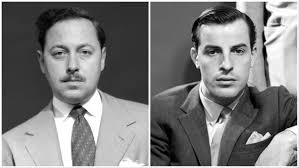
Tennessee Williams (left), Frank Merlo (right) – Photo Credits: Getty Images

By the time the couple met in 1948, Williams had already cemented his status as one of the greatest living playwrights, having debuted the timeless A Streetcar Named Desire the year prior to great acclaim.

Merlo, for his part, was a working-class Sicilian-American actor who had grown up in New Jersey. Despite his screen-ready handsomeness, he hadn’t really managed to break through in the business. He appeared in a handful of Western films throughout the ’40s, but often in bit parts that frequently went uncredited.

Still, he certainly looked like a movie star, and when Williams first laid eyes on him at the Atlantic House bar in Provincetown, he couldn’t see anything else.

“My continual and intense scrutiny must have burned through his shoulders, for after a while he turned toward me and grinned,” Williams wrote of Merlo that night in his Memoirs. It was love at first sight.

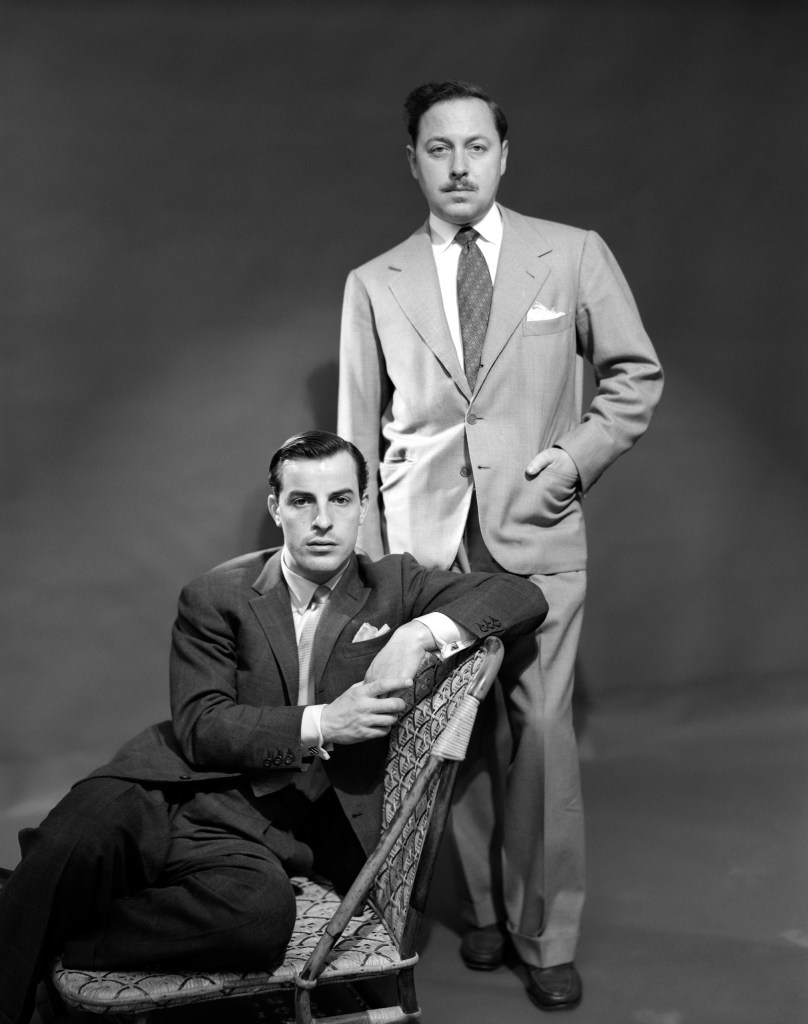
Portrait of playwright Tennessee Williams and long-term partner Frank Merlo. Williams is standing and Merlo is sitting in a cane chair.
(Photo by Clifford Coffin / Conde Nast via Getty Images)

And thus began a 15-year love affair that would inspire much of Williams most creative – and romantic – work. Merlo gave up acting, more or less, to become the writer’s secretary full-time, living with him in his Manhattan apartment, his Key West home, and frequently travelling abroad together.

The guise of Merlo’s “job” was largely to protect the fact that the two men were romantically together. Many closest to the two understood this truth – in fact, you could call it an “open secret” – but such was the nature of being gay at the time, and their relationship was never acknowledged publicly in the press.

In 1951, Williams wrote The Rose Tattoo, which he called his “love play” and was clearly inspired by his feelings for Merlo. Though he seldom wrote directly about his own life, it’s been said the character Alvaro – a Sicilian truck driver – was loosely based on his lover, drawing from Merlo’s “playfulness, sense of humour, deep feelings, and athletic physique.”

Despite the secrecy, Williams has described his early years living with Merlo as the happiest and most productive of his life. However, over time, both men’s heavy reliance on drugs and alcohol is said to have put an intense strain on their relationship, and they had their fair share of rocky periods.

In 1962, Merlo was diagnosed with lung cancer, at which point Williams relocated him back to his Manhattan apartment and stayed by his side as his health waned. Before Merlo passed in 1963, it’s said his last words to Williams were, “I’m used to you now,” which the writer understood to be an admission of deep love.

Many claim 1961’s The Night Of The Iguana to be Williams’ last truly great work, which is attributed (by even Williams himself) to the fact that he fell into an extended, dark depression after Merlo’s death, turning further into debilitating drug use.

He would continue to write, and eventually found another romantic partner in aspiring writer Robert Carroll, many years his junior, but Williams was never the same. He was discovered dead in a New York City hotel in February 1983, found to have toxic levels of drugs in his body. He was 71.

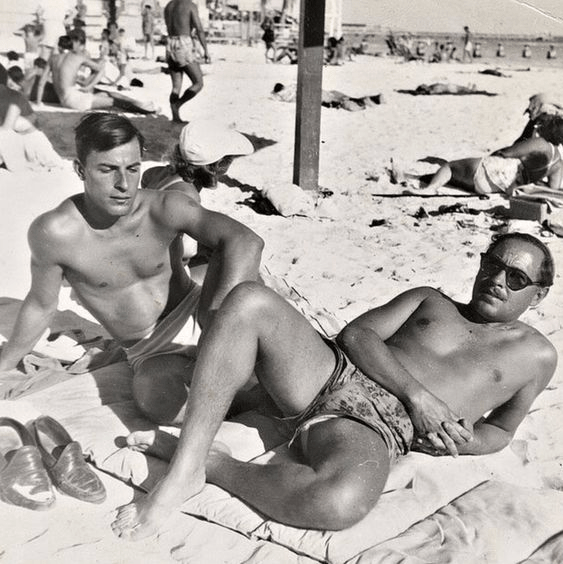
Tennessee Williams (right) and his lover Frank Merlo, an actor of Sicilian ancestry. This was the enduring romantic relationship of Williams’ life, and it lasted 14 years.

It was only earlier this year that the Tennessee Williams Annual Review published a never-before-seen poem from Williams called “The Final Day Of Your Life,” which, as the title might imply, provides an intimate portrait of his last moments with Merlo, writing specifically about sitting next to his companion while he was attached to an oxygen tank.

Though Williams and Merlo’s story has a tragic end, we’re still discovering new details about the love these two men had for each other, and the impact that love had on the writer’s body of work – one of the most consequential and influential oeuvres in American culture.

Autumn and Winter Pride Festivals

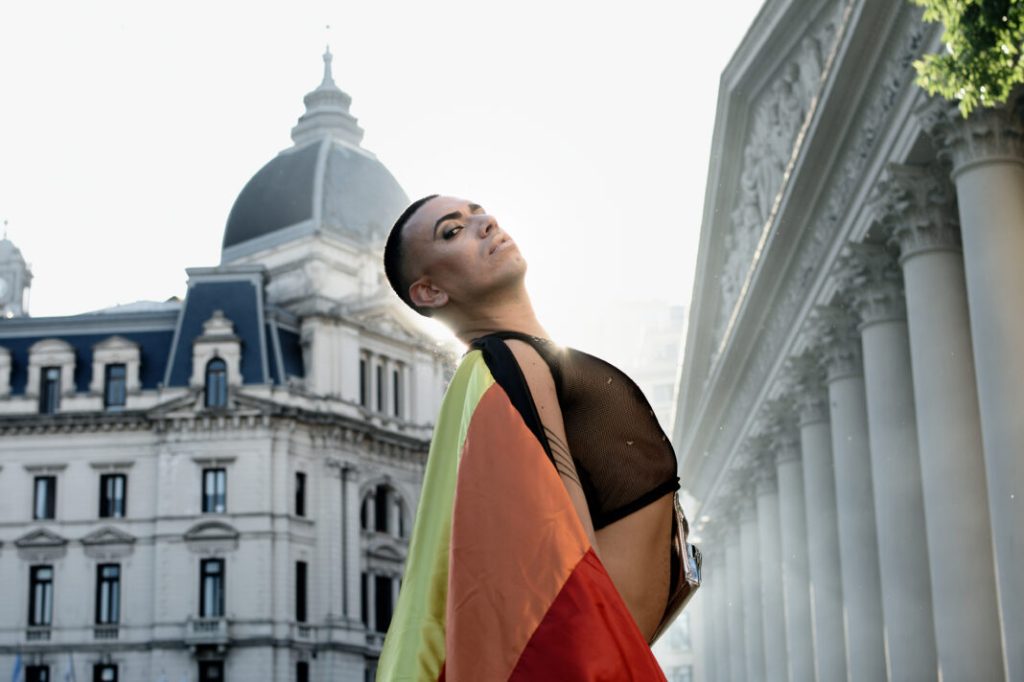
Buenos Aires Pride takes place each November, just when people in the northern hemisphere might be craving some warmth. Credit: Santiago Sito on Flickr

Many Prides around the world take place in June, timed to coincide with the anniversary of New York’s Stonewall Uprising on 28 June 1969, considered by many to be the beginning of the modern LGBT+ movement. 

But can that be the only reason why June is considered the proudest month? Is it a coincidence that late June is when it’s warm and sunny in much of North America and Europe? Can it really be a big mystery why Toronto, for example, doesn’t hold its Pride festival in February, coinciding with the 1981 bathhouse raids that are considered the turning point in the country’s LGBT+ movement? (Hint: Toronto’s daily temperature in February is an average of -3C.) I mean, who wants to shiver while they party and protest?

But not everybody in the world gets their best weather in June, July and August. Those in the Southern Hemisphere often have their warmest months in January, February and March.

And we who live in more northern, more frigid climates, in search of autumn and winter Pride festivals, are lucky to have those places to visit when the temperature at home drops. So set aside the idea that June is Pride Month. Here are some places you can visit for Pride when you need a taste of the rainbow.

October 

Las Vegas Pride, Nevada – 11 and 12 October 2024

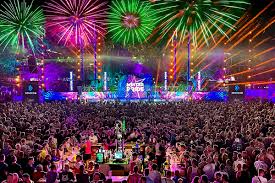
The people behind one of the world’s few night time Pride parades know exactly what they’re doing. The unbearably hot days of the Nevada summer are over, and the evenings bring comfortable temperatures that can almost be called cool. But this is Vegas, so there will be plenty of razzle, dazzle and sexiness on display.

Honolulu Pride, Hawaii – 19 and 20 October 2024

The capital’s Pride parade heads down Kalākaua Avenue at sunset allowing the evening breeze to cool off all the parading hotties. The entertainment starts immediately after the parade with programming continuing over the rest of the weekend. Drag is in no short supply.

Taipei Rainbow Festival, Taiwan – 25 to 27 October 2024

This free weekend-long national event takes place in the square around The Red House, a landmark in Taipei’s gay village, and draws upon the DJs, go-go boys, drag queens and other performers that drive Taipei’s LGBT+ scene all year long. The October weather is usually pleasantly warm and drier than other months. The biggest Pride celebration in East Asia, it attracted nearly 180,000 attendees last year.

Johannesburg Pride, South Africa – 26 October 2024

Johannesburg, South Africa’s biggest city, with a metro population of 6.2 million, has the biggest Pride festival in the country – and in Africa – with more than 20,000 taking part. For its 35th anniversary year and as part of the organisation’s broader Pride of Africa project, there will also be an empowerment summit, a gala fundraiser and a “secret venue” event.

Greater Palm Springs Pride, California – 31 October to 3 November 2024

This California resort town’s first Pride celebration was in 1986 – it was a dinner and show called Sizzle that didn’t go over very well. The first parade was in 1992, with 35 entries. Now spreading the rainbow across the entire Coachella Valley, it’s a four-day party with 225 parade entries.

November

Buenos Aires Pride / Marcha de Orgullo, Argentina – 2 November 2024

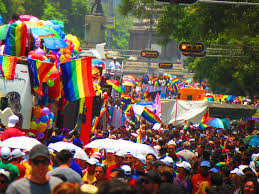
The timing of Buenos Aires’ Pride celebrations point not only to the lovely late-spring weather but also to the anniversary of the founding of Latin America’s (and Argentina’s) first LGBT+ organisation, Nuestro Mundo, in the city in 1967. Although politics and history remain important for this festival, remember that this is Latin America – the party is fierce, as are the entertainers on the main stages. The parade and street festival brought out an estimated million people last year.

Maspalomas Winter Pride, Gran Canaria, Spain – 4 to 10 November 2024

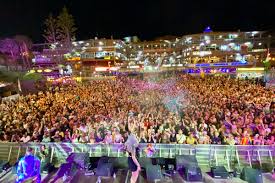
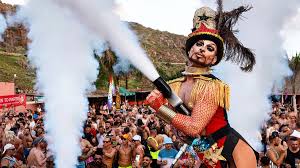
The Spanish resort town of Maspalomas, located on Gran Canaria in the Canary Islands, off the coast of Africa, has a special role in European gay life, namely providing a warm super-gay beach escape during the wintertime. Scandinavians, Germans and Brits flock there to get themselves a winter tan. So it’s not surprising that its Winter Pride, which turns 10 this year, is just as popular as Maspalomas’ springtime Pride celebrations.

Rio de Janeiro, Brazil – 19 November 2024

Though not as big and famous as São Paulo’s Pride festival, Rio’s is a lot of fun and includes performances and parties as well as protest. It’s often outshone, even for LGBT+ people, by Carnaval and Rio’s massive New Year’s celebrations, which involves millions of people partying on Copacabana Beach dressed all in white, but it’s a great opportunity to celebrate with the community. Take note, November is usually the wettest month.

January

Melbourne Midsumma Festival, Australia – 19 January to 9 February 2025

Australia’s second-biggest city does things its own artsy way -Melbourne’s Pride festivities are embedded in a 22-day LGBT+ arts and culture festival, with a variety of free and ticketed events. If three weeks of performances, exhibits and parties aren’t enough for you, the annual parade takes place on 2 February 2025, with an estimated 7,400 marchers proceeding down Fitzroy Street in St Kilda, watched by more than 45,000 supporters.

February

Sydney Gay and Lesbian Mardi Gras, Australia – 14 February to 2 March 2025

It’ll have been two years since this antipodean city hosted WorldPride and they’re still buzzed. Of course, the flight Down Under is a long one, so visitors will want their money’s worth. With 100 events across 17 days, there’s literally something for everyone, even those who just want to stand jaw-dropped before all the spectacular costumes and floats in the Mardi Gras parade. There are few Prides with this much dazzle on display.

Auckland Rainbow Parade, New Zealand – 15 February 2025

New Zealand’s largest city, with a metro population of about 1.7 million, also has beaches, a bustling Central Business District and Pride celebrations that will have you smiling and dancing. A Pride-like festival called Hero was the thing through the 1990s; the current organisation making things happen was founded in 2013. Unlike the name suggests, Pride is a full-fledged festival, with dozens of parties, shows and exhibitions around the city – some official, some by independent organisers – leading up to parade day. 

Mumbai Queer Pride, India – February 2025 (To Be Confirmed)

India’s biggest city, with a population of more than 12.5 million, hosts a month of Pride events – circuit, literary, artsy, health-oriented, history-minded – leading up to its annual Pride march. The march itself usually starts in August Kranti Maidan, the park where Mahatma Gandhi launched the Quit India Movement, which led to India’s independence, on 8 August 1942.

March

Cape Town Pride, South Africa – March 2025 (To Be Confirmed)

The city that’s home to Africa’s only rainbow crosswalk knows a thing or two about throwing a Pride party. More than 30 years after South Africa decriminalised homosexuality, and almost 20 since it legalised same-gender marriage, the city’s LGBT+ community continues to grow and celebrate with a variety of events leading up to parade day. The parade itself is not as big as Johannesburg’s, but the vibe and backdrop make it an amazing experience. 

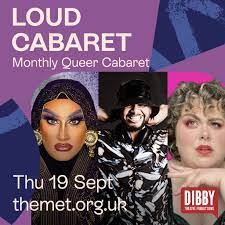
LOUD Cabaret

LOUD is The Met’s monthly queer cabaret night, showcasing the most fabulous of rising stars from across Bury and beyond!

Expect tantalising musicians, side-splitting comedians, captivating dancers and a line-up of talented additions for your delight on a monthly basis. Thursdays have never been so exciting!

September’s event will feature Val the Brown QueenKing Navassa and Maisy Whipp. Your host for the evening will be Mancunian writer, actor and activist Nathaniel J Hall, Artistic Director of Dibby Theatre.

Thursday, 19 September 8.00pm – The Box @ The Met, Market Street, Bury BL9 0BW

£11 standard / £9 subsidised / £13 supporters (inc fees)

Tickets available here.

Shibden Hall … Bette Bourne Obituary … Creating Inclusive Art Spaces for Older LGBT+

News
“Contemplation” – Anne Lister (1791–1840)

Shibden Hall

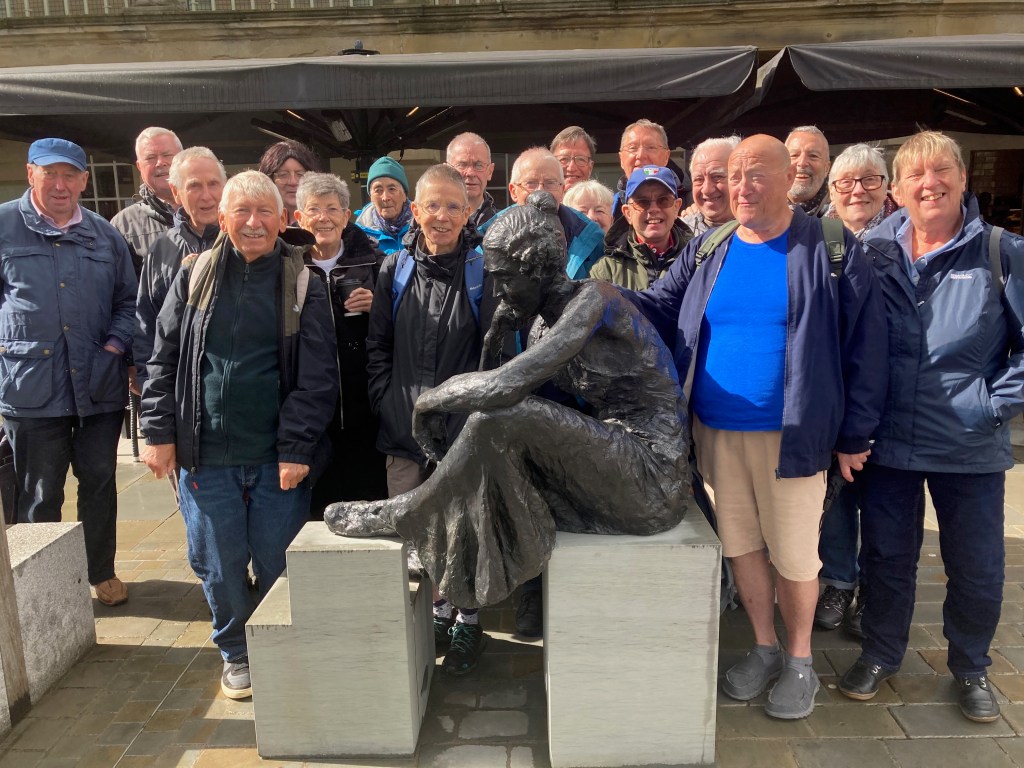
On a beautifully sunny day, twenty of us travelled to the West Yorkshire town of Halifax.

We walked to The Piece Hall where a bronze statue of the 19th-century diarist Anne Lister, known as Gentleman Jack, was installed in September 2021. Lister is sometimes described as the first modern lesbian, and lived near by in Shibden Hall for many years.

Anne Lister is Shibden Hall’s most well known owner, She was a noted diarist whose 27 volumes (4 to 5 million words), written between 1806 and 1840, give a unique insight into her daily life as a landowner, business woman and traveller. Anne devised a code to keep some of her thoughts concealed. Once cracked, the diaries revealed her most intimate private life including her love affairs with women.

Anne Lister was born 3 April 1791 in Halifax and grew up at Skelfler, a small family estate in the East Riding of Yorkshire. Anne attended school in Ripon and then the exclusive Manor School in York. Her hobbies included walking, riding and shooting, and she made many visits to Shibden, home of her uncle James and his sister, Anne. After the death of her brother in 1813, she became heiress to the Shibden estate and moved in with her aunt and uncle, taking over the management of the estate.

In 1832, Anne developed a relationship with the wealthy heiress Ann walker (1803 – 1854) and they later set up home together at Shibden, which Anne became sole owner of in 1836.

Anne was a keen traveller and set off with Ann Walker in June 1839 to travel through Russia and overland to Persia. She was bitten by a fever-carrying tick and died on 22 September 1840. Her remains were brought back to Halifax, arriving in late April 1841.

Once again, we had a very interesting trip out. More photos can be seen here.

Bette Bourne Obituary – by Neil Bartlett / The Guardian

Bette Bourne performing with the Bloolips at the Drill Hall, London, in 1980. 
Photograph: Robert Workman from the Robert Workman Archive, Bishopsgate Institute

Bette Bourne, actor and activist, born 22 September 1939; died 23 August 2024.

In 1980, the New York magazine the Village Voice captioned a centre-spread photo shoot of Bette Bourne and his radical drag troupe the Bloolips with the phrase “living proof not only that rhinestones and politics can live together, but that they must”.  

Bette, who has died aged 84, doubtless received the accolade with the same arched-eyebrow disdain that greeted all attempts to summarise his work or life – but it’s not half bad as an introduction to the world of a man who revelled in turning contradiction into an art form.

The Bloolips’ riotous early performances mixed tap dancing, repurposed musical comedy show tunes, elaborate white-face makeup and polemic gay lib narratives. The defining feature of the radical drag for which the company became well known was that it had nothing to do with traditional female impersonation. Instead, the all-gay, all-male company arrayed itself in gender-defying combinations of visibly second hand gowns with junk-shop accessories. The effect was to turn the whole world queer; as Bette himself once put it: “It wasn’t so much a question of me doing Hedy Lamarr, as of me doing John Gielgud doing Hedy Lamarr.”

Bourne as Dogberry and Steven Beard as Verges in an RSC production of Much Ado About Nothing at the Novello theatre, 2006. 
Photograph: Tristram Kenton / The Guardian

After 13 shows in London, numerous tours of Europe and six seasons off-Broadway – and never a penny of public subsidy – Bette retired the Bloolips as a company in 1998. By then, his work at the 180-seat Drill Hall in London – notably his appearances in my own A Vision of Love Revealed in Sleep (1989-90) and Sarrasine (1989), both created with the composer Nicolas Bloomfield – had begun to draw the attention of the theatrical mainstream. Some of its more adventurous directors duly began looking for roles in which his unique combination of Old Vic technique with simmering sexual threat could be suitably employed.

Highlights of Bette’s later career included a notably savage Jaques in As You Like It for Maria Aitken at the Open Air theatre, Regent’s Park, in 1992, a magisterial Lady Bracknell in The Importance of Being Earnest for English Touring Theatre in 1995, and a flinty yet giggly Pauncefort Quentin in Noël Coward’s The Vortex for Michael Grandage at the Donmar in 2002. He also made time to work for younger queer producers such as Duckie in London and Marlborough Productions in Brighton, and often went out of his way to encourage the many young queer artists who approached him for advice or inspiration.

In 1990, Bette and his long time partner and fellow Bloolip, Paul “Precious Pearl” Shaw, had collaborated with the New York lesbian performance troupe Split Britches on a notable reworking of A Streetcar Named Desire (retitled Belle Reprieve), still at the Drill Hall; however, he also worked on a grander scale at the National Theatre (2005), for the Royal Shakespeare Company (2007) and at the Globe (2004, 2013).

Bourne playing Quentin Crisp in Resident Alien, 1999. 
Photograph: Tristram Kenton / The Guardian

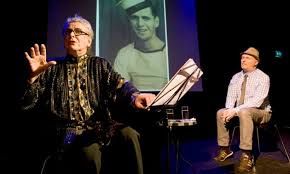
From 1999 to 2001 Bette toured the world in Resident Alien, Tim Fountain’s homage to Bette’s own good friend Quentin Crisp; in 2003 he contributed an unforgettable Gower to my Olivier-nominated staging of Shakespeare’s Pericles at the Lyric Hammersmith. In 2009 he collaborated with Mark Ravenhill to create A Life in Three Acts, a performed (and later filmed) memoir that documented the extraordinary range of his theatrical (and life) achievements.

Born in Bangor, during the wartime evacuation of his East End family from London to north Wales, Bette was christened Peter (the name by which he was known for the first 20 years of his career) then brought back to the family home in Stoke Newington at the age of six weeks. His father, a driving instructor, was distant and violent, creating in Peter a lifelong mistrust and even hatred of conventional masculinity. His mother, Jeretta (“Jet”), however, was a glamorous and fun-loving medical secretary with a passion for amateur dramatics, and it was she who nurtured her son’s early talent for singing and showing off.

Bourne and Mark Ravenhill in A Life in Three Acts at the Traverse theatre, Edinburgh, in 2009. 
Photograph: Murdo Macleod / The Guardian

Peter was educated first at Church Street School then at Upton House in Hackney. Seeking employment as soon as he could, in 1954, aged 15, Peter got temporary work in rep at the Intimate theatre in Palmers Green, where his duties included playing a corpse. Only his feet were visible, sticking out from behind an upstage sofa, but Peter insisted on applying full makeup for every performance. Aged 16, he began working first as a trainee printer and then as an assistant electrician at the Garrick theatre in the West End.

In 1958, with Jet’s encouragement, Peter secured a funded place to attend the Royal Central School of Speech and Drama. He graduated three years later, and his striking good looks and assured vocal technique – plus his willingness to play by the rules in the homophobic world of the 60s British entertainment industry – soon secured him regular work. He featured in seasons at the Bristol Old Vic (1961-62), the London Old Vic (1962) and the Nottingham Playhouse (1963); in 1969, he toured in the Prospect Theatre Company’s famous pairing of Christopher Marlowe’s Edward II with Shakespeare’s Richard II, playing opposite the young Ian McKellen.

He appeared regularly on TV, featuring in Dixon of Dock Green (1963-65), The Saint (1967) and The Avengers (1966-68). He was also – briefly – a boyfriend of Brian Epstein, manager of the Beatles. Throughout all of this, however, although he had come out to his mother in 1961, he stayed firmly in the professional closet.

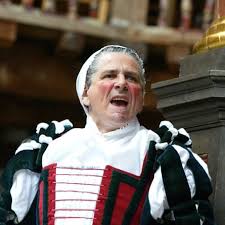
Bourne as Nurse in Romeo and Juliet at Shakespeare’s Globe, 2004. 
Photograph: Tristram Kenton / The Guardian

By the time Peter was working for Prospect, the first wave of gay liberation was already hitting London. Frustrated with being obliged to endlessly edit his personality out of his performances, he became an eager attender of the early London Gay Liberation Front meetings; he later claimed that this was only because of the abundance of good-looking men at the meetings. By 1974, all attempts at a conformist career had been gleefully abandoned; Peter had become a full-on activist, living in a drag commune in Notting Hill and working in drag in the nearby Powis Square children’s playground – and preaching the fieriest possible version of gay lib to anyone who questioned the wisdom of doing so.

It was at this point that Peter was rechristened with the drag name Bette by his fellow queens; he never referred to himself as Peter again. As well as his firebrand daily presence on the street and at meetings, his activism also included taking a leading role in demonstrations such as the “zap” which so successfully disrupted the Christian morality campaigner Mary Whitehouse’s Festival of Light at the Methodist Central Hall in London in 1971.

It was a visit to the Oval House in Kennington by the New York gay performance troupe the Hot Peaches in 1976 that originally lit the fuse on the explosive connections between Bette’s queer politics and his work. He briefly joined the company on tour; then, when the Peaches left town, assembled his first crew of Bloolips, rehearsing in the commune’s front room and quickly building the company’s reputation. Although the following decades saw many changes in his career, the wit, anger and sheer magnetism of those early performances remained his trademarks.

Bette’s relationship with Paul began in 1977; in 2013, they became civil partners. In 2015, Bette was diagnosed with dementia. The disease gradually robbed him of the ability to learn and deliver lines, but he continued to make personal appearances and to teach the occasional master class. All through his illness Bette was indefatigably cared for by Paul, and their deeply committed relationship was an inspiration to those who knew them.

Bette is survived by Paul, his younger brother, the actor and singer Mike Berry, and his sisters, Val and Pam.

Creating Inclusive Artspaces for Older LGBTQ+ People

Join the Pride UK team on Wednesday, 25 September from 12.00 noon to 1.30pm to learn more about the lived experiences of older LGBTQ+ people and explore how to create inclusive art spaces.

The free online session – delivered by lesbian and gay HR professionals with 30 years’ experience of LGBT+ equalities training and consultancy – will address:

  • Relevant research into the lives of older LGBTQ+ people
  • Living as LGBTQ+ in the hostile climate of the 1950’s – 1980’s
  • The medical establishment treatment of homosexual illness
  • Later life as LGBTQ+ and anxieties of approaching home care alone
  • The Pride movement and section 28 fightback for LGBTQ+ human rights
  • How induction, training and accreditation strengthen LGBTQ+ inclusion in the arts.

Join us to share ideas, refine your working practices, and meet other progressive people who are striving to innovate and excel in services for older people.

Get tickets here.