Working Class Movement Library … Japan … Photography Project … Research Project … Celebrating HIV Activism … World AIDS Day Event in USA

News

Working Class Movement Library

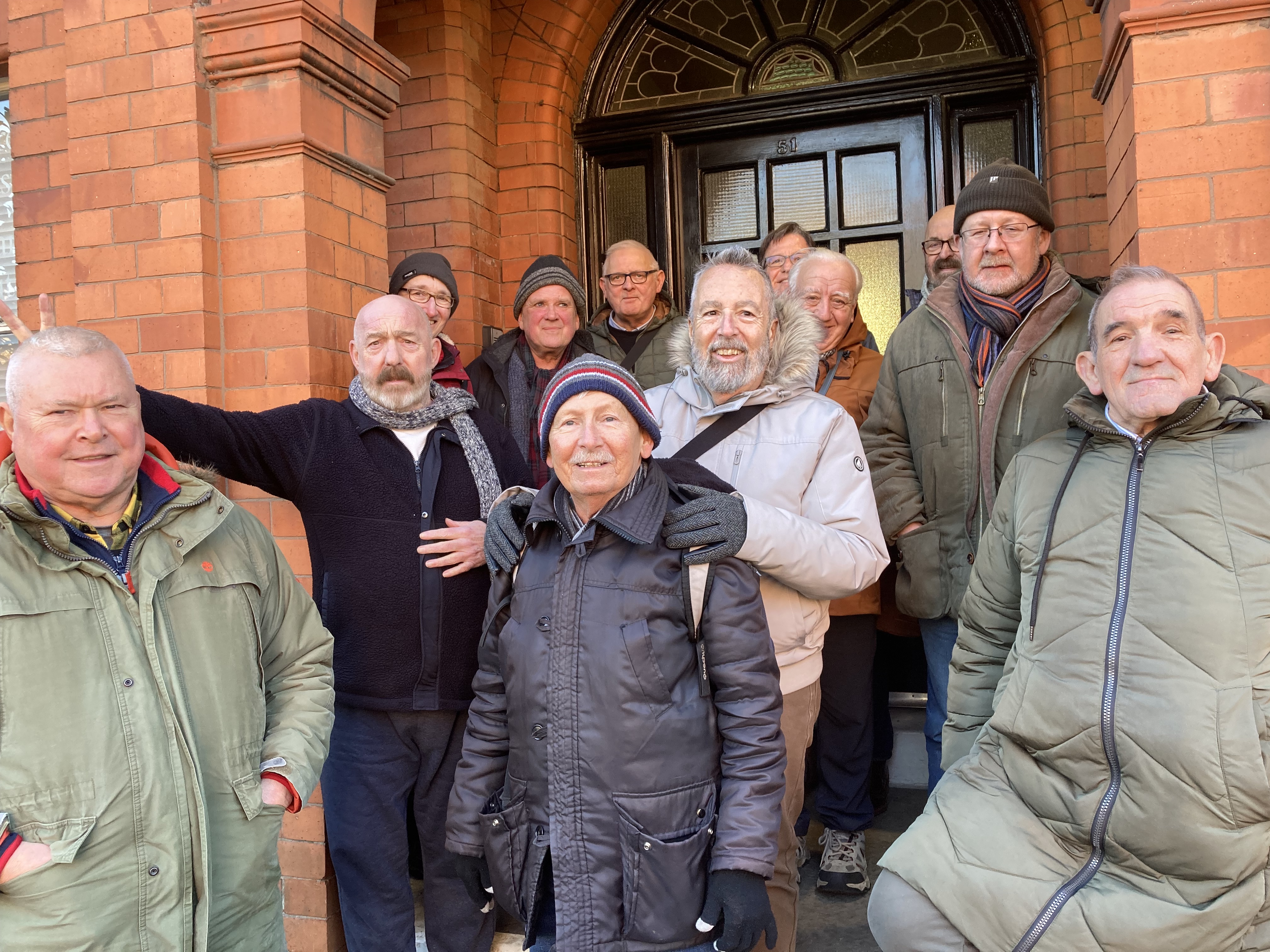
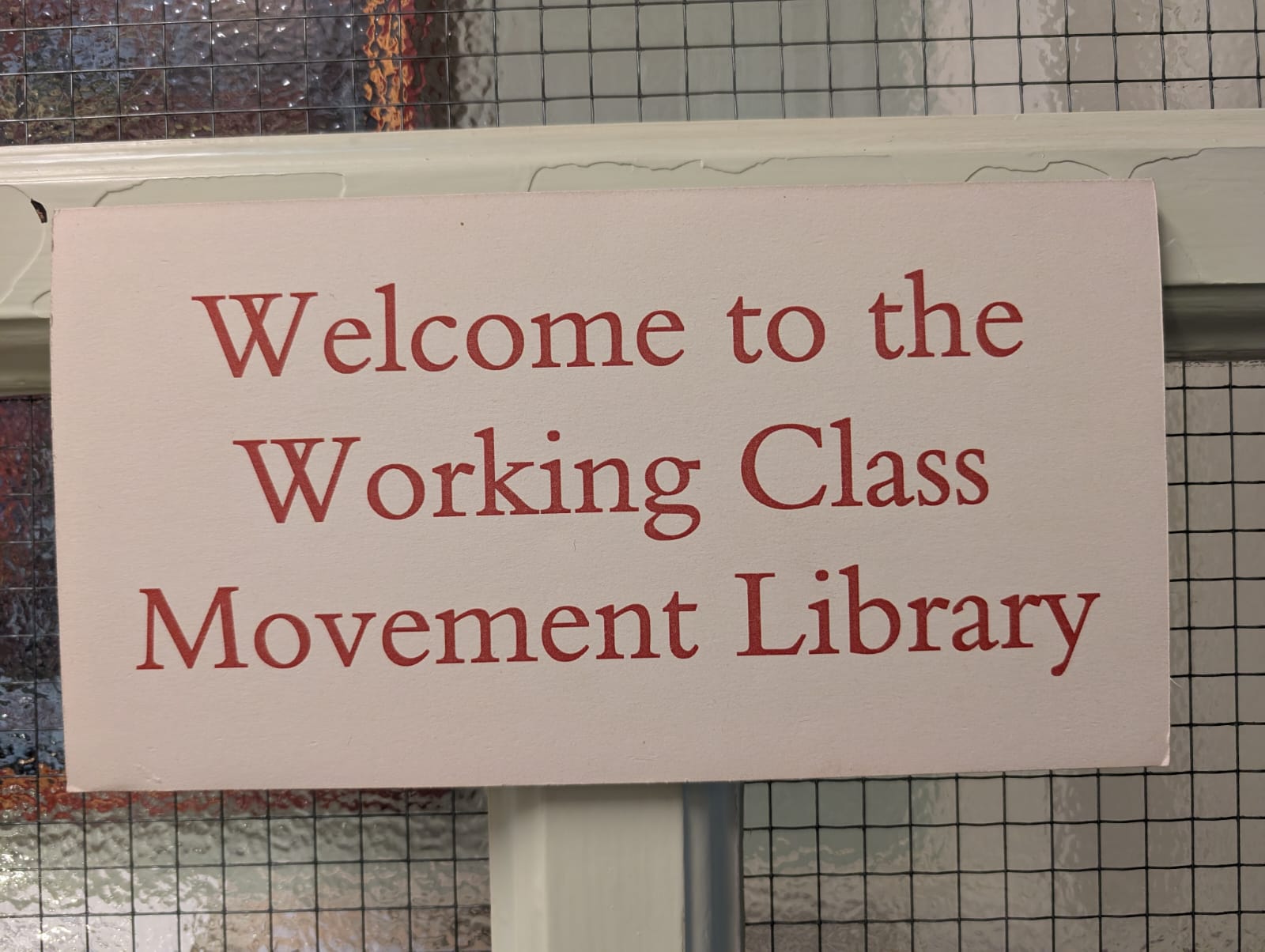
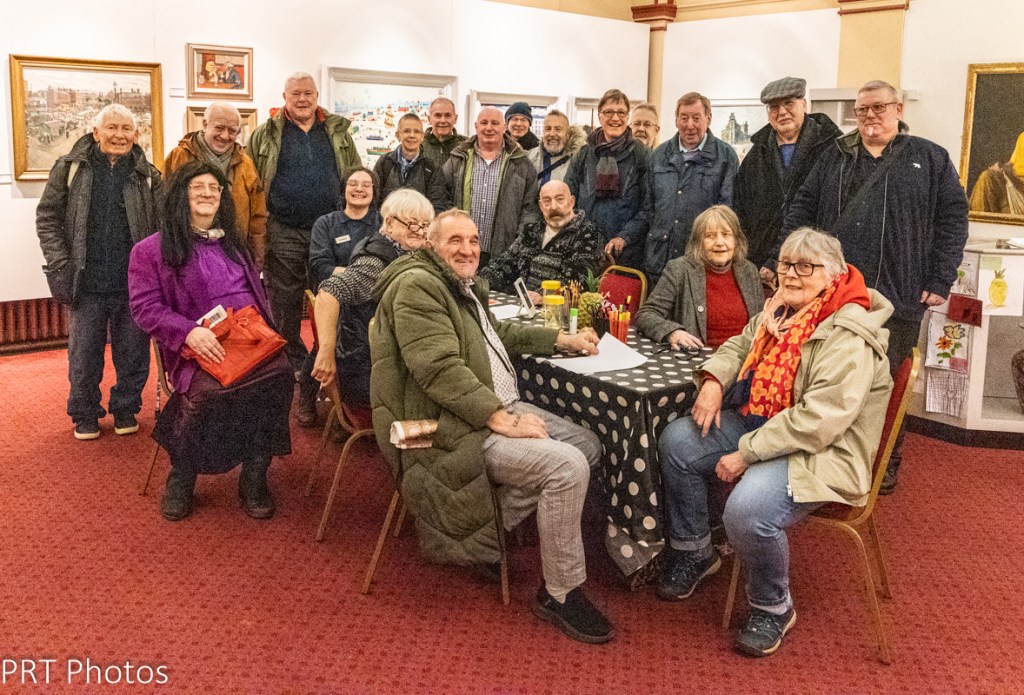
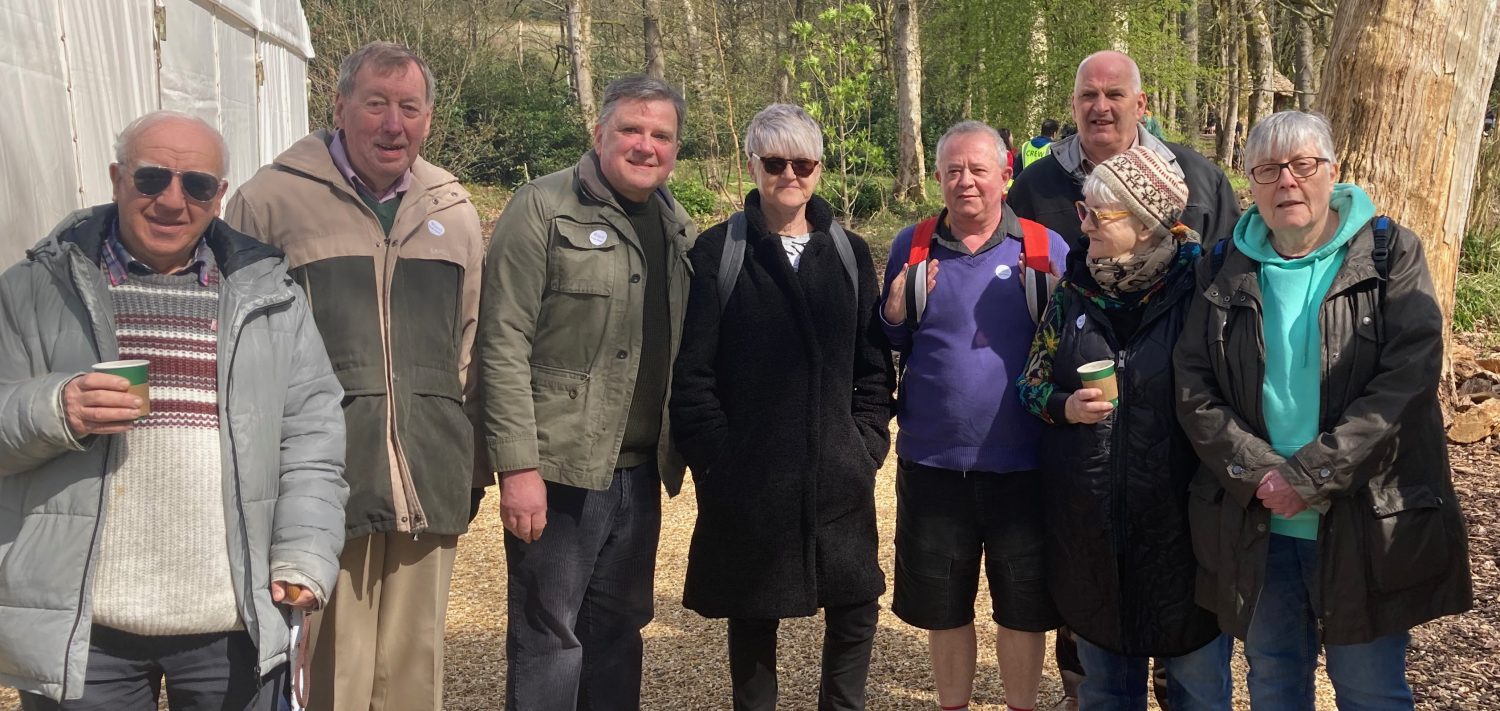
This week we visited The Working Class Movement Library (WCML), a short bus ride from Manchester city centre.
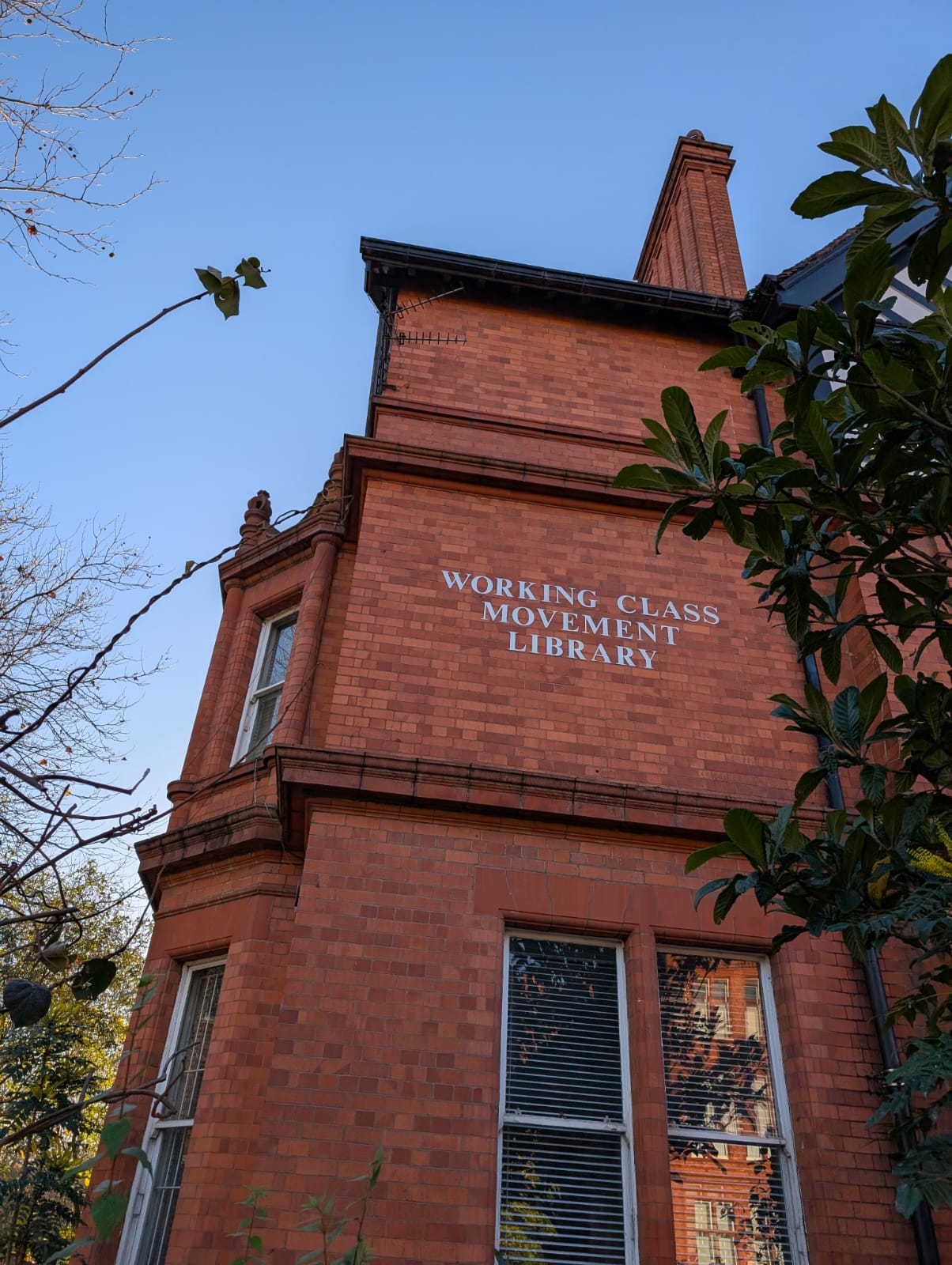
The WCML is a collection of books, periodicals, pamphlets, archives and artefacts, relating to the development of the political and cultural institutions of the working class in Salford.

In 1953, two bibliophiles, Eddie Frow and Ruth Haines, met at a Communist Party Summer School. In 1956, they set up home together and the merger of their book collections was the beginning of the Working Class Movement Library.

They spent their spare time and money travelling around Britain, gathering new items for the collection. By 1960, the collection was being consulted by historians and academics, and they had attracted the support of other collectors of labour movement material.

By the mid 1980s, the collection had filled their semi in Trafford. Salford City Council agreed to support the library and, in 1987, gave the WCML, and the Frows, a new home in a former nurses’ home, Jubilee House, situated near the University of Salford.

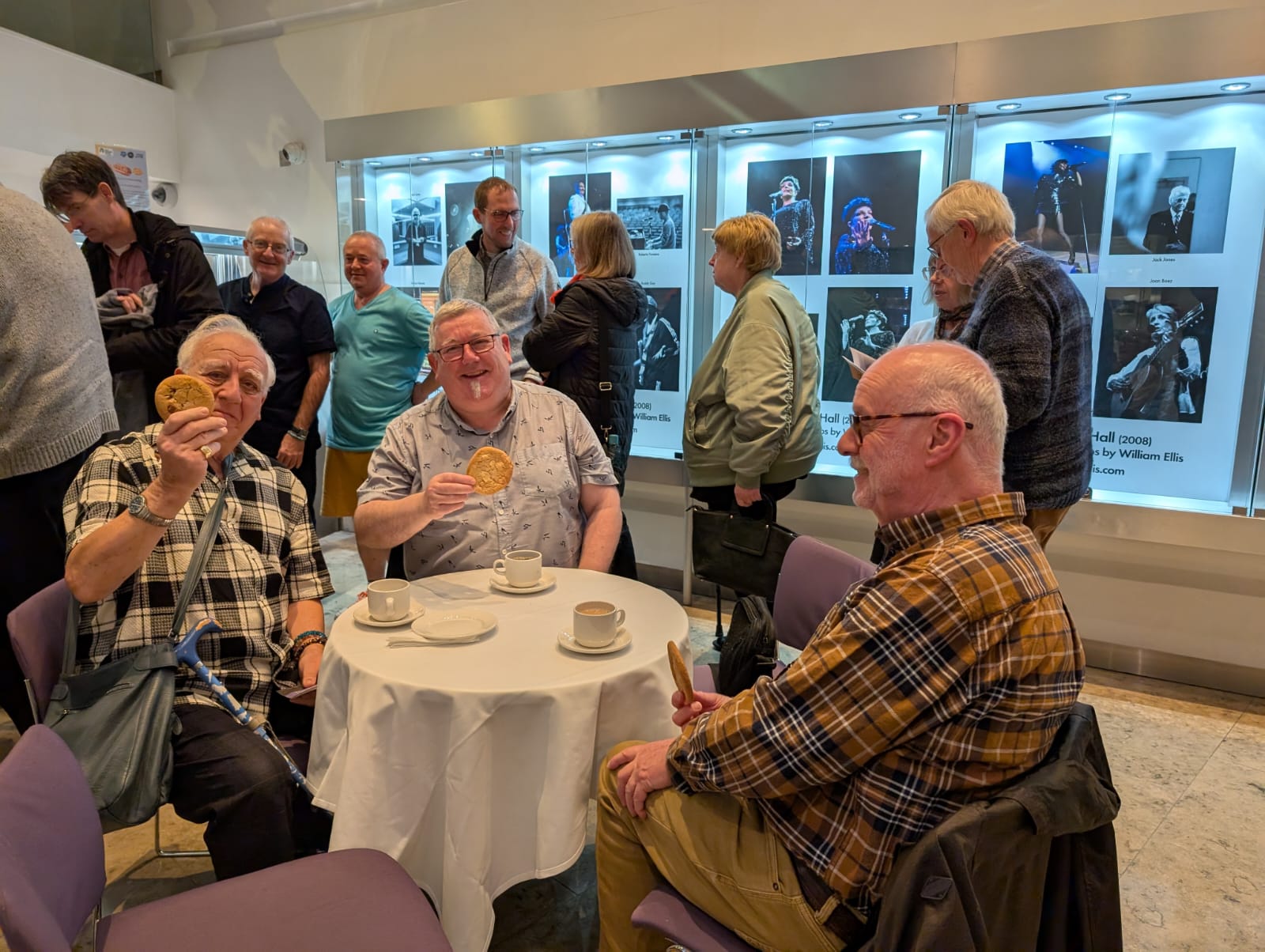
Thanks to Nathan who guided us around the building. We also visited the Old Fire Station café next door for teas and coffees.

More photos can be seen here.

Japan

A man is suing the Japanese government after a judge barred him from wearing rainbow-coloured socks to a court hearing on same-sex marriage last year.

Ken Suzuki, a School of Law professor at Meiji University, was wearing the rainbow-patterned socks when he attempted to observe the same-sex marriage trial in Fukuoka District Court in June 2023. He says he was told by court officials to hide the rainbow pattern ahead of the trial, and was only admitted after he folded the pattern inward, obscuring it.
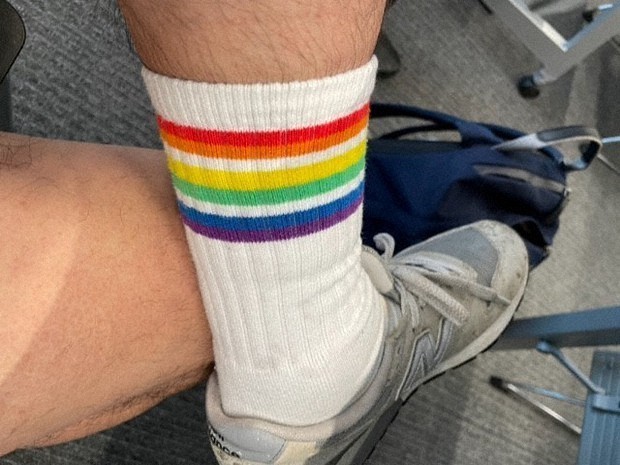
Meiji University professor Ken Suzuki is seen wearing socks with rainbow stripes in this photo supplied by himself. He says he was told by a Fukuoka District Court staffer, “You cannot enter (the courtroom) unless you hide them.”

He’s now joined two other individuals who were ordered to change or hide clothing before attending other unrelated cases in a case before the Tokyo District Court seeking 3.3 million yen (approximately £17,000) in damages. 

Suzuki claims that the court overstepped its authority to maintain order by requiring that he remove the socks, as they did not disrupt the court proceedings. He also says the order was inconsistent, as he was able to wear the socks without issue while attending a different same-sex marriage trial at the Tokyo District Court. 

Furthermore, the professor said that during bag checks at the building entrance, he was told to “conceal” a strap reading “Love & Peace” in rainbow colours on his bag.

Several courts across Japan are weighing the rights of same-sex couples. Five of six lower courts that have heard same-sex marriage cases have ruled that the ban on same-sex marriage violates the constitution, as have two superior courts that have heard challenges. Further court hearings are expected in superior courts, and eventually at the Supreme Court. 

Photography project

Poppy, a Queer photographer, currently studying at Manchester Metropolitan University is undertaking a photography project on the LGBTQ+ community in Manchester.

She would love to get involved with the older generation of the community to document and celebrate your amazing contributions over the years and hear your stories!

If interested, the project would include taking some portraits and a short interview.

This opportunity is unpaid but she can offer printed or digital copies of the photos she takes!

Come to our meeting on Thursday, 28 November from 2.00pm to 4.00pm at Cross Street Chapel, 29 Cross Street, Manchester M2 1NL to find out more.

Research Project

Jason, a 48 year old gay man, is studying a BSc in Psychology at Arden University in Manchester.

He is undertaking his final major researching project and will be completing it on “Gay Men and their use of Gay Dating Apps” with a focus on the experience of users and the pros and cons they may have identified.

Part of the project involves recruiting participants that are aged over 55 for a brief interview about their experience either face to face or online. The project will have full ethical approval from the university and a Participant information sheet, consent form and debrief form will all be provided.

The aim of the study is to help identify the benefits and drawbacks of these apps and the importance of having social opportunities for older gay men in the community.

If anyone would be happy to participate, please contact us here.

Celebrating HIV Activism
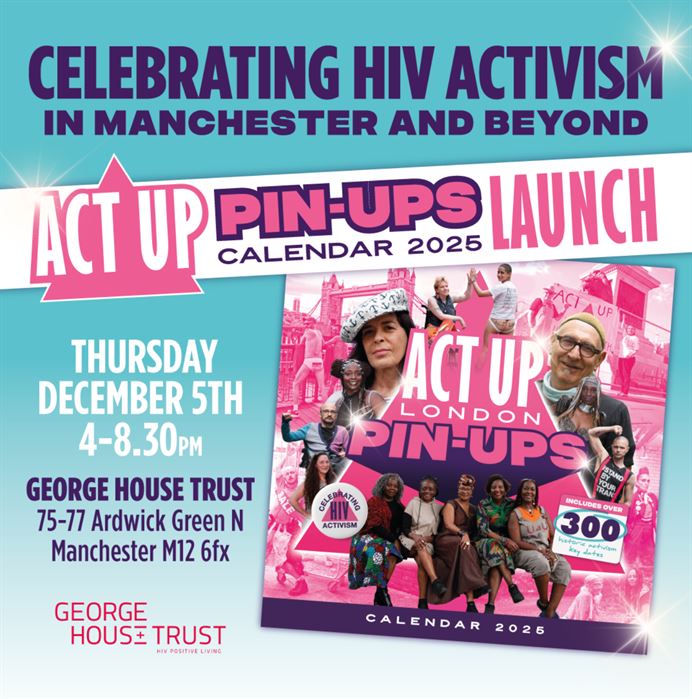
The Lineup

4.00pmWelcome from George House Trust and ACT UP PIN UPS Nathaniel Hall, Paul Fairweather, Tony Openshaw
4.10pmScreenings and Q+A of Nathaniel’s films – HIV+Me and GHT’s Pioneers of Progress
4.30pmHIV Activism Quiz
5.15pmRecording our stories from ACT UP Manchester, Section 28 and iconic queer protests
6.00pm – 8.00pmCalendar signings, food and DJ’s

Get tickets here.

World AIDS Day event in USA – your help is needed

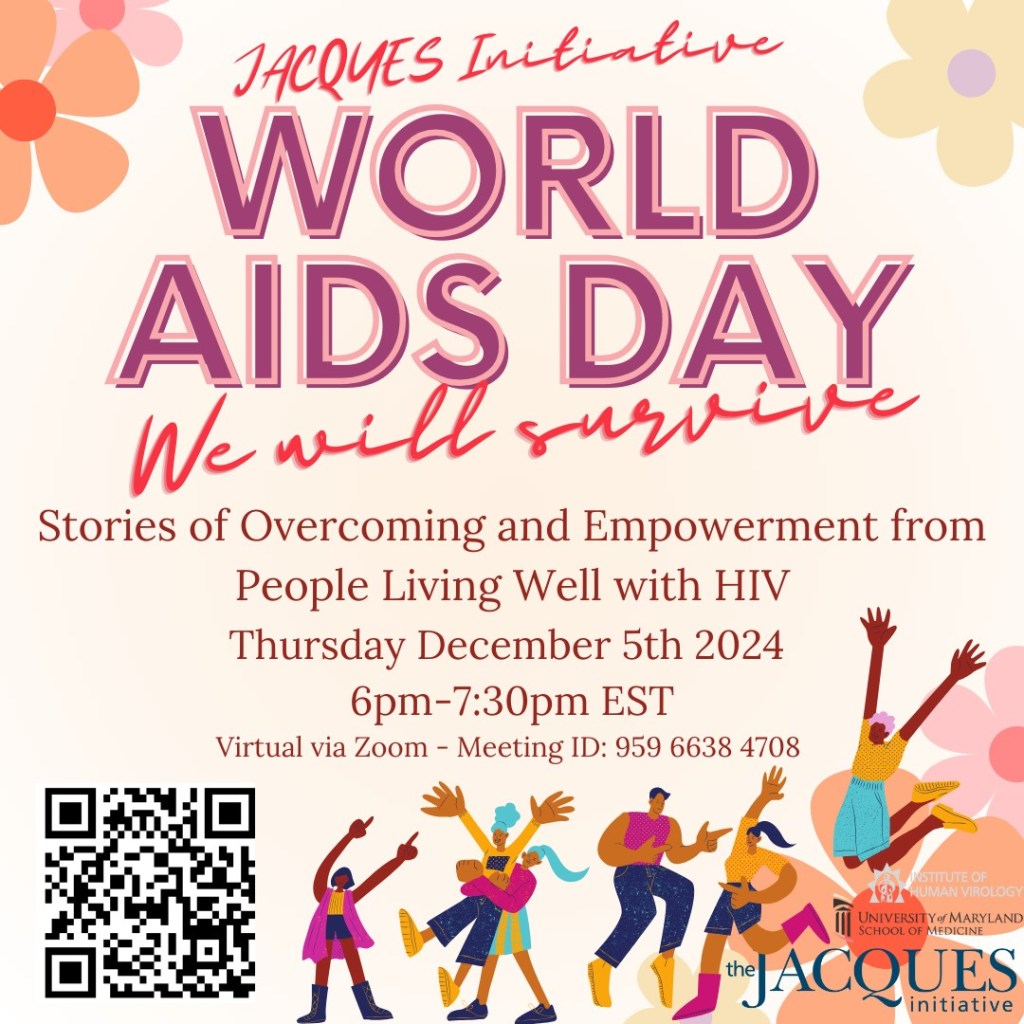
Scott Hale from the Institute of Human Viralogy at the University of Maryland, Baltimore, USA, is looking for short written accounts (just a paragraph or two) by people who have been affected by HIV or use PrEP as prevention. Written accounts can remain anonymous.

There will be a presentation of the stories, to inspire and promote awareness of people living with HIV, on Thursday 5 December 2024 with medical director, Dr Natalie Spicyn, presenting some background information.

Please send to us here and I will forward them on.
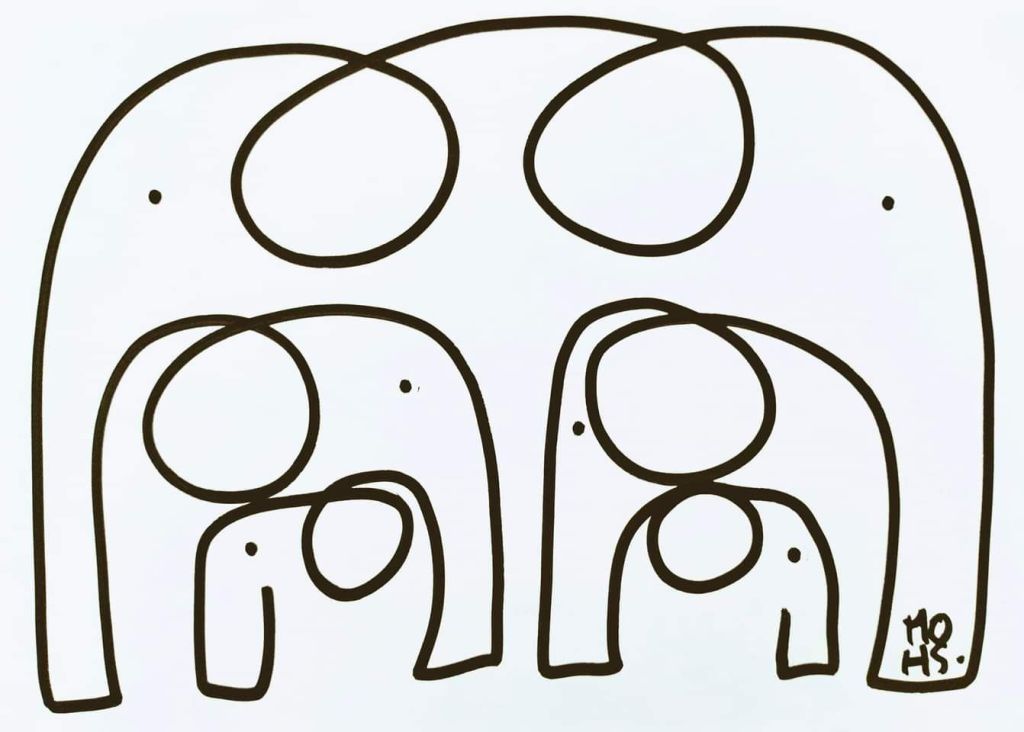
Thanks to Mohssin Amghar for this beautiful drawing titled “The Big Family” (one line and 6 dots)

Transgender Day of Remembrance … Out In The Country … Landmark Ruling for LGBT+ People Seeking Asylum

News

Transgender Awareness Week

Transgender Awareness Week, observed 13 November to 19 November, is a one-week celebration leading up to the Transgender Day of Remembrance, which memorialises victims of transphobic violence.

Trans Day of Remembrance

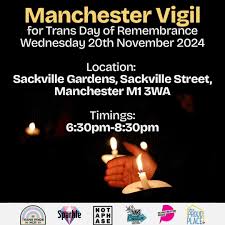
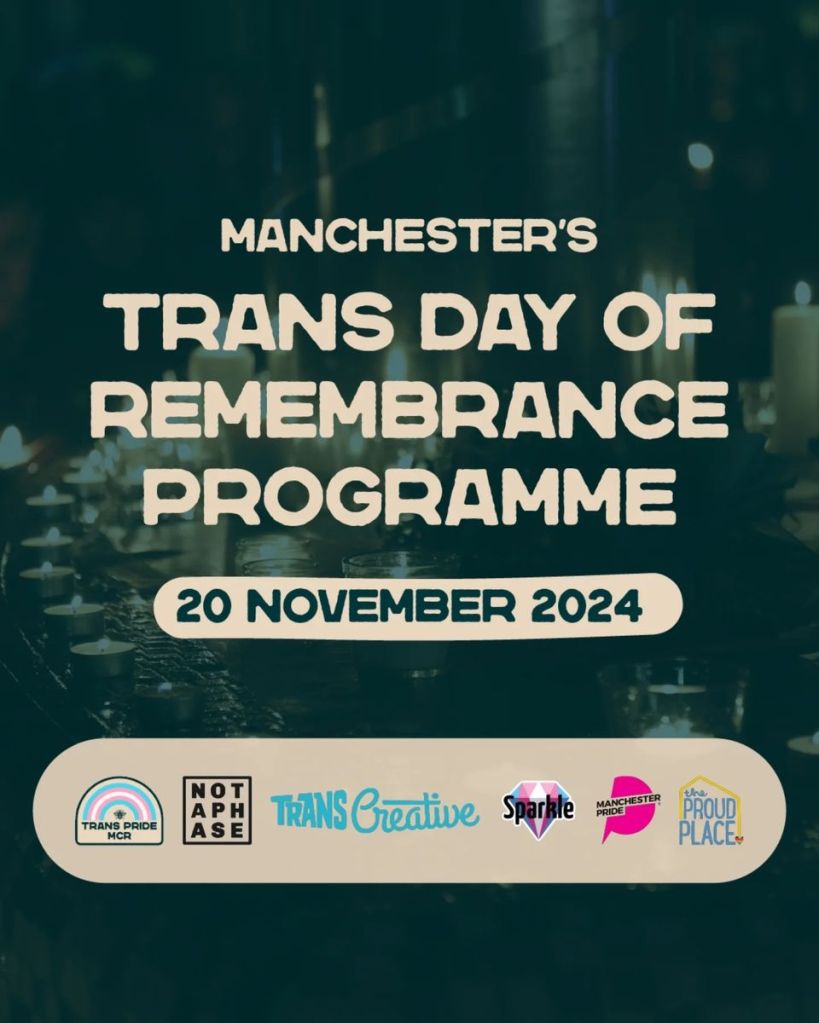
Join us on 20 November 2024, from 6.30pm – 8.30pm, in Sackville Gardens, to honour the lives of transgender individuals lost.

Hosted by Not a Phase, Trans Pride Manchester, Trans Creative, Sparkle, Manchester Pride and The Proud Place, the vigil will include a group walk from The Proud Place and a livestream for those preferring to stay indoors.

BSL interpretation will be available throughout. Let’s come together in remembrance and resilience.

Out In The Country: Celebrating LGBT+ Voices in Agriculture

Chef Steph Moon at Out on the Farm event. Photo: Clancy Walker

A partnership has been formed between farmer Graham Clarke, ex-National Farmers’ Union regional director Adam Bedford and Leeds-based LGBT+ charity Out Together.

The mission? To create a rural LGBT+ community honouring lifelong farmer and friend, Mike Potter.

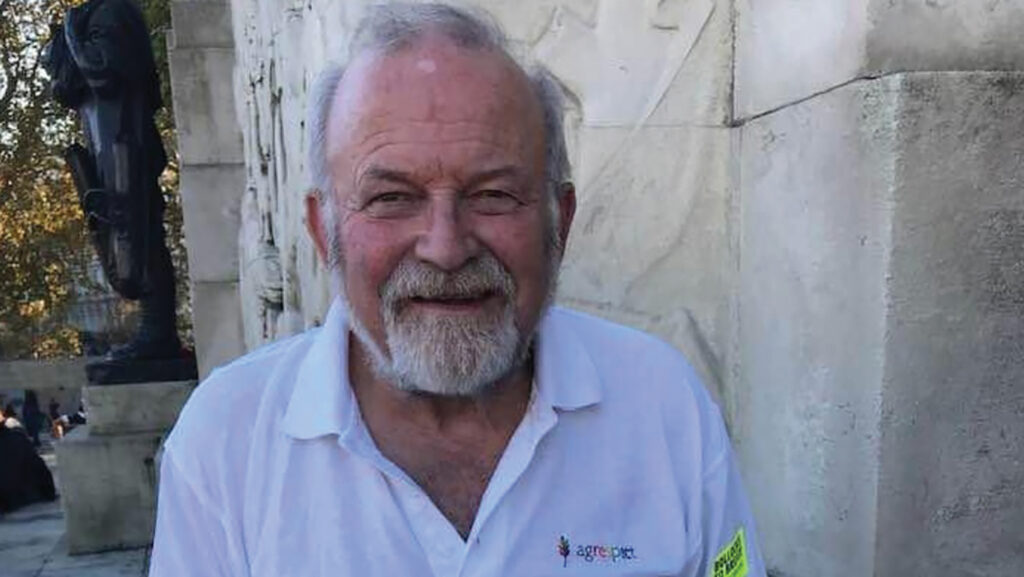
Mike, a potato farmer from North Yorkshire, came out as gay at the age of 72 having felt compelled to hide his true self from the farming industry for most of his life.

He sadly passed away in October 2022 at the age of 76, after battling Parkinson’s disease.

Mike Potter. Photo: Graham Clarke

As executors of Mike’s estate, Adam and Graham believed he would have wanted his savings to support initiatives that foster inclusivity for rural LGBT+ individuals.

Driven by Mike’s memory and the challenges they knew he faced as a gay man in farming, the pair shared his story with charity trustees Tim Gittins and Matt Jameson from Out Together.

Tim said: “We were so touched by Mike’s story that we immediately wanted to start working with Adam and Graham to put on events for LGBT+ people living rurally.

“Everyone deserves to feel connected and supported wherever they live.”

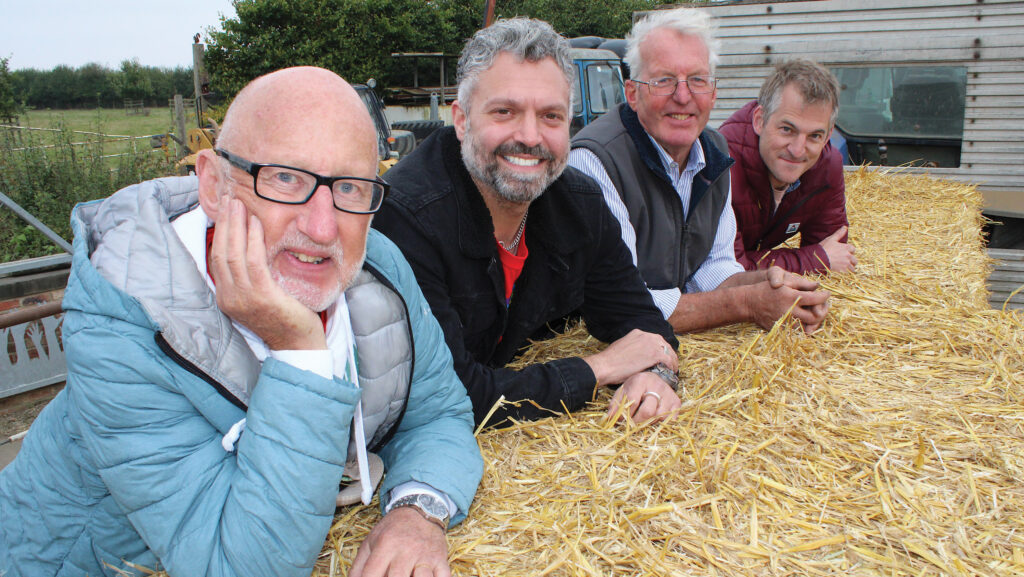
Tim Gittins and Matt Jameson from Out Together, Graham Clarke and Adam Bedford. Photo: Clancy Walker

Out On The Farm 

Together, they organised their first joint event, “Out On The Farm”, held on 22 September at Graham’s family farm in Pickhill, Thirsk, North Yorkshire.

The event drew more than 140 attendees from various backgrounds and included music and food.

A highlight was a cooking demonstration by Yorkshire chef Steph Moon, known from the BBC’s Great British Menu, who amazed guests by preparing a three-course meal in less than 45 minutes.

Aside from the smorgasbord of food, fun, and tractor tours, the day provided a chance for LGBT+ farmers to foster connections and build community spirit, with many guests experiencing a gathering like it for the first time.

“What we have learned from “Out On The Farm” is that isolation can be even more pronounced in the countryside; LGBT+ people can face numerous additional challenges in making social connections as fewer resources are available, distances are greater, and social pressures can be more evident,” says Tim.

Adam, a close friend of Mike for more than 20 years since their days at Askham Bryan College, reflected on the day: “I’ve never seen such a diverse group of people come together for a party on a farm in North Yorkshire. Mike would have loved it – it was truly fantastic!”

Isolation

Reflecting on Mike’s journey and how he had wanted to share his life with a partner, which ultimately went unfulfilled, Adam stresses the importance of creating welcoming spaces, especially in rural areas where LGBT+ individuals often encounter isolation.
“We have come a long way, but we still have much further to go in agriculture. Mike’s story illustrates this; I’m sure he would have come out earlier if he’d had an LGBT+ community around him,” Adam says.

Already working to combat isolation for rural LGBT+ communities is AgRespect, a collective of LGBT+ farmers advocating for equality and inclusion in the countryside.

Julie Robinson, who attended the “Out On The Farm” event on behalf of AgRespect, said: “As a group of happy lesbians and gay men on tractors who knew Mike, we were excited to support and promote the event. I had a fantastic time and look forward to what this new partnership will create for our rural LGBT+ communities.”

Future plans

Following the success of the inaugural event, Adam, Graham and the charity have pledged to develop future initiatives, recognising the need for events like it to continue.

To support this vision, Mike’s estate will make a further donation to help Out Together explore new networks and create additional activities for the LGBT+ rural community.

This backing will enable the charity to launch its new project, “Out In The Country”.

In spring 2025, the project plans to trial new community “hubs” in North Yorkshire.

These safe spaces – whether a coffee shop, village hall, or other welcoming venue – will provide opportunities for people to socialise and share experiences of LGBT+ life in rural areas.

“We hope the trial will lead to us hosting regular gatherings in different villages or small towns that will make social and support networks a local reality,” says Tim.

The project will also develop a “virtual neighbourhood” – an online community platform that will complement the in-person events.

This recognises that social opportunities in the countryside are often limited due to working schedules or concerns about LGBT+ inclusion.
Tim believes that digital outreach can connect people across scattered communities and ensure consistent support.
“Since 2022, our charity has successfully used ‘telefriending’ networks to contact individuals who are unable or unwilling to attend events physically,” he says.

“In rural areas, we think online support groups, forums, and virtual meet-ups may be more accessible for some people to begin with, than in-person gatherings.”

By elevating LGBT+ voices and fostering connections both in person and online, the partnership aims to create lasting change in rural communities, ensuring that everyone feels they belong.

For regular updates on the project or to get involved, visit the Out Together website or send an email to hello@outtogether.lgbt with the subject “Out In The Country”.

Landmark Ruling for LGBT+ People Seeking Asylum

On 12 November 2024, the European Court of Human Rights published its judgement that a gay man from Iran cannot be deported from Switzerland or asked to live discreetly in Iran.

Homosexual relationships in Iran are a criminal offence and people face the death penalty.

Aderonke Apata, African Rainbow Family founder and CEO, acted as a court-granted Intervener in this case – the outcome of which will now apply as law within all 46 Council of Europe member countries, including the United Kingdom!

What does this mean for LGBT+ People Seeking Asylum?

This landmark ruling marks a change for LGBT+ asylum cases throughout Europe, as the European Court of Human Rights has now overturned the Government of Switzerland’s Federal Administrative Court ruling which stated that “it was unlikely that the applicant’s sexual identity would be discovered if he continued to live discreetly in Iran”.

The recognition that requiring gay men to live discreetly in their country of origin to avoid harm is psychologically damaging and unacceptable for LGBT+ people seeking asylum.

To put it simply, this outcome now means that it is the law for all 46 Council of Europe member countries to end the use of discretion and concealment tests in asylum cases surrounding sexual orientation. The use of these tests has previously been a barrier to the fair treatment of LGBT+ people seeking asylum, as such tests demand that LGBT+ people seeking asylum repeatedly demonstrate that they were not able to live a discreet life in their home country.

It is unjust to suggest that any LGBT+ person should need to conceal their identity for their entire life when there are safe countries where they might be able to live openly – and we are glad that the European Court of Human Rights has affirmed this belief. This positive decision affirms the European Court of Human Rights’ commitment to protecting the rights and mental well-being of individuals facing persecution based on sexual orientation, setting a positive precedent for human rights and dignity.

The European Court of Human Rights granted African Rainbow Family alongside Stonewall permission to intervene in this case, M.I v Switzerland Application no. 56390/21.

Pavel Kolesnikov & Samson Tsoy … Eva Oertle & Vesselin Stanev … John Frederick Cheetham & Beatrice Astley … Pompeii

News

Some recent activity …

Pavel Kolesnikov and Samson Tsoy: a Duo On Stage and Off

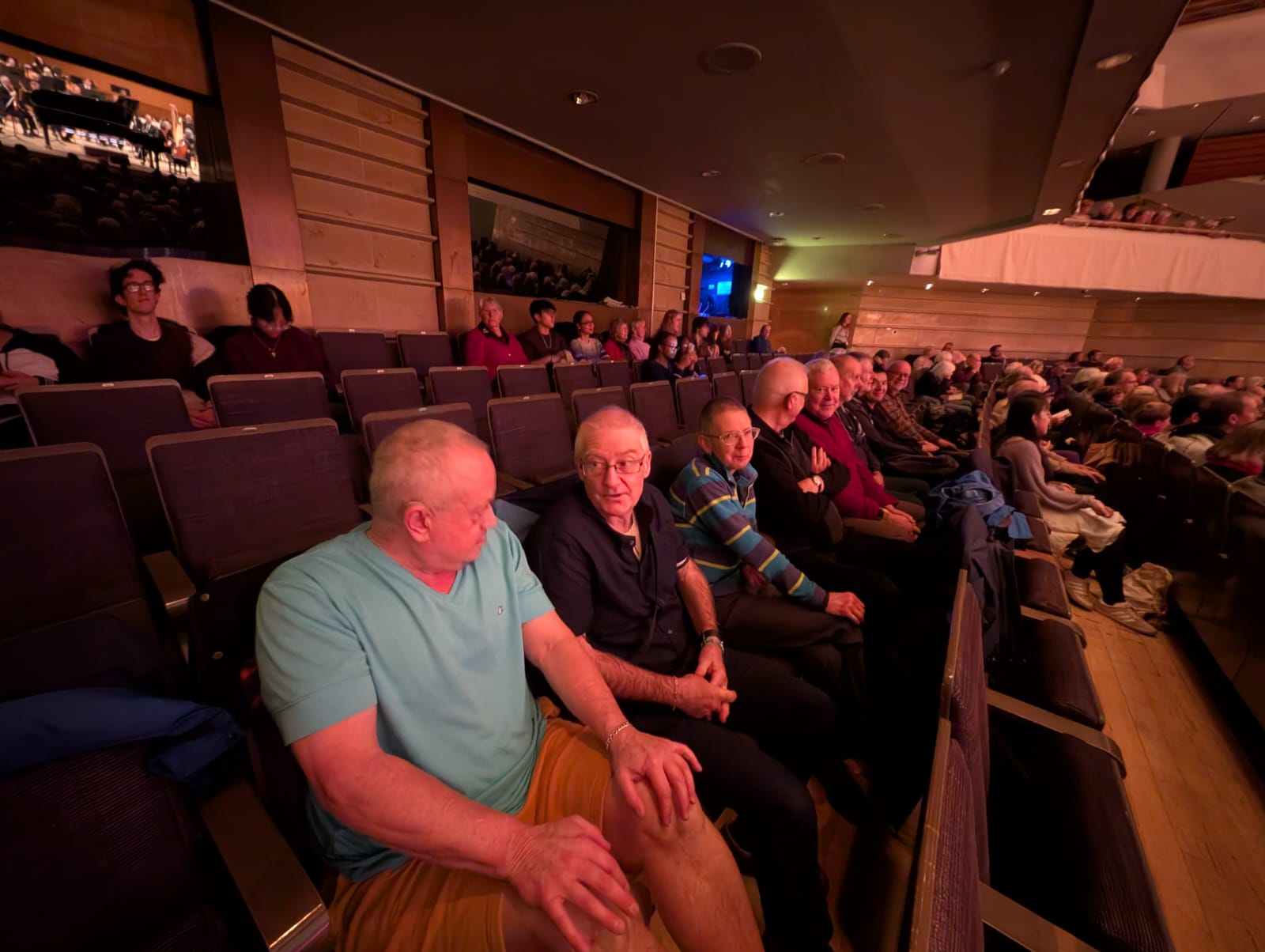
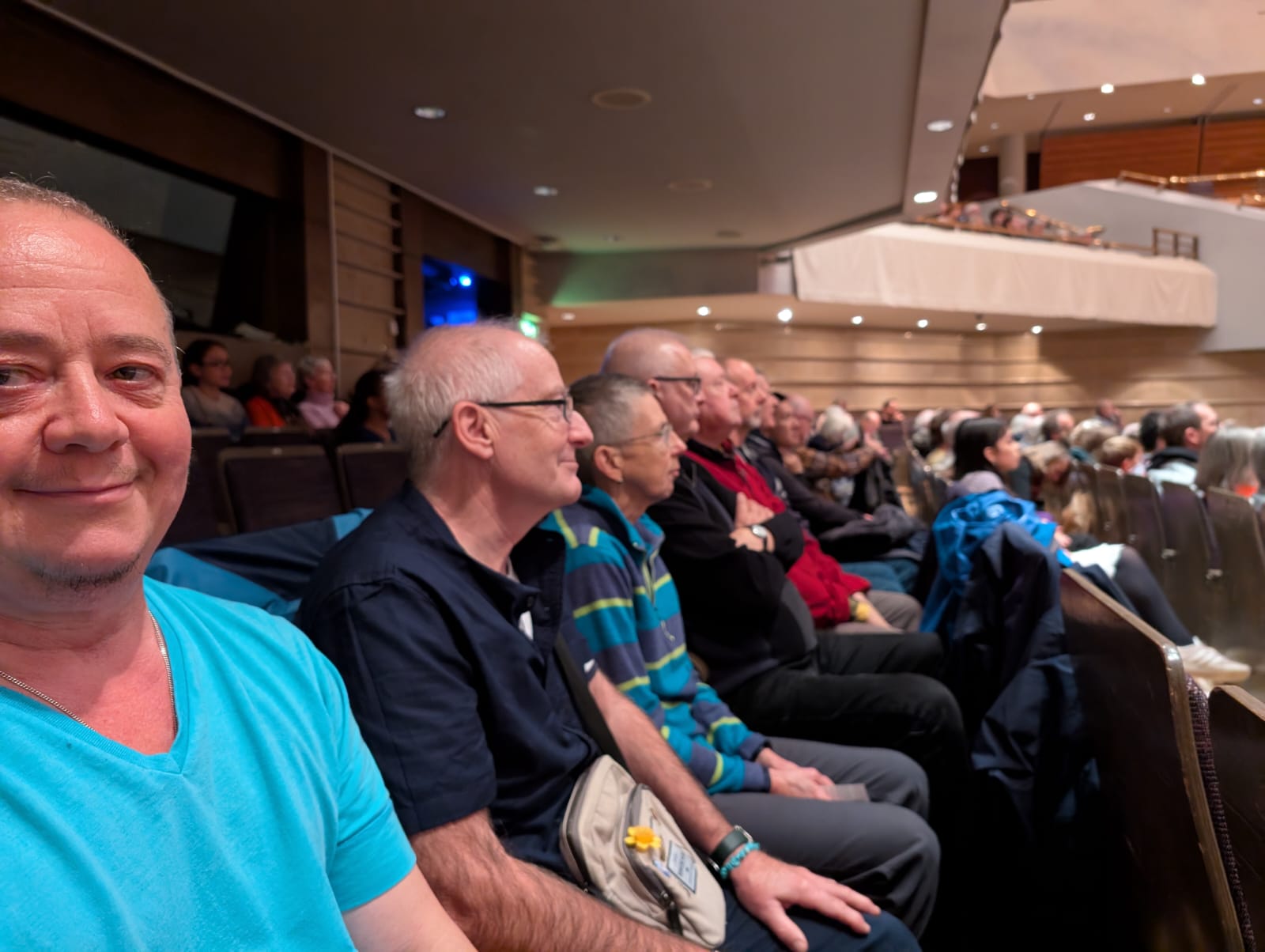
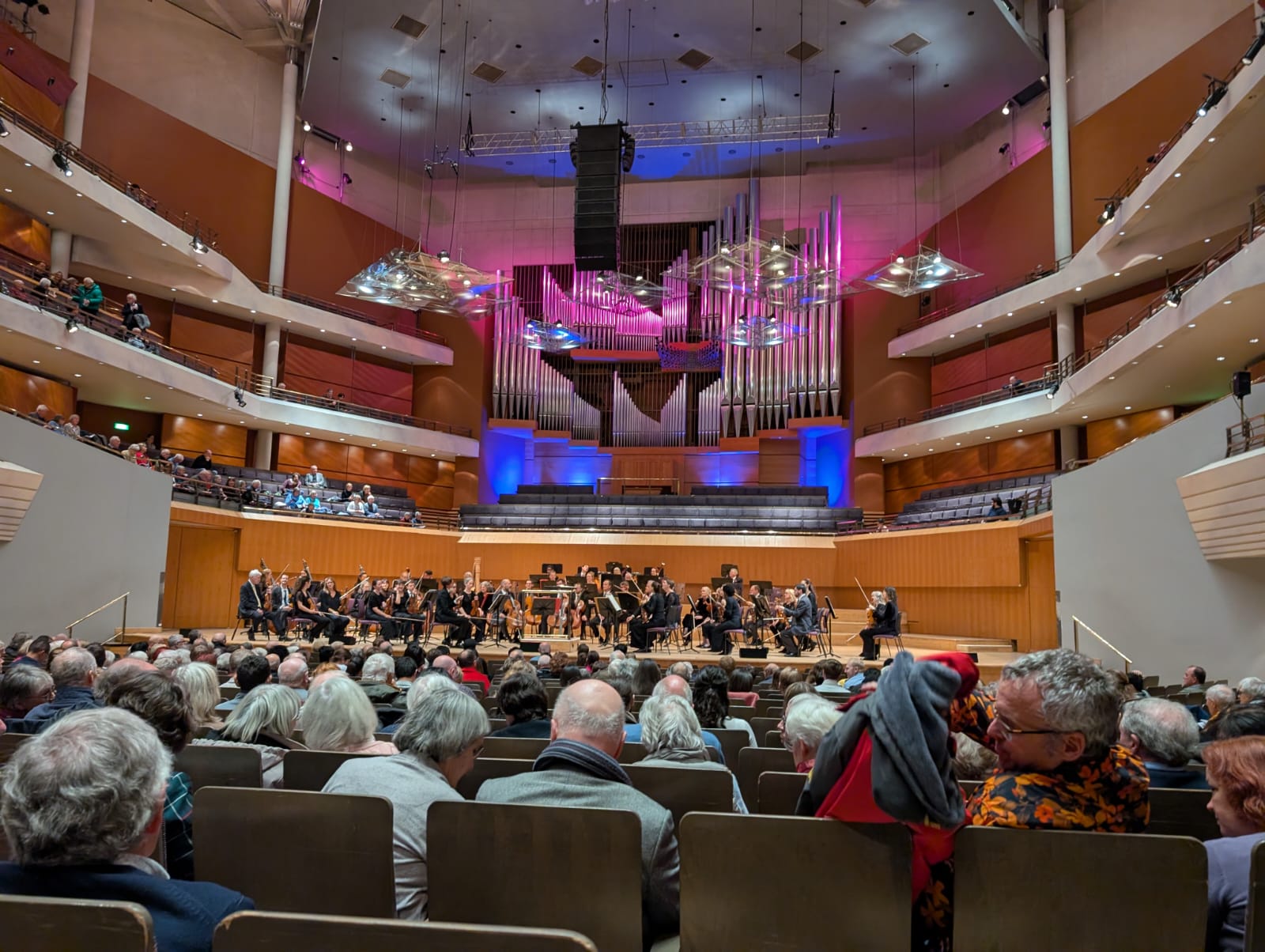
On 7 and 10 November The Hallé concert at the Bridgewater Hall featured Pavel Kolesnikov play Saint-Saëns’ Second Piano Concerto.

Saint-Saëns wrote his Second Piano Concerto in three weeks, leaving very little time to prepare for its premiere. With its dazzling stylistic changes, it has grown to become the most popular of the composer’s piano concertos.

We listened to the brilliant playing from a young man who has been the subject of a headline report in The Times: ‘‘Discrimination doesn’t exist in Russia, because you don’t talk about being gay”.

It was an absolutely amazing concert and probably the best performance we have seen at the Bridgewater Hall.

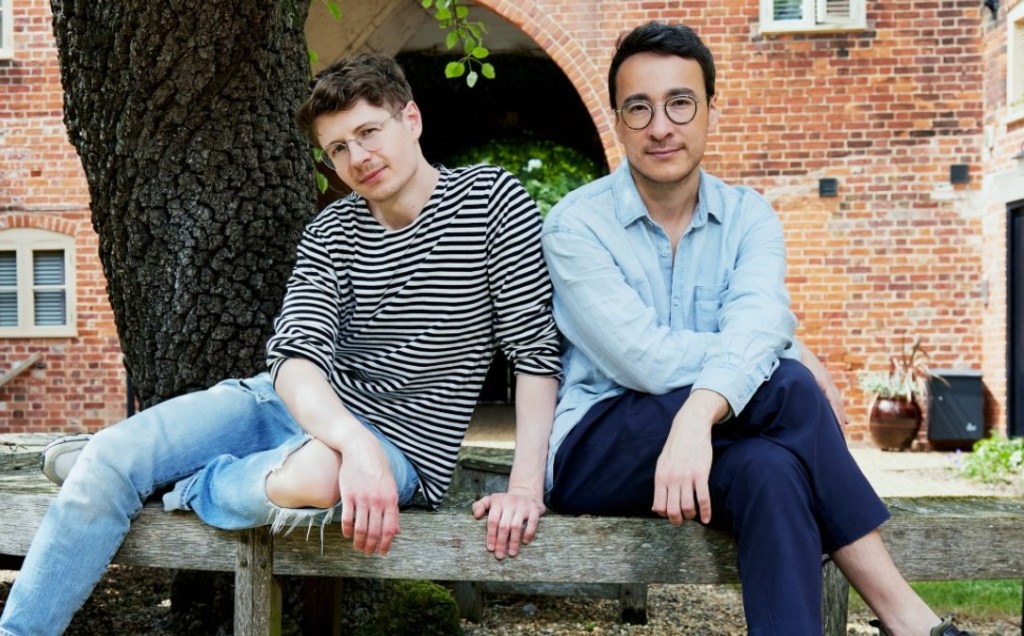
Pavel Kolesnikov and Samson Tsoy occasionally play as a four handed piano duo. They are also partners in life. They met when both were studying the piano at the Moscow Conservatoire. Kolesnikov is from Siberia. Tsoy, who has a Korean father and a Russian-Jewish mother, was born in Kazakhstan and was a teenage karate champion before deciding, unsurprisingly, that the sport was “too traumatic” for his hands.

They came to London in 2011 to study at the Royal College of Music, and have been here ever since.

Eva Oertle and Vesselin Stanev

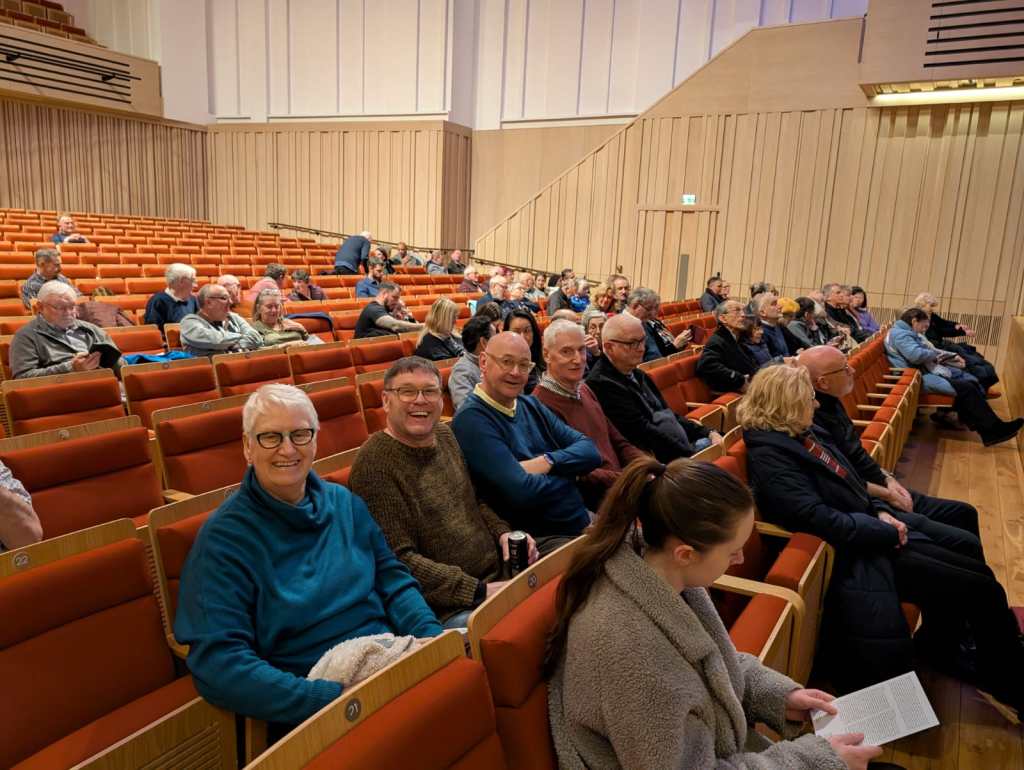
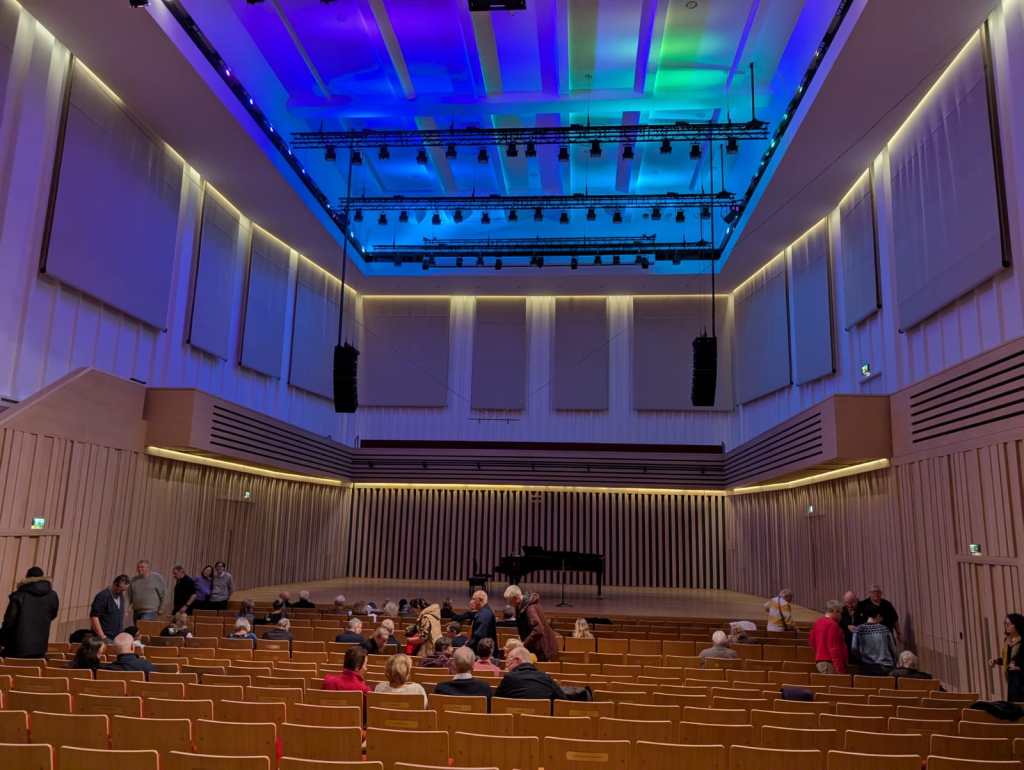
On 12 November pianist Vesselin Stanev and flautist Eva Oertle performed a concert at The Stoller Hall celebrating music by female composers from Fanny Mendelssohn to Mélanie Bonis, alongside Brahm’s Sonata No 2 in E flat major, a piece originally written for clarinet. It was a delightful concert and another excellent evening.

Astley Cheetham Art Gallery

On 13 November we visited the Astley Cheetham Art Gallery in Stalybridge, which was built as a gift to the town by John Frederick Cheetham and his wife Beatrice Astley in 1901. The gallery originally opened as a lecture theatre and then the space was turned into a gallery to house the Astley Cheetham Art Collection, bequeathed in 1932. This collection has grown with gifts and donations throughout the twentieth century.

The current exhibition marks the 50th anniversary of the creation of the Metropolitan Borough of Tameside. On 1 April 1974, nine towns in what was south east Lancashire and north east Cheshire – Ashton-under-Lyne, Audenshaw, Denton, Droylsden, Dukinfield, Hyde, Longdendale, Mossley and Stalybridge – came together to form one of the new boroughs of Greater Manchester.

The towns shared a common history, culture and economy, but Tameside wasn’t named after a single town, but the river Tame.

More photos can be seen here.

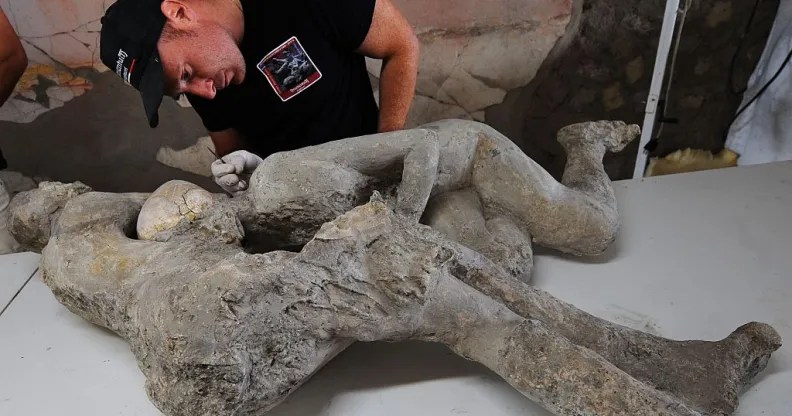
Were “The Two Maidens” of Pompeii Actually Gay Lovers?

The Two Maidens” were originally thought to be sisters or mother and daughter. (Getty)

The eruption of Vesuvius over 2,000 years ago in 79AD buried several nearby towns, killing the inhabitants and burying, under pumice lapilli and ash deposits, a unique set of civil and private buildings, monuments, sculptures, paintings and mosaics that provide a rich picture of life in the Roman empire.

The eruption also preserved the forms of many of the dying as the ash compacted around their bodies. Although their soft tissue has decayed over the years, the outlines of the bodies remained and were recovered by excavators centuries later by filling the cavities with plaster. From skeletal material embedded in the casts, ancient DNA data was preserved allowing for the researchers to do the testing. The results characterised the genetic relationships, sex, ancestry and mobility of five individuals, including two who were found embracing each other as they died.

Known for years as “The Two Maidens”’ – they were first found in 1914 – new DNA analysis has suggested that the iconic pair might actually have been two men – and they weren’t related.

Researchers from the Max Planck Institute found at that at least one of the individuals had genetic markers suggesting they were male. The researchers also said that the two figures are estimated to be between 14 to 19 for one of them and the second one is a young adult.

The study excludes the possibility that the pair were sisters or mother and daughter and is therefore much more likely that they were lovers.

But their relationship can never be verified as any historical record of it has been erased from history, despite it being certain that they were not relatives.

So it is entirely possible that the pair could have been gay lovers whose last act alive was to hug each other, and perhaps more genetic testing in the future will confirm that the other figure is also a man – and then “The Two Maidens” might need a new name.

Archaeologists have discovered paintings, food residue, animal bones, skeletons of victims of the volcanic eruption and, surprisingly, even some homophobic graffiti. (Pompeii Sites)

Since the first-ever excavation of Pompeii in 1748, more and more has been discovered about the ancient city that was at the mercy of Mount Vesuvius.

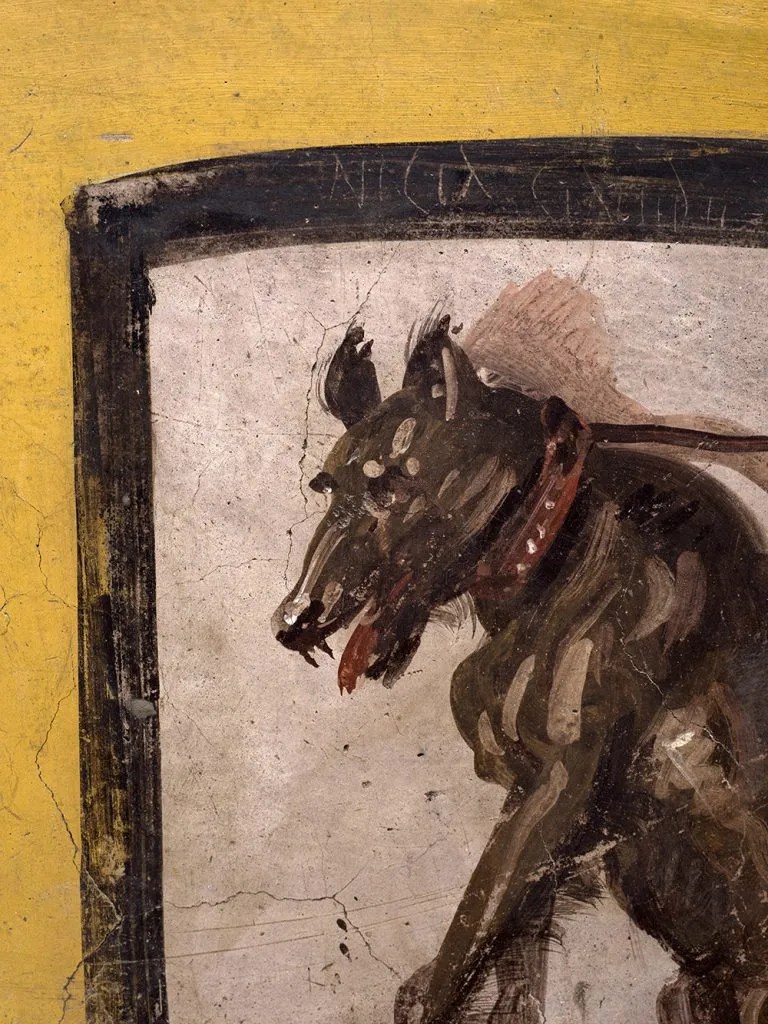
In 2020, for example, archaeologists excavating an Ancient Roman snack bar in Pompeii even discovered “homophobic” graffiti.

The “homophobic” graffiti was found scratched above a painting of a dog. 

An ancient vandal has carved the words: “Nicia Cinaede Cacator.”

Nicias was likely to have been the owner of the bar, while “cinaede cacator” translates as “catamite s**tter”.

The word “catamite” does not have a modern-day equivalent, but referred to a teenage boy who was the sexual partner of a young man. 

When directed at an older man, the word “catamite” was used as an insult.

HOME … Tchaikovsky … Some Highlighted Events to Watch Out for Before Christmas

News

HOME

HOME has a really LGBT+ inclusive atmosphere and is a great place to relax. We visited to see two exhibitions and whilst there we had a bite to eat.

Matthew Bamber explores themes of memory and trauma, greed and power, queerness and identity in his work.

Songs for the Storm to Come is an immersive sound and multi-screen video installation, by award winning, internationally renowned Greek / British artist, Mikhail Karikis. It focuses on collective and individual responses to the impending transformations of the UK, as forecast by climate change scientists.

Tchaikovsky (7 May 1840 – 6 November 1893)

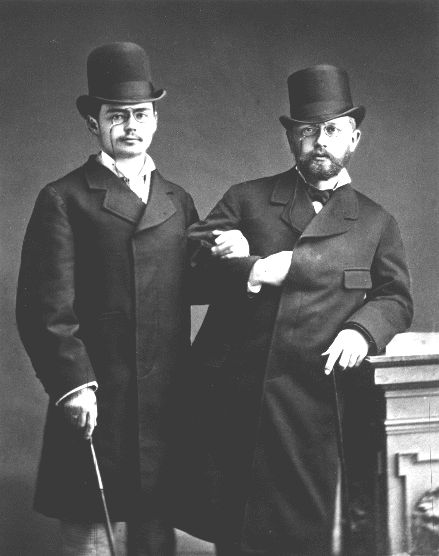
The composer Piotr IlyichTchaikovsky and his student Iosif Kotek

Biographers have generally agreed that Tchaikovsky was homosexual. He sought the company of other men in his circle for extended periods, “associating openly and establishing professional connections with them.” His first love was reportedly Sergey Kireyev, a younger fellow student at the Imperial School of Jurisprudence. According to his brother, Modest Tchaikovsky, this was Pyotr Ilyich’s “strongest, longest and purest love”.

The letters in which the Russian composer confesses his homosexual passions have now been published, uncensored and for the first time.

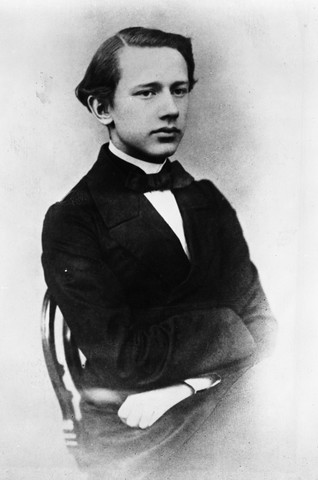
Tchaikovsky as a student at the conservatory. Photo, 1863.

Piotr Tchaikovsky was devoted to his mother, misunderstood in Russia, greatly admired in the West and supported by a patron from afar. He composed with the universal in mind rather than the Russian soul.

Russians have a saying: “Glasa boyatsya, a ruki delayut.” It means “the eyes are afraid, but the hands do.” The creator of Swan Lake never publicly admitted his homosexuality, fearing possible reprisals. But Tchaikovsky’s hands were not as immobile as society: he wrote hundreds of letters confessing his feelings and anxieties about his lovers, platonic loves, pimps and mysterious women. Part of Russia still does not believe that one of its most outstanding creators was attracted to men. But no one can remain indifferent to the recent publication in English of The Tchaikovsky Papers: Revealing the Family Archive (Yale University Press), a new edition of his correspondence with passages previously censored by the Russian authorities. In it he speaks openly about his sexual orientation. His hidden desires for other men he knew and his upper-class friends are revealed. The matter has been hushed up in Russia, where it remains a highly controversial topic, with even the authenticity of individual letters kept in the archives being questioned. “My God, what an angelic creature, and how I miss being his slave, his plaything, his property,” he writes in one letter about a servant.

Marina Kostalevski, the book’s editor, highlights as discoveries “Tchaikovsky’s high sexual libido and his shameless sense of humour”. The original correspondence consists of more than 5,000 letters preserved in the archives of the Tchaikovsky State House-Museum in Klin, north west of Moscow. Some letters have never even been published in Russian. In another, which was censored in a previous collection, he recounts how he offers money to a young man “of striking beauty” after going for a walk with him, “but he rejects it, he does it for the love of art and because he loves men with beards.”

Nor were his episodes of voyeurism known, with his friend Petashenka, who came to his apartment to watch the cadets forming up in the barracks opposite the window. His letters to his brother Modest (who was also gay) and his messages to his conquests, such as his student Iosif Kotek or his classmate Aleksey Apukhtin, complete a politically incorrect framework for Russia.

Russian Minister of Culture Vladimir Medinsky has repeatedly said that there is no evidence to suggest the composer was gay. Kostalevski considers Tchaikovsky’s homosexuality “the main taboo”, although his work was already censored during Soviet times to hide his interest in religion “and his references to the Tsarist regime.”

The letters also reflect the composer’s inner struggles, his modesty, his great shyness and his sentimentality. And his relationship with Nadezhda von Meck, a wealthy widow who subsidised his work for more than a decade. Tchaikovsky was trapped in a false marriage with Antonina Miliukova, and at the same time involved in a fake game of flirtation and seduction with Von Meck that could not lead anywhere: “Every note that comes out of my pen will be dedicated to you” and other sweet phrases are all that this mother of 11 children managed to get from the artist.

Some Highlighted Events to Watch Out for Before Christmas …

Thursday, 28 November – 11.00am – World AIDS Day Archive Pop Up – Manchester Central Library

Thursday, 28 November – 2.00pm – Out In The City / Women’s meeting at Cross Street Chapel including fundraising jewellery sale – buy your Christmas presents or a treat for yourself!

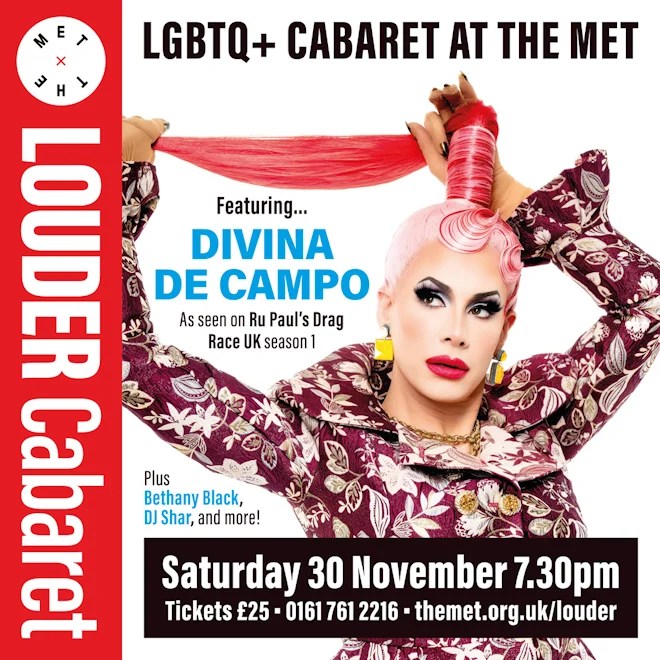
Saturday, 30 November – 7.30pm – Louder Cabaret – The Met, Market Street, Bury BL9 0BW

Buy tickets here £25.00

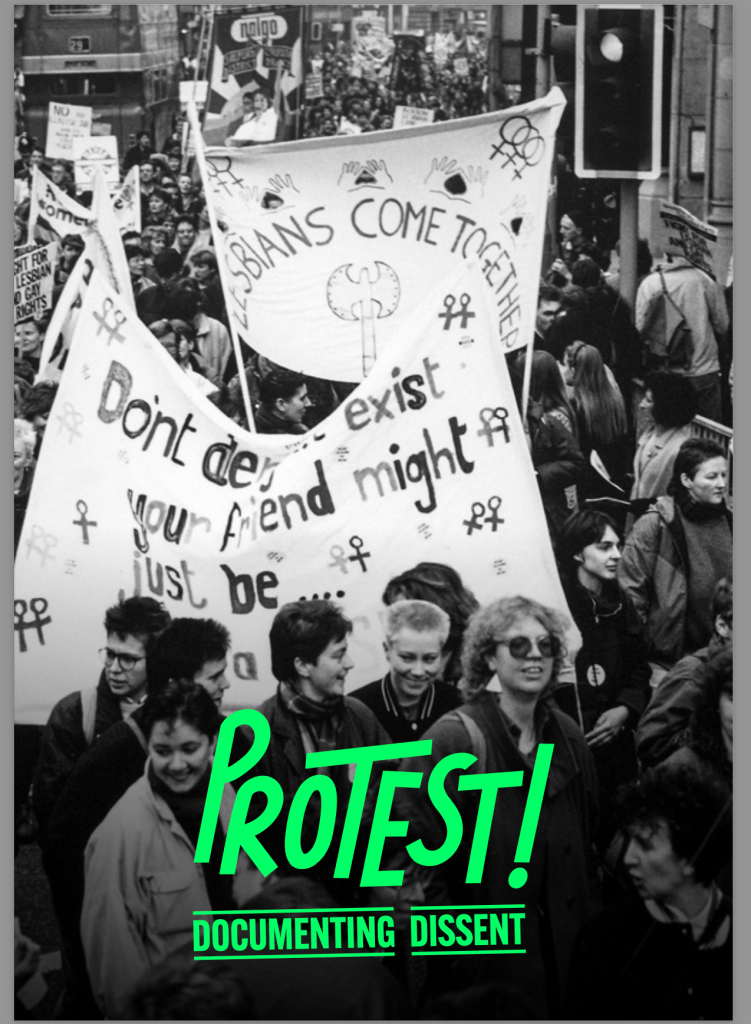
Wednesday, 4 December – 6.00pm – Protest! – Documenting Dissent Launch – Manchester Art Gallery

You are invited to the Launch of PROTEST!

Marking the 21st anniversary of the repeal of Section 28 in England and Wales, arts company IAP:MCR launches their latest project: PROTEST! – Documenting Dissent – a two-year long research and creative engagement programme, generously supported by the National Heritage Lottery Fund.

If you are able to attend, please RSVP to david.martin@iapmcr.co.uk

Thursday, 5 December – 4.00pm – Celebrating HIV Activism and ACT UP Calendar Launch – George House Trust

Buy tickets here.

Thursday, 11 December – 2.00pm – Out In The City meeting at Cross Street Chapel including quiz, LGBT+ quiz bingo, raffle and buffet

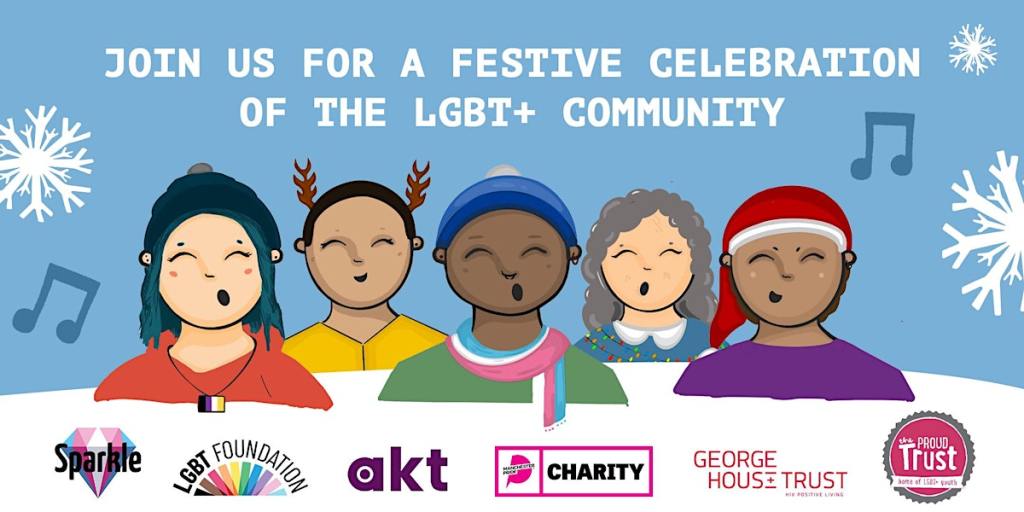
Monday, 16 December – 7.00pm – A Festive Celebration of the LGBT+ Community – Manchester Cathedral, Victoria St, M3 1SX

We have 20 tickets (4 still available) or book here.

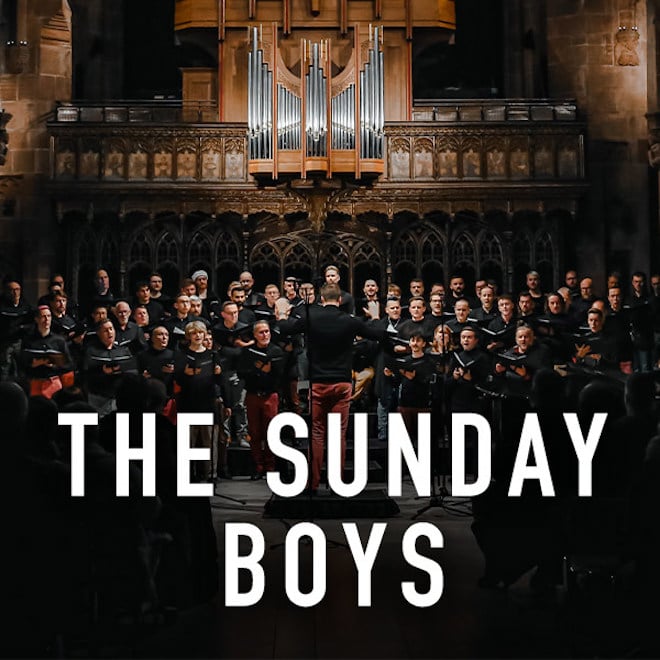
Saturday, 21 December – 7.00pm – Sunday Boys present “A Very Queer Christmas” – Manchester Cathedral, Victoria St, M3 1SX 

Buy tickets here from £15.00.

The last meeting of the year will be on Thursday, 19 December from 2.00pm to 4.00pm at Cross Street Chapel.

We will then be taking a break until the meeting at Manchester Central Library on Wednesday, 8 January from 2.00pm to 4.00pm.

The above is a selection of events – more information can be found under Next Outings.

The LGBT Foundation Helpline (for wellbeing support) is 0345 3 30 30 30. You can give them a call any time between 9.00am until 9.00pm on a week day and between 10.00am and 6.00pm on Saturday and Sunday (excluding bank holidays and religious festivals).

Remembering the Legend of Frank Pearson, Foo Foo Lammar and Foo Foos Palace … Unspoken … After the Act … Active Ageing Film

News

Remembering the Legend of Frank Pearson, Foo Foo Lammar and Foo Foos Palace

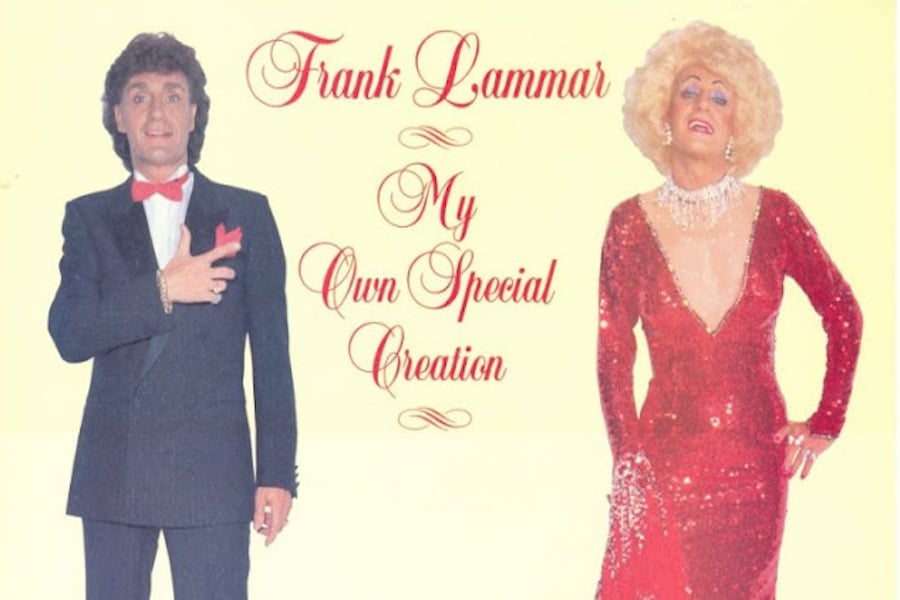
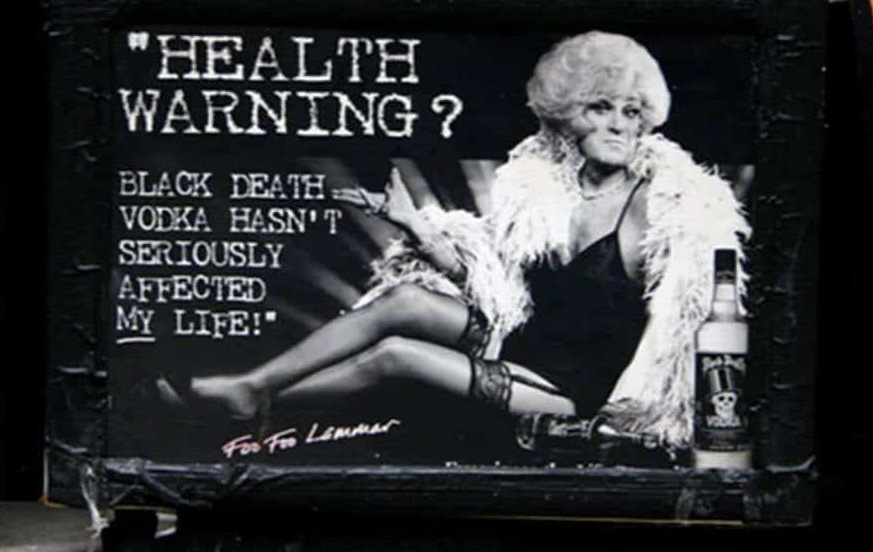
On 7 November 2003 – 21 years ago today – Frank “Foo Foo Lammar” died, so let’s remember the legend.

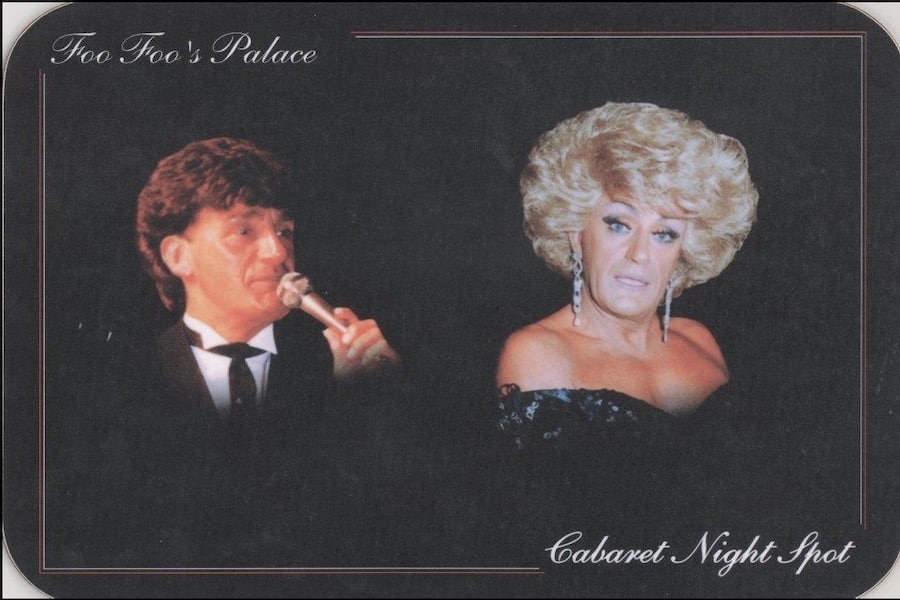
Foo Foo’s Palace was the legendary club of the 70s, proudly billed as “Manchester’s No 1 night spot” in its heyday.

Opened in 1975 by the iconic drag artist Frank “Foo Foo Lammar” Pearson, it quickly became the heartbeat of Manchester’s nightlife.

Pearson’s flair and charisma made Foo Foo’s Palace an unforgettable venue, attracting crowds from all walks of life to experience its vibrant and electrifying atmosphere.

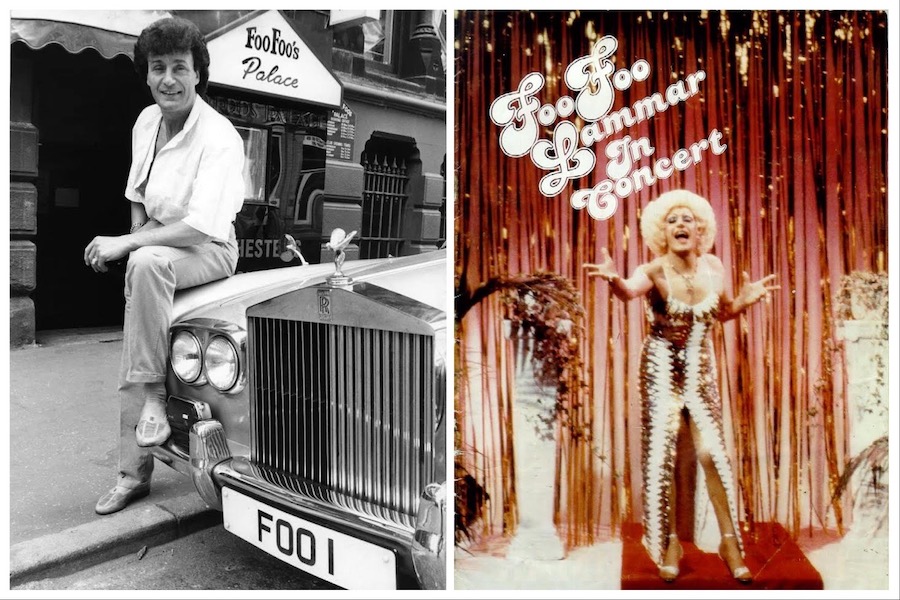
Frank Pearson

Frank Pearson and Foo Foo Lammar

Frank Pearson’s journey from a humble background in Ancoats to the glittering stages of show business is the stuff of legend.

Born into a working-class family, Pearson’s path seemed destined for a different trajectory until he discovered drag at the age of 20.

Francis Joseph Pearson was born to a working-class family on 22 March 1937.

He was one of five brothers, and his father was a rag-and-bone merchant.

Francis, known as Frank, left school at 15 without any qualifications and worked as a delivery boy for bread vans.

This was followed by a stint at a cotton mill, and then Butterworths, a waste paper reclamation firm.

In his teens, he was a boxer, and lived on the same street as future Coronation Street actor Bill Tarmey.

Foo Foo Lammar

With a flair for performance, he crafted the persona of Foo Foo Lammar, a name that would become synonymous with Manchester’s entertainment scene.

Foo Foo’s stage presence was electrifying, with blonde bouffant wigs, extravagant sequinned gowns and a wit as sharp as his heels.

He once quipped, “I don’t see myself as a drag queen, I’m more of a comic in a frock,” encapsulating the essence of his unique style.

His performances captivated audiences, drawing both laughter and applause from tough northern crowds.

Foo Foo’s other clubs

In the early 1970s, Pearson ventured into club ownership with the acquisition of the Picador in Shudehill, situated in the heart of Manchester’s bustling city centre.

Following this success, he took the reins of another venue, Celebrity, located on Dale Street. With a vision in mind, Pearson transformed the space into what would soon become known as Foo Foo’s Palace. This establishment quickly cemented its place in the city’s nightlife scene, drawing in crowds from near and far.

Behind the bar, Pearson, adorned in full drag, served patrons with flair before taking to the stage for two captivating performances as the night’s cabaret entertainment. Between acts, supporting performers kept the energy high, leading up to Pearson’s grand finale where he would reappear as himself, sans the drag.

The allure of Foo Foo’s Palace was undeniable, attracting people from across the country eager to witness Pearson’s electrifying performances. It also became a hotspot for Manchester United footballers and prominent figures from the world of showbiz.

Pearson’s entrepreneurial spirit didn’t stop there. He expanded his ventures to include Monroe’s and The Ranch, a punk club situated adjacent to Foo Foo’s Palace. Among his portfolio was Napoleon’s, believed to be Manchester’s oldest gay bar.

As the 1990s rolled in, Pearson’s influence extended to the burgeoning Canal Street area, the city’s gay village.

Here, he introduced Cruz 101, further enriching Manchester’s vibrant LGBT+ scene. In 1994, Pearson unveiled Metz on Brazil Street, offering yet another venue for revellers to enjoy.

His entrepreneurial endeavours weren’t confined to Manchester alone, as evidenced by the opening of a Metz branch in Liverpool in 1996.

Foo Foo’s charity work

Beyond the spotlight, Pearson was a pillar of the community, known for his tireless charity work.

He raised hundreds of thousands of pounds for causes close to his heart, including the Royal Manchester Children’s Hospital and The Christie. His generosity knew no bounds, and his contributions left a huge mark on Manchester.

Manchester United players rubbed shoulders with showbiz personalities, while hen and stag parties filled the dance floor with joyous celebration.

The club’s iconic frontage on Dale Street served as a backdrop to countless memories.

As the years passed, Foo Foos Palace remained a beloved fixture of Manchester’s nightlife.

Even after its closure in 2002, its spirit lived on in the hearts of those who had danced beneath its glittering lights.

Frank Pearson’s Legacy

Pearson’s flamboyant presence extended beyond the stage, earning him a reputation as a familiar sight in Manchester, adorned in shimmering suits and extravagant jewellery.

His collection of Rolls-Royce cars, each bearing the distinctive license plate FOO 1, further underscored his larger-than-life persona.

Despite his success, Pearson remained grounded, finding joy in simple pleasures like taking his beloved mother Leah shopping and sharing tea in the bungalow he lovingly provided for her in Moston. I remember seeing him with his mum in the Arndale Centre.

A passionate supporter of Manchester United, Pearson’s love for the club extended to his participation in the film Manchester United: Beyond the Promised Land in 2000. Additionally, he shared cherished memories of fellow Mancunian Les Dawson in an episode of ITV’s The Unforgettable documentary series.

Throughout the 1990s, Pearson called Shuttleworth near Bury his home before eventually settling in Piccadilly Village, an apartment complex in Ancoats. In 2002, he immortalised his life story in his autobiography, I Am What I Am, featuring an introduction by none other than Sir Alex Ferguson, the then-manager of Manchester United.

Tragically, Pearson’s battle with cancer came to an end on 7 November 2003, at the Christie Hospital in Manchester. His passing marked the end of an era, as hundreds lined the streets to bid farewell to a beloved figure.

The solemn ceremony, held at Corpus Christi Priory in Miles Platting, saw heartfelt readings from Sir Alex Ferguson, actress Sue Johnston and former England captain Bryan Robson.

Among the mourners were notable personalities including television presenter Jeremy Beadle, former Greater Manchester Police Deputy Chief Constable John Stalker and several Coronation Street actors, past and present, paying their respects to a man who had a huge impact on the city.

Unspoken

Sunday, 17 November – 6.00pm – 7.30pm – Film at HOME Cinema  – Free

Shortly after the passing of his beloved grandfather Heinrich, high school student Noah Stein finds a letter and an old photograph that suggest Heinrich was in fact gay. Struggling with his own closeted gay identity, Noah together with his classmate Jonah, who he is slowly falling for, decide to uncover the truth about the life his grandfather led in Germany before immigrating to the US.

Entertaining, inspiring and deeply moving, Unspoken is a big-hearted coming of age drama about the secrets we keep from our families.

Please indicate interest here by 10 November so that we can purchase tickets. However, there will be no charge to you.

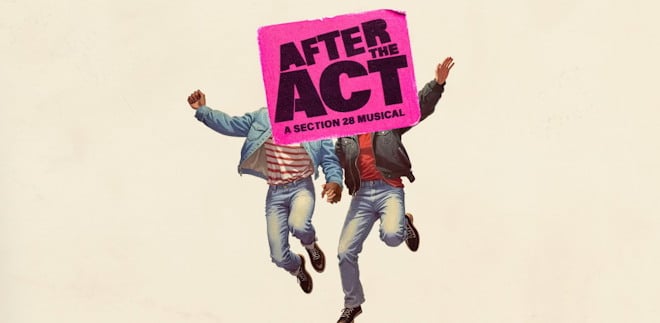
After the Act

Tuesday, 12 November – Saturday, 16 November – 7.30pm

HOME Theatre 1, 2 Tony Wilson Place, Manchester M15 4FN

Tickets: £16.20 – £27.20

After the Act is a new 1980’s-inspired musical about pride, protest … and abseiling lesbians.

Thatcher’s Section 28, which banned the “promotion” of homosexuality in schools, was the landmark legislation that silenced a generation, offered a global blueprint for LGBT+ oppression and galvanised a community.

After the Act is funny, camp and unapologetically queer but also a clear-eyed exposure of the political playbook used to enact repressive laws.

Its joyously exuberant original live score accompanies the inspiring, sometimes heart-breaking, stories of teachers, students and activists impacted by the legislation. This is the story of how a moral panic gripped a nation – and a generation decided to fight back.

LGBTQ+ Active Ageing Film – Watch for FREE TODAY! 

HIV can be a real drag (pun intended!), especially for older LGBTQ+ adults who face unique challenges.

Watch as drag queen Daisy Puller and Dr Laura Waters, an HIV and sexual health consultant, explore HIV, healthy ageing, and PrEP initiation with our community. 

This inspiring film, produced by DKBmed, premiered at LGBT Foundation’s Pride in Ageing ‘Over 50s Celebration Event’ in August 2024, with a live Q&A session. 

 Watch here