Statement from Out In The City … Hungary Pride … Mexico Human Pride Flag … Captain Moonlite … Birthdays

News

Statement on the Supreme Court Ruling on the legal definition of sex – 30 June 2025
We are deeply concerned about the harmful implications of the recent Supreme Court ruling on the legal definition of ‘sex’ in the Equality Act 2010, for the trans, non-binary and intersex communities of Manchester and beyond, as well as for other groups.

We stand in solidarity with trans, non-binary and intersex people. The negative repercussions of this ruling are already starting to be felt, with the safety of trans, non-binary and intersex people at risk. There are also potential negative implications of the ruling for other marginalised groups, such as the wider LGB communities, gender non-conforming people, and cisgender women.

It is more important than ever for allies to actively challenge discriminatory language and actions and express solidarity with the trans+ communities.

Pride month may be over, but the fight for LGBT+ safety and dignity continues.

At Out In The City we’re proud all year round.

Budapest Pride crowd

Hungary Pride ban prompts largest ever parade in Budapest

The right-wing Fidesz party, which has seen Viktor Orbán as the European country’s Prime Minister since 2010, passed an anti-LGBT+ law banning Pride marches in Hungary on the grounds that the depiction of homosexuality was a threat to minors.

The ban (in March this year), which was met by protests from opposition politicians and members of the public alike, proposed fines of up to 200,000 forints (£420) for organisers of Budapest Pride, and anyone attending, claiming the event could be considered harmful to children.

In further response to the Hungary Pride ban, tens of thousands took to the streets of Budapest on 28 June to defy Orbán, including the city’s Mayor, Gergely Karácsony.

The event ended up being the country’s largest-ever parade by some way, far outnumbering the expected turnout of 35,000 to 40,000 people.

Budapest Pride was Hungary’s largest ever parade – in response to PM Viktor Orbán’s ban (Attila Kisbenedek via Getty Image)

“We believe there are 180,000 to 200,000 people attending,” the president of Pride, Viktória Radványi, said. “It is hard to estimate because there have never been so many people at Budapest Pride.”

Erzsebet Bridge at Budapest Pride, Hungary

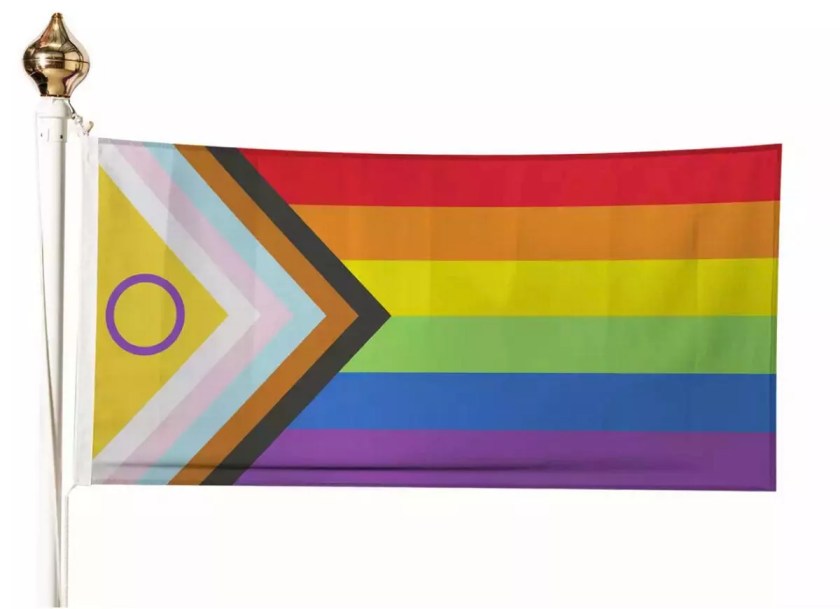
5,000 dancing activists make the “world’s largest” human Pride flag

Mexican Pride flag

Five thousand Mexican LGBT+ activists in Mexico City reportedly set a world record by making the largest-ever human Pride Flag in the city’s central main square, known as Zócalo (Constitution Plaza).

The display began at 10.30am on 22 June and lasted for two hours. Each participant wore a t-shirt displaying one of the traditional Pride flag’s six colours, carried an umbrella of the corresponding colour, and moved to the song “A quién le importa” (“Who cares”) by Alaska and Dinaramaas – a defiant song about staying true to oneself in the face of societal disapproval.

A drone captured photos and videos as the participants filled the plaza’s entire 787 square foot space.

Mexico City Mayor Clara Brugada joined the crowd and said of the event: “Mexico City is and will continue to be the city of rights and freedoms. This monumental image we draw with our bodies and colours will be a powerful message to the country and the world. Mexico City is the capital of pride, diversity, peace and transformation.”

How the graves of a legendary Australian outlaw and his soulmate became a heritage site

Andrew George Scott aka Captain Moonlite (5 July 1842 – 20 January 1880) (left) and James Nesbitt (27 August 1858 – 17 November 1879) (right).

It was late 1879 in the Australian outback, and Captain Moonlite and his gang of young bushrangers were desperate and on the brink of starvation. Depending on who you believe, they’d come to Wantabadgery Station – roughly halfway between Sydney and Melbourne – either on the unkept promise of work, or with the full intention of robbing the locals.

Whatever their motives, Moonlite and his hungry men stormed the little settlement and its surrounding businesses, stealing supplies and booze and taking 25 prisoners. A shootout with law enforcement ensued, during which a police constable was mortally wounded – as was Moonlite’s beloved gang member, James Nesbitt. Local newspaper reports at the time said that Moonlite wept over Nesbitt “like a child, laid his head upon his breast, and kissed him passionately.”

Later letters from Moonlite revealed that he and Nesbitt shared a deep connection that was clearly more than just an intense bromance. “My dying wish is to be buried beside my beloved James Nesbitt, the man with whom I was united by every tie which could bind human friendship,” he wrote. “We were one in hopes, in heart and soul, and this unity lasted until he died in my arms.”

Bushrangers were to Australians what Wild West outlaws were to Americans, a motley assortment of frontier bandits. In terms of contemporary infamy in 1879, Captain Moonlite was not yet a top-tier bushranger on par with the notorious Ned Kelly, but he was well on his way.

Andrew George Scott was born in Ireland in 1842, and he came to Australia in 1868 by way of New Zealand. Ostensibly a lay preacher studying for the Anglican priesthood, Scott conducted his first bank heist the following year in the gold mining town of Mount Egerton, leaving a note behind meant to throw authorities off the track, signed with the intentionally misspelled moniker Captain Moonlite.

While in prison for his crimes at Melbourne’s Pentridge Gaol in the 1870s, Scott met fellow prisoner James Nesbitt, 16 years his junior, and the two became tightly bonded. When Scott was released from Pentridge in March 1879, young Nesbitt (who had been released a year earlier) was waiting for him at the gate, and the two moved into a boarding house together in the now-bohemian Melbourne neighbourhood of Fitzroy.

In the months that followed, Scott simultaneously embarked on a speaking tour urging prison reform in Australia’s harsh penitentiaries while becoming the subject of tabloid accusations about his potential connections to unsolved local crimes. During his speaking tour, he bonded with several young men, four of whom, along with Nesbitt, became part of his fledgling bushranger gang.

After the Wantabadgery shootout in November 1879, Scott was arrested and taken to Sydney’s Darlinghurst Gaol, where he and fellow surviving gang member Thomas Rogan were both hanged for the murder of Constable Bowen on 20 January 1880. Scott went to the gallows wearing a lock of his beloved Nesbitt’s hair on his finger. 

Scott’s dying wish to be buried next to his “dearest Jim” – who had been unceremoniously entombed near their last shootout in the outback town of Gundagai – was of course denied by authorities, and he was instead interred in an unmarked grave at Sydney’s Rookwood Cemetery.

Flash forward 115 years to 1995, when two local Gundagai women, moved by Scott’s century-old burial wishes, led a successful grass-roots campaign to have his body exhumed from Rookwood and transported the 220 miles to North Gundagai Cemetery, where Nesbitt is believed to also lie in an unmarked grave. Scott’s new tomb was given a proper stone marker.

The grave that honours their love

New South Wales added Scott and Nesbitt’s graves to its State Heritage Register in March 2025. Minister for Heritage, Penny Sharpe said that the listing “reflects the desire to tell the diverse stories that reflect the rich history of NSW” and have “always existed” in the state.

Birthdays

Celebrating 50 Years of LGBT Foundation … 50 Years of Queer, Hope & Joy Exhibition … The Word “Homosexuality” … The Word “Gay” … Birthdays

News

Celebrating 50 Years of LGBT Foundation

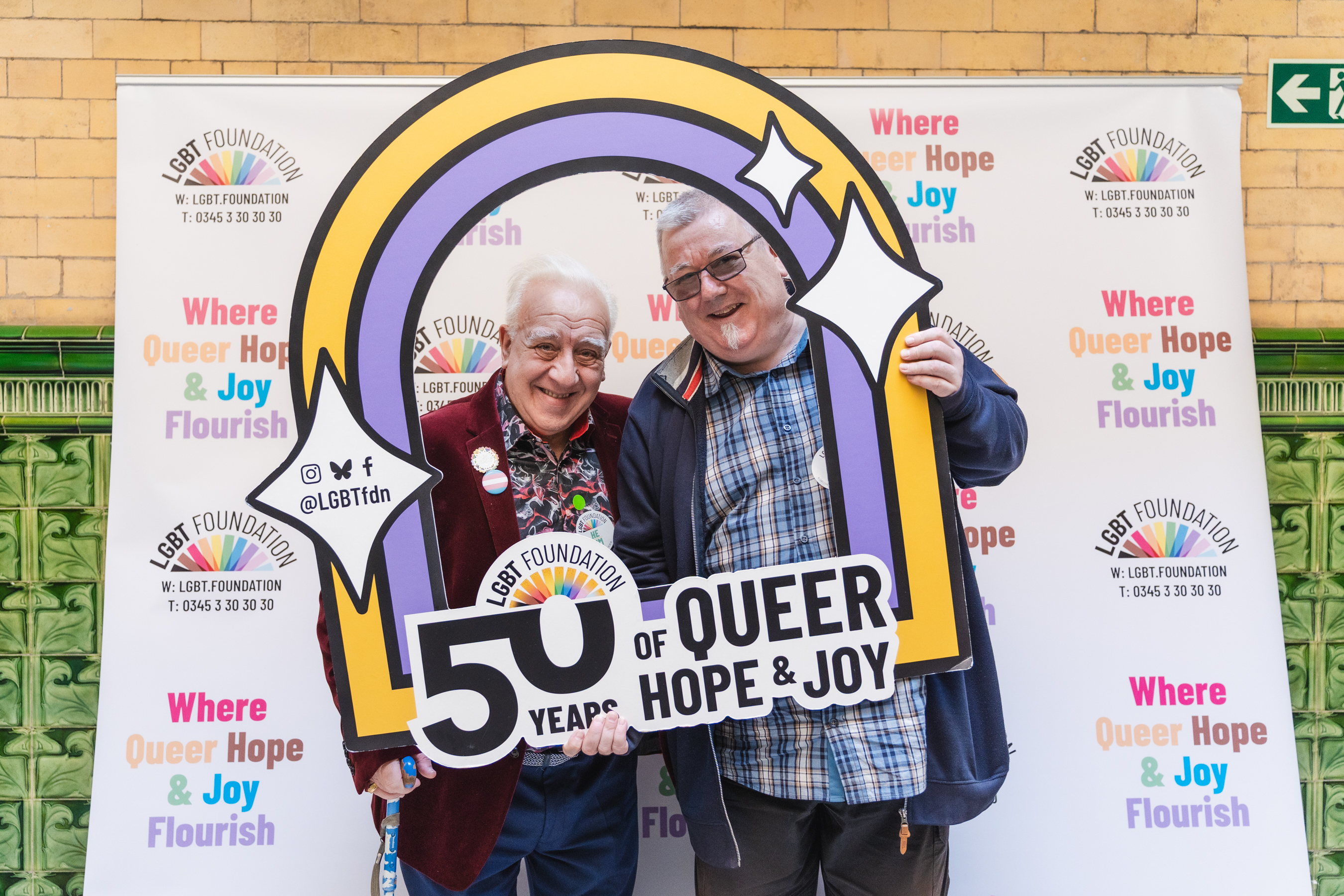
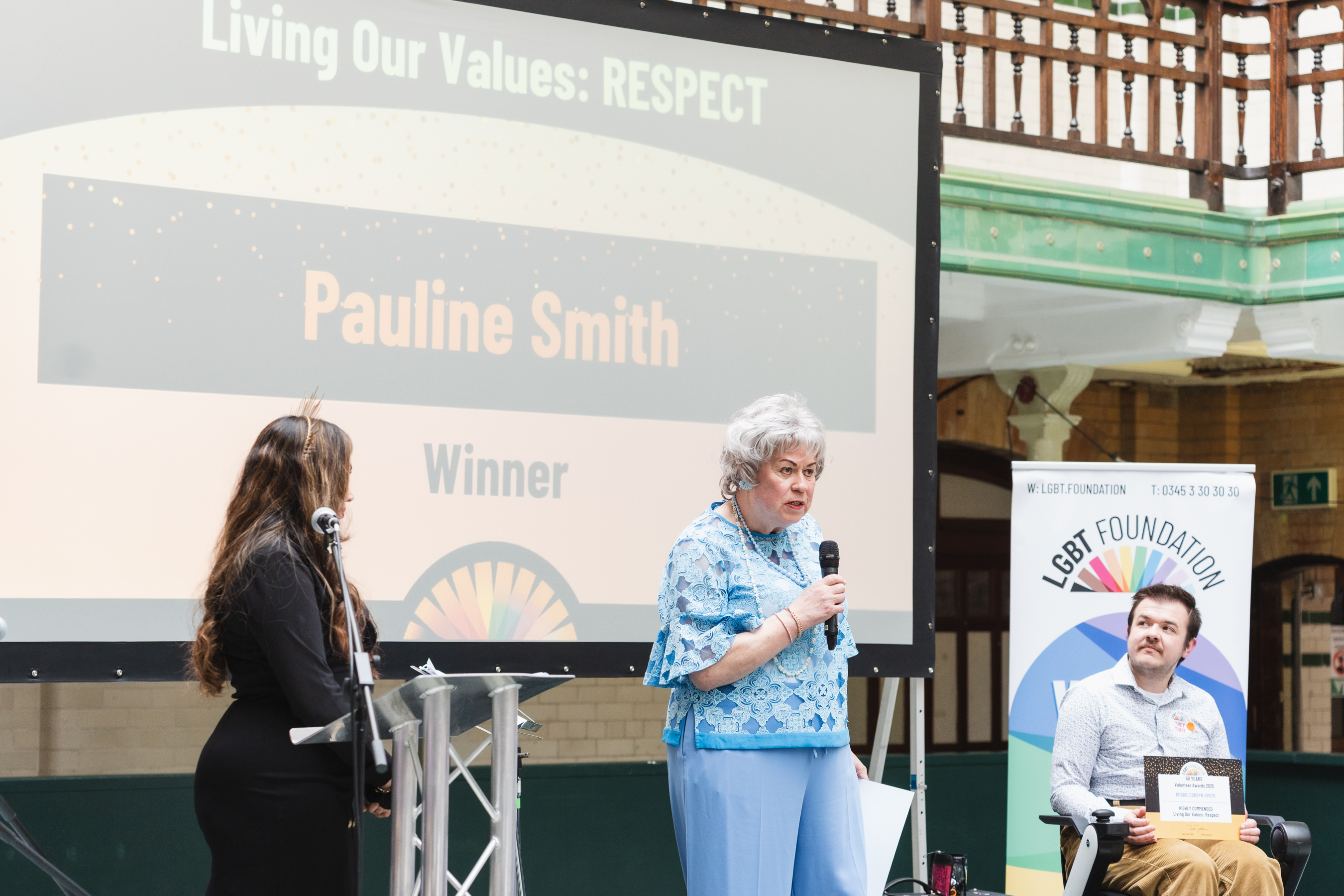
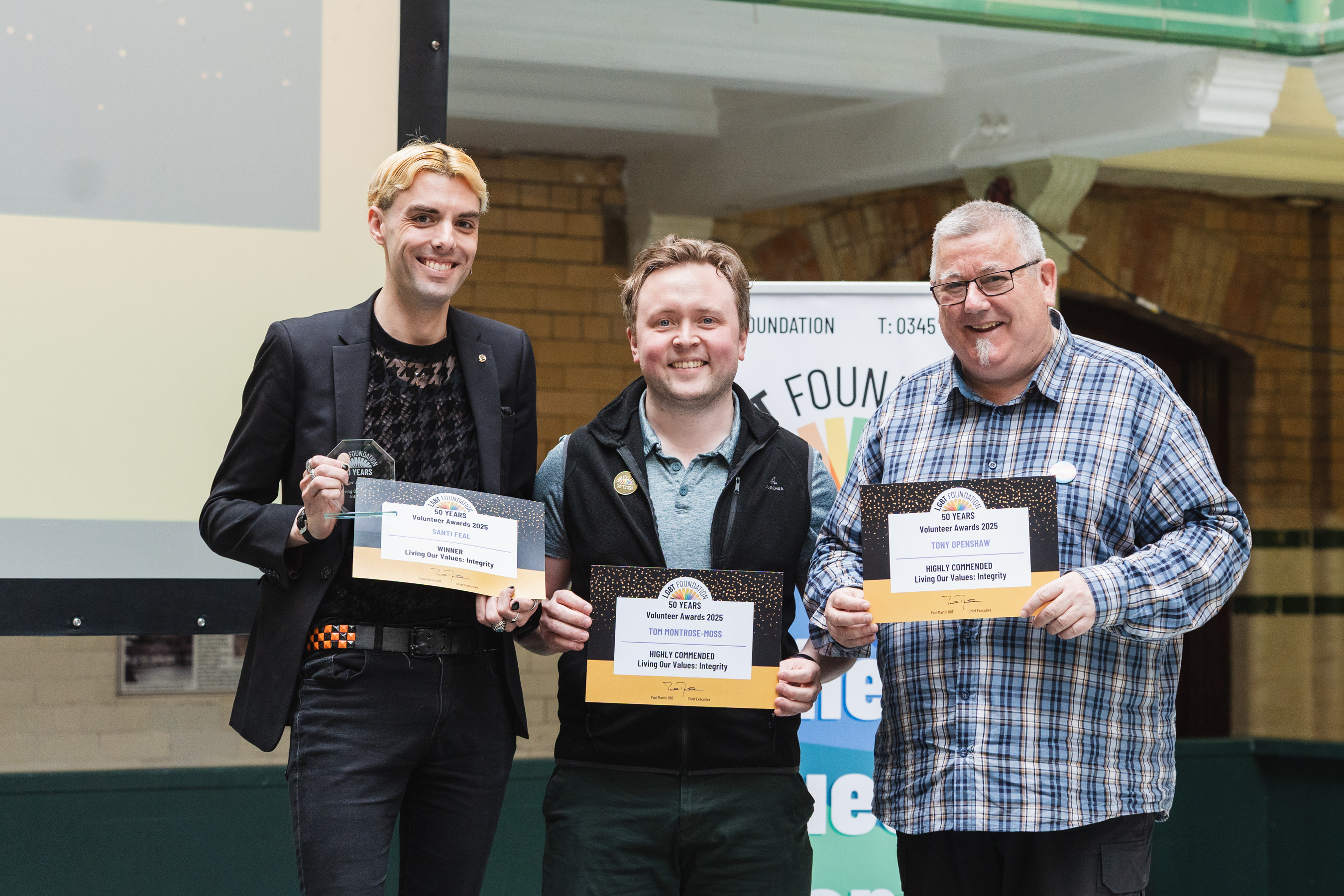
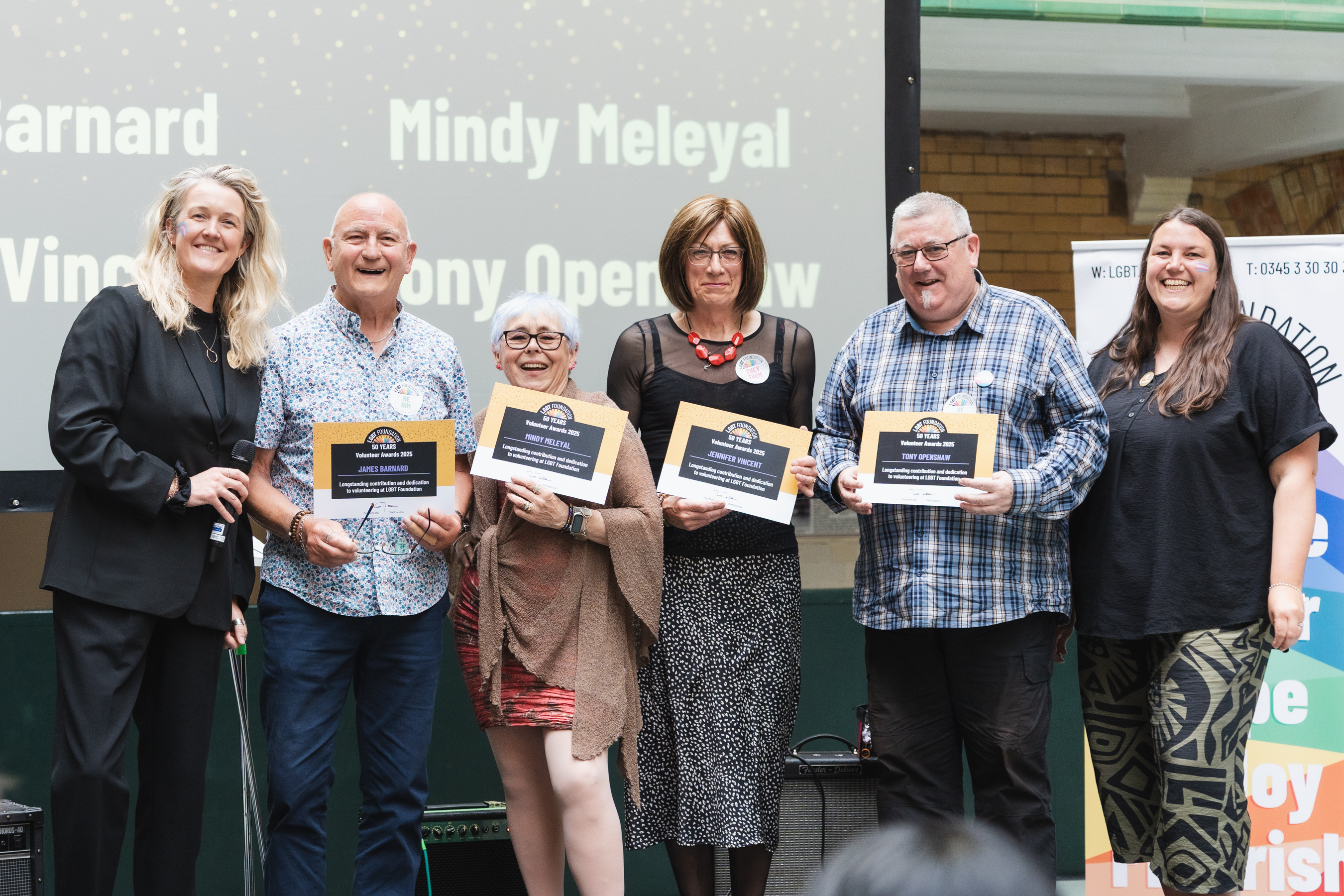
In 2025 LGBT Foundation is celebrating 50 years of being at the forefront of LGBT+ rights, health and wellbeing. Paul Fairweather tells us about the early roots of the organisation in the 1970s, which began with the Manchester Gay Switchboard helpline.

“I came to Manchester in 1978 to work for the Campaign for Homosexual Equality and it was then that I heard about the Manchester Gay Switchboard which had launched in 1975.

Bob Crossman, Paul Fairweather and John Cotterill

Before the internet it was harder for LGBT+ to get support or information – there was Gay News, a fortnightly newspaper but most shops refused to stock it. There was also very little protection for lesbian, gay, bisexual and trans people at that time – you could lose your job or be denied services. So giving my time to volunteer for the telephone helpline felt crucial – we were not only providing information about LGBT+ groups and gatherings but also referring to further support.

Tony Openshaw

We had the free use of a basement at the University of Manchester and the room we took calls in was tiny and grotty – and we still felt very hidden away. Of those first calls I remember talking to a gay man who had never spoken to anyone about his sexuality and was really terrified – particularly about what his parents would say. He eventually came along to a support group and I saw him blossom there – it felt good to be able to help someone to grow as an LGBT+ person.

Very quickly the basement became occupied by a range of LGBT+ groups and services and became known as the first ‘Manchester Gay Centre’. The efforts of this group of volunteers to start Manchester Gay Switchboard has been a catalyst for a whole range of other organisations that still continue, such as LGBT Foundation, so I’m still really proud of what we did.”

LGBT Foundation’s helpline offers support and advice for LGBT+ communities. The line is open from 9.00am – 6.00pm Monday to Friday and can be reached on 0345 3 30 30 30.

The LGBT Foundation also runs the Pride in Ageing programme for LGBT+ over 50s that creates joyful, fun and empowering events all year round. For more information call 0345 3 30 30 30.

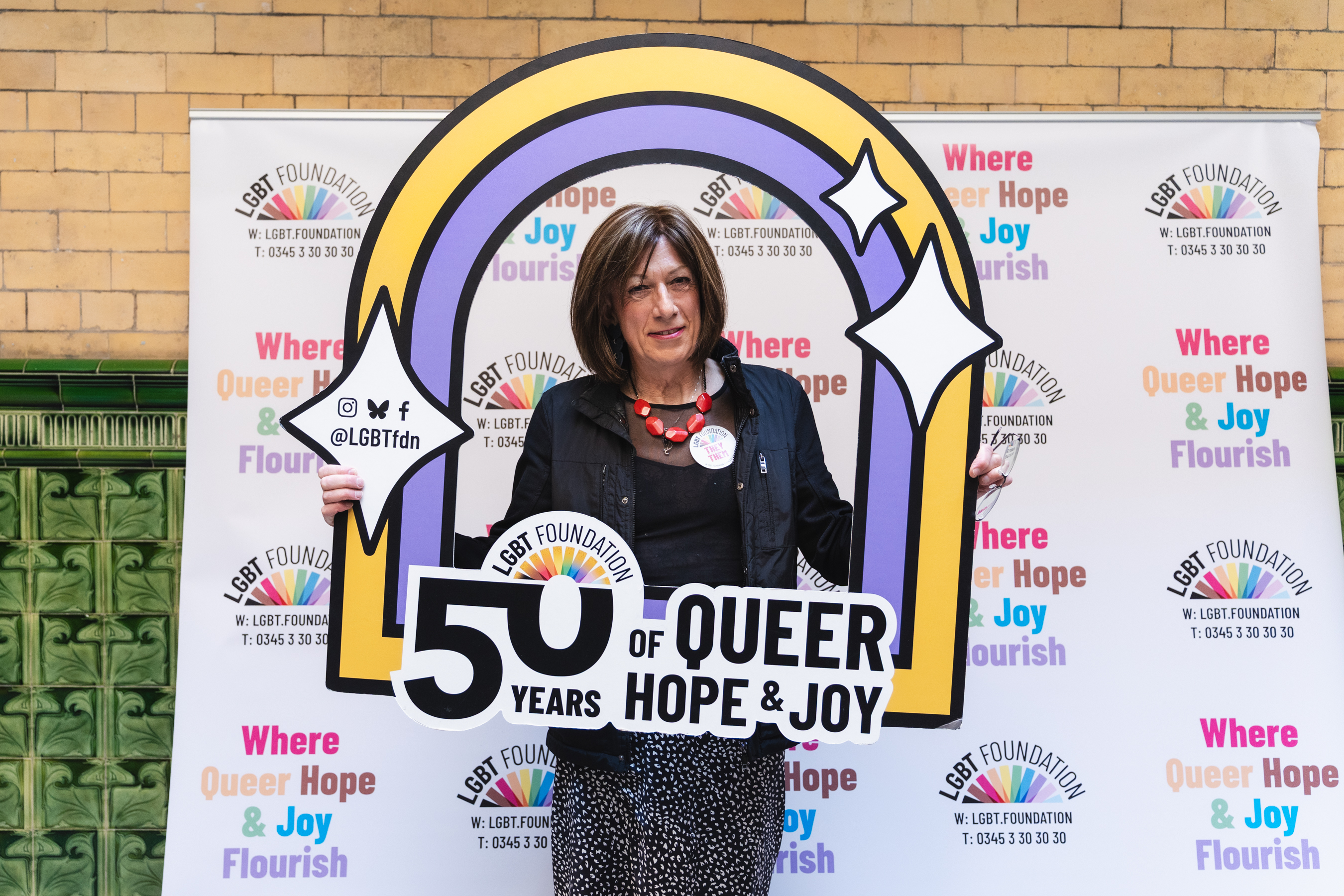
LGBT Foundation Exhibition – 26 June 2025

50 Years of Queer, Hope & Joy Exhibition

27 June – 31 December – Manchester Central Library, St Peter’s Square, Manchester M2 5PD – Free

The 50 Years of Queer Hope & Joy Exhibition at Manchester Central Library invites the public into a powerful, moving and often joyful journey through the stories that shaped five decades of LGBT+ life in Greater Manchester and beyond.

From never-before-seen archive materials and oral histories to community artefacts and campaign posters, the exhibition showcases the resilience, resistance, and creativity of LGBT+ people across generations.

Whether you’re rediscovering the past or encountering it for the first time, this in-person exhibition places the lived experiences of LGBT+ people at the heart of the narrative.

The Word “Homosexuality”

The word “Homosexuality” first appeared in a letter written by pioneering Austrian-Hungarian sexologist Karl-Maria Kertbeny (pictured, left) to his colleague, German gay rights advocate, Karl Ulrichs on 6 May 1868.

It was the first time in recorded history that the term is known to have been used. “Homosexualität” would not appear in a publicly accessible document – a pamphlet published anonymously by Kertbeny – until the following year.

Several German advocates (German became the “unofficial language” of the emerging field of sexology) embraced its use, though for years terms such as “invert” would continue to be used to describe what had for years gone unnamed.

“Homosexuality” would make its debut in English when Richard von Krafft-Ebing’s 1886 Psychopathia Sexualis was translated in 1894. Because any discussion of the subject was considered obscene, it was only through technical journals that information would make it into the hands of the growing number of people who were desperate to understand the condition.

The Word “Gay”

The most recently acquired meaning – or sense – of the word “gay” among young people, is a derisive term similar in meaning to “lame” or “stupid”. It can be used to indicate disapproval of a thing (“a gay sweater”) or an activity (“playing a certain video game is gay”).

“Gay” can also be used as a pejorative. By calling someone “gay”, you effectively project the negative characteristics that are stereotypically associated with homosexual men onto that person, eg lack of physical prowess and unmanliness.

Yet the word “gay” has not always been synonymous to “homosexual” or “stupid”. It has actually known a fascinating history where its sense was dependent on the context, the intent of the speaker, and the variety of English (ie British or American English). Keep in mind, therefore, when a new sense first came into use, that does not mean that the previous senses were thereby obsolete. Many of these different senses have coexisted for a long time before one sense gained prominence over another.

Furthermore, resources like the Oxford English Dictionary (OED) of a previous denotation only gives us an indication as to when a particular use of a word had become current; it does by no means mean that that sense was not used before the dictionary’s first citation. Dictionaries are very much products of their editors, and are therefore subjective, even though most people consider dictionaries as authoritative resources.

There are a number of different senses that the word “gay” has taken on ever since its entry into the English language.

The origin of the word “gay”

The first recorded usage of the word “gay” in the OED dates back to around 1200 when it was used as an adjective meaning “brig or lively-looking, especially in colour.” The word had most probably come into the English language from Old French where “gay” meant “merry”, “cheerful” or “happy”. In The Canterbury Tales, Geoffrey Chaucer wrote, “Why is my neighebores wyf so gay?” (“Why is my neighbour’s wife so cheerful?”)

Depending on the context, “gay” also came to be used to denote “noble”, “beautiful” and “excellent” around 1325, with additional meanings of “light-hearted” and “carefree” around 1380.

The word acquired a tinge of promiscuity towards the end of the 14th century, when it obtained the senses of “wanton” and “lewd”. These newer senses were effectively extensions of a previous denotation of “gay”, namely that of being “carefree”. Evidently people had started to associate “carefree” and “not having moral constraints”, thereby causing “gay” to take on this additional meaning as well. The use of the word in this sense became even more solidified when it also started to be used towards the end of the 16th century as an adjective denoting a person who was “dedicated to social pleasures, dissolute, promiscuous, frivolous, hedonistic”.

“Gay” became even more closely linked to immorality in the 1790s when the word became associated with prostitution. In England, a “gay woman” had become a euphemism for a prostitute, whom you could find in a brothel or “gay house”.

In 1857, a satirical cartoon was published in Punch magazine. It showed two women talking at midnight; one was wearing lower-middle-class women’s clothes, while her much more expensively-dressed friend stands in a doorway with an expression of annoyance on her face.

“Ah! Fanny! How long have you been gay?” asks Bella, the one in the less-fashionable outfit.

Meanwhile, Fanny stares at her angrily. The reason? Fanny, the lady in fine clothes, has been ‘gay’ (i.e. she’s been working as a sex worker) and her friend has just found out. The ‘Great Social Evil’ in the title refers directly to sex work in Victorian England.

Around the same time, a number of other uses of the word with negative senses had been recorded by the OED, such as “a person who has ceased adhering to the plain and simple life or beliefs of the community”. This particular use was current among religious groups in the United States, specifically the Quakers. “Going gay” in these circles had come to denote the action of a religious person forsaking his or her religious beliefs.

The OED did however also record a positive use of the word around sixty years later; “gay” was used in specific regions in England to indicate that one was in good health. The OED’s earliest record of the word being used in this sense stems from 1855 with the phrase “I am quite gay, thank you.”

In the US, however, “gay” had retained its negative connotation; it had become a slang term for someone who is “too free in conduct, forward, impertinent.”

Gay = Homosexual

It is not entirely clear when exactly “gay” came to mean “homosexual”. Gertrude Stein, an American writer, is often mentioned as being the first person to popularise the word as a synonym for homosexuality. She used the word in this sense in her short story called “Miss Furr and Miss Skeene”, which she wrote in the early 1920s. Still, it would take until the 1940s before this sense would become more commonly used in the United States, and only as a slang word. Another person who was credited for being among the first to use “gay” to refer to homosexuals was researcher G W Henry, who had collected a great number of case studies on gays, bisexuals and lesbians in America. He published his work called “Sex Variants: A Study of Homosexual Patterns” in 1941, which naturally also included a definition of “gay” as “an adjective used almost exclusively by homosexuals to denote homosexuality, sexual attractiveness, promiscuity … or lack of restraint, in a person, place, or party.” Note how this definition includes promiscuity and lack of restraint.

The Stonewall Riots

A series of violent riots and demonstrations in America, which would later become known as the Stonewall Riots of 1969, jumpstarted the use of the word “gay” in its “homosexual” sense outside of the homosexual community. The riots sparked the beginning of the gay rights movement, which eventually inspired the founding of the Gay Liberation Front. Interestingly, the advent of the lesbian and gay liberation movement in the 1960s not only brought the slang definition of “gay” to everyone’s attention, it also inspired a change in who the word came to refer to. Whereas “gay” had initially been used to denote predominantly homosexual men, it had now become the preferred generic referent for both women and men. The term “homosexual” had been dismissed as too clinical, since the American Diagnostic and Statistical Manual of Mental Disorders still had homosexuality listed as a mental disorder at that time, only to remove it from its list in 1974.
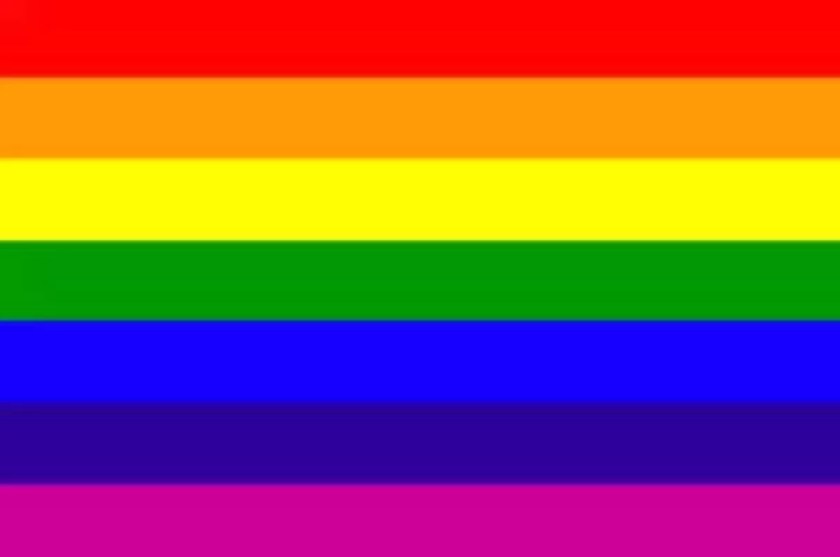
Gay today

Despite initial apprehensiveness about the word among homosexuals because of its previous sexual connotations, “gay” has now become firmly established as the preferred term of self-reference for both gay men and women, with lesbian being an additional option for female homosexuals.

Its previous meanings of brightness, excellence, merriness, carefreeness, lewdness, prostitution, promiscuity, lack of restraint, good health and forwardness have effectively faded out of use.

The terms gay and lesbian are now favoured over “homosexual” by the LGBT community because the term’s clinical history seems to suggest that gay people are somehow diseased or psychologically emotionally disordered.

Nevertheless, the most recent derogative sense of the word meaning “lame” is rapidly gaining ground. Efforts have been made to change this negative usage and promote a more inclusive and respectful language. Only time will tell whether “gay” will eventually revert back to having predominantly negative connotations, or whether the gay community will continue to claim the word as their own and thereby retain its positive connotation.

Birthday

Sylvia Rae Rivera (Born 2/7/51–2002), Civil Rights activist who advocated for Transgender rights

The Queen’s Arms … Wolfenden Report … Stonewall Riots … Pride Month … Refugee Week

News

The Queen’s Arms

The Queen’s Arms pub, near Eccles, has brought Anlo Izakaya vibes to Greater Manchester with its British take on Japanese bars.

On the outside, it’s hard to separate the Queen’s Arms from any other pub in Greater Manchester. Situated at the top of a small hill next to a low bridge by Patricroft Train Station in Salford, it looks like the perfect spot to sit with a pint on a sunny day and put the world to rights.

But it is so much more than that. Steeped in history dating back to 1828, the Grade-II listed pub was once situated by the tracks of the Liverpool and Manchester Railway, the world’s first steam-powered, inter-city railway, which opened in 1830. The pub lays claim to being factually known as the Oldest Passenger Railway Pub in the World, serving excursion traffic from Manchester and becoming a key social hub for railway passengers.

In 1851 Queen Victoria, Prince Albert and their children were on a visit to the area, and sailed to Liverpool before travelling by train to Patricroft where they got off at what was then the Patricroft Tavern. Rumour has it the Queen asked to use the facilities at the tavern, after which the royal family went by barge down the canal to stay with the Earl of Ellesmere at Worsley New Hall. After they left, the tavern was renamed the Queen’s Arms, in honour of the royal visit.

But almost 200 years after first being built, the pub is doing something special beyond just acknowledging its historical roots. This year the venue reopened as an Anlo Izakaya – a mixture between an English and Japanese pub. Led by Anthony Sit and Mr Lo, two friends from Hong Kong, they have brought their love for Japanese food into the historical venue, and it’s proved to be a hit.

Now a place where you can sit and enjoy the likes of Katsu curries and Tempura prawns alongside a beer to the soundtrack of “Baker Street” by Gerry Rafferty, it’s gone down a treat with both the local community and those wanting to try something a bit different.

The food and drink offering is unlike other pubs. Premium Japanese beer, Sapporo, is served on draft, whilst people can also choose to order sake wine if they wish.

Food-wise, there’s the likes of teriyaki ox tongue, alongside chicken katsu, chicken wings, tempura vegetables, and tempura soft shell crab. And it’s their tempura – which is also available with the likes of pumpkin, purple sweet potato, asparagus, mushrooms, or oysters – that is something really special on their menu. In some cases, like with the soft shell crab and prawns, they’re dusted off with a special blend of ‘typhoon shelter’ herbs and spices to give it an extra punch.

The Queens Arms was Grade-II listed in 1989 due to its range of architectural features, including Edwardian etched glass windows and doors, and fireplaces with Art Noveau surrounds inside. The pub has won local CAMRA branch ‘Neil Richardson’ award for a fine example of a traditional unspoilt pub in 2010 and 2016.

More photos can be seen here.

Wolfenden Report – (Article by Adam Maidment)

I came across a really interesting article which shined a spotlight on a story which was published 65 years ago and hailed as a rare positive light on the LGBTQ+ community at the time.

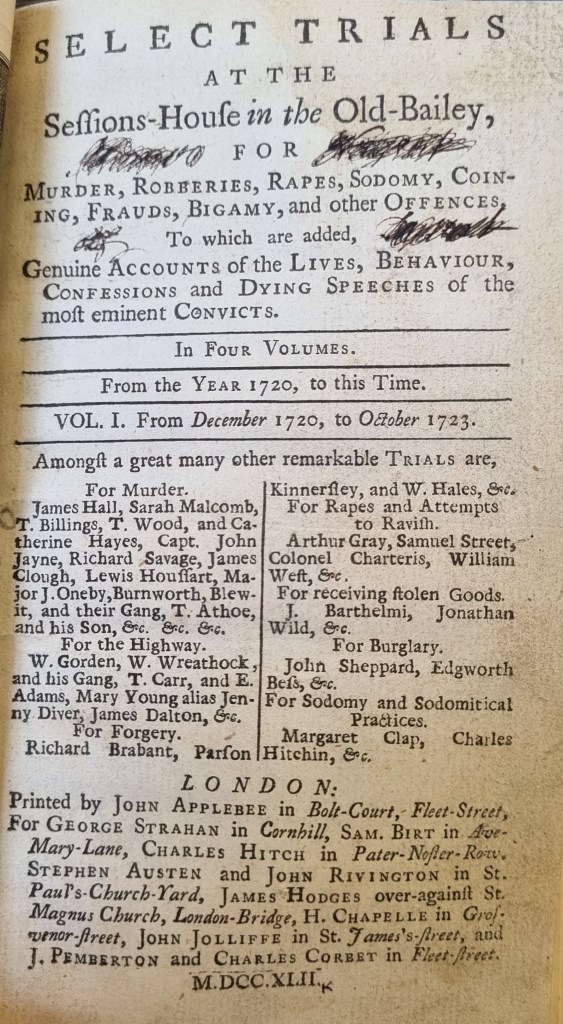
Published in the Sunday Pictorial (now the Sunday Mirror), the article (dated 26 June 1960) focused on “four self-confessed homosexuals” who met together to discuss the Wolfenden Report – a government-commissioned report published in 1957 which recommended the decriminalisation of homosexual acts.

Back then gays and lesbians were vilified, attacked and pitied.

It would have perhaps have shocked readers at the time (despite not really being shocking whatsoever) because such coverage would just not have really occurred in a mainstream publication at a time when homosexuality was considered to be both a crime and a mental illness.

Whilst still using some language that we would question today, the piece asked: “What are homosexuals like? Can they be cured? Would a change in the law free them to increase in number? Are they a basic danger to society?”

In the article, written by John Knight, the four men were assigned aliases – ready to speak out but not perhaps ready to be identified so publicly – as they spoke about their lives.

Sadly, they were also asked to answer whether they felt there was a link between homosexuality and paedophilia (which does dim the piece slightly for me but I’m trying to remember it’s of the time).

Estate agent Roger Butler – given the name of Steven G, 27 in the article – was one of the men to speak in the piece. A forgotten pioneer of the gay rights movement, he is believed to be the first man to come out voluntarily to the entire British public.

Wolfenden Report

“The normal homosexual is revolted by men who run after little boys, just as a normal man, presumably, is revolted by men who chase little girls,” he said, standing his ground around the attempted connections.

When another of the men, described as an eminent surgeon, was asked if he wanted to be “cured” he replied: “This is an illogical question to people like myself. How can you want to be cured of something you know is incurable?”

I won’t divulge any more of the piece here, but it is well worth a read – especially as we’re in the midst of Pride Month. It did highlight to me how things have changed so much for the LGBTQ+ community, but it also made me remember that the community has always been paired with some kind of negative connotation.

Perhaps that’s enlightening in a way, to know that things have always been the case and it’s not a new thing, but it’s also very saddening to realise that, actually, whilst a lot of things have indeed changed – some things may be quite similar to how they have always been.

The Gay Liberation March from the centre of London to Hyde Park, Saturday 25 June 1977

Stonewall Riots

The only known photograph taken during the first night of the riots, by freelance photographer Joseph Ambrosini, shows LGBT youth scuffling with police.

The Stonewall riots (also known as the Stonewall uprising, Stonewall rebellion, Stonewall revolution) were a series of spontaneous riots and demonstrations against a police raid that took place in the early morning hours of 28 June 1969, at the Stonewall Inn, in the Greenwich Village neighbourhood of Lower Manhattan in New York City. Although the demonstrations were not the first time American LGBT people fought back against government-sponsored persecution of sexual minorities, the Stonewall riots marked a new beginning for the gay rights movement in the United States and around the world.
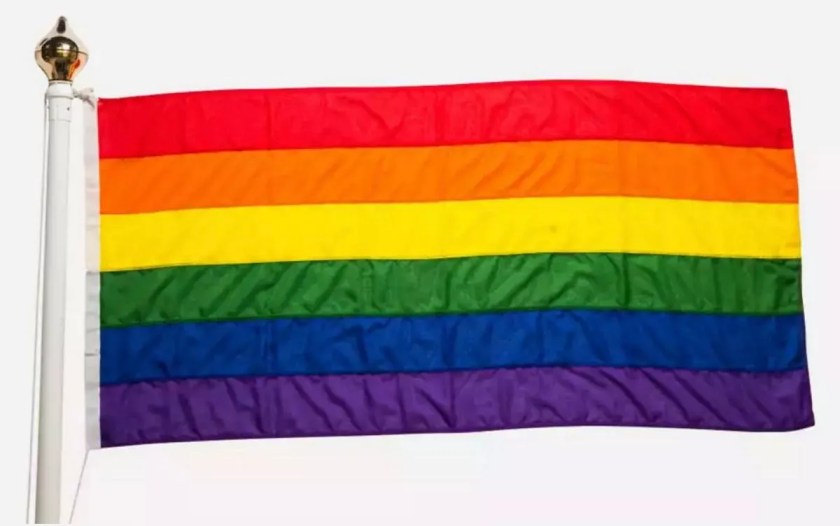
Welcome to Pride Month (thanks to Alyson Malach)

This month we rise, with colours bold,
To honour stories yet untold.
From Stonewall sparks to today’s flame,
We march with love, we speak our name.

In every borough, street and square,
We show the world that we are there.
Not just surviving, thriving too,
In every shade and every hue.

From joyful dance to solemn fight,
We shine with pride and claim our right.
To live with love, without disguise
With open hearts and lifted eyes.

So, wave that flag, be loud, be true,
There’s room for all, not just a few.
Together strong, we light the way …
Welcome to Pride Month, let’s slay.
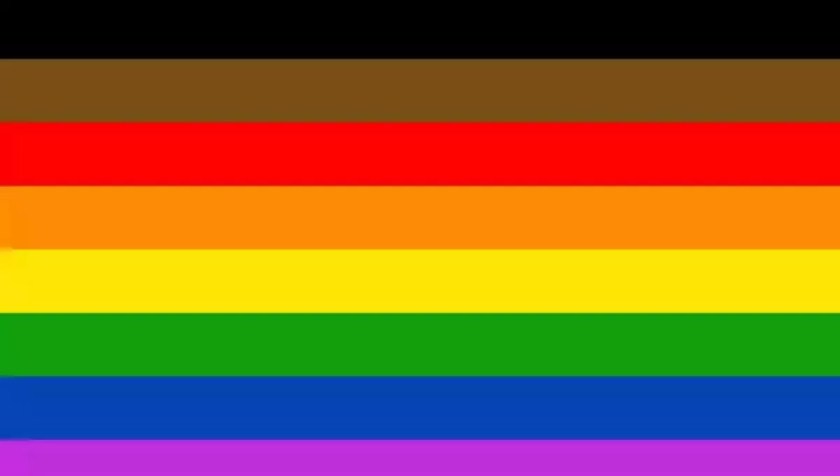
Refugee Week

Refugee Week was also held in the month of June. The theme this year was Community.
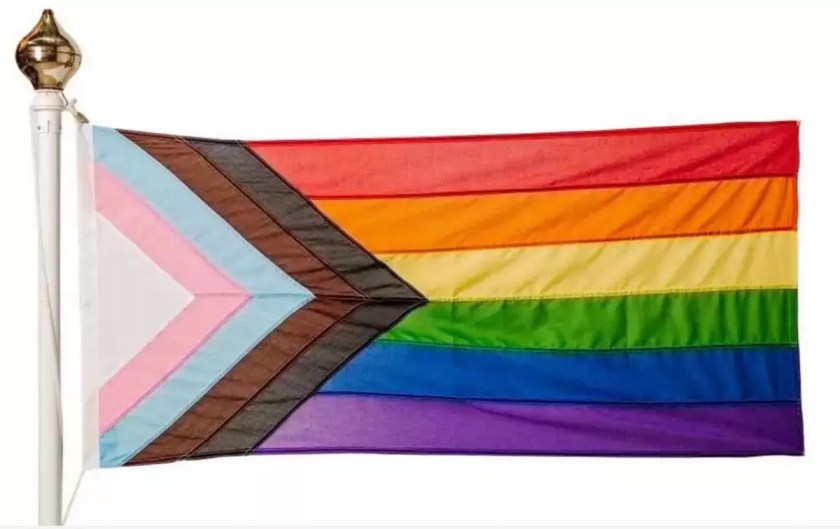
Community is made by the incredible ordinary and extraordinary simple acts of shared generosity.

We can begin the process of making community wherever we are. We can begin by sharing a smile, a warm greeting, a bit of conversation, by doing a kind deed or by acknowledging a kindness offered to us.

Communities can bring people together by bridging divides and offering support. They offer spaces of resilience and places for healing.  Let’s share the feelings of welcome and belonging, by listening, learning and laughing together.

Manchester tram

Round Up of Recent Activity … Seven LGBT+ TV Shows … Police Apology … Birthdays

News

Round up of recent activity:

20th Anniversary Party

A picture is worth a thousand words so head over to our photo gallery here to see some fantastic photos – thanks to Peter. We also have to say thanks to our performers – Jennifer, Mindy, Pauline and Wolf (Derek, David and Gary).

Also many thanks to the reception volunteers (Jim H, Jim V and Tony) and kitchen volunteers (Andi, Jed, Ken and Norman). The raffle raised £229.00 and a big “thank you” to Morrison’s Whitefield for a mystery raffle prize (wine and chocolates), and to the other people who donated prizes.

Thanks to all who attended as we had a brilliant time and Jim G, our oldest member at age 96 “loved every minute of it”. When all was done and dusted we put our best lallies forward, and with our eeks shining with hope, we trolled together towards the fantabulosa futurette!

Poem – Being A Champion Against Ageism by Pauline Smith (2 March 2025)

See the pyramids along the Nile
We don’t think they are decrepit and past it
Nor do with Stonehenge
We admire its builders and longevity
So why do we hate growing old?
It’s not a disease
It’s a privilege which not all humans will enjoy
Or experience
I was lucky when I was young
To see Stonehenge and touch the stones
In the early morning mists 
In Wiltshire in 1970
I have seen Carnac and other henges
And realised even then that growing old is special 
Today you are past it in your 40s
Finding a new job in your 50s is tricky at best
Women try to stay looking young
Why?
Youth and being young, lithe and beautiful
Is part of life
It’s not the yardstick we measure our lives by
We measure our lives through the joys and pain
The successes and failures
As we age we have more of these
And more laughter lines and wrinkles
More experience … more nous
We are not past it at 40, 50, 60 or 70
The balance shifts as we age 
We have children and bring them up
They have children and bring them up
And we become grandparents and
Pass on our experience
And if we have no children
We contribute on so many ways
Through work and volunteering
Age is not one size fits all
It’s not a curse
Or a handicap
Yes many older people struggle
With health and finances
Ageing is never easy
And poverty hurts deeply
But … think on this
Ageing is a gift not something to be despised
If you are young and reading this
One day … if you are lucky
Like me … you will be old
I am 77 and one of the Champions against Ageism
Help me and my generation
Break down the barriers
Against Ageism
Being old means many things
Please
Respect us, love us
Listen to us talk with us
You can share your experiences with us
Let’s fight Ageism together.

Queerfest

The Bury LGBTQIA Forum Literary Festival or Queerfest was held on Saturday, 21 June and was a full day of celebrations of literary arts and culture. There were stalls from a variety of artists and writers as well as badge making, workshops, spoken word performances, Q&A talks with Steven Appleby and Matt Cain, book signings and Polari Bible readings!

In the evening we were treated to “With Love, Mr Gay”, an award-winning play by Joshua Val Martin based on a true story. It’s powerful, funny and deeply moving.

Social gathering

Seventeen of us met up on Sunday, 22 June for food, drink, relax and chat at The Real Greek Restaurant in The Corn Exchange – a food court and former shopping centre in Exchange Square, Manchester. The food was authentic – humus, flat breads, chicken on skewers, haloumi fries etc and we enjoyed a relaxing meal in a pleasant atmosphere.

There are more trips and events on our website. Please see here.

Seven ‘brilliant’ LGBT+ shows to binge-watch this Pride month

June is Pride month, and what better thing to watch on your screen than some of the best LGBT+ series out there, from reality shows to period dramas and romance?

If you’re looking for bingeable LGBT+ series to celebrate Pride with, look no further (Image: Ben Blackall 2019)

Pride month is officially here, and for those days you’re not spent celebrating with friends at festivals and parades, you can still embrace the moment while cosied up at home. Turn on your TV, turn on that fan and allow these LGBT+ shows to add a touch of magic to your month.

Whether you’re wanting to see some familiar queer faces in a reality TV show or fall in love on screen, there’s so much great LGBT+ storytelling waiting to be shared. To make life a little easier, we’ve compiled a quick list of what there is on offer, across all genres, that you may not have seen just yet.

Killing Eve is an award-winning show with LGBT+ themes (Image: BBC  America / David Emery)

Overcompensating (Amazon Prime)

This new addition from Amazon Prime is the talk of the town this month, as the comedy drama sees a guest appearance from Charli XCX. Not to mention, a whole load of cameos from online queer comedians, including the creator and lead actor, Benito Skinner, better known as Bennydrama.

Viewers can watch him star as a high school jock, fresh into college at Yates University, grappling with his sexuality. The popular kid is a closeted gay guy and finds himself in all kinds of situations to mask his true identity and fit in with his heterosexual classmates.

Feel Good (Netflix)

Feel Good is a semi-autobiographical comedy-drama created by and starring Mae Martin. The non-binary actor plays a fictionalised version of themself as they struggle to cope with addiction and their attachment to their girlfriend George.

Charlotte Richie, known for her roles in Fresh Meat and Call The Midwife, stars as Mae’s complicated partner whom they live with. In a series of hilarious, quintessentially British and awkward moments, George struggles to come out to her loved ones but falls madly in love with Mae. The touching TV show also stars none other than Friends actress Lisa Kudrow, who plays Mae’s over-the-top Canadian mother.

Queer Eye (Netflix)

The 2018 reboot of an old reality show saw Queer Eye turn into an impressive nine-season run, with its all-LGBT+ hosts gaining traction worldwide. Five experts in their fields – fashion, grooming, interiors, cooking, and lifestyle – transform the lives of everyday people in an attempt to improve their lives, using their years of experience and knowledge.

Travelling across the US, the Fab Five team are met with people from all walks of life, including those that may even have views against the queer community, where they face an even bigger task. It is emotional and heartwarming as you see people who don’t take the time for themselves be given the gift of compassion, care and, of course, a whole new makeover.

Queer Eye has over 80 episodes (Image: Netflix)

It’s A Sin (Channel 4)

One short series packs in a strong punch in what is a highly acclaimed show with an outstanding cast. It’s a Sin is set in 1980s London, during the AIDS crisis, and follows the lives of young men, who moved to the city in search of a new life and were met with tragedy.

While the series is a celebration of the LGBT+ community in the 80s, it retells a vital and heartbreaking story of the young homosexual men that lost their lives to AIDS. Not only that, but it deals with the prejudice the community faced as a result of the HIV virus.

Killing Eve (BBC iPlayer)

Killing Eve is an unstoppable spy thriller that follows an investigator tasked with capturing an insane assassin, Villanelle. As she chases down her latest case, her obsession becomes stronger, and Villanelle enjoys the thrill of being wanted. Each episode sees their unusual connection grow into toxic mind games that leave you questioning what is genuine and what is all one big mind game.

The first two series were critically acclaimed, starring Sandra Oh and Jodie Comer, who went on to win numerous BAFTA Awards and Golden Globes for their roles. The obsessive pair’s violent, emotional and sexual relationship grows and flows throughout the four seasons of the show, and all of them are available to binge-watch on BBC iPlayer and Netflix.

Heartstopper (Netflix)

Olivia Coleman appears in the award-winning series (Image: Samuel Dore/Netflix)e: Netflix)

This is a heart-warming coming-of-age show, based on a teen fiction novel with the same name, that tells the touching story of two young boys falling in love. It deals with a group of teenagers as they face coming out, friendship struggles, first times, sexuality and identity.

Heartstopper gained critical acclaim and high praise for its tasteful portrayal of LGBT+ people and went on to receive a number of Emmy nominations. Within just a few days of its release, it became one of the top ten most-watched English language shows on Netflix.

Gentleman Jack (BBC iPlayer)

A period drama based around a 19th-century lesbian love affair, Gentleman Jack is steeped in history and makes for the perfect binge-watch. Set in the Yorkshire hills during the 1830s, it follows Anne Lister, an industrialist and landowner, whose real-life diaries helped to build the plot of the show.

Decades later, the diaries were discovered, many of which were written in a secret code that details a lifetime of the businesswoman’s lesbian relationships. Each episode takes you on a journey, based on these stories, in what becomes a sensual and steamy romance.

It’s time every police force atoned for its homophobic witch hunts

At the height of the AIDS crisis in the 1980s, when hundreds of gay men were suffering slow, agonising deaths, the then-Chief Constable of Greater Manchester Police (GMP), James Anderton, denounced gay men as “swirling around in a cesspit of their own making”.

His words were not mere rhetoric. Homophobia informed operational policing. GMP officers were directed to illegally harass gay venues, including the notorious raid by 23 police on Napoleon’s bar in 1984. The membership list, including names and addresses, was illegally seized, and patrons were lined up against the wall and unlawfully photographed. Some had their feet deliberately stamped on.

Regular police raids on the New Union pub, Rembrandt Hotel and the Clone Zone shop were acts of vindictive police harassment. Manchester police openly boasted: “We’ve been trying to close these queer places for years.”

Activists and allies protesting in Manchester in 1991 against police harassment towards the LGBT+ community – Credit: Mirrorpix

Sorry seems to be the hardest word

As individuals, we are taught from an early age to say sorry when we have done or said something wrong or done something unacceptable.

We are taught that there is great benefit in acknowledging and accepting a mistake. It allows us to move on, it allows us to rebuild relationships.

Greater Manchester’s Police Chief Constable, Stephen Watson, has been knighted for services to policing in this year’s King’s Birthday Honours list. He has also taken two years to say he will NOT apologise for his force’s past witch-hunts of LGBT’s, which wrecked people’s lives.

Greater Manchester Police chief constable Stephen Watson (Image: Kenny Brown, Manchester Evening News)

However, in response to Peter Tatchell Foundation’s #ApologiseNow campaign, 21 out of the 45 chief constables in the UK – including the Metropolitan Police, Merseyside and Police Scotland – did just that, with many also implementing new LGBT+ supportive policies. They recognised the injustice done.

Apologies are not symbolic gestures. They are acts of justice. They affirm change and that the police now stand alongside the communities they once harmed. For many LGBT+ people, hearing their chief constable acknowledge historic mistreatment would be profoundly healing.

The apologies issued so far by 21 forces have not undermined current officers but have strengthened community trust. They have helped to rebuild bridges with marginalised people, showing that policing today is informed by compassion, accountability and truth.

This has boosted confidence in the police and encouraged more LGBT+ people to report hate crimes, domestic violence and sexual assaults.

We are currently in a period where many in the LGBT+ community do feel under attack. Trans people are having their rights weaponised by prominent figures and questioned by the Supreme Court.

In the year ending March 2024, there were 22,839 hate crimes relating to sexual orientation recorded by the police in England and Wales. There were also 4,780 reports based on transgender hate crimes.

Of course, these are just the recorded ones.

Birthdays

Visual Impairment Awareness Training at Out In The City

The Sight Loss Support Team from Henshaws is providing a training session from 2.00pm to 3.00pm on Thursday, 26 June.

The session will be at Cross Street Chapel, 29 Cross Street, Manchester M2 1NL and will be followed by a Women’s meeting and a general meeting until 4.00pm.

Drop-in. No booking required.

Sir Robert Peel and The Bury Transport Museum … Improving Access to Screening … UK’s First Purpose Built Majority LGBTQ+ Housing Scheme … Birthdays

News

Sir Robert Peel and the Bury Transport Museum

Sir Robert Peel, born in Bury in 1788, is one of the town’s most celebrated figures. Twice serving as Prime Minister and founding the British Conservative Party, Peel’s legacy is deeply intertwined with the history of Bury. The Peel Memorial, a prominent monument in the centre of the town, stands as a testament to his significant contributions.

Just a few minutes walk from the town centre is the Bury Transport Museum, housed in the historic Castlecroft Goods Warehouse. It offers a fascinating glimpse into the town’s rich transport heritage. The museum is part of the East Lancashire Railway experience, which runs from Bury to Heywood, Ramsbottom, and Rawtenstall. The museum features a collection of vintage vehicles, including buses, trams, and steam engines, with highlights such as the steam roller ‘Hilda’ and a World War I memorial to railway workers.

Visitors to the museum can explore interactive displays and exhibits that transport them back to the 20th century. The museum’s collection includes vintage signboards, luggage cabins, and trunks, all meticulously restored and maintained. The engaging displays make the museum a perfect outing, offering both educational and fun-filled experiences for visitors of all ages.

Whether you’re a history enthusiast or simply looking for an enjoyable day out, the Bury Transport Museum and the legacy of Sir Robert Peel offer a unique and enriching experience.

More photos can be seen here.

Improving access to screening in Greater Manchester

The video was made in collaboration with NHS Health Innovation:

As part of the continued public and community engagement work that is being undertaken as part of the Health Innovation Accelerator programme, Health Innovation Manchester invited members of the LGBT Foundation Pride in Ageing programme to share their thoughts and experiences of engaging with the healthcare system.

These conversations focussed on potential ways to increase engagement within the LGBTQ+ community in terms of access to NHS screening, and in raising awareness of health risks associated with prevalent diseases across Greater Manchester.

Through conversation and active listening with members, Health Innovation Manchester was able to better understand lived experiences within the LGBTQ+ community, including needs, and perspectives on how the health and care system can better engage with its diverse communities across the city-region.

The Health Innovation Accelerator has been established to improve the diagnosis and treatment of disease across the 2.8m Greater Manchester population.

The Accelerator is addressing several diseases including liver, heart and lung disease, by using academic, clinical and industry excellence to better understand data, digital tools and innovative point of care testing to improve health outcomes for patients.

Public and Patient Involvement and Engagement (PPIE) is a key component of the Accelerator, with the overall aim of empowering the public to engage in focus group discussions, co-creation sessions, creative campaign design, peer led interviews and observing people in their own environment to understand their experiences, perspectives and everyday practices.

UK’s First Purpose Built Majority LGBTQ+ Housing Scheme

Work has finally got underway on the start of the UK’s first majority LGBTQ+ housing scheme here in Manchester.

The exciting new £37 million flagship development – which is being built on the site of the former Spire Hospital on Russell Road, in the Whalley Range area of Manchester – will be comprised of 80 one and two-bedroom apartments for older people over the age of 55 for social rent, alongside an additional 40 affordable shared ownership apartments. 

Plans for the scheme have been co-produced in partnership with the Russell Road Community Steering Group, Manchester City Council, and the LGBT Foundation.  

Delivered in partnership with contractors Rowlinson, and funded through Great Places, the Homes England Strategic Partnership, GMCA Brownfield Housing Fund, and Manchester City Council, the high-quality and sustainable building will offer a ‘safe and welcome feel’ with an ‘inviting presence’.

While the goal is to create an inclusive space, the scheme has also been designed to respect the surrounding conservation area. 

On top of this, the low carbon scheme will also feature shared communal facilities including lounges, treatment rooms, and landscaped gardens.

The Council says the new scheme is part of its ambitious target to deliver at least 36,000 new homes across the city region by 2032 – at least 10,000, of which, will be social rent, Council, or considered ‘genuinely affordable’ housing.

It comes after more than 800 ‘Extra Care’ homes have been built in Manchester in recent years, and are another 1,000 are in the pipeline – to meet the demand for older people in the city. 

A CGI of the newly-approved LGBTQ+ Extra Care housing scheme development in Whalley Range / Credit: Manchester City Council

“This is a real milestone moment for this development,” commented Cllr Gavin White, who is the Executive Member for Housing and Development at Manchester City Council.

“The Council has believed in the positive impact an LGBTQ+ majority housing development could have for this community for many years, and to celebrate the social rent homes officially starting on site is a great moment for the city. 

Working with the LGBT Foundation, we know that older LGBTQ+ people worry about being able to access appropriate and inclusive housing later in life. Although we hope all older person’s accommodation is welcoming to everyone, this scheme will provide safe, secure and affordable housing for LGBTQ+ people to live with dignity.

We look forward to the completion of these homes that will complement and enhance this part of Whalley Range, and be an important part of this community.”

The project is scheduled to be completed in Summer 2027.

Birthdays

Polari Scrabble