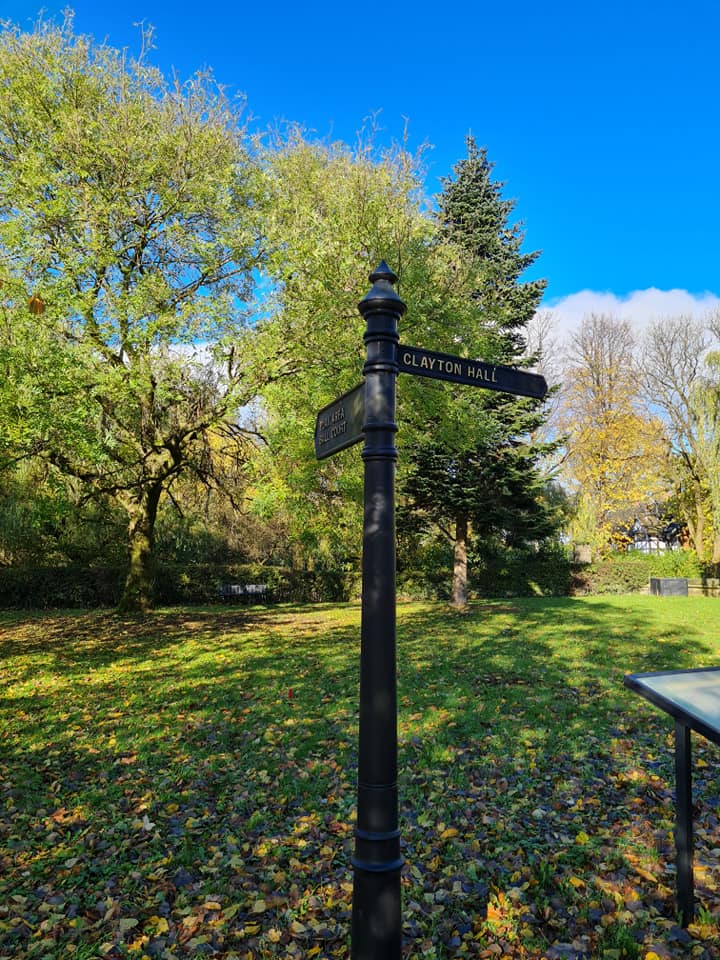
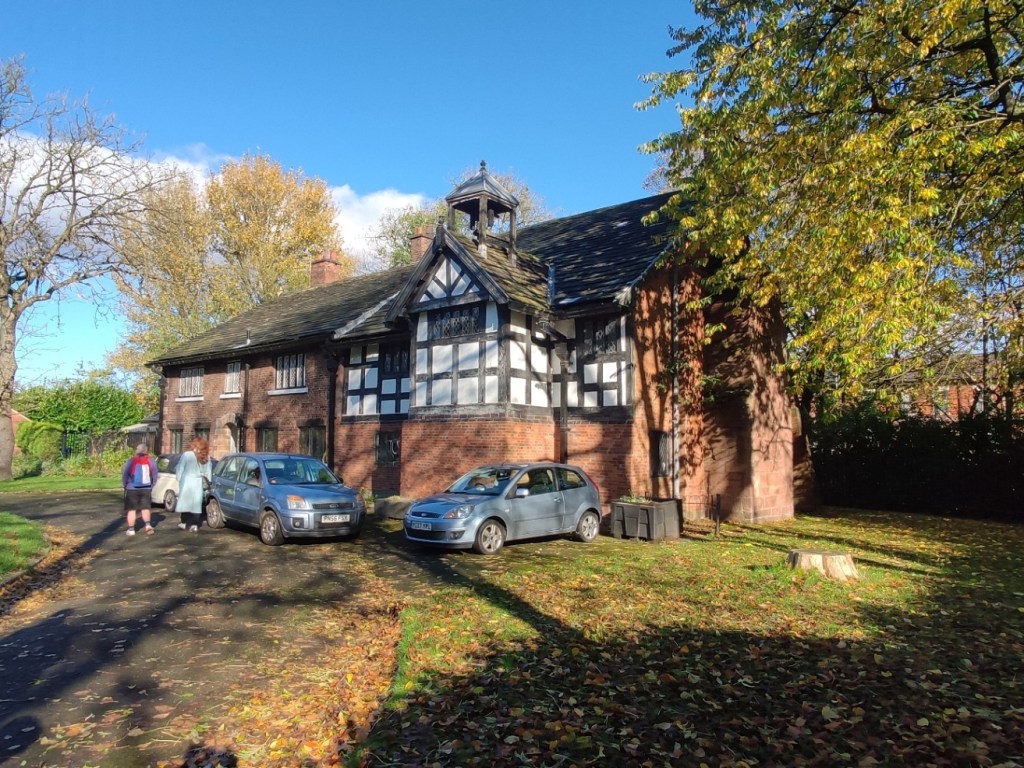
Clayton Hall is a 15th century manor house in Manchester. It is hidden by trees, in a small park, surrounded by a moat. The moat is now empty but is crossed by a stone twin arched bridge.
The Hall was built on the site of a 12th century house built for the Clayton family. When Cecilia Clayton married Robert de Byron in 1194 it passed to the Byron family, of which poet Lord Byron was a later member.
The house was sold in 1620 to the Chetham family who later found the Chethams School and Library in the centre of Manchester close to the Cathedral. According to legend Oliver Cromwell spent three nights in the Hall.
Clayton Hall is now a Living History Museum dressed in late Victorian style to depict the latest historical period in which the Hall was privately owned.
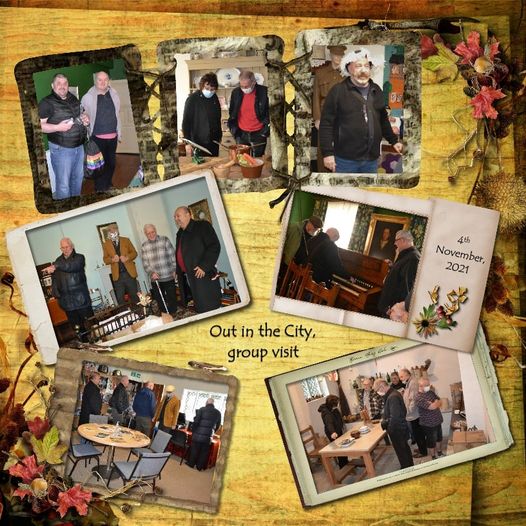
We were treated to homemade soup and roll, homemade cake and teas and coffees in the Tudor Tea Room before a tour of the Hall and a History Talk with slides.
We left via a spiral staircase housed in the belltower.
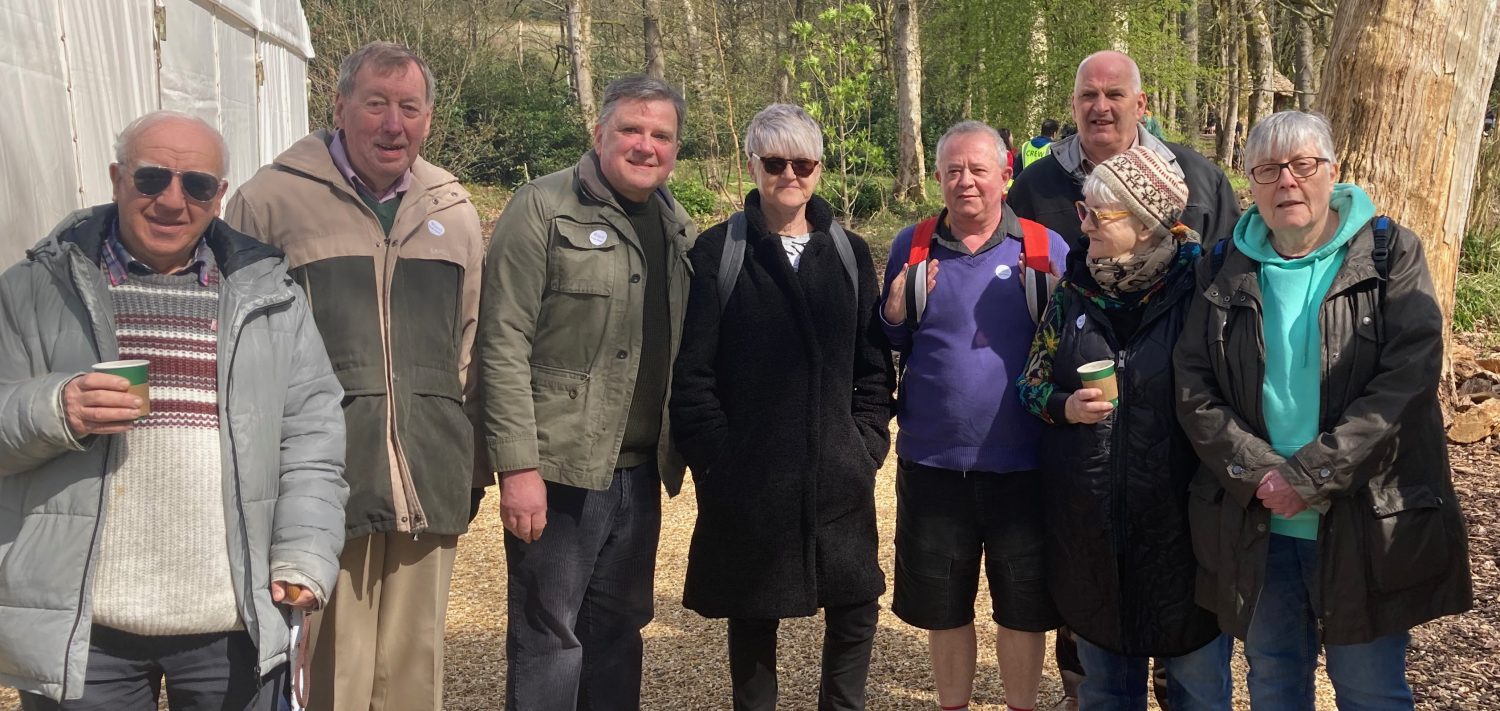
After our visit The Friends of Clayton Hall posted on their website: “An absolutely lovely group. What a pleasure it was for us to welcome them as our first group visit to the Hall since before lockdown.”
Meet the Proudly Black ‘Gay Father of the Windrush Generation’ who fought discrimination in style
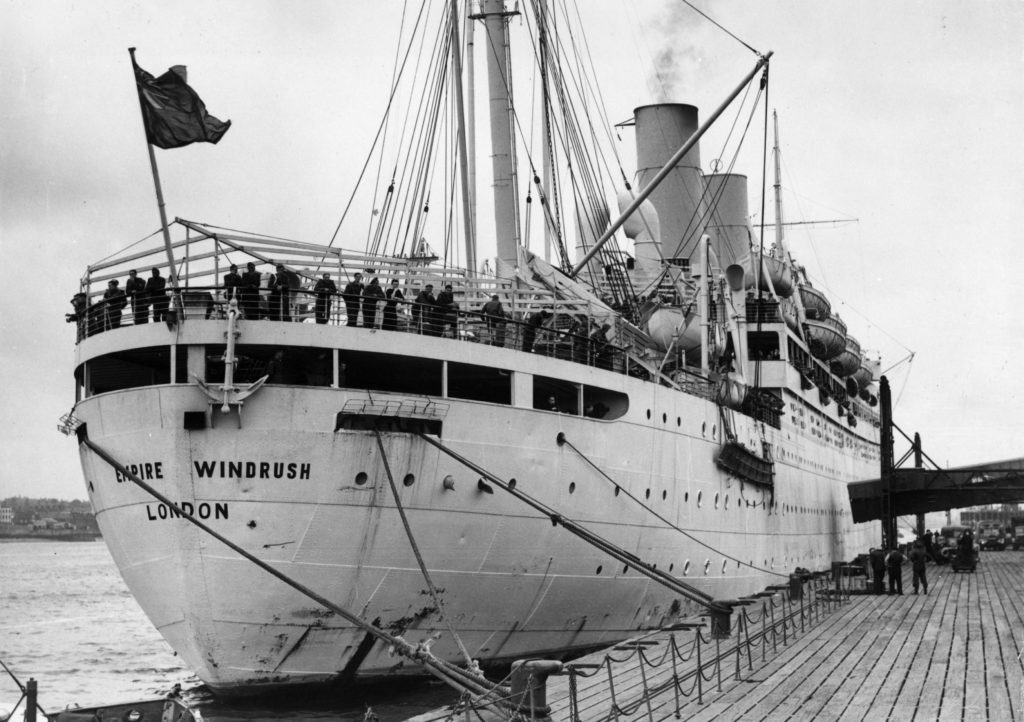
28th March 1954: The British liner ‘Empire Windrush’ at port. (Photo by Douglas Miller / Keystone / Hulton Archive / Getty Images)
On Windrush Day, 22 June 1948, hundreds of black Caribbean people arrived in the port of Tilbury, near London, having been invited to help rebuild the UK after the war left it with huge labour shortages.
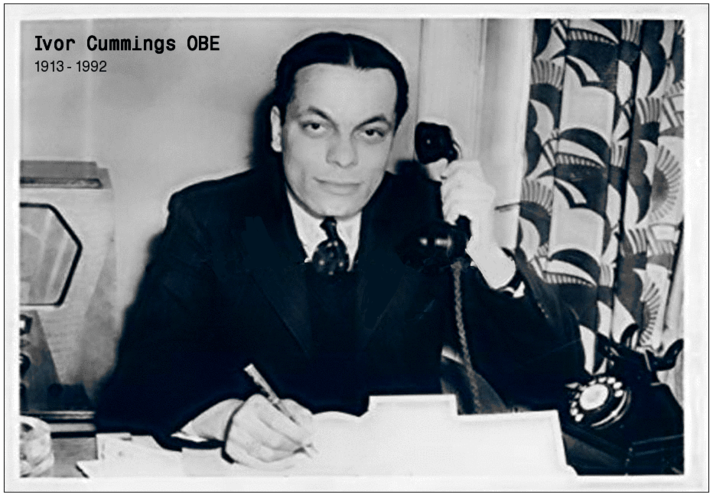
There to greet them that day was Ivor Gustavus Cummings, a gay black man who had reclaimed the word “queer” long before others did the same.
A senior civil servant – and the only black official – in the Colonial Office (a predecessor of the Foreign Office), Cummings devoted much of his life to serving black citizens who had arrived from the colonial-era Caribbean and African nations.
He was proud of his sexuality at a time when homosexuality was still illegal in the UK. Four years after the Windrush docked, Alan Turing was chemically castrated for “gross indecency” with another man.
Despite this, Cummings was “a fastidious, elegant man, with a manner reminiscent of Noel Coward – he chain smoked with a long cigarette holder and addressed visitors as ‘dear boy’,” according to a passage in Stephen Bourne’s Mother Country: Britain’s Black Community on the Home Front.
Dubbed “the gay father of the Windrush generation”, Cummings was on hand that day to welcome these British citizens.
“I am afraid you will have many difficulties,” he warned them. “But I feel sure that with the right spirit … you will overcome them.”
Ivor Cummings was blocked from joining the army because he was black
Ivor Cummings himself knew precisely what obstacles the Windrush generation were to face. Born in England, his mother was a white English nurse, his father a black Sierra Leonean doctor.
After being prevented from pursuing a career in medicine due to poverty, he was then blocked from joining the military due to a law stating all army officers had to be “of pure European descent”. This was struck down shortly after, but by this time Cummings had begun his civil service career.
Before Windrush, he advocated for African and West Indian seamen and workers during the war, who faced a “colour bar” preventing them from entering air raid shelters. He also rallied against police brutality, after receiving reports that black people were being “unduly molested” by officers in the 1930s.
He often voiced his upset by speaking to the press, or by reporting incidents to Edwina Mountbatten, who would, reportedly, in turn tell him of King George VI’s dislike of discrimination.
Though Ivor Cummings’ involvement with Windrush was officially to greet them as an envoy of the crown and instruct them on how to find housing and jobs, he continued to support many for as long as they needed.
Clipping of Ivor Cummings from The Independent’s obituary in 1992 (Nicholas Boston)
Later he was appointed OBE and spent some time in the US as a fellowship. He later travelled to Ghana, where he trained diplomats and was tipped to become the country’s first black governor, according to an obituary in TheIndependent.
Instead, he was posted to the Ghana High Commission in London and enjoyed other public sector roles in both London and Sierra Leone. He passed away on 17 October 1992, a few weeks before his 45th birthday – and it’s no surprise that his story, as a proudly gay black man, is often omitted from the story of Windrush.
Afghanistan evacuation: First group of LGBT people to be rescued from the Taliban arrives in UK
The group included activists and students who have spoken out against the persecution they face.
A surge in refugees from Afghanistan has been taking place since the Taliban took Kabul in August (Photo: STR/AFP)
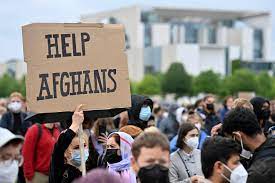
The first group of LGBT people to be rescued from Afghanistan since its fall to the Taliban in August has arrived on British soil.
Details of timings, locations, and the route out of Afghanistan have been concealed to protect the safety of those evacuated. But they include LGBT activists and students who have spoken out against the persecution they face.
The group of 29 people arrived safely on Friday, 29 October following international pressure to save LGBT Afghans. They had been subjected to a regime that promised to kill LGBT people through stoning or a practice known as “wall-toppling” – crushing under rubble. Others had been shot dead by the Taliban.
One gay man who spoke a few days after the Taliban seized Kabul said his boyfriend had immediately been captured by the extremists. “They took him away – nobody knows where – and then they kill him,” he said. “Afterwards they said they brought the body [back] and cut his body into pieces to show the people that this is what we do with gay people.”
Several organisations, including Stonewall, Canadian organisation Rainbow Railroad and The Aman Project, which supports refugees in the Middle East, worked with the British Government to organise the airlift. For two months, the Foreign Office, Home Office and the Ministry of Defence collaborated to enable the evacuation.
Tess Berry-Hart of the Aman Project said: “We are absolutely delighted that the first LGBTQ Afghans have arrived on British soil safely … Sadly, many others are still trapped in Afghanistan in danger of being tortured and killed, and we hope today will herald the start of many more safe routes to asylum for LGBTQ people by the international community.”
Efforts are under way to bring more sexual and gender minorities out of the country and to assist them in safe passage to countries in which homosexuality is not criminalised.
Liz Truss, the Foreign Secretary and Minister for Women and Equalities, said: “We played a key role getting these people out and will continue to do all we can to help at-risk Afghans leave the country.”
The Executive Director of Rainbow Railroad, Kimahli Powell, added: “Since the fall of Kabul, Rainbow Railroad has been leading efforts to find safety for LGBTQI+ Afghans facing grave danger. In partnership with others, we have directly relocated dozens of persons to safer countries where they can live lives free of state-directed persecution.
Rainbow Railroad is thankful for the strong advocacy of Stonewall UK and for the UK Government, which helped facilitate the arrival of these LGBTQI+ persons. This is just the beginning of our efforts to help hundreds of LGBTQI+ individuals we are supporting in Afghanistan relocate to safety.”
Nancy Kelley, Chief Executive of Stonewall, said: “Throughout this crisis, Stonewall and our supporters have called for international support for LGBTQ+ Afghans, and for their recognition as a priority group for resettlement in the UK.
Today, we are proud that our campaigning and collaboration has resulted in the first group of LGBTQ+ Afghans arriving here in the UK to resettle and rebuild their lives, and for LGBTQ+ people to be recognised as a priority group for resettlement.”
The group who arrived will now be supported by further organisations including Micro Rainbow, which helps LGBT refugees settle in this country. The Government said that more vulnerable LGBT Afghans would be likely to arrive in the next few months, and will be eligible for the Afghan Citizens Resettlement Scheme.
This gives priority to and protection for a range of groups and individuals including those who have helped Britain in Afghanistan, human rights defenders, and members of oppressed groups such as women, girls, and LGBT people.
The 40th anniversary of a key ECHR case
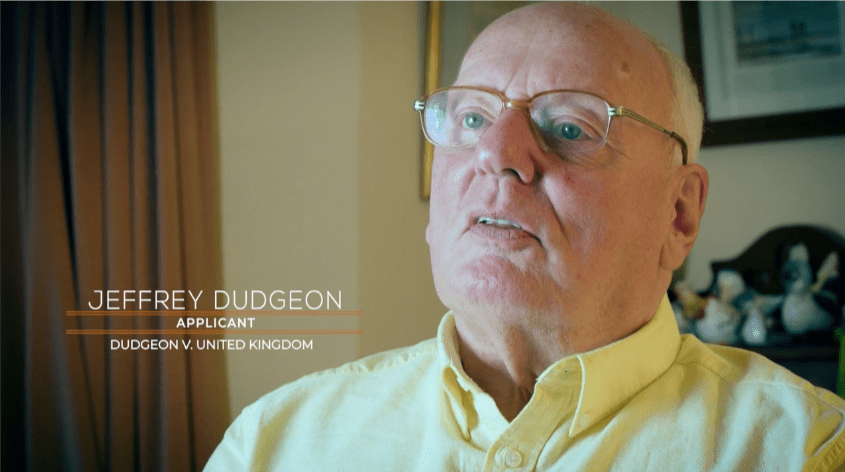
The fight for LGBT+ persons to enjoy their human rights has not been an easy one. 40 years ago, Jeffrey Dudgeon found justice at the European Court of Human Rights (ECHR).
Back in 1981, the Strasbourg Court was the first international body to rule that laws criminalising sexual orientation violate human rights, namely the right to respect for private and family life. Its ground breaking judgment led to the decriminalisation of homosexuality in Northern Ireland, the United Kingdom and Europe at large, recognising the human rights to millions of people.
The case – Dudgeon v The United Kingdom, 1981
In 1976, Jeffrey Dudgeon lodged an application with the European Commission of Human Rights complaining about the total prohibition of male homosexual acts in Northern Ireland, enforced through a law regulating all acts of buggery and gross indecency between males. This law provided the basis for police raids on the homes of gay men, who were subjected to extensive investigation and the threat of prosecution. Jeffrey had been questioned about his sexual activities by the police, who had also taken and kept diaries and personal correspondence from his home. In 1977, he was informed that a decision had been taken not to prosecute and the papers taken from him by the police were returned. Jeffrey complained that the law prohibiting male sexual acts had a “chilling or restraining effect on the free expression of his sexuality”.
On 22 October 1981, the European Court of Human Rights upheld Jeffrey’s complaint that the criminalisation of homosexual acts between consenting adults in Northern Ireland amounted to an unjustified interference with his right to respect for private life under Article 8 of the European Convention on Human Rights.
Impact of the case in the United Kingdom, Europe and beyond
This judgment was the first case to be decided at the European Court of Human Rights in favour of LGBT+ persons’ rights.
It led the UK Parliament to partially decriminalise sexual acts between men in Northern Ireland in 1982. But it also paved the way for the decriminalisation of homosexuality in Europe, as any law criminalising homosexual behaviour between consenting adults in Council of Europe member states would subsequently be considered a violation of Article 8 (right to respect for private life) under the human rights convention.
The case underpinned other judgments by the Strasbourg Court against states that enforced a total prohibition of homosexual acts. However, it took until 2014 (Northern Cyprus) to achieve the complete decriminalisation of homosexual acts in all Council of Europe member states.
The Dudgeon case also shaped jurisprudence outside Europe – for example, in the United States, where it was cited in the US Supreme Court’s Lawrence v Texas (2003) decision which found anti-sodomy laws in 14 states to be unconstitutional in the case.
Importance and relevance of the ECHR for the protection of LGBT+ persons’ human rights
The Dudgeon judgement was the first, but not the only case where the European Court of Human Rights made major decisions positively impacting the human rights of LGBT+ persons in Europe.
The Court has recognised:
the right of transgender persons to legal gender recognition without the requirement of sterilising surgery or treatment;
the right to legal recognition of same-sex relationships;
the right for same-sex couples to access civil unions when they are made available to different sex-couples;
non-discrimination with regard to second-parent adoption in a same sex-relationship;
the protection of freedom of assembly and freedom of expression, particularly for vulnerable groups including LGBT+ persons; and
the recognition of homophobic hate speech and homophobic hate crimes.
The Court considers the European Convention on Human Rights as a “living instrument”, which is “interpreted in the light of present-day conditions and of the ideas prevailing in a democratic society”. There are areas in which the Court’s case-law is still evolving, such as on equal access to marriage, the elimination of discrimination in immigration and asylum, non-discrimination on the grounds of sex characteristics and gender identity, and the depathologisation of transgender identities. There is still a long way to go in the fight for equal rights.
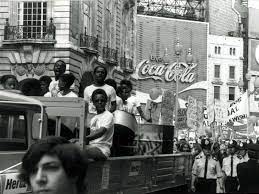
From the Pride March 1976, organised mainly by the Campaign for Homosexual Equality
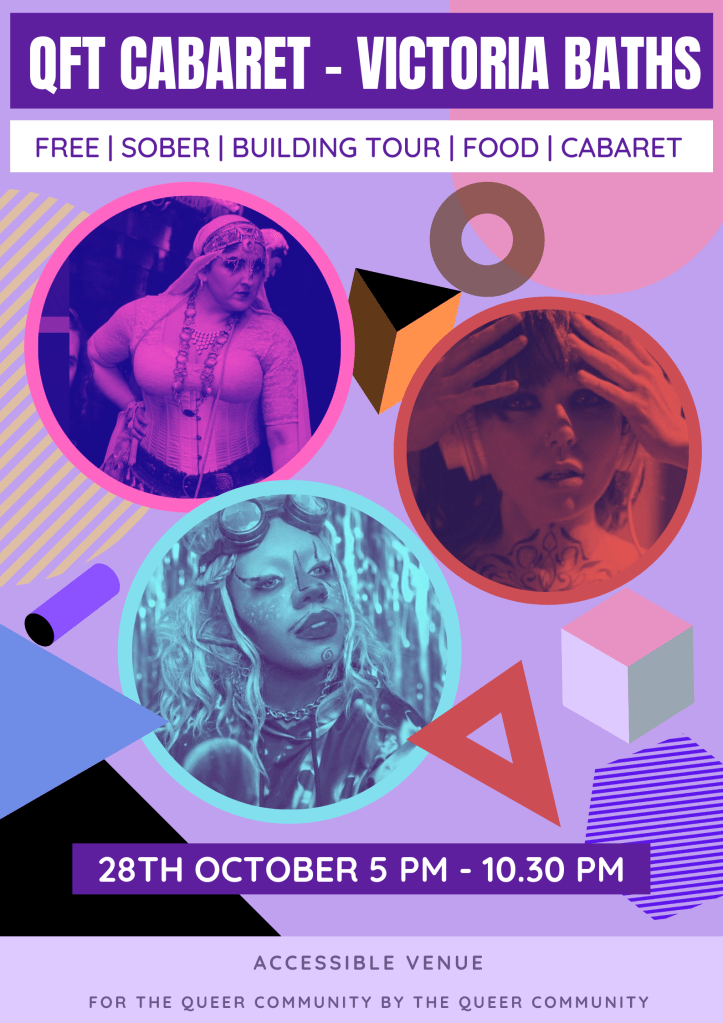
Manchester grassroots organisation Queer Family Tea (QFT) held their relaunch event on 28 October. QFT provides a sober space for LGBTQIA+ individuals in Greater Manchester.
The relaunch event, a cabaret night featuring multiple local entertainers, was hosted at the historic Victoria Baths.
Victoria Baths is a Grade II listed building,in the Chorlton-on-Medlock area of Manchester. The Baths opened to the public in 1906 and cost £59,144 to build. Manchester City Council closed the baths in 1993 and the building was left empty. A multimillion-pound restoration project began in 2007.
In the design and construction of the Baths, a great deal of money was expended, Manchester having at that time one of the world’s wealthiest municipal coffers. The façade has multi-coloured brickwork and terracotta decoration. The main interior public spaces are clad in glazed tiles from floor to ceiling and most of the many windows have decorative stained glass.
The event started with a homemade meal in the café and was followed by a tour of the building. At 7.30pm, the cabaret began in the old swimming pool at the Baths, and we heard the SHE Choir, spoken word, drag kings and queens, dance, and comedy.
Documentary “Cured” shows how homosexuality was removed as a mental disorder
In 1973, the American Psychiatric Association made the landmark decision to remove homosexuality from its manual of mental disorders. It had classified same-sex attraction as a “sociopathic personality disturbance” in its first edition, which was published in 1952.
In the documentary “Cured”, filmmakers Patrick Sammon and Bennett Singer give an inside look at the movement to remove the classification and the pioneering activists who took on the American Psychiatric Association, a formidable institution, and won.
“To be considered a sociopath is quite an intense burden to be branded with,” Singer says.
The activists’ mission was not only to overturn the official diagnosis, but also create a meaningful dialogue with the rank-and-file members of the association that would challenge deep-rooted prejudices and transform minds.
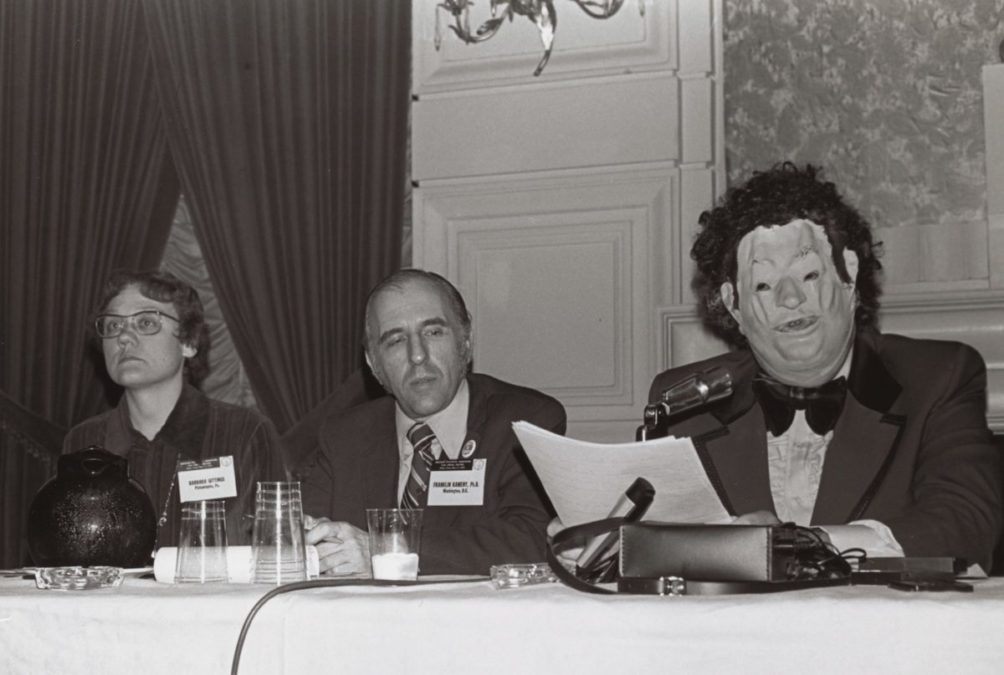
Disguised as “Dr. Henry Anonymous” in an oversized tuxedo and distorted Richard Nixon mask, Dr. John Fryer sent shock waves through the American Psychiatric Association’s 1972 convention by describing his life as a closeted gay psychiatrist. Activists Barbara Gittings, far left, and Frank Kameny, also were on the panel to talk about being gay. Photo: Kay Tobin via Manuscripts & Archives Division, The New York Public Library.
“Cured” made its broadcast debut on 11 October 2021 – National Coming Out Day – in the United States.
Up until 1973, the psychiatric establishment said homosexuality was a condition that needed to be cured. In addition to intensive talk therapy, LGBT+ people received painful and brutal treatments including electroconvulsive therapy, aversion therapy, and in extreme cases, castration and lobotomies.
Fearing these “cures” and widespread stigma, many gay men and lesbians were afraid to be their authentic selves.
Adding insult to injury, the American Psychiatric Association’s “scientific” diagnosis was often used to justify discrimination and persecution against gay men and lesbians.
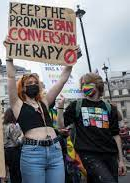
The documentary “Cured” also provides vital historical context for the ongoing debate about conversion therapy, a harmful practice that aims to cure gender identity or sexual orientation through psychological or faith-based interventions, sometimes called “Pray the Gay Away.”
Although conversion therapy has been discredited by the American Psychiatric Association and other major medical organisations, it is still legal for minors in 30 states.
In an interview with Q Voice News, Singer, who co-produced and co-directed “Cured,” talks about the gay and lesbian trailblazers showcased in the film and their quest to have homosexuality declassified as a mental disorder.
Here are some excerpts:
Movement to have homosexuality removed as a mental disorder
“I had a general sense that something had changed in 1973 and that there was a turning point, but I didn’t know what had happened, what it meant or how it had happened,” Singer says. “Patrick, my co-director and co-producer, had the idea that this was a story that hadn’t been told.
It’s a pivotal moment in the modern LGBTQ movement. This story deserved a closer look to really understand what happened and why it mattered,” he says. “The clock was ticking because so many of the participants and activists at the heart of the story were at an advanced age. Of the 15 people we interviewed, five of our storytellers have died.
It really underscores in a big way that essential history is easily lost if it is not documented.”
Impact of removing the mental disorder label
“Once the label had been removed, it opened the doors to a whole range of other civil rights progress in legislation,” Singer says. “The federal government began rethinking its prejudice policies toward gay people. “There is a direct line up to the repeal of Don’t Ask Don’t Tell and the legalisation of same sex marriage. There was a rethinking of gay people as healthy, productive citizens who deserved rights and dignity.”
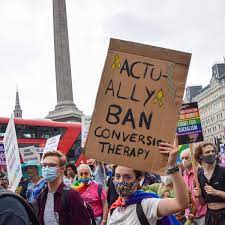
Conversion therapy – can we trust Liz Truss?
The Tory government has repeatedly pledged to outlaw the traumatising practice, which has been discredited by every major psychiatric body.
In May 2021, Queen Elizabeth II promised a conversion therapy ban would be brought forward during her speech at the State Opening of Parliament.
Immediately afterwards, the Government Equalities Office said legislation would be advanced following a public consultation process which would “ensure that the ban can address the practice while protecting the medical profession; defending freedom of speech; and upholding religious freedom.”
The public consultation was supposed to be launched in September, but was pushed back.
The delay is just the latest setback in the long fight to ban conversion therapy in the UK. Theresa May’s government first promised to outlaw the practice in 2018 – but more than three years on, conversion therapy remains legal in all regions of the UK.
In the years that have elapsed since that initial promise, Tory ministers have repeatedly promised that legislation will be advanced – but they have also repeatedly kicked the can down the road.
A six-week public consultation has now opened on 29 October over how best to end conversion therapy, which is described by health bodies as an attempt to change or suppress someone’s sexual orientation or gender identity.
This generally entails trying to stop or suppress someone from being gay, or from living as a different gender to their sex recorded at birth.
After the consultation the Minister for Women and Equalities, Liz Truss, will decide on whether the plans should be amended. A bill will be drawn up by next spring, with the aim of putting it on to the statute book by May 2022.
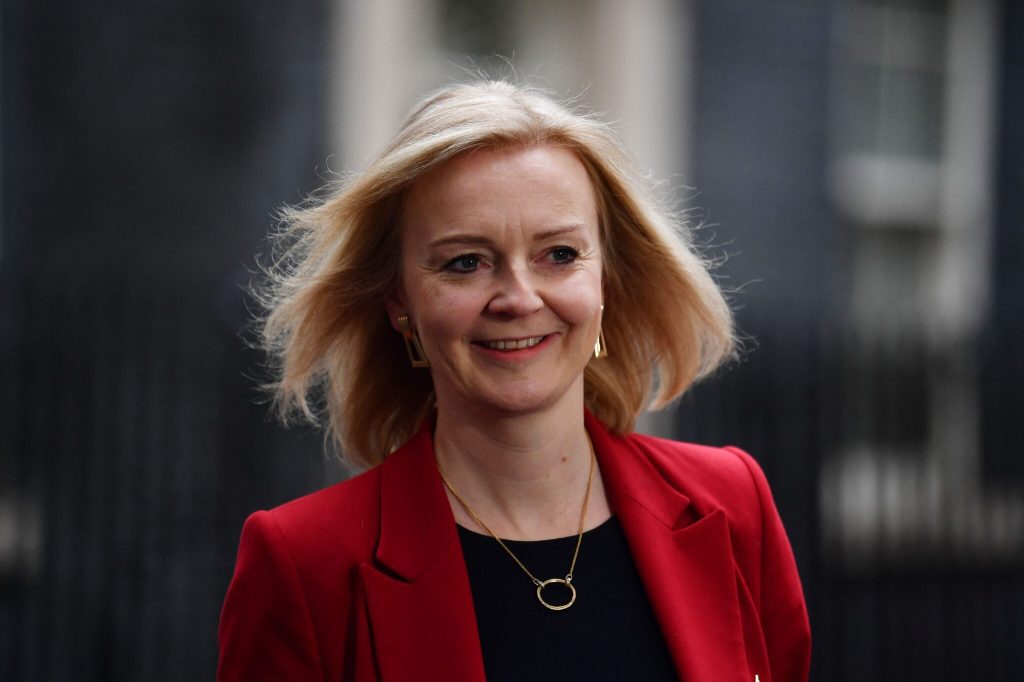
Liz Truss leaves Downing Street after attending a cabinet meeting in central London on 27 October 2021. (Photo by Ben STANSALL / AFP)
A 2017 survey estimated 5% of LGBT people have been offered conversion therapy, and 2% have experienced it.
A ban was first mooted in the same year, and the new proposals include stronger legislation for England and Wales, including creating a new criminal offence.
Liz Truss said: “There should be no place for the abhorrent practice of coercive conversion therapy in our society.”
The consultation also contains a range of other suggested measures including:
Conversion therapy protection orders;
Restricting promotion of conversion therapy, including online;
Removing profit streams from perpetrators; and
Making it easier to disqualify a perpetrator from holding a senior role in a charity.
If you want to submit your views regarding the proposals, please click here.
“Look into their eyes”: new portrait exhibit presents real people behind the letters LGBT+
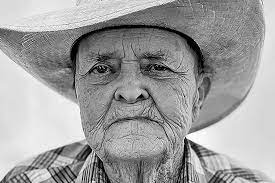
Jude, as photographed by Carey Candrian, an associate professor at the University of Colorado School of Medicine in the Division of General Internal Medicine, as part of the Eye To Eye project.
Around 1979, Dr Nancey Johnson Bookstein was outed by a fellow faculty member on the quad of the University of Colorado School of Medicine. The woman asked her “Well, how’s it like to be gay?”
“We weren’t alone, and I hadn’t told her. And I was mortified. And I was actually afraid of losing my job,” Johnson Bookstein said at the opening reception of Eye to Eye: Portraits of Pride, Strength, Beauty at the same school where she went on to work as an associate professor of physical therapy for 38 years.
She and others spoke of the many ways they and others in the LGBT+ community were stigmatised and ostracised. They were separated from their partners at the emergency room in the middle of a crisis, asked humiliating questions and often had to hide their identities to keep their jobs and reputations.
Carey Candrian, an associate professor at the School of Medicine, is the mind behind the portrait series. She studies how communication shapes — and is shaped by — perception, attitudes and biases in the LGBT+ community. She’s interviewed dozens of older adults from the community about their experiences with palliative care, hospital visits and living in assisted living or skilled nursing facilities.
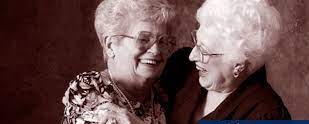
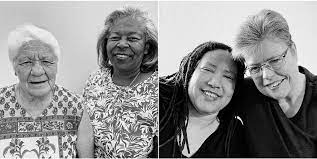
MaryLou and Agnes, left, and Kim and Tamara, as photographed by Carey Candrian, as part of the Eye To Eye project.
One goal of her research is to improve the care at facilities and educate staff on how to create an inclusive environment for LGBT+ residents. Once, when she was presenting some of her work at an assisted living facility, she was asked questions from the crowd that shocked her.
“One of the first comments was someone asked me: Will there be less gay people now that we’re eating more organic? So we have less hormones,” she said at the opening reception. “And another comment was, you know, if we allow LGBT residents to come in, will they all have HIV?”
There was a lot to unpack in each question, but what occurred to her was how little the people asking knew about LGBT+ people. She guessed that they probably didn’t know anyone, or didn’t think they knew someone, who was LGBT+.
It’s one thing to publish academic articles, speak at conferences for medical professionals or to lecture students, Candrian explained, and it’s another to use art to convey the humanity of the people behind the research.
Candrian decided to photograph 27 of the older LGBT+ women she’s interviewed over the last five years and then display those photos with quotes describing some of their thoughts and experiences.
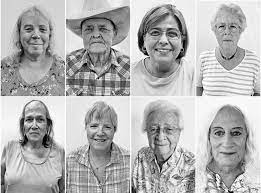
Melissa, Jude, Esther, Pamela, Julia, Shirley, Martha, and Traci, clockwise from top left, as photographed by Carey Candrian, as part of the Eye To Eye project.
“They’ve been whispered about, shouted at, insulted, rejected, isolated. But here they are, strong and brave. Look into their eyes,” the exhibit’s description reads.
Johnson Bookstein is photographed alongside her wife, Joan, with the quote: “Our life wish is that there would be retirement communities for us (LGBT people). We don’t want to die with a bag over our heads.”
Many seniors go back in the closet when they enter assisted living facilities. During the Q&A portion of the opening event, people in the crowd brought up similar concerns. Estelle, who was photographed for the event, said she hasn’t told anyone she’s gay at the facility she lives at. She shrugged about it and said she has lots of girlfriends who visit, but she also has kids and grandkids. Other residents and staff haven’t thought to ask about it.
The black and white portraits are up close and personal. They’re at eye level and show a careful attention to detail. Some are smiling, others look serious or contemplative.
“I sure have a lot of wrinkles,” laughed Jude Gassaway who wore a cowboy hat and leather vest to the opening reception. “She was careful to get that kind of topography.”
Gassaway is “the block lesbian over on Harlem Street in Edgewater”, as she describes herself. She’s 81-years-old and came out when she was 40. Under her photograph reads: “I denied myself for 40 years. The next 40 years I became who I am and now I have a life to live.”
For Agnes Callwood, who wore black leather boots with eagles and has purple hair, the portrait series presented her an opportunity to come out to the people she works with. She wasn’t in the closet, per se, she said, she just didn’t explicitly tell anyone. She’s been a nurse for more than 20 years.
“There’s a thing about being forthright and a thing about being passive — and so I’ve been passive. Maybe I don’t need to be passive. Maybe there are other people out there that are passive that want to be forthright,” Callwood said. “Somebody needs to lead the way, maybe that might be me.”
“I think that the LGBT community, like most marginalised communities they’re always talked about from a deficit. So you hear all of these horrific statistics and it’s easy to lose the person,” Candrian said. “I do think when you see someone and hear their story, it does make you think differently and doesn’t make it as easy to look away. And that was one of the things I hope people would do with this exhibit is have it stay with them.”
How and when to intervene if you witness a homophobic attack
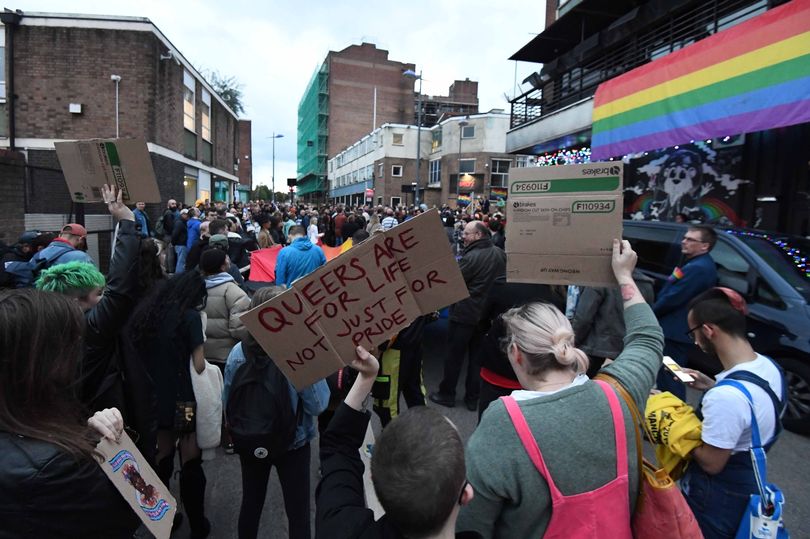
People attend a solidarity protest against homophobia being held outside the Nightingale Club in Birmingham. (Image: Darren Quinton / Birmingham Live)
What should you do if you witness a homophobic or transphobic attack?
Here’s five things you can do to help:
Report the incident
The most important thing you can do in the moment is to report the attack to the police immediately.
You can contact the police directly or use an online reporting facility such as True Vision.
It’s important to report all incidents to the police no matter how trivial the offence, as the more evidence they get, the need for additional policing and resources in that area becomes clearer and it justifies them freeing up resources.
Most hate crimes are verbal abuse and threats.
Don’t confront the attacker
It is important, when you witness a hate crime, to keep yourself safe too. It is vital to help the victims, rather than confronting the attacker.
Make sure you are safe, don’t risk your own safety because it can really be counterproductive
Ask others around you for help
Bystanders have “a lot of power” when they witness a homophobic attack. It is unreasonable to believe the police will be able to do everything – we can’t have police outside every pub and nightclub.
Victims are perceived – and judged – differently because of their characteristics. LGBT+ people as victims of crimes receive less empathy than other victims, are less likely to get help from bystanders, and the homophobic or transphobic motivation of a crime is less often seen as an aggravating circumstance deserving a top-up in penalty.
Transgender people seem to be the most disadvantaged – not just in terms of empathy, but also in support for gender identity being treated as a protected characteristic in hate crime laws.
Film for evidence – not social media
There has been some recent push back to the idea of people filming crime scenes and emergencies. It is wrong to post the suffering of others online, but filming a crime scene can be a very important tool in gathering evidence to help the police in their investigation.
Be an active ally
Perhaps the most important thing you can do in the aftermath of an attack is to be an active ally and call out homophobia or transphobia when you come across it. People are not just one characteristic, we are not just LGBT+ or black or religious, we are a number of different things. Hate crime attacks the society as a whole by attacking individuals.
Manchester grassroots organisation Queer Family Tea announces relaunch event.
On 28 October, Queer Family Tea (QFT), a volunteer-led organisation that provides a sober space for LGBTQIA+ individuals in Greater Manchester, will be hosting an event to celebrate the relaunch of the organisation’s in-person engagements.
QFT meets once a week to engage in diverse and engaging programming like cooking classes, as well as hosting regular cabaret events with guest performers and entertainers. All members of the LGBTQIA+ community and their allies are welcomed and encouraged to attend.
The relaunch event, a cabaret night, will feature multiple local entertainers, including comedians and poets. The event will be hosted at the historic Victoria Baths and will kick off at 5.00pm with a tour of the building and a homemade meal in the cafe. At 7.30pm, the cabaret will begin in the old swimming pool at the Baths, and guests can expect music, spoken word, drag kings and queens, dance, and comedy. The event will be a sober space and guests are asked to respect that.
QFT’s founder, Karl Olsen, said: “We are so excited to be back in-person again for our events. The Manchester community deserves a safe, sober space for queer individuals of all kinds to gather and interact. After a difficult year apart, we are so grateful to be able to gather with each other again and celebrate the Manchester LGBTQIA+ community that is so special.”
Accessibility and inclusivity are vital to the organisation’s mission as well. The venue is accessible via wheelchair ramp and will include accessible restrooms as well. QFT will be resuming its weekly events and programming following the relaunch, with pay-as-you-can meals weekly, beginning at 7.00pm every Thursday, and often featuring free programming, such as arts, performance, and much more.
Out In The City members will be attending. If you would like to join us, please contact us here.
Lost during Nazi rule in Germany, one of the world’s first pro-gay films has finally been restored for modern viewers
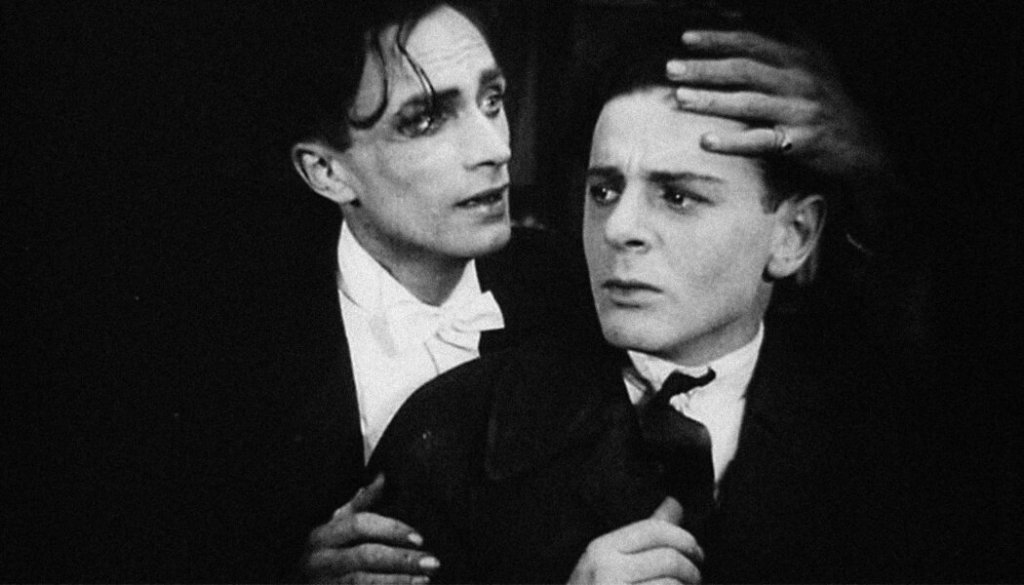
A still from Magnus Hirschfeld’s “Laws of Love.”
In the early days of cinema, a German sexologist made one of the world’s first pro-gay films. Lost to history after the Nazis rose to power, Gesetze der Liebe (Laws of Love) has been found, restored and released to the acclaim it deserves – nearly a century after it was made.
Gesetze der Liebewas released in 1927 by the renowned German scientist and sexologist Magnus Hirschfeld. Although the film was never shown in its entirety in Hirschfeld’s hometown of Berlin at the time of its initial release, the film received a belated premiere in the German capital this summer to an audience of about 50 people after the city permitted open-air cinemas. The film, painstakingly restored to Hirschfeld’s original vision by the Munich Film Museum, is scheduled for eventual release on DVD this year.
Hirschfeld was an important scientist and activist who was a pioneer in the field of sexual science. In 1897, Hirschfeld founded the Scientific-Humanitarian Committee (SHC), which deployed scientific theories of human sexuality to advocate for the recognition of LGBT+ people, and campaigned against their legal persecution. By some definitions, the SHC was the world’s first LGBT+ rights organisation.
A couple of decades later, in 1919, Hirschfeld created his Berlin-based Institute of Sexual Science (ISS), which soon became known around the world for its groundbreaking research on gender and sexuality; its medical team performed some of the world’s first gender-affirming surgeries. Hirschfeld’s influence came to an abrupt end as Adolf Hitler rose to power in Germany. In 1933, students in support of the Nazis set fire to the institute as part of a “celebration” of Hitler’s hundredth day as chancellor—a rally that destroyed, among many other “un-German” books, the archives of thousands of case studies and photographs documenting LGBT+ lives. Hirschfeld, who was not only homosexual but Jewish, moved to France that year. He died of a heart attack two years later in 1935, as Hitler’s Third Reich became increasingly authoritarian. Amidst all this, Gesetze der Liebe went missing.
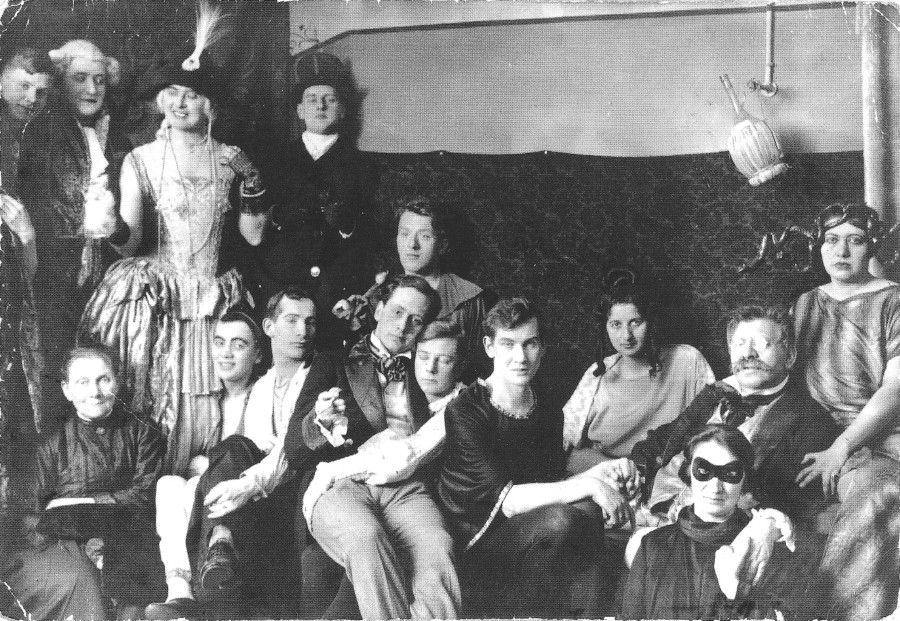
One of the few images from the Institute of Sexual Science (ISS) that was not destroyed.
Running 100 minutes, Gesetze der Liebe is structured as a series of lectures from Hirschfeld explaining sex and the reproductive system in the natural world. It’s considered to be an example of the “enlightenment film” trend that was popular throughout Weimar-era Germany. These enlightenment films aimed to educate audiences about topics such as drug and alcohol use, sex work, abortion, sexually transmitted infections and, in the case of Gesetze der Liebe, sexuality.
For Hirschfeld, the film was also an opportunity to draw attention to anti-gay laws in Germany at the time. In particular, he targeted Paragraph 175, a statute prohibiting sex between men (women were not mentioned) that was introduced in 1871 and was used to convict around 140,000 men until it was repealed in 1994. In its long history, the statute was at times poorly enforced and at times strictly enforced. The Nazis took a particular interest in it when they came to power in 1933. In 1935, after the institute had been destroyed and Hirschfeld had left the country, the Ministry of Justice amended the statute to make it even more strict, so that even words and gestures between men that could be construed as sexual were against the law; the Nazis also increased penalties for violating Paragraph 175.
In his day, Hirschfeld was “very aware” of the way film could be used to inform audiences and influence public opinion.
Gesetze der Liebe is divided into five chapters, of which the first three appear to be fairly innocuous explanations of mating behaviours in different plant, insect and animal species—explanations that might not look out of place in a school biology lecture. In the first chapter, “Searching for and Finding the Sexes,” viewers witness the courtship patterns of various frogs, crickets, birds, fish and snakes, including the day-long copulations of European adders. The second chapter, “To the Light of the World,” follows the creation of life from fertilisation to birth, demonstrating the diverse ways reproduction takes place, from bees and other insects fertilising flowers to eggs laid underwater by fish and amphibians to the more familiar mammalian reproduction in animals such as the common house cat. The third chapter, “Mother’s Love,” tells viewers about the maternal instinct of different species, such as birds tending to their nests and the watchful eye of a kangaroo looking after her joey, before arriving at the role of a mother’s love in humans.
Many of the scenes in these chapters were captured by Hirschfeld and his colleagues at the ISS. This footage provides viewers with an extremely intimate and scientific view into these diverse expressions of sexuality in nature. The chapters are interspersed with scenes of Hirschfeld himself as he lectures about the content of the film, frequently drawing attention to the fact that non-heteronormative behaviour is common throughout the natural world.
The final two sections discuss Hirschfeld’s more controversial theories of sexuality. In the penultimate section, he details his theory of “intermediate sexes,” meaning that not only are there men and women, but also men who have “female traits” and women who have “male traits.” One example he employs from the “animal world” is the hermaphroditic slug, which has both male and female reproductive organs.
This view is not quite the spectrum of sexuality we think of today, but rather was looking at what the body, rather than a person’s identity, suggests about gender identity and sexual orientation.
Hirschfeld’s view, though out of date now, was advanced for the time. This is a similar line of thinking that, for example, led the American Psychiatric Association to list homosexuality as a disorder in the Diagnostic and Statistical Manual of Mental Disorders (DSM), leading to harmful attempts to “cure” homosexuality; the definition was removed from the DSM in 1973.
The fifth and final section of Gesetze der Liebe is dedicated to homosexuality, and is actually an abridged and restructured version of a feature-length film Hirschfeld had co-written with Richard Oswald (who was also its director and producer) about eight years earlier. Anders als die Andern (Different from the Others), released in 1919, is considered to be the first pro-gay film in the world.
Likely running between 60 and 80 minutes when it was originally released, Anders als die Andern is a drama about a concert violinist who falls in love with his male student. Soon, their budding romance is disrupted by the prejudices of family members and a male sex worker who blackmails the musician. The central message of the film is the ways that Paragraph 175—and the stigma and prejudice it bred about homosexuality—destroyed the lives of gay and bisexual men in Germany at the time.
Authorities immediately censored the parts of Gesetze der Liebe on “sexual intermediacy” and homosexuality. However, Hirschfeld continued to try to get around the laws. The prohibition against “homosexual propaganda” only applied to moving images, so Hirschfeld hosted viewings of the first three uncensored chapters of the film, followed by a lecture with slides of stills from the more controversial final two chapters. Hirschfeld’s new part film / part lecture presentation was a huge success. The sexologist repeated these presentations weekly in a major Berlin cinema that seated a couple of thousand people, and even travelled beyond the capital to present the film in Hamburg.
After Nazi supporters committed arson against Hirschfeld’s institute in 1933, it was believed that both the feature-length version of Anders als die Andern and the entirety of Gesetze der Liebe had been lost forever. However, the abridged and restructured version of Hirschfeld and Oswald’s 1919 drama was preserved in a Russian archive and resurfaced decades after the war.
The first four reels of Gesetze der Liebe were discovered in the German Federal Archive. Now, about a century after this saga began, both films will finally be released for a general audience. The Munich Film Museum will release both Gesetze der Liebe (Laws of Love) and Anders als die Andern (Different From The Others), along with Geschlecht in Fesseln (Sex in Chains), a film from 1928 that also addresses themes of homosexuality, on DVD.
About a century after the release of these films, similar arguments about “homosexual propaganda” are being used to suppress the expression and organising of LGBT+ people in several European countries. In the past few years, dozens of towns in Poland have declared themselves “LGBT-free zones” with support of the federal government, and this summer, Hungary’s parliament passed a law banning LGBT+ content in schools. Approximately 100 years later, the same argumentation is now guiding the Hungarian parliament, like in Germany in 1921. It’s a repetition of the past.




 Out in the City