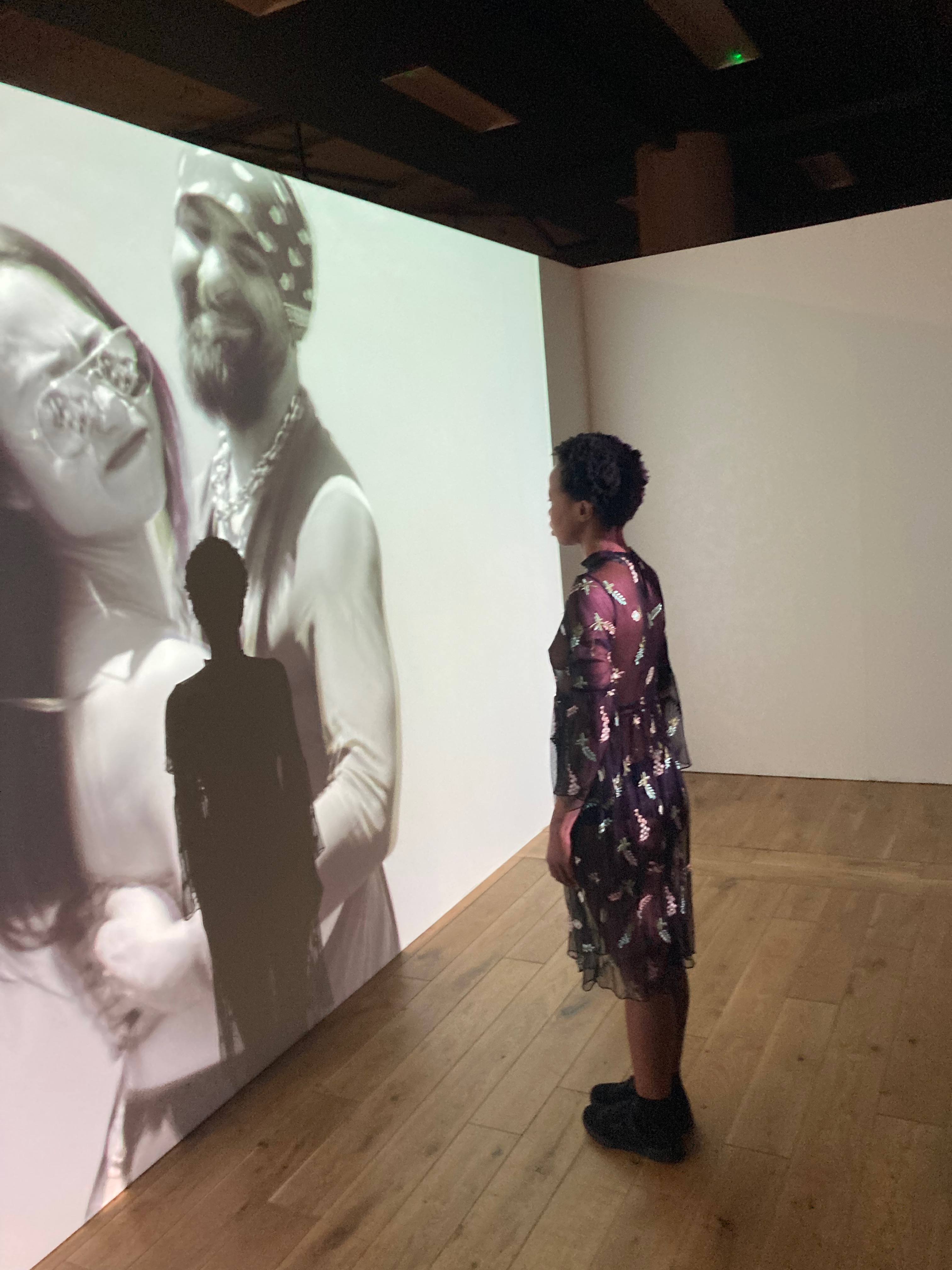
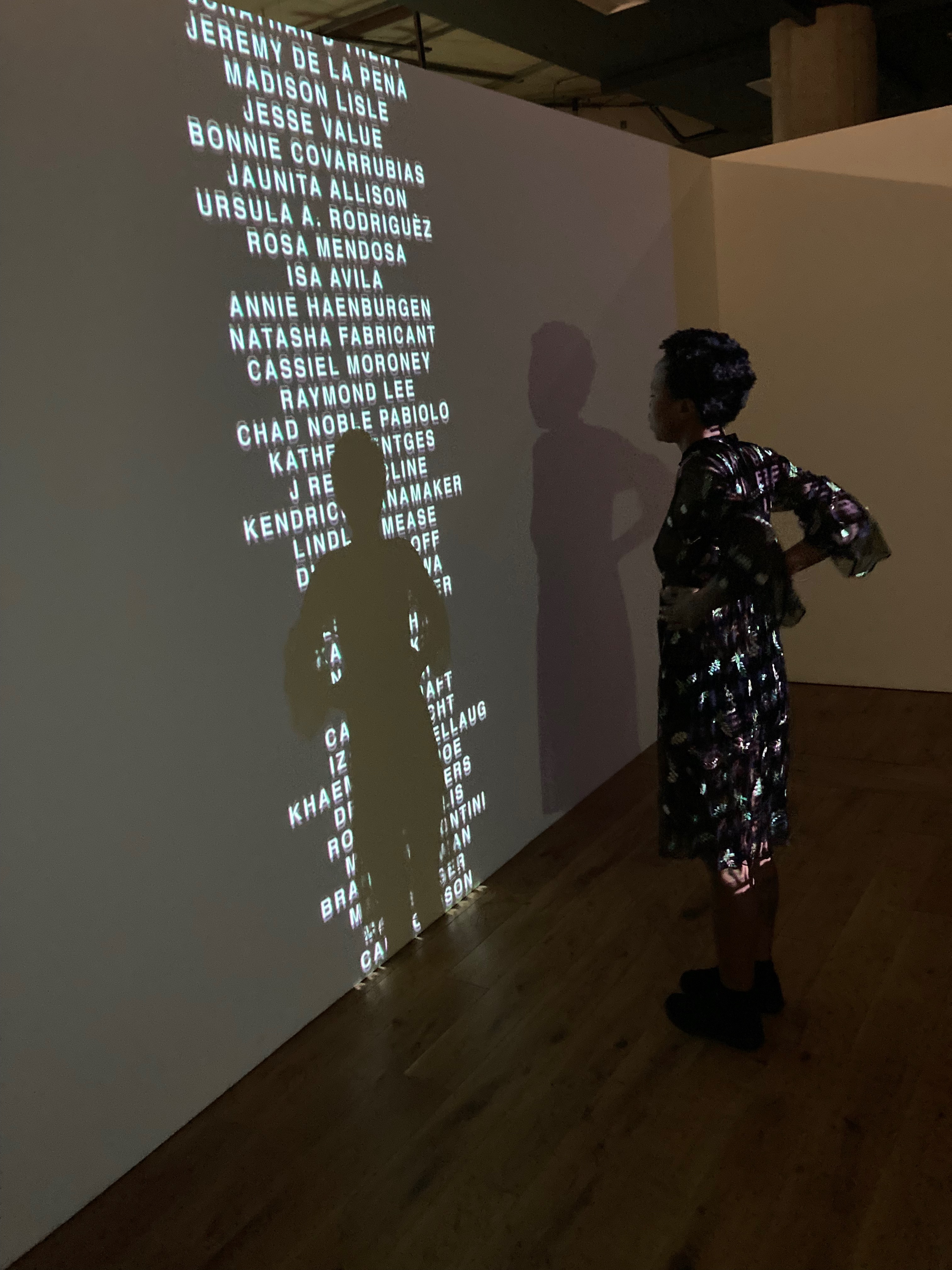
Human Measure is the debut UK solo exhibition by internationally renowned transgender artist Cassils.
Cassils is a visual artist who makes their own body the material of their performances. Cassils transforms their body through training, nutrition and the acquisition of athletic skills, and then defiantly exposes their body. The artist knows this will solicit lurid and intrusive gazes, but Cassils work incites voyeurism in order to subvert it.
Human Measure presents a 10-year survey of screen and print-based work at a critical moment for advocacy.
Working in live performance, sculpture, photography, sound design and film, Cassils contemplates LGBTQI+ violence, representation, struggle and power.
Cassils sent a personal message: “The work in this exhibition goes beyond the logic of identity politics, beyond the meat of my own body.
I have been working towards the revolutionary project of anti-patriarchal, anti-racist and social transformation in my own small/humble way.
Everyone is welcome with open arms – with special love and mindfulness towards our trans/GNC/non-binary folks.
To those of us deemed “marginalised” including but not limited to those without citizenship, indigenous peoples, non-white people, non-cis male people, our elders, our fairies and grand dukes – we are so much more. This work is for you.”
Human Musings was the one night only performative response to Human Measure. Maz Hedgehog, writer and spoken word poet together with mandla rae, an agender queer Zimbabwean writer and performer weaved in and amongst the gallery exhibition.
We listened and followed these different wordsmiths gaze upon and respond to the pieces of art. It was an interesting and thought provoking experience.
The veteran gay and human rights activist Tony Openshaw talks with Don Milligan about his new book ‘The Embrace of Capital – Capitalism from the inside’ due to come out in April 2022. This fascinating conversation focuses on Don’s life negotiating his gay identity within various left movements that he has been active in over a number of decades.
A synopsis of The Embrace Of Capital:
The “spectre of communism” which Karl Marx confidently evoked in 1848 is now nothing more than a ghostly and ghastly nightmare, without form or substance. This is because working people have developed a love-hate relationship with capitalism. They hate insecurity, inequality, and greed, and love civic and political freedom. They love mass consumption, and accept the logic of commerce. Barreling along through wars, revolutions, epidemics, and crises of all sorts, working people in their millions have consistently dumbfounded and dismayed the left, by their refusal to countenance any alternative to the capitalist mode of life. We have to ask: Is it possible to reverse this reality, and once again talk of the necessity of communism?
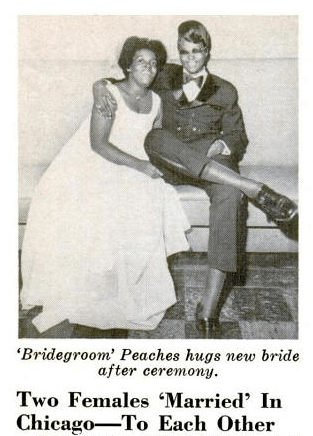
This photo and headline (Two Females ‘Married’ In Chicago – To Each Other) accompanied an article from the 15 October 1970 issue of Jet magazine. They reveal that long before the recent struggle for marriage equality began, African American women who love women have engaged with the institution of marriage and have fought to make it their own.
Edna Knowles, on the left, and Peaches Stevens were wed in Liz’s Mark III Lounge, a gay bar on the South Side of Chicago, “before a host of friends and well wishers.” The article ended by noting, “although the duo had a type of ‘marriage license’ in their possession, the state’s official marriage license bureau reported it had no record of their license.” This ending serves to remind Jet readers that Knowles and Stevens’ union was not legitimate in the eyes of the state, as does the use of quotes around the word “married” in the headline.
However, decades prior to this bold public display of queer affection, African American female couples in New York strategised alternative ways to obtain marriage licenses in the 1920s and 30s.
In her book “The Black Lesbian: Times Past – Time Present”, Luvenia Pinson writes: “Marriage ceremonies were held with large wedding parties which included several bridesmaids, attendants, and other wedding party members. Actual marriage licenses were obtained by either masculinising the first name, or having a gay male surrogate obtain the license for the marrying couple. These marriage licenses were placed on file with the New York City Marriage Bureau.”
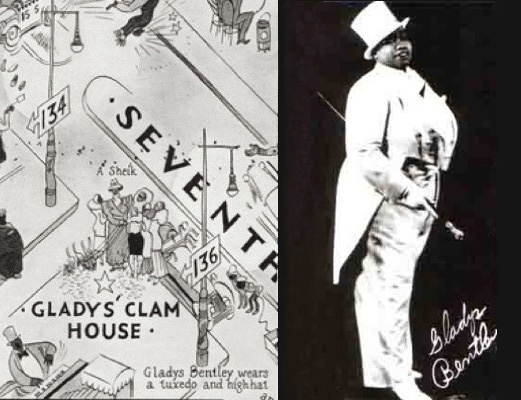
Also during the 1930s, popular performer Gladys Bentley was making a living singing bawdy tunes and playing piano late into the night at various clubs all over New York, including one named after her.
Gladys Bentley
Bentley married her white girlfriend in Atlantic City in a ceremony to which she invited friends in the entertainment industry.
Eric Garber in the book “Gladys Bentley: The Bulldagger Who Sang the Blues” states: “Columnist Louis Sobol remembered Bentley coming over to his table one night and whispering, ‘I’m getting married tomorrow and you’re invited.’ When Sobol asked who the lucky man was to be, she giggled and replied, ‘Man? Why boy you’re crazy. I’m marryin’ ——’ and she named another woman singer.”
These examples show some of the various ways African American women have created public rituals to express their same sex relationships and have therefore insisted on their rights to full citizenship, many decades prior to the current struggle for marriage equality.
World AIDS Day 2021
This year marks 40 years of the HIV response. On 5 June 1981 the Centers for Disease Control in Atlanta, Georgia published a report of five cases of a rare form of pneumonia amongst previously healthy young men. This unexplained illness later became known as Acquired Immuno-Deficiency Syndrome (AIDS).
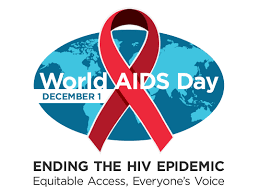
The first observance of World AIDS Day was on 1 December 1988, marked by the World Health Organisation as a global public health issue. On that day each year there are campaigns raising awareness of the AIDS pandemic caused by the spread of HIV infection, and the day is also dedicated to mourn those who have died.
As of 2020, AIDS has killed 36.3 million people and an estimated 37.7 million people are living with HIV.
Whilst medical treatment has developed so much that an HIV diagnosis no longer means a death sentence, there’s still work to do in raising awareness and understanding of HIV, fighting stigma and discrimination and inspiring people living with HIV to live healthy and confident lives.
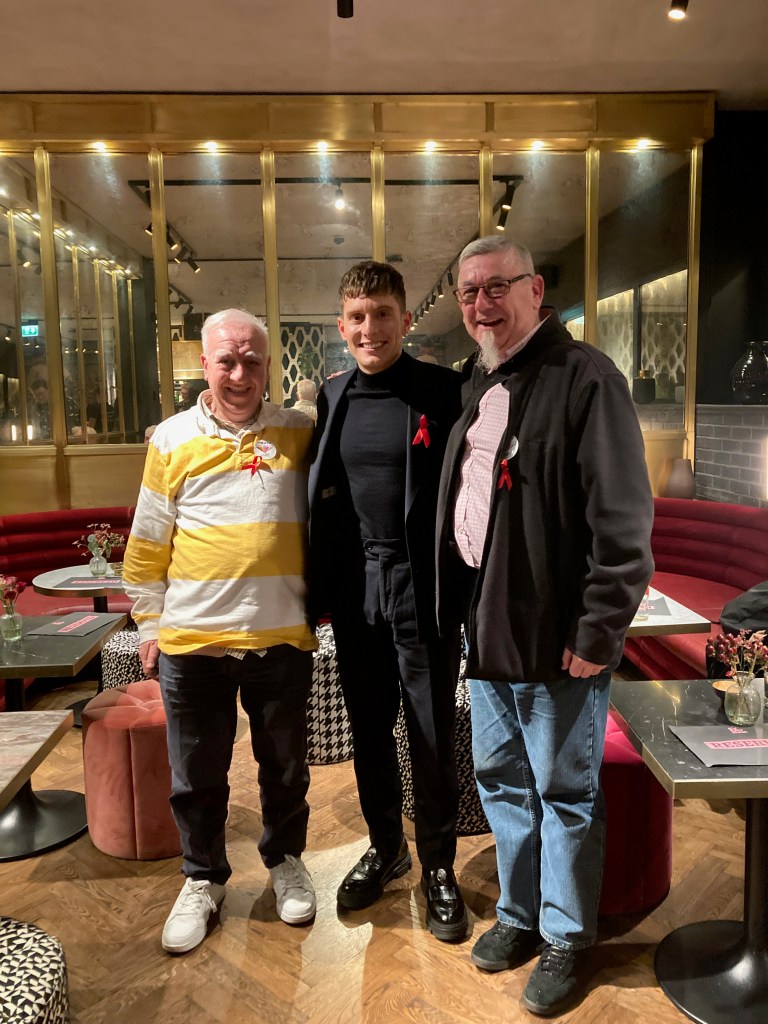
Norman Goodman, Riyadh Khalaf and Tony Openshaw at the launch event of “Positive”
In Manchester this year, there were a number of events ranging from distributing red ribbons and leaflets to a candlelit vigil, three part documentary series “Positive” with a community reflection group, the launch of the Derek Jarman exhibition “Protest!” at Manchester Art Gallery, the play “First Time” by Nathaniel Hall at the Contact Theatre and the exhibition / event – “To Whom It May Concern” at Seesawspace.
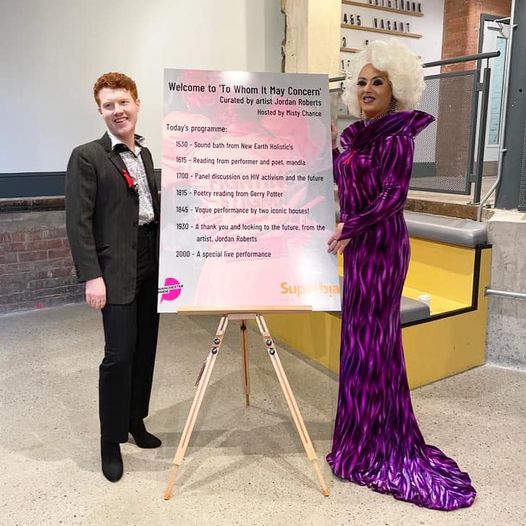
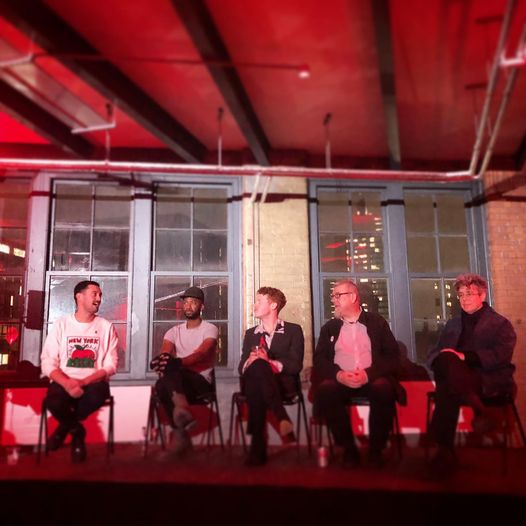
I attended most of these excellent events, but my personal highlight was the last event organised by Jordan Roberts. It featured photographic exhibition, films, reading by mandla rae, panel conversation on HIV activism including ACT UP Manchester and ACT UP New York, poetry reading by Gerry Potter, vogue performance from House of Blaque and artist talk with Jordan about the event and future projects.
Jordan Roberts and Misty Chance
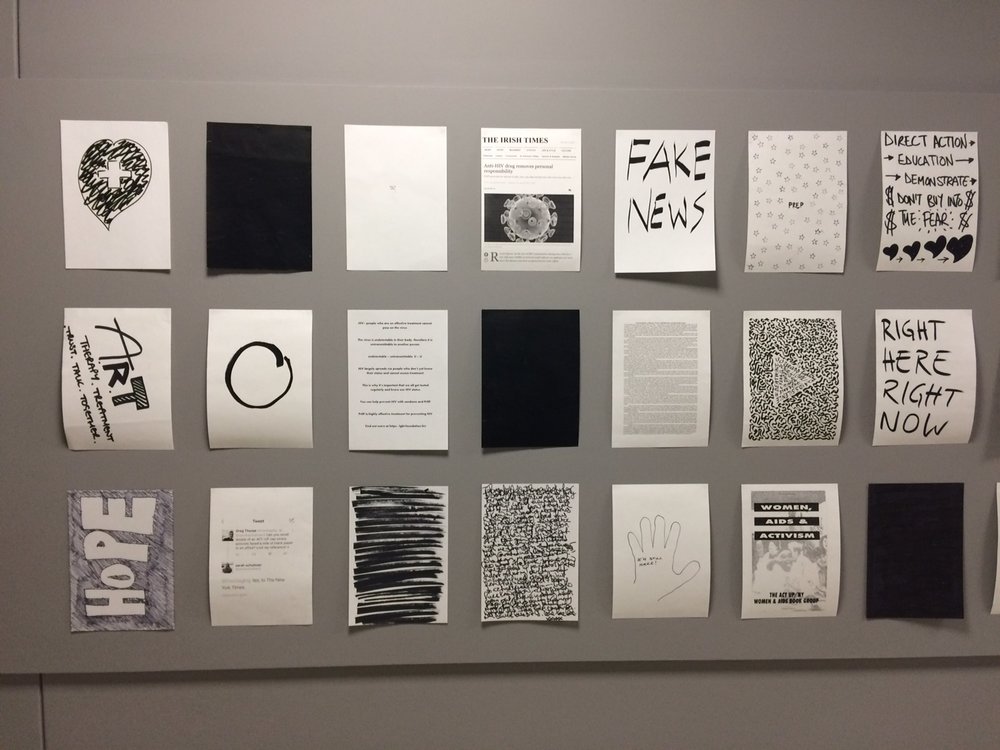
Also included was ‘A Mile of Black Paper’ by Greg Thorpe. In 1987 the New York Times installed its first fax machine. The direct action group ACT UP (‘AIDS Coalition To Unleash Power’) were effective, wildly inventive, tech savvy activists. They faxed a mile of black paper to the newspaper office, using up all the expensive ink and rendering the machine useless. This was one of many activist ‘zaps’ used to protest and draw attention to the AIDS epidemic.
‘A Mile of Black Paper’ is a collaborative artwork and teaching tool inspired by this action. The work inverts the original intention to shut down communication and replaces it with a forum for expression – a place to talk, write, learn and make work about HIV and AIDS.
Mile of Black Paper
One person described the event: “Beautiful conversations between the panel and the audience with so much generosity of sharing of experience and solidarity and support in the room. I felt like I was in exactly the right place with the right people, remembering those we have all lost supporting each other best we can and trying to find future solutions.”
This World AIDS Day, I laughed, I cried, but most of all I felt inspired.
Panel discussion on HIV activism
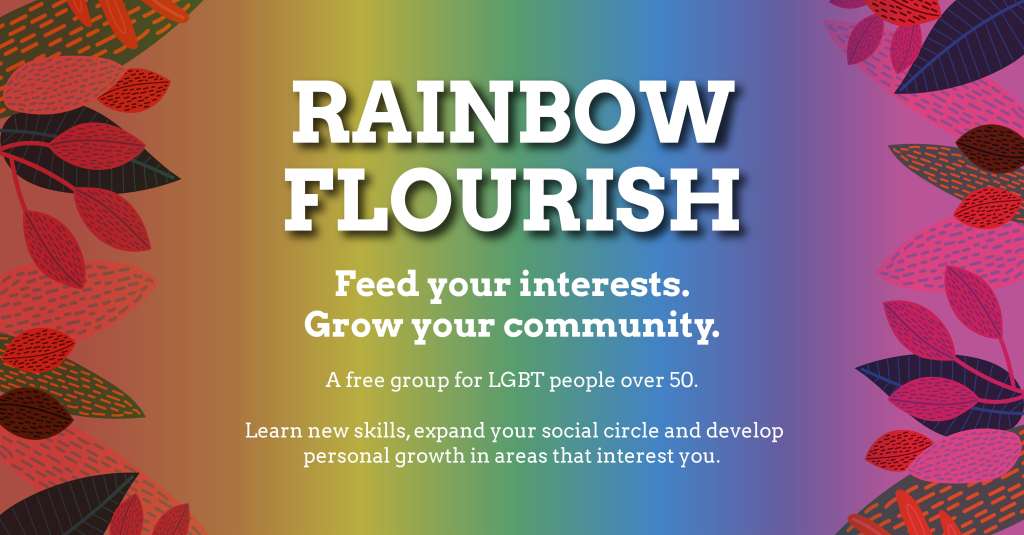
Rainbow Flourish
Popping up in Wigan, Trafford, Manchester South (Moss Side, Rusholme and Hulme) and online, Rainbow Flourish is a free monthly social group run by LGBT Foundation’s Pride in Ageing programme for LGBT people over 50.
Come along and join in with our monthly activities or relax with a cup of tea and some cake while meeting other LGBT people in your local community. We’ve set up Rainbow Flourish as a place to learn new skills and develop personal growth in areas that interest you.
Find out more about our upcoming sessions and book a place at lgbt.foundation/prideinageing/events Rainbow Flourish is run by Pride in Ageing at LGBT Foundation and is supported by Ambition For Ageing and the Older People’s Fund.
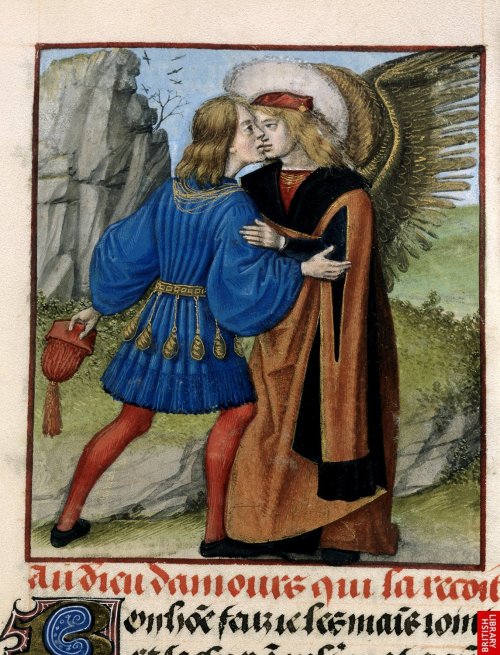
Amour kissing the Lover, Detail of a miniature from “Roman de la Rose” by Guillaume de Lorris and Jean de Meun, c.1490-1500
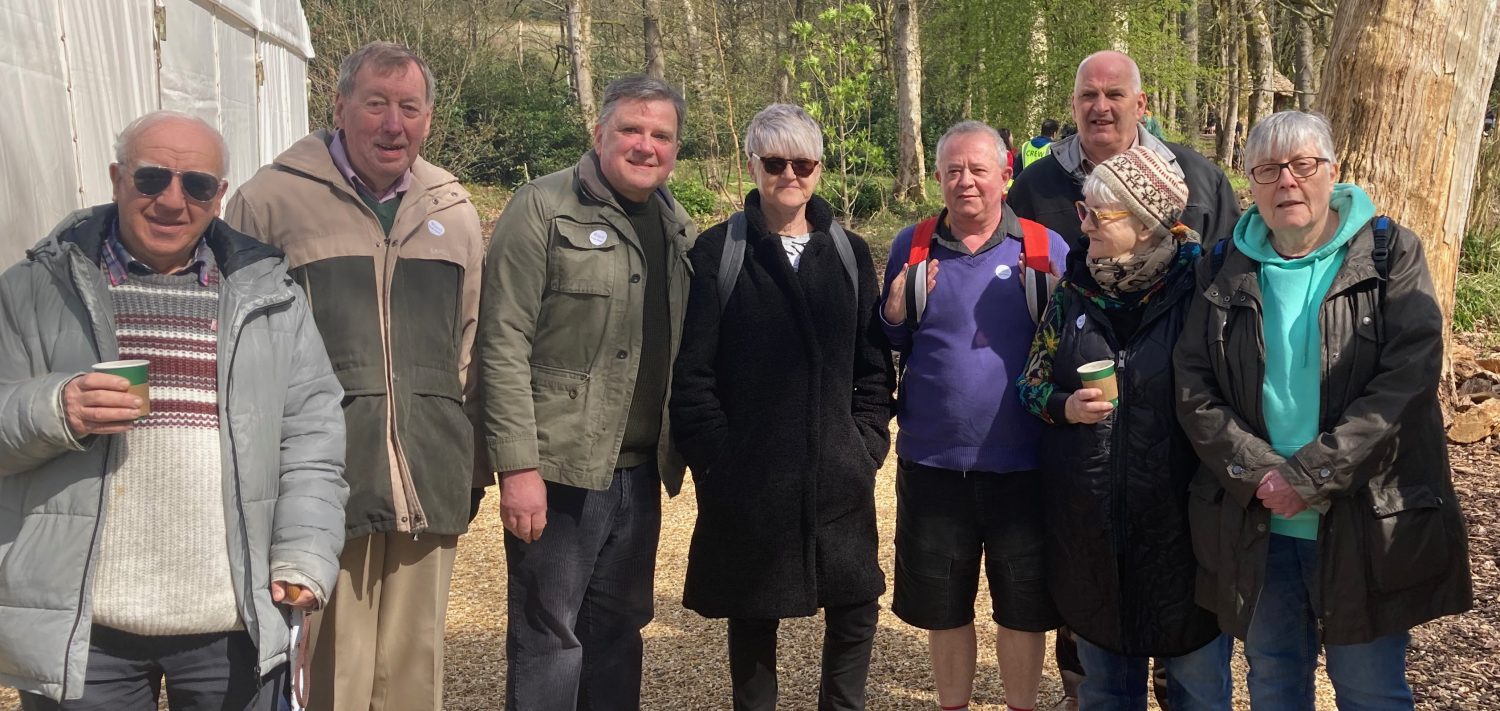
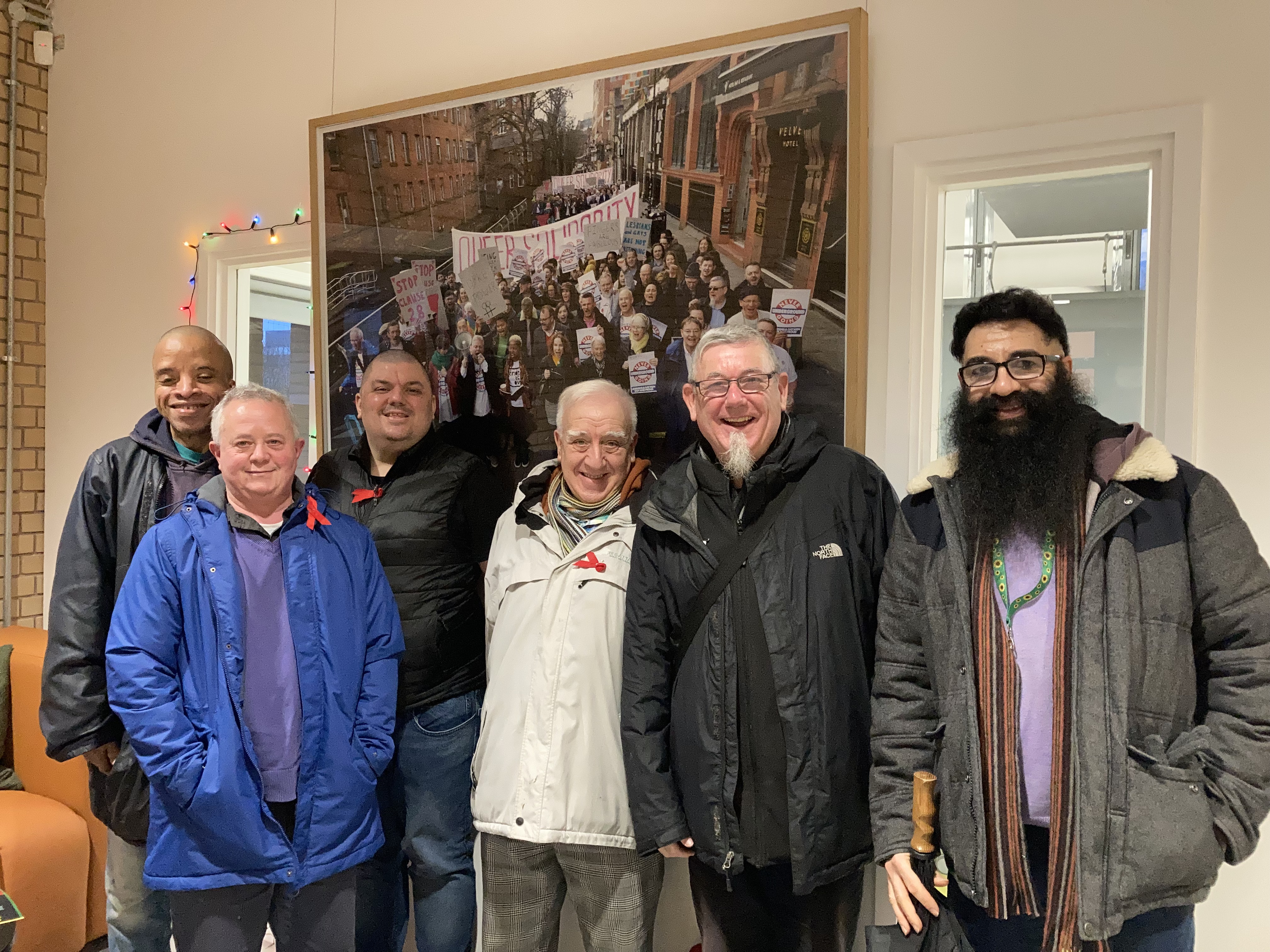
The Derek Jarman Protest! retrospective opened at Manchester Art Gallery on 2 December, and members of Out In The City formed an orderly queue to view the exhibition.
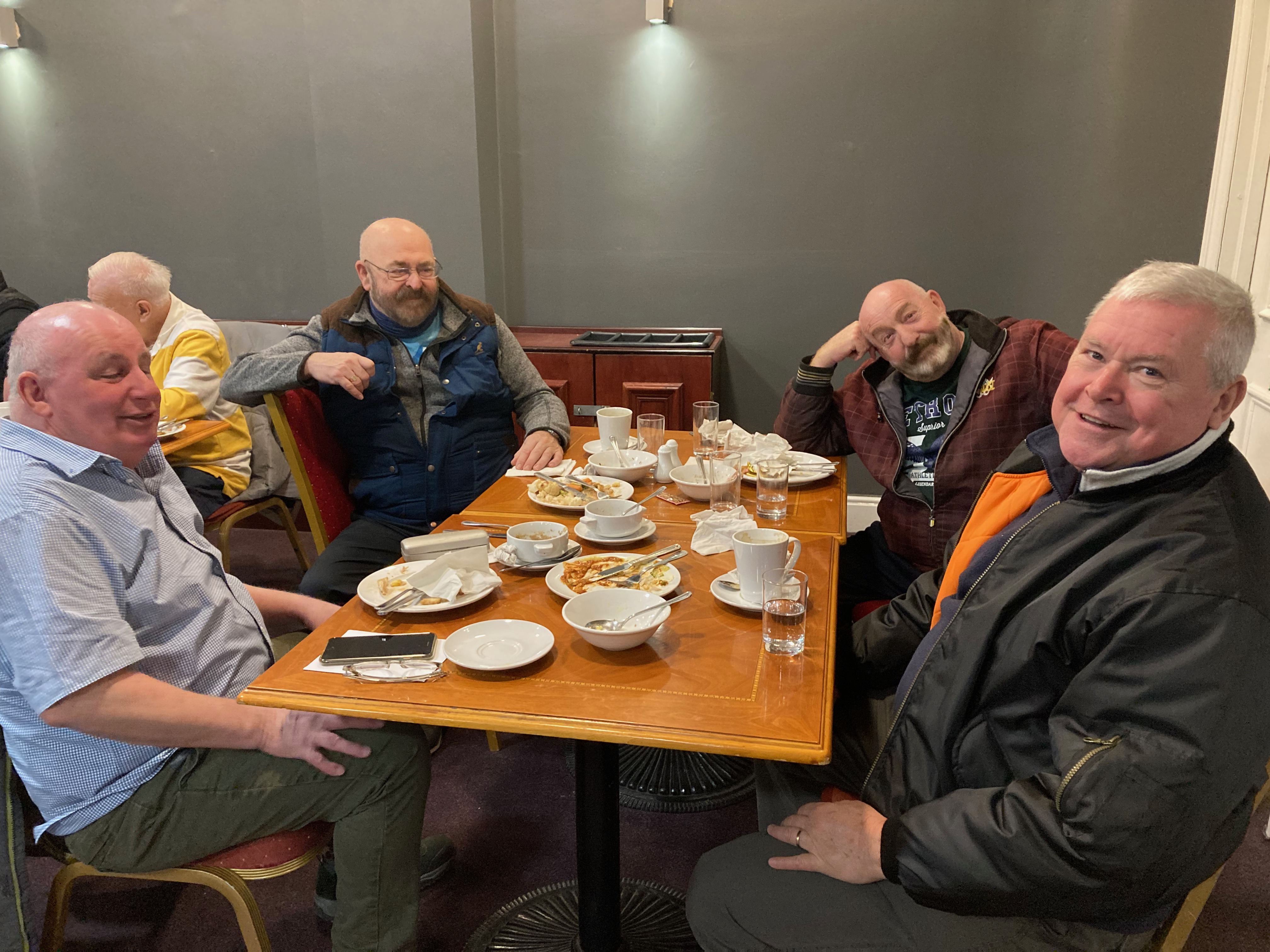
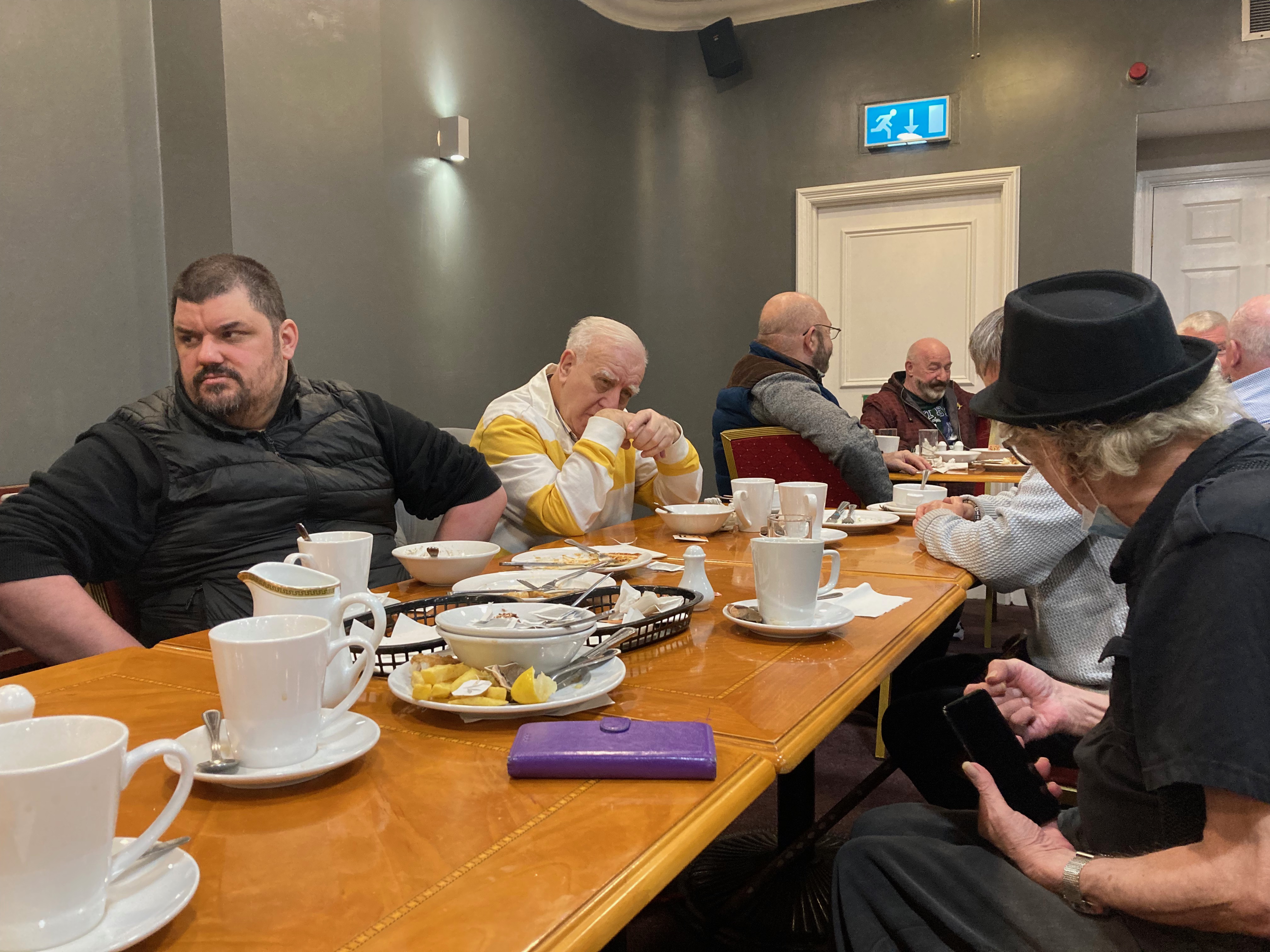
We had dined earlier at the China Buffet, just two minutes walk from the Art Gallery. It’s a simple all-you-can-eat hangout offering Chinese dim sum, noodles, seafood and fortune cookies and is great value for money.
The exhibition had been postponed and unfortunately the Derek Jarman Pocket Park – a new community garden space designed and planted by green-fingered LGBT+ people over 50 was not ready due to the corona virus and the weather. However you can download the zine here.
I’m sure we will revisit at some time to engage in a planned workshop or exhibition tour with Jez Dolan, the artist in residence.
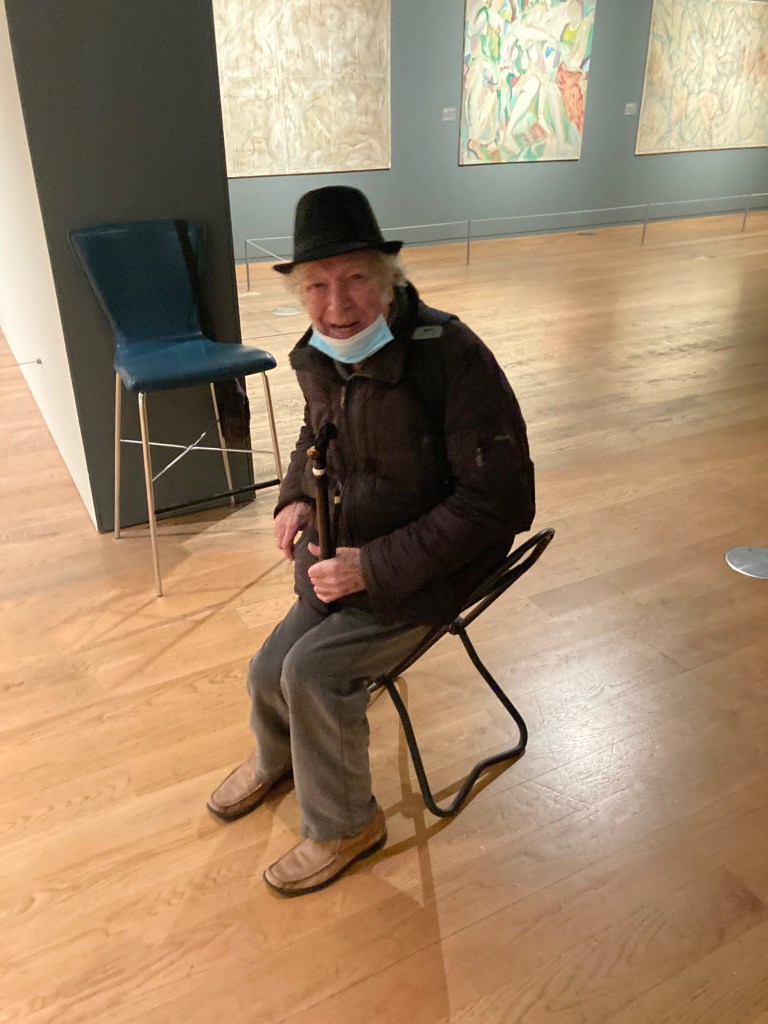
Is this an exhibit? Walter having a bit of a sit down.
The exhibition focused on the diverse strands of Jarman’s practice as a painter, film maker, writer, set-designer, gardener and political activist. This is the first time that all of these strands of his practice were brought together in over 20 years; many of which have never been seen in public before.
Protest! captures Jarman’s engagement with both art and society, as well as his contemporary concerns with political protest and personal freedoms arising from the AIDS crisis.
Almost 30 years on from Derek Jarman’s landmark “Queer” exhibition at Manchester Art Gallery, the word “queer” is becoming more mainstream. We have “Queer Lit” bookshop in Manchester and the Sunday Boys recent concert at Manchester Cathedral was entitled “A Very Queer Christmas”. The priest introducing the event started: “Welcome to queers and non-queers … “.
But the word “queer” is polarising. For some LGBT(Q)+ individuals, it’s a reclaimed badge of honour, a political statement, a declaration of attraction without binaries. For others, it’s still a homophobic slur, a weaponised word that can reopen years-old wounds.
When asked what “queer” means on an American social news website, there were a variety of responses. Here’s a selection:
“It meant I was about to get my butt beat by a homophobe. I despise that word …”
“For me, it’s always meant bullying. Thankfully, I was never beaten up by someone saying it, but like the f-word, it always cut me like a knife whenever I heard it.”
“I guess it’s just all-encompassing. When I tried coming out to my brother when I was a teen, he asked, ‘You think you may be queer?’ It was the first time I heard the word used in a non-derogatory way.”
“Not straight and/or not cis”
“Queer to me means anyone who doesn’t identify as straight.”
“Queer to me means, like, non-specifically sexually and gender fluid, an all-encompassing term that doesn’t keep someone stuck in definite boundaries … When someone tries to use it as a slur, I genuinely don’t have a reaction to it.”
“I am not queer; I’m gay. Queer is an offensive word. I dislike how academics and non-homosexuals use it all the time, when it seems that a lot of gay men aren’t down with reclaiming it. If someone describes themselves as queer, I assume they are heterosexual but want to seem interesting.”
“Queer to me, denotes ‘peculiarity.’”
“I’ve always used ‘queer’ in the ‘take back the word’ sense. Also, I refer to myself as queer when I’m being very specific about how I label my identity. Although I identify as a gay man in a general sense, if I got very specific about what is going on inside myself. ‘Queer’ is a more accurate term, i.e. how I feel about my gender and who I’m attracted to.”
Does it matter who uses the word? Has the word “queer” been appropriated by heteronormative people? What do you think?
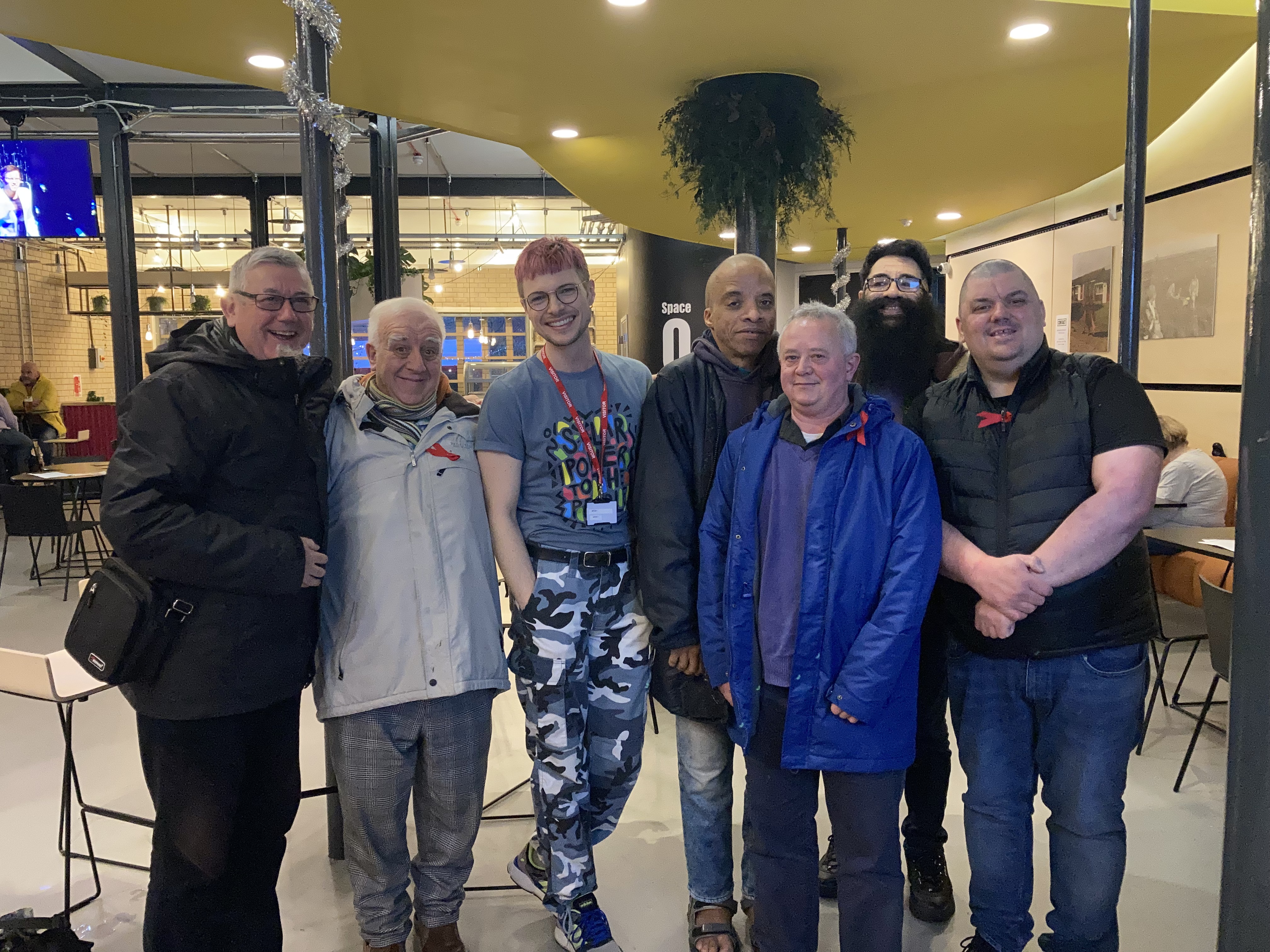
Out In The City at the Contact TheatreOut In The City members with Nathaniel Hall after seeing “First Time” at the Contact Theatre
The Government’s consultation on banning conversion therapy
The Government is currently consulting on proposals to ban conversion therapy and support victims of these practices.
Of course, there should not even be a consultation into banning this abhorrent practice.
Liz Truss MP has said that free speech and religion are more important than an outright ban on conversion therapy. A worry is that loopholes are being created for religious freedoms and “consenting” adults. The Government are just dragging their feet along and creating loopholes which does not fill anyone in the LGBT+ community with confidence.
You can read a summary of the proposals, and share your views here. The consultation will close on 10 December 2021.
If you haven’t got time to respond to the consultation, please sign the petition here. It only takes a minute and over 35,500 people have signed.
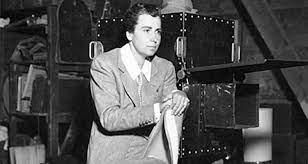
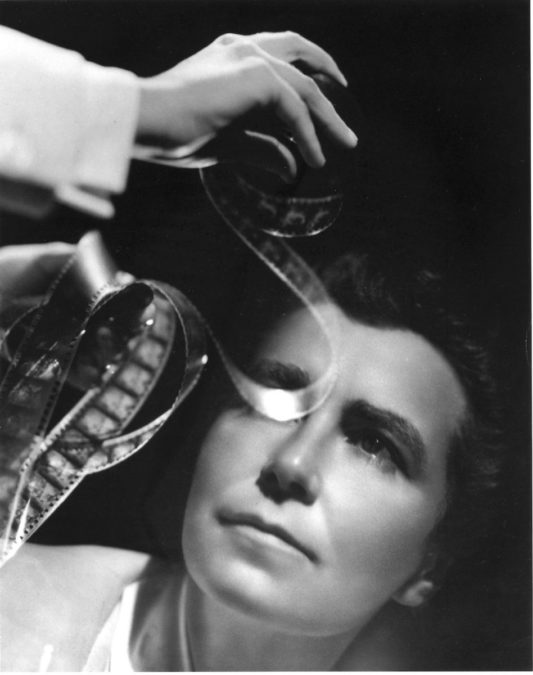
Dorothy Arzner
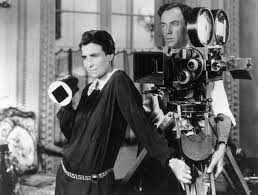
Dorothy Arzner was a pioneering film director – She was the only woman director during Hollywood’s “Golden Age.”
During her 15 year career (1927-1943), Arzner, who identified as a lesbian, helmed 20 features, including silents and “talkies,” which is still a record in Hollywood.
Arzner lived with her partner Marion Morgan for four decades.
In 1938, the auteur filmmaker also was the first female member of the Director’s Guild of America. Arzner remained the only female member until Ida Lupino joined the guild in 1950.
Dorothy Arzner was an indispensable filmmaker who told a different kind of story, a story of someone swimming in a world of violence and contradictory forces run by men who is trying to navigate that world.
Arzner was uniquely focused on stories about female bonding and the female journey that had not been mapped in other cinema. The woman is not objectified. She is the story. Many face epic challenges, but she is not the victim. She is a voyager and a fighter.
Dorothy Arzner was a pioneering film director. Photo: UCLA Film & Television Archive.
Arzner directed eleven films for Paramount during the 1920s and 1930s. In 1927, Paramount made Arzner the only woman director on contract with a Hollywood studio.
Pioneering director
Arzner even directed Paramount’s first sound feature in 1929, “The Wild Party,” starring Clara Bow. Arzner also invented the first boom microphone to follow Bow around set.
Through Arzner’s direction, Bow made the cinematic transition to sound.
After breaking from her contract with Paramount in 1932, Arzner directed star-turning performances for many other actresses, including Katharine Hepburn in “Christopher Strong” (1933) for RKO, Anna Sten in “Nana” (1934) for Samuel Goldwyn, Rosalind Russell in “Craig’s Wife” (1936) for Columbia, Joan Crawford in “The Bride Wore Red” (1937) for MGM, Lucille Ball and Maureen O’Hara in “Dance, Girl, Dance” (1940) for RKO and Merle Oberon in “First Comes Courage” (1943) for Columbia.
After becoming the first female member, Arzner told the Directors Guild, “I was averse to having any comment made about being a woman director … because I wanted to stand up as a director and not have people make allowances that it was a woman.”
Left Hollywood
In 1943, Arzner walked away from Hollywood, but continued working, directing television commercials and producing plays. Arzner also was a professor at the UCLA film school, teaching screenwriting and directing from 1959 to 1965.
Arzner died in 1979 at the age of 82.
In 2018, Paramount honoured Arzner by dedicating its Dressing Room building after her.
Sexuality influenced filmmaking
Arzner’s films also were influenced by her sexuality. We are fortunate to not only enjoy the perspective of a woman, but also a lesbian. Dorothy reveals what interested her most – women bonding with each other and sometimes to the exclusion of men, which is part of a women’s lived experience, not just lesbians.
Nevertheless, her films have not been circulated, studied, praised as much as those of her male peers, and they are far more interesting than her rarity value, so see them whenever you can.
In the following video, fabulous hostess Jewels giving history lessons about LGBT+ trailblazers and significant events to readers:
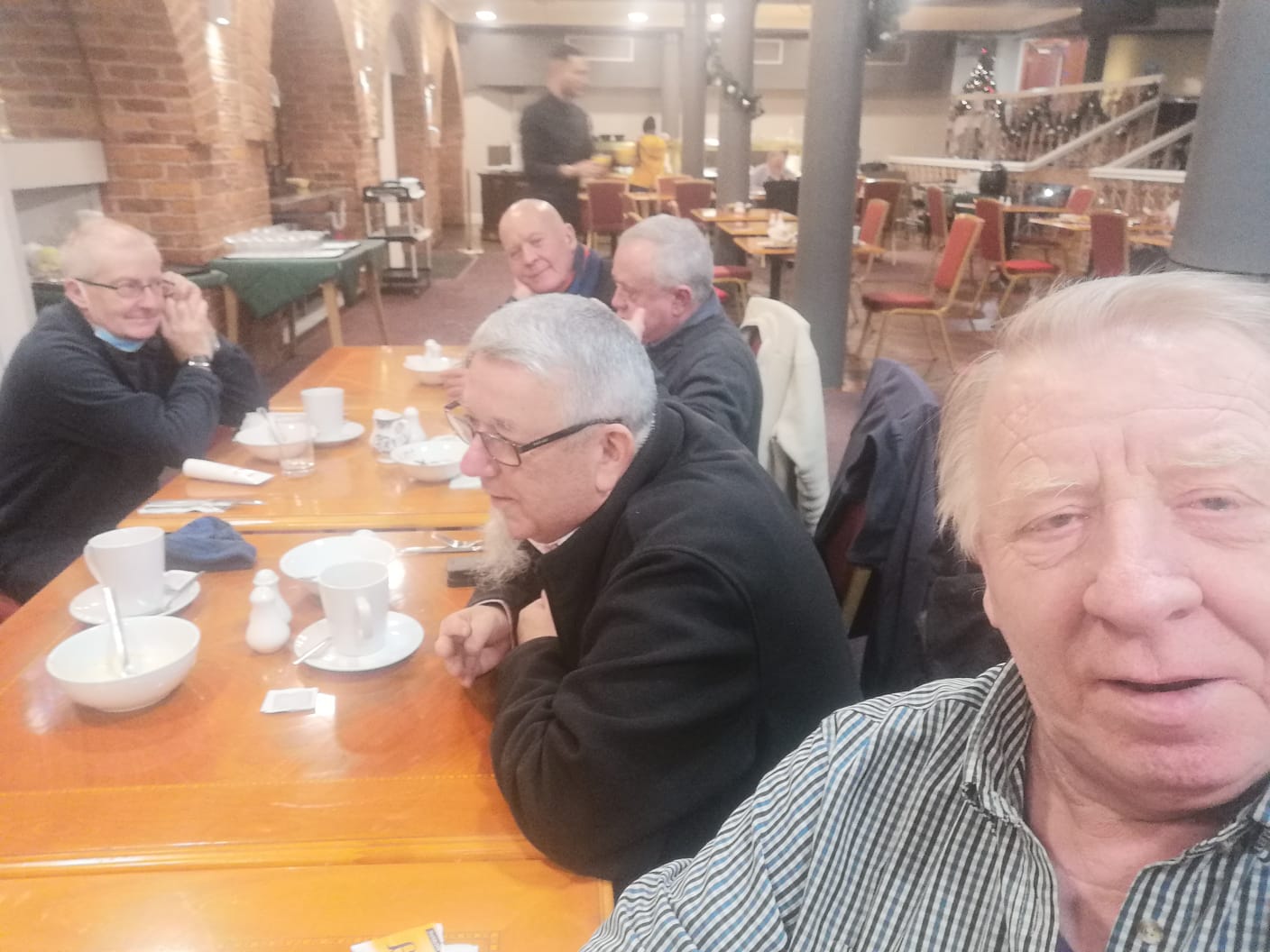
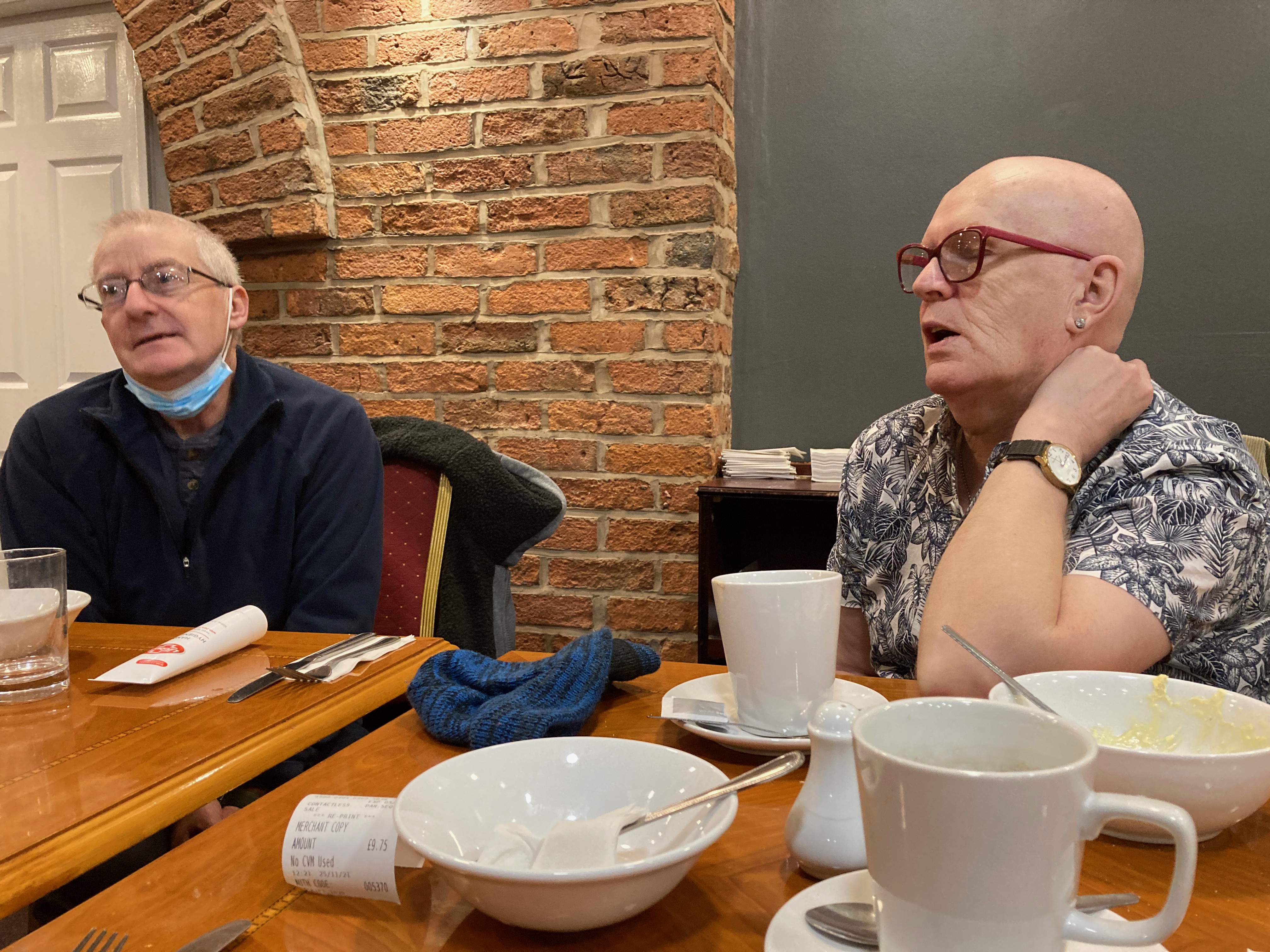
We met at Jenny’s Restaurant, part of The Britannia Hotel in the centre of Manchester. They have a three course self-service buffet style meal for £7.50. It’s excellent value and we all enjoyed it.
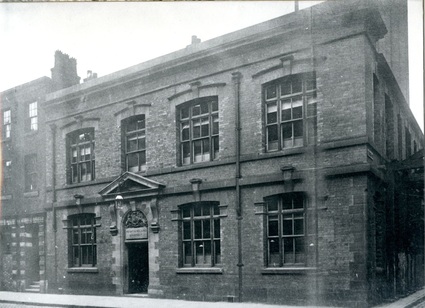
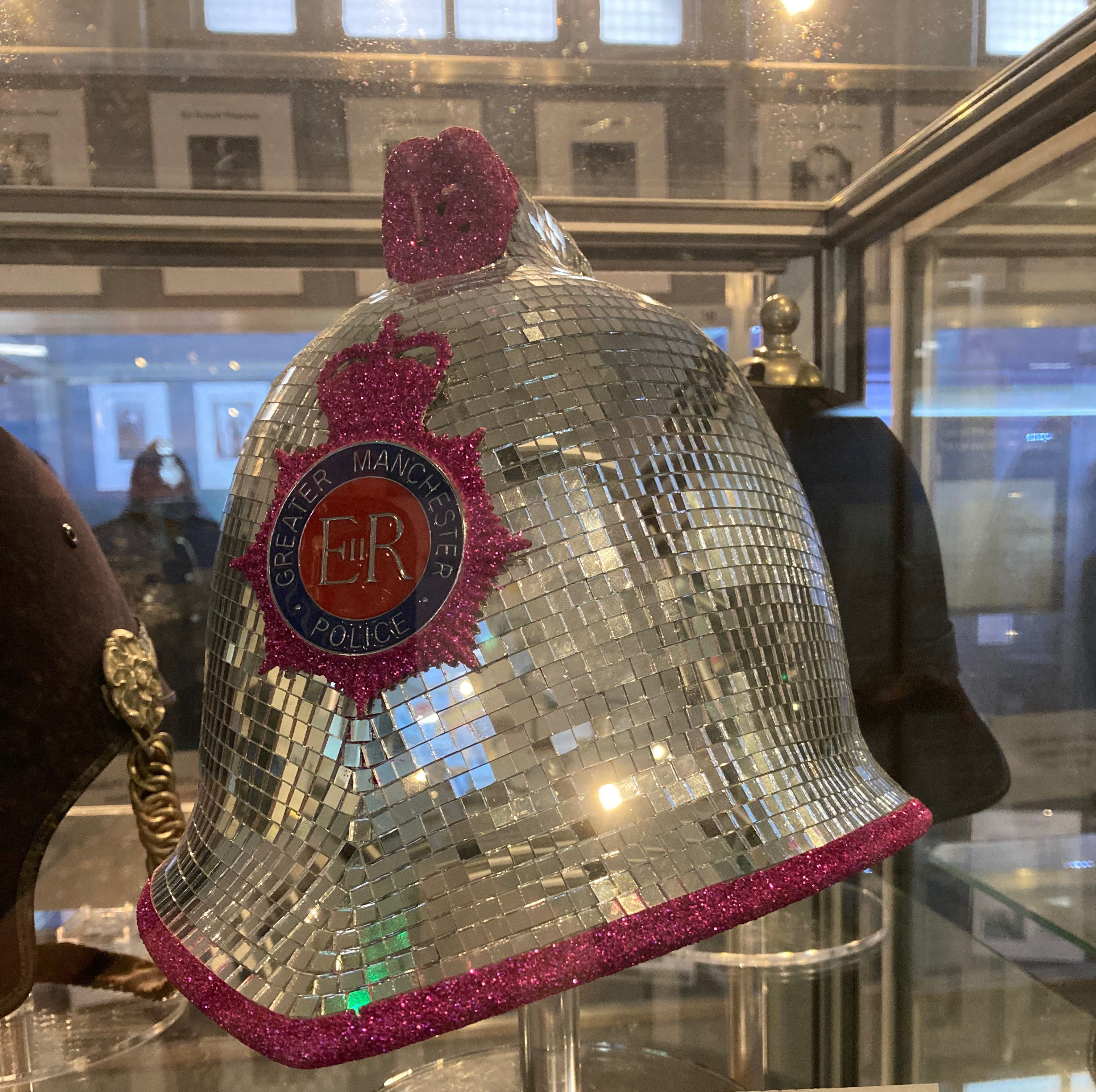
We then made our way to the Greater Manchester Police Museum, located on Newton Street in Manchester’s Northern Quarter. It is a short walk from the restaurant. This former police station was built in 1879, but closed in 1978.
Today it is the Greater Manchester Police Museum with archives detailing the history of policing in the area.
Our guide, Allan, brought history back to life at the Police Museum, with lots of information and interesting stories. Imagine stepping back in time to a Victorian Manchester, not the city of commerce and corporate splendour but a hidden city of gas lamps and narrow alleys, of slums and unruly alehouses. Now imagine a busy police station in the heart of that city from where police officers arrested criminals and upheld the law.
Upon its conversion to a museum in 1981 the interior was redesigned to reflect its past and now serves as a reminder of Victorian policing. The building was Grade II listed in 1994 as the Former Newton Street Police Station.
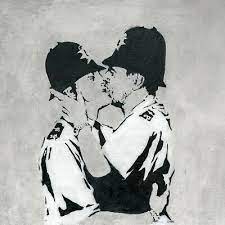
One of the exhibits is a helmet named “Bobby Dazzler”, one of two helmets worn by officers to recreate Banksy’s “Kissing Coppers” mural at Manchester Pride 2016. Each helmet is made of 5,000 reflective tiles
“Kissing Coppers” is a Banksy stencil that pictures two British policeman kissing. It was originally unveiled on the wall of The Prince Albert pub in Brighton in 2004 and gained significant attention due to Banksy’s notoriety as a provocative street artist and activist. “Kissing Coppers” has frequently been regarded as one of Banksy’s most notable works, so much so that it was selected as the most iconic British piece of art at The Other Art Fair in London.
We saw the charging room, cells and the court room. Altogether it was a very interesting visit.
This year marks 40 years of the HIV response. Whilst medical treatment has developed so much that an HIV diagnosis no longer means a death sentence, there’s still work to do in raising awareness and understanding of HIV, fighting stigma and discrimination and inspiring people living with HIV to live healthy and confident lives.
This World AIDS Day, we are highlighting the urgent need to end the inequalities that drive AIDS and other pandemics around the world.
Without bold action against inequalities, the world risks missing the targets to end AIDS by 2030, as well as a prolonged COVID-19 pandemic and a spiralling social and economic crisis.
Forty years since the first AIDS cases were reported, HIV still threatens the world. Today, the world is off track from delivering on the shared commitment to end AIDS by 2030 not because of a lack of knowledge or tools to beat AIDS, but because of structural inequalities that obstruct proven solutions to HIV prevention and treatment.
Economic, social, cultural and legal inequalities must be ended as a matter of urgency if we are to end AIDS by 2030.
Although there is a perception that a time of crisis is not the right time to prioritise tackling the underlying social injustices, it is clear that without doing so the crisis cannot be overcome.
Tackling inequalities is a long-standing global promise, the urgency of which has only increased. In 2015, all countries pledged to reduce inequalities within and between countries as part of the Sustainable Development Goals.
As well as being central to ending AIDS, tackling inequalities will advance the human rights of key populations and people who are living with HIV, make societies better prepared to beat COVID-19 and other pandemics and support economic recovery and stability. Fulfilling the promise to tackle inequalities will save millions of lives and will benefit society as a whole.
But ending inequalities requires transformative change. Political, economic and social policies need to protect the rights of everyone and pay attention to the needs of disadvantaged and marginalised communities.
We know how to beat AIDS, we know what the inequalities obstructing progress are and we know how to tackle them. The policies to address inequalities can be implemented, but they require leaders to be bold.
Governments must now move from commitment to action. Governments must promote inclusive social and economic growth. They must eliminate discriminatory laws, policies and practices in order to ensure equal opportunity and reduce inequalities. It is time for governments to keep their promises. They must act now, and we must make them accountable.
Five Facts about HIV
1) HIV is an easily managed medical condition when diagnosed early.
2) People who don’t know that they’re HIV positive are more likely to pass it on during sex.
3) People living with HIV and taking effective treatment cannot pass HIV on to anyone else. U=U (Undetectable = Untransmittable).
4) HIV discrimination and stigma haven’t gone away.
5) Testing for HIV has never been easier.
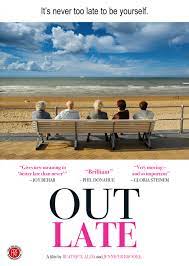
Out Late
Out Late is a film by Beatrice Alda and Jennifer Brooke, made in 2008. Watch the trailer here:
Out Late is an inspirational and moving documentary about five individuals who made the courageous and life-altering decision to come out as lesbian, gay or transgender, after the age of 55.
Why did they wait until their 50’s, 60’s, or 70’s to come out? And what was the turning point that caused each of them to openly declare their sexuality? From Canada to Florida to Kansas, we explore what ultimately led these dynamic individuals to make the liberating choice to live openly and honestly amongst their family, friends and community, perhaps for the first time in their lives. Their stories are nothing less than extraordinary.







 Out in the City