LGBT+ History Month … Quirky Art Exhibition … 50 Shades of Gay (part 2)

News

There are a lot of activities in Manchester to celebrate LGBT+ History Month. These are some of the events:
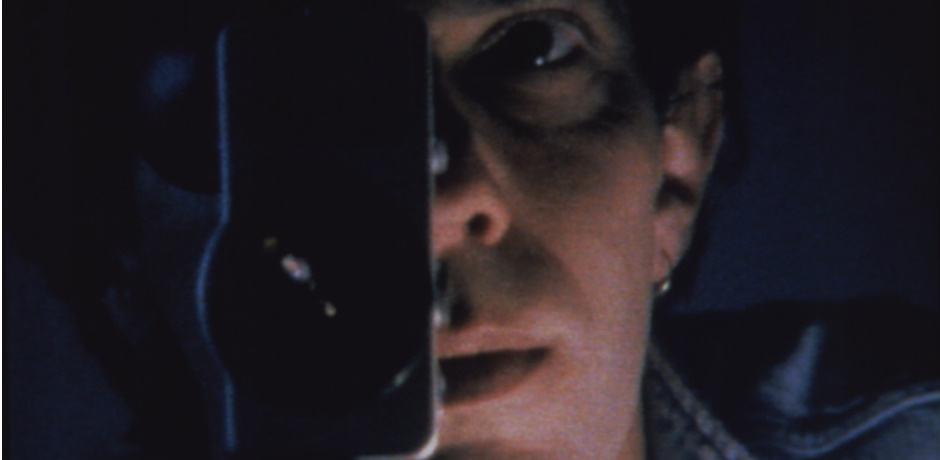
Derek Jarman at HOME – Sunday 30 January – Thursday 10 March

A film season dedicated to one of the most influential figures in contemporary British culture. See HOME Cinema website for full details – https://homemcr.org/event/jarman-at-home/
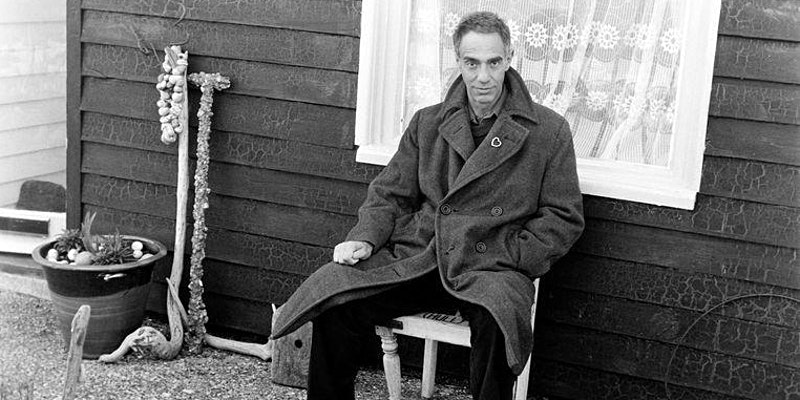
Derek Jarman: Film Canvas Writing Politics and Now!!

Tuesday, 8 February – 5.30pm – 7.30pm

Manchester School of Art, Benzie Building, Room BZ403 (top floor), Boundary Street West, Manchester M15 6BG

Free – but booking needed on Eventbrite – https://www.eventbrite.co.uk/e/derek-jarman-film-canvas-writing-politics-and-now-tickets-246244432727
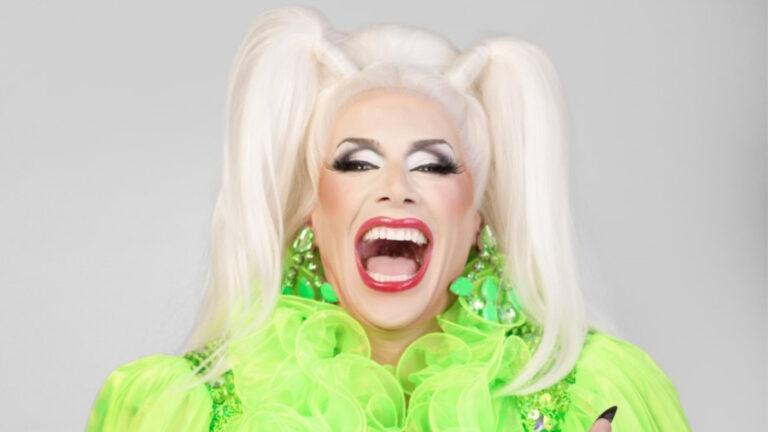
Theatre & Performance at Queer Contact 2022

Friday, 11 February – Saturday 19 February

Contact Theatre celebrates queer culture with an extraordinary line up of LGBTQ+ talent!

See website for full details – https://contactmcr.com/
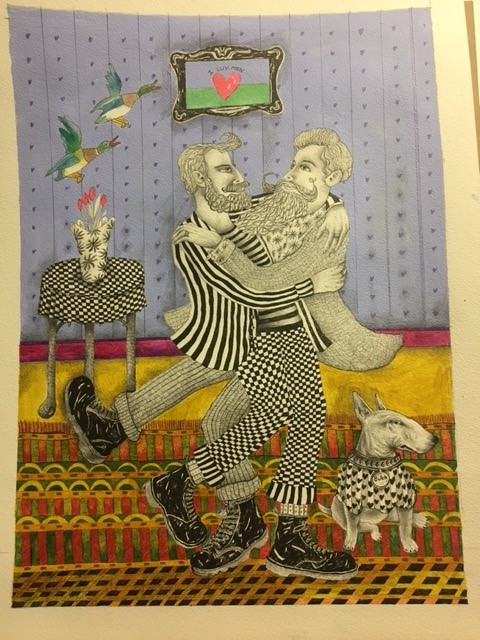
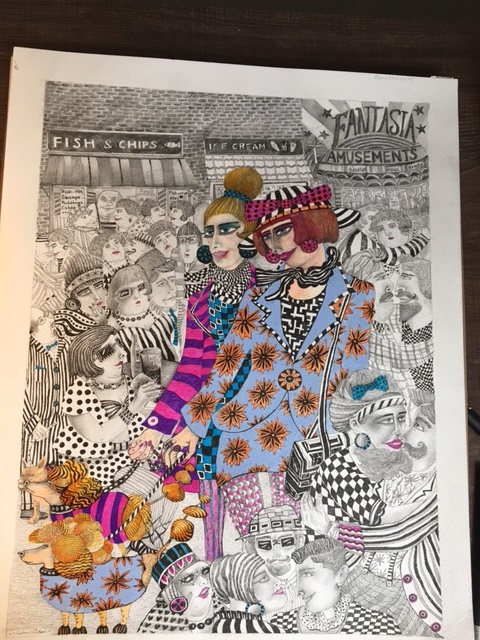
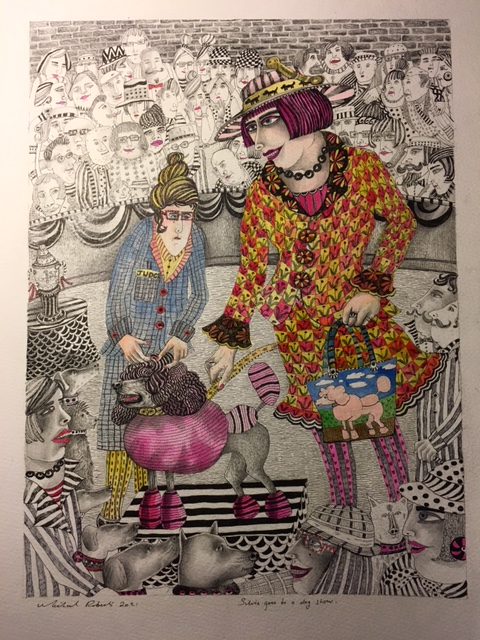
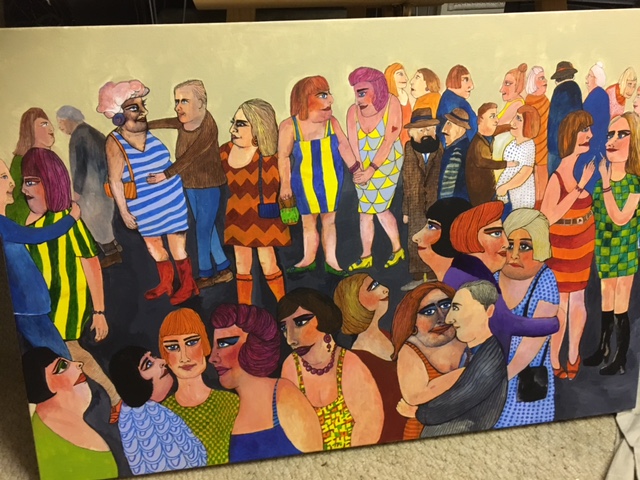
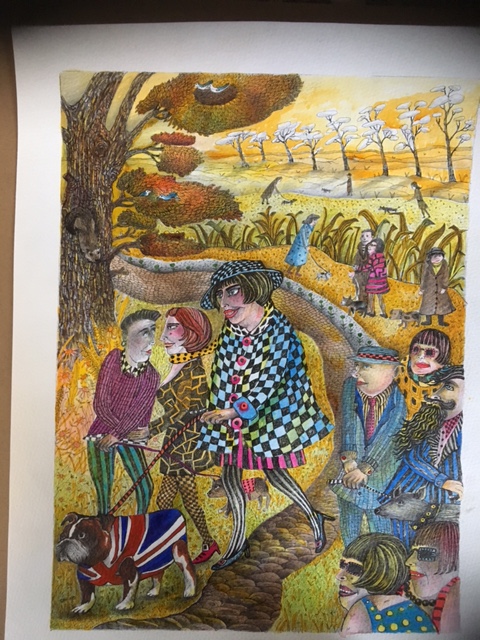
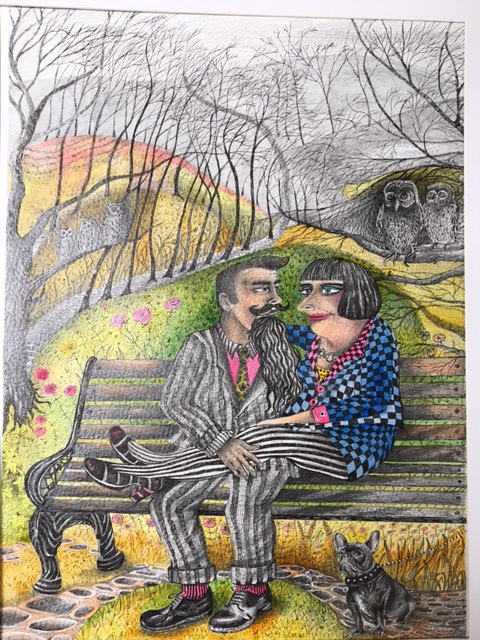
Quirky Art Exhibition by Mike Roberts

Open every day until 13 February (10.00am – 6.00pm)

Launch Day & Meet the Artist – Sunday, 6 Feb 12.00 noon – 4.00pm Please contact Paul Marrs on mailto:paul@marrsandsonsfine.art

Cass Art, 55-57 Oldham Street, Manchester M1 1JR (In the basement) – Free entrance

Outing The Past

Sunday, 13 February – 12.00 noon – 4.00pm

People’s History Museum – Free – drop in – no booking required

Launch event of “Legacy of ‘67” – Thursday, 17 February – 6.00pm – 7.30pm

Manchester Central Library – Free – but booking needed here

Queering the Romcom: ‘Touch of Pink’ (2004 Rashid) Screening / Discussion

Friday, 18 February 2022 at 5.00pm

School of Digital Arts (SODA) – Room GF.12 (CINEMA),12 Higher Chatham Street, Manchester M15 6BR

Free – but booking needed on Eventbrite – https://www.eventbrite.co.uk/e/queering-the-romcom-touch-of-pink-2004-rashid-screening-discussion-tickets-249464022607

The LGBT Foundation are organising a number of online events. See https://lgbt.foundation/lgbtq-history-month for more information.

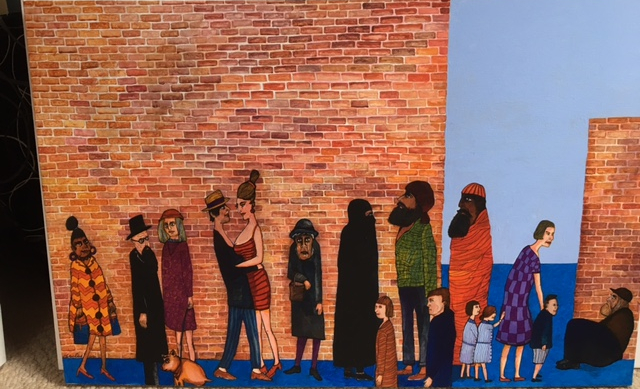
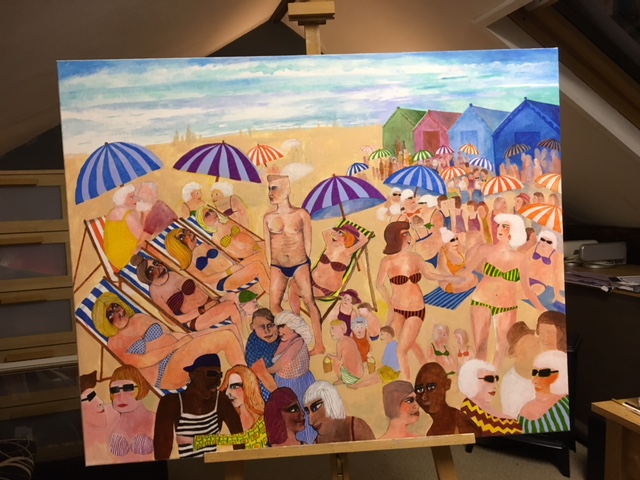
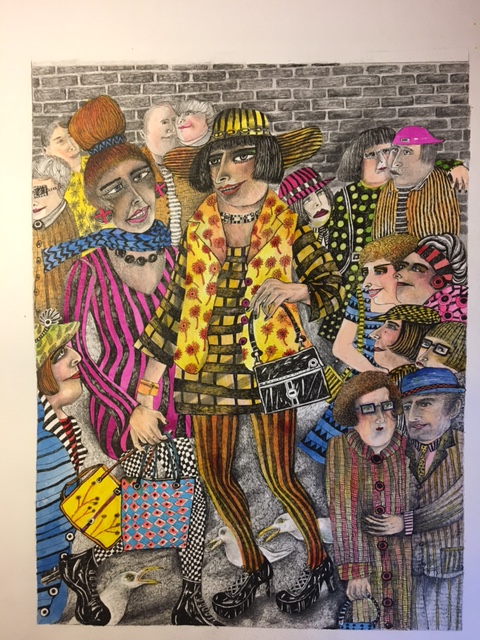
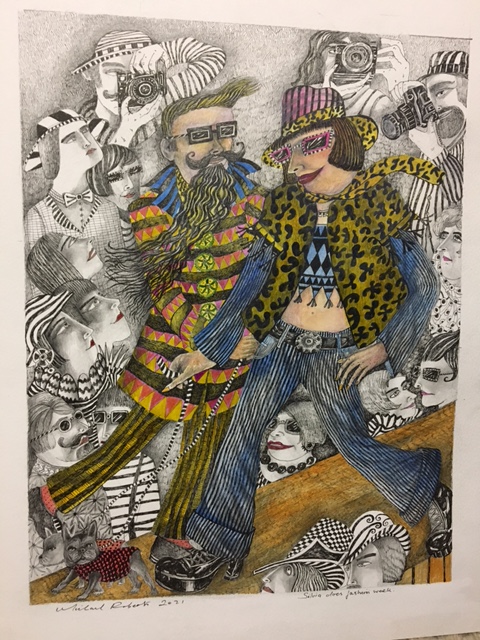
Quirky Art Exhibition

By Mike Roberts until 13 February

At Cass Art, 55-57 Oldham Street, Manchester M1 1JR (in the basement)

Free entrance – open 10.00am – 6.00pm.
Mike Roberts is a northern artist who lives in Timperley near Manchester. He has created a style that brings flamboyance and quirkiness with a sense of nostalgia.

His imaginary and sometimes realistic characters have been brought to life with his beautiful linework and exuberant colours. 

Most of his imaginary characters are portrayed on Canal Street 

Mike’s series of illustrations depicting the imaginary character called Silvia who lives a flamboyant and outgoing lifestyle as he represents her in everyday life.

Mike will exhibit as well a series of Edward Lear illustrations which have been accepted in the library of the Edward Lear Society in London.

There is a launch day and meeting with the artist on Sunday 6 February 12.00 noon – 4.00pm.

Please contact Paul Marrs or Philippe Bosc if you wish to attend.

Paul Marrs – paul@marrsandsonsfine.art

Philippe Bosc – philippe.publications@marrsandsonsfine.art

50 Shades of Gay (Part 2)

To celebrate LGBT+ History Month in 2022, here are some books with an LGBT+ interest. This is the second ten (more to follow):
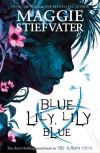
Blue Lily, Lily Blue / Maggie Stiefvater

For the first time in her life, Blue Sargent has found a place where she feels at home. The Raven Boys have taken her in as one of their own and she is sure that this is where she belongs. But certainties can unravel. Visions can mislead. And friends can betray. The trick with found things is how easily they can be lost.
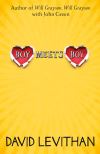
Boy Meets Boy by David Levithan

Paul has been gay his whole life and he’s confident about almost everything. He doesn’t have to hide his feelings like best friend Tony. Or even cope with loving the wrong guy like his other best friend Joni. But heartbreak can happen to anyone. Falling in love changes everything.
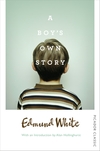
A Boy’s Own Story by Edmund White

The protagonist of this story is a homosexual, and his story is of a life in which homosexuality is a shaping force. Set in the American Midwest of the 1950s the book tells how the frustrated 15-year-old becomes the guardian of public morals.
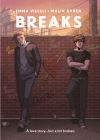
Breaks Vol 1 by Emma Vieceli

Cortland Hunt has made some dangerous mistakes. Now he’s waiting quietly for those mistakes to catch up with him. Ian Tanner coasts through life denying the spark of anger beneath his laid back exterior. When school politics and personal lives become a battleground, the pair find that what they share may just be their only safe haven. Bringing the world of LGBT young adult fiction into the realm of comic books, and collecting the first arc of the acclaimed weekly web series (2014-2016)

Cabin Fever by Alex Dahl

Kristina is a successful therapist in central Oslo. She spends her days helping clients navigate their lives with a cool professionalism that has got her to the top. But when her client Leah, a successful novelist, arrives at her office clearly distressed, begging Kristina to come to her remote cabin in the woods, she feels the balance begin to slip. When Leah fails to turn up to her next two sessions, Kristina reluctantly heads out into the wilderness to find her. Alone and isolated, Kristina finds Leah’s unfinished manuscript, and as she reads she realises the main character is terrifyingly familiar.

Call Down The Hawk by Maggie Stiefvater

Ronan Lynch is a dreamer. He can pull both curiosities and catastrophes out of his dreams and into his compromised reality. Jordan Hennessy is a thief. The closer she comes to the dream object she is after, the more inextricably she becomes tied to it. Carmen Farooq-Lane is a hunter. Her brother was a dreamer and a killer. She has seen what dreaming can do to a person. And she has seen the damage that dreamers can do. But that is nothing compared to the destruction that is about to be unleashed.
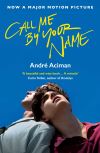
Call Me By Your Name by Andre Aciman

This is the story of a sudden and powerful romance that blooms between 17-year-old Elio and his father’s house guest, Oliver, during a restless summer on the Italian Riviera. What grows from the depths of their souls is a romance of scarcely six weeks’ duration, and an experience that marks them for a lifetime.
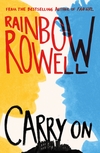
Carry On: The Rise and Fall of Simon Snow by Rainbow Rowell

Simon Snow just wants to relax and savour his last year at the Watford School of Magicks, but no one will let him. His girlfriend broke up with him, his best friend is a pest and his mentor keeps trying to hide him away in the mountains where maybe he’ll be safe. Simon can’t even enjoy the fact that his room-mate and longtime nemesis is missing, because he can’t stop worrying about the evil git. Plus there are ghosts. And vampires. And actual evil things trying to shut Simon down. When you’re the most powerful magician the world has ever known, you never get to relax and savour anything.
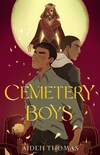
Cemetery Boys by Aiden Thomas

Paranormal romance stories for young adolescents.

Chaos by Edmund White

In this collection which features ‘Chaos’, a novella, and short stories, Edmund White explores different aspects of ageing, romance and sex with an unsparing look at gay midlife.
Jewish Museum … LGBT History Month … Derek Jarman … Trans Rights are Human Rights

News

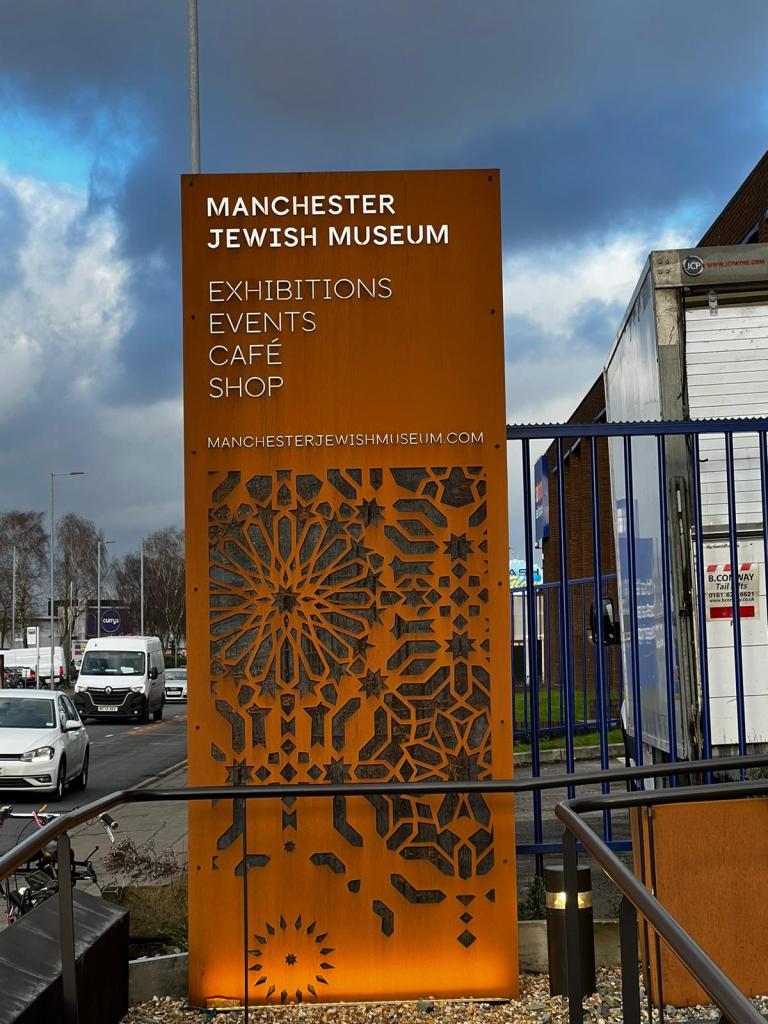
Jewish Museum

We visited the Jewish Museum in Cheetham Hill, Manchester on Holocaust Memorial Day, the anniversary of the liberation of Auschwitz concentration camp on 27 January 1945.

The Jewish Museum was the former Spanish and Portuguese synagogue and was built by Sephardi Jews in 1874. The decorative scheme has Moorish patterns which reflect the origins and wealth of the Sephardi merchants.

Inside, the balcony was once ‘The Ladies Gallery’ where 95 women sat during services. Men sat downstairs; the women were obscured from their view by the decorative metal railing. The separation of men and women during services is a requirement in an orthodox synagogue.

Seeking opportunity

From the 1740s Jewish migrants saw Manchester as a place of economic opportunity. Manchester’s woollen, linen and cotton industries were growing, as was its population, which grew from 15,000 in 1740 to 110,000 in 1800.

By the 1780s a community of Jewish salesmen and shopkeepers had settled and established businesses here. Over the 19th and 20th centuries this group was joined by foreign merchants, traders and workers, who saw Manchester’s industries, and the population who supported them, as a promising market.

By 1905 Manchester was a truly diverse city.

Escape

For some Jewish migrants, Manchester has been a place of escape from persecution. For many their story is one of survival.

In different countries, at different times, discriminatory laws forced Jewish people to flee violence, oppression and destitution. Between 1840 and 1914, 24,000 Jewish migrants fled Eastern Europe and settled in Manchester.

From 1933 over 8,000 German, Austrian, Czech and Polish refugees escaped Nazi persecution and arrived in Manchester.

Identities

Jewish Mancunians have many identities: Jewish, British, northern, religious, political, leader, secular, rebel, refugee, non-Zionist, worker, follower, gay, convert, entrepreneur, straight, Zionist, hero, migrant, survivor. Despite their many differences, identifying as Jews connects them all.

More pictures can be seen here.

LGBT+ History Month

To celebrate LGBT+ History Month in February 2022, here are some books with an LGBT+ interest. This is the first ten (more to follow):

50 Shades of Gay

Afterlove / Tanya Byrne

Ash Persaud is about to become a reaper in the afterlife, but she is determined to see her first love Poppy Morgan again, the only thing that separates them is death. Car headlights. The last thing Ash hears is the snap of breaking glass as the windscreen hits her and breaks into a million pieces like stars. But she made it, she’s still here. Or is she? This New Year’s Eve, Ash is gets an RSVP from the afterlife she can’t decline: to join a clan of fierce girl reapers who take the souls of the city’s dead to await their fate. But Ash can’t forget her first love, Poppy, and she will do anything to see her again – even if it means they only get a few more days together.

All Boys Aren’t Blue: a memoir-manifesto / George M Johnson

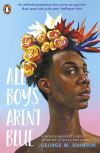
In a series of personal essays, prominent journalist and LGBTQIA+ activist George M Johnson explores his childhood, adolescence, and college years in New Jersey and Virginia. From the memories of getting his teeth kicked out by bullies at age five, to flea marketing with his loving grandmother, to his first sexual relationships, this young-adult memoir weaves together the trials and triumphs faced by black queer boys. Both a primer for teens eager to be allies, as well as a reassuring testimony for young queer men of colour, ‘All Boys Aren’t Blue’ covers topics such as gender identity, toxic masculinity, brotherhood, family, structural marginalisation, consent, and black joy. Johnson’s emotionally frank style of writing will appeal directly to young adults.

All The Things She Said: Everything I Know About The Modern Culture of Queer Women / Daisy Jones

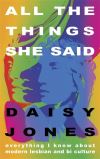
‘All the Things She Said’ explores the nature of queerness and queer culture from the dingy basement clubs of east London to the realms of TikTok and award-winning films like ‘Carol’, showing the multifaceted nature of ‘being a lesbian’ in all its glory. Here journalist Daisy Jones unpicks outdated stereotypes and shows how, over the past few years, lesbian culture has emerged into the mainstream.

All The Young Men: A Memoir of Love, AIDS and Chosen Family in the American South / Ruth Coker Burks

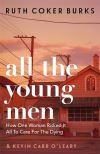
In 1986, 26-year-old Ruth Coker Burks visits a friend in hospital when she notices that the door to one of the patient’s rooms is painted red. The nurses are reluctant to enter, drawing straws to decide who will tend to the sick person inside. Out of impulse, Ruth herself enters the quarantined space and begins to care for the young man who cries for his mother in the last moments of his life. And in doing so, Ruth’s own life changes forever. As word spreads in the community that she is the only person willing to help the young men afflicted by the growing AIDS crisis, Ruth goes from being an ordinary young mother to an accidental activist. Ruth kept her story a secret for years, fearful of repercussions within her deeply conservative community. But at a time when it’s more important than ever to stand up for those who can’t, Ruth has found the courage to have her voice heard.

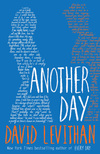
Another Day / David Levithan

Every day is the same for Rhiannon. She has convinced herself that she deserves her distant, moody boyfriend, Justin. She knows the rules: Don’t be needy. Avoid upsetting him. Never get your hopes up. Then, out of the blue, they share a perfect day together – perfect, that is, until Justin doesn’t remember anything about it. Confused, and yearning for another day as great as that one, Rhiannon starts to question everything. And that’s when a stranger tells her that the Justin she spent that time with wasn’t Justin at all.

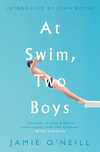
At Swim, Two Boys / Jamie O’Neill

Set in Dublin between Easter 1915 and 1916, At Swim, Two Boys charts the love story of two young boys: Jim, a naive and reticent scholar, and Doyler, a cleaner of privies and, what is worse, a socialist.

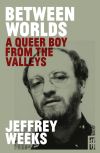
Between Worlds: A Queer Boy From The Valleys / Jeffrey Weeks

Jeffrey Weeks was born in the Rhondda in 1945, of mining stock. As he grew up he increasingly felt an outsider in the intensely community minded valleys, a feeling intensified as he became aware of his gayness. Escape came through education. He left for London, to university, and to realise his sexuality.

Black Joy / Articles Edited by Charlie Brinkhurst-Cuff & Timi Sotire

Nigerian hall parties. Black girl gangs. Being at one with nature. Creating a home. Finding love. Belonging to a fandom. Joy can be found in many places. Bringing together the most exciting black British voices today, ‘Black Joy’ is an extraordinary anthology that celebrates everything that is brilliant and beautiful about being black British.

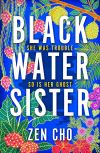
Black Water Sister / Zen Cho

As Jessamyn packs for Malaysia, it’s not a good time to start hearing a bossy voice in her head. Broke, jobless and just graduated, she’s abandoning America to return ‘home’. But she last saw Malaysia as a toddler – and is completely unprepared for its ghosts, gods and her eccentric family’s shenanigans. Jess soon learns her ‘voice’ belongs to Ah Ma, her late grandmother. She worshipped the Black Water Sister, a local deity. And when a business magnate dared to offend her goddess, Ah Ma swore revenge. Now she’s decided Jess will help, whether she wants to or not. As Ah Ma blackmails Jess into compliance, Jess fights to retain control. But her irrepressible relative isn’t going to let a little thing like death stop her, when she can simply borrow Jess’s body to make mischief. As Jess is drawn ever deeper into a world of peril and family secrets, getting a job becomes the least of her worries.

Blindside / Aidan Chambers

Pete’s a brilliant runner and dreams of athletic stardom – but fate intervenes. Pete is blindsided when he is involved in a horrific bike collision and his whole life is knocked off course. Stuck in a hospital bed and lamenting the loss of his mobility as well as his shattered dreams, the other people on his ward help Pete see that giving up on life is not the answer.

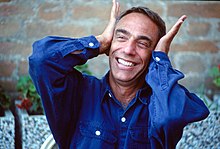
Derek Jarman was born on 31 January 1942. He was one of the most influential figures in contemporary British culture.

Trans Rights Are Human Rights

Manchester City Council is meeting on 3 February 2022. Item 5 on the agenda is “Trans Rights Are Human Rights”, proposed by Jon Conor Lyons and seconded by Jade Doswell.

You can attend and sit in the public gallery or view live on Vimeo at: https://vimeo.com/658942081 

Motion: Trans Rights Are Human Rights

Manchester is a city that firmly believes in equality of opportunity. We believe that trans women are women, trans men are men and non-binary individuals are non-binary. We know that our differences within our communities can make our city stronger and that shapes the vision of our city. 

This Council notes:

· The rise in reports of violent attacks and hate crime against LGBTQ+ people, with hate crime against trans people having quadrupled in the last 5 years.

· The Tory Government has fallen far short of its promise to reform the GDA (Gender Recognition Act), despite the consultation yielding overwhelming support for change, the results mean the process will not be de-medicalised, the spousal veto will remain, and legal recognition for non-binary individuals will not be extended.

· Trans people are more likely to take their own life, with one in four young trans people attempting to take their own life.
· Manchester has a strong history of being at the forefront of the fight for LGBTQ+ equality, with serving Councillors leading the historic Section 28 Protests.

· That Manchester Labour boasts one of the largest groups of LGBTQ+ Councillors in the country, who stand up for our community daily.

· Manchester City Council has a proud and recognised history of working to achieve equality of opportunity both within the Town Hall, across the city, and the world, whilst supporting groups and organisations to deliver essential services, projects and events. 

· That research commissioned by Stonewall and conducted by YouGov in 2018 found that:

        i. When accessing general healthcare services in the last year, two in five trans people (41%) said healthcare staff lacked understanding of trans health needs.

        ii. Three in five (62%) of trans people who have undergone, or are currently undergoing, medical intervention for their transition are unsatisfied with the time it took to get an appointment.

        iii. One in four (24%) of trans people fear discrimination from a healthcare provider.

        iv. 7% of trans people were refused access to healthcare because they were LGBTQ+.

· That Manchester’s Labour Council has undertaken the following recent work to support for the LGBTQ+ community:

       i. Announcing the UK’s first purpose-built majority LGBT+ Extra Care housing facility in Manchester.

       ii. Financial support to LGBTQIA+ groups through Neighbourhood Investment Funds.

       iii. Conduct a Gay Village Review in order to establish a community-built vision for the area.

· The amazing work that has been done is no reason to stop and the Council can continue to challenge itself and others to be better in supporting LGBTQ+ community.

This Council therefore resolves to:

1. Affirm trans men are men, trans women are women, non-binary people are non-binary and trans rights are human rights.

2. Facilitate and strongly encourage all councillors to attend relevant training to learn of the challenges faced by trans people.

3. Write to the Secretary of State for Health and Adult Social Care to call for the government to provide the funding and resources necessary to increase the capacity of and improve access to trans and non-binary healthcare.
Holocaust Memorial Day … Queer Britain … Dame Gracy Memorial Project

News

International Day of Commemoration in Memory of the Victims of the Holocaust

Holocaust Memorial Day is an annual observance to commemorate the victims of the Holocaust, the genocide of six million European Jews by Nazi Germany, alongside the millions of other people killed under Nazi persecution and in subsequent genocides in Cambodia, Rwanda, Bosnia and Darfur. In the UK it is observed on 27 January, the anniversary of the liberation of Auschwitz concentration camp in 1945.

Pink triangle

A pink triangle has been a symbol for various LGBTQ identities, initially intended as a badge of shame, but later reclaimed as a positive symbol of self-identity. In Nazi Germany in the 1930s and 1940s, it began as one of the Nazi concentration camp badges, distinguishing those imprisoned.

In Nazi concentration camps, each prisoner was required to wear a downward-pointing, equilateral triangular cloth badge on their chest, the colour of which identified the reason for their imprisonment. Early on, homosexual male prisoners were variously identified with a green triangle (indicating criminals) or red triangle (political prisoners), the number 175 (referring to Paragraph 175, the section of the German penal code criminalising homosexual activity), or the letter A (which stood for Arschficker, literally “arse fucker”).

Later, the use of a pink triangle was established for prisoners identified as homosexual men, which also included bisexual men and transgender women. Lesbian and bisexual women and trans men were not systematically imprisoned; some were, but were classified as “asocial”, wearing a black triangle. Prisoners wearing a pink triangle were harshly treated by other prisoners.

Willem Arondeus

Willem Arondeus was born on 22 August 1894 in Naarden in the Netherlands.

One of six children, Willem grew up in Amsterdam where his parents were theatre costume designers. When Willem was 17, he fought with his parents about his homosexuality. He left home and severed contact with his family. He began writing and painting, and in the 1920s was commissioned to do a mural for the Rotterdam town hall. In 1932 he moved to the countryside near Apeldoorn.

When he was 38, Willem met Jan Tijssen, the son of a greengrocer, and they lived together for the next seven years. Although he was a struggling painter, Willem refused to go on welfare. In 1938 Willem began writing a biography of Dutch painter Matthijs Maris, and after the book was published, Willem’s financial situation improved.

The Germans invaded the Netherlands in May 1940. Soon after the occupation, Willem joined the resistance. His unit’s main task was to falsify identity papers for Dutch Jews. On 27 March 1943, Willem’s unit attacked the Amsterdam registry building and set it on fire in an attempt to destroy records against which false identity papers could be checked. Thousands of files were destroyed. Five days later the unit was betrayed and arrested. That July, Willem and eleven others were executed.

Before his execution, Willem asked a friend to testify after the war that “homosexuals are not cowards.” Only in the 1980s did the Dutch government posthumously award Willem a medal.

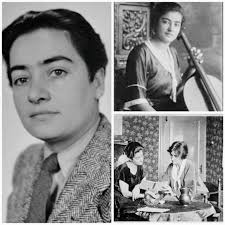
Frieda Belinfante

Dutch cellist, conductor, and anti-Nazi resistance fighter, Frieda Belinfante was born into a musical family. She began studying the cello at the age of 10. She debuted professionally at age 17, and worked as a director of various ensembles.

In 1931 she was briefly married, although she explained to her husband that she was a lesbian. She had relationships with women throughout her life, keeping them private, but caring little about public opinion.

In 1937, she was invited to manage the Concertgebouw in Amsterdam, making her the first woman in Europe to conduct a professional orchestra. She continued to enjoy success in her career, appearing regularly on Dutch radio and conducting around Europe, but her work was cut short when Nazi Germany invaded the Netherlands.

Along with her friend, gay artist Willem Arondeus, she joined the resistance movement early on, creating forged documents for Dutch Jews. Belinfante, herself, was half Jewish. In 1943, to prevent the Nazis from checking forged documents against public records, she aided her friends in the bombing of the registration office in Amsterdam. The plan successfully destroyed 800,000 identity cards of Jews and non-Jews alike. Sadly, members of the resistance group, including Arondeus, were arrested and executed shortly afterwards.

For the next three months, Belinfante disguised herself as a man to evade discovery. She eventually escaped to Switzerland by crossing the Alps on foot, only returning to the Netherlands after the war.

In 1947, she came to the United States, where she resumed her musical career in California, forming and conducting the Orange County Philharmonic Society to great acclaim. But preferences for a male conductor and rumours about her lesbianism contributed to her dismissal from the orchestra in 1962.

Fifteen years later, Orange County would acknowledge her contributions by declaring a ‘Frieda Belinfante Day.’

Queer Britain

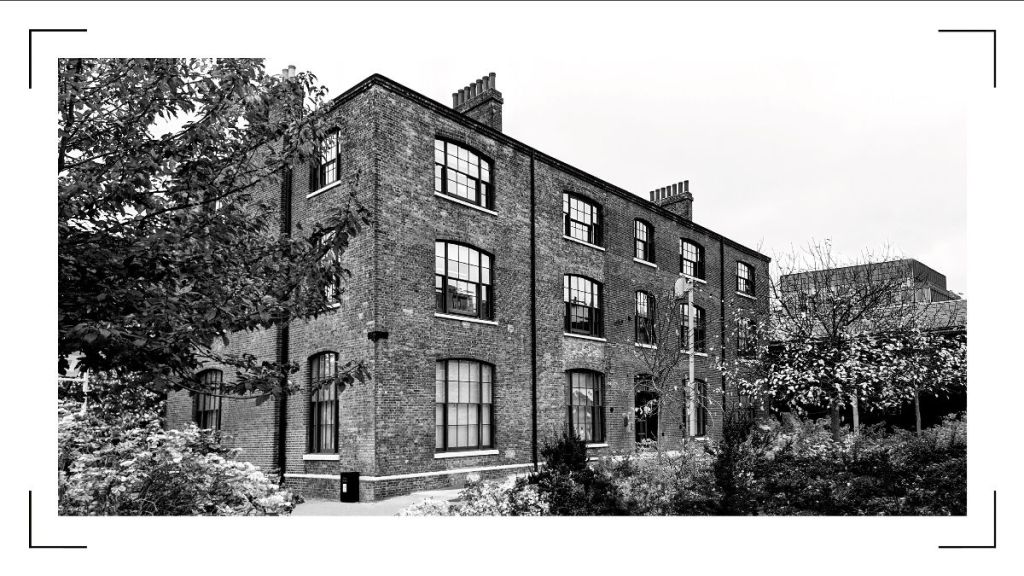
Queer Britain has secured its first physical home in Granary Square, King’s Cross, London, occupying part of a historic building owned by the charity, Art Fund.

Queer Britain moves in from 24 January 2022 and is working to throw open the doors to the public free of charge in the Spring and will announce further plans shortly.

The museum will be fully accessible via lifts and ramps and will always be free to visit but welcomes donations to support its work. When open, it will have four gallery spaces, a gift shop and office facilities, later to be followed by education and workshop spaces.

Joseph Galliano (he/him), director and co-founder, Queer Britain, said, “It’s time the UK had an LGBTQ+ museum, for all. And we are delighted to have found our first home in beautiful Granary Square with Art Fund as our first landlord. It’s a prime location, accessible to swathes of the country, and in a part of town with a rich Queer heritage.”

Lisa Power (she/her), Queer Britain trustee, said, “I’m really excited that Queer Britain is finally going to have a space to show what we can do and that we’re here for all the community, from old lesbian feminist warhorses like me to young queer folk of all genders and ethnicities. Queer Britain aims to tell our many and diverse histories, and now we have a home to do that from.”

Anjum Mouj (she/her), Queer Britain trustee, said, “The UK is finally getting the LGBTQ+ museum it deserves, to reflect and celebrate all our exciting and wildly diverse communities, whatever their sexualities, gender identities, backgrounds, ability or heritage. Community lives in unity.”

Jenny Waldman (she/her), director, Art Fund, said, “We’re delighted to welcome Queer Britain as our new tenants. Their exciting proposal for the first UK museum dedicated to exploring LGBTQ+ histories, people and ideas was warmly supported by our trustees, and we’re thrilled that our beautiful building in Granary Square will be home for the first phase of the Queer Britain museum. It promises to be an essential destination.”

Dame Gracy

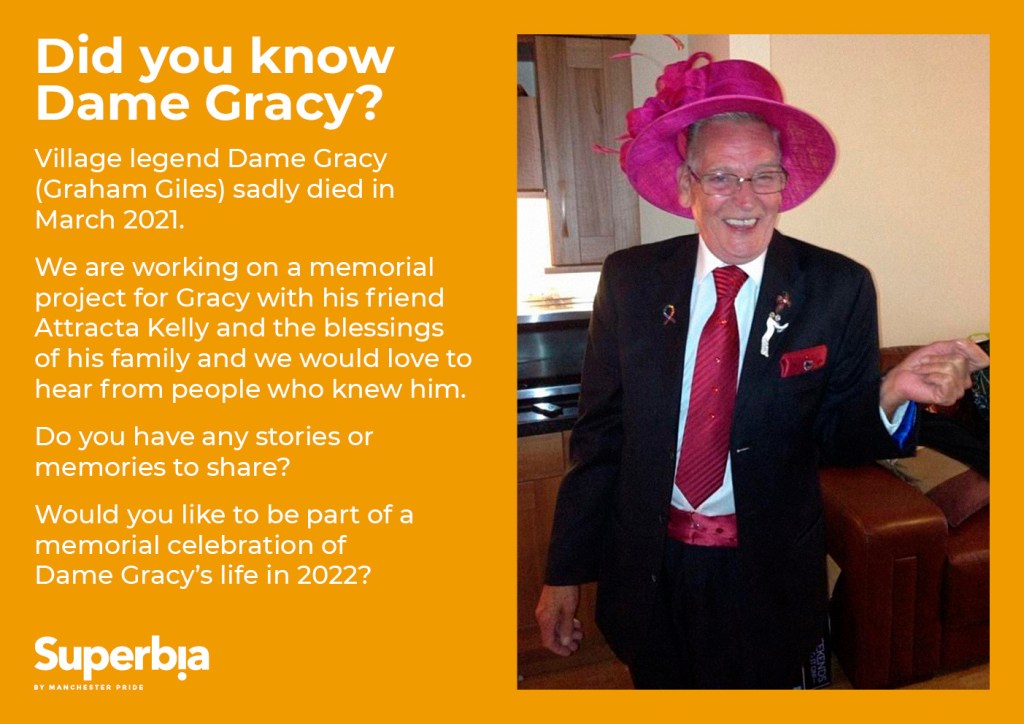
Village legend, Dame Gracy (Graham Giles), sadly died in March 2021.

We are working on a memorial project for Gracy with his friend, Attracta Kelly, and the blessings of his family and would love to hear from people who knew him.

Do you have any stories or memories to share? Would you like to be a part of a memorial celebration of Dame Gracy’s life in March 2022? If so, please get in touch with greg@manchesterpride.com

John Rylands Library … Pictures that changed the course of LGBT history

News

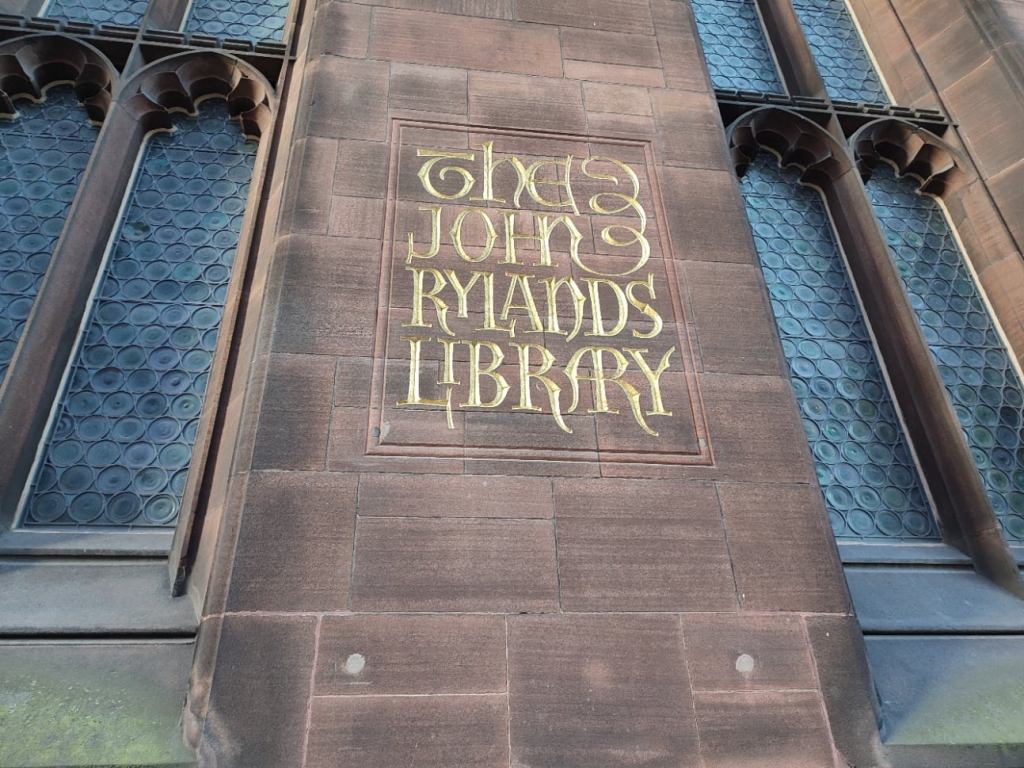
The John Rylands Library

The John Rylands Library was founded by Enriqueta Rylands in memory of her husband John Rylands, who died in 1888.

The building and collections

The following year Enriqueta commissioned the architect Basil Champneys to design the Library, which took ten years to build and opened to readers and visitors on 1 January 1900. Enriqueta was closely involved in the design and construction of the building, and in the simultaneous development of the collections.

In particular, she was personally responsible for purchasing the two foundational collections: the incomparable collection of printed books assembled by the 2nd earl Spencer (which she bought for £210,000 in 1892) and the earl of Crawford’s collection of manuscripts (costing £155,000 in 1901).

The John Rylands Library is one of the finest examples of neo-Gothic architecture in Europe and is indisputably one of the great libraries of the world.

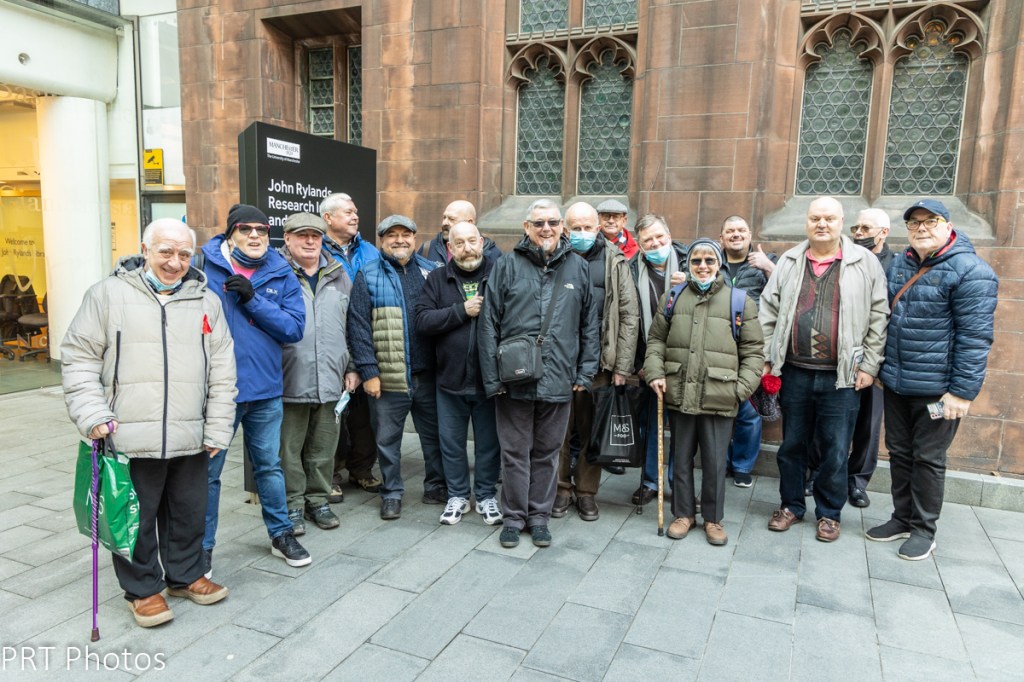
The library became part of The University of Manchester in 1972. It now houses the majority of Special Collections of The University of Manchester Library, the third largest academic library in the United Kingdom. We enjoyed our visit to this beautiful building – more photos can be seen here.

Pictures That Changed The Course Of LGBT History

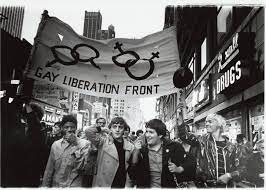
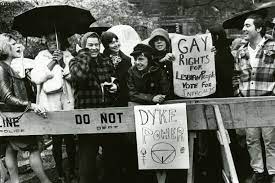
Photo by Diana Davies: Gay Liberation Front marches on Times Square, New York, 1970.

In the 1960s and ’70s, amid a climate of political upheaval and civil rights activism, LGBT communities across the US were uniting for visibility and change. Events like the 1969 Stonewall riots, which saw LGBT activists rise up against discrimination in New York City, helped to galvanise this movement by bringing together a generation of LGBT young people under a banner of pride. And the work of photojournalists such as Kay Tobin Lahusen and Diana Davies brought this movement to the masses through their groundbreaking photography.

An exhibition at the New York Public Library titled Love & Resistance: Stonewall 50 brought together the work of these two influential photographers, as well as periodicals, flyers, and first-person narratives from this pivotal moment in LGBT history.

Photo by Kay Tobin Lahusen: Men reading Gay magazine, 1971.
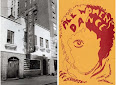
Left: Photo by Diana Davies: Stonewall Inn, 1969. Right: “All Women’s Dance” New York, Gay Liberation Front, 1970.

Who were Kay Tobin Lahusen and Diana Davies?

Kay was one of the first LGBT photojournalists in the United States documenting LGBT political communities. She started her career photographing for a magazine called the Ladder in the early 1960s, which was the main magazine for lesbians in the US at that time. Before Kay, the magazine depicted people mostly through cartoons; if they were photographed, it was in silhouette or from behind to protect the identity of the people in the pictures.

She broke with this by placing out lesbians on the cover. A lot of these pictures are some of the first positive images of lesbians in American culture. There simply weren’t images of lesbians being depicted as smiling, happy, well-adjusted people before Kay made them. By the 1970s, she was documenting essentially all of the major activity and demonstrations that were happening.

Photo by Dance at Gay Activists Alliance Firehouse, 1971
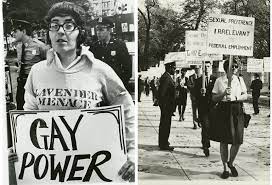
Left: Photo by Diana Davies: “Ida,” member of the Gay Liberation Front and Lavender Menace, 1970. Right: Photo by Kay Tobin Lahusen, Ernestine Eckstein, and Barbara Gittings: Third White House picket, 1965.

Diana was another photographer who honed her craft in the 1960s, documenting the antiwar movements, the civil rights movements, as well as the jazz and blues music scenes. Then in ’69 she became part of this organisation called the Gay Liberation Front and began documenting gay, lesbian, and transgender activists in New York City and around the country.

How was photography used as a tool for LGBT activism?

The exhibition had this section on “love” which is most telling in this regard. There are images that are always shot from behind or in silhouette — so you’re depicting the person but also protecting their identity at the same time. This was due to the fact that homosexuality was illegal in the United States during this era. In New York, you could serve three months in prison and in some states you could be sentenced to life in prison. You could be institutionalised, subjected to electric shock treatment, you could lose your job — so very few people are willing to be publicly depicted in this way.

Left: Photo by Kay Tobin Lahusen: Men kissing under a tree, 1977. Right: Photo by Diana Davies: Women embracing at Michigan Womyn’s Music Festival, 1976.

Post-Stonewall you have a real emergence as part of gay liberation of trying to document these people’s lives. These photographers were a part of a movement of gay visibility with the objective of taking back public space. Part of the oppression faced by gay and transgender people in the ‘60s was being denied access to public space. A bar could be shut down if they had gay patrons, you could be arrested for cross-dressing during the time. So part of creating these images was to depict these individuals as full human beings.

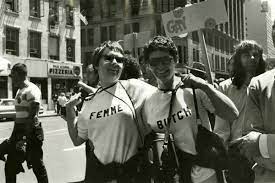
Photo by Kay Tobin Lahusen: Nancy Tucker and her partner in butch-femme T-shirts, 1970.
Photo by Diana Davies: Demonstration at City Hall, New York (from left: Sylvia Rivera, Marsha P. Johnson, Jane Vercaine, Barbara Deming, Kady Vandeurs, Carol Grosberg, and others), 1973.
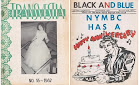
Left: Transvestia no. 16, Los Angeles: Chevalier Publications, 1962. Right: Black and Blue vol. 1, no. 5, New York Motor Bike Club, September 1967.
Photo by Kay Tobin Lahusen: Germantown couple on porch, 1977.
Photo by Diana Davies: Martha Shelley sells Gay Liberation Front paper during Weinstein Hall demonstration, 1970.

Wolf in concert … First Global LGBT+ conference … Name the new LGBT Foundation building

News

Wolf in concert

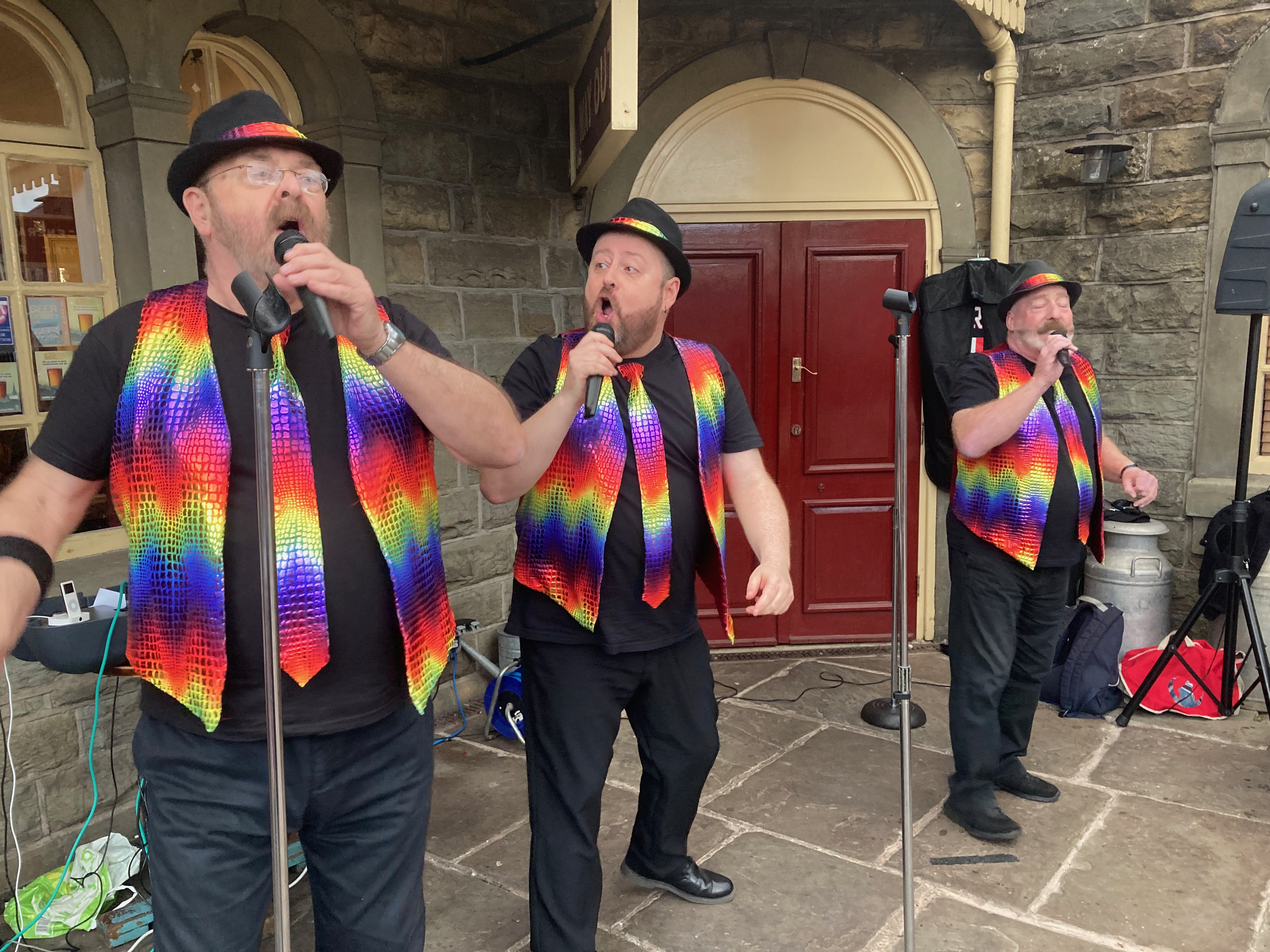
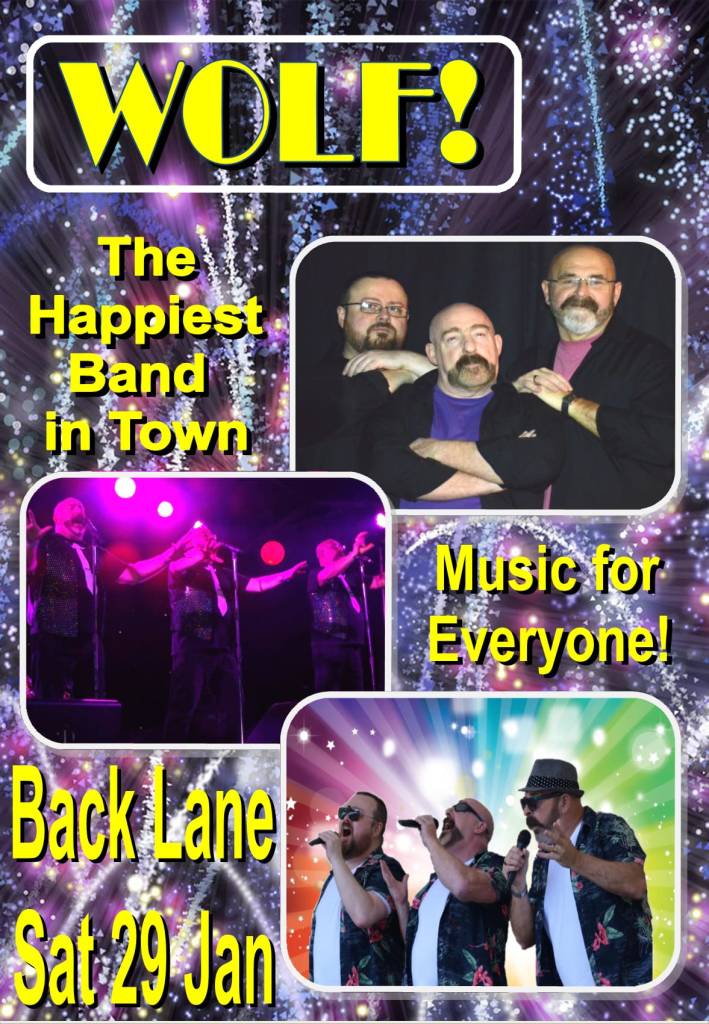
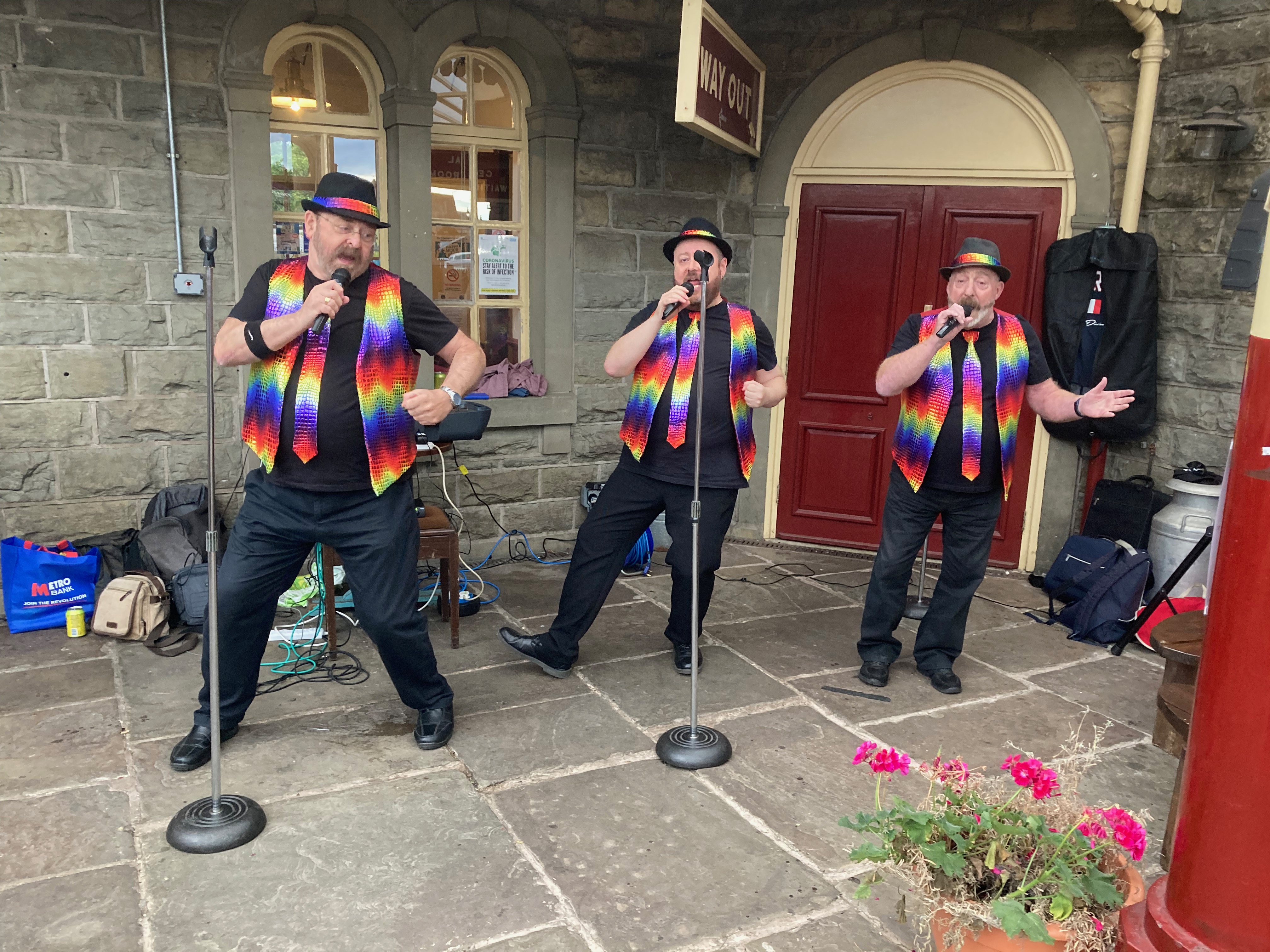
Wolf are performing at Back Lane Club, 2 Wilson Street, Hyde, Tameside SK14 1PP on Saturday, 29 January. On stage at 8.30pm. Don’t miss this great group performing.

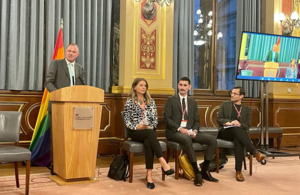
UK to host its first global LGBT conference

The UK will host its first ever global LGBT conference to tackle inequality around the world and urge countries to take action.

Countries across the world will be invited to London to attend the UK’s first global LGBT conference in June 2022.

Safe To Be Me’ will be the largest event of its kind and will focus on making progress on legislative reform, tackling violence and discrimination, and ensuring equal access to public services for LGBT people.

Conference Chair Nick Herbert (Lord Herbert of South Downs) has also been appointed by the PM as the UK’s Special Envoy on LGBT rights to promote the conference and champion LGBT equality at home and abroad.

Minister for Women and Equalities, Liz Truss, alongside Foreign Secretary Dominic Raab announced the global event, which will bring together elected officials, policy makers, and the international LGBT community including activists, experts, and civil society to protect and promote the rights of LGBT people around the world.

Safe To be Me: A Global Equality Conference’ will take place 27-29 June 2022, coinciding with the 50th anniversary of the first official London Pride marches. The conference will take place in person and virtually, ensuring all can take part.

Minister for Women and Equalities, Liz Truss, said:

“I want everyone to be able to live their life free from prejudice, malice, or violence, regardless of their background or who they choose to love.

People should be judged on the basis of their individual character and talents alone, and we want to ensure that this message is heard around the world.

This conference will take aim at the prejudices LGBT people still face, and look at the collective action we can take to tackle those injustices alongside our international friends and partners.”

Foreign Secretary, Dominic Raab, said:

“The right to live life without fear and persecution are the bedrock of inclusive and open societies and the UK, as a force for good, will protect and promote these values at home and around the world.

As co-chair of the Equal Rights Coalition, we are already working with 41 countries to defend the rights of LGBT people. We are urging every country to make sure LGBT people can live free from the discrimination and violence that persists today.”

The Prime Minister announced that Conference Chair Lord Herbert of South Downs will also take on the role of the United Kingdom’s Special Envoy on LGBT Rights. He will promote the conference internationally and lead efforts to champion LGBT equality at home and abroad. He will also be working with the Minister for Women and Equalities to coordinate a year of domestic action on LGBT issues, in the run up to the global conference.

Lord Herbert of South Downs, said:

“With our immense soft power, and as a global force for good, the UK has an important role to play in leading international efforts to tackle the violence and discrimination against LGBT people which should have no place in the modern world.

I am committed to the cause of advancing LGBT+ rights worldwide and I look forward to continuing that in my role as the Prime Minister’s Special Envoy and as the Chair of the Global LGBT Conference. At a time when Covid has pulled many of us apart, the conference offers a real chance to bring people together and drive change for good.”

On 11 October 2021, Nick Herbert, the Prime Minister’s Special Envoy on LGBT+ Rights, hosted key conference partners to discuss the ‘Safe to Be Me’ Global LGBT Conference.

Across the world, 69 countries still criminalise consensual same-sex acts. The UK is considered a leader on LGBT equality, having legalised same-sex marriage and introduced one of the world’s most comprehensive legislative frameworks for protecting LGBT people from discrimination.

Evidence suggests that the COVID-19 pandemic has exacerbated the existing inequality LGBT people experience globally, with violence and discrimination a daily reality for some. The UK Government, with our international partners, believes this is the time to take collective, global action.

As co-chairs of the Equal Rights Coalition (ERC), the UK and Argentina will launch the ERC’s first Strategy and Five-Year Implementation Plan at a virtual meeting in July 2021. This comprehensive strategy will increase international action to defend the rights of LGBT people around the world.

In the lead up to the Conference there will be a series of virtual events, bringing together the UK’s key international partners with the first held on 18 May 2021 to mark International Day Against Homophobia, Biphobia and Transphobia (IDAHOBIT).

Further information:

  • Details of speakers and delegates for the conference will be announced in due course.
  • The Conference will be delivered with the UK’s co-chair of the Equal Rights Coalition, Argentina and Cyprus, co-host of the Council of Europe’s LGBTI Focal Points Network IDAHOT+ Forum.
  • The Equal Rights Coalition is an intergovernmental coalition of 42 countries that are committed to protecting and promoting LGBT rights globally. It was launched in August 2016, under the leadership of Uruguay and the Netherlands at the Global LGBTI Human Rights Conference in Montevideo. The United Kingdom took over as co-chair of the ERC on 14 June 2019, in partnership with Argentina.
  • The Council of Europe’s LGBTI Focal Points Network (EFPN) is a network of 37 Council of Europe member states. It was founded in 2005 and the UK has been an active participant since inception. The EFPN meets twice a year: to celebrate the International Day Against Homophobia, Biphobia and Transphobia (IDAHOBIT) on 17 May and again in the Autumn for a policy roundtable. The UK are the current hosts for the IDAHOT+ Forum until 2022 alongside Cyprus.

……………………………………………..

On 11 October 2021, Nick Herbert, the Prime Minister’s Special Envoy on LGBT+ Rights, hosted key conference partners to discuss the ‘Safe to Be Me’ Global LGBT Conference.

The Conference will focus on LGBT issues in three key areas: supporting decriminalisation and legislative reform to advance equality and legal protections for LGBT people, tackling violence and discrimination, and improving access to public services.

Across the world, nearly 70 countries still criminalise consensual same-sex acts. As current Co-Chair (with Argentina) of the Equal Rights Coalition and current Co-Chair (with Cyprus) of the European Focal Points Network the UK has a unique opportunity to mobilise efforts to protect LGBT people worldwide.

Prime Minister’s Special Envoy on LGBT+ Rights, Nick Herbert, said: “I am excited by the potential of the Safe to Be Me Conference which will bring together governments, civil society organisations, businesses and parliamentarians to agree how we can work together to drive forward LGBT rights, especially in the countries where the need is greatest.

This will be a major international event which will also coincide with the 50th anniversary of London Pride. I believe we are stronger when we stand together, and that the UK has a powerful opportunity to act as a global force for good and help to improve the lives of LGBT people worldwide.”

The meeting was also attended by representatives from the Equal Rights Coalition and a number of key stakeholder groups.

Name the new LGBT Foundation Centre

Name the new LGBT Foundation Centre – go their website here and the winning entry will win an iPad. The closing date is 31 January 2022.