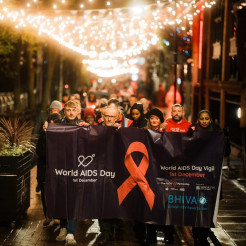
If you would like to join the Vigil it is open to everyone and you are welcome to bring friends and family along.
As a reminder, the Vigil takes place on Monday, 1 December at Sackville Gardens, Sackville Street, Manchester M1 3WA. Arrive from 6.00pm for a 6.15pm start.
You can expect powerful speeches and contributions and a performance from the fabulous Proud Chorus.
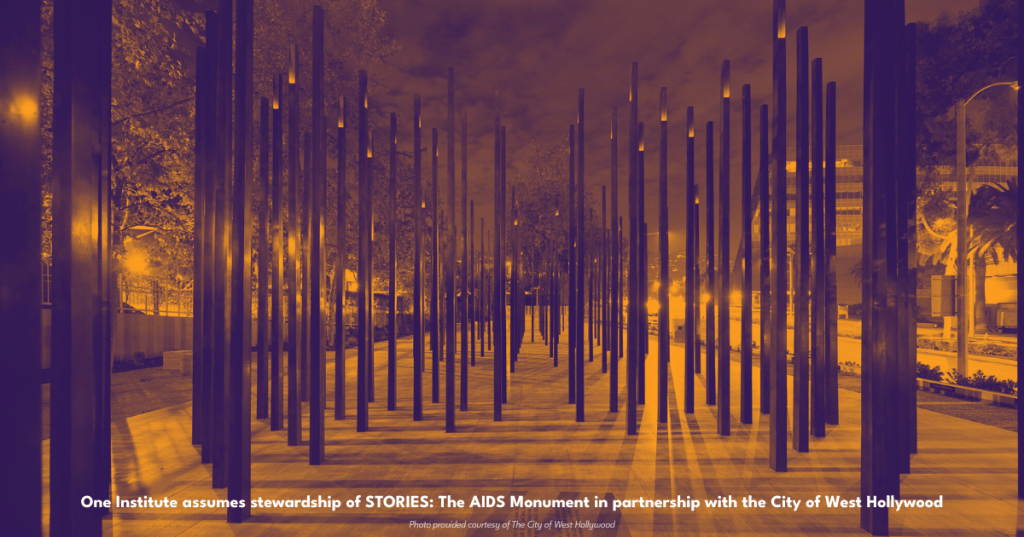
The AIDS Monument
The AIDS Monument is a beautiful new memorial in West Hollywood Park, California to remember those we lost to HIV/AIDS and the resilience of LGBT+ and allied communities.
One Institute will become stewards of The AIDS Monument before the end of the year, and will lead programme development including monthly tours, artist installations and special events during Pride, LGBT+ History Month and World AIDS Day.
Queer Little City
Matthew Walker made this short film about Section 28 featuring interviews with members of Out In The City.
Rising negative sentiments towards homosexuality peaked in 1987, the year before Section 28 was enacted. According to the British Social Attitudes Survey, 75% of the population said that homosexual activity was “always or mostly wrong”, with just 11% believing it to be “not wrong at all”.
Section 28 refers to a part of the Local Government Act 1988, which stated that local authorities in England, Scotland and Wales “shall not intentionally promote homosexuality or publish material with the intention of promoting homosexuality” or “promote the teaching in any maintained school of the acceptability of homosexuality as a pretended family relationship”.
In February 1988 a demonstration in Manchester in protest against Section 28 was attended by 25,000 people. However, the legislation came into effect during Margaret Thatcher’s premiership on 24 May 1988. The night before, several protests were staged by lesbians, including abseiling into Parliament and an invasion of the BBC1’s Six O’Clock News, during which one woman managed to chain herself to Sue Lawley’s desk and was sat on by the newsreader Nicholas Witchell.
Section 28 caused many organisations, such as LGBT student support groups to either close, limit their activities or to self-censor. In addition, Section 28 had a widespread impact on schools across the United Kingdom. This was due to uncertainty around what constituted the “promotion” of homosexuality, leading many teachers to avoid discussing the topic in any educational context.
Section 28 was first repealed in Scotland in 2000 and subsequently repealed in England and Wales in November 2003.
This new monthly radio show – aimed at older members of the LGBT+ communities – will go live on Tuesday, 2 December from 2.00pm to 3.00pm on ALL FM 96.9.
Don’t worry if you miss it, as it will be uploaded to Mixcloud so you can listen at your leisure.
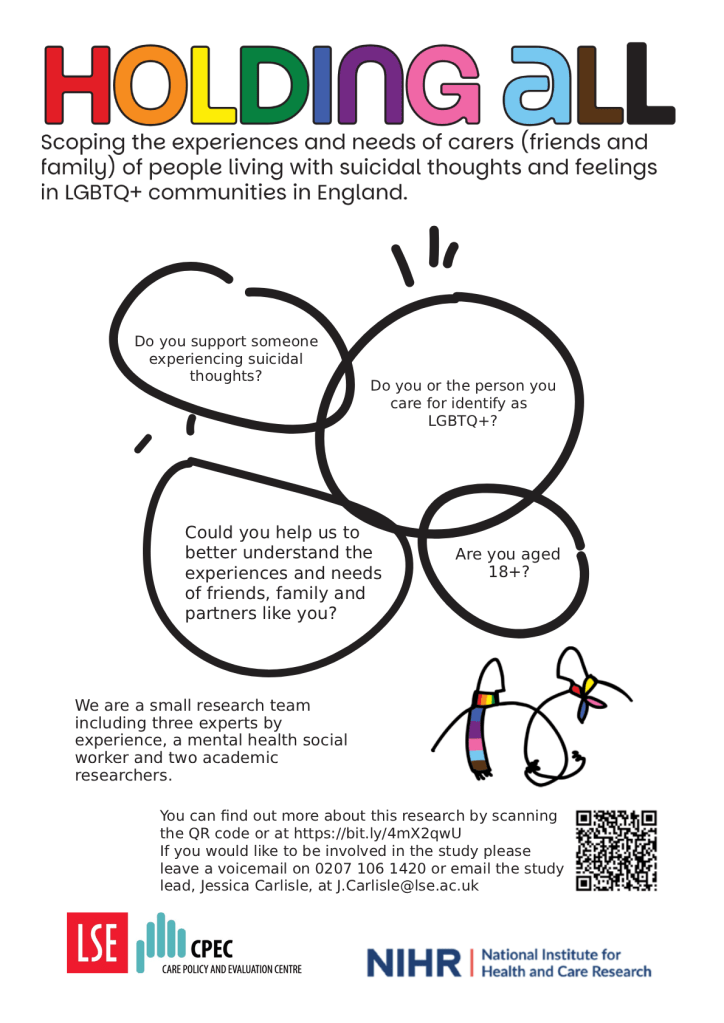
Research project – ‘Holding All’
The aim of this research is to scope the experiences and needs of carers (friends, partners and family) of people living with suicidal thoughts and feelings in LGBTQ+ communities. The carer, the person they care for, or both the carer and loved one should identify as LGBTQ+.
We’re hoping to inform carers with relevant lived experience about opportunities to get involved.
We are looking to interview 30-40 carers and to support 5-10 carers to keep diaries for three months about their experience of supporting someone living with suicidality. We’ll also interview 10-15 representatives of mental health social care, LGBTQ+ organisations and carers groups and hold workshops with carers and local authority, mental health and VCSE social care practitioners.
More information about the study can be found on the webpage here.
The research team are two university-based researchers, a researcher/practitioner, and three researchers who are experts by experience. We’re based in the London School of Economics and are collaborating with Derbyshire LGBT+ with the support of a Research Advisory Group that includes carers and mental health social care practitioners.
Please see attached poster which gives some contact details for more information about what it would mean to get involved.
Birthdays
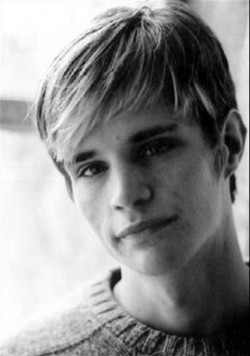
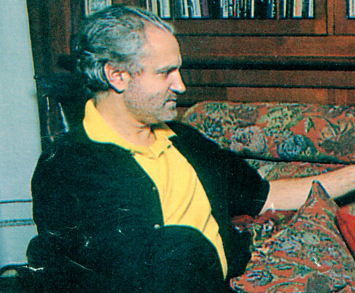
Matthew Shepard (Born 1 December 1976–1998), American studentGianni Versace (Born 2 December 1946–1997), Italian fashion designer
How the Power Hall tells the tale of Manchester’s industrial past
Manchester’s industrial past roared back to life as the Science and Industry Museum reopened its fully restored Power Hall.
In its own right, the Power Hall is the ghost of Manchester’s past. Each piece of machinery symbolises what Manchester once was, and how it influenced the present.
Originally built in 1855 as a shipping shed for Liverpool Road Station, the world’s first purpose-built passenger railway station, Power Hall is a Grade II listed building that has witnessed over 170 years of Manchester’s industrial story.
Now fully restored and reimagined, the gallery blends timeless architecture with hands-on interactivity, ensuring visitors of all ages can get their cogs turning.
Although the hall has been closed since 2019, some of the locomotives and steam engines seen today are now running for the first time in over a decade.
As you embark on your journey through the years, you’ll find inspiring stories of the past – an ode to the incredible people who shaped history.
Amongst them is Dorothy Smith (10 February 1899 – 22 February 1975), who was born in Manchester. She went to Manchester High School for Girls, and her favourite subject was Maths. Dorothy was called up to work in an Engineering drawing office in the First World War, and she absolutely loved it.
It was perfect for her because she got to use her favourite subject, and it wasn’t easy. She encountered quite a lot of prejudice and struggles, but she persevered and she became one of the first ever women to have a full career as an Electrical Engineer.
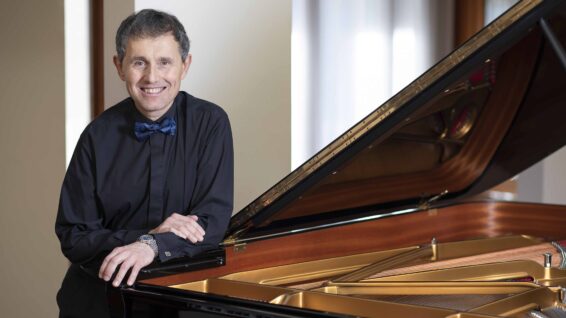
Acclaimed pianist Vesselin Stanev returned to The Stoller Hall with a solo programme of romantic works by Schumann, Brahms and Liszt.
Vesselin Stanev was born in Varna, Bulgaria. He rapidly made a name for himself as a musician of outstanding talent, and awards at the Moscow Tchaikovsky Competition and at the Concours Marguerite Long – Jacques Thibaud bear witness to this.
Vesselin Stanev’s career has taken him to leading European concert halls as well as to Scandinavia, Russia, Eastern and South-Eastern Europe and Japan.
Ohio relaxes personalised license plate restrictions after lawsuit
Ohio began allowing personalised license plates in 1973 but did not adopt clear rules for evaluating the appropriateness of messages. However, after a 2003 lawsuit, the Bureau of Motor Vehicles (BMV) adopted criteria clarifying that it bans word and letter combinations that are profane, sexually explicit, advocate lawlessness or could provoke a violent response.
Each year, around 600,000 people request personalised plates, but these guidelines led the agency to reject 939 applications in 2024.
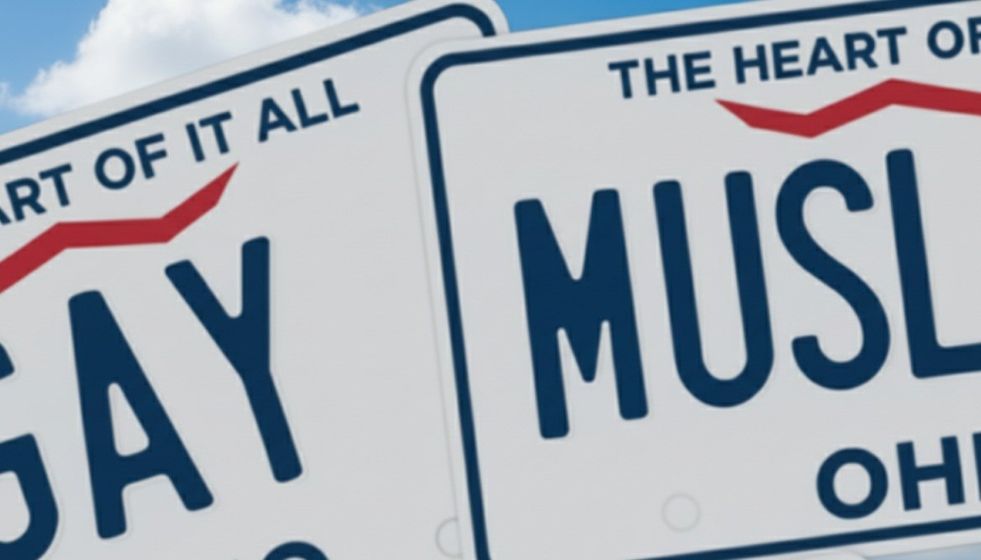
On 9 September, two state residents filed a lawsuit against the Ohio BMV, alleging the government organisation violated their rights to free speech and equal protection under the law by rejecting their personalised license plate requests.
William Saki attempted to apply for a plate online containing the word “GAY,” while Cyrus Mahdavi sought to include the word “MUSLIM.” Both requests were blocked, with the BMV’s website displaying a message calling them “inappropriate.” Meanwhile, the lawsuit states the Ohio BMV has issued license plates including terms such as “STR8,” “STR8 PWR,” “ATHEIST,” and “HINDU.”
The Ohio Bureau of Motor Vehicles has agreed to loosen restrictions on personalised license plates after a federal court challenge claimed its policies were unconstitutional.
James Pratt and John Smith
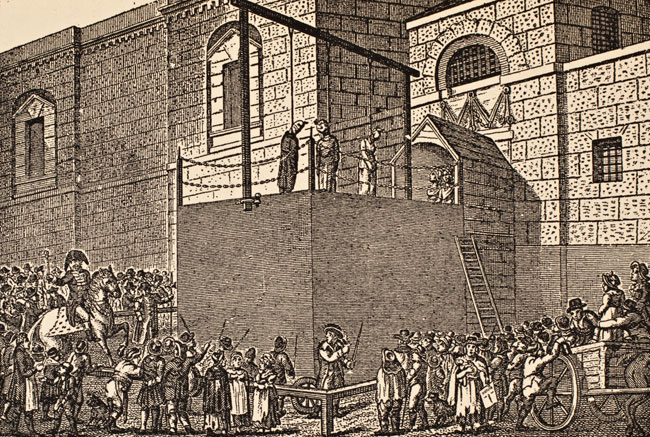
190 years ago, on 27 November 1835, was the last occasion when two men were executed in Britain for sodomy.
James Pratt and John Smith were arrested on 29 August in London after being spied upon while having sex in a private room. The room was rented by another man, William Bonill. Bonill was not present, but was nevertheless convicted of being an accessory and was transported to Australia, where he died five years later.
They were hanged on 27 November, with James reportedly crying “Oh God, this is horrible, this is indeed horrible” just before their deaths.
Hanging outside Newgate Prison
The Police magistrate Hensleigh Wedgwood wrote in a letter to the Home Secretary that death was too harsh a punishment for the two men on the basis that no one was harmed and that the only reason for the death sentence in the case is that no lawyer wanted to defend such a “shameful crime”. He also highlighted the class inequality in sodomy convictions, noting that richer men could more easily get away with the crime.
In January 2017, Pratt and Smith were among those who were posthumously pardoned by the Alan Turing law which pardoned those who had been convicted of same-sex carnal offences which no longer exist in the UK.
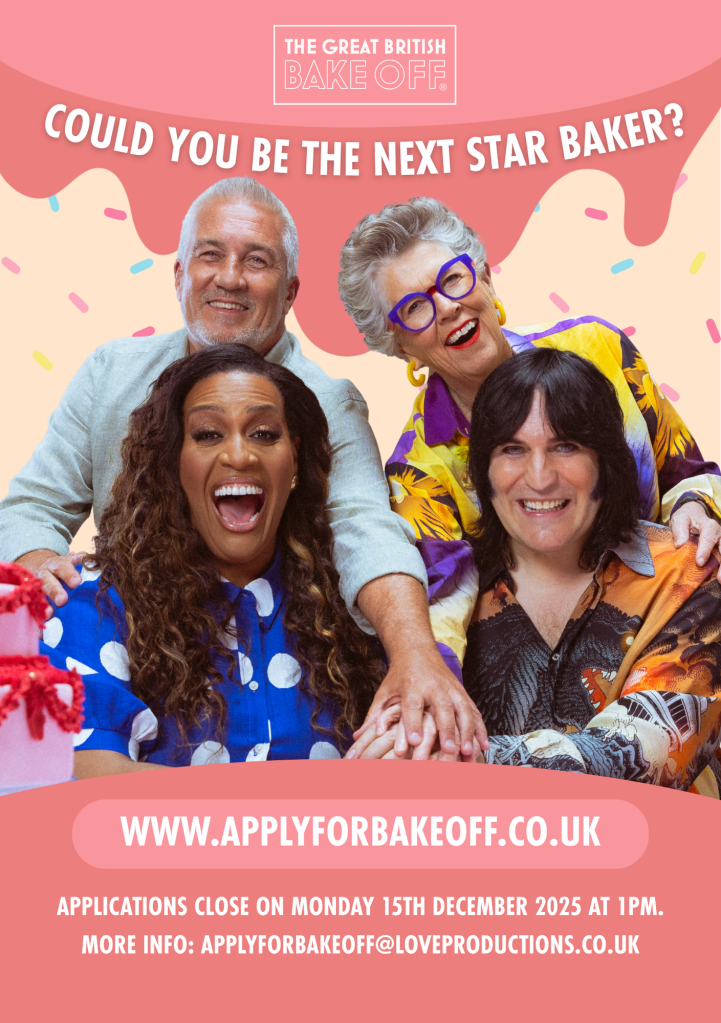
Could You Be The Next Star Baker? ✨🍰
Are you a home baker with serious skills? Step into the Bake Off tent! 🌟
Applications for The Great British Bake Off Series 17 are now OPEN! 🍞
The tickets cost £5 per month (£10 for 2 tickets, £15 for 3 tickets etc) and the details are as follows:
Play the Rainbow Lottery and support Out In The City
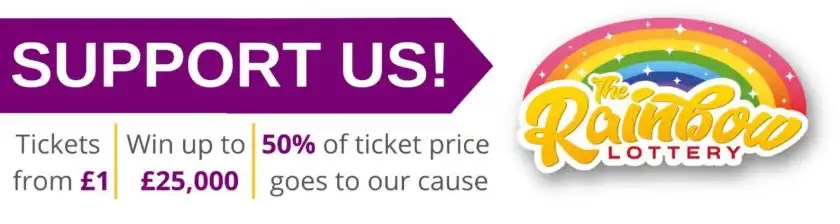
The Rainbow Lottery is the UK’s first and only lottery supporting LGBT+ good causes. Welcome to the Rainbow Lottery, the exciting weekly lottery that raises money for over 200 LGBT+ good causes totally, openly and exclusively.
The hope is to make a difference to good causes so they can carry on their vital work – which helps us all. Play the lottery, support the community – it’s fun, it’s simple and everybody wins!
How the lottery works:
£1 per ticket – that’s right, unlike many other lotteries, the lottery tickets are only £1 per week.
For every ticket you play, 80% goes to good causes and prizes.
£25,000 jackpot prize
Match all 6 numbers and you win the JACKPOT! There are also prizes of £2000, £250, £25 and 3 free tickets for the following week.
Every month there is a Super Draw. This month you can win a fantastic gift such as a Nintendo Switch 2 bundle (or equivalent cash) plus £500 for Out In The City!
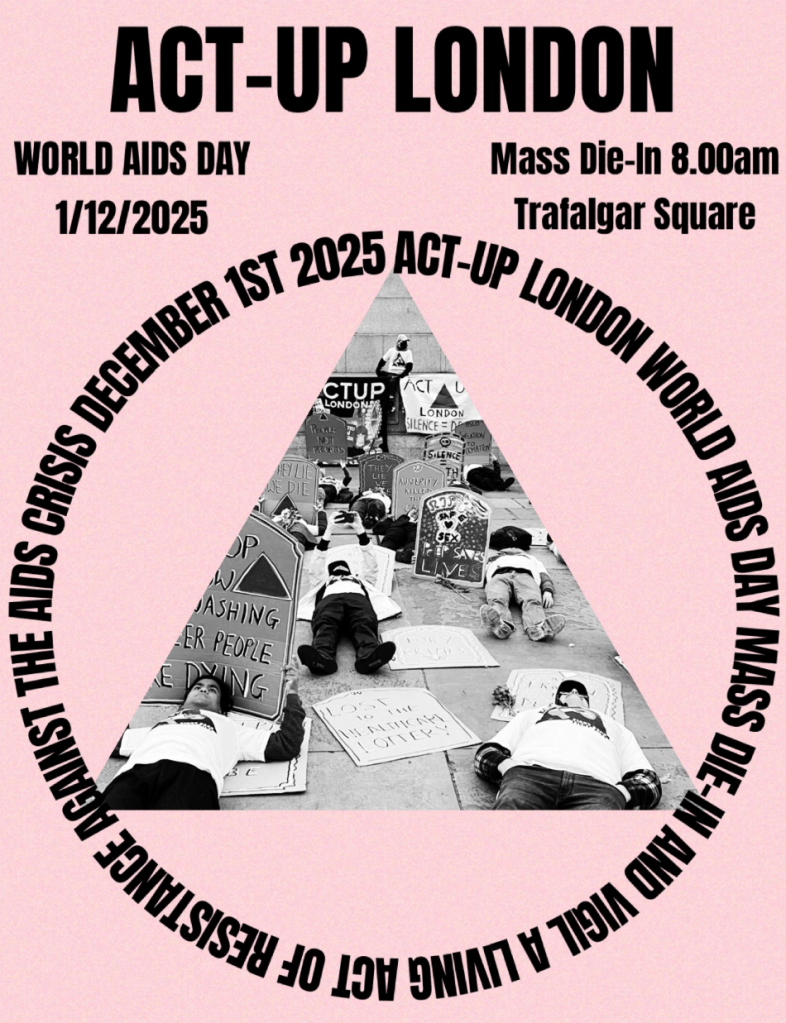
ACT UP London Announce Mass ‘Die-In’ at Trafalgar Square for World AIDS Day
ACT UP London (AIDS Coalition to Unleash Power), an international, grassroots political group working to end the AIDS pandemic,are mobilising activists and citizens for a mass ‘Die-In’ in Trafalgar Square, on World AIDS Day, Monday 1 December 2025, from 8.00am, to ‘Remember the Dead and Fight for the Living’.
The group is calling for national action to confront the Government’s lethal complicity in international and domestic aid cuts that forces HIV/AIDS education, prevention and support services to shut down.
A report from HIV Outcomes UK, a coalition of HIV experts, has warned that the target to end new HIV transmissions by 2030 is at risk with funding reductions leaving people living with and affected by HIV without vital voluntary sector support and services. The report – HIV services at the crossroads – draws on evidence taken from more than 50 HIV-focused organisations across the UK and more than 300 people living with HIV.
The UNAids chief is “shaken and disgusted” by US cuts that will mean “millions more deaths”. Global cuts to HIV programmes are predicted to cause up to 4 million deaths by 2029. The world was actually on track to end the global Aids pandemic by 2030, but that will be “impossible” if these cuts and disruptions continue.
Meanwhile, the same government chips away at the right to protest – the very tool that won life-saving drugs in the first place. Against this background ACT UP are calling for collective action.
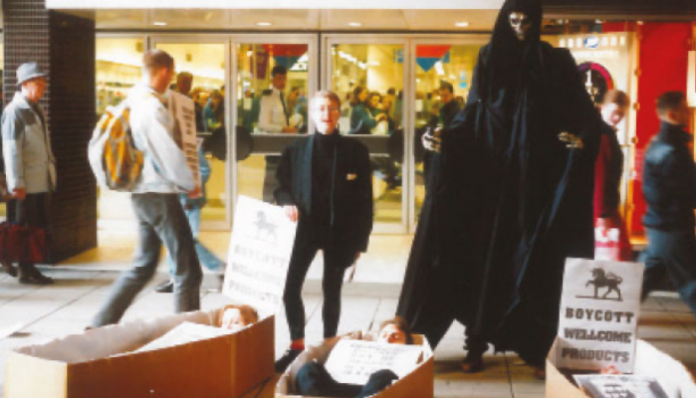
“Die In” on Market Street, Manchester 1991
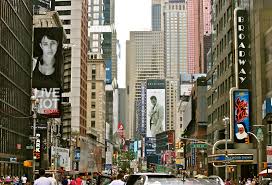
The Evolution of LGBT+ Narratives on Broadway
It’s impossible to talk about the history of Broadway theatre without talking about the history of LGBT+ theatre. Stories featuring LGBT+ characters, storylines and themes have been told on stage since as far back as ancient Greece. Though they were suppressed for a long time, LGBT+ narratives have been integral in shaping modern plays and musicals. There would be no Broadway as we know it today without the LGBT+ playwrights, directors, actors and producers who have created many of the most important and successful shows of all time including Stephen Sondheim, Edward Albee and Tennessee Williams.
It wasn’t until the late 20th century that LGBT+ issues could be spoken about openly in front of mainstream audiences, and still more recently that they could be spoken about without fear of stigma or consequences. It’s been a long journey to get to a place of acceptance, and there’s still further to go.
The Early Years: Subtext and Secrecy
Homosexuality is known to have been openly practiced in ancient Greek society. Plays of the time referenced or included themes of same-sex love, including those by Aristophanes, Aeschylus and Plato, and many have interpreted the relationship between Achilles and Patroclus in Homer’s Iliad to have been romantic. Unfortunately, with the Christianisation of the Roman Empire, the social acceptance of same-sex relationships evaporated, and homosexuality eventually came to be criminalised.
Although playwrights throughout most of history were not able to mention LGBT+ themes explicitly, many continued to write about them using subtext and ambiguity. For example, despite heavy censorship and the threat of the death penalty in England during his time, Shakespeare often played with gender in his plays. The closest he comes to an overt portrayal of gay love is in Twelfth Night where the heroine disguises herself as a boy and her male love interest falls in love with her while believing she is a boy. Shakespeare himself is believed to have been bisexual by many historians who cite the large number of his sonnets addressed to a male subject.
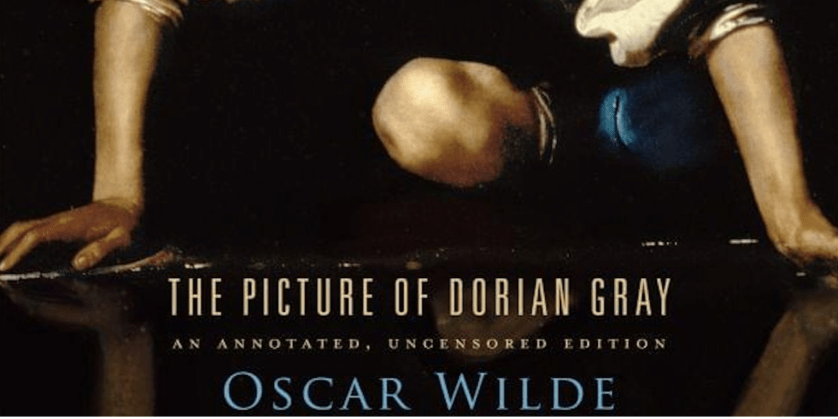
Oscar Wilde is known as an icon of the gay rights movement today, but during his time in the late 1800s he was also subject to censorship laws and the threat of criminal punishment for homosexuality. Even so, there isn’t far to dig to reach the queer subtext in Wilde’s plays. He passed off the affection between his male characters as platonic love, but in his novel The Picture of Dorian Gray he seems to have drawn the veil too thin. The novel was condemned as immoral, and when Wilde was eventually tried and convicted of “gross indecency for homosexual acts,” passages from Dorian Gray were read by the prosecution.
Fortunately, The Picture of Dorian Gray is better received by modern audiences. It was adapted as a film in 1945 and again in 2009. Sarah Snook won the Olivier Award for Best Actress for her one-woman production which ran in London’s West End.
By the 1920s theatre makers in America were beginning to push back against LGBT+ censorship. In 1923 a play called The God of Vengeance by Sholem Asch opened on Broadway which featured a storyline about a Jewish brothel owner’s daughter who has a lesbian relationship with one of the female sex workers. The cast and producer were arrested and charged with obscenity after a performance. Another play featuring a lesbian love affair, The Captive by Edouard Bourdet, met the same fate in 1926. Soon after, New York City passed the Wales Padlock Act which “amended the public obscenity code to ban plays depicting or dealing with the subject of sex degeneracy, or sex perversion.” With the threat of their theatres being “padlocked” for a year if they were convicted, producers stopped backing plays with explicitly LGBT+ characters, and representation once again vanished from mainstream stages.
Breaking Boundaries: The 1960s to the 1980s
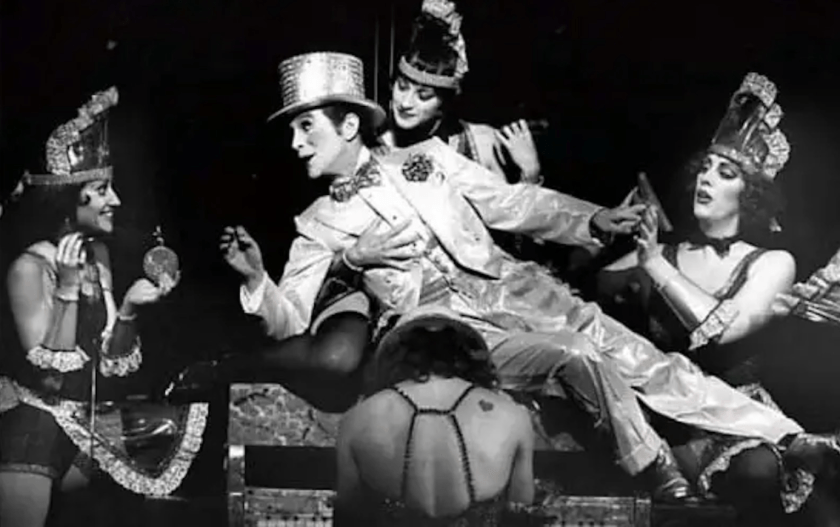
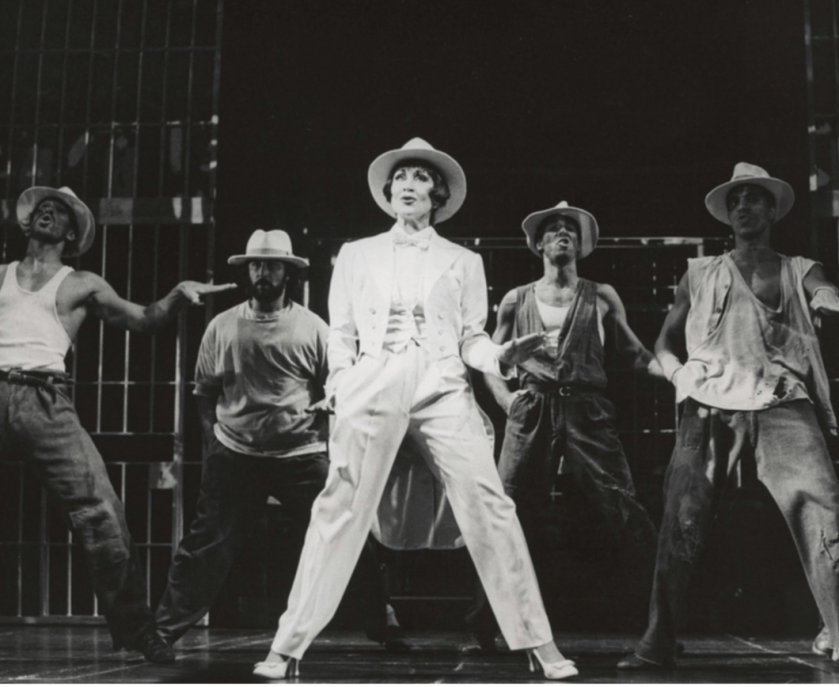
Joel Grey, original MC on Broadway 1966
The 1960s ushered in an era of rebellion. With the rise of counterculture, young people rejected their parents’ traditional thinking and advocated for civil rights, women’s rights, free love and peace. Growing unrest in the LGBT+ community came to a head with the Stonewall Riots in New York City in June 1969.
Cabaret, a musical by John Kander and Fred Ebb, opened on Broadway in 1967. In the original production the LGBT+ dynamics of the story were not explicit, although strongly suggested. The 1972 film version, directed by Bob Fosse and starring Liza Minnelli, overtly portrays the male lead’s bisexuality.
In April 1968, a play opened Off-Broadway at Theatre Four in New York featuring eight gay characters. The Boys in the Band, written by Mart Crowley, was a landmark in the history of LGBT+ theatre. Homosexuality was still criminalised at the time, and initially no one wanted to be involved with the show. Eventually, and with the help of fellow gay playwright Edward Albee, Crowley managed to persuade actors and producers to come on board despite the risk to their careers. To everyone’s surprise, the play was a hit. The Boys in the Band ran for two years, and celebrities who attended included Jackie Kennedy, Marlene Dietrich, Groucho Marx and even the mayor of New York, John Lindsay. The play was adapted as a film in 1970 starring the original cast. A Broadway revival in 2018 celebrated the show’s 50-year anniversary starring some of the most famous openly gay actors of our generation, including Jim Parsons, Zachary Quinto, Andrew Rannells, and Matt Bomer. Netflix released a film version of the revival in 2020 starring the same cast.
The success of The Boys in the Band opened the gates for LGBT+ theatre. The Rocky Horror Show (1973) debuted at The Royal Court Theatre in London and was one of the first mainstream musicals to depict fluid sexuality. The show was written by Richard O’Brien who has since come out as trans. In 1975 the show transferred to Broadway and was adapted as a film which has become a cult classic.
Another Royal Court show, Bent (1979), written by Martin Sherman and starring Ian McKellan, tells the story of a gay man in Nazi Germany. It was one of the first plays to expose the lesser-known history of gay men being sent to concentration camps. The show transferred to the West End and then to Broadway where it starred Richard Gere who received a Tony nomination for his performance. Bent was adapted as a film in 1997 starring Clive Owen.
The Torch Song Trilogy, a semi-autobiographical play about a gay, Jewish drag performer, written by and starring Harvey Fierstein, began life as three separate plays staged off-off-Broadway. They were combined for a run at the Actor’s Playhouse in Greenwich Village where the cast included a young Matthew Broderick. The show transferred to Broadway in 1982. Another unexpected success, Fierstein won the Tony Awards for Best Play and Best Actor, becoming the first openly gay actor to win a Tony for playing a gay character.
The next year, in 1983, Fierstein wrote the book for the musical comedy La Cage aux Folles. It was based on the 1973 French play of the same name by Jean Poiret, which had been adapted as a film in 1979. Another landmark in the history of LGBT+ theatre, La Cage was the first Broadway musical featuring a gay couple as principal characters. Despite a spike in homophobia associated with the escalating AIDS crisis, the show was a hit. It ran for four years and won six Tony Awards including Best Musical.
The AIDS Crisis: Art as Activism
“AIDS is probably the greatest catastrophe ever to hit the American theatre,” the LA Times wrote in 1993.
HIV, the virus that causes AIDS, first appeared in the US sometime in the early 1970s. Sexually transmitted, or transmitted through blood, the disease quickly became an epidemic disproportionately affecting gay men and drug users. New York City was particularly hard-hit during the 1980s. The arts and theatre communities suffered devastating losses and Broadway and American theatre felt the impact. An economic recession combined with the downturn in tourism (New York was seen as a hotspot for AIDS) reduced Broadway audiences by half: from 11 million attendees in 1980 to just 6 million by 1985.
The slow response to the epidemic from the FDA and the Reagan Administration caused intense frustration and anger among the LGBT+ community and its allies. Protests and large-scale activism succeeded in spurring the government to raise the priority of the HIV/AIDS crisis and hastened medical breakthroughs. Theatre played a vital role in bringing awareness of the disease to the public and calling for action. A canon of “AIDS plays” arose which are now considered classics of LGBT+ theatre.
Larry Kramer’s The Normal Heart was one of the first plays explicitly about HIV/AIDS and today is considered an important work of theatrical activism. The show opened at the Public Theatre in New York City in 1985 when there was still little official acknowledgement of the disease. A New York Times review called the play “a fiercely polemical drama.” A New York Times retrospective calls it “war reporting.” Mark Ruffalo and Julia Roberts starred in the 2014 HBO film adaptation.
Falsettos, a musical by William Finn and James Lapine, tells the story of a Jewish man who leaves his wife to be with his male lover who contracts AIDS. The show opened on Broadway in 1992 and won the Tony Awards for Best Book and Best Original Score.
Tony Kushner’s Angels in America triumphed on Broadway. Originally produced in two parts, both won the Tony Award for Best Play in their respective years, 1993 and 1994. Part I: Millennium Approaches also won the Pulitzer Prize for Drama in 1993. A 2003 HBO miniseries starred Al Pacino, Meryl Streep, and Emma Thompson and the play was revived on Broadway in 2018.
A musical theatre classic, Rentby Jonathan Larson is loosely based on Puccini’s opera La Bohème. It tells the story of starving artists in Manhattan’s Alphabet City coping with poverty, drugs, and the HIV/AIDS epidemic. The show opened on Broadway in 1996 and was a massive hit. It won the Tony Awards for Best Musical, Best Book, and Best Score, and the 1996 Pulitzer Prize for Drama. The musical ran for 12 years making it one of Broadway’s longest running shows. Rent was adapted as a film in 2005. These plays increased public awareness of HIV/AIDS, fought against stigma, and helped garner support for the gay rights movement.
Mainstream Acceptance: The 1990s to 2000s
It wasn’t until the end of the 20th century that LGBT+ narratives on Broadway began to gain mainstream acceptance. Plays and musicals featuring LGBT+ characters not only increased in number but achieved greater success than their predecessors.
The Kiss of the Spider Woman by Kander and Ebb, based on the novel by Manuel Puig about two men who share an Argentinian prison cell, opened on Broadway in 1993. The show won seven Tony Awards including Best Musical.
Hedwig and the Angry Inch (1998), a musical by Stephen Trask and John Cameron Mitchell about a genderqueer East German rock star, struck a victory for trans representation. It was adapted as a film in 2001 and played on Broadway in 2014.
In 1998 Cabaretreturned to Broadway achieving greater success than it had previously. The show won the Tony Award for Best Revival of a Musical and continued to run for six years. A new adaptation played on Broadway starring Eddie Redmayne and Gayle Rankin.
Avenue Q opened on Broadway in 2003. A parody of Sesame Street featuring a mix of human and puppet characters, the story explores adult themes including racism, homosexuality and pornography. The show won the Tony Awards for Best Musical, Best Book, and Best Score.
The Boy from Oz, a jukebox musical about the life of singer Peter Allen follows Allen’s journey as a musician and coming to terms with his homosexuality. The 2004 Broadway production starred Hugh Jackman who won the Tony Award for Best Actor.
The 2005 musical adaptation of Alice Walker’s novel The Colour Purple brought one of the first stories of black lesbian love to Broadway. The novel was adapted as a film in 1985 starring Oprah Winfrey and Whoopi Goldberg, and the musical was adapted as a film in 2023.
The Modern Era: Diversity and Visibility
In looking at LGBT+ narratives on Broadway, it’s clear the ‘G’ has taken centre stage for most of history, with white, cisgender, upper middle class gay men dominating the genre. In recent years the spotlight has expanded to include more letters as well as more representation for intersectional experiences, which are the experiences of people who are affected by more than one form of systemic prejudice (eg a person who is gay and disabled).
There have been fewer Broadway musicals and plays featuring lesbian protagonists. Fun Home (2015), Lisa Kron and Jeanine Tesori’s musical based on Alison Bechdel’s graphic novel, won five Tony Awards including Best Musical. Paula Vogel’s Indecent (2015), which tells the story of the 1923 play The God of Vengeance, brings us back full circle to one of the first instances of lesbian representation on Broadway. The Prom (2018) draws from the true story of a Mississippi teen who was banned from bringing her girlfriend to the prom. The show was nominated for seven Tony Awards including Best Musical and was later adapted into a film in 2020. Lempicka (2024) tells the story of the real-life, bisexual artist Tamara de Lempicka with a focus on her love affair with a female sex worker.
Like the history of gay narratives, the most prominent lesbian shows also predominantly feature white protagonists. There have been calls for more diversity in LGBT+ theatre, and mainstream stages are beginning to see broader experiences than those of white, upper middle-class people.
Harvey Fierstein’s 2013 hit musical Kinky Boots (based on the 2005 film) starred Billy Porter as Lola, a Black drag performer. The show ran for six years and won six Tony Awards including Best Musical and Best Actor for Porter. Jeremy O Harris’s Slave Play(2020), which portrays interracial and gay relationships, received twelve Tony nominations, setting a record at the time for a non-musical play. In his musical, A Strange Loop (2022), Michael R Jackson explores the experience of being gay, black, and overweight. Body types that differ from conventional ideals are underrepresented on Broadway stages in general, but in LGBT+ stories too, with gay culture particularly favouring fit bodies. Disability has also been largely excluded from both mainstream and LGBT+ narratives.
The representation for trans characters on Broadway has been limited. Apart from Rocky Horror and Hedwig, there have been just a handful of shows featuring trans characters in prominent roles. The 2018 play The Nap had a short run on Broadway but it starred trans actress Alexandra Billings in the role of a trans woman.
The 2022 musical Some Like It Hot (based on the 1959 film starring Marilyn Monroe) reimagined the story so that the character Jerry / Daphne explores their gender identity and eventually comes out as a trans woman. Nonbinary actor J Harrison Ghee won the Tony award for Best Actor for their performance in the role. & Juliet features the nonbinary character May played by trans, nonbinary actor Justin David Sullivan. Notably, Sullivan has withdrawn themselves from Tony consideration due to the organisation’s gendered categories.
While LGBT+ representation on Broadway has made significant progress in recent history, the hope is that we will continue to see more diversity and further exploration of intersectional experiences in future plays and musicals.
The Greater Manchester Older People’s Network (GMOPN) brings together people aged 50+ from every borough of Greater Manchester to make sure older people’s voices are heard and valued. With more than 600 members, we are a strong, active network working to create an age-friendly city region where everyone can age well.
By joining the GMOPN, you can:
Influence local decisions, services and policies
Meet new people and share experiences
Take part in consultations, events and campaigns
Help challenge ageism and promote positive ageing
Be part of a supportive, inclusive community.
We focus on tackling social isolation, improving neighbourhoods, and making sure older people’s priorities are recognised across Greater Manchester.
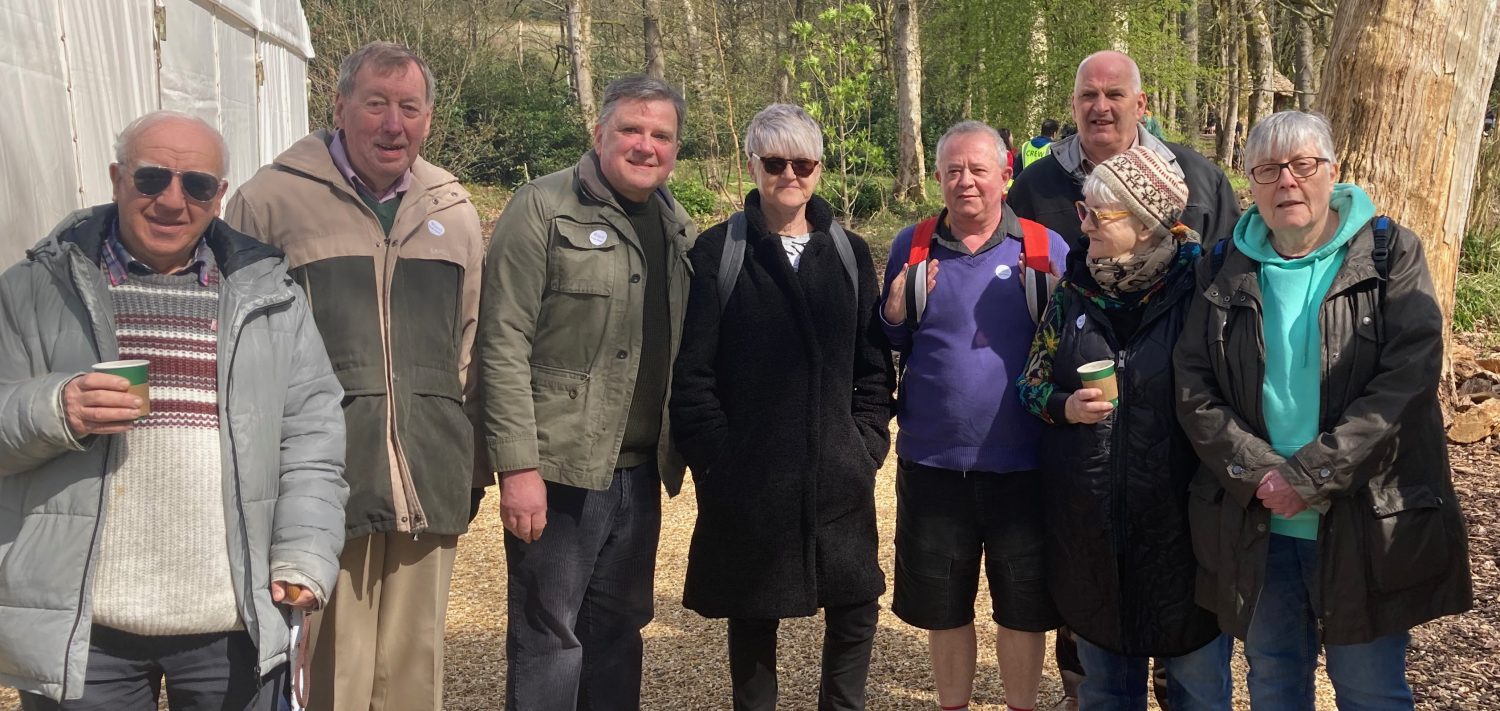
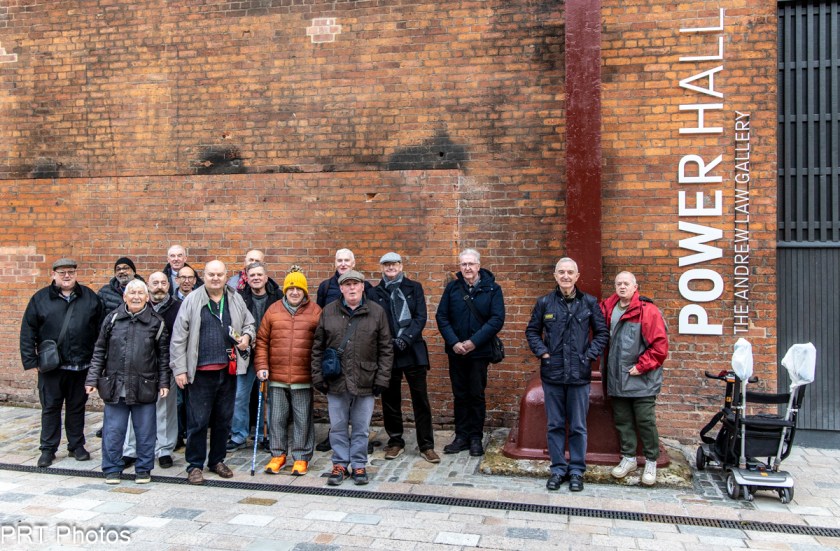
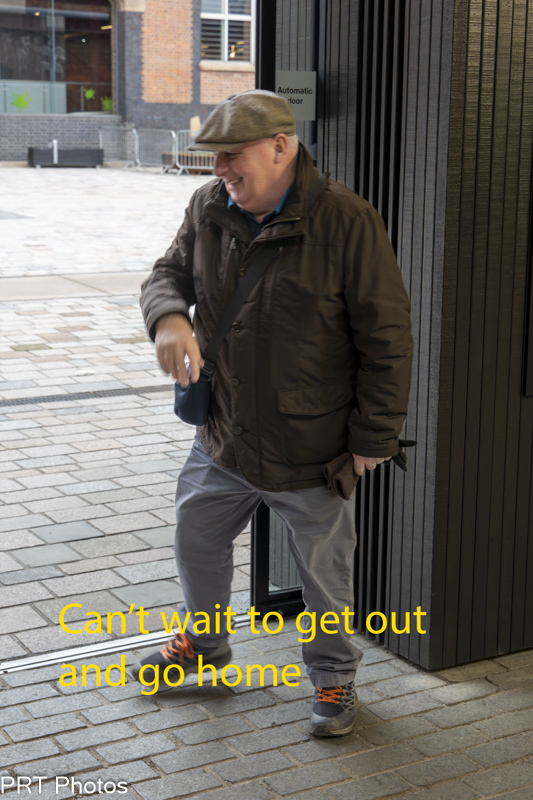
This week we gathered at Victoria Train Station and took the train to Bolton. The journey is just less than 20 minutes and then we walked through the “skylink” bridge to Bolton Interchange and on to the Olympus Chip Shop.
The restaurant is a beloved local institution, renowned for its traditional fish and chips served in a welcoming and friendly atmosphere. With its central location in Bolton, it has become a favourite spot for both residents and visitors seeking a classic British experience.
We then returned to the Interchange to take the bus to Smithills.
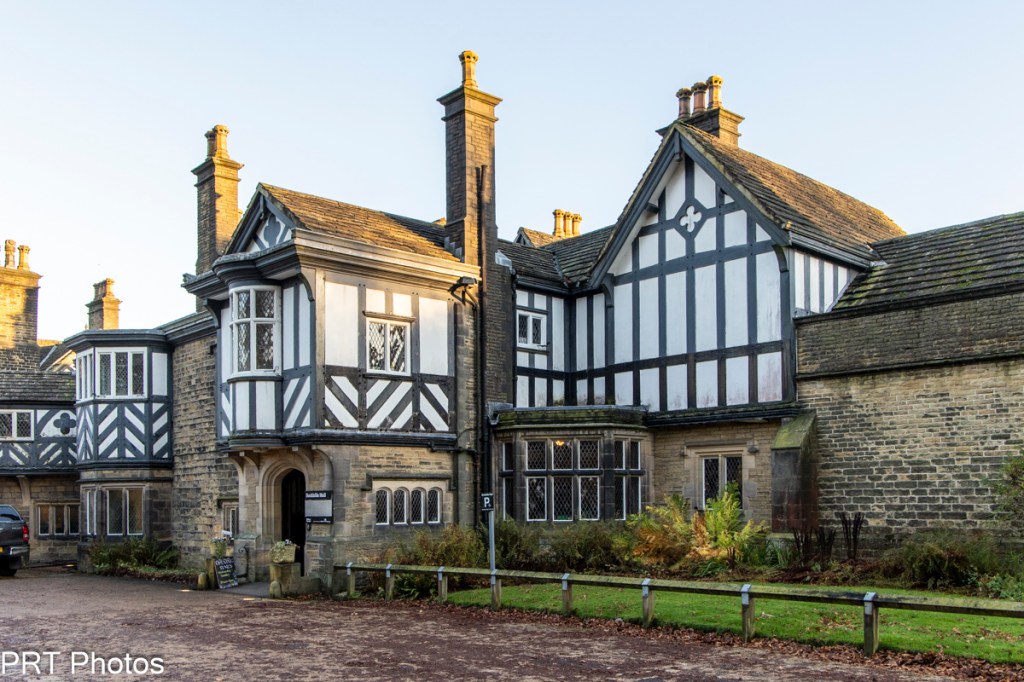
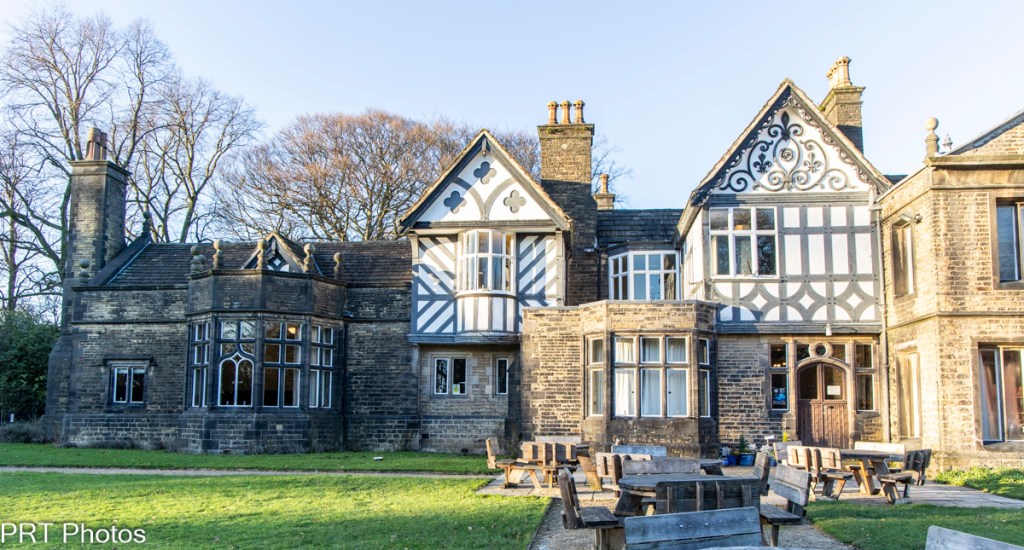
Located three miles north west of the town centre, Smithills Hall is a remarkable example of a historic manor house, offering visitors a fascinating glimpse into centuries of local history. A visit to Smithills Hall allows you to explore beautifully preserved rooms, including the medieval hall, Tudor and Victorian wings and picturesque gardens.
The house provides insights into the families who once lived there, the architectural evolution of the building and the intriguing stories associated with this heritage site.
Whether you are interested in architecture, history, or simply looking for a scenic afternoon out, Smithills Hall is a must-see destination in Bolton.
New book highlights long history of LGBT+ oppression
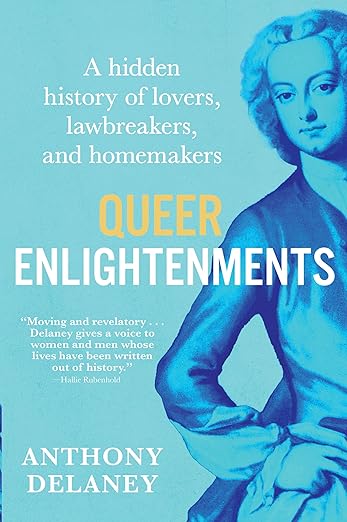
In “Queer Enlightenments: A Hidden History of Lovers, Lawbreakers, and Homemakers” by Anthony Delaney, the story of LGBT+ oppression, discrimination, persecution and inequality goes back to the 18th century.
The first recorded instance of the word “homosexual” arrived loudly in the spring of 1868: Hungarian journalist Károly Mária Kerthbeny wrote a letter to German activist Karl Heinrich Ulrichs referring to “same-sex-attracted men” with that new term.
Many people believe that this was the “invention” of homosexuality, but Delaney begs to differ. “Queer histories run much deeper than this …” he says.
Unfolding between 1726 and 1836, Queer Enlightenments is a lively journey through the taverns, prisons and cruising grounds of a bygone era and into the lives of aristocrats, tradesmen and sex workers who pursued self-expression and freedom no matter the risk.
Take, for instance, the delightfully named Mrs Clap, who ran a “House” in London in which men often met other men for “marriage.” On a February night in 1726, Mrs Clap’s House was raided and 40 men were taken to jail, where they were put in filthy, dank confines until the courts could get to them. One of the men was ultimately hanged for the crime of sodomy. Mrs Clap was pilloried, and then disappeared from history.
William Pulteney had a duel with John, Lord Hervey, over insults flung at the latter man. The truth: Hervey was, in fact, openly a “sodomite.” He and his companion, Ste Fox had even set up a home together. At the court of King George, a silver-tongued noblewoman remarked of one of Queen Caroline’s confidants, “The world consists of men, women and Herveys.”
In about 1769, rumours spread that the lovely female spy, the Chevalier d’Éon, was actually Charles d’Éon de Beaumont, a man who had been dressing in feminine attire for much longer than his espionage career. Anne Lister’s masculine demeanour often left her an “outcast.” And as George Wilson brought his bride to America in 1821, he confessed to loving men, thus becoming North America’s first official “female husband.”
Inequality and persecution aren’t new things and our ancestors faced them head-on, just as people do today. The twist, in this often-chilling narrative, is that punishments levied on 18th- and 19th-century LGBT+ folk was harsher.
Delaney doesn’t soften those accounts for readers. Read this book, and you’re attending a hanging, in jail with an ally, at a duel, embedded in a King’s court and on a ship with a man whose new wife generously ignored his secret.
Queer Enlightenments delves into the archives and emerges with new discoveries and a fresh view of the people who challenged society’s expectations.
‘Queer Enlightenments: A Hidden History of Lovers, Lawbreakers, and Homemakers’ By Anthony Delaney £21.99 / 352 pages
Thursday, 4 December 2025 – 6.00pm – The Hallé – Rush Hour Concert: Nutcracker Selection – Limited number of free tickets
Borodin Polovtsian Dances Tchaikovsky The Nutcracker: selection
Hear the magic of Tchaikovsky’s The Nutcracker, conducted by Maria Seletskaja, Music Director of the English National Ballet. From the ‘Chinese Dance’ (Tea), through the ‘Trepak’, to the ‘Arabian Dance’, Tchaikovsky’s abridged score of the beloved ballet takes the audience on a magical journey with snowflakes, sweets and – of course – a Sugar Plum Fairy. Before we embark on that journey, we hear Borodin’s Polovtsian Dances from his unfinished opera Prince Igor.
If you want a FREE ticket, please contact us here.
Birthdays
Benjamin Britten (Born 22 November 1913 – 1976), English composer, conductor and pianistAndré Gide (Born 22 November 1869 – 1951), French writerBillie Jean King (Born 22 November 1943), American former professional tennis player
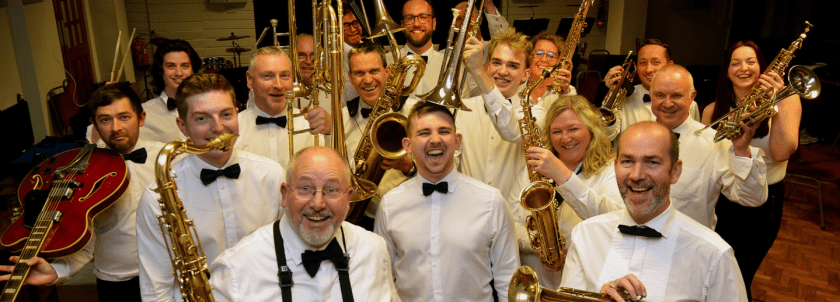
This was our second visit to the John Alker Club, near Flixton, for a Golden Age Big Band music performance.
The Golden Age Big Band is renowned for its dynamic performances and timeless repertoire, capturing the spirit of the swing era. Their arrangements blend classic hits with fresh interpretations.
The club was packed out and the atmosphere was lively, with a sense of anticipation. The audience, many of whom were returning fans, eagerly awaited the first notes of “In The Mood”. We knew we were in for an afternoon filled with classic tunes and vibrant performances.
The audience joined in on Glenn Miller’s “Pennsylvania 6-5000” and “Chattanooga Choo Choo”. We enjoyed Frank Sinatra’s “I’ve Got You Under My Skin” and Etta James’s “At Last”.
During the break we had an afternoon tea and raffle. All in all, it was a great afternoon.
63,000 cisgender women write powerful open letter in support of trans community: ‘We have had enough’
“Not in our Name” is the title of a collective of cisgender women who have written an open letter calling out the media and politicians for disseminating anti-trans rhetoric.
In collaboration with the Good Law Project, the letter has so far been signed by more than 63,000 cisgender women, including high-profile figures such as Beverley Knight, Kate Nash and Green Party co-leader Carla Denyer MP.
To celebrate Transgender Awareness Week (13 to 19 November), one member of the collective spoke on behalf of the group about the letter’s purpose.
‘It is a voice that is missing from the conversation’
She explains that its aim is to show that the majority of women stand with the trans community, while also serving as “a tangible way” to push against anti-trans rhetoric. It is signed exclusively by cisgender women – referring to those who are not trans – as the collective felt, “it is a voice that is missing from the conversation”.
“We’re everyday people who fundamentally believe all humans should have access to certain spaces and be treated with dignity and respect.”
She highlights that gender critics, or TERFs (trans-exclusionary radical feminists), as their opponents often call them, wrongfully claim to speak on behalf of all cisgender women.
“The women with the strongest views, who tend to be gender critical, have risen to the surface and become emblematic of what women think. But that is not us. It’s not acceptable, and we do not believe that to be representative of the majority of women, despite certain media pushing the argument that supporting trans women means being against cisgender women.”
‘Gender critical isn’t the norm’
She describes the trans community as having become a “totem” for “all the ills of the world”, adding that as a collective they believe “you can still be pro-woman by signing a letter that supports the trans community”.
As for prominent figures in the gender-critical movement, such as Harry Potter author JK Rowling, she questions why “anyone would use their platform to harm people”.
“Being gender critical isn’t the norm and being inclusive of trans people – and trans women in particular – isn’t anti-woman. This is a narrative that is being pushed in order to create division and it’s one that we reject.”
Although she believes that gender critical women are perfectly within their rights to have their views, she also thinks that gender critics have an “inability to understand that, as humans, we come in all shapes and sizes,” and explained that her group are using their letter as a tool to demonstrate that this is not how the majority of women feel.
‘Stop scapegoating minorities’
The letter, she says, conveys “that you don’t have to be all or nothing. You just need to believe in the right of humans to exist with dignity and be treated with respect”.
As well as challenging anti-trans rhetoric, the letter also emphasises the collective’s desire to refocus attention on the issues that truly affect women.
“Stop scapegoating minorities and put the focus back on the things that are really harming women,” she states.
Last year, the Crime Survey for England and Wales revealed that more than 1.6 million women experienced domestic abuse in the year ending March 2024, while Cambridge Rape Crisis highlights Home Office statistics from 2018 showing 89 per cent of adults prosecuted for sexual offences are men.
“Yes, women face massive challenges, but statistically, it’s not the trans community that are causing the problems. We have had enough,” she adds.
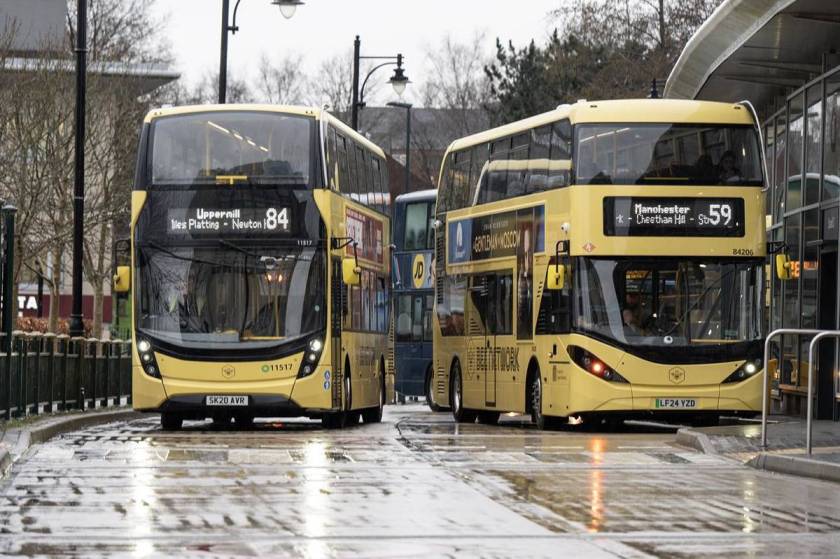
Like free round-the-clock bus travel? Have your say on older person’s concessionary bus pass trial
In November, Greater Manchester is trialling 24-hour use of the older person’s concessionary bus pass – no 9.30am restriction or people arriving ‘too early’ to use their bus pass.
This pilot is being evaluated before a decision is made by Mayor Andy Burnham on whether to make the change permanent.
Have your say on the pilot and whether you think the 9.30am restriction should be removed permanently
Fill in the online survey on the Transport for Greater Manchester (TfGM) website here.
For those unable to respond online:
please call the TfGM contact centre on 0161 244 1000
(Monday to Friday: 7.00am to 8.00pm,
Weekends and Bank Holidays: 8.00am to 8.00pm)
or write to Transport for Greater Manchester, 2 Piccadilly Place, Manchester, M1 3BG.
Birthdays
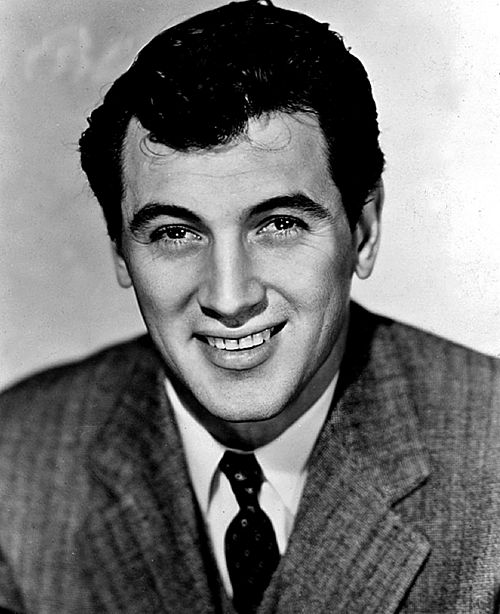
Rock Hudson (Born 17 November 1925 – 1985), American actorRuPaul (Born 17 November 1960), American drag queen, TV personality, singer, actor, author and modelJodie Foster (Born 19 November 1962), American actress, film director and producer
Exercise For People Over 60
Begin by standing on a comfortable surface, where you have plenty of room at each side.
With a 5 pound potato bag in each hand, extend your arms straight out from your sides and hold them there as long as you can. Try to reach a full minute, and then relax.
Each day you’ll find that you can hold this position for just a bit longer.
After a couple of weeks, move up to 10 pound potato bags. Then try 50 pound potato bags and eventually try to get to where you can lift a 100 pound potato bag in each hand and hold your arms straight for more than a full minute. (I’m at this level!)
After you feel confident at that level, put a potato in each bag.



















 Out in the City