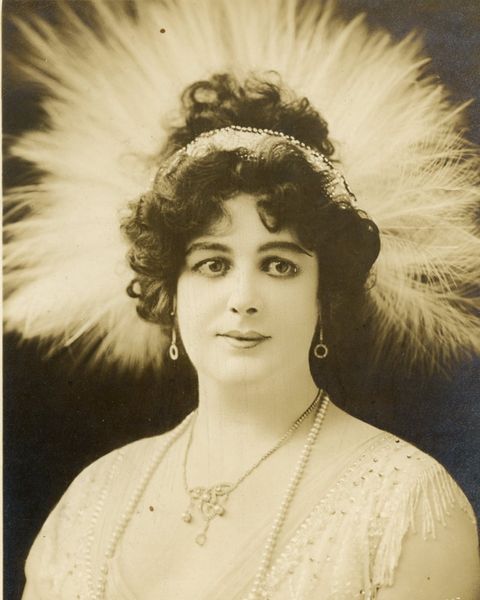
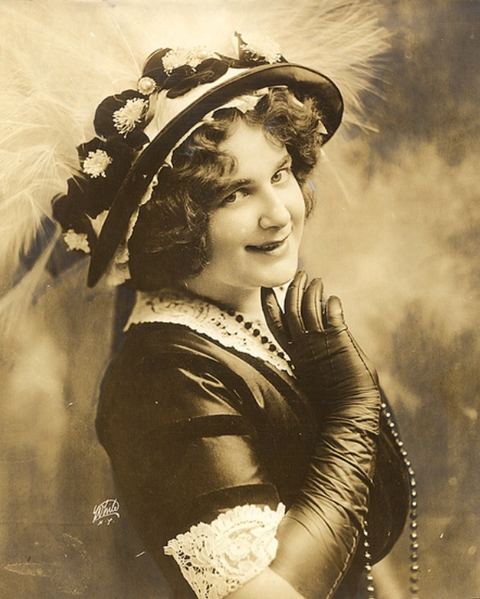
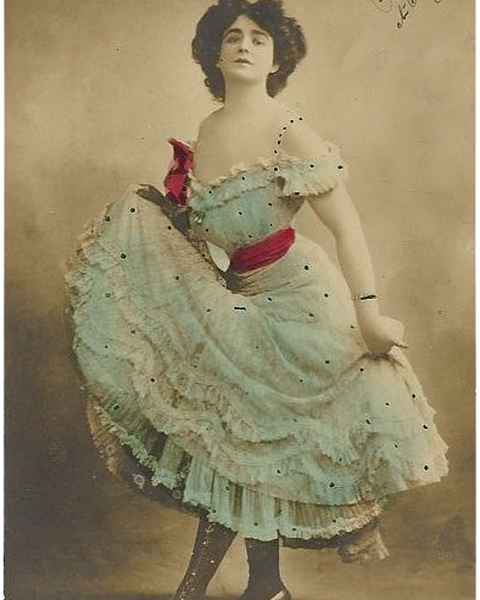
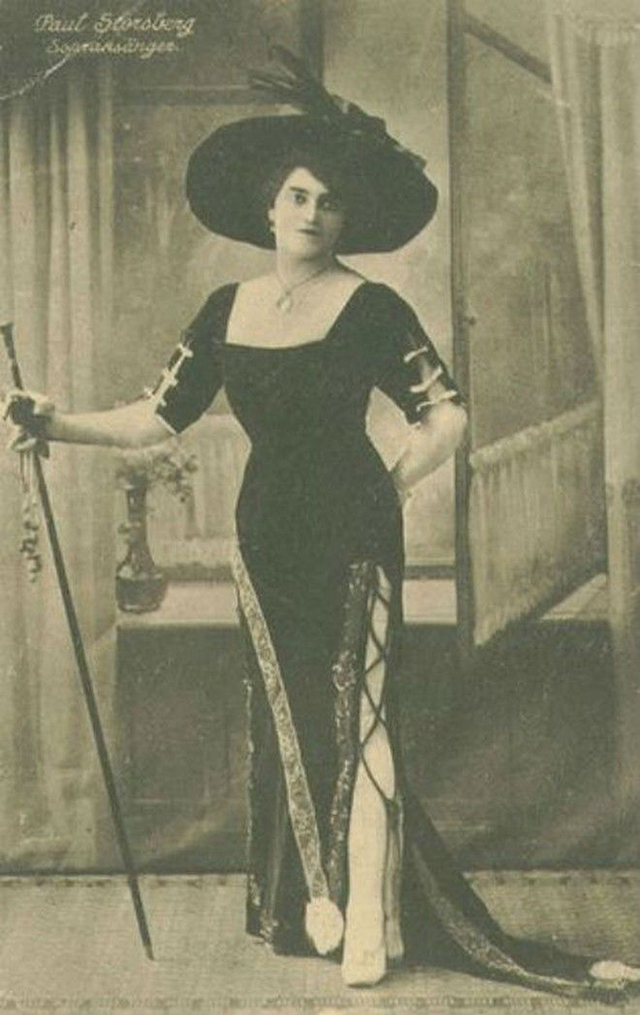
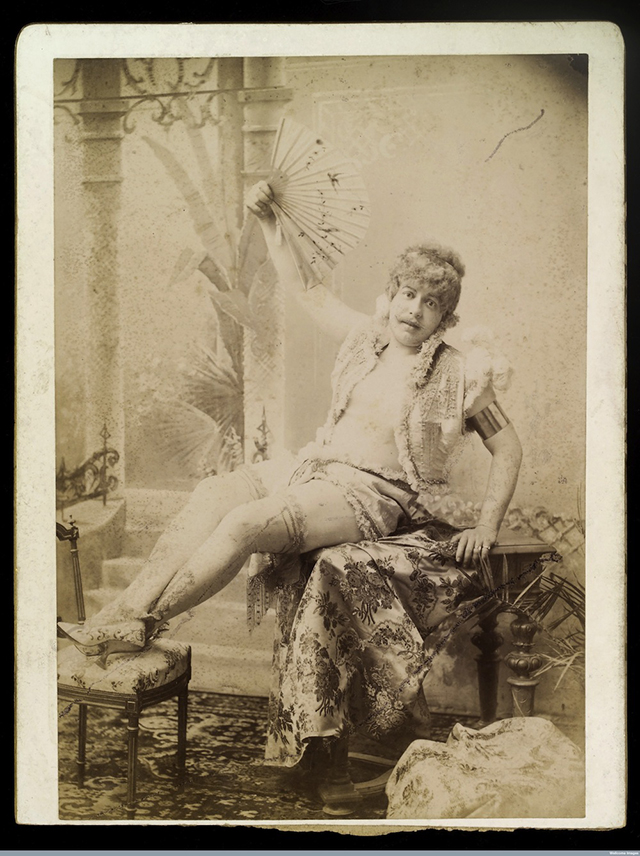
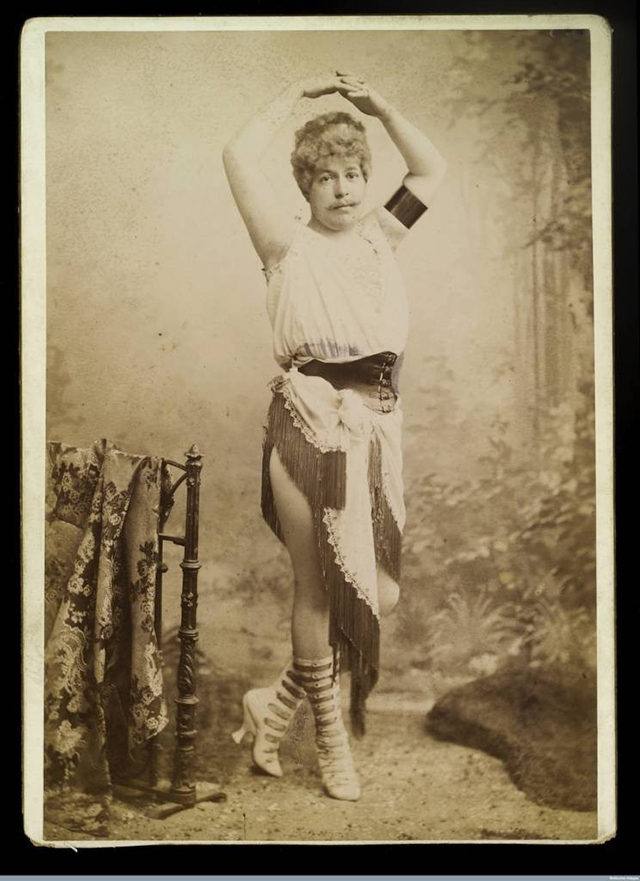
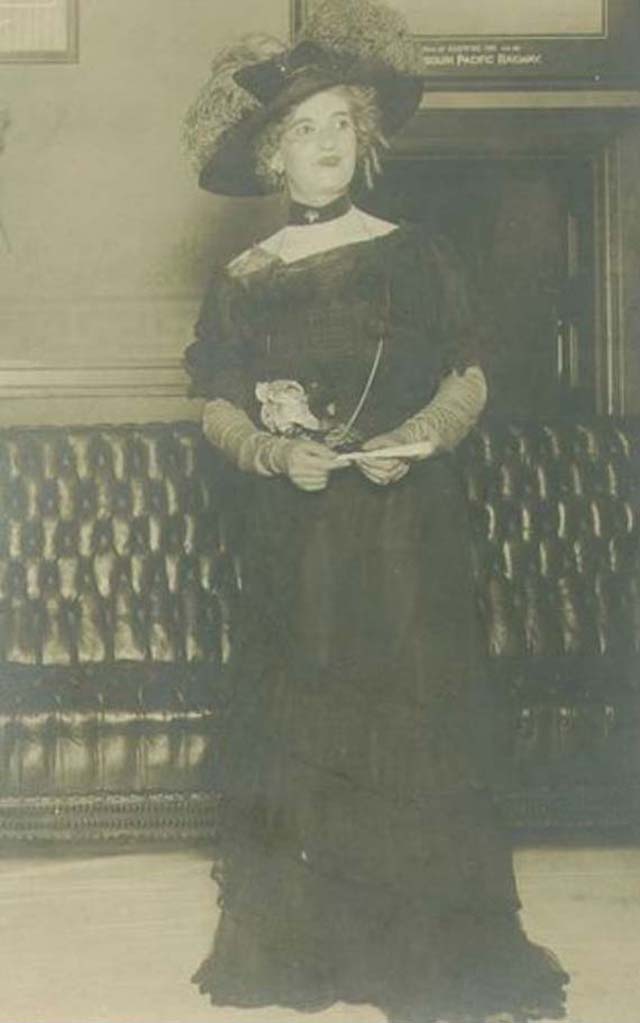
Long before Ru Paul … we celebrated the birth of popular stage actor, silent film star and renowned female impersonator Julian Eltinge. At one time the most popular drag performer in the world, Eltinge was born on 14 May 1881 in Newtonville, Massachusetts.
He began his career as a female impersonator at age 10, and his skills eventually made him a Vaudeville star. By 1906 his successful performances as ‘Eltinge’ in London culminated with a Command Performance before King Edward VII of England.
In 1910 he starred in a string of successful musical comedies on Broadway (“The Fascinating Widow”, “The Crinoline Girl”, and “Cousin Lucy”) written to showcase his skills.
In 1912 he was publicly feted in New York when The Eltinge Theatre was dedicated in his honour on 42nd Street. At the time he was one of the highest paid actors in America.
In 1914 he headed to Hollywood to star in silent film versions of his Broadway hits as well as “The Isle of Love” with Rudolph Valentino. What distinguished Eltinge from his contemporaries was his refusal to be a caricature of women; instead he presented a seamless illusion of actually being a woman, and then at the conclusion of his performance would remove his wig to an amazed audience. His transformation, with the aid of his male Japanese dresser, took two hours.
Though Eltinge was gay, he wildly overcompensated by frequently getting in fist fights, smoking cigars, and having long “engagements” with women – all of which were captured in staged publicity photographs. Despite his trail-blazing successes, by the 1930s female impersonation began losing popularity and crackdowns on cross-dressing in public had begun to prevent Eltinge from performing in costume.
In 1941 he fell ill performing at Billy Rose’s Diamond Horseshoe and died in his apartment 10 days later of a cerebral haemorrhage at age 59. Eltinge’s multi-faceted success as a female Impersonator has never been equalled.
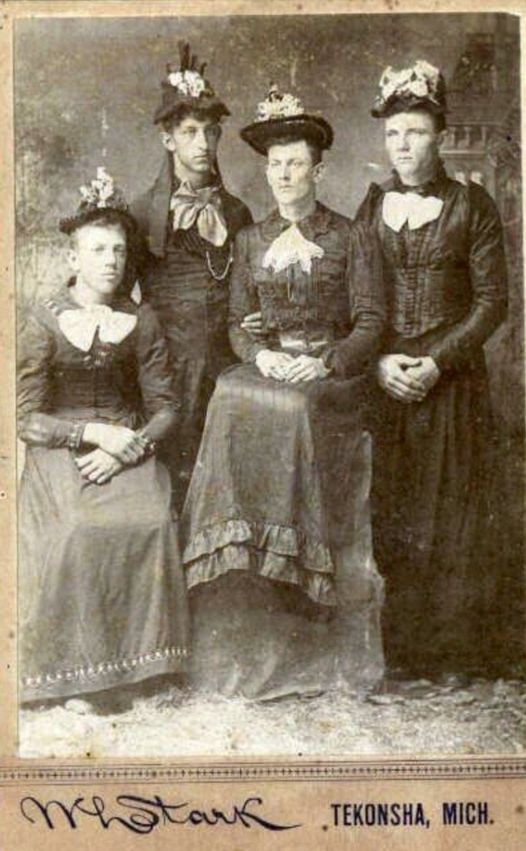
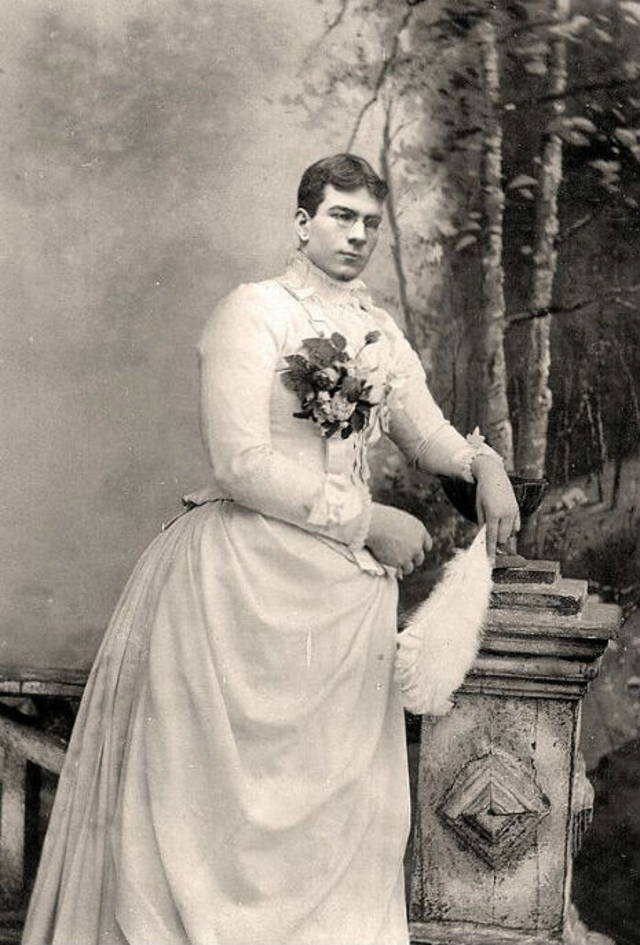
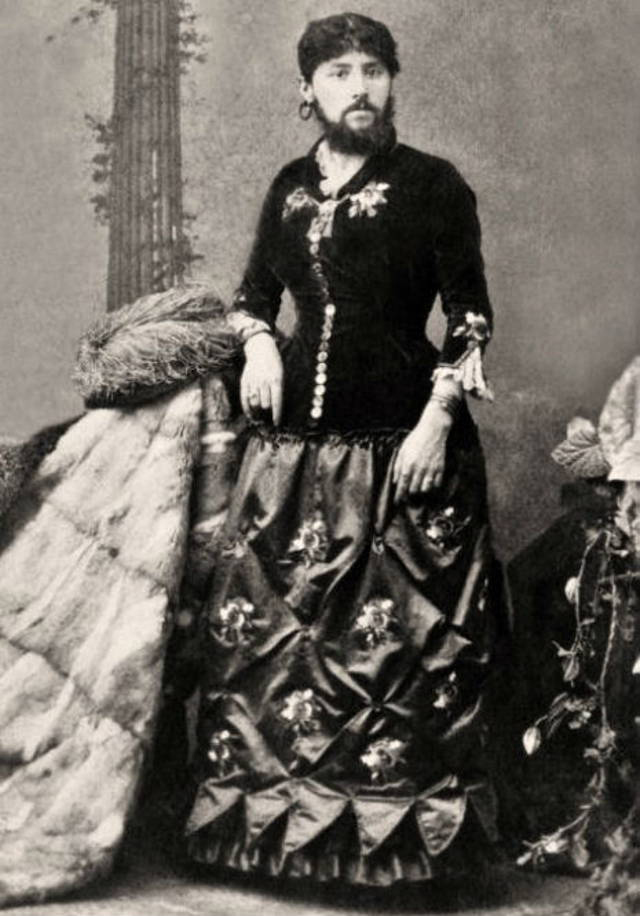
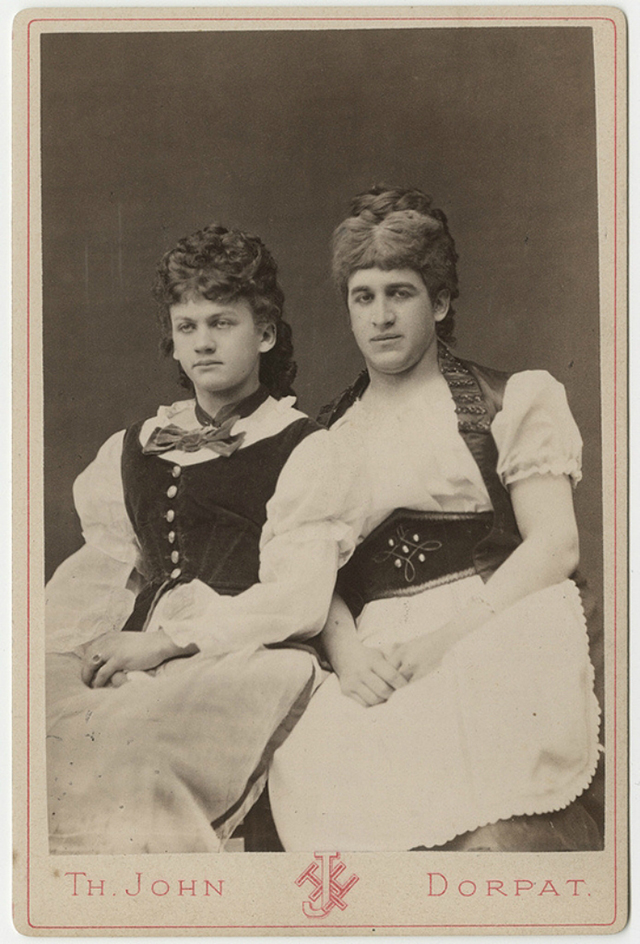
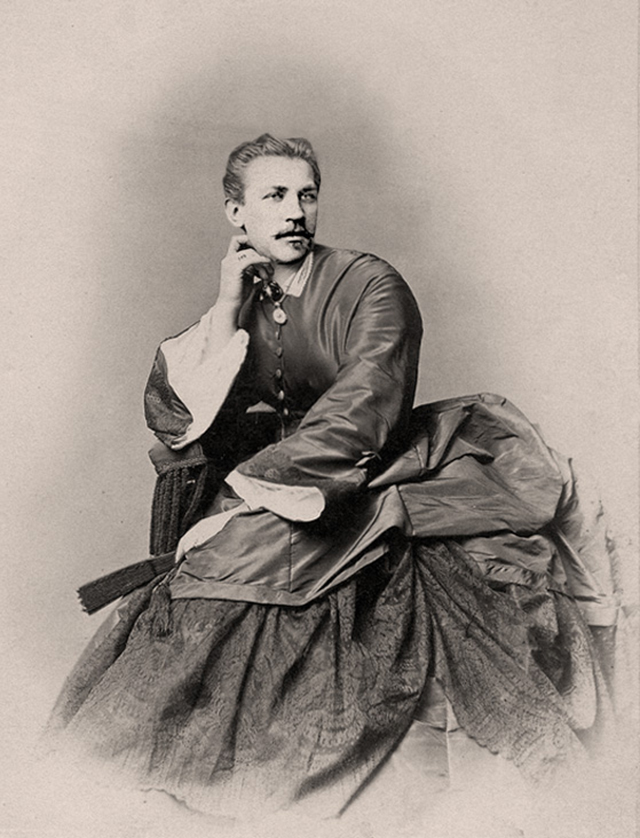
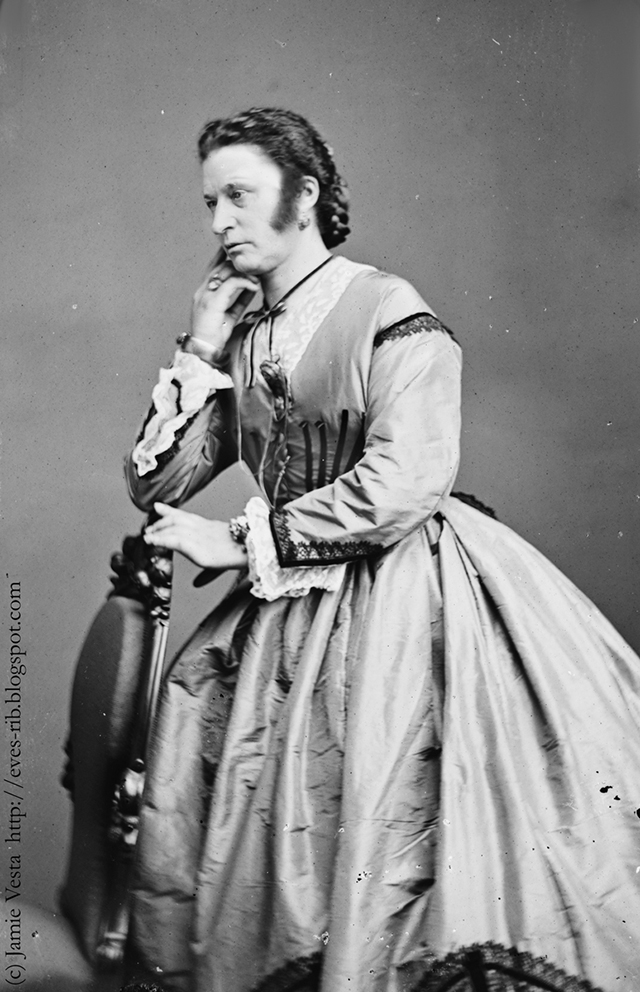
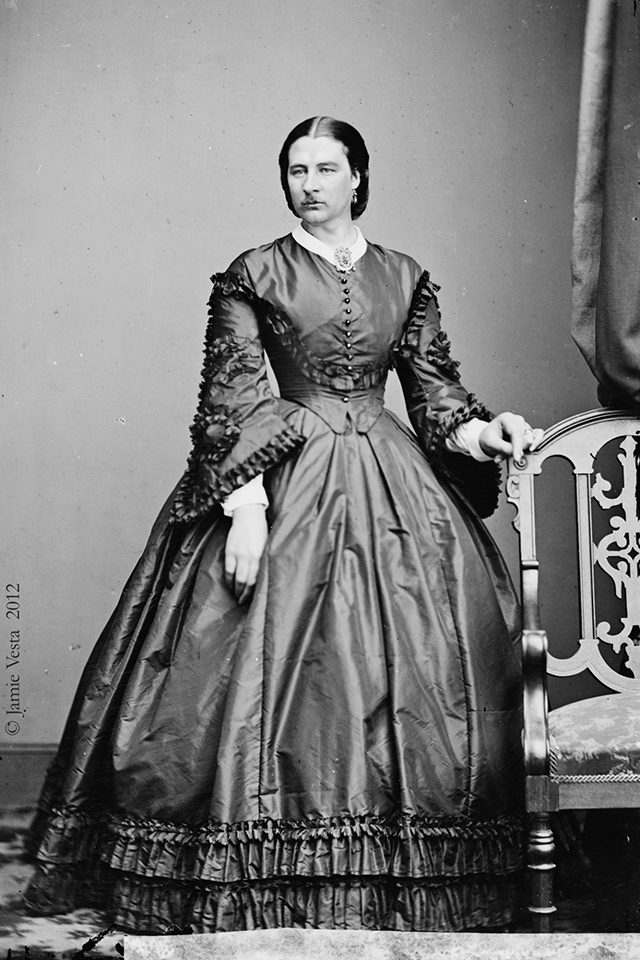
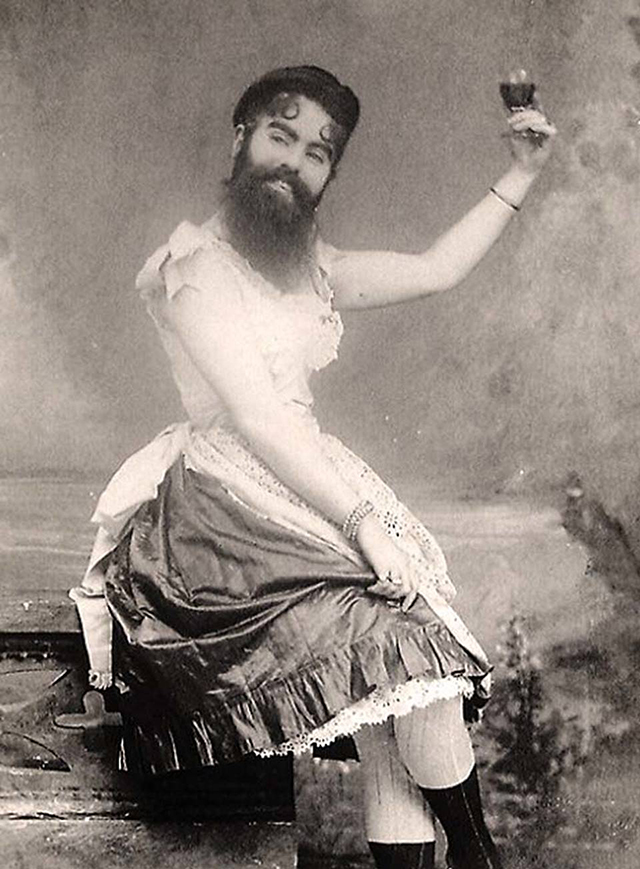
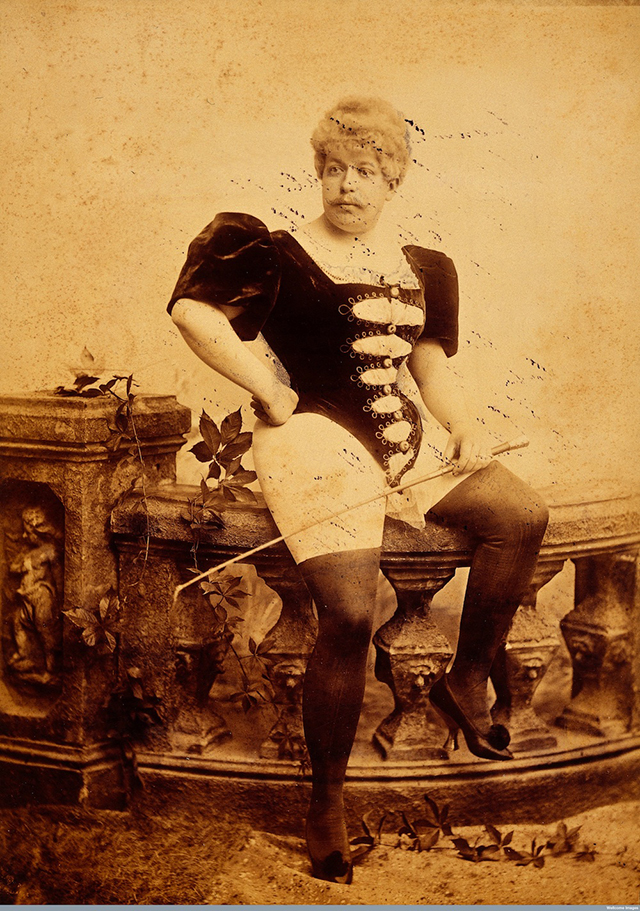
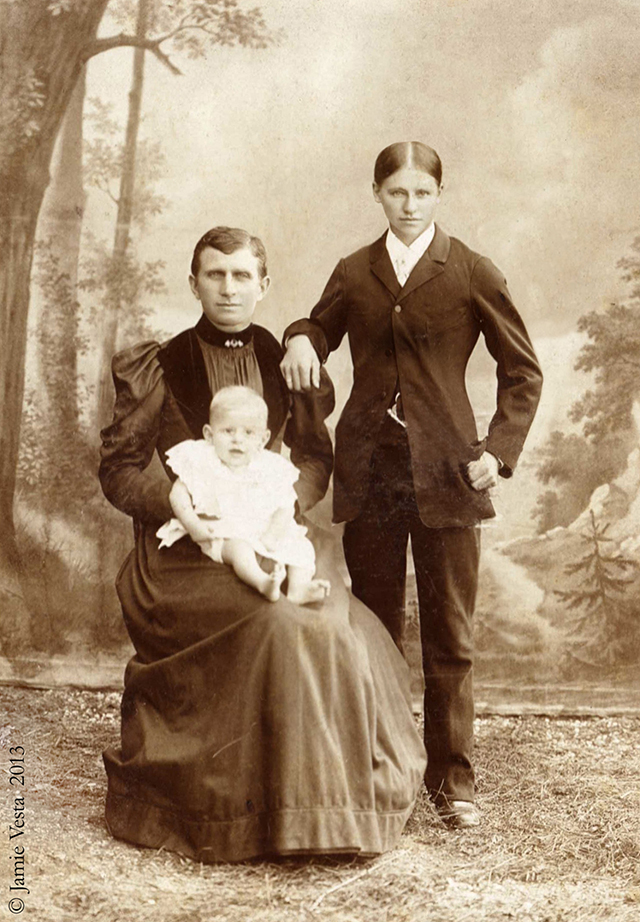
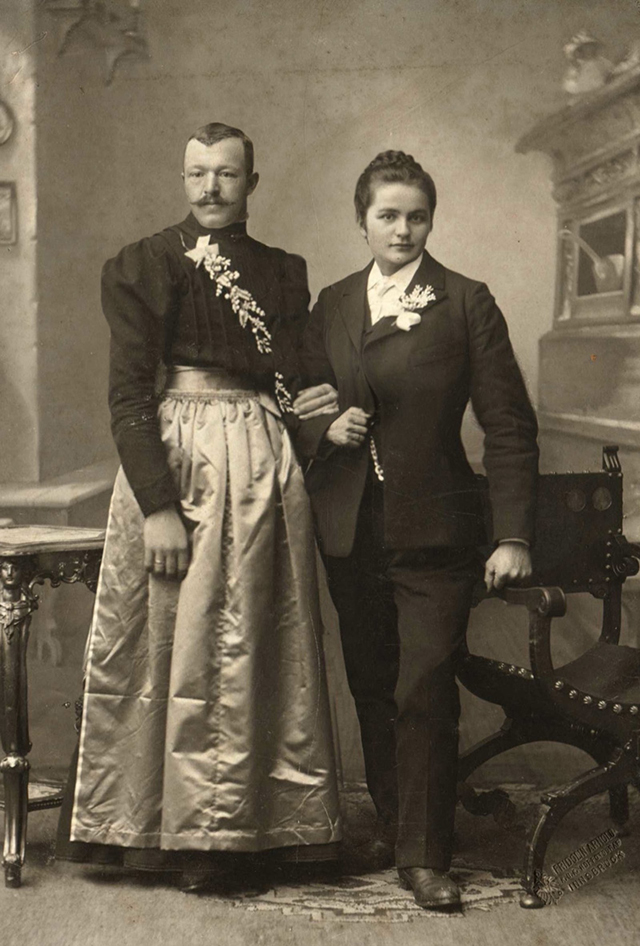
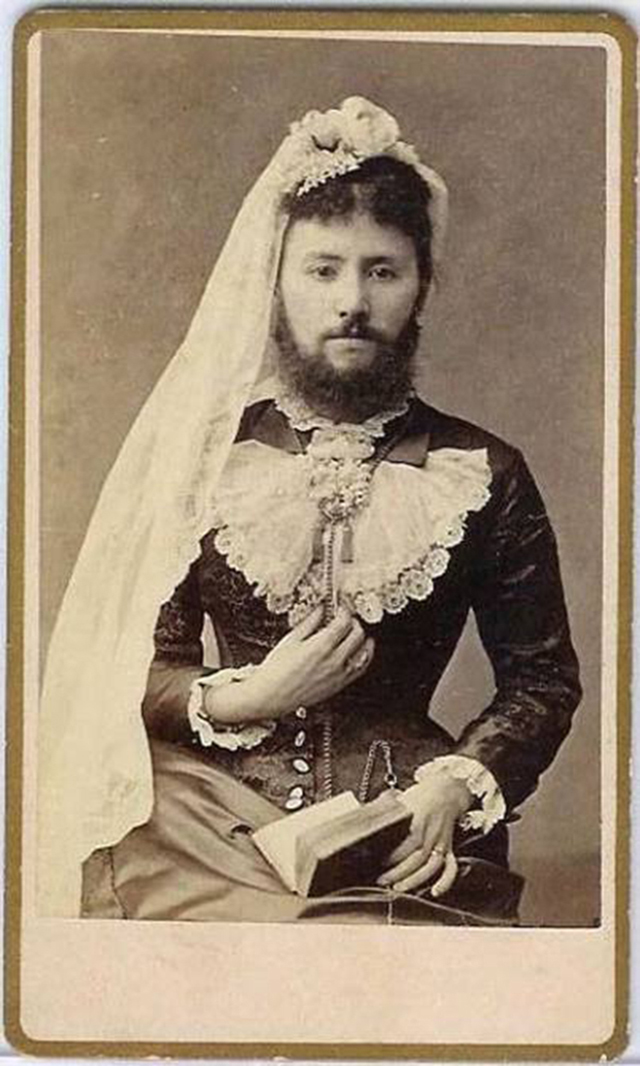
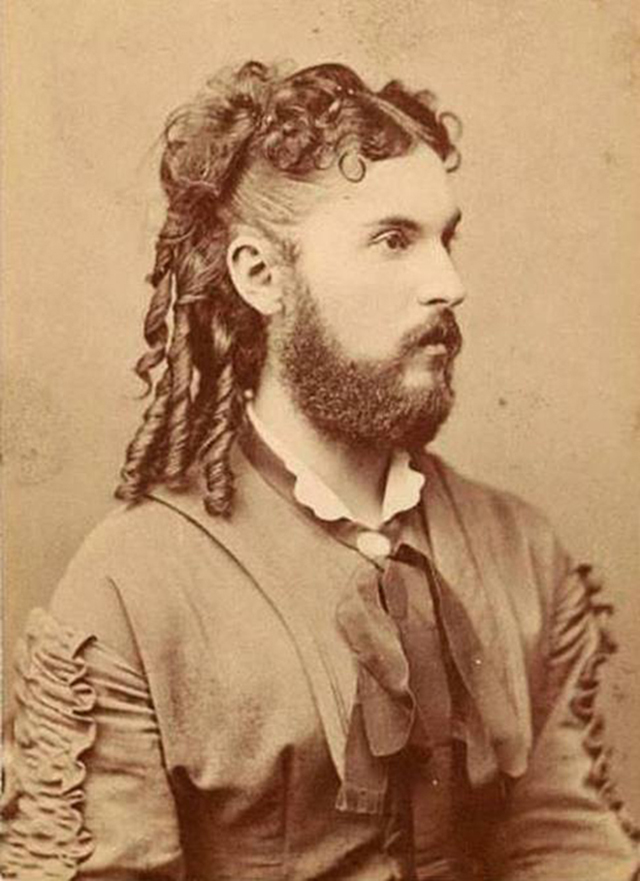
Men Dressed in Drag in the Victorian Era
1870’s Farm Boys Portrait – These Tekonsha, Michigan farm boys presumably raided their mothers’ and sisters’ closets for this portrait
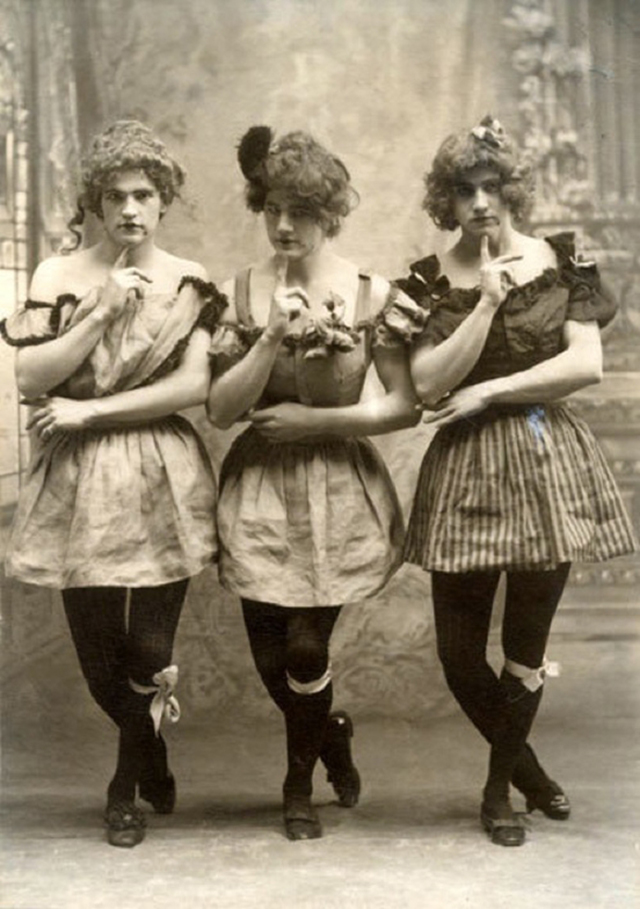
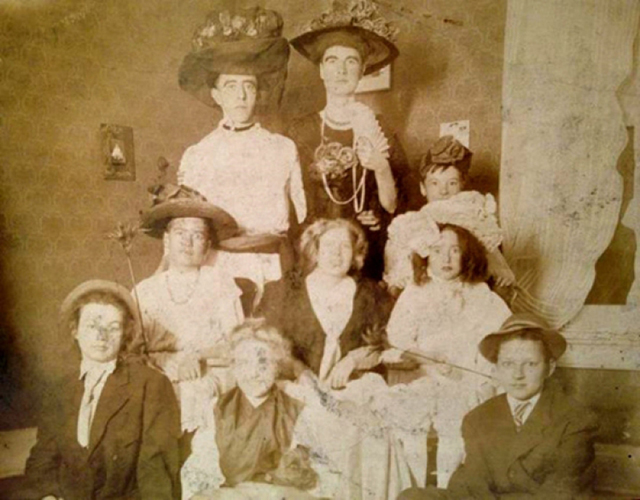
Men dressing in women’s clothing has been going on pretty much since the dawn of time, with reports of “cross-dressing” dating as far back as ancient Rome. Although, it wasn’t until the 20th century that the term “drag queen” came into popular use. The word ‘drag,’ most scholars agree, refers to the drag that came with hoop skirts, a popular lady’s style back in the day. But, as these images will attest, nothing was too over the top for these cross dressing trailblazers.
A line, however, was drawn when it came to public demonstrations of drag. When Frederick Park and Ernest Boulton shocked London society by daring to walk out in public as “Fanny and Stella,” there were still no laws preventing them from doing so. As a result, they, and others, were frequently charged with “the abominable crime of buggery”. Almost immediately, homosexuality would be firmly planted in the minds of people of that era as synonymous with drag.
Drag Queens from the 1890s and early 1900s:
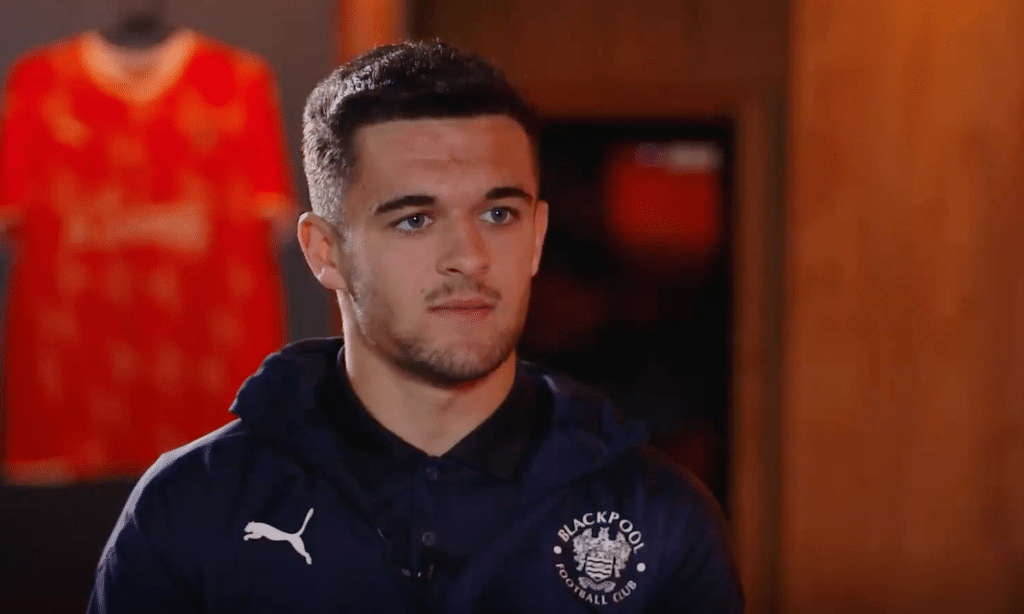
Jake Daniels
Jake Daniels
Blackpool football star Jake Daniels has come out publicly becoming the only active gay male professional footballer in the UK.
Daniels, who plays forward for Blackpool, is the first professional player in British men’s football to come out publicly since Justin Fashanu in 1990. Fashanu was the UK’s first professional footballer to come out as gay, but his career was cruelly cut short by homophobia before he took his own life.
Countless LGBT+ advocates, fans and football organisations praised Jake Daniels for his decision to share his truth with the world, and a host of public figures have voiced their support for the young football star.
Sir Ian McKellen hailed the teenager as a “hero” on Twitter and said Daniels represented a “generation that rejects old-fashioned homophobia in football and elsewhere”.
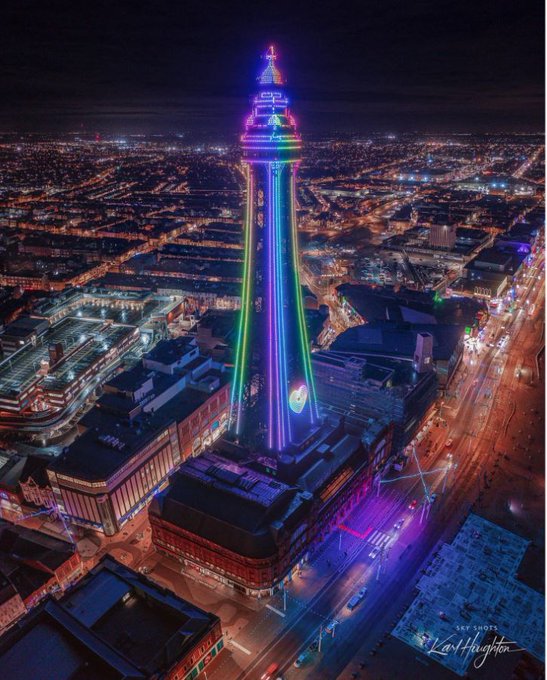
Prince William, who is the president of the Football Association, also tweeted his support for Jake Daniels. The Duke of Cambridge declared that football “should be a game for everyone”, and he believed that Daniels’ decision to “speak openly” will “help break down barriers” in society. The town of Blackpool showed their support by lighting up Blackpool Tower in rainbow colours.
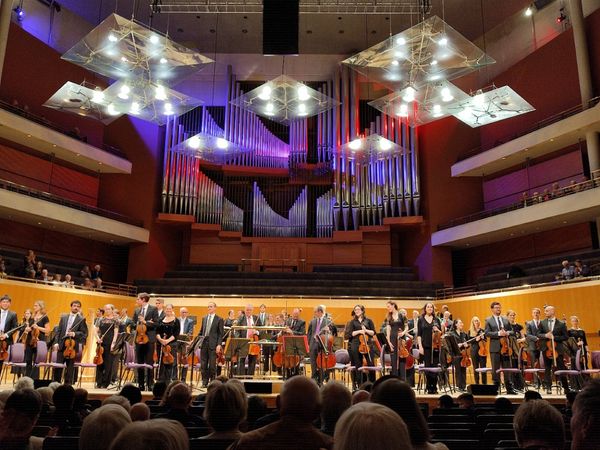
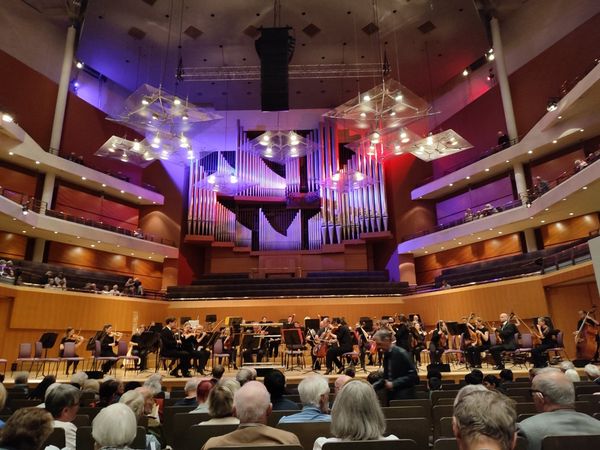
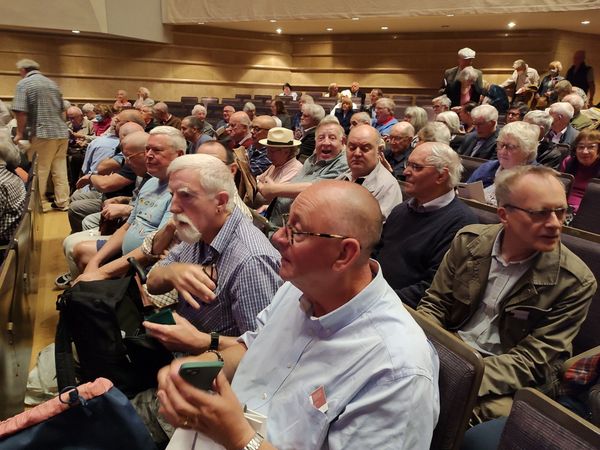
(review by Angel of a concert featuring Bruch – Violin Concerto No 1 and Tchaikovsky – Symphony No 5)
Today we “seniors” came to a classical music concert. The first part was dedicated to modern authors and it turned out very well, including a soloist with her violin. I admit, however, that I did close my eyes a few times.
After the Interval came the magic of Tchaikovsky and his 5th symphony. It was fabulous. I don’t remember being to a Tchaikovsky concert before and it’s a memorable experience. The music moved from place to place, like a demonical precursor to stereo. Violins and wind instruments went in a second from a deafening climax to a mellow, sweet sound. It was like dancing with the decibels. These days we all reject the criminal Russian invasion of Ukraine. However, we should not confuse Putin and his autocratic government with the Russian people. Russians have made indisputable contributions to humanity.
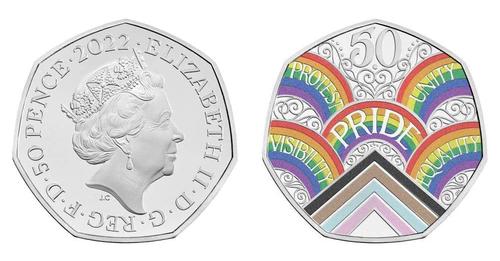
Rainbow 50p coin to mark 50 years of Pride movement in the UK
The 50p will not enter circulation but will be available online
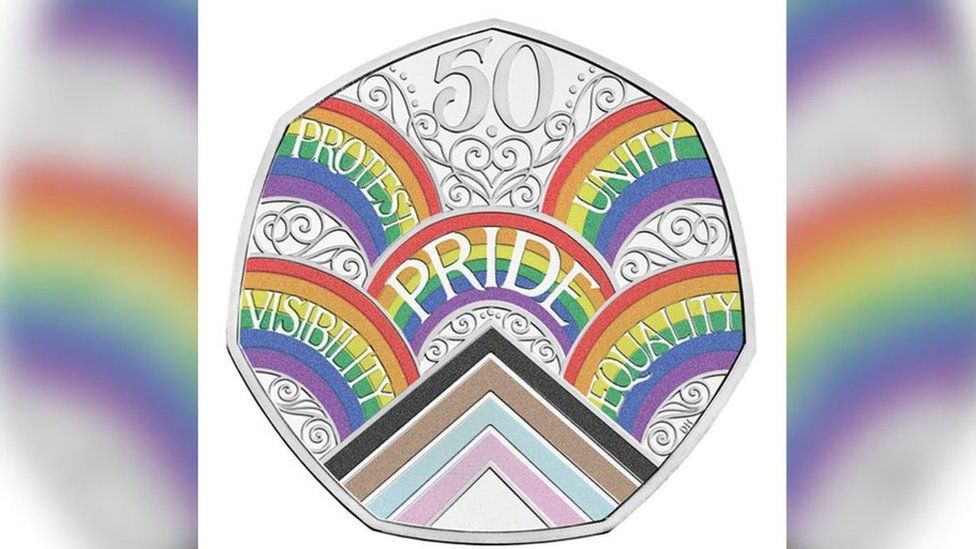
A rainbow 50p coin will be minted to mark the 50th anniversary of the Pride movement in the UK.
The coin features Pride in London’s values of Protest, Visibility, Unity, and Equality in rainbows with the Pride progression flag.
It has been designed by Dominque Holmes, an east London artist, writer, and LGBTQ+ activist.
This will be the first time the LGBTQ+ community has been celebrated on an official UK coin.
The commemorative 50p has been created through a partnership between Pride in London and the Royal Mint and a donation will be made to London LGBT Community Pride as part of the launch.
It was “a privilege” to see the coin being made at the Royal Mint, said Asad Shaykh, Pride in London’s director of marketing and communications.
“It humbles me greatly that the words that I coined for the brand- protest, visibility, unity and equality – will be on an actual coin, opposite the Queen,” he said.
He added: “Nowhere in the world had this been possible, except the UK. Pride in London feels very proud today.”
‘Milestone celebration’
Pride in London has organised the capital’s LGBT+ Pride parade and events since 2013, including this year’s on Saturday 2 July.
The UK’s first pride protest march took place in London in 1972 and the annual event now welcomes more than 1.5 million people onto the streets of London.
The Royal Mint’s director of commemorative coin, Clare Maclennan, said the anniversary was “a milestone celebration” and would use hi-tech colour printing technology to “capture the spirit of Pride UK”. She added the 50p will not enter circulation but will be available online.
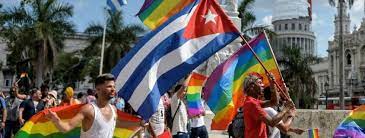
Cuba marks Latin America’s first LGBTQ+ history month
Cuba has become the first Latin American country to celebrate LGBTQ+ history month, with advocates hoping the milestone spurs other nations to mark old wins and prevent new discrimination.
Dozens of events are scheduled throughout May, said founder Raul Perez Monzon, a historian and assistant professor at the University of Havana.
Lectures, panel discussions, workshops and more will “promote inclusion” and “reflect on current issues in our country,” Perez said in an email.
“LGBTQ+ History Month is intended to help eliminate many years of discrimination,” he added.
“LGBTQ+ people have been afraid to call attention to themselves for fear of consequences, such as verbal abuse, attacks and exclusion.”
Organisers say the event marks an important first.
None of the 13 countries that have so far marked the month, from Australia to Canada, is majority Spanish-speaking.
Cuban Way
Legal persecution and social exclusion were once the norm for many LGBTQ+ people in mainly Roman Catholic Cuba, which has been governed by the Communist Party since 1959.
In the 1960s, under then-President Fidel Castro, some gay men were sent to forced labour camps known as Military Units to Aid Production for what government called “re-education”.
But LGBTQ+ campaigners say the island has since made strides.
In 2008, its National Centre for Sex Education said it would offer free gender-confirmation surgery to transgender patients.
Lawmakers banned workplace and housing discrimination on the basis of both sexual orientation and gender identity in 2013.
Yet the inaugural history month could still meet resistance from conservatives, including from some religious groups.
Changes that would have allowed same-sex marriage were scrapped in 2018 due to religious opposition.
At the time, Santiago de Cuba Archbishop Dionisio Garcia referred to LGBTQ+ rights as “ideological colonialism” and said that legalising marriage equality would result in “regrettable consequences”.
Cuba is holding consultations on the thwarted amendment, with lawmakers expected to revisit the issue in December.
Juan Carlos Gutierrez Perez, a professor at the University Marta Abreu of Las Villas and a festival co-organiser, said a “great wave of conservative religious fundamentalism has been developing in Cuba” in recent years.
“It is not an endemic phenomenon in Cuba but in Latin America and the rest of the world, too,” Gutierrez said.
Representatives from the Roman Catholic Church in Cuba, the island’s largest religious denomination, did not respond to a request for comment.
An estimated 60% of Cubans identify as Catholic.
Going Global
At least a dozen countries – from Canada to Finland, Hungary to Britain – have marked their LGBTQ+ heritage since Rodney Wilson organised the world’s first LGBTQ+ history month in the United States in October 1994.
“This is extraordinary exposure, and it’s had a really important impact,” Wilson said. “It provides at least once a year an excuse to take a spotlight out and shine it on these stories, these people and their history.”
The aim now is to spread the word wider, with a committee of members from New Zealand to Norway exploring participation. “It’s an exciting time,” Wilson said. “We are recognizing more globally the idea of shared and sustained history.”
Conversion Therapy Ban
The Petitions Committee has scheduled a debate on the petition “Ensure Trans people are fully protected under any conversion therapy ban”, for 4.30pm on Monday 20 June.
Ahead of the debate, MPs on the Petitions Committee have written to the Government to ask:
what evidence has informed the Government’s decision not to include transgender conversion therapy in the proposed ban on conversion therapy practices
for more details of the “separate work” the Government has said it will do to consider the issue of transgender conversion therapy
when the Government intends to publish its response to the consultation on banning conversion therapy
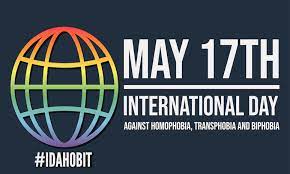
17 May is International Day Against Homophobia, Biphobia and Transphobia (IDAHOBIT), and the theme for 2022 is ‘Our Bodies, Our Lives, Our Rights’. The day is marked worldwide, including in 37 countries where same sex acts are still illegal.
It was created in 2004 to raise awareness of the violence and discrimination faced by lesbian, gay, bisexual and transgender people, including all people who have diverse gender identities or gender expressions.
The date of 17 May was chosen for IDAHOBiT as this was the date in 1992 when the World Health Organisation finally declassified homosexuality as a mental illness. Despite this, LGBT+ people across the world continue to face hate, discrimination and violence.
Co-design Workshops
Manchester Pride are hosting consultation Co-design Workshops to gather feedback from marginalised groups within the LGBTQ+ community about how they can best offer support, and further improve visibility and inclusion in Manchester Pride’s events and initiatives.
Manchester Pride Co-design Workshops give communities the chance to come together, share ideas and help shape not only Manchester Pride Festival, but the charity’s future activities. They would like to know how you feel they can best support you and your community all year round, so join in and have your say!
The Co-design Workshops will be held online, with an option for those who cannot attend to submit questions, ideas or recommendations in advance for discussion.
For people over 55, the workshop is on 19 May, 1.00pm – 2.00pm. Find out more and register for your free spot here.
Conversion Therapy Response
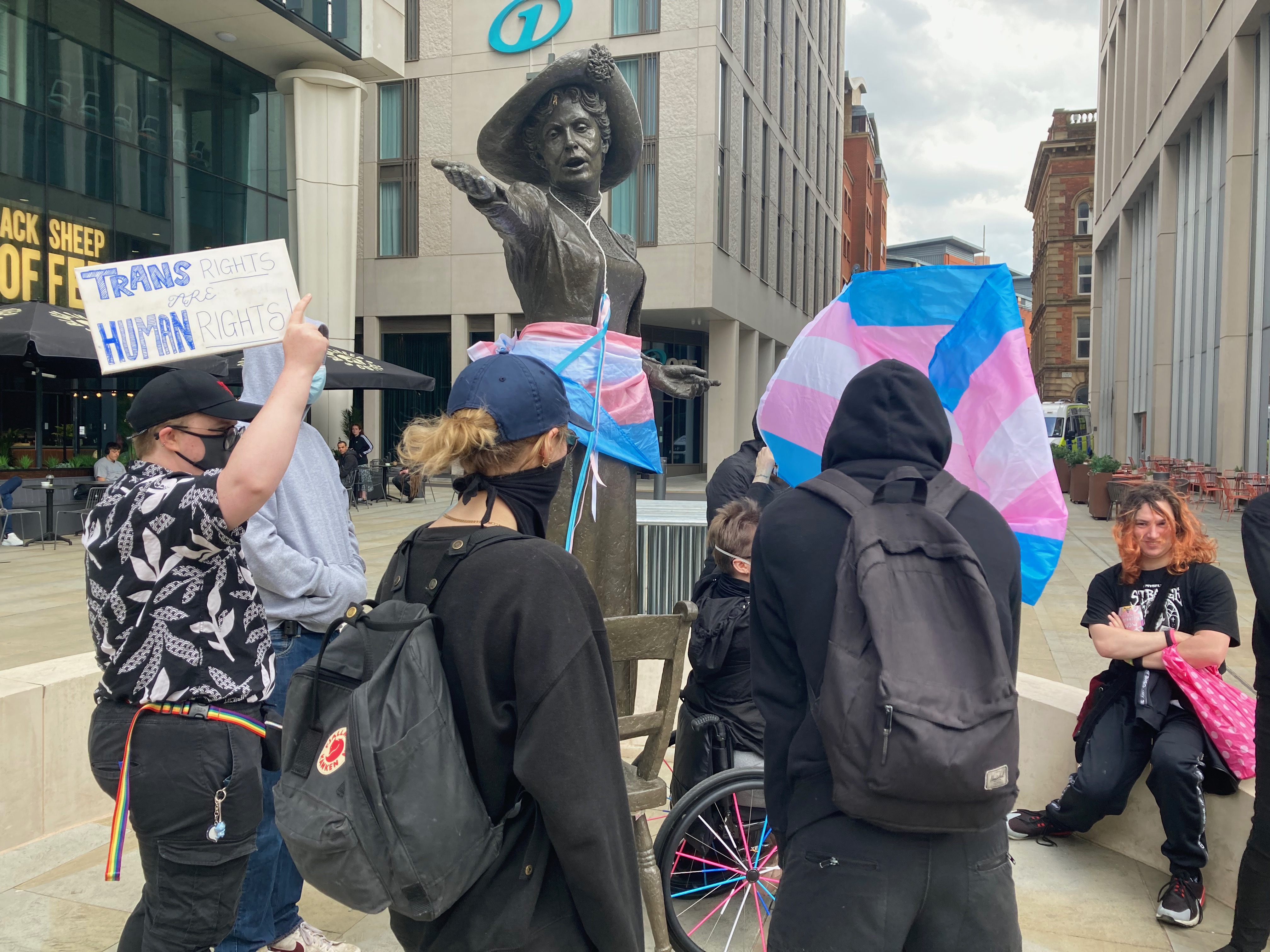
Trans Rights demonstrators, St Peter’s Square, Manchester 15 May 2022
A petition to ensure trans people are fully protected under any conversion therapy ban has attracted 144,519 signatures. Parliament considers all petitions that get more than 100,000 signatures for a debate, but in the meantime the Cabinet Office has responded:
“We will introduce a ban protecting everyone from attempts to change their sexual orientation. Recognising the complexity of issues we will consider the issue of transgender conversion therapy further.
Conversion therapy practices do not work and can cause long-lasting harm. We are committed to banning these abhorrent practices by introducing an offence that protects children and those that are unwillingly subjected to talking conversion practices, as well as by strengthening provisions against physical conversion practices.
We will bring forward a ban that protects everyone from attempts to change their sexual orientation. There are different considerations when it comes to transgender conversion therapy and the Government remains committed to exploring these.
One of the complexities is that those who experience gender dysphoria may seek talking therapy. It is vital that legitimate support is not inadvertently impacted.
The Government’s actions to protect people from conversion therapy extend beyond legislating. We will deliver a support service for victims via a contracted helpline and website which will provide initial pastoral support, and signposting to services such as counselling and advice about emergency housing. The successful delivery partner will be announced in due course. We continue to engage with stakeholders from LGBT, faith and medical backgrounds to ensure that our proposals and services are effective and well understood. We will bring forward a ban that protects everyone from attempts to change their sexual orientation as soon as parliamentary time allows. We remain committed to exploring how best to protect people from these practices and will provide further updates in due course.”
Pronouns
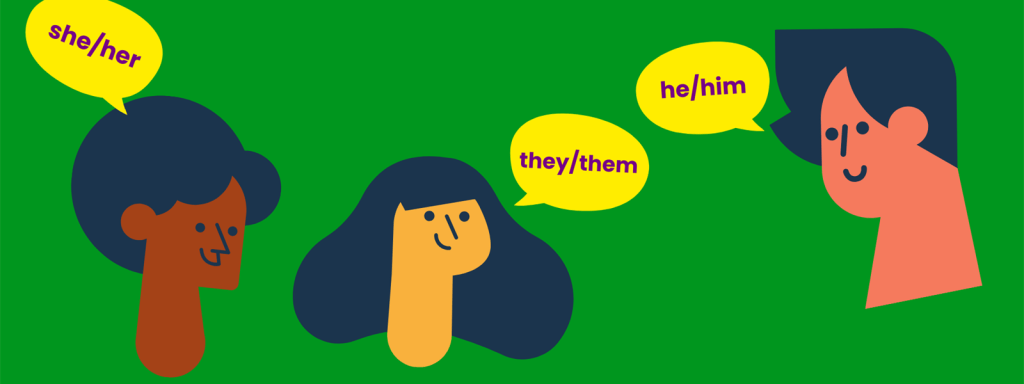
What are pronouns?
Pronouns are a part of everyday language – a lot of the time we use them without thinking! Pronouns are a way of referring to someone without using their name. (See how we just used ‘their’?)
However, it’s also an important part of someone’s gender identity that should be respected and celebrated. Using the wrong pronouns can be harmful and upsetting.
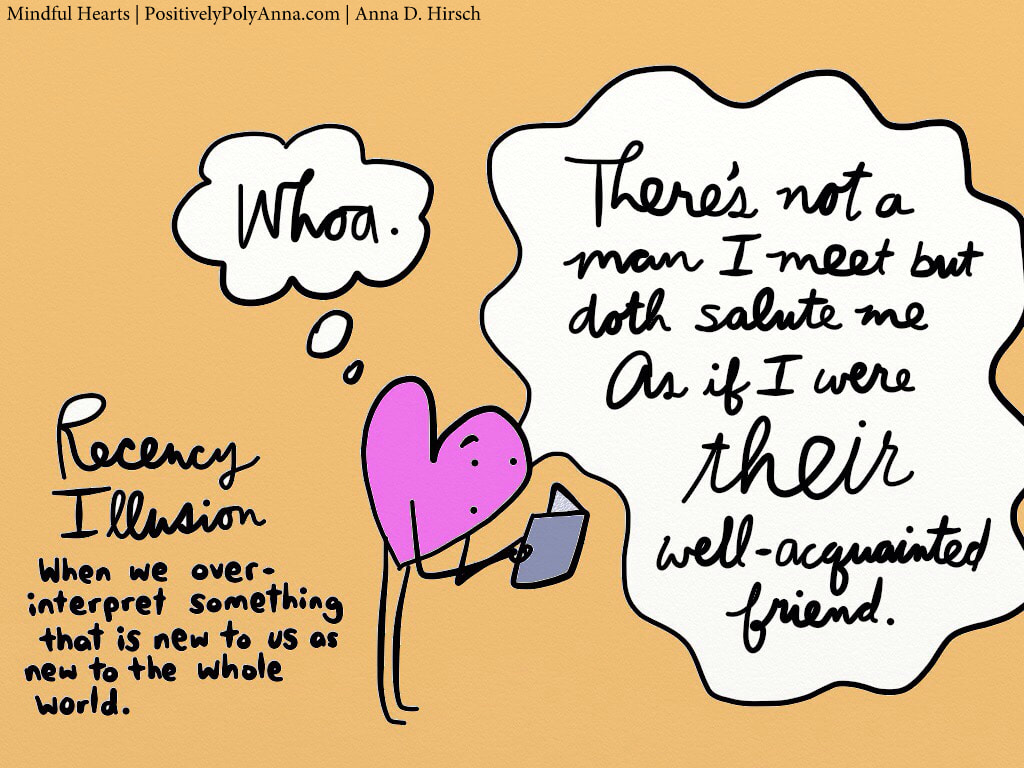
The gender neutral pronouns they / them / theirs have been used since at least as far back as the 15th Century: “There’s not a man I meet but doth salute me / As if I were their well-acquainted friend” — Shakespeare, Comedy of Errors.
We might talk about Ben, and how he has a nice shirt on, and how we might want to compliment him on his taste in fashion.
Or we might talk about Yasmin, and how brilliant her recent portfolio was. She has helped you before with your work, and you really admire her.
Or even we might talk about Alex, and how they recently got offered a new job. You’re going to miss them in the workplace, but you know this was their dream job!
While you may be quite familiar with using he/him and she/her when referring to people, you might feel unfamiliar with using they/them for a single person. However, we use they/them pronouns regularly for single people – for example, you may be driving in your car and suddenly someone pulls out in front of you and gives you little time to slow down. They clearly need to get more driving lessons, if this is how they’re acting! You hope no one else has to deal with their poor driving, and you’re glad to be free of them when they take a turning soon after.
Our society judges gender very quickly based on when we first look at someone, and so when we can’t see the person in the car, we automatically use they/them pronouns. Some people might just prefer for you to continue using they/them pronouns for them, regardless of whether you can see them or not.
We can’t always tell someone’s gender just by looking at them, and we know there are more genders than just “man” and “woman”. Using they/them pronouns for people as standard before you know their gender or pronouns can be a useful way to avoid using the wrong pronouns by mistake. It’s hard to undo years of your brain gendering people quickly, but it gets much easier to avoid doing it with practice!
People choose to use gender neutral pronouns for all kinds of reasons. Some examples:
To demonstrate a non-binary, trans, genderqueer, agender, gender fluid, creative, and/or gender questioning identity.
To indicate that gender is not relevant in many contexts, or to make a political statement about gender.
To act in solidarity with a friend or loved one who uses gender neutral pronouns.
How do I know someone’s pronouns and gender?
If you’re not sure of a person’s gender, often you don’t really need to know. If you are having a conversation with or about a person, it’s considered more polite to ask for a person’s pronouns. You can ask the person privately “how would you like me to refer to you?” or “can I just check, what pronouns do you use?” It is then up to them whether they give you just their pronouns, or tell you more about their gender, but at least you have given them that decision.
If you do need to know their gender, for example if they are a service user at your workplace and you need to complete a demographic form for them, then do so as you would any other sensitive piece of information about a person. It is best to ask privately, and perhaps alongside other information you need to collect, in order not to single that aspect of them out as “unusual”.
But what if I make a mistake?
Everyone makes mistakes from time to time, it’s just important that you acknowledge them and learn from them, as long as you don’t dwell on them. It may feel terrible to accidentally use the wrong name or pronouns for someone, but continuing to linger on it or bring it up will only draw attention to it and drag out the discomfort for the person. Your best option is to acknowledge it, often privately to yourself, apologise quickly, correct yourself, and move on with the conversation. You will do better next time if you acknowledge it as something you can improve on.
The person may seem annoyed that you made a mistake in the moment, and you might feel that you need to assure them that you are trying. Likely the person knows that you are, but it might help to think of it in context for that person. Being called the wrong gender once by you could be easy to pass off, but being consistently called the wrong gender over a long period of time, multiple times a day, can become very draining for the person.
Annoyance you might perceive from the person is often not directed at you personally, but the general experience of being misgendered repeatedly. In the moment you may feel hurt, but you will get better at calling them the correct gender, and using the right name and pronouns. Getting used to it can be uncomfortable, but it’s worth it for both of you when it becomes second nature to you!
Pride in Trafford
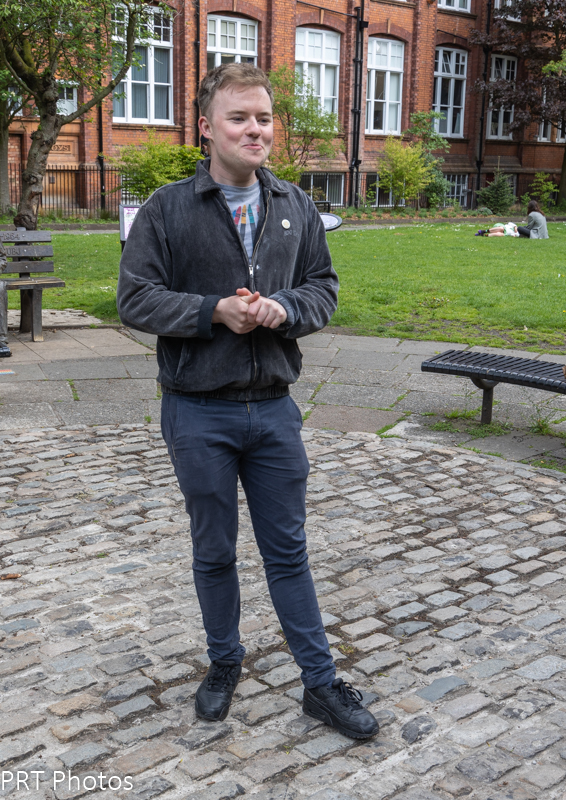
Pride in Trafford explores and celebrates both identity and LGBTQ+ life in Trafford. The work aims to challenge and entertain, taking a queer art focus over a more traditional pride format.
The inaugural Pride in Trafford took place in 2019, with a strong commitment to diversity, telling stories and celebrating artists many of which are often under-represented. The 2020 festival was reimagined as a micro-digital festival. The 2021 festival took place during the first week of Waterside re-opening its doors after 14 months of closure.
Pride in Trafford 2022is scheduled to take place from Tuesday 17 to Saturday 21 May 2022.
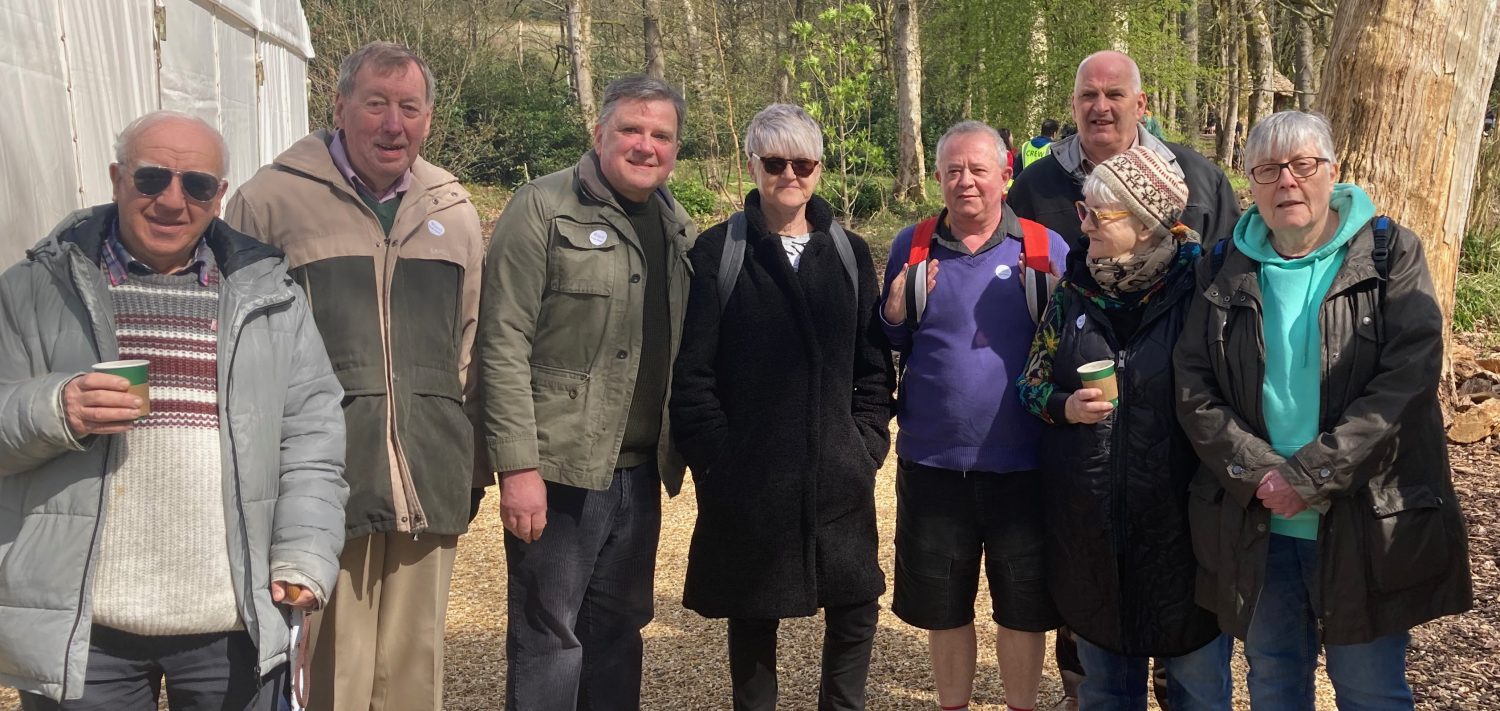
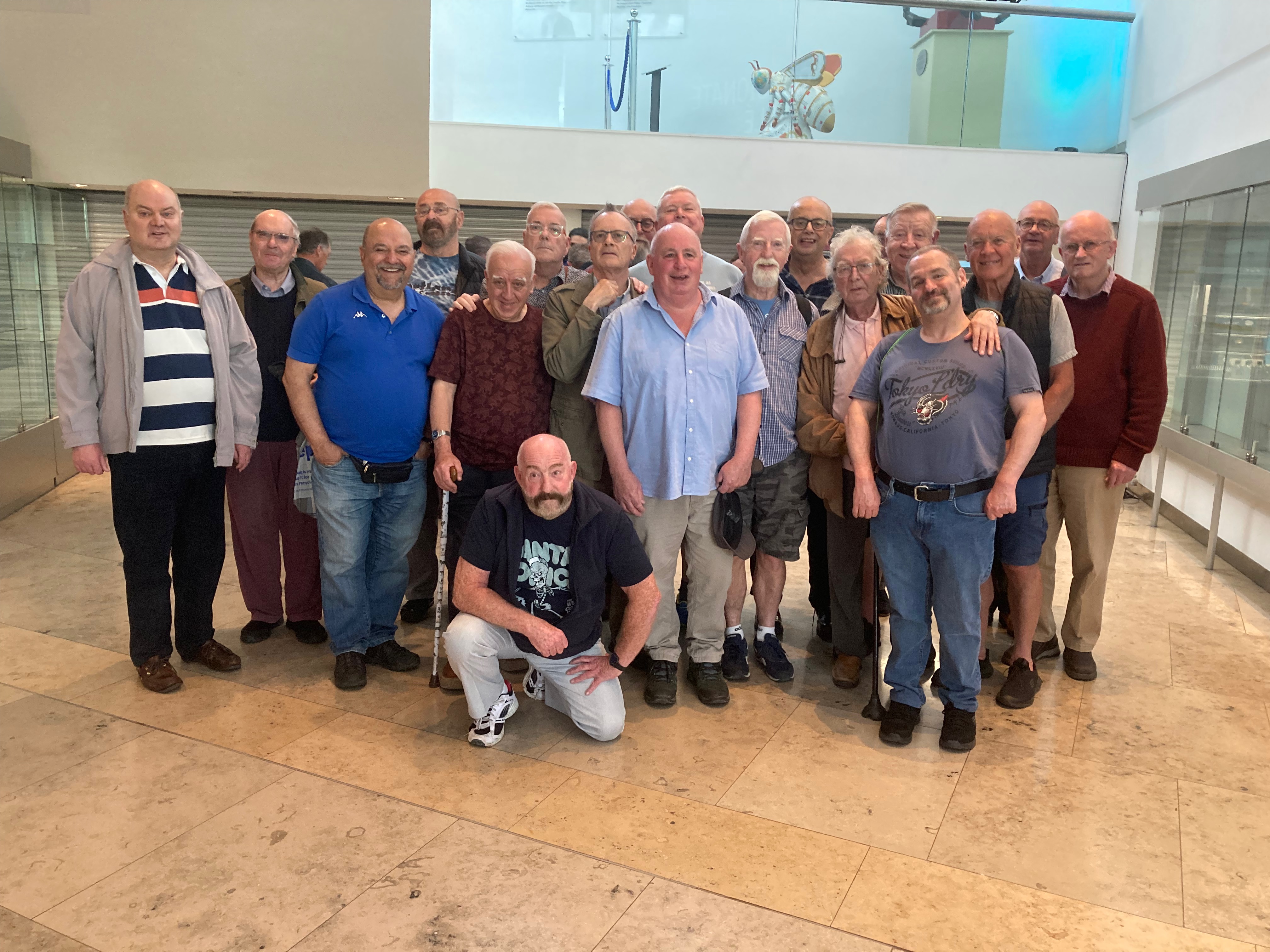
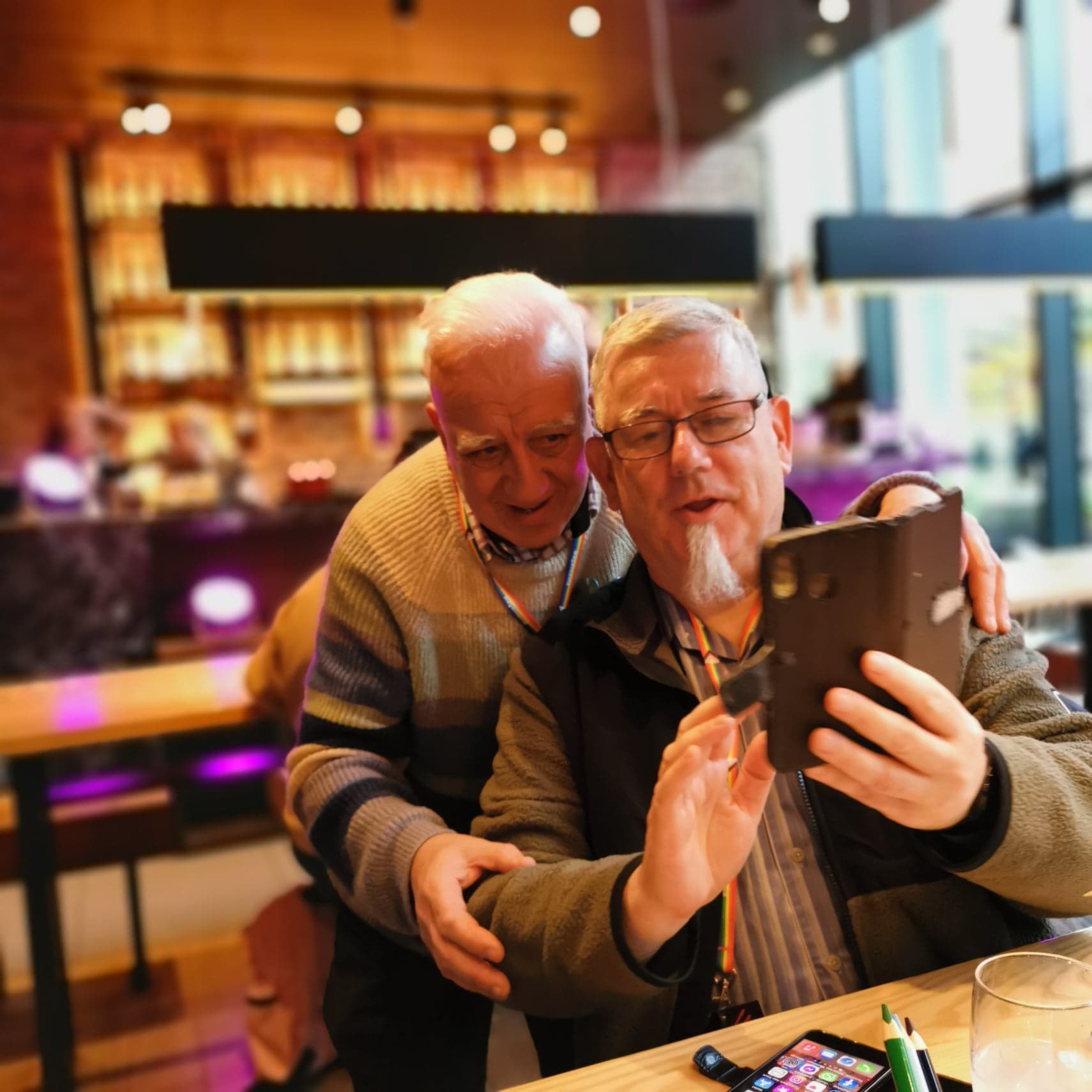
Via is a bar, a club and a restaurant on Canal Street in the Gay Village. It was opened in 1995 as Via Fossa and describes itself as “the beating heart of Canal Street”. Members of Out In the City gathered there for lunch and refreshments before our guided tour lead by Joshua Val Martin.
Joshua is a playwright and actor and also founder of the Manchester Walking Tours. He met us at the Alan Turing statue in Sackville Park and gave us a very informative and entertaining tour.
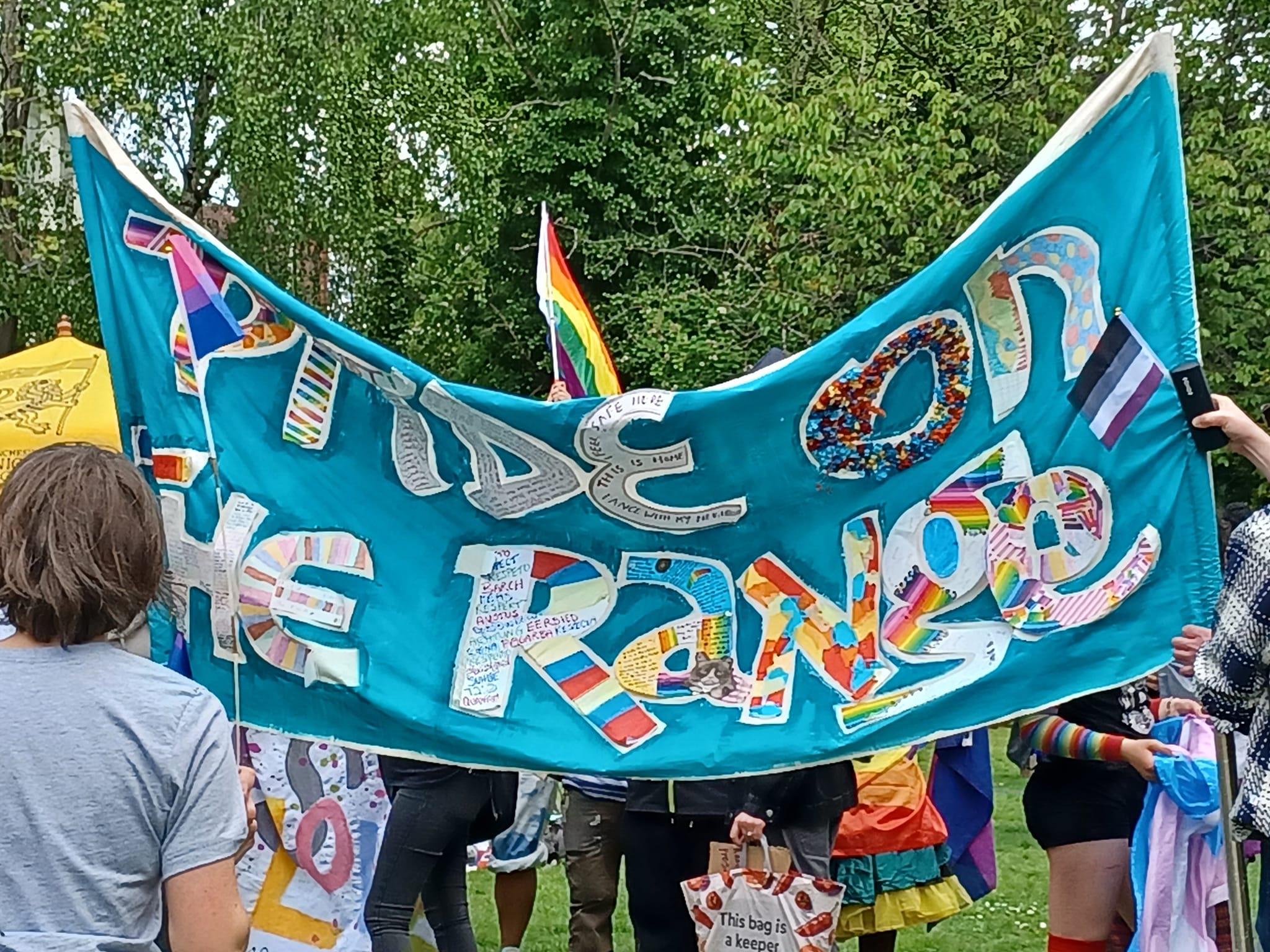
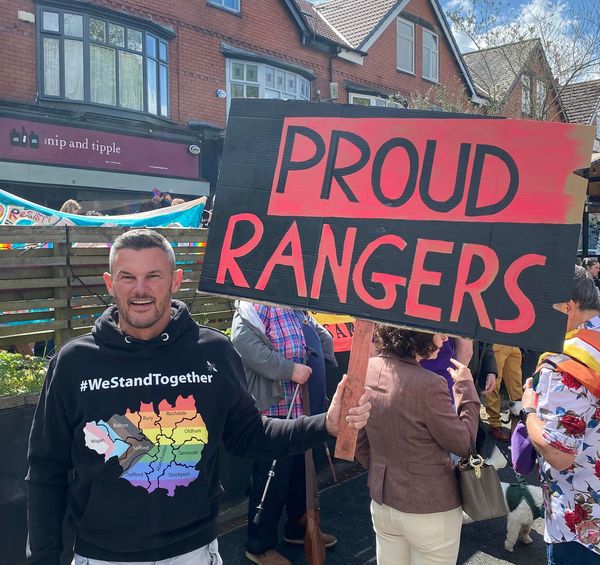
The weather was perfect for a parade and garden party. We gathered at the Nip and Tipple where we met up with friends old and new. After a short while we walked to the Carlton Club Garden, where we were entertained with a drumming and dancing workshop with Bhangracise, the Manchester Lesbian and Gay Chorus and the Manchester International Roots Orchestra.
The Sisters of Perpetual Indulgence compered the performances and announced the winners of the baking competition and the Dog Show.
There were lots of stalls including the LGBT Extra Care Housing Scheme, the LGBT Foundation and Ashville GP surgery. Food stalls were provided by the Hip Hop Chip Shop, Street Beets and Rice over Everything.
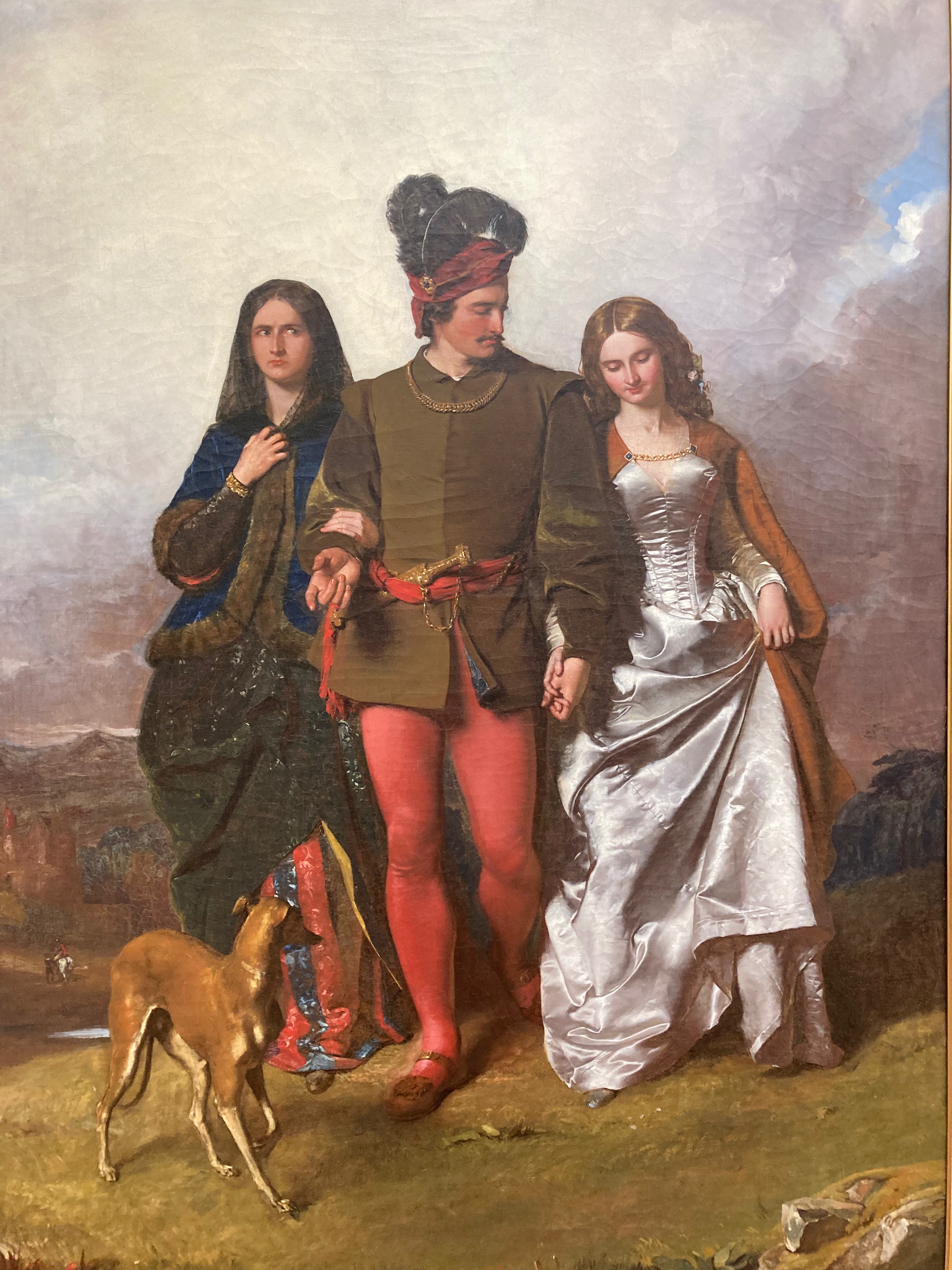
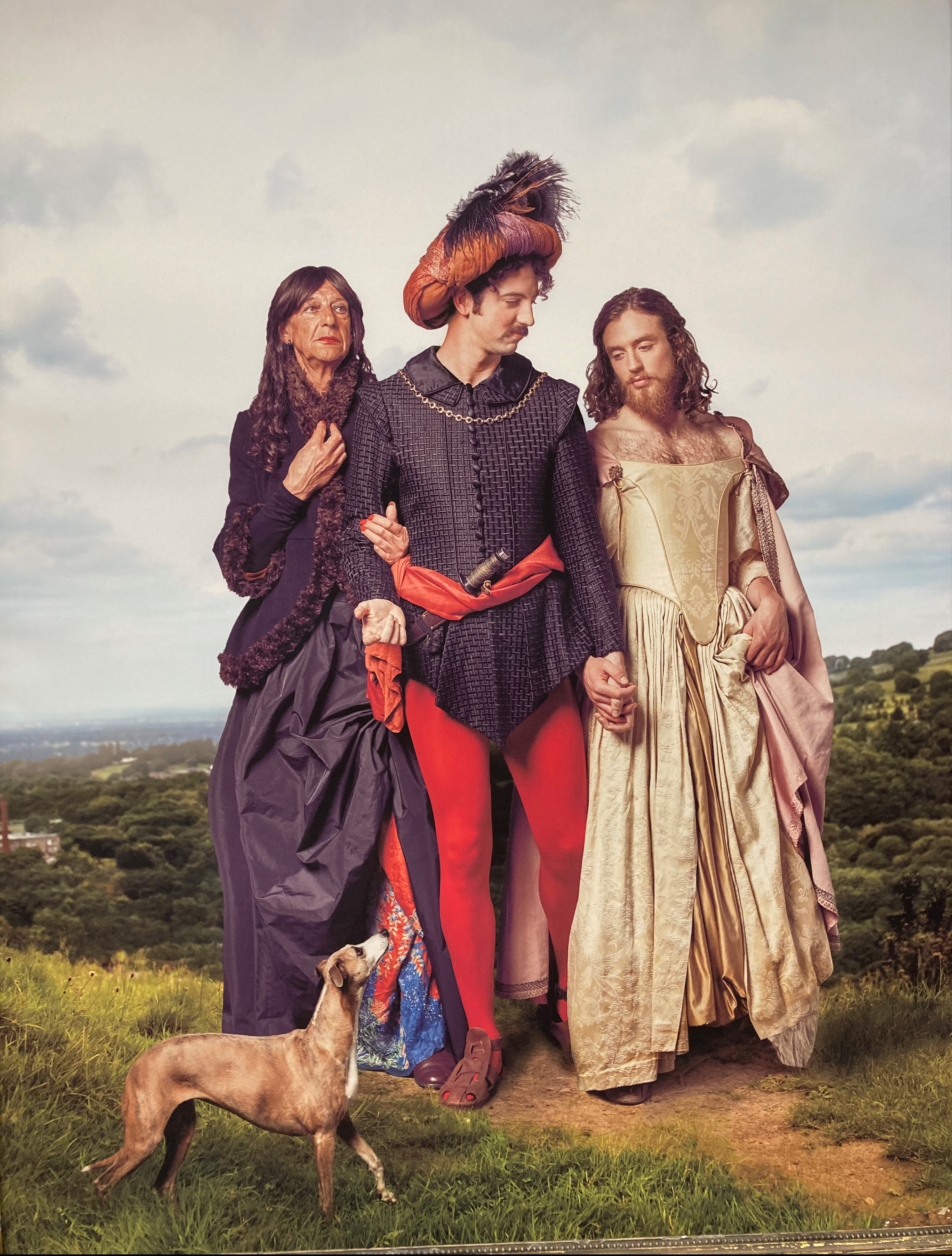
“The Cruel Sister” is a collaborative reinterpretation of the painting of the same title by John Faed (1850), which forms part of Bury Art Museum’s Permanent Collection. Both works are currently displayed alongside each other, inviting viewers to examine the images and what is portrayed more closely.
The new version of “The Cruel Sister” questions concepts of gender and identity and is the culmination of Jez Dolan’s year-long artist residency at Bury Art Museum in 2017.
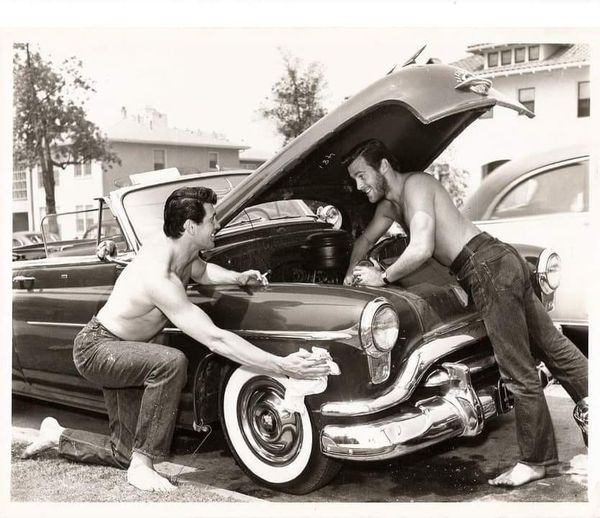
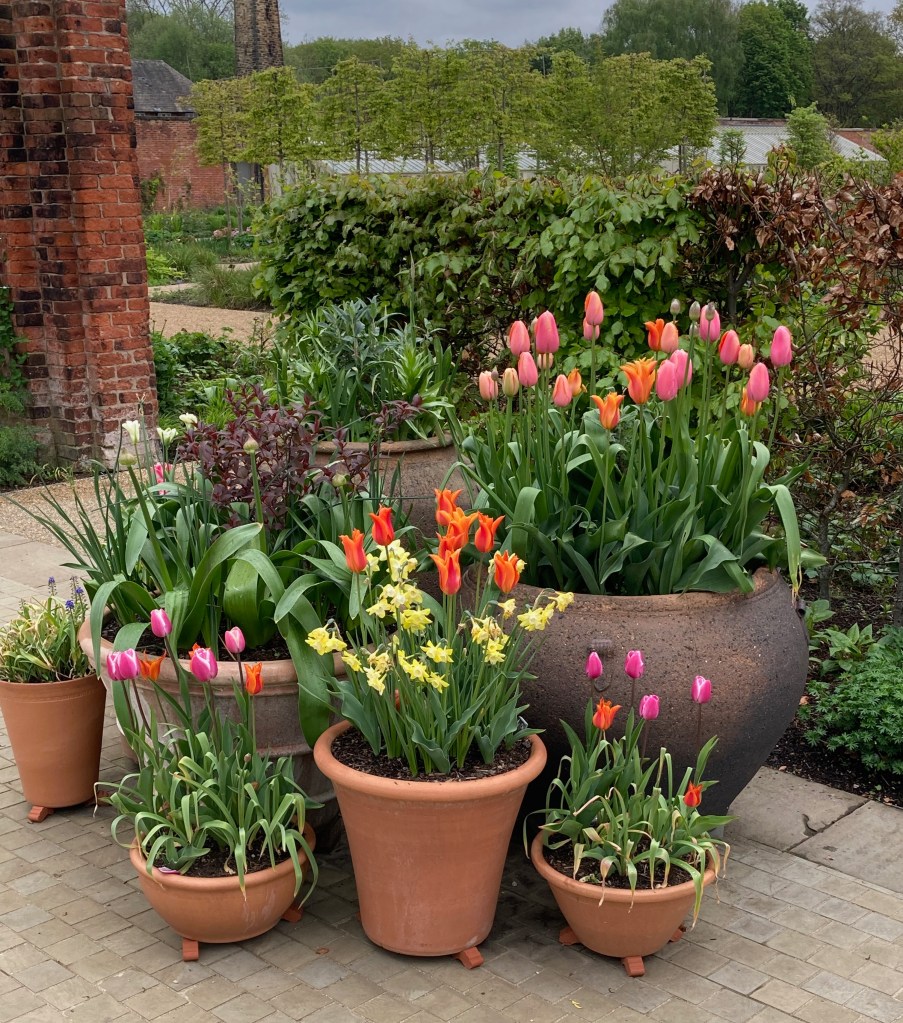
Rock Hudson and his longtime “roommate” Bob Preble, 1952RHS Garden Bridgewater
Inside Britain’s first ever LGBT+ museum (By Owen Jones)
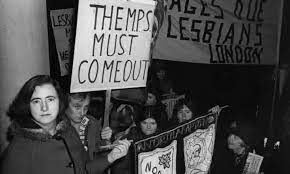
A Gay Pride demonstration at the Old Bailey, in 1977, one of the images exhibited at the Queer Britain museum. Photograph: Evening Standard / Getty Images
Queer Britain in north London is a bold attempt to celebrate queer history in all of its forms. At a time when the community is under attack, we need it more than ever.
It is little over half a century since homosexuality was partially decriminalised in England and Wales, and it’s a period defined by both progress and trauma. When Lord Arran co-sponsored the bill that ended the total criminalisation of same-sex relations between men – after his gay brother had killed himself – his preamble was bleak. “Lest the opponents of the new bill think that a new freedom, a new privileged class has been created,” he declared. “Let me remind them that no amount of legislation will prevent homosexuals from being the subject of dislike and derision, or at best of pity,”
After the Sexual Offences Act was passed in 1967, convictions of gay men for gross indecency actually increased four-fold, and gay people were still characterised as would-be sexual predators and threats to children. The 1980s HIV/Aids pandemic, ravaged a generation of gay and bisexual men, attitudes towards gay people hardened and a moral panic culminated in the passing of Section 28, banning the “promotion” of homosexuality in schools: the first anti-gay legislation passed since 1885. Nevertheless, in this period LGBT+ people flourished culturally and artistically, while from the 90s onwards, hostile public attitudes crumbled precipitously as anti-gay laws were struck from statute books.
Yet as a reminder that progress is far from linear, Britain is in the grip of another moral panic, this time directed at transgender people. And while today’s LGBT+ communities are more united in defiance of government policy that any time since Section 28 (more than 80 organisations pulled out of a government conference over its refusal to ban trans conversion “therapy”), Stonewall, the country’s main LGBT+ civil rights organisation, finds itself under siege, while homophobic and transphobic hate crimes are surging.
Trailblazing Labour MP Maureen Colquhoun with the Gay Defence Committee in 1977. Photograph: Wesley / Getty Images
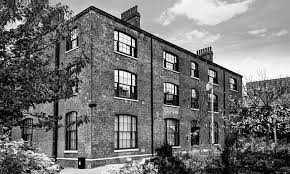
So this really is an opportune moment to launch what is, astonishingly, Britain’s first ever national LGBT+ museum, established by the charity Queer Britain. Opening its doors to the public on 5 May, the space is ideally situated in King’s Cross, both for Londoners and for those visiting the capital by rail. Its opening is an important milestone for a minority that has only enjoyed widespread public acceptance and significant legal protections for the briefest of periods, and is, in a sense, still blinking, slightly dazed, in the light.
Launching a museum is an ambitious endeavour, and Queer Britain has come together with impressive speed. In 2017, its director Joseph Galliano visited the Queer British Art exhibition at Tate Britain and “realised you could create a blockbuster exhibition around queer subjects”. As a former editor of Gay Times, he tapped into his extensive connections with LGBT+ organisations and queer activists and artists, and when he spoke to potential funders, Galliano met constant astonishment that such a museum did not already exist or even been attempted in its own right before. Relationships were quickly built with the culture sector – such as the Tate and National Trust – as well as partnerships with the likes of M&C Saatchi “to help us develop our strategic outlook”. Thanks to the efforts of its patron ambassador Carolyn Ward donations began to pour in. Far from the national lockdowns proving an obstacle, the inevitable shift to digital events helped: it was easier to get 500 people on a Zoom call than crammed into a room.
“Our donors stood by us,” says Gallianio, while a membership system allowed for people to contribute what they could afford: whether it be a pound or £100 a month. “You see people welling up as you’re talking about the museum and the vision of the museum,” he says with no little pride. “When I started seeing that happen, that was the moment that made me step back and think: OK, this is something I’ve got to really commit to making happen and commit to making it as ambitious as possible.”
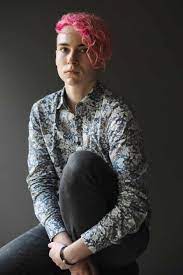
Milo, from Allie Crewe’s You Brought Your Own Light series, as featured in the initial show of photographs at Queer Britain. Photograph: Allie Crewe
One of the key tests of this museum is representation: LGBT+ spaces remain dominated by white, middle-class cis men (guilty as charged!). The trustees and advisory board reflect a laudable attempt to counter that with an impressive A-team of LGBT+ luminaries, such as the pioneering lesbian activist Lisa Power, Huddersfield-born Black artist and curator Ajamu X, Liv Little – founder of gal-dem, the magazine for women and non-binary people of colour – and the indefatigable trans author Christine Burns. As Galliano, ushers me into the museum – for now, three rooms of photographs serving as a holding pattern before its big summer exhibition in July – the commitment to that mission is commendably clear: queer families of colour, all conveying joy and love, adorn the walls. Why is this so important? Because the oppressed can be oppressors, too; research by Stonewall in 2018 found around half of Black, Asian and minority ethnic LGBT+ people suffered racial discrimination from local LGBT+ networks, rising to 61% among Black LGBT+ people.
“We built a board to make sure that there’s proper leadership structures that are diverse in themselves, as well as bringing in more skills that we need,” says Galliano. Uplifting underrepresented sections of the community is “absolutely written into the DNA”, with its first project being an oral history collection on those groups, accompanied by focus groups with representation from LGBT+ people with different and often intersecting identities.
“This will not be easy if we’re to truly transcend tokenism,” the trustee and Black photographer Robert Taylor tells me, “but I’m encouraged by what I’ve seen so far.” It’s so easy to be “unconsciously excluding”, he says, and he wants to “keep an eye out for comfortable unconscious assumptions about what we’re doing, how and for whom.” Or, as Lisa Power tactfully puts it: “We love our cis white men but they’re part of a bigger story.”
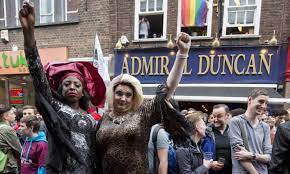
A show of solidarity for the Orlando massacre takes place at central London’s Admiral Duncan pub, itself bombed by a neo-Nazi in 1999. Photograph: Justin Tallis/AFP/Getty Images
Britain’s often tortured struggle for LGBT+ rights is reflected in many of the photographs, such as the flamboyantly dressed yet straight Jewish Labour MP Leo Abse, who successfully pushed for the partial decriminalisation of homosexuality from the backbenches. Maureen Colquhoun – the first openly lesbian MP who died last year – defiantly holds a placard emblazoned with “THE MPS MUST COME OUT”, while it’s difficult not to feel a pang of sadness at a photo of Justin Fashanu flexing his muscles: he was, of course, Britain’s first and still only out gay male professional footballer who killed himself in 1998. Such a collection would not be complete without that unlikeliest of LGBT+ allies, Diana, Princess of Wales, who helped upend the stigma of Aids, and is pictured lovingly touching the hand of an HIV patient.
This is a museum with huge potential. It includes space for events which – given that, unlike other major western capitals, London lacks a permanent LGBT+ community space – could make it a vital hub. There are, however, problems that the museum surely needs to interrogate in advance of the summer exhibition. One photograph, for example, features a Metropolitan police officer joyfully high-fiving a London Pride attender. That same police force has been criticised as institutionally homophobic by the families of the four men murdered by Stephen Port over its failure to investigate the so-called “Grindr killer”. Is the picture really appropriate, I ask Galliano. There’s a pause which seems to last a lifetime. “I think you make a good point, which I’d like to have a more considered answer for,” he tells me. “There’s a fuck of a lot to do in getting something like this set up, and it’s a lot of spinning plates, and the thing is you get some of them wrong.”
There is a lack of expression, so far, of queer love, too – of a non-familial sort, anyway – and sexuality, with the exception of a picture of the lower torsos of two kilted men holding hands. This is a family space, of course, and no one reasonable would expect full-frontal nudity, but it’s striking that the walls of a queer east London bar such as Dalston Superstore feature more challenging images about such important elements of the LGBT+ experience. It should be hoped, too, that the upcoming summer exhibition features more images of struggle: there are allusions, such as a Black woman holding a “LESBIAN AND GAY PRIDE ’83” balloon, but there are so many joyous moments to celebrate that are in danger of being forgotten by younger LGBT+ generations, such as the lesbian activists who abseiled into the House of Lords or stormed the Six O’Clock News to protest against Section 28. “Wait for the summer exhibition,” says Galliano. Where I disagree with Galliano, though, is when he suggests “it’s very easy to kind of go ‘struggle, victimhood, difficulty’”: these moments should surely be seen as courageous acts of agency which spurred on change.
Given the full-frontal offensive against trans people it is welcome to see representation, including two portraits of trans people from award-winning photographer Allie Crewe’s You Brought Your Own Light collection. “As a trans person myself I am always surprised that the rights won by LGBT+ communities to date were very much won with trans siblings in the day-to-day struggles and fights from the outset,” says trustee and businessperson Antonia Belcher, “yet that representation has not materialised the same recognition for trans people – hardly fair.” She fears the museum may not succeed in challenging entrenched attitudes among older Britons, but it will be “welcomed by younger generations, like my own children and grandchildren, who are naturally inclusive”.
So who is this museum for? “It’s for everyone!” says Anjum Mouj, trustee and board member of Imaan, the Muslim LGBT+ group. She wants LGBT+ and heterosexual people alike to visit, with parents taking their queer and straight children; and for the museum to look beyond Britain’s borders, in a world in which 69 nations and territories still criminalise same-sex relationships. In its first year, the museum hopes to attract 26,000 people through its doors. It is easy to be pernickety about ambitious and well-intentioned new projects – this one has been four years in the making – but any critiques should surely be about wishing this endeavour well. It will make mistakes, but with such commendable representation among its trustees and advisers, and a genuine commitment to listen to LGBT+ communities, there are huge grounds for optimism.
In the half-century since criminalisation of male homosexuality was partly repealed, Britain’s LGBT+ communities have made dramatic contributions to British culture and society, often while faced with tremendous adversity. We surely deserve our own museum to remind us how our rights were won – at huge cost and sacrifice – as well as showcasing how we have flourished.
Queen Britain is at 2 Granary Square, London, N1, and will open to the public on 5 May.
LGBT Oral Histories
The LGBT Community Organising Oral Histories project is a series of interviews forming a snapshot of community organising, past and present, by LGBT+ people.
The Interviewees were asked in respect to their experiences of being an LGBT person involved in LGBT+ activism and community organising in Greater Manchester, and how things have changed.
This project is hoping to show community organising is not ‘only’ protesting in the streets, or for ‘only’ certain people and there’s not ‘only’ one way to make change. It can include: mutual aid, community groups, volunteering, helplines, protests online and offline, knowledge and resources sharing and the list goes on.
To see the interview with Sarah, an older lesbian in her late 50s, at the time of recording, and more interviews, click here.
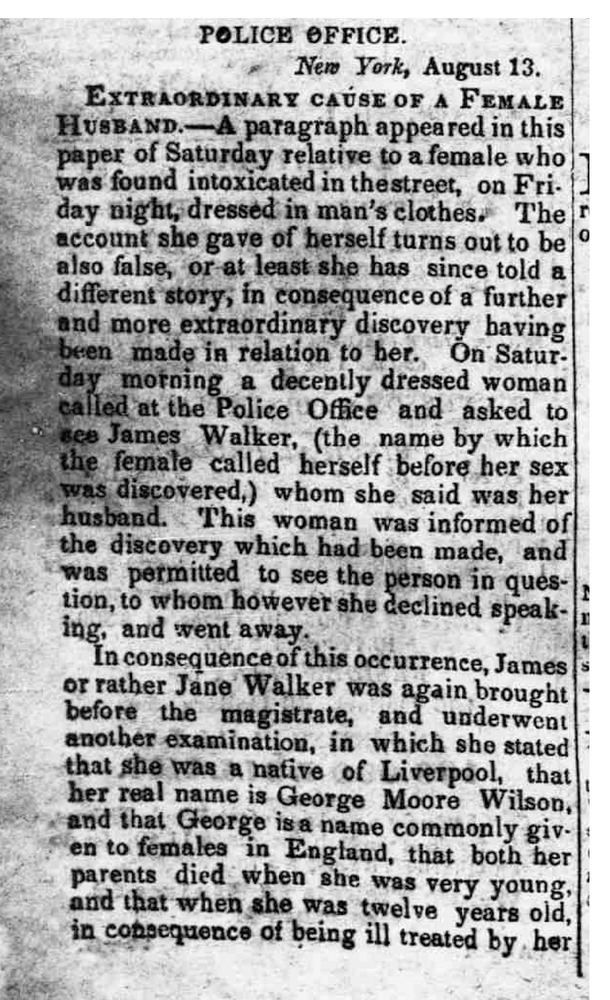
A Trans Man from Georgian Britain
In August 1836, the New York police arrested a man who had been born female. Initially it looks like he lied to the police about his name “James Walker”, and background.
Claiming that he was looking for an estranged husband, he started working and dressing as a man to survive and gain access to the docks. He presumably hoped he might be let off with a warning. However, when his wife, Elizabeth, asked to see him at the jail the next day, his name was revealed as George Moore Wilson.
George was born around 1806 at 20 Atherton Street, Liverpool. When he was 9 he moved to Ayrshire, Scotland. Aged 12 he adopted his father-in-law’s name, put on masculine clothes and ran away to Glasgow, finding work in a textile mill. A marriage certificate showed that on the 2 April 1821 he married Elizabeth Cummings at the Barony Church in Glasgow.
Just a couple days later they set sail for Quebec; only then did she find out he was transgender. They lived in New Limerick for a while, where Elizabeth’s father moved into their house, and then they moved to Paterson, where both of the men worked at the same mill. Finally George moved to Brooklyn, New York, and found work at the docks. All throughout this he was clearly read as male by his contemporaries, even his father-in-law didn’t know his birth sex.
It was only when he was arrested that the fact he was trans was revealed. While we know that the magistrate lectured him on his “crossdressing” and mocked that his marriage had bore no children, we don’t know the end result of the trial.
It is worth noting the term ‘transgender’ did not exist back then. It’s possible that Wilson might have transitioned for economic reasons or simply to marry a woman, although the most likely explanation is the simplest: he lived as a man because he wanted to.
Evidence of a trans man from Liverpool this far back might seem extraordinary, but while his wife was alarmed by the court case, when summoned she spoke about the matter with “nonchalance”, showing that for some people it’s always been the norm.
Regardless of his reasoning, despite all the barriers, George Moore Wilson dared to be himself. But he had to live a life of secrecy and exile, and was most likely forced into living as a woman after the court case.
Despite the barriers that we might face today or in the future, we need to fight so that anyone can proudly take control of their bodies and their lives.
Extraordinary Cause of a Female Husband – The North Carolina Standard (Raleigh, North Carolina)
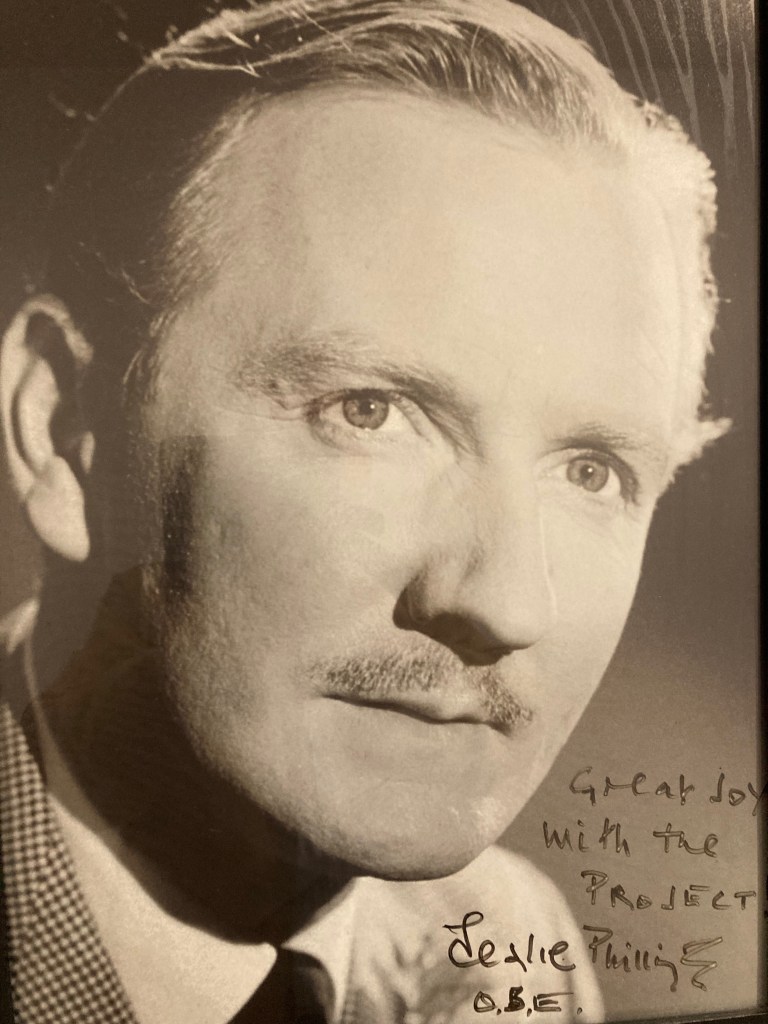
Leslie Phillips likes it: “Ding Dong … You’re Not Wrong”
Youth Pride
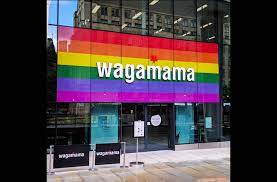
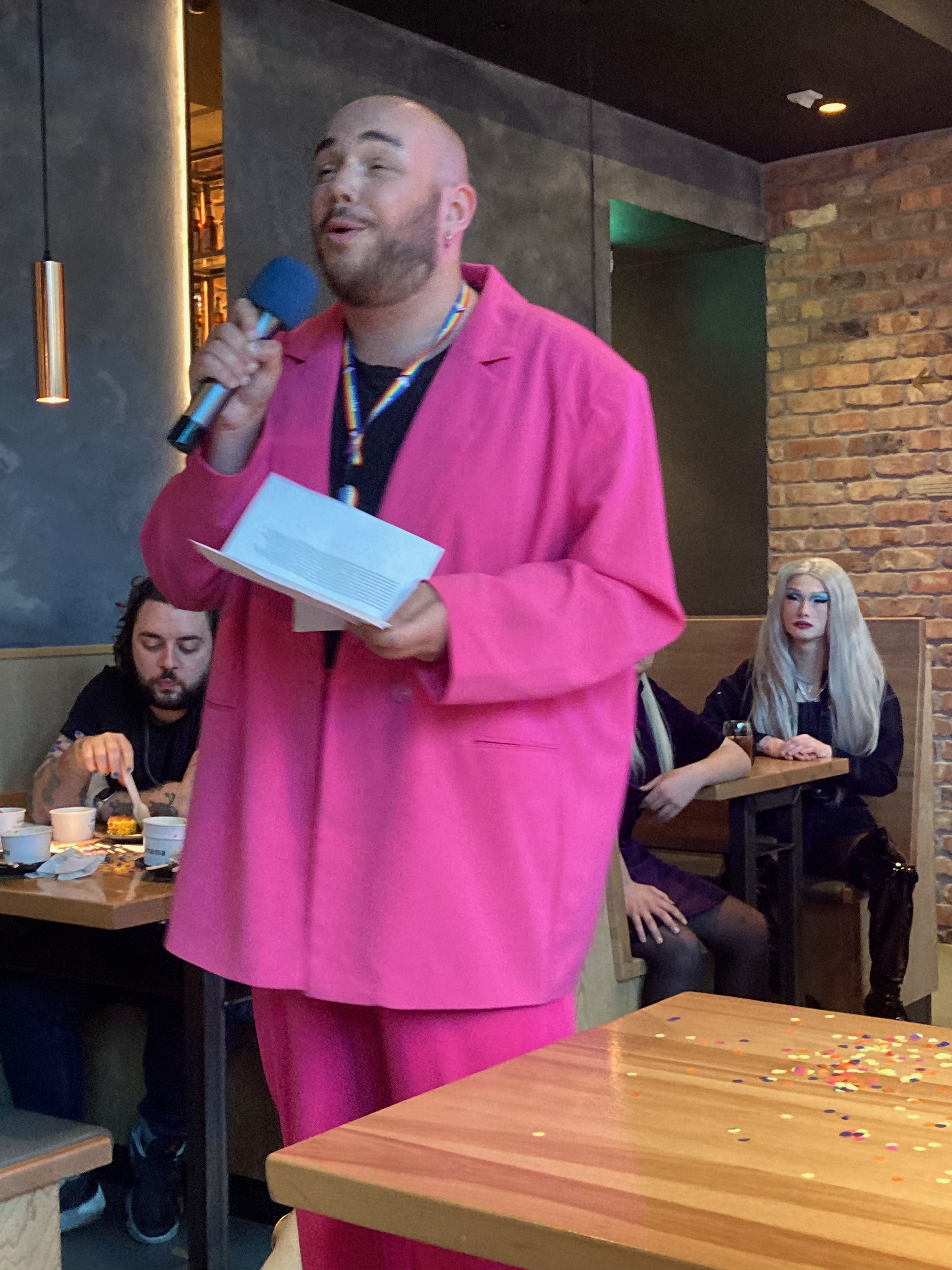
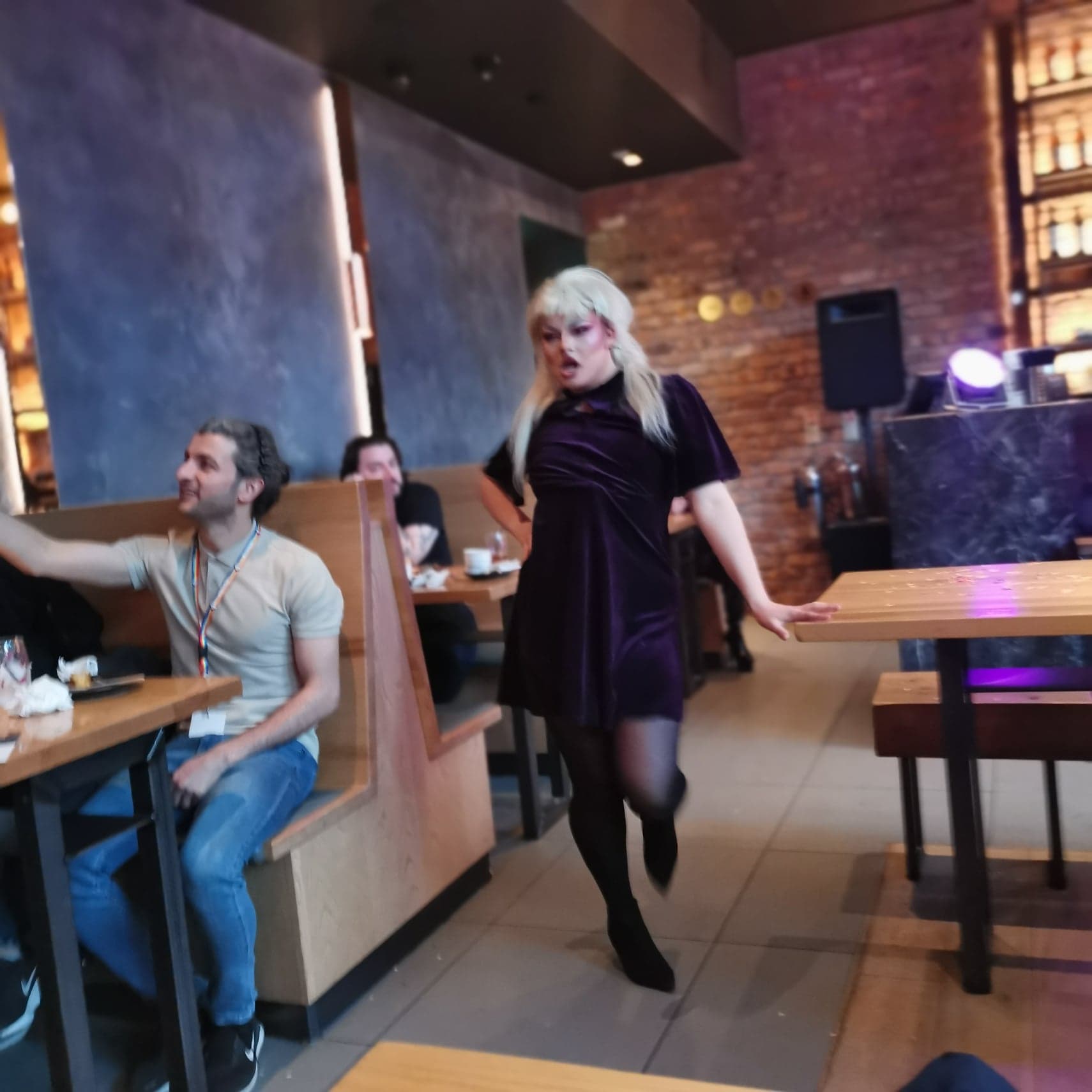
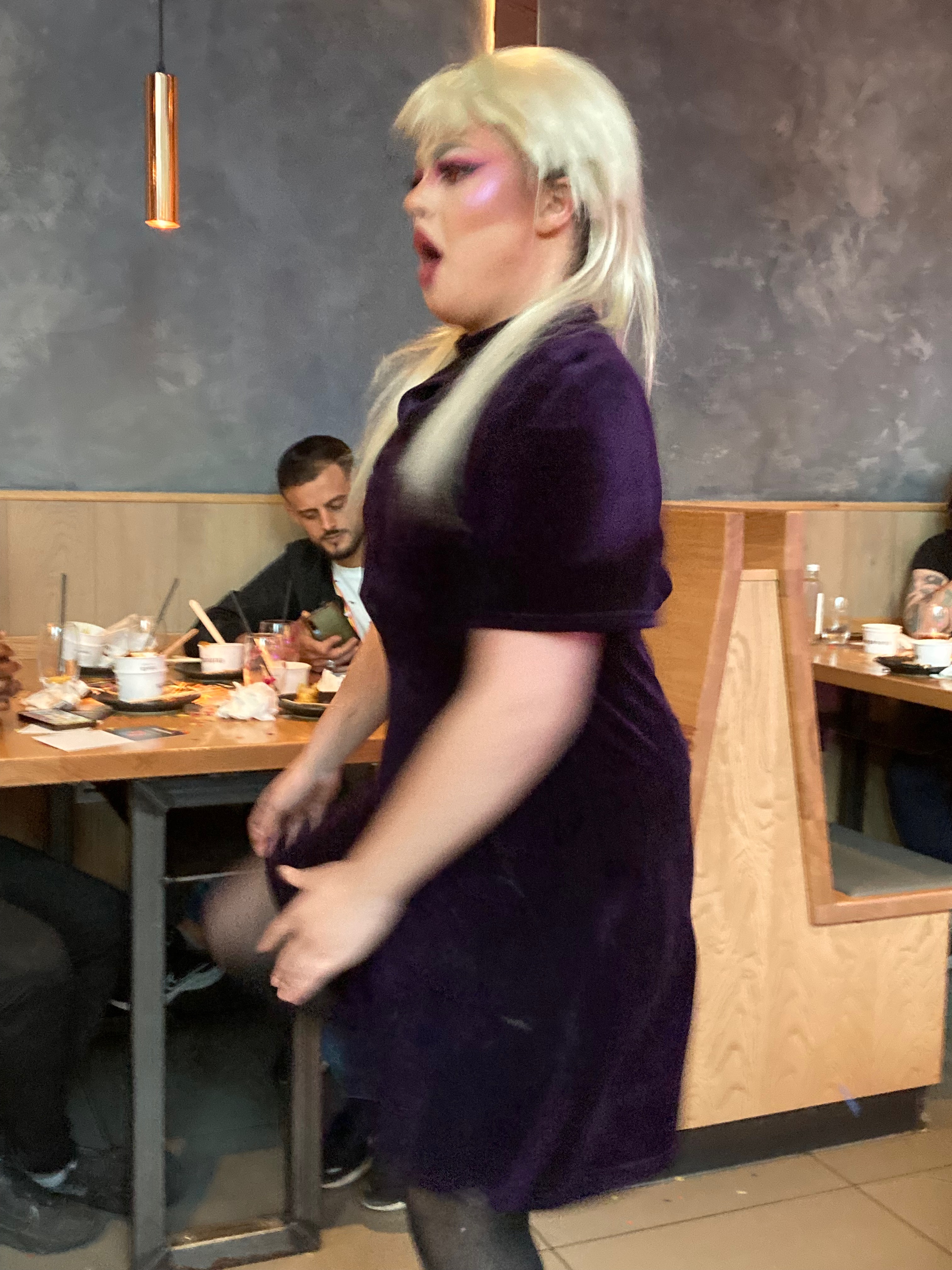
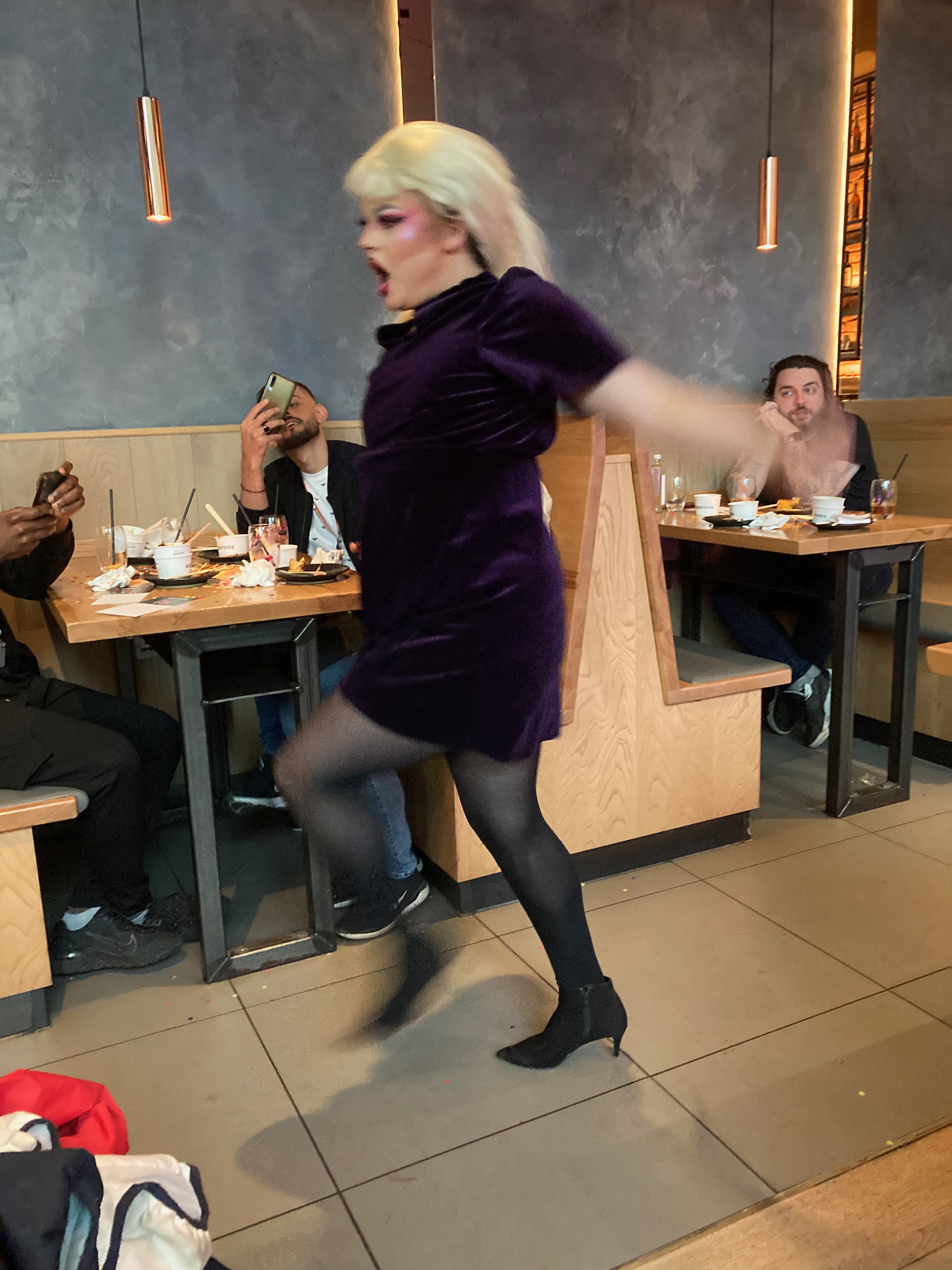
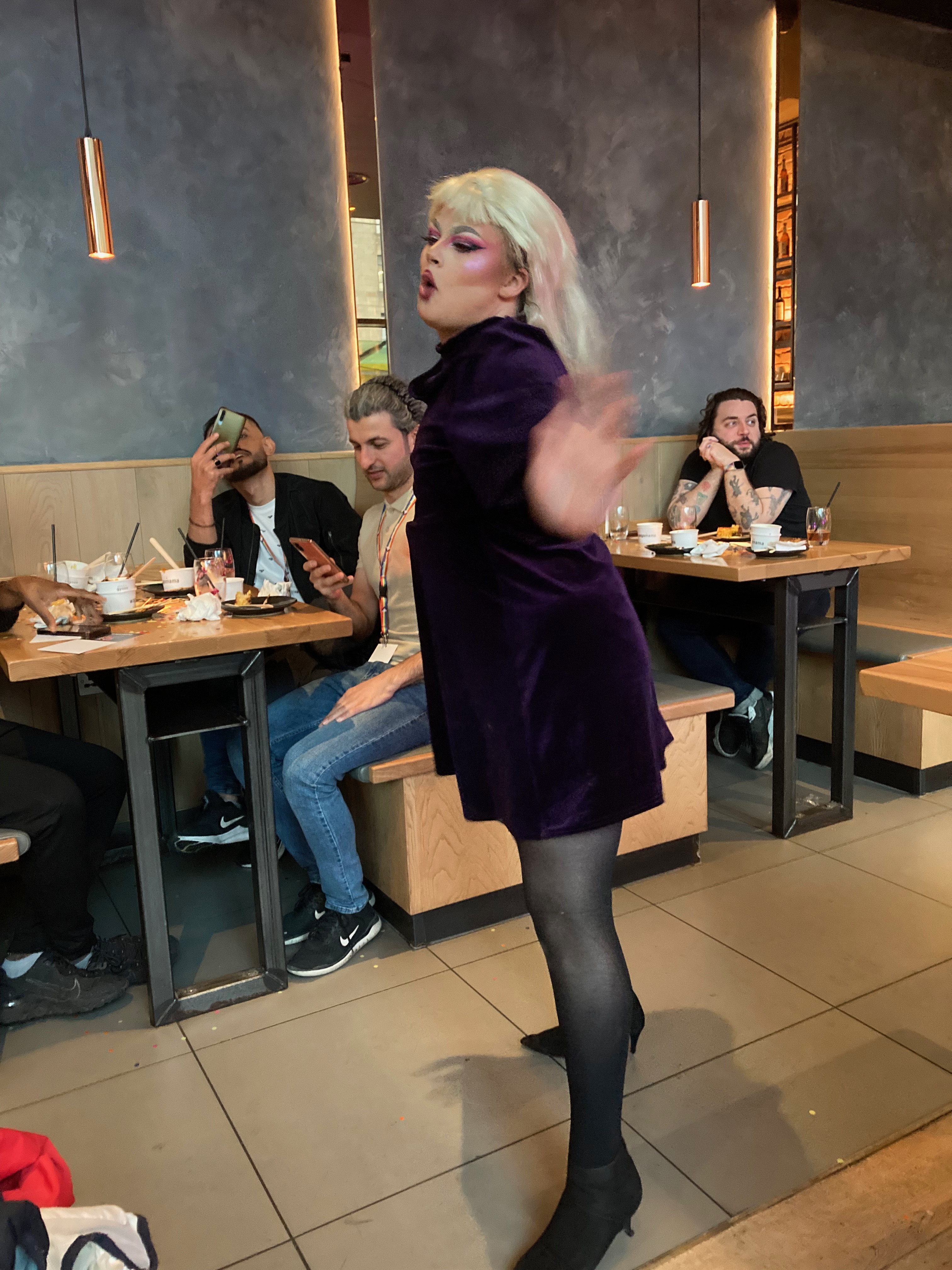
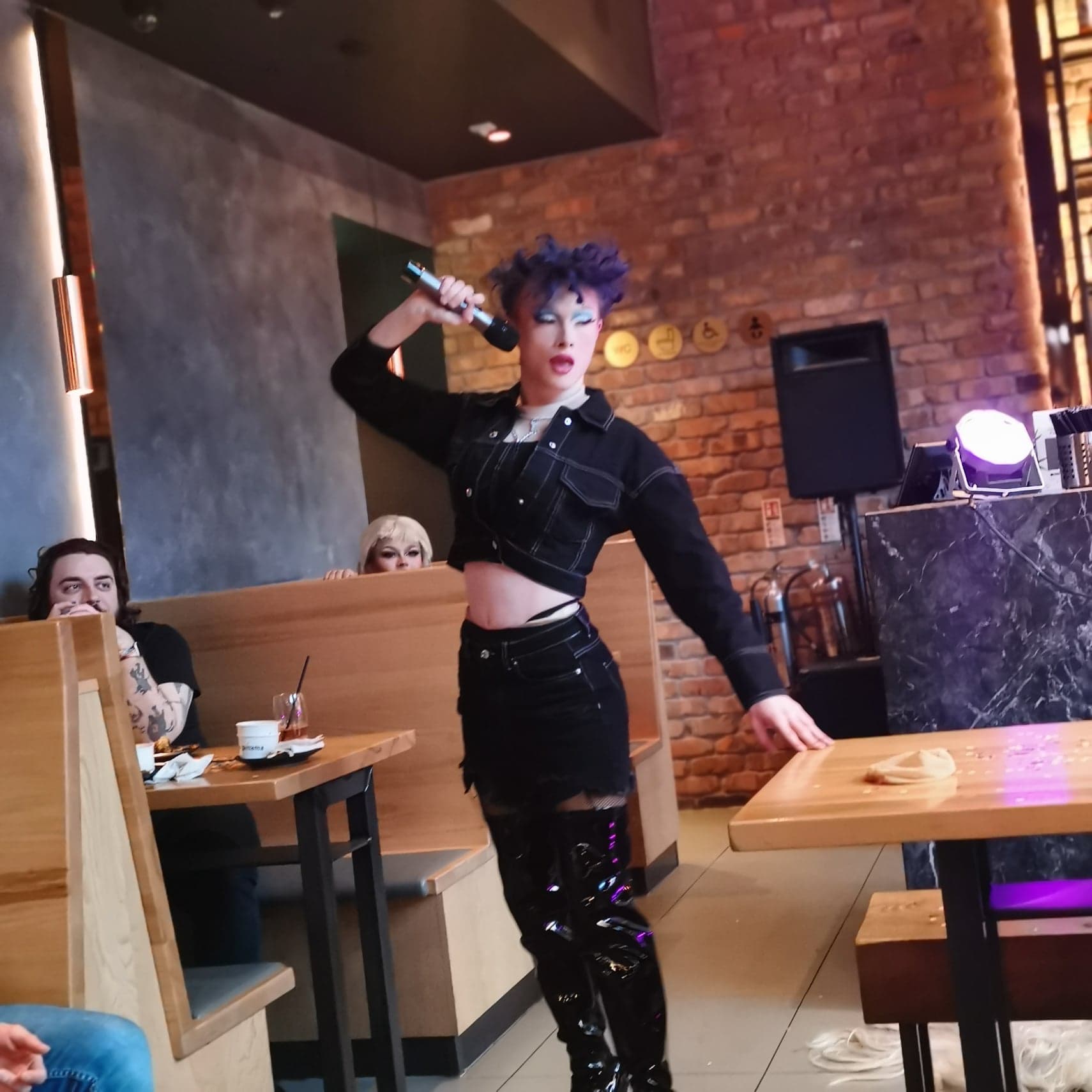
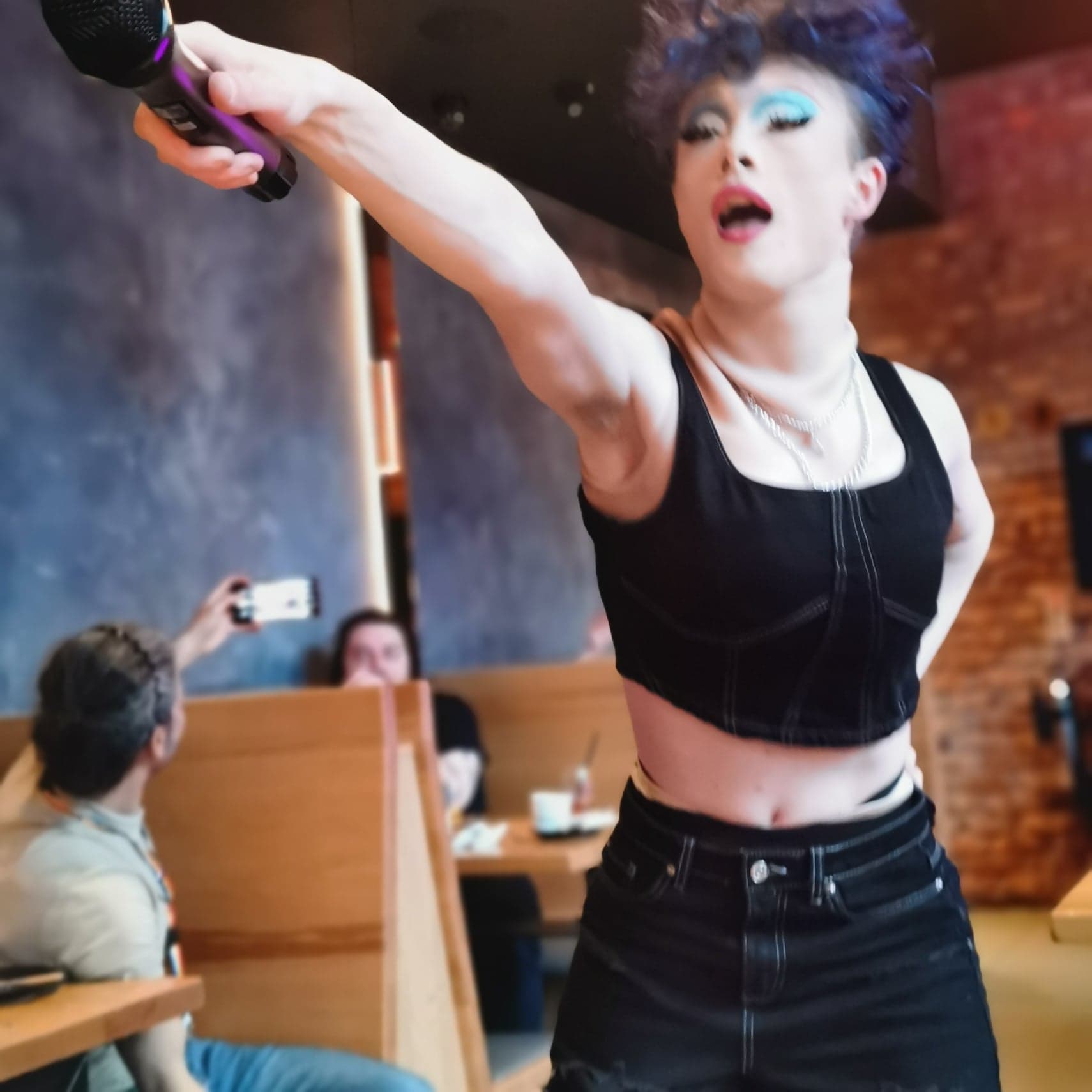
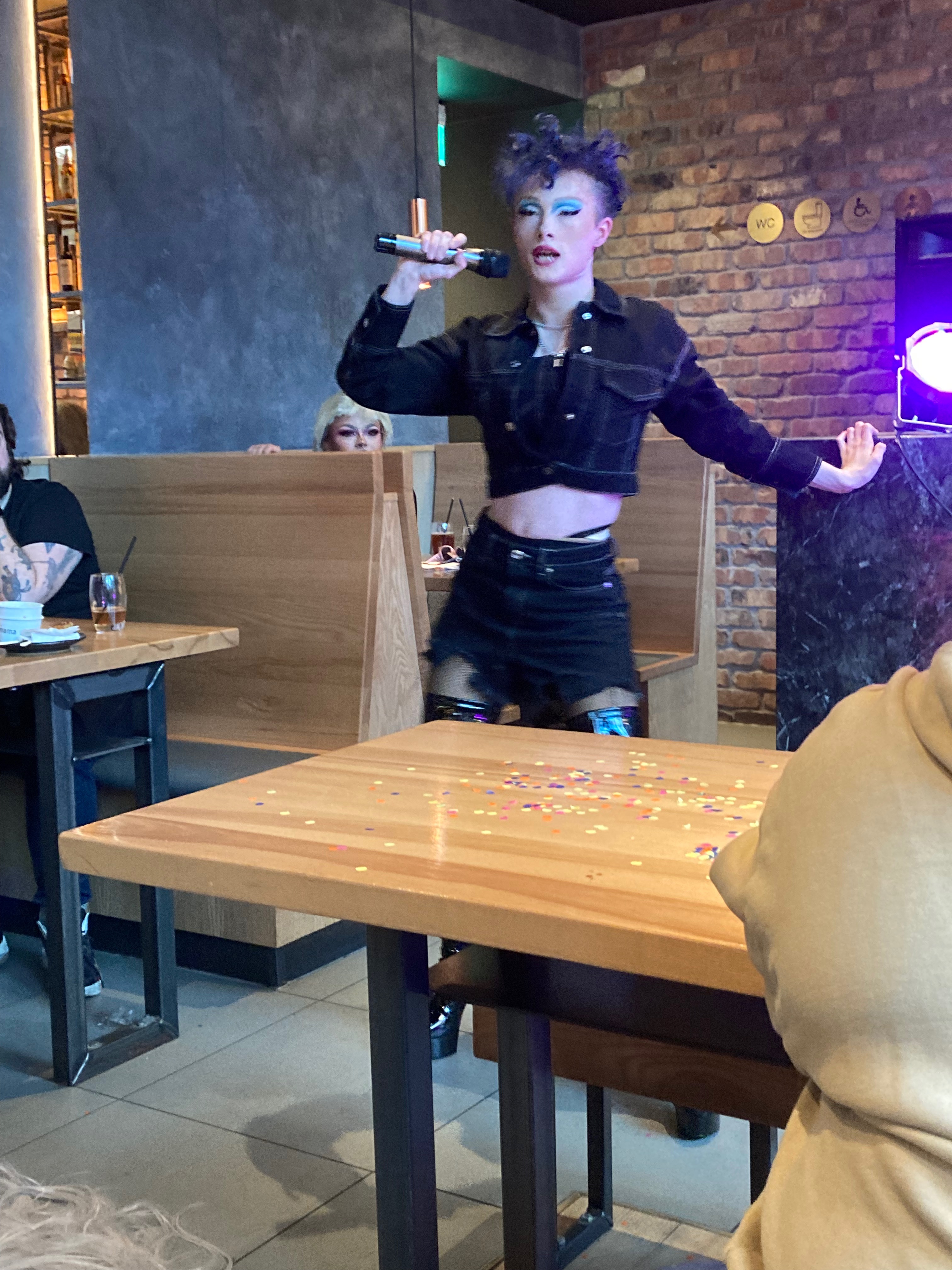
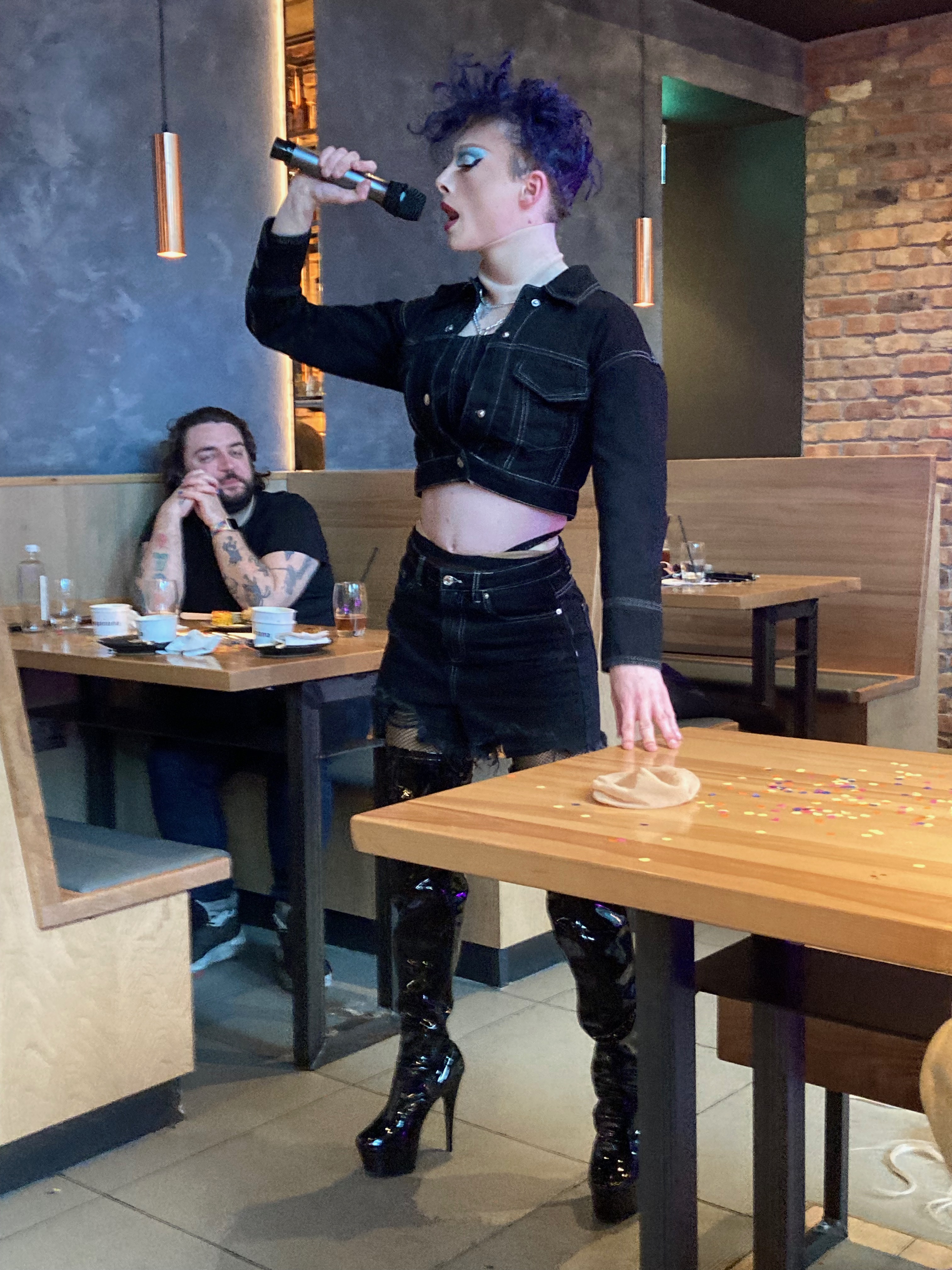
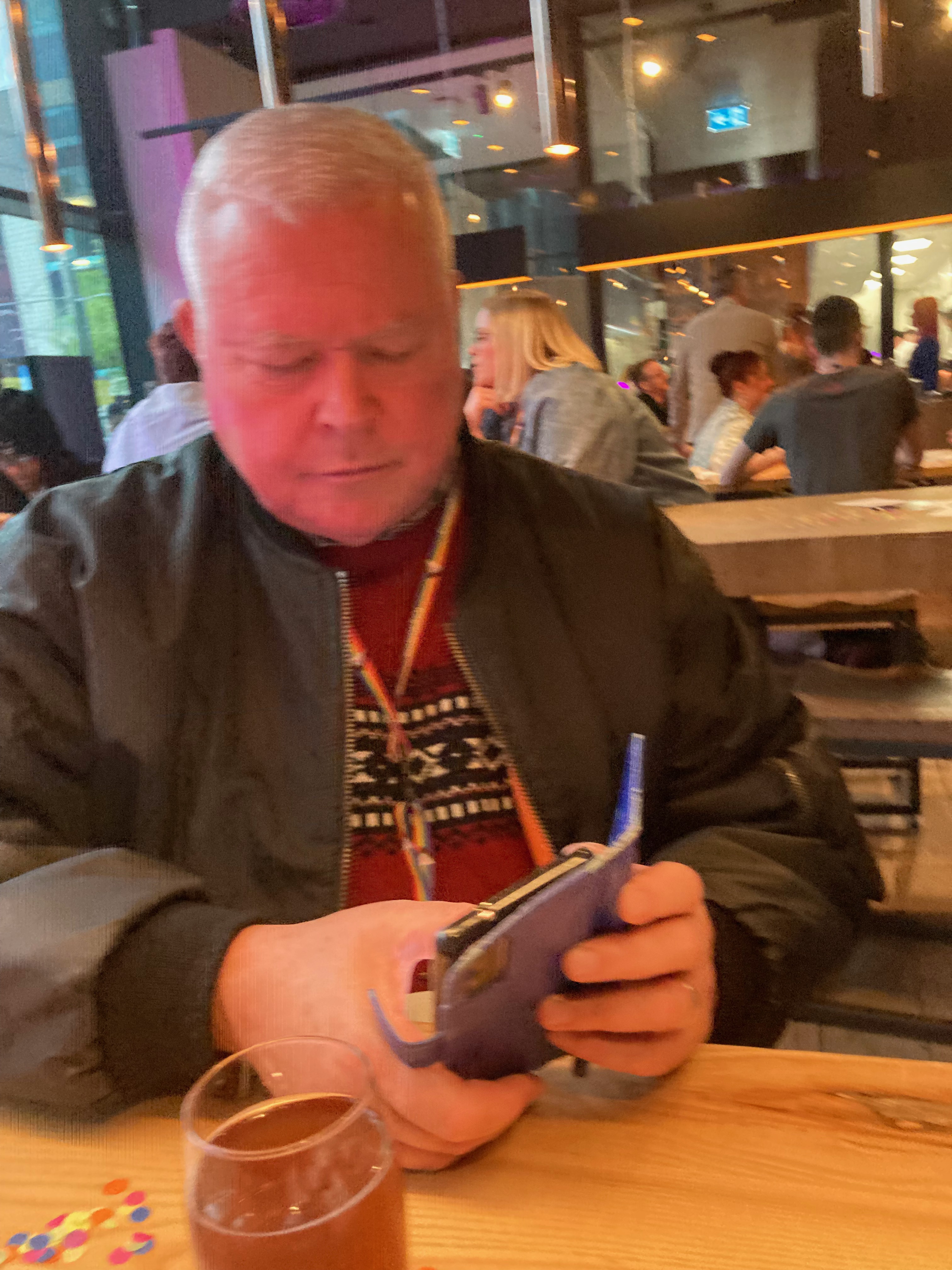
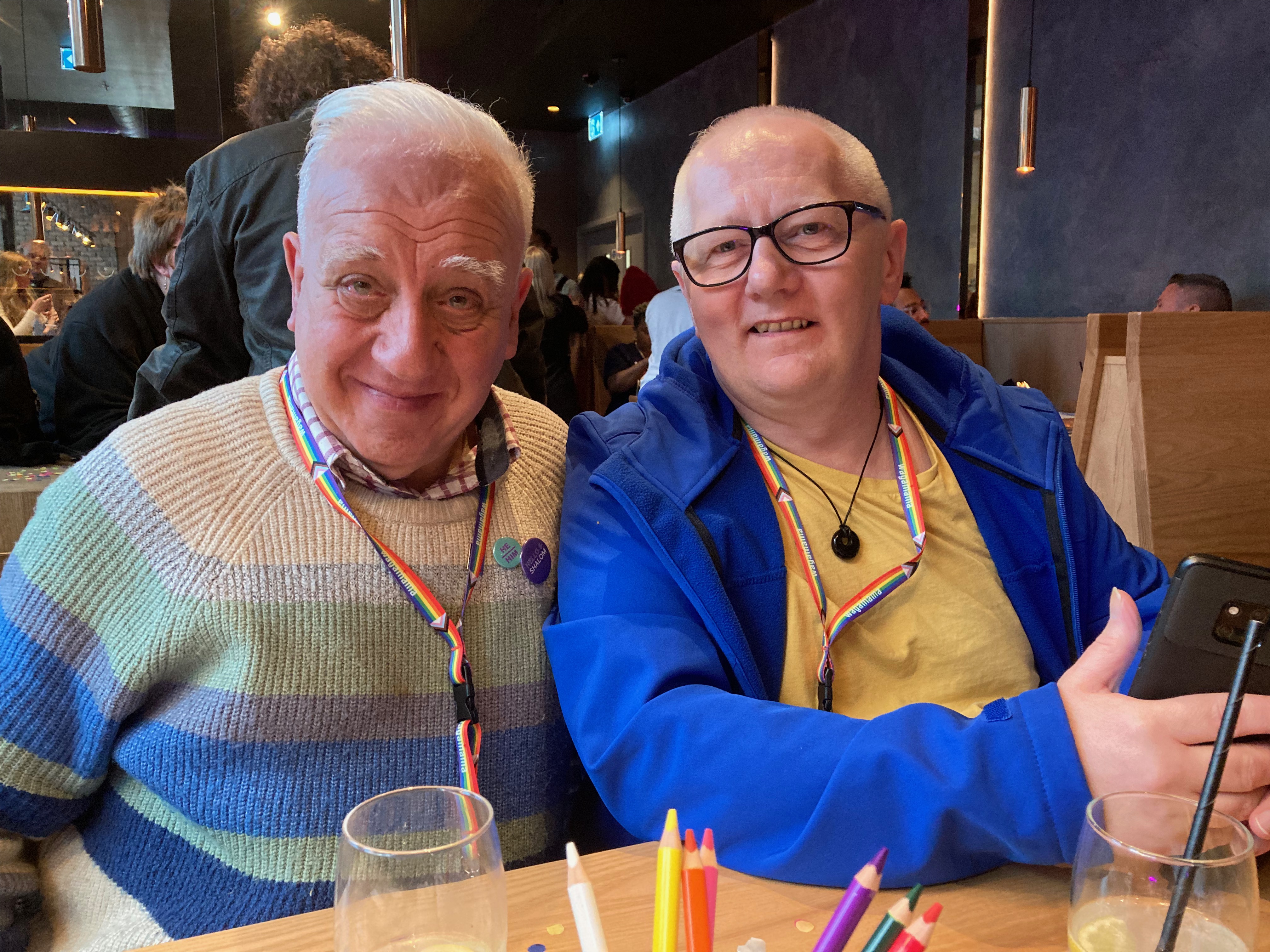
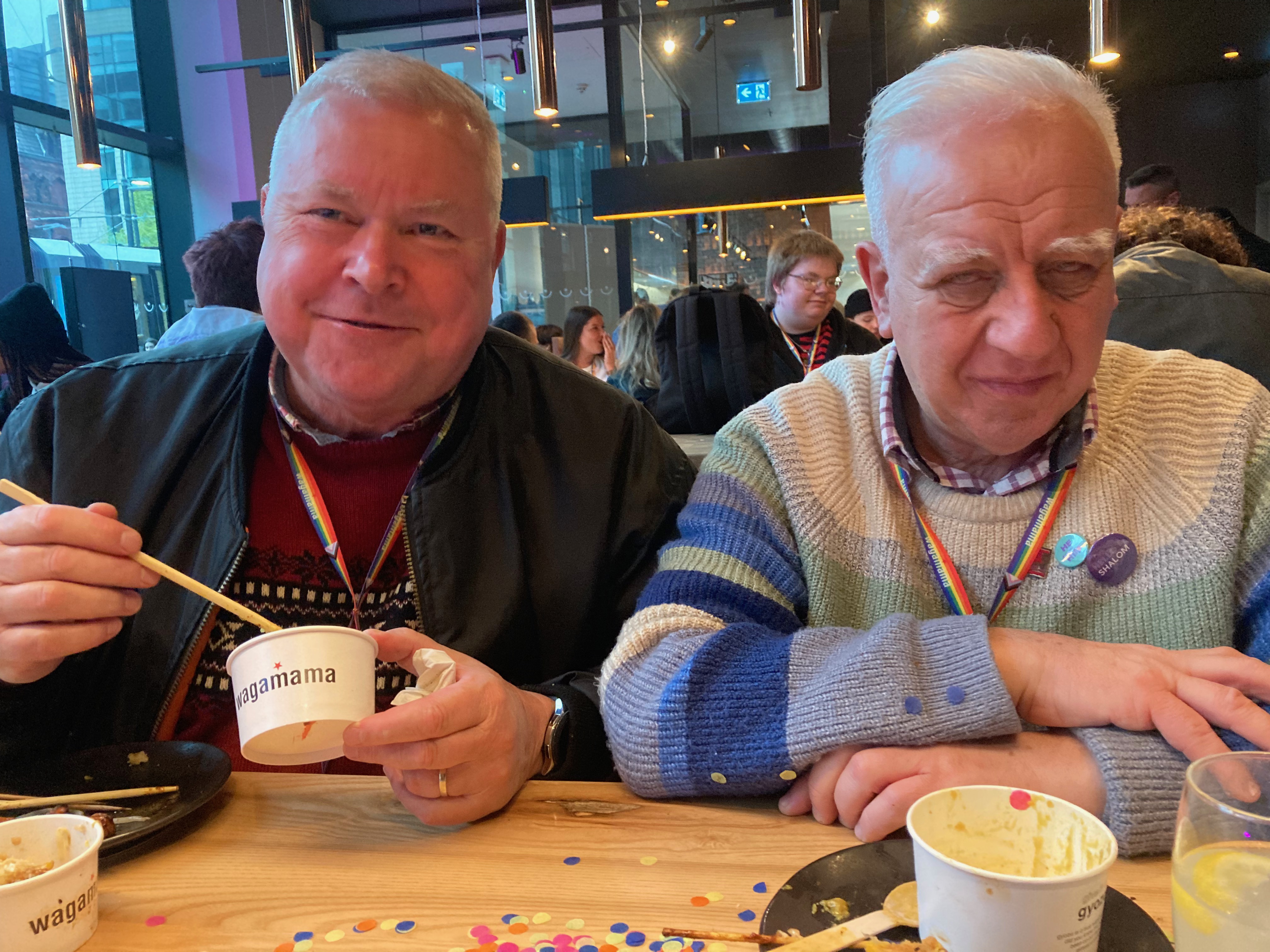
Four members of Out In The City were invited to a great event, which took place on Wednesday, 4 May at Wagamama’s in St Peter’s Square.
The evening was called “Proud Beyond Pride”. We enjoyed some delicious free Wagamama food and drinks, whilst entertained by performances from some super talented Youth Pride members including lip syncs and spoken word. There was a guest appearance from drag queen Snow White Trash.









 Out in the City