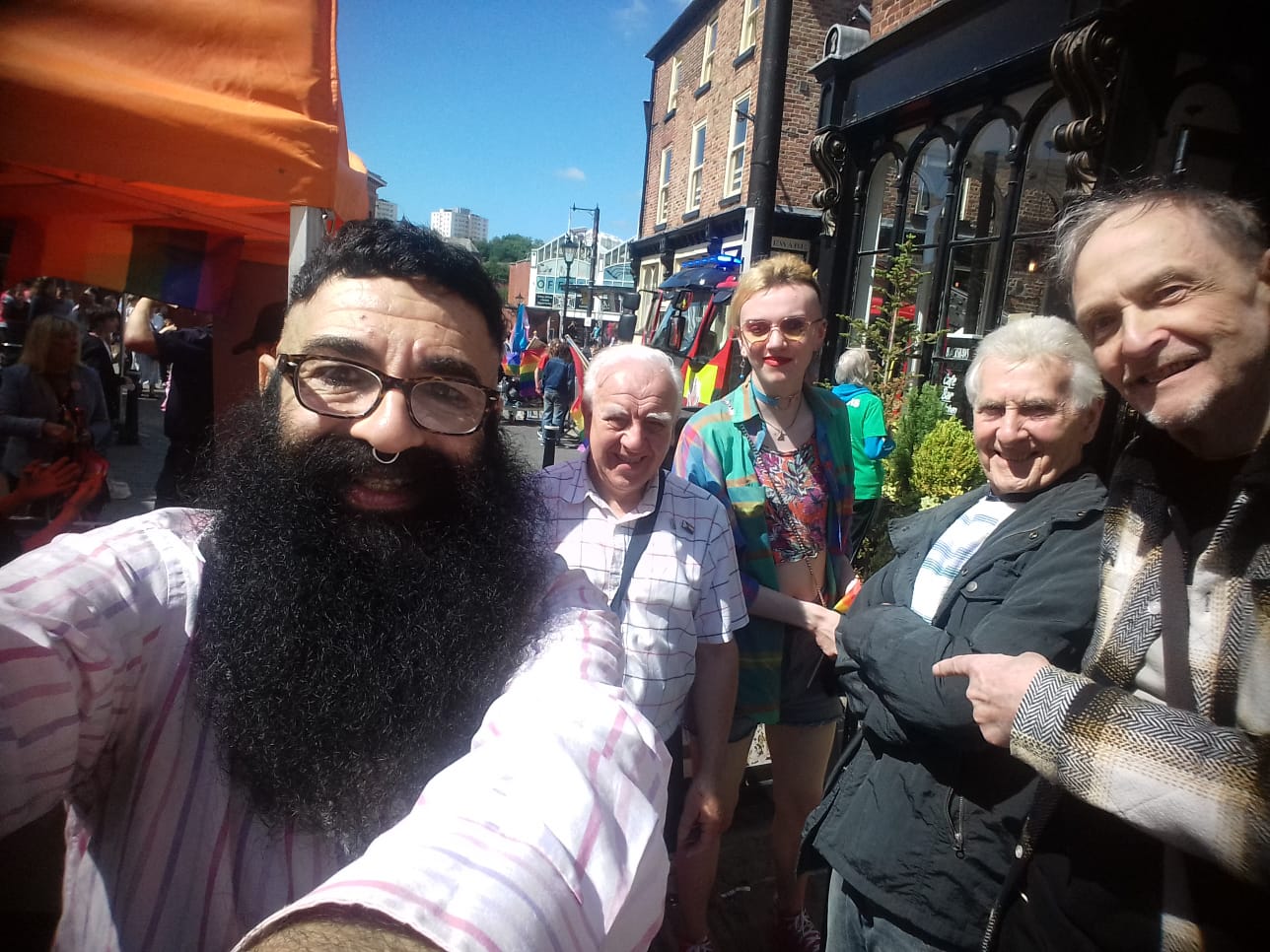
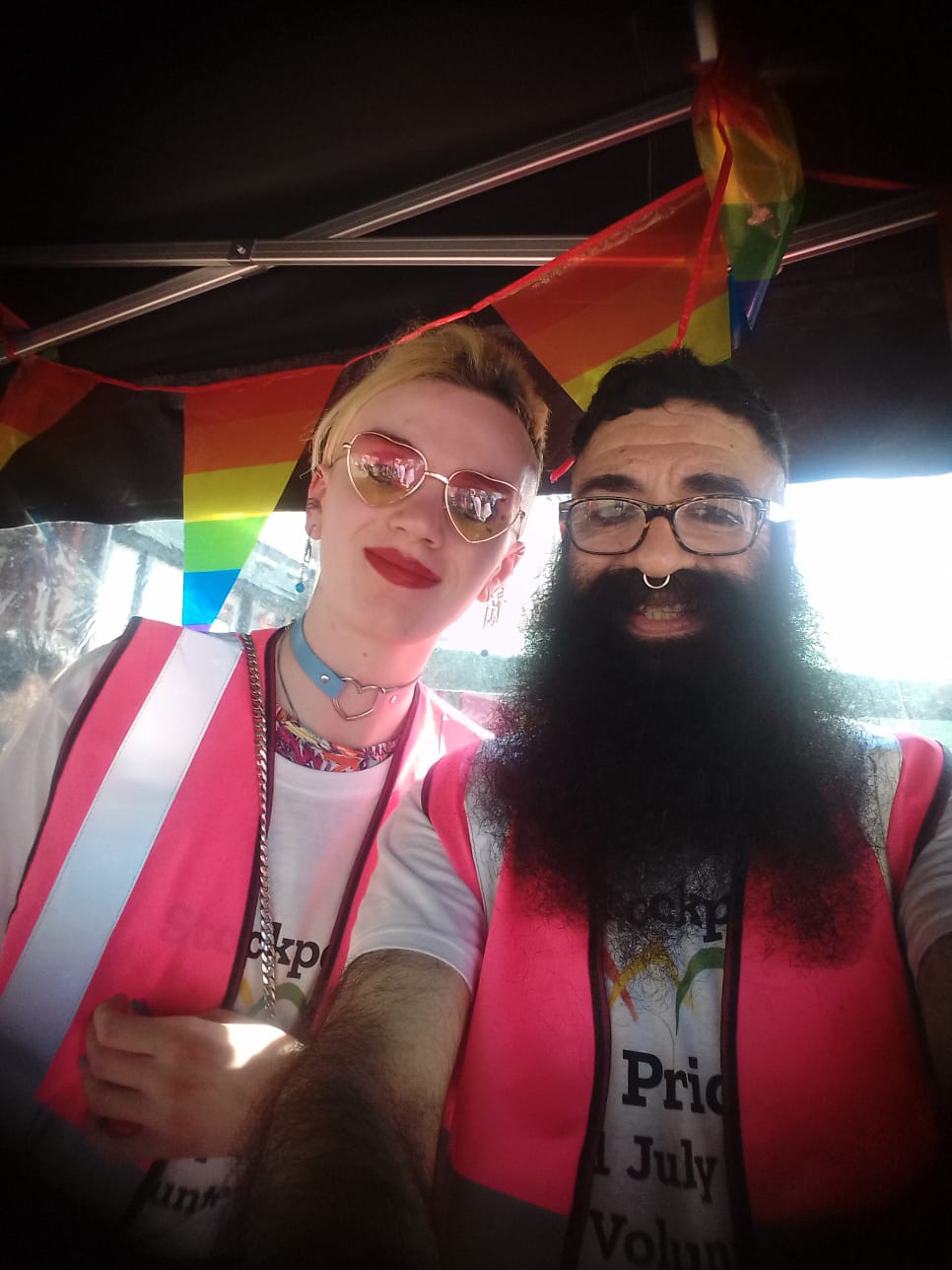
The first in-person LGBT+ festival in Stockport since 2019 was held on Sunday, 31 July.
There was a parade through the town centre ending in Stockport’s Historic Market Place. The atmosphere was fantastic and in the market place the number and range of stalls was impressive. There was something for everyone. It was absolutely excellent, full of life and very enjoyable.
We met friends old and new, and the weather was brilliant too.
Rudolf Brazda, Concentration Camp Survivor
It’s eleven years since Rudolf Brazda, believed to be the last surviving man to wear the pink triangle, died on 3 August 2011. He was 98. The pink triangle was the emblem sewn onto the striped uniforms of the thousands of homosexuals sent to Nazi concentration camps, most of them to their deaths.
Mr Brazda, who was born in Germany, had lived in France since the Buchenwald camp, near Weimar, Germany, was liberated by American forces in April 1945. He had been imprisoned there for three years.
It was only after 27 May 2008, when the German National Monument to the Homosexual Victims of the Nazi Regime was unveiled in Berlin’s Tiergarten park – opposite the Memorial to the Murdered Jews of Europe – that Mr Brazda became known as probably the last gay survivor of the camps. Until he notified German officials after the unveiling, the Lesbian and Gay Federation believed there were no other pink-triangle survivors.
In a statement, Mémorial de la Déportation Homosexuelle, a French organisation that commemorates the Nazi persecution of gay people, said that Mr Brazda “was very likely the last victim and the last witness” to the persecution.
“It will now be the task of historians to keep this memory alive,” the statement said, “a task that they are just beginning to undertake.”
One of those historians is Gerard Koskovich, curator of the Gay, Lesbian, Bisexual, Transgender History Museum in San Francisco and an author with Roberto Malini and Steed Gamero of “A Different Holocaust” (2006).
Rudolf Brazda was interned at Buchenwald for 3 years. Credit Gérard Bohrer
Pointing out that only men were interned, Mr Koskovich said, “The Nazi persecution represented the apogee of anti-gay persecution, the most extreme instance of state-sponsored homophobia in the 20th century.”
During the 12-year Nazi regime, he said, up to 100,000 men were identified in police records as homosexuals, with about 50,000 convicted of violating Paragraph 175, a section of the German criminal code that outlawed male homosexual acts. There was no law outlawing female homosexual acts, he said. Citing research by Rüdiger Lautmann, a German sociologist, Mr Koskovich said that 5,000 to 15,000 gay men were interned in the camps and that about 60 percent of them died there, most within a year.
“The experience of homosexual men under the Nazi regime was one of extreme persecution, but not genocide,” Mr Koskovich said, when compared with the “relentless effort to identify all Jewish people and ultimately exterminate them.”
Still, the conditions in the camps were murderous, said Edward J Phillips, the director of exhibitions at the United States Holocaust Memorial Museum. “Men sent to the camps under Section 175 were usually put to forced labour under the cruellest conditions — underfed, long hours, exposure to the elements and brutal treatment by labour brigade leaders,” Mr Phillips said. “We know of instances where gay prisoners and their pink triangles were used for guards’ target practices.”
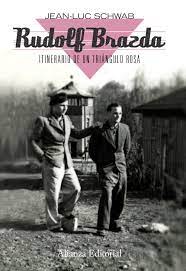
Two books have been written about Mr Brazda. In one, “Itinerary of a Pink Triangle” (2010), by Jean-Luc Schwab, Mr Brazda recalled how dehumanising the incarceration was. “Seeing people die became such an everyday thing, it left you feeling practically indifferent,” he is quoted as saying. “Now, every time I think back on those terrible times, I cry. But back then, just like everyone in the camps, I had hardened myself so I could survive.”
Rudolf Brazda was born on 26 June 1913, in the eastern German town of Meuselwitz to a family of Czech origin. His parents, Emil and Anna Erneker Brazda, both worked in the coal mining industry. Rudolf became a roofer. Before he was sent to the camp, he was arrested twice for violations of Paragraph 175.
After the war, Mr Brazda moved to Alsace. There he met Edouard Mayer, his partner until Mr Mayer’s death in 2003. He has no immediate survivors.
“Having emerged from anonymity,” the book “Itinerary of a Pink Triangle” says of Mr Brazda, “he looks at the social evolution for homosexuals over his nearly 100 years of life: ‘I have known it all, from the basest repression to the grand emancipation of today.’ ”
Anne Frank
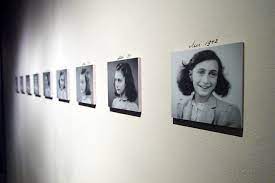
Pictures from the Anne Frank exhibit at the United States Holocaust Memorial Museum in Washington, DC. (Photo by Tim Sloan via Getty Images.)
It has been 75 years since one of the most beloved books of the 20th century first appeared. Improbably, its author was a teenage girl who initially began writing only for herself, in order to confide her private thoughts to her diary, which she named “Kitty”. The young girl, whose name is now known around the world, was Anne Frank.
She continued writing regularly until her last entry on 1 August 1944. On the morning of 4 August, an anonymous tip was given to the security police who arrived at the house on Prinsengracht aided by Dutch police in order to seize the Jews in hiding.
Subsequently she was transferred to the Bergen-Belsen concentration camp, where she died in 1945 of Typhus, a few weeks before the camp was liberated.
Holiday suggestions!
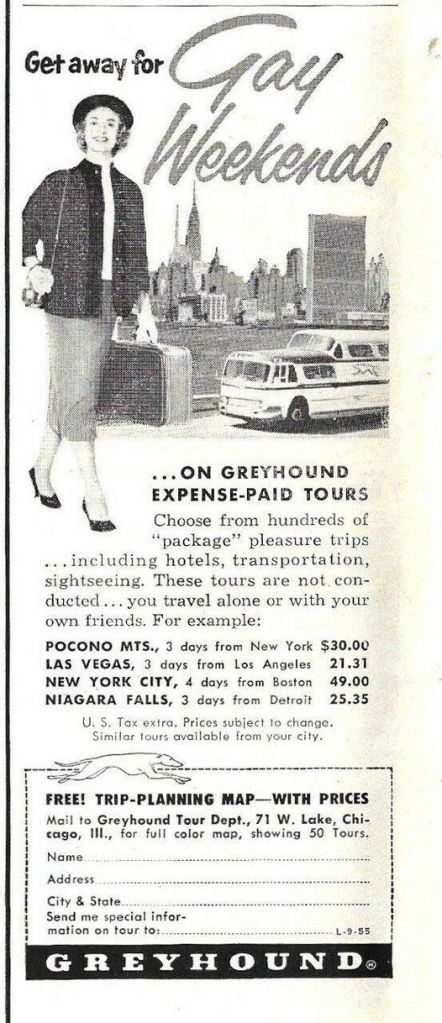
Get away for Gay Weekends or enjoy a voyage on a Gay Cruise …
The exhibition ‘Together As One – A Celebration Of Manchester’s LGBTQIA+ Community’ launches on Thursday, 28 July at 7.00pm at the Refuge, Oxford Street, Manchester M60 7HA, with a free party.
The exhibition features a collection of photographs by Peter J Walsh and Jon Shard capturing two iconic moments in Manchester’s vibrant history – the Clause 28 Demonstration and Flesh at the Haçienda – and runs until 30 September 2022.
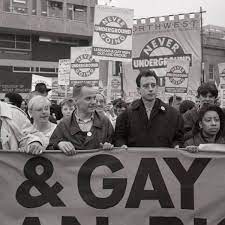
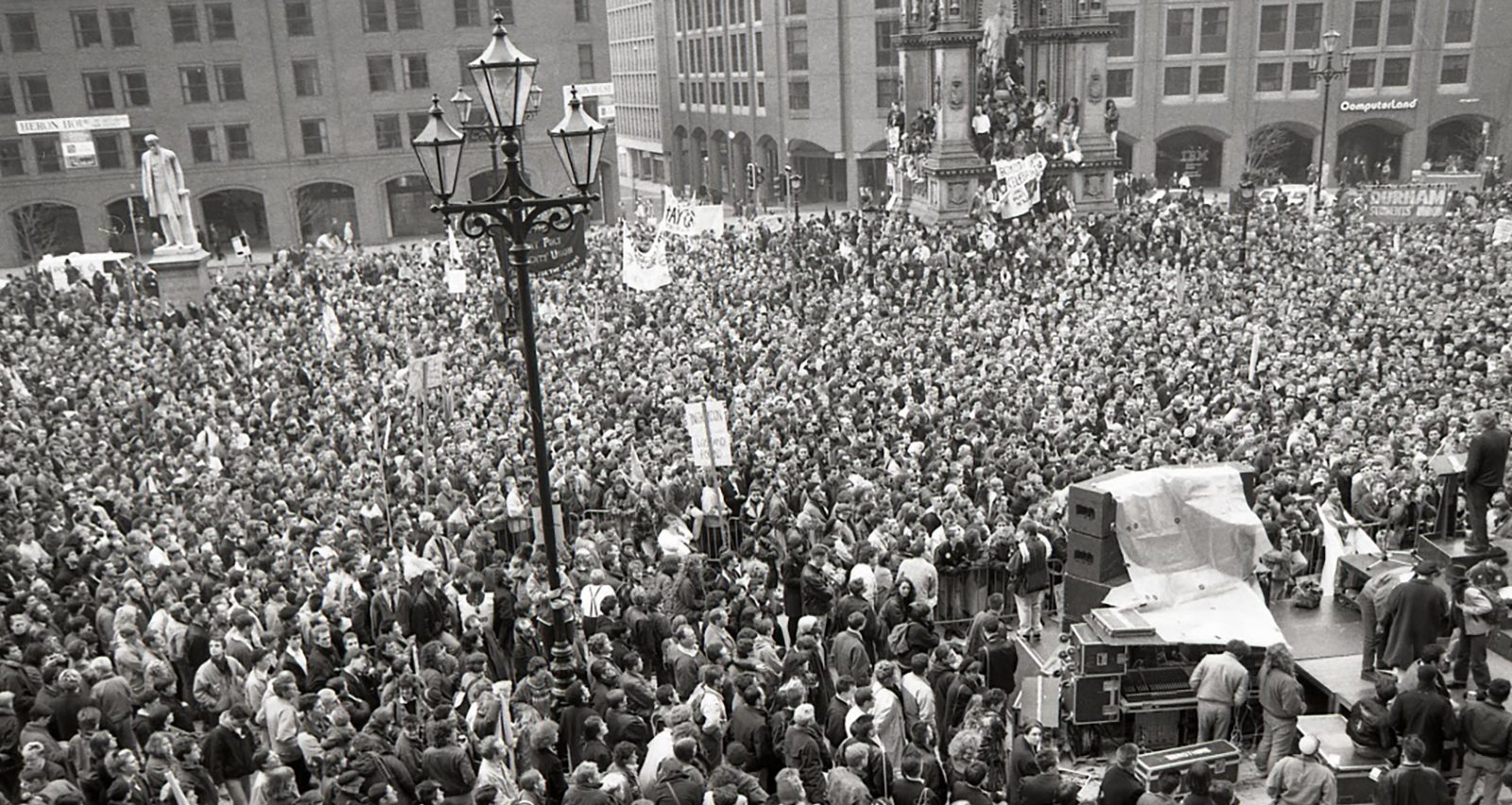
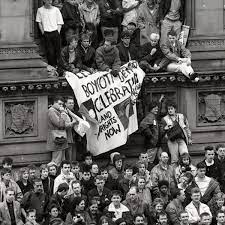
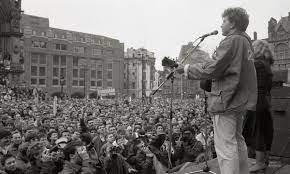
Clause 28 Demonstration, Manchester 1988
Clause 28 was a controversial clause in the Local Government Act 1986 that prohibited the “promotion of homosexuality” by local authorities; including a ban on schools teaching the “acceptability of homosexuality as a pretended family relationship”.
Coming into force in May 1988, Clause 28 (now Section 28) was an attempt to suppress the gay community at a time when it was already struggling to deal with the Aids epidemic and the backlash towards the gay community fuelled by the media.
On 20 February 1988, a huge anti-Clause 28 protest was held in Manchester, with over 20,000 people taking to the streets to protest their anger towards the Thatcher led government. The march which culminated in Albert Square was one of the largest LGBT demonstrations ever held in the UK.
Peter stated: “The Anti-Clause 28 demo was one of the largest demonstrations I had covered in Manchester during that period. The starting point was on Oxford Road, by the Poly and the participants seemed to go on as far of the eye could see. Manchester City Council reckoned there were 20,000 people on the demo. It was loud, happy and vibrant. The country had been under Thatcher’s rule since 1979 and people were determined to fight back against this law. The left wing council of Manchester welcomed the marchers and stood with them in solidarity against the divisive Tory Government. The LGBQT communities civil liberties were under attack by Thatcher and we were prepared to stand shoulder to shoulder with them and say enough is enough.”
The law was finally repealed in 2003.
Flesh at the Haçienda
Jon Shard’s imagery captures The Haçienda’s hallowed dance floor club night, Flesh.
Launched in October 1991, Flesh was the flamboyant mid-week night at The Haçienda, which welcomed everyone: black, white, gay and straight, and was also the home of the club’s first female resident DJs, Paulette and Kath McDermott.
Imperial War Museum
The Imperial War Museum North explores the impact of modern conflicts on people and society. The museum occupies a site overlooking the Manchester Ship Canal, an area which during the Second World War was a key industrial centre and consequently heavily bombed during the Manchester Blitz in 1940.
The museum building was designed by architect Daniel Libeskind and opened in July 2002.
We headed to the Café and enjoyed sourdough baguettes, soups and jacket potatoes before visiting the museum’s permanent exhibitions supported by hourly audiovisual presentations which are projected throughout the gallery space.
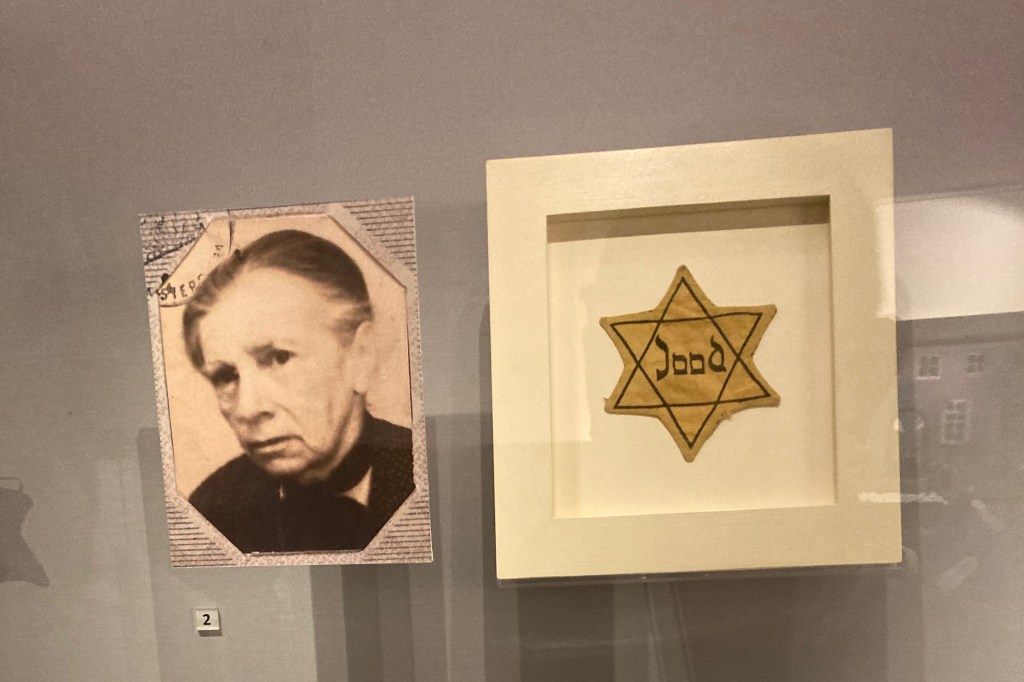
One of the exhibits was about the Holocaust where six million Jews perished, but they were not the only victims of Nazi racial, biological and political theories. Gypsies, Soviet prisoners of war, non-Jewish Poles, people with disabilities, homosexuals, Jehovah’s Witnesses and political opponents were also persecuted and murdered during the Second World War.
It was an interesting visit and more photos can be seen here.
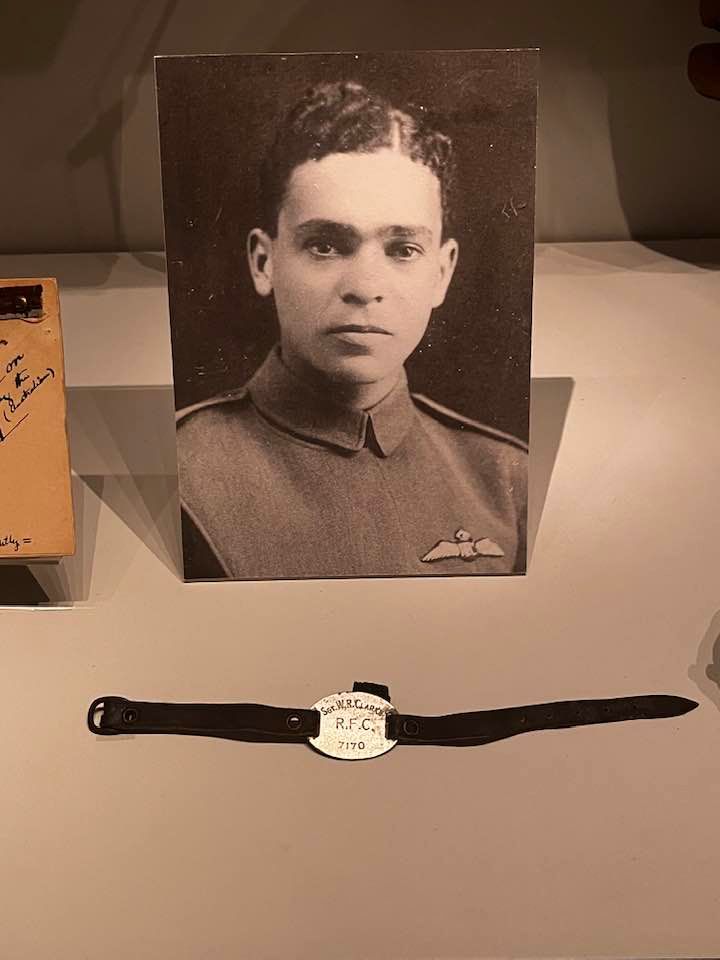
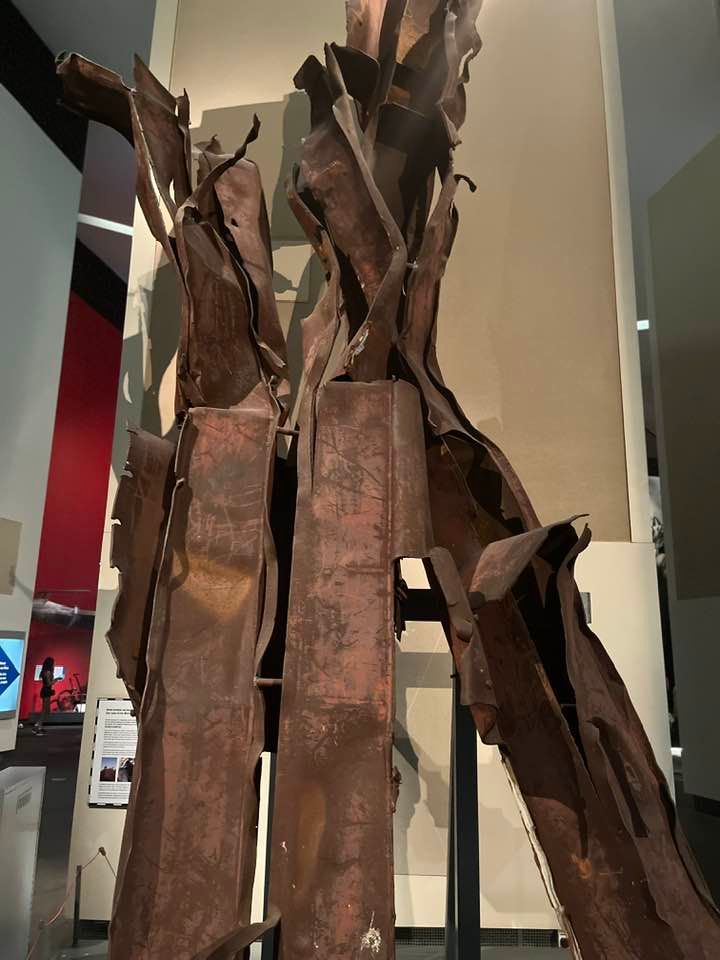
The first black pilot from early in WW1Part of New York’s World Trade Centre
Stockport Pride
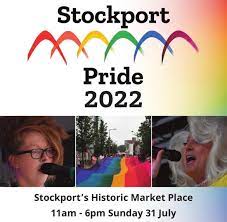
Plans are progressing on the return of Stockport’s annual LGBT+ festival to Stockport’s Historic Market Place on Sunday, 31 July.
Due to be the first in-person LGBT+ festival in Stockport since 2019, it will include a range of entertainment and stalls.
Filling the streets of the town centre with rainbows, a parade will be taking place. The march will start on Bridgefield Street, travel up to Suffragette Square, through Merseyway and up to Stockport’s Historic Market Place.
Stockport Pride will be free and open for all to attend from 11.00am until 6.00pm on Sunday 31 July.
1971 Burnley Meeting
The Burnley Library meeting: top left Fr Neville (Roman Catholic); top right Ken Pilling, Ray Gosling, Allan Horsfall; bottom left Fr Cayton (Anglican); Bottom right Michael Steed, Ken Pilling, Ray Gosling
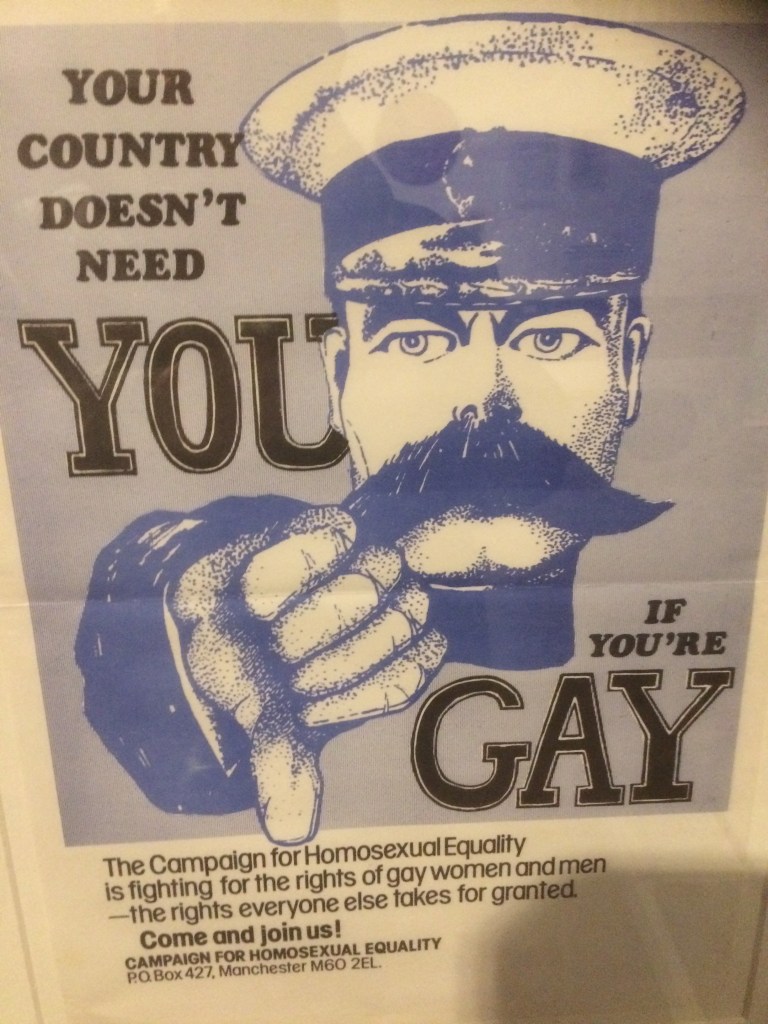
The 1971 Burnley meeting was called by the Campaign for Homosexual Equality (CHE) in response to a local controversy about the proposed opening of a gay club in the town.
Leading members of CHE, including Allan Horsfall and Ray Gosling had been promoting the Esquire Clubs project to create club facilities to be run by and for gay men and lesbians, inspired by the example of COC (Cultuur en Ontspanningscentrum) in Holland and by the model of the traditional English Working Men’s Clubs that had been a feature of many northern industrial towns.
When the site of a former Co-op cafe in Burnley became available, plans were drawn up to establish such a club in the town. There followed a heated debate in Burnley Council, which discovered to its dismay that it had no powers to prevent it, and sought unsuccessfully for a change in the law to enable gay clubs to be banned. Public opposition was whipped up in the press led by two local Catholic priests.
The CHE Executive decided to call an open public meeting to confront the opposition, an occasion which has now gone down in gay history.
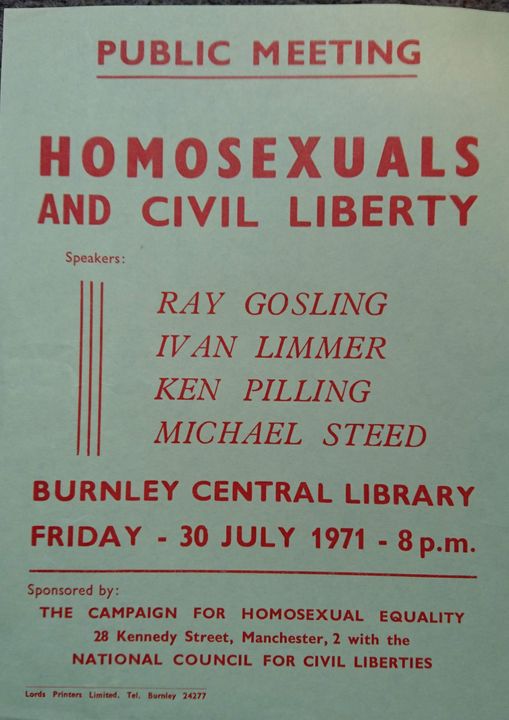
The meeting was co-sponsored by the National Council for Civil Liberties. Manchester students handed out leaflets headed “Homosexuals and Civil Liberty” in the town centre, in an attempt to broaden the topic beyond the clubs issue. The meeting itself in Burnley Public Library on 30 July 1971 was attended by over 250 people including the two priests leading the opposition. Police stood at the back of the hall and a police van waited outside; a group of 15 skinheads turned up and were escorted into the meeting after being asked to remove their boots and leave them at the door. A party of Gay Liberation Front (GLF) supporters organised by CHE’s Glenys Parry travelled up from London, but most of those attending were locals who were assumed to be hostile to the plans. As the meeting progressed, however, and Ray Gosling who was in the chair, invited contributions from the floor, the tone changed. Andrew Lumsden invited any gay people in the audience to stand up to declare themselves and about two-thirds did so. And in a very moving intervention a blind woman said that she felt sickened by the intolerance shown by those who claimed to be Christian, and, addressing the priests directly, said that she believed her gay son who had committed suicide would still be alive if there had been such a club for him to go to.
Flyer for the landmark Burnley Meeting 50 years ago. (Flyer reproduced courtesy of Michael Steed)
In the end the plans for the club never went ahead. CHE’s local groups grew in a less formal way, but still provided a network of support and encouragement for lesbians and gay men who came together to develop the ideas and campaigns that have contributed to today’s out and proud gay community. But the Burnley meeting was reported in the national as well as the local press, giving rise to the first of CHE’s complaints to the Press Council. It also gave an enormous boost to CHE’s public profile and its sense of self-confidence.
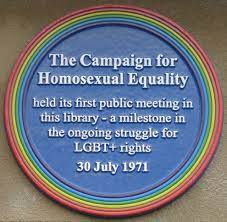
On the 50th anniversary, 30 July 2021, a Rainbow Plaque was unveiled at the Library.
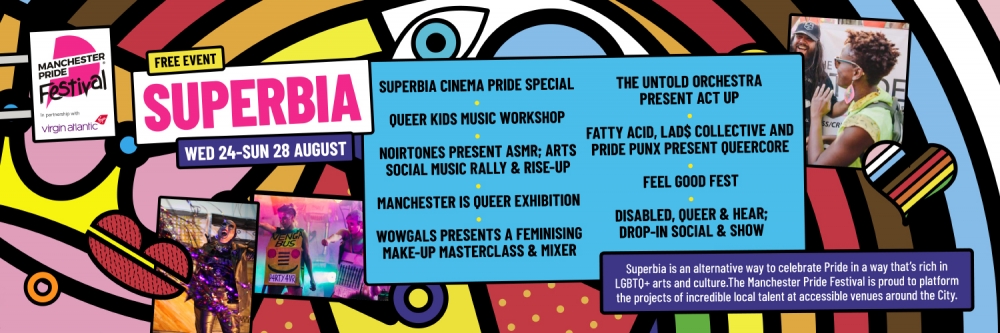
Superbia is a series of arts and culture events as part of the Manchester Pride Festival taking place from 24 – 28 August.
This year’s Superbia programme is bigger than ever!
Superbia is designed to celebrate Manchester’s extraordinary queer talent through a diverse range of media. An alternative way to celebrate Pride, many of the events are delivered in alcohol-free, accessible spaces across the city centre.
This year, the event has been curated by creative producer, Beau-Azra Scott, and has once again been cultivated with love, acceptance and inclusivity at its core. Find out more about this year’s events and the full programme here.
Ending new HIV transmissions in the UK is within our grasp!
We have the knowledge, ambition, and the tools to achieve this goal: if everyone knows their HIV status, and commences prompt HIV treatment if diagnosed positive, or accesses effective prevention initiatives if negative and at ongoing risk, then we can STOP new infections. We need to convey this message succinctly and create enthusiasm in the broader healthcare setting and wider community.
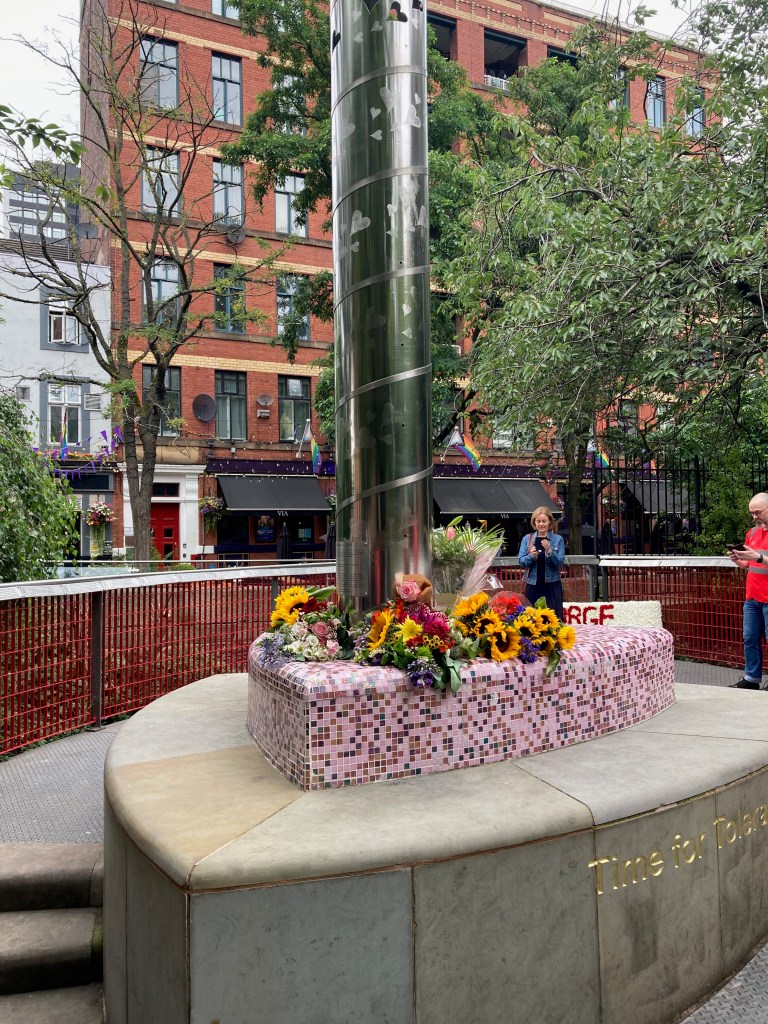
Beacon of Hope, Sackville Gardens, Manchester
The Brighton-based Martin Fisher Foundation has created the HIV animation “AIDS is over, if you want it” for YOU to use, for FREE, everywhere – in educational programmes, on information screens, as part of social media messaging, across healthcare services and on public information websites. Please also disseminate through your professional and personal networks. Let’s get this viewed by everyone in the UK!!
This animation was co-produced following focus groups with the general public coordinated by Terrence Higgins Trust as well as people living with HIV. Creative Connection Animation Studios and HIV specialists used focus group information to develop the script and animation. The narration is by Nathaniel J Hall. It was funded by a Merck Sharp & Dohme Community Grants Programme (2021/22).
We hope you like it as much as we do.
Pardon? Britain’s Forgotten Criminalised Gay Men
Philip has been telling his story as part of a new documentary called Pardon? about the law change in April 2022 which means that more gay and bisexual men who were criminalised for ‘homosexual acts’ under former laws can apply for a government pardon. It features the stories of a number of men who have been affected by this issue, and also features interviews related to the political and legal context of the issue.
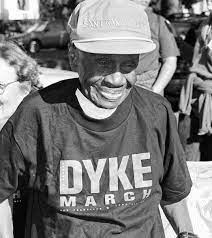
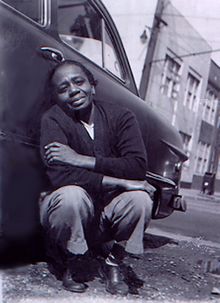
Ruth Charlotte Ellis (23 July 1899 – 5 October 2000) was an African-American woman who became widely known as the oldest surviving open lesbian, and LGBT rights activist at the age of 101, her life being celebrated in Yvonne Welbon’s documentary film Living With Pride: Ruth C. Ellis @ 100.
Ellis came out as a lesbian around 1915 (with help from a psychology textbook), but claims to never have had to come out as her family was rather accepting. She graduated from Springfield High School in 1919, at a time when fewer than seven percent of African Americans graduated from secondary school. In the 1920s, she met the only woman she ever lived with, Ceciline “Babe” Franklin. They moved together to Detroit, Michigan, in 1937.
Her hobbies included dancing, bowling, painting, playing piano, and photography. Ellis and Franklin’s house was also known in the African American community as the “gay spot”. It was a central location for gay and lesbian parties, and also served as a refuge for African American gays and lesbians. She would continue to support those who needed books, food, or assistance with college tuition. Throughout her life, Ellis was an advocate of the rights of gays and lesbians, and of African Americans.
In 1999, on her 100th birthday, Ellis led San Francisco’s dyke march, where thousands of women sang “Happy Birthday” to her, at the first of many celebrations over that month. She would live to see her 101st birthday before quietly passing away in her sleep, but not before dedicating the Ruth Ellis Center in Detroit, a social services agency caring for homeless, runaway and at-risk LGBT youth.
Ellis’ life spanned three centuries, 101 years of change for black, LGBT people and women.
Oldham Pride
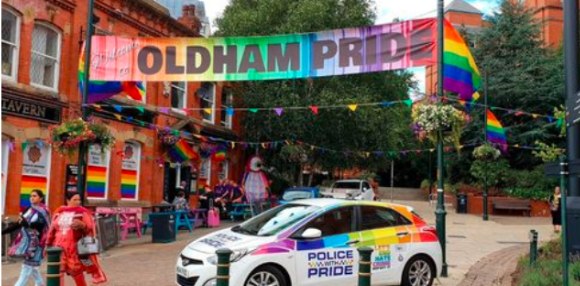
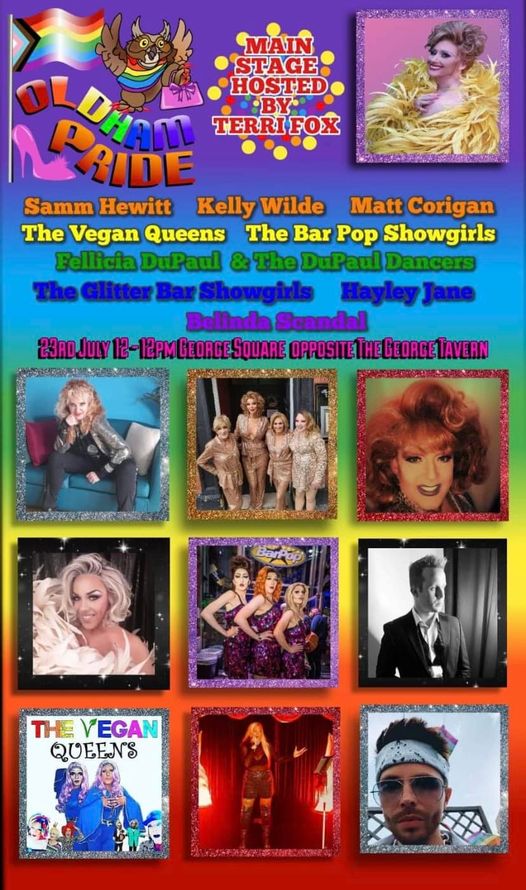
On 23 July from 12.30pm, as part of Oldham Pride, there is a parade from Parliament Square that ends at George Square, where attendees can enjoy live music and market stalls.
In the evening, there is also an after party and cabaret show at The George Tavern! The event is free to attend.
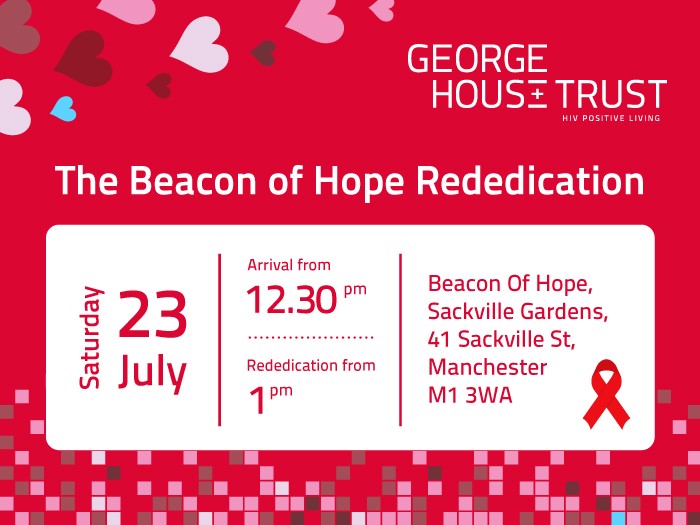
Rededication of the Beacon of Hope Sackville Gardens, Manchester 23 July – 12.30pm to 2pm
Volunteers are invited to support George House Trust with a significant event in HIV history – the rededication of the Beacon of Hope.
Get involved with helping to signpost the public to the plaques detailing significant moments in HIV history and ensure the public arrive and leave the park safely.
If you wish to volunteer on the day, register your interest here.
‘When my wife fawned over Richard Gere, I was secretly thinking, phwoar!’: the people who come out in later life
(This article was written by Michael Segalov, and is re-printed from The Guardian.)
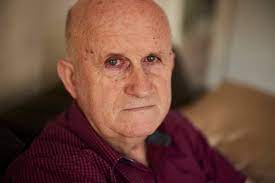
Norman Goodman: ‘When my wife died in 2017, part of me went with her. But at last I could shout about my sexuality.’ Photograph: Richard Saker / The Guardian
There is no right age or time to come out as lesbian, gay, bisexual or trans. These days, it is a rite of passage associated with the young; over generations, the average age for coming out has fallen. For some, though, it takes a little longer: last month, after 34 years in the public eye, the Olympic athlete Dame Kelly Holmes came out at the age of 52, for the first time speaking openly about her sexuality. She is by no means the only one. For some, it is a self-realisation that comes out of the blue; others may have spent a lifetime grappling with prejudice, with memories of a time when homosexuality was still criminalised, or a culture that once encouraged silence. Here, five LGBTQ+ people who came out later in life share their stories, proving that there is always time to embrace and explore identity or your sexuality.
Norman Goodman, 72, Manchester
When I was very young, I thought I was gay. It’s why, in the 1950s, I found school rather uncomfortable. Being Jewish meant being gay was never a possibility in my mind, even if our family wasn’t particularly orthodox or religious. With nowhere to turn, I became confused about my gender and sexuality. I was taken to doctors, psychiatrists and psychologists. I was admitted into a psychiatric unit and given a course of electroconvulsive therapy. Later, I had aversion therapy.
Watching Top of the Pops, I always fancied the blokes, but occasionally I’d find myself drawn to one of the women. So when I met Marilyn at the age of 22, and we got on so well, I decided I must be straight. We fell in love, and married two years later. With Marilyn by my side, I’d never been happier. Certainly, I knew I was still attracted to men as well: when my wife fawned over Richard Gere topless in a film, I was secretly thinking, “Phwoar!”
By 1984, I was working in a geriatric ward when a realisation hit me. “Hang on,” I said to myself, “I like men and women, too.” I was 34. Ten years later, I finally mustered the courage to tell Marilyn. At first, she thought I was messing around. After a few days of discussion, we agreed that we would keep it to ourselves. If I met a man, she said, it would be too much for her to handle. I had no intention of running off with blokes, I was just pleased to have shared my secret with her.
Ten years ago, my wife was diagnosed with non-Hodgkin lymphoma. After a horrendous five-year struggle, she passed away. When she died in 2017, a part of me went with her. We’d been married for more than 40 years. But this volcano deep inside me was preparing for an eruption. At last, I could shout about my sexuality – but I didn’t know how to come out, or what that would entail. I considered trying to do it on The Jeremy Kyle Show. Thankfully, I didn’t.
Then the opportunity just presented itself. I’m a volunteer at the Royal Exchange theatre in Manchester, and one day we were asked if we knew any older LGBTQ+ people who would participate in an oral history project. My hand shot up. The relief I felt was tremendous. From then, I wanted the whole world to know that I, Norman Goodman, am bisexual. Even today, saying that feels magnificent.
Since then, my entire world has changed. I got involved with Out in the City: a local 50+ LGBTQ+ group, which organises weekly outings. One day, Tony, the group’s coordinator, called me up and asked me out for a coffee. After a cinema trip, Tony told me he had feelings for me. I’d never been with a man before, and at first we kept things friendly. We went out a bit, he stayed the night a few times. I found myself falling for him. In January this year, we met up in Marks & Spencer and we decided to make a go of it. Seven months later, we’re still making each other happy.
Cailin Edwards, 71: ‘In 2018, I told a friend I’d always felt myself to be a woman. It was the first time I’d said those words aloud.’ Photograph: Linda Nylind / The Guardian
Cailin Edwards, 71, London
I must have been only four or five when I first experienced gender dysphoria, although it wasn’t something I could articulate with any clarity. I never wanted to hang out with boys, only girls; I longed to dress like girls and women.
These feelings persisted, but I kept them hidden. I knew I had questions, deep desires I was desperate to explore. But I felt this shame. I didn’t want to be singled out or ridiculed. I studied and found work as an artist, I taught yoga, got married, and travelled the world as a professional photographer.
Then, in 2018, I found myself in a state of upheaval. I wasn’t being who I wanted to be. The body I lived in had never felt like my own. No longer could I deny the fact that I was a woman. It was making me miserable.
The prospect of losing my marriage, and my children not accepting who I am, terrified me more than anything. I was sitting on a park bench with a friend when I said to her: “I think I’ve always felt myself a woman.” It was the first time I’d said those words aloud. My friend said she had always thought it quite probable. We sat there, smiling.
Conveniently, I had a doctor’s appointment that afternoon. I brought it up, and was referred to the Gender Identity Clinic. It had taken so much for me to muster the courage to come out. Then I found out that the clinic had a 10-year waiting list. Instead, I started to self-medicate with hormones bought online.
I started to live out a dual life. I came out at college where I was retraining as a therapist, but at home it remained a secret. The first time I wore a skirt in public was in Bristol the following January. I felt the entire world was staring at me. Slowly, I became more confident.
During lockdown, I struggled. The hormones I’d been taking became inaccessible. Without oestrogen in my body, I went through menopause. I experienced the darkest moods I’d ever lived through. I saw an advert for Opening Doors London, an organisation that supports older LGBTQ+ people. There, I found my tribe. And, thankfully, through that, TransPlus – an innovative NHS pilot scheme – stepped in to offer me the support and healthcare I needed. I’d say they saved my life in the process. Now, I’m going to have gender reassignment surgery.
All this encouraged me to come out to friends and family. For the first time, I was being seen and heard. There were mixed responses. One old painter friend couldn’t comprehend the truth, which upset me greatly; some of my extended family wasn’t exactly accepting. But my children, grandchildren and dear friends have been unbelievably supportive – beyond what I could have ever hoped for. It has taken some time, but my former wife has been kind and generous. Our separation was amicable.
The hostility against trans people in politics, media and sport alarms me tremendously. But these days, I’ve decided not to give a shit about what others think of me. Training as a therapist has taught me to accept myself totally, be congruent with full confidence and positivity. I feel complete. I’m living the life I always knew I should, and I don’t take that privilege for granted.
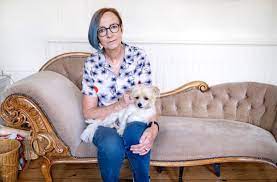
Evelyn Pittman: ‘Married to a man and with two kids, at the age of 53, I fell wildly in love with a woman.’ Photograph: Linda Nylind / The Guardian
Evelyn Pittman, 66, London
I had a very long, straight start in life: married to a man and with two kids. Then, at the age of 53, I fell wildly in love with a wonderful woman. In many ways, it seemed to come out of the blue but, looking back, it can’t have come from nowhere. I’ve thought a lot about why my sexuality was hidden for so long, even from me.
When I was young, the word “lesbian” wasn’t even in my vocabulary. I was, after all, a child of the 1950s. There was a conspiracy of silence; discovering a path to being queer just didn’t feel possible. So, at 53, it at last burst out of me. This woman and I got together, and it was truly magical.
My children at this point were in their 20s. We weren’t a family big on personal conversations at the dinner table, but I needed to tell them. I couldn’t keep it a secret. One evening I texted my daughter to say I wouldn’t be coming home that night because I had drunk a little too much to drive. It was totally out of character, and she clocked something was up. My son, meanwhile, had a lovely response: “Well, fair enough,” he said, “who wouldn’t love women?” Friends and family were wonderfully accepting. At this stage, I was a head teacher at a primary school. I’d started the job married to a man, and finished in a civil partnership with a woman.
As a teacher, a mother and a grandmother, I’m buoyed up by the world kids are entering into. Being different is never easy – there’s still hostility and prejudice to be found – but young people today, I hope, at least have the language to explain who they are and what they feel. We all like certainties in life, I think. They make us feel safe and comfortable. But opening yourself up to uncertainties at any age can be indescribably rewarding.
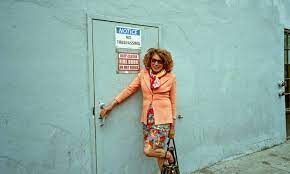
Donna Personna: ‘When I was 59, something shifted in my mind. It felt right that at last I started to identify as a woman publicly.’ Photograph: Azha Luckman / The Guardian
Donna Personna, 75, San Francisco
Activism has been a huge part of my life for as long as I can remember. In my college days, I worked with my fellow Latinos on equal-opportunity programmes; later, my focus turned to HIV and Aids. For the past 15 years, my efforts have been centred on social justice and transgender rights. I’m radical in every aspect of my life; for me, defining myself was never a priority. I’ve never looked for acceptance or approval, and have always detested labels. So, it was forever unsaid but, to my mind, I was always a girl, then a woman.
In 1967, here in San Francisco, we had the summer of love. It was all hippies, free love and peace, baby. I hooked up with a group called the Cockettes: an avant garde LGBTQ+ bearded drag troupe. Through that time, the guys suggested I try dressing up, but I always declined; it felt too complicated. A few years later, I gave in and donned a dress for the first time. In every way, it fitted me perfectly.
Still, I felt no great desire to explain myself to others. Then, aged 59, something shifted in my mind. It felt right that at last I started to identify as a woman publicly. With my parents now both deceased, I felt freed up to be myself. I’d spent a lifetime refusing to be put into a box, but this – to me – felt wholly natural.
Young LGBTQ+ folk today have their battles to fight. From preferred pronouns to basic rights, demands for progress continue. They’re on a mission to change laws and minds, and rightly so. I guess I’m old, so see things differently. I’m 75 years old, and am the baby of my family. My siblings are old and set in their ways; they know who I am, and the life I lead, and I’m content to leave the rest unspoken. My nieces and nephews, however, know me as the woman I am. They call me “tía”, aunt in Spanish.
When I speak to younger folks, I try to impart any wisdom I can: love and celebrate yourself, and if others agree that’s just a bonus. They’re demanding acceptance, but I’m over that. In asking for others’ approval, you give them power unnecessarily. It’s why I agreed to make a documentary about my life and self. I am who I am, and here it is – what you make of it is your problem.
To this day, labels frustrate me a lot. Even having to identify as transgender feels something of an aggression to me. Some day, I’m sure, that word will become history. For now, however, the revolution continues.
Donna, a film about Donna Personna, is released in cinemas and on Bohemia Euphoria on 15 July
Bill Drayton: ‘Strangely enough, it’s my ex-wife, I really have to thank: it’s she who helped me come out of the closet after 29 years of marriage.’ Photograph: Christopher Thomond / The Guardian
Bill Drayton, 74, Blackpool
I moved to Blackpool last weekend. As soon as his spousal visa comes through, my husband is due to join me. Together, we’re about to start a new life, having met in 2014 when I was travelling in the Philippines. Strangely enough, it’s my ex-wife I really have to thank: it’s she who helped me come out of the closet. We were married for 29 years.
She and I first met at a concert in August 1985. From the outset, I think, she knew I was different. We married a few years later and loved each other dearly. All that time, I knew deep down I had these other feelings. They’d started when I’d been innocently infatuated with a boy at my prep school. While at public school, before the 1967 partial decriminalisation of homosexuality, it was thought of as being smutty and dirty despite the fact so many indulged in it.
When I had a breakdown in the early 90s, I presumed it was a consequence of the stresses of teaching. Retrospectively, I can see it was caused by the pressure of sustaining lies and facades; the guilt and shame of pretending I was straight when I wasn’t.
In 1992, I went to see a psychologist. One day, I sheepishly returned home, telling my wife that the doctor had suggested I might be a homosexual. We both denied it, despite each of us knowing he was right. From time to time, my wife would bring it up again, but I vehemently refused to engage with the possibility. I was petrified, and instead turned to evangelical Christianity.
In 2011, I went on a trip to America. While I was away, my wife picked up a book: it was about a married man in his 60s coming out as gay. She became determined to find out the definitive truth about me once and for all. After collecting me from the train station, she spied an opportunity. Out of the blue, she asked once more: “Are you gay?” Bleary-eyed, jet-lagged and barely thinking, I said yes. At once, this great weight lifted off my shoulders. I’d previously been diagnosed with depression and bipolar disorder. From that day on, I’ve never had another symptom.
The marriage was over, but our friendship deepened. We continued to live together. She was relieved to know the truth, I think, after decades of deception. But that couldn’t last for ever. Aged 63, I went on a date with a man for the first time. It was a revelation. I was like a child in a sweetshop after so many years of resisting temptation. That said, working through my internalised prejudice took time. I’d been taught by the church that homosexuals go to hell. Now, of course, I’ve said goodbye to this nonsense. Since then, my faith has broadened and deepened.
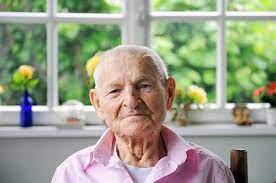
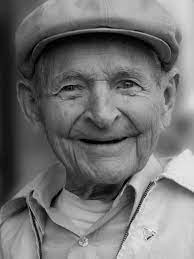
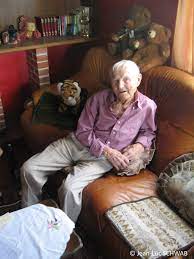
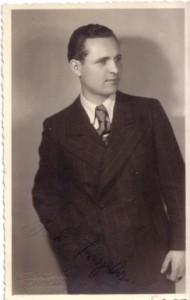







 Out in the City