Slattery’s in Whitefield, Manchester was once a small cake shop, but has now expanded into a patisserie that employs 66 staff including 14 cake makers.
We had to book a month in advance for two tables in the 140 seat Masons Dining Room upstairs on the first floor. The Dining Room specialises in daytime treats including jacket potatoes, salads, sandwiches, afternoon teas and more importantly the sweeter things in life – delicious desserts, particularly chocolate treats!
Slattery’s Cakes
Slattery’s has a tempting array of cakes and pastries, including a jaw-dropping selection of hand-made birthday and wedding cakes. They almost make you want to get married just so you can have a cake!
Chocoholics should look away now as you can also buy a huge selection of chocolate that is also made on site. Slattery’s uses 40 tonnes of chocolate per year.
Slattery’s Chocolates
The clientele comprises of yummy mummys and ladies who lunch, but we were welcomed and treated to some fantastic food. Let’s just hope my waistline doesn’t mirror Slattery’s expansion.
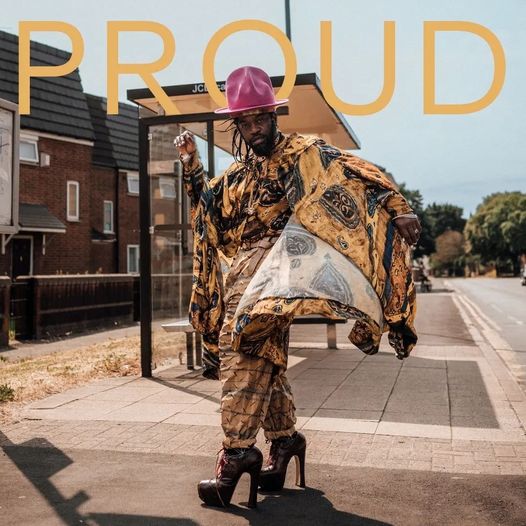
Heard Storytelling are delighted to announce Proud Exhibition, an audio trail celebrating Manchester’s LGBTQIA+ community which will be launching on Saturday, 20 August. It continues until 4 September.
You’ll be able to follow a trail across Manchester’s shopping streets and hear 20 incredible true stories on the theme of PROUD. Twenty brave and bold storytellers share their stories to send a message of hope and solidarity.
The exhibition is free to access and beautiful large-scale portraits of the storytellers, forming a trail of ‘Living Portraits’ through the city centre, will accompany all of the spoken stories.
A full map of where you can find the stories will be live from Saturday, 20 August on VisitManchester.com/Proud.
A huge thank you to Cityco Event Space for commissioning this exhibition to proudly support Manchester Pride in a creative, empathetic and authentic way.
LGBT Archives Community Event
Date & Time of Event: 25 August, 2022 – 11.00am to 1.00pm at Manchester Central Library, St Peter’s Square, Manchester, M2 5PD
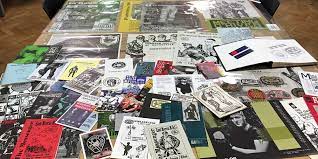
Drop in to Manchester Central Library this Pride week, to discover some of the rich history of Manchester’s LGBT+ Community, with items specially selected from the LGBT Foundation Archive at Archives+.
Pride is a Protest and there are many parts that make that Protest happen. If you’re inspired by the items in the archive and wish to get involved in community organising yourself, there will be a chance to chat to Community Organising Coordinator Nico and hear about ways you can get involved and how to take part. The event will be joined by the Archive+ Team with a creative corner for you to have a go at crafting a message to take away with you.
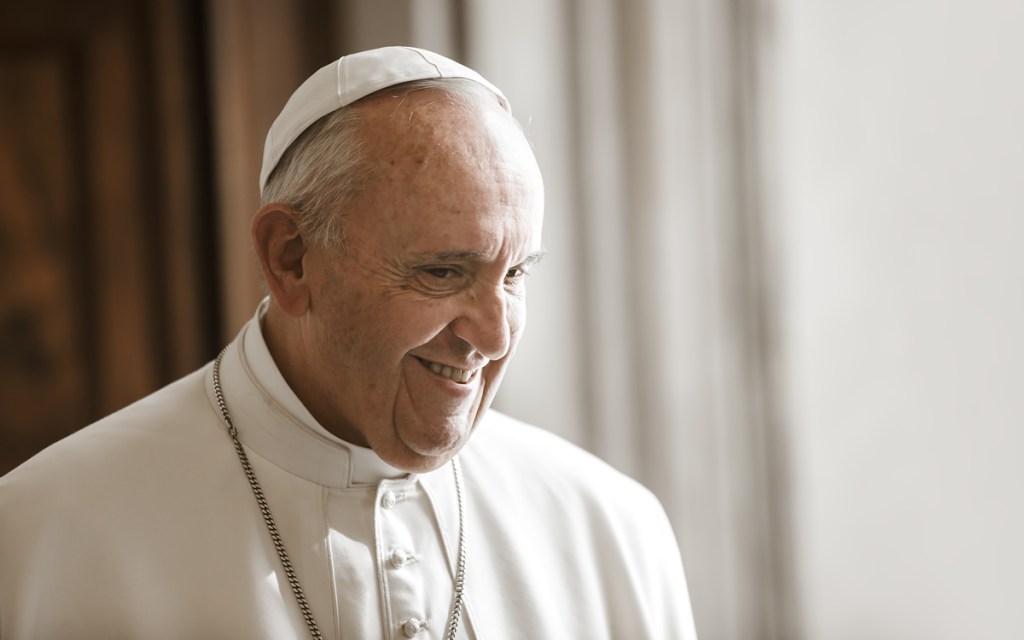
Pope Francis meets with transgender people at Vatican
Pope Francis (Photo by palinchak via Bigstock)
The Vatican’s newspaper L’Osservatore Romano reported that during the weekly papal audience in St Peter’s Basilica on 10 August, Pope Francis met with a group of transgender people who are staying in a church on the outskirts of Rome.
The Blessed Immaculate Virgin Church in Rome’s suburbs opened its doors to trans people during the coronavirus pandemic.
L’Osservatore Romano noted that the pope previously met with some of the trans residents. “No one should encounter injustice or be thrown away, everyone has dignity of being a child of God,” the paper quoted Sister Genevieve Jeanningros as saying.
Francis has earned praise from some members of the LGBTQ and intersex community for his outreach.
When asked in 2013 about a purportedly gay priest, he replied, “Who am I to judge?” He has met individually and in groups with trans people over the course of his pontificate. But he has not changed church teaching that holds that same-sex sexual acts are “intrinsically disordered.” In 2021, he allowed publication of a Vatican document asserting that the Catholic Church cannot bless same-sex unions since “God cannot bless sin.”
In the programme “Illegal To Be Me” shown on BBC, Tom Daley visits the most homophobic countries in the Commonwealth.
Since Tom Daley came out in a YouTube video nine years ago, he has become an outspoken advocate of LGBT+ rights. The diver and national treasure was a good choice, then, to present an examination of homophobia in Commonwealth countries, filmed in the months leading up to the Games in Birmingham.
As thousands of athletes prepare to compete on the global stage at the 2022 Commonwealth Games in Birmingham, Olympic gold medallist and double world champion diver Tom Daley wants to shine a light on an issue that he cares passionately about. Some competitors live in fear of horrific brutality inside the countries they represent. With punishments including whipping, life imprisonment and even death, it is illegal to be gay in over half of the 56 member states of the Commonwealth.
His journey takes him to some of the Commonwealth’s most homophobic countries to ask what the sporting world can do to help. The film culminates with Tom taking a very public stand at this year’s opening ceremony, in a powerful statement against homophobia.
Travelling from Pakistan, where homosexuality carries a maximum penalty of death by stoning, to Jamaica, where the punishment is ten years’ imprisonment with hard labour, Tom talks to top male and female sportspeople facing persecution. He also discovers the colonial legacy that first criminalised homosexuality and the toxic influence of slavery on attitudes towards LGBT+ people.
The programme is available on BBC iPlayer here for the next eleven months.
Edinburgh Fringe Festival: Silkworm
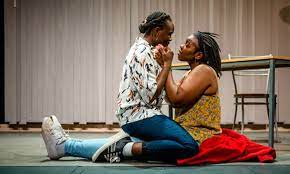
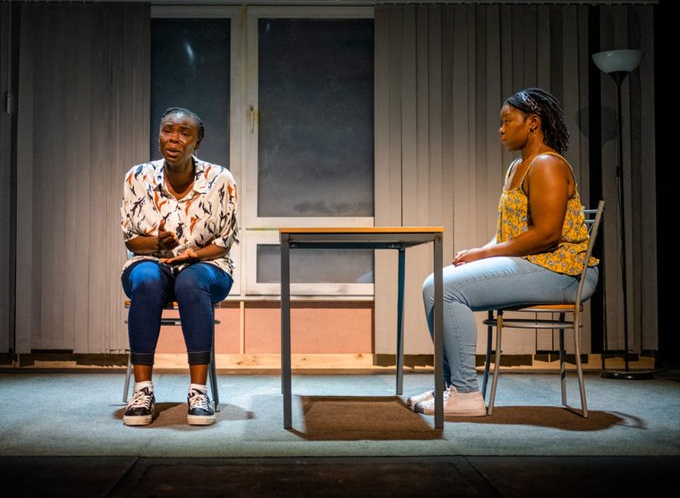
Pulled apart? … Antonia Layiwola and Ewa Dina in Silkworm Photograph: Tommy Ga-Ken Wan
The play Silkworm is at the Assembly Roxy, Edinburgh as part of the Edinburgh Fringe Festival.
A Nigerian couple seeking asylum on the grounds of sexual persecution are put to the test as the government’s probing questions seep into the cracks of their relationship.
Imagine coming under such ferocious interrogation about your private life that the questions start to wheedle their way into your relationship. Such is the case for Abidemi and Omolade in this two-hander about a Nigerian couple seeking asylum in the UK on the grounds of sexual persecution.
As playwright Vlad Butucea tells it, the string of Home Office interviews seeks to establish their relationship in ways that go well beyond their simple attraction to each other. Seeming more prurient than purposeful, they ask for intimate details of their gender identity, sexual history and, especially weirdly, how religion fits in with all of this.
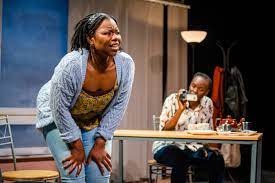
And the effect is only to add to the pressure on Ewa Dina as the extrovert Abidemi, who likes nothing more than to live it up in a nearby gay club, and Antonia Layiwola as the cautious and pragmatic Omolade, who would rather get on with the quiet life of an artist. The club itself becomes a source of contention after Omolade is refused entry for not seeming to meet the gender requirements. “They ask more questions than the bloody Home Office,” she says, a woman forever forced to conform to the expectations of others.
Back in their temporary accommodation on the 17th floor of a Glasgow tower block, they internalise the Home Office’s questions. Why did they end up together? How well do they know each other? The probing of some anonymous official turns into doubt and uncertainty, pulling them apart. “What does a woman like you see in a woman like me?” asks Abidemi.
Directed for Pearlfisher by Mojisola Elufowoju on a drab and literal set by Jen McGinley, the play contrasts the official account the women must give of themselves – schooled by an immigration expert called Ugo – with the messier although no less deserving lives they actually live. Every so often in the supposedly spontaneous videos they film as evidence of their loving relationship, the facade slips to reveal something of the cruel world they are desperately trying to flee.
The play is a witty, intimate and intense study of two vulnerable, strong women as they seek the words to navigate their way through a savage hostile system.
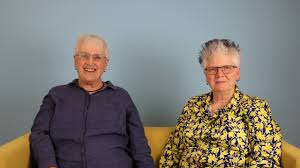
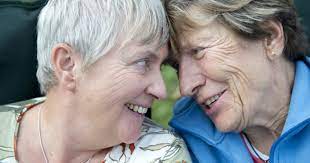
Why It’s Never Too Late To Be a Lesbian
More and wore women are coming out as lesbians late in life.
More and more, women are coming out in their 40s, 50s, 60s and beyond. Census-data analysis from the US found that 36 per cent of women in their 40s with same-sex partners previously had been married to men. That number grew to more than half for lesbians in their 50s, and 75 per cent for those 60 and older.
Late-blooming lesbians – women who discover or declare same-sex feelings in their 30s and beyond – have attracted increasing attention over the last few years, partly due to the clutch of glamorous, high-profile women who have come out after heterosexual relationships. Cynthia Nixon, for instance, who plays Miranda in Sex and the City, was in a heterosexual relationship for 15 years, and had two children, before falling for her partner, Christine Marinoni, in 2004. In 2009, it was reported that the singer Alison Goldfrapp, who is in her mid-40s, had started a relationship with film editor Lisa Gunning. The actor Portia de Rossi was married to a man before coming out and falling in love with the comedian and talk show host, Ellen DeGeneres, whom she married in 2008. And then there’s the retail adviser and television star, Mary Portas, who was married to a man for 13 years, and had two children, before getting together with Melanie Rickey, the fashion-editor-at-large of Grazia magazine.
The subject has now begun attracting academic attention. Christan Moran, who is a researcher at Southern Connecticut University, decided to look at the lives of women who had experienced a same-sex attraction when they were over 30 and married to a man.
She wanted to explore the notion, she writes, that “a heterosexual woman might make a full transition to a singular lesbian identity … in other words, they might actually change their sexual orientation.” As Moran notes in her study, this possibility is often ignored; when a person comes out in later life, the accepted wisdom tends to be that they must always have been gay or bisexual, but just hid or repressed their feelings. Increasingly researchers are questioning this, and investigating whether sexuality is more fluid and shifting than is often suspected.
Sarah Spelling, a former teacher, says she can well understand how “you can slide or slip or move into another identity”. She met her first serious partner, a man, when she was at university. They were together for 12 years.
Spelling is a keen feminist and sportsperson, and met lesbian friends through both of these interests. “I didn’t associate myself with their [sexuality] – I didn’t see myself as a lesbian, but very clearly as a heterosexual in a longstanding relationship.” When a friend on her hockey team made it clear she fancied her, “and thought I would fancy her too, I was like ‘No! That’s not me!’ That just wasn’t on my compass.”
Then, aged 34, having split up with her long-term partner, and in another relationship with a man, she found herself falling in love with her housemate – a woman. After “lots of talking together, over a year or so,” they formed a relationship. “It was a meeting of minds,” says Spelling, “a meeting of interests. She’s a keen walker. So am I. She runs. So do I. We had lots in common, and eventually I realised I didn’t have that with men.” While having sex with a man had never felt uncomfortable or wrong, it wasn’t as pleasurable as having sex with a woman, she says. From the start of the relationship, she felt completely at ease, although she didn’t immediately define herself as a lesbian. “I didn’t define myself as heterosexual either – I quite clearly wasn’t that. And I wouldn’t define myself as bisexual.” After a while she fully embraced a lesbian identity. “We’ve been together for 23 years,” she says, “so it’s pretty clear that that was a defining change.”
Dr Lisa Diamond, associate professor of psychology and gender studies at the University of Utah, has been following a group of 79 women for 15 years, tracking the shifts in their sexual identity. The women she chose at the start of the study had all experienced some same-sex attraction – although in some cases only fleetingly – and every two years or so she has recorded how they describe themselves: straight, lesbian, bisexual, or another category of their own choosing. In every two-year wave, 20-30% of the sample have changed their identity label, and over the course of the study, about 70% have changed how they described themselves at their initial interview. What’s interesting, says Diamond, is that transitions in sexual identity aren’t “confined to adolescence. People appear equally likely to undergo these sorts of transitions in middle adulthood and late adulthood.” And while, in some cases, women arrive at a lesbian identity they’ve been repressing, “that doesn’t account for all of the variables … In my study, what I often found was that women who may have always thought that other women were beautiful and attractive would, at some point later in life, actually fall in love with a woman, and that experience vaulted those attractions from something minor to something hugely significant. It wasn’t that they’d been repressing their true selves before; it was that without the context of an actual relationship, the little glimmers of occasional fantasies or feelings just weren’t that significant.”
Diamond has a hunch that the possibility of moving across sexual boundaries increases as people age. “What we know about adult development,” she says, “suggests that people become more expansive in a number of ways as they get older … I think a lot of women, late in life, when they’re no longer worried about raising the kids, and when they’re looking back on their marriage and how satisfying it is, find an opportunity to take a second look at what they want and feel like.” This doesn’t mean that women are choosing whether to be gay or straight, she clarifies. (Diamond’s work has sometimes been distorted by rightwing factions in the US, who have suggested it shows homosexuality is optional.) “Every one of the women I studied who underwent a transition experienced it as being out of her control. It was not a conscious choice … I think the culture tends to lump together change and choice, as if they’re the same phenomenon, but they’re not. Puberty involves a heck of a lot of change, but you don’t choose it. There are life-course transitions that are beyond our control.”
This was certainly true for Laura Manning, a lawyer from London, who is now in her late 40s. She had always had a vague inkling she might have feelings for women, but met a man at university, “a really gentle man, Jeff, and I fell in love with him, and for a long time that was enough to balance my feelings”. She married him in her late 20s, had two children in her early 30s, “and once I’d got that maternal part of my life out of the way, I suddenly started thinking about me again. I started to feel more and more uncomfortable about the image that I was presenting, because I felt like it wasn’t true.” In her late 30s, she began going out clubbing, “coming back on the bus at four in the morning, and then getting up and going to work. I was still living with Jeff, and I just started shutting down our relationship. He knew I was pushing him away.”
The marriage ended, and Manning moved out. She has since had two long-term relationships with women, and says she’s much happier since she came out, but suspects that her biological urge to have children, and her genuine feelings for Jeff, made her marriage inevitable on some level. “The thought of sex with a man repels me now, but at the time, when I was in my marriage, I didn’t feel that, and I didn’t feel I was repressing anything. The intensity of feeling in my relationship with Jeff overcame and blanketed my desires for women.”
Sexual fluidity occurs in both men and women, but it has been suggested that women are potentially more open and malleable in this regard. Richard Lippa, professor of psychology at California State University, Fullerton, has carried out a variety of studies that have led him to the conclusion that, “while most men tend to have what I call a preferred sex and a non-preferred sex … with women there are more shades of grey, and so I tend to talk about them having a more preferred sex, and a less preferred sex. I have definitely heard some women say, ‘It was the person I fell in love with, it wasn’t the person’s gender,’ and I think that that is much more of a female experience than a male experience.
“I’ve never had a straight man say to me, at age 45, I just met this really neat guy and I fell in love with him and I don’t like men in general, but God, this guy’s so great that I’m going to be in a relationship with him for the next 15 years.” In Diamond’s study, around a quarter of the women have reported that gender is largely irrelevant in their choice of sexual partners. “Deep down,” said one woman, “it’s just a matter of who I meet and fall in love with, and it’s not their body, it’s something behind the eyes.”
When Tina Humphrys, 70, first fell in love with a woman, she didn’t define herself as a lesbian, “I just thought: ‘It’s her.'” Humphrys was in her mid-30s, had two children, and was coming out of a horrible second marriage. “I hated my life,” she says. “The four bedrooms, the children – well, I didn’t hate them, they just bored me to tears. I used to lie on the couch and my eyes would fill with tears as they had their naps.”
She had found women attractive in the past, “but I think women do, don’t they? You look and you think – that dress looks fabulous, or isn’t she looking slim, or doesn’t she look pretty. But you don’t necessarily put sexual feelings on it.” Then she went to university as a mature student, joined a women’s group, and started to fall for one of the other members. “It was a bit of a shock to find that I was attracted sexually to this woman, but then it was also a decision to leave men. It was a decision to leave a particularly oppressive and restrictive way of living and try to live differently.” She moved into a “commune-type place”, and had non-monogamous relationships with women for a while, before settling down with her current partner of more than 30 years.
The psychotherapist and writer, Susie Orbach, spent more than 30 years with the writer Joseph Schwartz, and had two children with him, before the partnership ended, and she subsequently formed a happy, ongoing relationship with the novelist Jeanette Winterson. Orbach says that the initial love connection between mother and daughter makes lesbian feelings in later life unsurprising. “If you think about it,” she says, “whose arms are you first in, whose smells do you first absorb, where’s that body-to-body imprint? I mean, we’re still not really father-raised, are we, so it’s a very big journey for women to get to heterosexuality … What happens is that you layer heterosexuality on top of that bond. You don’t suddenly switch away from it. You don’t give up that very intimate attachment to a woman.”
Of course, the notion that your sexuality might shift entirely isn’t welcomed by everyone; as Diamond says, “Even though there’s more cultural acceptance than there was 20 years ago, same-sex sexuality is still very stigmatised, and the notion that you might not know everything there is to know about something that’s so personal and intimate can terrify individuals. It’s really hard for people to accept.” That’s why the writing and research in this area is so important.
“While some people find change threatening,” Diamond says, “others find it exciting and liberating, and I definitely think that for women in middle adulthood and late life, they might be the most likely to find sexual shifts empowering. We’re an anti-ageing society. We like people to be young, nubile and attractive. And I think the notion that your sexuality can undergo these really exciting, expansive possibilities at a stage when most people assume that women are no longer sexually interesting and are just shutting down, is potentially a really liberating notion for women. Your sexual future might actually be pretty dynamic and exciting – and whatever went on in your past might not be the best predictor at all of what your future has in store.”
Macclesfield is a market town in Cheshire, sixteen miles south of Manchester. It was once the world’s biggest producer of finished silk, and our visit today was to the Silk Museum and Paradise Mill.
We travelled to the town and made our way to The Society Rooms pub, the former home of the Macclesfield Useful Knowledge Society, established in the early 19th century.
After refreshments we walked just round the corner to the Silk Museum and Paradise Mill on Park Lane.
There were 71 silk mills operating in 1832 employing 10,000 people, and although a crash occurred in 1851 and many mill workers emigrated to the USA, the silk industry remained active in the town but no longer dominated.
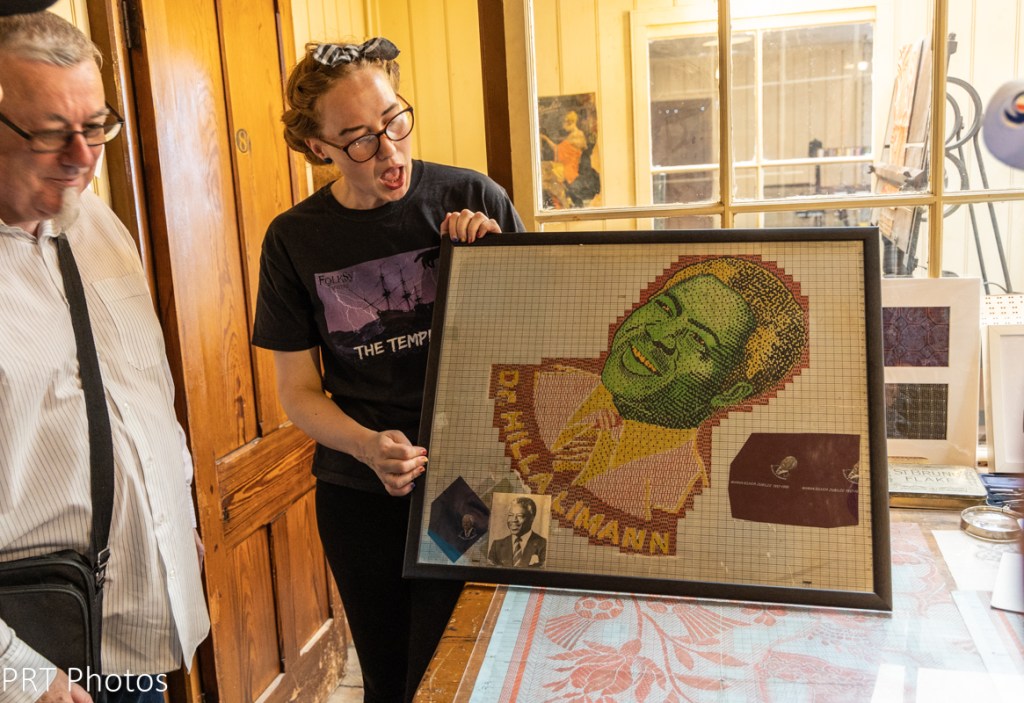
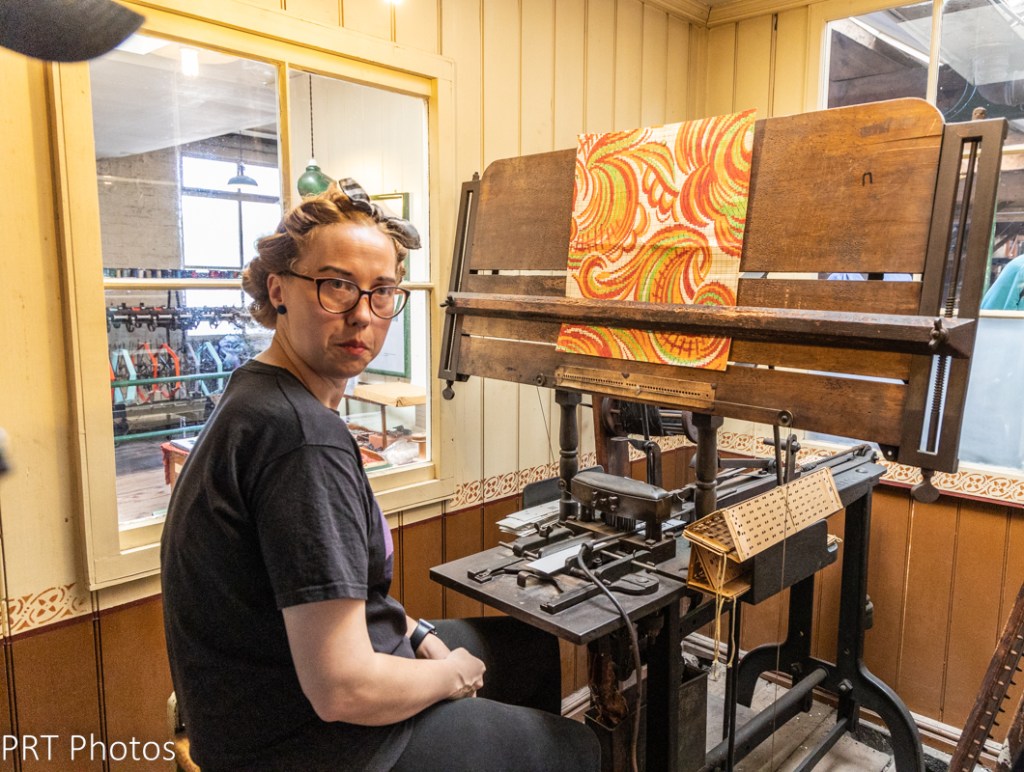
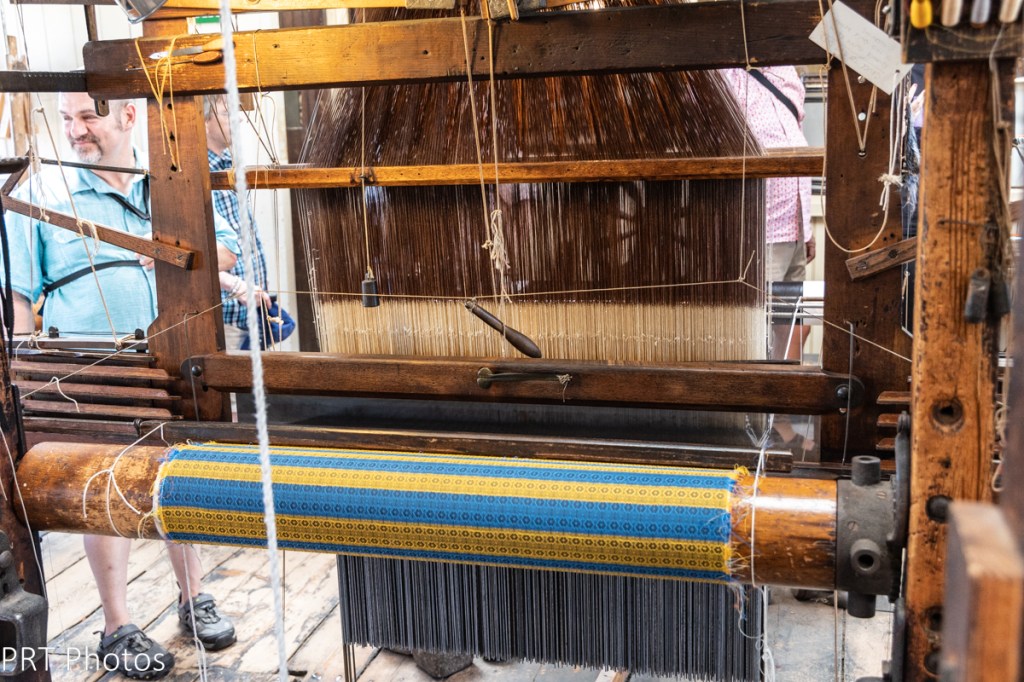
Paradise Mill reopened in 1984 as a working mill museum, demonstrating the art of silk throwing and Jacquard weaving.
Our guide was very knowledgeable and enthusiastically demonstrated the various equipment and machinery involved in silk weaving. Her presentation was great and basically job’s a good ‘un. She explained how silk was extracted from silk worms and twisted on looms to turn into silk threads – a material as tough as steel. Most of the workers were women but children were also exploited.
The booming textile industries generated wealth and social change. In Macclesfield two fiercely independent Victorian women, Marianne Brocklehurst and Mary Booth are responsible for the Ancient Egyptian collection in the Silk Museum. They were life long companions and avid travellers. Together they explored Egypt, buying important objects and artefacts, specialising on Ancient Eqyptian women.
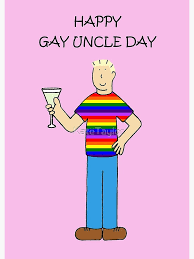
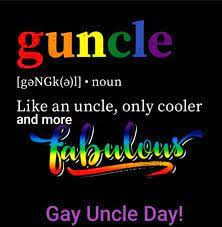
“Guncles” aka gay uncles and their beloved nieces and nephews are inspired to express their love for one another on 14 August in honour of the unofficial holiday dubbed “National Gay Uncles Day”.
Virtually every family has that relative, often an uncle, who spent his life as a ‘confirmed bachelor’. By promoting this day of celebration is to normalise the role of the gay uncle, cousin, brother … whatever, in the family and in society.
Don’t forget to tell your gay uncle that you love him if you haven’t already.
This ‘40s gospel singer with loud, soaring vocals kept quiet about one thing
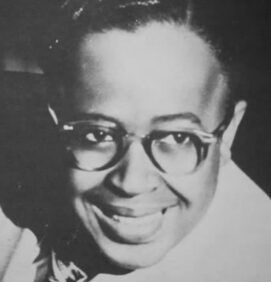
Willmer (Little Axe) Broadnax
This singer’s high-flying gospel vocals enthralled the public, but it wasn’t until his passing decades later that fans would learn what he’d long kept private.
Willmer Broadnax and his brother William from Houston sang together in different gospel groups throughout the ’30s and ’40s. The pair came to be known as “Little Axe” and “Big Axe” for their respective sizes.
What Willmer lacked in stature, he more than exceeded on stage; according to music critic Ray Foster, “his voice is sweet, but almost vicious, dripping with emotion.”
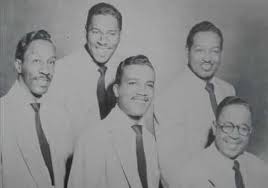
After the brothers decided to split ways creatively, Willmer kept his “Little Axe” persona in performing. He came to head Little Axe and the Golden Echoes, one of the top gospel touring acts of the 1940s.
It wasn’t until his passing in the early ’90s that the general public was made aware that Willmer was assigned female at birth, a fact that the Broadnax brothers had kept under wraps throughout their entire careers.
As close to his chest as Willmer played it, his legacy as a show-stopping trans man running the gospel group touring circuit lives on to this day.
Listen to Little Axe and the Golden Echoes’ swinging tune, “You Are My Sunshine”:
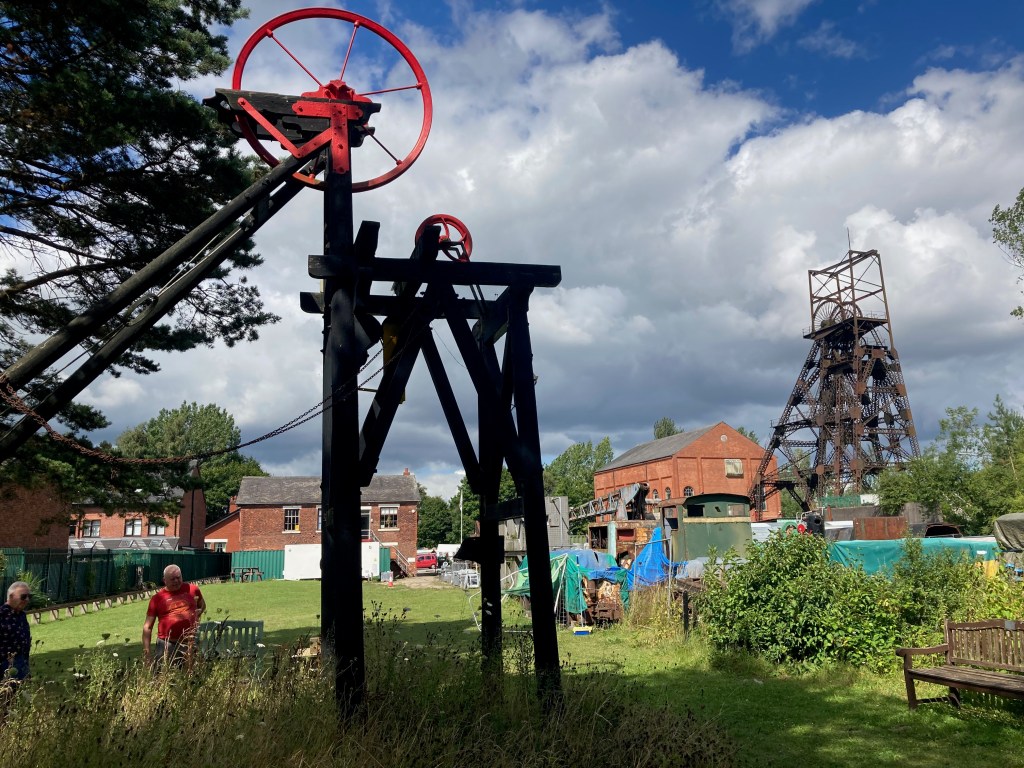
The Astley Green Colliery began operations in 1912 but closed in 1970. In 1927 there were 222 working collieries in Lancashire, and Astley Green was one of the largest pits.
We set off from Piccadilly Gardens and rode on bus 34 through Salford, Worsley and Boothstown eventually arriving in Astley after an hour. It was a bit of a walk to the last pit site still surviving in Lancashire, but we walked on towards the Bridgewater Canal where the Old Boatyard Pub was sited.
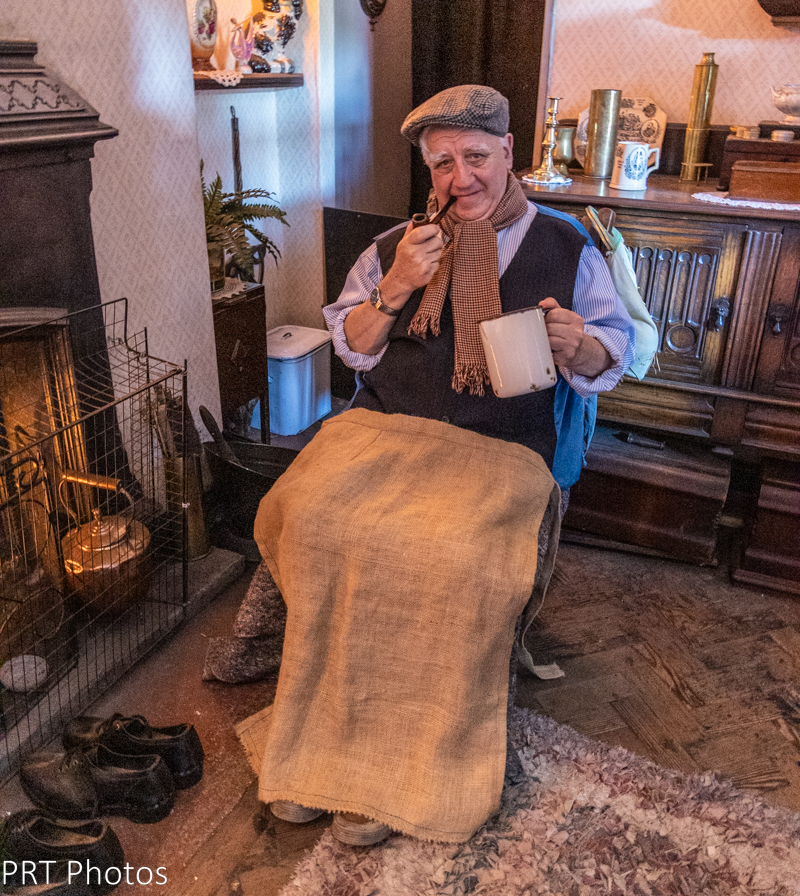
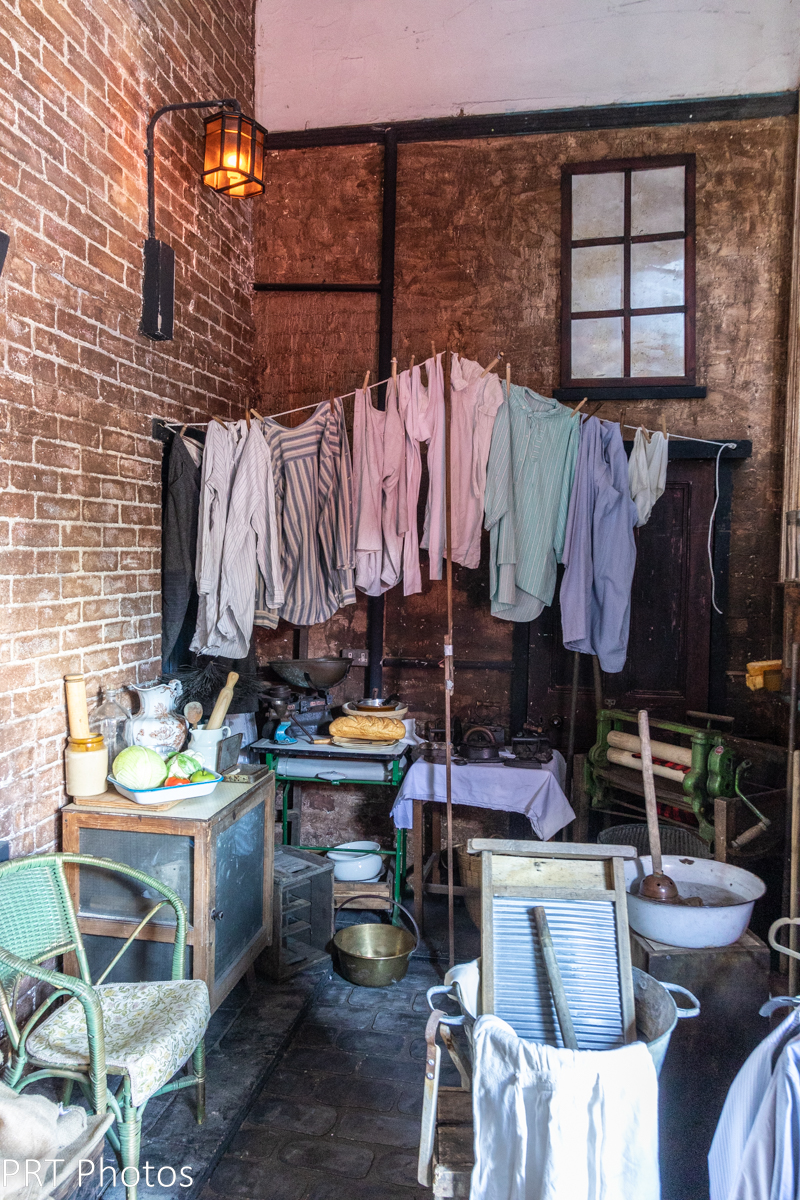
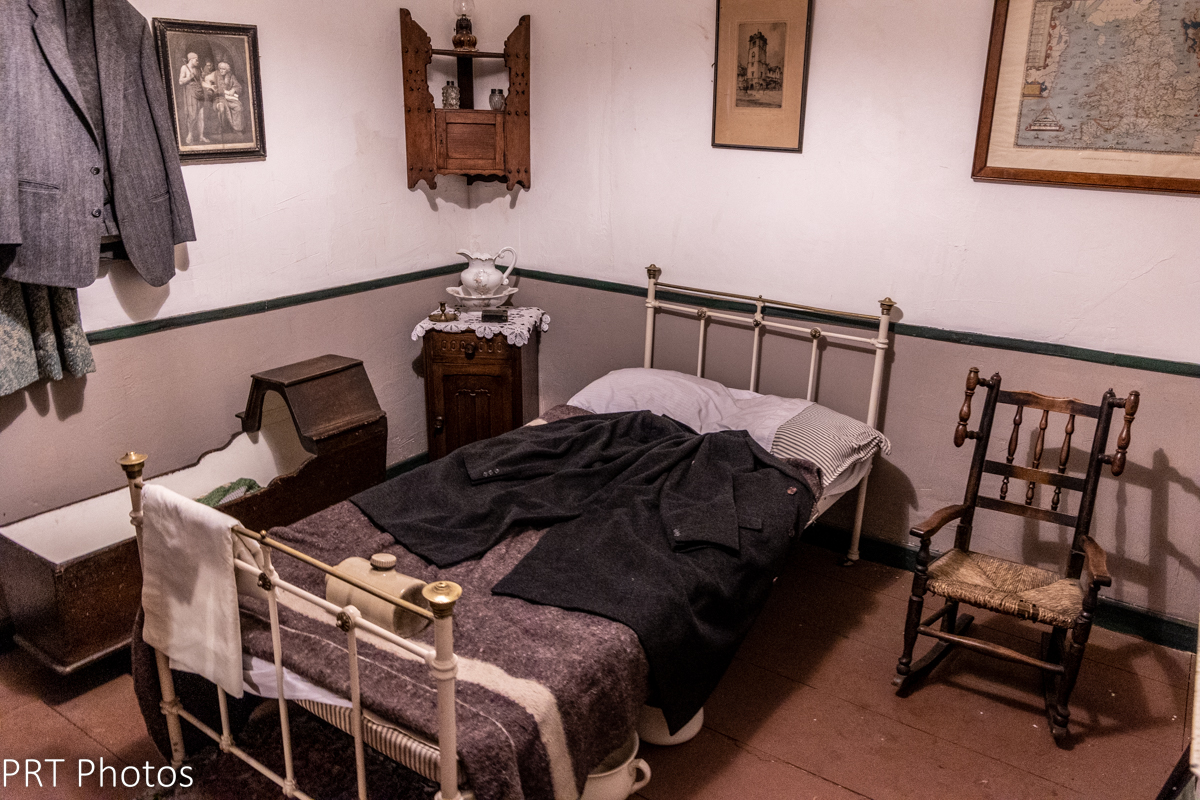
The head gear, which dominates the skyline in the area, and the engine house are managed by the Red Rose Steam Society whose volunteers have lovingly restored the steam engine. The coal miner’s cottage was the highlight of the visit for me, and some fantastic photos can be seen here.
Everything You Need To Know about Manchester Pride 2022: Dates, Tickets and Parade
2022 marks 50 years since the first Pride event in the UK (Image: Joel Goodman)
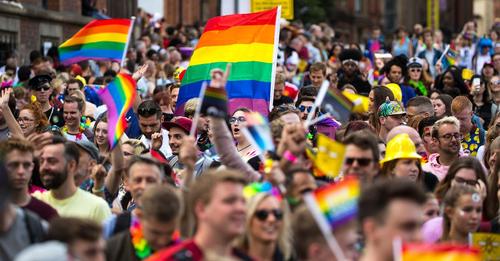
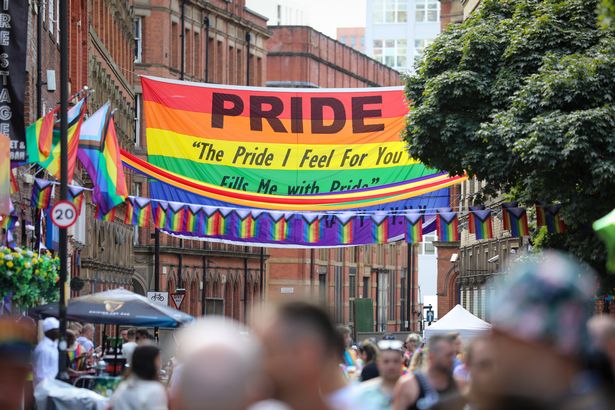
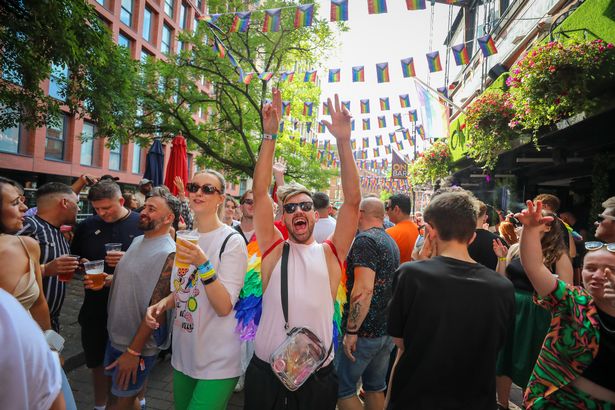
Bursting with fun, colour and love, Manchester Pride returns to the city over the August bank holiday weekend and plans are, as expected, well under way. Manchester will no doubt be rolling out the rainbow carpet for the annual four-day LGBTQ+ celebration, which takes quite a different shape this year after event bosses said they wanted Pride to reclaim its activist roots.
While firm fixtures including the Gay Village Party and Candlelit Vigil will remain, the MCR Pride Live Festival has been scrapped following a consultation with residents and visitors. Meanwhile, the much-loved parade will make its grand return after a two year absence, with floats and outfits inspired by a ‘March for Peace’ theme.
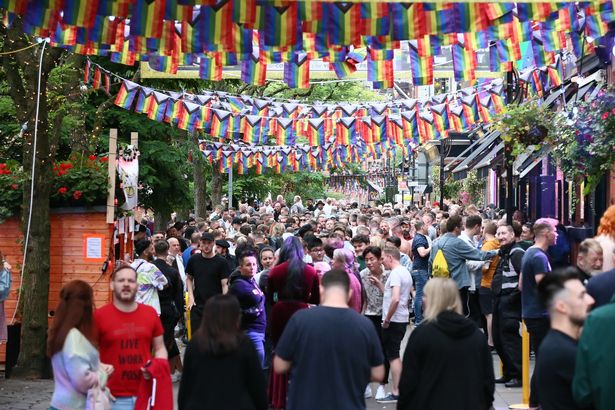
The Canal Street neighbourhood will once again be at the heart of the event, with an ‘exciting and diverse’ range of performers including Spice Girls’ Melanie C, Girls Aloud’s Nadine Coyle and Drag Race star Bimini performing. Taking place across three different stages – the Alan Turing stage, the MancUnity stage and the Cabaret Stage – the party will be kicked off in style on the Friday evening by Trans organisations, Trans Creative and Milk Presents.
Festivities will stretch across the entire city as the parade weaves its way through the streets, while the free Superbia programme will pop up at venues throughout Manchester. Here’s everything you need to know if you’re joining in the fun at Manchester Pride 2022.
When is Manchester Pride?
Manchester Pride returns this August bank holiday (Image: Adam Vaughan)
Taking its usual spot on Manchester’s busy cultural calendar, over the August bank holiday weekend, the festival returns from Friday, August 26, through to Monday, August 29. Thursday night sees the launch of the Human Rights Forum, which will bring together activists and thought leaders, before the Gay Village Party kicks off on Friday evening.
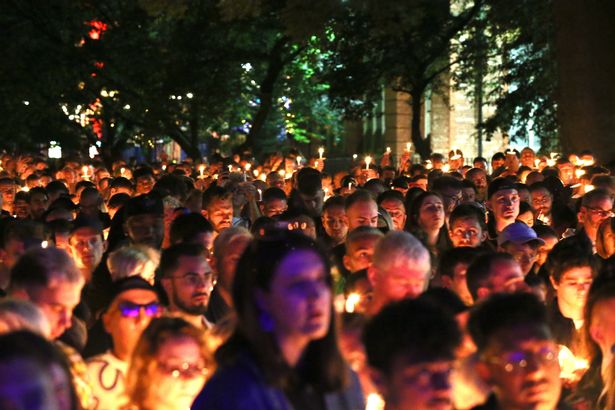
Alongside entertainment across three stages, the Gay Village will also host the ‘ultimate street party’ with an array of markets, performances and parties across village venues. The party will be brought to a close by the annual Candlelight Vigil on Monday evening in Sackville Gardens with HIV support charity George House Trust.
People gather at Sackville Gardens to mark the end of Pride with a candlelit vigil. (Image: Adam Vaughan)
Other events announced as part of the Pride celebrations include Youth Pride MCR and Family Pride MCR, where young people and families will be able to join in the celebrations with a series of free curated events. Superbia, Manchester Pride’s year-round programme of culture, will host the Superbia Weekend, will also offer a series of alcohol-free events for those who wish to enjoy Manchester Pride in a more tranquil and relaxing environment.
When is the Manchester Pride Parade?
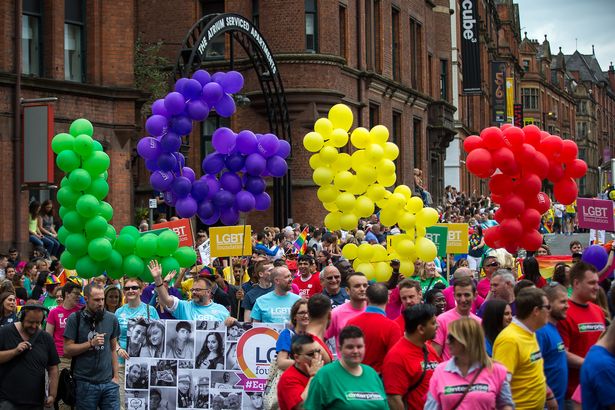
Crowds during Manchester Pride (Image: Joel Goodman/Manchester Evening News)
The Pride Parade is the city’s biggest, bringing traffic to a halt as thousands of LGBTQ+ people and their allies march together for equality. The parade aims to highlight the ‘importance of peace in a world where all LGBTQ+ people are free to love and love without prejudice’. Organisers say they hope the event will send the world a ‘big, bright, colourful message’ of hope.
Taking place on Saturday, 27 August, it sets off along Deansgate from the junction with Liverpool Road at midday and makes its way to Fairfield Street. The route takes it via Peter Street, Oxford Street, Portland Street, Princess Street and Whitworth Street along the way.
The roots of Manchester Pride are definitely in the heart of it’s famous Gay Village. Taking place from Friday through to Monday, the four-day party boasts an impressive line-up, which has been created in collaboration with Manchester’s queer communities in direct response to the Pride In Our Future report.
The opening party on Friday will be a trans-led event -Trans Filth & Joy- and will continue into the weekend with an ‘exciting and diverse’ programme including takeovers from Black Pride MCR, Fat Pride and Queer Women’s Takeover. Headliners, DJ’s and performers will take to The Alan Turing Stage in Sackville Gardens over the weekend, including Melanie C, Nadine Coyle, Charity Shop Sue and Drag Race star Bimini.
(Image ASP)
The MancUnity stage at Chorlton Street Car Park, meanwhile, will host a variety of takeovers co-designed with some of Manchester’s best promoters and DJs to highlight the best queer talent that Manchester has to offer. Fat Pride will kick off the stage on August 26, celebrating big bodies with an evening of dancing, partying, and feeling good.
Black Pride MCR will celebrate the black roots of house music, disco, funky house, vocal and tribal, with performances from DJs and iconic dancers from the Northern Vogue Ballroom scene. Some of Manchester’s best female talent will also be taking to the MancUnity stage for the Queer Women’s Takeover including DJ Mix-Stress and DJ Róis, founder of What She Said Club.
The cabaret stage at Sackville Car Park will host a number of brilliant cabaret acts, and The Bitten Peach, a gender-diverse, pan-Asian collective showcasing joy and excellence will also perform. There will also be appearances by all-female/non-binary theatre and cabaret company Pecs Drag Kings and Duncan James from Proud Cabaret.
How to get Manchester Pride 2022 tickets
People enjoying Manchester Pride 2021 (Image: ASP)
Tickets for Manchester Pride 2022 officially went on sale at the end of April, but don’t fear there’s still some left. Now that Manchester Pride Live has come to a close, the main event to buy tickets for is the Gay Village Party. The following tickets are still available on Ticketmaster.
Can you enter the Gay Village over Manchester Pride Festival without a wristband?
The Gay Village Party is the only ticketed event, meaning that Manchester Pride’s programmed areas within the Gay Village, such as the three performance stages and event spaces, require a ticket to attend. Pride do not operate any events within the Gay Village bars and venues, so you will not be charged by Manchester Pride to enter individual Gay Village bars and venues.
What can you bring in?
While some people may want to bring in a bag to carry your things around, or for personal reasons, organisers ask that you bring a bag only if it’s really necessary, as this may delay entry into the event. Customers with access needs are more than welcome to bring a bag to any Manchester Pride events though.
HIV Timeline
For a timeline of HIV history in Manchester see here.
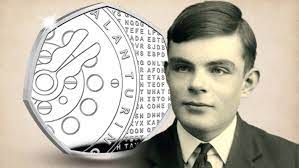
The Royal Mint has issued a 50p coin to celebrate the life and work of Alan Turing.
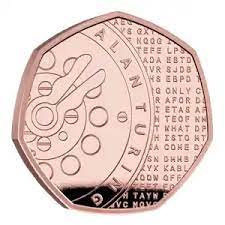
The new 50p was designed by Christian Davies and Matt Dent, and the reverse side of the coin features the British scientist’s name alongside a representation of the Bombe machine used during the Second World War.
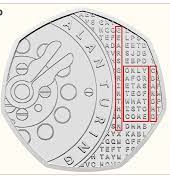
In a special nod to his work, the designers have incorporated hidden word sequences as part of the 50p design, representing a Turing quote and significant location, as well as the designers’ initials.
Hidden codes on the coin
Look closely and you will see that the coin features a what3words address – gears.grin.than – which pinpoints the location of his alma mater, Cambridge University.
The what3words system has divided the globe into a grid of 3m x 3m squares and given each one a unique combination of three words: a what3words address. This means that people can accurately and easily communicate their exact location.
The design also features his famous quote ‘Only a foretaste of what is to come’ whilst the text ‘CDANDMD’ refers to the coin’s designers.
Will the coin be rare?
The Alan Turing coin is the final release in the Innovation is Science 50p series, which also recognises Charles Babbage, John Logie Baird, Rosalind Franklin, Stephen Hawking and the Discovery of Insulin.
All the coins in this series have been issued as Brilliant Uncirculated coins and were not entered into general circulation. You will need to purchase the coins from The Royal Mint or from other coin dealers or collectors.
The Brilliant Uncirculated coin has an ‘unlimited’ mintage, so it is not likely examples of the coin will go up in value any time soon. The coin retails at £10 from The Royal Mint, and so this is the value and the coin is not rare.
The 50p also coin comes in gold Proof, silver Proof, and silver Proof Piedfort editions, as follows:
Gold Proof – 210 minted: £1,150.00
Silver Proof – 3,210 minted: £57.50
Silver Piedfort – 1,510 minted: £102.50.
About Alan Turing
As the father of modern computing and a code breaking genius during the Second World War, Alan Turing was a truly extraordinary individual.
In recent years, Turing has become a figurehead for gay rights following his posthumous pardon from Her Majesty The Queen in 2013, which has since led to further pardons to gay men and created what’s become known as ‘Turing’s Law’.
For a man who passed away far too young, Alan Turing’s ingenuity and intellect both still have an enduring impact in the fields of computing, mathematics and science today. His groundbreaking theories remain revered to this very day, which suggests he was a genius way ahead of his time.
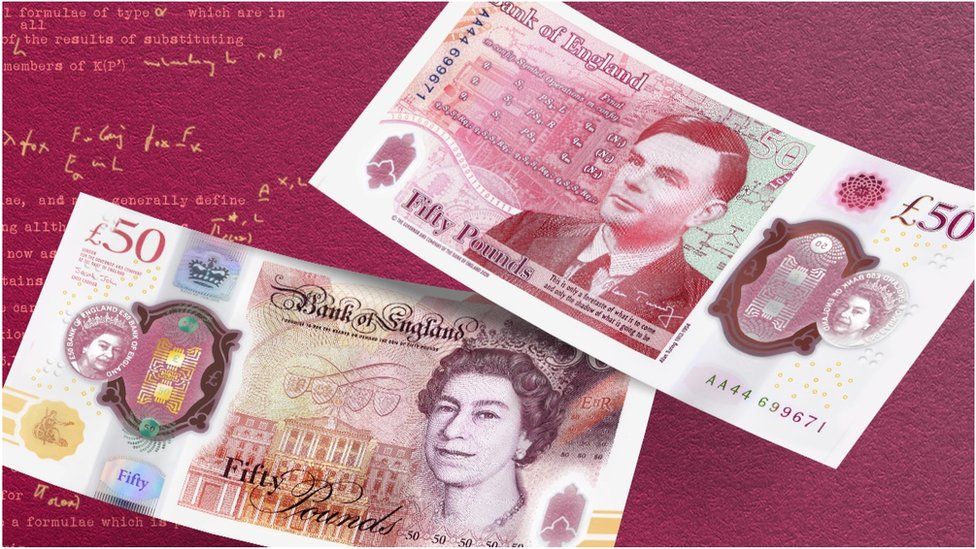
Recently honoured by the Bank of England with a portrait on a new £50 banknote, this is the first UK coin to commemorate the life and legacy of Alan Turing.
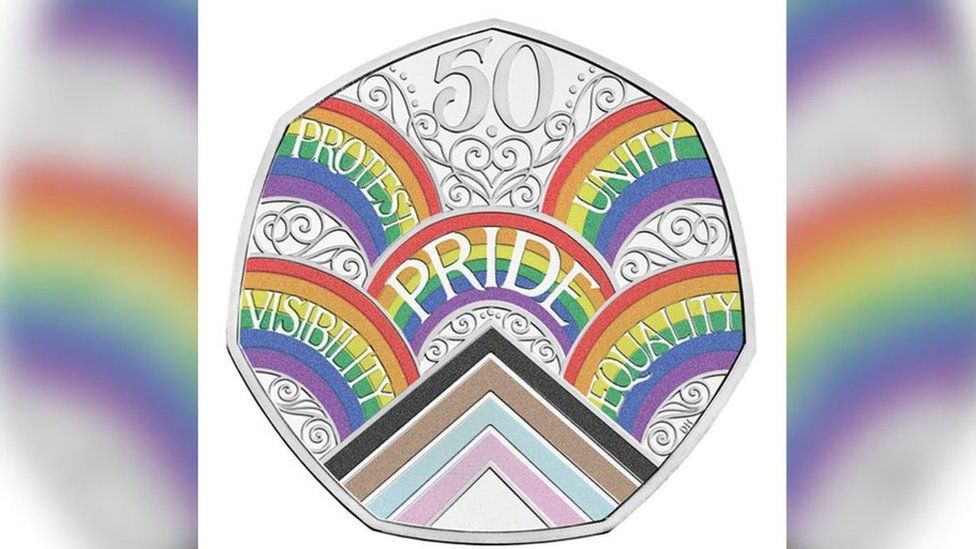
LGBTQ+ 50p coin
The LGBTQ+ commemorative 50p celebrates the 50th anniversary of Pride UK and is the first time Britain’s LGBTQ+ community has been celebrated on official UK coinage – and the coin will be entered into circulation!
The Royal Mint have now revealed that five million copies of the Pride 50p will be entered into circulation, so you might find one in your change!
The reported mintage of five million means the coin will be common but we’re yet to know how popular the coin will prove to be – collectors could snap up the coins and take them out of circulation, meaning demand could soon outstrip supply, and the value may go up.
How Did We Get Here? – The Journey to Equality
On Saturday 20 August at 2.00pm at the LGBT Foundation the Legacy of ’67 project will be exploring the changes to people’s general attitude towards LGBTQI+ people and the changes in the law, and examining how this relates to activism.
We’ll be hearing from solicitor Josh Dawson about the changes in the law, and from a panel consisting of Paul Fairweather, Tony Openshaw and Arthur Martland about personal experiences as advocates and/or activists of equality. There will be time for you to discuss the matter and tell of your own personal experiences.
There will also be an update on the progress of the project during its first three months.
To attend please RSVP to David@DavidDolanMartin.com
Rainbow Lottery
Pride Events
Photo: Rachel Adams @functioningphotographer
LGBT Foundation @lgbtfdn
Bolton Pride: 5 August – 7 August – Facebook: @boltonpride
Levenshulme Pride: 12 August – 14 August – Facebook: @levenshulmepride
Wigan Pride: 13 August – Facebook: @OfficialWiganPride
Prestwich Pride: 13 August – Facebook: #prestwichpride
Manchester Pride: 26 August – 29 August – Facebook: @ManchesterPride
Didsbury Pride: 3 September – Facebook: @didsburypride
Chorlton Pride: 17 September – Facebook: @ChorltonPride









 Out in the City