Working Class Movement Library … Mary’s House … CBeebies Bedtime Story … Heard Live for Pride … More Activities during Pride Month

News

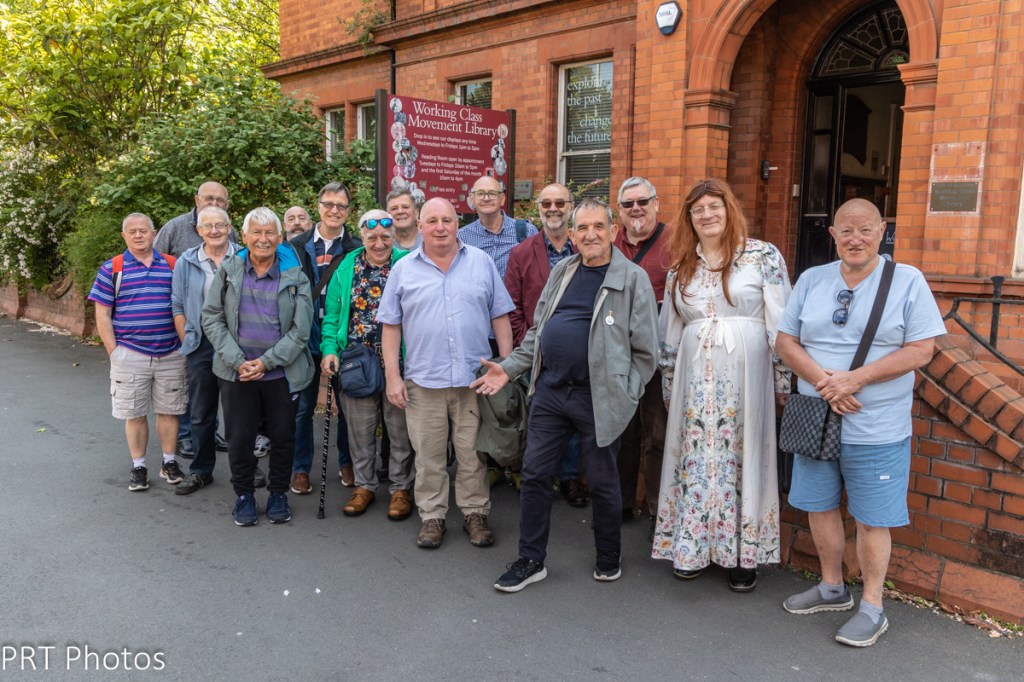
Working Class Movement Library

The Working Class Movement Library is a collection of 30,000 books as well as journals, newspapers, periodicals, pamphlets, leaflets, archives and artefacts relating to the development of the political and cultural institutions of the working class.

Eddie & Ruth Frow

Throughout his life, Eddie Frow embodied his own chunk of working class history. He was influential in struggles and strikes for workers’ rights, showing defiance on the streets and in his many workplaces.

He was dedicated to fighting for the rights of working people. In 1931 when the government cut Unemployment Benefit and introduced the Means Test, Eddie played an active role when there was a march by 10,000 demonstrators through the streets of Salford to protest. Eddie suffered a broken nose and was arrested in what became known as the “Battle of Bexley Square”. After defending himself in court, he spent five months in Strangeways prison. Eddie remained a fearless active trade unionist and in the 1950s became an elected officer – and latterly a full time official – of the Amalgamated Engineering Union.

Ruth Engel left school at the beginning of the Second World War, and started to train as a nurse but soon joined Fighter Command as part of the Women’s Royal Air Force during the Battle of Britain. When the war finished she trained as a teacher and taught for the rest of her life, alongside her active roles within the communist party and the trade union and peace movements.

In 1953 Eddie met Ruth at a communist party summer school. The pair discovered that they shared a passion for collecting books on labour history, as well as being actively involved in radical campaigns and socialist activities.

The pair married and set up home at 111 King’s Road, Stretford, a conventional three-bed semi-detached house where the foundations of this remarkable library were laid. The couple played a significant role in the North West Labour History Group, offering their home as a meeting place at a time when the group was struggling financially. By the 1970s, their home had books from floor to ceiling – in the sitting room, dining room, bedrooms and overflowing into the extended garage and outhouse. Trade union emblems and banners hung on the stairs and commemorative china, prints and other memorabilia filled all the remaining spaces.

By the late 1970s, it was clear that the collection must be preserved in its entirety for future generations. Ruth’s criteria was that the collection be kept safe and made available not only for academics but to everyone.

In 1987 Salford City Council generously offered to house the library in Jubilee House, which allowed for further growth and improved accessibility to the collection. Jubilee House near the University of Salford was constructed in 1897 to celebrate Queen Victoria’s diamond jubilee.

Our guide, Nathan, made us feel very welcome and there are lots more photos here.

Mary’s House: Imani Woody is helping the older LGBT+ community thrive
Dr Imani Woody

Dr Imani Woody, an advocate for women, people of colour and the LGBT+ community for over 25 years, is the founder of Mary’s House for Older Adults in Washington DC.

She wastes no time getting to the struggles of older people. “The generation that came out is going back in,” insists the 70-year-old, “because it’s hard to be old and gay at the same time.”

Woody, who describes herself as old and gay (“an umbrella term,” she says with a smile), has the research to back up her claim. A new report by the Williams Institute at the UCLA School of Law shows many LGBT+ older adults don’t disclose their sexual orientation and gender identity for fear of stigma, “sometimes stemming from trauma and experiences of ostracisation in medical systems as in the height of the HIV/AIDS epidemic during the late 1980s and early 1990s.” It’s one indication that many older LGBT+ folks don’t feel comfortable sharing their sexual orientation or gender identity because of previous discrimination.

Woody cites the case of Marsha Wetzel, who was forced to enter a retirement home in Illinois after her partner of 30 years died. The couple held a commitment ceremony but never legally married, and Wetzel was evicted from their shared house. Wetzel says she was spat on and called homophobic slurs by fellow residents at the retirement home, whom she says welcomed her until they learned she was a lesbian.

“Well, from there, it went from sugar to not sugar,” says Woody. “She was ostracised, she was harassed, and the staff didn’t do anything about it.”

For decades, the American Association of Retired Persons (AARP) has consistently supported the civil rights of the LGBT+ 50+ community through legal action, advocacy, and opposing discrimination. 

In 2021, AARP Foundation Senior Vice President for Litigation William Alvarado Rivera noted that, “Governments have long denied LGBT+ couples the right to marry, despite their long history of loving, committed relationships. In addition, lifelong discrimination has harmed many LGBT+ older adults financially and increased their risk of economic insecurity in older age.”

The Williams report and many others have noted additional disparities within the LGBT+ community. Black and Hispanic LGBT+ people across the age spectrum were less likely to be financially secure, had lower incomes, and had more instability in their access to food and housing.

To answer those issues, Woody has zeroed her attention in on housing insecurity.

Mary’s House for Older Adults is a 15-unit communal residence to be built on the site of Woody’s childhood home in Washington DC. The residence is focused on low- and moderate-income LGBT+ affirming accommodation and is named after Woody’s mother. It is funded by public and private donations.
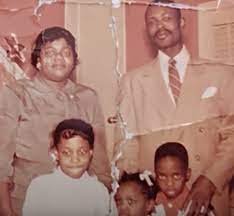
Imani Woody, bottom left, and her family in Washington, D.C., where she grew up

“This is our mantra: you can bring your whole self to Mary’s House. Your old self, your short self, your fat self, your White or Black self. And most definitely your same gender-loving self. Mary’s House: Bring Your Whole Self. That’s what we’re doing. That’s what we’re building.”

Mary’s House will join a growing number of LGBT+-affirming residences across the country, including the John C Anderson Apartments in Philadelphia, Town Hall Apartments in Chicago, and Triangle Square in Los Angeles. What sets Mary’s House apart is Woody’s plan for a communal setting, which addresses the social isolation so many older Americans experience.

“It’s about building community,” she explains. “Everyone has their own bathroom and kitchenette with their bedroom, but it’s a home, so there’s a communal kitchen, and there’s a communal dining room. There’s a communal hydrotherapy tub and there’s a communal library and quiet room. It’s not an apartment where you can close up and no one sees you. There’s someone there every day to say, ‘Hi, Mister Greg, what’s happening today?’ Right? So, I’m gonna look you in the eyes, as my grandmother would say, and see how well you are.”

A rendering of Mary’s House for Older Adults in Washington, DC

Instead of gardening and housework, Mary’s House focuses on addressing basic needs through “friendly caller” outreach. “Our niche is that it would have to be a friend of yours, or someone you knew,” says Woody. With a state agency, “You say, ‘Oh yeah, I’m fine,’ but to your friend, you’ll say, ‘You know what? I need to get to the store, I think,’ or ‘I wasn’t able to pick up my prescription,’ or ‘You know, I need some gas or food,’ or whatever the deal is.”

Neighbours gather in a rendering for Mary’s House for Older Adults

“It’s about building relationships, building family, family of choice, logical and biological family,” she points out. “We’ve tried to build — we are building — family communities, one person, one phone call at a time, right? And to try to make the world a better place, so that you don’t have to go back into the closet.”

England cricketers become first lesbian couple to read CBeebies bedtime story
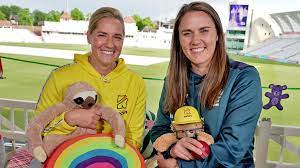
Katherine (left) and Nat Sciver-Brunt said they were delighted to take part during Pride month

England cricketers Nat and Katherine Sciver-Brunt will become the first lesbian couple to feature on CBeebies Bedtime Stories, as part of Pride month.

The couple, who married last year, will read Emily Coxhead’s “Find Your Happy”, about a sloth learning to navigate their emotions.

The story is being filmed from Trent Bridge Cricket Ground.

The Sciver-Brunts both played for England and have held the title of women’s cricketer of the year.

Nat captained England in September 2022. Katherine, who announced her retirement from Test cricket in June last year, added they were delighted to be part of it “especially as a couple and representing the cricket family”.

The Sciver-Brunts’ story is broadcast on Friday 9 June at 6:50 pm and is also available on BBC iPlayer.

Heard Live for Pride

Heard Live is a true storytelling event that harnesses the power of people’s lived experience to create positive change.

The event is on Thursday, 29 June from 6.30pm – 9.00pm at Feel Good Club, 26-28 Hilton Street, Manchester M1 2EH

Get tickets here (Free – £9.38).

Join us for an inclusive event of true spoken storytelling this Pride, on the 29 June – the day after the Stonewall riots began. The evening will give a platform to captivating true stories on the lived experiences of people from the LGBTQIA+ community.

As well as enjoying a curated line up of storytellers, there will be a couple of spaces open for budding storytellers. If you decide to tell a story, the amazing audience will make you feel right at home. Show up with an idea for a story or just sit back to listen – there is no pressure to get behind the mic. These events are as much about the joy of hearing the voices of others, of finding there’s a story in each person, and coming to connect and learn.

We’re looking forward to meeting you soon, sharing our love of true stories and discovering what tales you have! This event is raising money for the LGBT Foundation – delivering advice, support and information services to lesbian, gay, bisexual and trans communities.

Pride Activities

Please see “Next Outings” on our website for future Out In The City trips, but here are a few additional activities (you will need to check the internet for more details):

Saturday, 17 June, 1.00pm – 8.00pm – Salford Pink Picnic at Peel Park, The Crescent, Salford M5 4WU

Sunday, 18 June, 2.00pm – 4.00pm – Queer Jewish Collective meeting at Manchester Jewish Museum, Cheetham Hill Road, Manchester M8 8LW

Tuesday, 20 June, 6.00pm – 8.00pm – Manchester Pride Community Session: Celebrating Trans and Queer Joy! at the Proud Place, 49-51 Sidney Street, Manchester M1 7HB

Thursday, 22 June, 2.00pm – 4.00pm – Out In The City Party with Wolf, buffet and raffle at Cross Street Chapel, 29 Cross Street, Manchester M2 1NL

Saturday, 24 June – Pride in Wythenshawe

Sunday, 25 June, 7.00pm – 10.00pm – “My Gay Best Friend” at The King’s Arms, 11 Bloom Street, Salford M3 6AN

Thursday, 29 June, 6.30pm – 9.00pm –  Heard Live for Pride, Feel Good Club, 26-28 Hilton Street, Manchester M1 2EH

Thursday, 29 June – Sunday 2 July – (4 performances) – “The Faggots and their Friends Between Revolutions” at HOME Theatre, 2 Tony Wilson Place, Manchester M15 4FN
OutStageUs … LGBT Foundation … Pride in London … Celebrate Pride on the BBC iPlayer

News

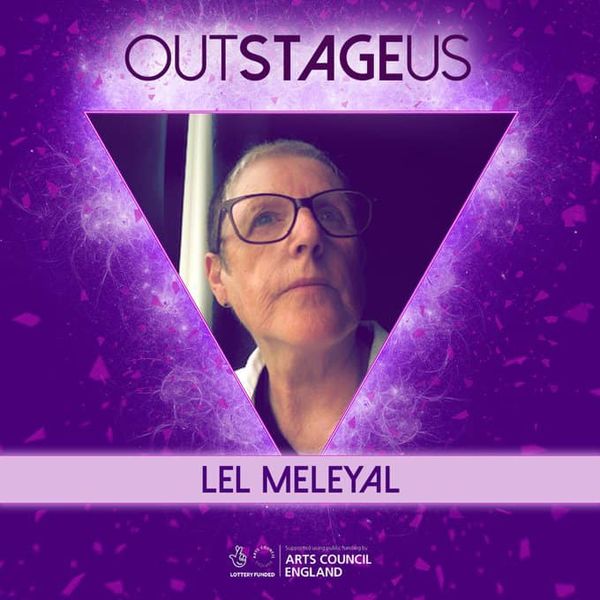
OutStageUs

OutStageUs returns to The Lowry for the ultimate celebration of LGBTQ+ creativity as the UK’s most exciting LGBTQ+ new writing event. This unique showcase will feature a diverse collection of stories, illuminating the vibrant experiences within the LGBTQ+ community.

One of the stories is by Lel Meleyal:

From Kray to Crone

Lel Meleyal is a 63 year old, working class, disabled, lesbian. All are important aspects of her identity and writing. Lel lives with her wife and Cavachon pup in Scarborough. Her first novel ‘Everyday Wendy’ was published in 2022. She is currently working on being fabulous before she pops her clogs.

It’s on 14 and 15 July in The Lowry and you can book here

Special announcement from Chief Executive, LGBT Foundation

Dear friend

I am thrilled to share with you the latest news from LGBT Foundation, which has been a leading voice for LGBTQ+ people for over 45 years. In the past year we have undertaken significant consultation with our staff, volunteers, trustees, service users and other key stakeholders on co-producing our new brand, mission, vision, and values to reflect our renewed commitment to the LGBTQ+ community. 
 
Our new brand reflects our dedication to being a vibrant, inclusive, and diverse charity that advocates for LGBTQ+ health and wellbeing. The logo represents our values of inclusivity, intersectionality, and strength, demonstrating our commitment to supporting the wellbeing of all LGBTQ+ people and celebrating the rich diversity of our communities. 

Our new mission is to empower LGBTQ+ people to achieve their full potential, every day. Our vision is a world where queer liberation enables meaningful and lasting change. Our values are centred on passion, empowerment, integrity, and respect, which will enable us to continue making a positive impact in the lives of LGBTQ+ people across the country. 
 
Our new five-year strategic plan is focused on building on our existing strengths while addressing the changing needs of LGBTQ+ communities. We will continue to provide critical health and wellbeing services, such as our helpline, counselling, sexual health, and wellbeing services, as well as our work to educate people and encourage increased awareness and system change. Additionally, we will expand our services to areas where they are needed most and develop new ones, reflecting the ever-evolving needs of LGBTQ+ communities across the country. 
 
As we enter a new chapter in the history of LGBT Foundation, we remain committed to our core belief that queer hope and joy can flourish. We believe that this message resonates with our community and aligns with our new brand, mission, vision, and values. 

Thank you for taking the time to read about these exciting new developments at LGBT Foundation. If you’re interested in staying up to date with our work, please sign up for our newsletter on our website. Furthermore we would also love to explore how we can work together and create opportunities for you to get involved in our mission to empower LGBTQ+ people to achieve their full potential. Please don’t hesitate to reach out to me via email at chiefexecutive@lgbt.foundation.

We look forward to working with you to create a world where all LGBTQ+ people can live equally, happily, and healthily.

With all best wishes
Paul Martin OBE
Chief Executive, LGBT Foundation”

Pride in London unveils powerful new ‘Never March Alone’ campaign

Pride in London has unveiled its 2023 campaign entitled ‘Never March Alone’ which emphasises supporting members of the transgender community.

It comes at a time when trans and non-binary people face increasing amounts of hatred from politicians and the media, with discussions about their rights framed as the so-called ‘trans debate’.

In fact, 74 per cent of people in the UK believe depictions of trans people in the media are either negative or highly negative, according to a recent survey conducted by Pride in London and Involve.

The new campaign will seek to show the joy within the trans+ community and the brilliant, multi-faceted individuals that it encompasses.

‘Never March Alone’ will come to life through a series of photographic and video portraits of members of the trans and non-binary community and those who stand with them. These will be shown across digital billboards, social media and will help frame the content on the stage during Pride in London.

The work was developed with a group of trans advocates including Mz Kimberly, Hannah and Jake Graf and Dani St. James to help highlight the importance, vitality and unwavering spirit of trans and non-binary people.

“London is renowned across the globe as a beacon of inclusion and diversity, and Pride is part of the reason,” said Mayor of London, Sadiq Khan. “The march of solidarity and celebration has helped to change our society and I’m pleased that this year’s campaign will be in support of the capital’s trans and non-binary community. In London you are free to be who you want to be and to love you want to love, and in July more than 1.5m people will once again take to the streets to send that message to the world.”

Let’s call time on all homophobia

Christopher Joell-Deshields, CEO of Pride in London, added: “Pride in London is much more than a celebration of our vibrant community; it is a powerful gathering that fosters unity and support. “Amidst the ongoing adversity faced by the LGBT+ community worldwide, we want every trans and non-binary person to feel the unwavering solidarity we offer. You are not alone – we stand with you.”

Last year, London celebrated what is believed to be the largest Pride in British history with more than 1.5 million attendees.

This year also coincided with the 50th anniversary of the UK’s first Pride march, with veterans from the Gay Liberation Front leading the parade with chants such as “3, 5, 7, 9, lesbians are mighty fine”.

Pride in London will take place on 1 July this year.

Celebrate Pride on the BBC iPlayer

Real stories, uplifting comedies and incredible talent are available to watch on the BBC iPlayer celebrating the LGBT+ community and its history.

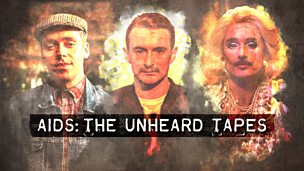
The collection has 35 programmes available including “Gateways Grind: London’s Secret Lesbian Club”, “Queer Britain” and “AIDS: The Unheard Tapes”.

Fifteen years after the partial decriminalisation of homosexuality, whispers begin to circulate of a mysterious new disease, a ‘gay cancer’ from New York, and Terry Higgins becomes one of the first people in Britain to die from what will become known as an Aids-related disease. 

Activists and doctors come together to discover what they can about this new virus as the number of infected starts to rise. Fear and stigma spread across the nation, contributing to a culture of extreme homophobia and ignorance. Gay activists take charge of trying to spread educational messages about safe sex for the first time. 

The stories of men including David, Pete, John and Tony, recorded at the time, bring these experiences to life. Their real voices are lip-synced by actors, giving first-hand insight into their lives at the time. They try to understand what they are hearing about Aids and cope with discovering their diagnoses at a time of heightened stigma and fear, when there is no cure.  As 1985 arrives, and with it the first HTLV-3 antibody test, the numbers of those infected with HIV gradually become clear, and the true scale of the epidemic begins to emerge.

The programme was nominated for a BAFTA (British Academy of Film & TV) in the Specialist Factual category announced in May 2023. The BAFTA awards are given to the best work in film and television.

Victoria Baths … Kenneth Felts came out in his 90s

News

Victoria Baths

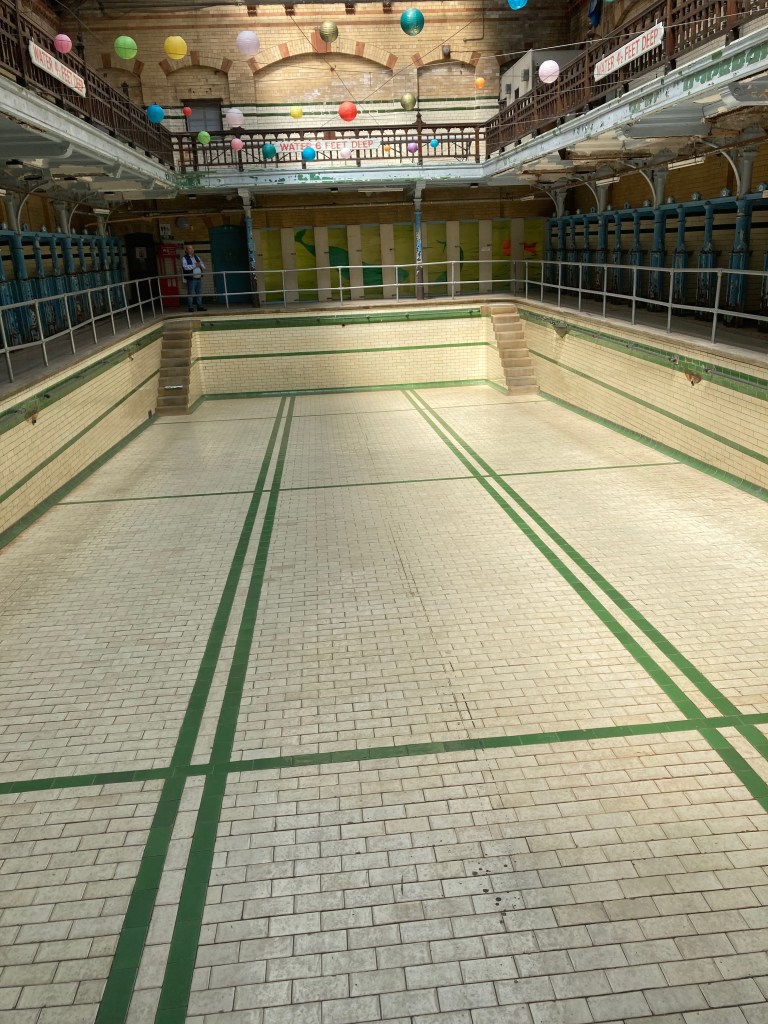
Victoria Baths is a Grade II* listed building, in the Chorlton-on-Medlock area of Manchester. The Baths opened to the public in 1906 and cost £59,144 to build. Manchester City Council closed the baths in 1993 and the building was left empty. A multi-million pound restoration project began in 2007. As of 2009, the building is on English Heritage’s Heritage at Risk Register.

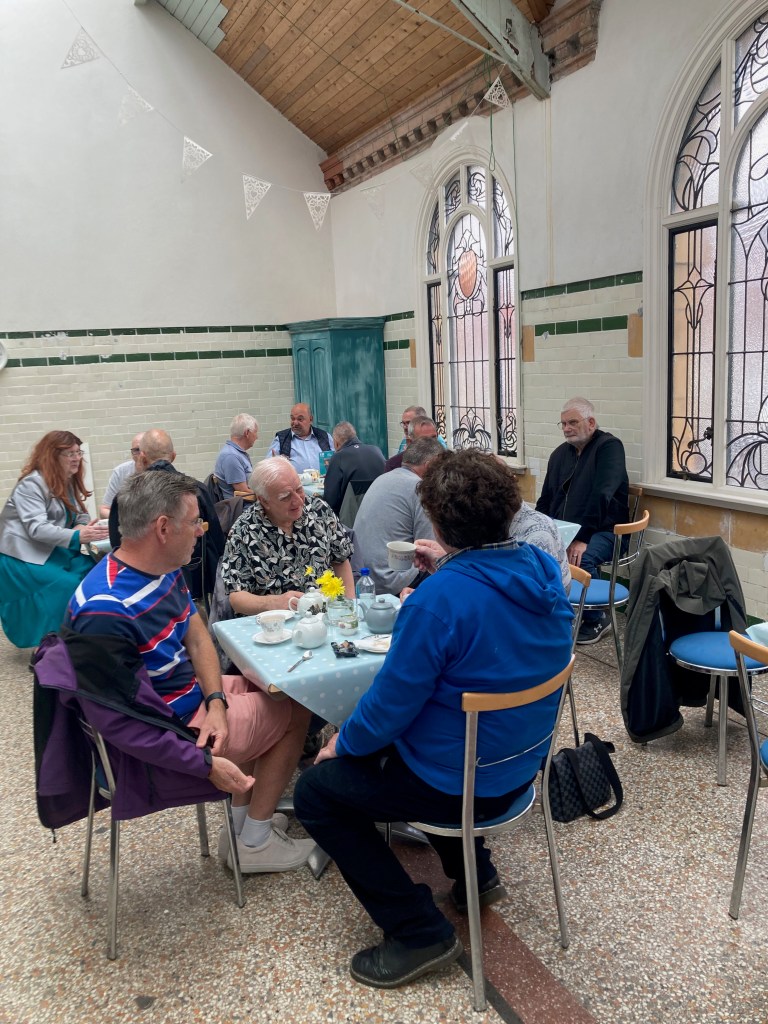
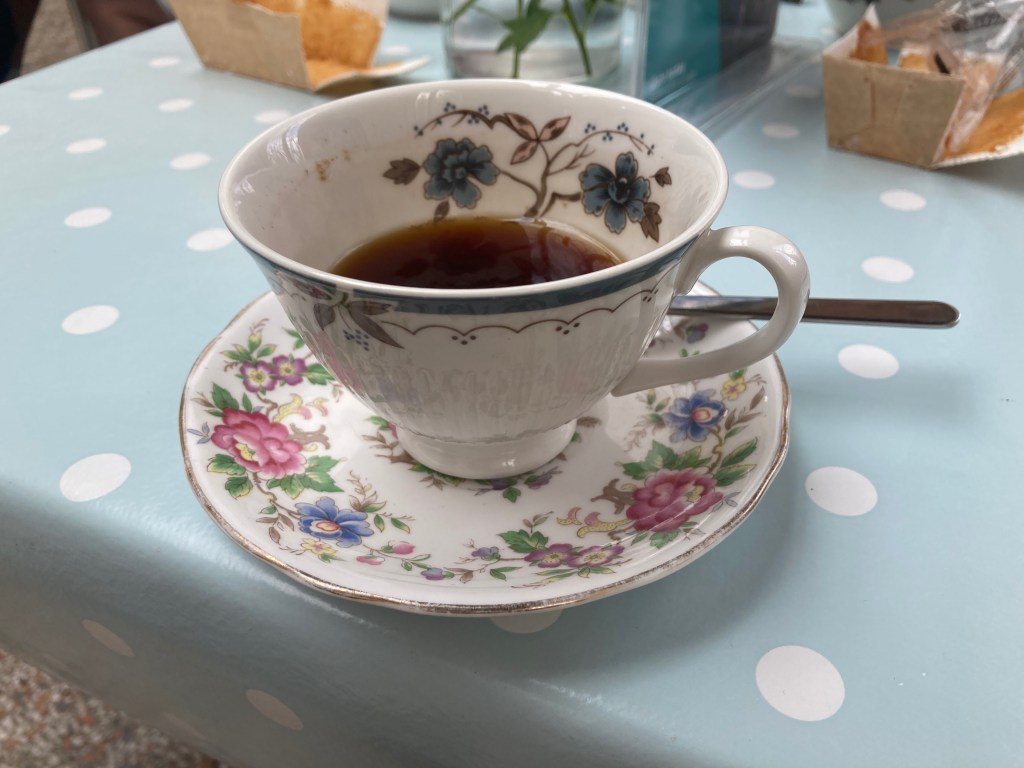
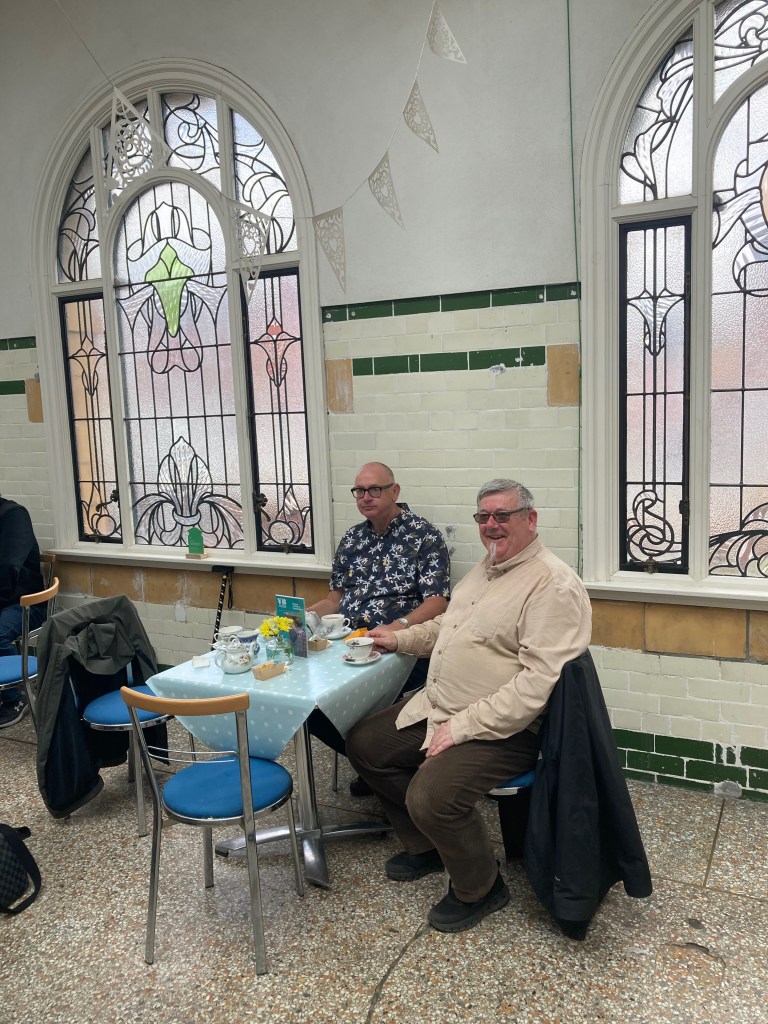
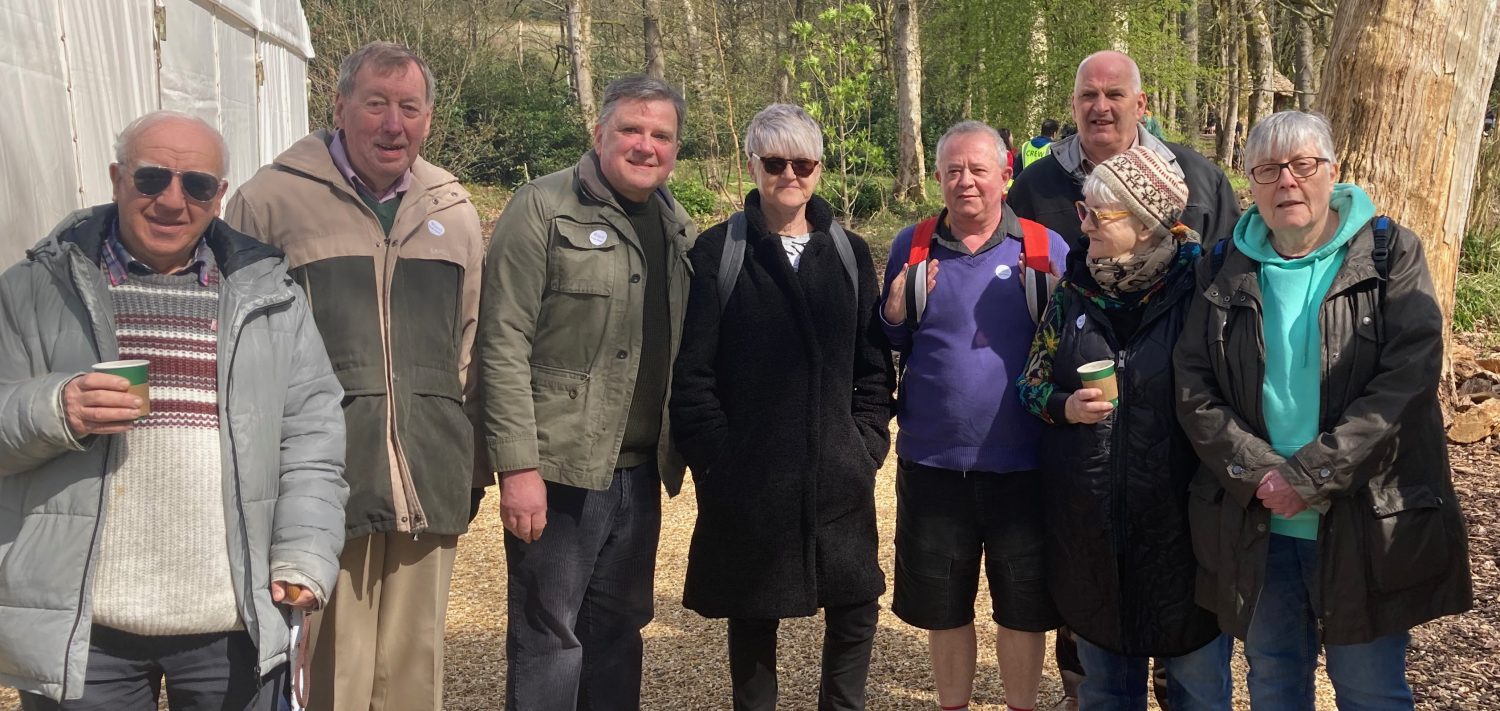
Every Wednesday from April to October the baths are open with free entry for self-guided tours. We soaked up the history of this beautiful building – the stained glass windows are amazing – before heading to the tearoom for tasty treats.

There are three pools – Males 1st Class, Males 2nd Class and Females – and three separate entrances to the building.

Males 2nd Class Pool

The cubicles in this pool were much narrower than in the 1st Class pool and didn’t have doors – it seems that second class males didn’t need privacy! The pool was converted to a sports hall in the 1980’s.

As most houses didn’t have bathrooms when Victoria Baths was built it was important to ensure that swimmers washed before entering the pool. There were troughs or tubs which were filled with warm water. Soap was provided and showers for rinsing. Although intended for washing, the troughs were also a good place to warm up.

As this pool was an all-male environment, it was not unusual for the boys who didn’t own costumes to swim naked. They would only get embarrassed if one of the female attendants happened to walk in. Then the boys with no costumes on would dive into the water or hide behind their towels!

Females Pool

This is the smallest of the three pools at Victoria baths. It is the most intact of the three pools – you can still see the original stone steps leading into the pool, the stone pool surround, the brass rails and the brass overflow troughs. These are sometimes called spittoons!

The water for Victoria baths came from a well which was especially sunk for the establishment. It is said that the water was first used to fill the Males 1st Class pool, then it was returned to the water tanks, filtered, aerated, re-heated and used in the Males 2nd Class pool, then recycled again and used in the Females pool!

Having the smallest pool and perhaps third-hand water didn’t prevent swimming from being a very popular activity for women and girls in the early 20th century.

More photos can be seen here.

Kenneth Felts

Kenneth Felts is full of pride after coming out in his 90s “I am as happy as I have been for the last 70 years. I just started blooming.” Sifting through old memories during the pandemic, 92-year-old Kenneth Felts found the motivation to come out to his family and friends. See how his journey has inspired others.

https://www.facebook.com/groups/oitcmcr/permalink/1197684970946294/

Pride on The Range … Chelsea Flower Show … Salford Pride

News

Pride on The Range

Pride on The Range celebrates LGBT+ life in Whalley Range and takes place from 25 to 29 May.

The programme included events at The Carlton Club and The Nip and Tipple including the ‘Proud Hearts’ Art Exhibition, various singers and spoken word performers, Big Gay Quiz and a queer film night.

The main event on Saturday was the Parade and Garden Party, which included a Vogue dance workshop with the House of Apex, Bhangra Band, yoga, cabaret, music and a dog show.

Categories for the dog show were campest dog, waggiest tail and best dressed dog!

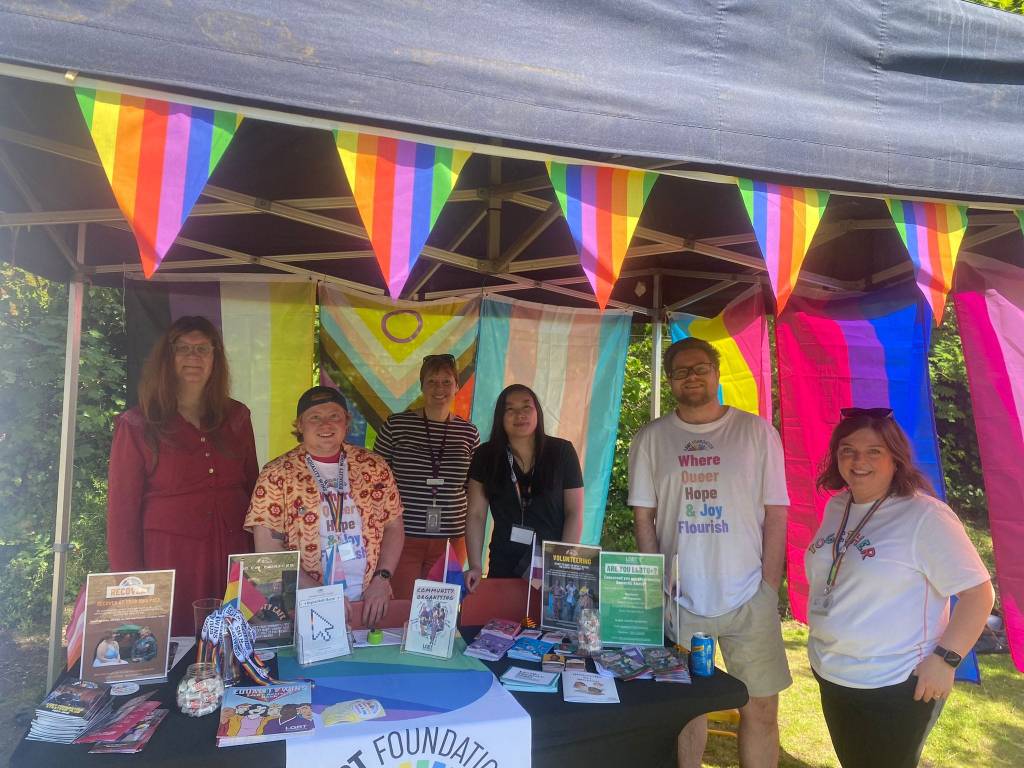
There were lots of stalls including UNISON North West LGBT+ Group, Village Bakers and The LGBT Foundation. The Foundation stall featured their new branding and information about the LGBTQ+ Majority Extra Care Housing Scheme.

LGBT Foundation, Great Places Housing Group and Manchester City Council are developing the UK’s first purpose built LGBTQ+ majority older person’s scheme on Russell Road in Whalley Range.

The volunteers on the stall had some great conversations about the development and handed out flyers with more information, and there was also a mention of the scheme in the Lord Mayor’s speech!

The Russell Road scheme will be a flagship, first-of-its-kind scheme and the ambition is that it will serve as a model that other cities and communities can look to as they seek to create more inclusive and supportive environments for their older LGBTQ+ communities. The details of the scheme will be developed with the input of the Russell Road Community Steering Group, building on the expertise, knowledge and experience of older LGBTQ+ people and local residents to design a ground-breaking scheme and Centre of Excellence.

It was a very enjoyable day with a great positive atmosphere. More photos can be seen here.

Same-Sex Couple Marries In The First Wedding Ever Held At The RHS Chelsea Flower Show

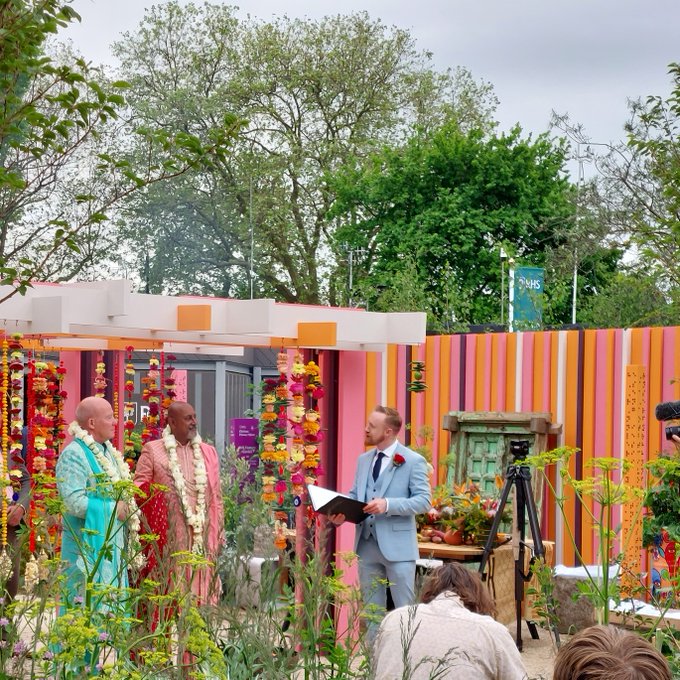
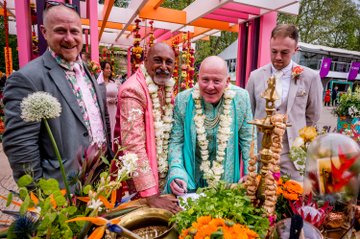
After more than a century of garden shows, the Royal Horticultural Society’s annual Chelsea Flower Show hosted its first wedding this week, when award-winning garden designer Manoj Malde married his partner of 33 years, Clive Gillmor, in a garden Malde created.

“Isn’t it a glorious idea?” says James Alexander-Sinclair, an RHS judge who introduced the ceremony. “Somebody who actually designs this garden about bringing people together, and then gets married [in] it. It’s just a really nice way to connect the whole thing together.”

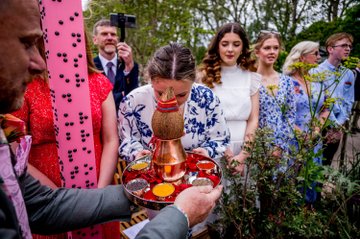
Malde, who is the RHS Ambassador for inclusivity and diversity, and Gillmor wed in a traditional Hindu wedding ceremony, surrounded by a variety of spiritually significant plants that Malde incorporated into his design of the Eastern Eye Garden of Unity: Japanese cherry blossoms, cardoon and oregano. The garden also contains Asian fruits and vegetables, celebrating Asian household cooking.

One of Malde’s missions in designing the space is to make gardening accessible to people who have been historically excluded from it, noting that “planting food and highlighting diverse stories helps attract a greater variety of people.” In another Chelsea Flower Show first, the Eastern Eye garden is home to posts with messages in Braille so that blind and visually impaired patrons can enjoy the garden more fully.

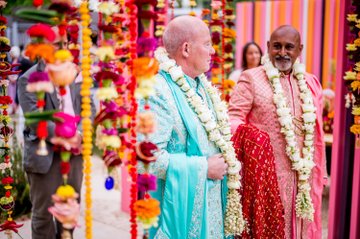
For Malde and Gillmor’s wedding ceremony, pink, orange, red, and green flowers were strung with beads around the centre of the garden as mandaps, which are a Hindu tradition. Sitar and flute music played as the couple donned white floral garlands and exchanged their vows in front of family, friends, fellow RHS judges and onlooking flower show attendees. “It took us 18 years to get engaged,” says Malde, “but in our minds we’ve always been married to each other. Today we’re making it more official.” 

Salford Pride

Salford Pride presents: ‘The Pink Picnic 2023’ returning to Peel Park, Salford M5 4WU on Saturday 17 June 2022 from 1.00pm to 8.00pm.

The Pink Picnic is Salford’s annual Lesbian, Gay, Bisexual, Trans and Non-binary plus (LGBT+) pride event and is back again in 2023 for it’s twelfth year.

The grass roots event personifies the true essence of what pride means and what it originally stood for. With the community at it’s heart, the event brings the local community, groups, organisations, charities, and businesses together to showcase Salford’s diverse communities.

The day will host an array of live entertainment on the main stage, showcasing a roster of local diverse LGBT+ talent and headline artists including Nadine Coyle, Black Peppa, Big Brovaz & Booty Luv, Nimmo, Bailey J Mills and more. Expect to see drag, musicians, dancers, DJ’s and powerful words from prominent voices in the community, including Salford Pride patron and trans activist Annie Wallace (Hollyoaks).

As well as the main stage the event will host community stalls promoting local groups, organisations and charities, activities and entertainment for families, children, and LGBT+ youth, inflatables, a bar tent, food and drink vendors and much more.

Free tickets are limited to 2 per person.

If you are able to, please support by selecting a donation ticket of your choice to help keep the event free. PinkPLUS tickets are also available for purchase with prices starting at £25.00.

Bridgewater Hall Concert … French Soccer … Molly Houses … Research on Sexual Health pre 1980

News

Bridgewater Hall

The Bridgewater Hall is a concert venue in Manchester city centre. It cost around £42 million to build in the 1990s, and hosts over 250 performances a year.

We were there to listen to a concert organised by the Hallé. The Hallé welcomed, for the first time, German conductor Kevin John Edusei whose career is well established on the concert platform and in opera as former Chief Conductor of the Munich Symphony Orchestra and the Bern Opera House.

He’s joined by a pianist long admired by Hallé audiences, Nelson Goerner, whom BBC Music Magazine dubbed ‘an artist of a very high order’. He plays the concerto with which Rachmaninov, as composer and virtuoso pianist, swept the world.

The second piece was by American composer Missy Mazzoli who wrote her animated Sinfonia (for Orbiting Spheres) in ‘the shape of a solar system’, elaborating that ‘it’s a piece that churns and rolls, that inches close to the listener, only to leap away at breakneck speed’.

To conclude, the third piece of music was Dvořák’s genial, sunny Eighth Symphony, bursting with the beguiling folk tunes of Bohemia.

Thanks to The Hallé for such an enjoyable afternoon.

French Soccer Clubs Exclude Players After They Refuse to Participate in Anti-Homophobia Campaign

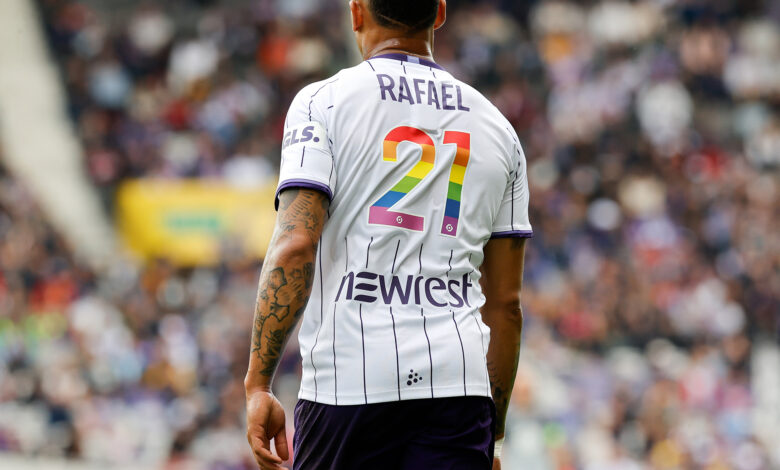
Players in the country’s top two divisions were asked to don rainbow-coloured numbers.

Rafael during the Ligue 1 match between Toulouse and Nantes on 14 May, 2023 in Toulouse, France.
(Photo by Loic Baratoux / FEP / Icon Sport via Getty Images)

French soccer team Toulouse did not select several players for its Ligue 1 game against Nantes on Sunday, 14 May after they refused to participate in a league-wide anti-homophobia campaign.

“Some players of the professional squad have expressed their disagreement regarding the association of their image with the rainbow colours representing the LGBT movement,” Toulouse FC said in a statement.

“Although respecting the individual choices of its players, and after numerous exchanges, the Toulouse Football Club has chosen to exclude these players from the game,” the Ligue 1 club added.

French teams playing in the country’s top two divisions were asked to don rainbow-coloured numbers and hold banners as a way of raising attention for International Day against Homophobia, Transphobia and Biphobia.

Toulouse FC did not name the players they had excluded but Moroccan international Zakaria Aboukhlal confirmed on social media that he “made the decision not to take part in the game.”

“First and foremost, I want to emphasise that I hold the highest regard for every individual regardless of their personal preferences, gender, religion or background. This is a principle that cannot be emphasised enough,” Aboukhlal said.

The “molly houses” of the Regency era were basically just sophisticated 19th century gay sex clubs

Most of us are familiar with the Regency period, the decade between 1811 and 1820 when the wealthy English aristocracy ruled. Yet in most of the modern stories set in the Regency, we see hardly any gay characters at the balls and tea parties. It makes you wonder: in the actual Regency era, where did all the gay men go? 

History’s got an answer: they went to the molly house!

Throughout the eighteenth and early nineteenth century, molly meant a gay man. “Mollies” would meet in taverns, alehouses, or coffee-houses for discreet encounters of the racy kind. Some came to meet new prospects, others brought men they’d met elsewhere, and one could hire live-in male prostitutes at the richer establishments. All found booze, dancing, and the freedom to experiment with feminine fashion without judgment. 

We first hear of molly houses in 1700, mostly through court transcripts and the hysterical articles of investigative journalists. In the 18th century, the molly house that attracted the most attention was Mother Clap’s Molly House in the Holborn borough of London.

Though a married couple co-owned the place, it was the wife, Margaret Clap, who held court in the main room. Up to forty or fifty men gathered there, drinking, dancing and kissing. It’s all fun, indecent times until the police raid your bar, which happened to Mother Clap’s in 1725.

Secrecy was the name of the game for these molly houses. Engaging in penetrative sex between men could land you a conviction of sodomy, which meant facing enraged crowds throwing dead animals, rotten veggies, and even potatoes at you while you’re stuck in the pillory. The unluckiest ones ended up in prison or even on the gallows.

Molly houses protected themselves by posting lookouts, vetting newcomers, and demanding passwords at the door (one of them was “sister”). Sources guess that about forty molly houses existed in London alone through the early 1700s, at a time when the city’s population numbered about 630,000.

Why take the risk of opening a molly house? It could make its owner rich – or so a would-be entrepreneur named Yardley claimed in 1810, when he convinced James Cook to open a molly house with him. They opened their coffee-house on Vere Street and dubbed it the White Swan Inn. The money rolled in for six months before the police showed up, arresting over twenty patrons and staff. 

If Cook didn’t become a molly house millionaire, at least he could afford a lawyer. That legal champion, Robert Halloway, took it upon himself to publish The Phoenix of Sodom in 1813. It’s a defence of Cook’s reputation that just happens to describe the Swan’s operations in juicy detail.

Holloway uses approximately five hundred euphemisms for “gay sex”, such as “unnatural sin” or “pile of diabolism”.

The clientele seemed to include both “men of rank” and “wretches of the lowest description,” many with a taste for petticoats and bonnets. We hear assumed names like Miss Sweet Lips, Black-Eyed Lenora, the Duchess of Devonshire, and the Countess of Camomile. Holloway notes both “effeminate delicate beings” and burly coal-shovellers. 

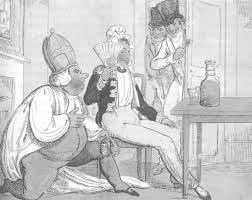
Holloway was most interested in the Swan’s upstairs rooms. One was decorated like a lady’s dressing room with an array of perfume and makeup for customers. Another held a chapel where male-male couples would be “married” in a faux ceremony and then consummate their nuptials on one of several beds, sometimes in sight of other couples.

The Swan’s wedding ceremonies were officiated by an actual clergyman, the Reverend John Church. He was accused several times of sodomy but never convicted.

According to historian Rictor Norton, “all the evidence indicates that John Church was a sincere, perhaps even pious, man who believed that gay love was congruent with the Christian way of life.”

While the raid resulted in eight convictions and the Vere Street Coterie became the objects of loathing and hatred, times were changing. Death sentences became rarer, and the year 1835 marked the last execution for sodomy in England.

At the same time, gay men found a new gathering space: public baths. England’s first salt-water bath opened in Liverpool in 1828. By 1839, we see mentions of gay sex occurring in bathhouses. With the Baths and Washhouses Act of 1846 helping parishes build more public baths, it’s no wonder that molly houses disappear from the historical record by the mid-nineteenth century. 

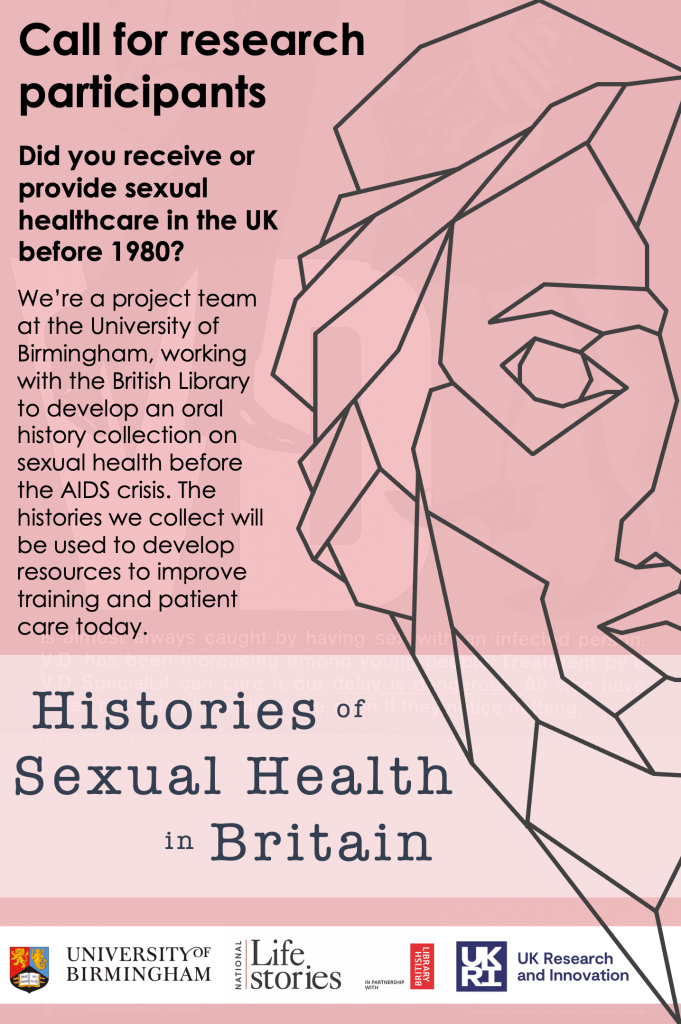
Research on Sexual Health pre 1980

Dr Claire Martin is a historian at the University of Birmingham currently working on a research project that explores the history of sexual health in Britain between 1918 and 1980.

A big part of this project involves the collection of oral history interviews with people who accessed or staffed sexual health services in Britain before 1980.

As this research aims to tackle ongoing challenges and inequalities in sexual health today, we are committed to ensure that the voices and experiences of LGBT+ people are reflected in the project.

If you are interested in participating or would like more information about this project, please contact Dr Claire Martin: c.martin.6@bham.ac.uk