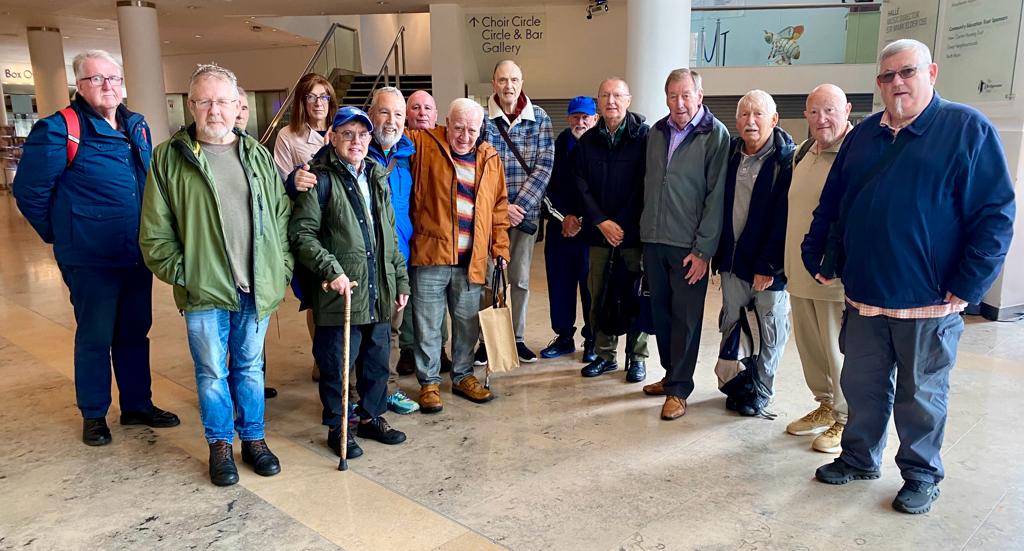
After lunching at The Waterhouse pub, we walked down to the Bridgewater Hall, a concert venue in Manchester city centre. There we met Glynn our guide, who showed us round and told us all about the history of the building.
Proposals to replace the concert venue in the Free Trade Hall were made after it was damaged in the Second World Warbut the hall was repaired and renovated in the 1950s. Despite being a popular venue, the Free Trade Hall, built in the 1850s, had poor acoustics and outdated audience facilities.
In the 1990s, land adjacent to the G-Mex exhibition centre (now Manchester Central Convention Complex) was identified as the site for a new hall.
It cost around £42 million to build in the 1990s,and hosts over 250 performances a year. It is home to the 165-year-old Hallé Orchestra and serves as the main concert venue for the BBC Philharmonic.
The Bridgewater Hall held its first concert on 11 September 1996 and was one of a number of structures built in the 1990s that symbolised the transition to a new and modern Manchester following de-industrialisation and the 1996 bombing.
The Bridgewater Hall can seat 2,341 people over four tiers in the auditorium: the stalls, choir circle, circle, and gallery (one more than the Free Trade Hall).
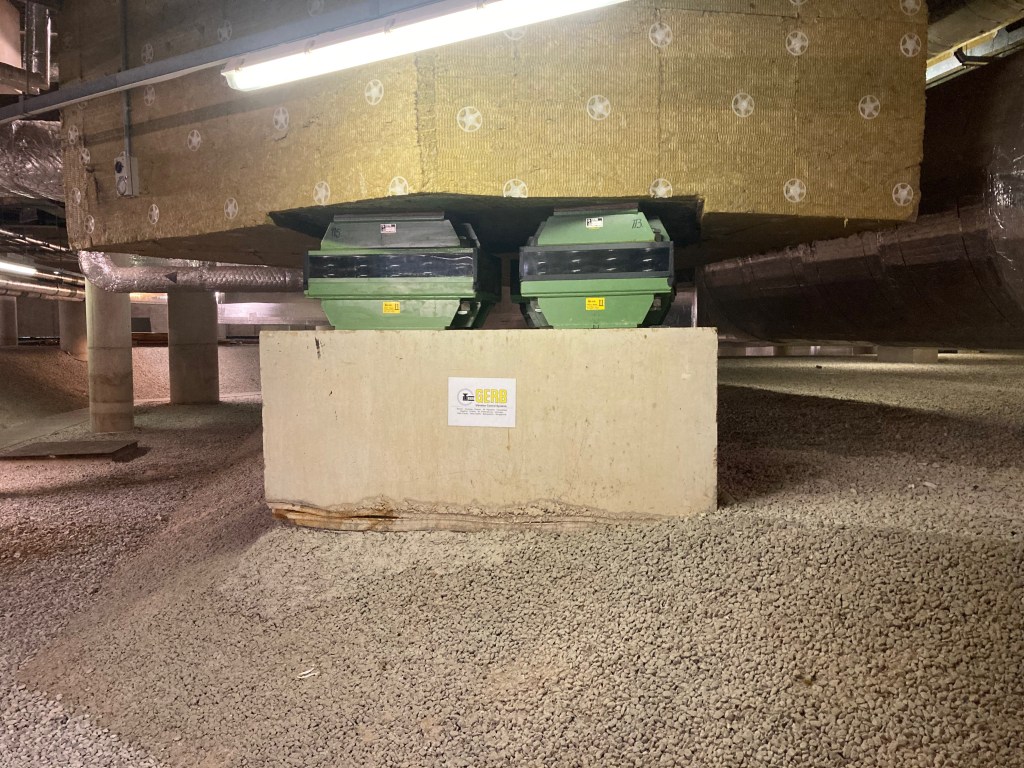
We descended the stairs to the area beneath the main auditorium. The building sits on a bed of 280 steel springs between concrete piers – earthquake-proof isolation bearings that insulate it from noise and vibration from the adjacent road and Metrolink tram line. Bridgewater Hall is the first concert hall built with this technology.
Inside the hall, the focal point is a £1.2 million pipe organ which dominates the auditorium, covering the rear wall with wood and burnished metal. At the time of construction, the organ was the largest instrument to be installed in the UK for a century.
Glynn was very knowledgeable and we had a fantastic experience.
A new start after 60: I spent 40 years hiding that I was gay. Then my husband’s dementia wiped away my fear
As Tom got ill, my fear of doing anything publicly evaporated’ … Mike Parish. Photograph: Sam Frost / The Guardian
Mike Parish was 19 and on the escalator at Victoria station in London when a tiny sticker caught his eye. As he read the words “Do you think you’re gay?”, the escalator whisked him downwards. He had to go back up and then down again to copy the phone number, which was for an organisation called Icebreakers. This act proved a turning point for Parish, who had increasingly felt at odds with how he fitted into the world.
It took weeks to brave dialling the number. “I think I’m gay, but I don’t want to wear a dress and carry a handbag,” he told the man at the end of the line; it was 1974 and now, aged 68, Parish looks back and is saddened by his own lack of knowledge. The man laughed and invited him to a tea party the following Sunday. Sitting on the sofa there, he reached for his cup of tea at the same time as a young man on the other end of the couch. They smiled at each other. “I fell for Tom in that moment,” Parish says.
He and Tom were together for more than 40 years, until Tom died of dementia last year. Now, Parish has launched a community interest company to support LGBTQ+ people with dementia and their carers.
“The trouble is, for a lot of people who, like me, are approaching 70 or older, the negative experiences they had when they were younger are still there. It’s like going through some sort of crisis – you never forget it,” Parish says.
For years, he hid his sexuality at work; he spent four decades in the fire brigade, mostly as an emergency planning officer. One year, terrified that he had slipped up, he opened all the Christmas cards he had written to check that he hadn’t added Tom’s name to them.
Although they had a civil partnership in 2006, in public the pair were guarded and avoided holding hands. “Too frightened,” Parish says. “People got attacked in the street because they were gay. This happened so much in our early lives … The trouble is when someone says: ‘Look, a couple of queers’, you don’t know if the next thing is going to be a brick or a punch.”
But Tom’s dementia, and Parish’s duty of care, led them into new territory. A few years ago, they would go for coffee in Bath, Somerset. “And I would hold his hand,” Parish says. “He would fall over if I didn’t.” Sometimes passersby said unpleasant things, but Parish called them out, once challenging a builder: “Yes, we are together. He’s my husband.”
Parish says: “I spent a lifetime frightened, but as Tom got ill, my fear of doing anything publicly evaporated. I have no fear any more. It’s a good place to be.”
As an increasing number of social workers and care workers visited their home, Parish learned to advocate, challenge and question. The case of Ted Brown, whose partner experienced homophobic abuse in a care home, weighed on him. Online research suggested the problem was widespread. So, at 59, Parish retired to care for Tom at home. But sometimes people would see him feeding Tom and remark: “It’s wonderful how you look after your father.”
“I became a carer’s voice,” Parish says. “I wanted to say: ‘Look, when you go out as a social services officer and there are two men, or two women, don’t assume.” He began to give talks to local organisations. When he contacted Deep, the UK network of dementia voices, and asked if there were any LGBTQ+ dementia groups, he was told: “Not really. Why don’t you start one?”
Last year, with a few like-minded people he has met along the way, Parish co-founded the LGBTQ+ Dementia Advisory Group, to “improve the lives of LGBTQ+ people who are affected by dementia”.
Parish knows that he may need help himself one day. But he is mostly spurred on by the memory of Tom. “I gained some kind of confidence from somewhere, some kind of drive,” he muses. “And the inspiration for that came from Tom.” He understands the meaning, he says, of the words: “I’ll do anything for the person I love.
“When you’ve got that level of freedom from the things that would normally hold you back, nothing can get in your way.”
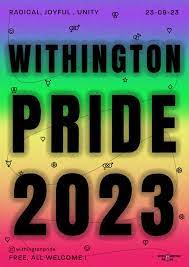
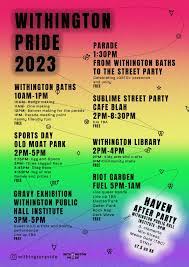
Withington Pride
Withington Pride – 23 September 2023 – Radical – Joyful – Unity
A day and night of events across Withington celebrating the local LGBTQ+ community’s vibrancy, creativity, & value, and building community networks of care, allyship and solidarity through music, art and dance! There’ll be something for everyone from free kids crafts to a march and street party, keep your eyes peeled for more info!
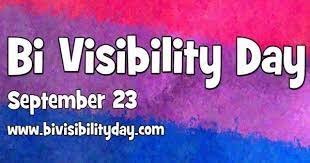
2023 will be the 25th year that we have celebrated bisexual life on 23 September.
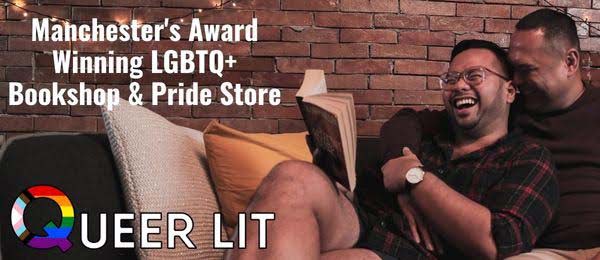
Queer Lit is Manchester’s independent LGBT+ bookshop. They are moving to bigger premises.
If you are in Manchester, come to 39 Tib Street, Manchester M4 1LX and take a few books off the shelves and save their poor backs having to move them all.
Get ready for a space like no other – a huge bookshop, coffee house, and bar rolled into one! The new address is the Social Refuge, Hudson Building, 29-37 Great Ancoats Street, Manchester M4 5AE
Mark your calendars! There is a soft open on 3 October, and they are planning an epic weekend launch celebration.
In “The Aunties,” Farmers Donna Dear and Paulette Greene Continue Harriet Tubman’s Legacy
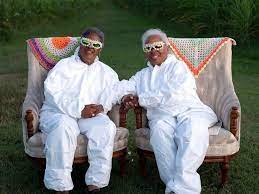
The Aunties – Photo: Diante Jenkins
At a party celebrating the first day of 1974, Donna Dear, an Ohio-born military woman, met the educator Paulette Greene at her home in New York City. The connection was cosmic. Though both were in separate relationships at the time, they would soon find their way to each other, beginning a partnership that would take them overseas and across decades.
After years in Asia, where Donna was stationed, the couple returned stateside, settling on Mt Pleasant Acres Farms in Maryland, near where Paulette’s great-grandparents once lived. At the time, neither Donna nor Paulette, known to most simply as “the aunties”, knew their land held a potent history.
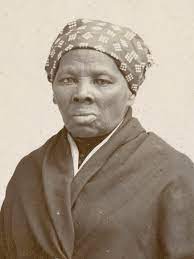
Harriet Tubman
A surge of research about twenty years ago revealed that the aunties’ farm sat on land where legendary abolitionist Harriet Tubman took members of her family out of enslavement. What’s more, a beautiful poplar tulip on the property was, in fact, The Witness Tree, a historic site where those escaping slavery would pray before their journey north.
Nearly fifty years since that brisk January afternoon, the couple are the subject of a forthcoming short film co-directed by their nieces, urban farmer, activist, and artist Jeannine Kayembe-Oro and artist and scholar Charlyn Griffith-Oro. Titled “The Aunties: From the North Star to the Poplar,” the short documentary traces the couple’s origin story, their relationship to Tubman’s legacy, and the ongoing work they do on the farm promoting climate justice in Maryland’s Chesapeake Bay.
“As Black queer and trans people, the archive of our stories is often so small. When we’re talking about environmental justice, it’s even smaller,” said Kayembe-Oro of the project, which was produced by the Centre for Cultural Power with an all-Black, queer, and femme crew. “It was a great moment to bring the aunties’ story to the Centre’s platform so that more LGBTQ+ folks can find in the aunties an answer to the question, what can my future look like.”
Brian Epstein
The Man Who Loved John Lennon
Music entrepreneur Brian Epstein was born on 19 September 1934 in Liverpool. Though he also managed such acts as Gerry & The Pacemakers and Cilia Black, his greatest fame came from being the influential manager of The Beatles.
Epstein would revolutionise how the ragtag boozy band presented themselves – turning them into pop-icons who would eventually explode “across the pond” with an historic concert debut at Shea Stadium.
Voices from the trans community: ‘There will always be prejudice’
This is a reprint of an article from ten years ago (Patrick Barkham / Guardian 22 January 2013). There are some language issues, but otherwise it is a good read.
The conclusion: “The narrative on trans issues has been controlled by people who have no understanding of them” still rings true today:
It’s more than 50 years since the UK’s first trans person was outed in the press. So how do members of the community think life has changed for them since?
April Ashley in 1962, a year after she was outed as the first British person to have undergone gender reassignment surgery. Photograph: Alamy
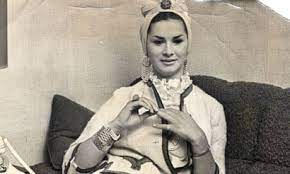
In 1961, a beautiful model who graced the pages of Vogue appeared in the Sunday People under the headline: “Her” Secret is Out. April Ashley, then 25, was the first person in Britain to be outed as a transsexual, not long after she had travelled to Casablanca and survived difficult genital surgery. In subsequent decades, Ashley led the most extraordinary existence, getting up to mischief with aristocrats and actors as well as becoming an informal agony aunt for thousands of people struggling to understand their gender. Since her outing, however, she has never again worked as a model in Britain.
Ashley’s exceptional experiences are typical of many trans people in Britain. “It was a very schizophrenic life,” she says, referring not to switching gender but the combination of glamour and poverty, acclaim and abuse, she has encountered. Following Guardian columnist Suzanne Moore’s spat with trans activists on Twitter, the vitriol directed at trans people by Julie Burchill in the Observer has caused many to wonder how much has changed.
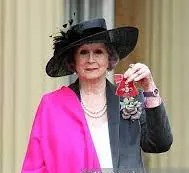
Ashley, who is 78, penniless and last month collected her MBE from Prince Charles, is airily dismissive of Burchill, who called trans people “bed-wetters in bad wigs”, among other insults. “I don’t know where Miss Burchill goes to see people with crappy wigs on their heads. All the transsexuals I know are very smart looking and have good jobs,” she says. “I do not wear a wig, by the way.”
The transformation for trans people over the course of Ashley’s life is astonishing. It is less surprising how little most people understand of trans lives. If gay activists traditionally asserted their right to be “different”, most trans people have tried to “pass” for their new gender. There is no data on how many people are living as a different gender from their birth but activists estimate that 10,000 people in Britain have undertaken gender reassignment surgery, which was pioneered by German doctors on Lili Elbe, a Danish painter, in 1930. Elbe died from complications in 1931 and, although modern surgery is much safer, plenty quietly live their acquired gender without operations, particularly women “transitioning” to men, for whom genital surgery is more complicated.
April Ashley at Buckingham Palace with her MBE, December 2012. Photograph: Getty Images
It is eye-opening how trans people have only recently acquired the most basic of rights. Britain was one of the last countries in Europe to recognise a person’s right to change their gender in law, and it was not until the Gender Recognition Act of 2004 that trans people could become a different gender in law. The court of appeal only established the right for people to access gender reassignment treatments on the NHS in 1999, and it only became illegal to sack someone who changed or planned to change their gender in 1997.
Perhaps it is inevitable that the small group of trans people, who have had legal recognition for a mere eight years, say they still suffer discrimination, prejudice and violence. A study of 2,600 trans people in the EU in 2008 found 79% suffered transphobic abuse – verbal, physical or sexual violence – in public. More recently, Transgender Europe logged 265 reports of murdered trans people in the 12 months to November 2012; 126 were in Brazil, with one in Britain (although not all these deaths are proven to be the result of transphobia).
Paris Lees, 25, an eloquent, media-savvy campaigner and editor of digital trans magazine META, was violently assaulted and abused in the early days of her “transition” when she did not “pass” so well for a woman. She knows countless people who are harassed in their homes and called “freaks” or “perverts” on the streets every day. “Try putting on some lipstick and holding a handbag and going out there,” she says. “There are two types of trans people: trans people who are lucky enough to ‘pass’ – their lives are pretty much like yours – and people who are identifiable as trans. Their lives are living hell. They cannot go out of the house without being abused. There’s a long way to go and it has to change. People need to feel safe walking down the street.”
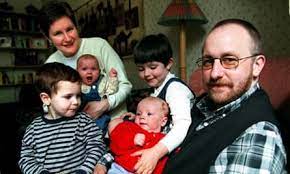
Most trans people barely notice everyday harassment. Stephen Whittle, professor of equalities law at Manchester Metropolitan University, still gets stones thrown at the house where he has lived for 20 years with his wife, Sarah, and their four children. He has also been abused in the lecture theatre by students, who have called it an “abomination” that he has children. “On the whole you can get by in life without too much hassle, which is pretty different to 20 years ago when every moment of life was hassle,” he says.
Whittle, who “transitioned” nearly 40 years ago, was one of three trans men and three trans women who did an unusual thing in 1992: they went to meet Liberal Democrat MP Alex Carlile in Westminster. The unusual element was not the meeting but the fact that they travelled together – at the time, trans people never dared to because it increased the likelihood that they would be spotted and abused. These six wanted to start a campaign group; Carlile advised them to avoid the word “transsexual”. So, in Grandma Lee’s teashop opposite Big Ben, an anodyne name, Press for Change, was chosen.
Stephen and Sarah Whittle with their family in 1999. Photograph: Don McPhee for the Guardian
For decades, Ashley’s life itself was a source of some of these battles, as one of the few widely known transsexuals in Britain alongside Jan Morris, who completed her transition in 1974. The annulment of Ashley’s marriage to the Hon Arthur Corbett (in court he was judged “deviant”; she “a man”) in 1970 was a humiliation for Ashley and a great setback for trans people because it was established that a person must remain their birth gender in law. Before that, trans people were furtively altering their birth certificates, or passports, and accessing medical treatment.
Christine Burns is one of a generation who vividly remembers reading about Ashley in the papers when she was a young child. (Ashley appeared in a six-week special in the News of the World: “They were one of the very few who paid me and they behaved impeccably. I was very sad when the News of the World closed,” says Ashley.) The existence of someone like her in the public eye was a great comfort for Burns. In the 90s, when she was chair of the Women’s Supper Club of the local Conservative party association in Cheshire, she quietly joined Press for Change. Even then, the new activists dared not be openly trans. “The thing that held us back in the 1990s campaigning was that fear of being out,” admits Burns. Eventually, she came out in 1995; she jokes that she realised she was more embarrassed to be a member of the Conservative party than openly transsexual.
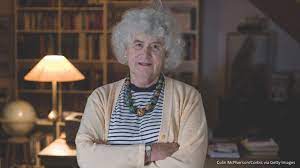
The writer and historian Jan Morris completed her transition in 1974. Photograph: Colin McPherson / Corbis
Much of their campaigning remained on the quiet. The passage of the 2004 law to give trans people legal status was “remarkable,” says Burns, because “the government was able to pass an entire act in parliament without anyone throwing a fit in the press”. In popular culture, the activists became more forthcoming in their attempts to increase popular understanding of trans issues. Although the arrival of trans character Hayley Cropper in Coronation Street in 1998 was one breakthrough, Julie Hesmondhalgh, who plays Cropper, is a non-transsexual woman. Some believe one sign that minority groups are not taken seriously is when characters in popular culture are not played by members of that group (from the Black and White Minstrels of the 60s and 70s to non-disabled actors taking disabled parts). “I can advise any casting directors that there are plenty of transsexual actresses,” says a medical professional involved in transition treatments. More inspiring for many younger trans people was the victory of Nadia Almada in Big Brother in 2004. Equally significant for a less visible part of the trans community was trans man Luke Anderson’s Big Brother victory last year. But there still persist the likes of Little Britain and hundreds of other belittling jibes about “trannies” and “chicks with dicks”.
Most trans people I speak to say the biggest issues they face are not media stereotypes but legal rights and access to healthcare. When trans people were allowed to legally register their changed sex in 2005 there was an awful tangle over marriage. Fearful of creating a situation where two women could be legally married, the government decided that trans women who married when they were still men must have their marriage annulled to receive legal recognition as women. So while Ashley finally became a woman in law (with a bit of help from John Prescott, with whom she worked with in a hotel in the 1950s – “a very charming young man”, she says), married couples who have stayed together through one person’s transition still have to divorce if the trans person’s gender is to be legally recognised. “Imagine the wife of someone who transitions from male to female; I cannot think of an issue that challenges your marriage more,” says Burns. “So this law is absolutely indefensible. It’s a real slap in the face to the partner. The law considers relationships for trans people and those who love trans people to be disposable.”
Sarah Brown, an openly trans Lib Dem councillor in Cambridge, was a man when she married Sylvia in 2001. They stayed together through Brown’s transition, which began in 2005. Brown wanted to be recognised as a woman in law and she and Sylvia convinced themselves that annulling their marriage and becoming civil partners would “just be a bureaucratic exercise that didn’t mean anything”. When they got their decree of nullity, however, “We realised we had been wrong. We left the court holding hands, in tears,” says Brown. Far from being healing, the words of their civil partnership a few weeks later were “a kick in the teeth”. Even their marriage certificate was confiscated. The proposed marriage equality legislation will not allow people such as Brown to have her original marriage recognised again.
This is a source of personal heartache, but Brown is convinced that trans people’s biggest single problem is access to decent healthcare. Within 24 hours of her creating the hashtag #transdocfail, she had been inundated with 2,000 tweets of trans people’s negative experiences at the hands of medical professionals. “It revealed a massive level of abuse. If it was happening to any other minority it would be on the national news,” says Brown. Another ongoing battle for trans people is to revise the World Health Organisation’s International Classification of Diseases (ICD) so that transsexuality is not listed as a mental illness. (Ironically, this was added to the ICD around the time homosexuality was removed; campaigners such as Burns say it is useful to be in the ICD to help trans people access healthcare but it should be “less stigmatising”.)
When they finally gain access to transition procedures, most trans people are positive about their hormone treatment or surgery. More of their complaints, however, concern everyday health problems and ordinary care from GPs. Many trans people feel “absolute terror” when faced with revealing their medical history for an orthodox operation or treatment, says Brown, and believe doctors then treat them differently. “It’s not just the NHS that is institutionally transphobic, it’s the whole medical establishment,” says Brown. “This attitude that you’re not treating the person, you’re treating a condition. The moment people realise you’re trans, it seems they can’t see anything else.”
Paris Lees, editor of META, is a campaigner for trans people. Photograph: Rachel Saunders Photography
James Barrett is the lead clinician at the Charing Cross Gender Identity Clinic, the largest and oldest in the world, which receives 1,400 NHS patients a year, a figure that is doubling every five years. About one in five referrals end up having genital surgery. The media is obsessed with stories of regret; in fact, post-operative trans people wanting to return to their original sex are “vanishingly rare”, says Barrett. Of the 6,000 or so NHS patients he has seen over 25 years, just two have permanently reverted to their original gender role. Barrett understands some trans people’s frustration with the glacial pace of gaining access to surgery but says if it was made easier – or the selection processes less stringent – there might be proportionally many more regrets.
Barrett admits his work is not well regarded among many health professionals and is critical of some GPs who treat trans people. “It’s not a majority, but it’s an extremely substantial minority” he says of GPs who are reluctant to refer patients on to identity clinics, or are unwilling to prescribe the hormones they will need for the rest of their life when guided by consultants at a specialist NHS clinic. “We have persistent problems with GPs who won’t prescribe for patients even though to do so is safe,” he says. (A Dutch study found mortality rates among treated trans people no higher than anyone else; Barrett’s clinic’s oldest former patient is 92.) In fact, says Barrett, it seems that some GPs are prejudiced or ill-informed: one stated it was against her Christian beliefs to prescribe hormones; another recently insisted no such treatment was available on the NHS.
“This is a group who are somehow not taken seriously. They are a bit like Gypsies, whom it still seems OK to make racist jokes about,” says Barrett. “It seems to be thought comedic to make cruel jokes about them. Nobody would make Dick Emery-type jokes about gay people now. This isn’t a pantomime. These are real people with real lives.”
Barrett understands the potential controversies inherent in trans people asking for medical help paid by the taxpayer but insists that people who have gender reassignment surgery subsequently contribute far more to society than they ask of the NHS. For example, they earn more after surgery. “If you work out how much more they pay in taxes, they fund their own treatment and then some. If you don’t treat people, they tend to be really miserable and off work and on sickness benefits and in hospital and then they cost the taxpayer, when they could be net contributors in financial and social terms.”
Part of Burchill’s critique of trans campaigners was to suggest they are a small, educated minority who punch well above their weight. Whittle admits trans people tend to be well educated but says this is a legacy of them having no jobs to go to. Whittle, Lees and Burns all came from humble beginnings and are now smart, networked individuals.
In 25 years, Barrett has seen trans people become “a networked bunch” – more so than other people, he thinks – thanks to the internet. Lees, who also works for Trans Media Action, says social media is the “essential catalyst” for the transformation of trans people in society. “Society is in transition and we’ve woken up from the operation and there’s no going back. We can’t pretend that trans people don’t exist any more,” she says. “People have been taking the piss out of trans people for 60 years. The narrative on trans issues has been controlled by people who have no understanding of them. Social media is about us grabbing the narrative back and telling our own stories – this is our reality, this is what we go through and this is what matters to us. We’re here, we’re in your face, we definitely exist. That’s the most important thing – realising we exist.”
Later this year, an exhibition about April Ashley’s life – from electric shock treatment in a mental hospital to being admired by Albert Einstein, pursued by Dalí and apparently sleeping with Omar Sharif and Peter O’Toole on the same holiday – will open at the Museum of Liverpool. Ashley doubts whether trans people will ever be completely accepted in society, but she believes life is improving. “There will always be a great deal of prejudice but I do think things are getting a lot better, and trans people are also getting a lot better,” she smiles. “Transsexuals are famous for their sense of humour, their gentleness, their kindness and being nice people because they’ve been through an awful lot. It’s a terrible ordeal to go through to have a sex change. People don’t do it willy-nilly. It makes you humble.”
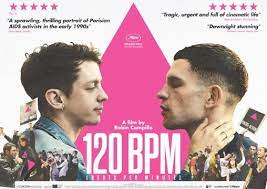
“120 BPM” tells the story of ACT UP Paris (AIDS activists in the 1990s). It’s a masterpiece
It begins with muffled speech. A man speaking to an audience. We don’t know what he’s saying, but the crowd applauds when he’s done. A group of men and women assemble in the darkness, quietly waiting for their chance. Another man appears to deliver his speech, but it is quickly interrupted by a flurry of noise, including shouts and the blowing of horns. The group isn’t waiting to speak – they’re waiting to protest.
Winner of the Grand Prix at the Cannes Film Festival in 2017, Robin Campillo’s 120 BPM is one of the most powerful, electric queer films in recent memory. Though its thrilling opening is cut before we see the protest itself, the next scene tells us everything we need to know: This is the Paris branch of ACT UP, an activist group originally founded in New York in 1989.
The group is determined to stand up and fight for the rights of people living with AIDS. “One last thing you need to understand,” an instructor tells a group of people looking to join. “As soon as you join ACT UP, whatever your HIV status, you must accept to be viewed by the media and public as HIV-positive.”
There is, of course, still a stigma around HIV/AIDS. Thankfully, with medical advancements, the virus is no longer a death sentence, and in fact, medical advancements have come so far that the virus barely impacts those with access to medicines at all. Still, there’s a sense of shame that lingers around the disease that stems from the AIDS crisis in the 1980s and ‘90s, when 120 BPM takes place. Back then, having AIDS wasn’t just the likely end of your life; the stigma of the disease lingered so heavily that traces of it still haunt LGBT+ communities several decades later.
Widespread misinformation campaigns permeated ideas that people with the virus were untouchable delinquents that could spread infection through physical touch and had a devastating effect on those suffering from the virus and on the LGBT+ community as a whole.
A rose-tinted look at activism this is not. Arguments and disagreements abound, as the meetings are full of heated discussions on the best ways to achieve their goals. Some advocate for more drastic measures, while others push for peaceful interactions.
Every second of it is riveting; this is a film always moving forward, and these meetings feel like vital history coming to life, even when they’re just reading the minutes.
Writer / director Robin Campillo brilliantly cuts between protests and organisational meetings. The rhythm of these scenes matches those of heist movies like Ocean’s Eleven, which speaks both to the intensity of these demonstrations as well as how high the stakes are in these moments. And the stakes quite literally could not be higher. If the messages of ACT UP are not heard and not acted upon, people will continue to die at exorbitant rates.
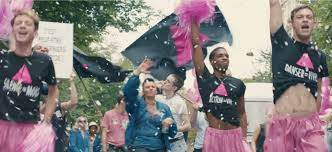
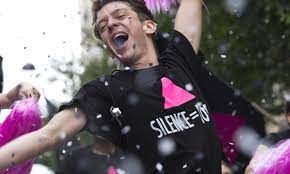
The protests themselves are vital – incredibly tense, yet strangely euphoric. There’s such urgency to them. Whether heading into a pharmaceutical company to demand action and throw fake blood-filled water balloons, marching in the streets with pom poms, or going to schools to talk calmly about how to prevent the spread of the virus, Campillo films them with equal urgency and vitality. The common thread of all these demonstrations is a lack of willingness from pharmaceutical companies and the like to engage with those ACT UP demands. It’s not their responsibility; they’re doing something, they just have to be patient. But inaction is inaction – as one member holds up a placard in protest, “SILENCE = MORT.”
120 BPM isn’t just about protests and activism – it’s also about the people on those front lines, who resisted, acted up, and lost their lives during the AIDS crisis. The film is careful to show that ACT UP wasn’t just people who suffered from the virus, but their friends, families, and concerned citizens, straight or queer. Organisations like ACT UP offered a community and a family for people ostracised from the communities they were born into.
Learning about the crisis might lead you to believe that people suffering from the virus led lives of nothing but misery, but 120 BPM shows the lives of people with positive statuses as diverse and multi-faceted. They fight for their right to be heard and their right to healthcare, and for action to be taken, but they also live their lives outside of meetings and demonstrations. Campillo’s film cares so deeply and wholly for its characters, and it gives them the space to live their lives freely.
Watching them dance the night away in a nightclub feels freeing – it feels almost uncanny to see these people who are suffering so full of happiness. In one club sequence, they dance joyously after a bloody demonstration held earlier in the day. On the dance floor, their pent-up frustrations fade away into a parade of song and movement. Here, they are liberated from stigma. Hands raised to the sky, leaping up and down, the amount of joy in the room is explosive.
Campillo’s camera drifts upward, looking down on this joyous bunch of people. Here, they are so much more than victims of a virus: they are people. But in this moment of happiness, the image of dancers fades away into a strobe light – the music remains, but the people are gone. As the song continues to thrum, images of floating blood cells take over the screen. It’s a harsh but essential reminder that for all the joy in the world, and all the hope these activists possess, they are tied to their bodies and their molecular makeup. All the jubilation in the world cannot stop HIV/AIDS from claiming these full, beautiful lives.
Moments like this make 120 BPM an extraordinary film. It refuses to shy away from the incredibly harsh reality facing those suffering from HIV/AIDS in the era, but it also refuses to reduce their lives to an illness. It’s a film as celebratory as it is melancholic; as depressing as it is uplifting. Death is an all-too-often occurrence in these people’s lives, and the bodies pile high over the film’s two-and-a-half hours. It’s a glorious entwinement of the personal and the political.
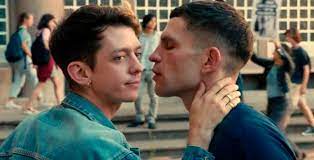
Underneath all the trauma is the blossoming romance between Sean (Nahuel Pérez Biscayart), who is HIV-positive, and Nathan (Arnaud Valois), who is negative. Despite the potential impracticalities of their relationship, they cannot resist being drawn to one another. Their chemistry is powerful and their sex – which the film does not shy away from – is electric. It’s one of cinema’s most stunning romances, filled with vibrancy, and laced with tragedy. It’s one of the many personal stories explored in the film, and it’s also the most impactful. The fate of these lovers is inevitable – such is the reality of the epidemic – but their love feels so hopeful nonetheless.
120 BPM isn’t just a thrilling, impactful reminder of how far we’ve come and the incalculable amount we’ve lost; it’s an urgent notice of how far we still have to go.
Pride in Our Future 2024 Consultation:
Manchester Pride want to ensure they are doing everything they can to achieve their vision and support LGBTQ+ people during the Festival and beyond, with year-round campaigns, events and opportunities.
They have opened the Pride in Our Future 2024 Consultation because they can’t do this without you. They want to hear what you feel are the issues affecting LGBTQ+ communities, what causes you’d like to see Manchester Pride support in the future, and what you’d like from future Manchester Pride Festivals. Your honest feedback is valuable to them and helps shape the future of Manchester Pride.
Survey Link:
The consultation is open until Friday 29 September 2023. Everyone who fills out the survey will be entered into a prize draw to win x2 tickets to see Anne Marie on 28 November 2023, a stay at Dakota and x2 VIP Manchester Pride Festival tickets.
September Community Session:
Join us for this month’s Community Session that discusses the future of Pride in Greater Manchester! The event is on Tuesday, 26 September, 6.00pm to 8.00pm.
BBC iPlayer – Programmes you may have missed
Danny Beard on Same Sex Love & Marriage
In these podcasts Danny explores rainbow weddings, finding out why they chose to get married, the challenges underpinning this decision and what makes these wedded relationships work.
These television programmes celebrate the LGBT+ community: from a gender non-conforming Bollywood dancer who puts on an event that will change his life forever, to Lily Jones’ incredible journey as she transitions from male to female, leaves home and finds love.
There are currently 22 programmes – each with a number of episodes – including:
Big Proud Party Agency
Awesome parties for amazing people. LGBTQ+ party planners compete to plan epic blow outs.
RuPaul’s Drag Race UK
Which queen will impress and be crowned the UK’s drag superstar?
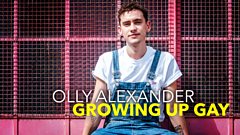
Olly Alexander: Growing Up Gay
Olly Alexander explores why the gay community is more vulnerable to mental health issues.
Lily: A Transgender Story
Lily Jones’ journey as she transitions from male to female, leaves home and finds love.
Cherry Valentine: Gypsy Queen and Proud
We are who we are. How the late Cherry united their LGBT+, gypsy and drag identities.
Bend It Like Bollywood
Fabulous and free. Vinay puts faith and family on the line for the dance show of his life.
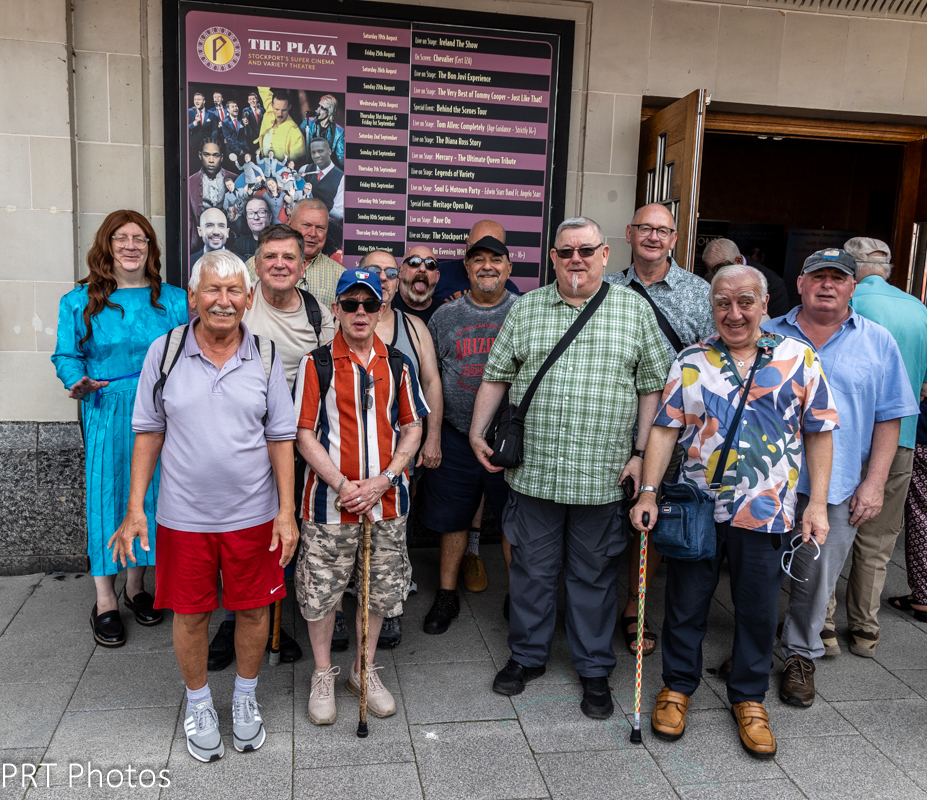
Last week, members of Out In The City met at Manchester Piccadilly Train Station to go on a “mystery trip”. Those attending did not know our destination.
We caught the train to Stockport and dined at The Calvert’s Court (Wetherspoon’s pub) before walking the short distance to the Stockport Plaza.
The Stockport Plaza Super Cinema and Variety Theatre is an award-winning example of the finest in 1932 Art Deco architecture, which has been lovingly restored and maintained. The surprise mystery was revealed as we were about to see a show called “Legends of Variety”.
Top of the bill was Anita Harris, now 81. She is an actress, singer and entertainer, having sung with the Cliff Adams Singers for three years from 1961 and having had a number of chart hits during the 1960s. She appeared in the Carry On films Follow That Camel and Carry On Doctor.
Freddie “Parrot Face” Davis, now 86 was the compere. He is a comedian and actor who came to public notice in 1964 through the television talent show Opportunity Knocks and has since appeared in several television series and films.
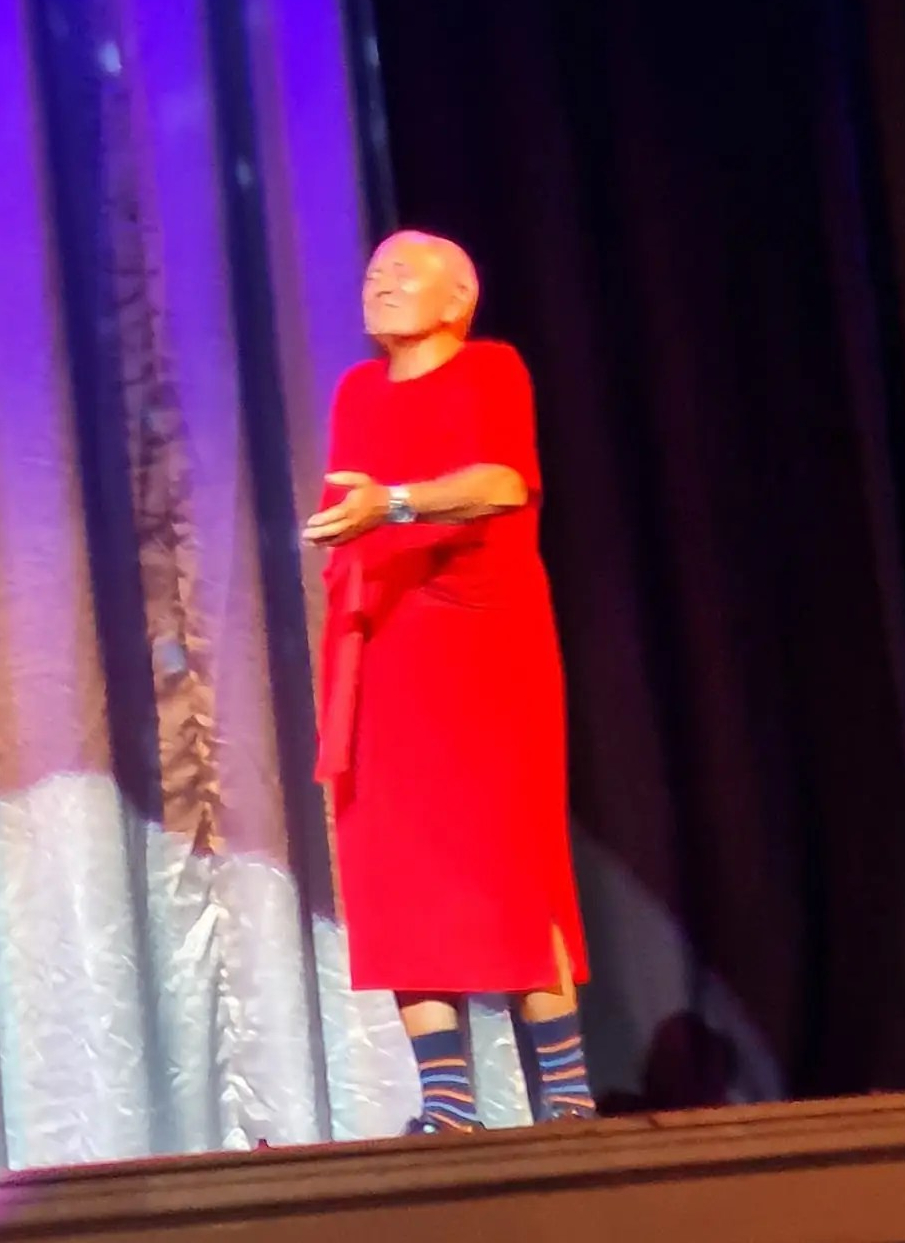
The support included Bernie Clifton, comedian and entertainer, now 87, the Grumbleweeds, comedy band (just Robin Colvill from the original group, now 79 with smooth straight man James Brandon) and Tommy Cannon, comic and singer, now 85. He is best known as the straight man of the comic double act Cannon and Ball, until Bobby Ball’s death in 2020. There was also Paul Zenon, a magician, the organist and a local group of dancers.
We laughed so much especially during the song “Ken Dodd’s dad’s dog’s dead” and when Tommy Cannon came on stage during the song “Lady in Red”.
It was a wonderful entertaining afternoon and more photos can be seen here.
Bi Visibility Week16th – 23rd September
Bi Visibility Week was founded in 1999, and will be celebrating its 25th year, this September. The aim of the week is to provide a space for awareness, and spotlighting challenges around bisexual and biromantic erasure that still often happens today, both externally and internally of the LGBT+ community.
The bisexual community still face many stereotypes and it is important to help eradicate them. The primary ones being, that the Bi community are ‘greedy’, ‘confused’ or ‘unable to decide’, essentially invalidating the authenticity of the orientation. The stereotypes are also quite harmfully gendered. For example, bi-women are more likely to be viewed as ‘straight’ and bi-men are more likely to be viewed as gay, and claiming their bi-ness is a step up to ‘coming out’. These all fall under the umbrella of Biphobia.
These stereotypes can be played out in society and by friends, family and colleagues. Stonewall did a study in 2018, that concluded that of those asked, 46% of Bi men and 26% of Bi women aren’t open about their orientation to loved ones.
By uplifting voices of the Bi community and educating others, we can continue to dismantle harmful biases within and outside our community.
How to be a good ally to the Bi community
Believe them: Bi people are often under a microscope over whom they date, but their orientation is valid. They could be in a long-term relationship with one gender for 10+ years, and then date the opposite gender for two. It doesn’t erase their orientation in the slightest over whom they are with in real time.
No Assumptions: It’s important not to make assumptions based on dating history.
Challenge Biphobia: Where you feel safe to do so, challenge harmful stereotypes that you hear others say.
Uplift and support marginalised bi people: It’s important to look at intersectionality too to be mindful and sensitive to those in the bi community who face additional barriers.
Use inclusive language: Be mindful of how you phrase words and careful not to generalise vocabulary. Several terms fall under the bi umbrella category such as pan and queer.
Support bi organisations and campaigns: To learn more and spread awareness, there are some fantastic Bi centred organisations within the UK such as: BiPhoria!, Bi Pride UK, Bi’s of Colour, Bi Survivors Network, Biscuit, and The Bisexual Index.
Celebrate: Champion, celebrate and amplify bi people’s voices and stories. Read books, watch interviews, and learn more from the community.
Historical & Famous Bi Icons!
In honour of Bi Visibility Week, let’s look at some prominent figures who are within the community! These are just a few of the many fantastic people in the public spotlight (both past and present) who have created pathways and visibility for the bi community.
Oscar Wilde (1854-1900)
Probably arguably one of the most famous, classic playwrights in the world, many of Wilde’s work is queer coded. He was married to a long-time female partner, however had multiple male affairs. Over the years many have tried to ignore his bisexuality by saying he was repressing his ‘true’ sexuality.
Sir Alec Guinness (1914-2000)
Most known for the iconic role as Obi-Wan in Star Wars, Sir Alec Guinness was discretely bisexual and struggled with his identity. Being in the entertainment world, he was sadly hyper aware of his surroundings. Sir Ian McKellen spoke about how Alec had tried to convince him not to advocate so publicly for the community. Either way, he has continued to be an icon in representing the community.
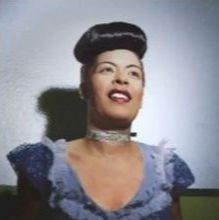
Billie Holiday (1915-1959)
The legendary American Jazz singer was known to be openly bisexual throughout her career and had multiple affairs with and relationships with other women within the entertainment industry that were high profile. She also had married several times.
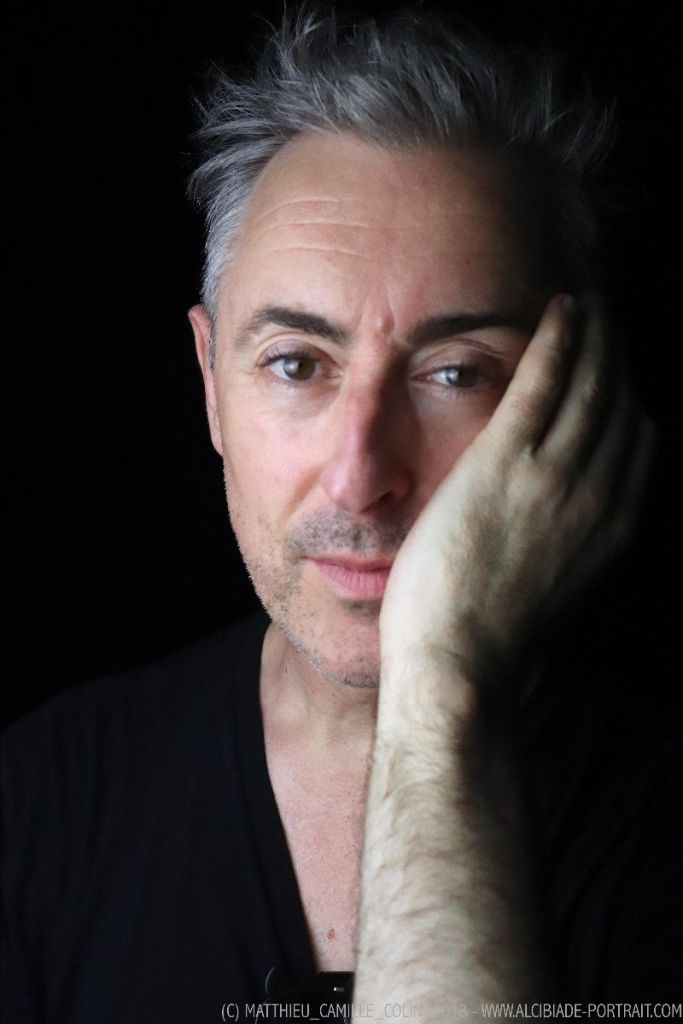
Alan Cumming (1965-)
The Scottish born and raised actor has had a huge career within the entertainment industry reaching audiences world-wide. Alan has also been quite open and vocal about being bisexual and championing his experiences. When asked how he explains bisexuality, Alan says: “I’m not here to change people’s minds about whether they believe in bisexuality. All I’m saying is that I think my sexuality and most people’s sexuality is grey.”
Margaret Cho (1968-)
Famous comedian Margaret Cho has openly shared her frustrations with harmful stereotypes. “Nobody has ever really accepted that I’m truly bisexual. Nobody has ever allowed it. It’s still very much a point of argument between anybody that I’ve been with. People just don’t accept it.”
Cynthia Nixon (1966-)
Most known for her iconic role as Miranda Hobbs in Sex & The City and And Just Like That, Cynthia is an American actress and advocate for the LGBT+ community, winning an award for her accomplishments in 2018 by the Human Rights Campaign. In an interview in 2012, Nixon mentioned “While I don’t often use the word, the technical precise term for my orientation is bisexual. I believe bisexuality is not a choice, it is a fact.”
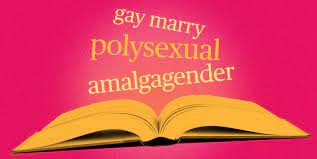
‘Polysexual’ and ‘amalgagender’ are among Dictionary.com’s newest words
“Amalgagender” – one of the new words, refers to the gender identity of some intersex people. NBC News / Getty Images
“Polysexual”, “amalgagender” and “gay marry” are among the new words and phrases added to Dictionary.com this year, in a revision that also included the removal of gendered pronouns from hundreds of definitions.
The online dictionary added 566 new words, many of which relate to identity and relationships, pop culture and artificial intelligence. Several new words describing identity and relationships involve the LGBTQ community.
“Gender and identity have been particularly dynamic, and productive areas of language change in the past 15 years or so,” said John Kelly, vice president of editorial at Dictionary.com. “Whether it be socially or medically, there is a vocabulary component that is emerging, breaking through into the mainstream, that people need to know that they’re going to encounter.”
Amalgagender, one of the new words, refers to the gender identity of some intersex people. Polyromantic is a person romantically attracted to people of various genders, and polysexual is a person sexually attracted to people of various genders.
Kelly said the company uses four criteria to determine whether a word should be added to its dictionary: “Is it widely used, does it have shared meaning, does it demonstrate staying power and is it going to be useful for a general audience?”
More than 2,000 definitions of existing words have also been revised, and about 400 of these were updated to either replace or remove gendered pronouns, Kelly said.
“Not only does ‘him or her’ reduce the options in the example to a binary gender, but it also is harder to read and understand,” Kelly said.
One of the updated definitions is for the word “volunteer,” which went from, “A person who voluntarily offers himself or herself for a service or undertaking” to, “A person who offers to perform a service or undertaking.”
“We don’t go about our lives going, ‘Hey, I’m looking for some volunteers, you know, someone who offers himself or herself to do that.’ That construction is cumbersome and exclusive and we were overdue to make that change across our dictionary,” Kelly said.
Resistance toward the use of transgender and nonbinary people’s preferred pronouns and a rise in anti-LGBTQ legislation nationwide have created a tense dialogue surrounding language used by LGBTQ people and allies.
“Language really is a lightning rod,” Kelly said. “All of a sudden it can feel, when these new words get announced, that there’s an agenda behind it. I want to be clear: There isn’t an agenda; there is documentation.”
This documentation, he added, shows that language is in fact changing.
“Whether we like it or not, whether we agree with it or not, whether it’s our personal views or not,” he said, “it’s our job to be a service to people to capture that language as objectively as possible.”
The company has added dozens of new words and phrases that relate to the LGBTQ community in recent years. “Demisexual,” “neopronoun” and “aromantic” were among last year’s new additions.
Adding new words and updating definitions is standard practice among prominent dictionary publishers. Major dictionaries including the Merriam-Webster Dictionary, Macmillan English Dictionary and Collins English Dictionary frequently publish updated versions.
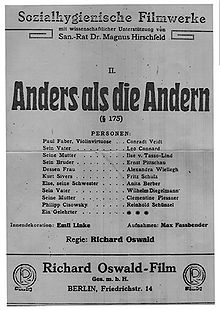
The film Anders als die Andern (Different from the Others) was released in 1919. It was one of the first sympathetic portrayals of gay men in cinema.
The film is a silent German melodrama intended as a polemic against the then-current laws under Germany’s Paragraph 175, which made homosexuality a criminal offence.
The film’s basic plot was used again in the 1961 UK film Victim, starring Dirk Bogarde.
The first same sex kiss
The first same sex kiss in film history (or at least one of the earliest known ones) took place in the 1927 film Wings – the first and only silent film to win the Academy Award for Best Picture.
Buddy Rogers and Richard Arlen star in the film, playing two combat pilots who vie for the affection of the same woman (Clara Bow). That’s the storyline. But neither shows as much love for her … as they do for each other.
Mädchen in Uniform (1931)
First pro lesbian film
The film Mädchen in Uniform (1931), a love story between a teacher and student in Germany, is widely recognised as the first pro-lesbian film.
It was banned by the National Socialists, but it opened the way for pro-lesbian film production and was followed by films such as Acht Mädels im Boot (1932), Anna and Elisabeth (1933) and Ich für dich, du für mich (Me for You, You for Me, 1934).
Moving forward …
It wasn’t until 1977 that San Francisco hosted the world’s first gay film festival.
Derek Jarman Pocket Park
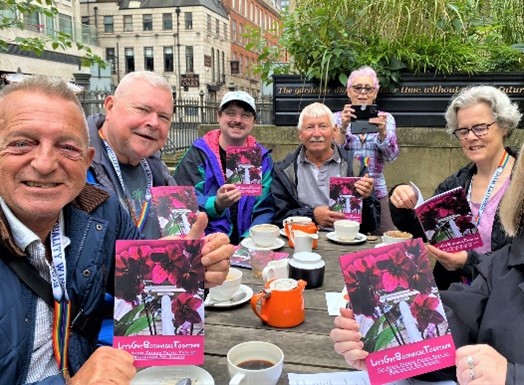
Manchester Art Gallery and Pride in Ageing at LGBT Foundation have worked in partnership to create the Derek Jarman Pocket Park, situated at the Mosley Street entrance of Manchester Art Gallery. This community garden space has been designed and planted by a volunteer group of green-fingered LGBT+ over 50s.
The Volunteer Gardeners have released an updated version of the garden zine, a digital version of which can be found here. Its release has been supported by the University of Manchester. It’s a fantastic document of the garden’s creation and launch.
Bridgewater Hall
We’re delighted to advise that The Bridgewater Hall has offered Out In The City members 12 FREE tickets to 23 performances from the International Concert Series, BBC Philharmonic and Manchester Mid-day Concerts Society at The Bridgewater Hall from 30 September to the end of May 2024.
The first seven concerts are listed below. Please let us know which ones you are interested in (just list the dates). The tickets will be allocated on a first come first served basis. Please contact us here.
The remaining concerts will be added to the website soon.
Saturday 30 September 2023 7.30pm
BBC Philharmonic – Janáček and Tchaikovsky
John Storgårds conductor
Janáček Sinfonietta Alma Mahler arr. Colin and DavidMatthews Six Songs Tchaikovsky Symphony No. 6 in B minor, ‘Pathétique’
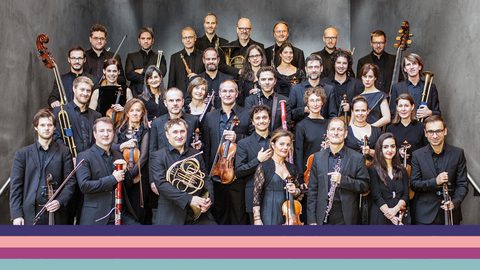
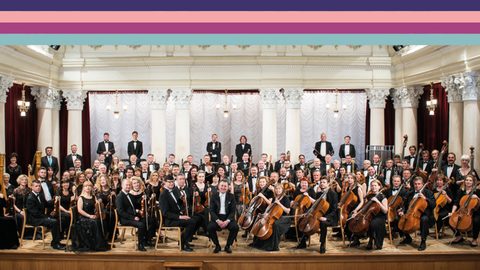
Basel Chamber Orchestra
Monday 2 October 2023 7.30pm
Basel Chamber Orchestra
International Concert Series
Shostakovich, orch. Barshai Chamber Symphony Op.110a in C minor Mozart Piano Concerto No.14 in E flat major, K449 Heinz Holliger Eisblumen (Ice Flowers) Vaughan Williams Fantasia on a Theme by Thomas Tallis Bach Piano Concerto in D minor BWV 1052
Saturday 7 October 2023 7.30pm
BBC Philharmonic – Beethoven’s Fifth
Mark Wigglesworth conductor
Elgar Overture ‘Cockaigne (In London Town)’ Brahms Piano Concerto No. 2 in B flat major Beethoven Symphony No. 5 in C minor
Saturday 14 October 2023 7.30pm
BBC Philharmonic – Anna Thorvalsdottir’s ARCHORA
Eva Ollikainen conductor
Haydn ‘L’isola disabitata’ – overture Mozart Piano Concerto No. 18 in B flat major (K 456) Anna Thorvalsdottir ARCHORA Debussy La mer
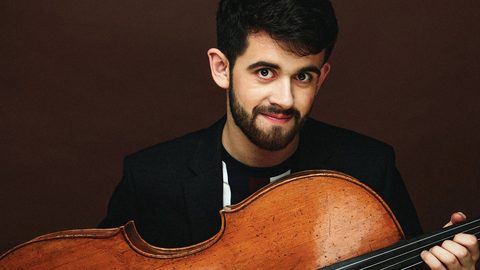
Hugh Mackay
Tuesday 17 October 2023 1.10pm
Hugh Mackay, cello
Manchester Mid-day Concerts Society
Claude Debussy Sonata for Cello and Piano in D minor, L.135 Gabriel Faure Romance Op. 69, and ‘Papillon’ Op. 77 Frank Bridge Sonata for Cello and Piano in D minor
















 Out in the City