Mini Cini … Alan Turing Statue … Davina de Campo … Ban Conversion Therapy

News

Mini Cini

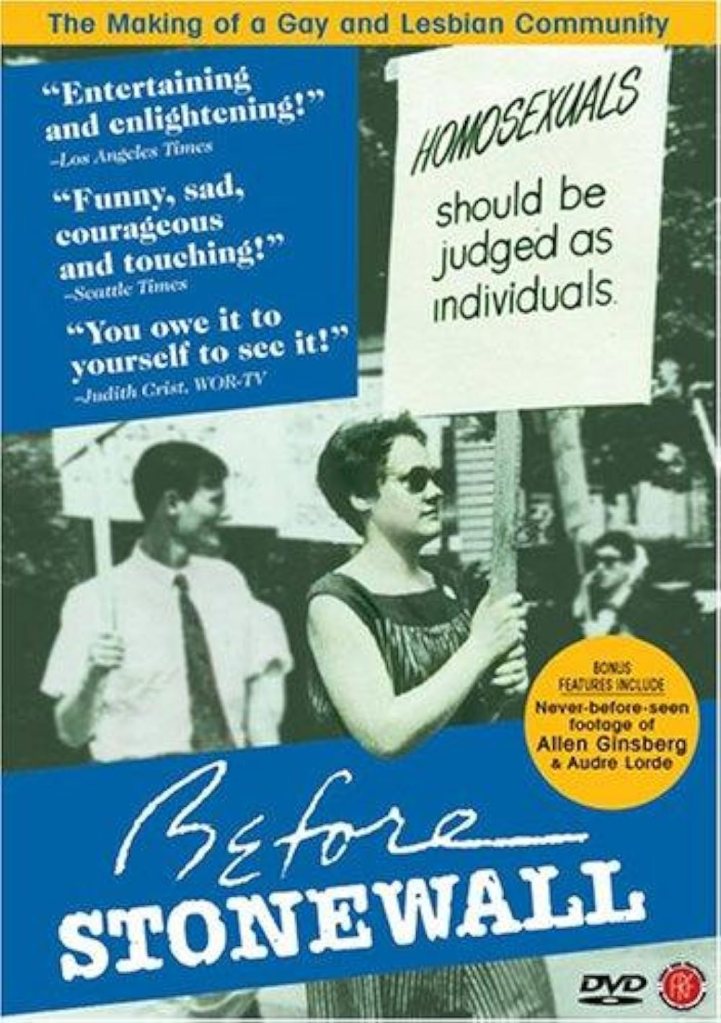
For LGBT+ History Month Out In The City showed the film “Before Stonewall” at the Mini Cini in Ducie Street Warehouse.

Revealing and often humorous, the award winning “Before Stonewall” exposes the fascinating and unforgettable decade-by-decade history of homosexuality in America, from 1920s Harlem through to World War II and the witch hunt trials of the McCarthy era. “Before Stonewall” is essential viewing for all those who have celebrated their sexuality, or have been persecuted because of it.

If you missed it (or want to watch it again!) go to https://www.youtube.com/ and search for “Watch Before Stonewall – (1984) Movie”.

There is another film called “Before Stonewall” from 1979, but I prefer the earlier documentary.

Controversial Alan Turing Sculpture Unveiled

After years of planning meetings, a sculpture honouring Alan Turing was finally unveiled at Cambridge’s Kings College, where he studied maths, the foundation of his illustrious career.

Turing, a gay man, is widely considered the father of computer science and artificial intelligence. He is most famous for his work on breaking the German Enigma codes during World War II.

Despite his essential work, he was punished by the British government for his sexuality and was chemically castrated after being convicted in 1952 of “gross indecency” with another man.

Turing died by suicide in 1954. He was 41.

Queen Elizabeth II officially pardoned Turing under the Royal Prerogative of Mercy in 2013. The Historic England Planning Commission, however, was less forgiving when it came to permission to build the sculpture in Cambridge.

“We consider that it would harm the particular character, created by the interplay of buildings and landscape, which makes the college so remarkable a place,” they wrote in a letter to the Cambridge City Council.

The large sculpture is a heavy series of blocks meant to portray a man’s figure. It is made of steel and copper so that it will oxidise into a deep red colour over the years.

Sir Antony Gormley, the designer, joked that he had worried the sculpture “wasn’t controversial enough” during the unveiling ceremony.

“I’m amazed by the way the sculpture speaks to the buildings and the buildings to the sculpture,” he said. “They’ve immediately entered a kind of dialogue. I have to say it took a long time to get here. It was 2015 when the journey started, and the planning permission was perhaps the biggest hurdle, though everyone agrees it looks like the sculpture has always been here.”

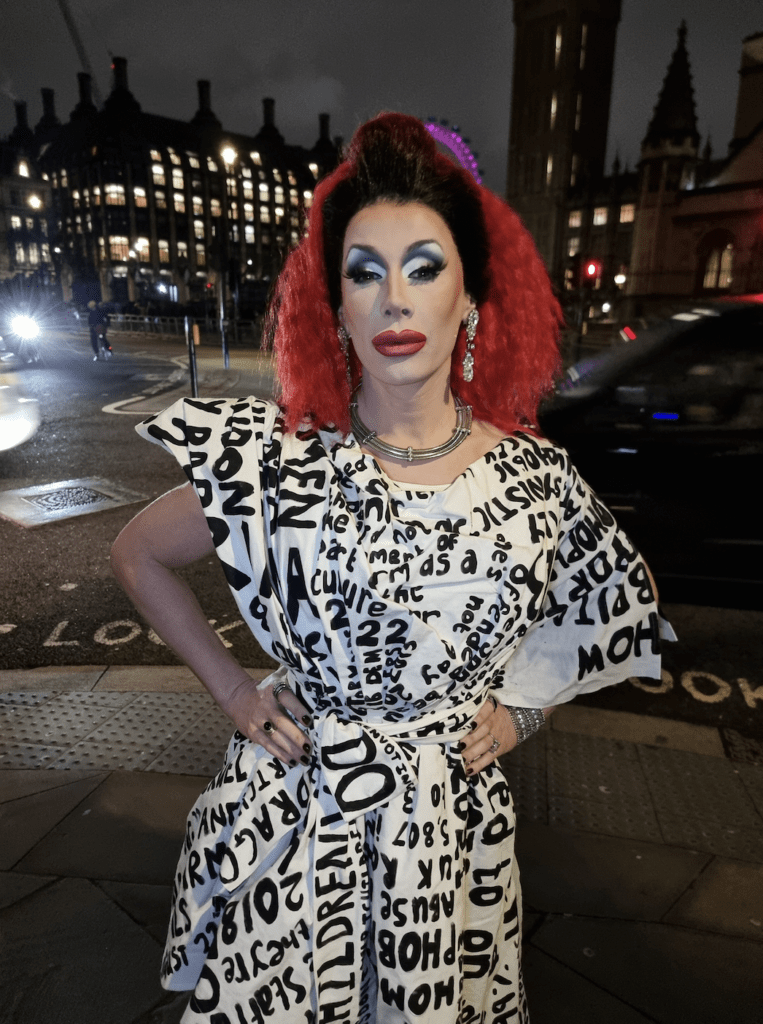
‘A tabloid on legs’: Divina de Campo wears red wig and newsprint protest dress to Parliament event

The same week PM Rishi Sunak made a joke about trans women in front of murdered trans teen Brianna Ghey’s mum, Drag Race star Divina de Campo hit the Houses of Parliament and made a stand.

Drag artist and theatre star Divina De Campo attended an LGBT History Month reception on 7 February 2024 hosted by Speaker of The House, Sir Lindsay Hoyle, and used the opportunity to highlight the continued rise in anti-LGBTQ hate crime and normalisation of inflammatory rhetoric from elected officials in recent years.
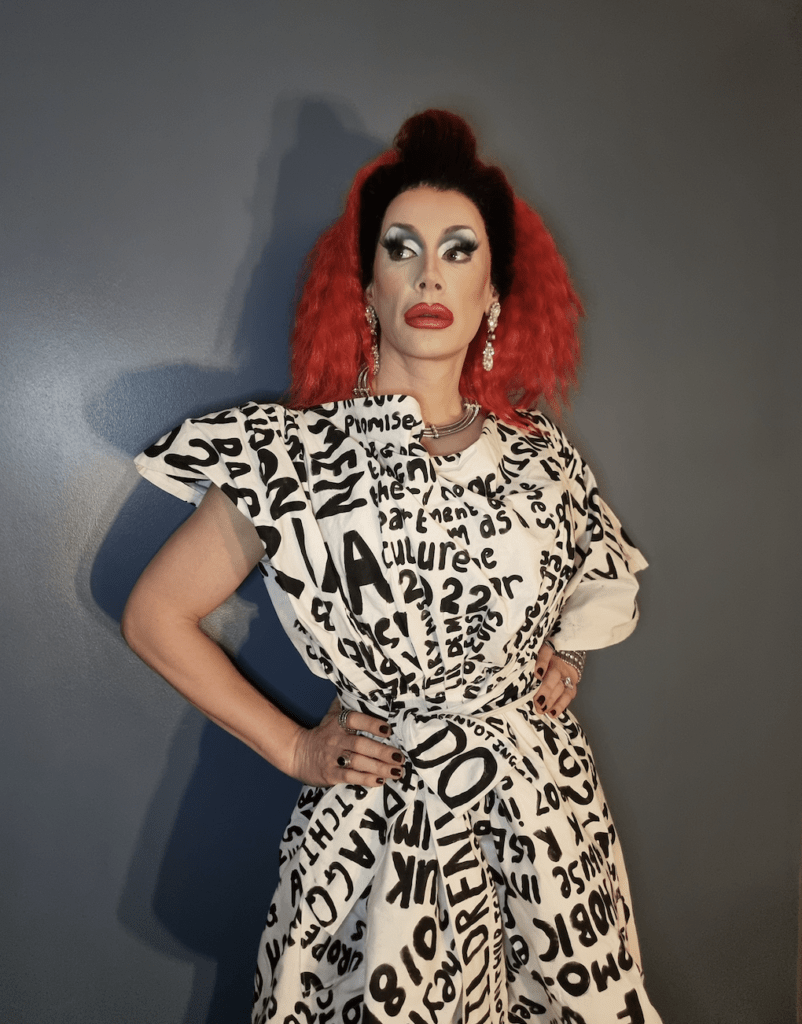
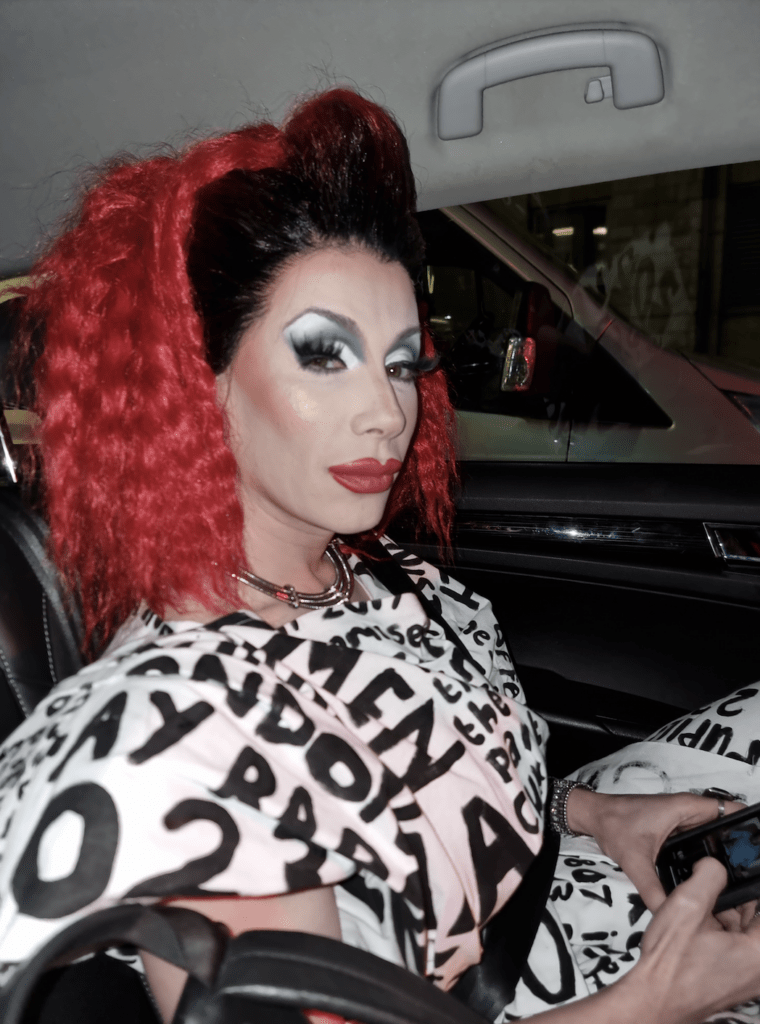
Divina’s protest dress and shoes – made specially in Manchester and worn throughout the aforementioned event – displayed derogatory headlines that have been written about LGBTQ people over the last 10-15 years, as well as hate-crime statistics, and reference to the lack of access to services for LGBTQ people. Explaining the purpose behind wearing the dress to the event, Divina emphasised that parliamentarians ought to understand that their words and actions have real-life consequences. 

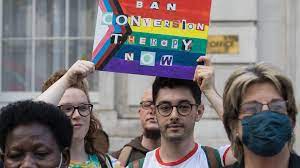
Ban Conversion Therapy

LGBTQ+ people have nothing to be ashamed of and there is nothing wrong or broken about who we are. Our sexual orientations and gender identities are diverse and should be celebrated.

Yet conversion practices are still legal in the UK today. Conversion therapy isn’t therapy. It’s abuse.
Since the UK Government failed to fulfil its promise to ban this abusive practice, parliamentarians from across parties have been rallying to bring forward the legislation themselves. 

On Friday 1 March, a private members’ Bill to ban conversion therapy will have its Second Reading. We need your help to get as many MPs there as possible, and vote.

Email your MP


Ask your MP to attend the Second Reading of the Private Members’ Bill to ban conversion therapy on Friday 1 March.

Please personalise your email as much as possible. Tell your MP why this issue matters to you by including any experiences faced by yourself, your friends, or your family. And remember to include your postal address for maximum impact. MPs need to know they’re talking to a constituent!

Draft letter

(Your postal address)

Dear MP,

Re: Second Reading of the Conversion Practices (Prohibition) Bill – Friday, 1 March 2024

I am writing to you as a constituent to ask you to attend the Second Reading of the Private Members’ Bill to ban the abusive practice of conversion therapy on Friday 1 March and to vote in favour of the Bill. 


It has now been over five years since the UK Government first promised to ban conversion therapy – but the LGBTQ+ community is still waiting. I’m sure that people have written to you multiple times, and to the Prime Minister Rishi Sunak, and I’m ashamed that this abuse has been allowed to continue across the UK.

According to the UK Government’s own research, 7% of LGBT people have been offered or undergone conversion therapy. This indicates that, in the past five years, thousands of people in the UK were put at risk of harm. This needs to stop.

There is widespread public support for banning conversion therapy. The Bill is a cross-party effort, and it is the Government’s own policy. There is support from across the House to get this legislation over the line.

Therefore, I urge you to attend the Second Reading of the Conversion Practices (Prohibition) Bill, sponsored by Lloyd Russell-Moyle MP, on Friday 1 March 2024 – and to vote in favour of its passing.

I understand that Fridays are traditionally reserved for you to be present in your constituency. However, this matter is of the utmost importance to many of your constituents, including myself. In this instance, where attendance by minimum 100 MPs at the Reading dictates its validity, your presence in House would only demonstrate a commitment to your constituents’ needs and interests. 

As it is important to me that you please commit to voting in favour of this Bill, I would appreciate a response from you outlining your intentions. 

Yours sincerely,

(Your name)
Manchester Open Exhibition 2024 … Did AI Ruin Keith Haring’s Work? … Rwandan Policy … Happy Chinese New Year … Valentine’s Day … Queerchester

News

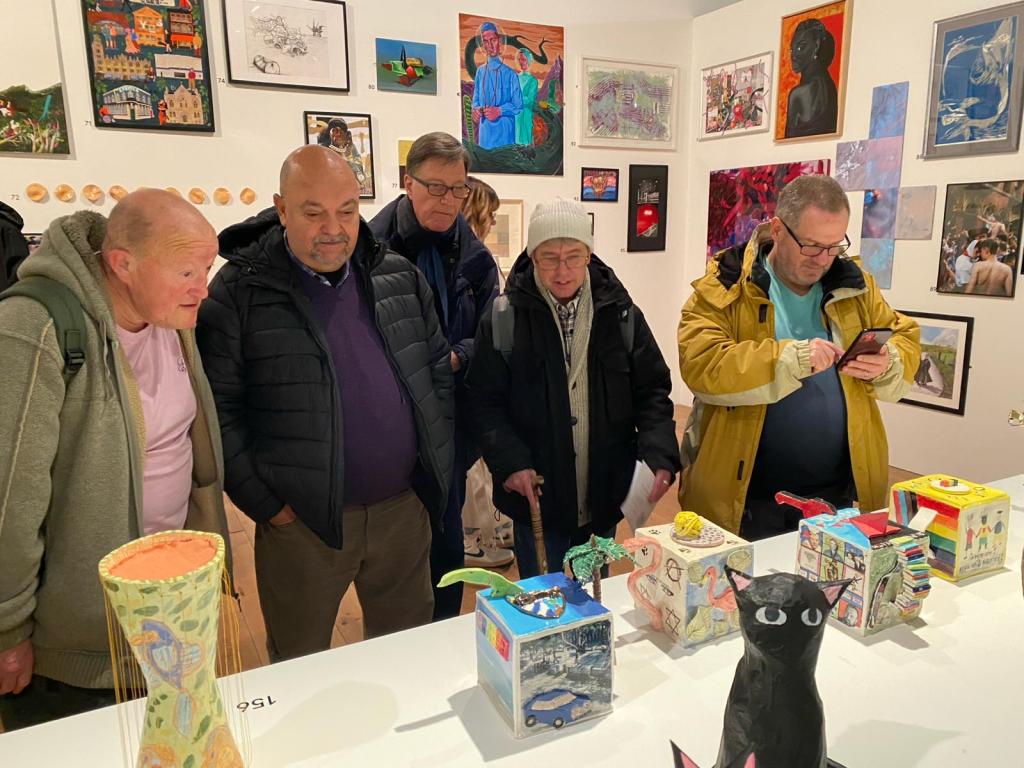
Manchester Open Exhibition 2024 – Teapots R Us

The Exhibition is the biggest celebration of Greater Manchester’s creative talent. Artwork by Out In The City members was presented alongside approximately 480 other amazing and unique artworks. We presented a series of ceramic teapots – “Teapots R Us”.

On Thursday, 8 February Out In The City members visited the Exhibition.

The work will be exhibited in HOME’s Gallery from Saturday 3 February to Sunday 28 April 2024. There are artist’s talks and relaxed visiting times – check the HOME website for details.

You can vote for your three favourite artworks – our teapots are number 136. If you visit the exhibition, please vote for us!

You can also download the guide here and see more photos here.

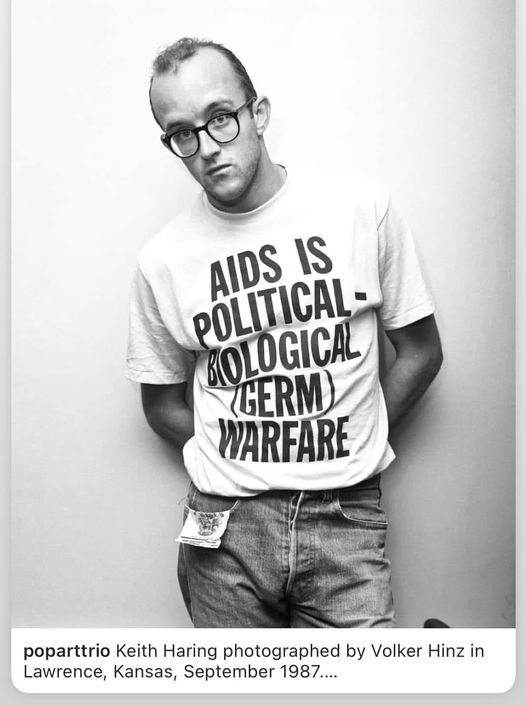
Did AI Ruin Keith Haring’s Work?

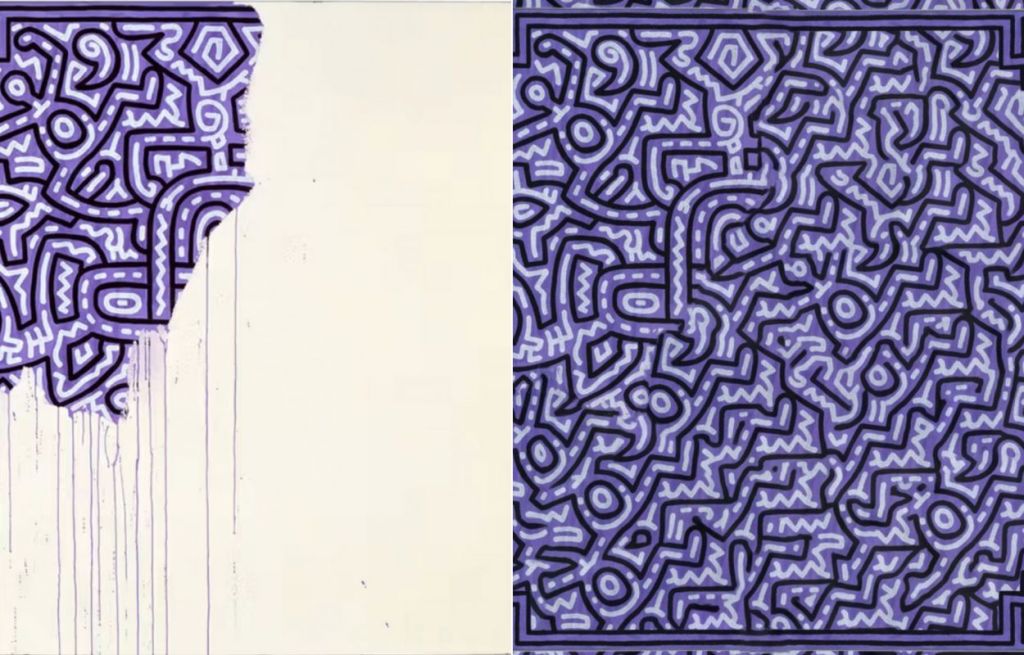
The original Keith Haring “Unfinished Painting” side-by-side with an AI-generated “finished” version 
Credit: Keith Haring and @DonnellVillager / X (Twitter)

When an X user posted an altered image of Keith Haring’s famous Unfinished Painting last month, it caused a controversy.

Despite the post’s tens of thousands of likes, the backlash of negative comments accounted for the incident’s ensuing media attention. Replies to the post referred to the altered image as disrespectful, abhorrent and even vile. The issue, multifaceted as it was, revolved around the fact that the post’s creator, a user who goes by Donnell, claimed to have “completed” Haring’s intentionally uncompleted work with the aid of AI generation.

Haring’s original Unfinished Painting shows a series of the queer artist’s iconic figures in fluid yet sporadic movement. These figures and the vibrant background beneath them, however, cover only the upper left-hand corner of the canvas. The rest has been left blank, save for a handful of drips that cross over from above. Painted in 1989, just a year before Haring’s death, the canvas’s empty space, according to curator William Poundstone, was intended as “a surrogate for the artist’s AIDS-shortened career.” As many critics of Donnell’s post have suggested, finishing the piece with generative AI certainly works against the original painting’s message.

Defenders of the post are quick to point out Haring’s frequent mantra – that art is for everybody. Haring went to great lengths to make his work more accessible. He was known for his subway drawings, works hurriedly executed on the black paper panels that were used as placeholders for advertisements. In the 1980s, he was arrested a number of times for these creative acts, which were legally regarded as vandalism. Yet, at the same time that Haring was sneaking through the New York subway system, his work was appearing in solo gallery exhibitions where he was effectively able to break down distinctions between what was thought of as high and low art. Haring, too, was known for giving away posters he’d made for free.

Breathtaking Hypocrisy of UK Deportation Policy

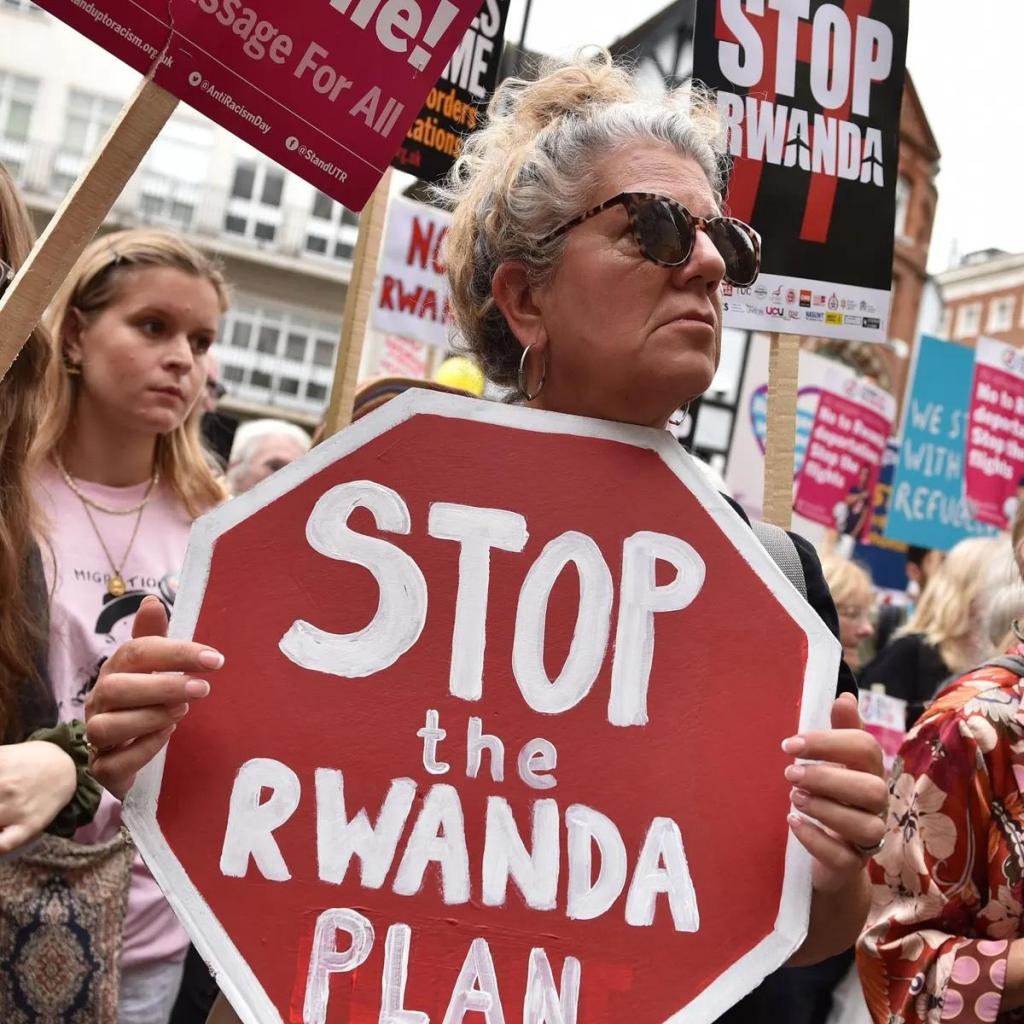
The Home Office says Rwanda is not a safe country but the government is still hell-bent on deporting asylum seekers there

Despite Rwandans being granted refugee status in Britain, the UK government still insists it’s safe to deport asylum seekers there.

Four Rwandans have recently been granted refugee status in Britain over “well-founded” fears of persecution, as Rishi Sunak pushes forward with legislation aimed at declaring the country a safe destination for asylum seekers.

The details of the cases are in addition to the six people who Home Office figures suggest had UK asylum applications approved between April 2022 and September 2023.

While homosexuality is no longer criminalised in Rwanda, same-sex sexual relations is still seen as a taboo issue – public attitudes towards LGBT+ people are not kind.

Even the UK government’s own website acknowledges that homosexuality is “frowned on” by many in Rwanda and that LGBT+ people may experience “discrimination and abuse, including from local authorities.”

In June 2022, a gay man from Uganda told Africa News that he was “beaten terribly” in Rwanda for being gay, while a trans woman told the publication: “I cannot go anywhere or apply for a job. Not because I am not capable of that, but because of who I am.”

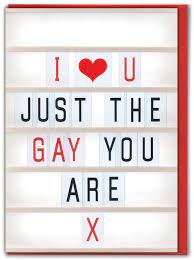
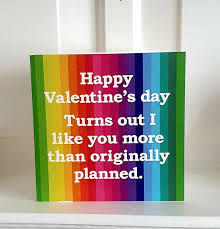
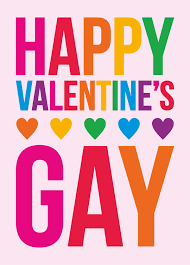
Happy Valentine’s Day! from Out In The City to YOU!

Queerchester – a Gay Odyssey Through Queer Manchester

Queerchester tells the story of gay Manchester UK, from the early beginnings of secretive hidden away gay bars through to the new emerging 1970’s and 80’s scene only to be hampered by the police chief, the AIDS crisis and Clause 28.

It shows how Manchester fought back to reclaim its identity once more as an open minded and forward looking city which embraced the new 90’s Queer culture with clubs such as The Number 1 club, Flesh, The Hacienda, Manto bar, Danceteria and Paradise Factory.

It features interviews with DJ’s and club owners and David Hoyle … DJ Paulette … Murray & Vern fetish fashion wear … Kate O’Donnell … poet Gerry Potter … author Mark Ovenden … the list goes on!!

Positively Speaking … Caring for the Grey in LGBTQ+ … Rainbow Lottery Super Draw!

News

Positively Speaking

On Thursday, 15 February, there will be people attending our meeting from George House Trust’s ‘Positively Speaking’ Project. 

They will be talking about their experiences of living with HIV, and we will hear their own unique stories.

Positive Speakers play a vital role in raising awareness of HIV and challenging HIV-related stigma.

There will also be a film crew present recording some supplemental footage for a film which will form part of an exhibition to be shown in London from 20 to 23 March.

Caring for the Grey in LGBTQ+ 

An online panel discussion webinar looking at the challenges and opportunities for supporting older LGBTQ+ people inclusively will be held on Zoom on Friday 16 February, from 11.00am to 12.15pm.

The current generation of older LGBTQ+ people have faced a lifetime of discrimination, fighting for equal rights and living through historic and ongoing inequalities and criminalisation of sexual identity in their younger lives.

As the community ages, needing support becomes more of an issue, particularly when considering the higher likelihood of living alone, having less social capital and enduring the cumulative effects of lifelong discrimination.

Supporting older LGBTQ+ people in inclusive ways is extremely important and can often be challenging for providers of support to deliver within a framework of often under-funded, under-staffed social care provision.

As part of 2024 LGBT+ History Month, where the focus is on medicine, healthcare and support, members of the panel will discuss the challenges and opportunities for delivering person-centred support to this population, the ways in which support can be made more inclusive and some of the ways in which research is helping to build a better picture of the experiences of older LGBTQ+ people in the UK.

Panel members are all active researchers in the area, with a wealth of knowledge, experiences and publications on this and related topics around LGBTQ+ communities. There will be an opportunity to pose questions to the panel, which will follow on from a panel discussion to explore some of the key topics around supporting LGBTQ+ people in ways which recognise cultural humility and inclusive social care practice.


The discussion will be chaired by Liz Wands-Murray, and features Professor Trish Hafford-Letchfield, Professor Ben Thomas, Dr Jolie Keemink & Dr Dharman Jeyasingham.

All welcome to this free event. Booking by Eventbrite here.

Rainbow Lottery Super Draw!

Spread the love this February, with our newest Super Draw prize: an amazing Nintendo Switch mega bundle!

We’re including a colossal 50” Ultra HD Smart TV in the bundle to catapult your play onto the big screen! Vivid colours, stunning clarity, and a world of entertainment at your fingertips.

Don’t forget, with our Super Draw, you can now TOP UP your tickets, just for the week of the Super Draw? Your weekly tickets will still give you a chance to win this amazing prize of course, but every extra ticket you buy will be an extra chance to win – so if you see a prize you like the look of, just grab a couple of extra Super Draw tickets!

Buy tickets here for the draw on Saturday 24 February.

Thank you and good luck!

LGBT+ History Month … Bury LGBTQI Drop In

News

LGBT+ History Month

LGBT+ History Month is an annual celebration of the lives of LGBT+ people of the past. It is marked every February in the UK, with each year’s celebration having its own unique theme. To celebrate we are featuring another article from Arthur Martland.

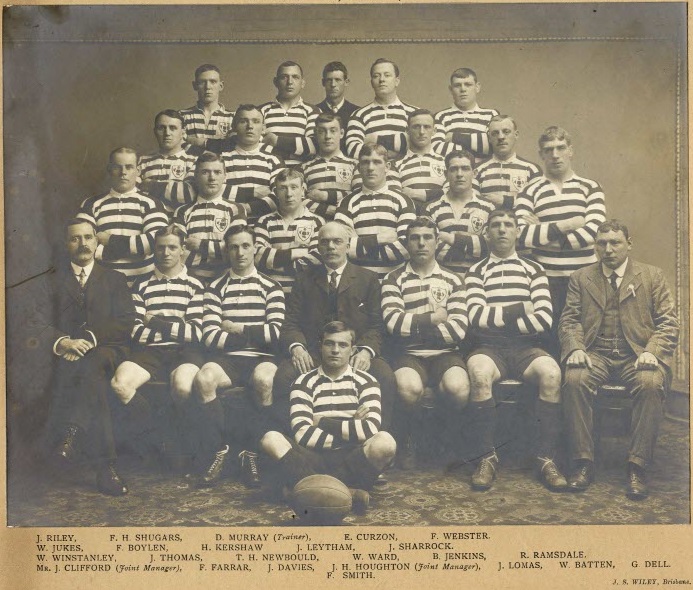
In the team picture (of the Northern Union team who toured Australasia in 1910), he is at the far left end of the third row down from the top.

Towards a Queer History of Wigan

Gross Indecency and Gross Injustice – Billy Winstanley and Thomas Bunney

William (Billy) Winstanley was born in Platt Bridge in 1884, but, by a grim quirk of fate, after less than a year, Parliament had enacted legislation that was to threaten to destroy his life some 44 years later.

The Criminal Law Amendment Act of 1885 had started out as a bill with the worthy aims of protecting women and girls from sexual exploitation and of raising the age of consent from 13 years to 16 years. During the later passage of the bill however, Henry Labouchere, then the Liberal MP for Northampton, introduced an amendment which declared all sexual acts between men to be acts of ‘gross indecency’ and illegal. The proposed amendment was accepted. The Act provided no specific definition of what actually constituted an act of ‘gross indecency’, (other than the involvement of two men), which meant that prosecuting authorities and the courts could interpret the ‘offence’ with a wide degree of latitude, and, not infrequently, in accordance with their own personal prejudices.

Many thousands of men were prosecuted under this Act, notably Oscar Wilde and Alan Turing, but, in 1929, Billy Winstanley, the celebrated Leigh, Wigan and International rugby player fell foul of the legislation too.

Billy’s success at sport blossomed when he began to play rugby as a forward for the Northern Union Football team at Leigh in December 1904. His skill contributed to the success of the Leigh team when, in 1906, the Leigh club became Northern Union Champions, earning Billy himself a championship winner’s medal. His athletic prowess led naturally to his being chosen as a team player  for the first tour by the Northern Union of Australia and New Zealand in 1910, where he scored 5 tries in 14 appearances. After making a total of 171 appearances for Leigh, scoring 19 tries overall, he was transferred to play for Wigan in March 1911 at, what was then, a very large fee of £150. He last played for Wigan in 1919.

Billy’s trial was reported nationally in the press, including locally in the Leigh Journal of 22 February 1929. Billy and his co-accused, Thomas Bunney, appeared before Mr Justice Finlay at the Manchester Assizes, charged with committing an act of gross indecency at Hindley. Thomas, the newspaper reports, was from Platt Bridge, but the headline of the article ‘EX-LEIGH PLAYER SENTENCED’ made it clear that Billy’s fall from grace was the main angle of the reporting. By this time he had long ceased to play rugby for a major team and was working as a labourer for Hindley Urban District Council – a job he soon lost following his arrest.

Finding the men before him to be guilty, the judge commented on their ‘grave offence’ and ‘disgusting crime’ before sentencing Billy to 8 months’ imprisonment and Thomas to 5 months’ imprisonment. Neither of the men had a criminal history, and, though the Act did not insist upon it, the judge himself decided that their prison sentences should be served with hard labour.

As prisoners from the Wigan area, their imprisonment was most likely served at Walton Prison in Liverpool. By 1929, ‘hard labour’ had ceased to mean stone-breaking work, the treadmill and the crank and effectively meant work in the ordinary prison workshops. What survived from the Victorian era, was that ‘hard labour’ prisoners were required to sleep on a plank bed without a mattress for their first two weeks in custody (Cross 1971 10).

The Governor at Walton Prison in 1929 was Lt. Col. C E F Rich DSO, who in his memoirs, ‘Recollections of a Prison Governor’, recorded his time at Walton and his trenchant views on men who have sex with other men.

In a rant against the male prostitute ‘type’, (the ‘filthiest brute on the market’), Rich expounds upon his final solution to what he regards as the problem of same-sex activity:-

‘Why any country should be so weak as to tolerate these creatures running the chance of their bringing into the world others like themselves – since presumably some of them are capable of normal cohabitation with a woman – is more than I can fathom, when there is a remedy to hand. If you have an animal from which you do not desire to breed, you jolly well see to it that the beast becomes incapable of breeding.  These people are lower than animals.  Why not make sure of their not breeding, then?  You would not destroy their souls – presuming them to possess any’.  (Rich 1932 138).

Reading Rich’s views, we can readily surmise that Billy and Thomas would have endured a brutalising and demeaning regime whilst at Walton, certainly not one troubled by thoughts of rehabilitation. From Police, to judge, to prison, the whole system was one in which performative cruelty and abuse of an ‘offender’ was to be seen as an end in itself.

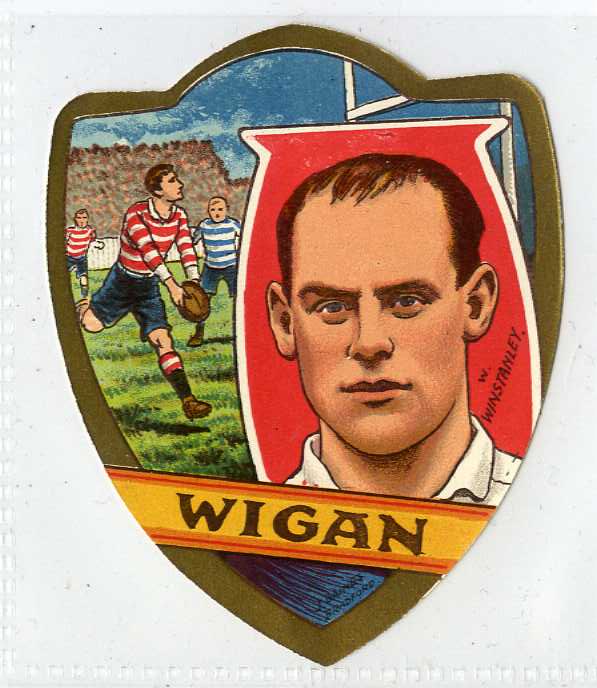
The colour photo is of a Baines card – these were sold, like trading cards, usually celebrating particular sports teams, or individual sportsmen.

Billy was remembered by his teammate, Johnnie Blackburn, as ‘a quiet and aloof man’ and he was easily picked out in team photographs due to his receding hairline. [*] Whether his ‘quiet and aloof’ manner was a manifestation of his consciousness of being different from others, is hard to say. His ‘offence’ says nothing definitive about his, nor Thomas’s sexuality. We can infer however, how a ‘quiet and aloof’ man would suffer greatly from the targeted violence he suffered from the criminal justice system at every stage and the salacious press reporting he was forced to endure. The record of his non-sporting life is, so far, elusive. I can find no record of him after his court case, nor anything to indicate where he went to after prison. Court records are usually embargoed for 100 years, so hopefully more information about him and Thomas should become available in 2029.

Reference List

Cross, R. (1971) Punishment, Prison and the Public. London: Stevens & Sons.

Rich, CEF, Lt Col. DSO. (1932) Recollections of a Prison Governor. London: Hurst and Blackett.

[*] I am indebted to Mr Mike Latham, Chairman of Leigh Leopards, for generously providing me with this and other information about Billy, together with his encouragement of my research, which is ongoing.

© Arthur Martland

Thanks to Arthur Martland for researching and writing this article.

Ordsall Hall … LGBT+ History Month … This Was My Own Tribe

News

Ordsall Hall

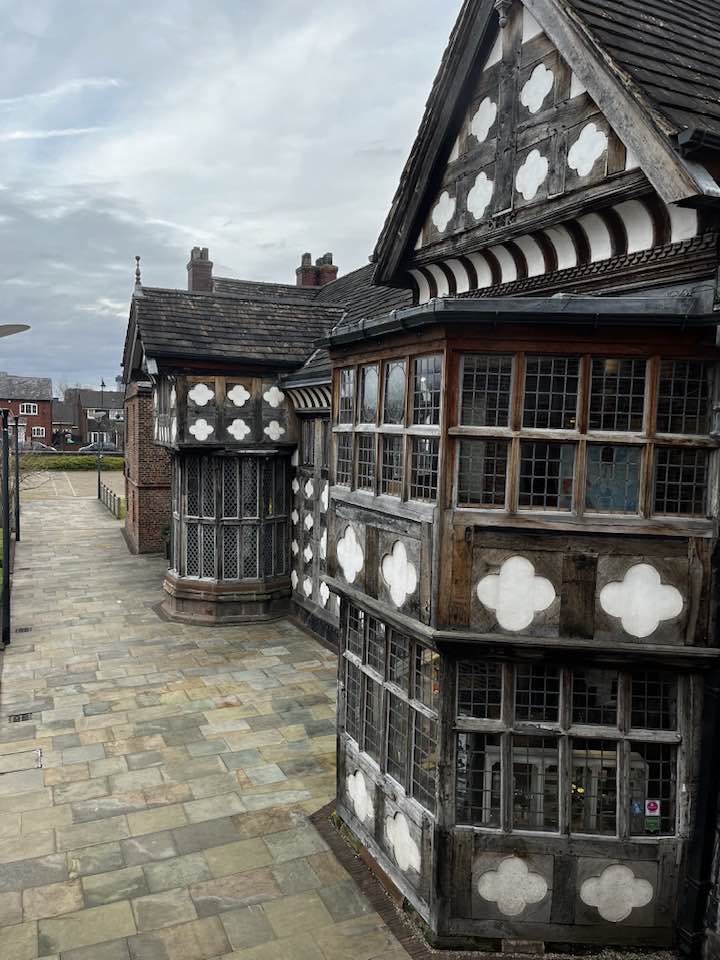
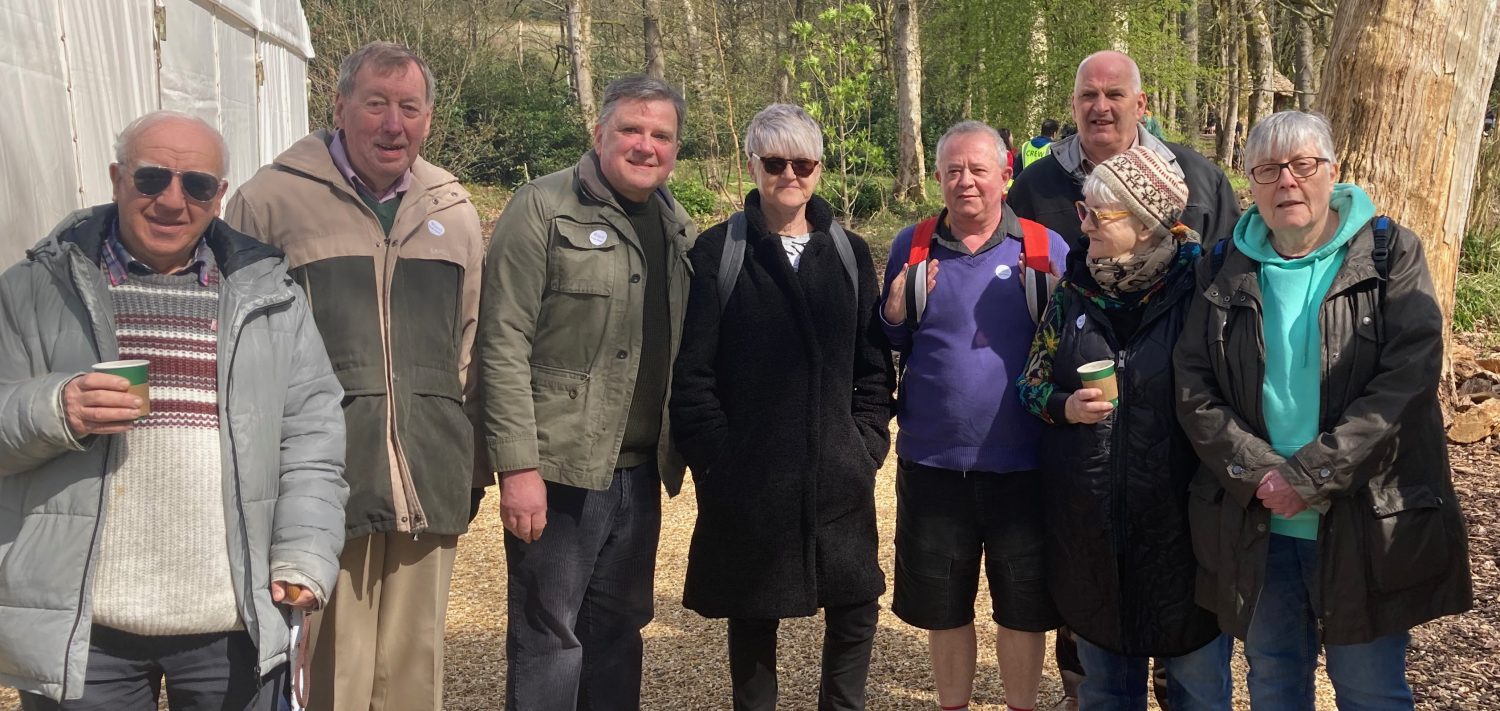
Twenty six of us visited Ordsall Hall having had a great lunch at The Matchstick Man – a pub in Salford Quays referencing L S Lowry and his distinctive style of painting.

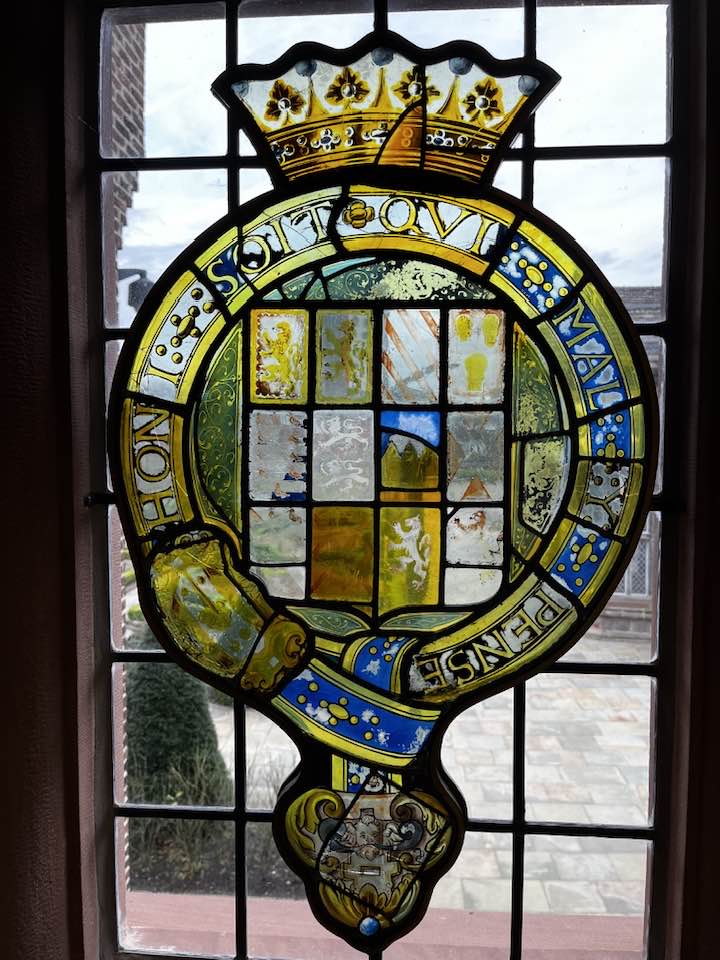
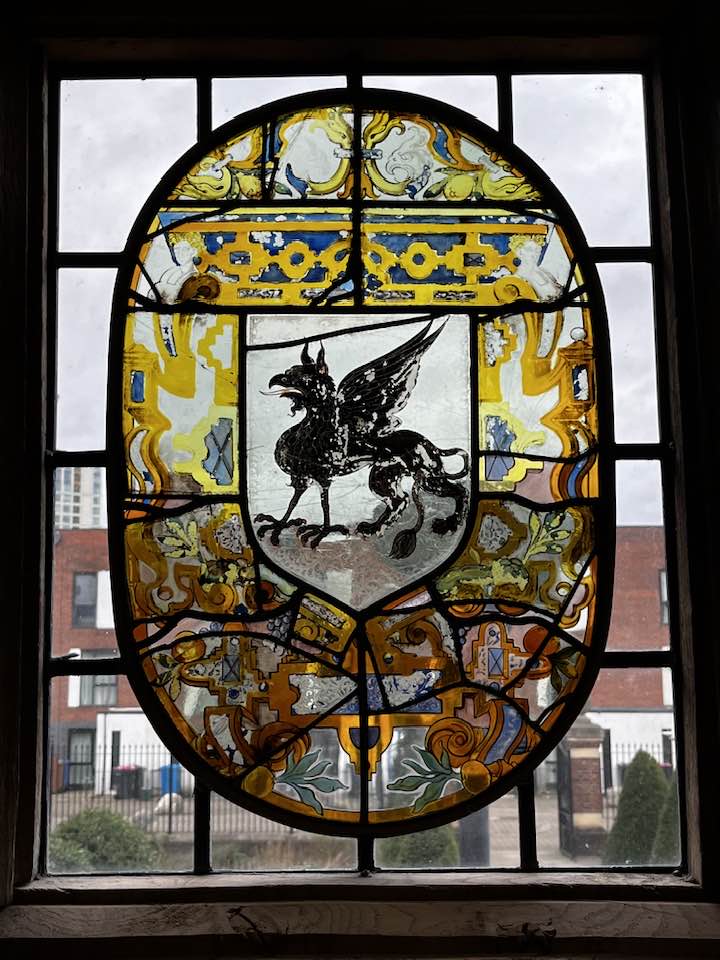
It was only a few minutes walk to Ordsall Hall, a large former manor house in the historic parish of Ordsall, now part of the City of Salford, in Greater Manchester. It dates back more than 750 years, although the oldest surviving parts of the present hall were built in the 15th century.

The most important period of Ordsall Hall’s life was as the family seat of the Radclyffe family, who lived in the house for more than 300 years.

Since its sale by the Radclyffes in 1662 the hall has been put to many uses: a working men’s club, a school for clergy, and a radio station among them. The house was bought by the old Salford Council in 1959 and opened to the public in 1972, as a period house and local history museum. The hall is a Grade I listed building and entrance is free.

More photos can be seen here.

LGBT+ History Month

LGBT+ History Month is an annual celebration of the lives of LGBT+ people of the past. It is marked every February in the UK, with each year’s celebration having its own unique theme. To celebrate we are featuring an article from Arthur Martland.

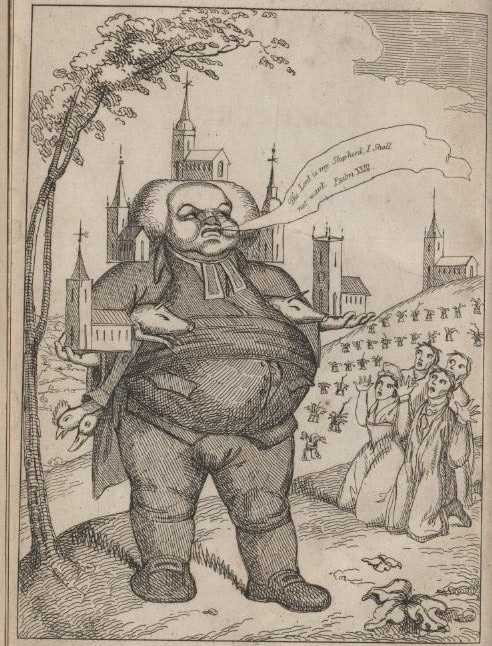
A satirical picture of a ‘generic’ clergyman taken from a contemporary work on ‘The Crimes of the Clergy’ and the Warrington newspaper article

Towards a Queer History of Wigan

Wigan has a long queer history, as do most other places in the UK. But where is it? And why is it not more widely known? At present all that has been identified would seem to be a few stray events, which are all in need of much further research. Not only is the paucity of historical records a problem, but also the fact that what has often been recorded has been penned by those who despise their queer brethren. Moreover, that which has been recorded is predominantly concerning queer men, where is the history of queer women, or of those who identify otherwise?

Crimes not fit to be named amongst Christians

The historian, H G Cocks, noted: ‘It is certainly the case that more men were executed and imprisoned for sodomy and other homosexual offences in the early nineteenth century than in any previous era of English history’ (i) and this fact is resonated in Wigan’s own queer history.

In 1806, following the raid on the house of Isaac Hitchin at Great Sankey, near Warrington, a socially-mixed group of 24 men (ranging from 17 to 84 years of age) were arrested, but only 9 men were prosecuted. Five of the men arrested and tried at the Lancaster Assize were hanged later that same year.

Warrington Sodomites

As the investigating magistrates, Richard Gwillyn and John Borron (ii), zealously continued their enquiries as to who else had frequented Hitchin’s house by interrogating those whom they had arrested and many more men were implicated. One of the accused, Thomas Rix, provided testimony regarding places in Liverpool and in Manchester where men could meet other men for sexual contact. He also gave information regarding those from higher social classes, whom he alleged were practising sodomites.

As information about the case spread like wildfire, so did rumour and speculation as to who else was involved. The local gentry and clergy were suspected. In a private letter written by Borron to Earl Spencer, who was, then, Secretary of State at the Home Office, on 20 September 1806, various names were cited. Those named, who were never publicly accused, included Meyrick Bankes of Winstanley, (who had been Sherrif of Cheshire in 1805), and various local South Lancashire MPs and clergymen, including the Revd Ireland Blackburne and the Revd Geoffrey Hornby, the Rector of Winwick.

Subsequently, many men were arrested on suspicion of being sodomites in Manchester and Liverpool, and investigations led to the arrest of a man from Wigan named Thomas Bolton. Little is known at present about the circumstances of Bolton’s arrest. However, such was the widespread interest in the crimes uncovered in Lancashire, that his conviction for ‘unnatural practices’ and for an ‘attempt to commit an unnatural crime at Wigan’ were recorded in both the Hereford Journal (8 April 1807) and the Lancaster Gazette (8 August 1807). In April 1807, Bolton was sentenced to two years’ imprisonment and ordered to stand on the pillory; the Gazette records that Bolton was placed in the pillory in the market place in Lancaster on Saturday 1 August 1807.

The active search for local sodomites seems to have palled after Bolton’s trial, but nationally further cases of alleged sodomitic activities continued apace. In 1810 in London, following a raid by the authorities on the White Swan molly house in Vere Street, several men were convicted of a variety of same-sex activities; two men were hanged and six placed on the pillory. Speculation intensified after the men were tried, as to who else had frequented the White Swan for sex with other men.

Eventually, in 1813, accusations were made against a dissenting minister, John Church. Lurid pamphlets, counter-pamphlets and newspaper reports were circulated accusing Church of ministering to the sodomites who visited the tavern. One writer, Robert Bell (iii), fulminated against, ‘the disgrace and pollution which Christianity might suffer from the immoral character of any of its teachers’ (p7), and ‘moral contagion that has been the ruin of Empires’ (p13). He alleged that the sodomites had ‘nominated’ John Church ‘to be their Chaplain; and that he officiated in that capacity. By virtue of his functions, in this situation he was often employed in joining these monsters in the “indissoluble tie of matrimony!!!‘ (p17). Bell urged others to join him in uncovering those who were causing the Christian religion to suffer ‘under disgrace and pollution’. (p14).

As with the Hitchin case, where local clerics had been suspected of being sodomites, the case of John Church highlighted the fact that Christian ministers were not immune from rumour and accusations. And we see again that seemingly distant cases and furores were mirrored in local events in Wigan for, in 1813, the same year that John Church had been denounced, the Rev George Hendrick, minister at All Saints Church in Hindley, was arrested and indicted as a sodomite.

Rev Hendrick was ‘charged with an assault, with an intent to commit an unnatural crime on Frederick Moult, a hair-dresser, at Knutsford. (Chester Courant 28 Sept 1813). Hendrick is reported as being in his 40s at the time of the offence, and Moult was 26 years of age. The alleged offence was said to have taken place at Moult’s barbershop in King Street. Hendrick was sent for trial at the Quarter Sessions in Chester.

His trial was reported, as follows, in the edition of the Chester Chronicle for Friday 17 September 1813 : –

Rev George Hendrick, aged 44, from Hindley, Lancashire, was next put to the bar, charged with an attempt at an offence, as the indictment emphatically mentioned, not fit to be named amongst Christians. – The trial occupied from ten o’clock in the morning till four o’clock in the and as we are prohibited by the Court from entering into the disgusting and unnatural details, we shall abstain from laying the evidence before the public. – We have therefore merely to say, that the evidence was not thought sufficient to conviction, and the prisoner was – Acquitted – The Court was unusually crowded. And here we should deem ourselves guilty of an act of injustice, were we not to say, that the eloquent and affecting address to the Jury, by Mr Cross, on behalf of the prisoner, was one of the finest specimens of elocution we ever heard in that court, or anywhere else.

(NB Minor spelling / typesetting errors in the original text above have been corrected, but no other changes made.)

Whilst the Rev Hendrick had been acquitted, his reputation never recovered. What few records that remain show his fall from grace, for whilst he officially held the living at All Saints until 1830 in reality the management of the church was placed in the hands of others. Looking at the Baptismal Register for All Saints from 1813 to 1840, baptisms by Hendrick ceased in July of 1813 with the majority of later ones being performed by the curate Hugh Evans. Evans went on to baptise at least five of his own children, no doubt, thereby, providing spurious evidence to his parishioners that he was unlike the Rev Hendrick in one major respect at least.  

Despite conclusively having proved his innocence in one of the higher courts of the land, Hendrick was not allowed by the church authorities to escape without censure. He remained, in name at least, the incumbent of the parish, (ie the minister of the church), but as John Leyland in his book ‘Memorials of Hindley’ (iv), noted: –

‘In 1813 the living [ie the monies, benefices etc that were due to All Saints parish, which Hendrick as the incumbent could use as he thought fit] was sequestrated, [a legal process that removed control of Parish money from Hendrick and gave it to another appointed by the local bishop], in consequence of some impropriety, or alleged impropriety, on the part of the then incumbent, the Rev George Hendrick, and the Rev Hugh Evans was appointed curate in charge, the duties of which office he continued to discharge until Mr Hendrick’s death, in 1830.’ (p29)

Notwithstanding his efforts to cover parish duties, Evans did not succeed Hendrick as the incumbent of All Saints, as the next man to hold that office in the parish was Edward Hill.

© Arthur Martland

References:

(i) Cocks, H G  ‘Safeguarding Civility: Sodomy, Class and Moral Reform in early nineteenth-century England’ in Past and Present no 190 (Feb 2006)

(ii) Borron achieved further notoriety in 1819 when he was one of the magistrates who ordered the militia into St Peter’s Field in Manchester.

(iii) Bell,’ Robert Religion and Morality Vindicated Against Hypocrisy and Pollution’ London: R Bell, 1813

(iv) Leyland, John ‘Memorials of Hindley’ Manchester: John Heywood, 1873.

Thanks to Arthur Martland for researching and writing this article.

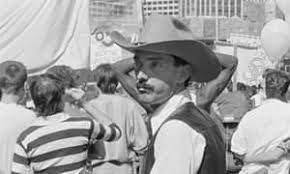
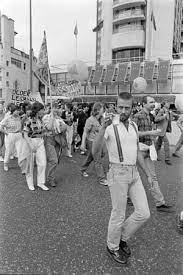
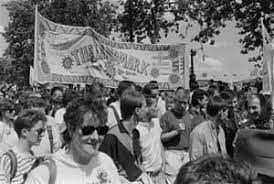
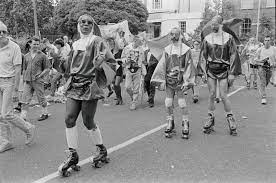
‘This was my own tribe!’: Pride – in pictures

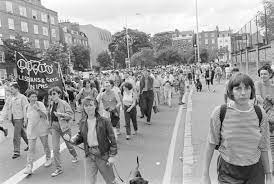
To celebrate LGBT+ History Month here are Sunil Gupta’s images of 80s Pride marches featuring cowboys … and only a few famous names. They recall a joyous time before corporate interests moved in.

Hey cowboy! … a Pride march in the 1980s

When Sunil Gupta moved to London from New York in the late 70s, he was surprised to find no equivalent of New York’s Christopher Street. All the gays and lesbians appeared to be in hiding, found only in a handful of pubs and after-hours clubs. This changed with the 1970s fledgling gay marches. The photographs encompass Pride marches during the period from the mid to late 1980s.

Sunil Gupta: “This photograph is an example of how I was trying to wrestle with the idea of making reportage pictures of my own tribe, as it were, as opposed to a kind of media documentation of it from the outside. Sometimes, like here, I would approach somebody and look for eye contact and a raised glass.”

Sunil Gupta: “There was no commercial advertising allowed, only banners proclaiming people’s affiliation to organisations and the community. This banner refers to The Landmark Aids Centre, a day centre in Tulse Hill which offered treatment and support for HIV patients. It was officially opened on 25 July 1989 by Diana, Princess of Wales. It’s one of the occasions where Diana shook the hands of somebody with HIV. In this case, the director, Jonathan Grimshaw.”

Sunil Gupta: “These are the Sisters of Perpetual Indulgence, a worldwide order that was founded in San Francisco in 1979. The London base was at the London Lesbian and Gay Centre in Farringdon while it was open. They are well known for their street protests dressed as nuns and campaigning for sexual health in the fight against Aids. The London branch reformed in 2007 and became known as The London House of Common Sluts.”

Sunil Gupta: “A wider view, it gives a sense of space and place. In fact, it’s the southern end of Kennington Road, and it captures the way the community was both marching on the road and spilling out on to the pavements without too much policing and no cordoning off at all.”

Sunil Gupta: “Kennington Park felt very informal and free like a giant community picnic, which is how I mostly recall my experience of the 80s Pride marches before commercial pressures kicked in.”