Positively Speaking … Caring for the Grey in LGBTQ+ … Rainbow Lottery Super Draw!

News

Positively Speaking

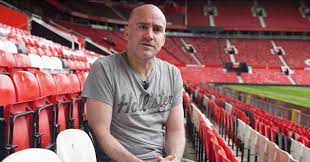
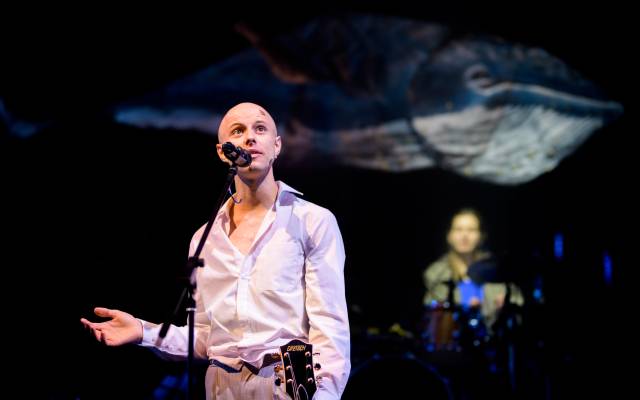
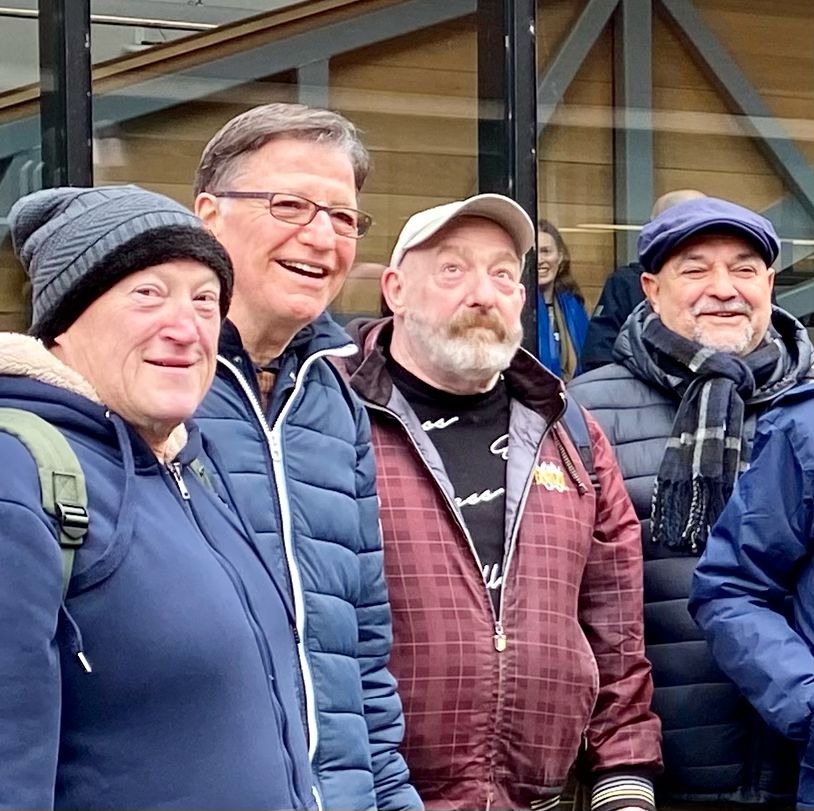
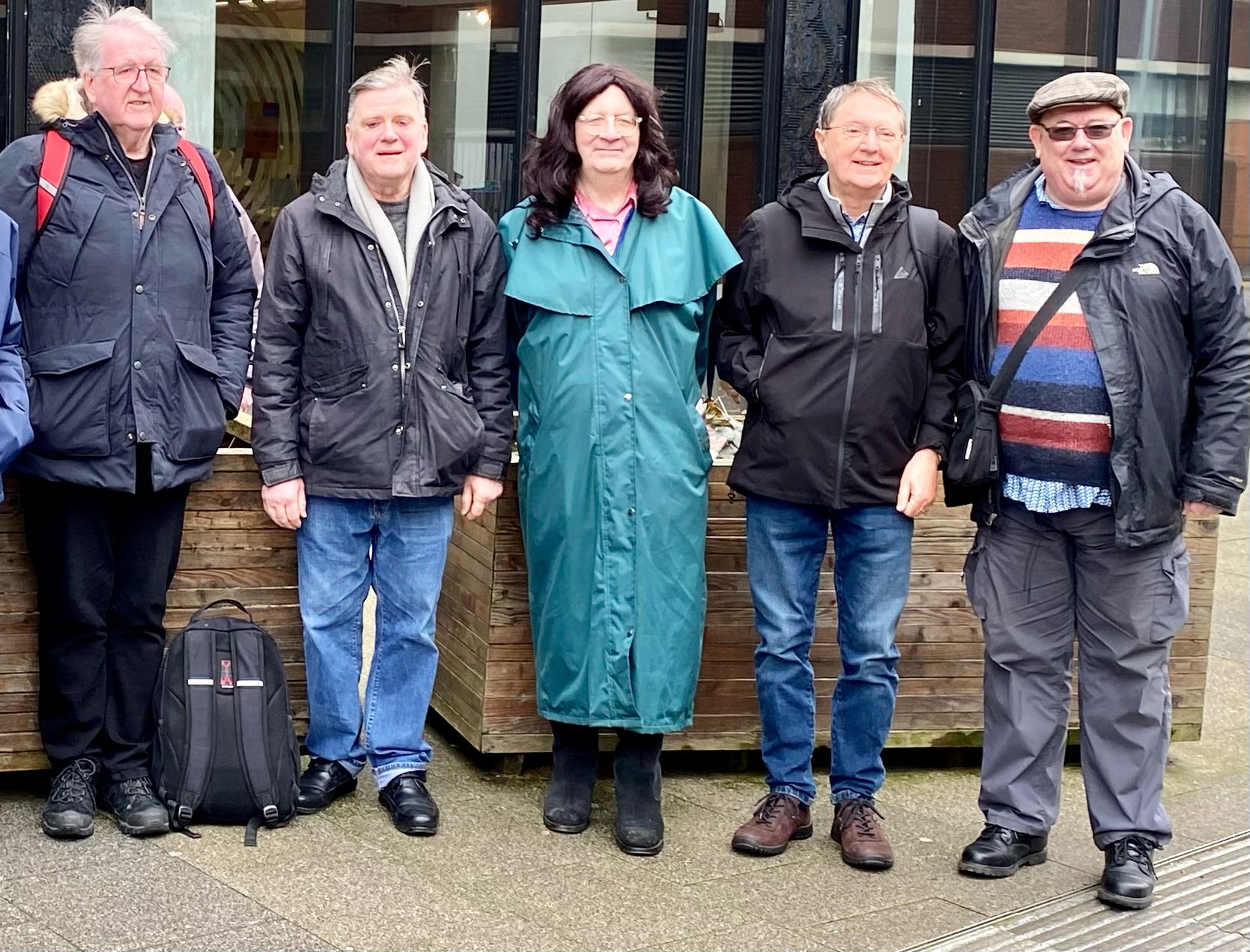
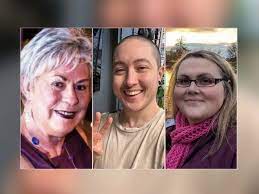
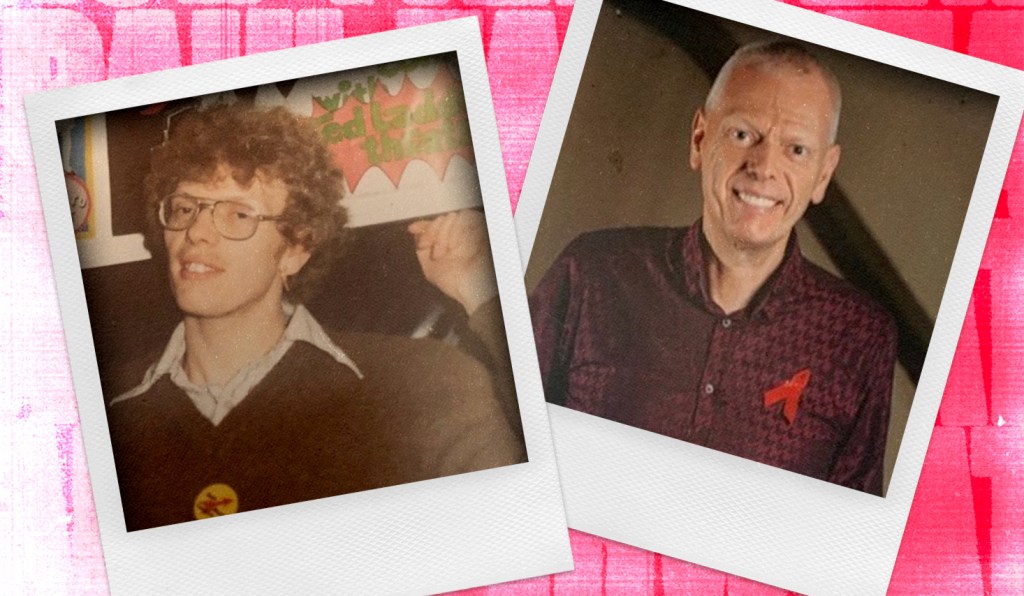
On Thursday, 15 February, there will be people attending our meeting from George House Trust’s ‘Positively Speaking’ Project. 

They will be talking about their experiences of living with HIV, and we will hear their own unique stories.

Positive Speakers play a vital role in raising awareness of HIV and challenging HIV-related stigma.

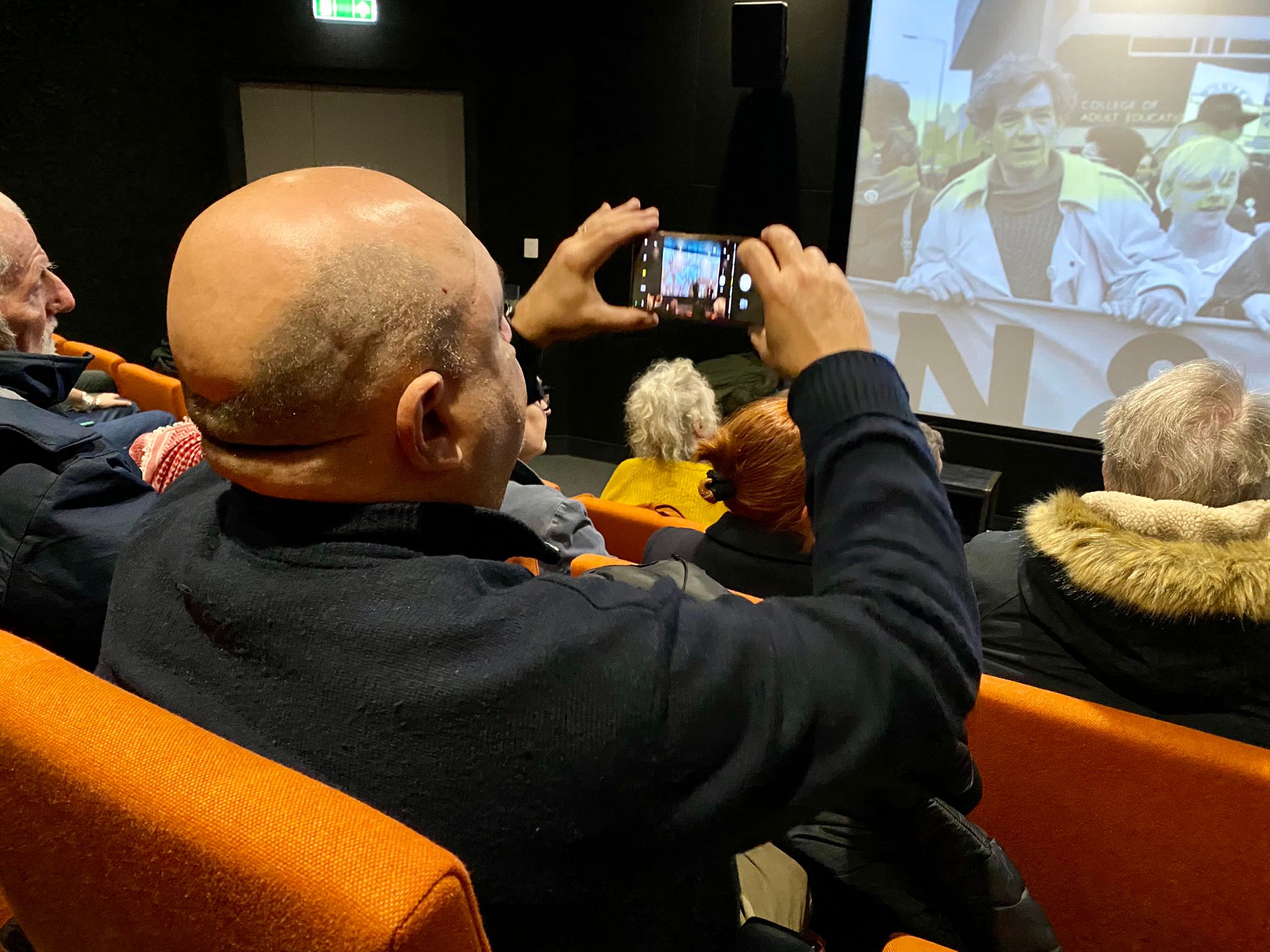
There will also be a film crew present recording some supplemental footage for a film which will form part of an exhibition to be shown in London from 20 to 23 March.

Caring for the Grey in LGBTQ+ 

An online panel discussion webinar looking at the challenges and opportunities for supporting older LGBTQ+ people inclusively will be held on Zoom on Friday 16 February, from 11.00am to 12.15pm.

The current generation of older LGBTQ+ people have faced a lifetime of discrimination, fighting for equal rights and living through historic and ongoing inequalities and criminalisation of sexual identity in their younger lives.

As the community ages, needing support becomes more of an issue, particularly when considering the higher likelihood of living alone, having less social capital and enduring the cumulative effects of lifelong discrimination.

Supporting older LGBTQ+ people in inclusive ways is extremely important and can often be challenging for providers of support to deliver within a framework of often under-funded, under-staffed social care provision.

As part of 2024 LGBT+ History Month, where the focus is on medicine, healthcare and support, members of the panel will discuss the challenges and opportunities for delivering person-centred support to this population, the ways in which support can be made more inclusive and some of the ways in which research is helping to build a better picture of the experiences of older LGBTQ+ people in the UK.

Panel members are all active researchers in the area, with a wealth of knowledge, experiences and publications on this and related topics around LGBTQ+ communities. There will be an opportunity to pose questions to the panel, which will follow on from a panel discussion to explore some of the key topics around supporting LGBTQ+ people in ways which recognise cultural humility and inclusive social care practice.


The discussion will be chaired by Liz Wands-Murray, and features Professor Trish Hafford-Letchfield, Professor Ben Thomas, Dr Jolie Keemink & Dr Dharman Jeyasingham.

All welcome to this free event. Booking by Eventbrite here.

Rainbow Lottery Super Draw!

Spread the love this February, with our newest Super Draw prize: an amazing Nintendo Switch mega bundle!

We’re including a colossal 50” Ultra HD Smart TV in the bundle to catapult your play onto the big screen! Vivid colours, stunning clarity, and a world of entertainment at your fingertips.

Don’t forget, with our Super Draw, you can now TOP UP your tickets, just for the week of the Super Draw? Your weekly tickets will still give you a chance to win this amazing prize of course, but every extra ticket you buy will be an extra chance to win – so if you see a prize you like the look of, just grab a couple of extra Super Draw tickets!

Buy tickets here for the draw on Saturday 24 February.

Thank you and good luck!

LGBT+ History Month … Bury LGBTQI Drop In

News

LGBT+ History Month

LGBT+ History Month is an annual celebration of the lives of LGBT+ people of the past. It is marked every February in the UK, with each year’s celebration having its own unique theme. To celebrate we are featuring another article from Arthur Martland.

In the team picture (of the Northern Union team who toured Australasia in 1910), he is at the far left end of the third row down from the top.

Towards a Queer History of Wigan

Gross Indecency and Gross Injustice – Billy Winstanley and Thomas Bunney

William (Billy) Winstanley was born in Platt Bridge in 1884, but, by a grim quirk of fate, after less than a year, Parliament had enacted legislation that was to threaten to destroy his life some 44 years later.

The Criminal Law Amendment Act of 1885 had started out as a bill with the worthy aims of protecting women and girls from sexual exploitation and of raising the age of consent from 13 years to 16 years. During the later passage of the bill however, Henry Labouchere, then the Liberal MP for Northampton, introduced an amendment which declared all sexual acts between men to be acts of ‘gross indecency’ and illegal. The proposed amendment was accepted. The Act provided no specific definition of what actually constituted an act of ‘gross indecency’, (other than the involvement of two men), which meant that prosecuting authorities and the courts could interpret the ‘offence’ with a wide degree of latitude, and, not infrequently, in accordance with their own personal prejudices.

Many thousands of men were prosecuted under this Act, notably Oscar Wilde and Alan Turing, but, in 1929, Billy Winstanley, the celebrated Leigh, Wigan and International rugby player fell foul of the legislation too.

Billy’s success at sport blossomed when he began to play rugby as a forward for the Northern Union Football team at Leigh in December 1904. His skill contributed to the success of the Leigh team when, in 1906, the Leigh club became Northern Union Champions, earning Billy himself a championship winner’s medal. His athletic prowess led naturally to his being chosen as a team player  for the first tour by the Northern Union of Australia and New Zealand in 1910, where he scored 5 tries in 14 appearances. After making a total of 171 appearances for Leigh, scoring 19 tries overall, he was transferred to play for Wigan in March 1911 at, what was then, a very large fee of £150. He last played for Wigan in 1919.

Billy’s trial was reported nationally in the press, including locally in the Leigh Journal of 22 February 1929. Billy and his co-accused, Thomas Bunney, appeared before Mr Justice Finlay at the Manchester Assizes, charged with committing an act of gross indecency at Hindley. Thomas, the newspaper reports, was from Platt Bridge, but the headline of the article ‘EX-LEIGH PLAYER SENTENCED’ made it clear that Billy’s fall from grace was the main angle of the reporting. By this time he had long ceased to play rugby for a major team and was working as a labourer for Hindley Urban District Council – a job he soon lost following his arrest.

Finding the men before him to be guilty, the judge commented on their ‘grave offence’ and ‘disgusting crime’ before sentencing Billy to 8 months’ imprisonment and Thomas to 5 months’ imprisonment. Neither of the men had a criminal history, and, though the Act did not insist upon it, the judge himself decided that their prison sentences should be served with hard labour.

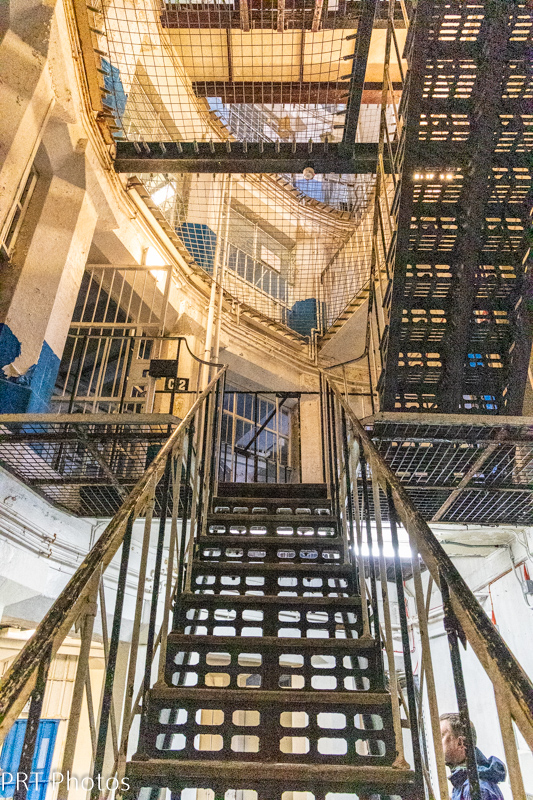
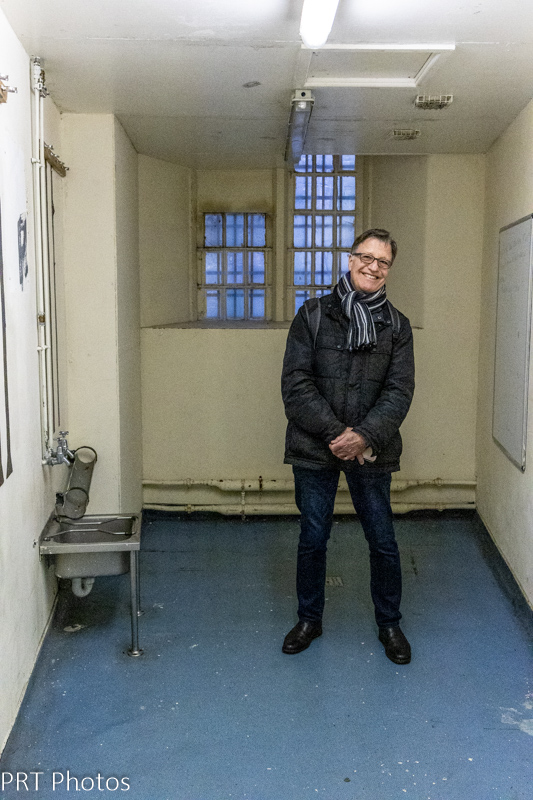
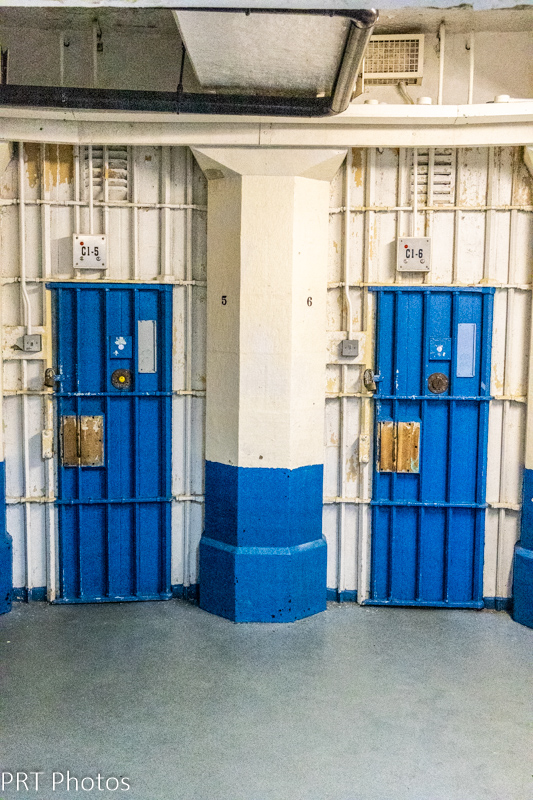
As prisoners from the Wigan area, their imprisonment was most likely served at Walton Prison in Liverpool. By 1929, ‘hard labour’ had ceased to mean stone-breaking work, the treadmill and the crank and effectively meant work in the ordinary prison workshops. What survived from the Victorian era, was that ‘hard labour’ prisoners were required to sleep on a plank bed without a mattress for their first two weeks in custody (Cross 1971 10).

The Governor at Walton Prison in 1929 was Lt. Col. C E F Rich DSO, who in his memoirs, ‘Recollections of a Prison Governor’, recorded his time at Walton and his trenchant views on men who have sex with other men.

In a rant against the male prostitute ‘type’, (the ‘filthiest brute on the market’), Rich expounds upon his final solution to what he regards as the problem of same-sex activity:-

‘Why any country should be so weak as to tolerate these creatures running the chance of their bringing into the world others like themselves – since presumably some of them are capable of normal cohabitation with a woman – is more than I can fathom, when there is a remedy to hand. If you have an animal from which you do not desire to breed, you jolly well see to it that the beast becomes incapable of breeding.  These people are lower than animals.  Why not make sure of their not breeding, then?  You would not destroy their souls – presuming them to possess any’.  (Rich 1932 138).

Reading Rich’s views, we can readily surmise that Billy and Thomas would have endured a brutalising and demeaning regime whilst at Walton, certainly not one troubled by thoughts of rehabilitation. From Police, to judge, to prison, the whole system was one in which performative cruelty and abuse of an ‘offender’ was to be seen as an end in itself.

The colour photo is of a Baines card – these were sold, like trading cards, usually celebrating particular sports teams, or individual sportsmen.

Billy was remembered by his teammate, Johnnie Blackburn, as ‘a quiet and aloof man’ and he was easily picked out in team photographs due to his receding hairline. [*] Whether his ‘quiet and aloof’ manner was a manifestation of his consciousness of being different from others, is hard to say. His ‘offence’ says nothing definitive about his, nor Thomas’s sexuality. We can infer however, how a ‘quiet and aloof’ man would suffer greatly from the targeted violence he suffered from the criminal justice system at every stage and the salacious press reporting he was forced to endure. The record of his non-sporting life is, so far, elusive. I can find no record of him after his court case, nor anything to indicate where he went to after prison. Court records are usually embargoed for 100 years, so hopefully more information about him and Thomas should become available in 2029.

Reference List

Cross, R. (1971) Punishment, Prison and the Public. London: Stevens & Sons.

Rich, CEF, Lt Col. DSO. (1932) Recollections of a Prison Governor. London: Hurst and Blackett.

[*] I am indebted to Mr Mike Latham, Chairman of Leigh Leopards, for generously providing me with this and other information about Billy, together with his encouragement of my research, which is ongoing.

© Arthur Martland

Thanks to Arthur Martland for researching and writing this article.

Ordsall Hall … LGBT+ History Month … This Was My Own Tribe

News

Ordsall Hall

Twenty six of us visited Ordsall Hall having had a great lunch at The Matchstick Man – a pub in Salford Quays referencing L S Lowry and his distinctive style of painting.

It was only a few minutes walk to Ordsall Hall, a large former manor house in the historic parish of Ordsall, now part of the City of Salford, in Greater Manchester. It dates back more than 750 years, although the oldest surviving parts of the present hall were built in the 15th century.

The most important period of Ordsall Hall’s life was as the family seat of the Radclyffe family, who lived in the house for more than 300 years.

Since its sale by the Radclyffes in 1662 the hall has been put to many uses: a working men’s club, a school for clergy, and a radio station among them. The house was bought by the old Salford Council in 1959 and opened to the public in 1972, as a period house and local history museum. The hall is a Grade I listed building and entrance is free.

More photos can be seen here.

LGBT+ History Month

LGBT+ History Month is an annual celebration of the lives of LGBT+ people of the past. It is marked every February in the UK, with each year’s celebration having its own unique theme. To celebrate we are featuring an article from Arthur Martland.

A satirical picture of a ‘generic’ clergyman taken from a contemporary work on ‘The Crimes of the Clergy’ and the Warrington newspaper article

Towards a Queer History of Wigan

Wigan has a long queer history, as do most other places in the UK. But where is it? And why is it not more widely known? At present all that has been identified would seem to be a few stray events, which are all in need of much further research. Not only is the paucity of historical records a problem, but also the fact that what has often been recorded has been penned by those who despise their queer brethren. Moreover, that which has been recorded is predominantly concerning queer men, where is the history of queer women, or of those who identify otherwise?

Crimes not fit to be named amongst Christians

The historian, H G Cocks, noted: ‘It is certainly the case that more men were executed and imprisoned for sodomy and other homosexual offences in the early nineteenth century than in any previous era of English history’ (i) and this fact is resonated in Wigan’s own queer history.

In 1806, following the raid on the house of Isaac Hitchin at Great Sankey, near Warrington, a socially-mixed group of 24 men (ranging from 17 to 84 years of age) were arrested, but only 9 men were prosecuted. Five of the men arrested and tried at the Lancaster Assize were hanged later that same year.

Warrington Sodomites

As the investigating magistrates, Richard Gwillyn and John Borron (ii), zealously continued their enquiries as to who else had frequented Hitchin’s house by interrogating those whom they had arrested and many more men were implicated. One of the accused, Thomas Rix, provided testimony regarding places in Liverpool and in Manchester where men could meet other men for sexual contact. He also gave information regarding those from higher social classes, whom he alleged were practising sodomites.

As information about the case spread like wildfire, so did rumour and speculation as to who else was involved. The local gentry and clergy were suspected. In a private letter written by Borron to Earl Spencer, who was, then, Secretary of State at the Home Office, on 20 September 1806, various names were cited. Those named, who were never publicly accused, included Meyrick Bankes of Winstanley, (who had been Sherrif of Cheshire in 1805), and various local South Lancashire MPs and clergymen, including the Revd Ireland Blackburne and the Revd Geoffrey Hornby, the Rector of Winwick.

Subsequently, many men were arrested on suspicion of being sodomites in Manchester and Liverpool, and investigations led to the arrest of a man from Wigan named Thomas Bolton. Little is known at present about the circumstances of Bolton’s arrest. However, such was the widespread interest in the crimes uncovered in Lancashire, that his conviction for ‘unnatural practices’ and for an ‘attempt to commit an unnatural crime at Wigan’ were recorded in both the Hereford Journal (8 April 1807) and the Lancaster Gazette (8 August 1807). In April 1807, Bolton was sentenced to two years’ imprisonment and ordered to stand on the pillory; the Gazette records that Bolton was placed in the pillory in the market place in Lancaster on Saturday 1 August 1807.

The active search for local sodomites seems to have palled after Bolton’s trial, but nationally further cases of alleged sodomitic activities continued apace. In 1810 in London, following a raid by the authorities on the White Swan molly house in Vere Street, several men were convicted of a variety of same-sex activities; two men were hanged and six placed on the pillory. Speculation intensified after the men were tried, as to who else had frequented the White Swan for sex with other men.

Eventually, in 1813, accusations were made against a dissenting minister, John Church. Lurid pamphlets, counter-pamphlets and newspaper reports were circulated accusing Church of ministering to the sodomites who visited the tavern. One writer, Robert Bell (iii), fulminated against, ‘the disgrace and pollution which Christianity might suffer from the immoral character of any of its teachers’ (p7), and ‘moral contagion that has been the ruin of Empires’ (p13). He alleged that the sodomites had ‘nominated’ John Church ‘to be their Chaplain; and that he officiated in that capacity. By virtue of his functions, in this situation he was often employed in joining these monsters in the “indissoluble tie of matrimony!!!‘ (p17). Bell urged others to join him in uncovering those who were causing the Christian religion to suffer ‘under disgrace and pollution’. (p14).

As with the Hitchin case, where local clerics had been suspected of being sodomites, the case of John Church highlighted the fact that Christian ministers were not immune from rumour and accusations. And we see again that seemingly distant cases and furores were mirrored in local events in Wigan for, in 1813, the same year that John Church had been denounced, the Rev George Hendrick, minister at All Saints Church in Hindley, was arrested and indicted as a sodomite.

Rev Hendrick was ‘charged with an assault, with an intent to commit an unnatural crime on Frederick Moult, a hair-dresser, at Knutsford. (Chester Courant 28 Sept 1813). Hendrick is reported as being in his 40s at the time of the offence, and Moult was 26 years of age. The alleged offence was said to have taken place at Moult’s barbershop in King Street. Hendrick was sent for trial at the Quarter Sessions in Chester.

His trial was reported, as follows, in the edition of the Chester Chronicle for Friday 17 September 1813 : –

Rev George Hendrick, aged 44, from Hindley, Lancashire, was next put to the bar, charged with an attempt at an offence, as the indictment emphatically mentioned, not fit to be named amongst Christians. – The trial occupied from ten o’clock in the morning till four o’clock in the and as we are prohibited by the Court from entering into the disgusting and unnatural details, we shall abstain from laying the evidence before the public. – We have therefore merely to say, that the evidence was not thought sufficient to conviction, and the prisoner was – Acquitted – The Court was unusually crowded. And here we should deem ourselves guilty of an act of injustice, were we not to say, that the eloquent and affecting address to the Jury, by Mr Cross, on behalf of the prisoner, was one of the finest specimens of elocution we ever heard in that court, or anywhere else.

(NB Minor spelling / typesetting errors in the original text above have been corrected, but no other changes made.)

Whilst the Rev Hendrick had been acquitted, his reputation never recovered. What few records that remain show his fall from grace, for whilst he officially held the living at All Saints until 1830 in reality the management of the church was placed in the hands of others. Looking at the Baptismal Register for All Saints from 1813 to 1840, baptisms by Hendrick ceased in July of 1813 with the majority of later ones being performed by the curate Hugh Evans. Evans went on to baptise at least five of his own children, no doubt, thereby, providing spurious evidence to his parishioners that he was unlike the Rev Hendrick in one major respect at least.  

Despite conclusively having proved his innocence in one of the higher courts of the land, Hendrick was not allowed by the church authorities to escape without censure. He remained, in name at least, the incumbent of the parish, (ie the minister of the church), but as John Leyland in his book ‘Memorials of Hindley’ (iv), noted: –

‘In 1813 the living [ie the monies, benefices etc that were due to All Saints parish, which Hendrick as the incumbent could use as he thought fit] was sequestrated, [a legal process that removed control of Parish money from Hendrick and gave it to another appointed by the local bishop], in consequence of some impropriety, or alleged impropriety, on the part of the then incumbent, the Rev George Hendrick, and the Rev Hugh Evans was appointed curate in charge, the duties of which office he continued to discharge until Mr Hendrick’s death, in 1830.’ (p29)

Notwithstanding his efforts to cover parish duties, Evans did not succeed Hendrick as the incumbent of All Saints, as the next man to hold that office in the parish was Edward Hill.

© Arthur Martland

References:

(i) Cocks, H G  ‘Safeguarding Civility: Sodomy, Class and Moral Reform in early nineteenth-century England’ in Past and Present no 190 (Feb 2006)

(ii) Borron achieved further notoriety in 1819 when he was one of the magistrates who ordered the militia into St Peter’s Field in Manchester.

(iii) Bell,’ Robert Religion and Morality Vindicated Against Hypocrisy and Pollution’ London: R Bell, 1813

(iv) Leyland, John ‘Memorials of Hindley’ Manchester: John Heywood, 1873.

Thanks to Arthur Martland for researching and writing this article.

‘This was my own tribe!’: Pride – in pictures

To celebrate LGBT+ History Month here are Sunil Gupta’s images of 80s Pride marches featuring cowboys … and only a few famous names. They recall a joyous time before corporate interests moved in.

Hey cowboy! … a Pride march in the 1980s

When Sunil Gupta moved to London from New York in the late 70s, he was surprised to find no equivalent of New York’s Christopher Street. All the gays and lesbians appeared to be in hiding, found only in a handful of pubs and after-hours clubs. This changed with the 1970s fledgling gay marches. The photographs encompass Pride marches during the period from the mid to late 1980s.

Sunil Gupta: “This photograph is an example of how I was trying to wrestle with the idea of making reportage pictures of my own tribe, as it were, as opposed to a kind of media documentation of it from the outside. Sometimes, like here, I would approach somebody and look for eye contact and a raised glass.”

Sunil Gupta: “There was no commercial advertising allowed, only banners proclaiming people’s affiliation to organisations and the community. This banner refers to The Landmark Aids Centre, a day centre in Tulse Hill which offered treatment and support for HIV patients. It was officially opened on 25 July 1989 by Diana, Princess of Wales. It’s one of the occasions where Diana shook the hands of somebody with HIV. In this case, the director, Jonathan Grimshaw.”

Sunil Gupta: “These are the Sisters of Perpetual Indulgence, a worldwide order that was founded in San Francisco in 1979. The London base was at the London Lesbian and Gay Centre in Farringdon while it was open. They are well known for their street protests dressed as nuns and campaigning for sexual health in the fight against Aids. The London branch reformed in 2007 and became known as The London House of Common Sluts.”

Sunil Gupta: “A wider view, it gives a sense of space and place. In fact, it’s the southern end of Kennington Road, and it captures the way the community was both marching on the road and spilling out on to the pavements without too much policing and no cordoning off at all.”

Sunil Gupta: “Kennington Park felt very informal and free like a giant community picnic, which is how I mostly recall my experience of the 80s Pride marches before commercial pressures kicked in.”

Manchester Open Exhibition 2024 … Openly Gay … Pride Events and Dates … How They Reported on a Prominent Trans Man Getting Married in 1952

News

Manchester Open Exhibition 2024

The Exhibition is the biggest celebration of Greater Manchester’s creative talent. Artwork by Out In The City members will be presented alongside approximately 480 other amazing and unique artworks.

On Thursday, 8 February Out In The City will be visiting the Manchester Open 24 Exhibition at HOME Cinema, 2 Tony Wilson Place, Manchester M15 4FN.

The work will be exhibited in HOME’s Gallery from Saturday 3 February to Sunday 28 April 2024. We have 20 free tickets to view the exhibition on 8 February from 12.00 noon until 1.00pm. We still have 8 tickets left, so please contact us as soon as possible, if interested.

We can also eat later at the venue.

Is it time to retire the phrase ‘openly gay’?

Andrew Scott

Andrew Scott, actor, made the suggestion in a recent interview. He pointed out that no one says a person is ‘openly heterosexual’. The phrase ‘openly gay‘ is mostly synonymous with an era of secrecy and shame.

The phrase has its historical uses – one of the remarkable things about Bayard Rustin is precisely that he was out at a time, pre-Stonewall, when it was hazardous to be so. But it would be hard to disagree that the phrase is outdated today. It’s a hangover from that all-too-recent time when there were no queer voices in the media, with the result that any LGBT-related stories were reported from a straight and typically homophobic perspective.

Scott Feinberg

The interviewer, Scott Feinberg, singled out Scott, who stars in Andrew Haigh’s “All of Us Strangers” as a screenwriter magically reunited with the parents who died when he was 12, and Colman Domingo, who plays Martin Luther King’s advisor Bayard Rustin in the Netflix biopic “Rustin”, as “openly gay actors playing openly gay characters who are at the centre of important films”. The remark was intended as a way in to a discussion about representation, though at no point did he refer to the other performers present (Robert Downey Jr, Paul Giamatti, Mark Ruffalo and Jeffrey Wright) as “openly heterosexual”.

“I’m going to make a pitch for getting rid of the phrase ‘openly gay,’” said Scott, steering the conversation in a more illuminating direction. “It’s an expression that you only ever hear in the media. You’re never at a party and you say, ‘This is my openly gay friend’. Why, he wondered, is “openly” always attached to that adjective? We don’t say you’re ‘openly Irish.’ We don’t say you’re ‘openly left-handed’ … There’s something in it that’s a little near ‘shamelessly.’ ‘You’re open about it?’ You know what I’m saying?” He proposed that “it’s time to just sort of park it.”

Agreed. Let’s ditch it!

Pride Events and Dates for 2024

Greater Manchester now has the highest number of individual Pride events found anywhere in the UK and here are the details:

May

Wednesday 15 – Saturday 18 May – Pride in Trafford

Saturday 25 May – Pride on The Range (Whalley Range)

June

Saturday 1 June – Bury Pride 

Sunday 2 June – Stockport Pride

Saturday 15 June – Tameside 

Saturday 22 June – Salford Pink Picnic

Sunday 30 June – Pride in Nature with RHS Bridgewater

July

Friday 12 – Sunday 14 July – Sparkle Weekend

Saturday 20 & Sunday 21 July – Oldham Pride

Monday 22 – Sunday 28 July – Happy Valley Pride (Hebden Bridge)    

August 

Saturday 3 August – Trans Pride Manchester

Friday 9 – Sunday 11 August – Levenshulme Pride

Saturday 10 & Sunday 11 August – Prestwich Pride

Saturday 10 August – Wigan Pride

Saturday 17 August – Rochdale in Rainbows

Friday 23 – Monday 26 August – Manchester Pride

Saturday 31 August – Didsbury Pride

September

Saturday 21 September – Ramsbottom Pride

Sunday 29 September – Bury Rainbow Train

Date to be confirmed – Pride in Bolton

Date to be confirmed – Chorlton Pride

We look forward to seeing as many of you as possible at these events across Greater Manchester (and Hebden Bridge).

How They Reported on a Prominent Trans Man Getting Married in 1952

Dundee Courier, Tuesday 7 October 1952.
Image © D C Thomson & Co Ltd

“Dr Ewan Forbes Semphill, of Brux Lodge, Alford, Aberdeenshire, brother of Lord Sempill, is to marry his housekeeper, Miss Isobel Mitchell.

Dr Forbes Sempill, it will be recalled, recently changed his christian name from Elizabeth to Ewan.

The marriage banns were proclaimed in Kildrummy Parish Church, near the doctor’s home, at the morning service on Sunday by Rev Peter J Macewen.

Miss Mitchell has been housekeeper to Dr Forbes Sempill for several years.

Dr Forbes Sempill was on his rounds when the banns were proclaimed.”

The Scotsman, 21 September 1991

On 21 September 1991, The Scotsman, reporting Forbes’ death:

“Facing personal difficulties with great courage, Ewan lived a full and distinguished life. During the years he spent as general practitioner at Alford, he became much loved by his patients. They recognised his devotion to them and valued the close and sympathetic understanding of their lives and needs which he in particular was able to bring them. He was a wonderfully gifted musician and dancer and knew the spirit of his people.

When the onset of deafness obliged him to retire from the Alford practice he took to farming at Brux, a few miles further up the Don, making full use of that affinity with nature and the land which was such an important and endearing aspect of his character … he was also a devoted husband, faithful elder of the Kirk and a loyal warm-hearted and entertaining friend.”

To find out more about this wonderful man, please see “The Hidden Case of Ewan Forbes” by Zoe Playdon.

Victoria Hall, Bolton … Holocaust Memorial Day … Dorothea Neff … Fritz Bauer … LGBT+ Exhibition Shows Lives of Older Generation

News

Victoria Hall

This week we visited Victoria Hall in Bolton, a Methodist church, but also a hub for the local community, which has performances of concerts and pantomimes.

Influenced by a visit to the Manchester Mission, Thomas Walker proposed a similar Mission Hall be built in Bolton. The new Mission Hall was built on land belonging to Ridgway Gates Chapel. A terrace of eight shops was bought with the middle four being demolished so that an entrance to the main hall could be created from the main street. The other shops were let to provide an income for the Mission.

In 1897 the architects Bradshaw Gass were commissioned to build the finest hall in England, based on the design of the popular music halls. It was felt that non-church people would feel more comfortable in such surroundings.

The Victoria Hall was opened in 1900 in the style of a music hall with over 1,250 seats at a cost of £30,000. The acoustics were amazing in the large hall.

With Barry, our knowledgeable and enthusiastic guide, we explored the never-ending halls, sweeping staircases and simply superb architecture that makes up Victoria Hall.

More photos can be seen here.

Holocaust Memorial Day 

Holocaust Memorial Day is an annual observance to commemorate the victims of the Holocaust, the genocide of six million Jews and of millions of other Holocaust victims by Nazi Germany and its collaborators.

The day is observed on 27 January, the anniversary of the liberation of Auschwitz concentration camp in 1945.

Here are the stories of Dorothea Neff and Fritz Bauer:

Dorothea Neff & Lilli Wolff

A photograph of the Jewish costume and fashion designer and Holocaust survivor Lilli Wolff. Photo: Yad Vashem

Dorothea Neff was an actress. She was born in Munich, Germany, in 1903. In the 1930s, she acted in a theatre in Cologne, where she met the young Jewish costume designer, Lilli Wolff. The two women started a romantic relationship. When Neff was offered a position with the famous Volkstheater in Vienna and moved there, the two women’s paths diverged.

In 1940, however, as the situation of the Jews in her hometown deteriorated, Lilli decided to go to Vienna, erroneously believing that Jews were better treated there. Desperate and lonely in a city where she knew no one, Lilli went to her former lover’s apartment and asked her for help. Neff found her a room with another Jewish family, assisted her financially and supplied her with necessary medication and other needs.

Moreover, at a time when almost all Germans and Austrians had totally cut off contact with Jews, Dorothea often came to visit her friend. Although the Jews’ freedom of movement was severely restricted by that time, Dorothea invited Lilli over to her apartment.

When the deportations of the Jews to the East began, Dorothea tried in vain to find a hiding-place for her friend, and even went to Berlin for that purpose. It seems that she reached the conclusion that she had exhausted all possibilities of helping her friend. Thus, in October of 1941, when Lilli received notification that she was to be deported, Dorothea came to help her pack her belongings and to see her off.

After the war, the two women related that they had been sitting in the kitchen, trying to decide what Lilli should pack to take to her unknown destination. It was a sudden spontaneous impulse that made Dorothea close the suitcase and exclaim: “You’re not going anywhere! I’ll hide you!” This was clearly not something she had planned in advance. Until that moment she had thought there was nothing more to be done, and only while they were packing did she realise that she had to take one more step.

Years later, she explained: “As I looked into Lilli’s pale face, I was so overcome by compassion for this poor abandoned human being that I knew I couldn’t let her go off to face the unknown.”

For over three years, until the end of the war, Lilli lived in a back room in Dorothea’s apartment. The two women were in constant fear of discovery. For Lilli it was the terror of being caught and deported. But the rescuer’s life changed radically as well. She would rush home every day after her performance, worrying that something might have happened during her absence. At a time of war, when food was rationed, she had to obtain extra food for her friend. During air raids, she had to find excuses to explain the stranger who would join her down at the shelter. She had to be careful about whom she invited to her home.

Another crisis came when Lilli became sick. Like many other rescuers who were hiding Jews, Dorothea now had to find a way to take Lilli to get treatment without arousing suspicion. Finally, their romantic relationship ended, yet Dorothea continued to hide Lilli in her home.

After the war, Lilli Wolff immigrated to the United States and settled in Dallas, Texas.

In 1979, Dorothea Neff was recognized as a Righteous Among the Nations by Yad Vashem.

In her speech she said:

“The greater the darkness of a period, the brighter is the light of a single candle.”

Fritz Bauer, gay Holocaust survivor-turned-Nazi hunter, took down one of the Reich’s most prominent leaders

Fritz Bauer Photo: Wikimedia

He was a methodical and efficiently non-violent Nazi hunter. A dark-eyed chain smoker with the cultivated calm of a judge, Fritz Bauer single-handedly brought dozens of war criminals to justice for an untold number of human rights offences. But because he was homosexual and embarrassed too many mediocre yet powerful men, he was vilified in his own lifetime as a “degenerate” and “criminal,” He was then lost to history for decades, rather than honoured publicly for his courageous advocacy in the shadow of fascism.

Born in 1903 in Stuttgart, Germany, Bauer was raised in an affluent and liberal Jewish family. Though denied entrance to the most elite fraternities because of his heritage, Fritz ultimately thrived in law school and quickly ascended to the position of “assessor judge,” or junior prosecutor – Germany’s youngest on record – at 27.

Unfortunately, this milestone appointment landed in 1930, just in time for the zealots of the Third Reich to begin dismantling the legal system and the country. A member of the Social Democratic Party, Bauer found himself surrounded by “conservative and authoritarian in spirit” colleagues. He was demoted in 1931 after being smeared by Nazi columnist Adolf Gerlach in a local paper as a “biased” Jew and communist sympathiser incapable of competently doing his job. 

By 1933, Nazi rule had insured Bauer was arrested while working at his office – without charges – and condemned to the Heuberg concentration camp, where he was targeted aggressively by brownshirt guards for being both Jewish and a political threat to the Nazi regime. Though not labelled with the dreaded “pink triangle,” some accounts of his life suggest Bauer’s unmarried status and progressive leanings had by this point already outed him in the eyes of the fatally homophobic Nazis. 

In November 1933, Bauer was offered exile if he participated in a propagandist PR stunt. In exchange for his signature on a public statement switching allegiance from the Social Democrat to the Nazi party, Fritz was formally discharged as a judge but released from the camps and allowed to escape to Denmark … which wasn’t exactly the reprieve it sounds like.

Bauer was arrested in 1936 for suspicion of homosexual sex with “a male prostitute”. Fritz vehemently denied money being involved and the other man being a sex worker, but he did not refute their involvement and was later forced into another internment camp, this time by Nazi-sympathetic Danish authorities. 

Not long thereafter, Bauer legally married a Danish kindergarten teacher named Anna Maria Petersen and fled secretly via fishing boat to Sweden to wait out the rest of the war. 

The end of WWII by no means meant the end of Nazi influence, however. Fascist ideology still permeated both international politics and local, civilian post-war life. German nationalists continued to support Nazi players even in light of their defeat. Bauer returned home to West Germany in 1949 to finally resume his service as a judge but found a traumatic landscape where men who’d committed genocide against his community were rewarded with positions of ongoing power and influence. Through diligent work, Bauer nonetheless climbed the ranks of the district courts and was appointed state prosecutor in Frankfurt in 1956. 
Bauer’s very rare combination of tangible judicial power and personal camaraderie with other concentration camp survivors put him in the position to actually do something about Nazis living karma-free internationally, though he was forced to hide his Jewish identity, homosexuality, and Holocaust-survivor status in order to get anything done. To this day, biographies of his life tend to downplay or completely erase his homosexuality.

Bauer’s long-game tactics took down one of the major coordinators of the genocide, Otto Adolf Eichman. Eichman literally helped arrange and manage the deportation of Jews into extermination camps. Eichmann was captured in 1945 by the US military but soon escaped to a sedate life in Argentina with the help of a Catholic bishop. Eichmann, like many other Nazi fugitives at the time, made little effort to hide himself or his history – part of the reason he was recaptured was his own son, Klaus, bragging to women about daddy being a Nazi and murderer. 

The rest of the reason was the patience of Bauer, who knew Nazi sympathizers in the West German judicial system would only protect Eichmann by tipping him off, or worse, helping move him with German money. 

So Bauer committed light treason. 

In violation of German law, Bauer bypassed his country’s intelligence entirely, reaching out directly to Israeli Mossad director Isser Harel with Eichmann’s exact location, a recent photo, and details on the family’s braggadocio. Israeli officials worked with Bauer’s tipsters to get Eichmann forcefully extradited for trial from Argentina to Israel – a place where compromised German officials, who initially tried to get Bauer in trouble instead of assisting with the prosecution of a Nazi, couldn’t interfere with justice. 

Eichmann was ultimately found guilty and executed for his participation in the mass extermination of millions of civilians. Back home, Bauer was accused of “fouling his own nest” and received death threats. 

Undeterred, Bauer pushed this victory further by certifying a class-action lawsuit now recognised as the Frankfurt Auschwitz Trials. Over the course of several years, the case brought formal charges against 22 members of the SS – the tiniest fraction of the estimated 7000+ Nazi-affiliated individuals believed to assist in running the death camps. 

Though deemed a “failure” by Bauer himself, the trials were pivotal in alerting the world to the secretive, but at that point still broadly covered-up, machinations of the SS. The testimony of the 22 defendants and 800+ sources interviewed across a half-decade of pre-trial research became the backbone of our global understanding of what unchecked fascist rule truly looks like. They are preserved in UNESCO’s Memory of the World archives. 

When not trailing and convicting Nazis, Bauer quietly attempted to move the dial of progress by advocating for the decriminalisation of homosexuality in the German penal code. In the 1950s and 60s, it was an outright crime to simply identify as gay or queer, with additional charges for participating in same-sex activities.

Bauer was found dead in his own bathtub in 1968 at the age of 64 in what was deemed “suspicious circumstances.” A coroner’s report asserted that Bauer had accidentally died of a combination of sleeping pills and alcohol – not impossible for a man in the highest stress position imaginable. But colleagues at his Humanist Union and in the larger social justice community wondered if, given the years of death threats, Bauer had not perhaps been killed by people who had already proven themselves to be murderers. 

An acclaimed feature film about his life, The State Versus Fritz Bauer won an award at the Berlin Film Festival in 2016.

LGBT+ exhibition shows lives of older generation

An exhibition showing the lives of Shropshire’s older LGBT+ generations hopes to challenge stereotypes.

Photographer Ming de Nasty worked with residents in 2023, touching on how LGBT+ culture had changed, as well as sharing memories and old images.

The display, at Theatre Severn, Shrewsbury Museum and Art Gallery and Shrewsbury Library runs until 14 April.

The photographer said her subjects had “rich and diverse histories and very active lives. We don’t disappear after the age of 50,” she added.

The exhibition is a partnership between SAND, a community organisation that aims to improve the experiences of LGBT+ people as they age in Shropshire, Telford and Wrekin; Midlands-based photography organisation GRAIN; and Arts Council England.

The photographs show residents expressing a confidence and sense of identity in their gaze and position, according to the photographer.

The exhibition also features information about their younger lives, family backgrounds and the changes in LGBT+ culture and law.
Sal Hampson, director of SAND, said: “The process of taking part and the exhibition and publication outcomes will contribute to a future where lesbian, gay, bisexual and trans people in Shropshire, Telford and Wrekin are fully integrated into the community.”

Ming de Nasty, 70, has been a professional photographer for 35 years and recent projects include Queer Country, a photographic project with a focus on individuals’ experiences in Wales, and what it means to be living in a rural environment.

“I left Shropshire (for Birmingham in the 1980s) because I’m gay and there wasn’t much here for me,” the artist said. “It isn’t out and loud as it is in the city but there is a community here now. I am in the older age bracket now and we need to share wisdom to the younger generation.”

The exhibition will also be shown at The Hive in Shrewsbury as part of the LGBT+ History Festival in March.