Bridgewater Hall Community Day … Frankie Goes to Bollywood … Pride on The Range … Bolton Pride

News

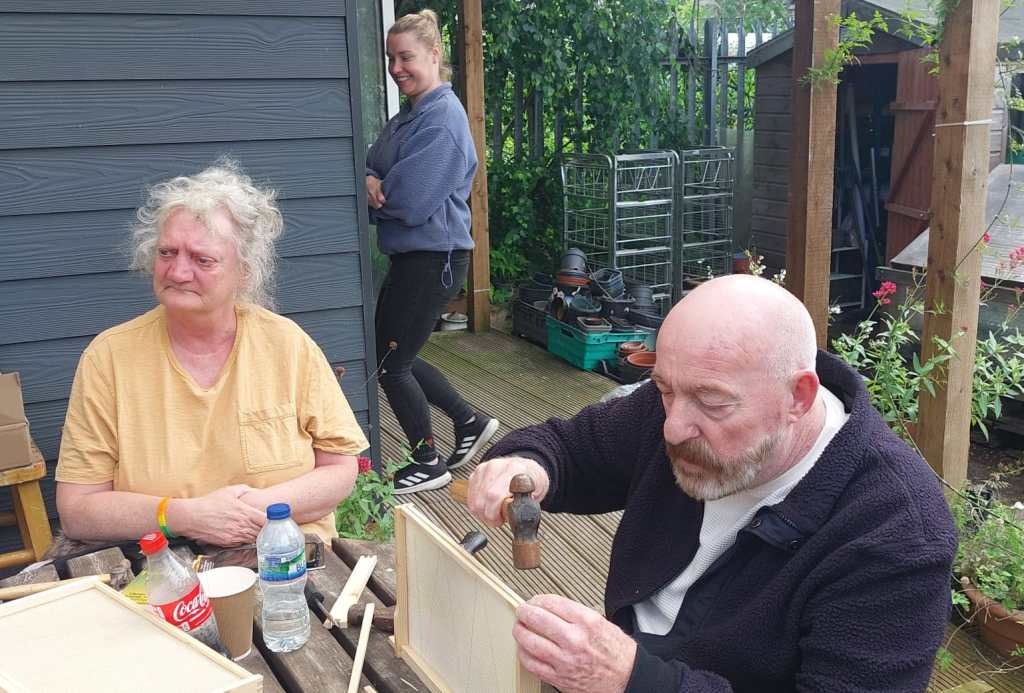
Bridgewater Hall Community Day

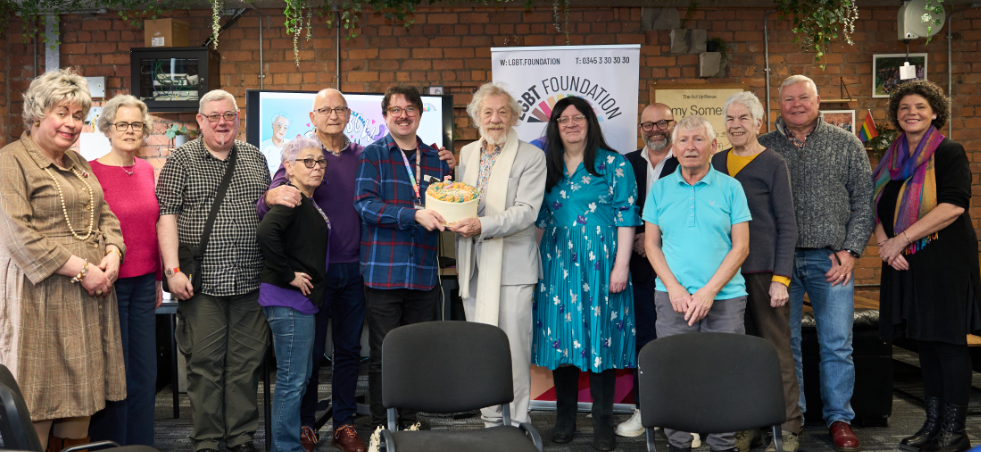
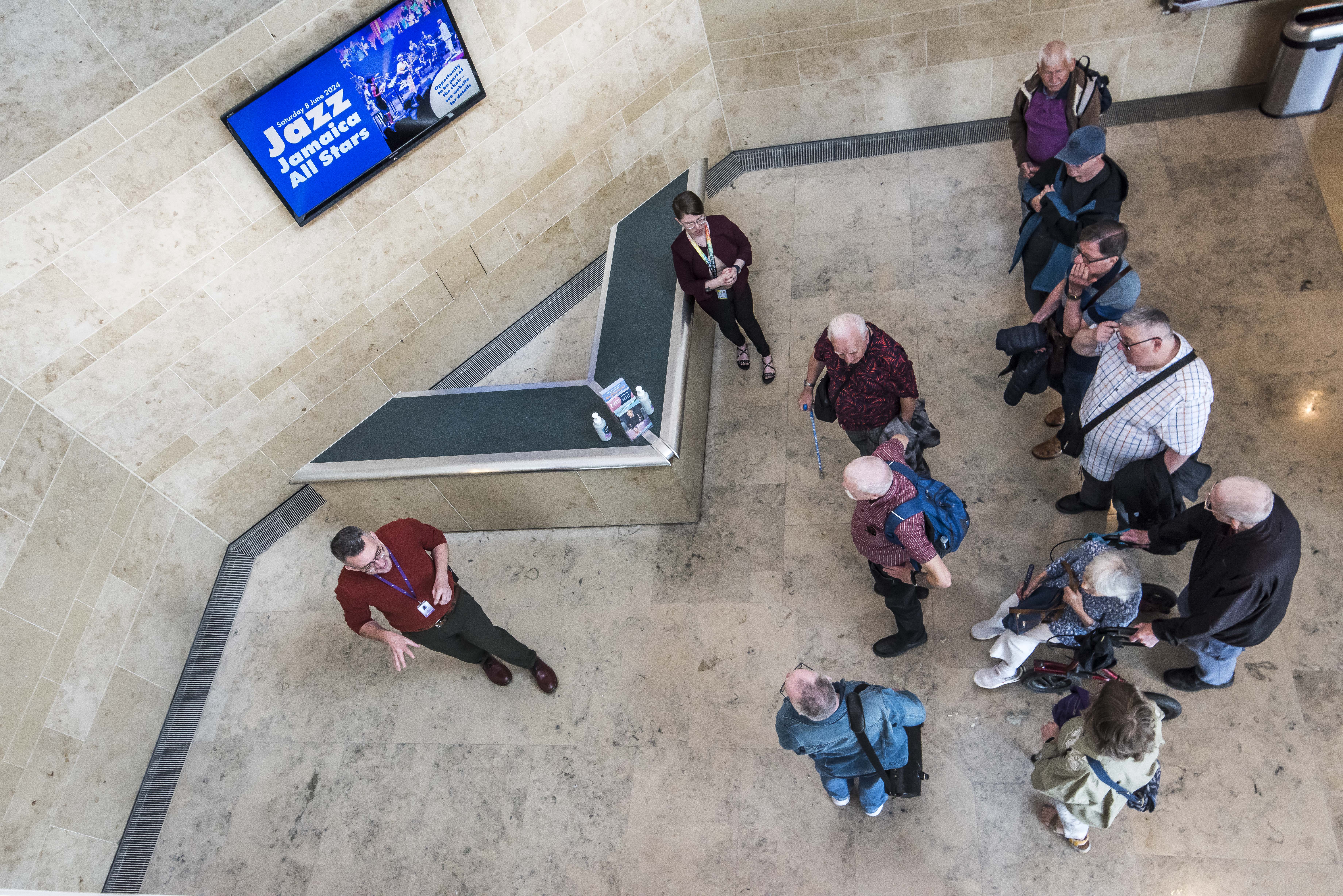
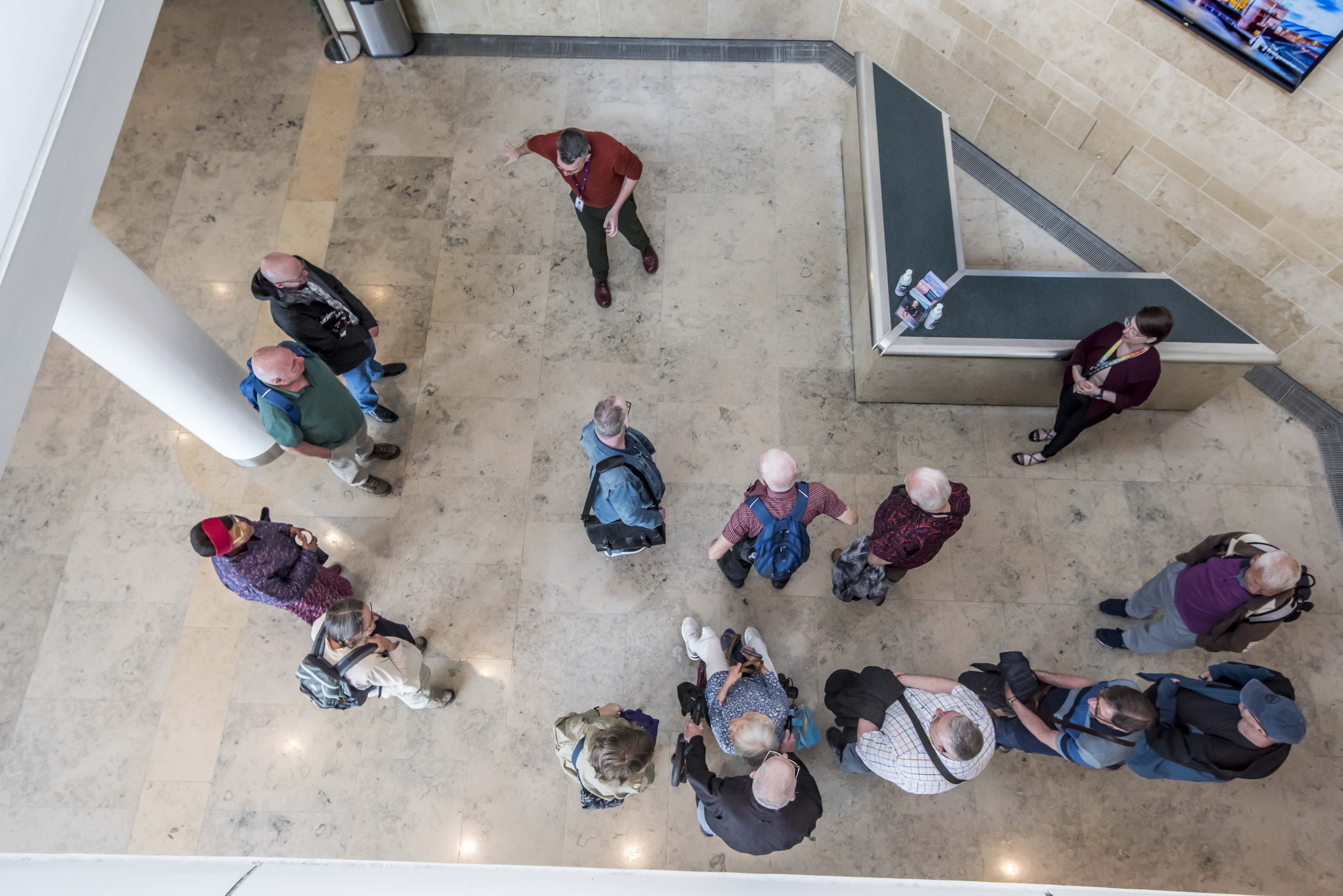
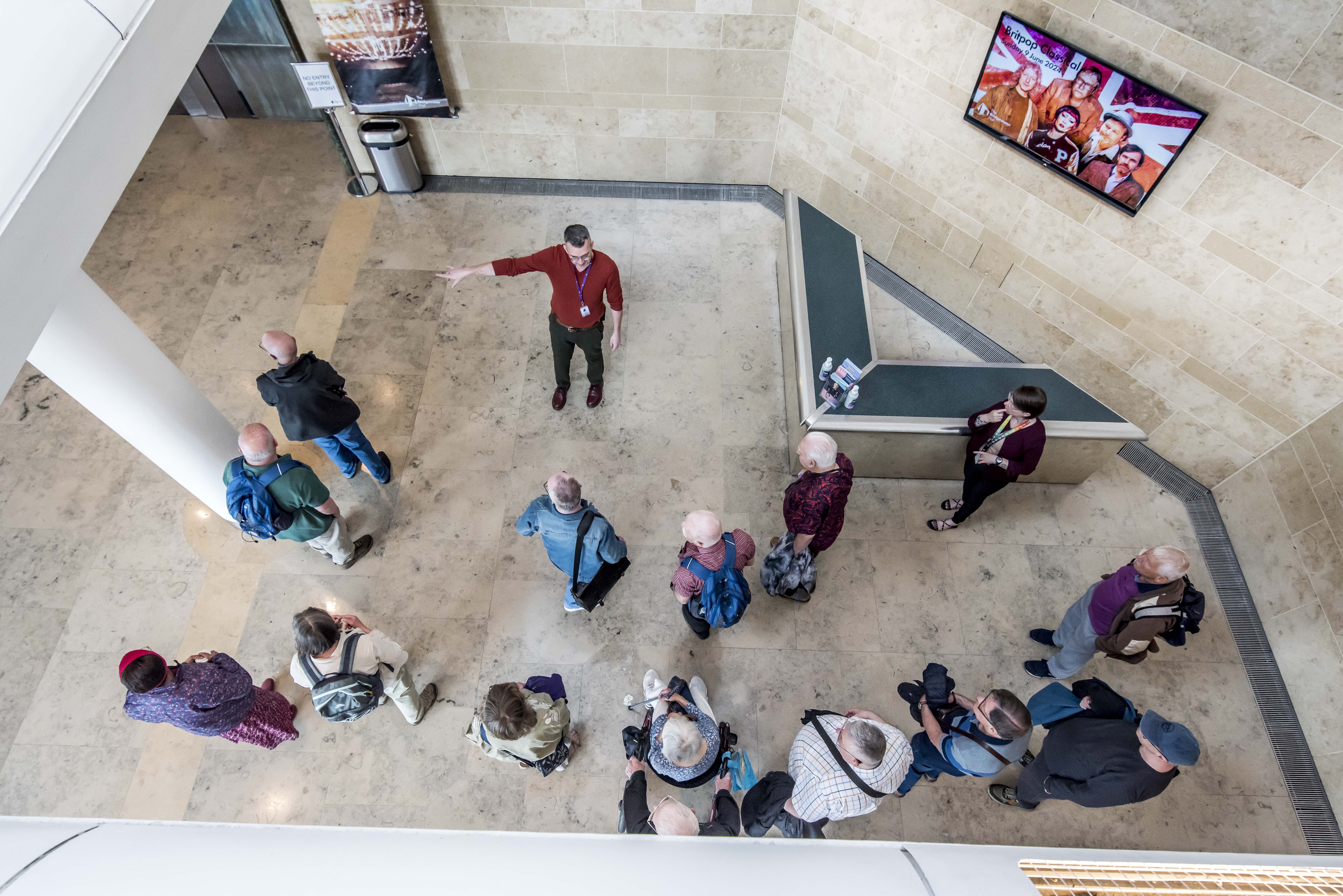
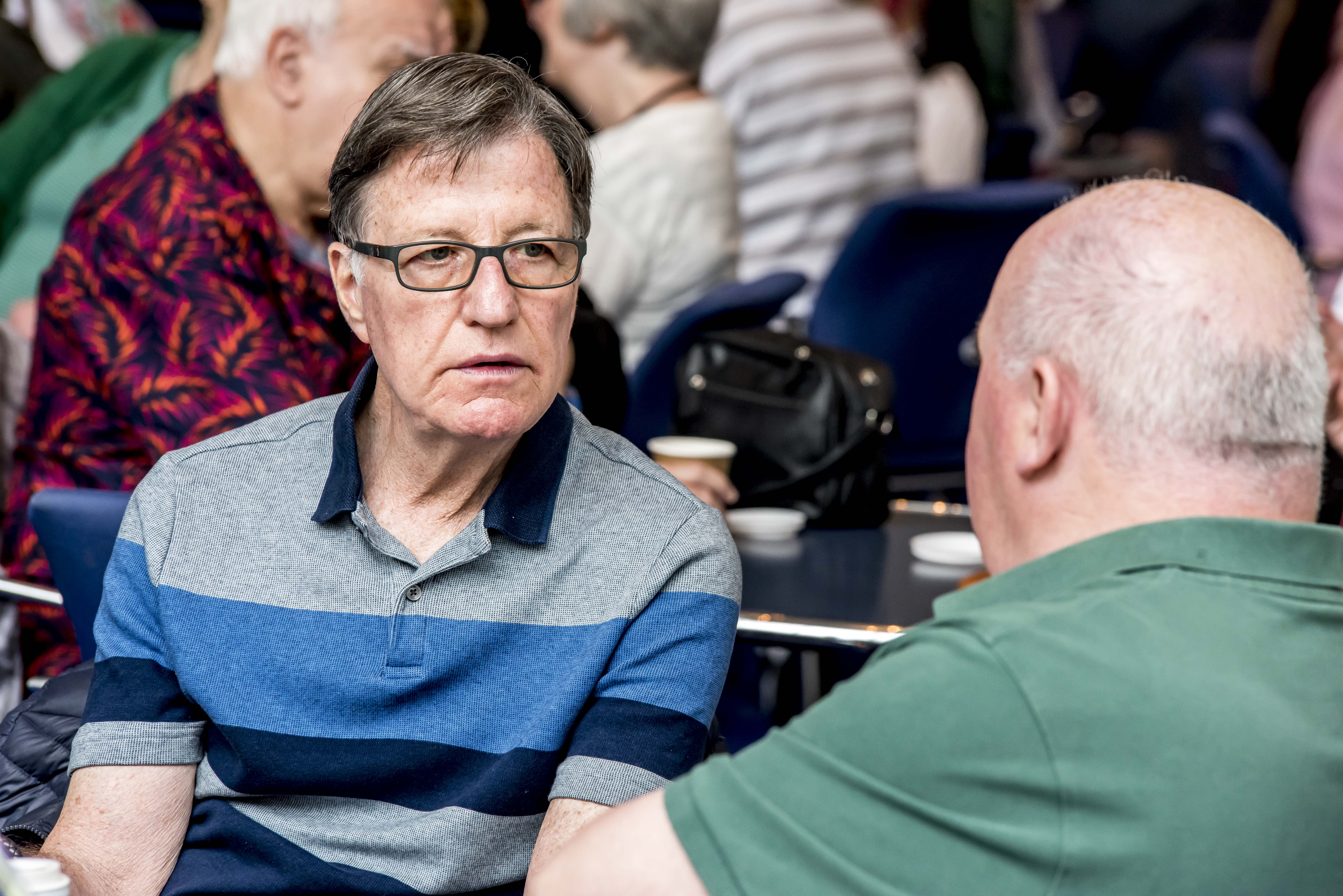
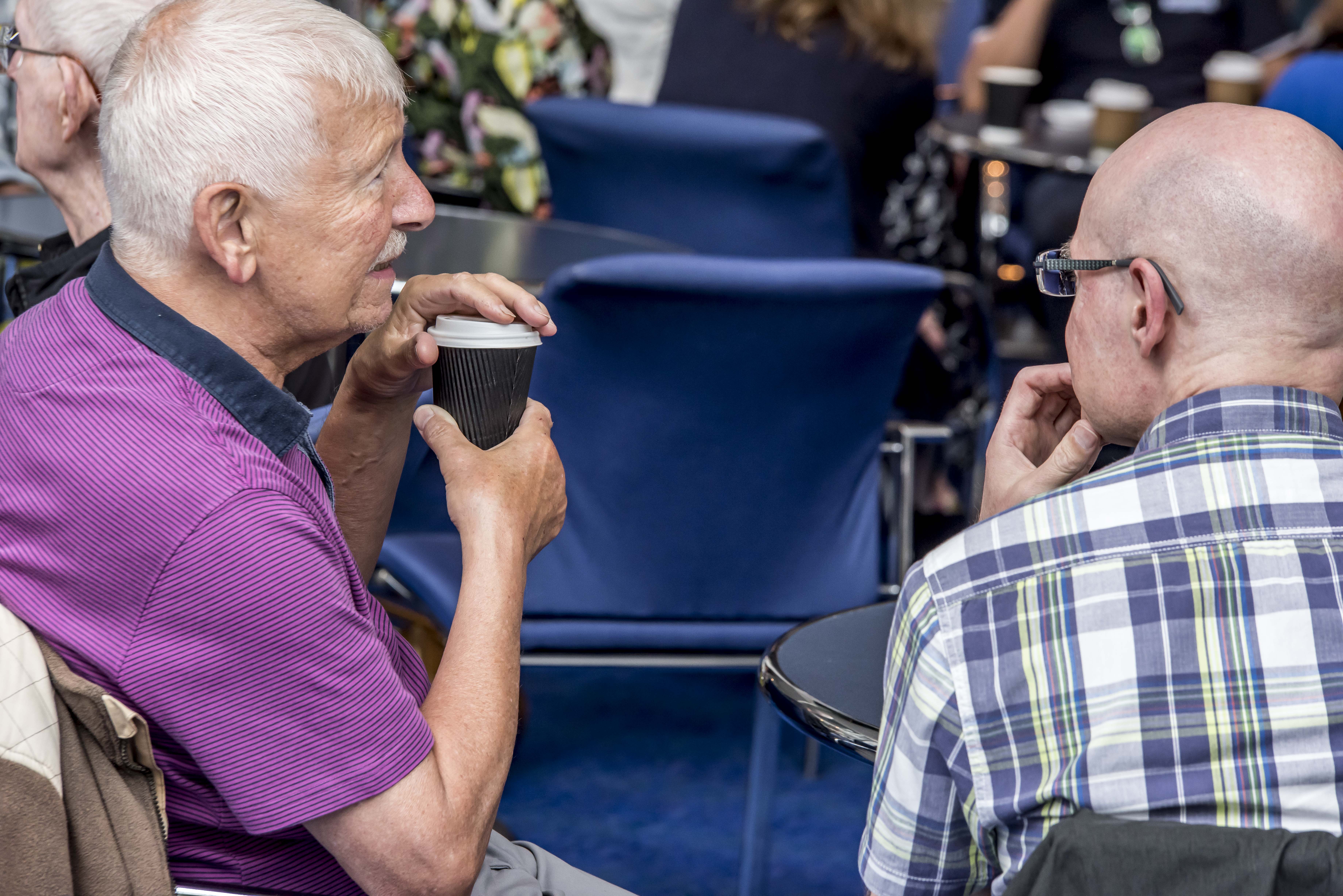
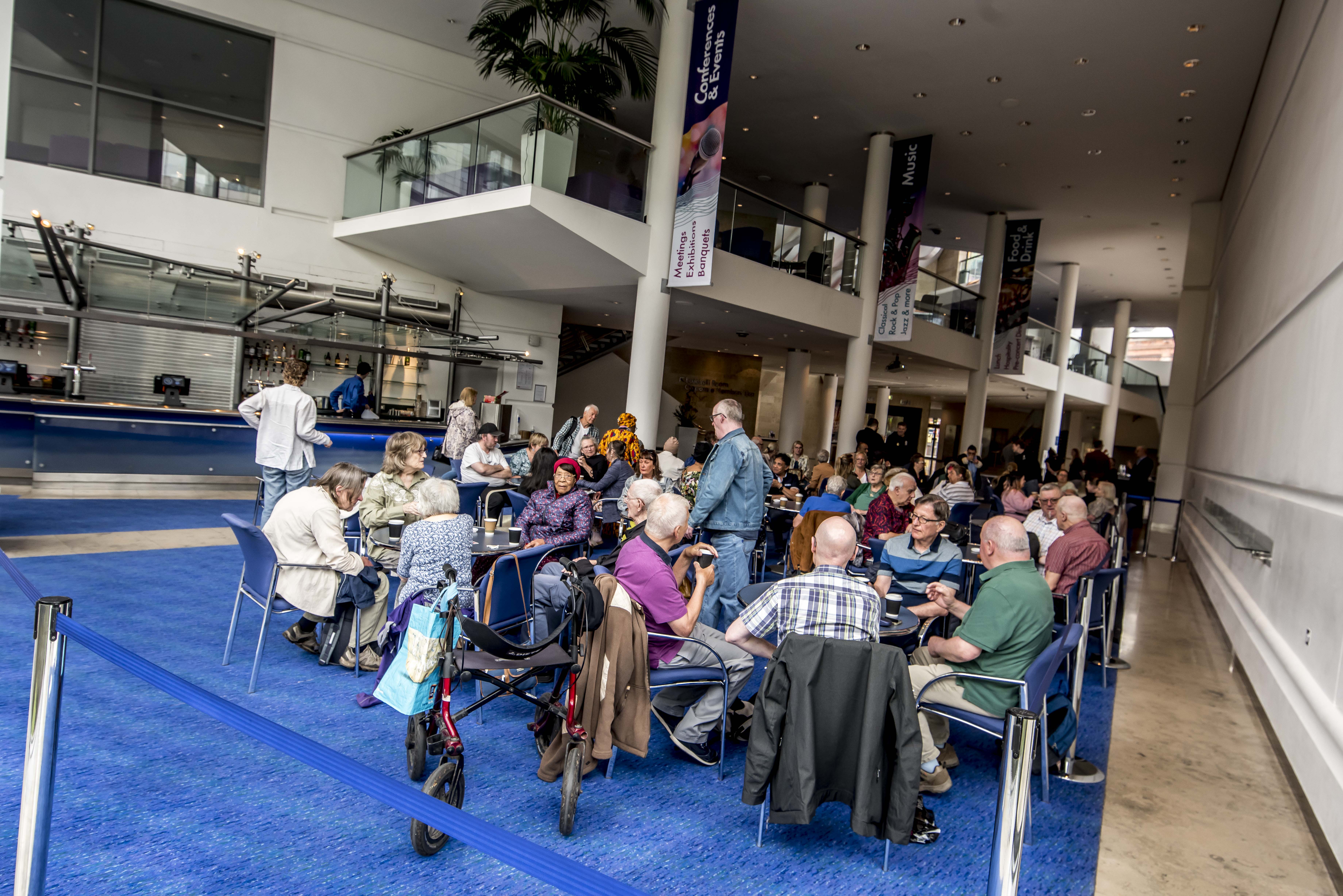
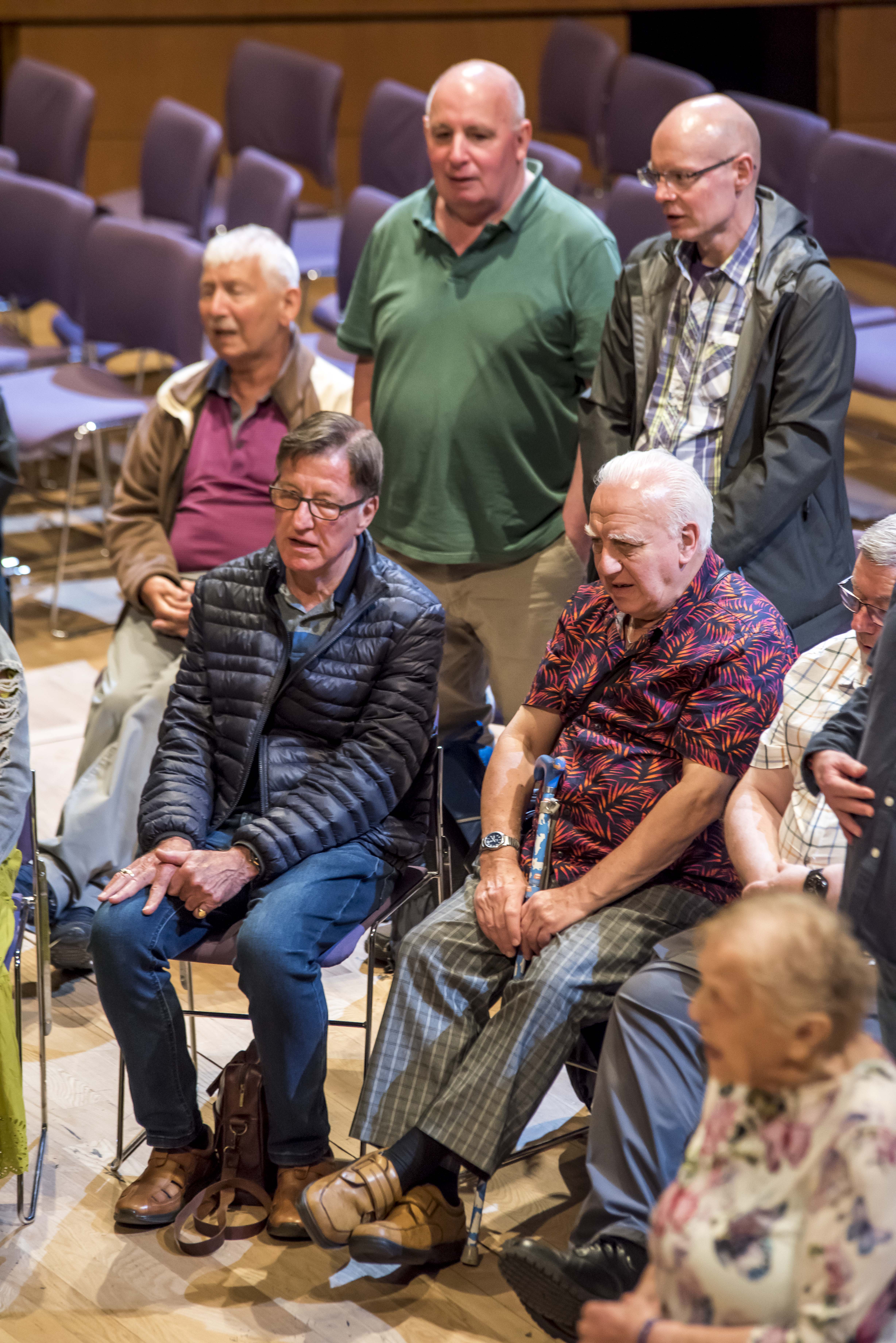
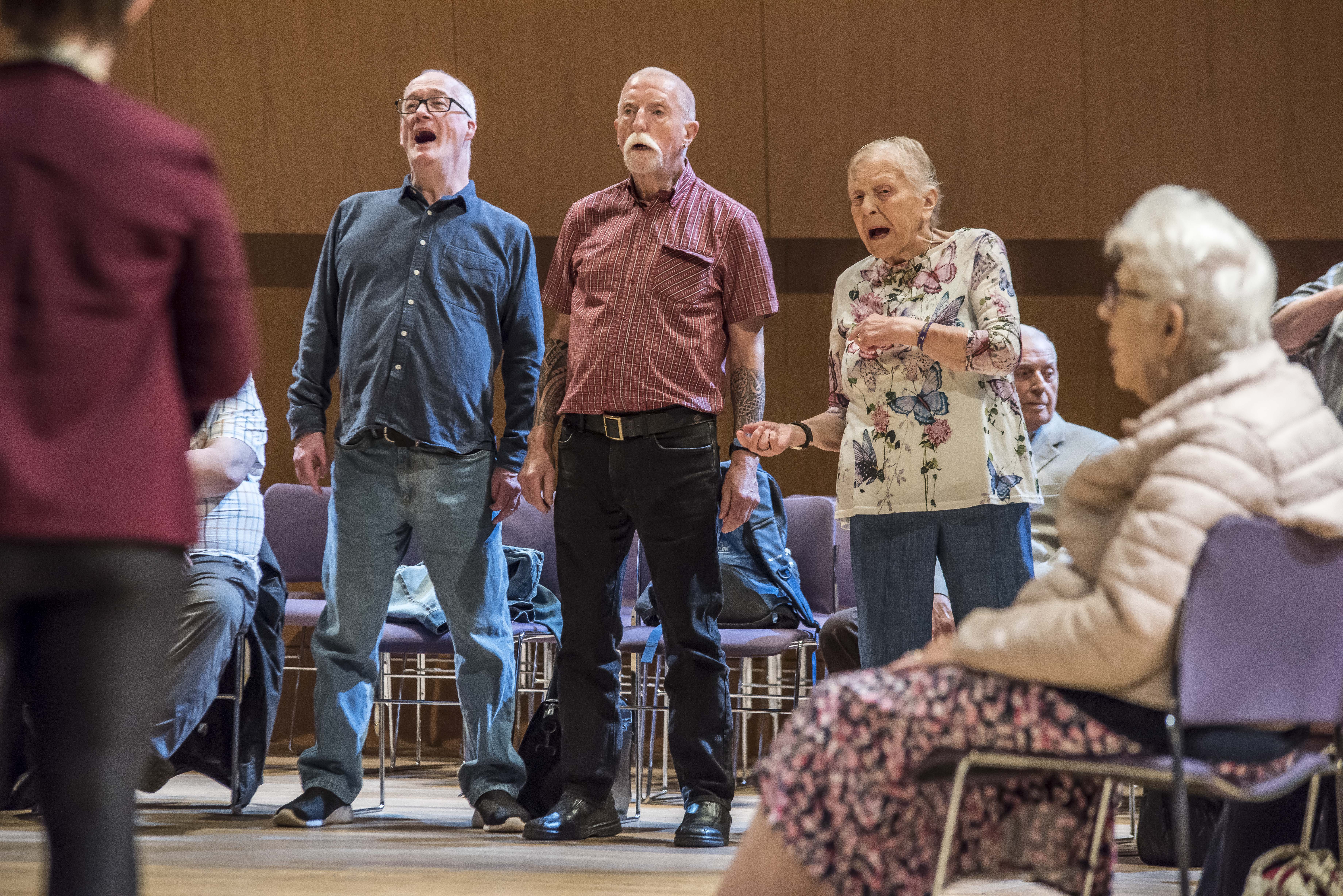
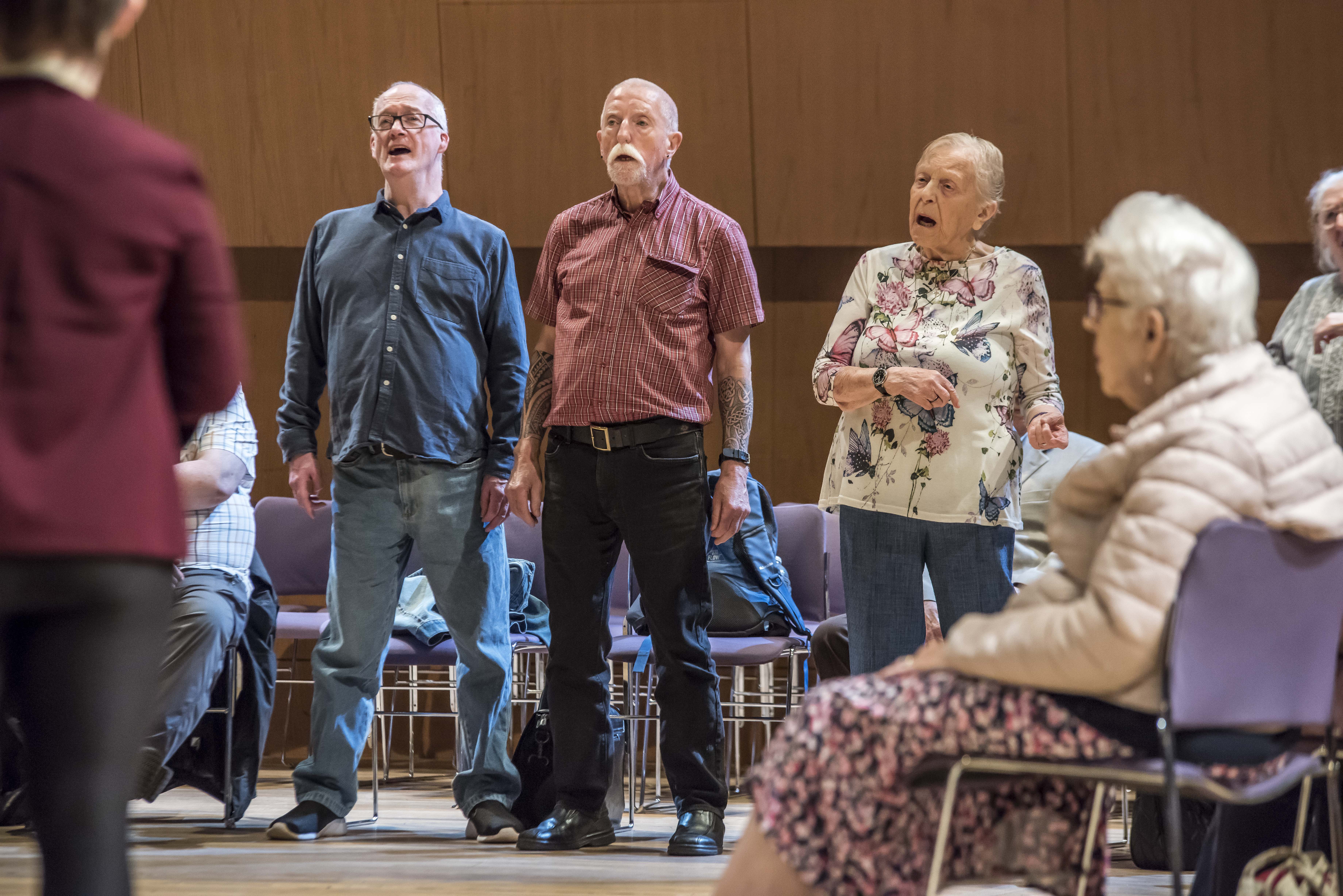
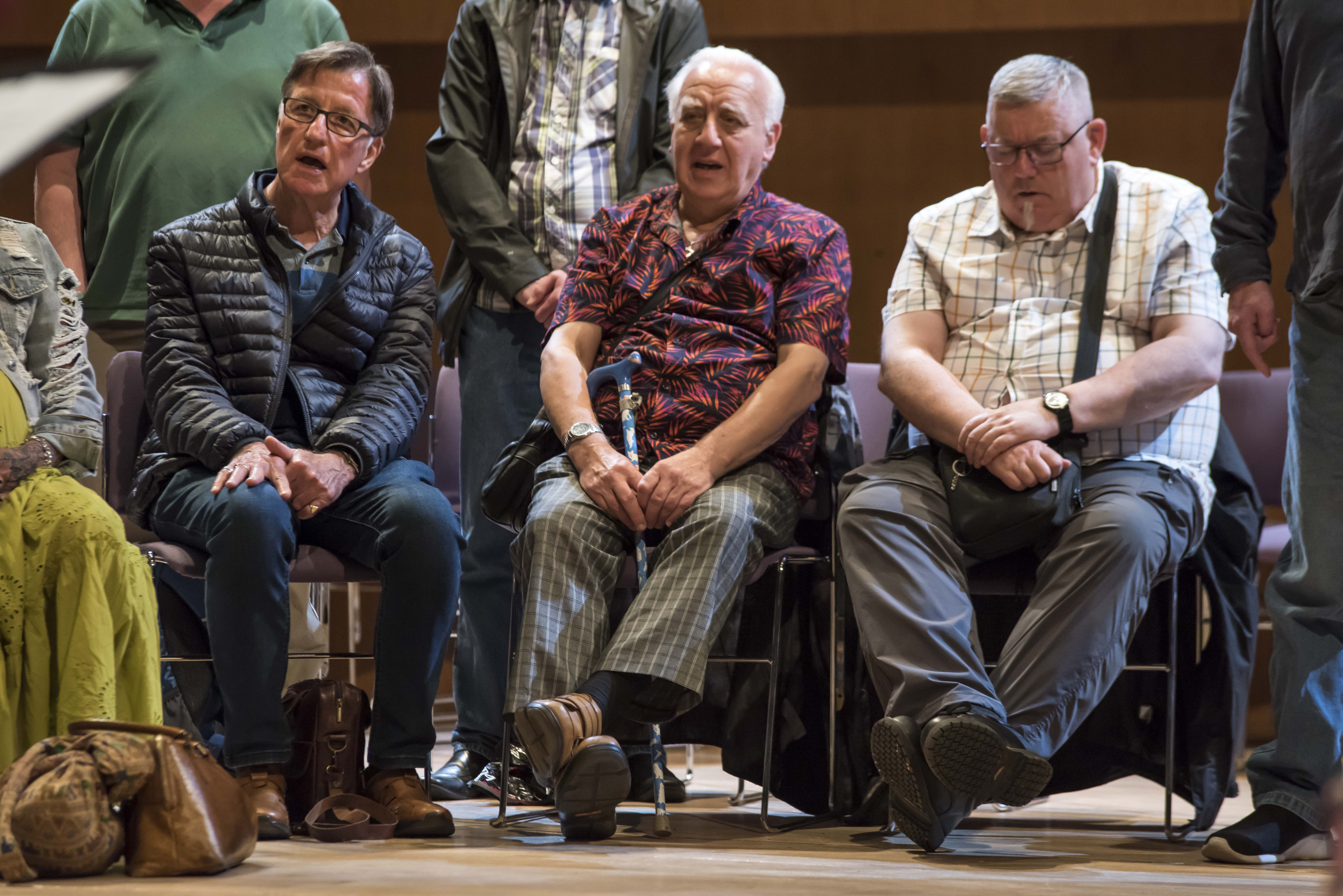
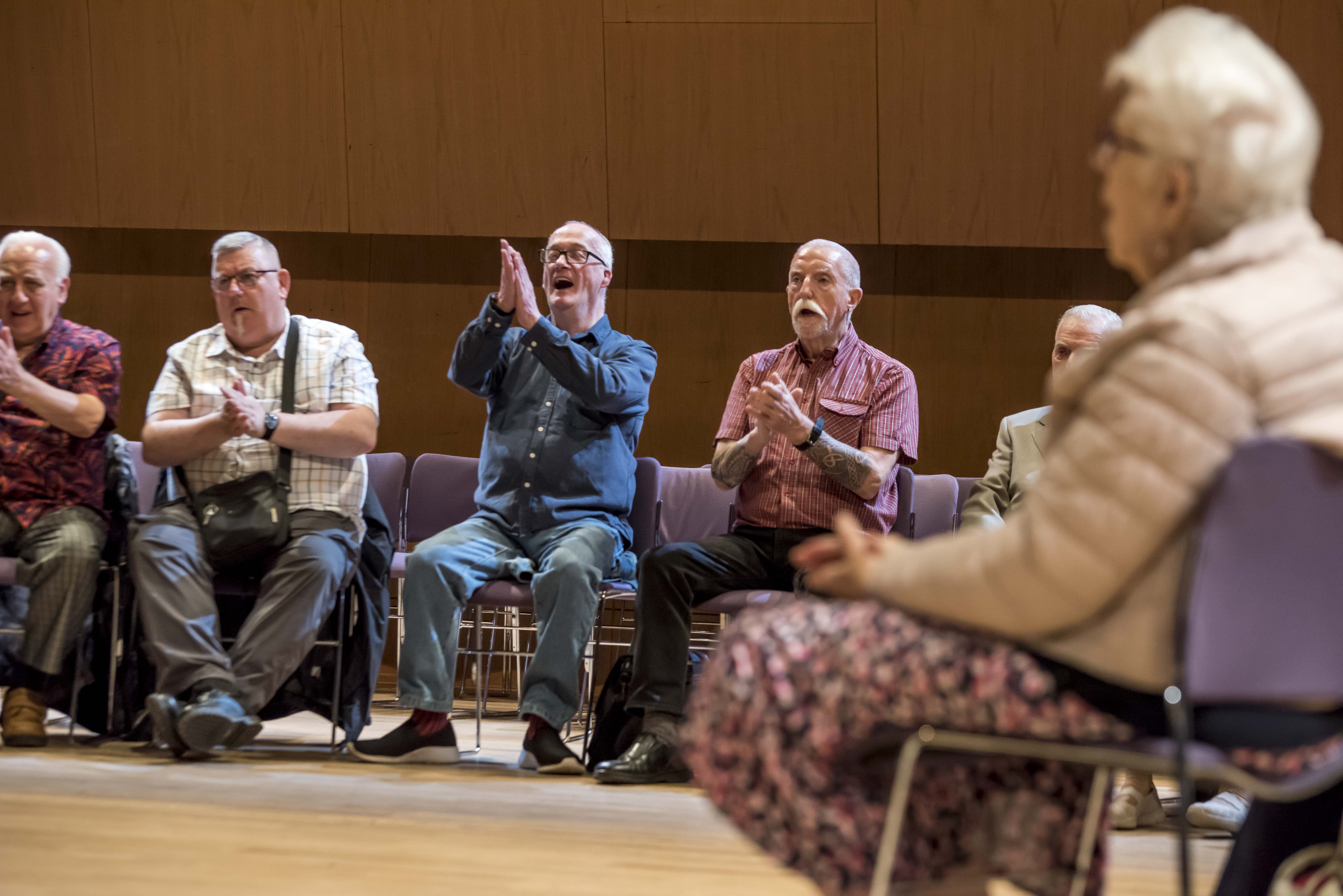
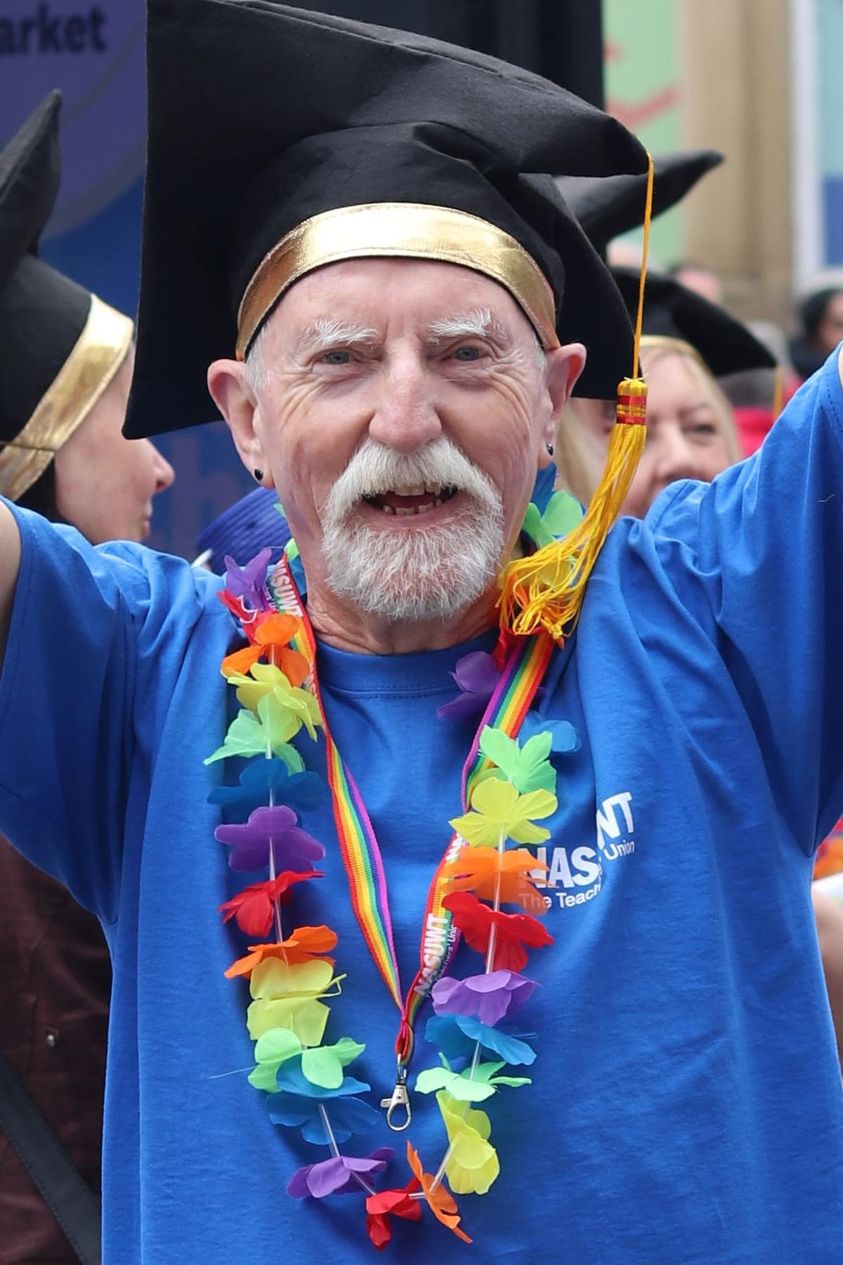
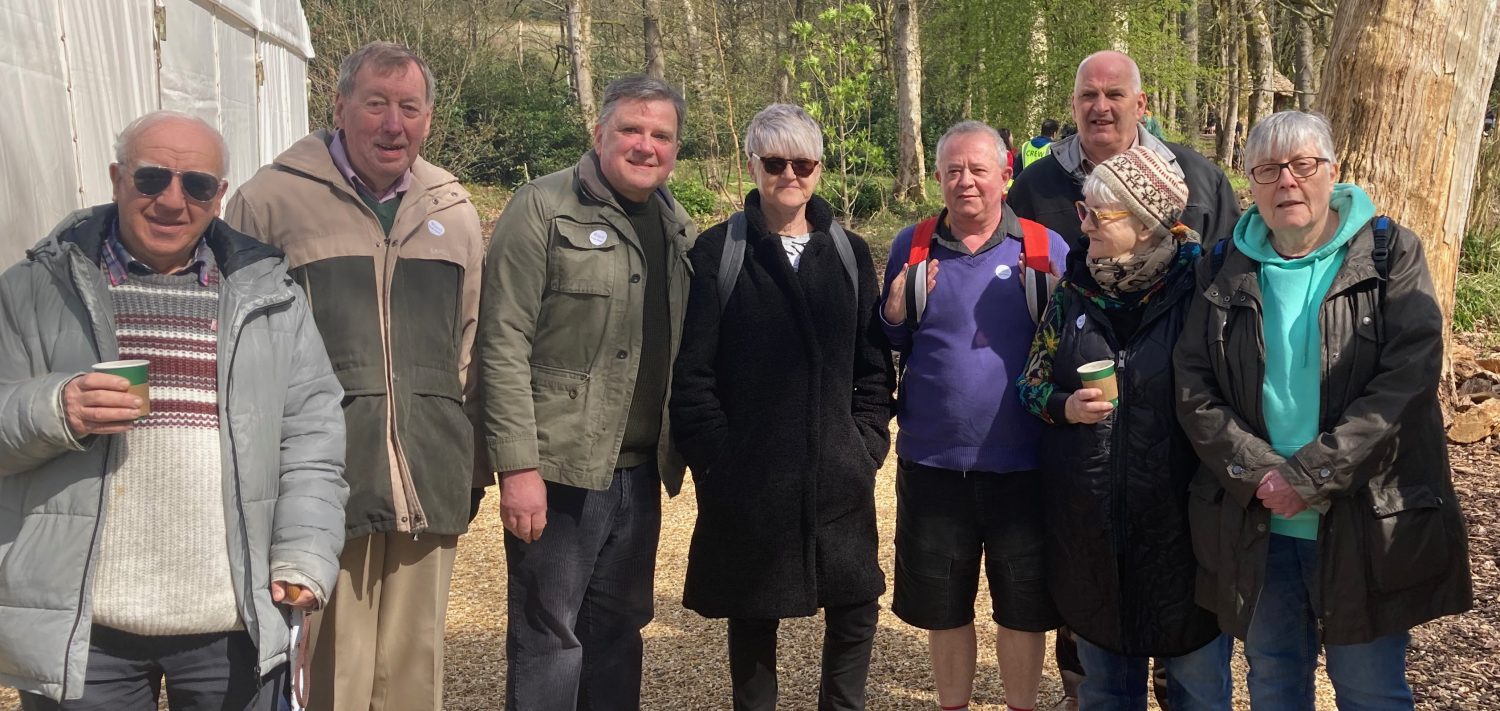
Nine members of Out In The City had a really enjoyable day at the Bridgewater Hall’s Community Day.

We joined people from different community groups from all over Greater Manchester, some with disabilities and mental health issues. The day used music and art to promote a sense of well-being.

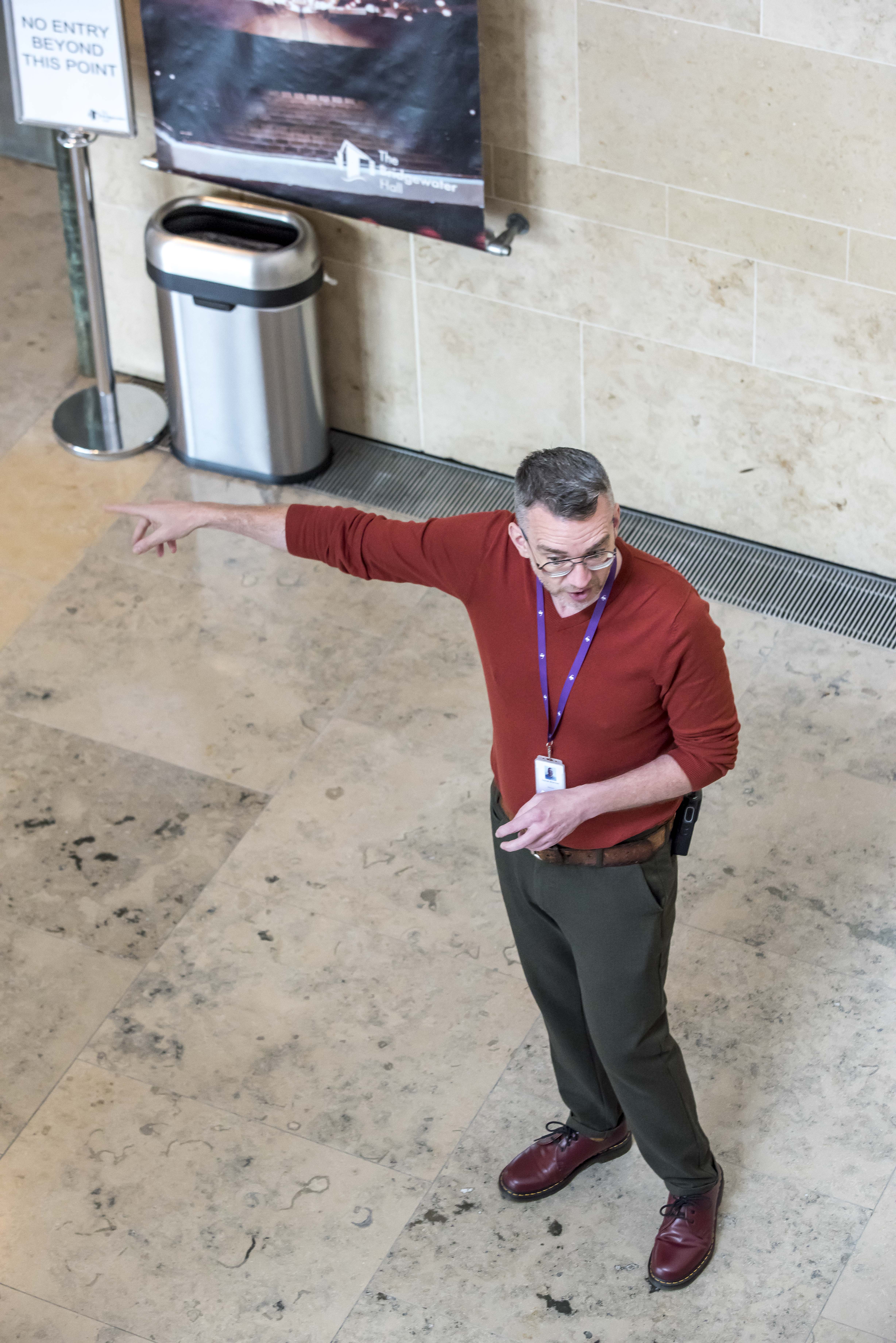
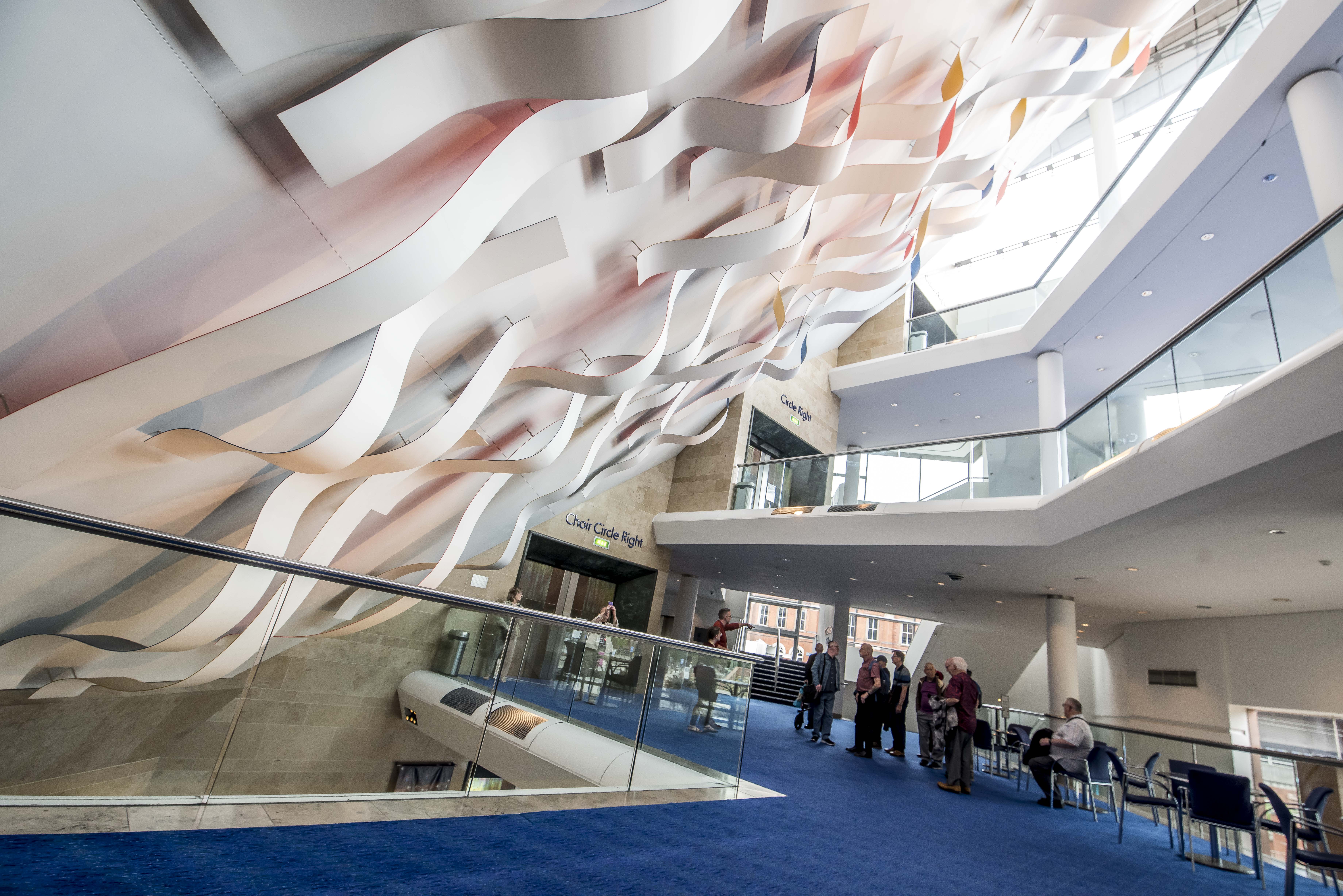
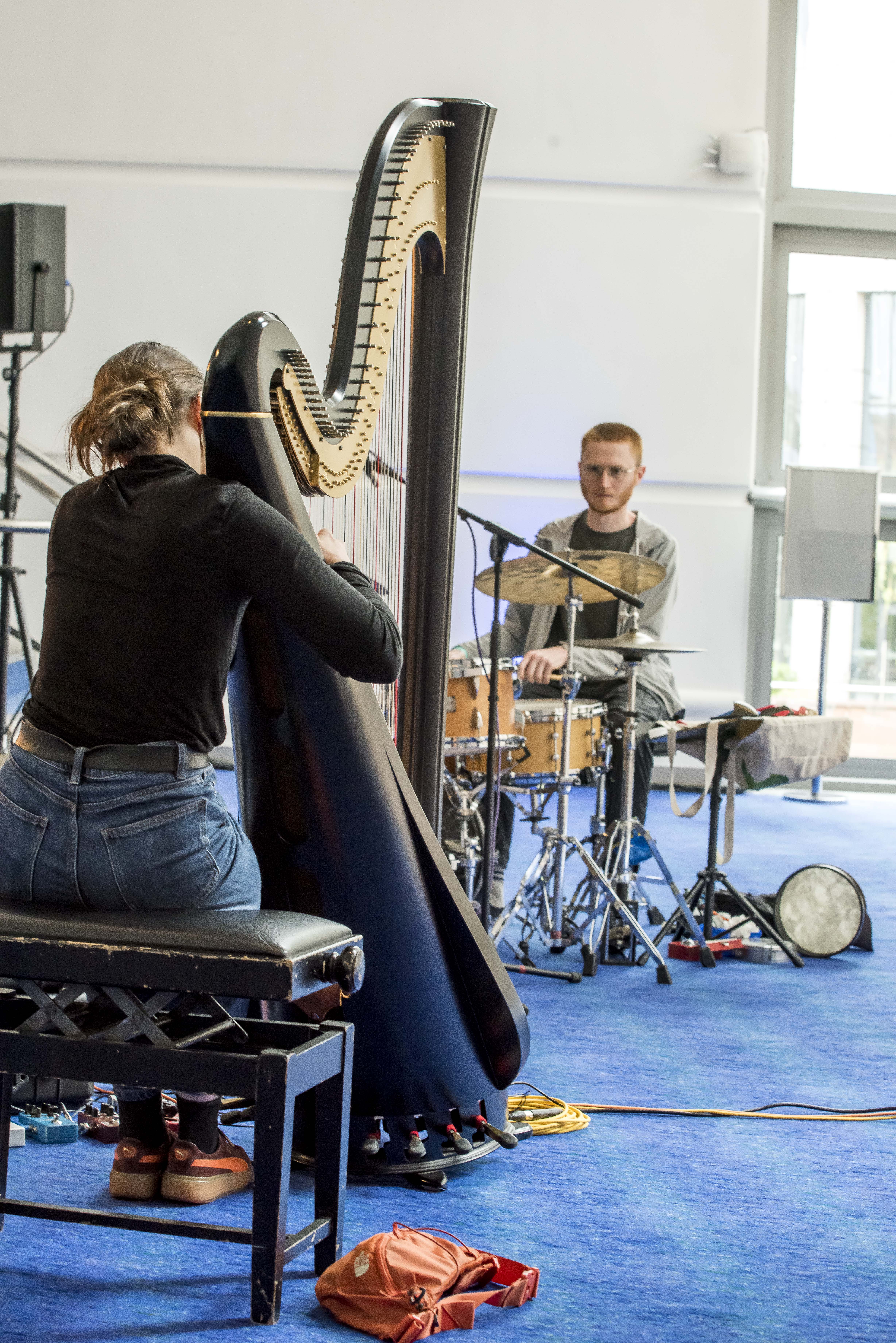
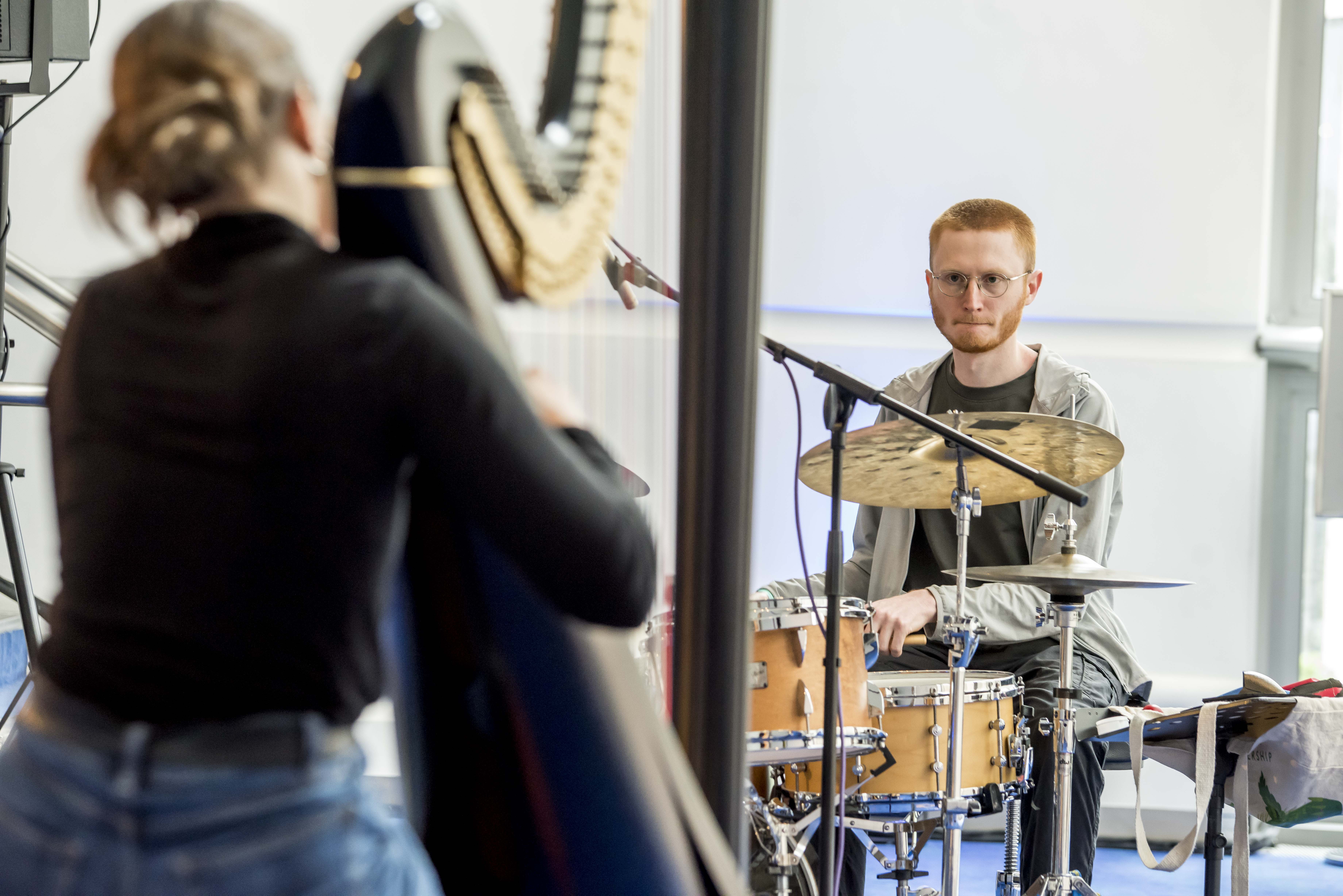
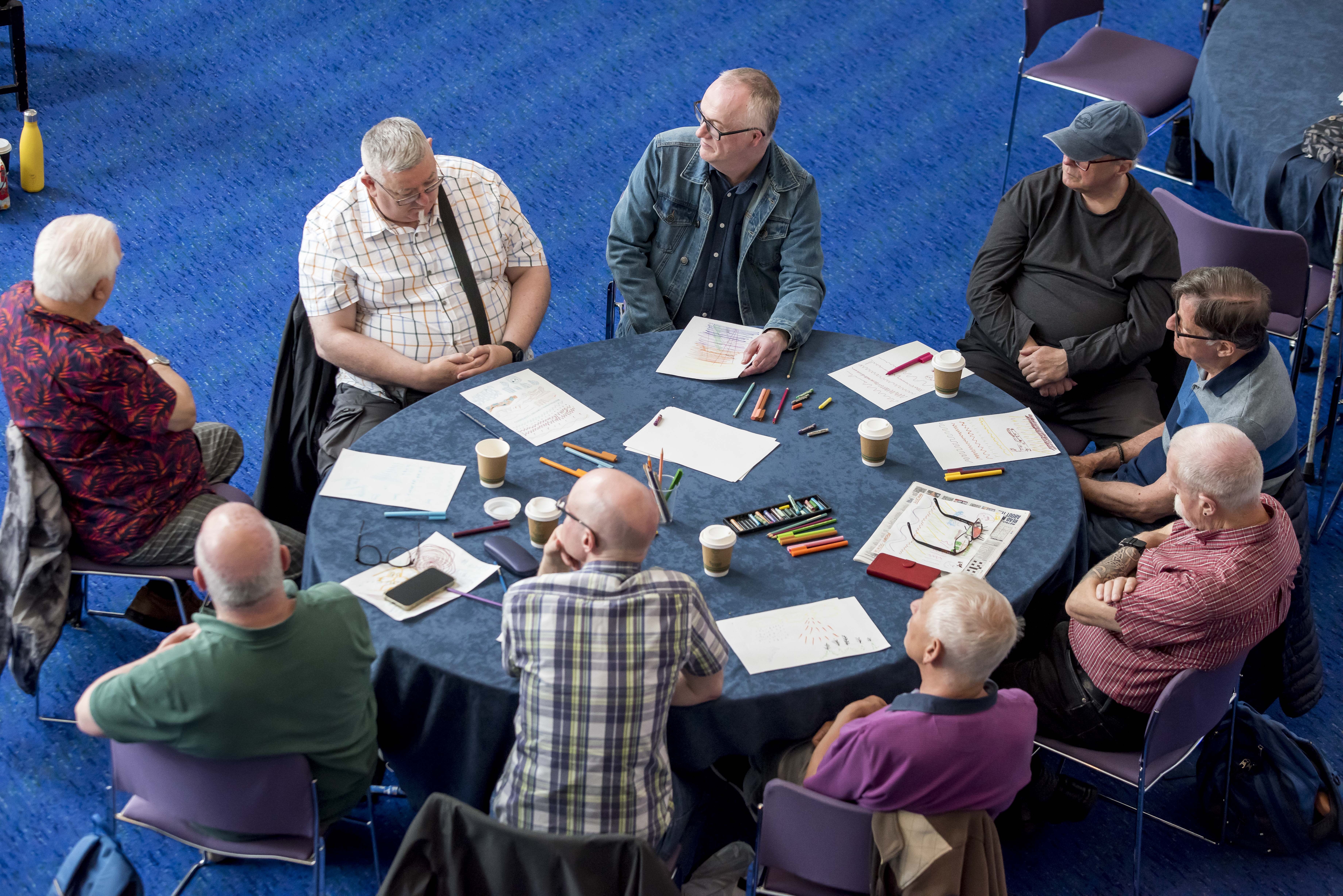
After tea/coffee and a brief introduction to the day’s events, our group began with an interesting and informative backstage tour of the Bridgewater Hall. We then attended the music/art workshop in the Barbirolli Room. We were invited to create a piece of artwork based on the harp and drum music that we listened to.

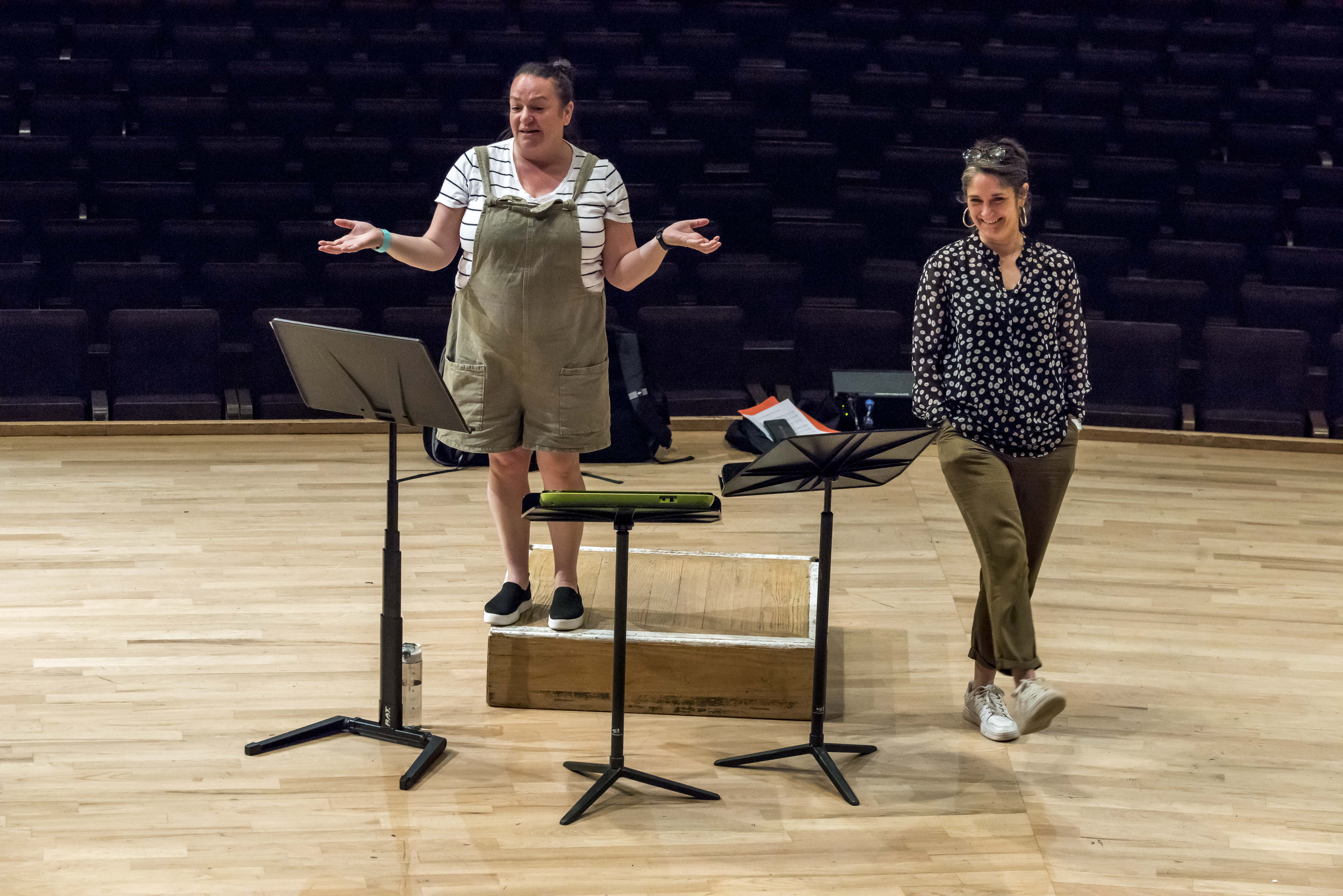
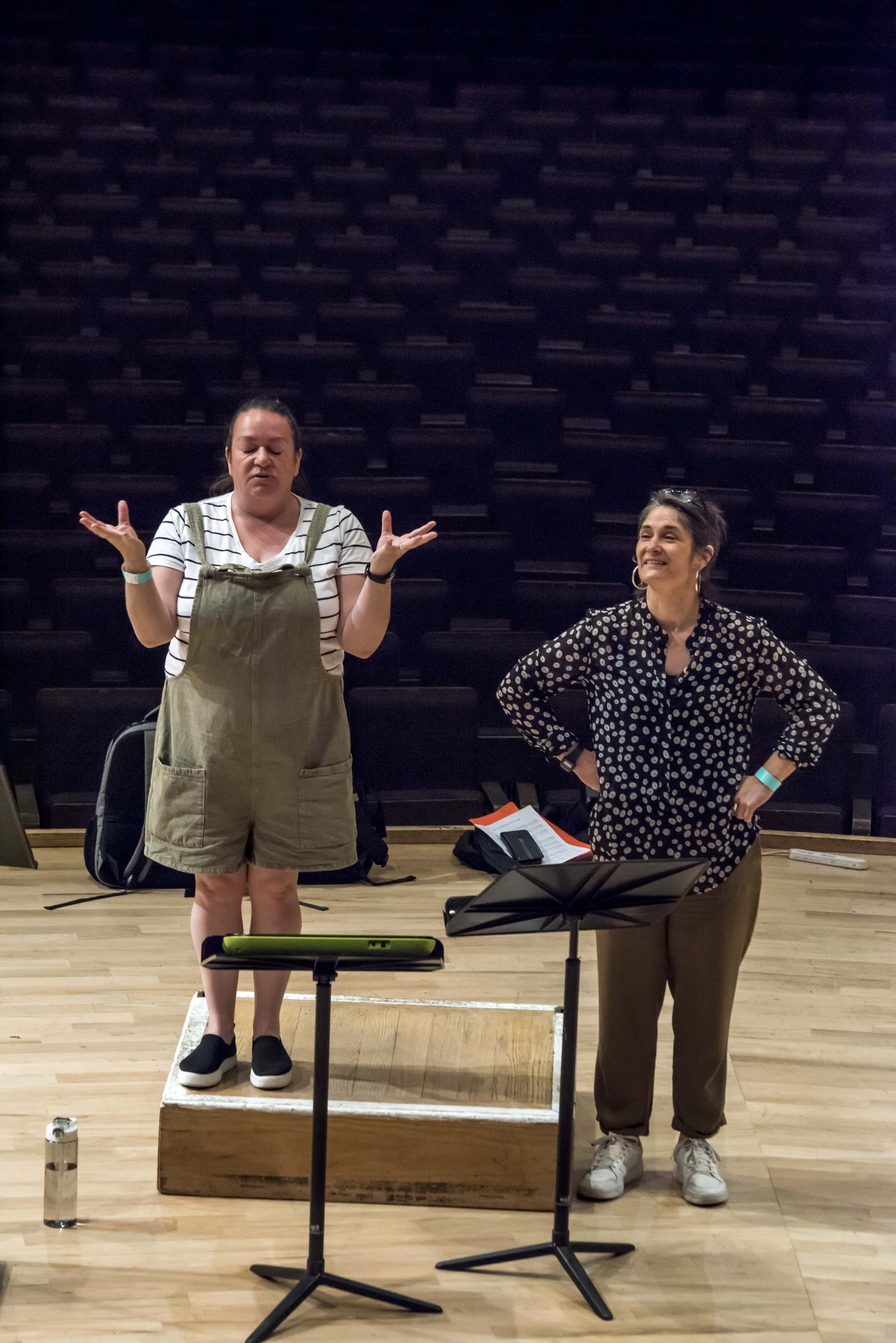
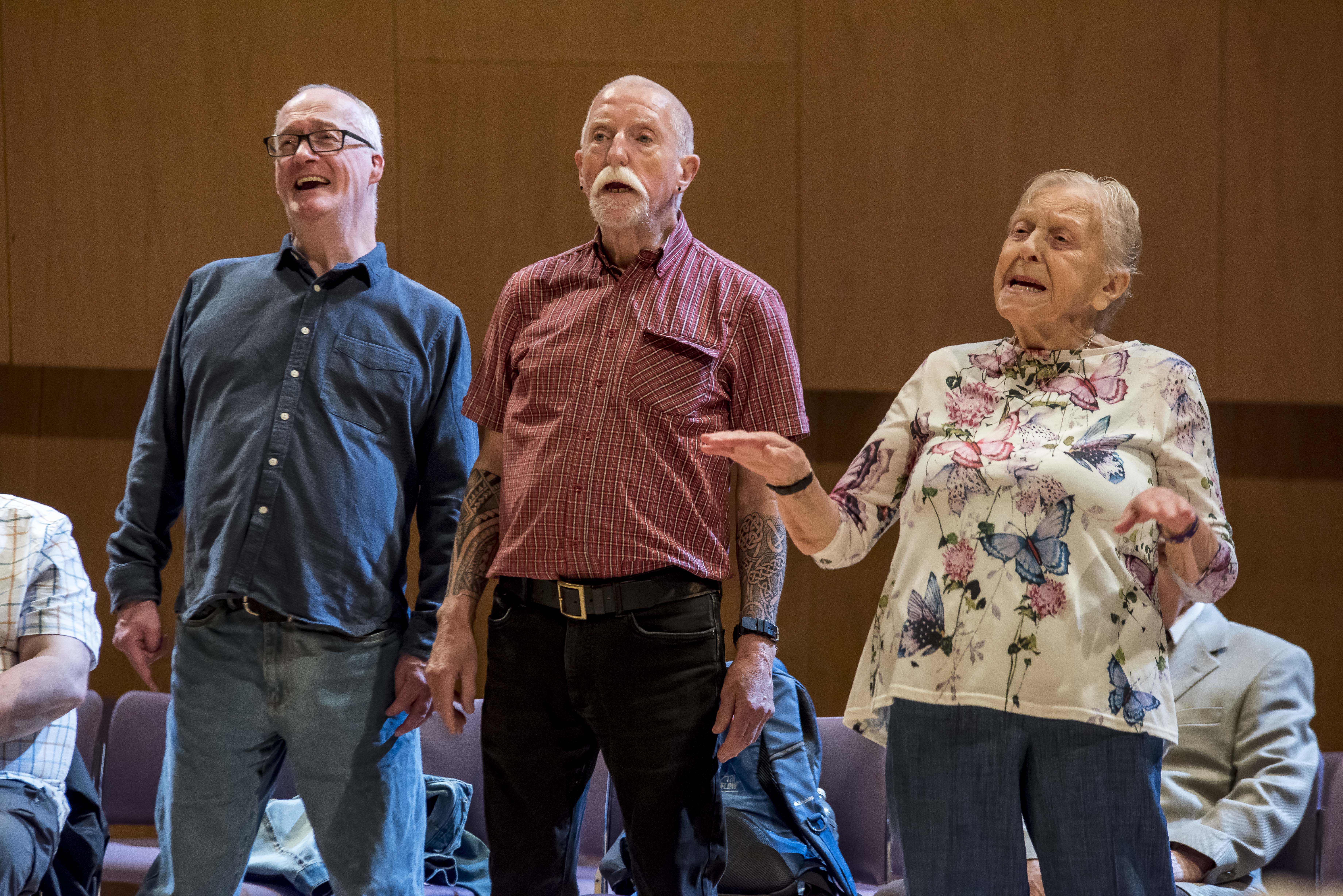
After a box lunch, we then attended the singing workshop. This took place in the auditorium on the Bridgewater Hall stage! We clapped and patted our bodies to make percussive sounds. Andy and Patrick even did a bass harmony duet to “Ain’t No Mountain High Enough”. It was a fantastic experience.

Frankie Goes to Bollywood

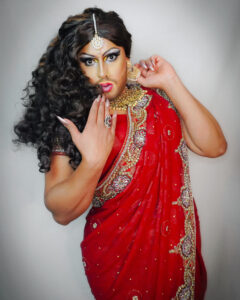
From the makers of Britain’s Got Bhangra comes the world premiere of a new British musical “Frankie Goes to Bollywood”.

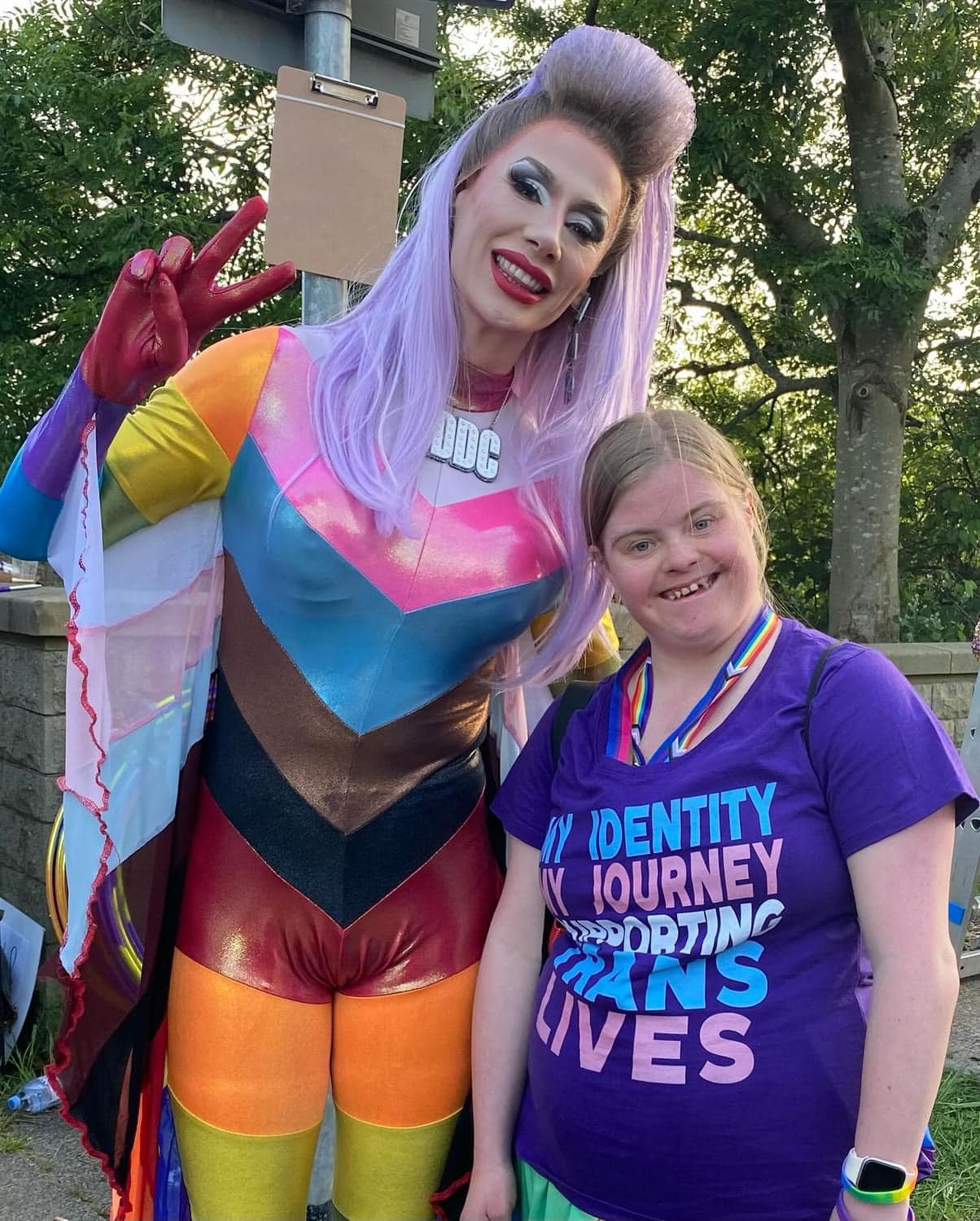
We went to see this spectacular musical at HOME Theatre 1. The musical is a breathtakingly colourful journey of romance, epic songs and dance – inspired by real stories of British women caught in the spotlight of the biggest film industry in the world.

Frankie never wanted to be a star, and after a chance encounter with a director, she finds herself transported to the ruthless world of Bollywood. As she climbs the sparkling staircase of stardom, Frankie must confront what she is willing to do for fame and fortune. Can she stay in the Bollywood family and still be true to herself?

Amidst the heroes and villains, ornate costumes and sweeping sets, get ready for this tale of being British in Bollywood. The show is totally fabulous and highly recommended.

Pride on the Range

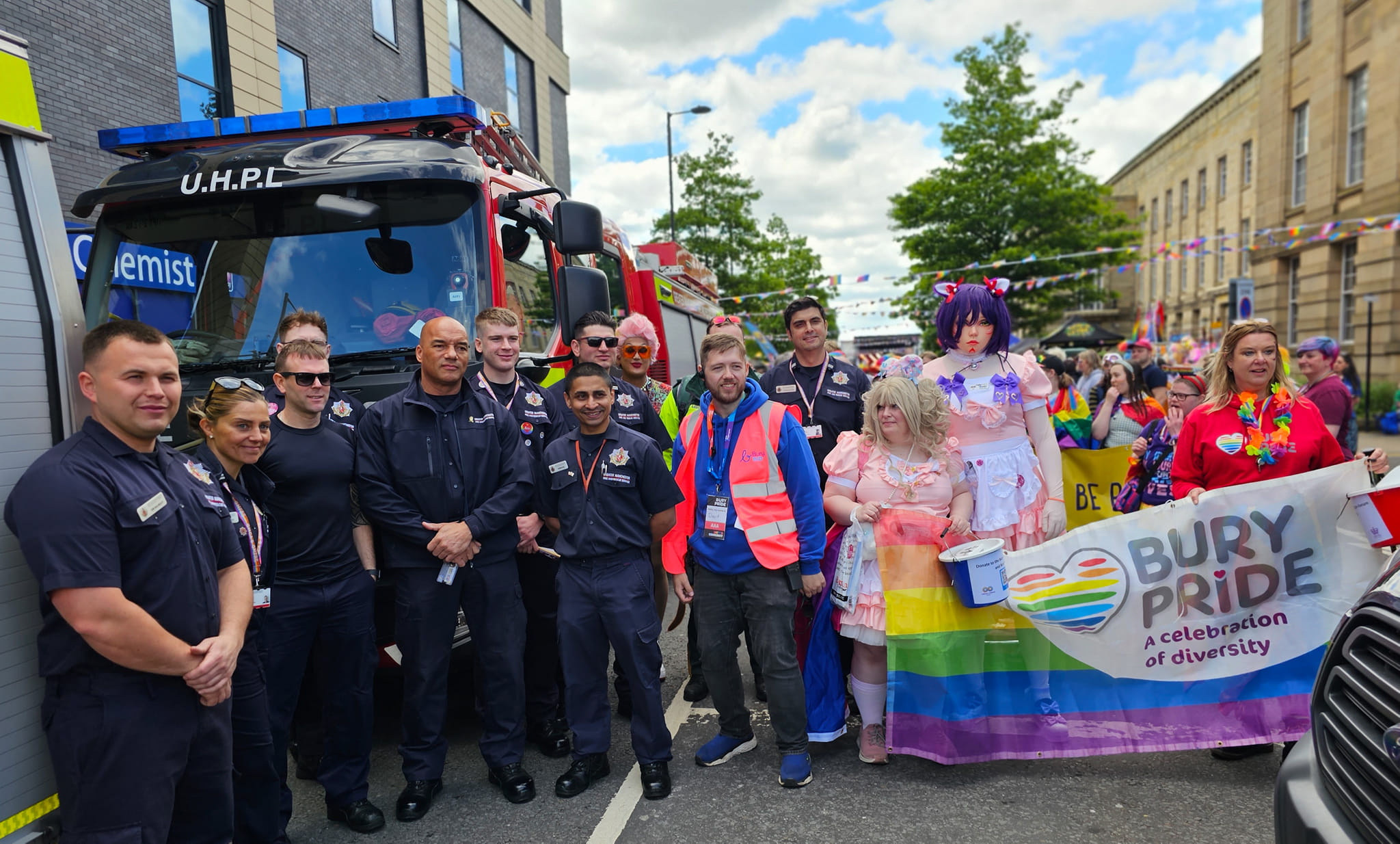
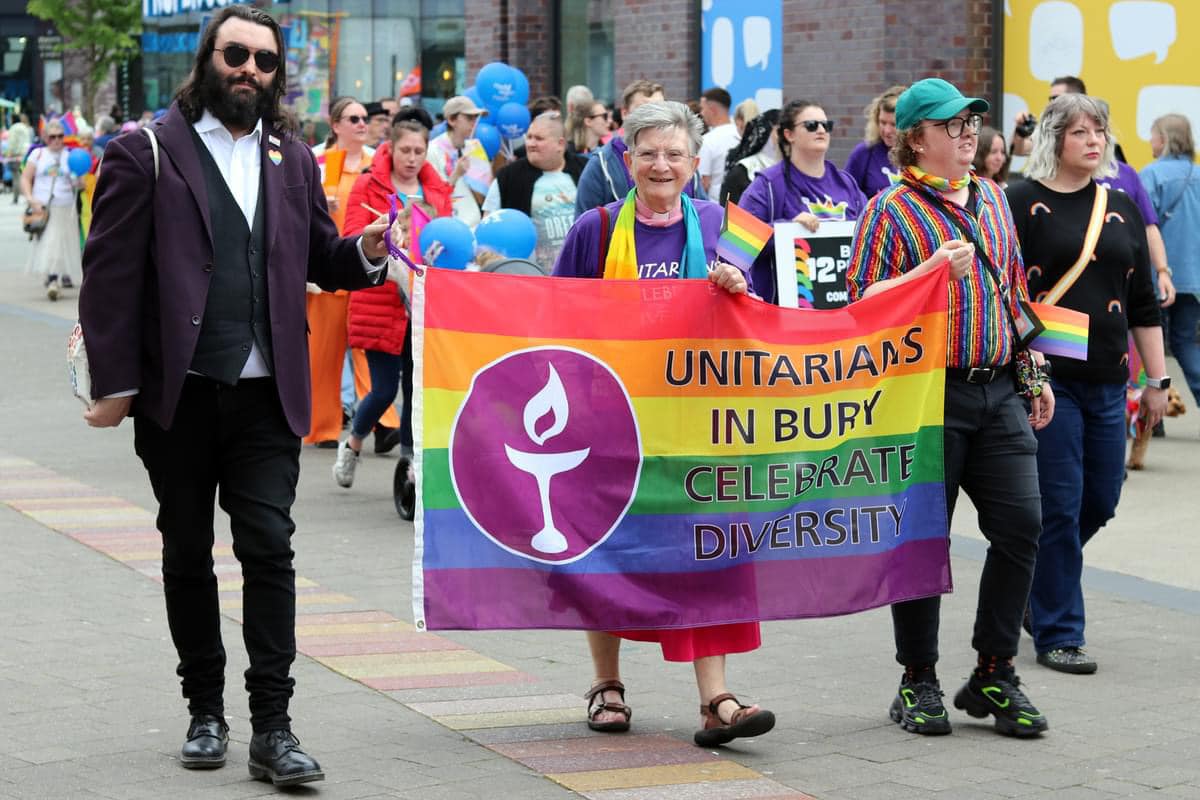
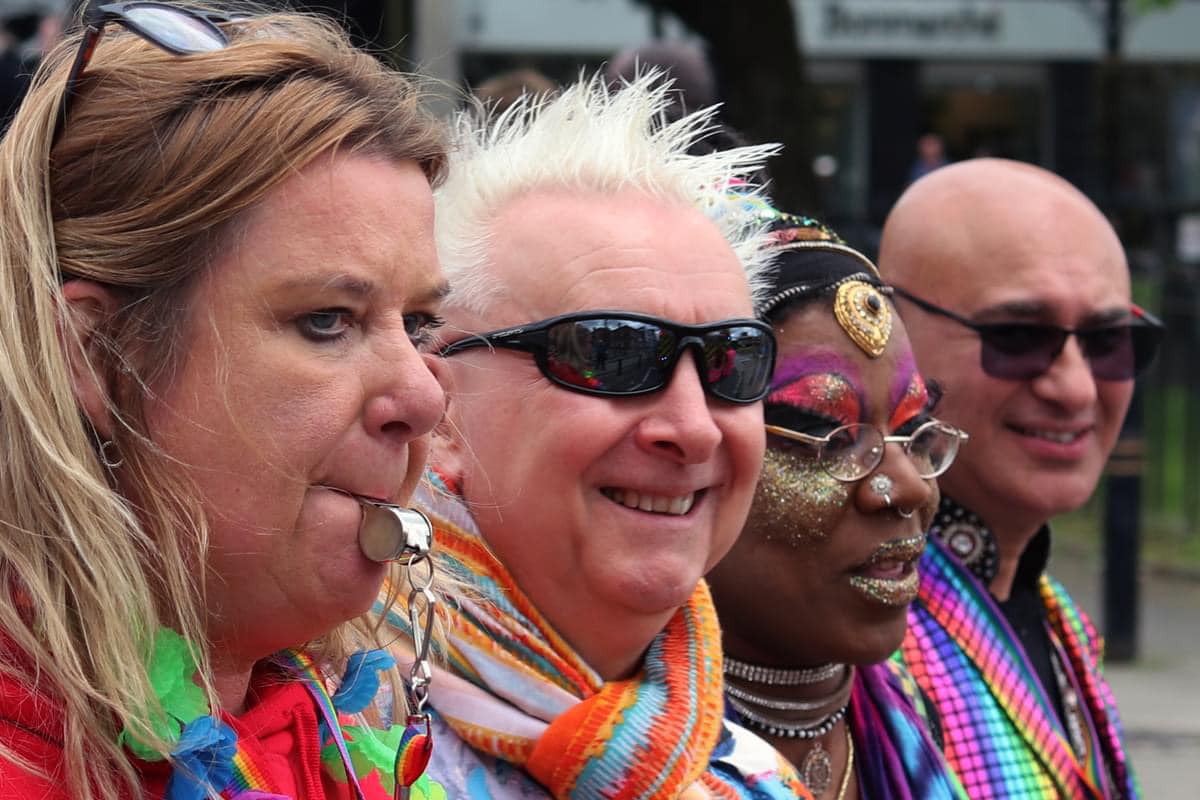
Pride season is just around the corner. There are so many Prides in Greater Manchester that some of them overlap! So, we cannot attend every event.

In 2024, Pride marches can seem to be dominated by young faces. That, of course, isn’t a bad thing and shows how progressive we have become. Yet, WE think that it’s important that us older LGBT+ people are also visible and celebrated at Pride. 

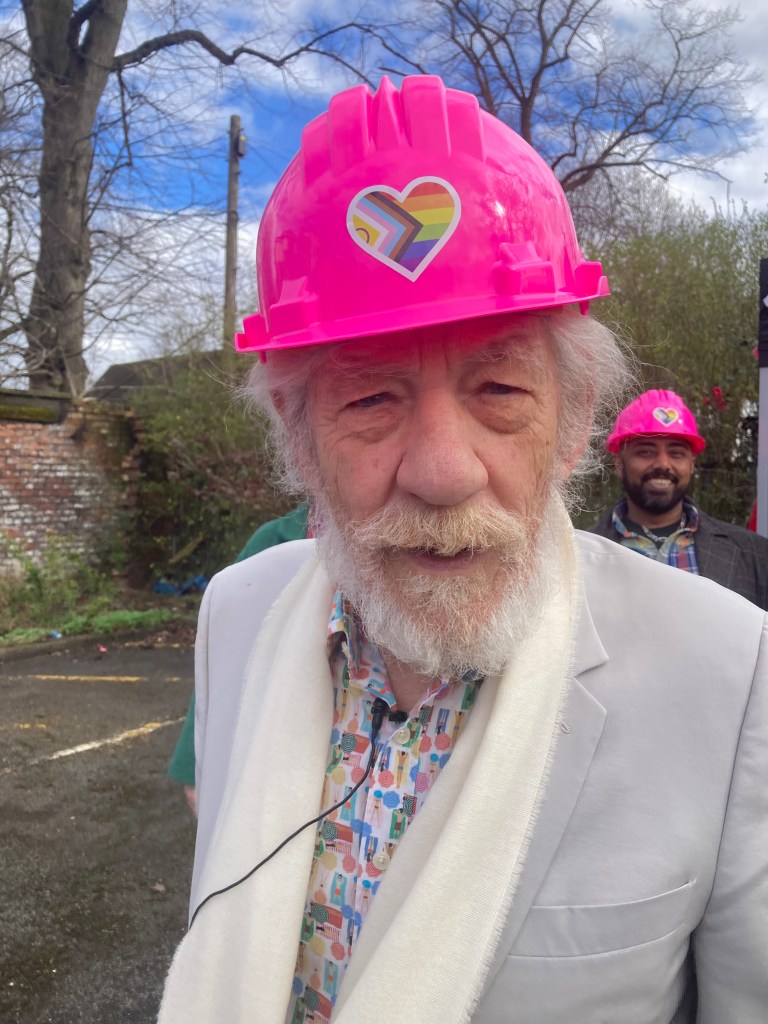
Attending Pride on the Range on Saturday 25 May might be your first Pride OR you might be a regular attendee OR you’re returning.  We would love for you to join us at Pride on the Range this year. Collectively we will be VISIBLE, PROUD and CELEBRATED.

Meet at the Nip and Tipple, 197 Upper Chorlton Road, Whalley Range, Manchester M16 0BH at 11.30am. The parade will set off at 12.00 noon and end at the Carlton Club, 113 Carlton Road, Whalley Range,
Manchester
M16 8BE for an afternoon of stalls,  celebration and entertainment.

Bolton Pride

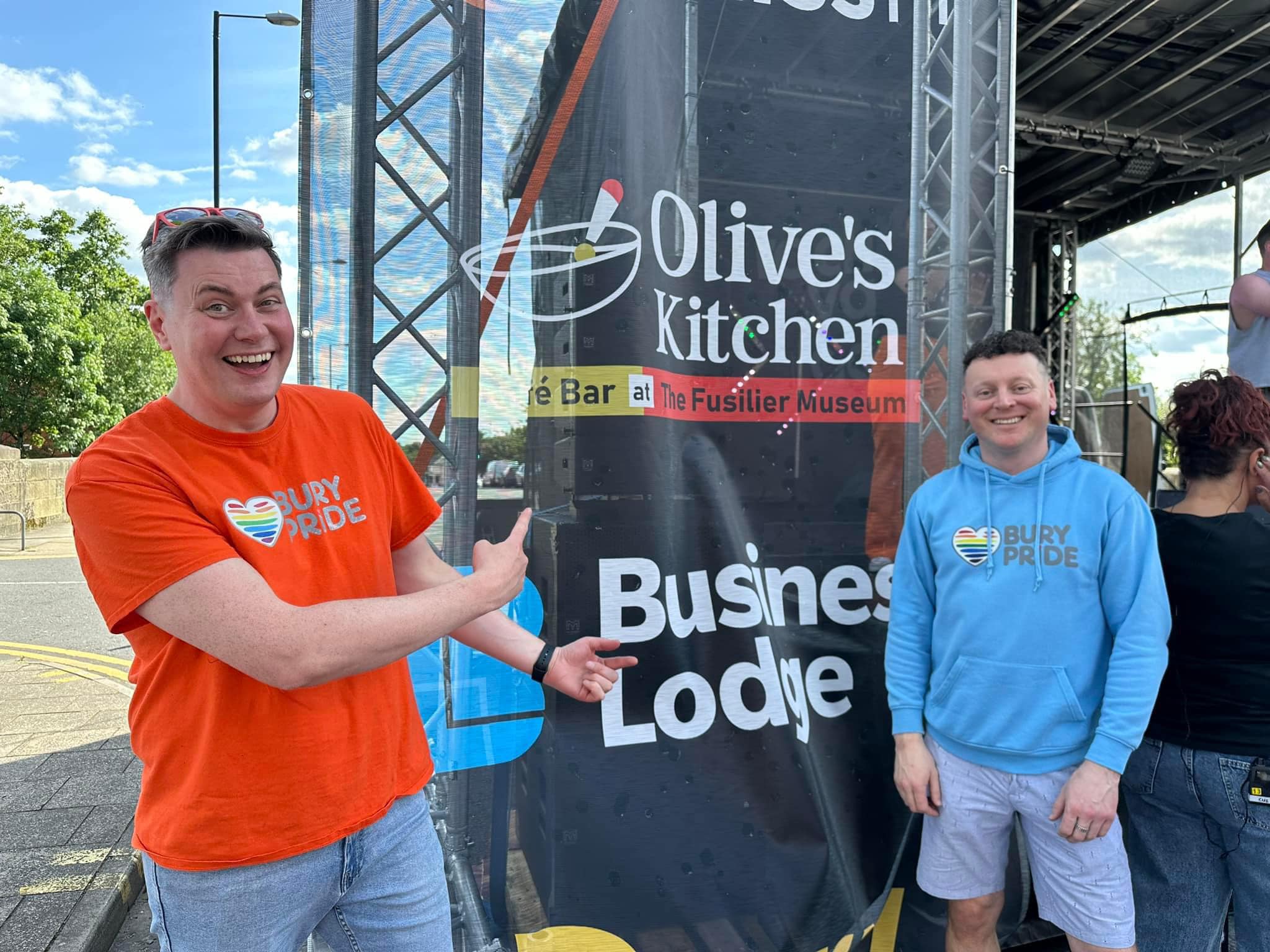
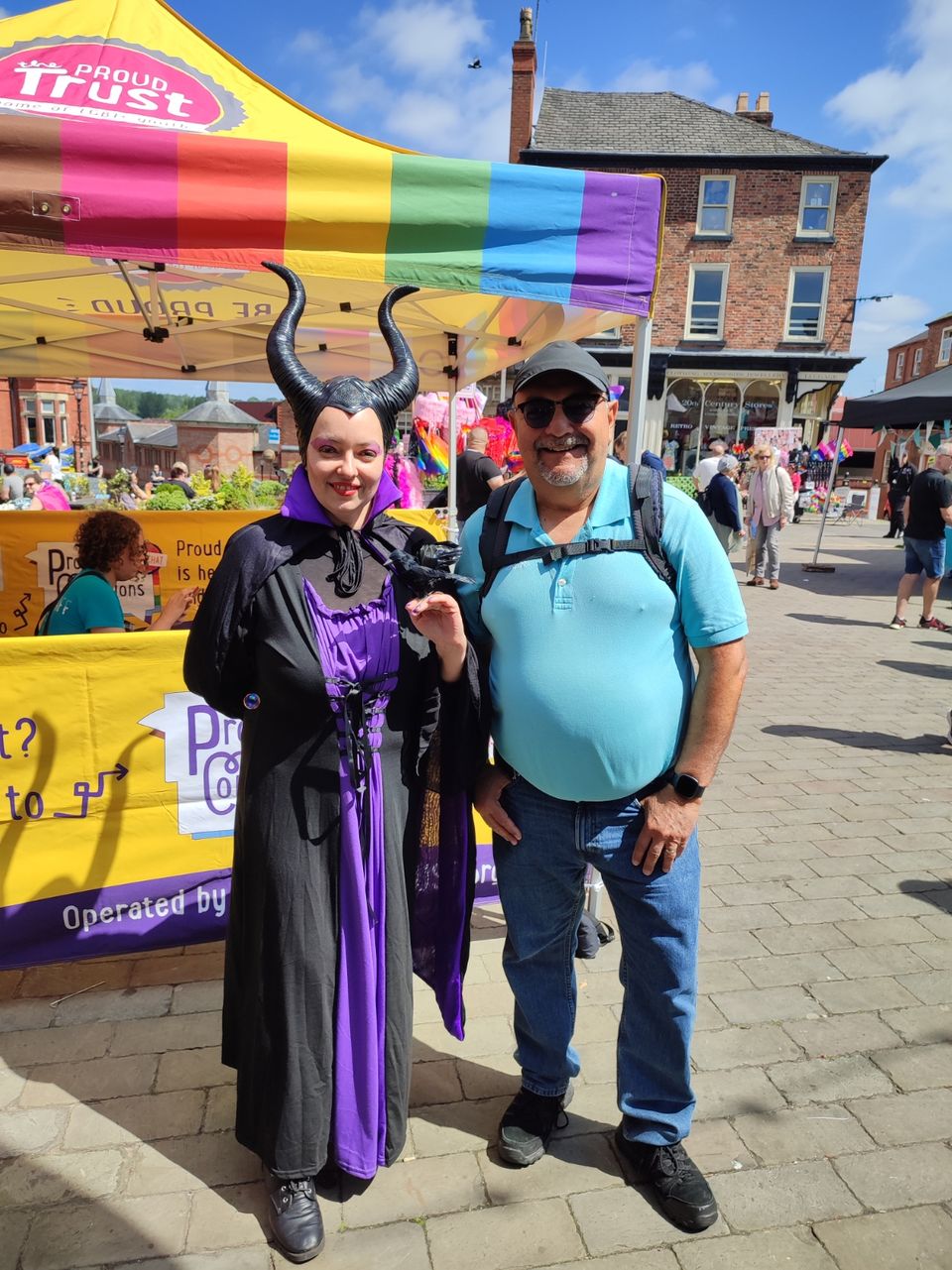
Bolton Pride is being held in Victoria Square, Bolton BL1 on Saturday, 25 May from 10.00am to 6.00pm and on Sunday, 26 May from 10.00am to 5.00pm. 

The event is organised by a not for profit community organisation focused on and shaped by the local Bolton LGBTQ+ Allies community and business partnerships.

Their mission is to reduce hate crime and normalise acceptance of the diverse community that resides in and around the amazing town of Bolton.

You must get your free tickets to enter the Pride Festival in Victoria Square here.

Register for the parade here.

Move Manchester … Honour LGBT Elders Day … Victoria Wood … Harvey Milk … Rainbow Lottery

News

Move Manchester

Move Manchester is an innovative North West and Greater Manchester Dance Theatre company, led by co-founders Jack Hilton (they/he) and Ayesha Fazal (she/her).

Director Jack together with members of the Queeries team visited Out In The City to deliver a workshop.

This is what they said: “What an incredible privilege the Queeries team and director Jack had this week, they delivered a workshop to members of the Out In The City group for LGBT+ people over 50 in Manchester.

Speaking with community elders, sharing our stories, our emotions and thoughts. Coming closer despite age and allowing our queerness to connect beyond generation. Thank you to all participants for jumping into the workshop, having fun with the dance element and speaking transparently, openly and with pride in conversation.

Extra thank you to our inspiring team of dancers who helped to facilitate the workshop and supported director Jack in delivery and conversation.”

Queeries is a new contemporary dance piece which will be shown at Waterside Arts, 1 Waterside, Sale M33 7ZF on Tuesday, 28 May from 5.30pm to 6.30pm. Tickets are free – contact us here urgently if interested.

It would have been Victoria Wood’s 71st birthday on 19 May.

Harvey Milk

Harvey Milk became one of the first openly gay elected officials in the United States when he was elected to a seat on the San Francisco Board of Supervisors in 1977 – a milestone victory that made headlines in the US and beyond.

He was influential in advocating for LGBT+ rights and representation, making him an early pioneer in the fight for equality. His unapologetic proclamation of his identity gave new hope to people in the LGBT+ community, who faced severe discrimination.

In office, his ambitious agenda included protecting gay rights, as well as establishing day care centres for working mothers, converting military facilities to low-cost housing, reforming the tax code to attract industries to derelict warehouses and factories and other reforms.

Less than a year after he took office, Milk was assassinated, alongside Mayor George Moscone, by Dan White, a disgruntled former city supervisor who snuck into City Hall through a basement window. Thousands marched in his honour after his death.

The 2008 movie “Milk,” filmed partly in San Francisco, with Sean Penn as Milk led Gov Arnold Schwarzenegger to sign legislation making Milk’s birthday a Day of Special Significance – Harvey Milk Day – which falls on 22 May. Also, President Barack Obama awarded Milk with a posthumous Presidential Medal of Freedom. On Milk’s 84th birthday, the US Postal Service issued a commemorative Forever stamp in his honour.

He became a public figure during his run for office, calling for hope and change rather than hate and hiding with many – now famous – Harvey Milk quotes. In many ways, he was the first openly gay man to capture the attention of the public eye, though it wasn’t always positive. He inspired hope not only in the gay community, but in the lesbian, bisexual, transgender, and queer communities, too.

Harvey Milk’s Most Memorable Quotes

Milk’s life is a lesson that one person can make a difference. A strong, united community inspired by Milk and others has changed and continues to change the world.

Rainbow Lottery Super Draw! It’s not too late to escape from it all this Summer!

Get ready to pack your bags and embark on the adventure of a lifetime! We’re thrilled to announce our latest Super Draw prize, and trust us, it’s one you won’t want to miss out on.

On Saturday 25 May, one lucky winner will walk away with a £1,000 holiday voucher, opening the doors to endless possibilities for your dream getaway. Already got your summer escape booked? Take the £1,000 cash alternative! Treat yourself to a little taste of luxury, or spend it your way at home!

You’re already in with a chance to win big – but don’t forget, you can top-up your tickets just for the week of the Super Draw!

Play here.

Samlesbury Hall … Lesbians & Gays Support the Miners … IDAHOBIT … Write to Your MP

News

Samlesbury Hall 

We set off just before 10.30am in a coach from Manchester and reached Samlesbury Hall in under an hour.

On arrival we headed for the Heritage Café and enjoyed a wonderful lunch before visiting the Grade I listed medieval manor house, which attracts more than 50,000 visitors each year.

Samlesbury Hall is a historic house in Samlesbury, Lancashire, six miles east of Preston. It was built in 1325 by Gilbert de Southworth (born 1270), and was the primary home of the Southworth family until the early 17th century.

The hall has been many things in its past including a public house and a girls’ boarding school, but since 1925, when it was saved from being demolished for its timber, it has been administered by a registered charitable trust, the Samlesbury Hall Trust.

Lots of photos can be seen here.

Lesbians and Gays Support the Miners

A 40th Anniversary Party of “Pits and Perverts” is being held at the Electric Ballroom on 16 May 2024.

Lesbians and Gays Support the Miners (LGSM) was an alliance of lesbians and gay men who supported the National Union of Mineworkers during the year long strike of 1984 – 1985. By the end of the strike, eleven LGSM groups had emerged in the UK and the London group alone raised £22,500 by 1985 (equivalent to £86,000 today) in support.

During the strike, the Thatcher government sequestered the funds of the National Union of Mineworkers (NUM), meaning that it was pointless for supporters of the strike to send donations to the national union. Instead, support groups in Britain were encouraged to “twin” with the various mining communities.

Among these organisations, the LGSM was formed by Communist Party of Great Britain activist Mark Ashton and his friends, after they collected donations for the miners at the 1984 Lesbian and Gay Pride march in London. At that pride march, Mark Ashton and Mike Jackson ended up collecting around £150. The London LGSM group met and fundraised in numerous locations, including the Gay’s the Word bookshop.

In November 1984, a group of lesbians broke away from LGSM to form a separate group, Lesbians Against Pit Closures, although some lesbians remained active in the LGSM campaign rather than joining the women-only group.

In addition to raising approximately £22,500 for the families who were on strike, there were reciprocal visits. The largest fundraising event that LGSM organised was the “Pits and Perverts” benefit concert, which was held in the Electric Ballroom in Camden Town, London on 10 December 1984. The event was headlined by Bronski Beat and its lead singer, Jimmy Somerville.

The miners’ groups were also among the most outspoken allies of the LGBT community in the 1988 campaign against Section 28.

IDAHOBIT

The International Day Against Homophobia, Transphobia and Biphobia (IDAHOBIT) was created in 2004 to draw attention to the violence and discrimination experienced by LGBT+ people.

It is observed annually on 17 May, and aims to raise awareness about discrimination against LGBT+ communities worldwide.

International Day Against Homophobia, Transphobia and Biphobia is currently celebrated in more than 130 countries, including 37 where same-sex acts are illegal. Thousands of initiatives, big and small, are reported throughout the world.

This year’s theme is “No One Left Behind: Equality, Freedom, and Justice for All”, and despite progress, challenges persist.

Findings from the 2019 National LGBT Survey revealed:

  • Over two-thirds of respondents avoid public displays of affection due to fear of negative reactions.
  • Shockingly, over 40% have experienced harassment or violence, with many incidents going unreported.
  • Accessing mental health services remains difficult for over 28% of respondents.

Letter to MP

A member of Out In The City wrote the following letter to his MP:

“I’m writing after reading about further attacks on the rights of trans people within the NHS.

This is the latest in a tide of hate and prejudice against trans people from the current government. 

By far most of this directed at transwomen, statistically the most disadvantaged and vulnerable group in the UK.

The latest rule, saying trans people will be classified by sex rather than gender is as dangerous as it is ridiculous. Will trans women, who, by the way will often have the ‘biological’ genitals of a cisgender woman not be ‘at risk’ if placed with males? And do cis women really prefer transmen (who are always missing from this debate) in their women only wards? Transmen often are completely transitioned with a functioning penis, but apparently this is ‘safer’ for women than transwomen.

The deliberate conflation of trans people, particularly women, with rapists, abusers and even paedophiles has become the norm in this country, in the street, the media and even in Parliament, and I do not see Labour objecting to this persecution. One can hardly expect more from the Tories!
Enough nonsense has been allowed to be aired on this subject by uneducated, ill informed transphobes and extreme feminists eg J K Rowling, and never is there a counter argument heard from those affected or the experts in this area.

I am distressed and disgusted at this unchallenged attack on the trans Community.

Please speak to the LGBT Foundation CEO Paul Martin who I’m sure will be happy to explain the facts around the relative victimisation versus aggression of transwomen. Somebody needs to have the guts to stand up and challenge this misrepresentation of the facts and of an increasingly marginalised minority group.

If not Labour then who?

A demoralised Labour supporter.”

The response from the MP was as follows:  

“Thank you for contacting me about the current discourse in politics surrounding trans people and their treatment within our NHS. I am sorry to hear that you are demoralised by the Labour Party at the minute.  

I understand this is an extremely sensitive issue and I appreciate the serious concerns you have raised on this matter.  

This discourse can often be emotive and politically charged, leading to debates in Parliament and the media that may not accurately reflect the experience of trans people and others. I believe responsible politicians need to understand that this concerns real people’s lives. Indeed, the Home Office has acknowledged the discussion of transgender issues by politicians, the media and social media may have led to an increase in hate crimes. 

On the Government’s recent proposals for the NHS Constitution to give women the right to accommodation only shared by those of their biological sex, I am glad that the Government will consider responses to their proposals from the public, clinicians and medical professionals, patients, carers and organisations representing patients and staff and health stakeholders, before publishing its response and a new NHS Constitution. I will follow developments on this closely. 

It is clear the country needs a different approach: one that does not treat LGBTQ+ rights as a political football or an afterthought, that acknowledges concerns about changes to legislation in this area but discusses these respectfully, and that restores our country’s reputation as a beacon of LGBTQ+ freedom and equality. 

I am committed to working to end discrimination against trans, non-binary and gender diverse people.  

More widely, we need a full, trans-inclusive ban on conversion practices, as well as to modernise, simplify and reform the gender recognition law to a new process, while continuing to support the implementation of the Equality Act 2010 including its provision for single-sex exemptions. 

I am proud of the work that my Labour colleagues past and present have done to move Britain forward and advance LGBTQ+ rights – including the introduction of the Gender Recognition Act 2004, passing the Equality Act 2010, repealing section 28 and introducing civil partnerships. 

Thank you once again for contacting me about this issue. I hope this response assures you of my commitment that I will continue to fight discrimination, bigotry and hatred against LGBTQ+ people.” 

If you want to write to your MP, see https://www.parliament.uk/get-involved/contact-an-mp-or-lord/contact-your-mp/
 

Magnus Hirschfeld … The Forgotten History of the World’s First Trans Clinic … Jane Rigby

News

Magnus Hirschfeld was born on 14 May 1868 and died on 14 May 1935.

The Forgotten History of the World’s First Trans Clinic

Costume party at the Institute for Sexual Research in Berlin, date and photographer unknown.
Magnus Hirschfeld (in glasses) holds hands with his partner, Karl Giese (centre).
Credit: Magnus-Hirschfeld-Gesellschaft e.V., Berlin

Late one night on the cusp of the 20th century, Magnus Hirschfeld, a young doctor, found a soldier on the doorstep of his practice in Germany. Distraught and agitated, the man had come to confess himself an Urning – a word used to refer to homosexual men. It explained the cover of darkness; to speak of such things was dangerous business. The infamous “Paragraph 175” in the German criminal code made homosexuality illegal; a man so accused could be stripped of his ranks and titles and thrown in jail.

Hirschfeld understood the soldier’s plight – he was himself both homosexual and Jewish – and did his best to comfort his patient. But the soldier had already made up his mind. It was the eve of his wedding, an event he could not face. Shortly after, he shot himself.

The soldier bequeathed his private papers to Hirschfeld, along with a letter: “The thought that you could contribute to [a future] when the German fatherland will think of us in more just terms,” he wrote, “sweetens the hour of death.” Hirschfeld would be forever haunted by this needless loss; the soldier had called himself a “curse,” fit only to die, because the expectations of heterosexual norms, reinforced by marriage and law, made no room for his kind. These heartbreaking stories, Hirschfeld wrote in The Sexual History of the World War, “bring before us the whole tragedy (in Germany); what fatherland did they have, and for what freedom were they fighting?” In the aftermath of this lonely death, Hirschfeld left his medical practice and began a crusade for justice that would alter the course of LGBT+ history.

Hirschfeld was a pioneering doctor who helped invent modern homosexual identities and worked on some forms of trans-affirming health care, but we also acknowledge  the ways he integrated racism into the homosexual identities he was creating, collaborated with eugenicists, and was often willing to accept more rights for some at the expense of others.

Hirschfeld sought to specialise in sexual health, an area of growing interest. Many of his predecessors and colleagues believed that homosexuality was pathological, using new theories from psychology to suggest it was a sign of mental ill health. Hirschfeld, in contrast, argued that a person may be born with characteristics that did not fit into heterosexual or binary categories and supported the idea that a “third sex” (or Geschlecht) existed naturally. Hirschfeld proposed the term “sexual intermediaries” for nonconforming individuals. Included under this umbrella were what he considered “situational” and “constitutional” homosexuals – a recognition that there is often a spectrum of bisexual practice – as well as what he termed “transvestites.” This group included those who wished to wear the clothes of the opposite sex and those who “from the point of view of their character” should be considered as the opposite sex. One soldier with whom Hirschfeld had worked described wearing women’s clothing as the chance “to be a human being at least for a moment.” He likewise recognised that these people could be either homosexual or heterosexual, something that is frequently misunderstood about transgender people today.

Magnus Hirschfeld, director of the Institute for Sexual Research, in an undated portrait. Credit: Magnus-Hirschfeld-Gesellschaft e.V., Berlin

Perhaps even more surprising was Hirschfeld’s inclusion of those with no fixed gender, akin to today’s concept of gender-fluid or non-binary identity (he counted French novelist George Sand among them). Most important for Hirschfeld, these people were acting “in accordance with their nature,” not against it.

If this seems like extremely forward thinking for the time, it was. It was possibly even more forward than our own thinking, 100 years later. Current anti-trans sentiments centre on the idea that being transgender is both new and unnatural. In the wake of a UK court decision in 2020 limiting trans rights, an editorial in the Economist argued that other countries should follow suit, and an editorial in the Observer praised the court for resisting a “disturbing trend” of children receiving gender-affirming health care as part of a transition.

But history bears witness to the plurality of gender and sexuality. Hirschfeld considered Socrates, Michelangelo and Shakespeare to be sexual intermediaries; he considered himself and his partner Karl Giese to be the same. Hirschfeld’s own predecessor in sexology, Richard von Krafft-Ebing, had claimed in the 19th century that homosexuality was natural sexual variation and congenital.

Hirschfeld’s study of sexual intermediaries was no trend or fad; instead it was a recognition that people may be born with a nature contrary to their assigned gender. And in cases where the desire to live as the opposite sex was strong, he thought science ought to provide a means of transition. He purchased a Berlin villa in early 1919 and opened the Institut für Sexualwissenschaft (the Institute for Sexual Research) on 6 July. By 1930 it would perform the first modern gender-affirmation surgeries in the world.

A place of safety

A corner building with wings to either side, the institute was an architectural gem that blurred the line between professional and intimate living spaces. A journalist reported it could not be a scientific institute, because it was furnished, plush and “full of life everywhere.” Its stated purpose was to be a place of “research, teaching, healing, and refuge” that could “free the individual from physical ailments, psychological afflictions, and social deprivation”. Hirschfeld’s institute would also be a place of education. While in medical school, he had experienced the trauma of watching as a gay man was paraded naked before the class, to be verbally abused as a degenerate.

Hirschfeld would instead provide sex education and health clinics, advice on contraception, and research on gender and sexuality, both anthropological and psychological. He worked tirelessly to try to overturn Paragraph 175. Unable to do so, he got legally accepted “transvestite” identity cards for his patients, intended to prevent them from being arrested for openly dressing and living as the opposite sex. The grounds also included room for offices given over to feminist activists, as well as a printing house for sex reform journals meant to dispel myths about sexuality. “Love,” Hirschfeld said, “is as varied as people are.”

The institute would ultimately house an immense library on sexuality, gathered over many years and including rare books and diagrams and protocols for male-to-female (MTF) surgical transition. In addition to psychiatrists for therapy, he had hired Ludwig Levy-Lenz, a gynecologist. Together, with surgeon Erwin Gohrbandt, they performed male-to-female surgery called Genitalumwandlung – literally, “transformation of genitals.” This occurred in stages: castration, penectomy and vaginoplasty. (The institute treated only trans women at this time; female-to-male phalloplasty would not be practiced until the late 1940s.) Patients would also be prescribed hormone therapy, allowing them to grow natural breasts and softer features.

Their groundbreaking studies, meticulously documented, drew international attention. Legal rights and recognition did not immediately follow, however. After surgery, some trans women had difficulty getting work to support themselves, and as a result, five were employed at the institute itself. In this way, Hirschfeld sought to provide a safe space for those whose altered bodies differed from the gender they were assigned at birth – including, at times, protection from the law.

1926 portrait of Lili Elbe, one of Hirschfeld’s patients. Elbe’s story inspired the 2015 film The Danish Girl.

Lives Worth Living

That such an institute existed as early as 1919, recognising the plurality of gender identity and offering support, comes as a surprise to many. It should have been the bedrock on which to build a bolder future. But as the institute celebrated its first decade, the Nazi party was already on the rise. By 1932 it was the largest political party in Germany, growing its numbers through a nationalism that targeted the immigrant, the disabled and the “genetically unfit.” Weakened by economic crisis and without a majority, the Weimar Republic collapsed.

Adolf Hitler was named chancellor on 30 January 1933, and enacted policies to rid Germany of Lebensunwertes Leben, or “lives unworthy of living.” What began as a sterilisation programme ultimately led to the extermination of millions of Jews, Roma, Soviet and Polish citizens – and homosexuals and transgender people.

When the Nazis came for the institute on 6 May 1933, Hirschfeld was out of the country. Giese fled with what little he could. Troops swarmed the building, carrying off a bronze bust of Hirschfeld and all his precious books, which they piled in the street. Soon a tower like bonfire engulfed more than 20,000 books, some of them rare copies that had helped provide a historiography for nonconforming people.

The carnage flickered over German newsreels. It was among the first and largest of the Nazi book burnings. Nazi youth, students and soldiers participated in the destruction, while voiceovers of the footage declared that the German state had committed “the intellectual garbage of the past” to the flames. The collection was irreplaceable.

Levy-Lenz, who like Hirschfeld was Jewish, fled Germany. But in a dark twist, his collaborator Gohrbandt, with whom he had performed supportive operations, joined the Luftwaffe as chief medical adviser and later contributed to grim experiments in the Dachau concentration camp. Hirschfeld’s likeness would be reproduced on Nazi propaganda as the worst kind of offender (both Jewish and homosexual) to the perfect heteronormative Aryan race.

Magnus Hirschfeld und Li Shiu Tong in Nizza, 1934

In the immediate aftermath of the Nazi raid on the Institute, Giese joined Hirschfeld and his protégé Li Shiu Tong, a medical student, in Paris. The three would continue living together as partners and colleagues with hopes of rebuilding the Institute, until the growing threat of Nazi occupation in Paris required them to flee to Nice. Hirschfeld died of a sudden stroke in 1935 while still on the run. Giese died by suicide in 1938. Tong abandoned his hopes of opening an institute in Hong Kong for a life of obscurity abroad.

Over time their stories have resurfaced in popular culture. In 2015, for instance, the institute was a major plot point in the second season of the television show Transparent, and one of Hirschfeld’s patients, Lili Elbe, was the protagonist of the film The Danish Girl. Notably, the doctor’s name never appears in the novel that inspired the movie, and despite these few exceptions the history of Hirschfeld’s clinic has been effectively erased. So effectively, in fact, that although the Nazi newsreels still exist, and the pictures of the burning library are often reproduced, few know they feature the world’s first trans clinic. Even that iconic image has been decontextualized, a nameless tragedy.

The Nazi ideal had been based on white, cis gender and heterosexual masculinity masquerading as genetic superiority. Any who strayed were considered as depraved, immoral, and worthy of total eradication. What began as a project of “protecting” German youth and raising healthy families had become, under Hitler, a mechanism for genocide.

One of the first and largest Nazi book burnings destroyed the library at the Institute for Sexual Research.
Credit: Ullstein Bild and Getty Images

A Note for the Future

The future doesn’t always guarantee progress, even as time moves forward, and the story of the Institute for Sexual Research sounds a warning for our present moment. Current legislation and indeed calls even to separate trans children from supportive parents bear a striking resemblance to those terrible campaigns against so-labelled aberrant lives.

Studies have shown that supportive hormone therapy, accessed at an early age, lowers rates of suicide among trans youth. But there are those who reject the evidence that trans identity is something you can be “born with.” Evolutionary biologist Richard Dawkins was recently stripped of his “humanist of the year” award for comments comparing trans people to Rachel Dolezal, a civil rights activist who posed as a Black woman, as though gender transition were a kind of duplicity. His comments come on the heels of legislation in Florida aiming to ban trans athletes from participating in sports and proposals to deny trans children and teens supportive care.

Looking back on the story of Hirschfeld’s institute – his protocols not only for surgery but for a trans-supportive community of care, for mental and physical healing, and for social change – it’s hard not to imagine a history that might have been. What future might have been built from a platform where “sexual intermediaries” were indeed thought of in “more just terms”? Still, these pioneers and their heroic sacrifices help to deepen a sense of pride – and of legacy – for LGBT+ communities worldwide. As we confront oppressive legislation today, may we find hope in the history of the institute and a cautionary tale in the Nazis who were bent on erasing it.

Jane Rigby, lesbian astrophysicist, receives Presidential Medal of Freedom

Astrophysicist Jane Rigby received a Presidential Medal of Freedom.
Photo: Britt Griswold and Jay Friedlander / NASA

Astrophysicist Jane Rigby, chief scientist at the world’s most powerful telescope, received a Presidential Medal of Freedom on 3 May.

The acclaimed scientist, who identifies as a lesbian, was one of 19 people who received the nation’s highest civilian honour at a White House ceremony.

The medal is “presented to individuals who have made exemplary contributions to the prosperity, values, or security of the United States, world peace, or other significant societal, public or private endeavours,” The White House said in a statement.

In presenting the medal to Rigby, Biden said, “A daughter of the great State of Delaware, Jane Rigby’s passion for astronomy began as a child peering at the stars through a small telescope in a soybean field. Following her instinct and imagination, she has become a pioneering astrophysicist, now managing the James Webb Space Telescope, the most powerful telescope ever launched into space.

A brilliant and prolific author, Dr Rigby is an inspiration and tireless champion for the LGBTQI+ community,” Biden said. “In both her professional and personal life, Dr Rigby reminds us to never lose our sense of wonder, hope, and spirit of adventure as Americans.”

Rigby has received numerous accolades throughout her career, including being named the LGBTQ+ Scientist of the Year in 2022 by Out to Innovate, which recognizes outstanding LGBTQ+ professionals in science, technology, engineering, and maths. 

Rigby first came out as a lesbian in 2000. It was still illegal to be gay in Arizona when she moved to the state a few years later for graduate school, Rigby was interviewed by the American Astronomical Society’s LGBTQ+ Equality Working Group where she is a founding member.

“I am a better astronomer because I’m queer. I see things differently than my colleagues,” she said. “On mission work, as we weigh a decision, my first thought is always the community impact: ‘If we do things this way, who benefits, and who gets left out in the cold?’ Will this policy create inclusion, or marginalisation? I think about science in terms of community building. What team do we need to tackle a given science problem, with skills that are different from mine? Absolutely I think that way because I’m an outsider, because I’ve been marginalised. And because community building is central to LGBTQ culture.”

“For years, the only leadership training I’d had was as an LGBT activist: asking people what they needed to be successful at a task, thanking them, finding out what motivates them, bundling negative feedback with positive feedback,” she said. “I use those skills every day. As I’ve gotten more senior, I’ve taken some amazing leadership classes. But my basic training in leadership was as an LGBT activist. I think that surviving as an LGBT person has given me more resilience,” she said.

Rigby is a civil servant astrophysicist at the NASA Goddard Space Flight Centre and the senior project scientist at the James Webb Space Telescope, the most powerful telescope in the world.

She has also done extensive data research for the Keck and Magellan Observatories and the Hubble Space Telescope.

Rigby has a bachelors in psychics, astronomy, and astrophysics from Penn State, and earned her masters and doctorate in astronomy at The University of Arizona.

She lives in Maryland with her wife, Dr Andrea Leistra, and their child.

The Northern Lights in Manchester (Credit: Paul – ta very much)

Royal Liver Building, Liverpool … Robert Allen … Veteran Trans Campaigner … Sexuality Summer School

News

Royal Liver Building, Liverpool

(Thanks to Angel for the write up – with some additional notes by Tony)

Today we ‘seniors’ came to the Royal Liver Building in the vibrant city of Liverpool. The building, completed in 1911, was Britain’s first skyscraper and represents the opulence of a city that was the main port for export to half the world of the first textiles, made in factories in Manchester and across the English Northwest. The building is more than 100m high and was one of the first in the world built with concrete.

At the top of the two domes are two birds (Liver Birds), which have become the symbol of Liverpool. One, female, looks at the sea, welcoming ships entering Liverpool and the other, male, looks at the city, protecting it. The birds are each 5.5m tall and were the work of a German sculptor, based in Liverpool, who was later arrested and deported during the war.

The front tower has four clocks, which at 25 feet in diameter, are larger than London’s famous Big Ben. They also have the peculiarity that their mechanism is electronic. They are arranged so that navigators entering the Mersey from the Irish Sea can see the time from every angle. The clocks began ticking on 22 June 1911 at 1.40pm, just as King George V was crowned at Westminster Abbey in London.

Before the clocks were installed, a gala dinner was held for Royal Liver executives and civic dignitaries, with one of the clock faces being used as the dining table!

We took the lift to the tenth floor and then climbed over 130 steps to the fifteenth floor near the dome, to enjoy magnificent breathtaking views of the River Mersey and the beautiful city of Liverpool.

Throughout history the Liver Birds have affectionately been named Bella and Bertie. Legend says that if they were ever to fly away the city would cease to exist.

More photos can be seen here.

Robert Allen

Robert Allen (1914 – 1997) was a quiet trans man. He didn’t seem the type to make headlines. After transitioning in 1943 he was among the first in the UK allowed to legally change sex.

He changed his name from Joyce to Robert in 1944 when he produced medical evidence to prove he was listed as a girl at birth by mistake and reared that way.

From a newspaper cutting in 1944:

Second Time on Honeymoon: First as Groom!

Robert Allen honeymooned for the second time today. This time as a bridegroom. The last time he was the bride.

Allen was brought up as a girl and married a coal dealer in 1938. The marriage was annulled soon afterward.”

We weren’t able to find out what happened to this second marriage, but his 1957 marriage was front page news.

Daily Mirror – 30 August 1957

In the Daily Mirror of 30 August 1957:

A groom for the second time, and – He was once a bride

Allen’s bride is the former Doreen Mortimore, a nurse he met while working as a radiologist. They were married Thursday by the Rev B H Seckett, whose wife said he was “stunned” when he learned of Allen’s background after the ceremony.”

However, a sister at Crossley Hospital – a close friend of the bride and groom – said: “Everyone here knows that Mr Allen had announced a change of sex. Certainly Doreen knew of it. But no one seemed to worry about it.”

There are few photos of him but these have been colourised. The colourisation process is never 100% accurate. Some colours are mistaken for others, particularly in older photos of lower quality. These photos were not edited outside colourisation (tone, shade and hue), enhancements (increased pixels and decreased grain), and restoration (digitally filling in small cracks, tears etc with similar content). Colourisation takes careful consideration of ethics and historicity, making sure not to rewrite the past.

Allen published his autobiography in 1954, “But for the Grace: The True Story of a Dual Existence.” There is contradictory reporting on Robert – he did not take hormones or have surgery. Was he intersex or simply found a sympathetic doctor? Regardless, he lived a long and happy life.

He shouldn’t be forgotten.

Veteran trans campaigner: ‘Cass review has potential for positive change’

Stephen Whittle talks about life for young trans people in the 1970s and now, and the influence of ‘anti-trans’ views today.

Stephen Whittle has advised governments around the world on trans rights. Photograph: Stephen Whittle

When Stephen Whittle transitioned as a teenager in 1975, he was one of only a handful of young people in the UK to be offered hormone treatment and, later, surgery.

Almost half a century later – much of it spent fighting for trans rights – he said there was “masses” he agreed with in the review of the NHS’s gender identity services by Hilary Cass. He said he also believed the report had been influenced by groups and individuals with “transphobic” views, and said the “potential for positive change must be backed with resources”.

Whittle, emeritus professor of equalities law at Manchester Metropolitan University, has become one of the UK’s leading advocates for trans rights and has advised governments around the world. Now 68, he views the issues raised in the Cass report with the perspective of decades of personal and professional experience.

He said that as a child “I had no doubt that something was deeply wrong – and I had no doubt what it was”. At one particular school sports day “there were boys’ races and girls’ races, and I suddenly realised that I was always going to be in the wrong race”.

After a couple of suicide attempts – “I had no doubt that I couldn’t live as the person people thought I was meant to be” – Whittle was finally seen by a sympathetic doctor. He was offered testosterone, followed four years later by surgery.

“My father, who was quite a Victorian man in his attitudes, said: ‘We’ve been waiting for this since you were two’. Ninety per cent of people said it made sense. But from strangers or people who barely knew me, there was a lot of discrimination and prejudice. I had sexual and physical assaults in the street, and I lost job after job. None of it was easy.”

Soon after he transitioned, Whittle met his life partner, Sarah, with whom he has four children. “I hadn’t had surgery at that point, but she never had any doubt that I was the man she saw and knew.”

In the mid-80s, Whittle went to night school and studied for a law degree. He co-founded Press for Change, which campaigned for trans rights, and in 2005 was awarded an OBE for services to gender issues.

He said young trans people today faced “different challenges” to those he experienced. “Getting a job and keeping it is easier for them. But what’s really difficult is (social media). Online can be a hateful place.”

As a teenager questioning his gender, and later as a trans adult, he said he was very isolated, and worked hard to establish supportive networks of people who met regularly. Now, it was easier to find people going through similar experiences online, but harder to maintain in-person contact.

There was also a greater willingness to explore gender issues than there had been 50 years ago. “You have people at a much younger age asking, ‘Am I trans?’ And then there are those who simply know they belong in a different body.”

The Cass report identified multiple problems with gender identity services, he said. “Underfunding, staff overwhelmed, records not properly kept, mental health services in need of massive improvement. But I also think you can see the fingerprints of transphobia on the report.”

Some organisations he described as anti-trans had undue influence on government and officials, he said. “Since 2010 I’ve not been included in one conversation with government, none of us have. But these other people are sitting round the table and enjoying their power. I think aspects of the Cass report were heavily influenced by the fear of these people and pressure from them.”

Much of what happened after the Cass review would depend on a willingness to provide services with proper resources and offer “a lot of talking therapy” for individuals. “Cass has the potential for positive change but it has to be backed up with significant funding,” he said.

Sexuality Summer School 2024: Queer Friendship and Other Intimacies

Monday 27 May – Friday 31 May 2024

This year, the Sexuality Summer School returns with the theme ‘Queer Friendship and Other Intimacies’, which will bring into focus how new forms of friendship, kinship, activism and creative collaboration have emerged in queer, feminist and trans lives and politics. We shall explore how these have generated enduring affiliations and deep attachments – as well as conflicts, frustrations and disappointments – in both the past and in the present; and we shall trace their emergence in research and writing, film and performance, as well as in activist and mutual aid networks that respond to today’s ‘care crisis’.

Public Events Programme:

Monday 27 May, 12.00pm – 2.00pm

Opening Public Lecture: ‘Partner Uncoupled: Queer Theories and Methods for Sustaining Kinship

Teagan Bradway, author of Queer Experimental Literature: The Affective Politics of Bad Reading (2017) and co-editor (with Elizabeth Freeman) of Queer Kinship: Race, Sex, Belonging, Form (2022).

With an introduction by Dr Monica Pearl, ‘On Queer Friendship

Venue: The Anthony Burgess Foundation, 3 Cambridge Street, Manchester M1 5BY 

No booking required, all welcome.

Monday 27 May, 6.00pm – 8.30pm

Film screening and discussion: After Louie (2018)

Q&A with director Vincent Gagliostro, Monica Pearl, Nathaniel Hall, chaired by Jackie Stacey

Venue: HOME, 2 Tony Wilson Place, Manchester M15 4FN

Booking required: Click here to book.

Tuesday 28 May, 7.00pm – 8.30pm

Live Performance: The Last Show Before We Die

By the Hotter Project (Ell Potter and Mary Higgins)

Venue: Queer Lit, 27 Great Ancoats Street, Manchester M4 5AJ

Booking required: Click here to book.

Wednesday 29 May, 12.30pm – 2.00pm

Roundtable Discussion: ‘Queer Friendship and Activism

Speakers: Monica Pearl, Will Nutland, Hafsa Qureshi, Yvonne Richards Cooper, chaired by Jackie Stacey

Venue: Queer Lit, 27 Great Ancoats Street, Manchester M4 5AJ

No booking required, all welcome.

Wednesday 29 May, 6.30pm – 8.15pm

Book Launch: Jason Okundaye‘s Revolutionary Acts: Love and Brotherhood in Black Gay Britain (2024 Faber)

Jason Okundaye will be in conversation with Jess White.

Venue: Blackwell’s Bookshop, University Green, 146 Oxford Road, Manchester M13 9GP

This event is co-sponsored by the Centre for New Writing (University of Manchester)

Booking required: Click here to book.

Thursday 30 May, 12.30pm – 2.00pm

Roundtable on ‘Queer Friendship and Academic Collaborations

Celebrating the publication of The Richard Dyer Reader with Richard Dyer, and co-editors Glyn Davis and Jaap Kooijman, chaired by Jackie Stacey

Venue: SALC Graduate School Seminar Room C1.18, Ellen Wilkinson Building, The University of Manchester M15 6JA

No booking required, all welcome.

Thursday 30 May, 6.00pm – 7.30pm

Intellectual and Other Intimacies’: Heather Love and Christina Lupton in conversation with Monica Pearl, chaired by Jackie Stacey

Venue: SALC Graduate School Seminar Room C1.18, Ellen Wilkinson Building, The University of Manchester M15 6JA

No booking required, all welcome.