Edmund White, Gay Literary Icon, has died at the age of 85
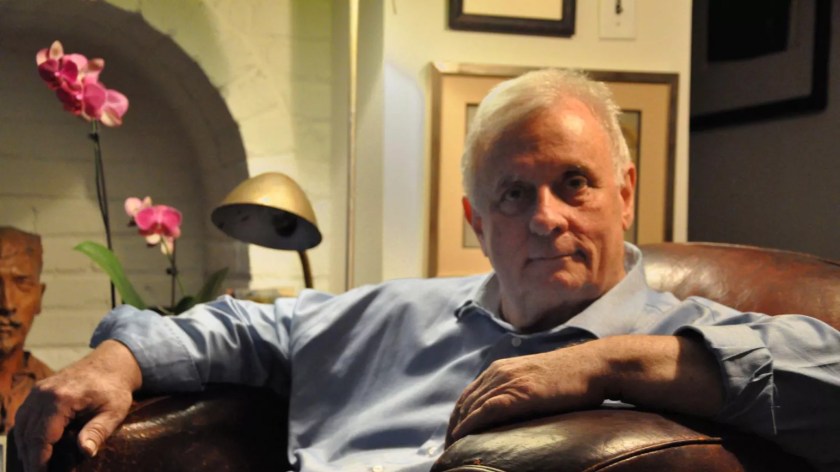
Edmund White at home in his New York City apartment. Photo courtesy of Bloomsbury (White’s publisher)
Edmund White, the gay literary icon who witnessed the Stonewall uprising and influenced a generation of LGBT+ writers, died on Tuesday, 3 June.
He was experiencing symptoms of a stomach illness at the home he shared in New York City with his husband of almost 30 years, the writer Michael Carroll, and died while waiting for an ambulance. He was 85.
Over the course of his career, White published more than 30 works, including novels, memoirs, plays, and biographies. He received the PEN / Saul Bellow Award for Achievement in American Fiction, the National Book Critics Circle Award and the Lambda Literary Award, among numerous other accolades. He was perhaps best known for his semi-autobiographical 1982 novel A Boy’s Own Story, which became a coming-of-age text for gay men of his generation.
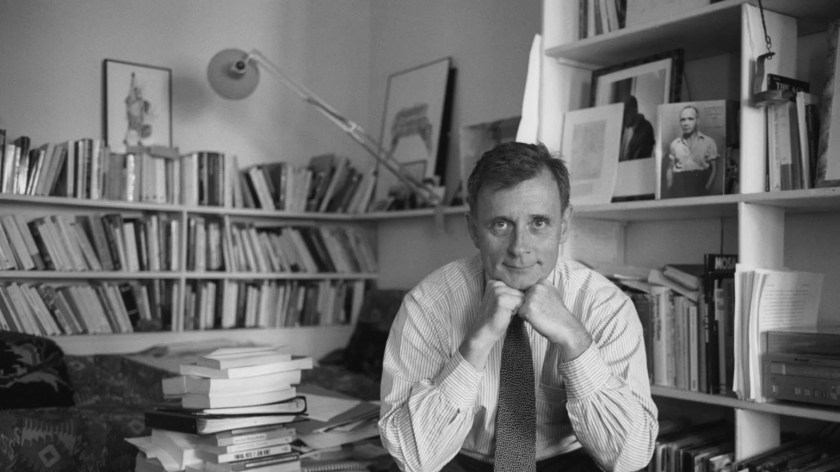
Prolific author Edmund White, circa 1988. Photo by Sophie Bassouls / Sygma via Getty Images
White’s first hand account of the Stonewall uprising
Born in Cincinnati in 1940, White arrived in New York City in the early 1960s, where he quickly found himself at the centre of several significant LGBT+ political and cultural movements.
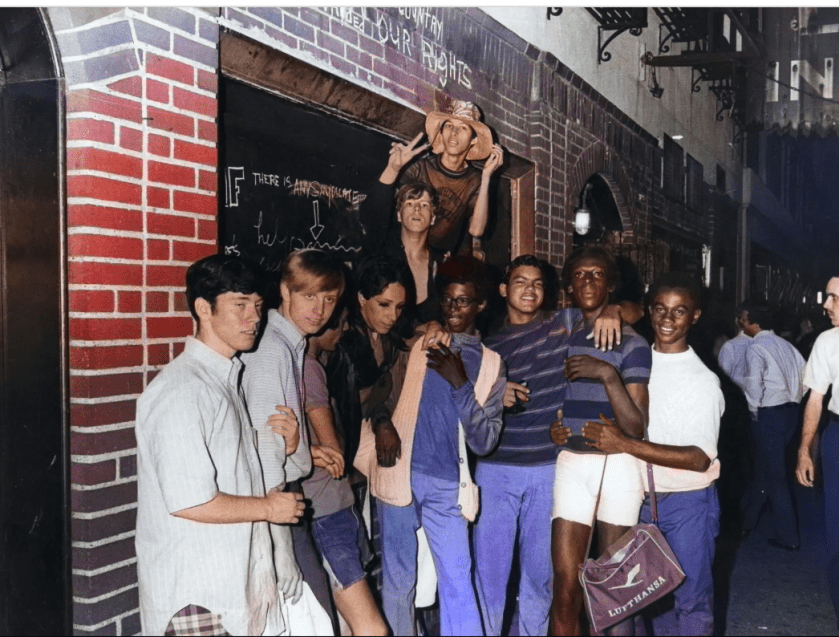
On the warm evening of 28 June 1969, Edmund White, then in his late 20s, and his friend and former lover Charles Burch were out “taking the air” in New York City’s Greenwich Village. They found themselves walking along Christopher Street toward Seventh Avenue and, as White tells it, stumbled upon one of the events that sparked the modern fight for equality.
But on that particular June night in 1969, as White and Burch approached Christopher Park — a slim triangle of green space between Christopher and Grove Streets – White noticed police vehicles parked outside The Stonewall Inn.
“There were all these bright lights and policemen dragging out angry black drag queens,” White recalled of the events more than a half-century ago.
As White and Burch looked on, the crowd began catcalling the police officers. Someone shouted, “Gay power.” People started throwing pennies and beer bottles at the officers.
“I suppose the police expected us to run away into the night, as we’d always done before, but we stood across the street on the sidewalk of the small triangular park. Our group drew a still larger crowd. Everyone booed the cops, just as though they were committing a shameful act. We kept exchanging peripheral glances, excited and afraid.”
He recalls a chorus line of queens and gay boys confronting the police in their riot gear. White’s recollections of the uprising are tinged with wry humour. But that’s not to say that the event didn’t have serious, momentous consequences. “Suddenly we saw that we could be a minority group – with rights, a culture, an agenda.”
BBC Sounds – Pride Collection
BBC Sounds have made lots of Queer radio programmes available to celebrate Pride Month. Worth turning on and tuning in!
Out In The City is 20! It’s our 20th Anniversary Year It’s Pride Month It’s Volunteer Week It’s Celebrate Ageing – Challenge Ageism Day That can only mean one thing: P A R T Y ! Thursday, 19 June from 2.00pm to 4.00pm – 20th Anniversary Party Cross Street Chapel, 29 Cross Street, Manchester M2 1NL
We will Celebrate Ageing and Challenge Ageism with great entertainment from Jennifer, Mindy, Pauline and the boys from Wolf. Buffet and raffle (supported by Morrisons Whitefield)
Please support Out In The City by buying a Rainbow Lottery ticket or two (or more!)
With each Rainbow Lottery ticket, you are not just entering to win exciting prizes, you are also supporting our mission to support older LGBT+ people.
It’s a vital part of our fundraising as we receive 50p for every £1 spent and you have the chance to win cash prizes each week from £25 for three numbers up to a jackpot of £25,000 for six numbers – while helping us to achieve more for the LGBT+ communities over 50 years.
Enter the monthly Super Draw before Saturday 28 June! One lucky supporter will win a huge Nintendo Switch 2 gaming bundle which contains everything you need to enjoy amazing games – play on the go or connect to your new 50″ 4k UHD smart TV and play with friends and family, with 4 Joy-Cons and a Pro Controller. We’re also throwing in expandable memory, and a one-year subscription to Nintendo Online!
If you feel like this prize won’t be a hit, you now have other options – £1,000 cash alternative prize, as well as the all-new, all-green option – planting 1,000 trees!
Play Now!
Birthdays
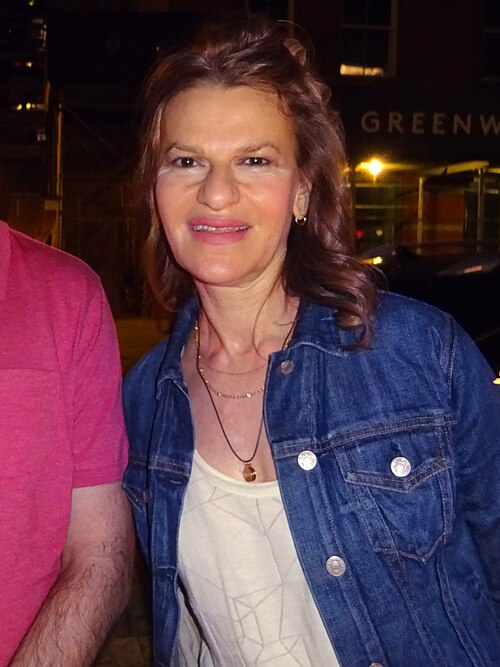
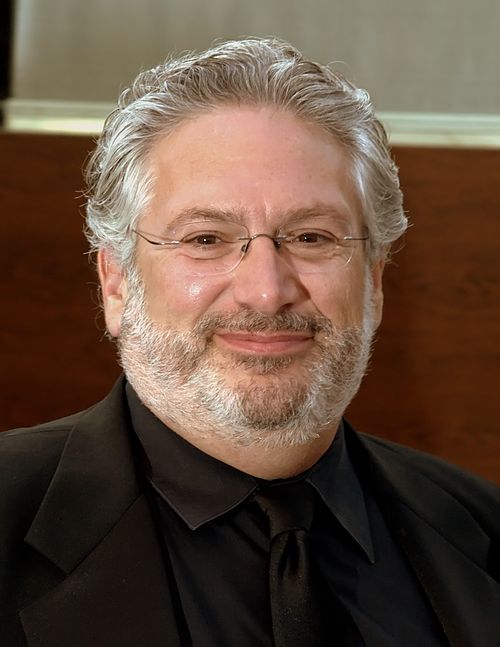
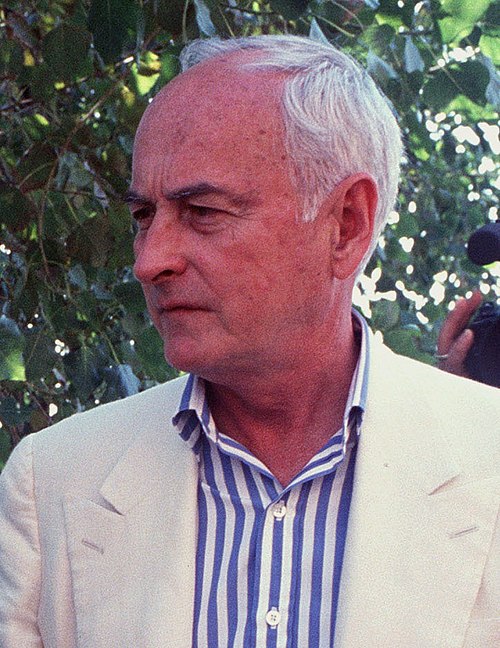
Federico García Lorca (Born 5 June 1898–1936), Spanish poet, playwright, and theatre directorSandra Bernhard (Born 6 June 1955), American comedian, actress, singer and writerHarvey Fierstein (Born 6 June 1952), American actor and playwrightJames Ivory (Born 7 June 1928), American film director
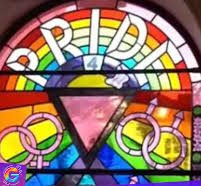
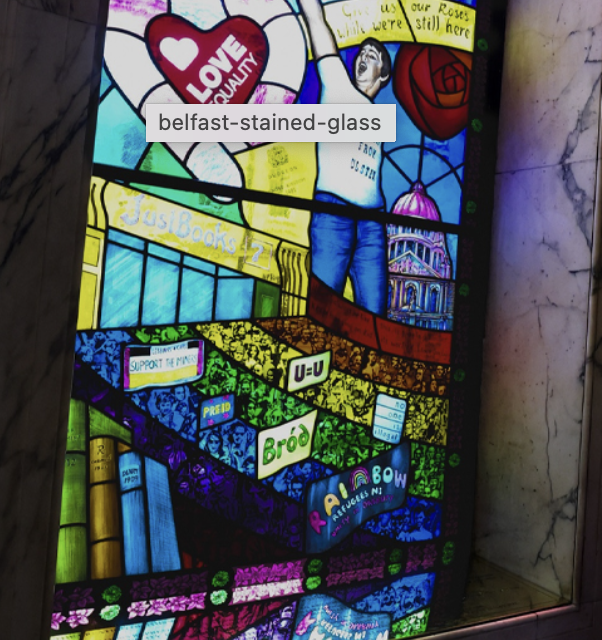
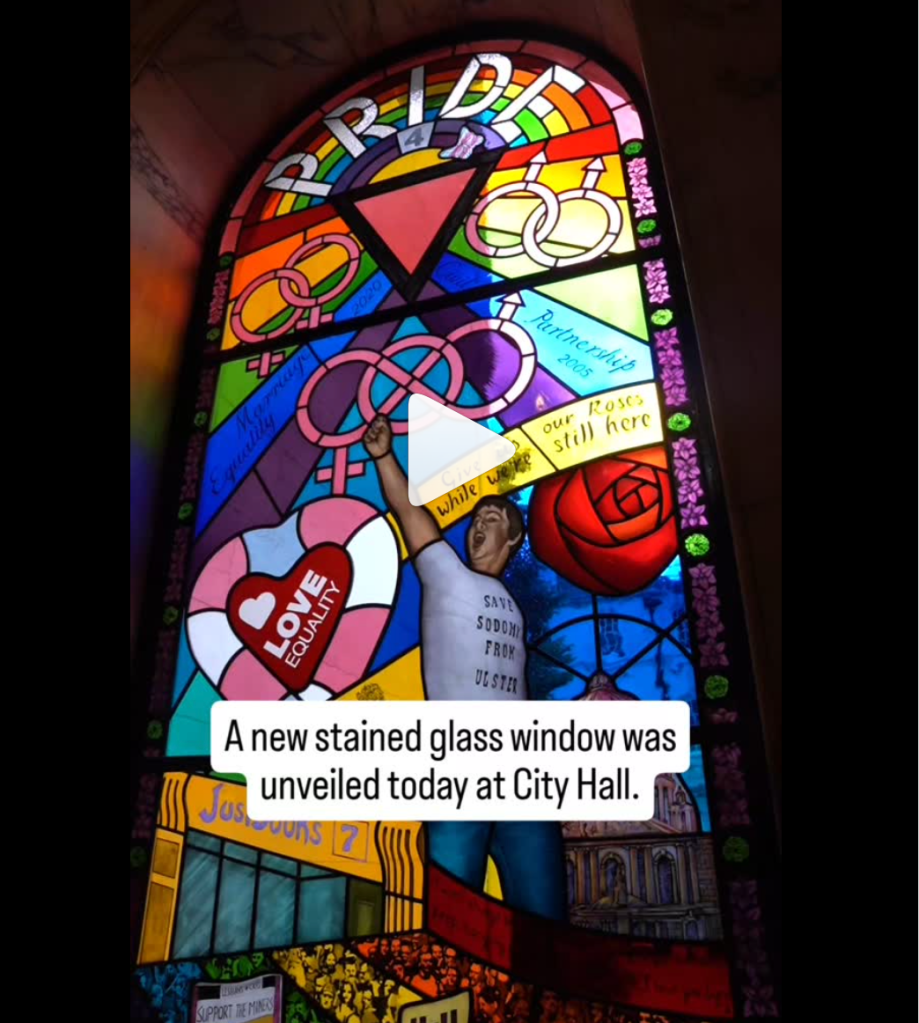
Belfast City Hall unveils stunning Pride themed stained glass window
A vibrant Pride themed stained glass window has been unveiled at Belfast City Hall in a powerful celebration of the city’s LGBTQ+ community. Installed on the ground floor of the historic building, the artwork represents a significant addition to the ongoing transformation of the City Hall into a shared and inclusive space for all.
Announcing the installation on Instagram on Thursday, 22 May, Belfast City Hall wrote: “Check out our latest colourful addition to the City Hall, a new stained glass window marking the contribution of our city’s LGBTQ+ community.”
The post went on to highlight that the design is “packed with visual nods to the community’s development over the years, including significant moments and various campaigns for equality.”
The window was officially unveiled by Lord Mayor of Belfast, Councillor Micky Murray, the city’s first openly gay mayor. He was joined by Cara McCann, Director of HERe NI, a leading organisation advocating for queer women in Northern Ireland.
The new stained glass stands as a tribute to Belfast’s history, resilience, activism, and the achievements of the LGBTQ+ community in the city and beyond ensuring that their stories and struggles are not only remembered, but celebrated in the heart of the city.
New robotic technology brings hope to men with prostate problems
David Fleming was “delighted” to be one of the first men to have this treatment in Northern Ireland
Difficulty peeing, a frequent need to go to the toilet and trouble emptying their bladder – those are just some of the problems living with an enlarged prostate can bring men.
Just ask David Fleming, from east Belfast, who has been living with one for a number of years and was one of about 1,000 men on a waiting list for bladder outlet surgery.
If left untreated, an enlarged prostate can lead to more severe symptoms such as acute urinary retention and infections – which is why getting that waiting list down is so important.
Fortunately a new treatment – or more specifically, a new robotic technology – is offering hope that those men can be treated sooner rather than later.
Mr Fleming himself was delighted to be one of the first to undergo aquablation therapy at the Ulster Hospital.
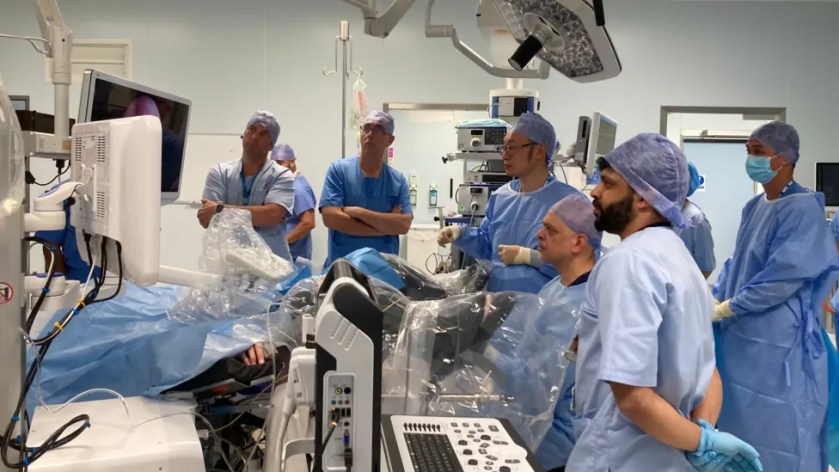
The treatment, the first of its kind across the island of Ireland, is a minimally-invasive procedure that uses a heat-free waterjet to remove excess prostate tissue, which Mr Fleming said will make a big difference to his life.
This robotic technology eliminates the need for invasive prostate surgery
The 64-year-old’s condition, also known as benign prostatic hyperplasia (BPH), worsened early this year and his difficulties peeing led to a catheter being fitted.
But this new treatment will “sort the prostate out so that the flow will be good in the future”.
Mr Fleming said his condition was being managed by medication until December but then it “took on a life of its own”.
“I would have been waking every hour at night, every hour and a half, so I really wasn’t getting much sleep and was really quite tired,” he said.
Now, the procedure should solve the issue, ensure the catheter is removed and give him “a good quality of life in relation to what I’ve had previously”.
Mr Fleming hopes, come his 65th birthday in September, he will be “a new man”.
How does aquablation therapy work?
It uses image-guided high-velocity water jets to precisely remove excess prostate tissue
While there are several benign prostate treatments available, this treatment particularly helps men experiencing urinary problems due to an enlarged prostate.
Until now, men with a very enlarged prostate had to travel to England for treatment or have more complex or invasive surgery in Northern Ireland.
But this robotic technology eliminates the need for invasive prostate surgery.
It uses image-guided, high-velocity water jets to precisely remove excess prostate tissue.
Real-time ultrasound imaging helps the surgeon map and direct the water jet with accuracy, avoiding damage to nearby nerves and structures responsible for sexual function and continence.
Unlike traditional procedures, no heat is involved, significantly lowering the risk of complications.
The South Eastern Health Trust said this technology reduces the likelihood of side effects such as erectile dysfunction, incontinence and bleeding that may require transfusion.
It also offers a shorter recovery time, shorter hospital stays and lower retreatment rates, improving outcomes for patients.
Reports from elsewhere in the world
Recently released is the 2025 Long Term Care Equality Index by Human Rights Campaign Foundation and SAGE (an advocacy service for older LGBTQ+ people in the US) covering LGBTQ+ residential care and senior housing. You can read the report here.
SAGE and the National Resource Center have produced a report on LGBT Aging. See the report here.
Meanwhile, researchers in Australia have published a study synthesising a number of pieces of research into LGBTQ+ older people in care settings. The report features direct quotes from LGBTQ+ with lived experience of care settings.
Also recently published is an article in Yahoo! News covering some existing and upcoming LGBTQ+ retirement communities in Sweden, France and Spain. See “Scared of being pushed back in the closet”
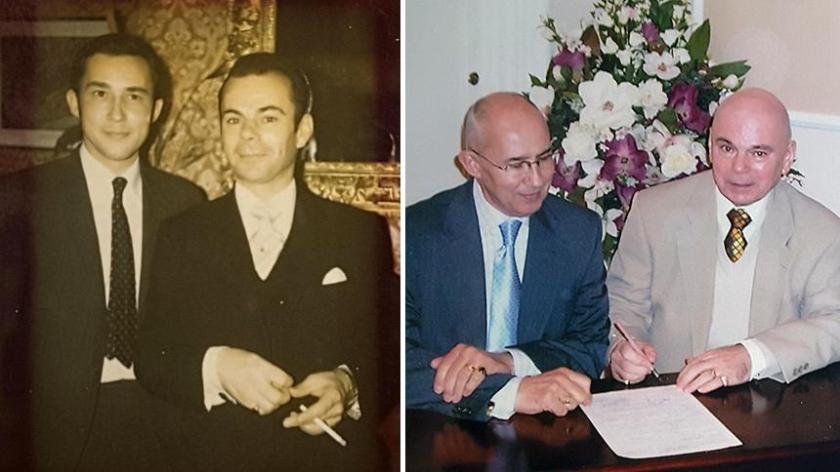
Neil and John the year they met and at their civil partnership
The Alzheimers Society have spoken to Neil Cutler, who cared for his late partner, John, after his dementia diagnosis. The piece covers the impact of decades of homophobia on John and the prejudice he experienced while accessing care. See “The impact of decades of homophobia on a person’s experience of dementia”
Finally, there’s a new documentary – “Late to the Party: Coming Out Later in Life” – being released in the US to coincide with Pride Month. This article covers the show and mentions a few of the stories featured (which includes Kenneth Felts, who came out at age 90.)
Birthdays
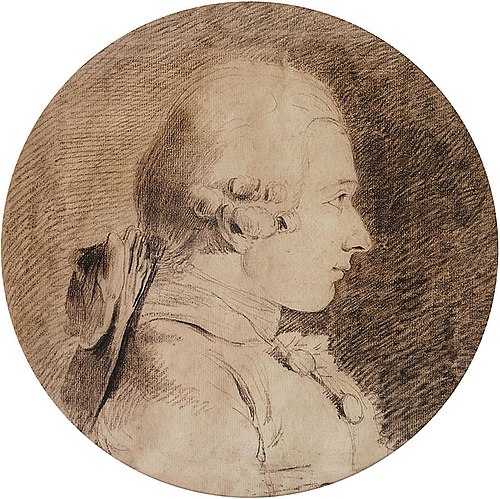
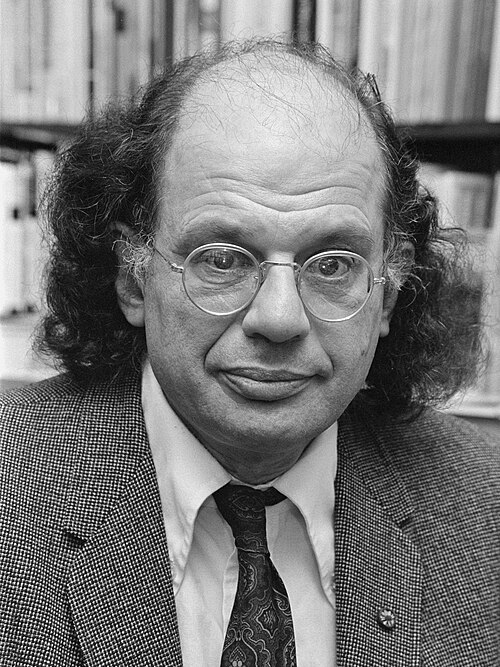
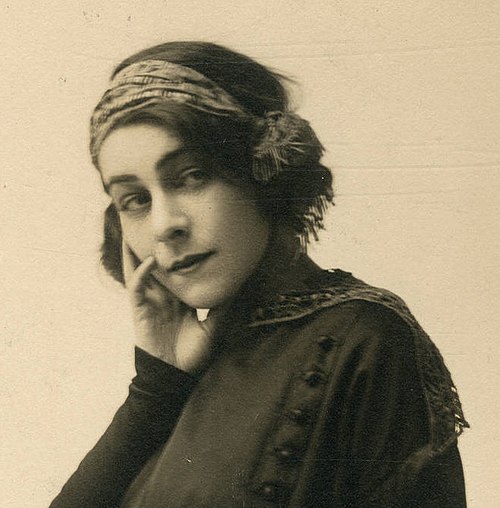
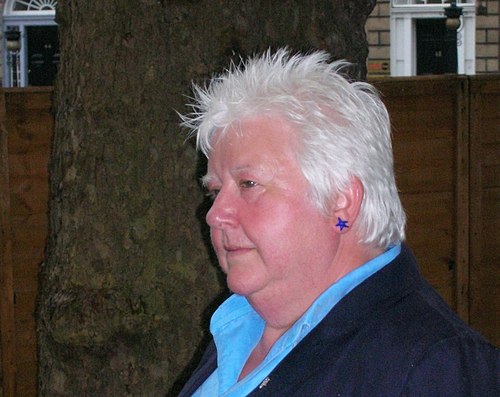
Marquis de Sade (Born 2 June 1740–1814), French aristocrat, revolutionary politician, philosopher and writerAllen Ginsberg (Born 3 June 1926–1997), American beat poetJosephine Baker (Born 3 June 1906–1975), American dancer, singer and actressAlla Nazimova (Born 3 June 1879–1945), Russian actressVal McDermid (Born 4 June 1955), Scottish suspense novel writer
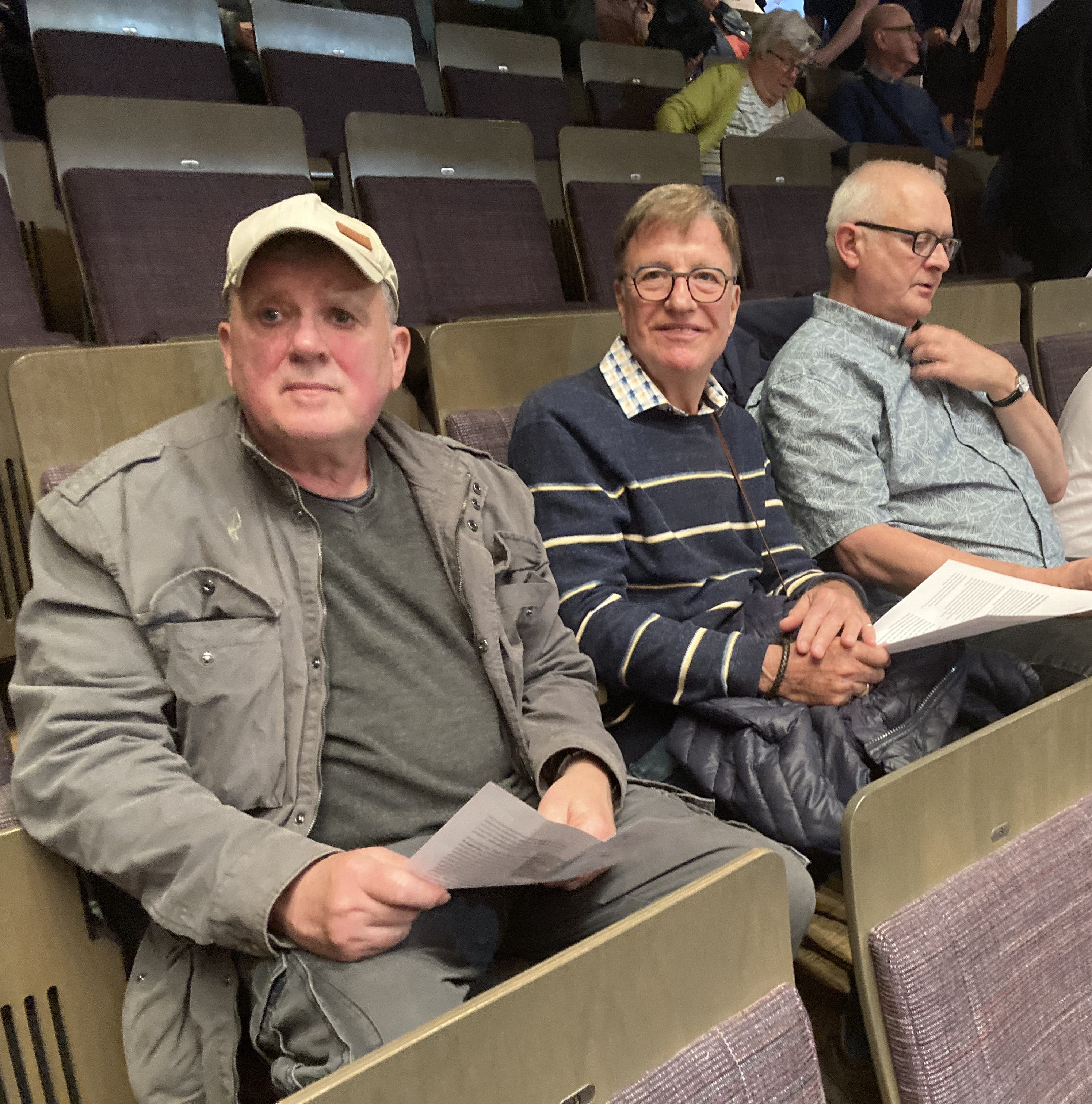
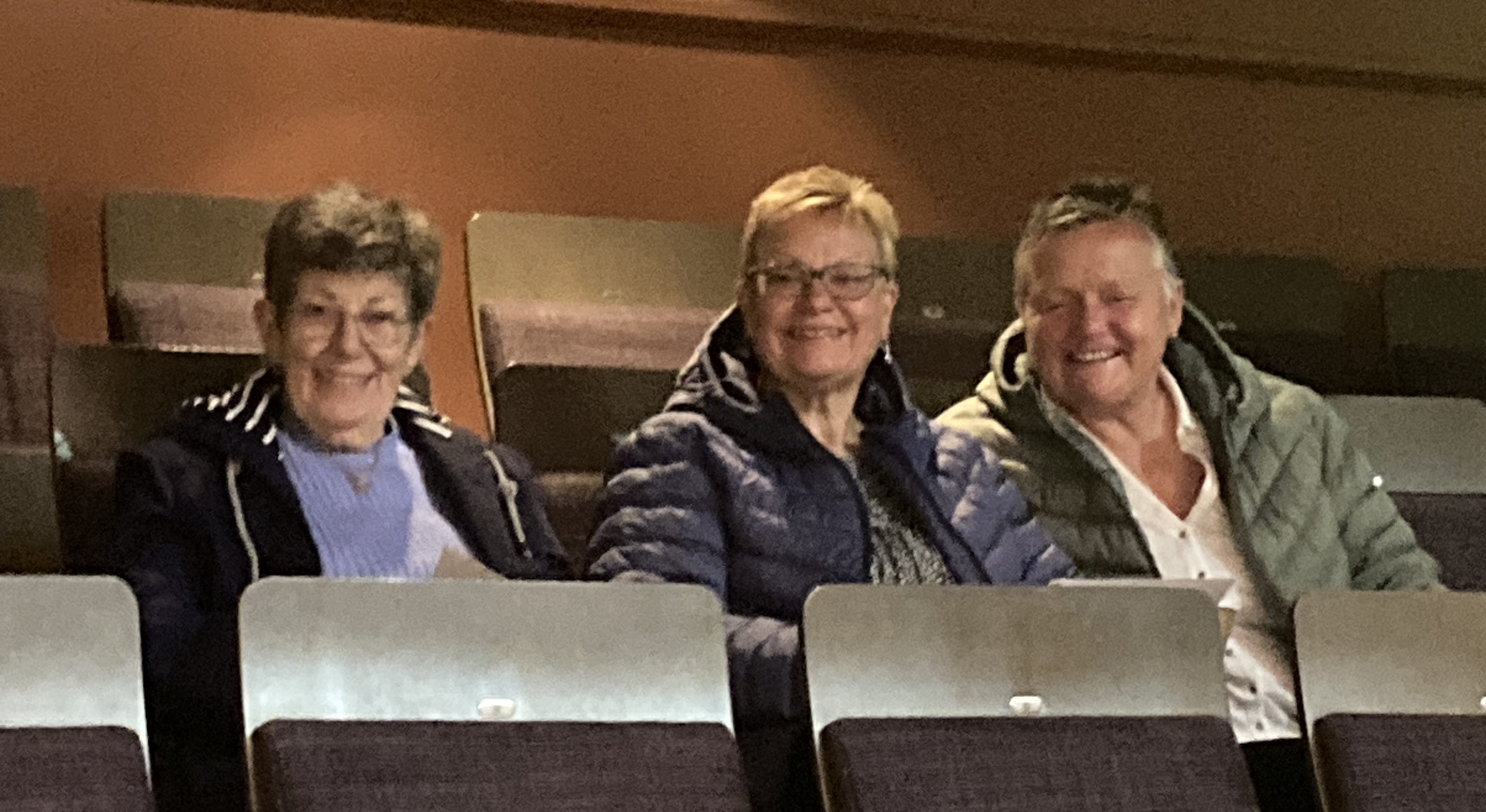
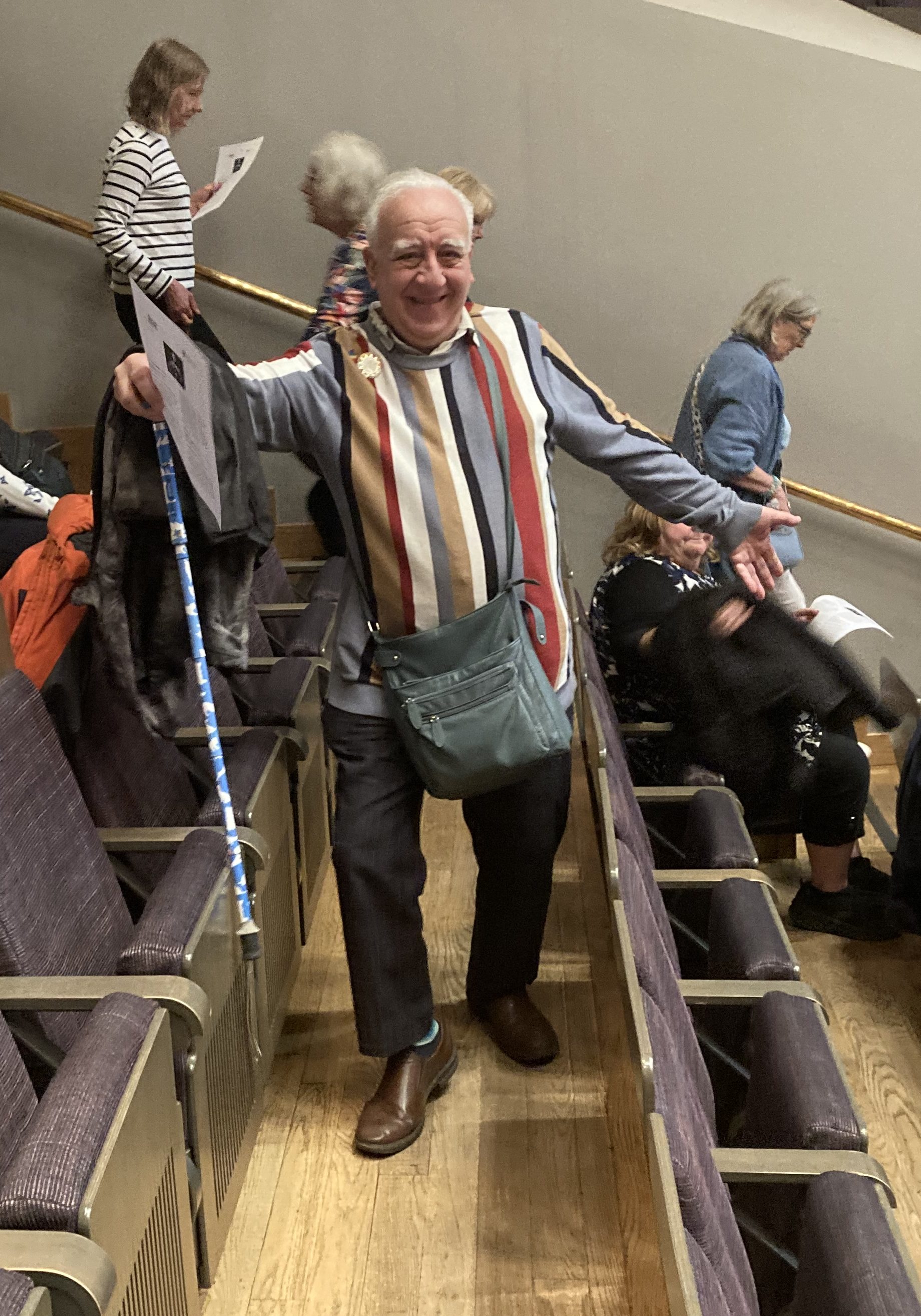
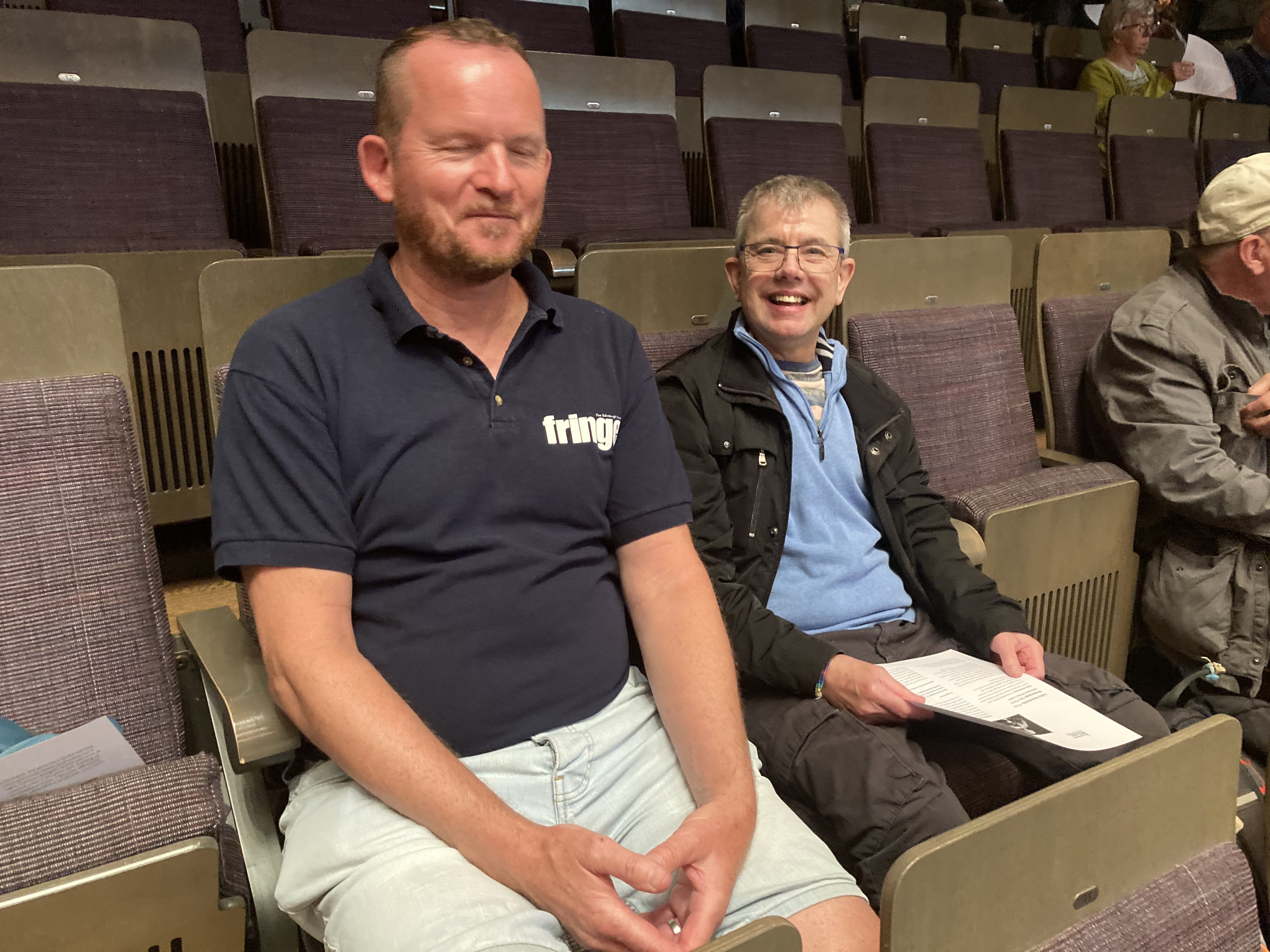
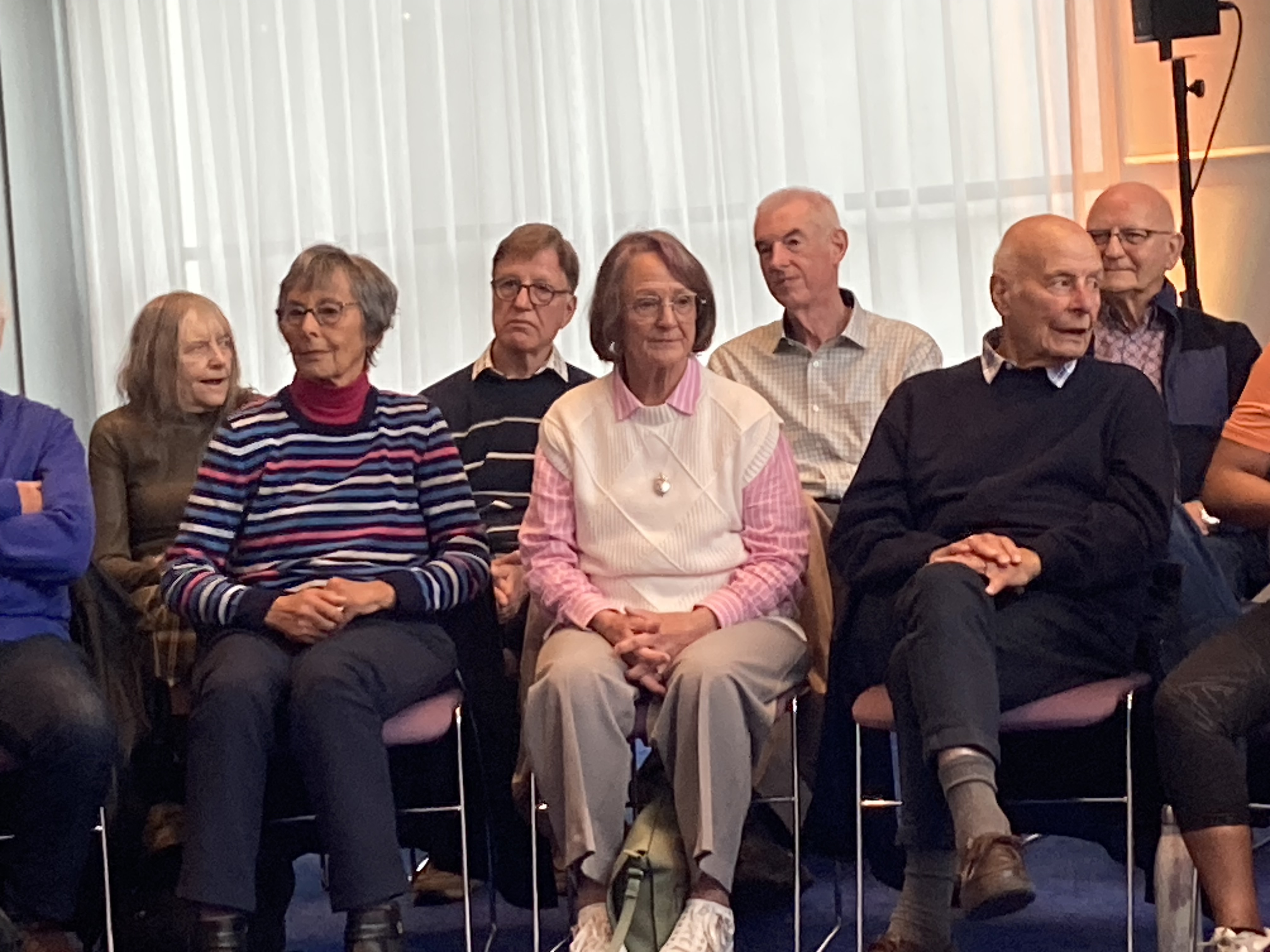
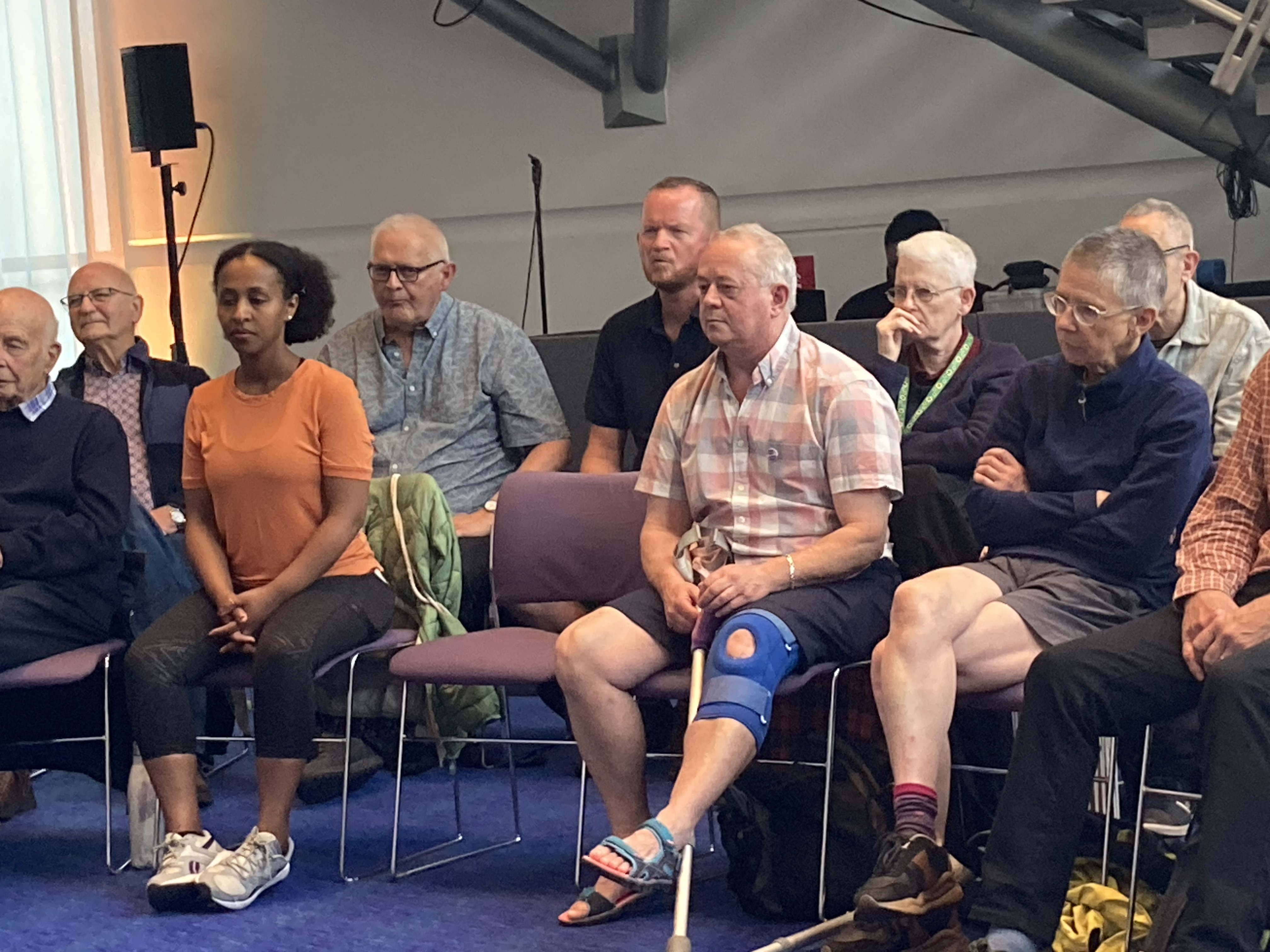
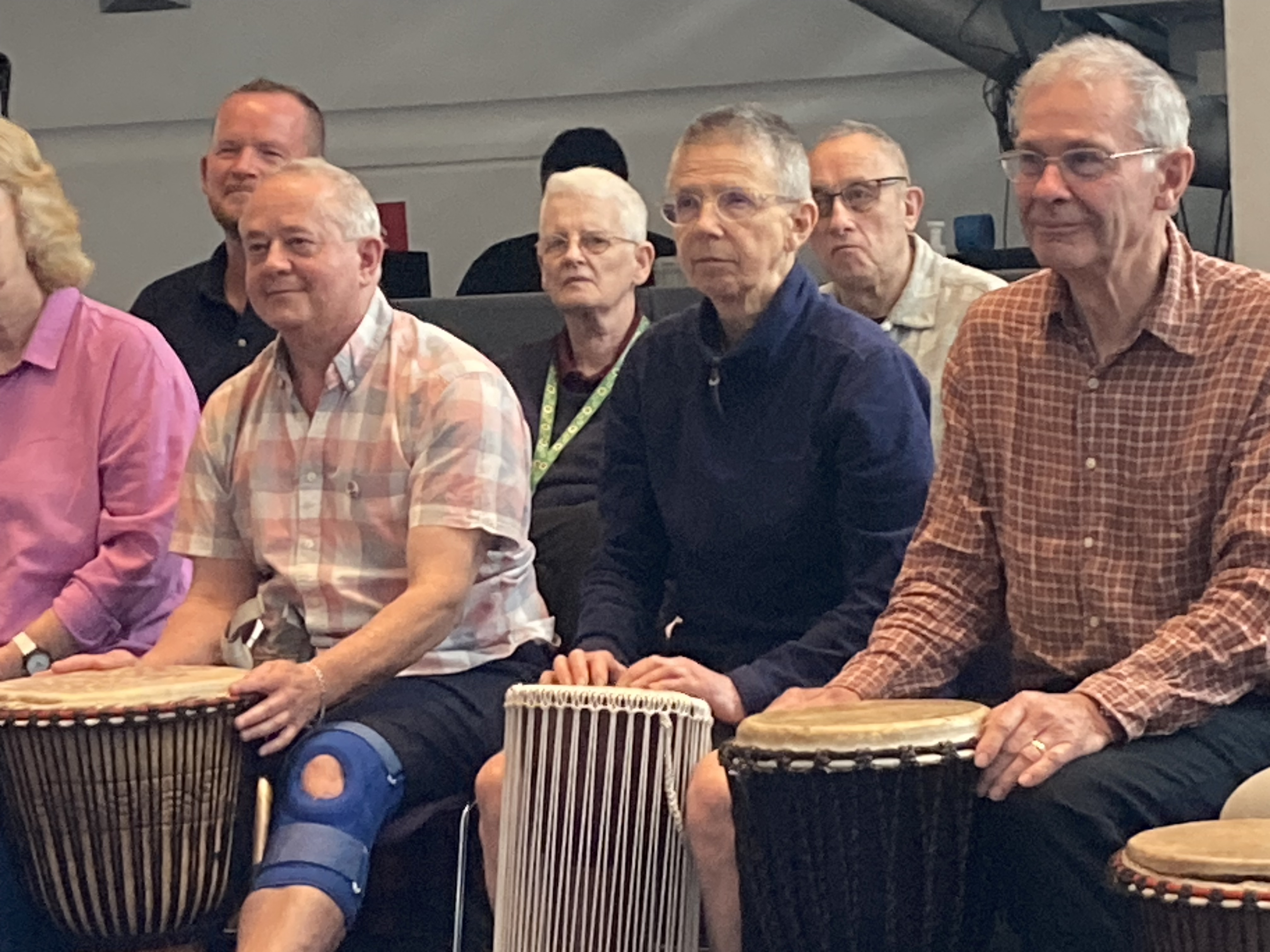
The Community Members Day is an annual event held at the Bridgewater Hall at the end of the classical music season.
The season runs from autumn to summer and between September 2024 and May 2025, members of Out In The City had enjoyed 35 concerts. Altogether 400 people attended which equates to an average of 11 people attending each concert. Also 76 different people attended at least one concert. We are really grateful to the Bridgewater Hall for this fantastic resource.
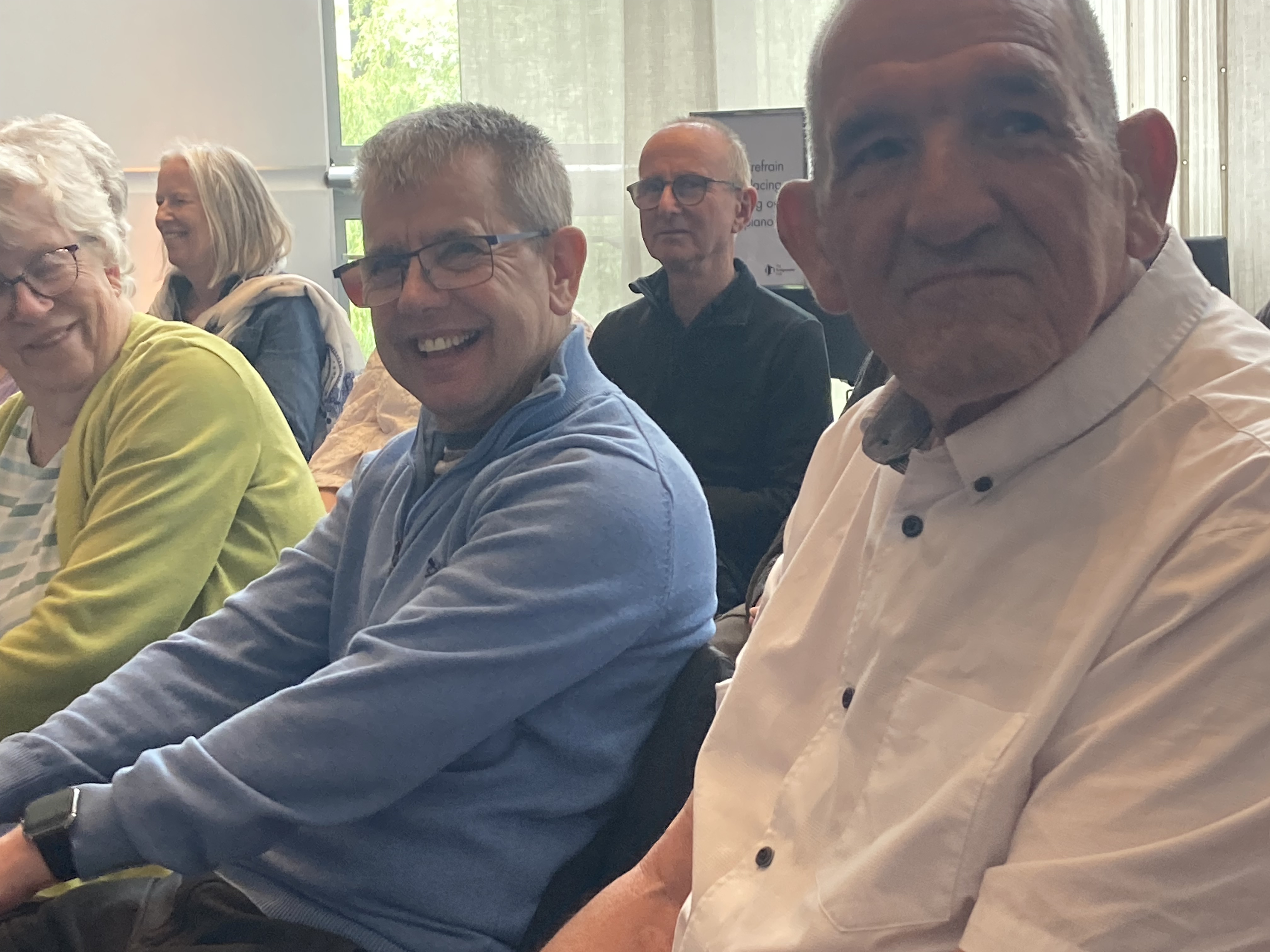
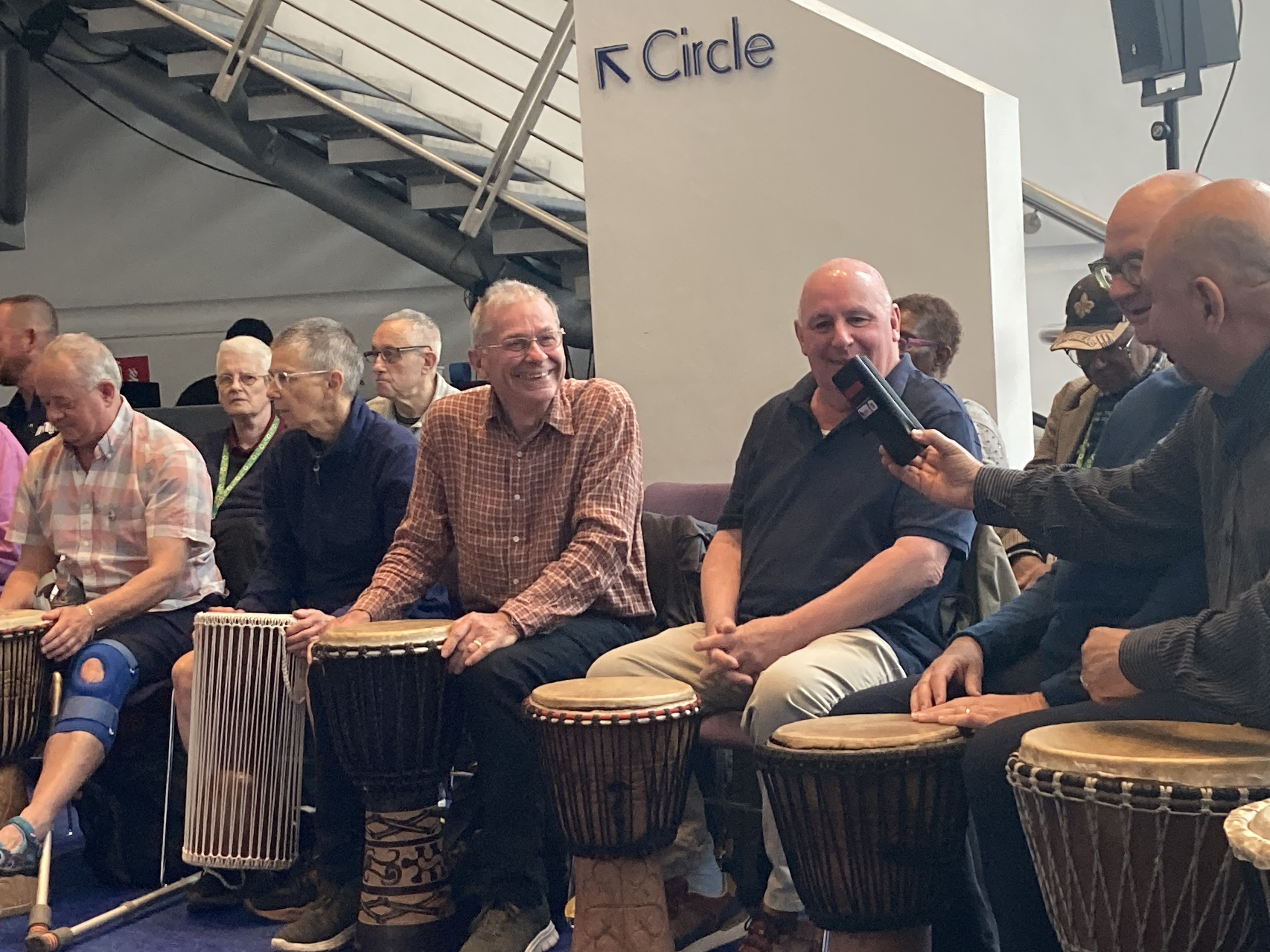
Twenty six of us joined in this year’s event for a day of free music making! We took part in an interactive storytelling percussion workshop led by Afrocats, explored the rich history of the resident orchestra, The Hallé, in a fascinating talk by archivist Eleanor Roberts, and enjoyed an exclusive behind-the-scenes tour of the Hall.
Tea, coffee and a light lunch was provided, before we rounded off the day, by experiencing a captivating performance by the remarkable flautist Sofiia Matviienko, presented by the Manchester Mid-day Concerts Society in the main auditorium.
ALL fm Queeries Radio Show
We recorded the following show which was broadcast live on ALL fm 96.9 on 27 May 2025 on the subject of conversion therapy:
History of conversion therapy
Conversion therapy is the pseudoscientific practice of attempting to change an individual’s sexual orientation, romantic orientation, gender identity or gender expression to align with heterosexual and cisgender norms.
Methods that have been used to this end include forms of brain surgery, surgical or chemical castration, aversion therapy treatments such as electric shocks, nausea-inducing drugs, hypnosis, counselling, spiritual interventions, visualisation, psychoanalysis and arousal reconditioning.
In the 1920s analysts assumed that homosexuality was pathological and that attempts to treat it were appropriate, although opinion about changing homosexuality was largely pessimistic. Those forms of homosexuality that were considered perversions were usually held to be incurable. Analysts’ tolerant statements about homosexuality arose from recognition of the difficulty of achieving change.
In 1920 Sigmund Freud observed that “to convert a fully developed homosexual into a heterosexual does not offer much more prospect of success than the reverse”.
Beginning in the 1930s and continuing for roughly twenty years, major changes occurred in how analysts viewed homosexuality, which involved a shift in the rhetoric, some of whom felt free to ridicule and abuse their gay patients.
Nowadays, there is a scientific consensus that conversion therapy is ineffective at changing a person’s sexual orientation or gender identity and that it frequently causes significant long-term psychological harm. The position of current evidence-based medicine and clinical guidance is that homosexuality, bisexuality and gender variance are natural and healthy aspects of human sexuality.
In March 2018, the European parliament passed a resolution condemning conversion therapy and urging member states to ban the practice.
Despite the Conservative Party promise in 2018 to make it illegal and the government’s stated intention in 2021 that conversion therapy should become a banned practice throughout England and Wales, conversion therapy is still legal in the United Kingdom.
Birthdays
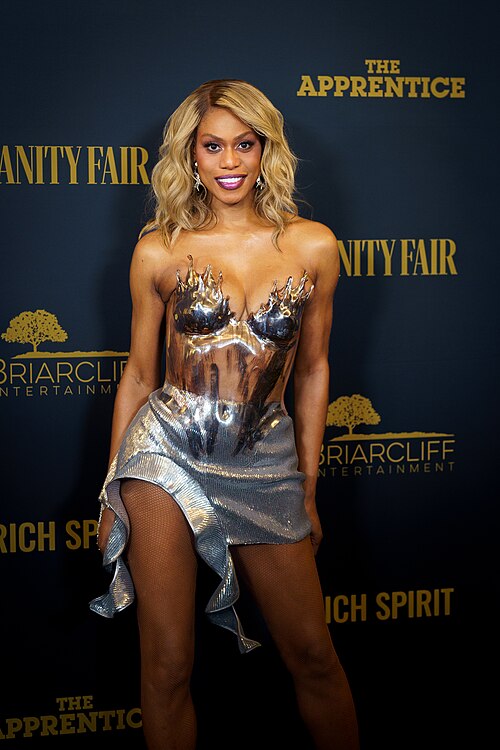
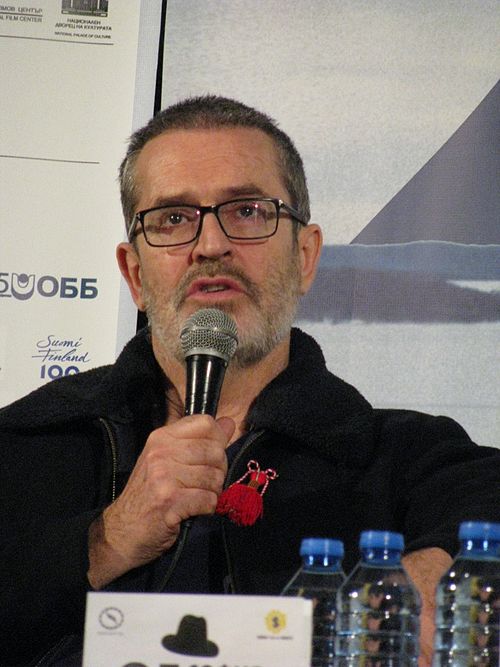
Laverne Cox (born 29 May 1972), American actress, reality TV personality and LGBT advocateRupert Everett (born 29 May 1959), English actorMelissa Etheridge (born 29 May 1961), American singer-songwriterChristine Jorgensen (born 30 May 1926–1989), American transgender advocate, first person to become widely known for having sex reassignment surgeryRainer Werner Fassbinder (born 31 May 1945–1982), German movie director and screenwriterWalt Whitman (born 31 May 1819–1892), American poet, essayist and journalis
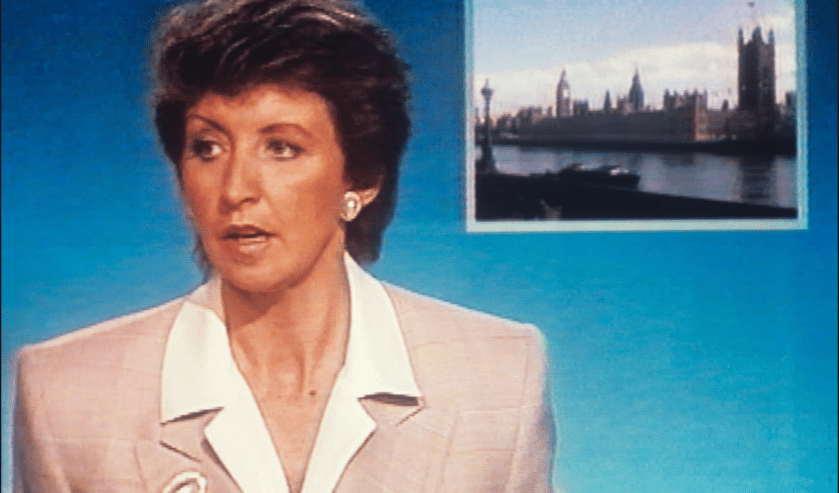
On 23 May 1988, four lesbians, including Booan Temple, burst into a BBC news studio during a live broadcast and called out: “Stop Section 28!” The protest was against the new anti-gay law, Section 28, that was about to go into effect at midnight and had received little if any critical news coverage. The news readers were Sue Lawley and Nicholas Witchell, who restrained one of the protestors.
Twenty thousand Mancunians took to the city streets to march against it. Ian McKellen came out as gay to fight it. It inspired songs by Boy George and Chumbawamba, and an apology from David Cameron. You would be hard pressed to find a recent British law more controversial and more reviled than Section 28 of the Local Government Act 1988.
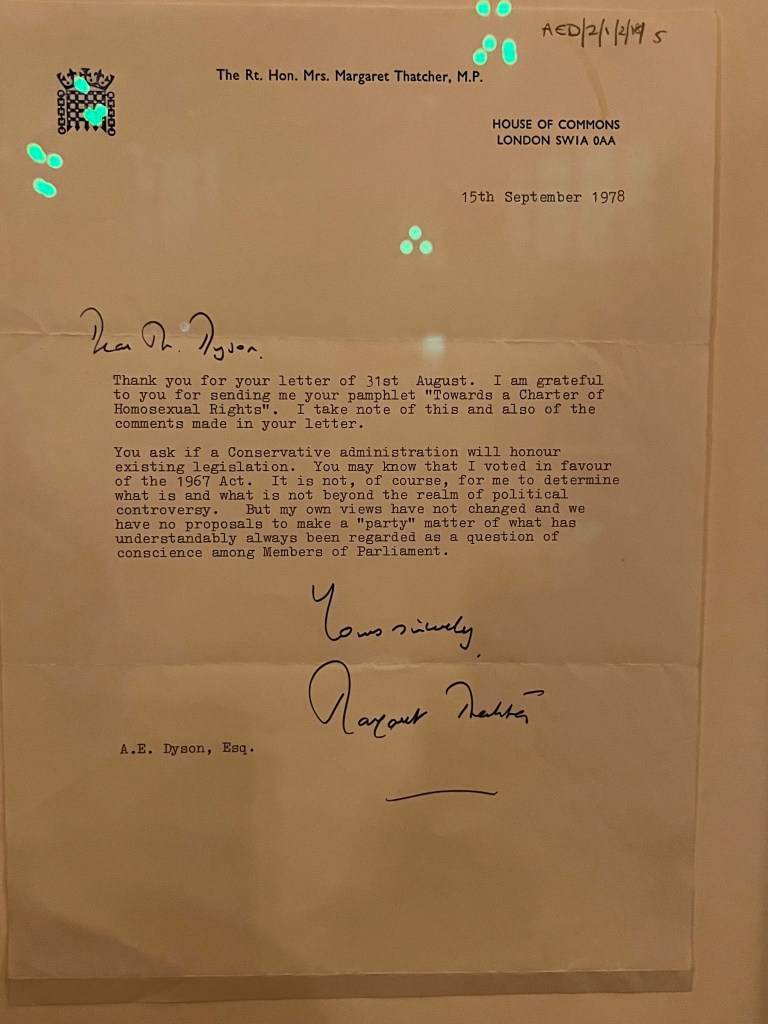
Pushed by Margaret Thatcher’s Conservative government, Section 28 sought to prohibit the “promotion” or “acceptability” of homosexuality in local authorities and schools. At a time when gay people were struggling to cope with the Aids epidemic, it was a callous attempt to suppress an already marginalised group.
While the four women were arrested, they were never charged, likely due to the BBC not wanting to give the protest any further attention.
The protest inspired many LGBT+ people, especially younger folk, to keep up the fight. The law would be in place until 2000 in Scotland and 2003 in England and Wales.
Toilets
Following the recent UK Supreme Court decision, many trans people have said the ruling could now make it dangerous for trans people to use bathrooms and public spaces. On the other side of things, people have used the opportunity to stress that trans people are not welcome in such public spaces.
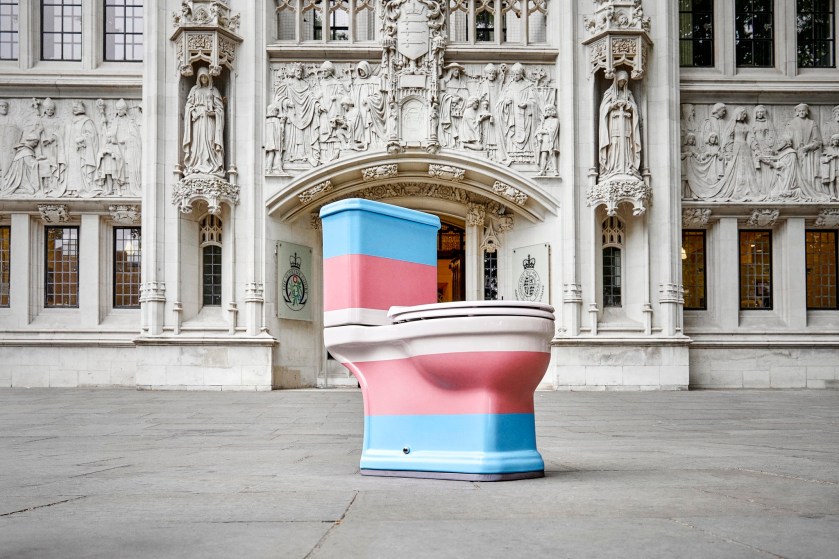
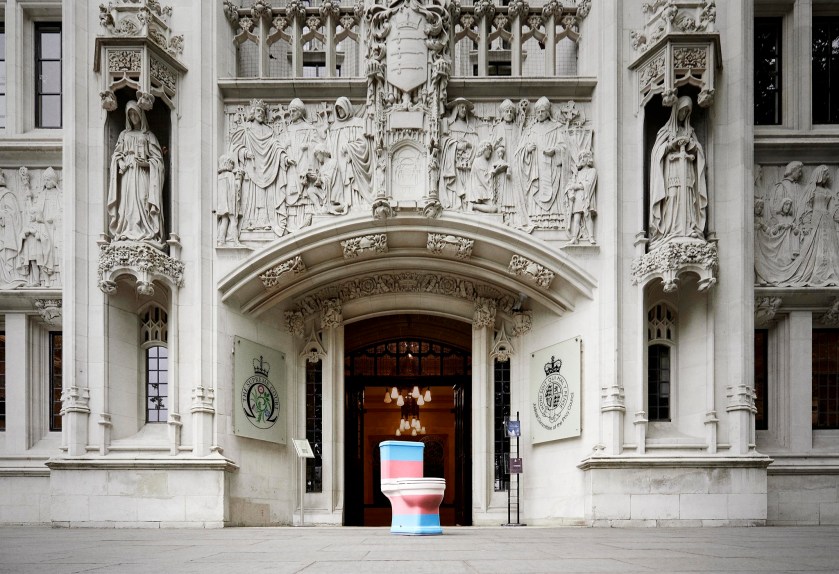
To address this, trans advocacy organisation TransActual UK recently unveiled an eye-catching installation outside the UK Supreme Court: a “third toilet”.
The installation is a direct response to comments made by Baroness Kishwer Falkner, chair of the Equality and Human Rights Commission, who suggested that trans rights groups should push for a separate “third space”.
The toilet – placed prominently outside the UK’s highest court – reflects the exposure, isolation and risk trans people face when excluded from public life and legal recognition. It also aims to challenge the notion that safety and dignity can be optional.
Olivia Campbell Cavendish, a Founder & Executive Director of the Trans Legal Clinic, said: “We need to move the conversation on from ridiculous things like bathrooms and onto the things that matter. And that is the safety of trans people everywhere.”
Camila Gurgel and Ieva Paulina, Associate Creative Directors at advertising company BBH London, who was part of the installation, added: “We can’t call it a victory when so much has been lost. The trans community was left out of a decision that directly impacted their lives. So we set out to create something that will help their voices be heard and their demands recognised. Our hope is that the “third toilet” installation sparks awareness, conversation, solidarity and inspires more people to stand with the trans community.”
Queer Treasures at Manchester Central Library
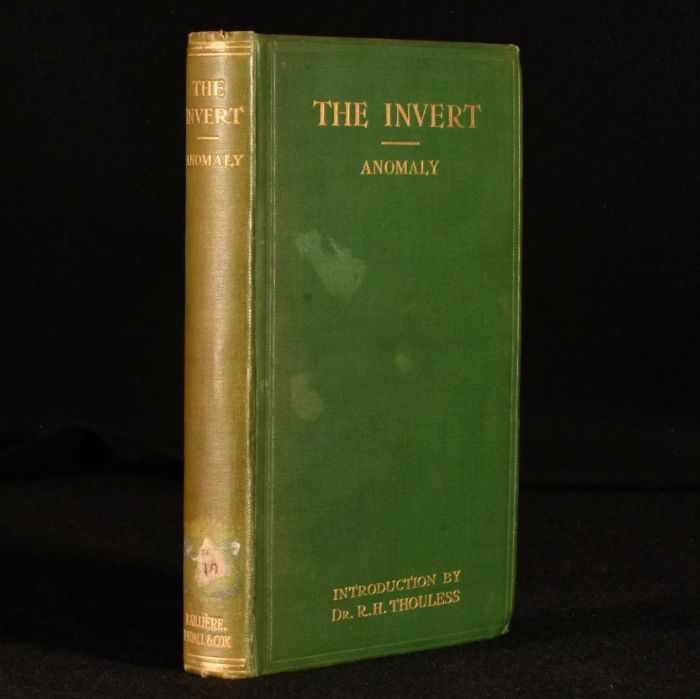
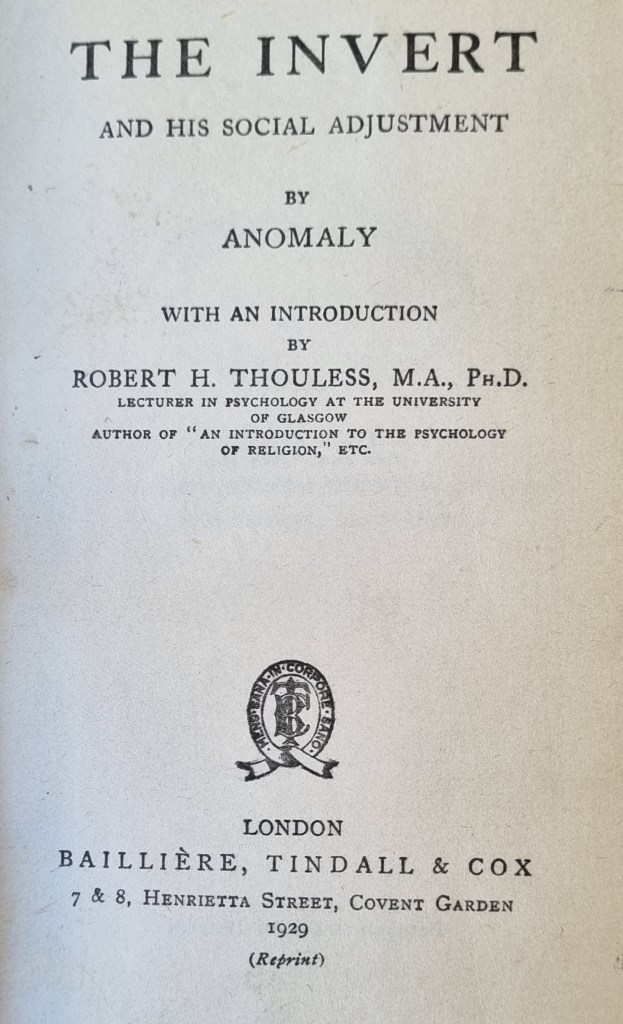
‘The Invert’by Anomaly (1927)
(This is the seventh in a series of articles about queer treasures that are currently found in the Archives held at Manchester Central Library.)
‘Invert’, is a word that was popularly used in the late 19th and the early-to-mid-20th centuries to refer to homosexuals, in this case the work deals entirely with male homosexuals. Its rarity lies in the fact that the unnamed author, behind the pseudonym of ‘Anomaly’, claims himself to be an invert. When we look at this book more closely though the word ‘treasure’ might not be the first one that springs to mind. The writer is clearly earnest in his endeavour to explain the ‘invert’ to his early readers. But to modern eyes the book is a specious, self-denigrating and wholly unhelpful work, if not a downright dangerous one, that uncritically reinforces archaic sexual stereotypes and fosters the self-oppression of its subjects.
The book was widely circulated when it first appeared in 1927. Numerous contemporary reviews of the book were published across the UK and USA, and it was even featured in the Indian Medical Gazette of May 1928. By and large it was well received by reviewers, which serves to explain why it became so influential.
The writer did attract some criticism for being ‘very inadequately informed on the scientific subject’, by at least one reviewer, but, nonetheless, the author also had the reviewer’s ‘cordial good wishes’ for the book (1*). Anomaly’s work though had already garnered some protection against would-be ‘scientific’ critics, as it was issued with a special Introduction written by R H Thouless, MA, PhD, a, then, well-respected English psychiatrist (who lectured at both Glasgow and Manchester Universities).
Thouless gave Anomaly’s confessions a medical seal of approval, albeit from Thouless’s own ideological ivory tower. The psychiatrist showed a distinct distain for the advances in sexological knowledge made on the Continent, mainly by German researchers, whose works had challenged scientific orthodoxy and showed the way for ‘inverts’ to free themselves from medical straightjacketing. Thouless specifically takes a swipe at Ulrich’s use of the term ‘Urning’ to refer to gay men –
There are many books on inversion written from a medical and scientific point of view. There are other works which sentimentally glorify the condition of inversion. These use the term “Urning” for the invert, implying that his love belongs to heaven rather than to earth. Such terminology has clearly no better right to scientific consideration than the “moral degenerate” of popular prejudice. (pxi)
A special reissue of the work in 1948 showed its longevity, and in a ‘Sequel’ added to that edition the unnamed author records the worldwide influence his work had generated.
Don’ts !!!
Perhaps the overall tenor of the work can best be demonstrated by Anomaly’s request to those who counsel inverts, to pass on his advice to those young men who have just become aware of their ‘condition’. The advice, which he refers to as ‘the fruits of practical experience’ (p135), counsels the following –
Don’t commit to writing any admissions as to your inclinations:
don’t masquerade – on any occasion whatsoever – in women’s clothes, take female parts in theatrical performances, or use make-up;
don’t be too meticulous in the matter of your clothes, or effect extremes in colour or cut;
don’t wear conspicuous rings, watches, cuff-links, or other jewellery;
don’t allow your voice or intonation to display feminine inflection – cultivate a masculine tone and method of expression;
don’t stand with your hand on your hip, or walk mincingly;
don’t become identified with the group of inverts which form in every city;
don’t let it be noticed that you are bored by female society;
don’t persuade yourself into believing that love is the same thing as friendship;
don’t become involved in marked intimacies with men who are not of your own age or set;
don’t let your enthusiasm for particular male friends make you conspicuous in their eyes, or in the eyes of society;
don’t occupy yourself with work or pastimes which are distinctly feminine;
don’t, under any circumstances, compromise yourself by word or action with strangers (p135/6).
Anomaly’s insistence on rigid self-policing and self-denial was commented on with concern in a contemporary review in ‘New Blackfriars’ (2*), a Roman Catholic journal. The unnamed reviewer asked, ‘… is it not possible that Anomaly somewhat exaggerates the importance of the advice he gives about camouflage and protective colouring?’ and warns that –
If every innocent outlet is to be denied, if every natural self-expression in speech, gesture, dress and the rest must be checked, the results may be disastrous and the last state worse than the first. The effort would prove too much for most human beings, and prepare the way for possible explosions (p2).
Do’s !
Anomaly’s advice for what an invert should do however, is given succinctly –
Positive advice may be summarised as follows: Hold frank conversations with suitable persons, thereby avoiding mental repression; encourage every symptom of sexual normalisation; cultivate self-esteem; become deeply engrossed in a congenial occupation or hobby; observe discretion and practise self-restraint (p137)
In short, sublimate all your forbidden desires and do anything except accept yourself as you are. ‘Suitable persons’ to confide in are not easily to be found as the writer especially warns others like him to avoid ‘the group of inverts which form in every city’ (including, no doubt, that Out in the City lot?) and gives no direction as to where one might look. Is it any wonder then that so many gay men experienced isolation for much of their lives and were profoundly afraid of coming out or of being outed, if this work were their only source of knowledge on the subject. The author clearly speaks with sincerity, but his work is comprised by his own self-repression and by his acceptance of being defined by others, in this instance, by a reactionary medical scientific establishment.
Reading the work the impression is given that the invert’s life will inevitably be lonely and miserable and the author rejects any suggestion that two inverts may live happily together as ‘impracticable’, decrying the romantic ‘happy solution of “love in a cottage”’ (p99).
Having witnessed numerous attempts, on the part of well-intentioned inverts, to find happiness in an attachment the sacred permanence of which was to be assured by a setting of approximate domesticity. I am forced, regretfully, to the conclusion that the idea is impracticable (p99).
Heaven only knows how many lives were curtailed and profoundly impoverished by the reading of this book. Those yearning to find others like themselves were counselled to avoid close friendships lest their secret sexual inversion become evident and their life and those of their family and friends be open to the deepest suspicions. Inverts were advised that their lives would be lonely and that the prospect of finding a long-term partner was unachievable.
Come Out Of The Closet?
Having counselled a life of public non-existence, in Anomaly’s later work, Sequel, which was added to the 1948 second edition of the book, the writer urged older gay men to, effectively, ‘Come out’!
I am come to the conclusion that invert men who have nearly rounded out the period of their terrestrial usefulness and have escaped criminal prosecution, have a chance to die real heroes. … I suggest that ordinary invert men, of social probity and usefulness, dedicate, and even sacrifice, their reputations in their more or less harmless penultimate years to the discreet communication to as many decent people as possible of the truth about inversion. Something like a blood-bank, or the willing of one’s eyes to the blind! (p245/6)
Much of this book is risible to us today, the wording is pompous and laboured, and its advice would prove catastrophic to younger readers and/or to those who are struggling to come to terms with self-acceptance. Nonetheless, its value to a queer historian is not insignificant, for the work effectively catalogues the ideological oppressions of gay men primarily in the Anglo-Saxon world in the earlier half of the 20th century and beyond. It was a world where the advances in sexology on the Continent (by Ulrichs, Hirschfeld, Krafft-Ebing etc) were arrogantly dismissed and one where the notion that inversion was a cross to be nobly, and singly, borne to the grave is given prominence.
The International Journal of Psycho-Analysis, London Vol 8 (Jan 1st 1927) 431
The John Rylands Research Institute and Library is a late-Victorian neo-Gothic building on Deansgate in Manchester. It is part of the University of Manchester. The library, which opened to the public in 1900, was founded by Enriqueta Augustina Rylands in memory of her husband, John Rylands.
Out in the City members visited the Library as it is celebrating its 125th anniversary. The Library is ranked second in the UK for its special collections.
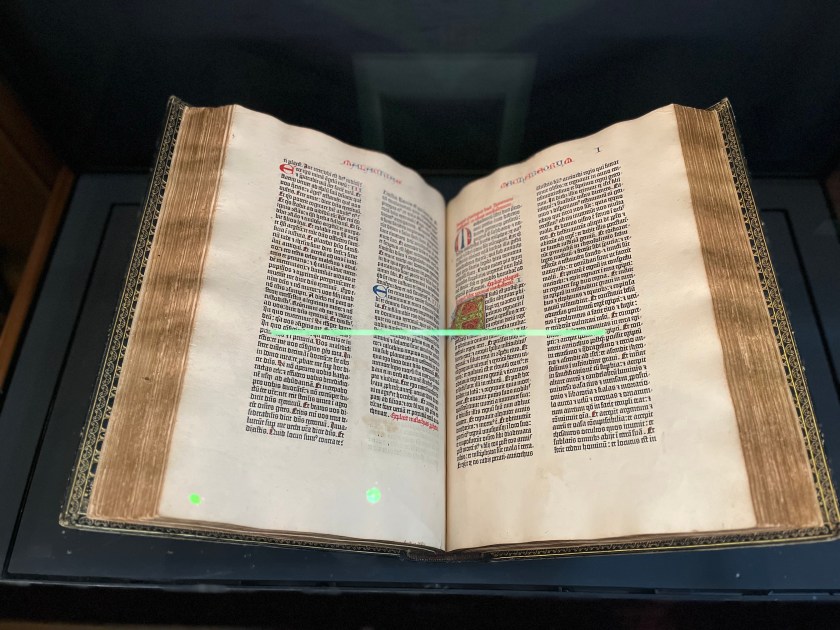
Gutenberg Bible
We attribute the invention of printing with movable type in Europe to Johann Gutenberg in the early 1450s. This technological revolution was based on pieces of metal type, produced from moulds, which could be used repeatedly to print multiple texts. This copy was purchased by Earl Spencer in 1790. It was previously owned by a monastery in Colmar, north-eastern France.
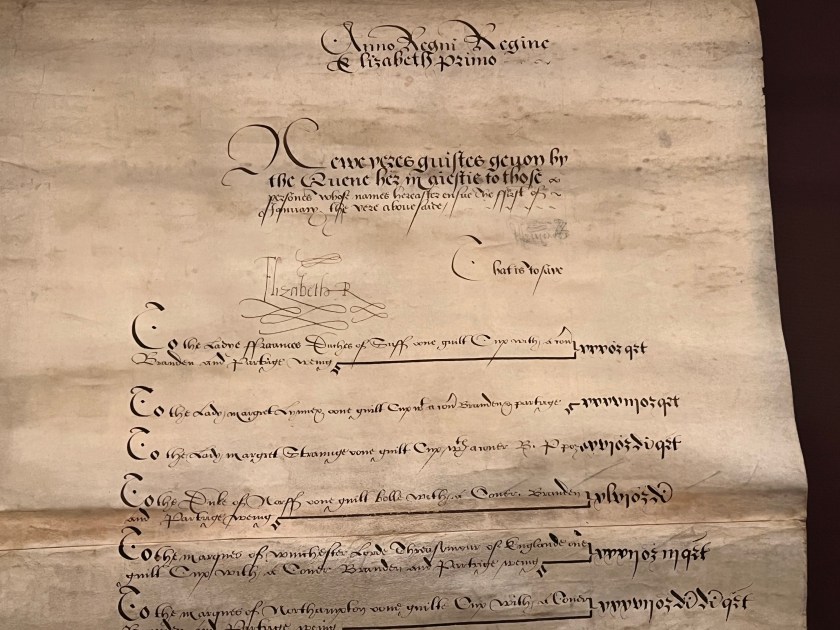
Gifts for the Queen
Some of the archival documents are associated with major figures in history, including royalty. Elizabeth I signed her name on this list of gifts she received and gave at New Year 1559. The long parchment roll names over one thousand people, about a third are women. The first in the list was the Duchess of Suffolk. She gave the Queen an embroidered cushion and a velvet-bound book with silver clasps.
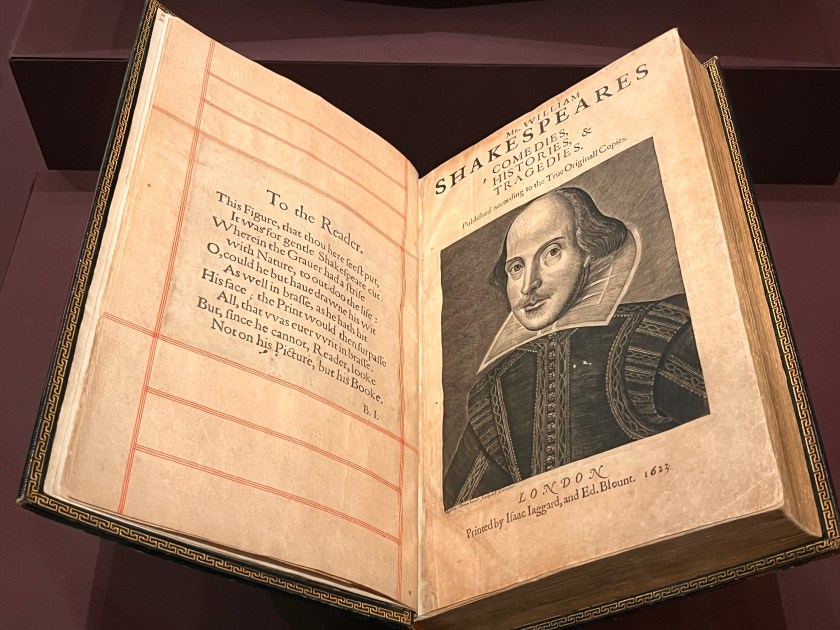
The First Folio
One of the most famous books ever produced. Shakespeare’s friends John Heminge and Henry Condell immortalised his dramatic output in a single luxury volume., seven years after he died. The title page has one of the very few portraits of Shakespeare that is considered authentic. It was approved by those who knew him well.
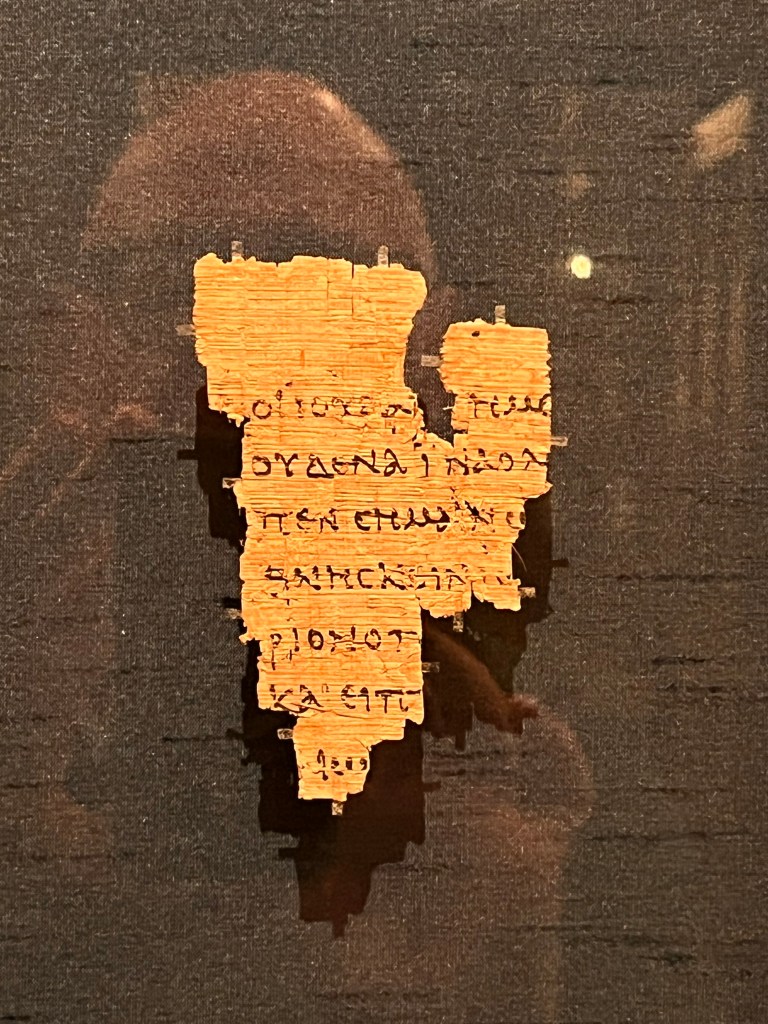
Early fragment of John’s Gospel
This small piece of papyrus contains incomplete lines from the Gospel of John. Written in Greek, the original language of the Gospel, it is important evidence of early Christianity in Egypt. The scholar Bernard P Grenfell sold the fragment to the Rylands in 1920 in a batch of unidentified papyri. Because he bought it from an Egyptian dealer, we don’t know where the fragment was found.
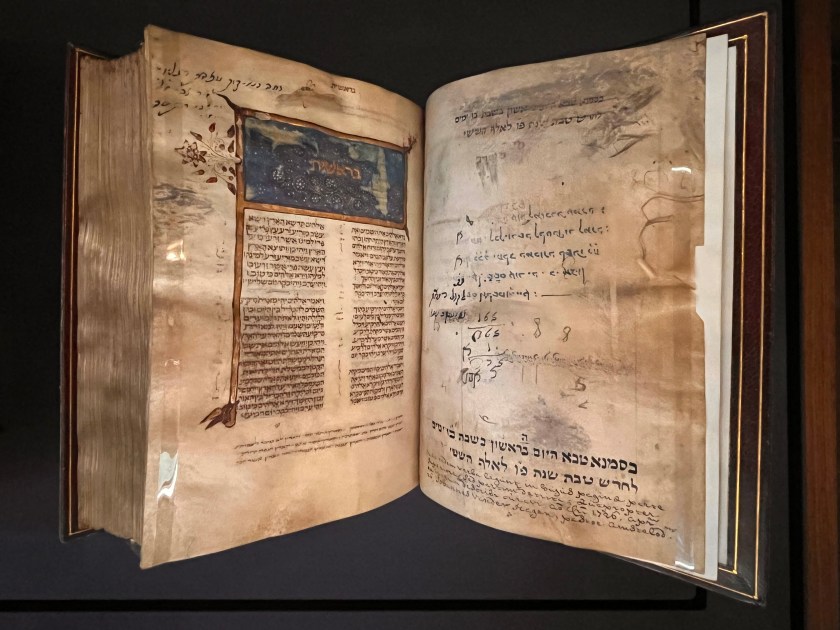
Illuminated Hebrew Bible This Jewish Bible from late medieval Spain was an early manuscript purchase. Rylands bought it in June 1892. It is written on animal skin and contains beautiful French and Italian style decorations. The first word of each Bible book is highlighted in gold. The manuscript had travelled to Greece and Amsterdam before coming to Manchester.
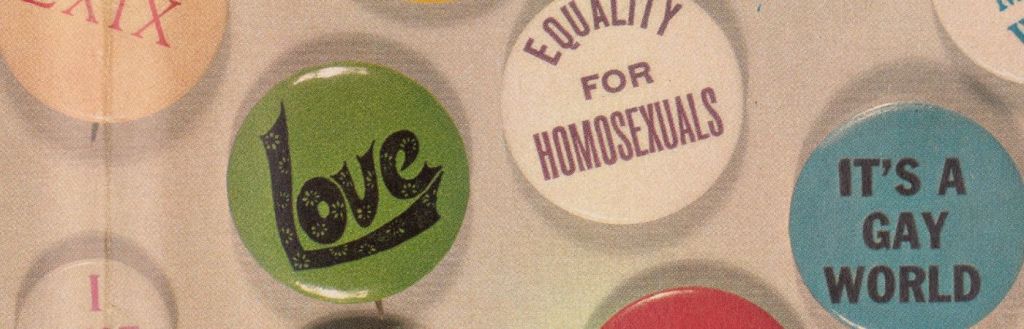
However, the current exhibition celebrates LGBTQ pop and its wider influence.
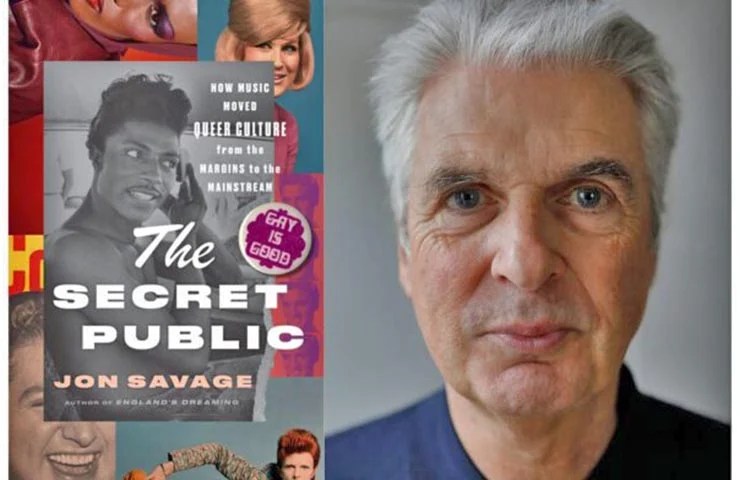
The Secret Public: LGBTQ Pop 1955 – 1985
The landmark exhibition examines the profound influence of LGBTQ performers, artists and activists on mainstream pop culture. Based on Jon Savage’s book The Secret Public – How LGBTQ Performers Shaped Popular Culture1955 – 1979 this new exhibition presents key pieces from the extensive archive collected by the author and University of Manchester Professor of Popular Culture, which is now part of the Library’s British Pop Archive.
The exhibition takes a thematic and chronological journey through posters, magazines, books, promotional photographs and record sleeves, tracing the extraordinary contribution LGBTQ performers have made throughout those years, enhanced by audio and video providing an evocative soundtrack to this story.
Encounter pop and film stars from the 1950s and 60s like Little Richard and James Dean and learn about the queer managers and record producers behind the stars, such as Larry Parnes, Joe Meek and Brian Epstein.
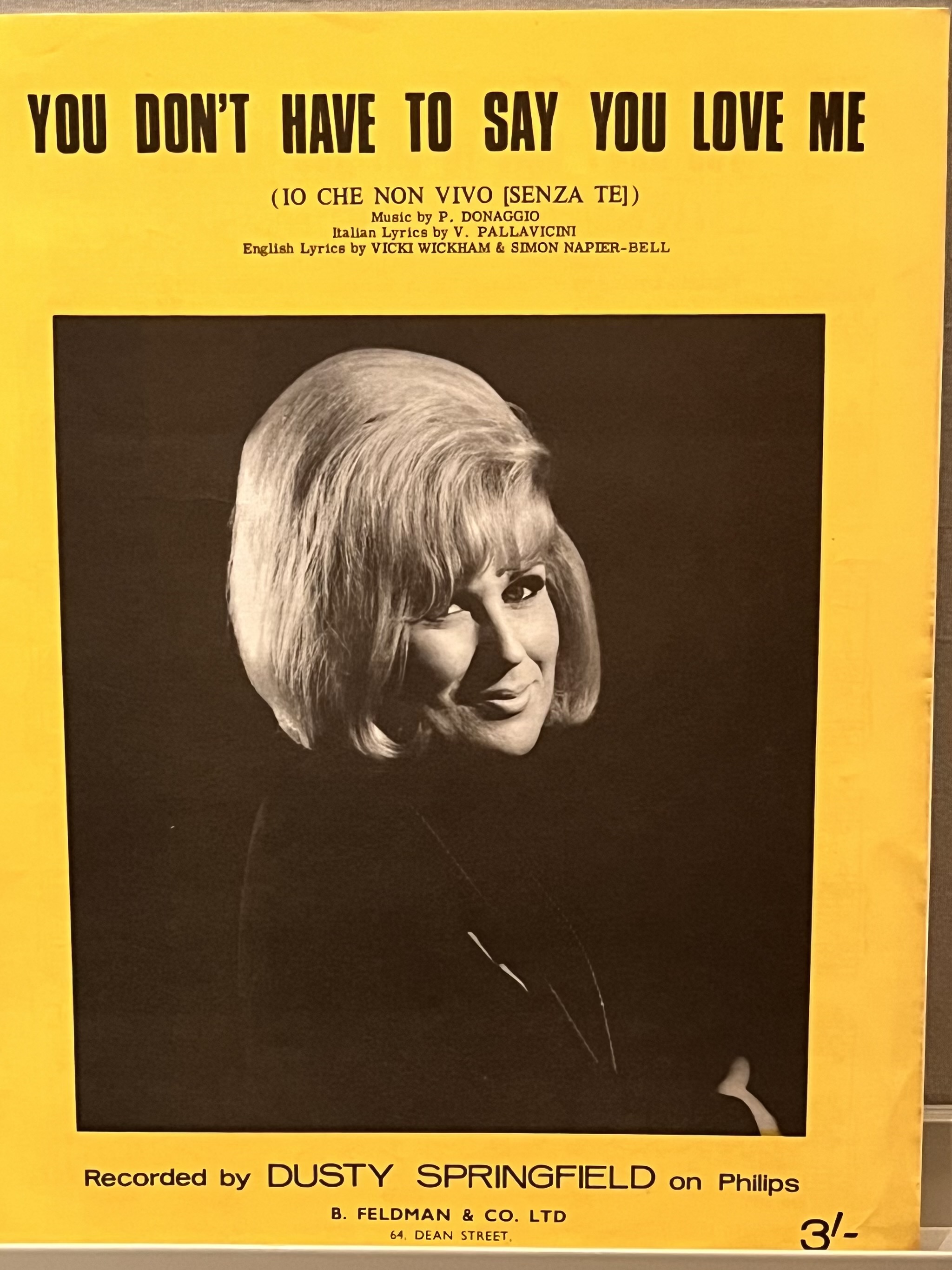
Female artists and the lesbian story is explored through materials on Norma Tanega, Lesley Gore and Dusty Springfield and in magazines such as The Ladder.
A key moment in the exhibition is David Bowie’s frank 1972 admission that he was gay. Exhibition items then take visitors from the late 1970’s disco scene of Sylvester and Saturday Night Fever into the1980s when gay pop stars like Boy George and Marilyn were pushing creative aesthetic norms.
LGBTQ pop was solidly positioned in the music press and the charts with an established large fan base, both straight and queer. For many LGBTQ people during these decades, ‘pop’ was one of the few places where they might see their lives represented and reflected or even envisage an idea of how their world could be in a more tolerant, accepting future.
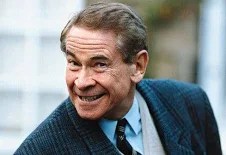
Stanley Livingstone Baxter is a retired Scottish actor, comedian, impressionist and author. Baxter began his career as a child actor on BBC Scotland and later became known for his British television comedy shows The Stanley Baxter Show, The Stanley Baxter Picture Show, The Stanley Baxter Series and Mr Majeika.
Baxter was brought up in the West End of Glasgow, in a tenement. He lived there from the age of five until he married actress Moira Robertson at 26 years of age. He later lived in Highgate, North London. He was married for 46 years until his wife’s death of an overdose in 1997. He was overseas at the time.
In August 2020 at the age of 94, Baxter came out as gay, following the release of his authorised biography. His biography described how Baxter had told Moira that he was gay before they married, with Baxter having sought to end their relationship as a result, but that she had threatened suicide, causing him to relent. Moira accepted that he was gay and allowed him to bring men home for sex, despite homosexual acts being illegal until the passing of the Sexual Offences Act 1967, 16 years after their marriage. Five years before then, Baxter had been arrested for cottaging and contemplated suicide for fear of scandal causing an end to his career. The soliciting charges were subsequently dropped.
Baxter sought to maintain the secrecy around his sexual orientation, with his biography describing how he had taken legal action over the posthumous publication of Kenneth Williams’ diaries after Williams, a long-time friend, died in 1988. In his biography, Baxter describes his discomfort with his homosexuality: “Anybody would be insane to choose to live such a very difficult life. There are many gay people these days who are fairly comfortable with their sexuality, fairly happy with who they are. I’m not. I never wanted to be gay. I still don’t.”
I remember watching the “Stanley Baxter Show” as a teenager and found his comedy specials hilarious. Let’s hope he enjoys his 99th birthday on 24 May 2025.
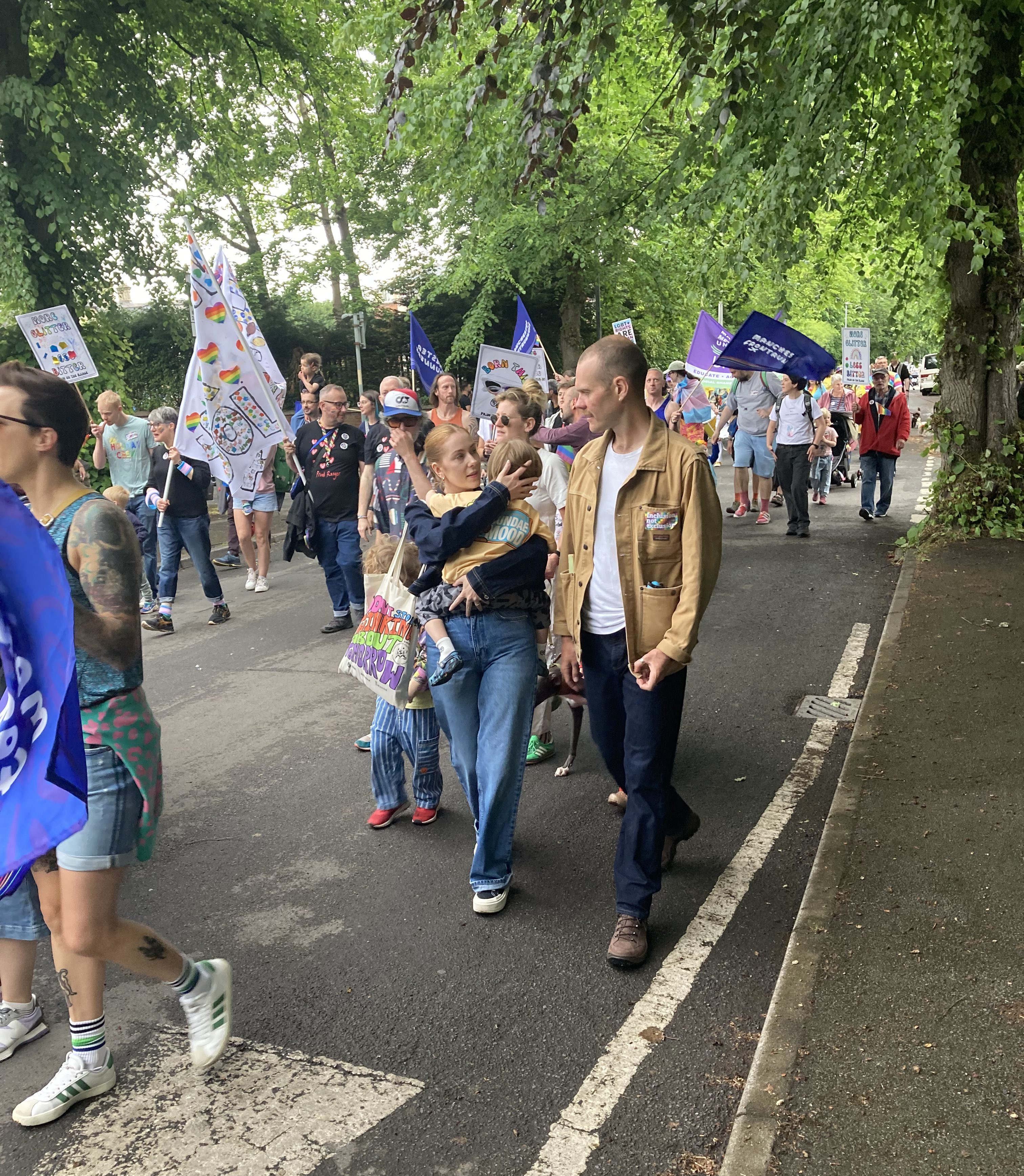
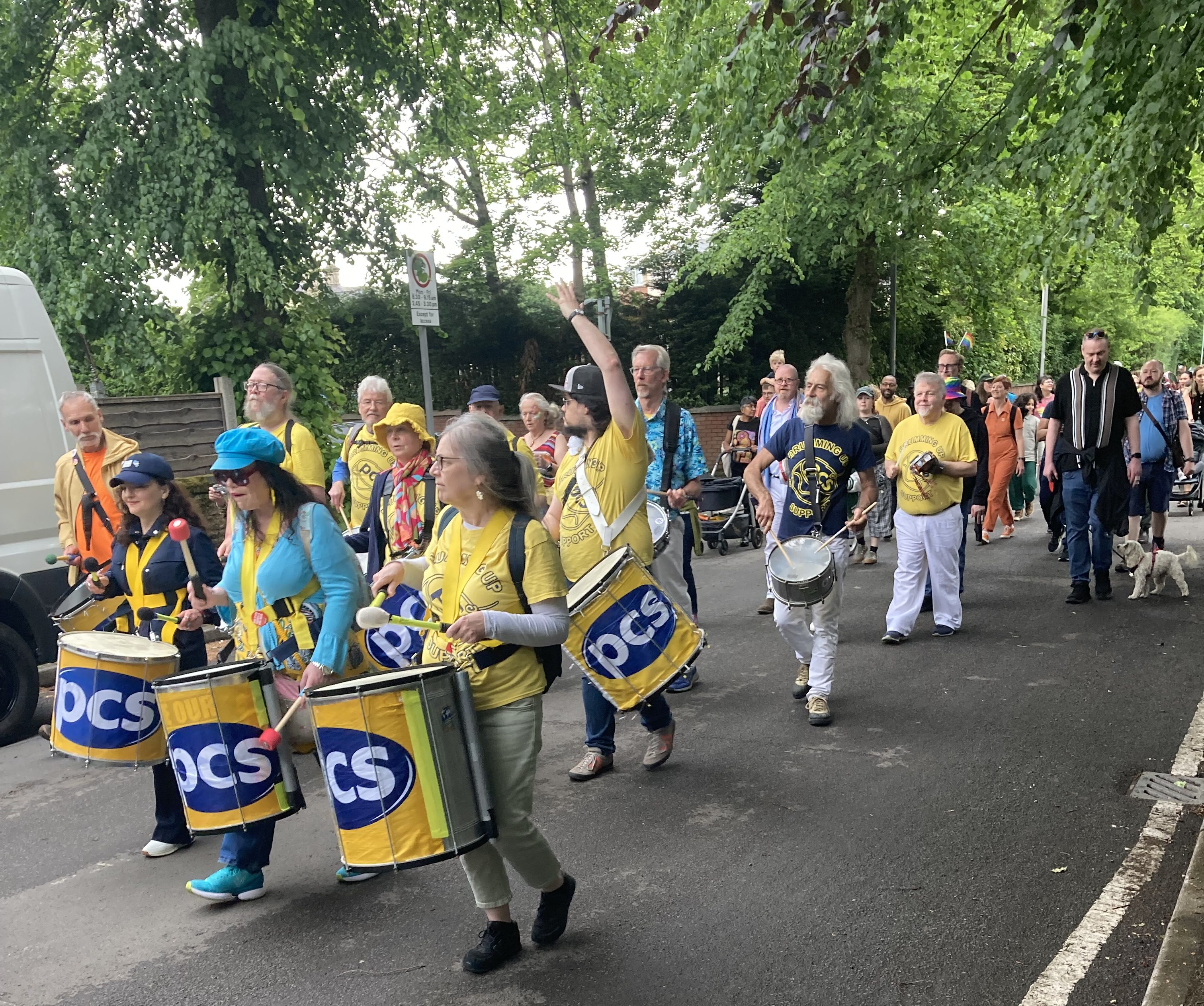
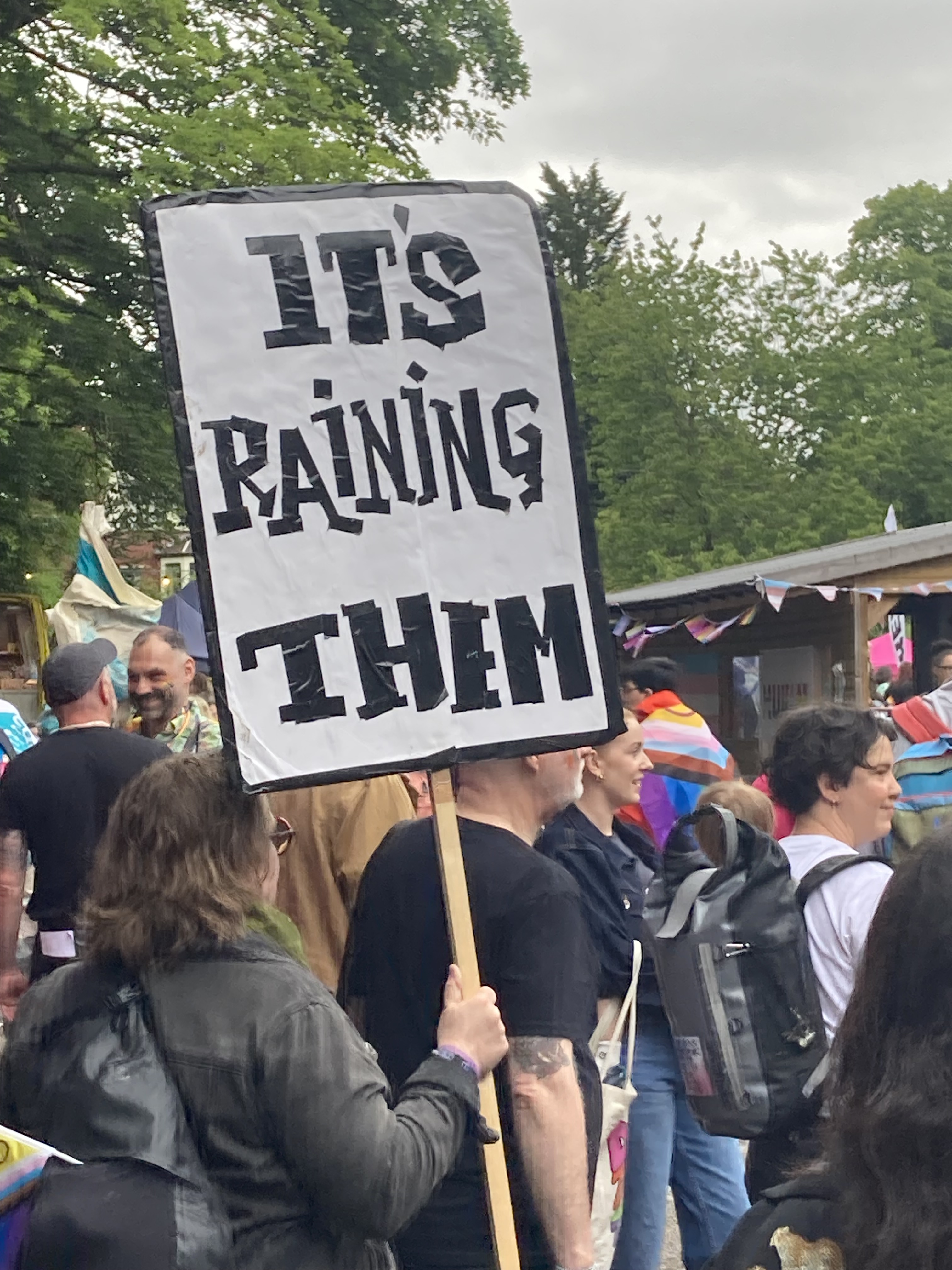
Pride on The Range
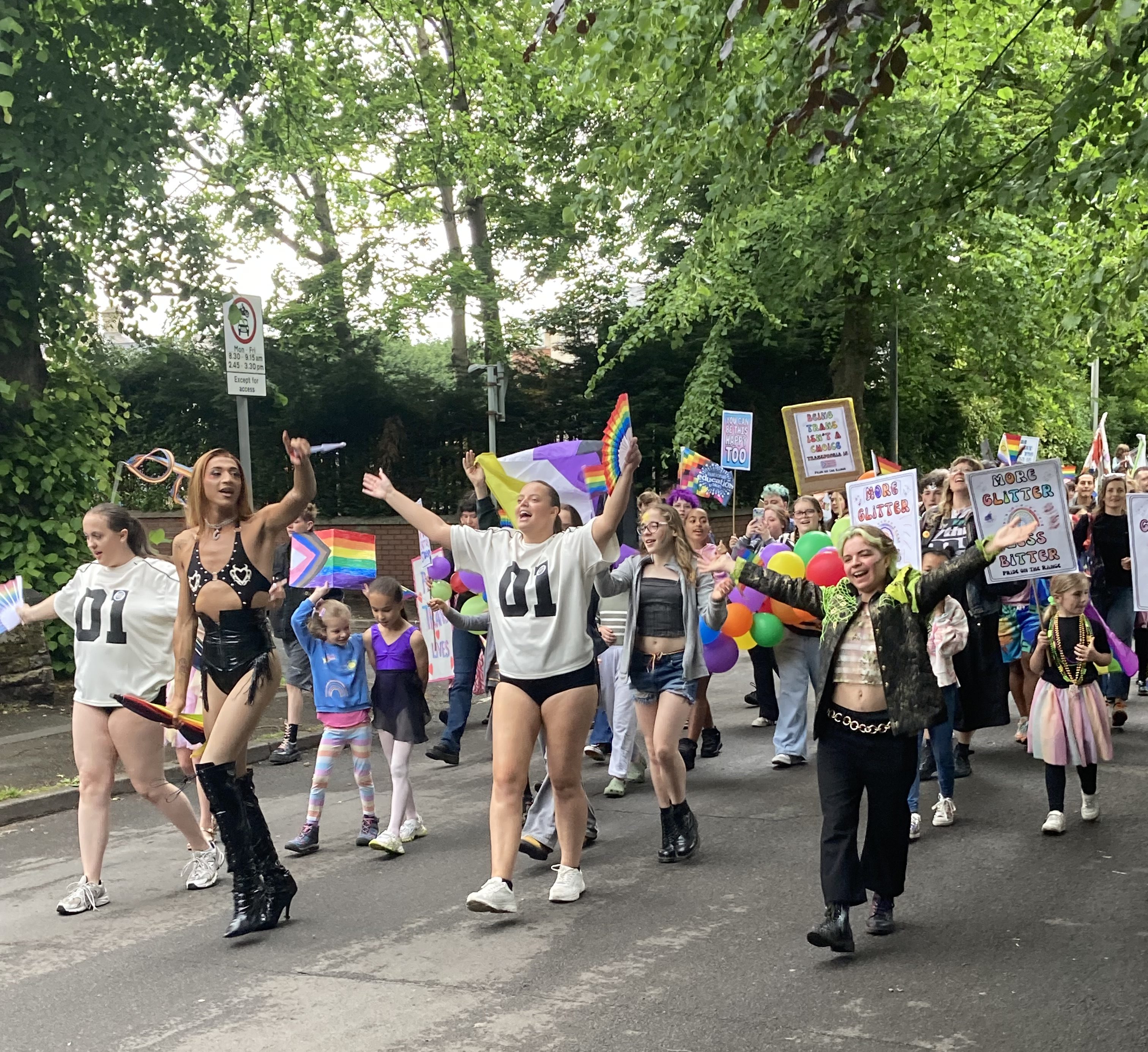
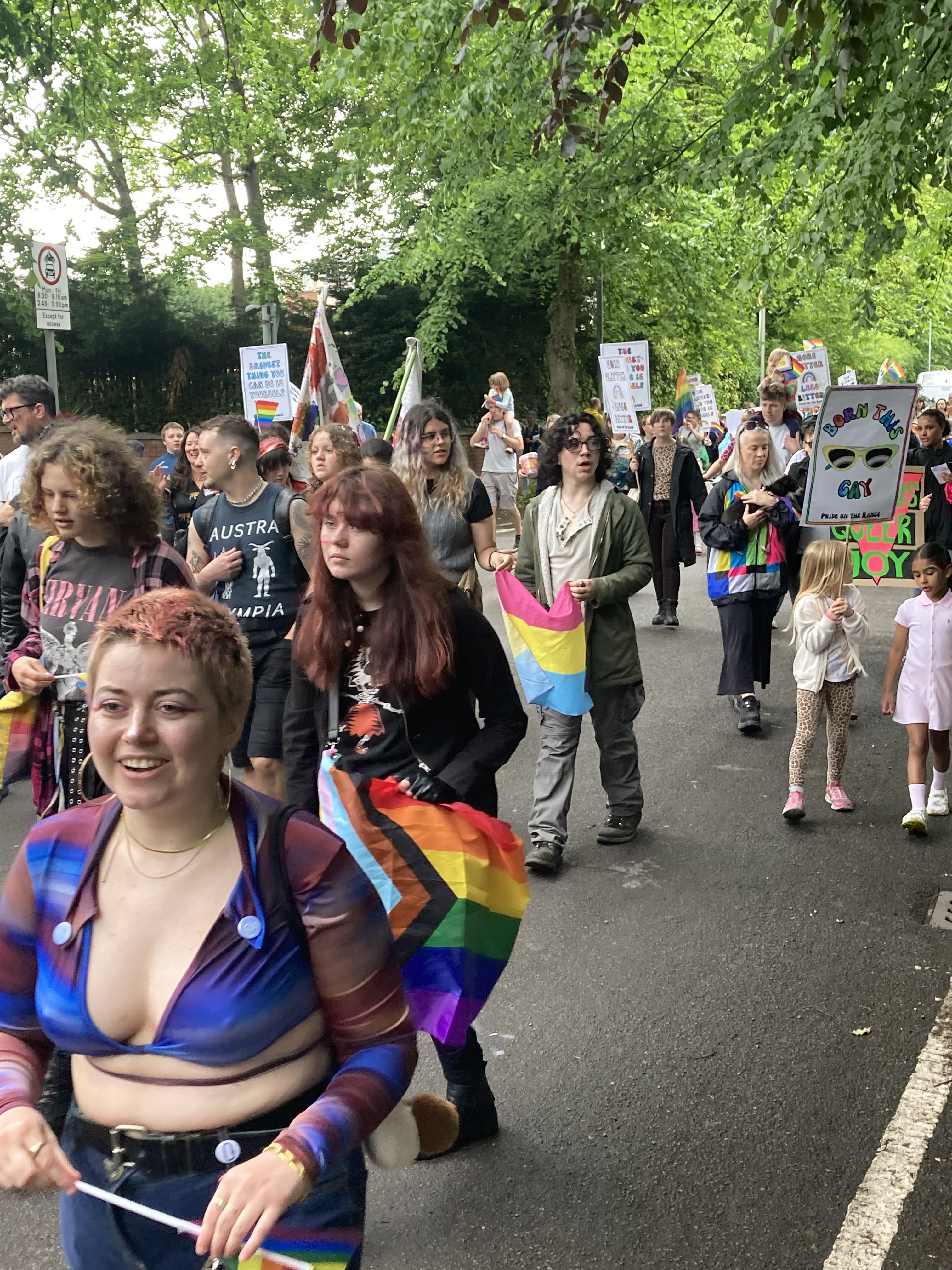
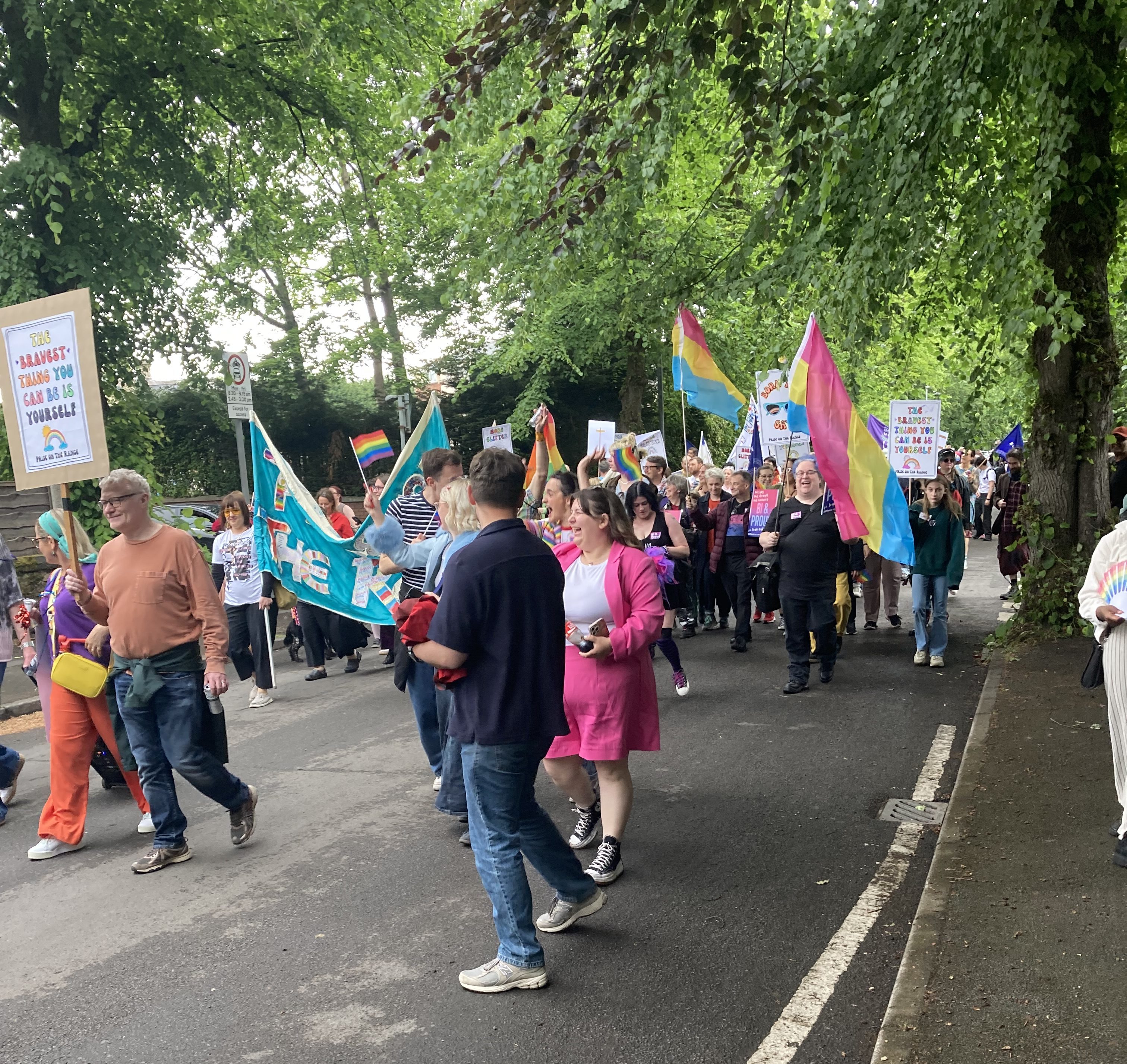
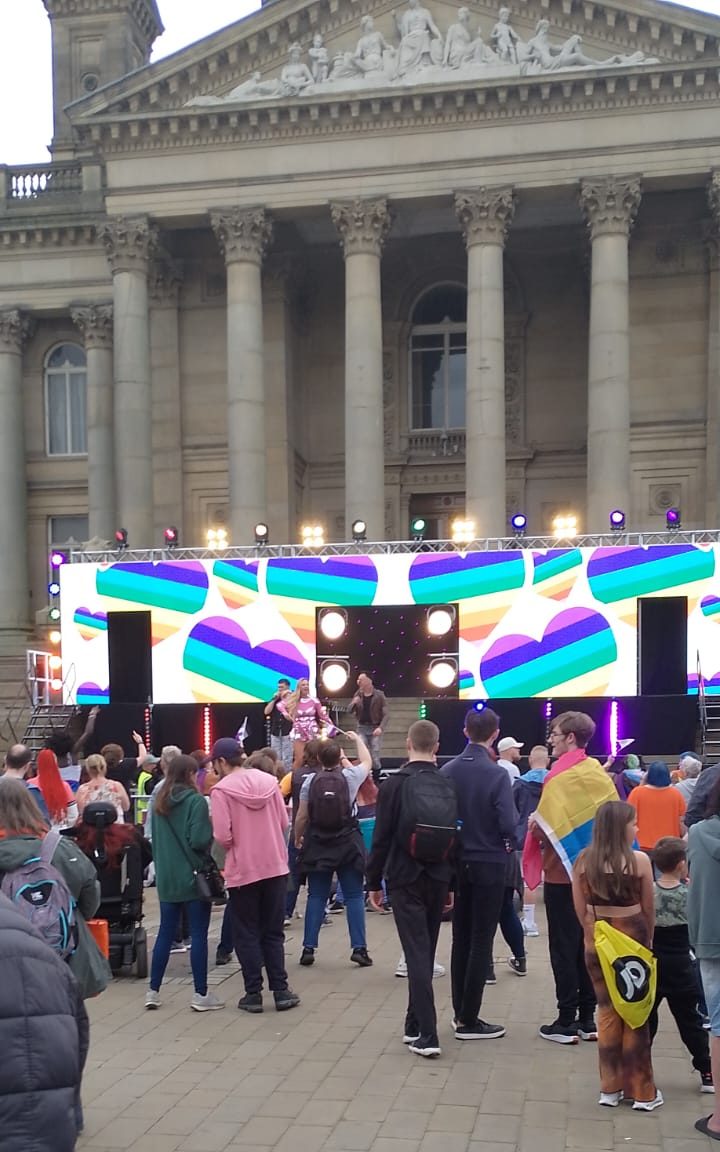
It’s Whalley Range Pride this weekend. See the itinerary below.
Come and show off your dazzling dogs at the Divine Dog Show!
Meet Mark at the dog show stand for sign up, treats, poo-bags and water dishes. The show starts at 3.10 with a doggy runway and judging will be around 3.40!
There arer 3 categories including:
Campest walk
Best dressed
Practically perfect pooch.
There are rosettes to be won for each category and an overall winner for King or Queen of Pride.
Birthdays
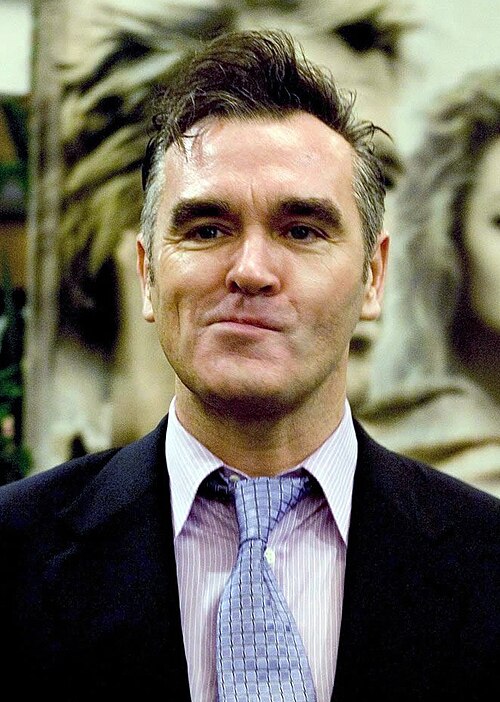
Harvey Milk (Born 22 May 1930–1978), American politicianMorrissey (Born 22 May 1959), English singer-songwriterLotte Hahm (Born 23 May 1890–1967), German activist for lesbian and transgender movementSir Ian McKellen (Born 25 May 1939), English actor






















 Out in the City