
Bolton Museum Open Exhibition 2026
Twenty four of us gathered and enjoyed a fantastic meal in the Olympus Fish & Chip Restaurant before visiting the Open Exhibition 2026.
A cultural hotspot of Bolton, the Bolton Central Library and Museum hosts eclectic events, galleries and collections, one of which is its Egyptology collection – the largest of its kind in a local authority museum in the UK. You will also find Greater Manchester’s only public aquarium sitting inside this architecturally impressive, Grade II listed building.

The town’s creative talent was on display in Bolton Museum’s Open Art Exhibition, which was open to anyone aged 16 and over who currently lives, works or studies within Bolton.
Submitted artworks were considered by a panel of independent judges, and this year, the museum received over 240 submissions, giving the judges the hugely difficult task of selecting the final pieces for the exhibition.
The judges also awarded prizes. The Winner’s Prize of £1,000 was awarded to Richard Wood for his artwork Ghost Chimneys:

Fred Dibnah

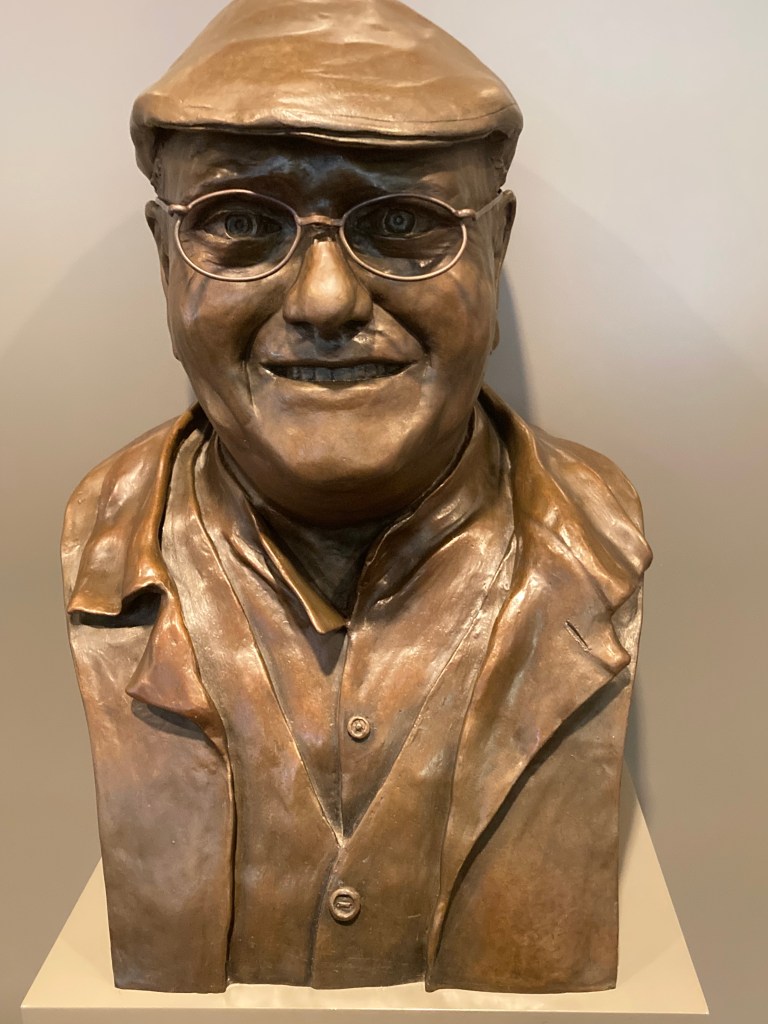
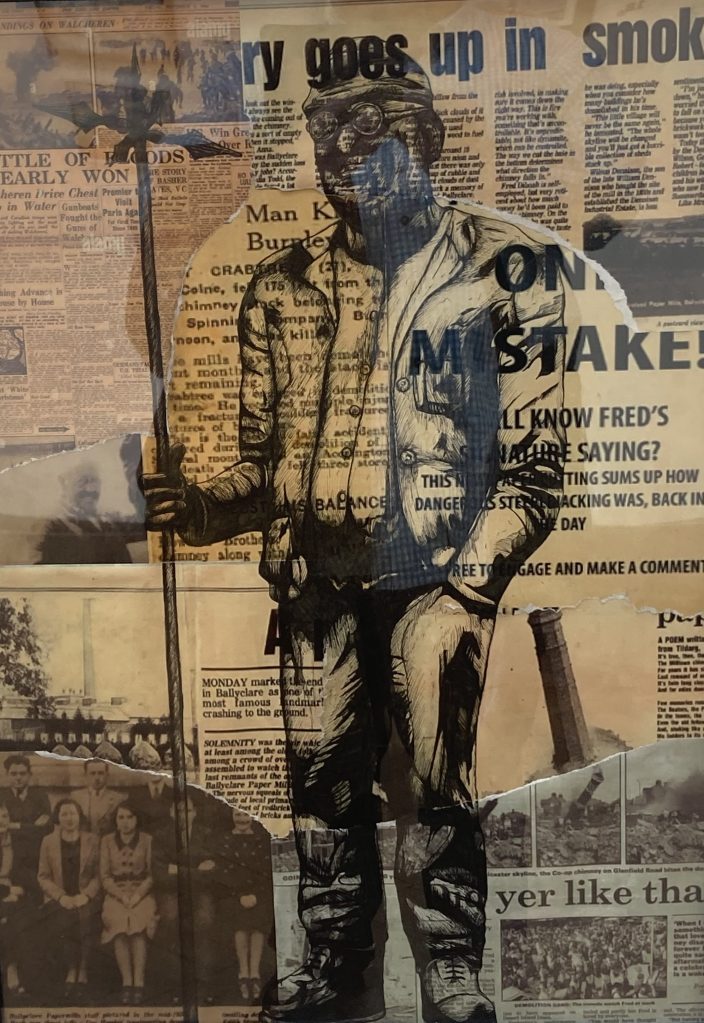
Although he later became well known for celebrating industrial heritage, Bolton man Fred Dibnah (1938 – 2004) first gained national fame when a documentary showed him demolishing mill chimneys. He is featured in the bronze above and various artworks.
After 1959 more and more mills fell into disuse, and demolition was one solution to derelict buildings. A survey in 2005 found that there were 110 mills still standing in Bolton.
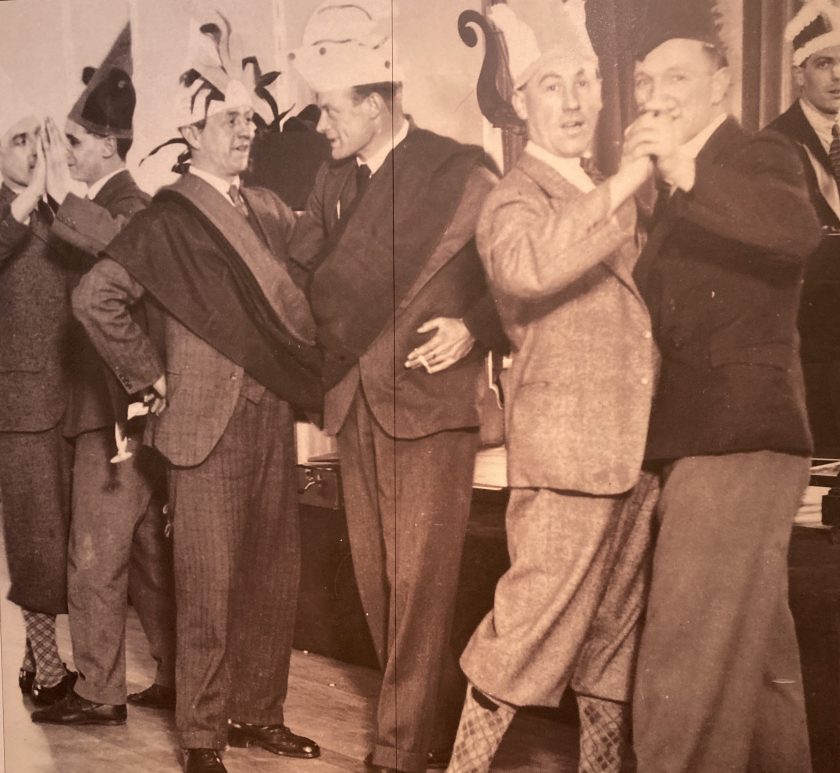
More photos can be seen here.


Joel Grey (born 11 April 1932)
“Cabaret” star Joel Grey played the MC on Broadway and in the classic 1972 film adaptation starring Liza Minnelli.
The actor publicly confirmed that he is gay back in 2015 at the age of 82 – showing it’s never too late to come out.
In an interview with People magazine, he said: “I don’t like labels, but if you have to put a label on it, I’m a gay man. All the people close to me have known for years who I am. Yet it took time to embrace that other part of who I always was.”
Romania recognizes man’s gender identity in landmark victory for trans Europeans

After refusing years earlier to acknowledge the gender of a Romanian citizen who transitioned in another European Union (EU) country, Romanian courts ruled on 2 April 2026 that the government must recognise the man’s identity. Advocates say it’s a landmark victory for transgender Europeans.

The case concerned is Arian Mirzarafie-Ahi, a transgender man with Romanian and British citizenship. He was born in Romania and moved to the United Kingdom in 2008, where he began his transition several years later. After obtaining legal documentation in the UK in 2020, the Romanian government declined to recognise Mirzarafie-Ahi’s gender identity, citing a disparity with documents he used earlier in Romania.
“This put him in the position of having two sets of documents with two different identities,” said ACCEPT, the Romanian advocacy group that helped shepherd Mirzarafie-Ahi’s case through the courts. In the UK, he was recognised “as a man, in Romania, as a ‘woman’.”
Mirzarafie-Ahi sued, and the Romanian court that heard his case advanced it to the Court of Justice of the European Union (CJEU) to settle the interstate argument. That court said in 2024 that the effect of Romania’s refusal to recognise Mirzarafie-Ahi’s gender identity impeded his freedom of movement among member states and was, effectively, a fundamental form of discrimination.
The court ruled, therefore, that all EU member states are obligated to recognise the identity documents of transgender individuals who have earned legal gender recognition in another EU state. (The UK left the EU in 2020.)
However, Romania, one of the most illiberal members in the EU when it comes to LGBT+ rights – it sits at the bottom of ILGA’s EU state rankings – resisted the order, with two different government agencies refusing to recognise Mirzarafie-Ahi’s identity.
Once again, Mirzarafie-Ahi took the Romanian government to court, but this time he won in his home country, with the same Romanian courts that sent his case to the CJEU now bound by its decision.


“Today, March 31, we celebrate Trans Visibility Day, and I am happy to use this opportunity to turn to the people in my community with good news,” Mirzarafie-Ahi said in a statement after his victory. “I have finally won in the courts of Romania! It is not only my victory, but also ours – of those who are still waiting to be seen, heard and recognised.”
Mirzarafie-Ahi’s case mirrors a similar one decided in March in Poland.
An administrative court in Poland found itself in a nearly identical situation, addressing the marriage of two men who had wed in Berlin years earlier. Government officials in Poland refused to recognise the marriage. That court, too, sent the interstate dispute to the CJEU, which decided in the men’s favour based on their right to freedom of movement throughout the European Union.
 Out in the City