Annual General Meeting 2026 (AGM)
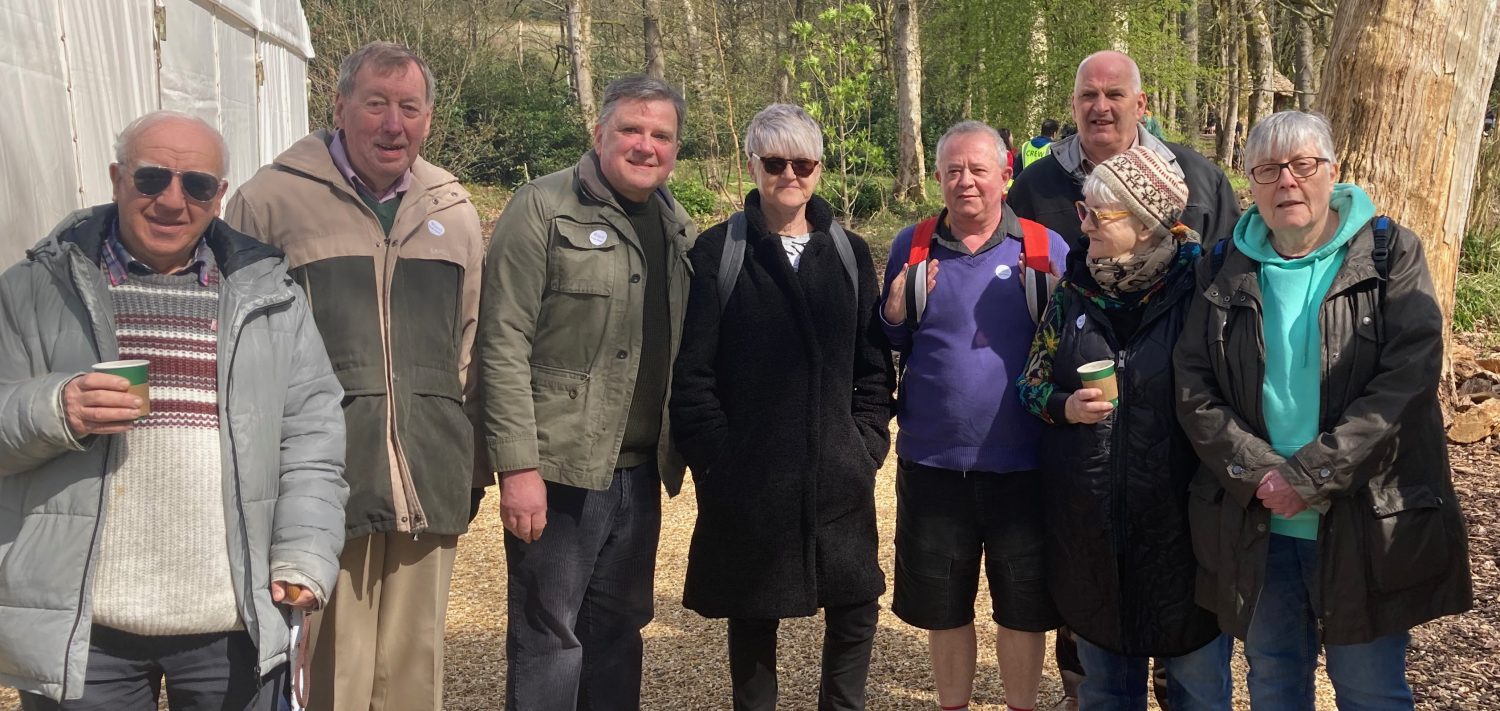
53 people attended the AGM. Please download the Annual Report here:

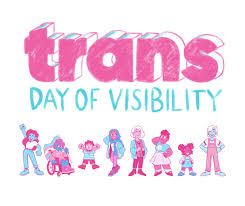
Transgender Day of Visibility 2026: What It Is & How to Celebrate
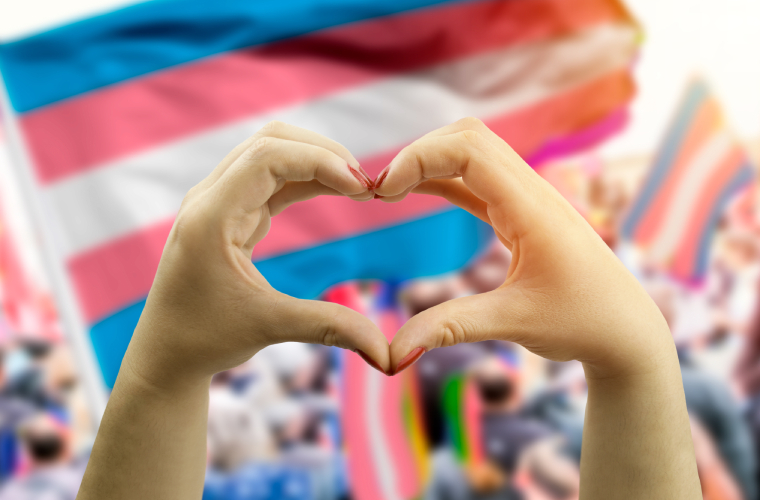
Transgender Day of Visibility (TDOV) is an annual event dedicated to celebrating transgender people and raising awareness of the discrimination they face worldwide. Unlike Transgender Awareness Week, which focuses on education and advocacy leading up to Transgender Day of Remembrance, TDOV is a day dedicated to celebrating and uplifting the visibility and achievements of transgender individuals.
Observed on the 31 March, TDOV was founded in 2009 by transgender activist Rachel Crandall to counteract the negative narratives often associated with transgender lives. This day provides an opportunity to acknowledge trans achievements, educate society and advocate for equal rights.
Why is Transgender Day of Visibility Important?
Despite growing representation and legal advancements, transgender people still face significant challenges. Recent statistics indicate that hate crimes against transgender individuals in England and Wales have seen a significant increase over the past five years. In the year ending March 2024, police recorded 4,780 hate crimes against transgender people, which, despite being a 2% decrease from the previous year, reflects a substantial long-term upward trend.
A recent YouGov poll (2024) has highlighted increasing anti-trans sentiment in the UK. The research showed growing scepticism towards trans rights, even among traditionally progressive demographics such as young people and women. Key findings include:
- Support for legally changing gender has declined among women from 44% in 2022 to 37% in 2023, while opposition rose from 32% to 42%.
- Among 18-24-year-olds, support for legal gender change dropped by 7 percentage points, now at 50%.
- The percentage of people who believe individuals should not be able to socially identify as a different gender increased by 8 points to 25%.
- 57% of respondents said trans healthcare treatments should not be provided by the NHS, a rise from previous years.
This shift in public opinion mirrors anti-trans rhetoric increasingly present in political and media discourse. The UK government has maintained a commitment to modernising the Gender Recognition Act, but reports suggest continued barriers to progressive reform.
By celebrating TDOV, individuals and organisations can help foster understanding, reduce stigma and promote inclusivity for transgender people in workplaces, schools and communities.
How to Celebrate Transgender Day of Visibility
Whether you are a business, an educator, or an individual, there are many ways to mark TDOV and show solidarity with the transgender community. Here are some meaningful ways to celebrate:
- Educate Yourself and Others
Understanding transgender issues is crucial in building an inclusive society. Read books, watch documentaries and follow trans activists on social media to learn more about their experiences. Recommended reads include:
- What It Feels Like For a Girl – Paris Lees
- What’s the T? – Juno Dawson
- The Queer Allies Bible – NV Gay
- Amplify Trans Voices
Support transgender content creators, activists and artists by sharing their work on social media. Consider following influencers such as Matt Ellison, Dylan Holloway, and Fox and Owl Fisher, who advocate for trans rights and visibility.
Encourage trans individuals to share their stories, whether through blogs, panel discussions or media features. Personal narratives help to humanise experiences and foster empathy.
- Support Trans-Led Organisations
Donating to charities and organisations that support trans rights can make a meaningful difference.
According to The LGBT Foundation, nearly half (48%) of transgender people in the UK have attempted suicide at some point in their lives. Supporting mental health and advocacy groups can be life-saving.
- Advocate for Inclusive Policies
For businesses and educational institutions, TDOV presents an ideal opportunity to review and enhance policies on diversity and inclusion. Key steps include introducing gender-neutral facilities, updating workplace policies to ensure comprehensive protections for trans individuals and adopting inclusive language.
Workplaces can also foster a culture of acceptance and respect by inviting transgender speakers to lead workshops or share their experiences. This not only raises awareness but also encourages meaningful dialogue.
- Use Correct Pronouns and Names
A simple yet powerful act of allyship is respecting people’s chosen names and pronouns. If unsure, ask politely or include pronouns in email signatures and social media profiles to normalise their usage.
- Attend or Organise TDOV Events
Many LGBT+ organisations host events such as panel discussions, art exhibitions and community gatherings. Taking part in these events is a meaningful way to show support and gain insight from trans perspectives.
If you’re in a workplace setting, consider organising a trans awareness workshop led by an expert. This can help improve team understanding and contribute to a more inclusive work environment.
- Show Your Support Publicly
If you are a business or influencer, take a stand in support of transgender visibility by making a public statement. Update your social media banners, share valuable resources and celebrate the achievements of trans employees to demonstrate a genuine commitment to diversity and inclusion.
- Engage with Policy Changes
Advocate for policies supporting trans rights, such as easier access to legal gender recognition and healthcare. Writing to local MPs, signing petitions and attending protests can amplify the call for equality.
Transgender Day of Visibility is not just a celebration – it is a call to action. While visibility is important, it must be accompanied by systemic change to improve the lives of transgender individuals worldwide.
With growing anti-trans sentiment, the role of allies, educators and policymakers is more crucial than ever. By taking the time to learn, amplify voices and advocate for inclusivity, we can help create a society where transgender people are not just visible, but valued and respected.
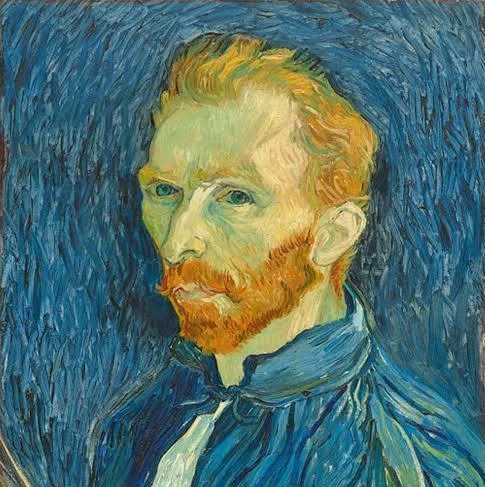
Vincent van Gogh (30 March 1853 – 29 July 1890)
While there’s so much we’ll never understand about Vincent van Gogh’s life, I was interested to learn that medical biographers believe he experimented with “hypersexuality, hyposexuality, bisexuality and homosexuality” in his adult years.
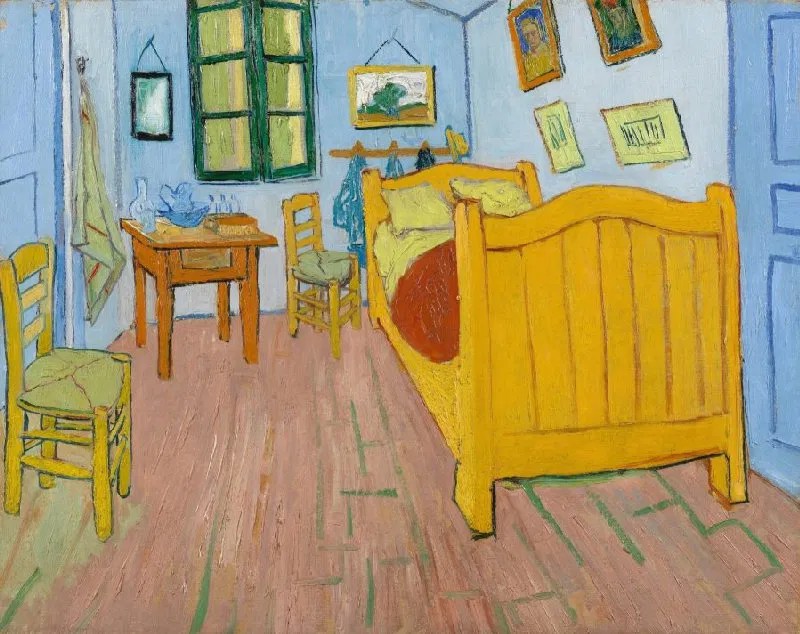
Van Gogh and Gauguin lived together in Arles, France for a two month period. Historians speculate the two artists had a physical and emotional relationship, which would explain their frequent and fiery arguments – including the one that led van Gogh to cut his ear off and Gauguin to leave Arles for good.
“Everything considered, I am obliged to return to Paris,” Gauguin wrote in a letter to van Gogh’s brother Theo. “Vincent and I simply cannot live together without trouble, due to the incompatibility of our characters, and we both need tranquillity to work.” Sounds a little gay to me!
While the two never reunited, they communicated via letters until van Gogh’s passing.
The artist later reflected on Gauguin’s painting as “indeed me, extremely tired and charged with electricity as I was then.” And weeks before his death, he wrote to Gauguin: “I’ve thought about you every day.”
Maybe more happened in the infamous bedroom – painted during van Gogh’s stay in Arles – than we’ll truly ever know.
The Olympics ended sex testing – it’s back
The International Olympic Committee (IOC) has announced that, from the Los Angeles games in 2028, all women will be subject to a gender verification ‘sex test’ that will ban trans women from all Olympic events. Men will not be subject to sex testing.
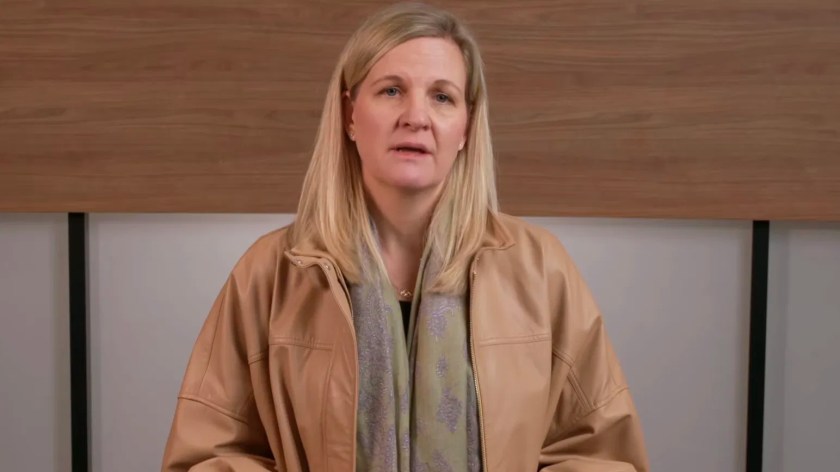

The IOC has announced it will restart ‘sex testing’, a practice its own internal report said was scientifically flawed, discriminatory, and a cause of emotional trauma when it ended the practice 30 years ago.
To be eligible for female categories in the Los Angeles Olympics in 2028, women will be “determined on the basis of a one‑time SRY gene screening.”
The SRY gene is found on the Y chromosome, associated with the male sex. However, with rare exceptions, athletes with an SRY-positive screen will not be able to take part in female category Olympic events.
The move has been condemned by over 100 human rights groups, who say the guidelines are “a blunt and discriminatory response that is not supported by science and violates international human rights law”.
The effect of this change will be to police women’s gender presentation even further and write a blank cheque for right-wing media and pundits to pursue patriarchal, discriminatory rhetoric unchecked.
I-Vada – An LGBTQ+ History Podcast
Hosted by Jonathan Mayor, Sally Probert-Hill and the fantabulosah Colin Avery, i~vada brings the rich, rebellious and often forgotten history of LGBTQ+ culture to your perfectly-formed ears via the magic of the podcast.
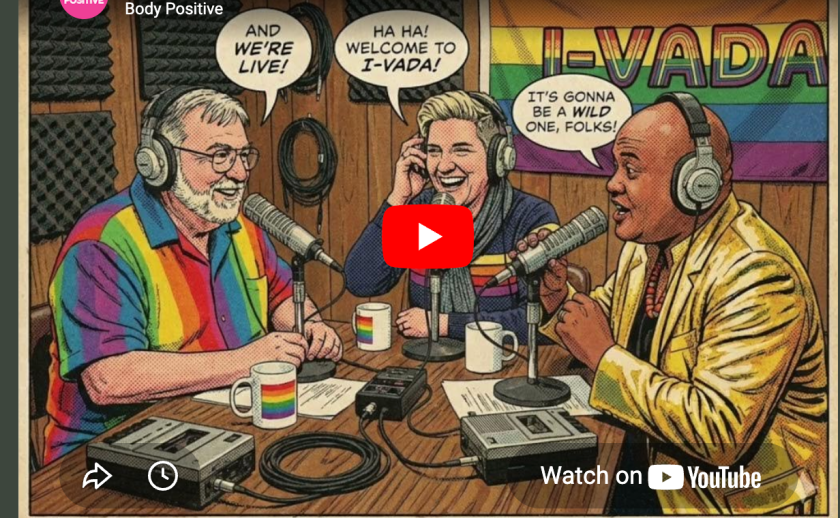
With sharp insight, warmth, and a touch of mischief, the hosts explore the people, politics and stories that have shaped queer life across generations. From hidden histories to headline moments, each episode shines a light on the past to better understand our present.
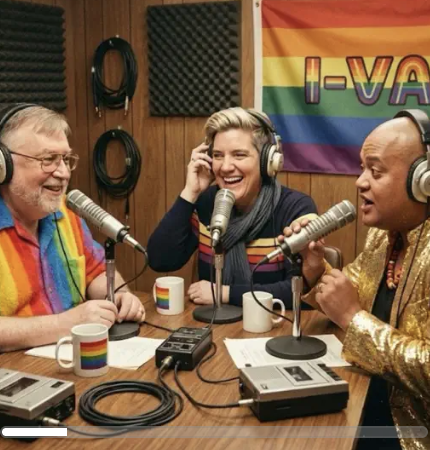
Section 28 – The Law That Tried to Silence Us
In this episode of I-Vada, we dive into one of the most controversial pieces of legislation in recent British history: Section 28.
We cast our minds back to Thatcher’s Britain to explore how a few lines of law created a decade-long climate of fear for the LGBTQ+ community.
From the infamous ‘pretended family relationships’ clause to the protests that shook Manchester, we look at the personal toll of state-sanctioned homophobia and the community that rose to fight it.
In this Episode:
- The Roots of the Law: We discuss how Section 28 of the Local Government Act 1988 prohibited local authorities from ‘promoting’ homosexuality, effectively silencing teachers and youth workers.
- The ‘Red Herring’ Book: The story behind Jenny Lives with Eric and Martin, the Danish children’s book that became a focal point for moral panic despite hardly being used in schools.
- Manchester Fights Back: Insights from oral historian Jamie Starr and activist Tony Openshaw on the massive 20,000-strong protest in Albert Square.
- Working from the Inside: Paul Fairweather shares his experience as a Gay Men’s Officer for Manchester City Council, navigating legal minefields to continue supporting the community.
- A Culture of Fear: Personal reflections on the 1980s “gay plague” headlines, the panic surrounding the AIDS crisis, and the internalised shame many still carry today.
- Art as Activism: Choreographer Gary Clark discusses his performance piece, Detention, which explores the trauma and rage of growing up under Section 28.
Listen here.
 Out in the City