Why Black Gay Elders Are Re-Closeting
It can feel like hard-won victories slipping away.
LGBT+ elders are facing a new crisis: the return to the closet in old age. After surviving criminalisation, police raids, the AIDS epidemic and decades of enforced silence, many now fear losing their dignity and safety in care homes, hospitals and unreliable family‑based support systems.
For black gay men in particular, elder‑care anxiety has become one of the most powerful – and least discussed – pressure points.
This article explores why elder‑care anxiety is rising, how re-closeting operates and what dignity‑driven solutions can protect LGBT+ people as they age.
Note: While this piece focuses on the experiences and challenges most familiar to gay and bisexual black men, many of these patterns also shape the lives of other LGBT+ elders.
The Final Closet: What Re‑Closeting Means
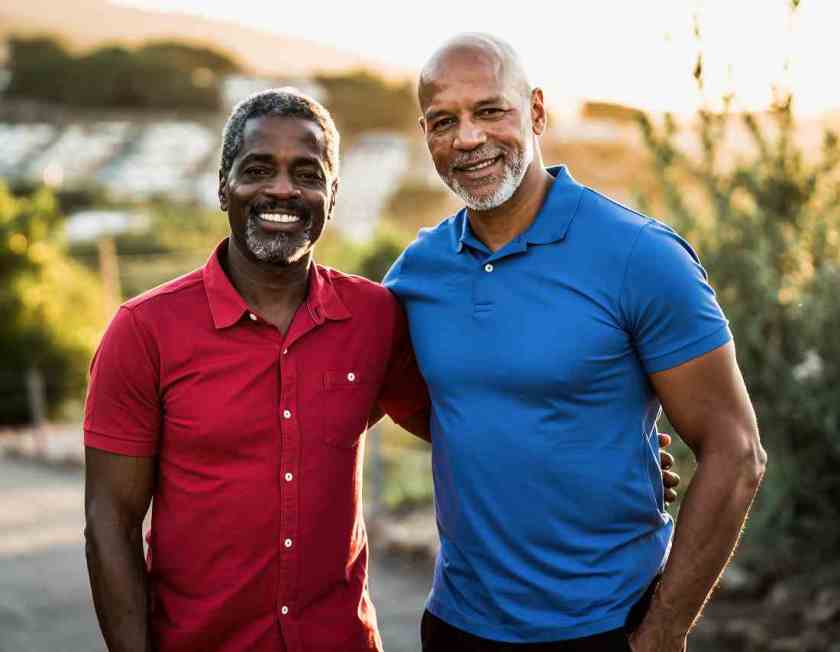
Re‑closeting refers to the phenomenon where LGBT+ elders are forced to hide their sexual orientation or gender identity again after years of living openly. It most often happens in care settings – nursing homes, assisted‑living facilities or family‑based elder care – where safety can feel uncertain, and visibility becomes a risk. For many, retreating into secrecy is a survival strategy to avoid discrimination, neglect or hostility from staff, other residents or relatives.
For black gay men, re‑closeting is often a return to silence. Men who have lived openly may retreat into silence when entering institutional care, fearing discrimination from staff or peers who do not share their cultural or generational context.
Silence functions as risk management – a calculated strategy to ensure one is fed, bathed and housed without hostility.
The UK has robust legal frameworks, such as the Equality Act 2010, which technically protects LGBT+ people from discrimination in care settings. However, the lived reality for black gay men often tells a different story.
The Complex Case of Black Gay Elders
Research from Stonewall and SAGE shows many LGBT+ elders lack trust in care systems and worry that revealing their identity will lead to poorer treatment.
Black gay men in care facilities often face a “triple jeopardy.” These spaces are usually predominantly white, predominantly straight and culturally unfamiliar – creating a complex intersection of racism, homophobia and cultural isolation that compounds vulnerability.
The Quiet Return to the Closet—Ed-Gar’s Story
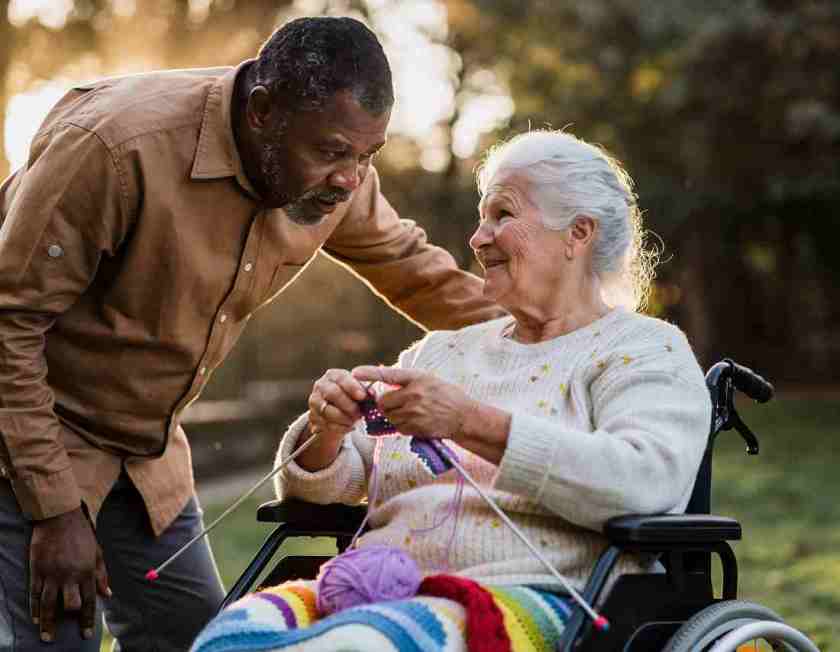
Ed-Gar, a 75-year-old black gay man, moved into a care home in Hackney. He’d migrated decades ago from Jamaica, worked most of his life as a bus driver, and built a “chosen family” of friends and partners. In the care home, he is separated from his support network. Surrounded by strangers who do not understand his history of migration or his gay identity, he stayed up one night, while everyone was asleep, to remove and refold photos of partners and friends he’d initially put up to blend in. His new roommate, Martha – a lovely woman who knits magic with her hands – has already confessed she likes him. For Ed-Gar, the tragedy isn’t just ageing; it is the forced “re-closeting” required to avoid being othered in the very place meant to care for him.
LGBT+ Elders and The Dementia Trap
Dementia often acts as a “truth-teller” as weakened cognitive filters collapse the ability to maintain a double life. Gay elders with dementia may unintentionally reveal hidden aspects of their identity, such as mentioning partners or recounting memories. This might result in awkwardness or isolation if care staff lack adequate LGBT+ training.

Legal Erasure of Chosen Family
Death and incapacity are moments where the system defaults to biology. Without airtight legal documentation (like a Power of Attorney), hospitals and care homes default to “next of kin.” Lifelong partners and friends can be barred from bedsides or excluded from funeral planning.
Policy Recommendations
Restoring dignity in LGBT+ elder care requires targeted, systemic changes:
- LGBT+ Cultural Competency Training
Training of care staff in sexuality, gender identity, and intersectionality including race and cultural diversity. - Dementia-Specific Identity Protocols
Develop care guidelines that affirm identity during cognitive decline, preventing misgendering or erasure. - Recognition of Chosen Family
Update care policies to ensure partners and chosen family have equal decision-making rights.
Conclusion
Ageing should mean freedom – not a return to the closet. For black gay men, dignity in later life should include the right to be seen, supported, and safe without compromise. Building systems that honour this truth is the real test of whether our societies value every life.


CHAPS Out Podcast
This podcast for men explores coming out later in life, midlife sexuality, and men’s mental health. If you’re questioning your sexuality or navigating a major life transition, this conversation is for you.
In this episode, host Grant Philpott speaks with guest Norman Goodman who shares his inspiring story of coming out as bisexual at the age of 69. From decades of marriage to widowhood, Norman talks candidly about his struggles, self-discovery, and the courage it takes to live authentically. Hear how Norman found love with his partner Tony, navigated societal expectations, and became a voice for older LGBT+ adults. He discusses the importance of bisexual visibility, mental health, and reaching out for support, offering guidance to anyone exploring their own coming out journey.
This episode is a must-listen for those seeking advice on coming out later in life, LGBT+ support, and embracing identity at any age. Whether you’re bisexual, gay, or an ally, Norman’s story shows it’s never too late to live openly, connect with the community, and find joy.
Chaps Out is a UK-based podcast giving voice to perspectives you don’t often hear. We provide relatable, uplifting, and positive conversations that offer encouragement, affirmation, and support for anyone on the journey of coming out, while celebrating and supporting bisexual and gay men.
Don’t miss our companion podcast, CHAPS OUT CULTURE, where guests recommend their favourite LGBTQ+ inspired art, music, literature, film, theatre, and TV.
International Women’s Day
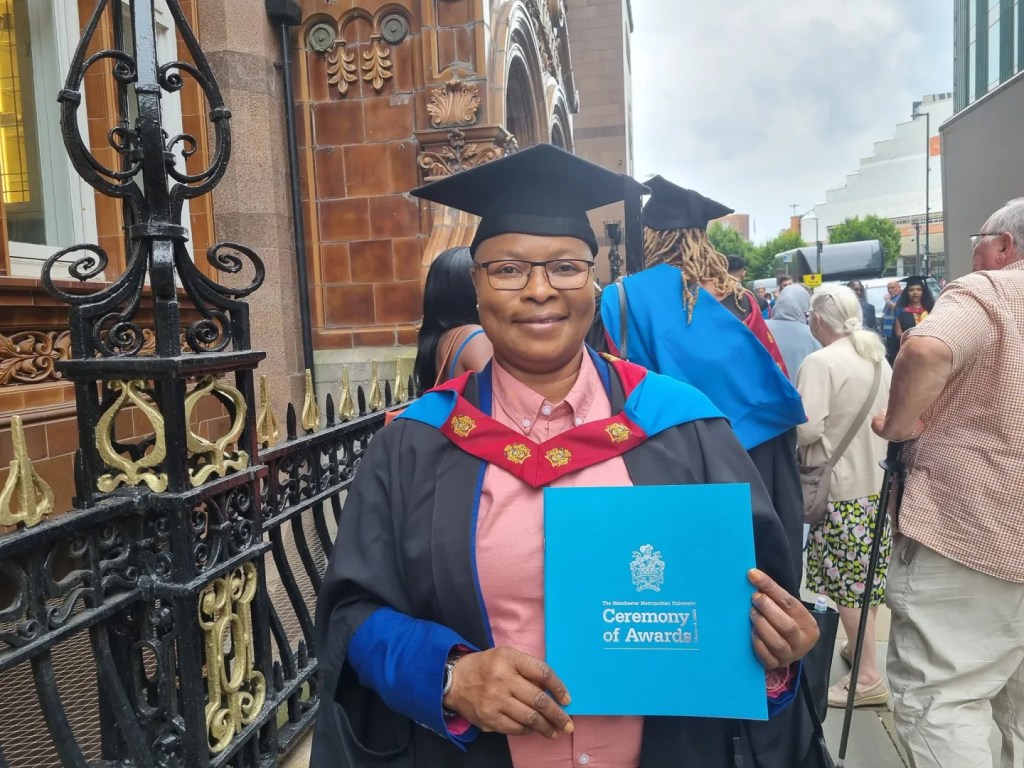
This is the story of an awesome woman – Aderonke Apata – Founder of African Rainbow Family.
“No-one wants to leave their home. It’s painful being separated from your family and not being able to see them. I would love to be home and it makes me sad not to be there but it is so homophobic and draconian, it is impossible.
I was prosecuted as a lesbian in Nigeria and had to flee the country for my own safety. My initial experiences of this country were not pleasant. Having been in the closet in my own country, I was expected to be ‘out’. I was being judged by a Western-world standard but I was coming from a country where it was not acceptable to be LGBTIQ. How was I meant to come to a strange land and open up straight away?
I’m the founder of African Rainbow Family (ARF) which supports LGBTIQ people of African heritage who are seeking or have sought asylum. We campaign for global LGBTIQ freedom and equality as well as on behalf of those seeking asylum in the UK on the basis of their sexuality. Alongside my voluntary role at ARF, I took a post-graduate Law degree and became a barrister.

I personally believe that I can do anything! I don’t see that there are challenges for me. If I want to do it, I will make it happen. But in supporting people seeking asylum, I have seen so many challenges.
Going to another country, having to prove who you are and the discrimination you face is huge. So many people live in fear of being detained or deported; and even when they receive asylum they are tired. It takes a lot of resilience to strive.
My greatest achievement is that I have been able to influence the asylum process and bring a change to it. Also that I made it through my own campaign to stay in the UK; it took 13 years to go through the asylum system and it was hell. But I’ve also made new friends here who have become family to me; who have shown me love.
To women celebrating International Women’s Day, stay strong and take courage, don’t give up on anything. We will make it; it may take time but we will get there. Believe you can do it.
I’ll be celebrating with my African Rainbow Family community raising awareness of our plight but also spreading the love!“
 Out in the City