Museum of Transport
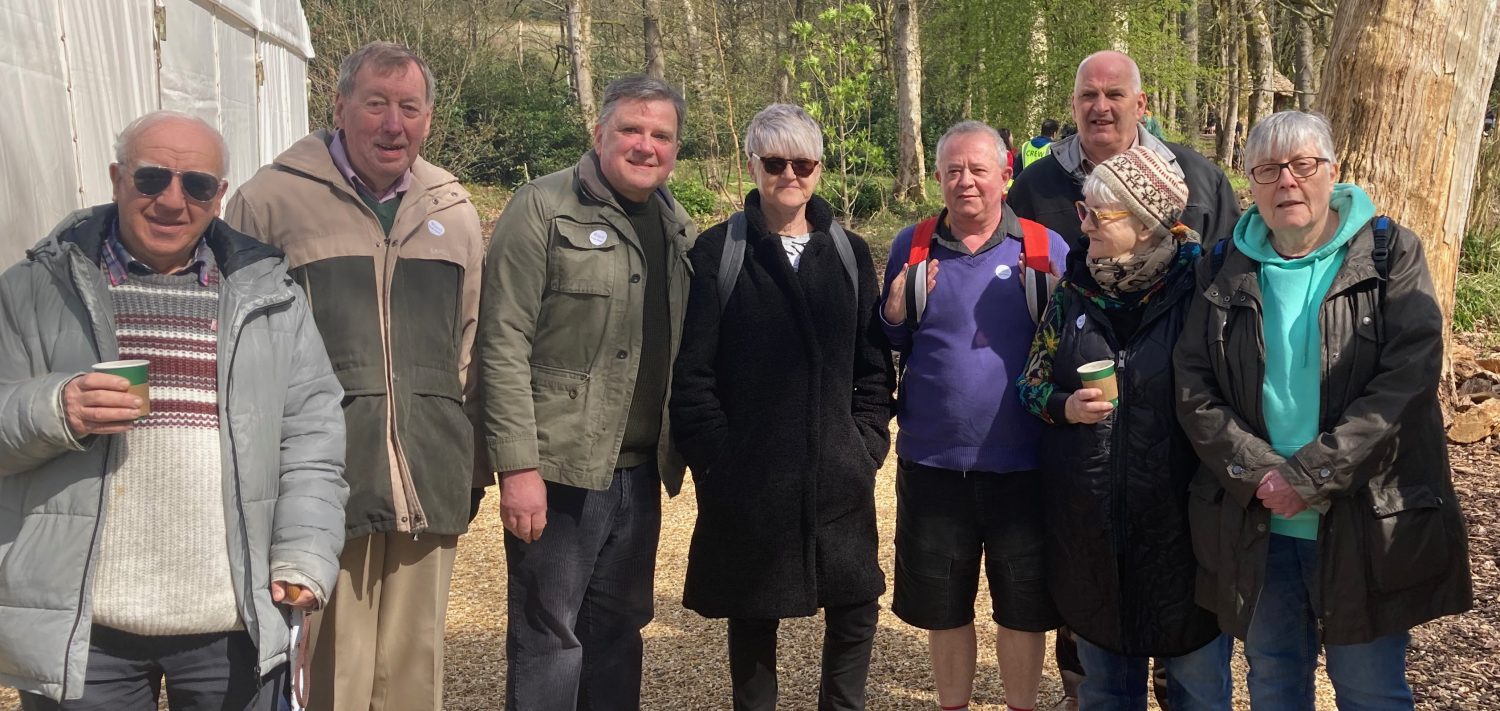
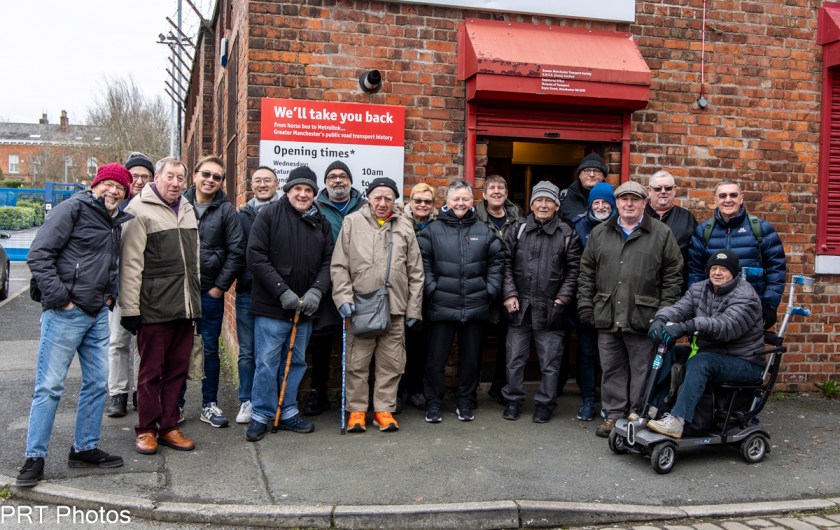
After meeting at Victoria Train Station, we took the short bus journey to Queens Road. There we met the rest of the group at the museum at the top of Boyle Street. The building was a working bus garage in the 1930s but now houses historic buses, coaches, trams as well as various collections and displays.
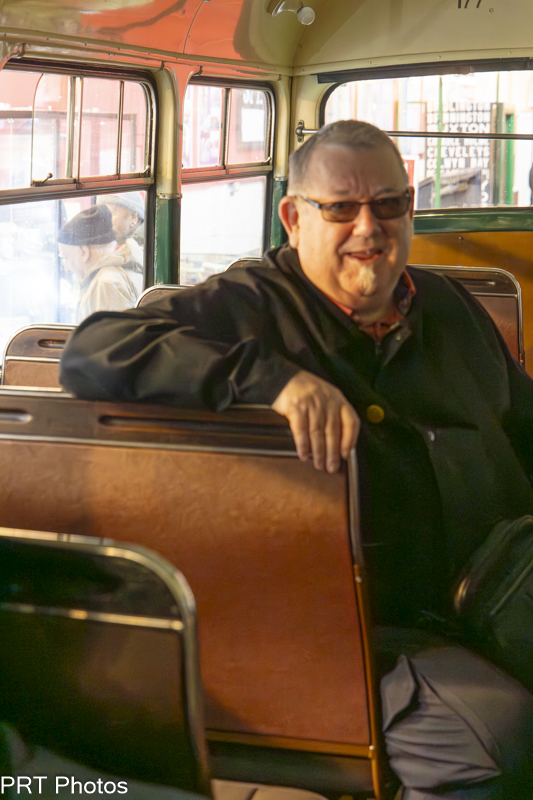
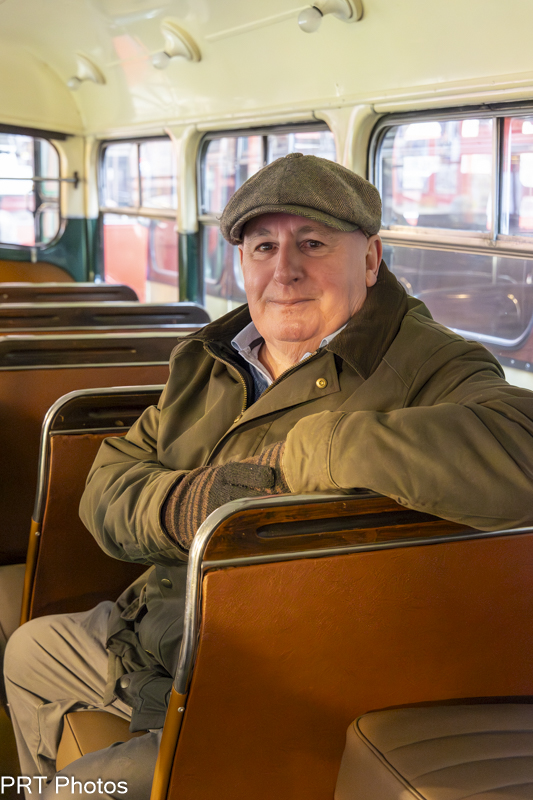
From horse bus to Metrolink we discovered Greater Manchester’s public road transport history. You could sit inside some of the buses, which brought back memories of our younger days.

We had pre-ordered our lunches – pie and peas, jacket potatoes and sandwiches – which we enjoyed in the surroundings of the tea room, a traditional 1950s cafeteria.
A visit to Greater Manchester’s Museum of Transport is a journey back in time.
We found ourselves transported to an age when all the local authorities around Manchester ran their own buses, proudly painted in local colours and adorned with the Corporation’s crest.
We were reminded of a more tranquil age when these mighty buses and trams, with their drivers and ‘clippies’, were the most familiar form of transport for virtually everyone. There are around ninety vintage vehicles, many of which have been fully restored and now look resplendent in their original liveries.
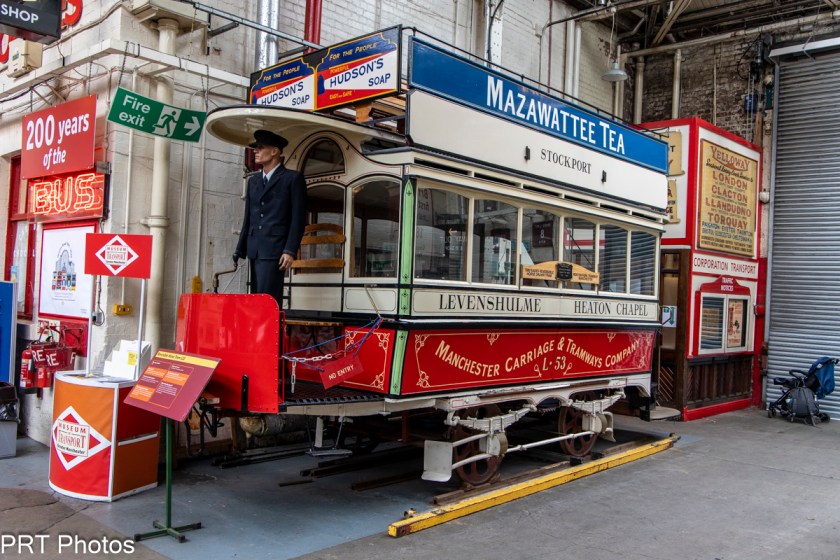
Pride of place in the museum must go to the Victorian horse drawn bus, circa 1890. It is a wonderful example of an early public transport vehicle and you can see exactly how passengers would have travelled about town at the turn of the nineteenth century.
The museum is actively involved in restoring the region’s forgotten buses. It also plays host to special events throughout the year, some of which give you the chance to ride vintage buses around the streets of Manchester.
More photos can be seen here.

Mozart’s Queer Opera – Apollo et Hyacinthus
Mozart was barely eleven years old, when, in May 1767, his opera, Apollo et Hyacinthus, was first performed by young male students from The Benedictine School in the great hall of Salzburg University. The libretto, written in Latin, was based on the story of the Greek God, Apollo, and his love for Hyacinthus, taken from Book 10 of Ovid’s Metamorphoses (a collection of Ancient Greek myths).
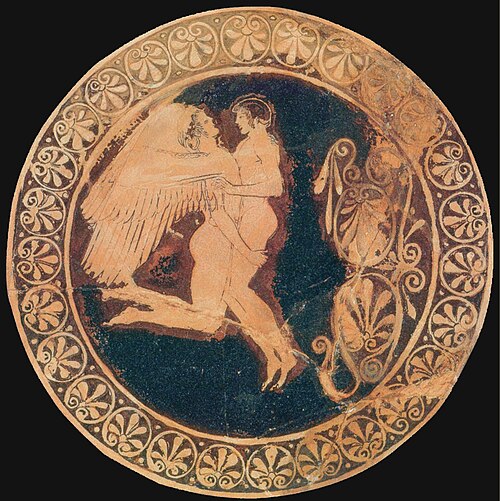
In the original story Apollo fell deeply in love with Hyacinthus, a handsome Spartan prince with whom he often exercised in the nude. Unwittingly, Apollo occasioned the demise of his lover when a discus thrown by him accidentally hit Hyacinthus in the head. Distraught at the death he had caused, Apollo frantically attempted to revive his lover, but to no avail. So, as a memorial to his beloved, and to their love, Apollo caused the hyacinth flower to sprout from the blood of the fallen Hyacinthus.
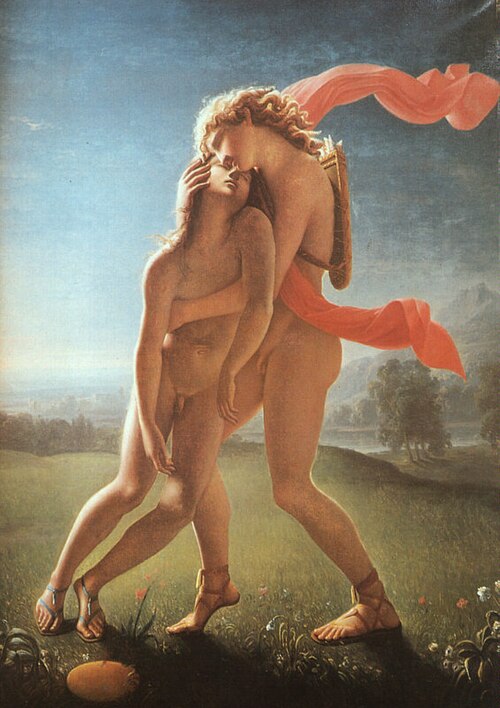
Later versions of the story introduced a further would-be lover and suggested that Zephyrus, the West Wind, jealous of the love of Apollo for Hyacinthus, was the one who had encouraged the god to throw his discus, with the Wind himself fatally guiding the discus towards the head of Hyacinthus. In this opera, Zephyrus too is a central character and, in an aside, confesses his guilt.
To downplay the central homosexual love triangle of the plot, the librettist, Father Rufinus, brought two new characters into the story, Oebalus and his daughter Melia (sister of Hyacinthus and sung by a boy chorister en travesti). Rufinus also introduced a presumed romance between Apollo and Melia into the story, thereby perhaps hoping to straightwash the work and forestall any potential criticism that might be occasioned by a Catholic priest writing such a well-known queer classical tale for young male students to perform. Nonetheless, the obvious queer overtones of the story would have been readily perceived by the all-male staff and students at the University, who as part of their basic education would be well-read in the Classics of Ancient Greece, and some no doubt quite familiar with the stories of Apollo and his various male lovers.
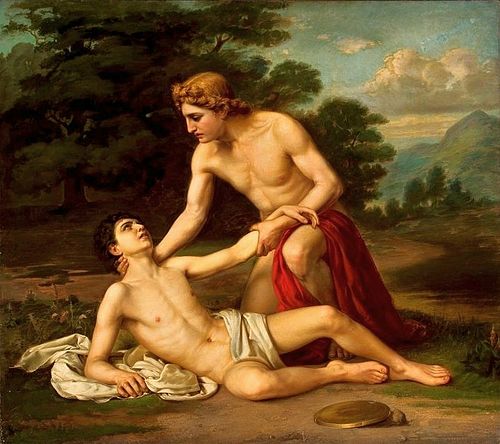
With his prodigious intellect I feel sure Mozart would also have been aware of the queer undercurrents in the story. After all, the love of Apollo for Hyacinthus is clearly foregrounded in the title and body of the opera that he wrote. That, allied perhaps with his own awareness of schoolboy crushes and of the prevalent colloquialism, then in everyday use, of the term, ‘Warme Brüder’, (literally ‘Warm Brothers’), a euphemistic phrase applied in the German States to refer to men who preferred to sleep with other men.
© Arthur Martland – LGBT History Month 2026
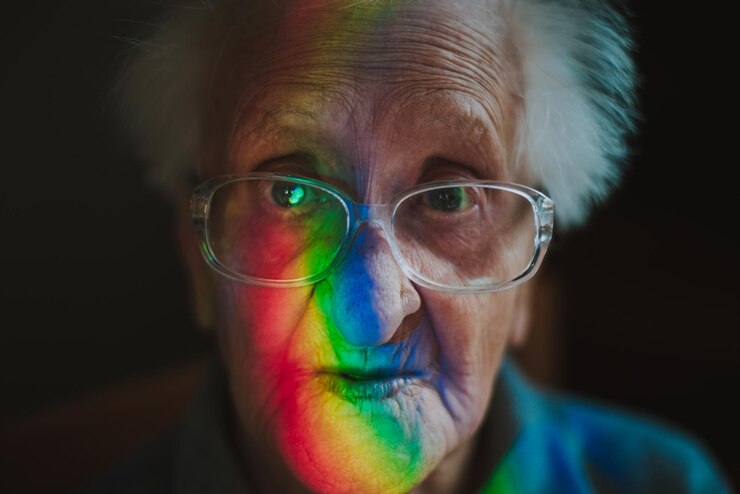
Saturday, 21 March 2026 – 3.00pm – “At the Rainbow’s End” by Clare Summerskill – Free – (Out In The City has 12 tickets – 2 tickets available)
The play is also on Saturday, 21 March at 7.00pm and Sunday, 22 March at 3.00pm
The play is Free and you can book here.
Hope Mill Theatre, 113 Pollard Street, Manchester M4 7JA
Presented by members of Artemis Theatre Company.
A verbatim play addressing homophobic and transphobic abuse of older LGBTQ+ people in care and receiving care in later life.
These script-in-hand performances of At the Rainbow’s End by Clare Summerskill at The Hope Mill Theatre are all FREE.
Clare Summerskill’s latest play is based entirely on interviews with older LGBT people who have experienced homophobia and transphobia in care settings and when receiving care in their own home. It tackles an extremely important issue concerning older LGBT people who, having perhaps been out for their whole adult lives, are faced with the possibility of having to go ‘back into the closet’ at the point of accessing care in later life.
Each performance will be followed by a Q&A with the writer, the audience and informed panellists.
Performance and post-show discussion last approximately 1.5 hours.
 Out in the City