Board Games Afternoon
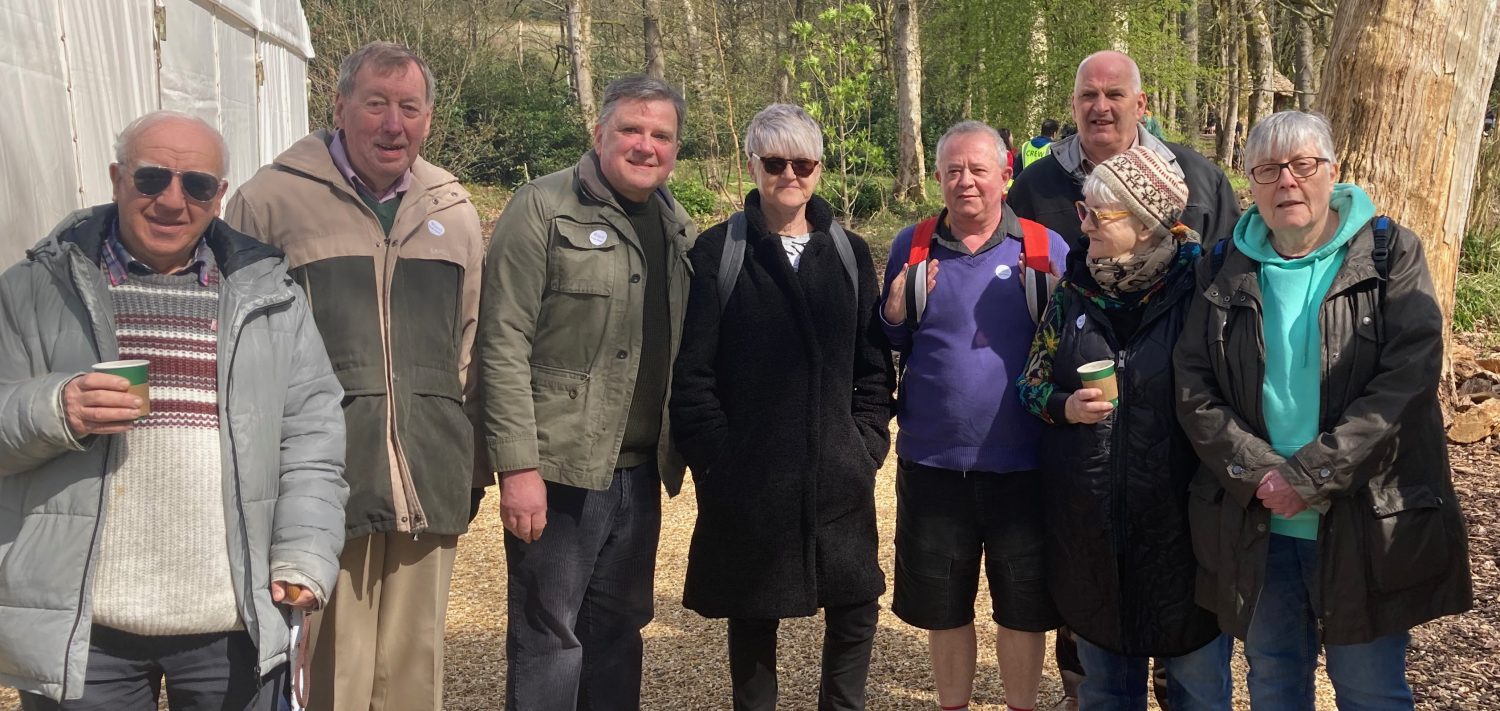
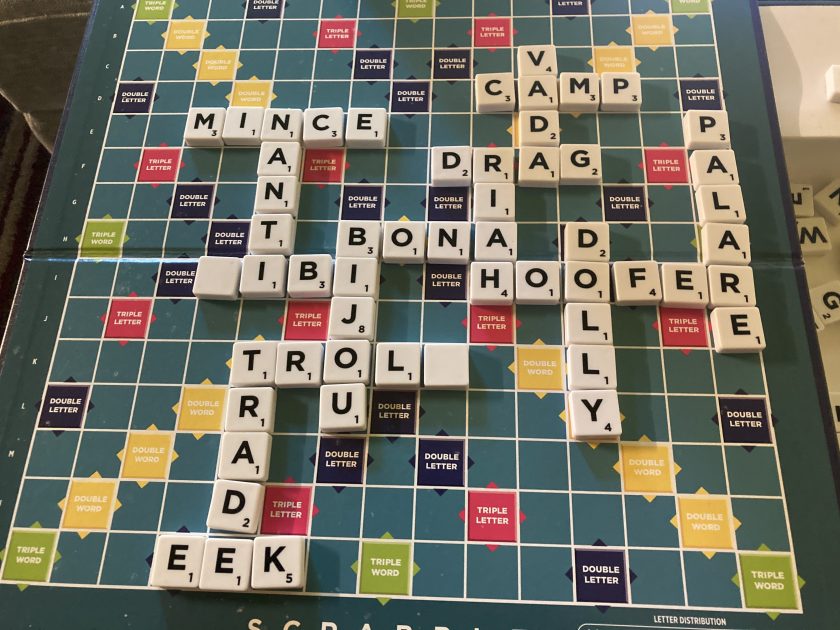
After a lovely lunch at The Piccadilly Tavern, we took the tram to New Islington and then the short walk to Mayes Gardens. There we played Scrabble, Dominoes, Checkers and Pontoon.
It was an enjoyable afternoon in beautiful surroundings.

Who was Zdeněk Koubek?
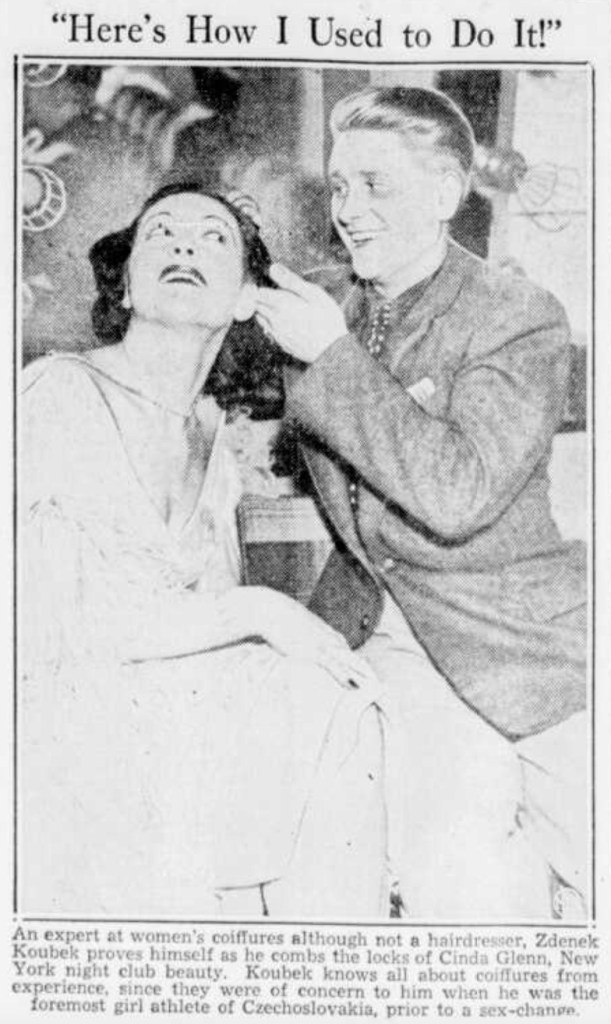
Koubek was one of the first trans men to gain international fame after he transitioned in 1935.
Born on 8 December 1913, in the Czech city of Paskov, Zdeněk Koubek grew up knowing he was different. Most people perceived him as a girl, including his mother and father. Koubek’s mother forced him to start wearing a blue bow in his hair, which Koubek hated.
He thought the bow made him look like an obedient poodle, and soon the nickname stuck: the boys at school, especially the mean ones, nicknamed him “the poodle.” In a small act of rebellion, Koubek wore trousers that he borrowed from his brothers.
In 1929, while balancing his job at a haberdashery, Koubek joined a local women’s sports league. He tried different track-and-field competitions, but he was always a sprinter at heart. He ran track for VS Brno, a club in the city of Brno. Within a few years, VS Praha, based in Prague, recruited him.
There, he began training for what would become his career capstone: the 1934 instalment of the Women’s World Games, then the largest global competition for athletes in the women’s category.
When the time came, Koubek came from behind to win gold in the 800-metre dash. He was still at the finish line, gasping for breath, when he heard the first notes of the Czech national anthem. Someone raised the Czech flag.
At some point, a teammate or a coach or an official told him that he’d broken a world record. His time was 2 minutes and 12.4 seconds, over four seconds ahead of the previous best.
In December 1935, Koubek told the press that he had decided to start living as a man.
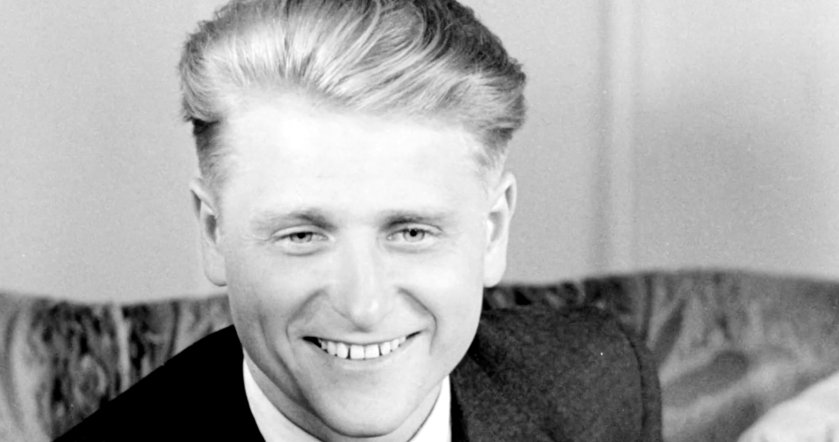
The announcement catapulted Koubek into an international celebrity. News stories across the world splashed photos of him in his sleeveless track-and-field jerseys across the front page.
The coverage was bombastic—but not all that negative. To London Life, a British magazine with a penchant for covering stories that challenged popular understandings of sex and sexuality, Koubek’s transition was a “marvellous story” that “definitively proved” that gender transition was possible in humans: “Within the last five years there have been at least six authenticated cases in this country of women becoming men, and men becoming women.”
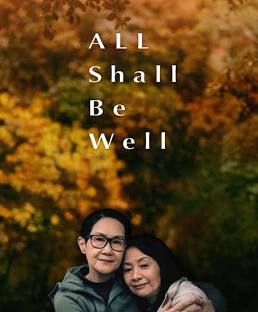
“All Shall Be Well” Film Screening – Thursday 26 February at 5.15pm – Free
John Casken Lecture Theatre at the Martin Harris Centre, University of Manchester, Bridgeford Street, Manchester M13 9PL
The Drama and Film and The Film Society at University of Manchester are delighted to welcome Hong Kong Film maker Ray Yeung for a screening of his film “All Shall Be Well” followed by a Q&A with Dr Vicky Lowe.
Ray Yeung is a filmmaker who is also the Executive Director of the Hong Kong Lesbian and Gay Film Festival. In 2020, he made the film “Suk Suk”, which is about two older gay men unexpectedly falling in love.
In 2024, Yeung followed that film with “All Shall Be Well”, which is about an older lesbian couple in their 60s. This latter film won the Teddy Award at the Berlinale Film Festival in 2024.
The film will be screened for free in the John Casken Lecture Theatre, Martin Harris Centre on Thursday 26 February, at 5.15pm. There is no booking required, There are 120 seats in the lecture theatre and they will be allocated on a first come first served basis.

Friday, 27 February – 11.00am – 12.00pm – LGBTQIA+ History Month Tours – Free
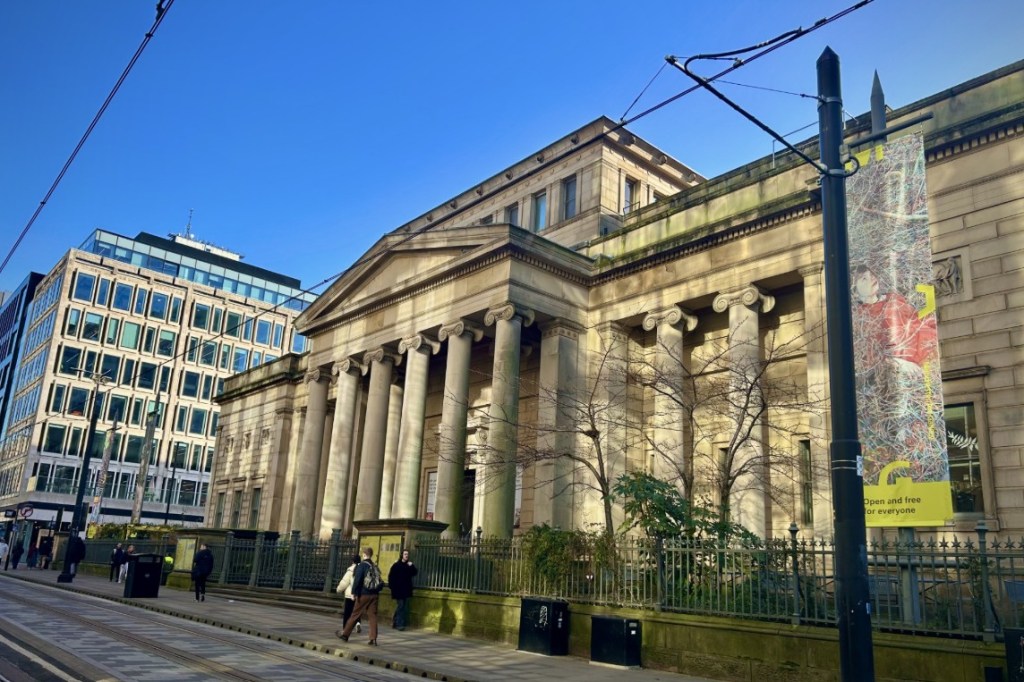
Manchester Art Gallery, Mosley Street, Manchester M2 3JL
Meet at the Information Desk, Ground Floor Atrium
Join the Visitor Engagement Team for a themed tour of the collection celebrating identity, gender, sexuality and community. Free, no need to book.

Research
A PhD research student is currently recruiting participants for her research project.
The PhD project seeks to explore the lived experiences of LGBTQ+ individuals in England and Wales following the implementation of the Same-Sex Marriage Act. The project itself will aim to understand how this legislation has influenced social and cultural perceptions of equality, identity and relationships within the LGBTQ+ community.
In order to participate in this research, participants need to be:
- Aged 18 years or older
- Identify as part of the LGBTQ+ community
- Reside in England or Wales
- Have a perspective on marriage, including those who are married or wish to marry and those do not wish to marry and/or are opposed to marriage.
Participation will involve discussing your lived experiences and perspectives in relation to LGBTQ+ equality and marriage. Insights provided by participants will contribute to a deeper understanding of how legislative changes have shaped the social and personal lives of LGBTQ+ people in the UK.
If you would like any further information or would like to express an interest in taking part, please contact via email at: jackowska.a@pgr.marjon.ac.uk


 Out in the City