
The divisive BBC show considered lost for more than 60 years that’s now been given a new life
For the BBC, 1957 was a big year. It marked the first time the Queen’s Speech was televised, and it even featured a hoax April Fool’s Day documentary about spaghetti growing on trees in Switzerland that some people are still convinced is real today. That same year the corporation aired a lesser-known radio documentary which aimed to highlight both the homosexual lifestyle of the time and how those people were perceived by the wider community. It was hailed as both divisive and ground-breaking.
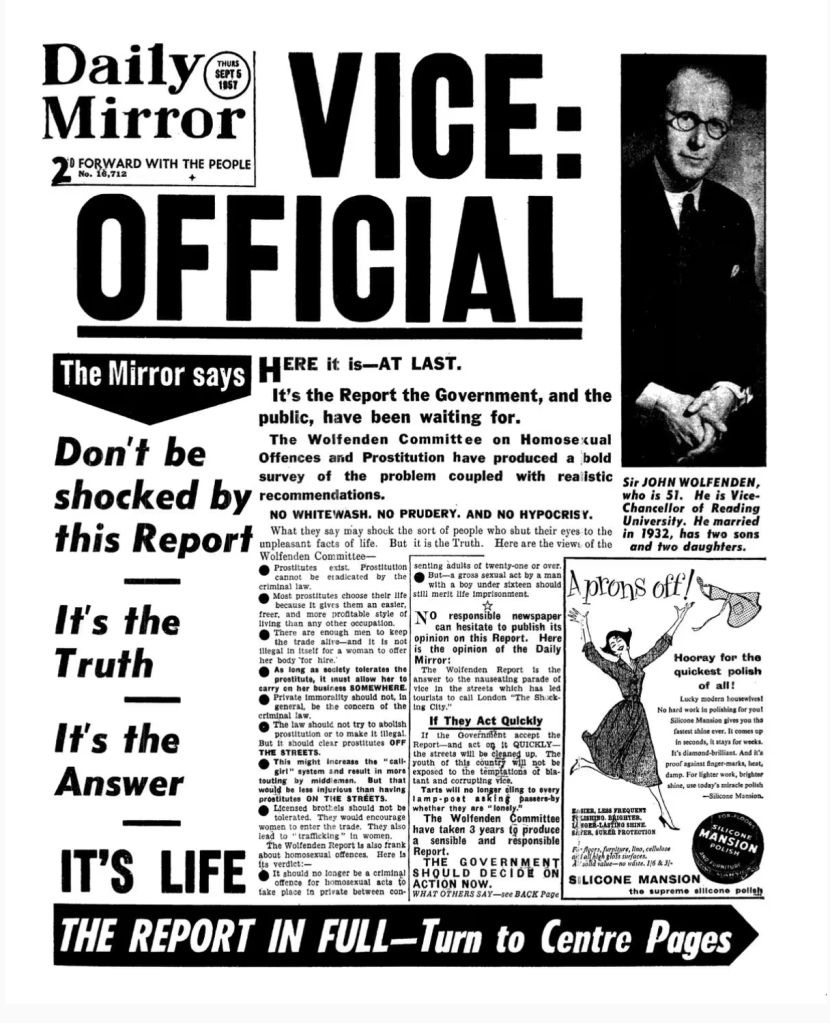
First produced in 1954 but left collecting dust until it was revived and heavily edited three years later to coincide with the release of the Wolfenden Report, which recommended that homosexual acts between two consenting adults should no longer be considered to be a criminal offence, The Homosexual Condition was considered to be lost media. Until a few years ago.
Dr Marcus Collins, a historian of contemporary Britain who currently teaches at Loughborough University, discovered a treasure trove of items relating to the radio production, like transcripts, documents, and other correspondence, whilst traipsing through the vast archives of the BBC. The documentary featured Lord Hailsham, who spoke about how he felt that gay men were ‘eager to spread the disease from which they suffer’, as well as thoughts from Mary Whitehouse, clergymen, psychiatrists and barristers. But it was equally also a trailblazer – marking one of the first times people could easily learn about homosexuality on the public airwaves.
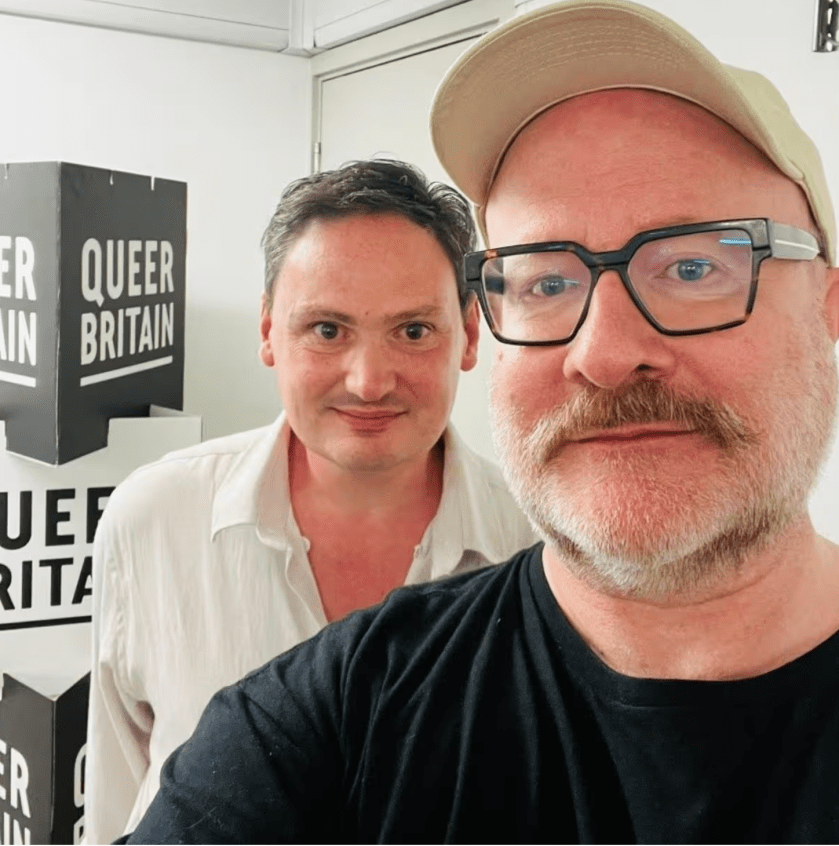
“I was researching something completely different about The Beatles initially, which is what had led me to the BBC archives in the first place,” Dr Collins recalls. “I saw something labelled ‘sexual offences in 1953’, and I thought to myself, ‘well, what would the BBC have to say about that back then?’ It turned out they didn’t actually know what they could say.”
Dr Collins suggests the documentary, which only exists in transcript form now, may have been made without a view of it ever being aired. “It was a lot of viewpoints from people who basically said there was too much of this stuff going on and the solution was to crack down on it,” he explains.
“There was a tension between that and people thinking homosexuality should be decriminalised. The man who presented the show was actually a reformer. He had ended up being one of the founders of the first organisation calling for the decriminalisation in Britain so there were also a lot of good, liberal voices in it for the time.”
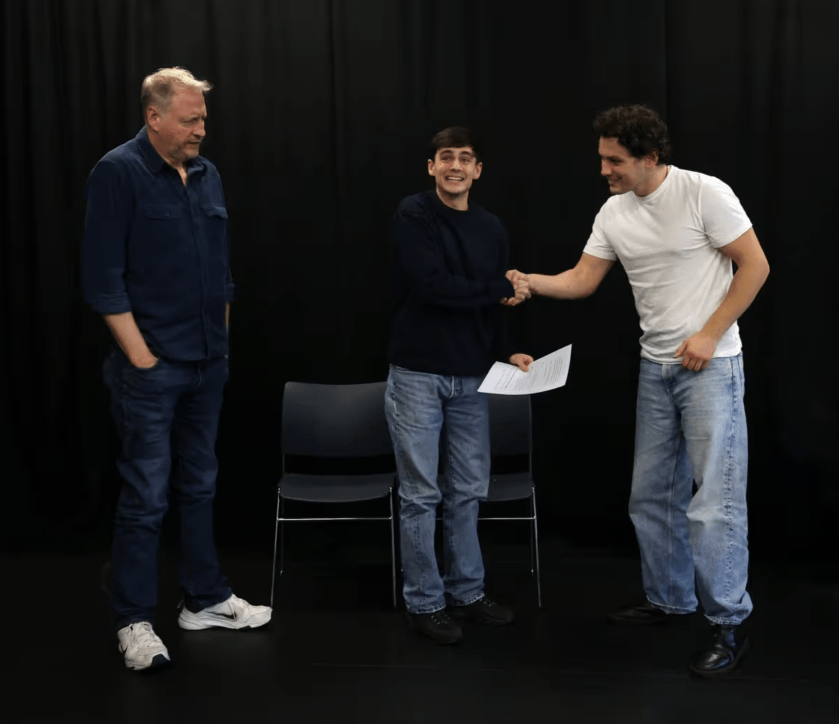
(Image: Shay Rowan)
Alongside the transcript of the documentary, the archives also featured internal memos between staff as they debated amongst themselves over how, or if, they should air it at all. Dr Collins also found that it was the Director General of the BBC who eventually pulled the plug on the initial 1953 release.
The discovery in the archive led Dr Collins to start a new project of his own delving deep into LGBT+ history. With all the items linked to The Homosexual Condition only existing in paper form, he approached playwright Dr Stephen M Hornby, who had worked on a number of productions on gay history in Britain, to see if there was anything he could do with the documents he had found.
“I was intrigued by this notion of a lost programme that nobody had ever heard of,” Dr Hornby recalls of that first introduction to Dr Collins. “When I read the transcript, the two things that stood out to me most were how the criminalisation of homosexuality was actually getting in the way of these men seeking treatment, with these different experts offering a criminal solution rather than anything medical. There were suggestions that conversion therapy could be an amenable solution, and I thought that was quite fascinating as it’s something that is, amazingly, still a debate in society today.
“And you have to remember that, at the time, the BBC was pretty much the only option. They were the voice of the nation, so whilst they were constantly striving to be balanced and impartial, they also had these experts saying that sexuality could be cured, which is quite a big thing to suggest.”
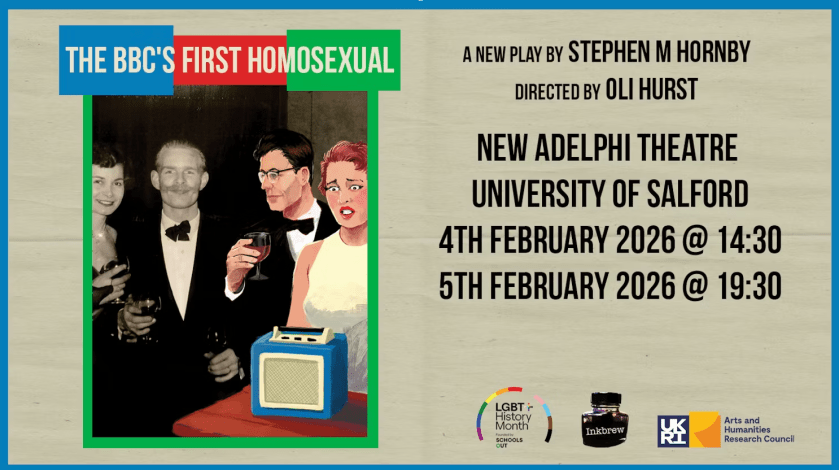
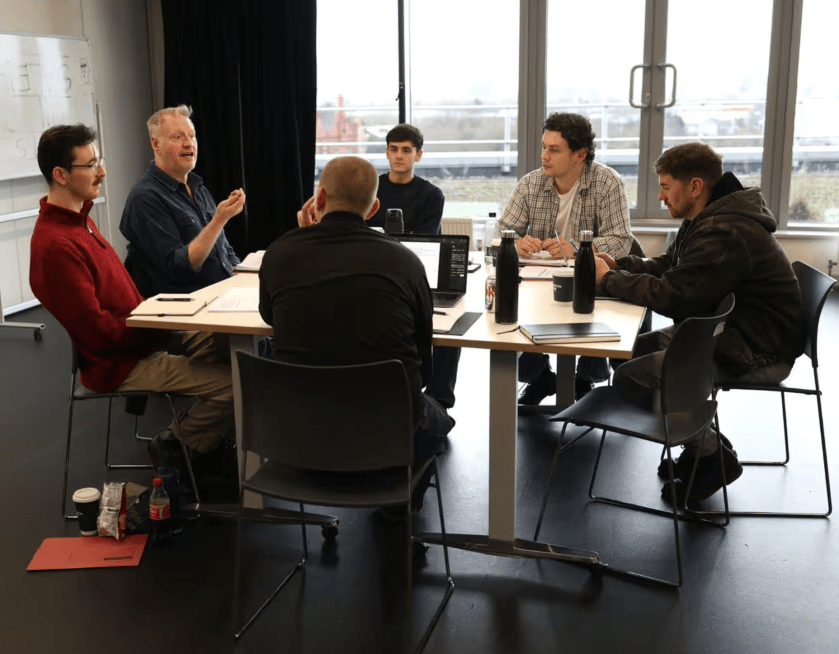
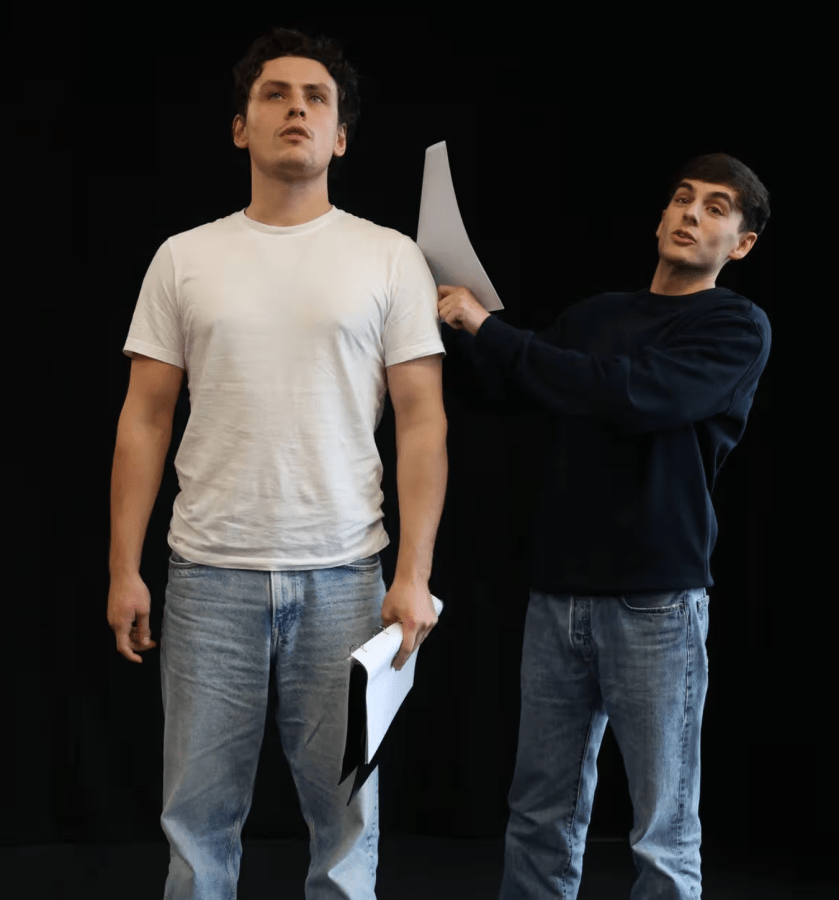
With Stephen’s background, the decision was made to create a new play inspired by the transcripts and the people who may have been tuning in back when it aired. Called The BBC’s First Homosexual, it tells the fictional story of a young man exploring his sexuality in the 1950s as the impact of the documentary takes its toll on his life.
(Image: Shay Rowan)
Both Hornby and Collins hope the play, which has been given approval by the BBC, will not only show how times have changed in the almost 70 years since the documentary was first released but also how many similarities still exist today. “What more do we have to do to get this bloody awful practice banned in this country?” Hornby asks. “I hope it will spark an energising conversation about ways forward. I want it to be a call-to-arms and encourage some positive change.”
The play tours the UK in February to coincide with LGBT+ History Month 2026 as part of a partnership with SchoolsOUT.
Members of Out In The City saw the play at the New Adelphi Theatre in Salford on 4 February, before it heads out to Birmingham, Brighton, London, Liverpool and Loughborough.
Starring Mitchell Wilson, Max Lohan and Andrew Pollard, each performance will be followed by a Q&A discussion with a featured special guest to discuss the issues tackled in the play.
In Salford, following a short comfort break, Revd Augustine Tanner-Ihm, a charismatic African-American educator, theologian, pastor, activist, leader, mentor, trustee, presenter and speaker spoke about his personal experience of conversion practices.
There were then worldwide premiere performances of three short new plays responding to “The BBC’s First Homosexual”. The discussion and plays were excellent and unmissable.
(Image: Shay Rowan)

John Henry Mackay (born 6 February 1864 – died 16 May 1933)
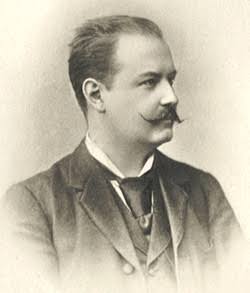
John Henry Mackay was born in Scotland to a Scottish father and a German mother. He left there following the death of his father (when John was only about 18 months old) and settled in Germany with his mother and her family.
His early written works dealt mainly with anarchist philosophy and romantic poetry.
The Books of the Nameless Love
In 1905 he started to write a series of works (of poetry and prose) under the pseudonym of ‘Sagitta’ (Latin for ‘Arrow’), which explored the theme of same-sex male love. These collected works were known by the title of ‘Die Bucher der Namenlosen Liebe’ (literally ‘The Books of the Nameless Love’, the title being a reference to Lord Alfred Douglas’s poem about ‘the love that dare not speak its name’).
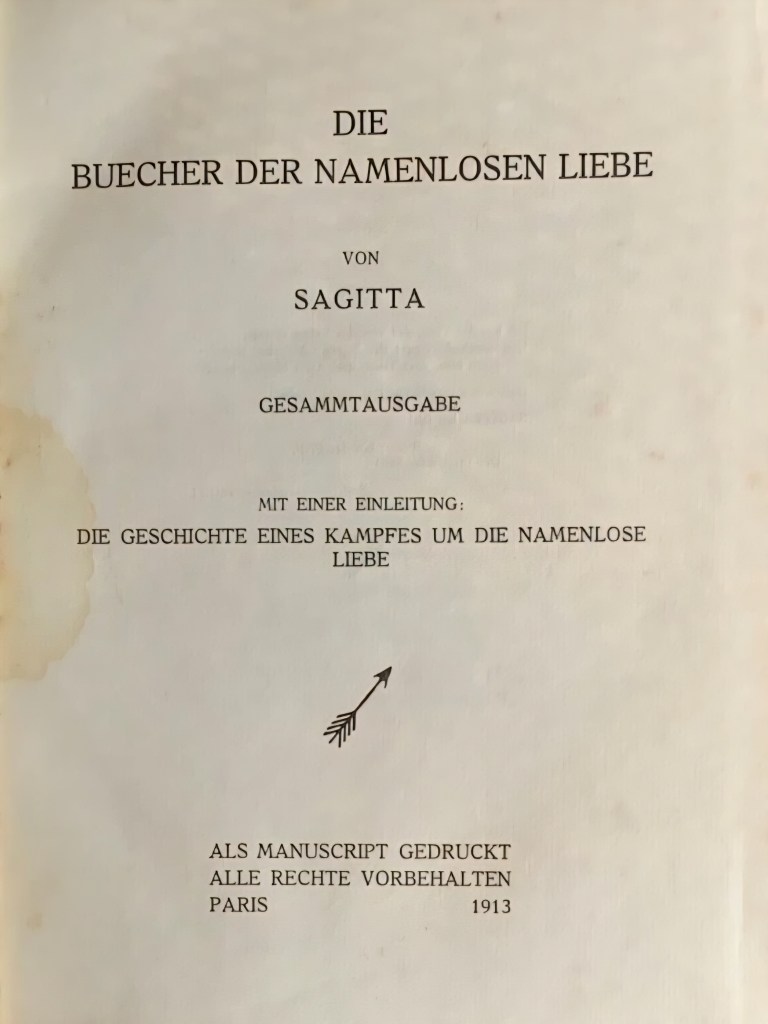
Early works in the series were originally banned as obscene by the German government in 1909. Nonetheless Mackay persevered, and by 1913, the full initial collection of 6 works in the series was published, ostensibly in Paris (according to the title page) but scholars now suggest that Mackay had the book published secretly in Germany, Paris simply being a ruse to throw off further government censorship of his work.
Philosophically he was opposed to the research of many of his contemporaries, including that of Magnus Hirschfeld, who were developing a scientifically-based understanding of queerness. Forever the anarchist, Mackay rejected their attempts, as he saw it, to ‘create categories and labels’.
The seventh and final work in the ‘Namenlose Liebe’ series came in 1926 with the publication of his novel ‘Der Puppenjunge’ (The Hustler), Mackay’s tale of a German rent boy in Berlin.
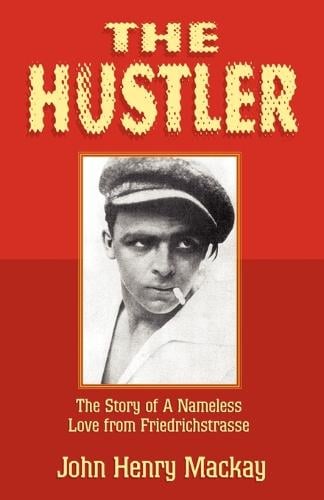
Connection to the work of Richard Strauss
Mackay’s works on anarchist thought and on male love continue to be read, as does his romantic poetry. Next month Out in the City members will be attending a performance of Richard Strauss’s ‘Four Last Songs’ at the Bridgwater Hall; though not represented in that vocal series, the texts for earlier songs by Strauss were taken directly from Mackay’s work (eg Strauss’s Opus 27 song cycle completed in 1894) and by their performance continue to bring his poetry to public attention.
© Arthur Martland – LGBT History Month 2026
Who Was ‘Lisa Ben,’ the Woman Behind the US’s First Lesbian Magazine?
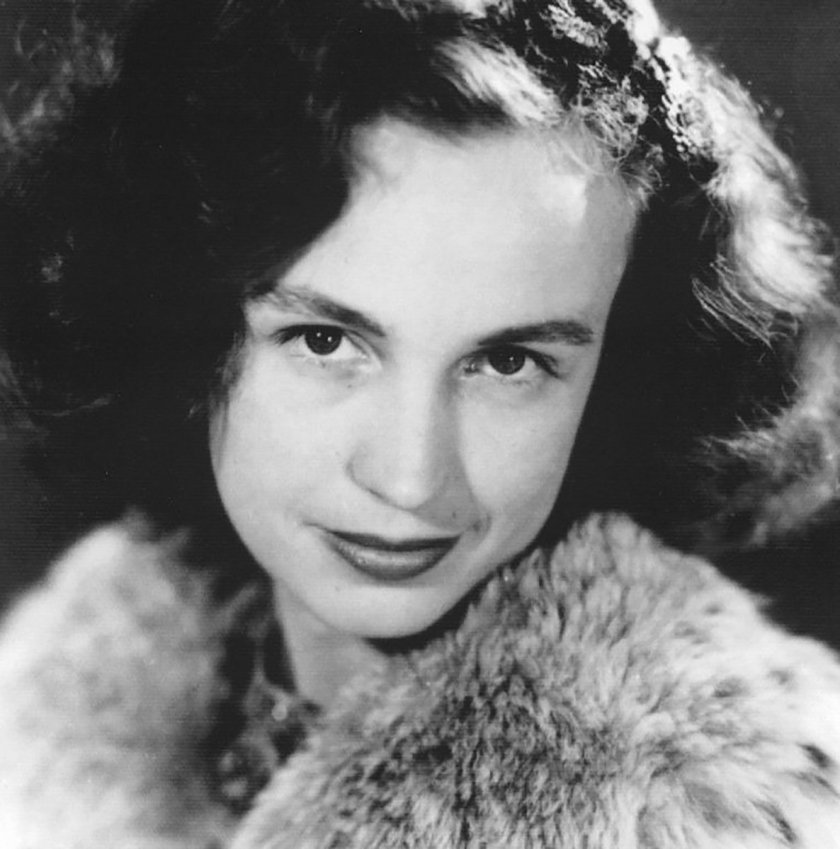
Edythe Eyde published nine issues of “Vice Versa” between June 1947 and February 1948. She later adopted a pen name that doubled as an anagram for “lesbian”.
Edythe started writing under the name “Lisa Ben” after an editor rejected her first choice, “Ima Spinster”.
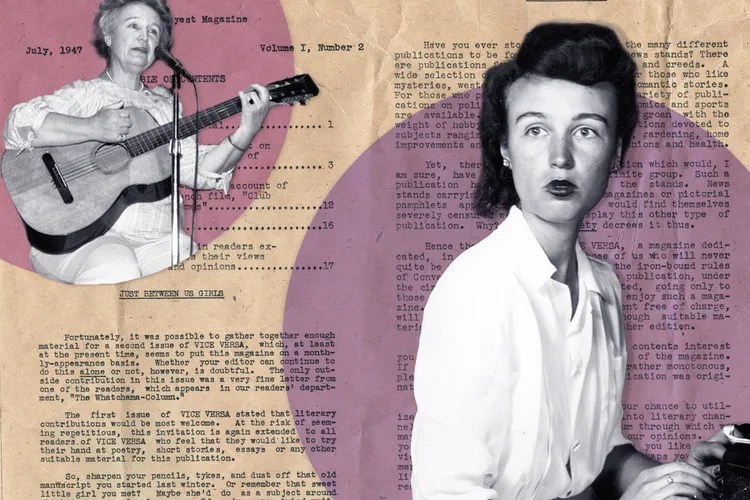
In the summer of 1947, Edythe Eyde, a secretarial assistant at RKO Pictures in Los Angeles, started covertly publishing a tiny journal she called Vice Versa, subtitled “America’s Gayest Magazine”.
Now recognised as the first lesbian magazine in the United States, Vice Versa appeared at a time when sodomy laws banning “unnatural sexual acts” criminalised same-sex activity across much of the country. To protect her safety and livelihood, Eyde – who later adopted the pen name Lisa Ben, which doubled as an anagram for “lesbian” – published her magazine anonymously.
“In those days, our kind of life was considered a vice,” she said in a 1992 interview. “It was the opposite of the lives that were being lived – supposedly – and understood and approved of by society. And Vice Versa means the opposite.”
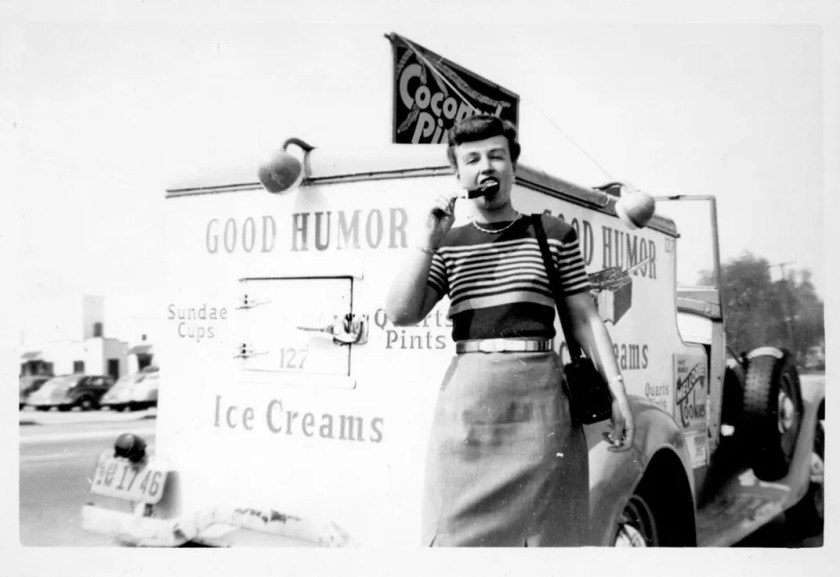
ONE Archives at the University of Southern California Library
The project was very risky, says Lillian Faderman, an emeritus scholar at California State University, Fresno, who is often called the “mother of lesbian history”.
“Sexuality was always a secret from people who were not gay, and the reason it was a secret is because you would get in trouble if straight people knew you were a homosexual,” Faderman adds. A lesbian herself, she recalls knowing women caught when police raided gay bars and gay people who feared arrest in the mid-20th century.
“There was nowhere you could turn for safe harbour,” says Faderman, whose books include The Gay Revolution: The Story of the Struggle and Odd Girls and Twilight Lovers: A History of Lesbian Life in 20th-Century America.
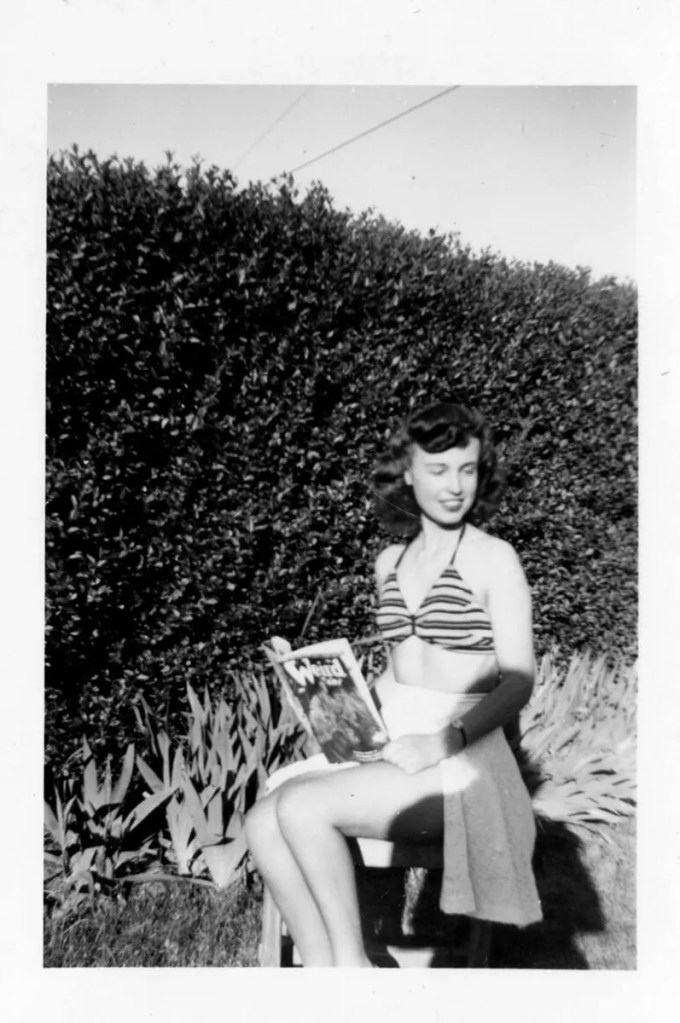
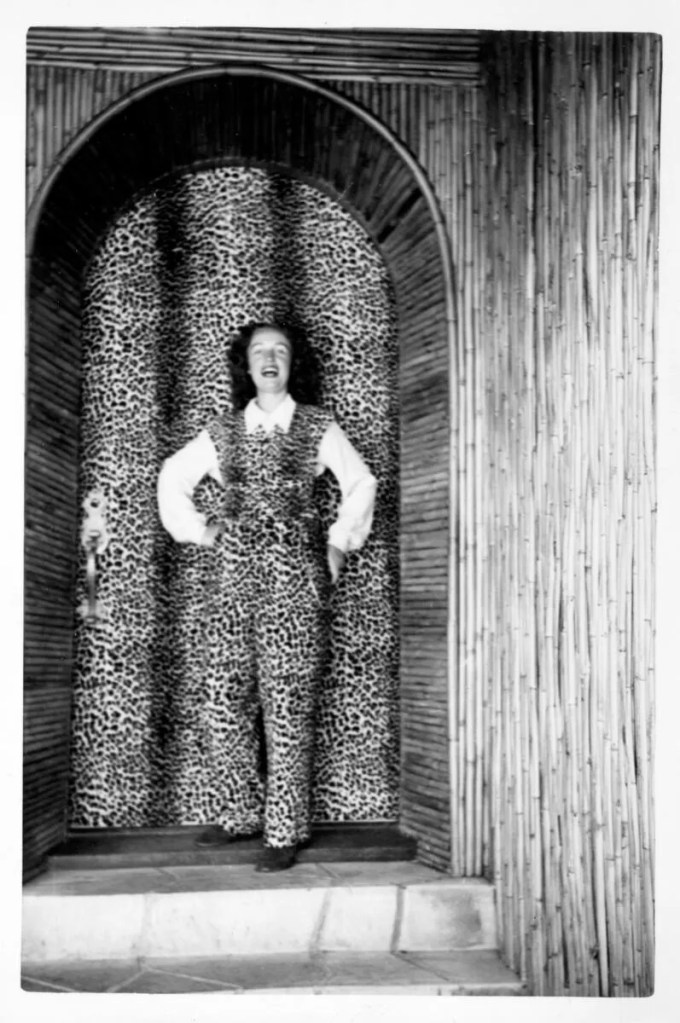
Eyde, a 26-year-old lesbian who had recently moved from Northern California to LA to escape her oppressive family, spent her downtime at work typing up issues of Vice Versa. Using carbon paper to create duplicates of typed pages, she produced a total of just 12 copies per issue.
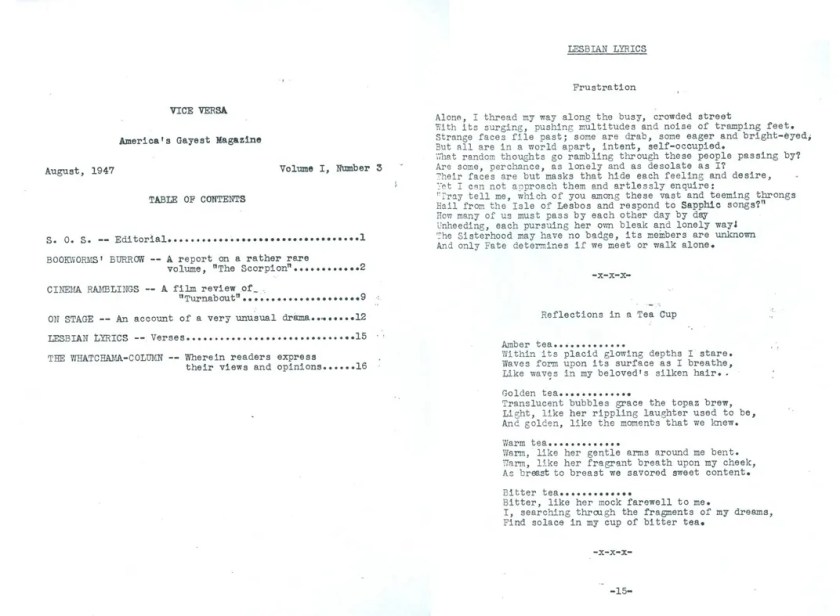
Queer Music Heritage
The free, rather plain publication featured no bylines, no photos, no ads and no masthead. It had a blue cover and consisted of typed pages stapled together. Eyde passed it around to friends, who then passed the copies on to other friends. She also mailed copies to a small number of people and gave out issues at gay bars. Overall, Vice Versa probably had no more than 100 readers.
The magazine’s articles ranged from book and film reviews to poetry to reader commentary. Eyde sometimes adopted a protofeminist tone, praising “time-saving innovations such as frozen foods and electrical appliances as making it easier for women to live independently of men,” wrote cultural historian Rodger Streitmatter in a 1998 journal article.
Besides the occasional help of an anonymous straight male friend, Eyde was responsible for putting out all nine issues of Vice Versa single-handedly.
“What Eyde did was unique: No other publication attempted to write about lesbians,” says Faderman. “She did it all herself, except for a few articles.”
Julie R Enszer, a poet and gender studies scholar at the University of Mississippi, emphasises Eyde’s great initiative. Society was much less open-minded than it is today, but after World War II ended in 1945, the feeling that a new, modern era was dawning swept across the nation.
ONE Archives at the University of Southern California Library
ONE Archives at the University of Southern California Library
“At a time incredibly different from the current moment we’re in, she just felt so powerfully about being a lesbian and wanting to connect with other women,” says. “That’s really how I think about Vice Versa: a way to write things down, share with people, and make connections with other women and build a community.”
She adds, “What Eyde did with that publication, really – it took a while, but it inspired a lot of what happened in the women’s liberation movement.”
In Vice Versa’s inaugural issue, published in June 1947, Eyde wrote an introduction to readers on a page titled “In Explanation.” She argued that newsstands held many publications but nothing like hers, because society would deem it too vulgar.
“Hence the appearance of Vice Versa, a magazine dedicated, in all seriousness, to those of us who will never quite be able to adapt ourselves to the iron-bound rules of convention,” Eyde wrote. “This is your magazine.”
Eyde stopped mailing copies of Vice Versa after someone warned her that doing so violated the Comstock Act, an 1873 law that forbade sending “obscene, lewd or lascivious” materials through the postal service.
“She very naively said, ‘Why? There’s nothing about sex in here,’” Faderman explains. “But it’s about homosexuality, and that’s against the law, and you could get arrested for it.”
Eyde published the last issue of the magazine in February 1948, after aviator and business tycoon Howard Hughes bought out RKO and she lost her job. No longer a private secretary in a private office, she worked in a typing pool with many other people, making it difficult for her to produce a clandestine publication.
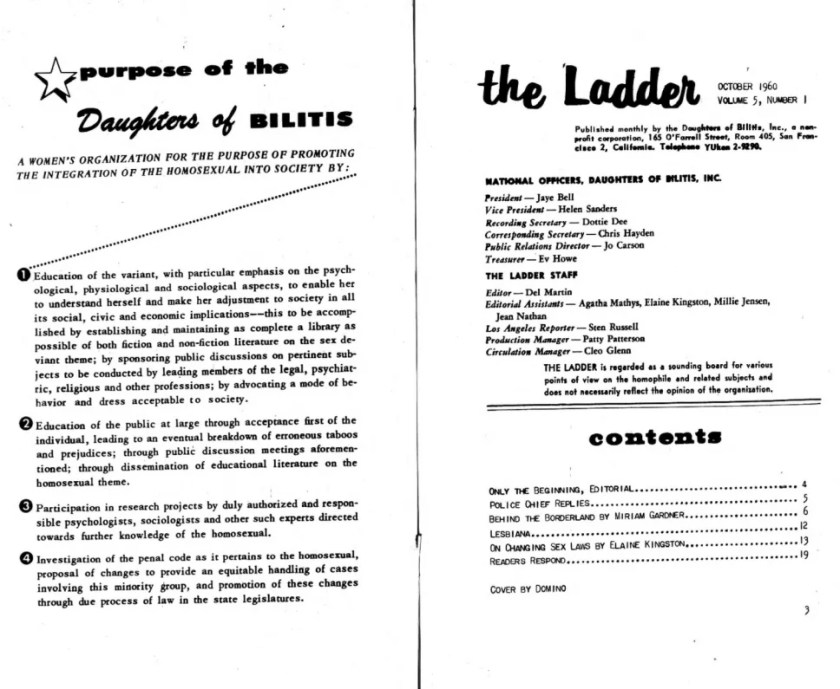
It wasn’t until 1956 that the Ladder, the next-oldest American publication specifically for lesbians, debuted. The Daughters of Bilitis, a pioneering lesbian organisation based in San Francisco, published the underground magazine, which used pseudonyms and ran until 1972. One of the Ladder’s contributors was Eyde, who started writing under the pen name Lisa Ben after an editor rejected her first choice, Ima Spinster.
University of California, Berkeley
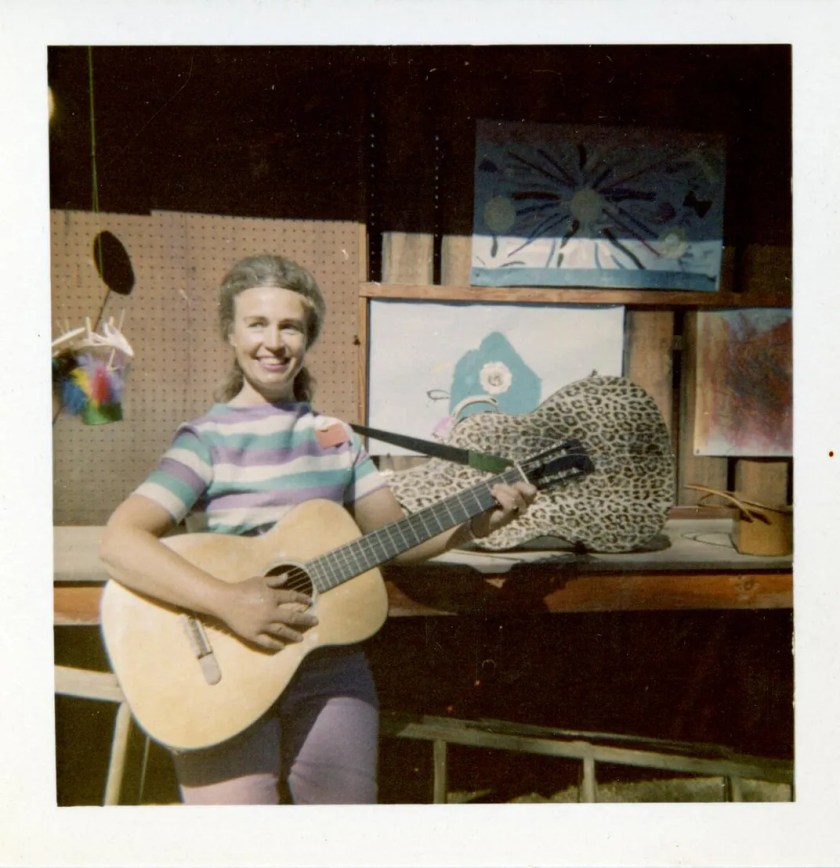
In the years following Vice Versa, Eyde continued working as a secretary and started singing in lesbian bars and clubs. Her identity as the person behind both Lisa Ben and Vice Versa surfaced sometime after the 1950s, according to Faderman, but Eyde later distanced herself from the lesbian community. “She sort of put it behind her,” Faderman says.
In 2002, J D Doyle, then-host of the “Queer Music Heritage” radio show, reached out to Eyde to request an interview. He published her response, which contained a polite but firm refusal, on his website of the same name.
“I am sorry to disappoint you, but I have gone into seclusion and no longer desire any publicity,” Eyde wrote.
The previous year, someone had discovered the Eyde-Lisa Ben connection and circulated a photo of her at a gay festival to many newsletters, she explained. The incident rattled her.
“As many of us approach our declining years, it is not unusual to regret unwise behaviour in days gone past,” Eyde added. “No, I have not ‘gone over to the other side,’ but I no longer actively participate in the gay lifestyle. To do so at this stage of my life would be inappropriate.”
Eyde died in 2015 at age 94 and was buried in California’s Forest Lawn Memorial Park alongside such notables as Humphrey Bogart and Carrie Fisher.
ONE Archives at the University of Southern California Library
Eyde showed great fortitude during an era when society was so hostile to gay people.
Enszer stated: “She had extraordinary courage and bravery. But I also think there are people that just have a deep understanding of and commitment to who they are, and they just do not feel the same type of societal pressure to be silent.”
Faderman, who was a child during the Vice Versa era, wishes she had a publication like Eyde’s when she “started going to gay bars in 1956.” She adds, “It would have been so important to me, just to know someone could be brave enough to write about lesbians and not say that we were doomed to drown in a well of loneliness … or be converted to heterosexuality.”
50+ HangOuts – LGBT+ icons who have inspired us
10 February 2026 – 6.00pm – 8.00pm – Free online event
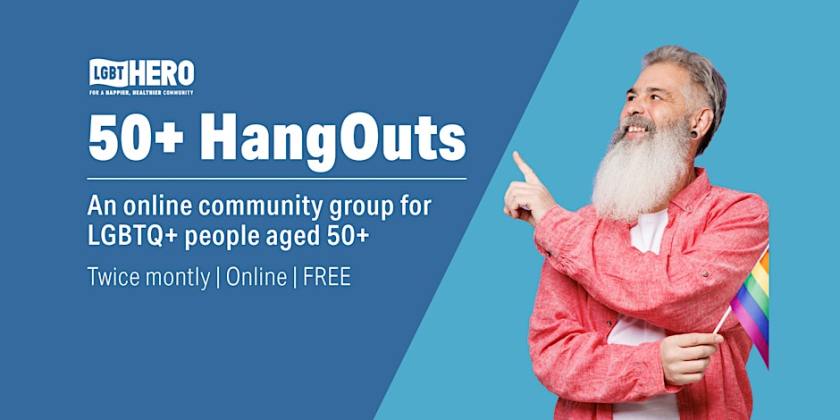
Join this free online event with LGBT Hero, celebrating LGBT+ History Month by looking at LGBT+ icons who have inspired us.
In this session, the discussion will be looking at who you choose as your LGBT+ icon. This may be someone that inspires you or someone that you feel connected to on a personal level.
Together we will make new discoveries and build a greater visibility of LGBT+ people past, present and potential future.
This session is part of LGBT Hero’s 50+ HangOuts, a twice-monthly friendly and welcoming online social and support group for all older LGBT+ people aged 50 and over. You can read more about the group and sign up for the session below.
Details:
Date: Tuesday 10 February 2026
Time: 6.00pm – 8.00pm
Venue: Online event
Book now
 Out in the City