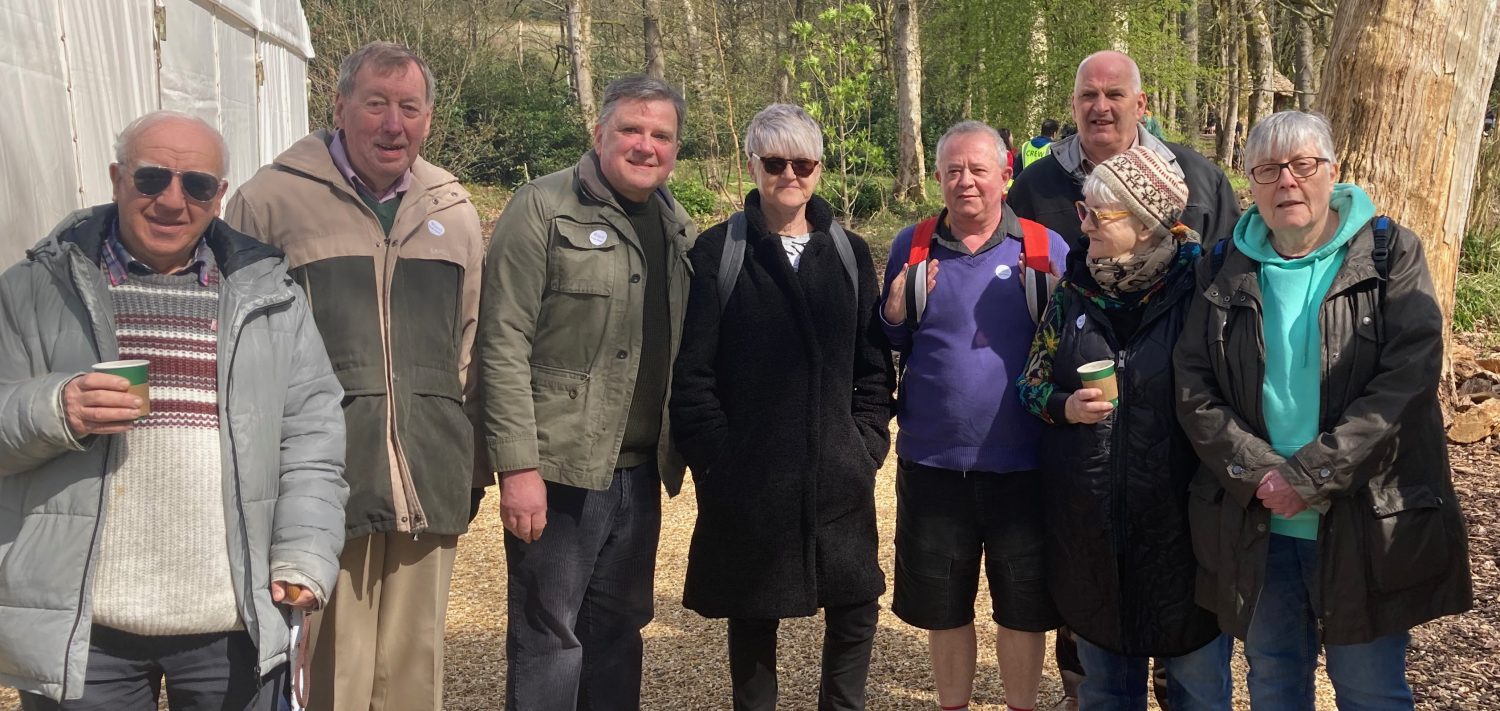
Paradise Island Adventure Golf
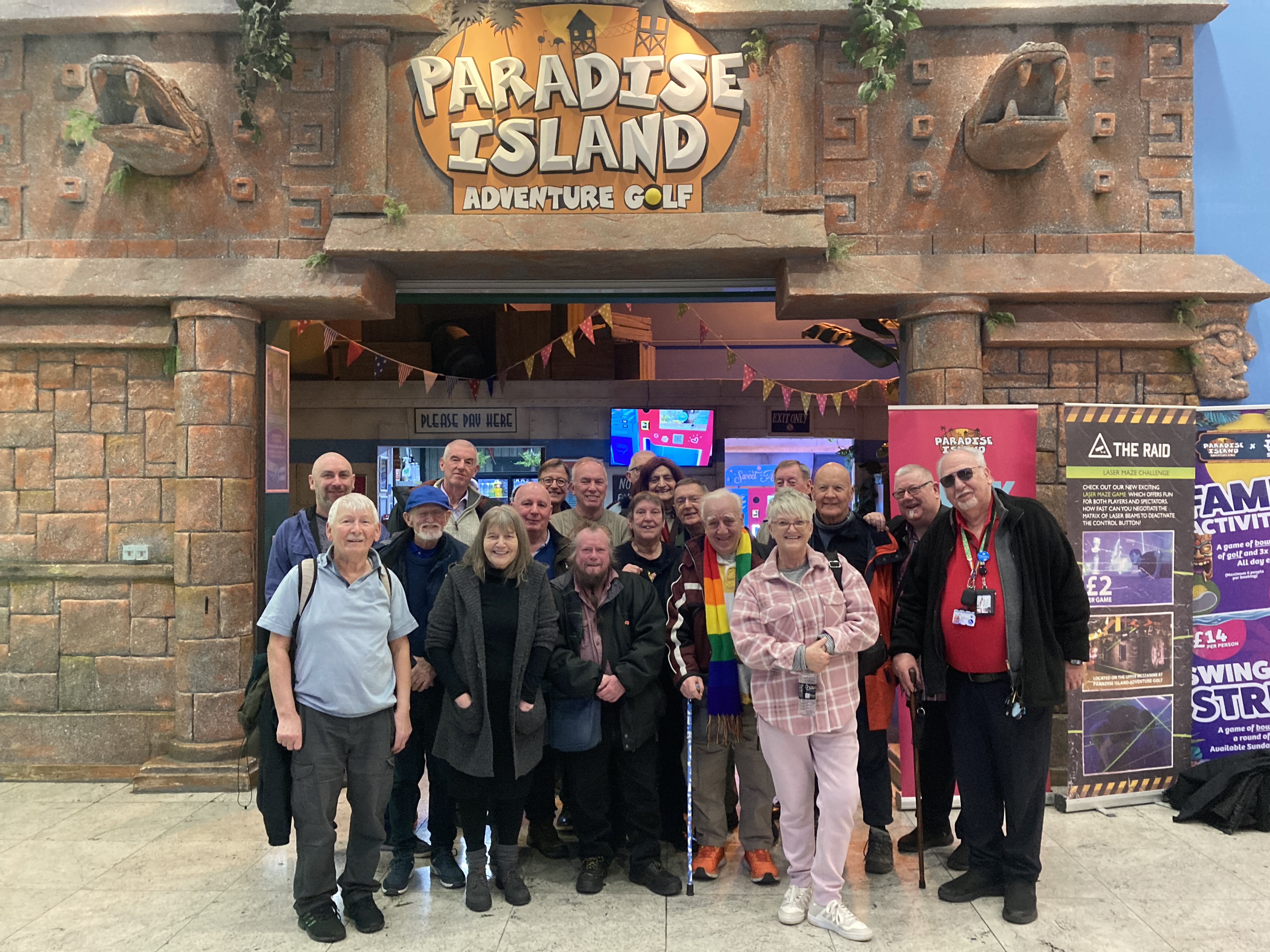
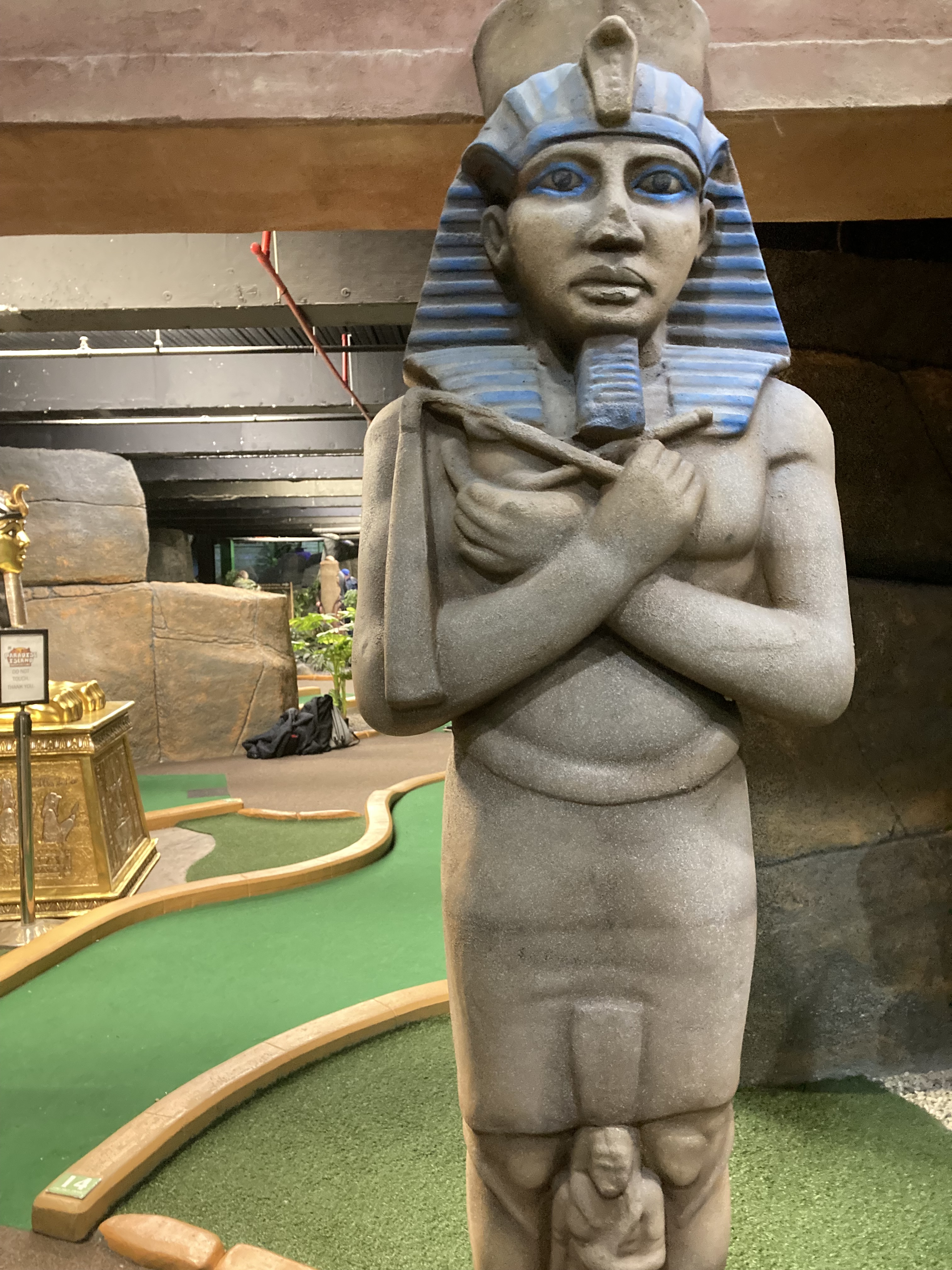
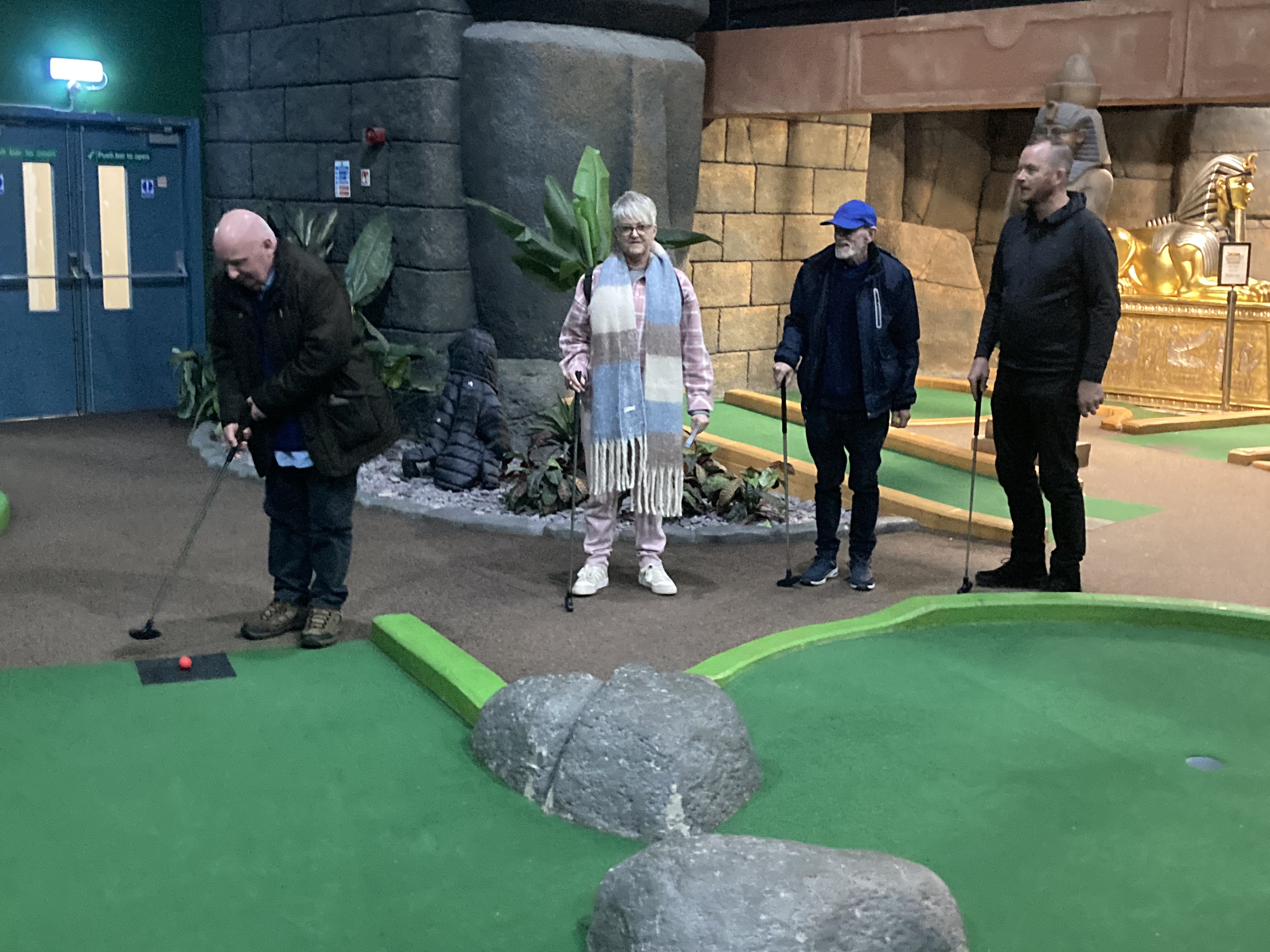
We travelled by tram to the Trafford Centre – a large indoor shopping centre and entertainment complex in Trafford Park. After lunch at The Mardi Gras, we walked to Paradise Island Adventure Golf – a mini golf in a tropical paradise. There are two amazing 18 hole courses.
Forget crazy golf – this is adventure golf!





Holocaust Memorial Day
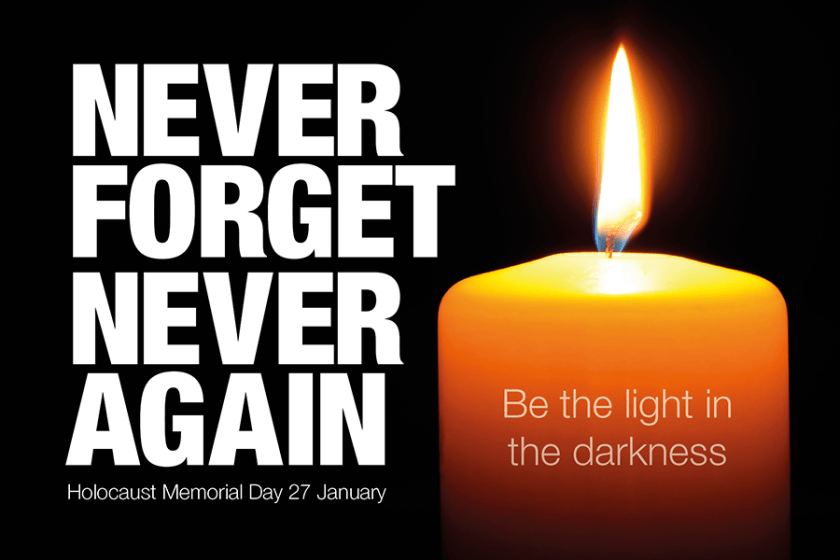
On 27 January each year, people throughout the United Kingdom unite to reflect on the six million Jews who were murdered during the Holocaust, alongside the millions of people who lost their lives under Nazi persecution of other groups, as well as those in more recent genocides in Cambodia, Rwanda, Bosnia, and Darfur.
The theme for International Holocaust Memorial Day this year is ‘Bridging Generations’ – a reminder that the responsibility of remembrance doesn’t end with the survivors – it lives on through their children, their grandchildren and through all of us.
This theme encourages us all to engage actively with the past – to listen, to learn and to carry those lessons forward. By doing so, we build a bridge between memory and action, between history and hope for the future.
International Holocaust Memorial Day – commemorating the liberation of Auschwitz concentration camp – is for everyone. It brings people together from all walks of life to strengthen communities and stand up against hatred and discrimination.
“Lesbian Love”
America deported her for publishing a book titled “Lesbian Love”. Years later, she was murdered by the Nazis for being Jewish.
Eve Adams, an immigrant and the proprietor of a 1920s lesbian tearoom, was imprisoned for disorderly conduct and obscenity, then sent back to Europe, where she became a target of the Holocaust.
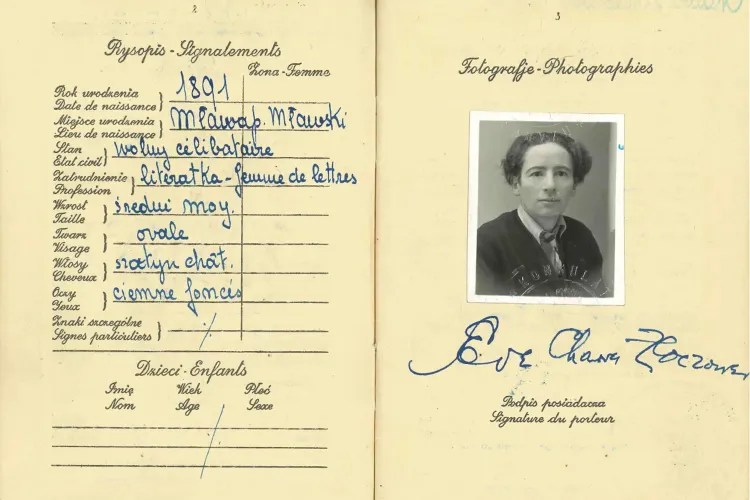
In the 1920s, lesbians in New York City flocked to 129 MacDougal Street, a tearoom in the heart of Greenwich Village, for conversation and camaraderie. This hangout – a relatively safe space at a time when sodomy laws criminalised same-sex activity nationwide – was run by a Jewish immigrant from Poland who went by the name Eve Adams. A bold and mysterious woman, Adams attracted the government’s unwelcome attention due to her unorthodox activities and forbidden book on lesbian love. She was under surveillance, then arrested, charged with disorderly conduct and obscenity and finally deported back to Europe.
Adams’ business – known mainly as Eve’s Hangout – but also referred to as Eve’s Tearoom and Eve & Ann’s – was a long time coming when it opened in 1924. It operated for just two years, but in that time, it made a crucial difference to the community. Being openly lesbian in the 1920s took significant courage, and Adams provided a great service by creating a cosy space for lesbians to congregate. Greenwich Village, with its population of free-spirited artists and bohemians, was the perfect setting for this venture.
There were places where you could sort of cocoon and assume everyone around you accepted you, and Greenwich Village was one of those places in the 1920s. People who came to Eve’s Tearoom knew what the place was, and they felt safe making a pass at a woman who came there.
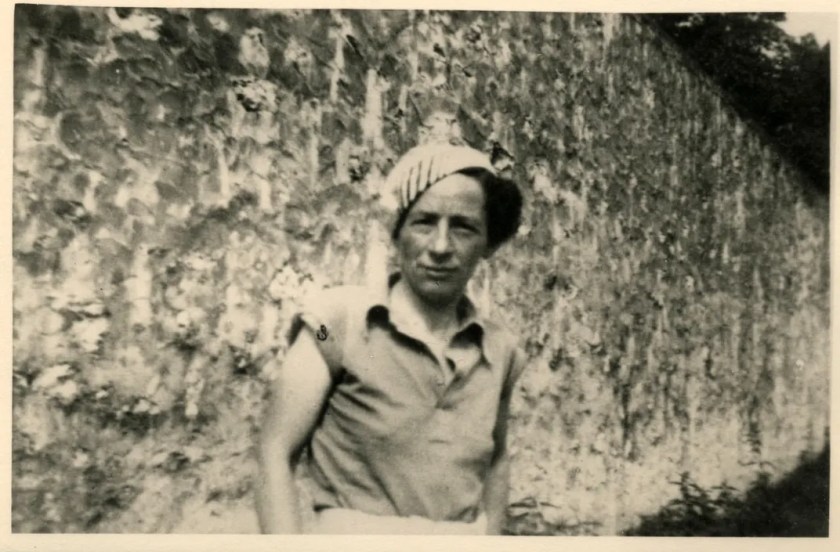
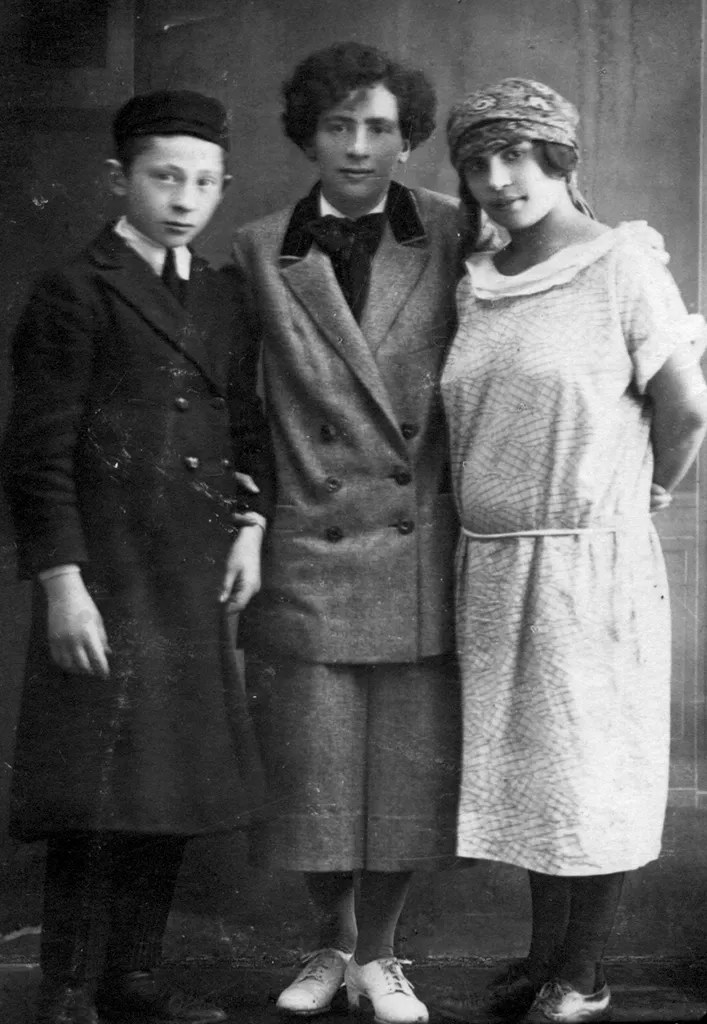
Born in 1891 as Chawa Zloczewer, Adams immigrated to the United States in 1912. Settling in New York City, she joined a group of anarchist organisers, speakers and writers. By 1919, she was working as a travelling saleswoman for radical publications. She caught the attention of the Bureau of Investigation, as the FBI was then known, which considered her an “agitator” and started watching her activities.
In early 1921, Adams moved to Chicago, where she co-managed a tearoom called the Gray Cottage – a refuge for leftist thinkers that also attracted lesbians – in the neighbourhood of Towertown, which was essentially the Illinois city’s version of Greenwich Village. Two years later, Adams returned to New York, where she opened Eve’s Hangout. The tearoom, operating during Prohibition, likely doubled as a speakeasy, and visitors probably brought flasks of illicit alcohol with them to use in mixed drinks.
Adams, who had many affairs with women, seemed to consider herself a member of the “third sex,” which was neither male nor female – similar to today’s nonbinary identity. Her adopted American name, “Eve Adams,” was a deliberate choice: It is a play on the biblical Adam and Eve, serving as a statement that she was simultaneously neither and both. (Adams also went by Eva Kotchever.)
Jonathan Ned Katz, author of “The Daring Life and Dangerous Times of Eve Adams”, calls his 2021 biography’s colourful subject “just one of those people.”
“She came to stand out and make this active life for herself,” Katz explains. “She found a way to make a living selling radical literature about the things that were wrong in the country.” At the same time, however, “she was really busy, working-class, and never made much money. She was always busy making a buck.”

Katz is a Greenwich Village native who regularly dines at La Lanterna, an Italian restaurant in the mixed-use building that once housed Eve’s Hangout. The owner has named multiple drinks after Adams.
“It’s rather spooky downstairs,” Katz says. “I really can imagine Eve being here. It’s a dark, low ceiling.”
In 1925, Adams published a short book titled “Lesbian Love”, which was intended for private circulation and limited to a print run of just 150 copies.
The short text – reprinted in full in Katz’s book – documents the lives and loves of some two dozen lesbians, all of whom were based on real people Adams knew but identified in “Lesbian Love” only by pseudonyms. Characters included Jonnie, described as “tall, broad-shouldered” and oval-faced, wearing “strictly tailored clothes,” and Ann, a West Coast woman with “striking yellow curls” and a deep voice. “Ann is the magnet, the fire, and wherever she appears, she always leaves behind some victim,” Adams wrote. “She is like a butterfly and is only attracted to virgins.” Then there was Sara, “just a slip of a girl; Ann’s first love here.” Sara experienced terrible anxiety over losing Ann, who had a love-them-and-leave-them reputation, to one of her “many rivals.”
In the appendix, called “How I Found Myself,” the book’s unnamed narrator – likely a stand-in for Adams herself – describes her sexual awakening at age 19, when she was living in a rural colony of artists. She met a beautiful older woman, about 30 years old, who invited her to sit on her lap. Tired of men and feeling like something was missing, the narrator, who had dreamed for a long time of experiencing a woman’s loving caress, spent the night with the stranger.
“All that I know is that it was one of the greatest and most significant events of my life, which will never be forgotten, and that the memories are always just beautiful,” Adams wrote.
Katz emphasizes Adams’ courage in publishing “Lesbian Love”. “She was speaking the word out loud, ‘lesbian,’ which had such a negative connotation at the time,” he says. “It was so heroic of her to put together these stories. It’s different types of women: some sort of funny, some dominating. She was seeming to make the point that lesbians are just as crazy as everyone else. It was so unusual for this time.” The book wasn’t “professionally written,” Katz adds. “It’s an amateurish view of women she knew.”
In his biography, Katz details the stories of many of Adams’ known romantic companions, combining these accounts with fragmentary records of her life. A key question posed in the book is why Adams failed to obtain US citizenship despite stating her intent to do so in 1923. This status would have made it harder for authorities to kick her out of the country; Adams’ decision not to follow through ended up costing her her life.
In 1926, Adams was arrested and jailed for publishing “Lesbian Love”, which was considered “obscene” in the eyes of the law. She was also found guilty of disorderly conduct for supposedly trying to seduce an undercover policewoman named Margaret Leonard, who’d been assigned to entrap her. On top of her one-year sentence on obscenity charges, Adams was sentenced to six months at a women’s penitentiary – a pair of punishments that allowed authorities to start considering whether to ship her back to Poland upon her release from prison.
At a November 1926 deportation hearing, Adams argued that she hadn’t done anything wrong. “I can’t see why I should be singled out and sentenced to imprisonment for writing my book, which was only meant to show the humorous side of life, the serious side of life and tragedy, all in one,” Adams testified.
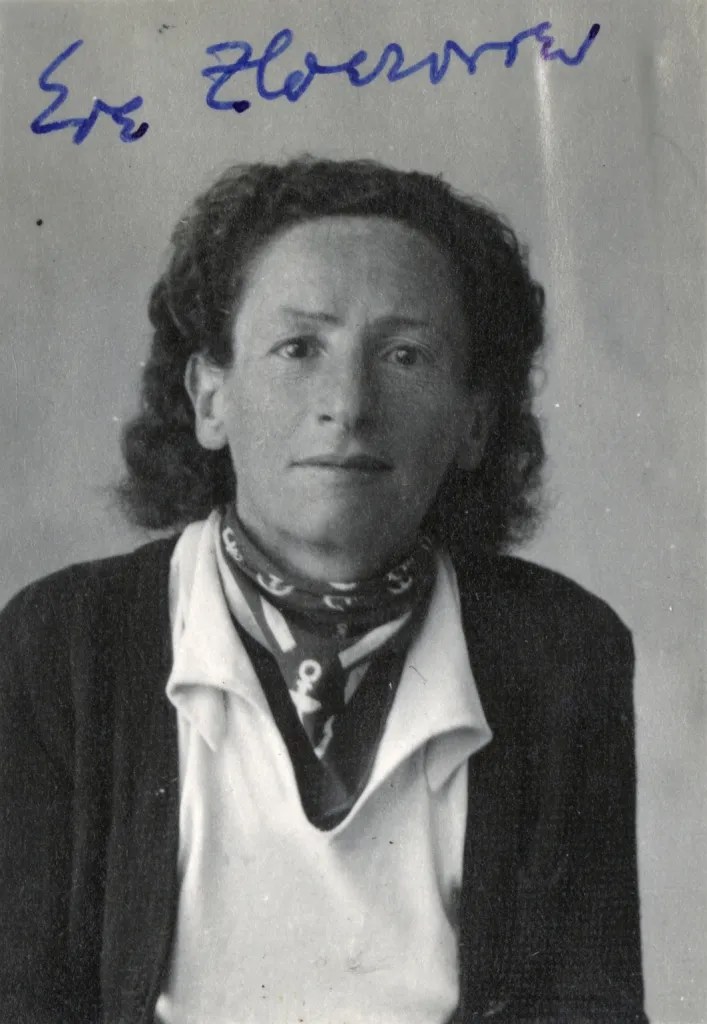
Despite Adams’ protests and pleas to remain in the US and seek citizenship, she was deported back to Europe in December 1927. After that, she spent more than a decade rebuilding her life – but the rise of Adolf Hitler and the Nazis cast an ominous shadow on life in Europe, especially for Jews.
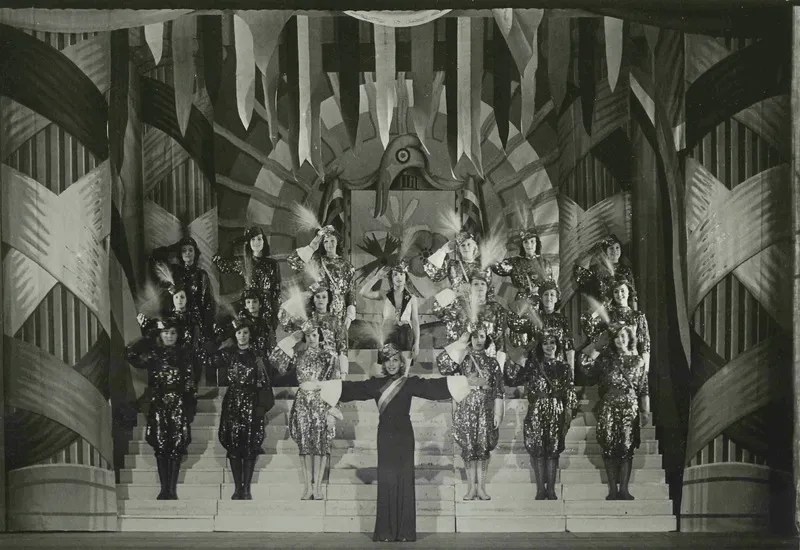
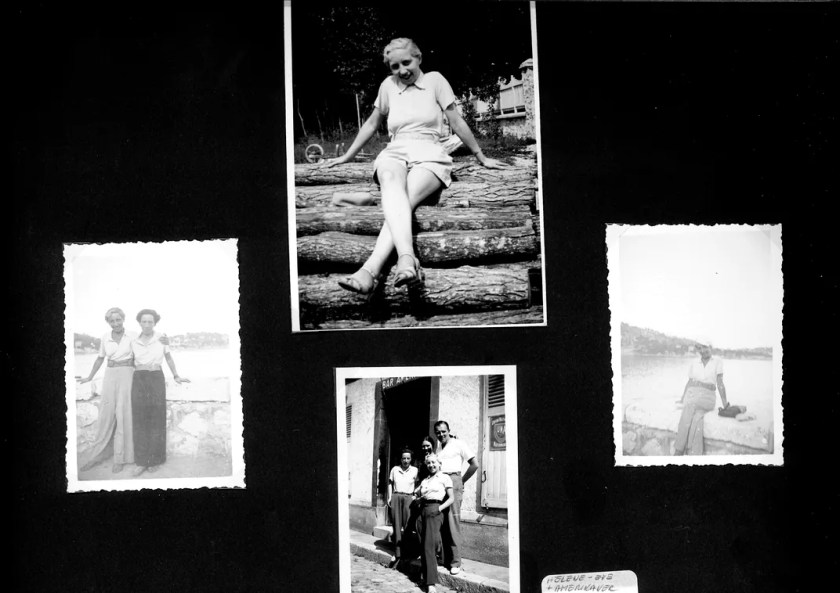
While working as a journalist in Paris in 1933, Adams met Hella Olstein, a Jewish singer who performed at cabarets. The two women soon moved in together, residing in the same home for the next ten years. Although the stated nature of their relationship wasn’t entirely clear – at some point, Olstein married a man and became Hella Olstein Soldner, yet Adams continued to live with the couple – the two women appeared to be more than friends. Perhaps Hella was bisexual.
After the outbreak of World War II in 1939, Adams and Olstein evaded arrest by the Nazis, even as the collaborationist Vichy regime started ramping up mass deportations of “foreign and stateless” Jews in 1942. (The Nazis also targeted lesbians with harassment and sent thousands of gay men to concentration camps). But this reprieve didn’t last: On 7 December 1943 – exactly two years after the Japanese attack on Pearl Harbour that brought Adams’ former adopted country into the war -authorities arrested Adams and Olstein. Five days later, the pair arrived at the Drancy internment camp outside of Paris, where they endured crowded, unsanitary conditions and hunger.
On 17 December, the two women joined about 848 other Jewish prisoners on a transport bound for Auschwitz-Birkenau in Nazi-occupied Poland. Neither survived Auschwitz’s liberation in January 1945, but the exact circumstances of their deaths are unknown. They may have been among the 112 women from their transport who were selected to work at the concentration camp; more likely, they were gassed to death shortly after arrival.
Eran Zahavy is a great-nephew of Adams. His grandfather, Yerachmiel Zloczewer (later changed to Zahavy), was Adams’ younger brother. Five of Yerachmiel’s six siblings were murdered by the Nazis during the Holocaust. Yerachmiel only escaped this fate because he’d emigrated from Poland to British-occupied Palestine in 1931.
The last postcard Yerachmiel received from Adams was dated in June 1940. Though Yerachmiel was unable to find out what had happened to his older sister, he maintained a lifelong belief that she was still alive out there somewhere and had perhaps escaped to Spain during the war.
On his deathbed in 1983, Yerachmiel issued an appeal to his grandson. “He said to me, ‘Look, you need to find Eve,’” Eran recalls. “‘I’m sure she is still alive.’”
Yerachmiel didn’t tell Eran about his sister’s sexuality and her life in New York. He was very religious, and the subject was taboo. It was a different time, Eran says. While Adams was a “very dedicated professional,” he adds, her naïveté regarding the limits of what was culturally acceptable in the early 20th century probably led to her arrest and deportation from the US.
“She trusted people that she shouldn’t have trusted,” Eran says. “She was brave. She was not reckless. I think she was naïve. She did not understand the real danger in what she was doing. People told her, ‘We’re in America. Nothing can happen to us.’”
 Out in the City