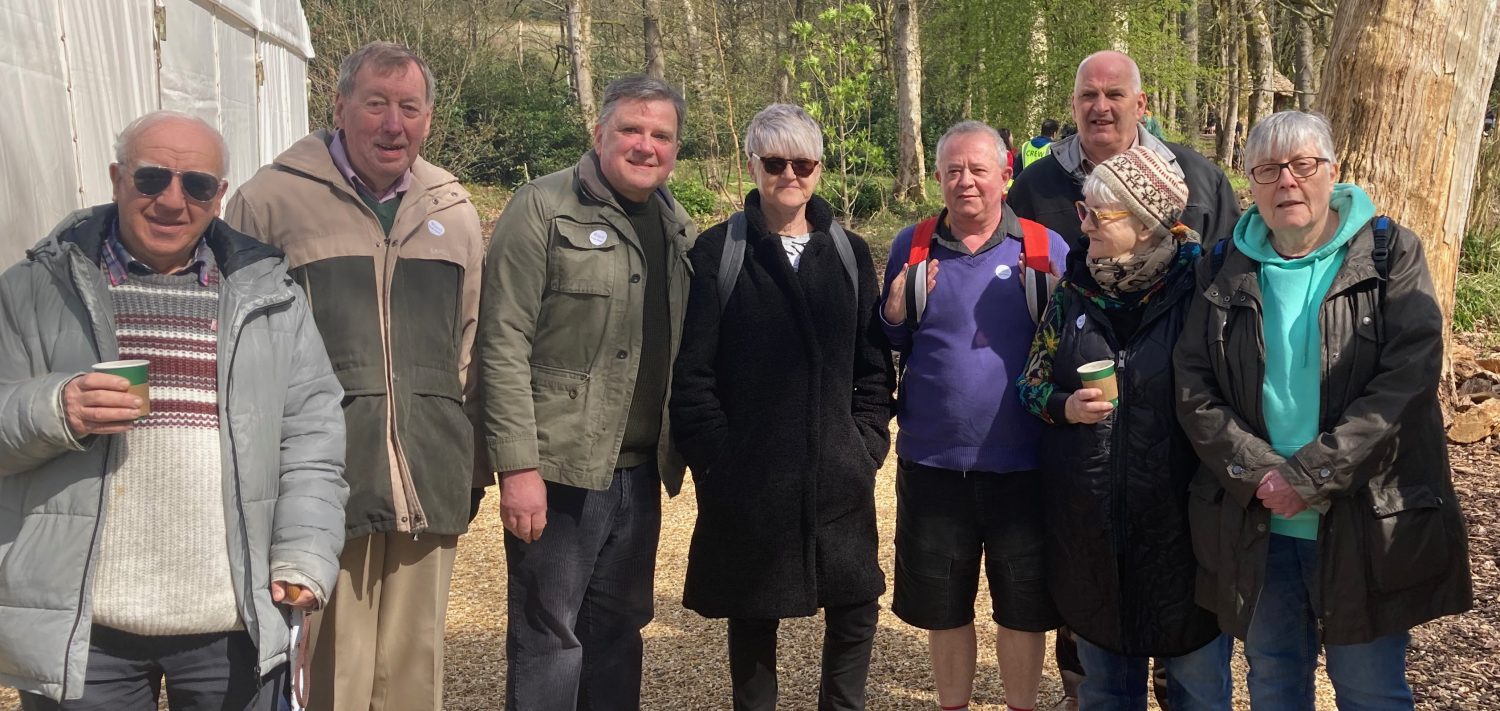
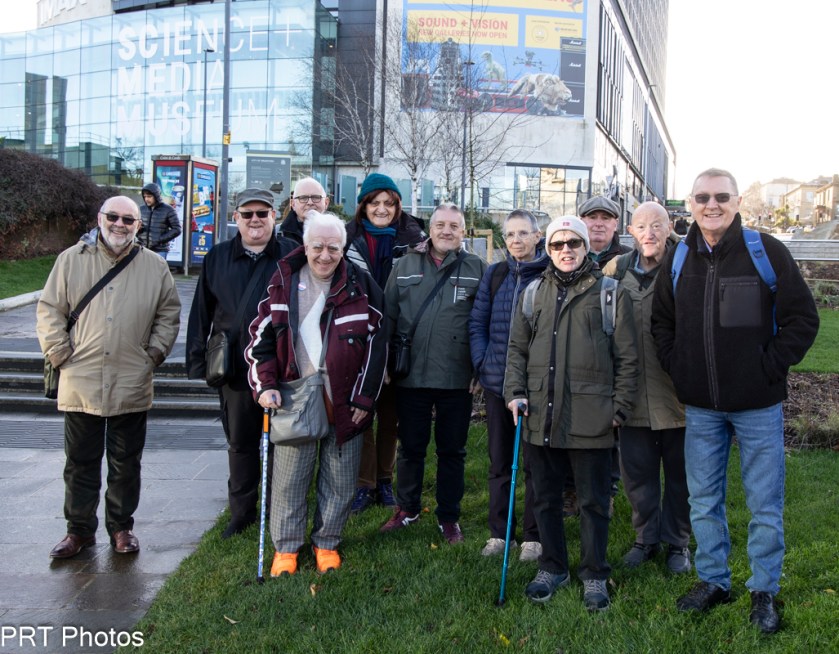
National Science and Media Museum
The National Science and Media Museum is a must-visit destination for anyone interested in the wonders of science, photography, film and television.
The Museum is centrally located in Bradford within a 10-minute walk of Bradford Interchange, but we stopped off for lunch on the way at The Turls Green pub in Centenary Square.
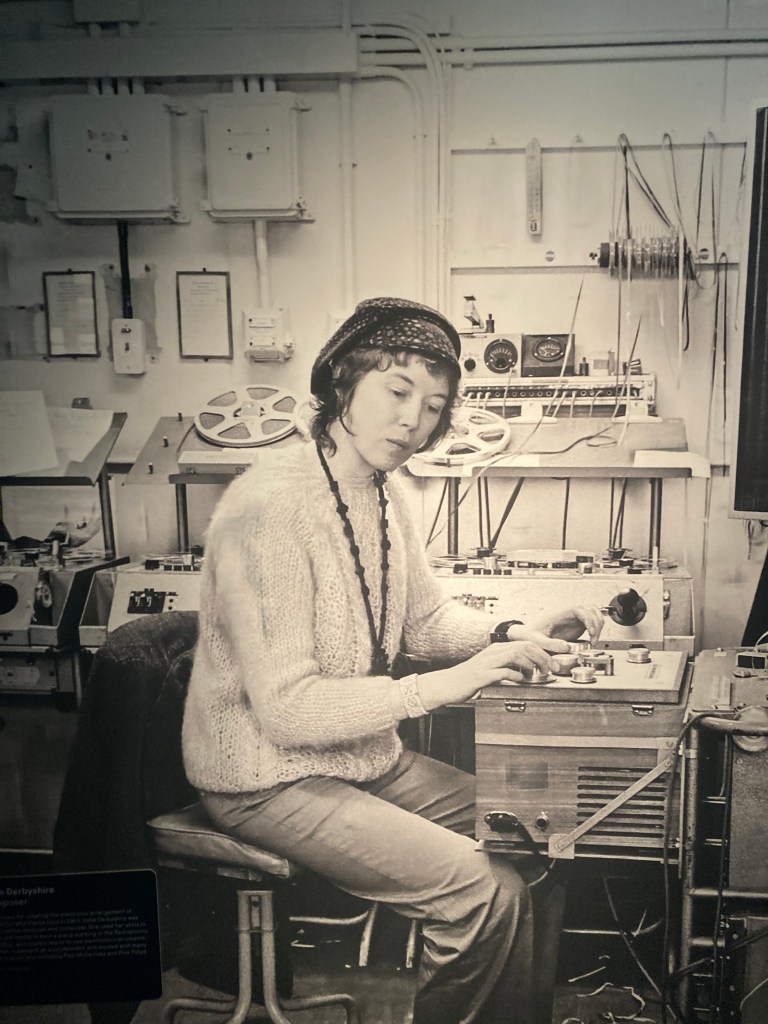
We explored fascinating permanent galleries such as Wonderlab, and enjoyed the interactive exhibits which were perfect to engage directly with the science and technology behind media. It was an inspiring and educational outing.
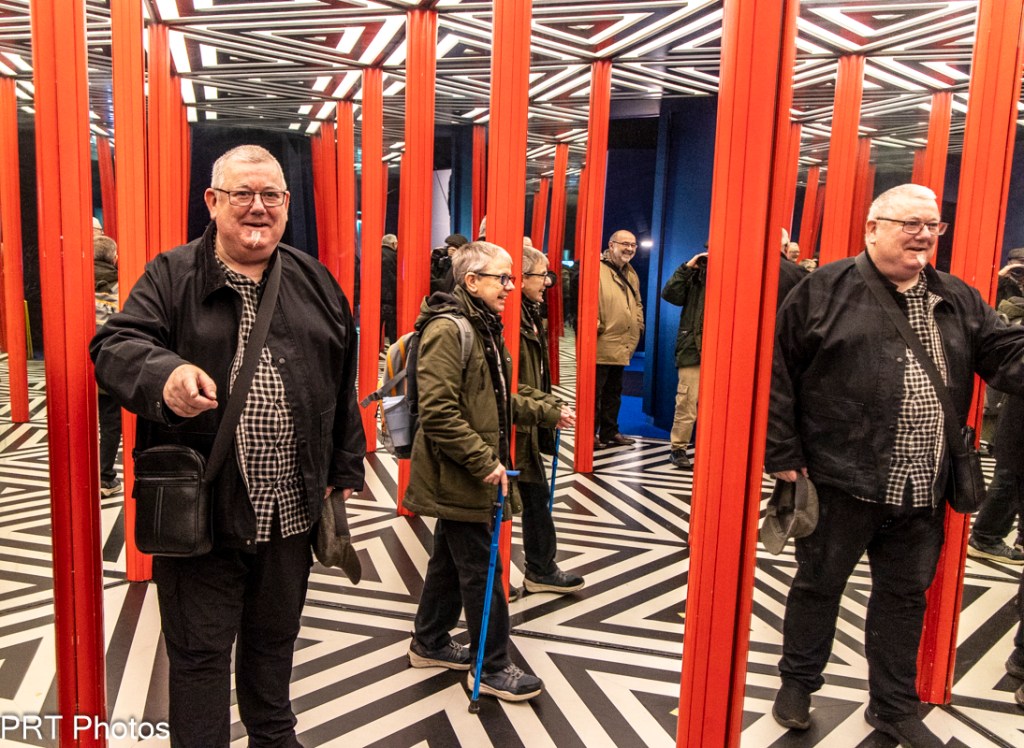

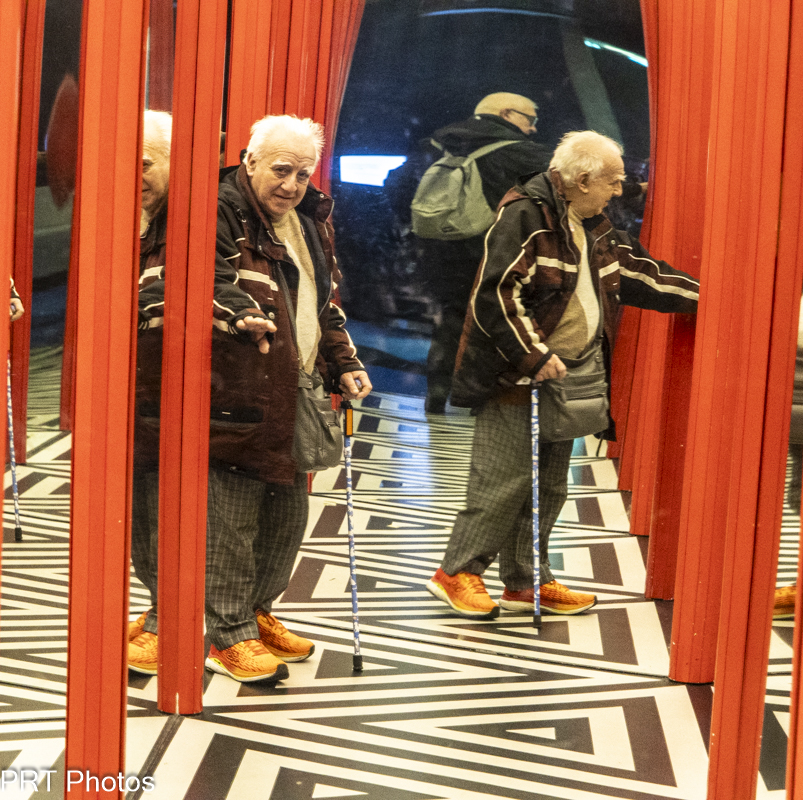
The museum café, located on the ground floor, offered a selection of hot drinks and cakes to round off our visit.
More photos can be seen here.

Emily Dickinson’s Sapphic Love Letters
Next to Sappho, Emily Dickinson is one of the most famous sapphic poets ever to walk the Earth – and somehow there are still people who deny her sexuality.
Perhaps that’s the exact reason why Dickinson remains a figure of such passionate interest to us to this day. Have we got her story all wrong? Or have we allowed other peoples’ revisionist histories to get in the way of Dickinson’s true unabashed lesbianism?
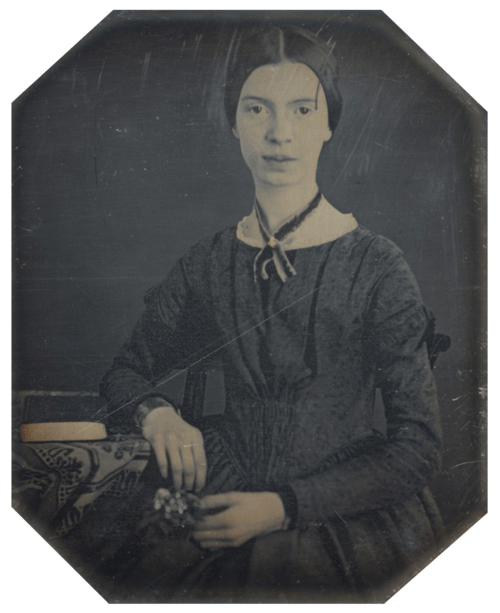
On the anniversary of what would be the poet’s 195th birthday (born 10 December 1830), let’s take a minute to set the record straight.
If you know of Emily Dickinson at all, you will be aware of her as a poet who rarely left her Amherst home and most of her work wasn’t published until after she had died. And yes, that’s partly the truth. Dickinson was a reclusive figure in later life who kept her social circle small. But one woman in her life, whom she met in her 20s, remained hidden in plain sight from Dickinson scholars for decades.
We are referring to Susan Gilbert, who would end up marrying Dickinson’s brother Austin while carrying out a completely separate, but nonetheless passionate and real, Boston marriage with Dickinson. Dickinson lived next to Gilbert and her brother, and according to academic and Dickinson scholar Martha Nell Smith, “the 40-year relationship between Emily and Susan was of a committed lesbian character; that they lived together, if not in the same house, then side by side.”
When Smith wrote a book concerning this theory in the ’90s, it was seen as scandalous. But by the end of the decade, new information came to light that made Smith’s theory more than credible.
When Dickinson died, her brother Austin’s lover Mabel Loomis Todd managed to take up the mantle of Dickinson executor, despite having had no more than a passing acquaintance with the poet. It was Todd, scholars believe, who censored Dickinson’s work, crossing out any reference to Susan Gilbert and neutering many of the obvious love poems and letters that Dickinson wrote for her lover.
By 1998, scholars were able to use infrared technology to see exactly what had been crossed out, and a new story took hold. Not only were Gilbert and Dickinson obviously lovers, their letters to each other were just about as explicit as it gets. The collected letters can be read in “Open Me Carefully”, edited by Martha Nell Smith and Ellen Louise Hart.
And if you want further evidence of just how saucy those letters got, see one note Emily wrote to Susan in 1855 when the latter travelled to the West Coast. “I love you as dearly, Susie, as when love first began, on the step at the front door, and under the Evergreens, and it breaks my heart sometimes, because I do not hear from you,” she begins.
The note continues, “I wrote you many days ago – I won’t say many weeks, because it will look sadder so, and then I cannot write – but Susie, it troubles me. I miss you, mourn for you, and walk the Streets alone – often at night, beside, I fall asleep in tears, for your dear face, yet not one word comes back to me from that silent West. If it is finished, tell me, and I will raise the lid to my box of Phantoms, and lay one more love in; but if it lives and beats still, still lives and beats for me, then say me so, and I will strike the strings to one more strain of happiness before I die.”
After another short separation during one of Susan’s trips to Baltimore, Dickinson pined:
“Susie, forgive me Darling, for every word I say – my heart is full of you … yet when I seek to say to you something not for the world, words fail me … I shall grow more and more impatient until that dear day comes, for til now, I have only mourned for you; now I begin to hope for you.”
So essentially, Emily herself wasn’t worried about keeping her grand passion secret, but the keepers of her legacy – including Mabel Loomis Todd – certainly were.
Thankfully, we’re living in an era when Dickinson’s lesbian legacy cannot only be seen plainly, but appreciated for how romantic it was. The poet might not have experienced fame or renown in her lifetime, and she stayed close to home while she lived. But her wild, passionate yearnings on paper have given us some of the best sapphic representation this side of the 21st century.
Survey on HIV and conversations with healthcare professionals
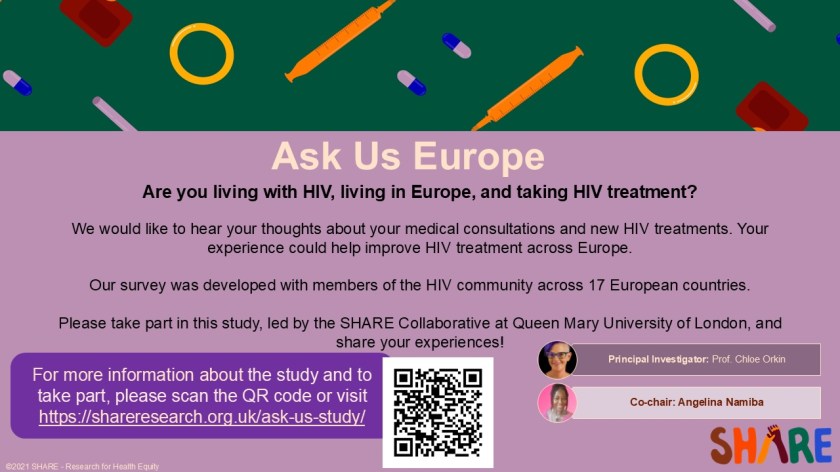
Queen Mary University of London are completing a Europe-wide study of people living with HIV and their conversations with healthcare professionals. They are looking for more respondents aged over 50.
The survey is open until 31 December 2025 and is open to anyone living with HIV and on antiretroviral therapies – please see the attached flyer. Please share or complete the survey here.
Student Research
We have received the following message:
“My name is Mae Murphy and I am currently a third year student at the University of Manchester. At the moment, I am researching for my dissertation which is exploring the relationship between class and gay liberation in Manchester from 1970-1990.
I am contacting you as I would like to speak with you about the experiences of Out in the City group members. Their insights will provide an invaluable dimension to my research. I’m currently looking at local groups based around Manchester. Alongside primary materials such as newspaper articles, magazines and posters, I am speaking to people such as yourself in order to provide my research with more personal views of the period in question.
I am still currently in the initial stages of my research, so I am not looking to speak to people about this for a couple of months yet. I am hoping to conduct all interviews in-person, in order to make it easier for participants to speak to me.
It would be great if you are willing to get involved, and any questions you may have if anyone should agree to participate are likely to be outlined in GDPR compliant forms that have been prepared for this project. We can have a call to chat through it if you would like, but I would love to speak to any interested Out in the City service users about this.
I am really looking forward to hearing from you.”
If you are interested in being interviewed, please contact us here and we will forward your contact details.
 Out in the City