Vintage Emporium at Pear Mill, Bredbury
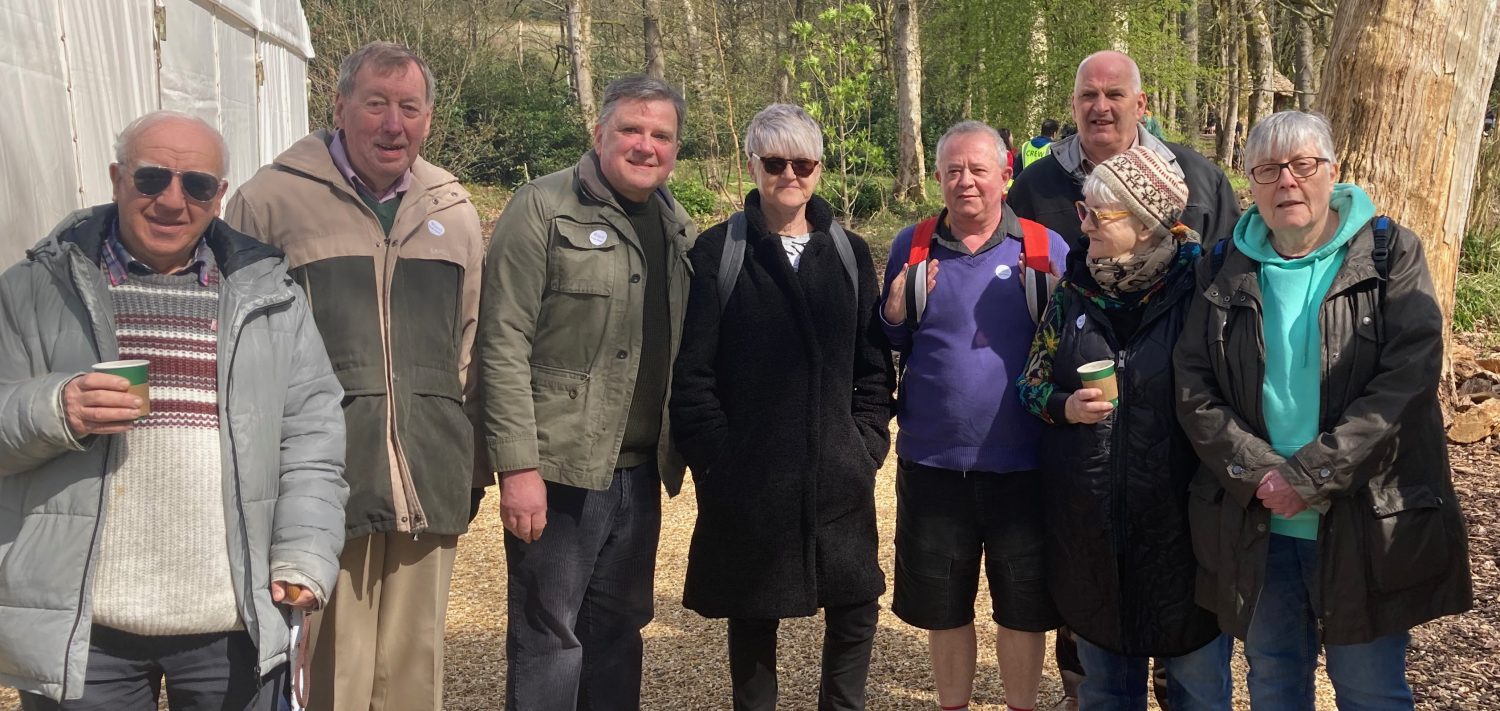
There were 28 of us from Out In the City and most visited the Calvert’s Court pub in Stockport for lunch. With a few mishaps on the way (lost wallet and bag – later recovered – and losing a telephone in a pool of rainwater), we made our way to the treasure trove of antiques and curiosities known as The Vintage Emporium.
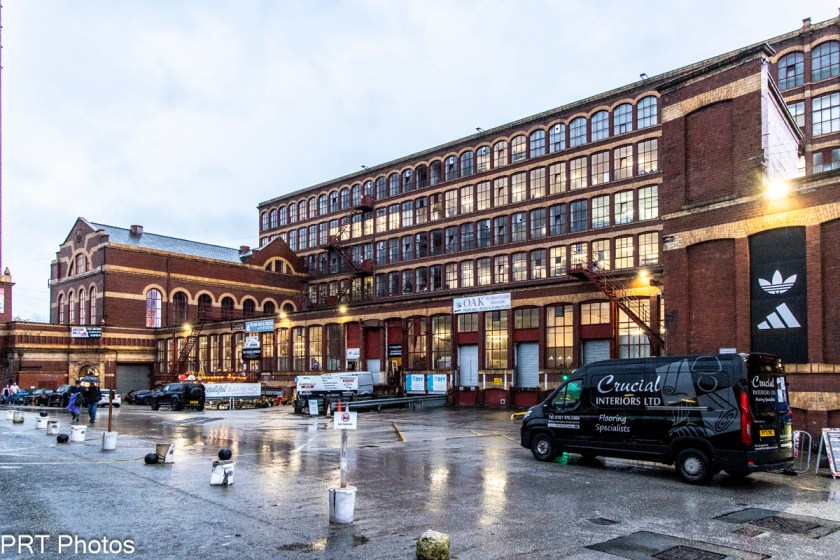
Nestled within the historic walls of Pear Mill in Bredbury, the Vintage Emporium has established itself as a must-visit destination for antique enthusiasts, collectors and anyone searching for unique home décor. Housed in one of Greater Manchester’s iconic former textile mills, the Emporium offers an atmospheric shopping experience where history and nostalgia come alive.
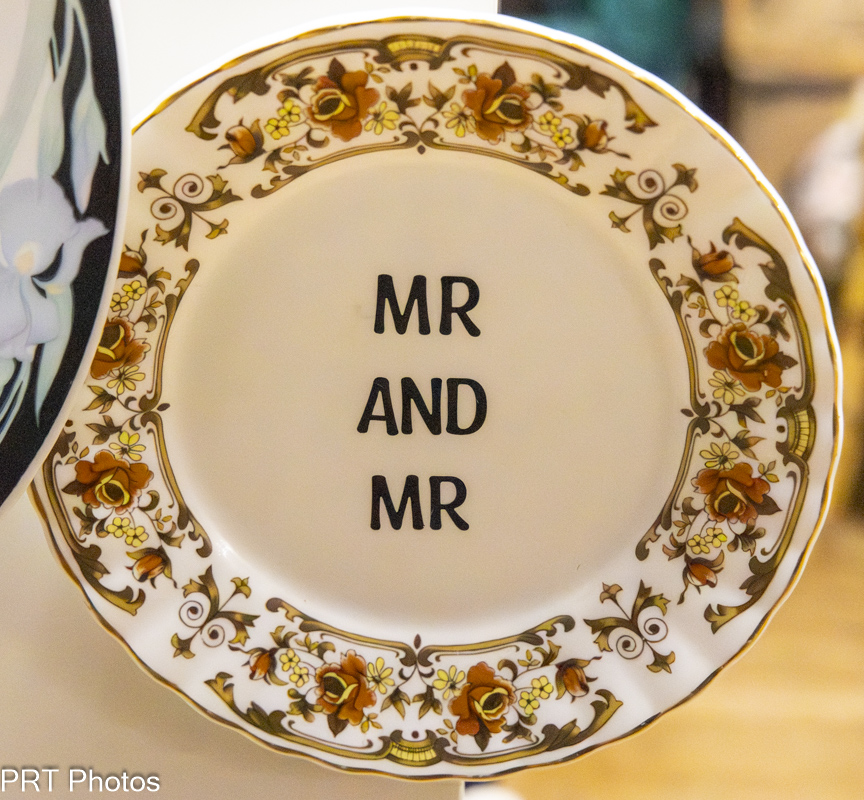
Spread over an expansive floor, the Emporium boasts an eclectic selection of vintage furniture, retro clothing, records, books and a variety of curiosities from bygone eras. Each stall is individually curated by passionate traders, ensuring a diverse range of treasures to suit every taste and budget. Whether you’re on the hunt for Art Deco mirrors, mid-century ceramics or quirky collectables, you’re bound to find something special within its maze of stalls.

A visit to the Vintage Emporium isn’t complete without a stop at the on-site café, where visitors can pause for a cup of tea and a slice of homemade cake amidst the vintage décor. The relaxed, friendly atmosphere makes it a favourite spot for both locals and visitors from further afield.
Located just a short distance from Stockport town centre, Pear Mill is easily accessible by public transport. The Emporium is open throughout the week, with occasional special events, fairs and seasonal markets that attract a lively community of vintage lovers.
Whether you’re furnishing your home, searching for a unique gift or simply looking to enjoy a nostalgic trip down memory lane, the Vintage Emporium at Pear Mill, Bredbury, offers a delightful experience that captures the charm and character of yesteryear. With its ever-changing stock and friendly traders, every visit promises something new to discover.
More photos can be seen here.

Censors have targeted LGBT+ books for decades. Here are 7 to add to your holiday gift list

Over the last school year, 6,870 books were banned in the US (affecting nearly 4,000 unique titles) with Florida, Texas and Tennessee topping the list of states with the most book bans. While a majority of those books were targeted for their LGBT+ content, some were enduring titles that have been banned over and over again through the years, only to continually find their way back to library shelves.
More modern titles – like Gender Queer, Flamer and All Boys Aren’t Blue – have recently topped the lists of most banned books, becoming obvious choices for book-banning for their intersecting themes of sexual identity, gender and race. But many books taken off shelves are classics of LGBT+ literature that have been challenged before (some, even over centuries).
So, to celebrate free expression against anti-LGBT+ censorship, consider gifting your loved ones some of these influential classics:
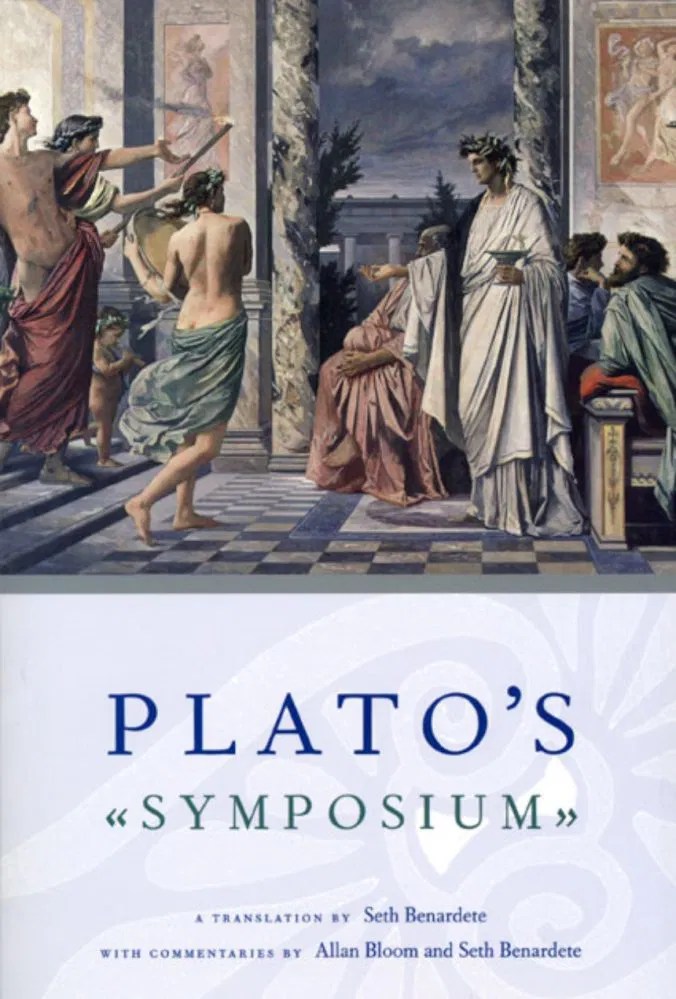
Symposium, Plato (c. 385 – 370 BCE)
The granddaddy of gay breakdowns is Symposium, Plato’s Greek classic featuring notable Athenian men – like the philosopher Socrates and the comic playwright Aristophanes – speaking at a banquet with dialogues in praise of Eros, the god of love and sex. Many of the personalities featured in this collection of competing “extemporaneous” speeches explore male love, revered in ancient Greece.
Fast forward to the early 20th century, and Plato’s dialogue played an important role in gay writer E M Forster’s coming-of-age novel Maurice. Symposium‘s inclusion in Forster’s book was suggested by influential and idiosyncratic out English writer Edward Carpenter, who promoted the ideal spiritual, “uranian” homoerotic love mentioned in Symposium.

Corydon, André Gide (1924)
French author Gide strips the “platonic” veneer off male-male relationships – layered for centuries over the work of writers and artists like Homer, Virgil, Titian, Shakespeare (and even Plato in his Symposium) – to celebrate homosexuality as it was intended.
Gide builds an argument, over four dialogues reminiscent of Plato, to say that homosexuality is a more fundamental and natural force than exclusive heterosexuality, which he depicts as a controlling imposition created by society.
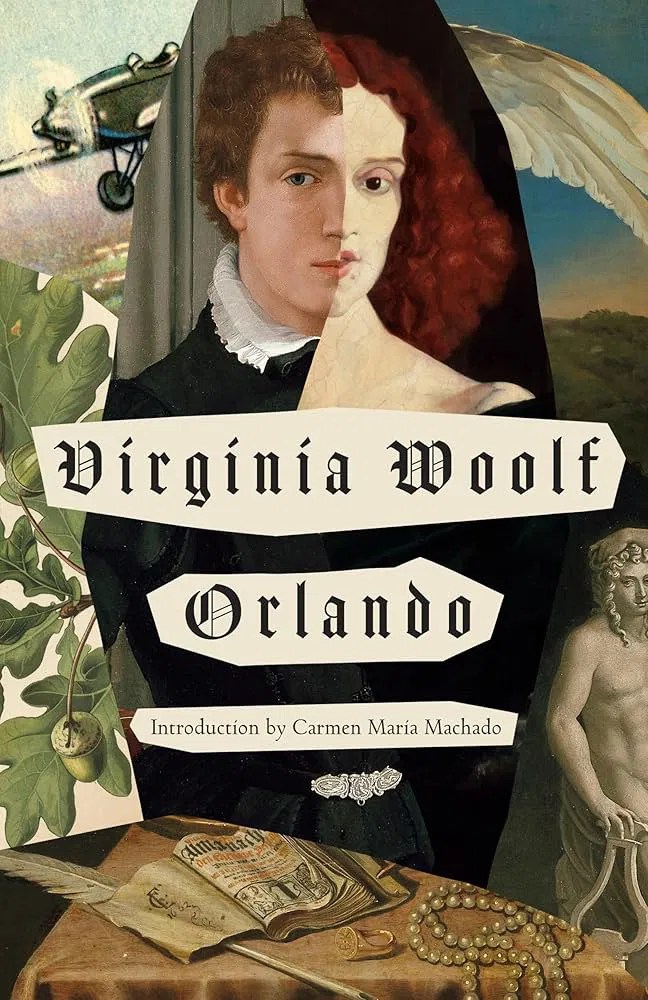
Orlando, Virginia Woolf (1928)
Orlando is an early and rare exploration of gender from well-known bisexual author and novelist Virgina Woolf. Inspired by the wild family history of her own aristocratic lover, Vita Sackville-West, the gender-bending feminist classic follows the poet Orlando from life as a pretty teenage boy in the court of Elizabeth I through the following centuries among key figures of English literary history.
At about age 100, Orlando magically changes sexes, leading to many eye-opening revelations and thrills. As such, Orlando has become a mainstay of transgender studies and scholarship.

The Autobiography of Alice B Toklas, Gertrude Stein (1933)
“Modern” defined the lives of lovers Alice B Toklas and Gertrude Stein, who lived in Paris together among artists and writers like Picasso and Hemingway in the years between the world wars.
Stein decided to tell the story of their relationship and the times through an “autobiography” that she penned in the name of Toklas, who served as her confidante, friend and lover (but who had no claim to being an artist like Stein and others in their circle). The book’s modernist form has earned it praise as one of the greatest English-language nonfiction works of the 20th century.
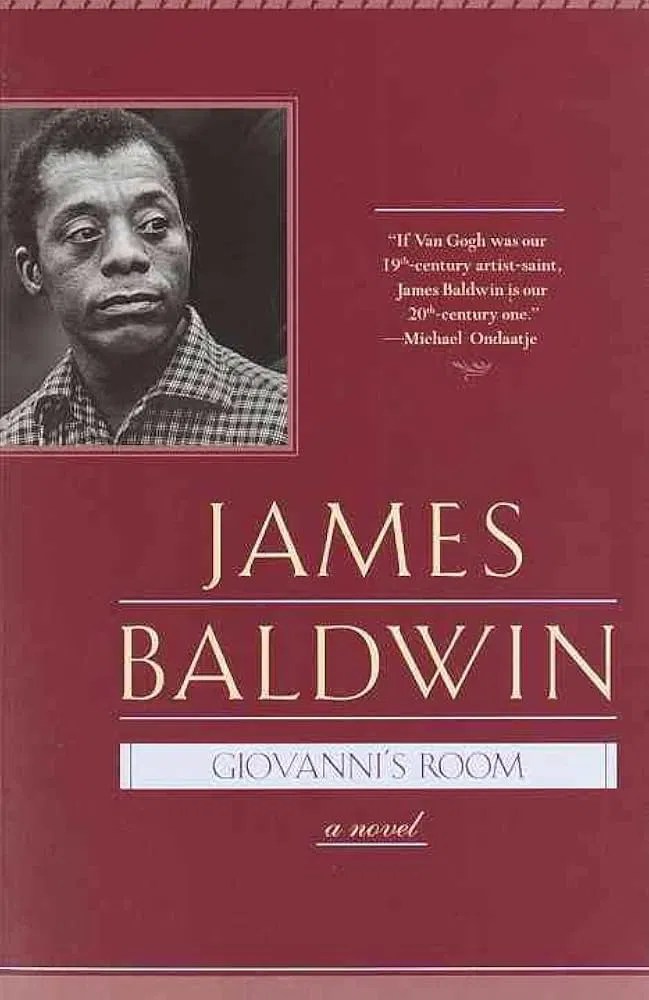
Giovanni’s Room, James Baldwin (1956)
Baldwin’s Giovanni’s Room holds a special place in the hearts of gay men in particular who read it at a young age.
While Baldwin is black, and wrote about race in his semi-autobiographical novel Go Tell It on the Mountain three years earlier, Giovanni’s Room concerns a closeted young white American man living in Paris and his feelings for other men, in particular an Italian bartender named Giovanni whom he meets at a Parisian bar.
The story surfaces self-loathing, internalised homophobia and social alienation for the protagonist and readers alike, as well as the joys of erotic love and longing.
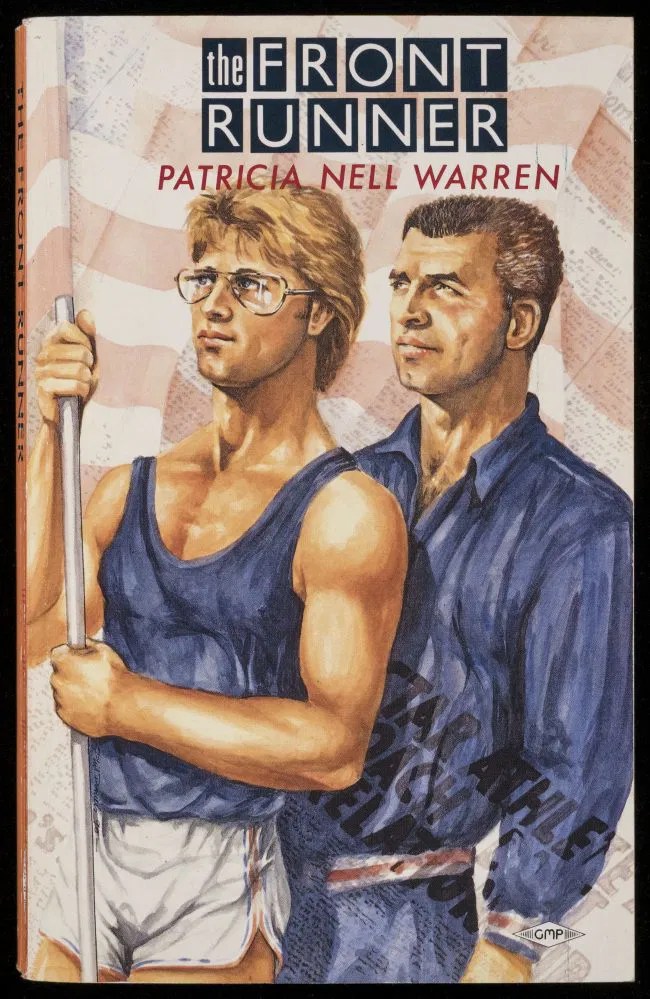
The Front Runner, Patricia Nell Warren (1974)
This novel, published five years after the 1969 Stonewall uprising, is notable for being the first contemporary gay novel to achieve mainstream commercial and critical success.
The soapy and page-turning love story chronicles an affair between a running coach and his star athlete, told with flashbacks to the coach’s time as a closeted Marine, an unfaithful husband, a Greenwich Village hustler, and (ultimately) a living-out-loud gay man living with his gold medal-winning Olympic athlete lover and partner.
Like its straight contemporary inspiration, Love Story, it ends in tragedy, but it endures as a modern gay classic.
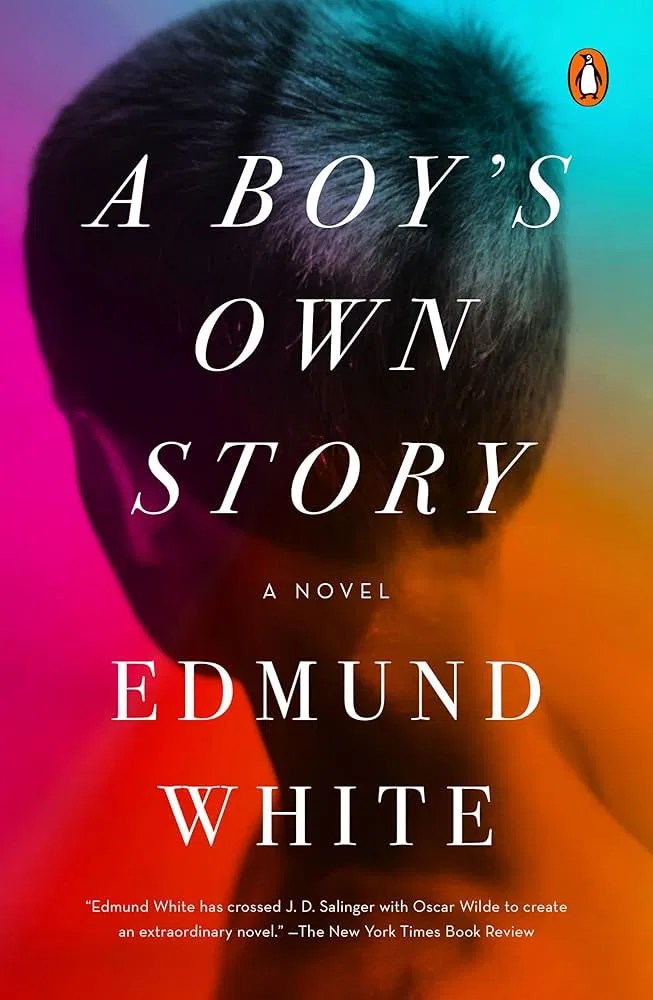
A Boy’s Own Story, Edmund White (1982)
This autobiographical novel comes from the towering gay literary figure Edmund White, who died earlier this year, documenting a boy’s coming of age in the American Midwest during the 1950s. It was the first in a trilogy of books exploring the author’s relationship to his sexuality, and it reigns as a classic among gay coming-of-age novels.
White was probably the best known among a group of authors in the literary group the Violet Quill, a collection of gay writers in New York in the late 1970s and ’80s who were instrumental in the development of contemporary LGBT+ literature.
Re-engage
As we get older, our social circles diminish, and we find ourselves with fewer and fewer people to turn to. Imagine realising one day that all your friends and family have gone from your life. Loneliness can be cruel, and it affects millions of people over 75 who live in social isolation.
Re-engage is making life less lonely for thousands of older people every year. Older people tell them that their volunteer-led activities make them happier and more able to trust others.

Rainbow call companions is their telephone befriending service ensuring older people stay connected to the outside world. Rainbow call companions is available to anyone aged 75 and over who’s socially isolated and would like a regular chat over the phone with a friendly volunteer.
This is a service specifically for lesbian, gay, bisexual, transgender plus people (LGBT+) aged 75+ who would like to speak to someone who’s also LGBT+.
Calls last for half an hour or so and you can chat about anything that interests you. What’s great is that the same volunteer phones you every time, so you can get to know each other and share stories and laughter – for as long as you both want.
You can refer yourself for support here.
Our Next Chapter
Graeme Urlwin has set up a new online service for gay men aged 55 and over – ‘Our Next Chapter’ – to combat loneliness and offer older gay men connection and a virtual space to come together to meet others in similar positions.

Graeme writes: “Becoming an older gay man myself has led me to this initiative as I feel my world shrinking a little. I used to love going into the village and there was a time when I lived in the clubs, and now? Not so much!
My background has been in community development having run a charity for young men in the 00’s and more recently with The Proud Trust. I worked with young people and parents of their trans and non binary children. It was through this experience that I saw the power of bringing people together who share similar experiences.
I am currently on Facebook and Instagram – Facebook group is ‘Our Next Chapter’ and Instagram is ‘Ournextchpt’ I’m currently developing the Facebook page so Insta is your best go to. Please take a look and let me know what you think.”
Fun Fact
“Merry Christmas” in the Filipino language is “Maligayang Pasko”.
 Out in the City
Full of some great info on new books to read! Thanks for sparing my pride on the early bath incident!
LikeLike
Thank you Tony. I so much enjoy reading your emails. So interesting, with lots of information and history I didn’t know, only vaguely knew or had forgotten. And snippets of information which, if sometimes not relevant to me, are definitely good to pass on to friends.
Thank you so much.
LikeLike