Our day out at Abbey House Museum in Kirkstall promised a delightful journey into the past. We began our visit by exploring the fascinating recreated Victorian streets, where you can step inside traditional shops and homes, gaining a real sense of what daily life was like in Leeds during the 19th century.
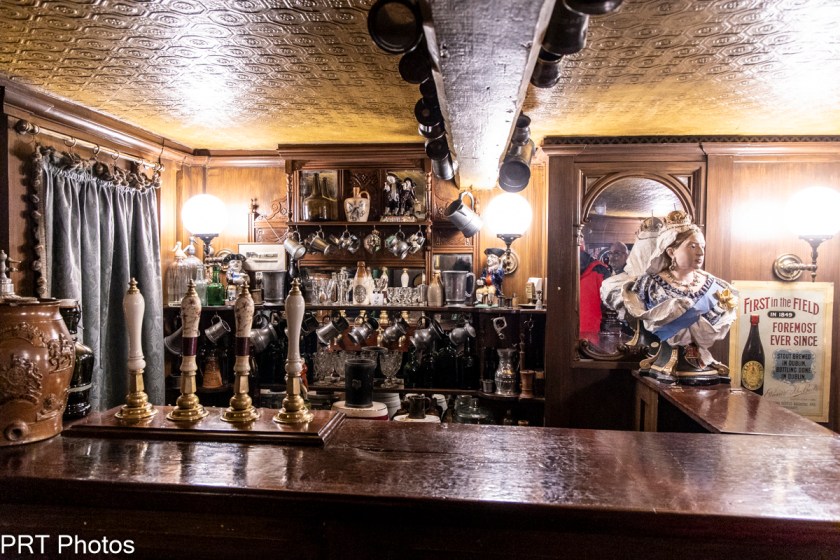
The Hark to Rover pub was a refuge for the working classes who often had a miserable existence. It provided warmth, music, games and company along with a chance to forget about their troubles. Men were the main clientele and would often drink away their wages resulting in drunkenness and violence. In 1894, over 2,000 people were prosecuted for drunkenness in Leeds. Some pubs in Leeds only admitted women in the 1970s!
Theatre going was promoted as an alternative to pub going and as a result many theatres were constructed during this period. The Temperance Movement was led by middle class social reformers. Temperance rooms selling cocoa were set up but were never as popular as the pub!
The streets also featured the chemist, grocer, police station, Sunday school and many more.
The museum also features interactive exhibits in the form of original working penny slot machines. We watched the murder mystery, the haunted room and had our fortune told.
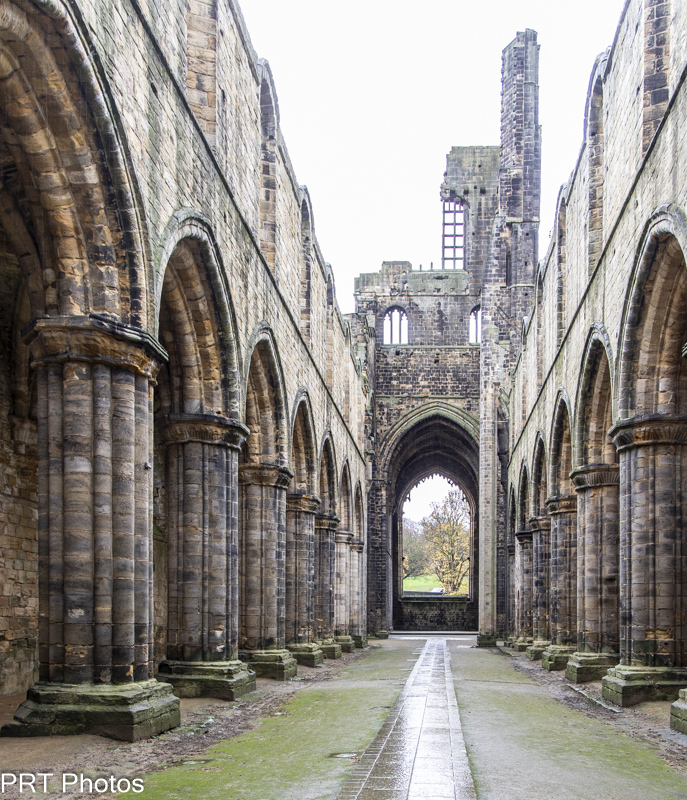
After wandering through the displays, we crossed the road to Kirkstall Abbey where there is an onsite café. We combined our visit with a walk around the beautiful abbey ruins, rounding off a memorable and educational day out.
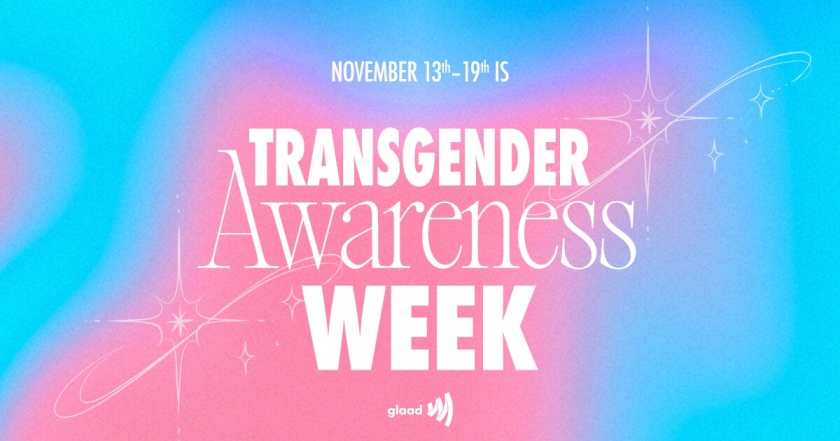
Each year between 13 – 19 November, people and organisations around the country participate in Transgender Awareness Week to help increase understanding about transgender people and the issues members of the community face.
Trans Awareness Week takes place the week before Transgender Day of Remembrance on 20 November.
Transgender Day of Remembrance (TDOR), is an annual observance on 20 November that honours the memory of the transgender people whose lives were lost in acts of anti-transgender violence that year.
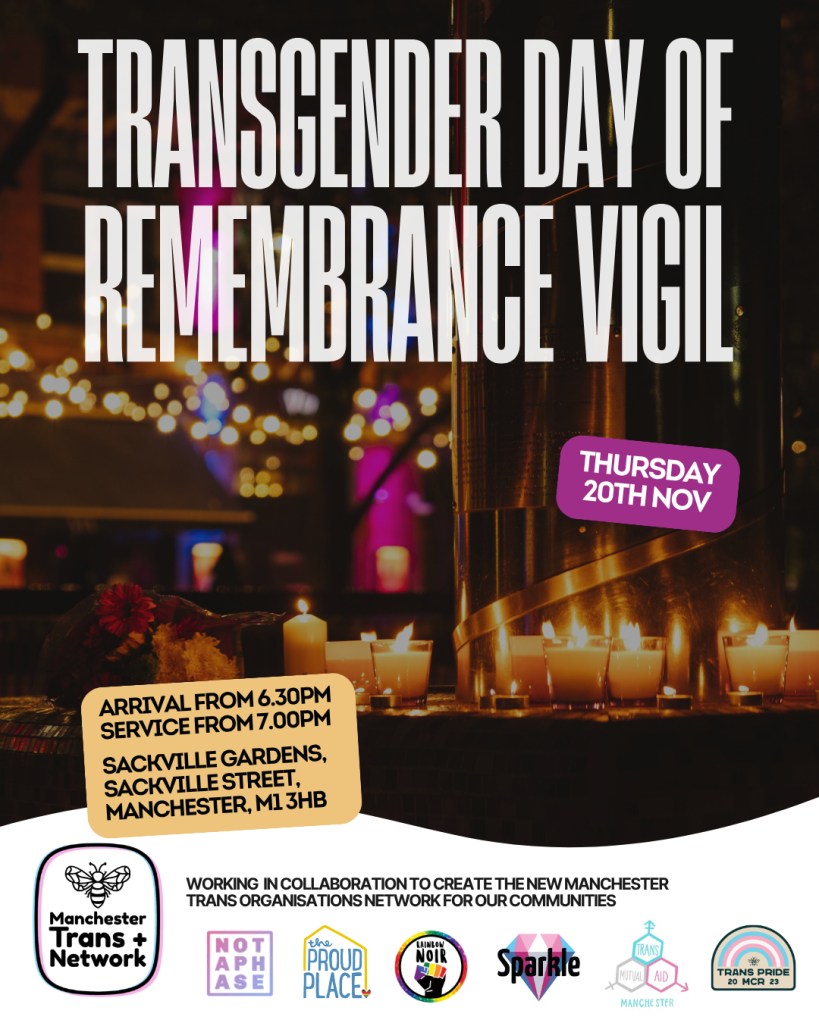
Trans Day of Remembrance Vigil 2025 The Manchester Transgender Day of Remembrance Vigil will take place on Thursday 20 November in Sackville Gardens, Sackville Street, Manchester M1 3HB. Arrival from 6.30pm and the service will start at 7.00pm. There will be a service of speakers and performers. Candles will be provided and we can take the time to remember those trans & gender diverse lives we have sadly lost.
The history of LGBT+ kiss-in protests
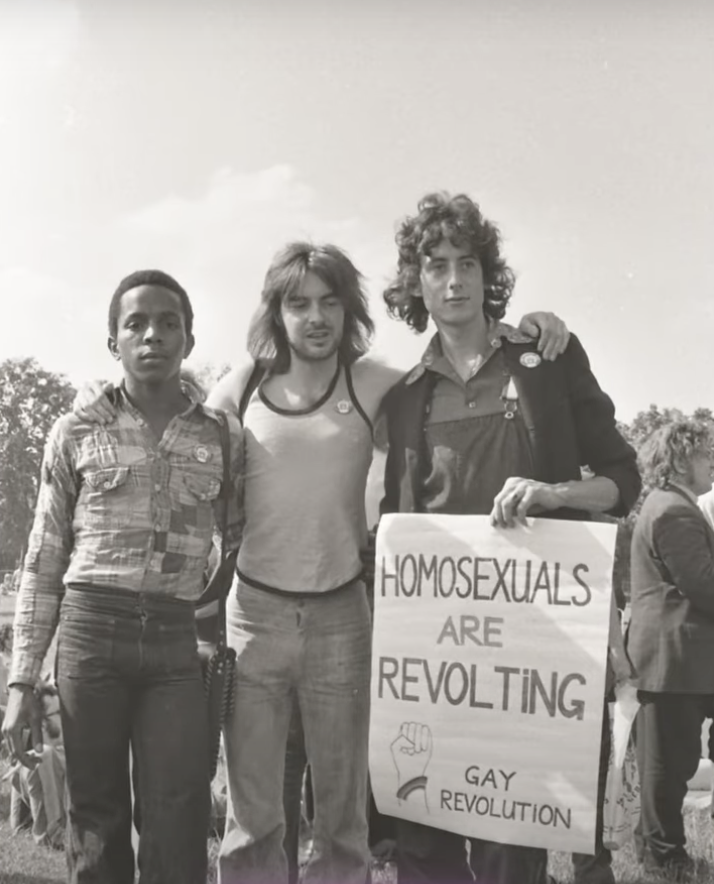
Ted Brown, Noel Glynn and Peter Tatchell at UK’s first Gay Pride
Did you know that kissing can be a form of activism?
The first documented kiss-ins took place in 1970 in New York City during a gay liberation march commemorating the first anniversary of the Stonewall Riots.
In 1972, members of Gay Liberation Front put on the UK’s first Gay Pride parade, which ended in a mass kiss-in.
In 1973, the first national lesbian kiss-in protested the lack of female artists at the Los Angeles County Museum of Arts.
And in 1976, LGBT+ organisations in Toronto staged a kiss-in protesting the arrest of two gay men who kissed each other at an intersection.
While the use of kiss-ins petered out after the late 1970s, they became an organising strategy among ACT UP chapters in the US and Canada in the late 1980s and early 1990s – including at the historic HIV/AIDS protest at St Vincent’s Hospital in New York.
While more recent kiss-ins have taken place from 2002 up until 2018, they have once again become a less common form of activism. But its history and impact should not be forgotten.
We Have Always Been Here
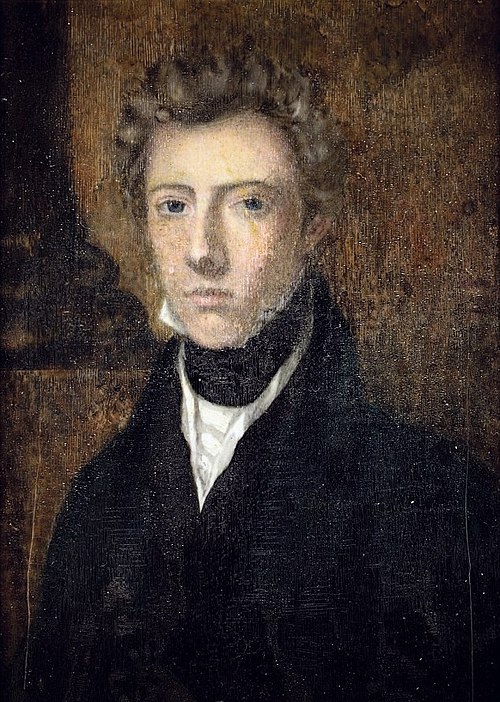
Portrait claimed to be of Barry, c. 1820s
In 1812 James Miranda Barry graduated from the Medical School of Edinburgh University as a doctor. Barry went on to serve as an army surgeon working overseas. Barry lived as a man but was found to be female-bodied upon his death in 1865.
In 1833, 24-year old actor Eliza Edwards was found dead. The corpse was taken to Guy’s Hospital for an autopsy, where it was discovered that Edwards was ‘a perfect man’.
Birthdays
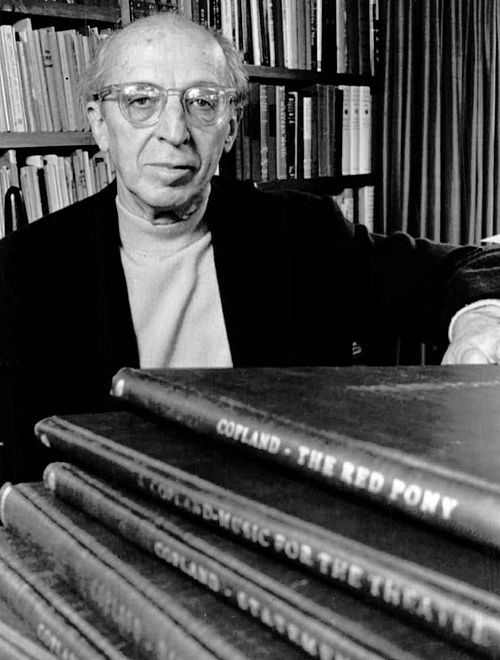
Aaron Copland
Aaron Copland (born 14 November 1900 – 2 December 1990) was an American composer, critic, writer, teacher, pianist and conductor of his own and other American music.
The open, slowly changing harmonies in much of his music are typical of what many consider the sound of American music, evoking the vast American landscape and pioneer spirit. He is best known for the works he wrote in the 1930s and 1940s in a deliberately accessible style often referred to as “populist”.
Works in this vein include the ballet Appalachian Spring, and his Fanfare for the Common Man. In addition to his ballets and orchestral works, he produced music in many other genres, including chamber music, vocal works, opera and film scores.
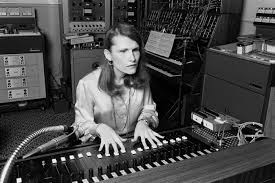
Wendy Carlos
Wendy Carlos (born 14 November 1939) is an American musician and composer known for electronic music and film scores.
Born and raised in Rhode Island, Carlos studied physics and music at Brown University before moving to New York City in 1962 to study music composition at Columbia University. Studying and working with various electronic musicians and technicians at the city’s Columbia-Princeton Electronic Music Center, she helped in the development of the Moog synthesizer, Robert Moog’s first commercially available keyboard instrument.

 Out in the City