Transgender Parent Day
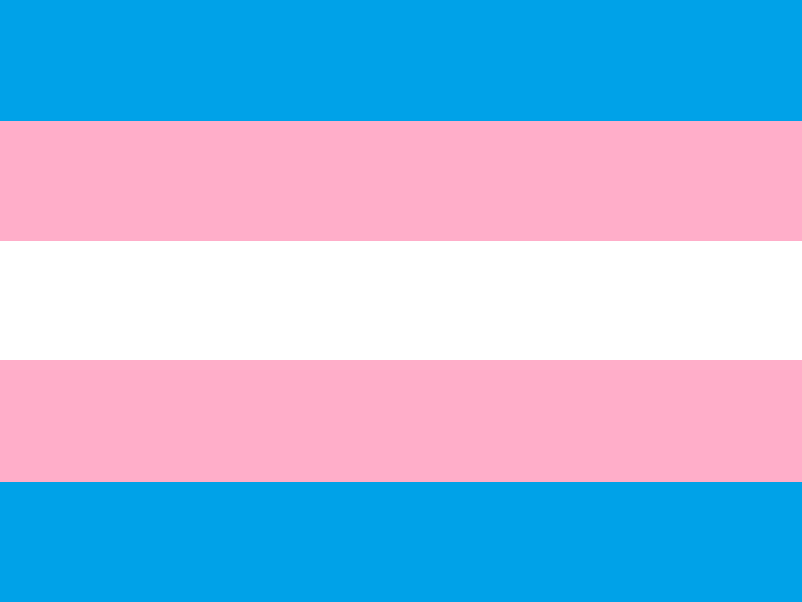
Transgender Parent Day is celebrated on Sunday, 2 November.
The day, first established in 2009, is observed annually on the first Sunday of November to honour transgender parents and parents of transgender children.
It serves as a non-gendered alternative to traditional Mother’s or Father’s Days and highlights the resilience and love of these families.

Glamour UK features trans cover
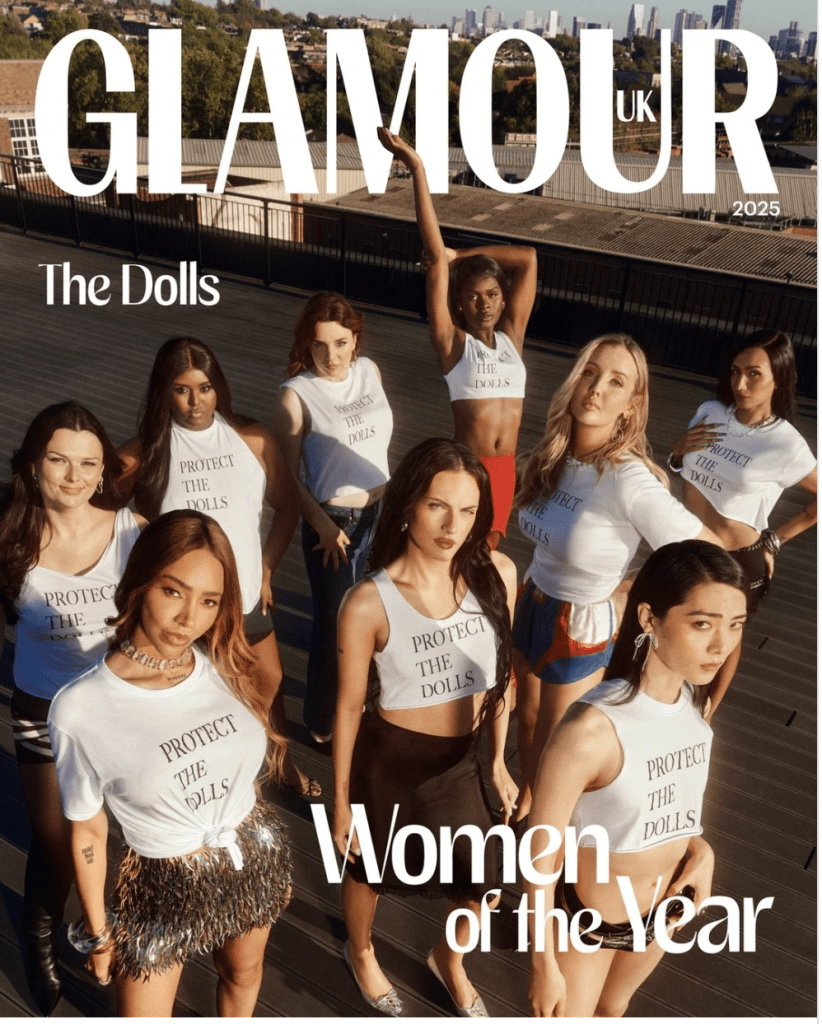
Glamour UK proved how to “Protect the Dolls” with a sharp witty response against JK Rowling complaining about its latest cover, which features a group of trans women.
The fashion magazine honoured nine “ground-breaking” trans women in a cover story for its annual award, which commemorates women who have made “extraordinary and inspirational” changes over the past year.
Its latest issue, revealed in a social media post, dated 30 October, features campaigners, musicians, actresses and authors all wearing “Protect the Dolls” shirts created by Connor Ives.
The phrase is often used by trans women to affirm their femininity and as a synonym for trans rights. Its usage originated in 80s ballroom culture.
Featured on the cover are Munroe Bergdorf, Maxine Heron, Taira, Munya, Bell Priestley, Dani St. James, Ceval Omar, Mya Mehmi, and Shon Faye.
JK Rowling (also known as Robert Galbraith), whose gender-critical views about trans people are extensive and well-recorded, was quick to complain about the magazine’s decision to name the nine “dolls” as women of the year.
The Harry Potter writer claimed that, by choosing to platform transgender women, the magazine is suggesting that trans women are “better” than cisgender women.
In a post on X, she wrote: “I grew up in an era when mainstream women’s magazines told girls they needed to be thinner and prettier. Now mainstream women’s magazines tell girls that men are better women than they are.”
Nowhere in Glamour UK’s cover story does it suggest this. This is only the second time the magazine has picked a trans woman for one of its awards in its almost three-decade history. JK Rowling herself was selected for an award in 2005.
A social media spokesperson for the publication made its thoughts on Rowling’s criticism clear, replying in a post on X / Twitter: “Better luck next year Jo x.”
Glamour UK’s feature highlighted the continued activism of its nine inductees and focused on positivity amid growing hostility towards trans people.
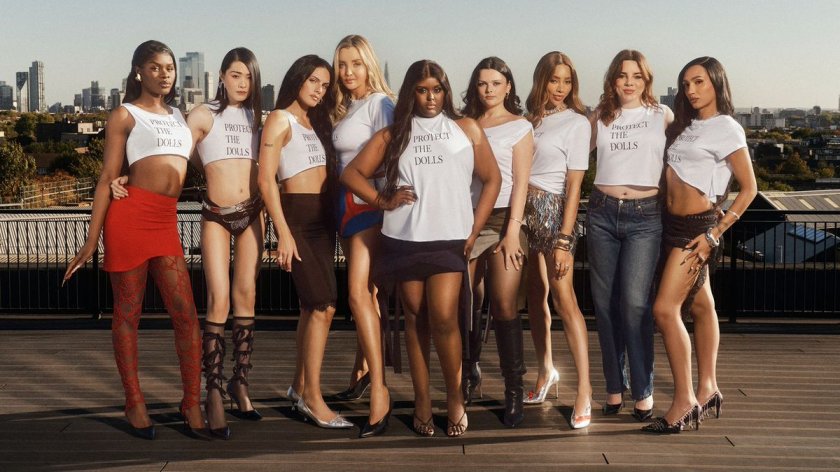
Asked what sisterhood means to her, Not A Phase chief executive, Dani St James emphasised the community’s need to stick together as the UK grows more volatile.
“We are only going to get through this if we stick together and support one another through this very difficult time, and what is likely to be an even more challenging period ahead,” she said. “Sisterhood for me is the assurance that I’m able to share that experience with people and get through it.”
A Pictorial History of the Art of Female Impersonation
Female impersonation, dating back to almost Garden of Eden days, embraces many vivacious, volatile and, indeed, voluptuous personalities in its history. Pursuers and pursued, loved and lovers, wanted and wanton, have all donned the drag to achieve their ends.
At the turn of the 20th century, the great comedian, Dan Leno, had but four tragic years to live. Dogged by mental sickness he was never more relaxed than when earning his laughs whilst dressed as a skinny, hard faced middle-aged dame. Here was a pioneer of female impersonation who won the hearts of the nation at a time when people dare hardly admit that such outrages of supposed normality existed.
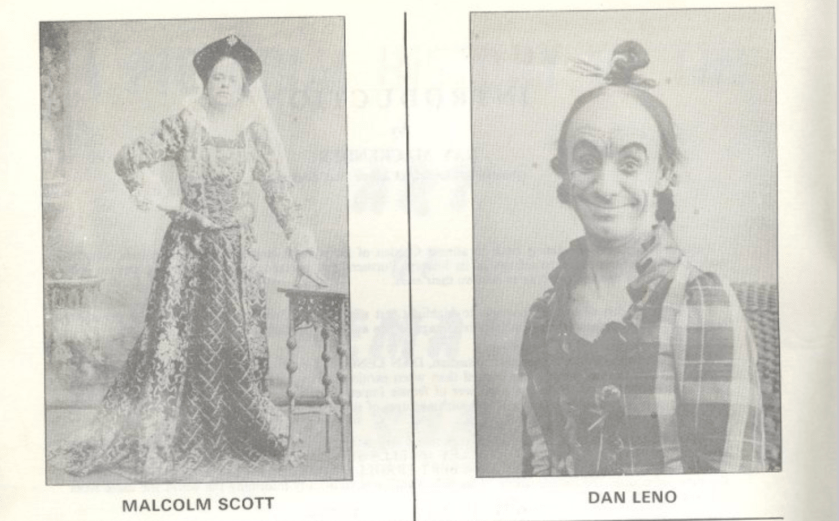
Within a very short time the boards of the music hall were bouncing with many impersonators of both sexes. Whilst Hetty King, Vesta Tilley and Ella Shields all did their best to achieve manhood, Wilkie Bard, Malcolm Scott and Bert Erroll did their darndest to deceive as dames.
Among the other “greats” of this period must be included G S Melvin as a rampant girl guide; Shaun Glenville, held by many to be the top dame of all time; Duggie Byng, master of slightly saucy songs; and, although not British, mention must be made also of the fabulous Babette who played several circus seasons in this country. Dating back to this period are George Lacey and Clarkson Rose, both topping pantomime bills in 1966 – what indestructible troupers. Bless ‘em!
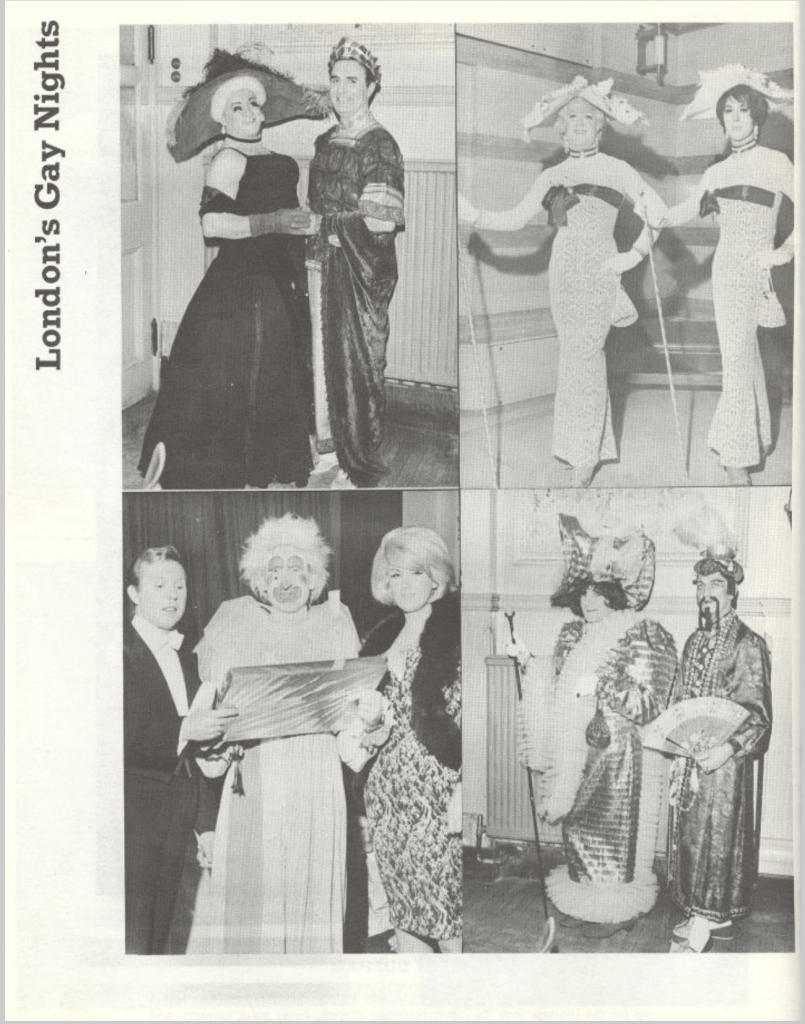
The start of the current boom came in the mid-forties with the touring revue, “Soldiers in Skirts” which played the ailing music halls with tremendous success. Once a year, around December and January, the whole scene becomes a gay, festive whirl when the song “There’s nothing like a dame” becomes literally true. From village hall to London Palladium, pantomime dames thrust forth their falsies. This is their season of fulfilment and they make the most of every delightfully shocking second.
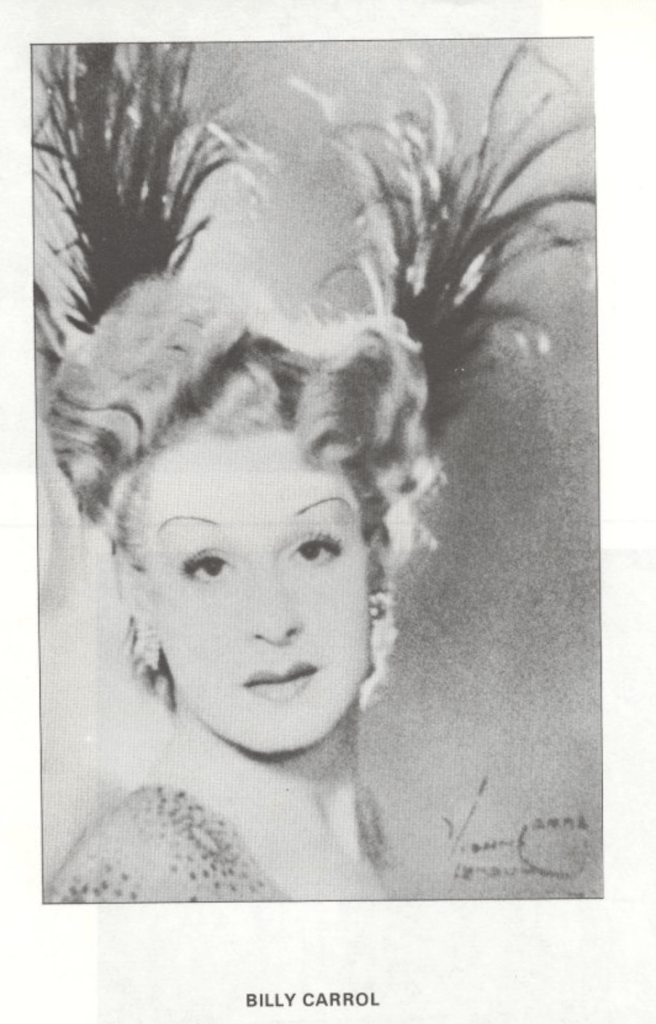
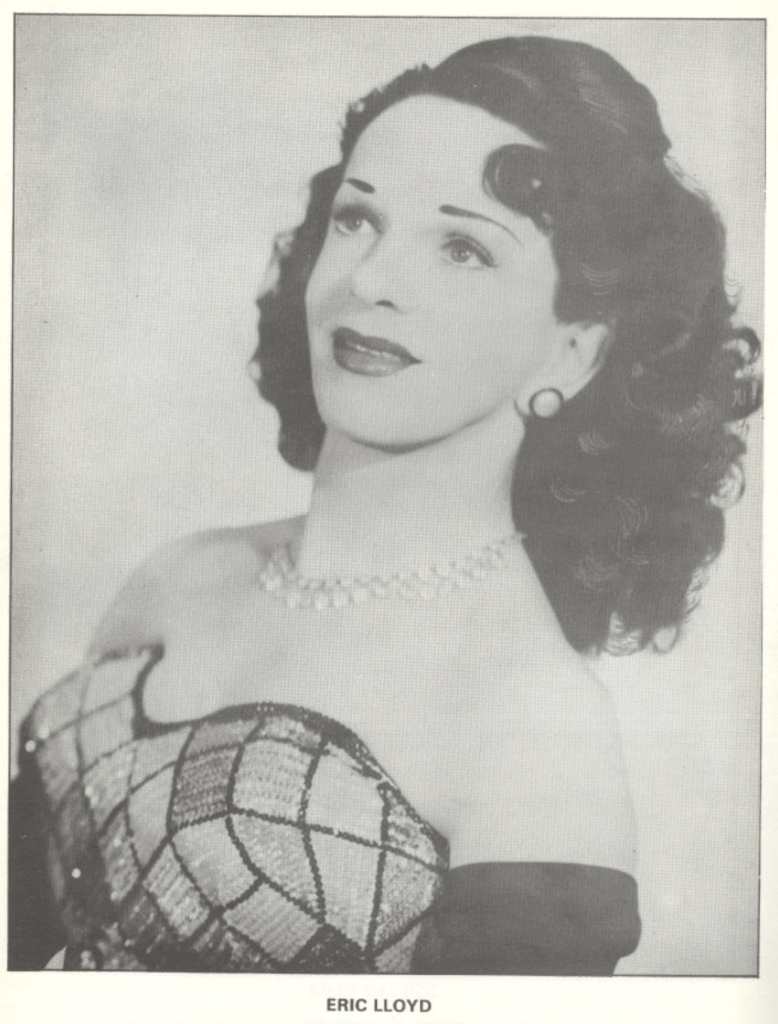
Now that the Empires, Hippodromes and Palaces are but memories of the past, impersonators found an eager audience in the patrons of London’s East End pubs and in clubs up and down the country. Among the most creative entertainers in this field being Tommy Osborn, Chris Shaw and Danny La Rue. There are, of course, many more holding the flag of the dames high today, a fitting tribute to the fine artistes of the past. Long may they reign!
The video looks back in time at the bygone days of the 60s Drag Scene and beyond through the World wars and into the late 19th Century Music Hall.
Enjoy a saucy jaunt down memory lane with some forgotten greats!
Birthdays
 Out in the City
Great articles. I had a particularly good laugh at ‘J K Rowling, also known as Robert Galbraith’ ha ha, one rule for her……etc and Glamour’s witty response.
LikeLike