
Queer Poetry Upfront Performance Night
The Queer Poetry Upfront Performance Night at Queer Lit, Manchester was a vibrant celebration of LGBTQ+ voices, offering an intimate platform for both emerging and established poets. The atmosphere was electric from the outset, with the bookshop’s cosy setting fostering a sense of community and inclusivity that made everyone feel at home.
Performers took to the stage with a diverse array of poetic styles, ranging from deeply personal confessions to sharp, witty social commentary. The raw honesty and vulnerability displayed captivated the audience, who responded with enthusiastic applause and heartfelt cheers. Standout performances included moving pieces on identity, love, and resilience, all delivered with a remarkable blend of passion and poise.
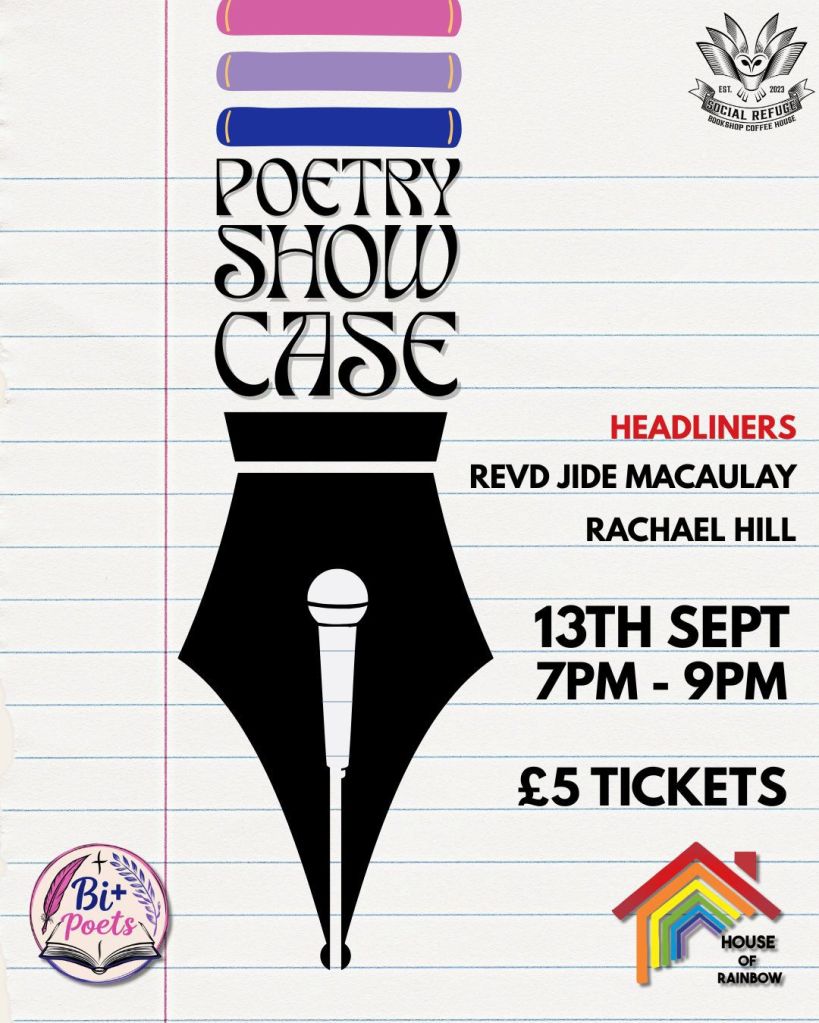
What set this night apart was the open-mic segment, which encouraged audience participation and showcased the breadth of talent within Manchester’s LGBTQ+ community. The event was expertly hosted by Jide Macaulay and Lauren Temple (standing in for Rachael Hill), ensuring a supportive environment where every voice was valued.
Overall, the Queer Poetry Upfront Performance Night at Queer Lit proved to be a powerful and uplifting experience – one that highlighted the importance of queer spaces in amplifying underrepresented stories. It was a night brimming with creativity, courage, and connection, leaving attendees eagerly anticipating the next gathering.

Ann Bannon
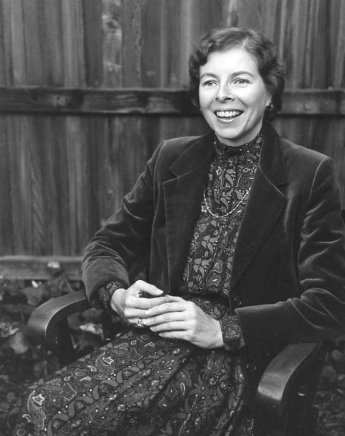
Ann Weldy (born 15 September 1932), better known by her pen name Ann Bannon, is an American author who, from 1957 to 1962, wrote five lesbian pulp fiction novels known as The Beebo Brinker Chronicles. The books’ enduring popularity and impact on lesbian identity has earned her the title “Queen of Lesbian Pulp Fiction”.
Bannon was a young housewife trying to address her own issues of sexuality when she was inspired to write her first novel. Despite her traditional upbringing and role in married life, her novels defied conventions for romance stories and depictions of lesbians by addressing complex homosexual relationships.
Her books shaped lesbian identity for lesbians and heterosexuals alike, but Bannon was mostly unaware of their impact. She stopped writing in 1962. Bannon has received numerous awards for pioneering lesbian and gay literature. She has been described as “the premier fictional representation of US lesbian life in the fifties and sixties”, and it has been said that her books “rest on the bookshelf of nearly every even faintly literate Lesbian”.
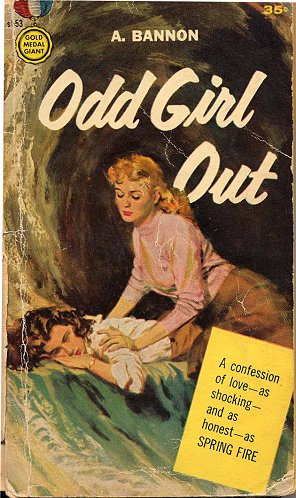
Her first book, Odd Girl Out, was published in 1957, and became Gold Medal Books’ second best-selling title of the year. Based on Bannon’s own experiences, the plot involved a lesbian relationship between two sorority sisters in a fictional sorority at a fictional midwestern university. As was custom with pulp fiction novels, neither the cover art nor the title were under the control of the author. Both were approved by the publisher in order to be as suggestive and lurid as possible.
Lesbians depicted in literature were relatively rare in the 1950s. It was the publisher’s policy in any novel involving lesbianism that the characters would never receive any satisfaction from the relationship. One or both usually ended up committing suicide, going insane, or leaving the relationship.
Bannon’s books were popular because they were so different from anything else being published at the time. Bannon insisted on the continuity of lesbian love, while everything in her culture was speaking of its quick and ugly demise.
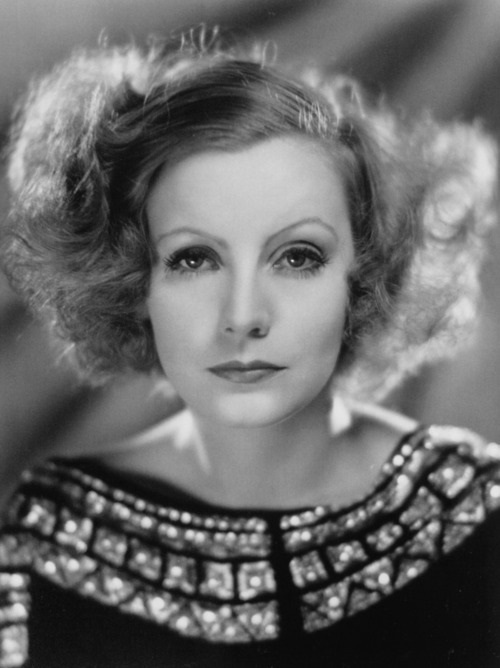
Greta Garbo (Greta Lovisa Gustafsson) born on 18 September 1905 was a Swedish and American actress. She was a premier star during Hollywood’s silent and early golden eras. Regarded as one of the greatest screen actresses of all time, she was known for her melancholic and sombre screen persona, her film portrayals of tragic characters, and her subtle and understated performances.
 Out in the City