
Going to the Match
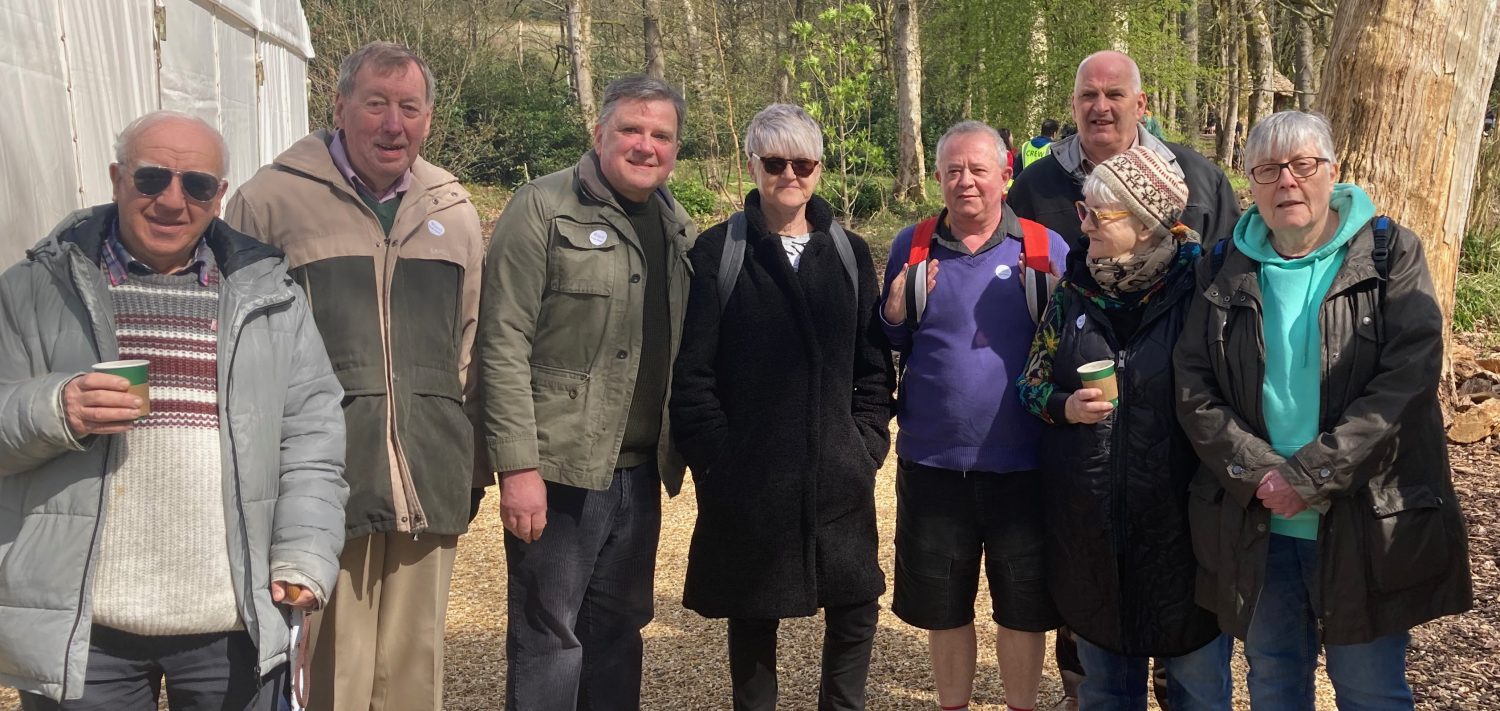
“Going to the Match”, painted in 1953, is probably L S Lowry’s best-known and most popular picture. Twenty five members of Out In The City visited The Lowry to enjoy the immersive experience of “Going to the Match”.
It has become an enduring representation of what match day means to fans. Typically, Lowry’s focus is not on the players or the game but on the crowds streaming towards the ground. It depicts Burnden Park, the home of Bolton Wanderers Football Club at the time.
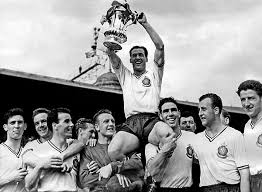
My earliest memory is watching the 1958 FA Cup final on 3 May 1958 (I was three years old) by Bolton Wanderers and Manchester United. The match was played at Wembley Stadium, but I was sat cross legged in front of a 9-inch television in our living room, filled with guys. Bolton won 2–0, with a double by Nat Lofthouse, who scored the goals in the 3rd and 55th minutes.
In the early 1960’s my dad used to take me to Burnden Park. In the meantime my mum would visit Alma Lofthouse Hairdressers (Nat’s wife) to have her hair done.
In 2022 a new record was set for Lowry’s original oil paintings when “Going to the Match” raised just over £7.8 million.
After eating in The Harvester we explored the Salford Quays and the historic Manchester Ship Canal on a 60-minute round trip river cruise.
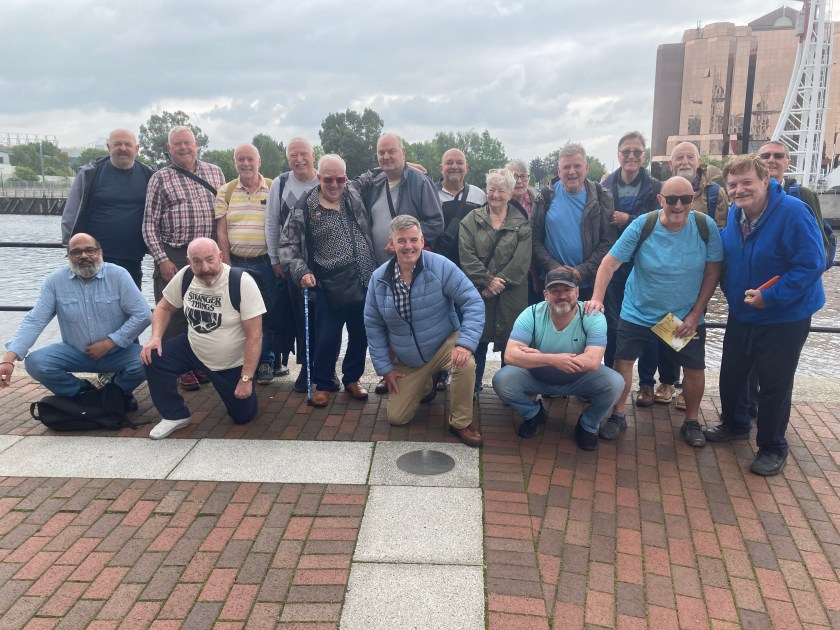
Angel has written this up, so I will hand over to Angel:
Today the “seniors” came for a boat ride on the canals of Manchester. The channels connect Manchester’s ports with Liverpool and the Irish Sea. The canal was finished at the end of the 19th century and inaugurated by Queen Victoria. It is more than 55 kilometres long. Only the Panama Canal is longer.
The railway wasn’t enough, and the canal was built to allow large-drawn boats to enter, at a time when the factories in Manchester produced almost 80% of all the cotton clothing used in the world. The canal takes advantage of the Irwell River waters and goes under numerous bridges.
We left Media City UK, towards BBC studios and other TV channels. Passed under Trafford bridge towards Manchester city centre. The walk took us to Salford, Trafford and Manchester to return to Media City in Salford.
The channel is a bit of the history of Manchester and the Industrial Revolution. Many of the canal-side neighbourhoods, now missing, housed workers living in miserable conditions. There are a few buildings left that remember the past history. However, Manchester is now a modern city, where so many skyscrapers are erected, that The Guardian newspaper called it “Manc-hattan”.
More photos can be seen here.

Queer Treasures at the Central Library – 8
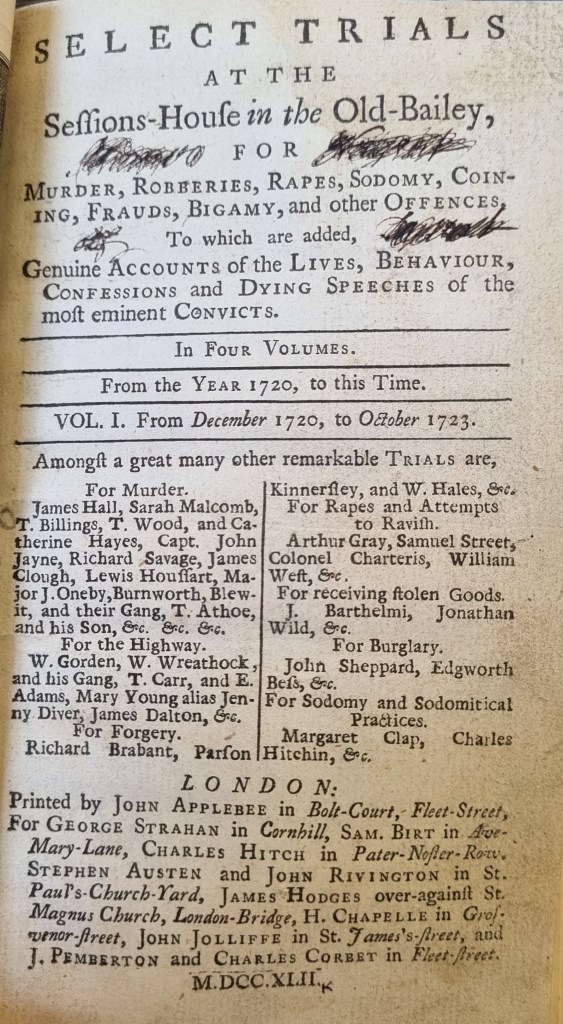
‘Select Trials at the Sessions-House in the Old Bailey’ – (Printed in 1742 by John Applebee)
(This is the eighth of a short series of articles about queer literary treasures that are currently to be found in the Archives held at Manchester Central Library.)
Applebee’s book, printed in four volumes, gathered together a range of accounts of Old Bailey trials relating to ‘Murder, Robberies, Rapes, Sodomy, Coining, Frauds, Bigamy and other Offences’, primarily from the 1720s. Of particular interest are the records it provides of 14 trials for ‘Sodomitical offences’, including a number that relate to Margaret (Mother) Clap and her Molly House.
The Suppression of Vice
In 1691 the Society for Reformation of Manners was founded in the Tower Hamlets area of London with the specific aim of ‘the suppression of profanity, immorality and other lewd activities in general, and of brothels and prostitution in particular’. Sodomites, (men who loved other men), were quickly targeted and at the instigation of some of the Society’s members many Molly Houses were raided and their clientele arrested and prosecuted – leading many of those accused to be imprisoned, pilloried and executed. Soon local groups with the zealous mission of the extirpation of Vice were established across Britain, including locally in Warrington and Wigan. These groups of ‘concerned citizens’ quickly set about collecting evidence on what they saw as the immoral activities that were flourishing in their own local areas and pressurised local magistrates to prosecute those whose ‘vices’ they did not approve of.
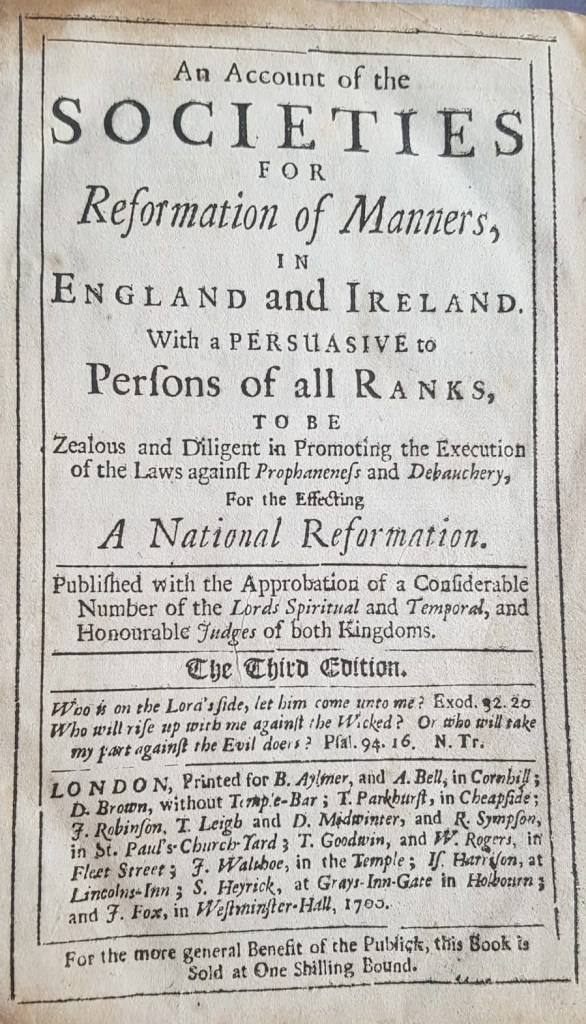
For those convicted of ‘sodomitical practices’, sentences included imprisonment, fines, floggings, being placed in the pillory and execution. To secure the death penalty, the prosecuting authority had to prove that both penetration of, and ejaculation into, the body of another had occurred – which in practice was a high threshold to achieve. For example, Applebee’s book relates the case of George Duffus who was charged with ‘committing in and upon the body of Nicholas Leader, the unnatural Sin of Sodomy’ (1 105). Leader testified that he had allowed Duffus to share his bed for a night and was surprised when Duffus took hold of his penis. Endeavouring to escape this assault, he said, he turned over onto his back, whereupon Duffus ‘kept me down and thrust his Yard [penis] betwixt my Thighs, and emitted’. Luckily for Duffus, ejaculation outside of a body did not constitute an act of sodomy which required proof of penetration. Hence, ‘The Spermatic Injection not being prov’d, the Court directed the Jury to bring in their Verdict special’ (1 107), that is, to find Duffus not guilty of sodomy. The court however felt that he ought ‘not escape the Hands of Justice intirely’ and so a Bill of Indictment against him for ‘attempting to commit Sodomy’ was brought forward, leading to his second trial where –
‘The Jury found him guilty and he was sentenced to pay a Fine of twenty Marks, to suffer two Months Imprisonment, and to stand upon the Pillory near Old Gravel-Lane’ (1 108).
Standing upon the pillory was a perilous sentence which sometimes did lead to the death of the accused, especially if the crowd hated that person and sent sufficient projectiles to cause fatal injuries.
Then, as now, courts were not always as free from bias as they ought to be. Accused persons were often brought to trial quite quickly, with not enough time to marshal evidence of their innocence, and frequently without the funds to pay for a defence lawyer.
Blackmail a perennial Mischief
The cases also demonstrate the persistence of blackmail through the ages as would-be informants were happy to remain silent for a regular fee. In the case against Thomas Rodin for ‘attempted sodomy’, Thomas Clayton accused Rodin of being a ‘Molly and a Sodomite’ and when Rodin complained to the local magistrate about this slander, Clayton double-downed on his accusations and testified that he had seen ‘the Prisoner [Rodin] lying with [another man] in the Nature of Carnal Copulation, as a Man lies with a Woman’ (1 280). Rodin was lucky in that was able to prove his good character and was acquitted, other cases recorded in Applebee’s book, were not so fortunate.
Trial records contain lurid accounts of Molly Houses, such as that in the trial of Thomas Wright for sodomy in 1726. Thomas Newton, the alleged victim in the case, and other witnesses testified that Wright –
‘kept rooms for the Entertainment of the Molly-Culls … [where] a Company of Men … In a large room there we found one a fiddling, and eight more a dancing Country Dances, making vile Motions, and singing, Come let us —– finely. Then they sat in one another’s Lap, talked Bawdy, and practised many Indecencies. There was a Door in the great Room, which opened into a little Room, where there was a bed, and into this little Room several of the Company went; sometimes they shut the Door after them, but sometimes they left it open, and then we could see part of their Actions.’ (2 368)
Despite three witnesses testifying to his being ‘a sober Man and … a very good Churchman’ and Wright himself claiming that his accusers were liars, he was convicted and ‘hang’d at Tyburn, on Monday, May 9, 1726’ (2 369).
George Whitle – It’s not a Molly House, your honour, but a Surgery
Likewise, George Whitle was indicted for allegedly committing Sodomy with Edward Courtney. Whitle kept an alehouse and Courtney alleged it had rooms for ‘Mollies’ (gay men) and testified in court that there was also a middle room next to the kitchen, which had a bed in it –
‘… for the Use of the Company when they have a Mind to go there in Couples, and be married; and for that Reason they call that Room, The Chappel.’
Courtney added that Whitle ‘had help’d me to two or three Husbands there’.
Another witness, Drake Stoneman, testified –
‘I have seen Men in his back Room behave themselves sodomitically, by exposing to each other’s Sight, what they ought to have conceal’d. I have heard some say, Mine is best. Yours has been Battersea’d’ [*] (1 370)
A Mr Rigs also gave evidence against Whitle, who, undeterred, was able to mount a strong defence. Whitle showed that Courtney had thrice been in the local prison and so was an unreliable witness, and that the accusations of his being a Sodomite were purely spiteful. As for Drake Stoneman’s testimony regarding unnatural activities in the middle room, there was an unblameworthy reason, as Whitle explained to the court
‘I was acquainted with several young Surgeons who used to leave their Injection, and Syringes at my House, and to bring their Patients, who were clapp’d, [**] in order to examine their Distempers, and apply proper Remedies. I have them there on that Account eight or ten Times a Week.’ (1 371)
Whitle also had a number of witnesses to his good character and was acquitted by the jury.
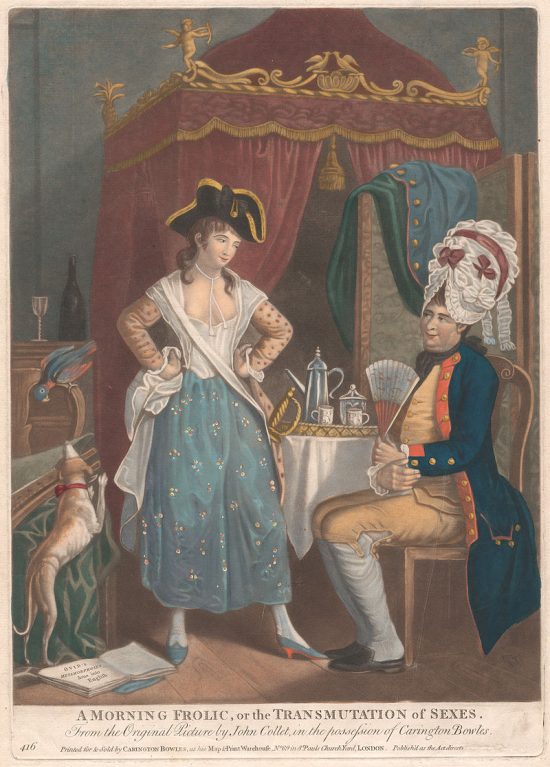
Many of the trials recorded in the book concern Margaret (Mother) Clap and her associates and much detail is given regarding her Molly House, too much detail for this article but which has been amply provided by Rictor Norton in his book on her, Mother Clap’s Molly House.
An unsung hero – ‘I think there is no Crime in making what Use I please of my own Body.’
William Brown was the victim of an agent provocateur, Thomas Newton, aided by two constables, Willis and Stevenson. The three of them went to an alehouse in Moorfields and agreed that Newton would go to a nearby walk that was ‘frequented by Sodomites’. As Newton was loitering in the walk, Brown passed and after exchanging a few looks, he allegedly pretended he was going to urinate and took out his penis. The two started to talk about it being ‘a very fine Night’ and Newton alleged that Brown took his hand and placed his penis in it. Immediately Newton took ‘fast hold’ of the member and called the constables over to help him arrest Brown. At his trial Brown said that Newton had approached him and freely took hold of him. He didn’t resist, he said, as ‘I did it because I thought I knew him and I think there is no Crime in making what Use I please of my own Body’ (3 40).
Several witnesses ‘of both Sexes’ gave evidence on his behalf that ‘he had been married 12 or 13 Years’, moreover that he ‘bore the Character of an honest, sober Man, a kind Husband, and one who loved the Conversation of Women better than that of his own Sex’.
Unfortunately, as many gay men have found after him, courts nearly always believe police testimony, even when it was full of lies. Brown had little chance of proving his innocence and so –
‘The Jury found him guilty. His Sentence was, To stand in the Pillory in Moorfields; to pay a Fine of Ten Marks, and to suffer 12 Months Imprisonment.’ (3 40)
Sadly these historical accounts from the 1720s have had their echoes throughout the centuries that followed. In fairly recent times, we see gay people targeted by religious groups with a hate agenda, Police who act as agent provocateurs and who lie in court; spiteful accusers, blackmailers, people who want to impose a negative persona on others, people who want to tell others what they should do with their own bodies and courts that are all-too-ready to convict those from marginalised groups. Hopefully the following centuries will allow the conditions for a more positive gay history to be written, at least in Europe, if not elsewhere.
Notes
[*] Battersea’d – Battersea at this time was known for its colourful enamel metalware and the comment implies that the member observed was brightly coloured (?possibly through syphilis).
[**] ‘clapp’d’ – ie suffering from a venereal disease.
Arthur Martland © Pride Month 2025
LGBT Foundation Awards
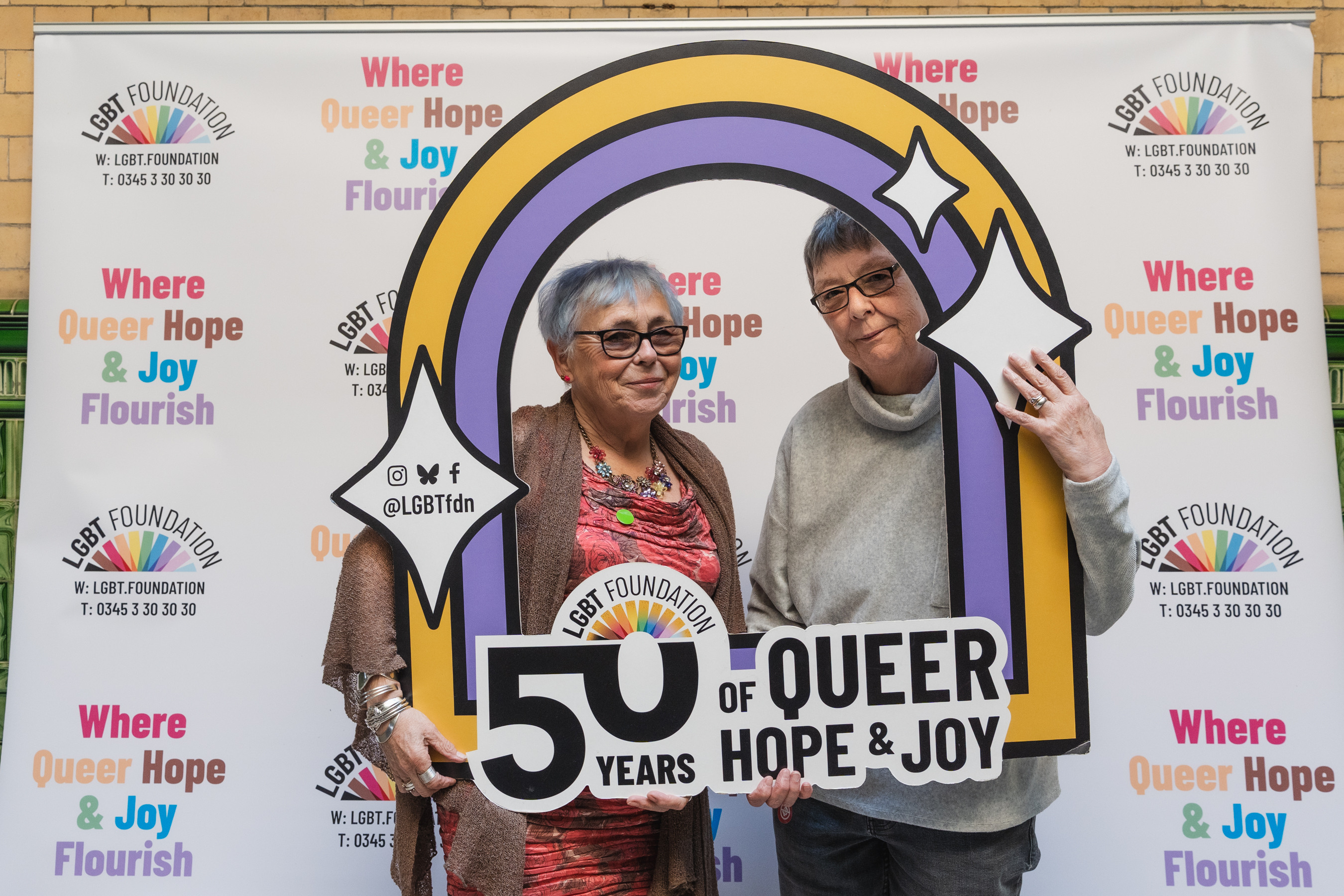
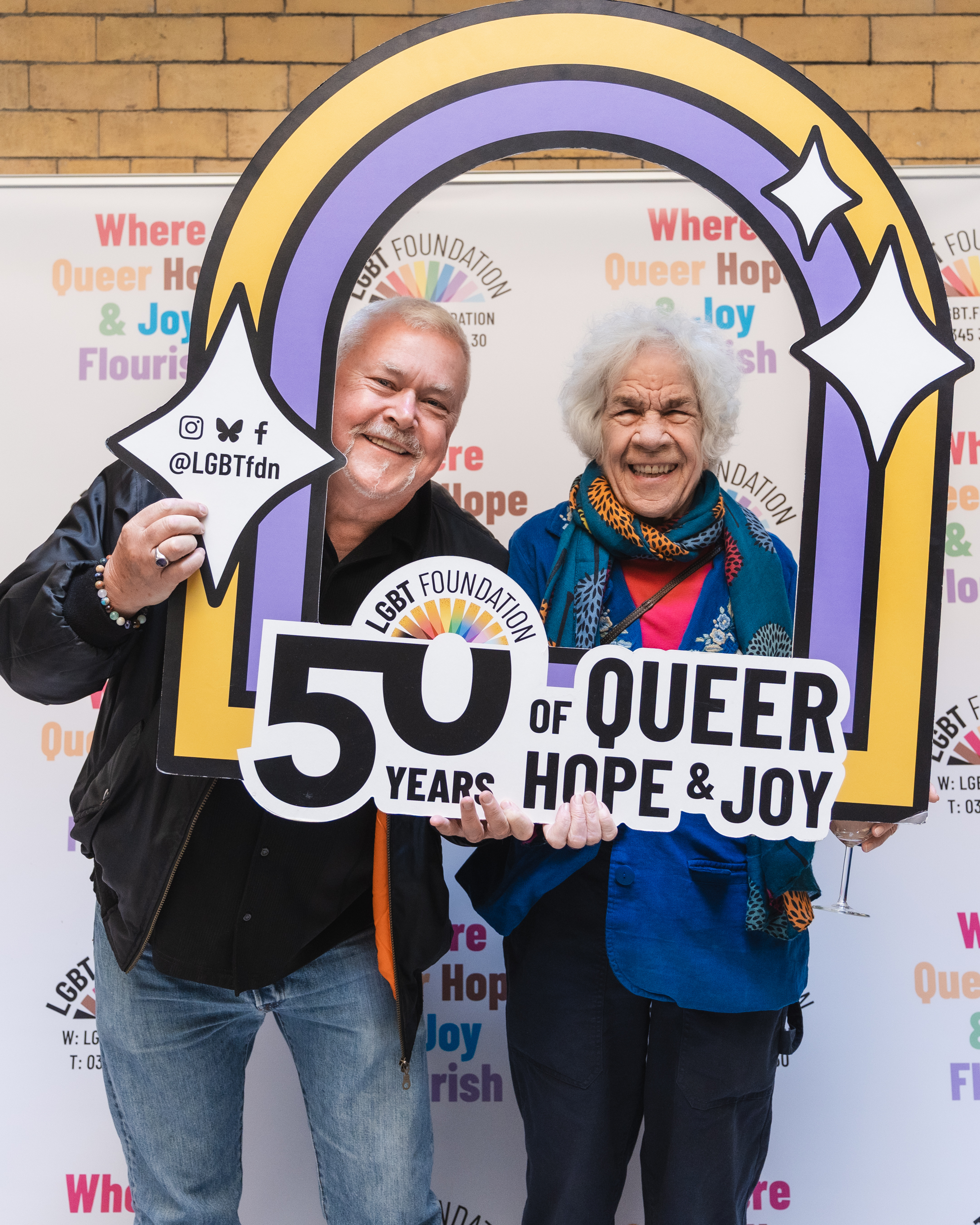
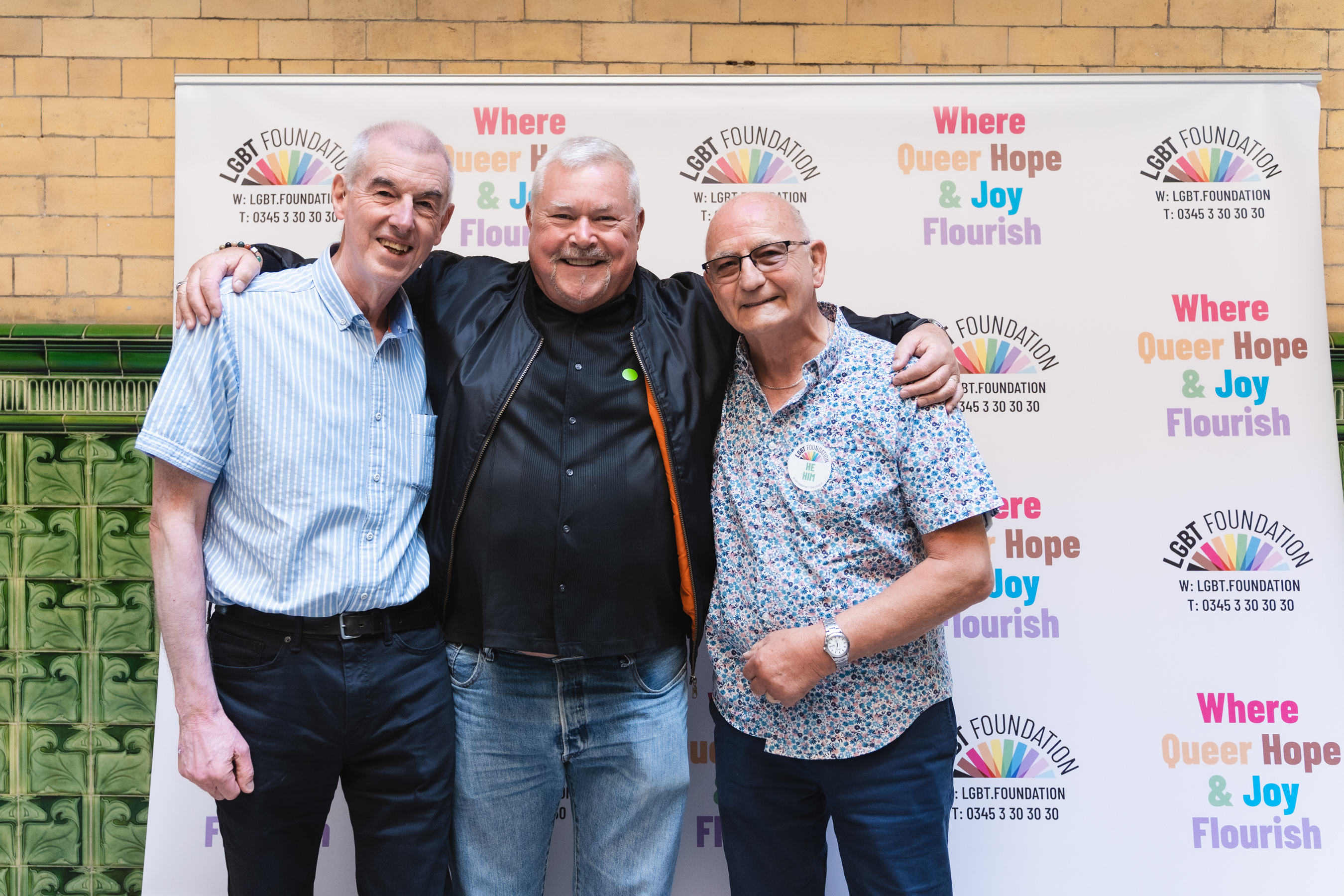
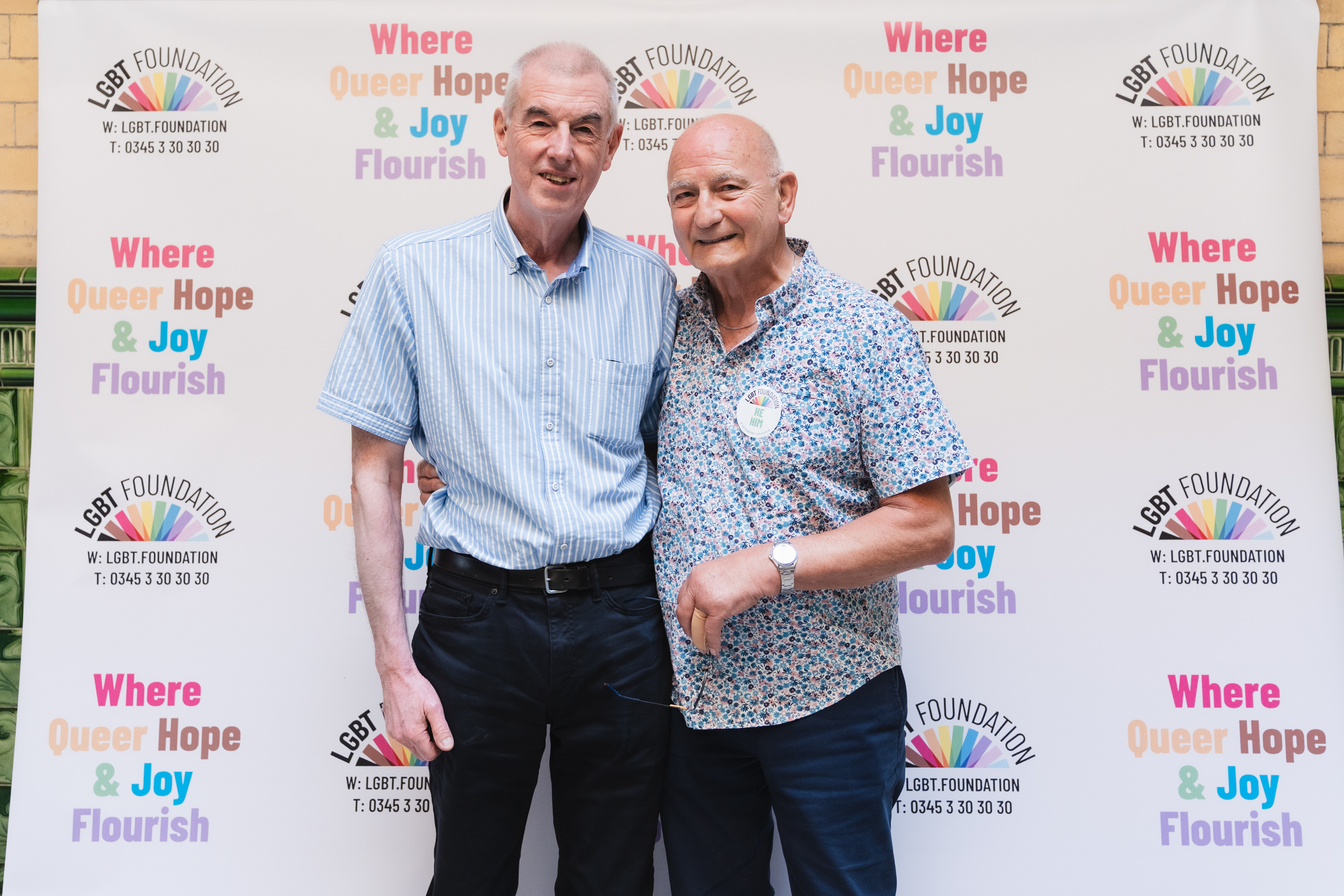
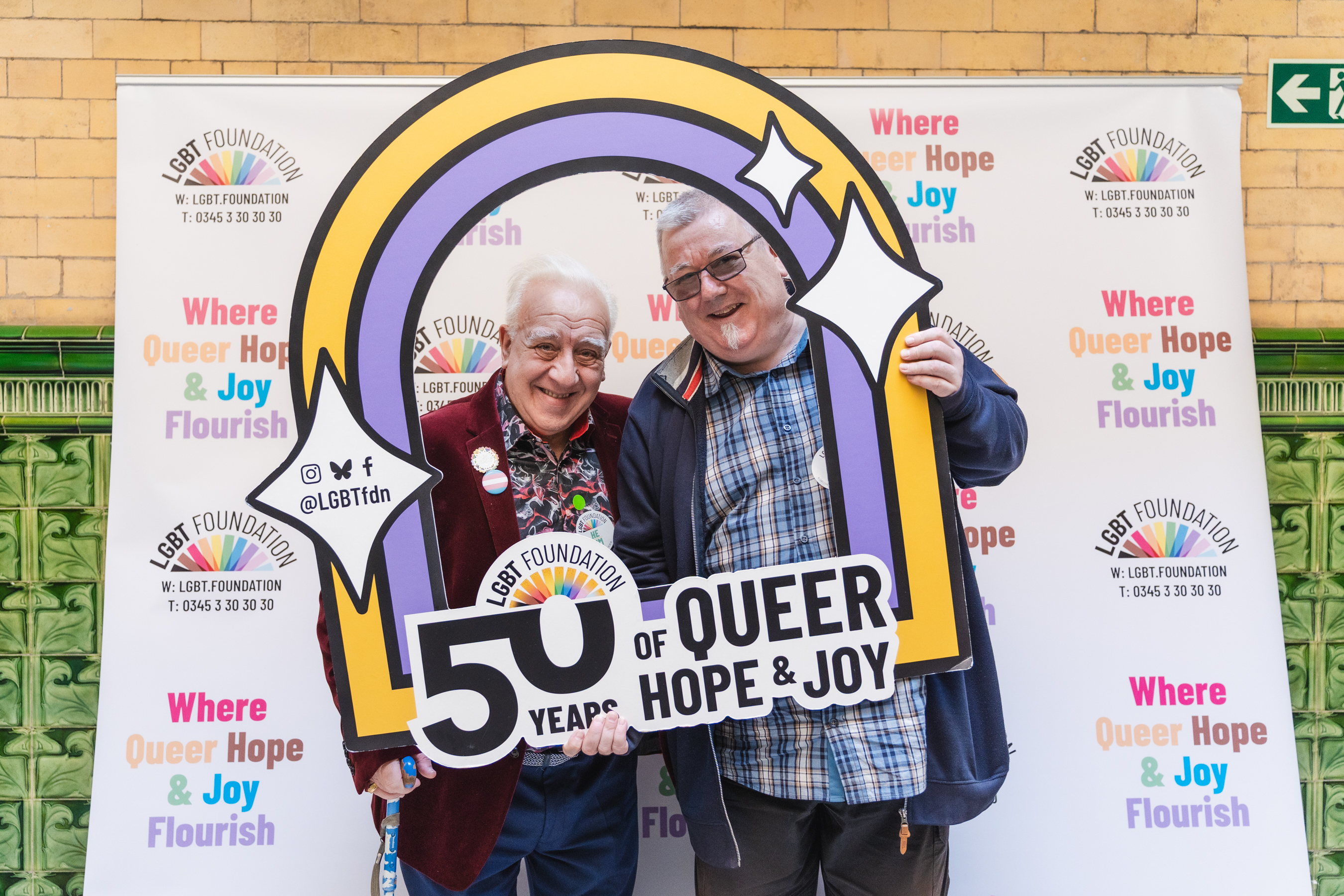
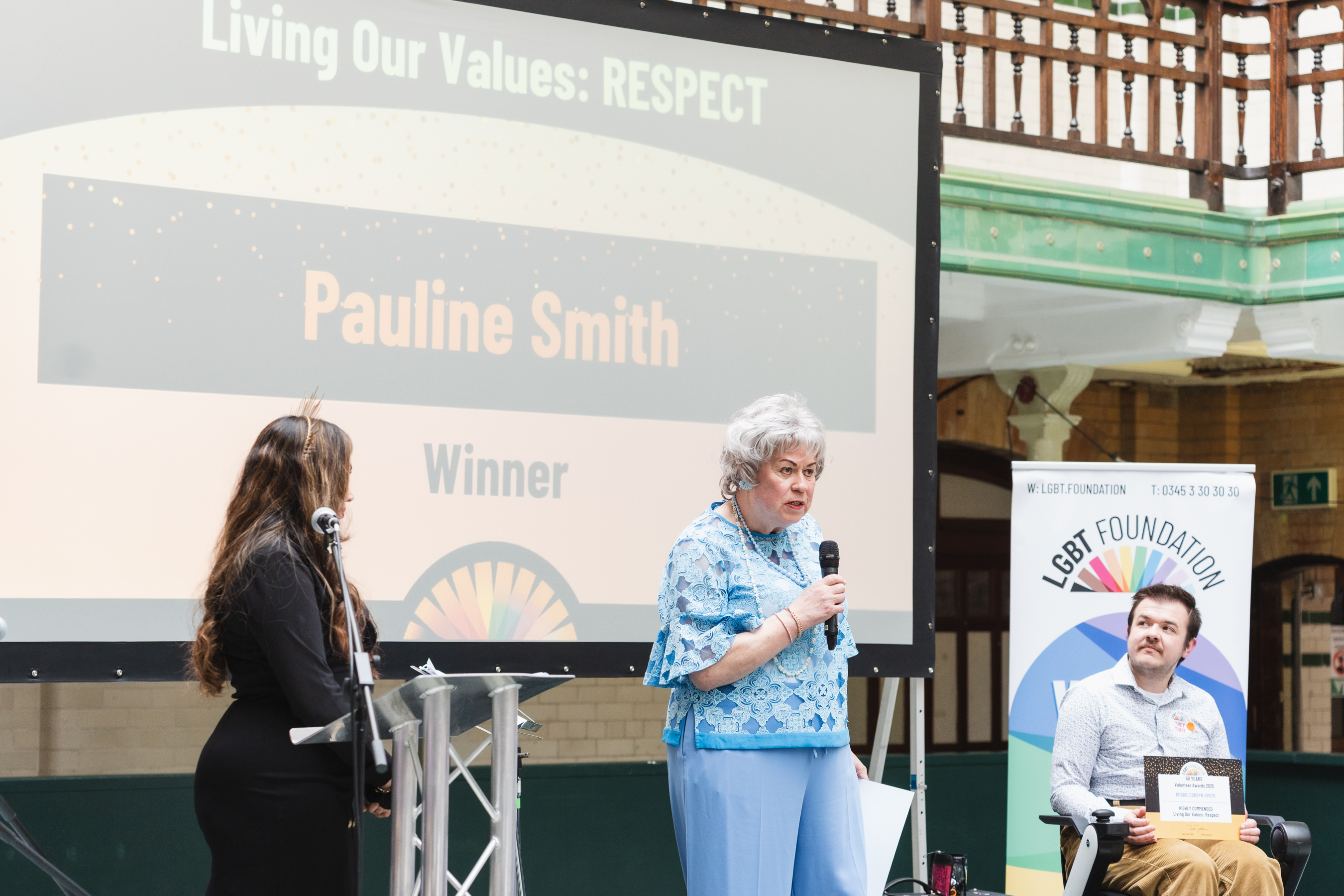
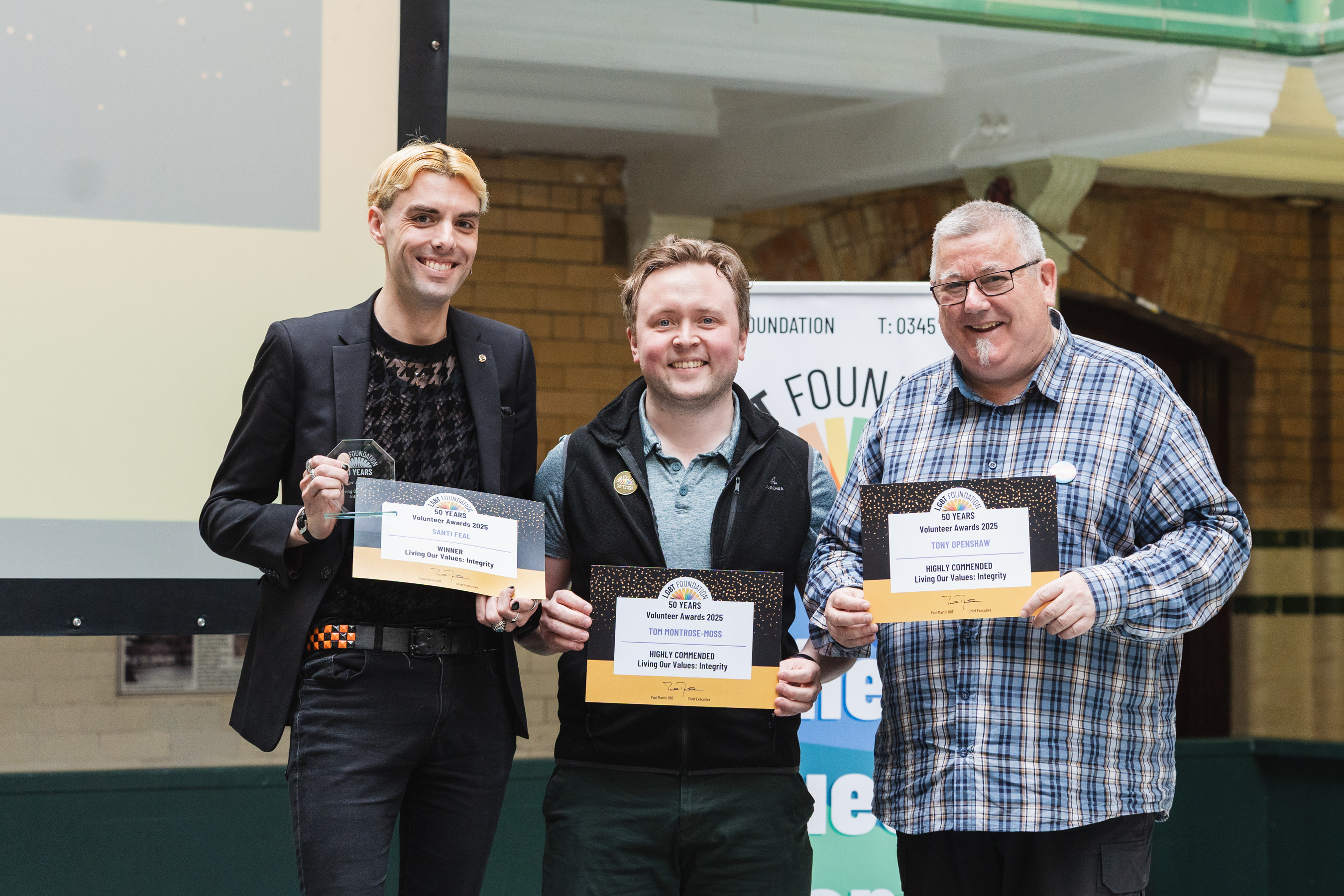
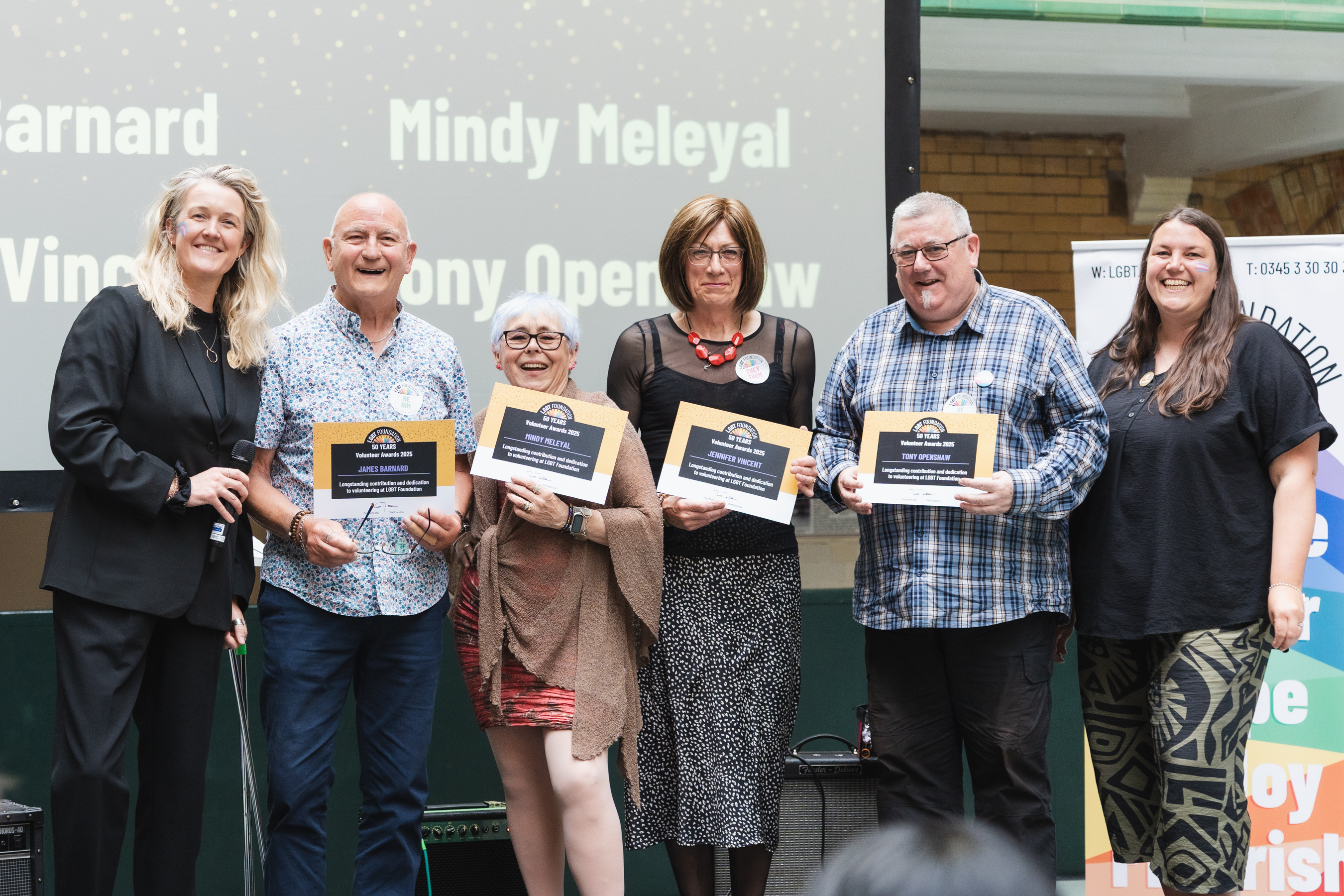
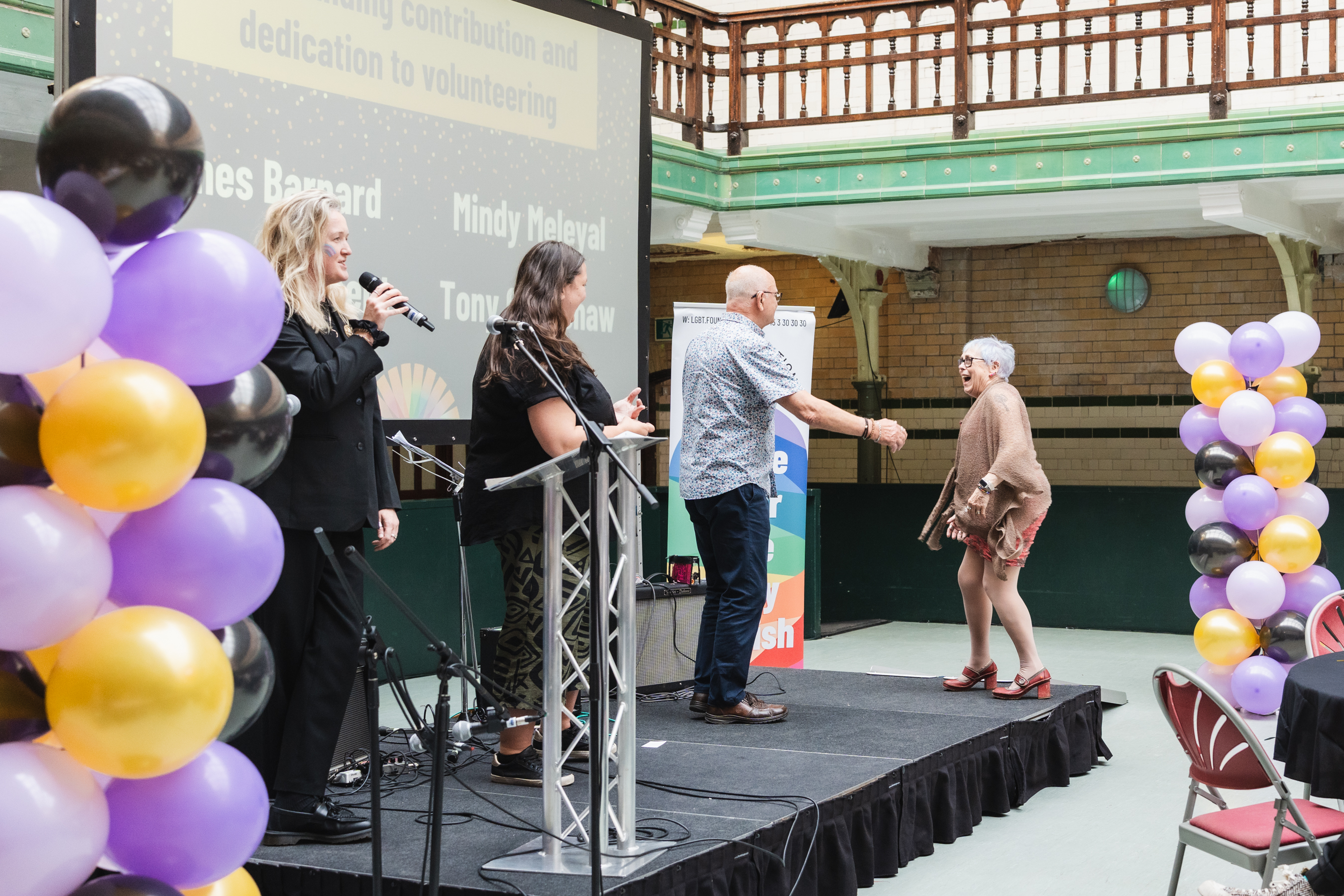
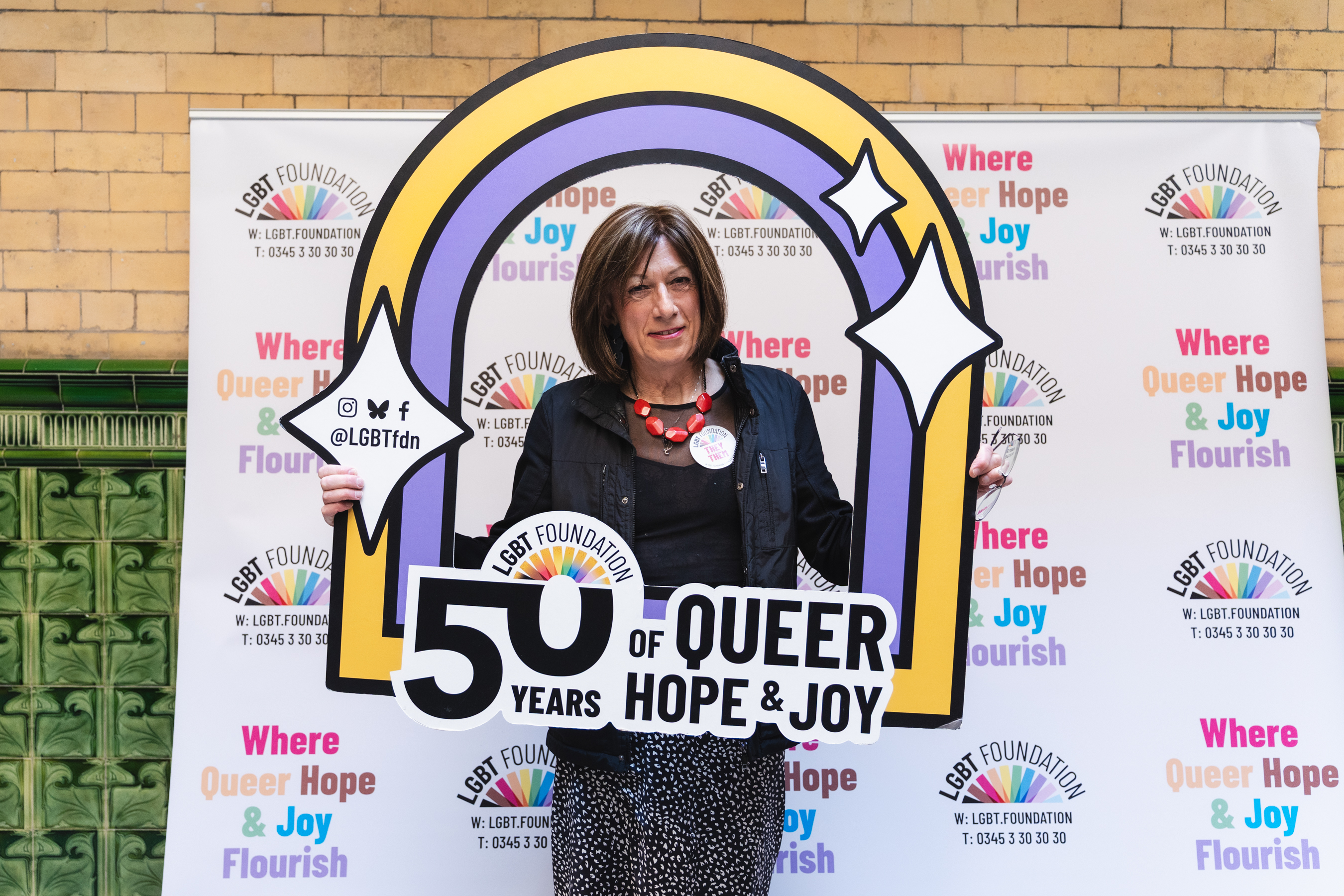
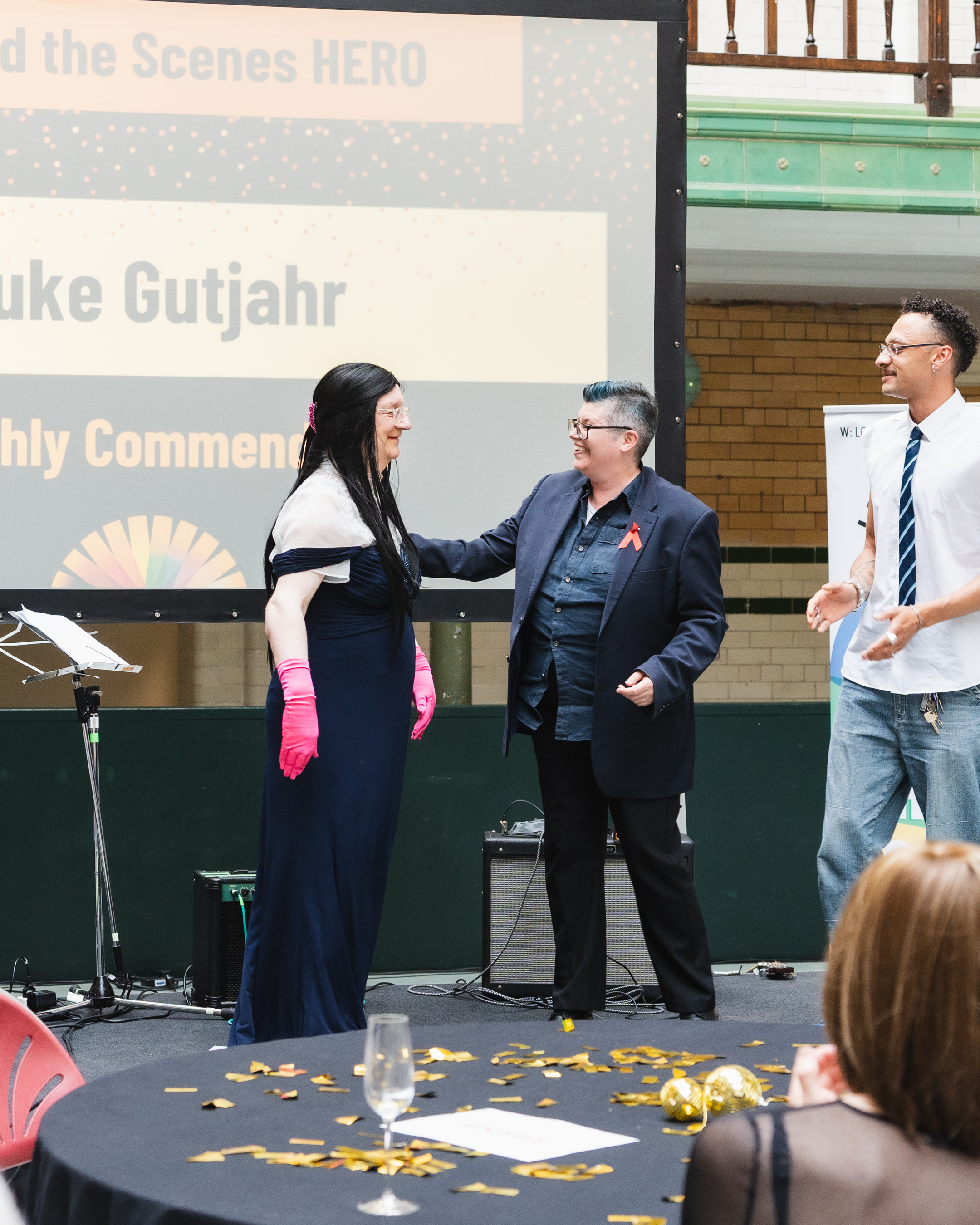
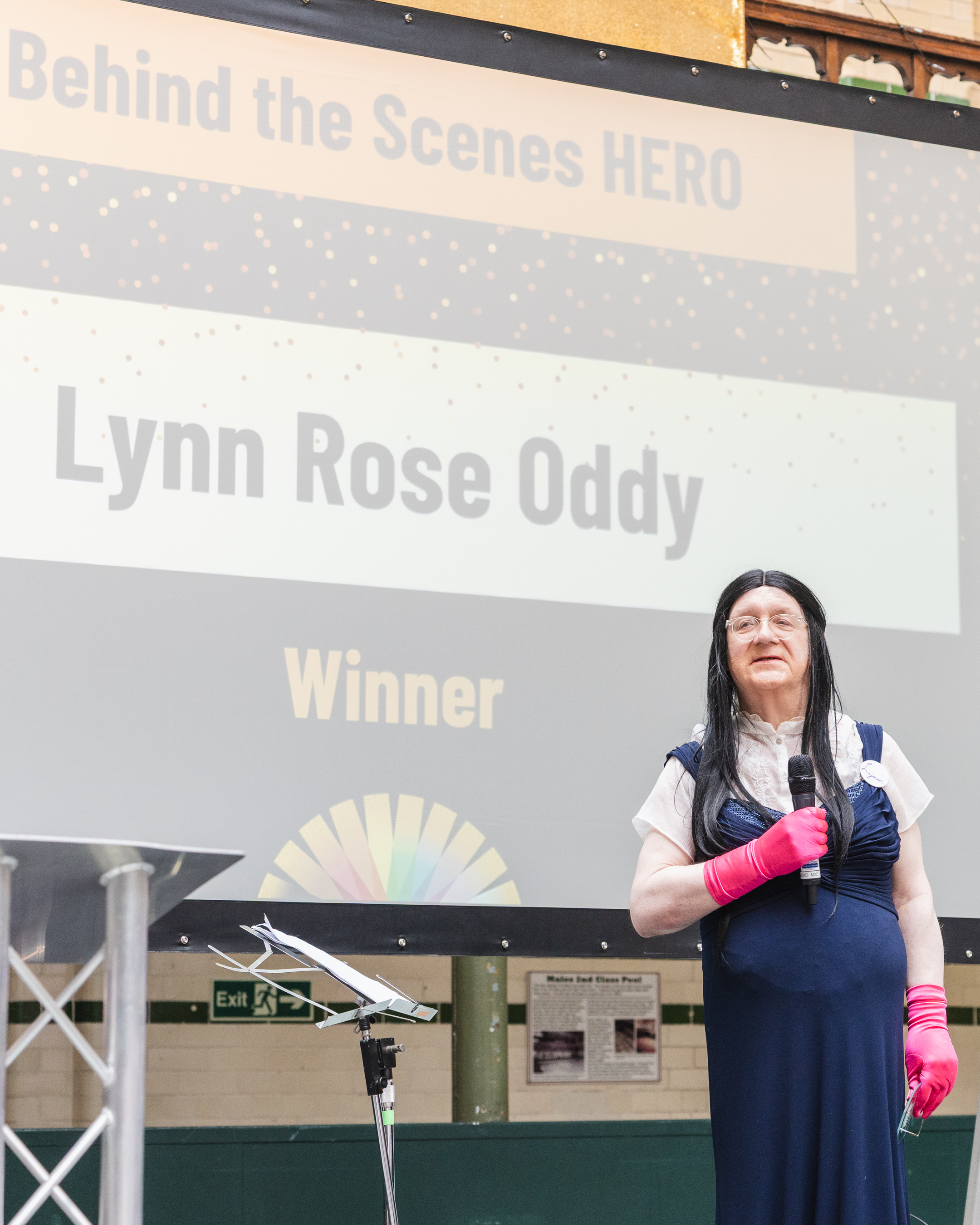
On 4 June 2025 the LGBT Foundation Volunteer Awards were held at Victoria Baths, Hathersage Road, Manchester. Hope you enjoy this selection of photos from the evening:
Birthdays

 Out in the City