Ten Buildings with an LGBT+ Past
There are many untold LGBT+ histories of buildings and places that people have lived alongside for generations.
From the private houses of trailblazing individuals to the much loved local gay bar, the first venue in town to host equal marriage and everything in between. Here, are ten places:
1. Shibden Hall, Halifax, West Yorkshire
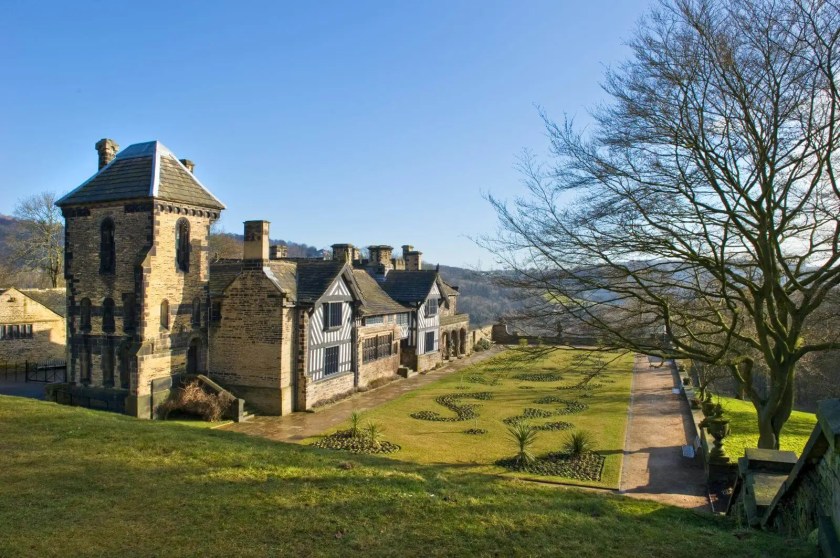
Shibden Hall in Yorkshire was once home to the famed lesbian diarist Anne Lister, born in 1791. Her masculine appearance and sometimes eccentric behaviour earned her the nickname of “Gentleman Jack.”
Anne kept a diary throughout her life where she devised a code to record her innermost thoughts without fear of discovery, including her intimate feelings towards women.
2. Millthorpe, Derbyshire
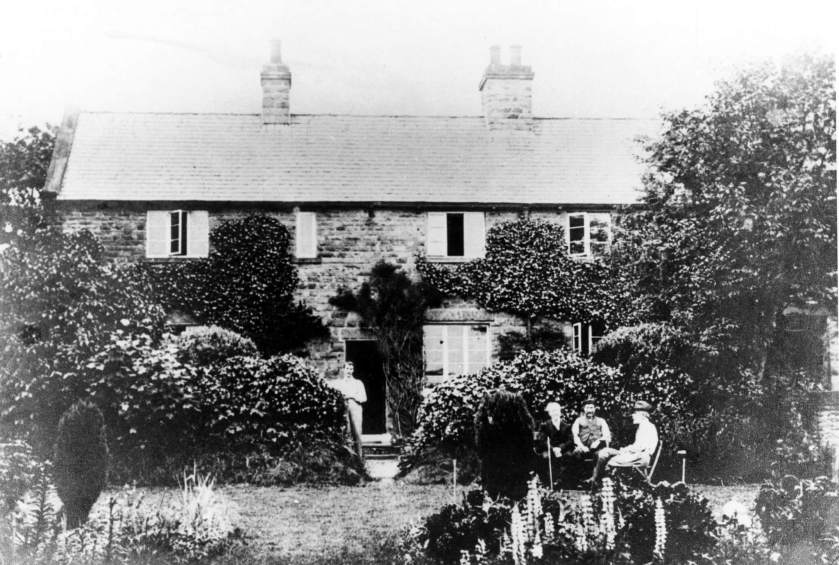
Edward Carpenter was the founding father of gay rights in Britain, living openly with his partner George Merrill at a time when hundreds of men were prosecuted for homosexuality.
Millthorpe was a place of pilgrimage for many, including the writers E M Forster and Siegfried Sassoon, and other less well-known women and men questioning their sexuality, including soldiers during the First World War.
3. Smallhythe Place, Tenterden, Kent
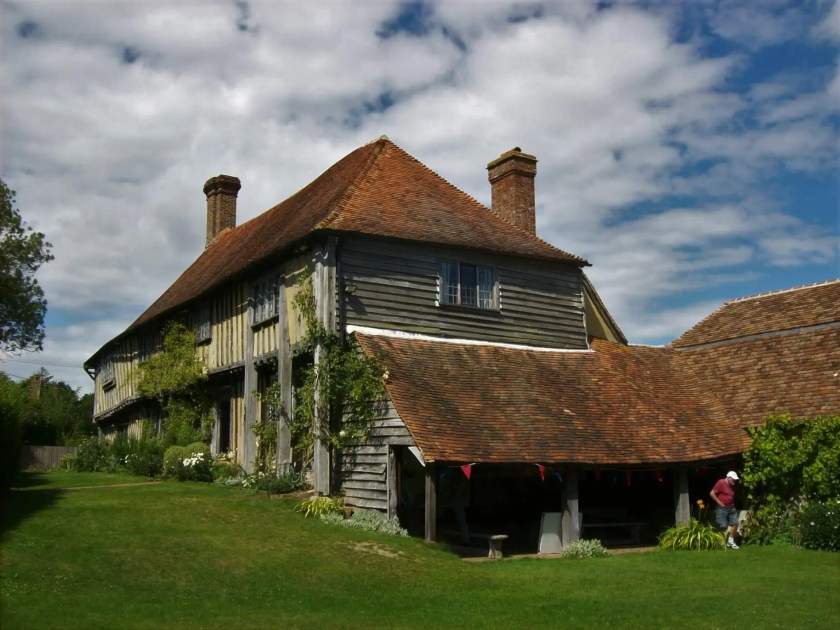
Smallhythe Place was bought by the renowned Victorian actress Ellen Terry. After her death, her daughter Edy Craig, an early pioneer of the women’s suffrage movement and theatre director, continued to live there.
Craig lived at Smallhythe in a ménage à trois with the dramatist Chris St John (Christabel Marshall) and the artist Tony (Clare) Atwood until her death in 1947.
4. Reading Gaol, Berkshire
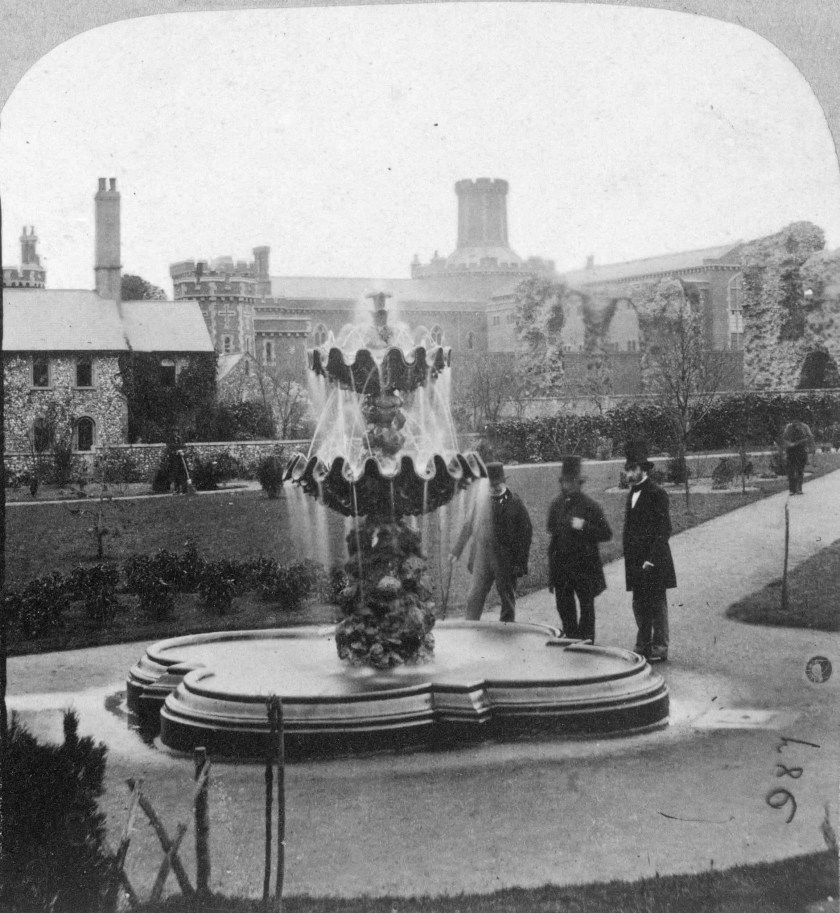
Reading Gaol is where the poet and playwright Oscar Wilde spent eighteen months of his two-year sentence of hard labour for ‘gross indecency’.
Wilde later immortalised the institution, and his experiences, in his poem “The Ballad of Reading Gaol” (1897).
In 2017 Wilde, along with tens of thousands of other men, was posthumously pardoned for acts no longer considered a crime, under the Policing and Crime Act 2017 (also known as Alan Turing law).
5. Strawberry Hill, Twickenham, London
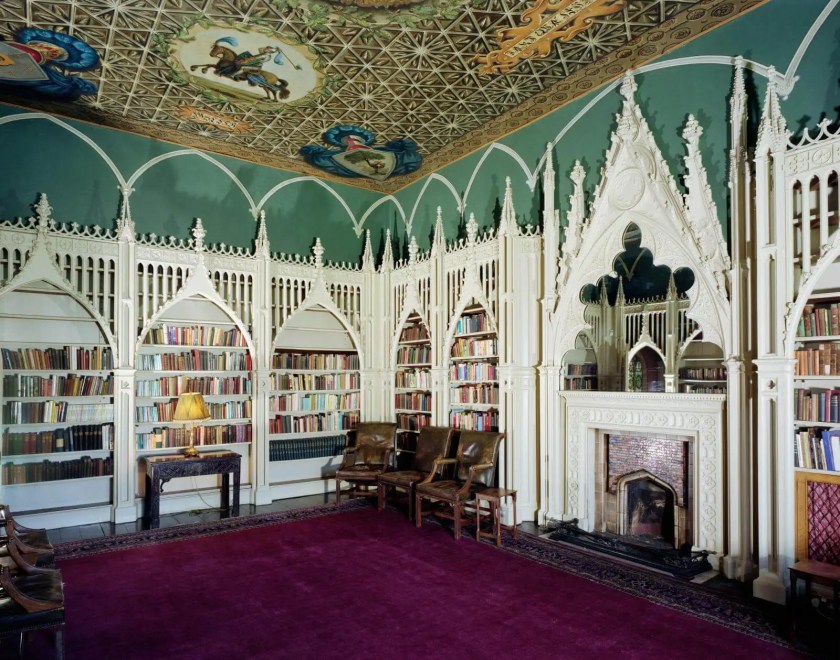
Completed in 1776, Strawberry Hill was extensively remodelled by its most famous owner, writer Horace Walpole.
Walpole was one a group of four male friends who called themselves the ‘Committee of Taste’ and advised each other on architecture and interiors. There is no evidence Walpole had any sexual relationships with men, but he had a number of close friendships with other bachelors. He was described as an effeminate man by contemporaries and the decorative style of Strawberry Hill is often described as ‘queer gothic’.
On his death in 1797, Walpole left Strawberry Hill House to his niece, the lesbian sculptor Anne Damer, who lived there until 1811.
6. Carlton House, St James’, London
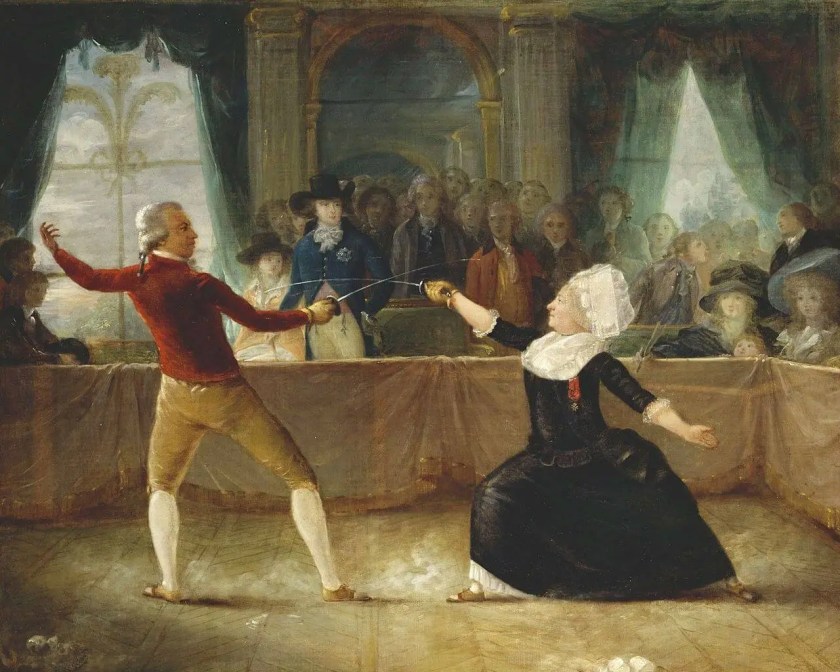
Although demolished in 1825, Carlton House is best known as the London residence of the Prince Regent (later George IV) and location of a noted fencing match in 1787 between the gender-crossing Chevalier d’Eon and the Chevalier de Saint-Georges.
Having lost a French pension with the onset of the French Revolution, d’Eon’s prowess at fencing and appearance in women’s clothing proved a lucrative spectacle at the Vauxhall Pleasure Gardens and other locations across the country.
7. Temperance Hall, Hulme, Manchester
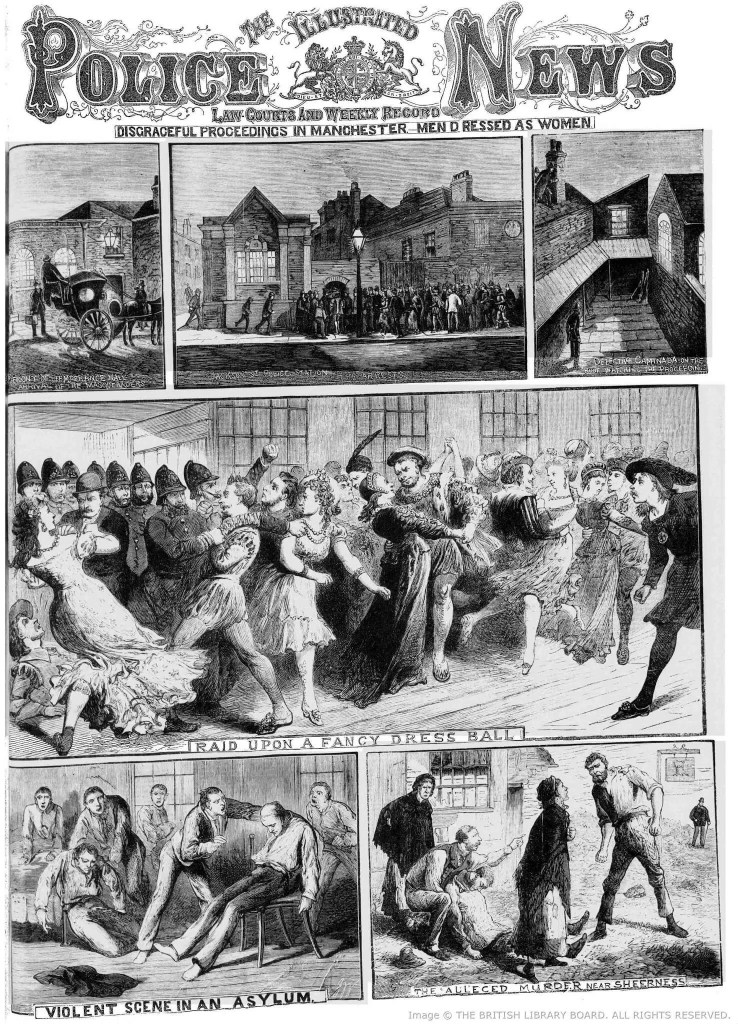
The Temperance Hall in Manchester was the site of an infamous cross-dressing ball in 1880, raided by police.
Police secured entry by giving the password ‘sister’ to the ‘nun’ guarding the door. Detective Sergeant Caminada reported seeing 47 men in ‘most fantastic fashion’, including 22 in ladies’ wear. Detective Caminada and his officers rounded up the men and took them to Manchester Town Hall for questioning. Several cab-loads of clothing were taken as evidence.
All were arrested and charged the following day with having ‘solicited and incited each other to commit an unnameable offence’.
8. The Gateways, Chelsea, London
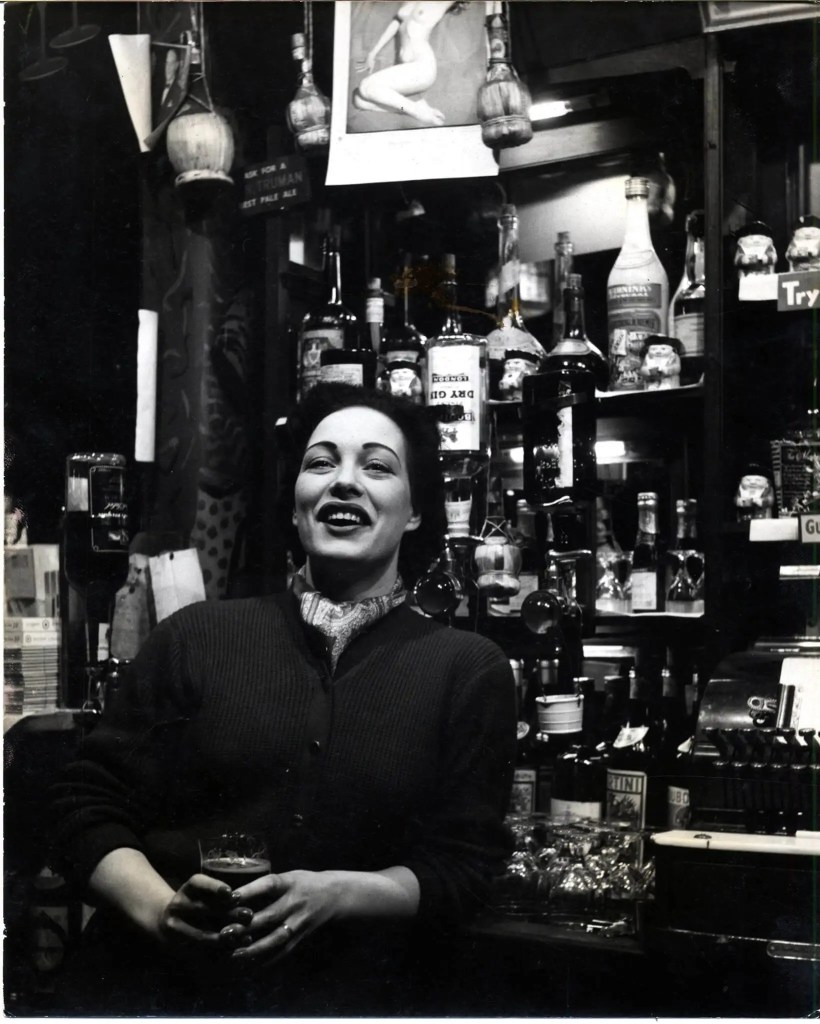
Opened in the 1930s by a retired colonel, the Gateways club was the longest-running lesbian nightclub of the 20th century.
Lesbian-friendly since the 1940s, in the 1950s and 1960s the Gateways became an almost exclusively lesbian club, under the management of Gina Ware, and an American ex-airforce woman, Smithy, who was herself a lesbian.
The club became internationally famous and celebrated after it featured in the film “The Killing of Sister George in 1968 – the extras in the club scenes were genuine Gateways members. It closed in 1985.
9. The Jacaranda Ladies Club, Hove, East Sussex
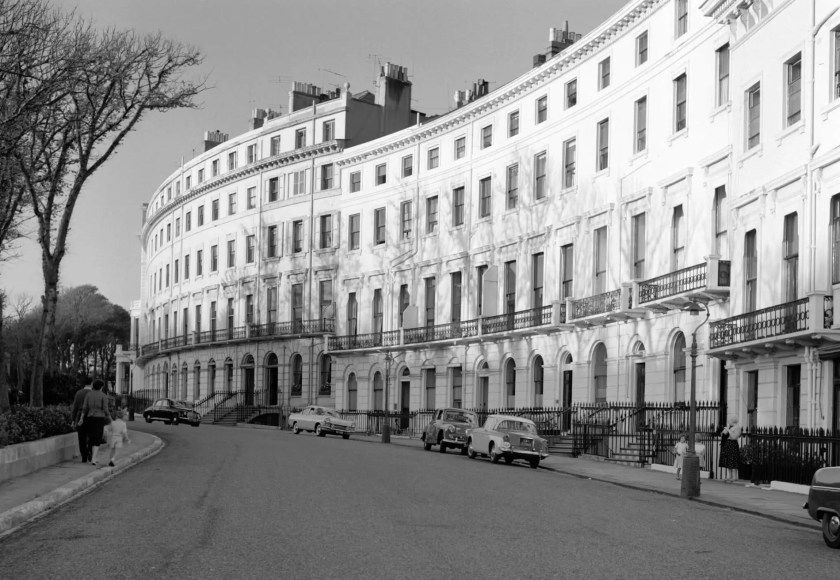
The Jacaranda Ladies Club was set up in the early 1960s by Kay Morley.
According to an entry in ‘Daring Hearts: Lesbian and Gay Lives of 1950s and 1960s Brighton’ the club was shut down soon after a police raid. Today, very little is known about the club.
10. Bletchley Park, Milton Keynes, Bedford
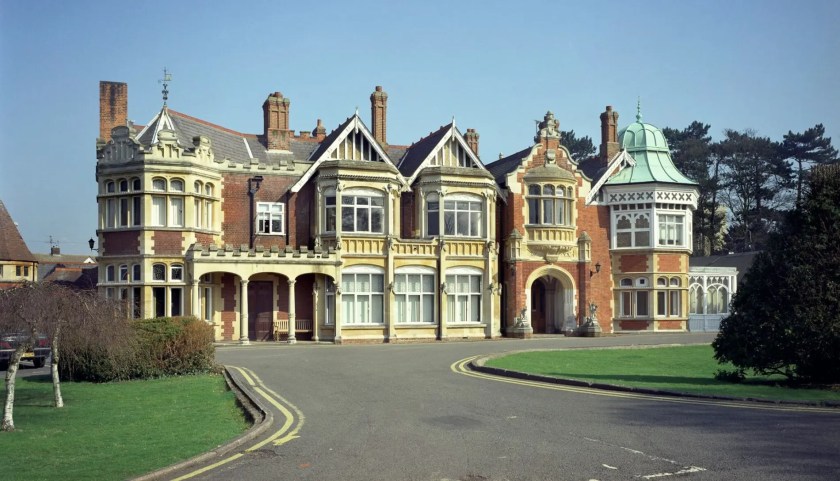
In 2013 Alan Turing was granted a posthumous pardon and Gordon Brown, who was Prime Minister at the time, gave an official apology for the “appalling way” he was treated.
During the Second World War, Alan Turing worked for the Government Code and Cypher School (GC&CS) at Bletchley Park, Britain’s code-breaking centre. Turing was instrumental in cracking intercepted coded messages that helped the Allies to defeat the Nazis.
In 1952, Turing was prosecuted for homosexual acts. Rather than serving a prison sentence, he was chemically castrated, and just two years later died of cyanide poisoning, suspected to be suicide.

Daddy’s First Gay Date
The Robert Bolt Theatre, 1 Waterside Plaza, Sale, Trafford M33 7ZF
Thursday, 17 July – Friday 18 July, 8.00pm
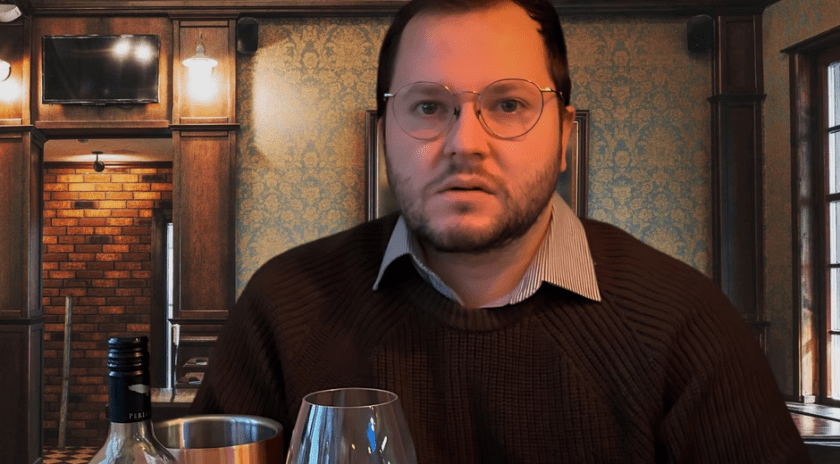
Is it selfish to leave someone you love in order to find yourself? An uncomfortable restaurant break-up becomes a pressure-cooker first date in this new comedy by Sam Danson, directed by the award-winning Rikki Beadle-Blair.
Ben’s hoping his first date with a man can provide him with some much-needed answers, but is he expecting too much?
Set in their local pub – The Halfway House – a place full of memories; birthdays, christenings, funerals, and now this first date. All the regulars are in, watching as Ben desperately tries not to crumble under the weight of his new life.
The show candidly explores identity and self-acceptance, whilst stewing in the awkwardness of ‘first dates’.
Buy tickets here. Price £16 Standard / £14 Concession
Rainbow Lottery

| With summer in full swing, we’re thrilled to bring back an old favourite for our July Super Draw: an amazing £1,000 Sainsbury’s eGift Card! |
| On Saturday 26 July, one lucky supporter will win this fantastic summer prize (or of course, £1,000 cash alternative prize, as well as our all-new, all-green option – planting 1,000 trees!) For existing ticket holders there’s no need to buy separate tickets, you will be automatically entered into this prize draw. Of course, you are welcome to buy additional tickets. Every ticket you buy is an extra chance to win, and an extra fundraising boost for Out In The City. All this for just £1 a week. Thank you and good luck! Buy tickets here. |


Birthday
 Out in the City
Maybe a coup
LikeLike