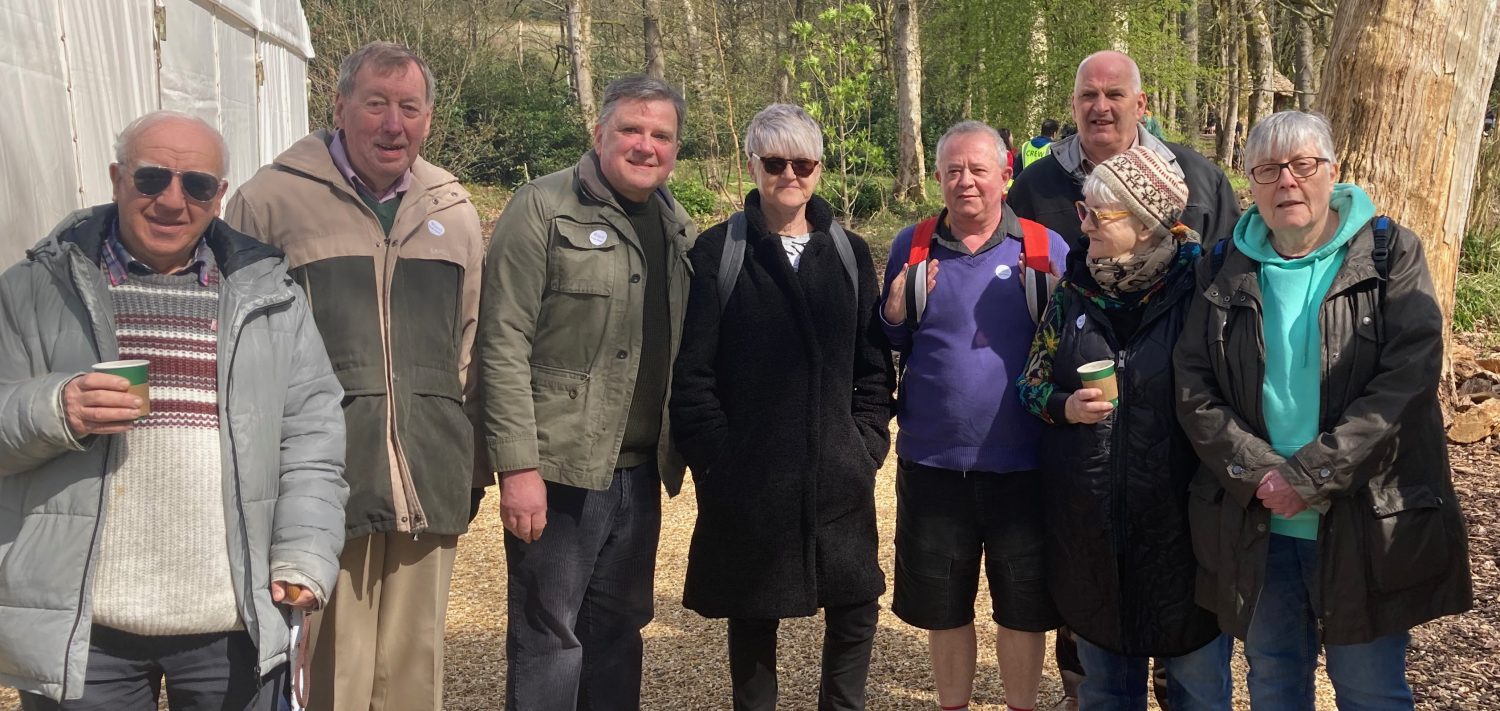
Out In The City Recent Activities
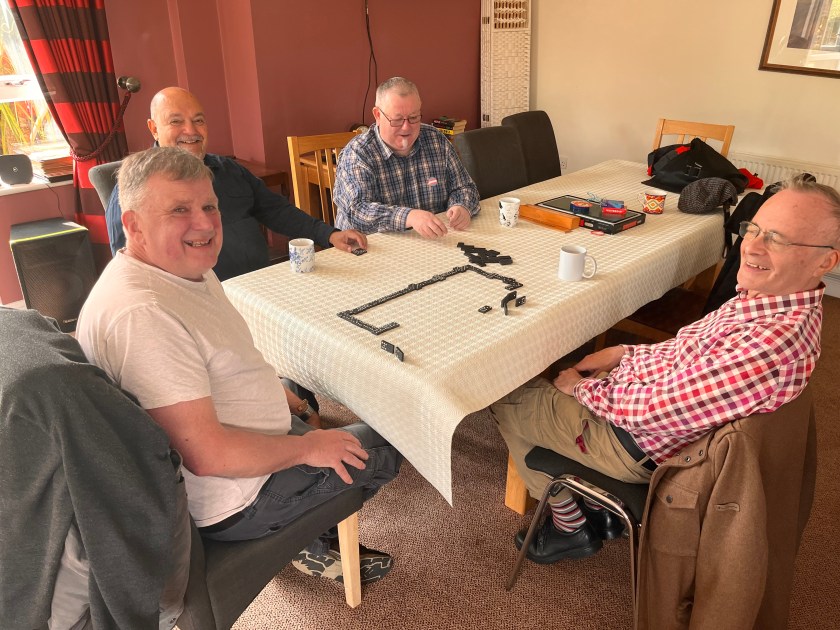
After dining at The Piccadilly Tavern, a group of us travelled to New Islington to play dominos and Scrabble. We had a very enjoyable afternoon in the relaxed atmosphere of the Community Room at Mayes Gardens.
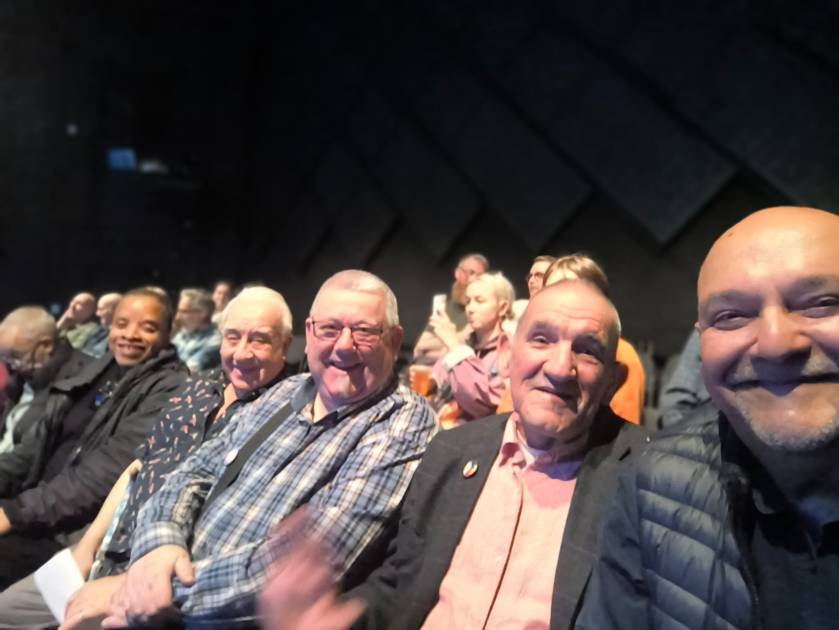
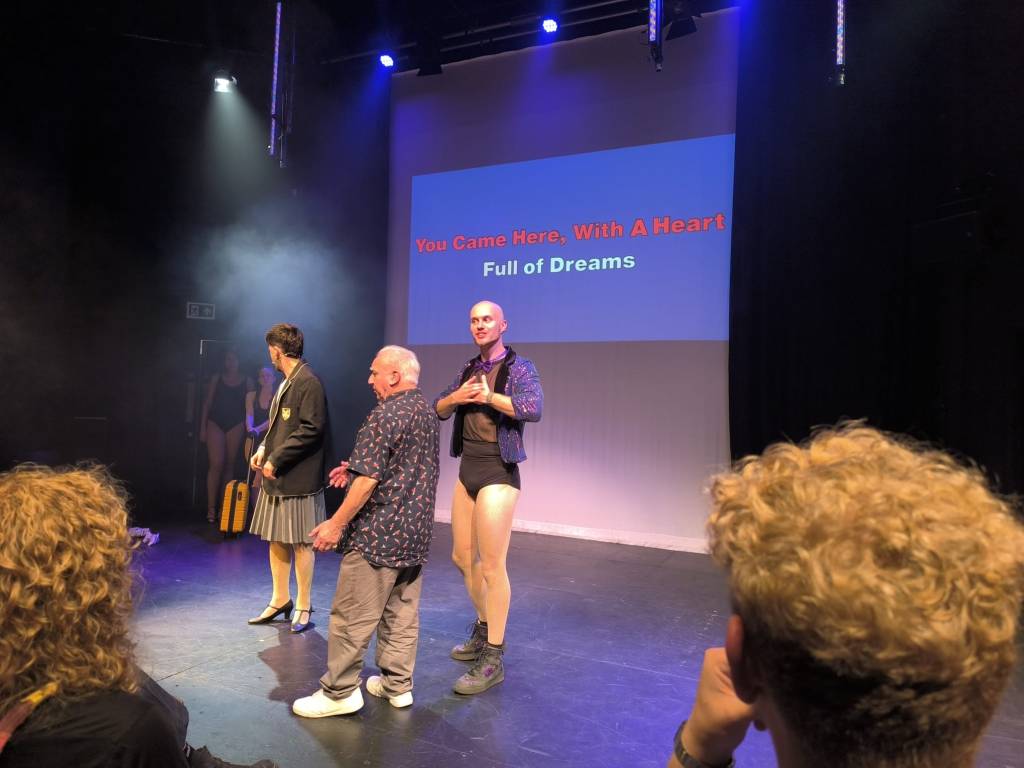
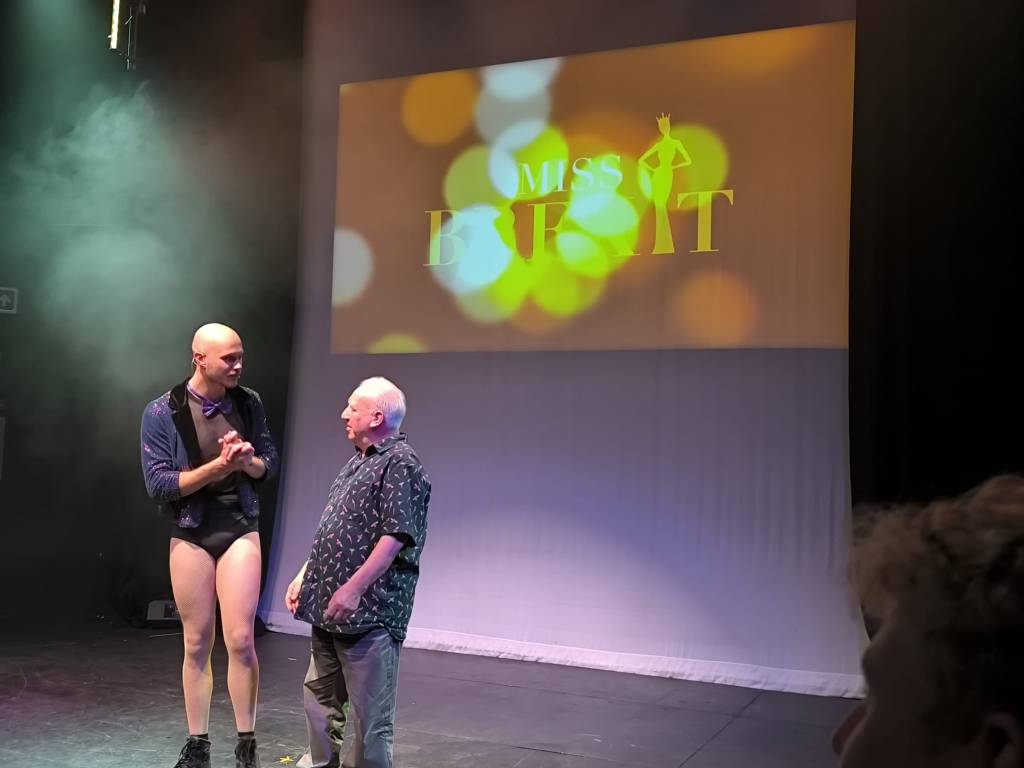
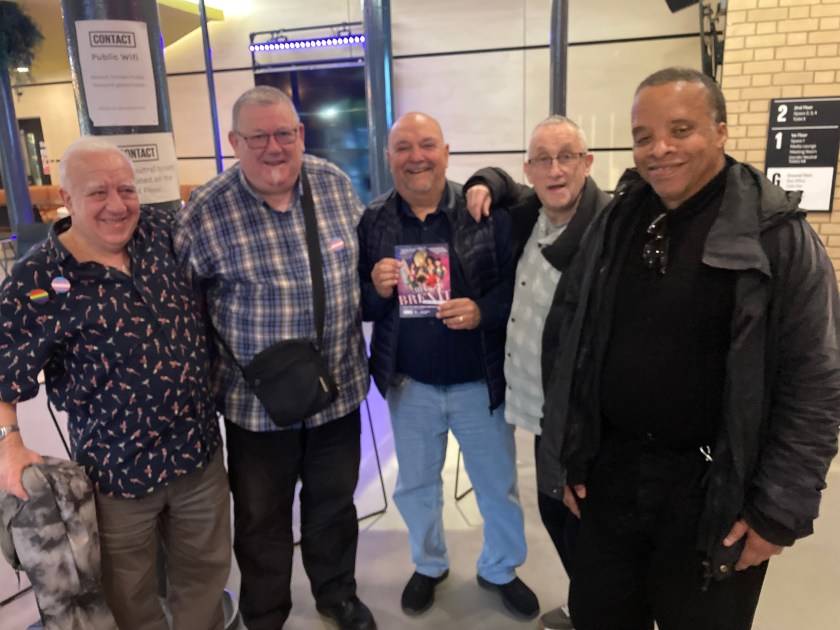
Angel reviewed “Miss Brexit” a show at The Contact Theatre:
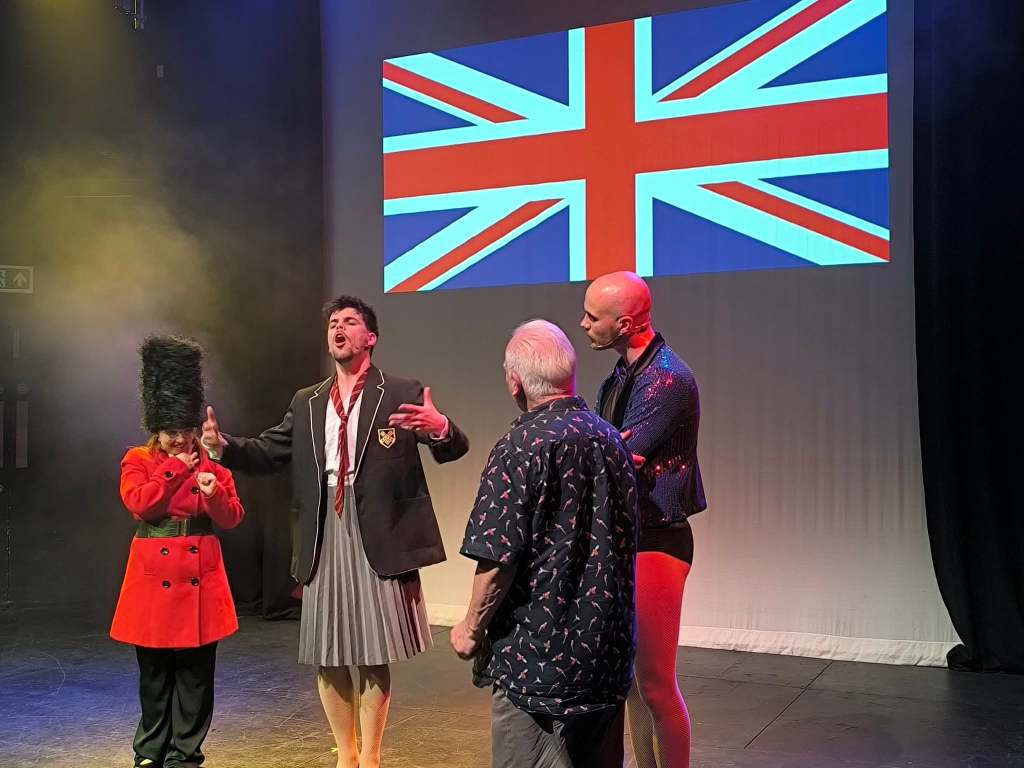
“A group of ‘seniors’ have come to watch “Miss Brexit” in a theatre room at Manchester University. Some excellent satire. English humour in all its splendour.
Four Europeans: a French Swiss, a Portuguese, a Catalan and a Cuban Hispanic were “nominated” to leave the British “home” post-Brexit, in a parody of “Big Brother”.
The lies of Brexit promoters were exposed, as well as the simplicity and contribution of EU citizens to British life. Norman from our group was the final judge. He chose the Catalan girl, who by the way, loved the “Meal Deal” to eat cheap!”
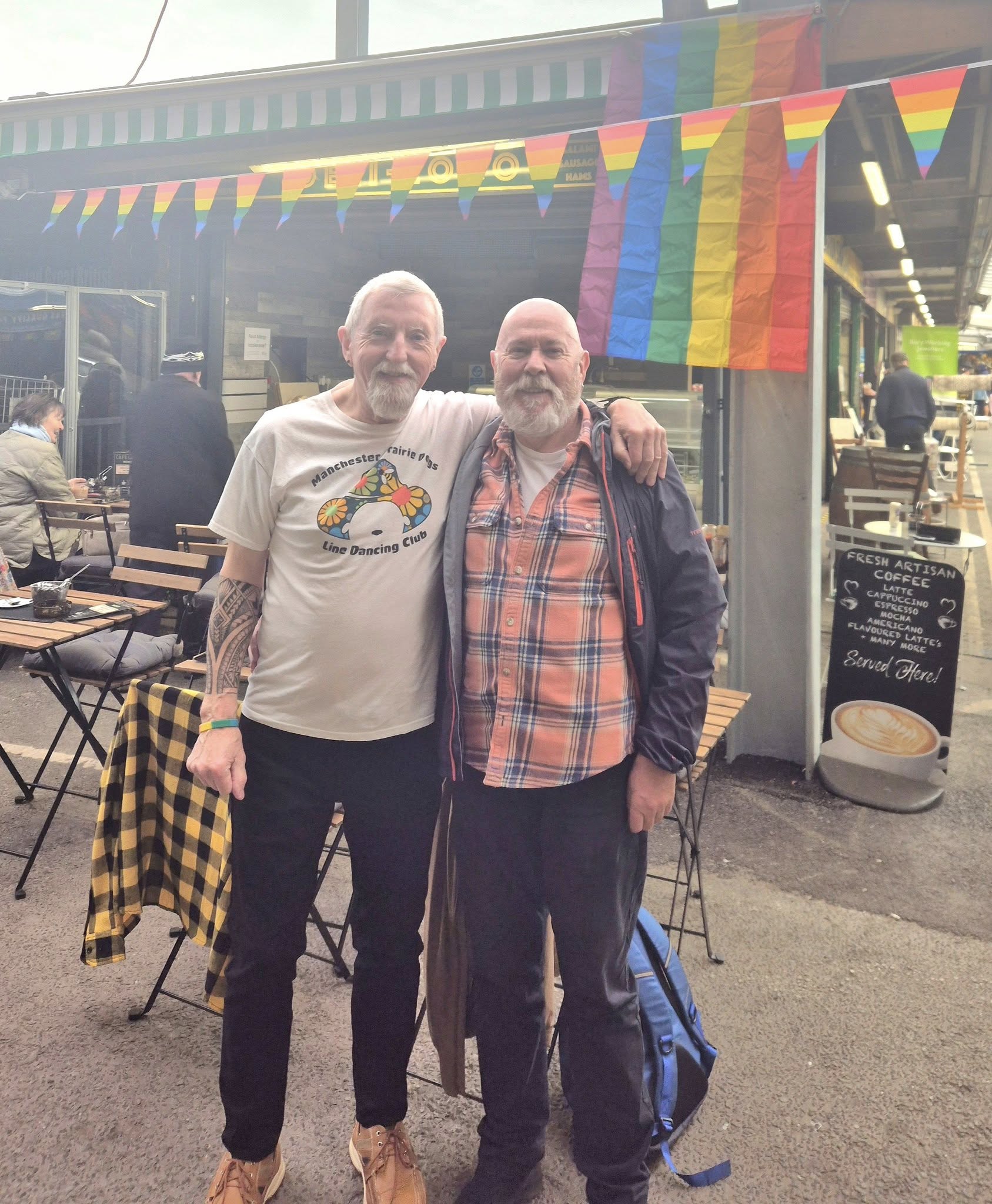
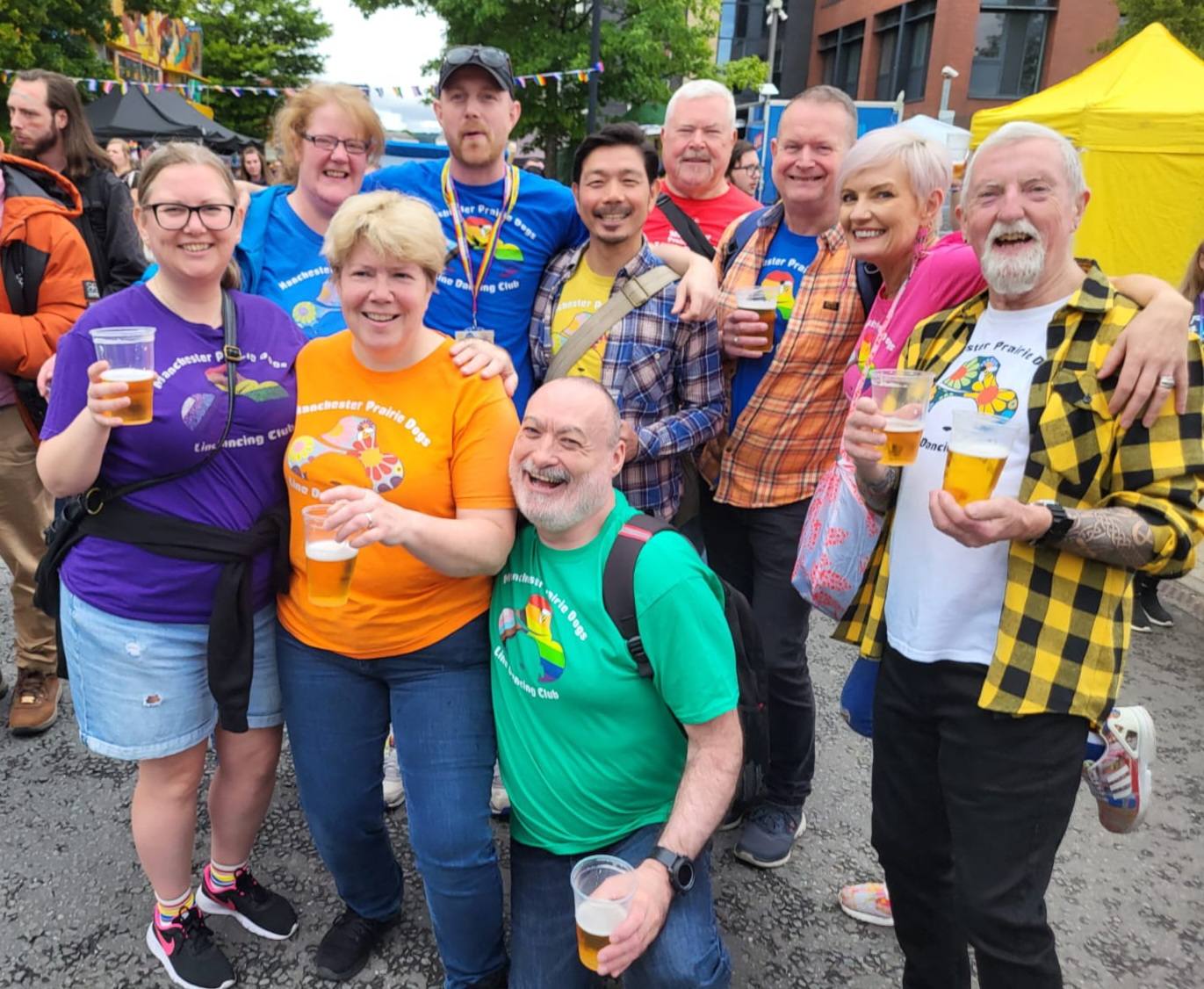
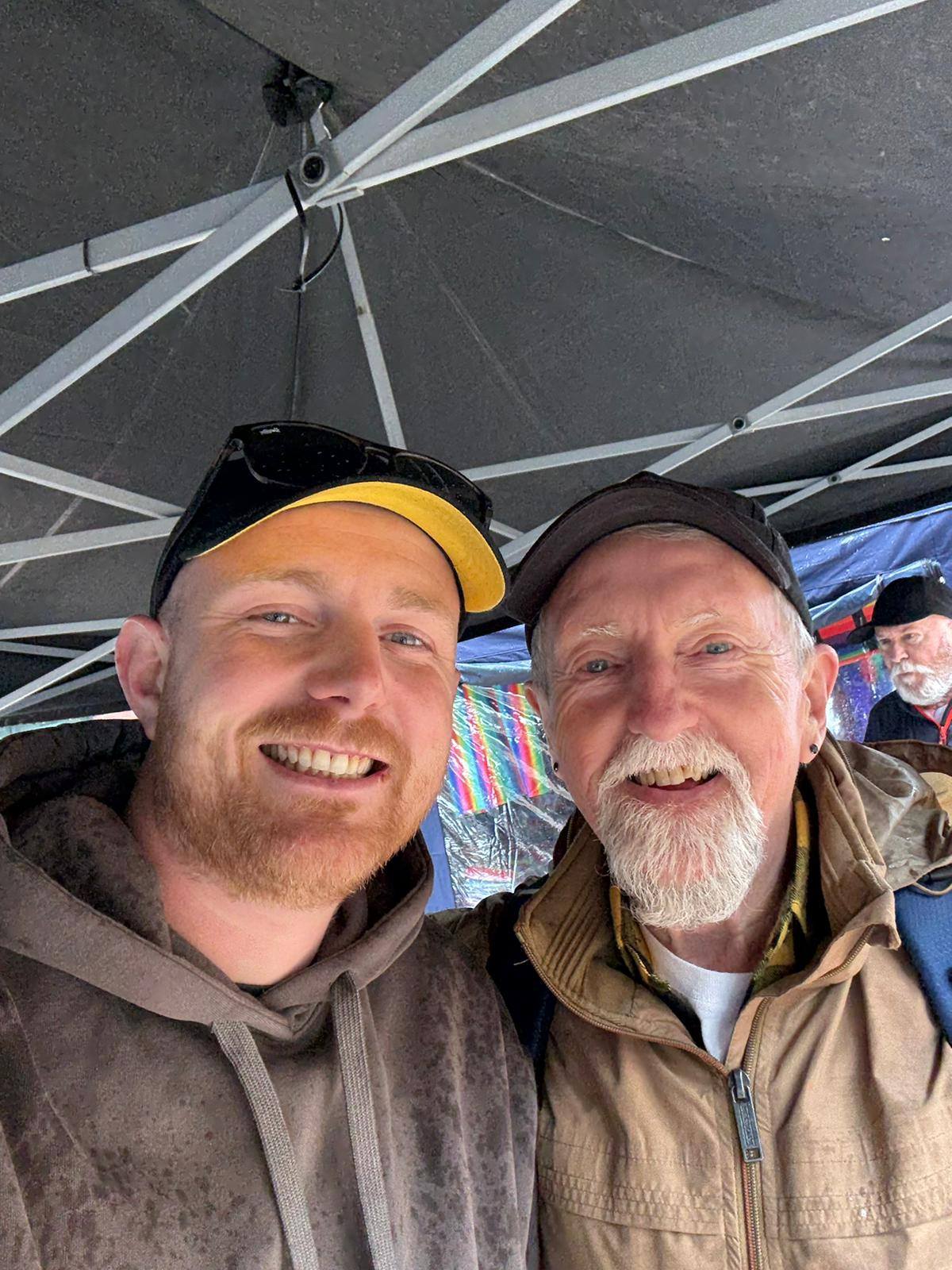
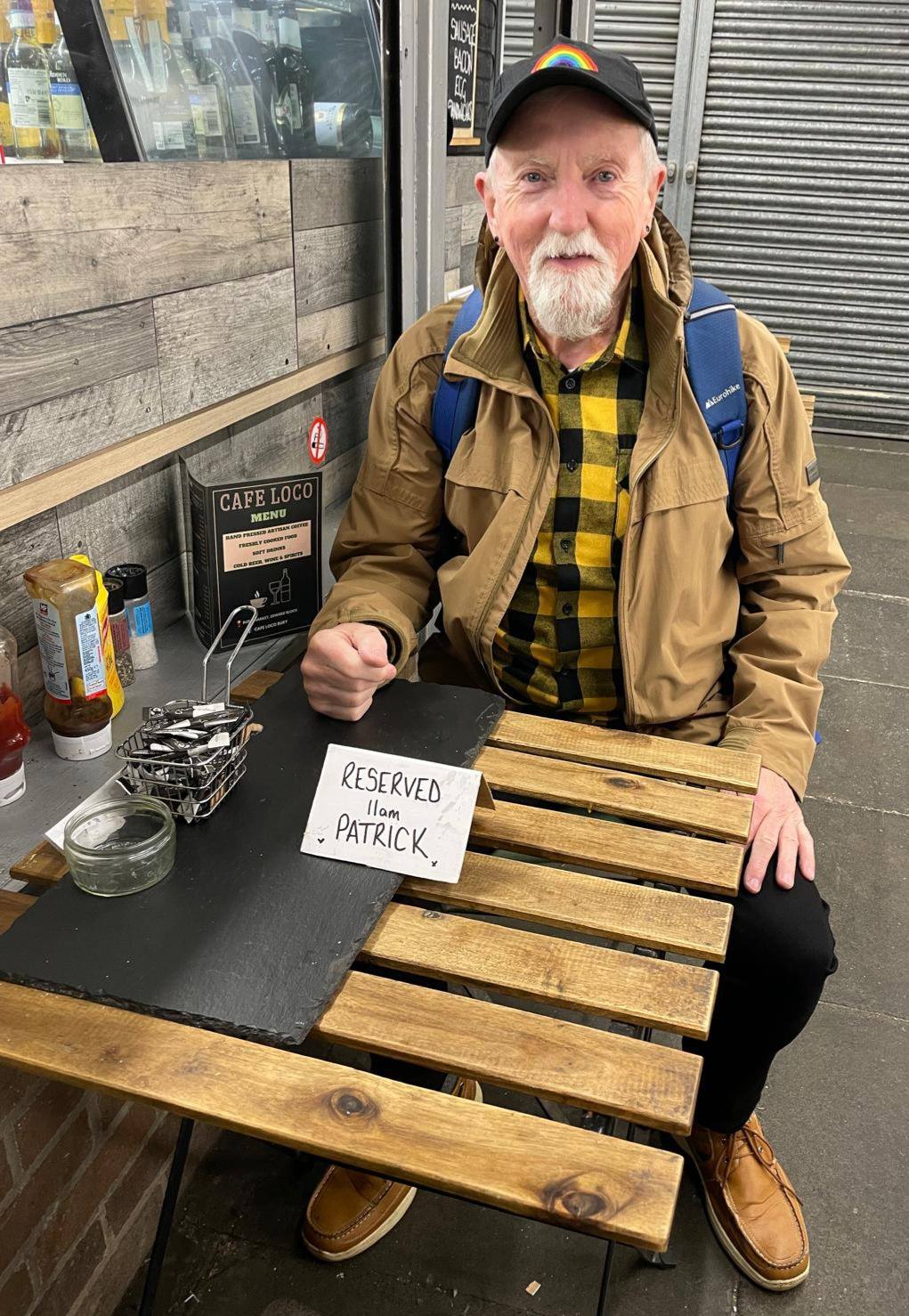

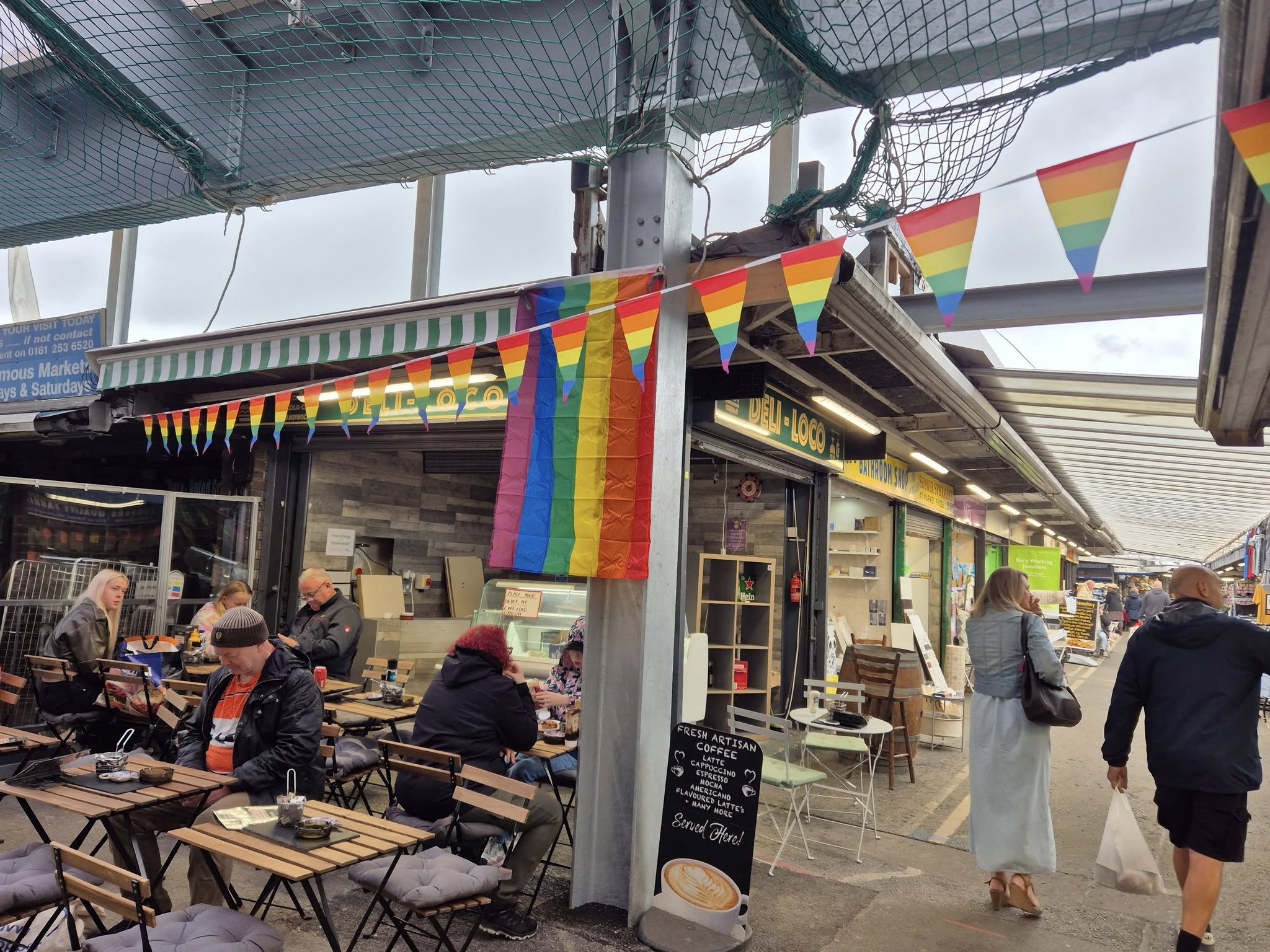
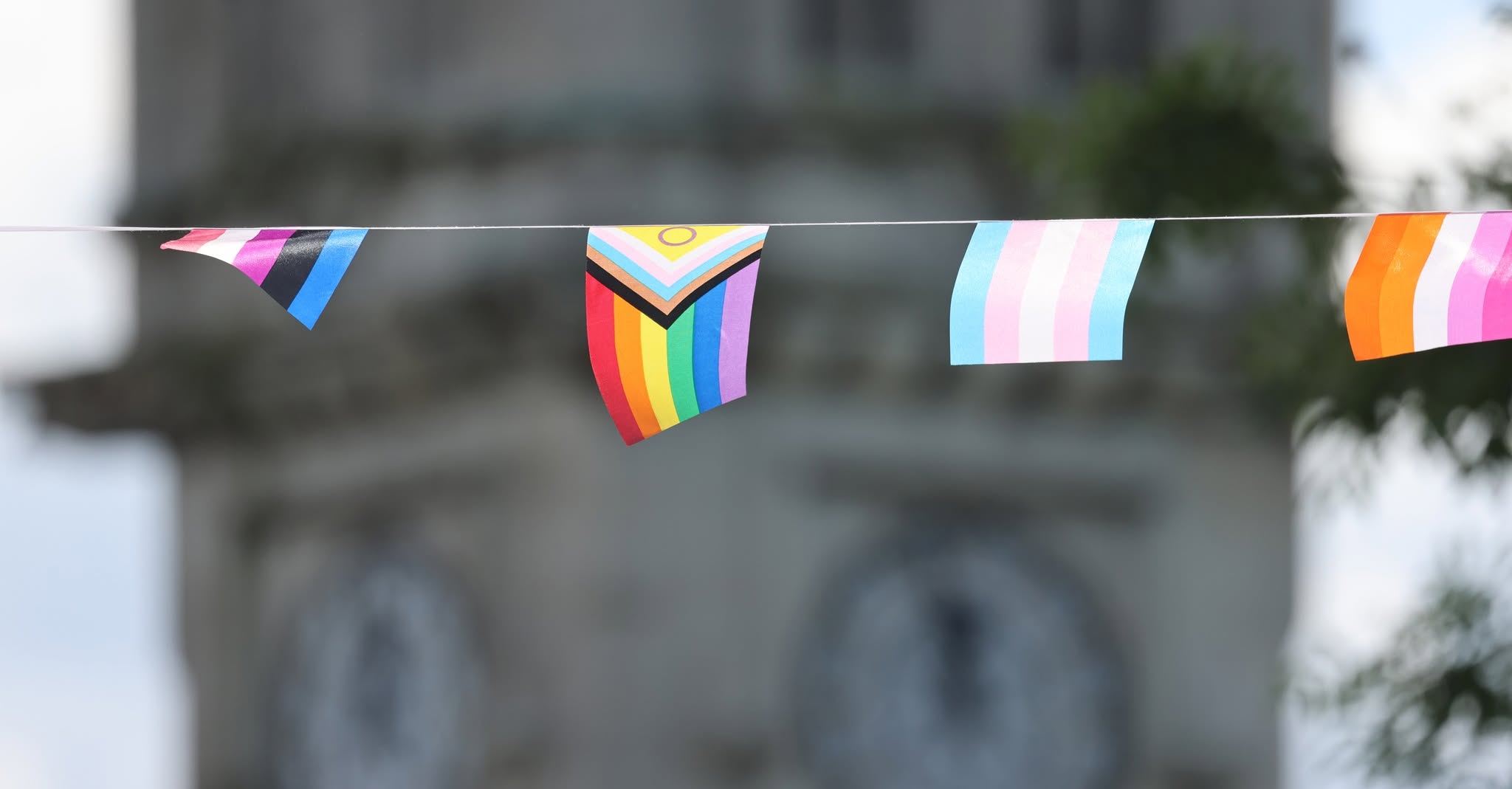

Bury Pride was held on 7 June on Knowsley Street outside the Town Hall. There was free entertainment, acts on stage, food and drink vendors along with stalls by community groups, local businesses and rides for all ages.
Patrick reviewed Bury Pride:
“Thanks to all who supported Bury Pride yesterday. Special mention goes to my wonderful line dance group, the Prairie Dogs for opening the acts on the stage in the afternoon. Fabulous dancing. Thanks to my colleagues from the NASUWT Teaching Union for their participation and support, and the fantastic support from the brilliant staff at Cafe Loco on Bury Market. All added to a great Pride.”
If you want to find out more about our future activities go to “Next Outings” on the website.

Terry Higgins
Terrence Lionel Seymour Higgins (10 June 1945 – 4 July 1982) was among the first people known to die of an AIDS-related illness in the United Kingdom.
Marking what would have been Terry Higgins’ 80th birthday, Queer Britain will host the Terry Higgins Memorial Quilt. The quilt was produced by Terrence Higgins Trust and The Quilters’ Guild and will be on display in London at the UK’s first and only LGBTQ+ museum from 11 to 15 June.
Since opening its doors in May 2022 in Granary Square, King’s Cross, the museum has welcomed over 100,000 visitors, providing a revolutionary space to celebrate, preserve, and explore LGBTQ+ histories.
The museum is now planning to redevelop its permanent collection and launch a series of special exhibitions throughout 2025, celebrating unheard stories, sharing new perspectives, and commemorating key cultural moments, in which the Terry Higgins Memorial quilt will feature.
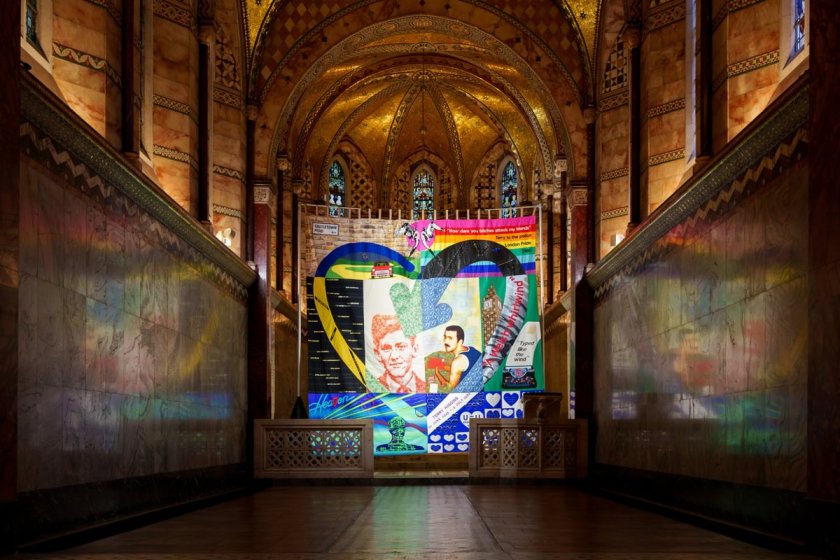
The quilt features eight magnificent panels, representing different elements of Terry’s life, celebrating his legacy and aims to engage as many people as possible in where we are today with the opportunity to end new HIV cases in the UK by 2030.
Museum director Andrew Given explains a new vision for Queer Britain:
“Walking through our galleries never fails to inspire, as I see the record of activism and change that our community has achieved. But there are so many stories yet to be told. That’s why we are delighted to announce this exciting programme of exhibitions and the redevelopment of our permanent collection – ensuring that Queer Britain continues to be a vital space for all LGBTQ+ stories.”
Richard Angell OBE, Chief Executive of Terrence Higgins Trust, said:
“For many years at Terrence Higgins Trust, we worked in the name of Terry, but without fully telling his story. This quilt is a literal rich tapestry of his life. It speaks to the experiences of so many queer people, from growing up in a small town, to finding his identity through friendship, community, work and music. I hope those who visit will see something of themselves in Terry’s story and understand the ways so many of us have benefited from his legacy.
When Terry died there wasn’t even a test for HIV, let alone any treatment. Now we have the opportunity to end the epidemic in the UK by 2030. We owe it to Terry and everyone we lost to turn that goal into reality.” During 2025, the museum will also feature exhibitions celebrating 20 years of UK Black Pride, as well as on Jimmy Sommerville and Bronski Beat.
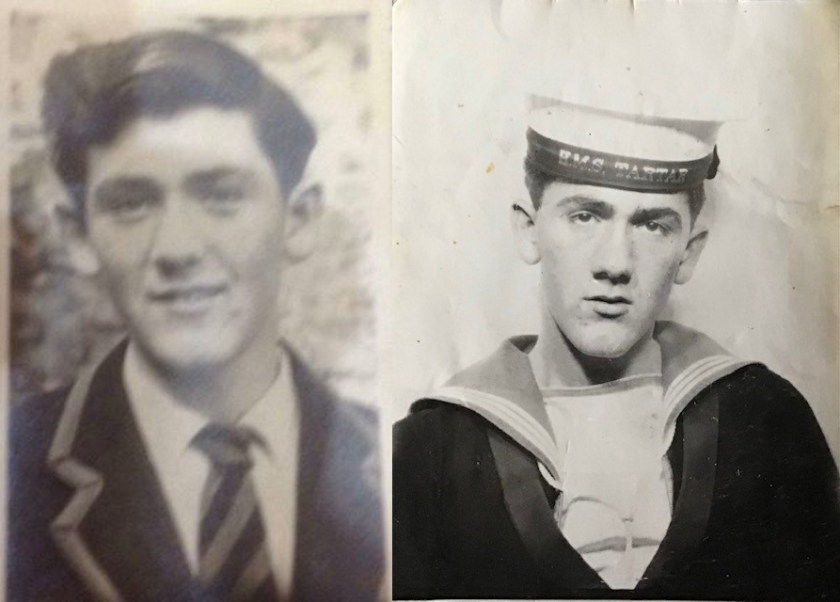
Terrence Lionel Seymour Higgins, known as Terry, was born 10 June 1945 in Priory Mount Hospital, Pembrokeshire. He lived with his mother Marjorie at 13 Priory Avenue in Haverfordwest and attended the local all-boys grammar school from 1956-60.
His mum was a nurse and oldest of nine children. She passed away in 1974, eight years before Terry’s death. He went to her funeral with his friend Linda Payan. While he was an only child, he had many cousins through his four aunts and four uncles.
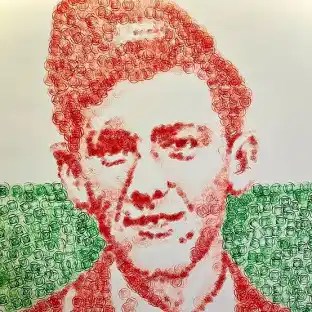
He joined the Royal Navy when he was 18 years old, but was later subject to a dishonourable discharge. It seemed this was by choice. Having told a senior officer he was gay, said officer replied with “if we booted out everyone who was gay we wouldn’t have a navy left”. Having been refused discharge, he painted red hammer and sickle motifs around his ship, and was formally charged and asked to leave.
Terry moved to London, living in various up and coming areas, including Notting Hill and Streatham, before sharing a flat with friends in Barons Court Road, West Kensington. He worked for Hansard from 1976, and left for a PA role in the Middle East. On his return, he worked as a computer operator, for The Times and as a barman.
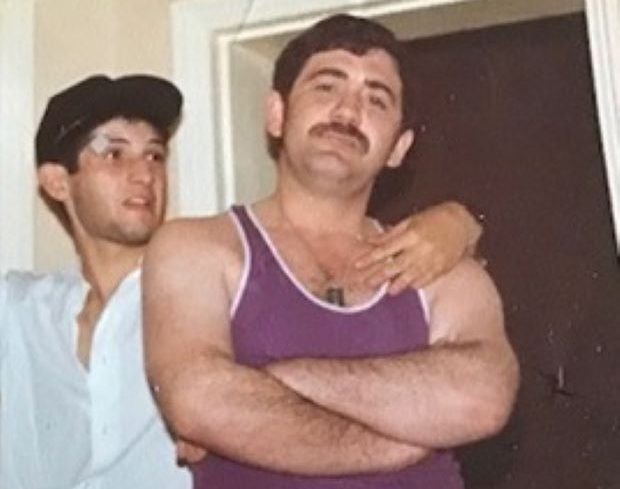
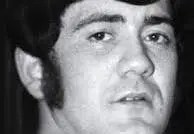
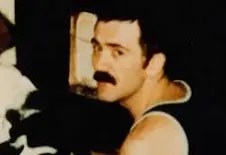
A DJ and music enthusiast, he travelled regularly to New York to buy records. He was really into the leather scene at the time, known affectionately to his friends as ‘Fat Terry’ and was a gay rights activist, involved in an altercation with the police at Pride 1980. Julian Hows tells how following the arrest of a radical activist, “the last quarter of the march sat down … refused to move … and several more arrests took place.” This includes Hows and Higgins. Terry, “dressed head to toes in leather, leaped from the “HEAVEN” (nightclub) float leather belt in hand attacking the police with it screaming ‘how dare you bitches attack my friends’.”
Terry was a self-taught piano player, enjoyed languages – speaking French, German and Spanish – and keen on astrology. He authored a book on the subject, The Living Zodiac, in 1974 with fellow Geminis received a generous write up. He travelled regularly to New York to get the latest records for his DJ sets – bringing back other bits of US gay culture – and holidayed in California.
During the summer of 1981, he became quite conscious about his weight. Although he only weighed about 13 stone, which was quite normal for a man of his height, he had a number of friends who were some 10 years younger and a couple of stones lighter. Terry decided to embark on another crash diet, but this time as the weight came off he also developed a rash. Towards the end of the summer Terry found it hard to stop losing weight, and the rash wouldn’t go away either. At first, his doctors thought little of it, although they grew more concerned as, over the following months, he gradually became weaker.
Tragedy struck in the summer of 1982 when in the April he collapsed on the dance floor at gay disco Heaven, and was taken to St Thomas’s Hospital in London. He discharged himself after a number of days when doctors were unable to diagnose or treat his condition.
In the middle of June, Terry collapsed again, this time while working as a DJ in Heaven nightclub. He was taken back to St Thomas’ and readmitted to the isolation unit, where he was diagnosed as having parasitic pneumonia. Although everyone expected him to make a full recovery, he died quite suddenly on Sunday 4 July 1982. He was just 37.
His partner Rupert Whitaker witnessed his last moments and later paid for Terry’s funeral from his student grant. While Rupert had raised the possibility of this mystery US illness but was rebuffed. On Terry’s death the doctors refused to talk about his condition to Rupert because he wasn’t “family”. Rupert and Terry’s friends were told to read about it in a medical journal.
Pneumonia was given as the cause of death. Rupert and friends like Martyn Butler, who also worked in Heaven, wanted Terry to never be forgotten and that the cause of death to be known – although very little information was available about the mysterious virus referred to as GRIDS or AIDS at the time.
Although Britain’s first AIDS case had been reported in The Lancet in 1981, it was the death of Terry Higgins that brought the disease fully into public view. His friends used his death as a platform for further action, and soon after set up Terrence Higgins Trust.
Age Without Limits Day – Wednesday, 11 June 2025
This year the theme of Age Without Limits Day is Celebrate Ageing. Challenge Ageism.
The day will celebrate the value and contributions of older people in society and share people’s diverse experiences of growing older. When we celebrate ageing, together, on the day, we will challenge the negative beliefs and actions connected to older age.

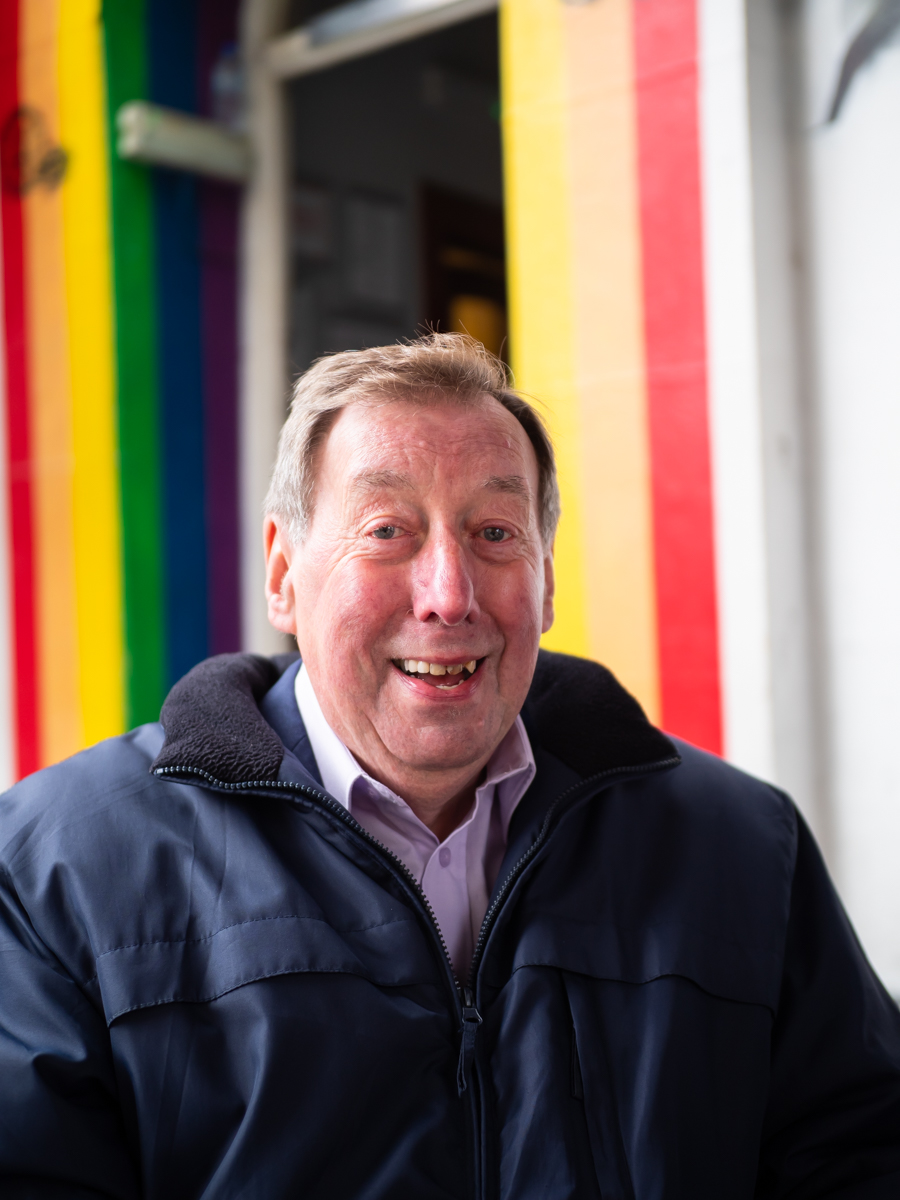



Birthdays (just one this time)

 Out in the City