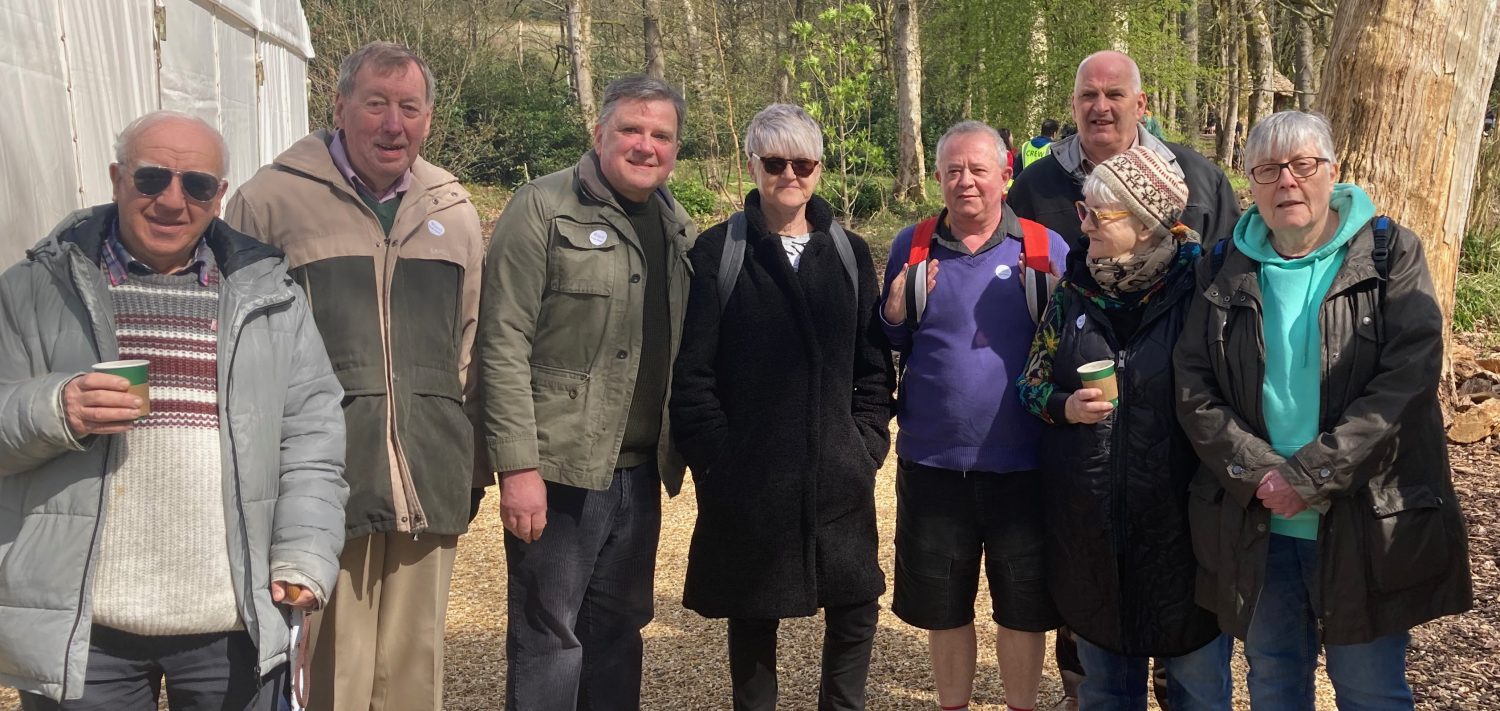

Coach trip to York
We travelled by coach to York to visit The National Railway Museum, which opened in 1975, and which has been making memories for 50 years.
We were also celebrating 200 years since the first fare-paying passenger journey on the Stockton and Darlington Line on 27 September 1825 – widely regarded as the birth of the modern railway.
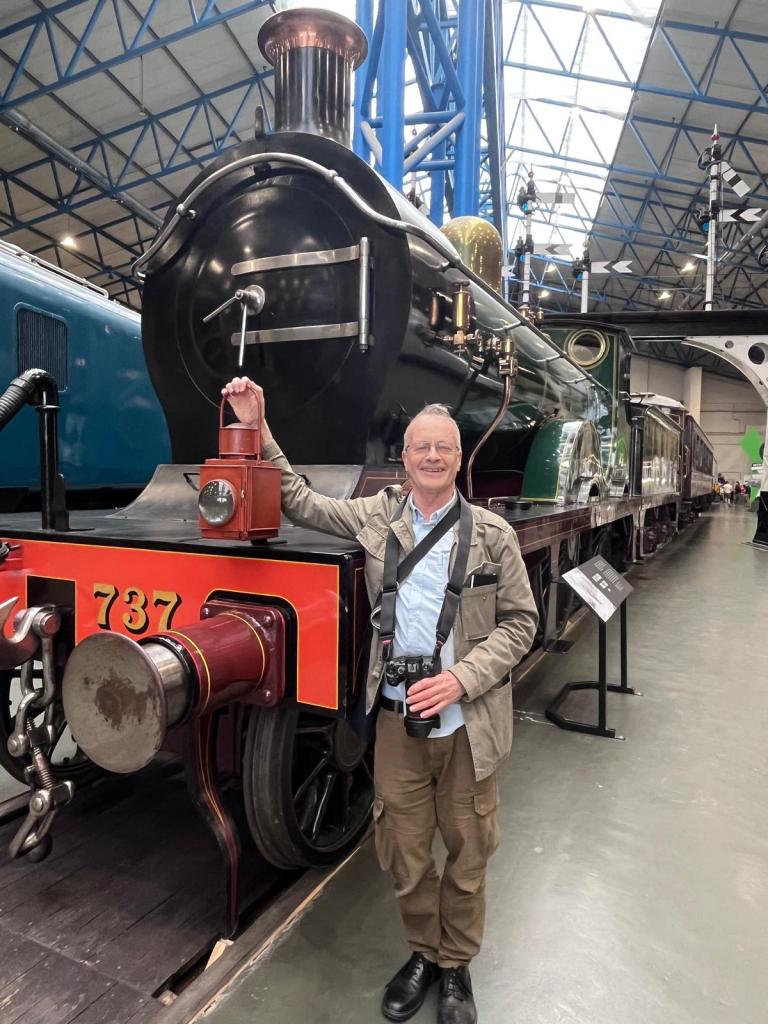
The exhibitions promote the past, present and future of the railways, and in the Great Hall we were greeted by a stunning array of railway vehicles including The Rocket, Mallard and Shinkansen.
Mallard travelled at a record 126 miles per hour and we had the opportunity to view the cab. We also stepped inside the only Japanese bullet train that’s not in Japan! This beautiful Series 0 Shinkansen from the 1960s was completely restored before leaving its home country. In 1829 The Derby Mercury newspaper described the way the Rocket “darted past the spectators”, comparing it with the “rapidity with which the swallow darts through the air”.
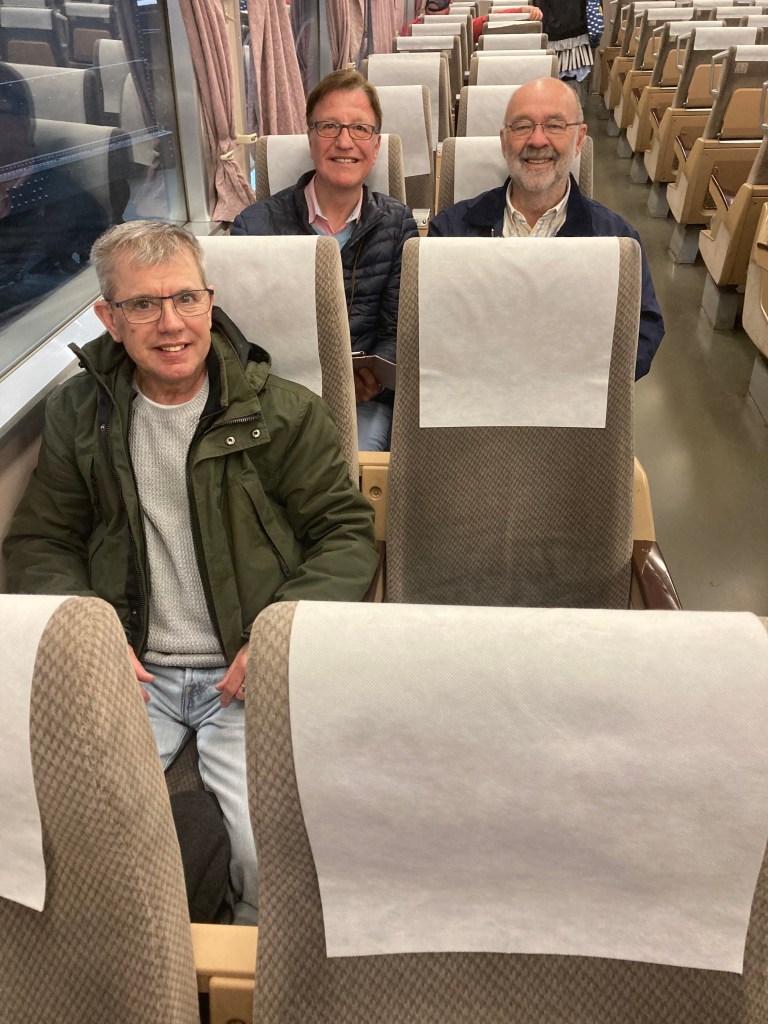

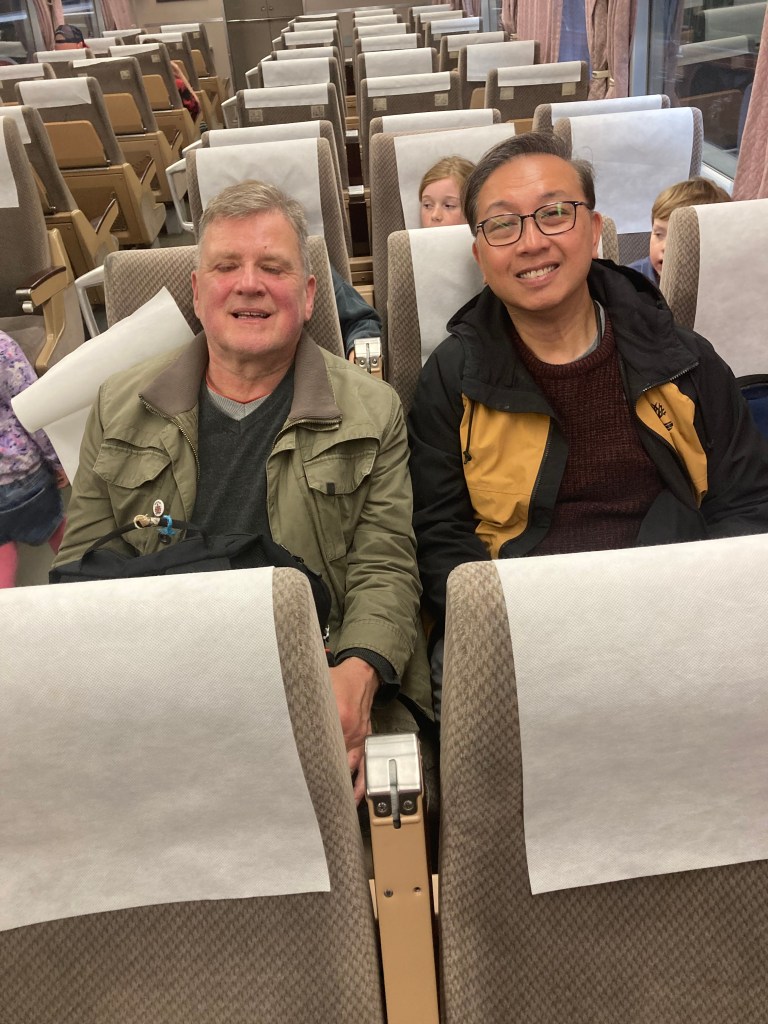
It was fascinating to learn about how innovation and ingenuity led to a world changing transport revolution.
More photos can be seen here.

Fear, joy, solidarity: exhibition explores 40 years of HIV activism in Manchester
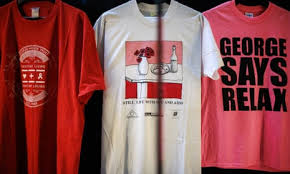
Paul Fairweather was in his late 20s when he volunteered to take calls from terrified members of the public for Manchester AIDSline, an organisation he set up with five friends in response to the impact of HIV across the city.
Though it was four decades ago now, he still remembers some of the conversations. “Some of the calls had a really big impact on you,” he says.
“I had a phone call from a woman who was phoning up about her son who had AIDS. And as she was talking, I realised that I knew her son.
She was just in tears – and it was really early on, so you wanted to reassure people, but the reality was he was probably going to die quite soon because there were no treatments.”
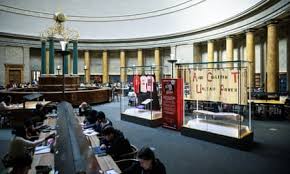
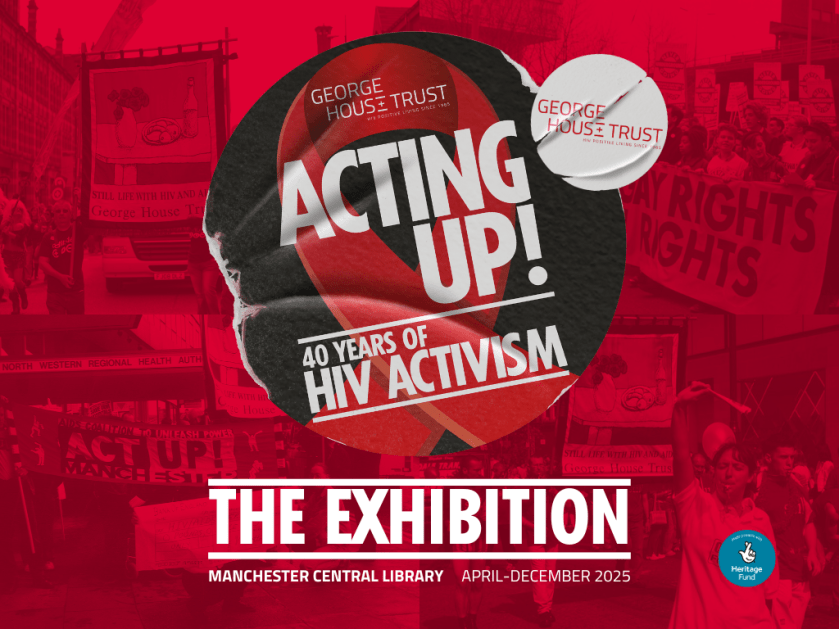
Now for the first time in history, the logbook from this invaluable service can be seen by the public as part of the exhibition ACTING UP! 40 Years of HIV Activism at Manchester Central Library, which is open until December.
Handwritten notes about calls taken over a span of a couple of days in November 1985 show how people phoned to ask questions about the risk of oral sex, to discuss virus symptoms they might have had and to ask about clinic opening times.
Many callers were the “worried well” who were anxious about catching HIV despite being at no risk, such was the stigma of the virus, says Fairweather. “People would phone up either too nervous or too scared to say anything,” he says.
“It feels really strange,” says the activist on this piece of his history becoming part of a public exhibition, which was created by the George House Trust, the HIV charity that Manchester AIDSline turned into. “It doesn’t seem 40 years ago, but it’s great to see it. To remember what it was like in those early days is really important.”
The logs and other materials from the George House Trust’s archive were used by the charity’s patron, Russell T Davies, in writing the Channel 4 television drama It’s A Sin, which went on to receive a record-busting 12 Bafta nominations after it aired in 2021.
Joe Tanzer, the project lead, says: “The phone calls that happen in It’s a Sin are real-life stories from the Manchester AIDSline logbooks.”
The year 1985, when the phone line was started, was also when the first HIV tests became available, and the materials made at the time helped people weigh up the positives and negatives of testing.
Tanzer says: “So people have this dilemma of: ‘Do I test for it or not, because there’s no treatment. Do I want to know that I’ve got that?’”
Fast forward to 2025 and the message has changed entirely. “It’s very different to the kind of context now where it’s all about knowing your status.”

The archive shows that, as well as the help and support provided to gay men, the charity had services specifically for women and black communities, who also found themselves affected.
Personal testimonies tell stories from the past four decades, and there is an emphasis on the oral histories of five women, who include Michelle Croston, a professor who spent much of her career as a HIV nurse, and Agatha Phiri, a woman originally from Malawi who runs a charity for women with HIV in Oldham called Agatha’s Space.
There are fundraising materials, such as raffle tickets, flyers, comics and protest T-shirts, some of which were worn by Fairweather, who was awarded an MBE in 2023 for his activism.
Tanzer said he hoped the exhibition would “put the north on the map”, adding: “Because as the history of HIV gets written, London is tending to eclipse other centres of activism, and Manchester really was one of them, and still is.”

The city is fiercely proud of its activist history around HIV. While London is working on a memorial to those killed by the disease, Manchester has had one for 25 years, a metal sculpture called the Beacon of Hope in Sackville Gardens in Manchester’s gay village.
“Manchester has been kind of leading the way in that sense but it’s not as well known,” Tanzer said.
Also featured in the exhibition, funded by the National Lottery Heritage Fund, are protest banners used in the 1980s, which are displayed in the library’s grand first-floor reading room until the end of May.
The materials on display show how the campaigners deployed wit to help spread their message.
Tanzer says: “In 1993, Virginia Bottomley, the then health secretary for the Conservative government, cut funding to HIV. So they protested against her … and at some point someone worked out her name was an anagram.
“There’s a picture of them all standing there spelling out her name, Virginia Bottomley, and they do a little shuffle, and then it says ‘I’m an evil Tory bigot’. It’s just brilliant.”
Tanzer adds: “So it’s not just sad. There’s so much involved in the activism, it’s about joy and solidarity and action, and strength in community as well.”
Lived experiences of older LGBTQI+ adults aged 60 or older
Huntley, R. et al., Journal of Homosexuality – February 2025.
Despite increasing research on LGBT+ people’s experiences, studies specifically focusing on those aged 60 and older remain scarce. This group has faced unique challenges that younger generations may not have encountered.
The aim of this study is to explore the lived experience of LGBT+ people aged 60 or older. Based on a review of eight studies, key findings highlight challenges in navigating openness, the need for recognition and belonging, and resilience despite adversity. Recommendations emphasise the need for future research on intersectional LGBT+ experiences.
The article can be read in full here.
New booklet on LGBT+ ageing

A new booklet (Ageing On Our Own Terms) highlighting the need for LGBT+ inclusive support for older LGBT+ people was released in March 2025.
Published by the Furzedown Project, a London based community organisation supporting older people, the report was supported by Wandsworth Council and covers a number of areas including:
- Historical context
- Hopes and fears for the future
- Support needs
- Planning for later life.
The report also includes direct quotes from older LGBT+ people about what “living well” means for them as they get older, with common themes including not having to go back in the closet, having an LGBT+ friendly place to live, gay culture remaining part of their lives and recognition of chosen families.
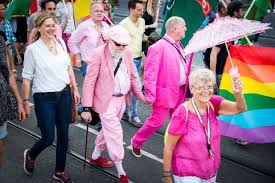
Ageing On Our Own Terms is designed as a resource for commissioners, providers and regulators of health and social care to assist them in meeting the needs and aspirations of LGBT+ people as they age.
You can read the booklet here.
You can also watch this video about the booklet on YouTube.
 Out in the City