How London’s older LGBT+ people struggle with financial stress and isolation
A new report by a non-profit housing provider focuses on a financially precarious community of older LGBT+ people in London. But there are lessons for all social landlords.
“I think the city of London has me in its chokehold.” As this comment from a 55-year-old gay man shows, living in the capital can be a double-edged sword, the benefits of its more tolerant environment curbed by high financial stress.
This is the topic of a new study by Tonic Housing, a non-profit organisation which runs a retirement community for LGBT+ people in the capital. It reveals the challenges faced by a “hidden population” of LGBT+ over-50s in London.
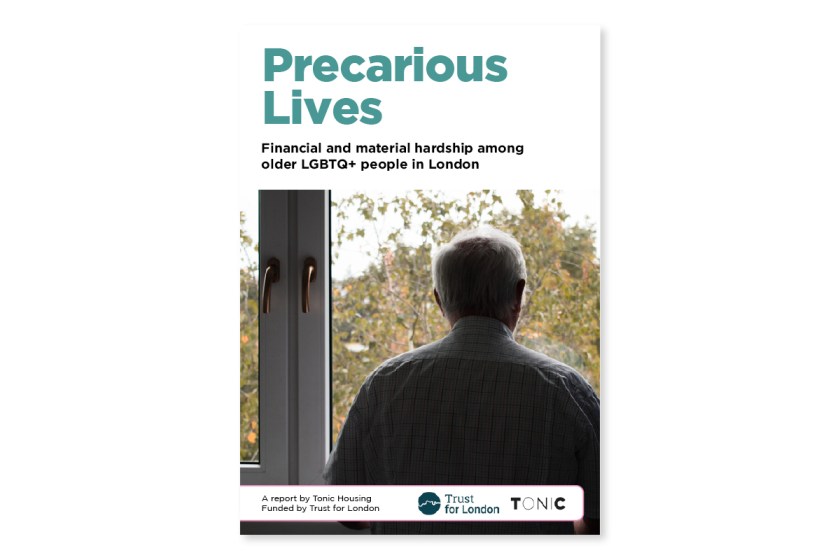
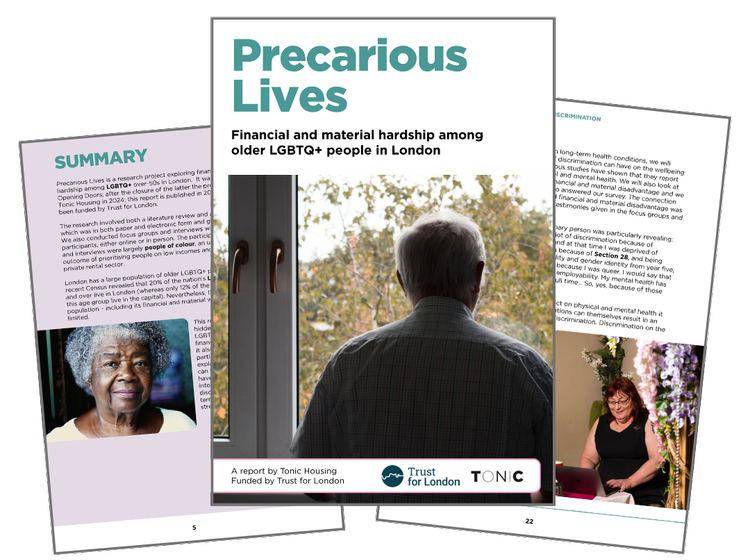
Titled Precarious Lives, the report surveyed 134 people across London to explore issues such as the long-term impacts of discrimination, long-term health conditions and financial stress. It also conducted focus groups and interviews with an additional 39 participants.
Its findings were “deeply unsettling”, said Tonic Housing’s chair Terry Stacey, and highlighted how certain people – namely LGBT+ people of colour, LGBT+ disabled people and trans and non-binary people – face “particularly profound hardship”.
Mr Stacey said the report emphasised the need for community-led solutions to address the needs of older LGBT+ people. This was “particularly crucial” following the closure of Opening Doors, the LGBT+ charity that was originally running the Precarious Lives research, but which closed last year.
Following its closure, Tonic took over the report, with the project funded by Trust for London.
So what are some of the issues that LGBT+ older people face as they grow older, and how should social landlords change their approach to make sure they are properly serving this community?
Intersectionality
One of the key findings was the high social isolation of those surveyed. According to the report, 64% of those surveyed live alone. It also found that single-person households were six times more likely to rely on food banks than those living with others (18% vs 3%).
The survey also revealed that 60% of respondents were disabled. Of these, 58% expected no social support in times of crisis.
Overall, among all survey respondents, 36% would not expect any social support – from a spouse or partner, family members or friends – in the event of serious difficulties.
Meanwhile, 58% of respondents said that they would not expect help from support services if they had serious difficulties.
“As we grow older, our communities – and with them, our circle of safety – tend to shrink,” says report author Mark Sladen. “The result is that both our social and institutional support systems can be threadbare, making individual circumstances that bit more ‘precarious’.”
Mr Sladen said one important takeaway from the report was intersectionality, and how many respondents faced a “compounded” set of challenges. “So, being LGBT+ is a good indicator of challenges ahead; but if you are LGBT+ and Black, or LGBT+ and disabled, you can find almost all aspects of living in 21st century London markedly more difficult.”
Financial hardship
Many people in the LGBT+ community value living in the capital, the report found, because it is relatively tolerant and because of the opportunities to find a sense of community.
However, living in London comes at a high financial cost. According to the report, many respondents were on low incomes and, overall, 41% of people surveyed were finding it ‘somewhat’ or ‘very’ difficult to manage financially.
It found 34% of LGBT+ over-50s surveyed have a household income below £15,000. For 15%, it was less than £10,000 a year.
One of the lessons from the report, according to Mr Sladen, is how experiences differ based on housing tenure. “It is clear that those in the private rented sector are far more precarious,” he says. “Add that to all the other costs of living in London and it becomes very clear that there needs to be more social housing, and more housing provided at affordable rents.”
Lessons for landlords
Asked what advice the report holds for social landlords, Anna Kear, chief executive of Tonic Housing, notes that many older LGBT+ people don’t have children. Yet despite this, there are often expectations from housing associations for residents to have someone who can advocate for them.
“Social landlords, therefore, must not assume that people have those children in place. People can be very isolated and vulnerable.”
Landlords also have to be sensitive to the fact that many LGBT+ people carry the trauma of the past with them, says Ms Kear. “As one resident put it recently: ‘I’ve got too much time to think and I am going over the past.’
“It’s a past that included criminalisation, ECT (electroconvulsive therapy – known commonly as electro shock therapy) – just for being gay or trans; the AIDS crisis, and the death of friends and partners; Section 28. Put those together, and what you have is a complete distrust of institutions.”
Ms Kear gives the example of Maudsley Hospital in south London, which today is a centre of excellence for mental health issues, but once was the place someone might have been sent to for ECT. “The idea that people can just reach out and navigate institutions today without some acknowledgment of that past is massively flawed.
“Yet too many large organisations expect individuals to do that without a second thought. That needs to change.”
Becoming a registered provider
When Tonic set up its first retirement community, it began with shared ownership on the banks of the Thames – a tenure unlikely to be accessible to older people on low incomes.
But Tonic has now applied to become a registered provider with the aim of offering social rent homes in its communities. “We were not initially set up as a registered ‘social landlord’. Because, as a small start-up, we did not meet the criteria. Ten years on, we have a solid track record and are now actively working to gain registration,” says Ms Kear.
Ms Kear says the organisation has found the regulatory application process to be “quite a mystery”, adding: “We think we have done everything to meet the requirements, but we won’t know until they tell us either way. In the meantime, we can’t plan for future homes,” she says – there is no way to approach lenders, developers or scope out possible Section 106 sites.
Getting registered provider status would allow Tonic to provide a range of tenures, says Ms Kear, including affordable rented homes.
Extra care scheme
In September last year, a ‘first of a kind’ project aimed at older LGBT+ people achieved planning permission. It is an extra care social rent housing scheme in south Manchester.
Manchester City Council’s planning committee approved proposals from Great Places to develop the project on the site of the former Spire Hospital on Russell Road, Whalley Range.
Plans were put together by Great Places Housing Group in collaboration with the Russell Road Community Steering Group, Manchester City Council, and the LGBT Foundation. The aim is for this scheme to deliver 80 one and two-bedroom apartments for older people within a high-quality sustainable building.
Low-carbon design takes into account the surrounding conservation area. In addition, there will be shared communal facilities including lounges, treatment rooms and landscaped gardens aiming to ensure an overall net gain of trees on the site.
Residents will be aged 55 years or over, with the majority being drawn from Manchester’s local LGBT+ community. Great Places aims for the scheme to deliver an open and inclusive, physical and psychological place of safety for the older LGBT+ community, as well as a welcome addition to the Whalley Range area.
The Russell Road development has been widely welcomed. Paul Martin, chief executive of the LGBT Foundation, says: “Older LGBT+ people are currently at greater risk of discrimination, poor health outcomes and social isolation, and many do not have the support networks of family and friends. This scheme aims to address these challenges and create a safe and affirming environment where our community can age with pride.”


Bisexual Health Awareness Month
Bisexual Health Awareness Month (BHAM) is an annual event held in the United States during the month of March. The purpose of the event is to raise awareness of the unique health challenges faced by bisexual individuals and to promote greater understanding and acceptance of bisexuality.
Bisexual individuals face a number of health disparities, including higher rates of depression, anxiety, and substance abuse, as well as greater risk for certain physical health issues. Additionally, bisexual individuals may face discrimination and stigma both within and outside of the LGBT+ community, which can have negative effects on their mental and physical health.
During BHAM, individuals and organisations around the country participate in a range of events and activities to raise awareness of these issues and to promote better health outcomes for bisexual individuals. This may include educational workshops, webinars, social media campaigns, and community events.
The goal of BHAM is to increase understanding of bisexual health issues and to promote greater inclusivity and acceptance of bisexual individuals in healthcare and other settings. It is also an opportunity for bisexual individuals to share their stories and for allies to learn how to be better allies and advocates for bisexual individuals.
Google wants to erase Pride, but we’re not going to let them. Here’s how to resist …

In the current United States presidential administration’s war against diversity, equity and inclusion, not even our calendars are safe.
Google has removed Pride Month from its Calendar app, alongside other minority-centred events like Black History Month, Women’s History Month and Holocaust Remembrance Day.
Apparently, Google’s programme will now only display public holidays and national observances because “manually” maintaining “a broader set of cultural moments” globally wasn’t “scaleable or sustainable,” according to an unnamed spokesperson.
Of course, their timing is suspicious, to say the least. In January, CEO Sundar Pichai attended Trump’s inauguration after donating $1 million to the cause.
Furthermore, the tech giant’s decision comes in the wake of an executive order dismantling federal Diversity, Equity and Inclusion programmes, and companies like Meta, Walmart, Target and Amazon following suit.
Unfortunately, Trump’s team has been especially fastidious in erasing the queer community; according to the Gay and Lesbian Alliance Against Defamation (GLAAD), “nearly all LGBT and HIV focused content and resources” have been eliminated from WhiteHouse.gov and relevant federal agencies’ websites.
That said, we don’t have to let them win.
Here’s a step-by-step guide to adding events like Pride Month back to your Google Calendar.
1. Open up your Google Calendar
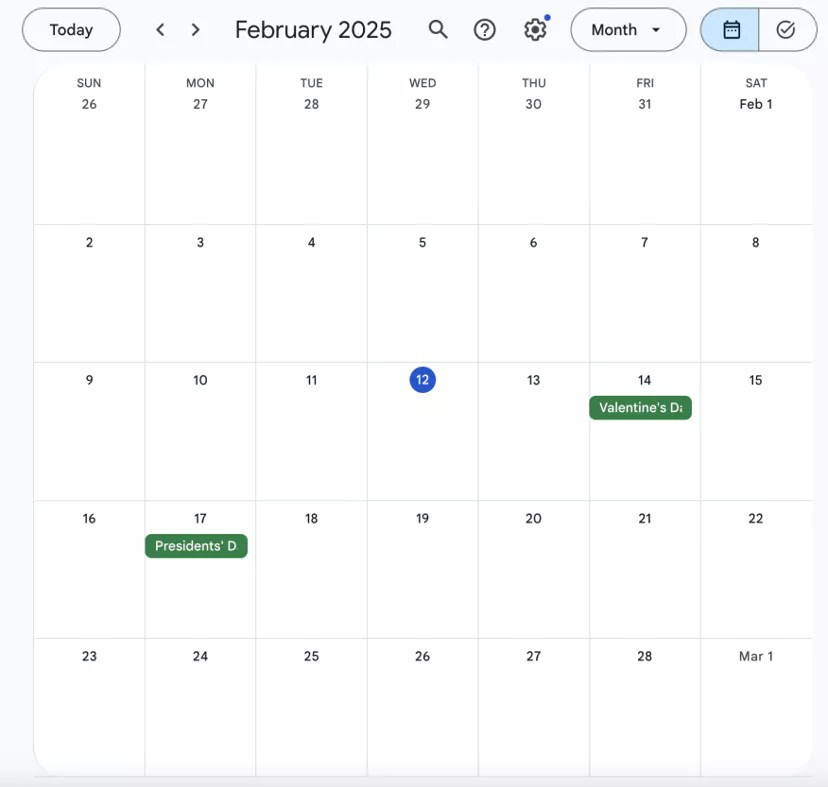
Make sure you’re signed into your Google account and navigate to the Calendar app.
2. Navigate to the month of June
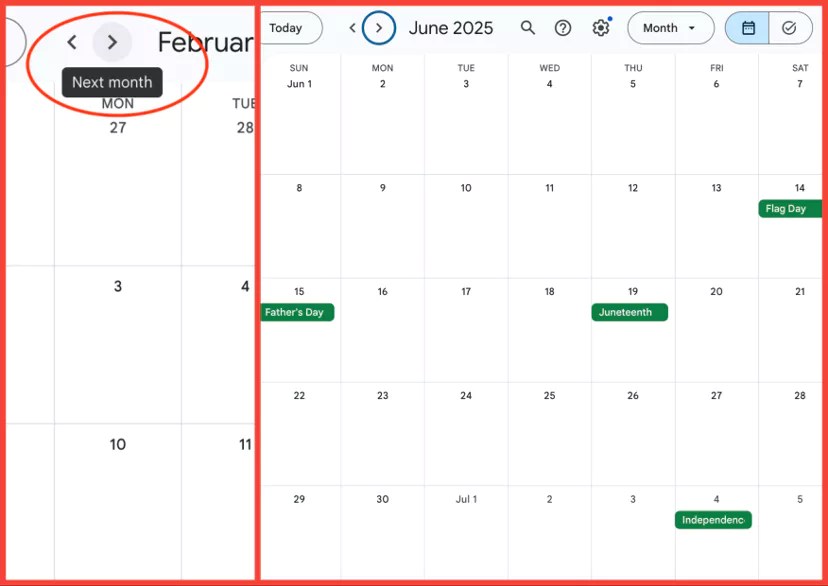
Using the arrows next to the month, scroll over to June 2025.
3. Create a calendar “Event”
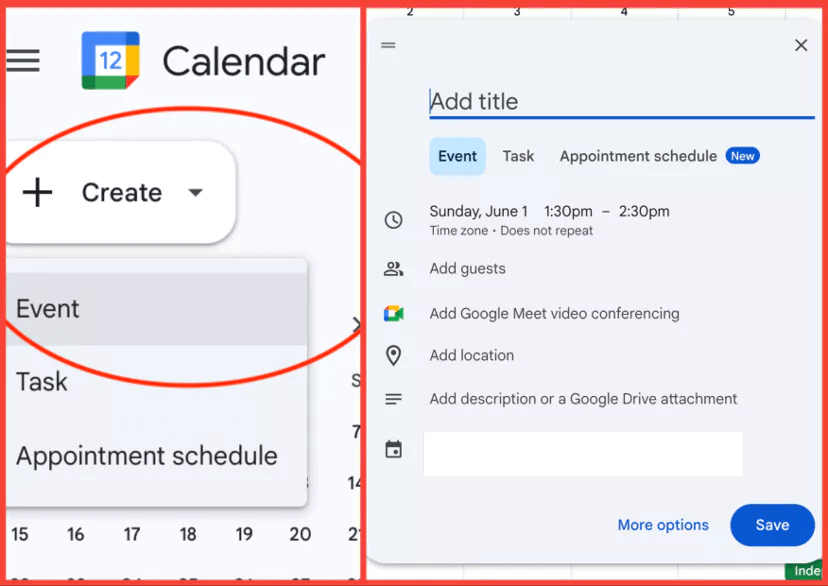
Click “Create” and “Event.” Now, a pop-up window will appear.
4. Type out “Pride Month” and select a duration
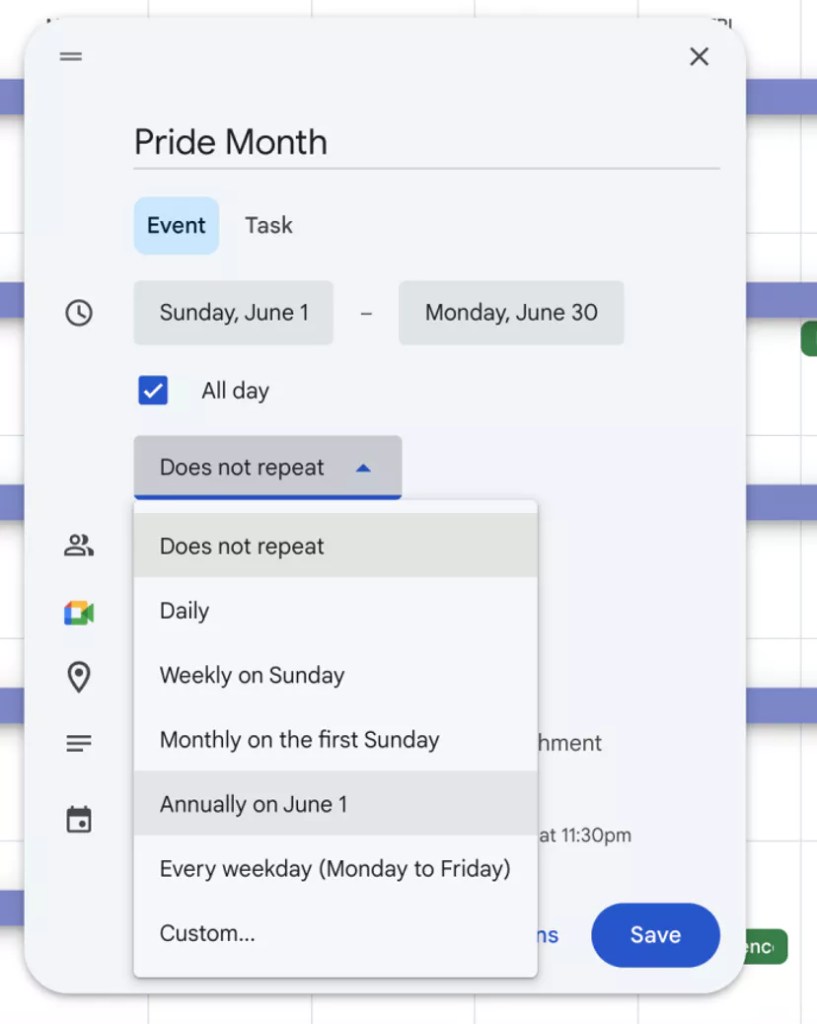
You can type out “Pride Month,” and click on the clock to edit its duration. Select Sunday, 1 June to Monday, 30 June and make sure “All day” is checked.
You can also click on “Does not repeat” and then toggle the selection to “Annually on June 1”. This will ensure that Pride Month appears on your calendar every year.
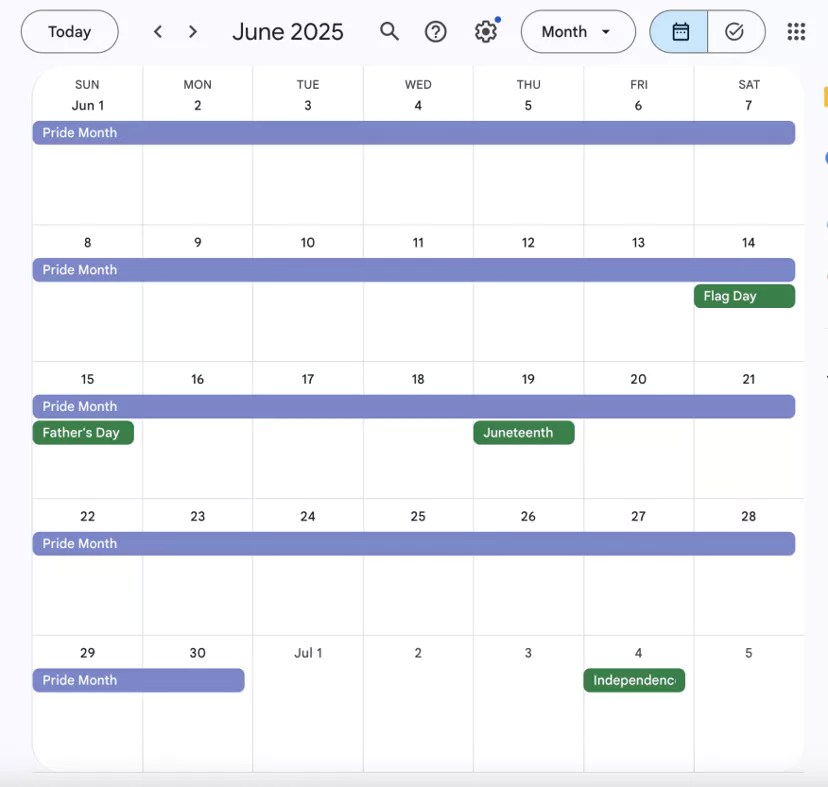
After selecting “Save”, you will notice Pride Month has a not-so-subtle marker on every day in June (and by creating it as an “event” and not a “meeting” or “task,” your notifications shouldn’t get too crazy – like we need a daily reminder!)
OK, so this is a small and singular act of defiance in a larger system that seems determined to move the LGBT+ equality movement backwards.
That said, we didn’t get permission for the first Pride Month, and they can’t take future ones away from us.

Criminally Queer: The Bolton 7
Hugh Sheehan explores a landmark legal case, in a five part series on BBC Sounds, examining the case of the Bolton 7. The case was termed “the last great homosexual show trial”, and played a significant role in the fight for gay rights.
Listen here
 Out in the City