

Crazy Golf at Paradise Island
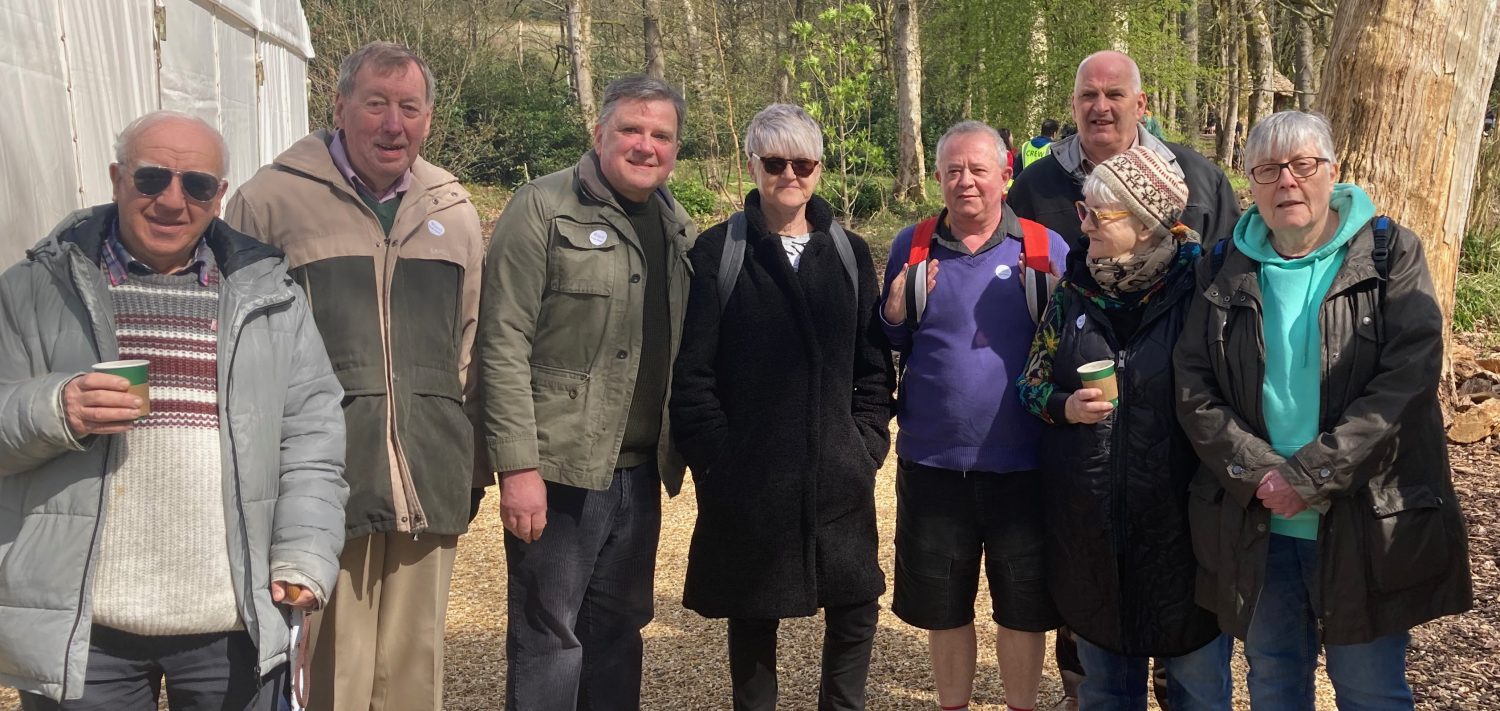
This week we travelled by tram to The Trafford Centre, where we dined at The Mardi Gras before heading to Paradise Island for a session of crazy golf.
Golf is a tee-rific game and it was a par-fect day for crazy golf. A round of golf is always a fairway to start the day. I brought an extra pair of pants in case I got a hole in one.
To putt a long story short, we split into six teams. The first thing you have to do is address the golf ball. Hello, ball! Crazy golf is different from ordinary golf – it’s a hole new ball game. In our teams we all had equal opportuni-tees, but fore-tune favours the bold.
Our top golfer was Michael B with a round of 45. That putt a smile on his face!
It wasn’t tee-dious at all as having fun is par for the course. It was an un-fore-gettable experience, and we all had a tee-rific time.
More photos can be seen here.


Hate Crime Awareness Week
This week is Greater Manchester’s Hate Crime Awareness Week. It’s a time dedicated to raising awareness of hate crime and how to combat it. The week takes place between Monday 3 February to Friday 7 February.
What is hate crime?
Hate crime isn’t a single offence – it’s when crimes like assault or threats are driven by anger towards:
- Race or religion
- Sexuality
- Disability
- Transgender identity
Hate crimes can include:
- Threats and harassment
- Physical attacks
- Property damage
- Encouraging others to commit hate crimes
Examples of hate crime include:
- Someone assaults you using homophobic language
- A brick is thrown through your window with racist graffiti
- Online abuse targeting your identity
If hate is the motive, it’s a hate crime.
For example, if someone attacks you because they think you’re Muslim and you’re not, it still counts as a hate crime.
How do you report it?
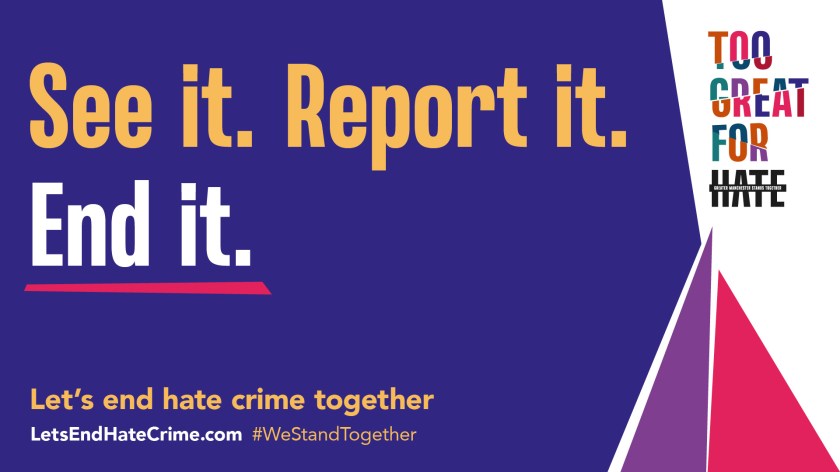
You can report hate crime online here.
Call 999 if there’s a crime in progress or if someone is in immediate danger.
If the crime isn’t an emergency, call 101 or contact your local police.
Find out what support you can get if you’re the victim of hate crime here.

Loud and Proud: Amplifying LGBTQ+ Voices
Jean is the Treasurer for Oldham Pride. This podcast is a candid, personal account of her experiences growing up and the issues she faced before and after coming out.
The podcast was produced by Oldham Pride to help to support and acknowledge Greater Manchester’s Hate Crime Awareness Week 2005.
Each episode was recorded at Billington’s Oldham, which is a registered safe space and hate crime reporting centre
Listen here.
10 Reads for LGBT+ History Month
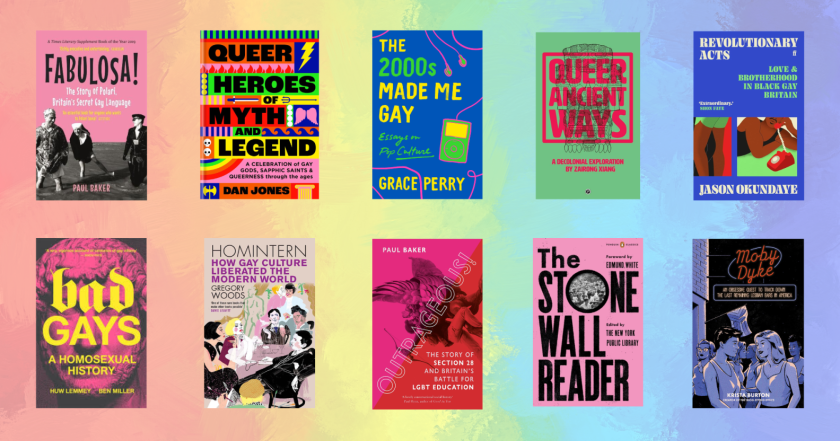
February marks LGBT+ History Month, giving a space to celebrate the rich tapestry of LGBT+ history and the people who shaped it.
Here is a list of ten books exploring LGBT+ history from a range of perspectives:
The Stonewall Reader
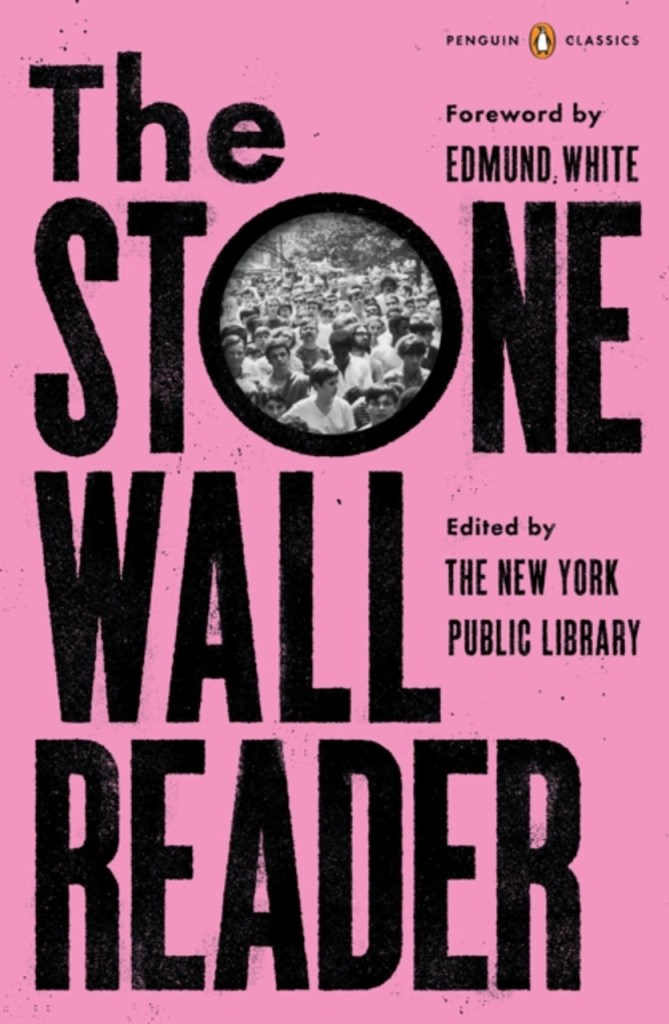
This powerful anthology chronicles the 1969 Stonewall uprising through diaries, articles, and firsthand accounts. Featuring voices from activists on the frontlines, The Stonewall Reader provides a vivid portrait of one of LGBT+ history’s most pivotal moments. A must-read for understanding how the fight for equality gained momentum.
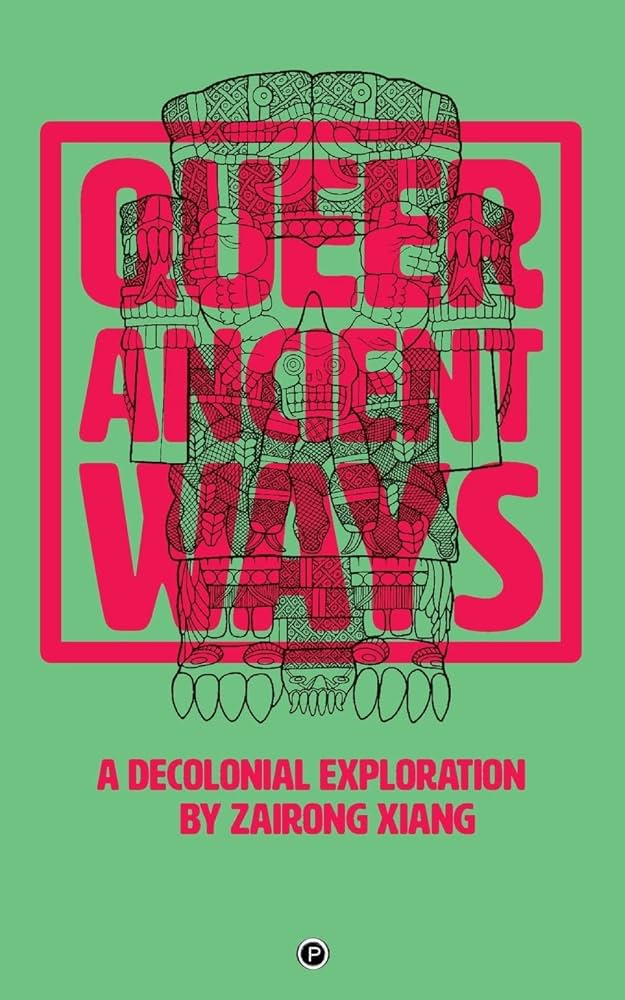
Queer Ancient Ways: A Decolonial Exploration – Zairong Xiang
Queer Ancient Ways takes a decolonial approach to queerness, exploring how ancient cultures embraced diverse sexualities and identities. It presents a much-needed challenge to Western-centric narratives of LGBT+ history and offers a fresh perspective on queerness through time.
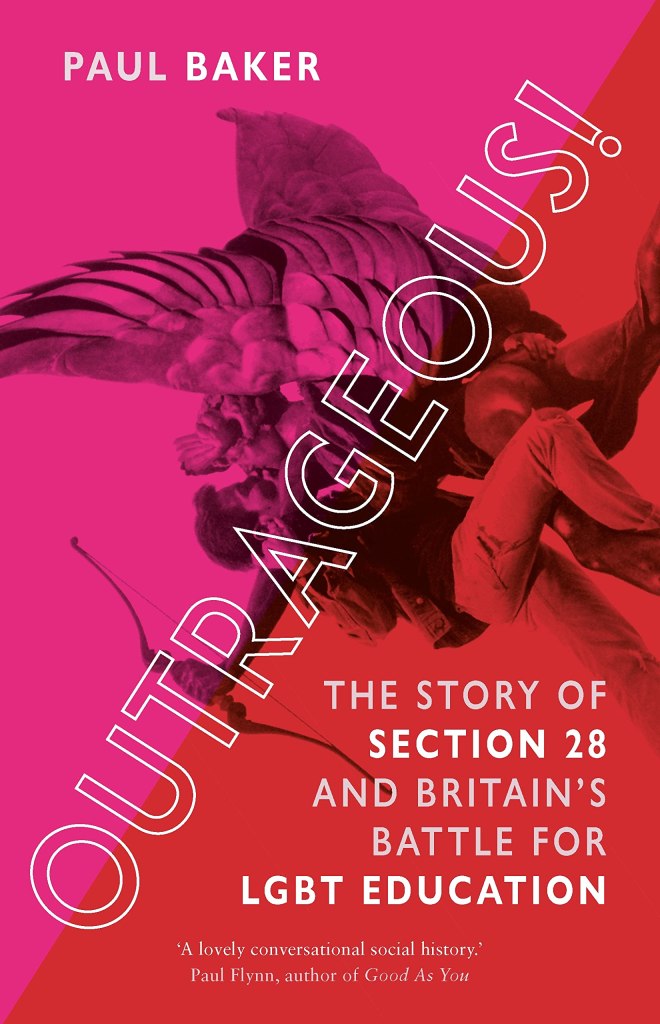
Outrageous – Paul Baker
Outrageous delves into the history of Section 28, the legislation that banned the ‘promotion’ of homosexuality in schools. Paul Baker examines its damaging impact, the protests it sparked, and how it shaped a generation of activists. Through personal anecdotes and sharp analysis, this book is both a history lesson and a rallying cry.
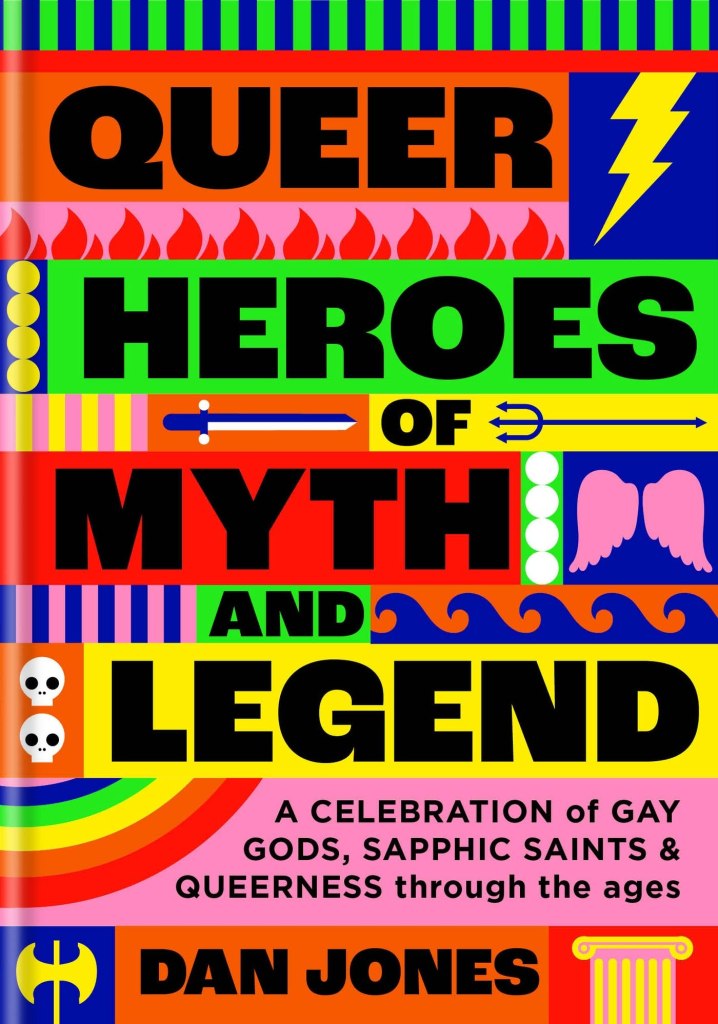
Queer Heroes of Myth and Legend – Dan Jones
This celebratory collection revisits myths and legends from around the world, highlighting queer figures and themes. From gods and goddesses to epic warriors and lovers, Dan Jones reclaims these stories and centres queerness within them. If you enjoyed learning about the Ancient Greeks in school, this one’s for you.

The 2000s Made Me Gay – Grace Perry
The 2000s shaped a generation – and continues to do so. Grace Perry reflects on how the TV, films, and music of the era influenced LGBT+ identity and representation. Full of humour and heart, this book explores how queer millennials navigated coming of age during a period of cultural upheaval.
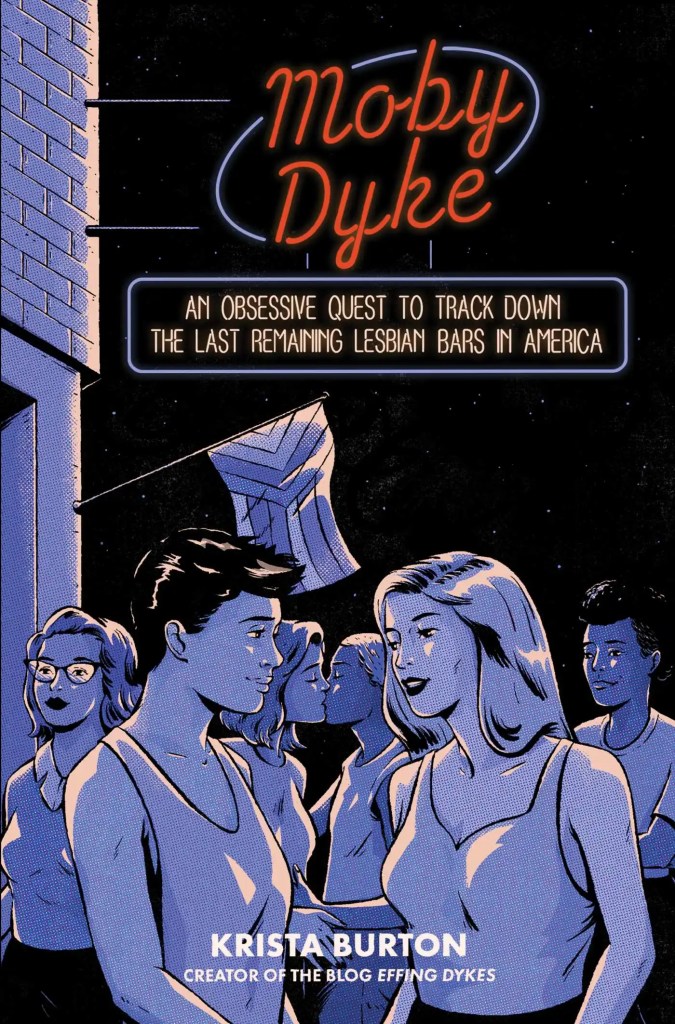
Moby Dyke – Krista Burton
Krista Burton’s Moby Dyke is an irreverent and hilarious exploration of queer culture and identity. Through a collection of witty essays and observations, Burton provides insight into what it means to be queer today while connecting her experiences to broader historical and cultural contexts.

Bad Gays – Ben Miller and Huw Lemmey
Not all queer historical figures were saints. Bad Gays embraces that complexity, examining villains and antiheroes to explore sexuality, identity and power. This fascinating take on LGBT+ history highlights the contributions of less-admirable but equally significant figures.

Homintern: How Gay Culture Liberated the Modern World – Gregory Woods
Homintern investigates how LGBT+ cultures influenced and liberated the modern world. Gregory Woods explores the networks of LGBT+ creatives and intellectuals who shaped art, politics, and beyond. A more academic read, but richly rewarding and thought-provoking.
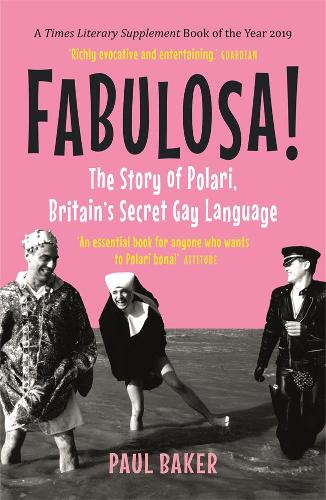
Fabulosa – Paul Baker
Fabulosa focuses on Polari, the secret slang of the mid-20th-century gay community. Paul Baker delves into its history and cultural context, revealing how this unique language gave LGBT+ people a way to express themselves in a hostile world. Funny, poignant, and richly detailed, it’s an ideal read for LGBT+ History Month.
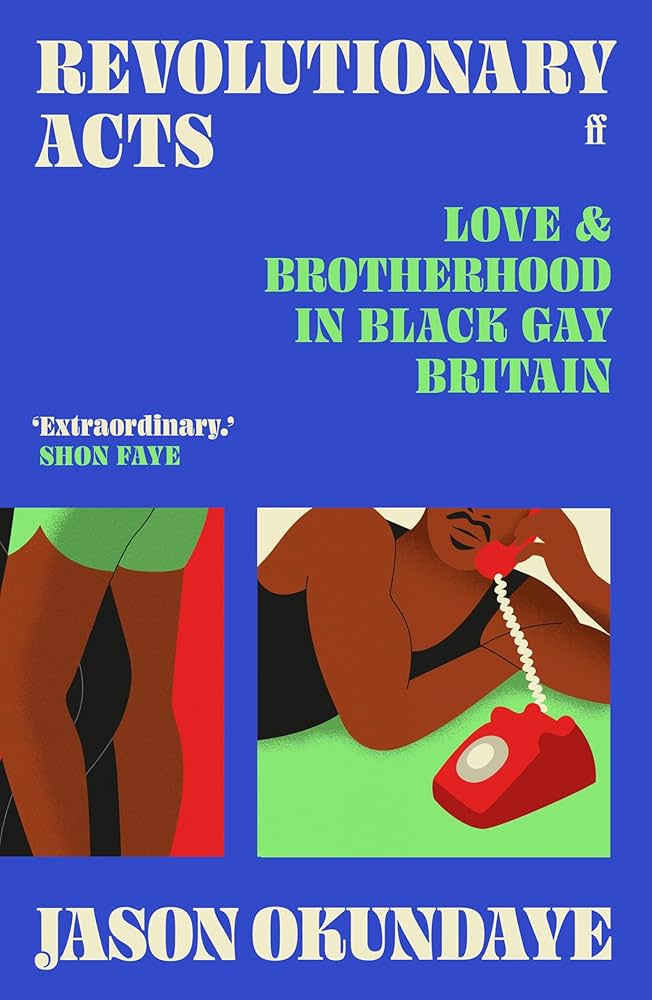
Revolutionary Acts: Love and Brotherhood in Black Gay Britain – Jason Okundaye
Revolutionary Acts explores the experiences of Black gay men in Britain. Tackling themes such as love, identity, and community, this book is both a celebration of brotherhood and a powerful commentary on navigating an intersectional identity in a complex world.
Whether you want to learn more about our history, celebrate LGBT+ culture, or uncover the hidden past of our queer ancestors, there’s something for everyone here.

 Out in the City