

February is LGBT+ History Month
In 2025 Schools OUT is celebrating its 50th year and 20 years of UK LGBT+ History Month.
The 2025 UK LGBT+ History Month theme is: Activism and Social Change.
Schools OUT was delighted to launch the UK LGBT+ History Month 2025 theme from Conway Hall, London – a place steeped in history from the conference of doctors that led to the founding of the NHS, to speakers such as George Orwell.
Summary of LGBT History Month Events – 2025
- Saturday, 1 February – 12.00pm – 4.00pm – LGBT Foundation Community Café – Digital Café Takeover
- Monday, 3 February – 5.45pm – 8.00pm (Doors open at 5.00pm) Lights, Camera, Pride! – Celebrate LGBTQ+ History Month – Free film – Manchester Central Library, St Peter’s Square, Manchester M2 5PD
- Tuesday, 4 February – 8.00pm – The Big Gay Pub Quiz Takeover – Contact Theatre, Oxford Road, Manchester M15 6JA – Free
- Wednesday, 5 February – 7.00pm – Queer AF Comedy Night – Contact Theatre, Oxford Road, Manchester M15 6JA – Free
- Friday, 7 February – 1.00pm – 2.00pm – Alan Turing’s Manchester – Lunchtime Lecture – House of Books and Friends, 81 King Street, Manchester M2 4AH – £3 (Ticket Only) – £20 (Book and Ticket)
- Saturday, 8 February – 1.15pm – 3.45pm – LGBT+ History Month archive exploration & guided gallery tour – People’s History Museum, Left Bank, Spinningfields, Manchester M3 3ER
- Concession tickets: £11.44 / Free
- Explore the theme of activism and social change through delving into the museum’s incredible archive collection and joining a guided gallery tour.
- Saturday, 8 February – 7.00pm – Queer as Cupid Cabaret – Contact Theatre, Oxford Road, Manchester M15 6JA – Free
- Thursday, 13 February – 7.30pm – LipService presents Funny Stuff Derby Hall @ The Met, Market Street, Bury BL9 0BW – Tickets £18
- Thursday 20 & Friday 21 February – 7.30pm – Shadowed Dreamer
- 53Two, Arch 19, Watson Street, Manchester M3 4LP
- Tickets £10 Full Price / Pay What You Can – Not Including Booking Fee
- Shadowed Dreamer: A story of survival, determination and belief.
- Thursday, 27 February – 8.00pm – LOUD Cabaret
- The Box @ The Met, Market Street, Bury BL9 0BW
- Tickets: £11 standard / £9 subsidised / £13 supporters (inc fees)
Please check websites – you will need to have a ticket for the free events.


A Secret Love: The Timeless Love Story of Terry Donahue and Pat Herschel
In 1947, two women from different worlds met in Canada, beginning a love story that would span over seven decades. Terry Donahue, a star player in the All-American Girls Professional Baseball League (AAGPBL), and Pat Herschel crossed paths, and the connection between them was immediate.
The love story began when Pat, in a bold and heartfelt move, handed Terry a note that read, “I’m a reader of books, but I’ve never read anywhere where a woman loves another woman. I hope you feel the same way, too.” This simple yet profound note marked the beginning of a journey that would see them through nearly 72 years of love, commitment and resilience, despite the challenges of their time.
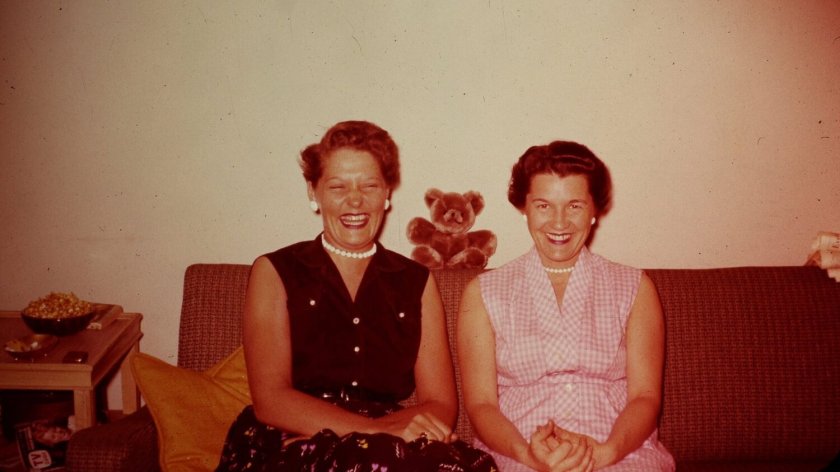
Throughout their years together, Terry and Pat faced significant societal pressures, especially during an era when LGBT+ relationships were not widely accepted. Their love remained a closely guarded secret from most of their family and friends for 70 years. They lived quietly in a Chicago suburb, building a life together, and enduring the trials of a world that often did not have room for their love. Terry’s courage eventually led her to reveal the relationship to her niece, marking the beginning of a new chapter of openness for the couple. Their love, which had been hidden for so long, became a testament to their strength and devotion to each other.
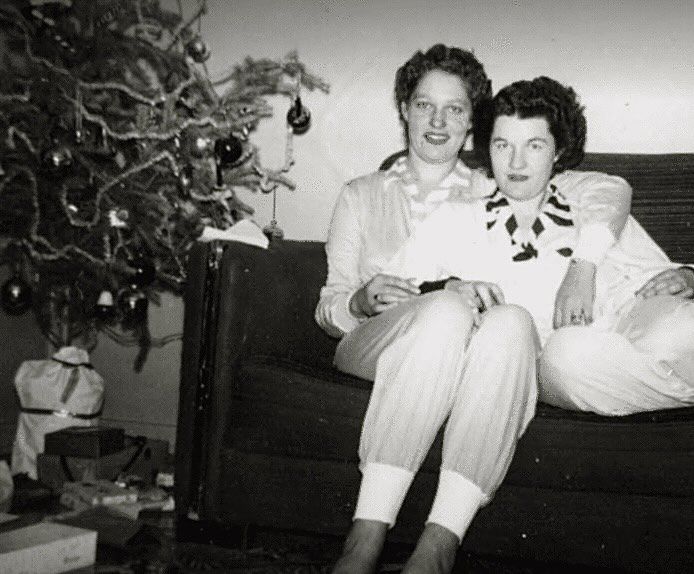
In 2020, the world learned about their incredible love story when the documentary A Secret Love was released, bringing their journey into the spotlight. The film captured their 70 years together, the emotional challenges they faced, and their eventual decision to marry after decades of commitment. It also highlighted the difficulties of end-of-life care as Terry faced health issues. The documentary not only touched hearts worldwide but also sparked important conversations about love, identity, and acceptance.
Through their story, Terry and Pat inspired millions and left behind a lasting legacy of love that transcended time, showing that true love, regardless of circumstances, is always worth celebrating.
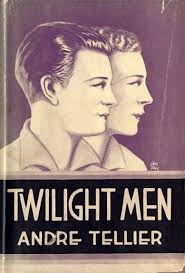
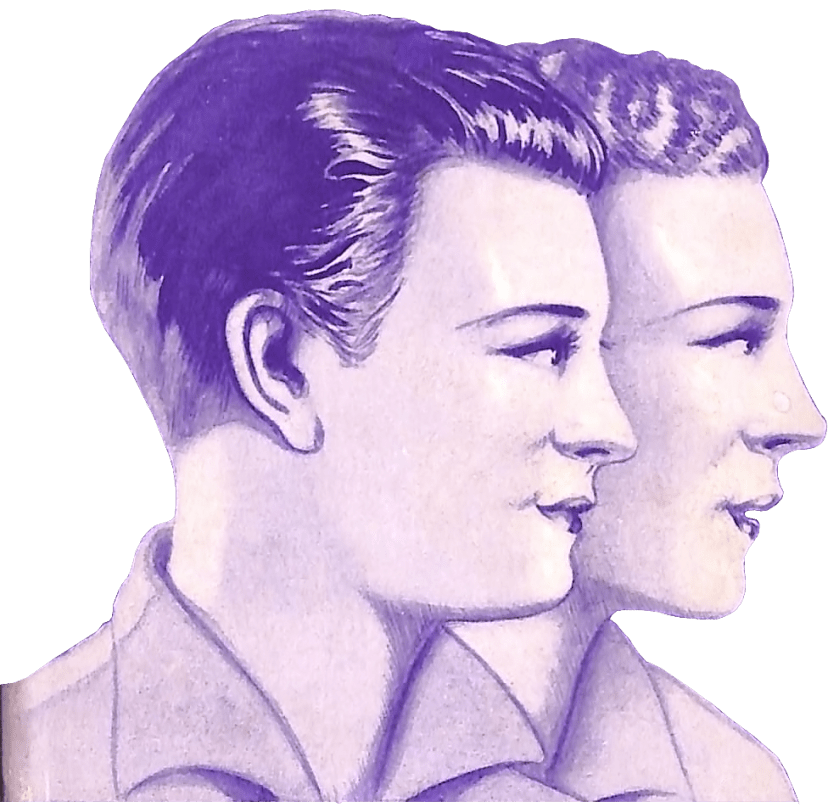
Twilight Men
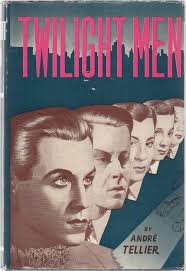
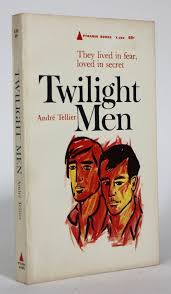
André Tellier’s second novel was launched on 27 January 1931 by Greenberg, New York as a 338-page volume. It flew through at least seven prints and sold over 40,000 copies. The novel is a clichéd and dramatic story of the queer experience.
After the deaths of two loves, Armand moves from France to face New York City and self-discovery. A woman hired by his acrimonious father tails him, although her attempts to seduce him break way to a unreturned infatuation. After Armand drifts through the city, he finally finds community in the artistic queer scene, where he receives support as a poet and as a man who loves other men. However, the nights of drinking, drugs, and naivete drag him into ruin.
The first US edition (1931), first UK edition (1933), and second US edition (1948) all contain different texts.
Comte Edmond de Rasbon visits Josef Bironge on 2 June, the birthday of de Rasbon’s illegitimate son, born of a dead lover, who has spent the past eighteen years raised as Bironge’s nephew.
Previous visits had disappointed the Comte; the boy, Armand, is weak, quixotic, and of no calibre to succeed his father as a businessman. When Armand enters, he expresses his love of nature and poetry, then asserts against de Rasbon’s challenges that he intends to learn through travel and imagination. As a rude parting gift, de Rasbon gives Armand a necklace belonging to his mother and calls him womanish. Armand and Bironge return to their country estate.
There, Armand contemplates de Rasbon’s insults. His life in the estate has fostered an extreme naivete in him, and the derision he encounters confuses him. Before he leaves Paris, de Rasbon strikes a deal with his mistress, Marianne Dodon. If she can seduce Armand and redirect his dreamy path, he will buy her any diamond necklace. She courts Armand into having tea with her days later, and their conversation about women concludes when the pair have sex. Dodon falls in love; Armand returns home with a bitter, violent feeling of disgust.
Armand falls in love with his visiting cousin, Lucien de Rasbon. Lucien attempts to guide Armand towards accepting sex and women for an easier life, but Armand rebuffs and stands by his mutual love for Lucien. When Armand tries to visit Lucien at night, he finds the door locked – Lucien is dying of tuberculosis and refuses to let Armand catch it. They spend several months in London, where Bironge’s health begins to fail too, and Armand meets his new tutor, Jean Mareau.
While Jean resists Armand’s loving advances at first, he eventually relents to comfort Armand – particularly in the wake of Lucien and Bironge’s sudden deaths. Lucien’s body returns to Paris while Jean takes Bironge to be interred at the country estate, so Marianne joins the lone Armand in London. Although he warms to her as a friend, her incessant prodding about love eventually angers him, and in a retort she tells him that the Comte is his father. They part and Armand grows closer to Jean. However, in an attack of self-loathing and sexual shame, Jean tells Armand he loves him before leaping out of a window and killing himself. With no one left, Armand resolves to go to New York.
On the ship to Manhattan, a rich woman offers Armand a place to stay in Manhattan. Before long, he realises that her generosity is tied to her attraction for him, and that she sponsors artists to use them as odd showpieces at parties. Armand flees her house and meets a man feeding the ducks in Central Park. Stephen Kent introduces himself as a fellow literary-minded denizen of Greenwich Village. Armand warns Stephen that most people despise him for his queerness, but Stephen nonchalantly accepts him and offers him a place to stay. From then on, Armand lives on 146 Washington Square South with Stephen and meets fellow Greenwich artists.
Marianne sends a letter shortly after. A year has passed since she last saw him in London, and she meets him at dinner to discuss the past. Armand makes it clear that he regards her as a friend – he has Stephen to guide him now, and Don to love. The indulgent and irreverent manners of Don occasionally grate on Armand’s shy politeness, but Don introduces him to the strongest features of queer nightlife. They visit John Wright’s club in the East Forties where Armand meets and observes other queer men, including Pedro Mecardi, a talented pianist.
Stephen watches with dread. Although his encouragement was once enough to encourage Armand into successfully publishing poetry, his influence over Armand wanes. Don and Marianne pull Armand away from Stephen’s love, and Armand chooses alcohol, morphine, and spite over security. During a party, Armand uses Stephen’s old drag clothes and runs into the street with them; he’s swiftly arrested. The other artists pool resources, but Stephen’s phone call to the judge is what frees Armand. Judge Adrian Ware quickly seduces Armand in the aftermath with his maturity and flattery.
Armand buys his own studio and separates himself from Stephen, Don, and the other Greenwich artists. After Marianne threatens that she will die without him twice, Armand allows her to move in with him as a sister – still, she ends up commiserating with Stephen instead over their Armand-related grief. Alone but devoted to Adrian, Armand basks in the judge’s disproportionate affection and languishes under addiction. Marianne intervenes by telling Armand that Comte de Rasbon is in New York, and Stephen warns Armand that Adrian is romantically unfaithful, like many gay men.
Armand confirms Adrian’s betrayal at John Wright’s club – Pedro Mecardi is Adrian’s newest acquisition. From then on, Adrian accepts no contact from Armand, and Armand retreats deeper into morphine. Stephen forces Armand to move back in with him, but despite his best attempts, Armand’s reliance on the drug does not wane. Suddenly, Armand takes up writing again, and just as suddenly vanishes. Comte de Rasbon had sent Armand an invitation to meet.
Armand arrives and asserts his independence from his father. However, the Comte declares that Marianne told him of how Armand had ruined himself, and he will not allow it any longer. All the money that brought Armand to New York was not Bironge’s but de Rasbon’s, and he will institutionalise Armand until he dies. Armand selects a candlestick from the mantle and strikes de Rasbon on the head with it. As de Rasbon bleeds on the floor, Armand flees. Withdrawals and paranoia hurry him through the city and away from help. He buys a room along the Hudson, reflects on murder and his old friends, and takes the last of his pills to sleep. Hours later, Marianne calls Stephen and tells him de Rasbon has been killed.
The next day, Adrian calls and reports that Armand was found dead of a morphine overdose. A letter was found on the body, and Adrian instructs Stephen to tell the investigators that he knows nothing about Armand at all. Before the police come, Stephen enters Armand’s room and collects his poetry together. There’s a knock on the door.

 Out in the City