
The Lost Worlds of Ray Harryhausen: Creatures, Martians and Myths
We dined at The King’s Ransom, a Greene King pub, just opposite the Metrolink stop at Sale Station. Next door was the Waterside Arts Centre which was featuring the exhibition “The Lost Worlds of Ray Harryhausen: Creatures, Martians and Myths”.
Ray Harryhausen is known as the mastermind behind some of Hollywood’s most iconic cinematic special effects. Inspired by John Walsh’s book Ray Harryhausen: The Lost Movies, this exhibition explores the origins of Ray’s creative career, looking back through his more experimental phases and invited us to delve deeper into his meticulous creative process.
The exhibition is divided into two distinct sections, “Harryhausen the Myth” and “Evolution of Harryhausen”. In the first part, we encountered the legendary Ray Harryhausen as he is widely celebrated, a cinematic genius and visionary who brought to life mythic worlds and unforgettable creatures.
His special effects became the defining feature of mythical and fantasy films such as Jason and the Argonauts and The 7th Voyage of Sinbad, captivating audiences and inspiring renowned filmmakers. This section highlights rare scenes and key drawings from these iconic films and cements his status as a master of special effects.
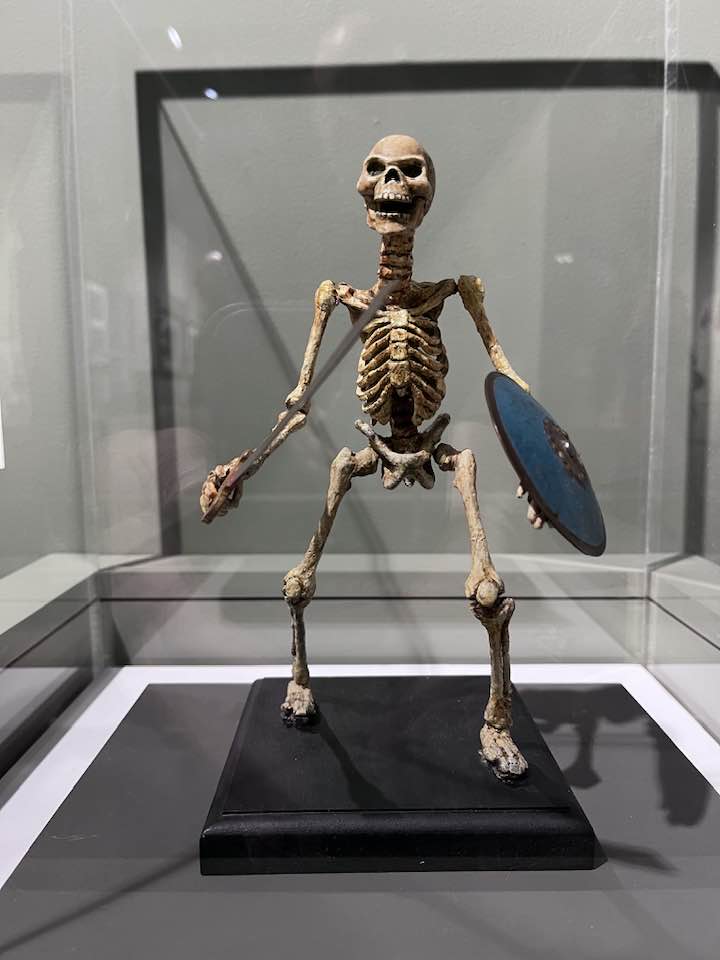
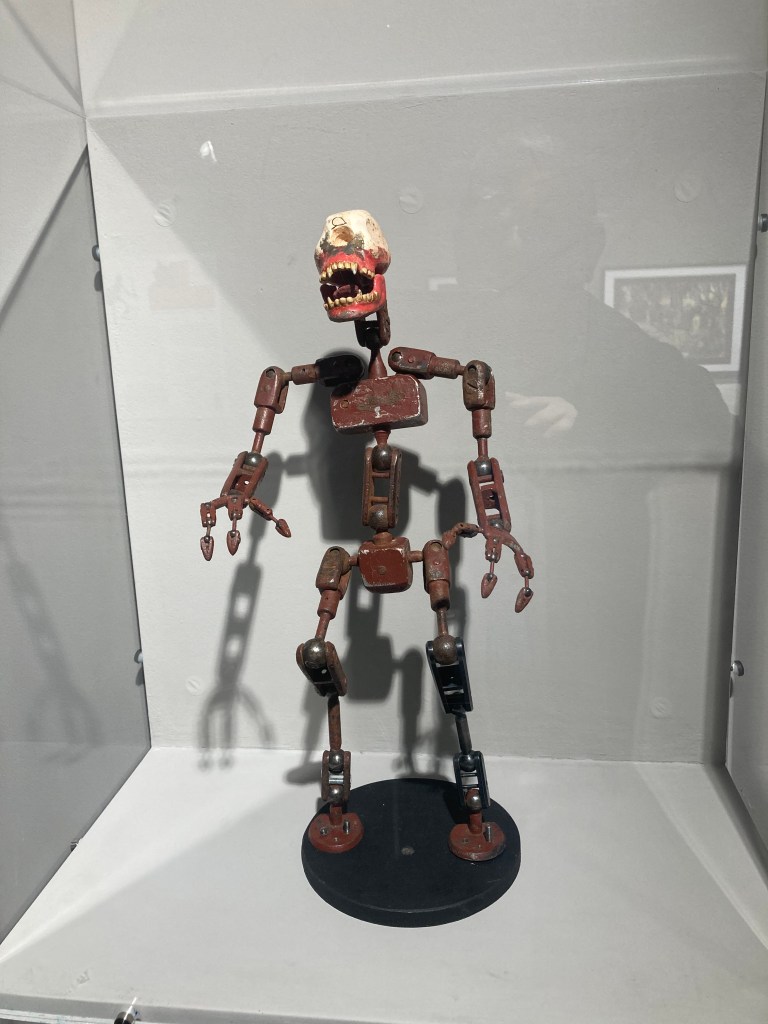
In the second part, we were taken behind the scenes to explore Harryhausen’s evolution as a filmmaker. Here, we discovered his experimental phases and early creative influences through rare test footage, sketches, and creature prototypes.
This section offers an intimate glimpse into Harryhausen’s process, showing how his early experiments and creature designs shaped his cinematic style. He never referred to his characters as “monsters”, always “creatures” as they were deeply personal and often misunderstood.
Many of Harryhausen’s projects and characters never made it to screen, but are essential to understanding his evolution as an artist. They highlight Harryhausen as his own toughest critic and as someone who was immensely dedicated to his craft. Through these two perspectives, the exhibition captured both the legacy and the journey of one of cinema’s most influential storytellers.
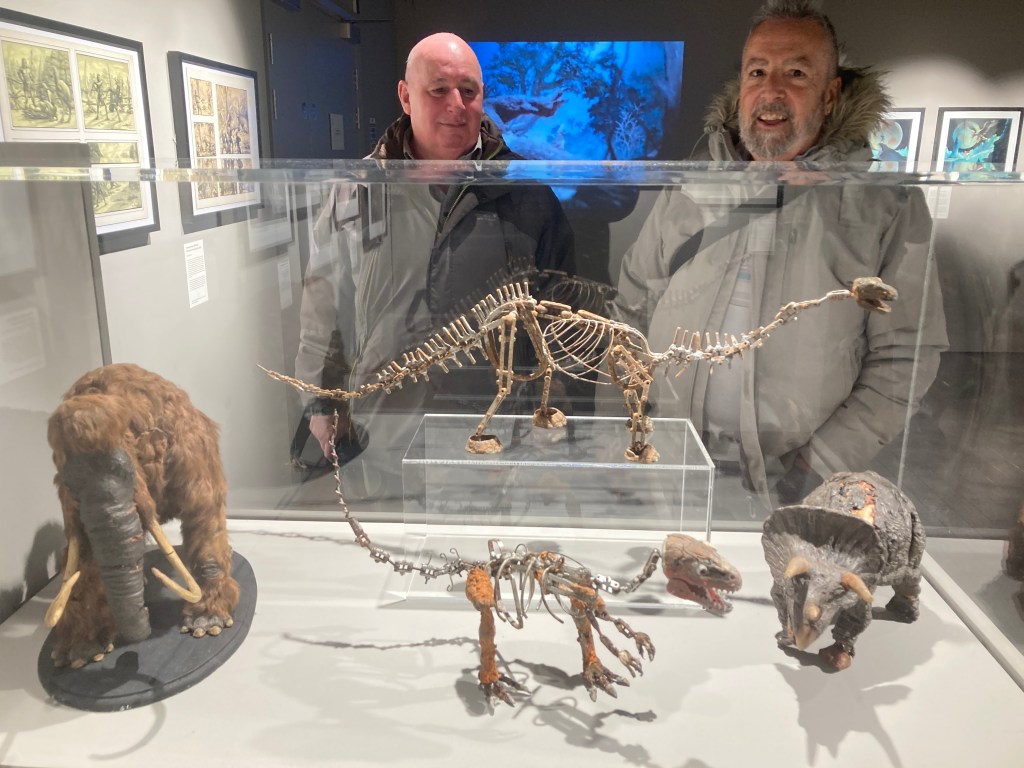
More photos can be seen here.

AIDS: Then and Now
1981 was the year that gave us Kim Wilde, Donkey Kong, the wedding of Prince Charles and Lady Diana, and the birth of MTV.
It was a golden age of popular culture – dancefloors were full and hairspray was on the top of the shopping list.
But a dark cloud was looming.
In June 1981, the Centers for Disease Control (CDC) published the first official document on the disease that later became known as AIDS. The report had just made a connection, for the first time, between a ‘serious disorder of the immune system’ and homosexuals. The study was with five ‘previously healthy’ gay men, two of whom had died.
It is at that moment a dangerous perception formed of it being a ‘gay disease’ and stigma and discrimination is still being fought against today.
It’s 1982. I’ve just got out of the shower. While I was there I checked under the soles of my feet, my armpits, and my groin for any purple bruises. There’s this new disease affecting young gay men. I’m a young gay man!
The purple bruises are lesions called Kaposi’s Sarcoma, which normally only affect very old people. I’ve read about it in The Pink Paper, but there’s no clear information. Nobody knows why or how, so you don’t know what being careful is about.
They were calling it “H” as it appeared to affect heroin users, homosexuals and (strangely) people from Haiti. Then it became known as “GRIDS” (Gay Related Immuno-Deficiency Syndrome).
In the mid-80s one of my close friends died. He was in his early 20s. I didn’t know he was ill. He was ashamed and didn’t tell anyone he was HIV+. I only found out when it was too late. I heard about more people who became ill, more people who died.
I joined ACT-UP (AIDS Coalition to Unleash Power) – the organisation that originated in the United States. We were a non-violent direct action group: we dropped 40-foot banners from Manchester Town Hall (Action = Life, Silence = Death); threw condoms over the walls at Strangeways Prison; and campaigned against the inaction of the government.
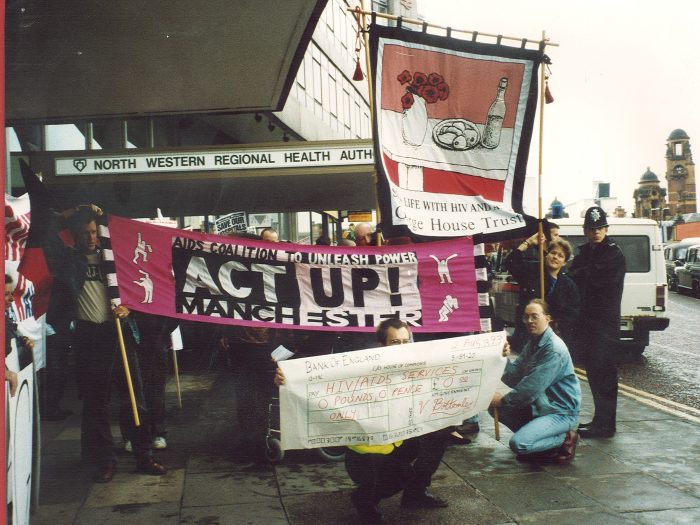
In the 90s I worked at George House Trust (HIV Agency) for three years, when protease inhibitors first came out. During that time I knew about 75 people who died.
After that, I worked with asylum seekers. My job included visiting people on the HIV wards in North Manchester General Hospital to assess their immigration status and refer them to solicitors where appropriate. On one occasion I wasn’t allowed in unless I wore full protective clothing. I argued it wasn’t necessary, but I had to comply. On another occasion, I visited a woman. She died 20 minutes after I had left. Her 8-year-old son was taken into the care of Social Services with a view to deport him to Malawi.
I have many memories of bereavement, hope, support, and love.
Much has changed over the last 40 years. Effective HIV medication means that a person can reach a point where the amount of the virus in their blood is so low as to be undetectable, after which they are not infectious and cannot pass it on.
There are parallels between HIV and Covid-19: the government was slow to respond; there was a marked impact on minority communities, and victims are blamed by the government.
I live in hope that the government will learn from the mistakes of the past – but I won’t hold my breath.
Human Rights Day
Human Rights Day is celebrated annually around the world on 10 December every year.
The date was chosen to honour the United Nations General Assembly’s adoption and proclamation, on 10 December 1948, of the Universal Declaration of Human Rights.
Around the World … and it ain’t Good News
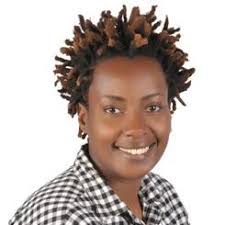
Ugandan activist Clare Byarugaba told a packed audience in New York that she is not giving up the fight against anti-LGBTIQ laws despite constant threats against her, while she accepted the William D Zabel Human Rights Award for her advocacy for LGBTIQ rights. Despite being born in a country that she says she loves but doesn’t love her back, she will keep fighting so that those who come after her can have a softer landing. “See, when you love something, you fight for it. You fight to belong. You fight for the freedoms that authoritarian regimes will not give freely. You fight because so many communities all over the world have to fight. I am no different,” she said.
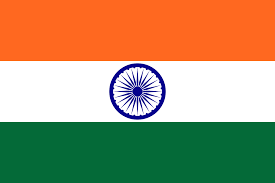
Members of India’s gay community continue to face beatings, sexual assault and murder threats even though the Supreme Court decriminalised homosexuality six years ago, population researchers have said in a study that sampled six metros, including Calcutta. Their study has found pervasive violence against men who have sex with men (MSM) with six in 10 men sampled, on average, having faced some form of violence for their sexual orientation. Men aged between 18 and 24 are at the greatest risk, 81 per cent among them having faced some violence.

Mali is on the brink of passing a law that would jail people for engaging in same-sex relations, condoning same-sex relationships, or “promoting” homosexuality. The country’s ruling National Transitional Council, on 31 October, approved the proposed law by a vote of 131-1.
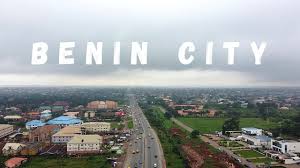
Disturbing social media videos have revealed four young men being beaten and degraded by a mob in the Nigerian city of Benin, highlighting the social impact of discriminatory and dehumanising laws that criminalise same-sex intimacy. It is alleged that the men were targeted after reportedly being caught engaging in sexual activity, which could see them facing 14 years in prison.
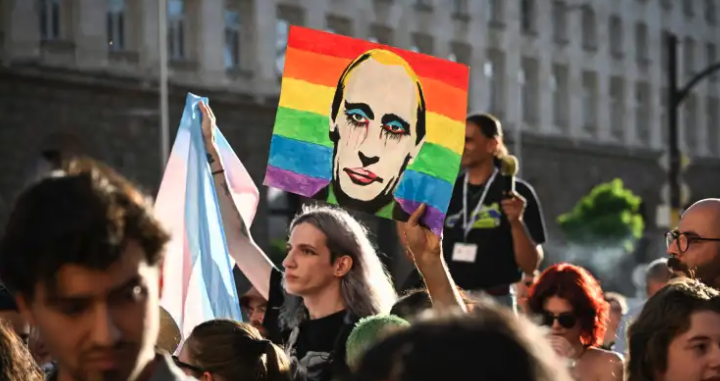
A number of clubgoers in Russia’s capital Moscow have been found guilty of ‘petty hooliganism’ after police raids on three venues under the country’s draconian anti-LGBTQ+ propaganda law.
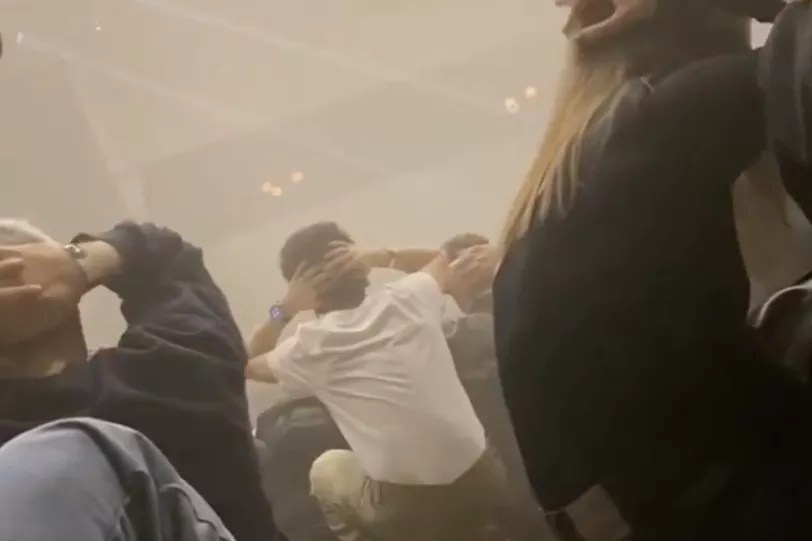
On Saturday, 30 November, three LGBTQ+ nightclubs – Arma, Inferno and Mono – were the subject of raids by Russian security forces “as part of measures to combat LGBT propaganda”, according to reporting by the Russian state-run TASS news agency.
 Out in the City