Launch of PROTEST!
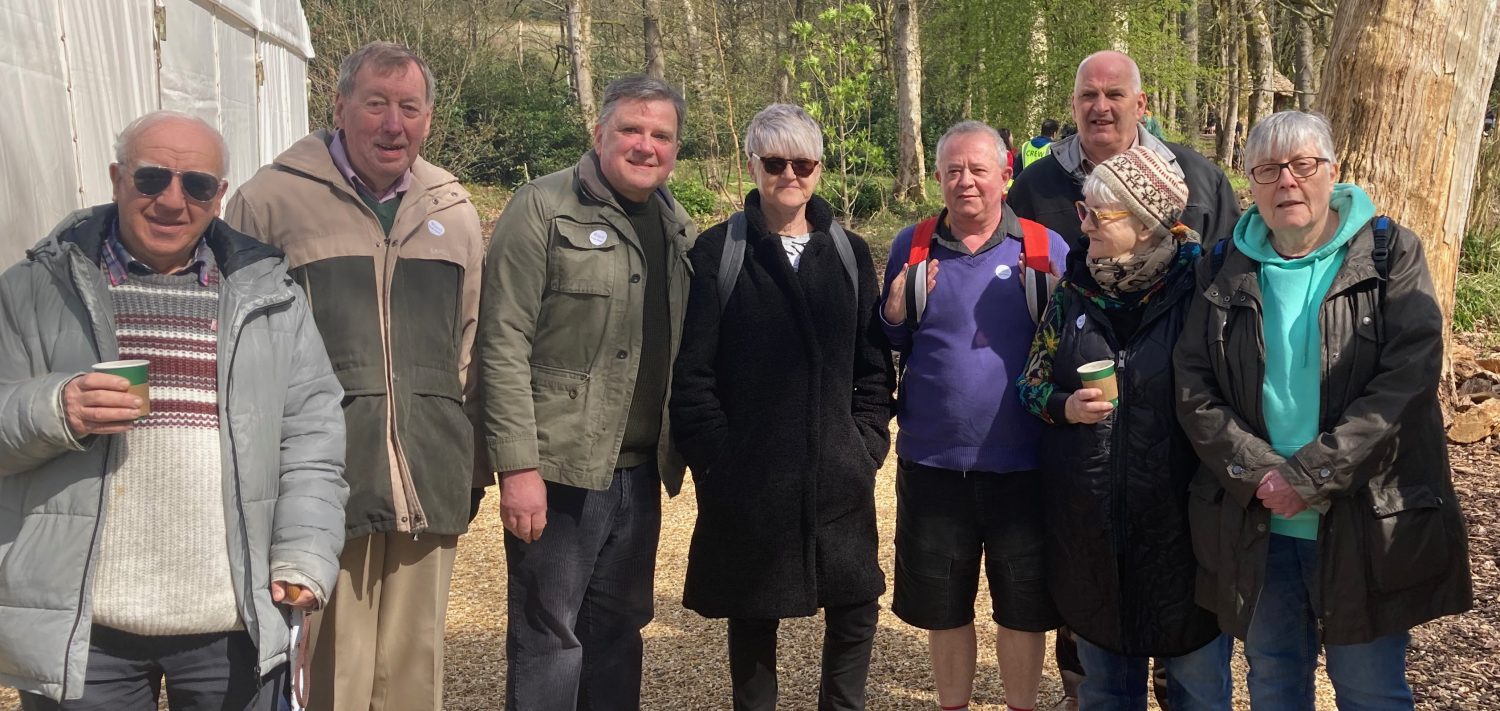
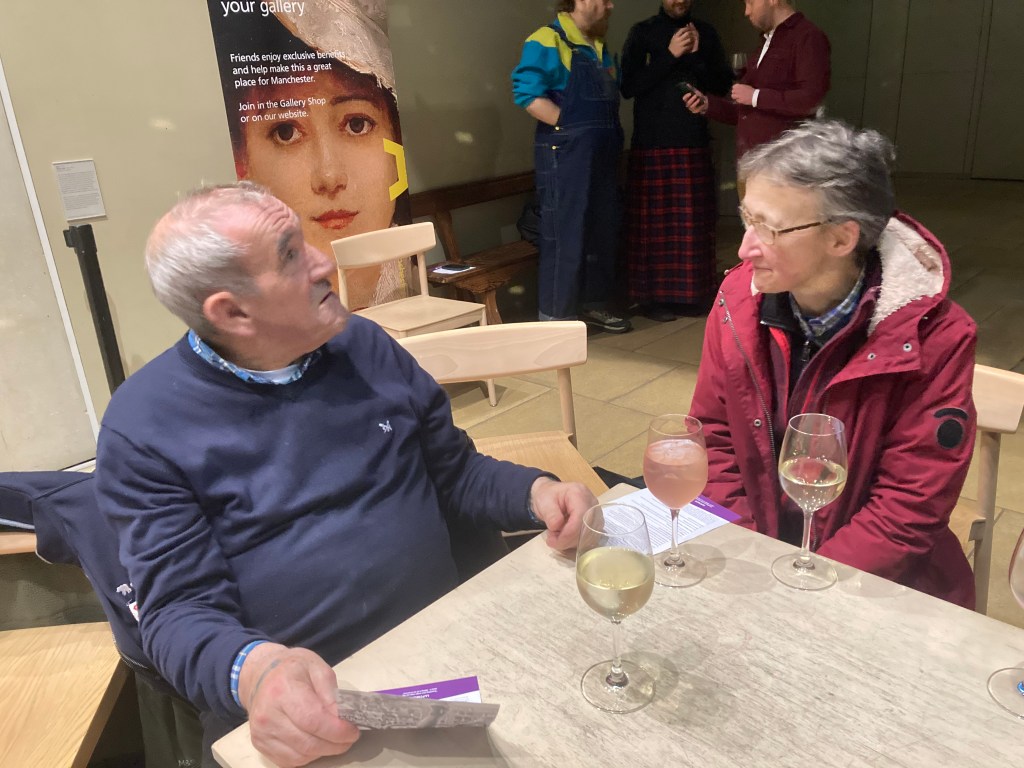
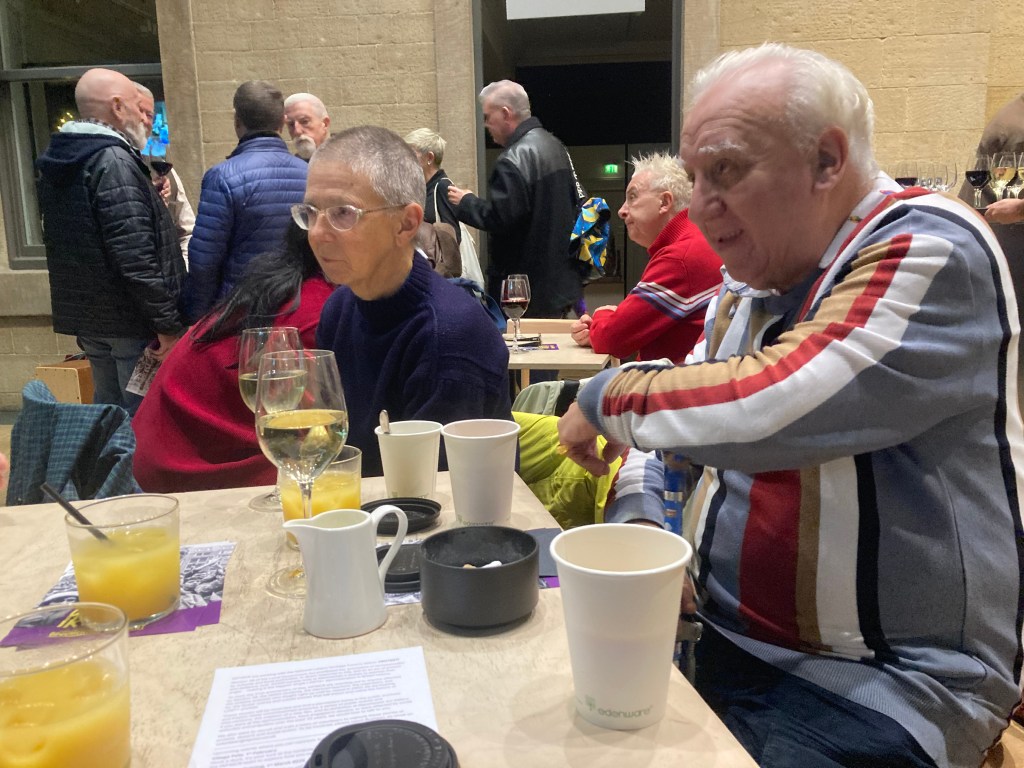
Twelve of us from Out In The City attended the launch of PROTEST! at Manchester Art Gallery on 4 December.
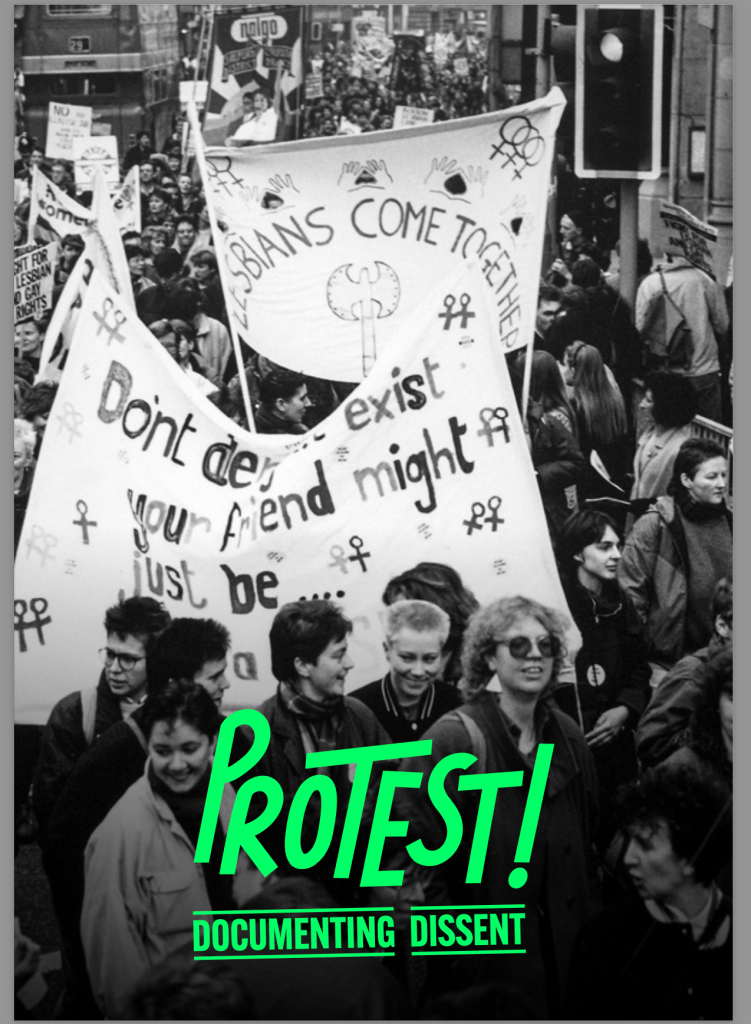
Section 28 of the Local Government Act prohibited the “promotion of homosexuality” by schools and local authorities. In direct response to this, and as an act of protest and defiance, over 20,000 people took to Manchester’s streets to express their anger … making it the biggest single LGBT+ demonstration in British history.
Marking the 21st anniversary of the repeal of Section 28 in England and Wales, arts company IAP:MCR (Initiative Arts Projects Ltd) launched their latest project: PROTEST! – Documenting Dissent – a two-year long research and creative engagement programme, generously supported by the National Heritage Lottery Fund.
Were You There?
IAP:MCR want to meet anyone affected by Section 28: the stifled students, the silenced teachers, the organisers, and the tireless activists who fought right up until its repeal in 2003; they’re looking for the Queer voices and untold stories that will enrich and refine the history of LGBT+ protest. These stories will be recorded and find a permanent home in the public archives.
IAP:MCR will recruit volunteers who will conduct brand-new interviews with LGBT+ people in the Northwest who were at the demonstration, or who have engaged in dissent, or who were affected by social attitudes and prejudice over the past 25 years.


Working alongside Manchester City Council’s curatorial teams at Archives+ and Manchester Art Gallery, as well as the library services in Trafford, PROTEST! will also be delving into the public record to find ways in which dissent has already been documented.
Confirmed highlights include newly commissioned artworks, a series of public events and interventions, the creation of a new film, and an exhibition at Manchester Art Gallery; IAP:MCR will also host two paid internships in curation.
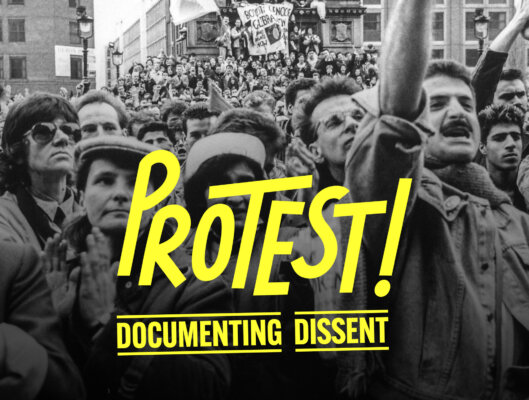
Upcoming events where you can connect, learn and join the PROTEST!:
Village Fete, 1 February
Hook a duck, try your luck at the tombola, sing out in protest karaoke, and chat with the IAP:MCR team to explore how you can help document Queer history.
Oral History Training, 1 March
For more details on upcoming events, see iapmcr.co.uk/events
To be involved, please contact Rosheen via email on volunteer@iapmcr.co.uk

Manchester in Black and White
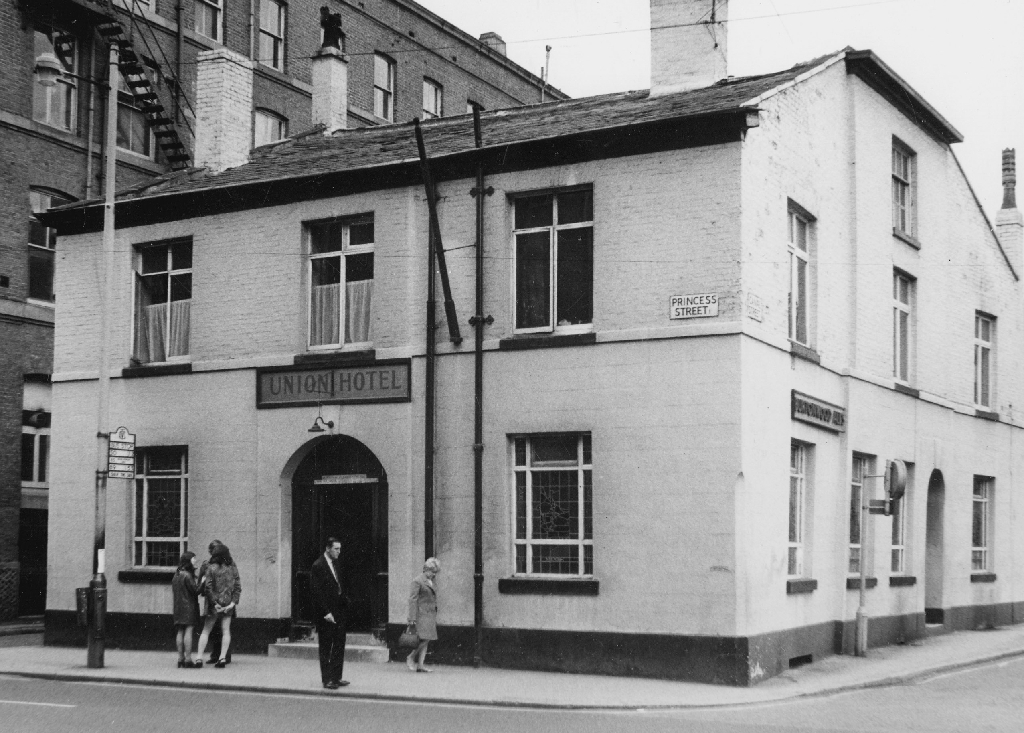
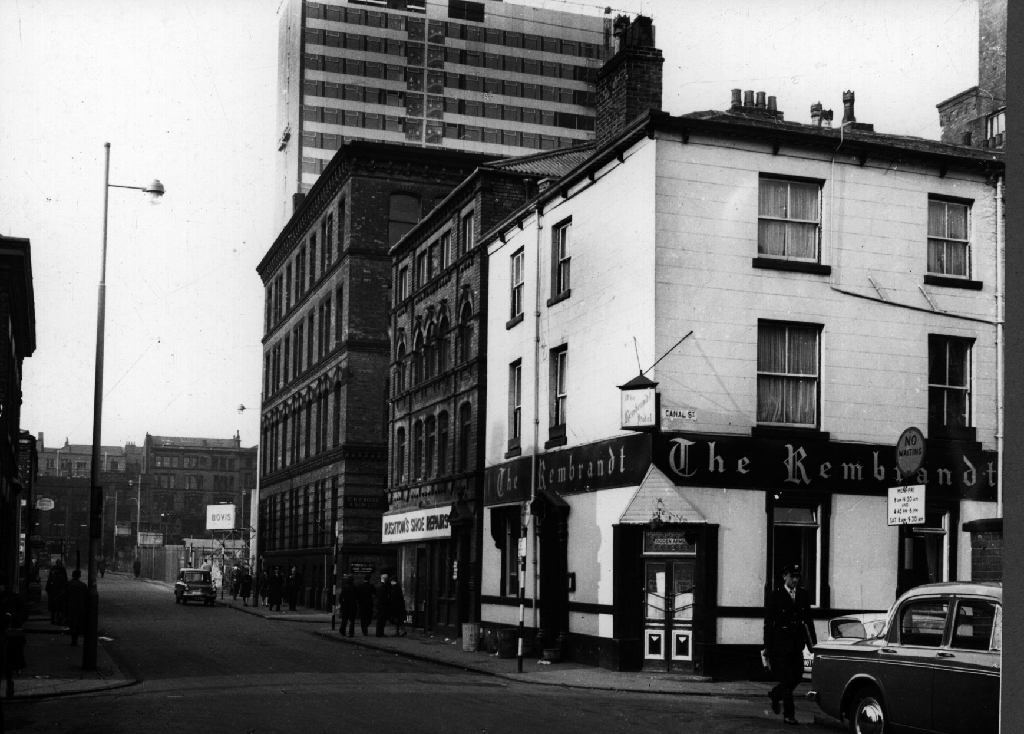
Canal Street, according to local history records, got its name on 21 December 1804. It has grown over the years into a true symbol of equality. Since the late 80’s the street has proudly advertised itself as “The Gay Village”. The first pub in the area to openly welcome the gay community was the Union Hotel, and this was followed by bars which openly advertised themselves as existing for the gay community such as Manto. Below is an image courtesy of Manchester Archives which shows the Union Hotel in 1970.
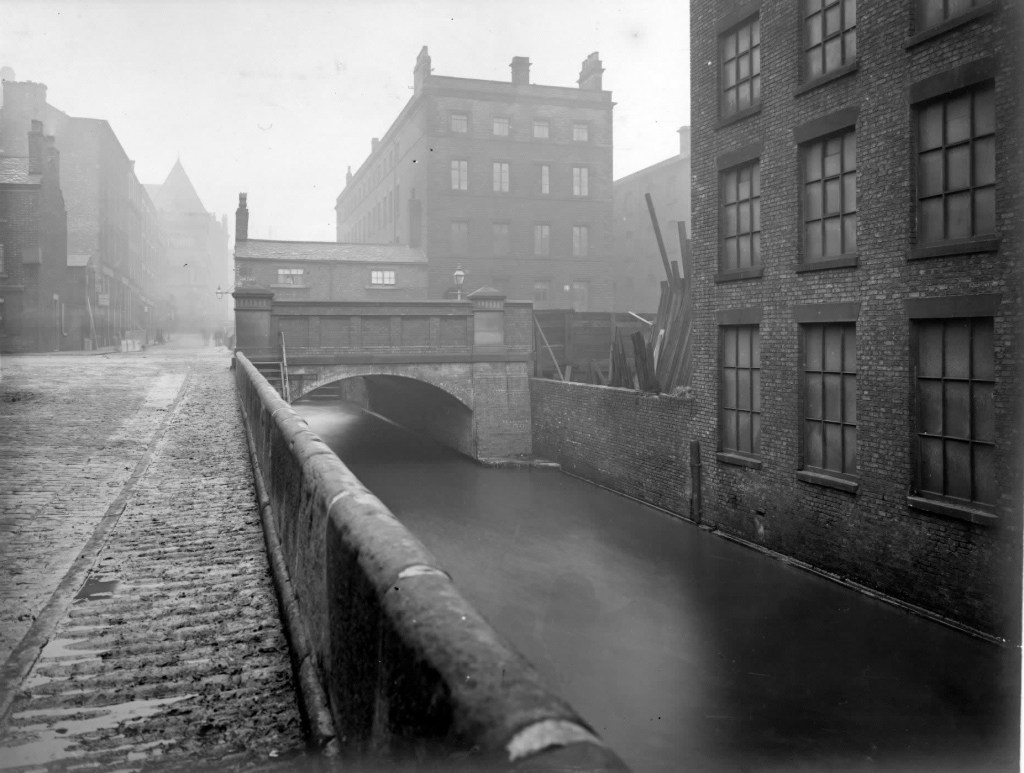
The street is situated close to Rochdale Canal and hence its name. The Canal runs for 32 miles with 92 locks and has a great history. It has carried boats with essential fuels, materials and necessities for everyday living. The Canal was completed in 1804, abandoned in 1952 due to an Act of Parliament and later refurbished in 2002.
So what was Canal Street before the canal was built? According to maps, the Canal and gay village was a field intended for Church gardens and Parsonage fields. Maps dating to 800 AD show how Manchester was built around one street: Deansgate.
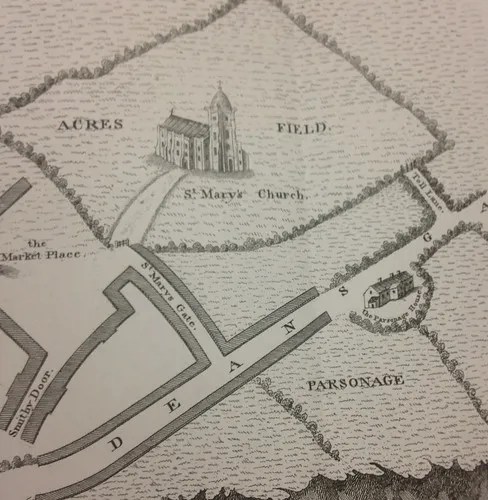
In the early 20th century, the street was used as a red light district – a concentration of prostitution and sex-orientated business as the street was dark and unvisited. The street’s many bars are now used as a night out hotspot for the LGBT+ community and many others. The village is without doubt the liveliest area in the city and firmly on the tourist map.
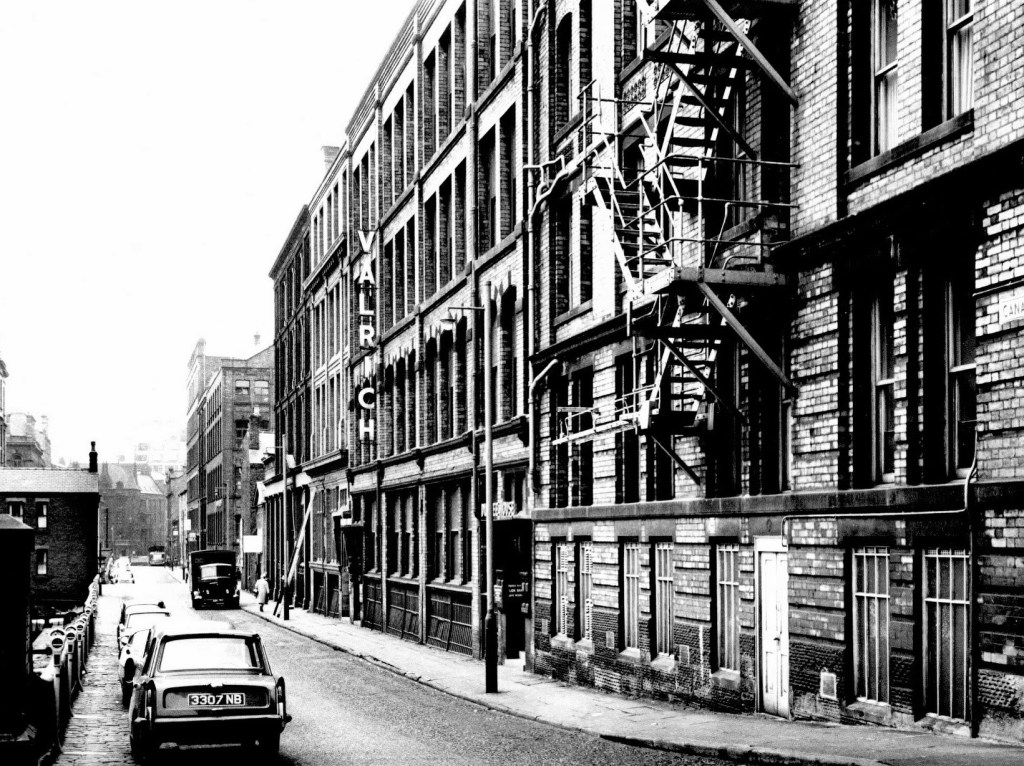
Take a look, and see if the photographs trigger any forgotten memories for you.
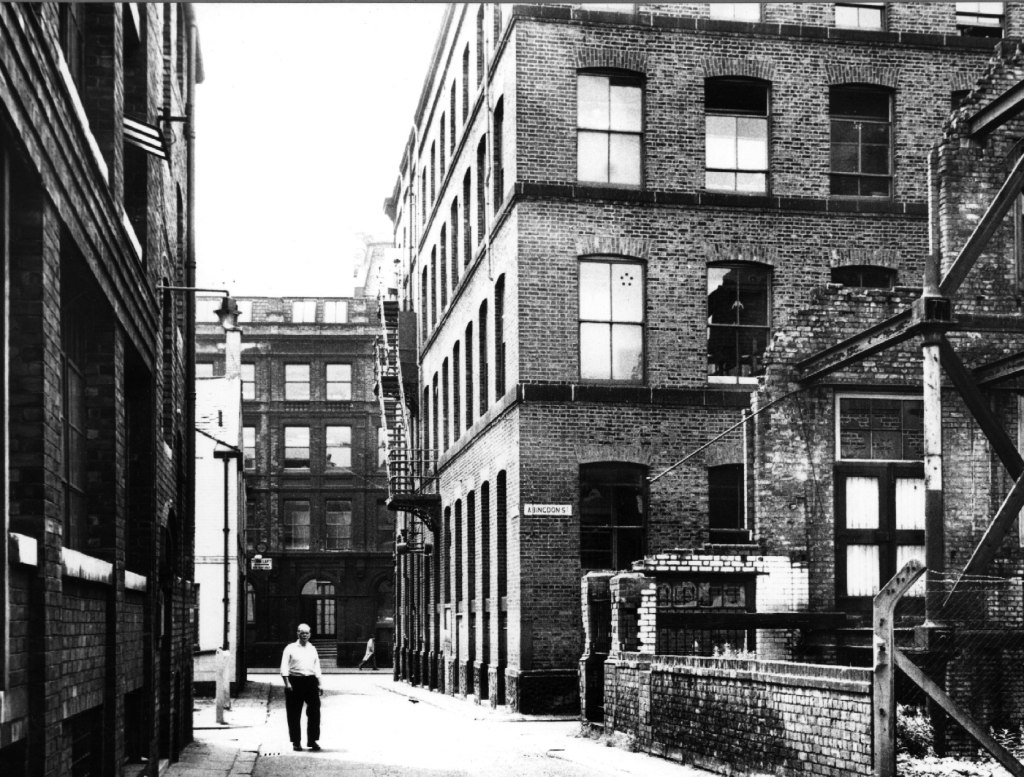
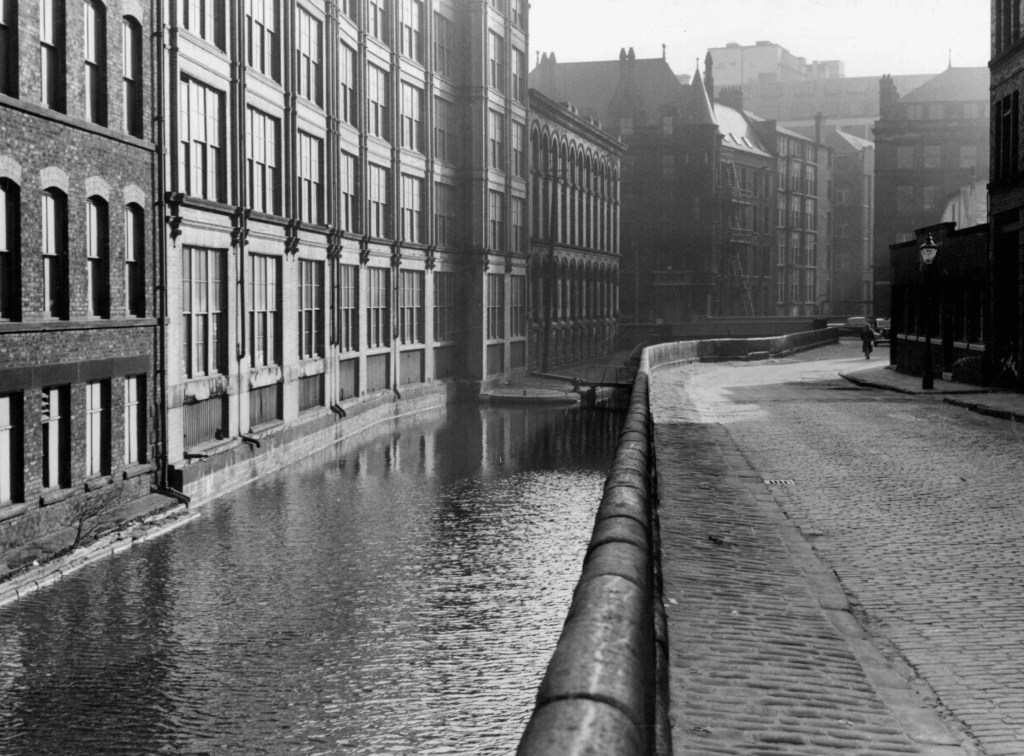

Did you know? Kissing Couples
Sean Connery gave the first man to man kiss on TV in 1960, kissing his character’s brother.
The first proper gay kiss on TV happened in 1970 during a groundbreaking broadcast of Edward II by Christopher Marlowe.
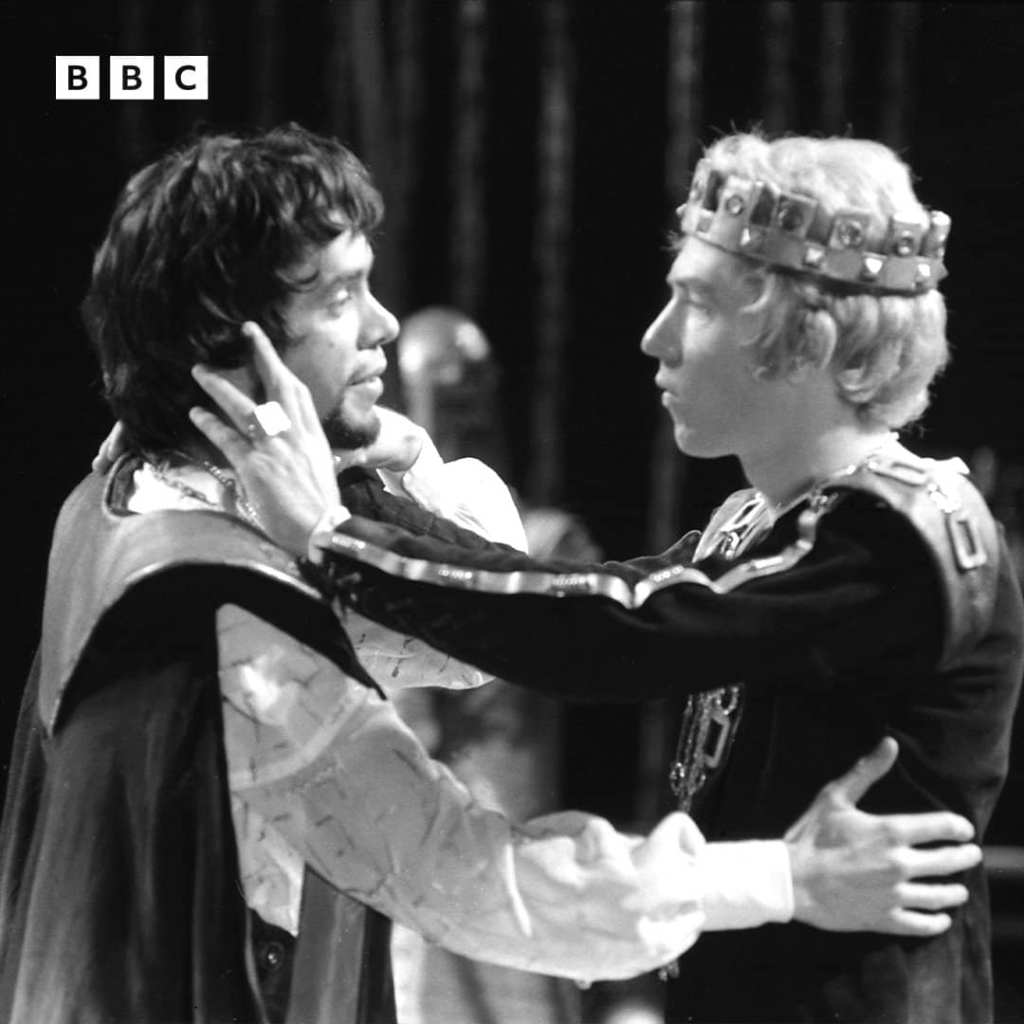
British audiences witnessed Ian McKellen, a young actor at the time, share a kiss with James Laurenson in a bold and emotional performance.
This moment wasn’t just a milestone in LGBT+ representation – it was also a brave step forward during a time when homosexuality had only recently been decriminalised.
McKellen, who would go on to become an LGBT+ icon, described the role as a defining moment in his career and activism.
This kiss wasn’t just an act – it was a statement of love, humanity, and progress that paved the way for more inclusive storytelling on screen.
The first lesbian one … of course was given by Marlene Dietrich in the film Morocco from 1930.
Meeting at Cross Street Chapel
The meeting at Cross Street Chapel, (29 Cross Street, Manchester M2 1NL) on Wednesday, 11 December from 2.00pm to 4.00pm will include:
a quiz;
LGBT quiz bingo;
a raffle; and
a buffet.
There are some great prizes, so come along.
 Out in the City
Minor detail, but the Deansgate map shows a church, which is roughly where Victoria Station is now
LikeLike