Some recent activity …
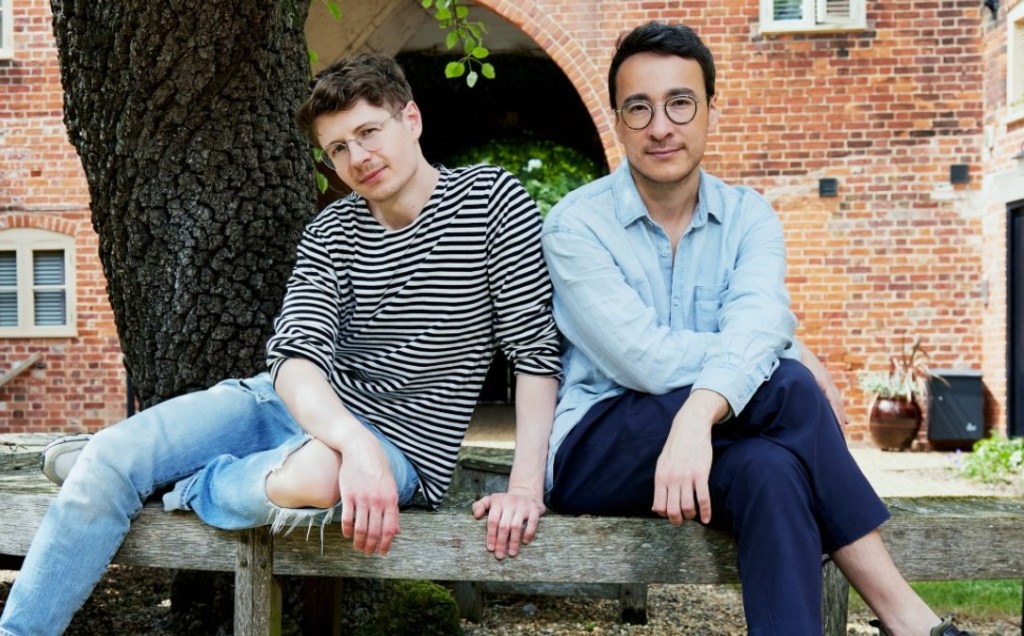
Pavel Kolesnikov and Samson Tsoy: a Duo On Stage and Off
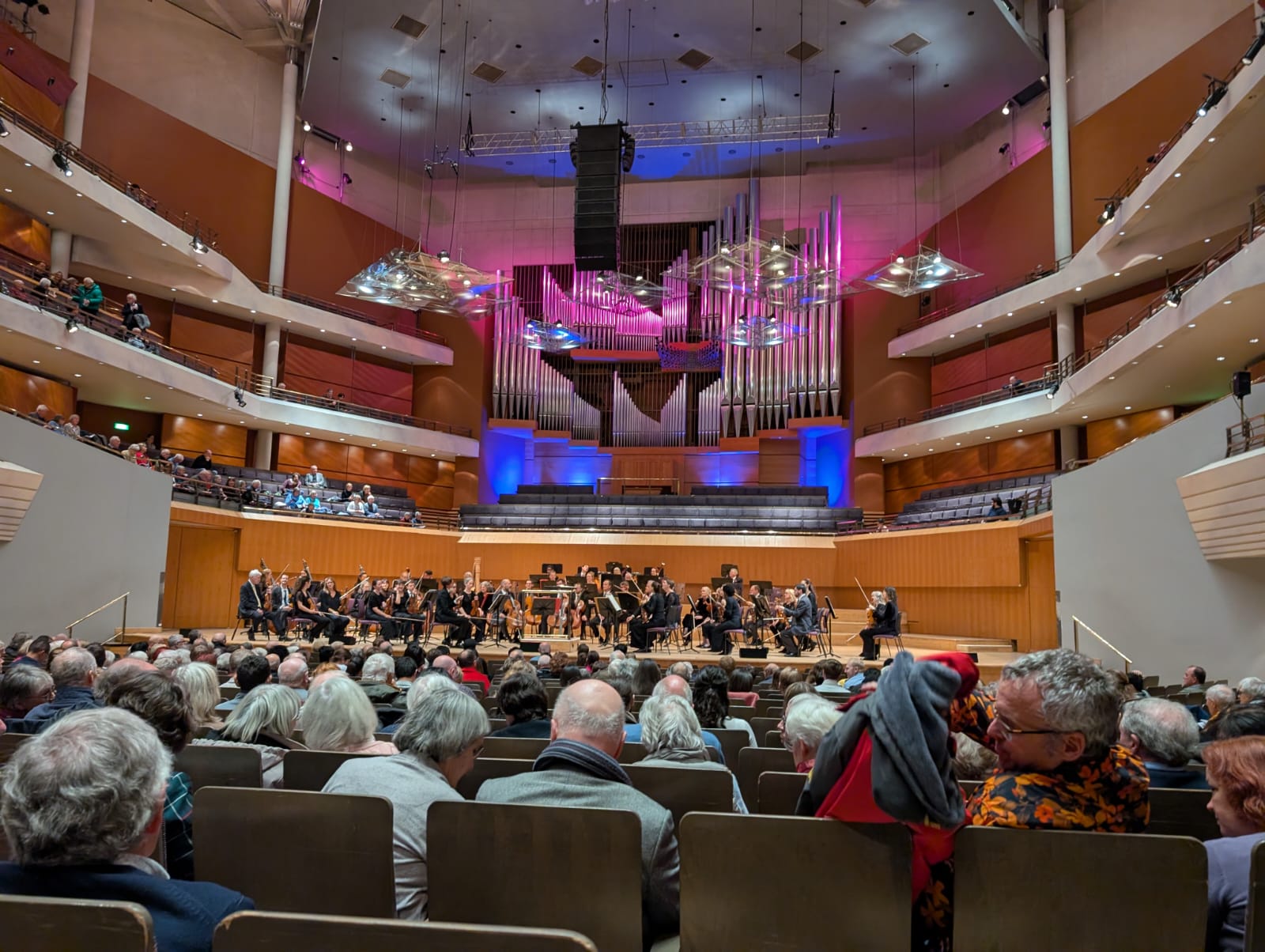
On 7 and 10 November The Hallé concert at the Bridgewater Hall featured Pavel Kolesnikov play Saint-Saëns’ Second Piano Concerto.
Saint-Saëns wrote his Second Piano Concerto in three weeks, leaving very little time to prepare for its premiere. With its dazzling stylistic changes, it has grown to become the most popular of the composer’s piano concertos.
We listened to the brilliant playing from a young man who has been the subject of a headline report in The Times: ‘‘Discrimination doesn’t exist in Russia, because you don’t talk about being gay”.
It was an absolutely amazing concert and probably the best performance we have seen at the Bridgewater Hall.
Pavel Kolesnikov and Samson Tsoy occasionally play as a four handed piano duo. They are also partners in life. They met when both were studying the piano at the Moscow Conservatoire. Kolesnikov is from Siberia. Tsoy, who has a Korean father and a Russian-Jewish mother, was born in Kazakhstan and was a teenage karate champion before deciding, unsurprisingly, that the sport was “too traumatic” for his hands.
They came to London in 2011 to study at the Royal College of Music, and have been here ever since.



Eva Oertle and Vesselin Stanev
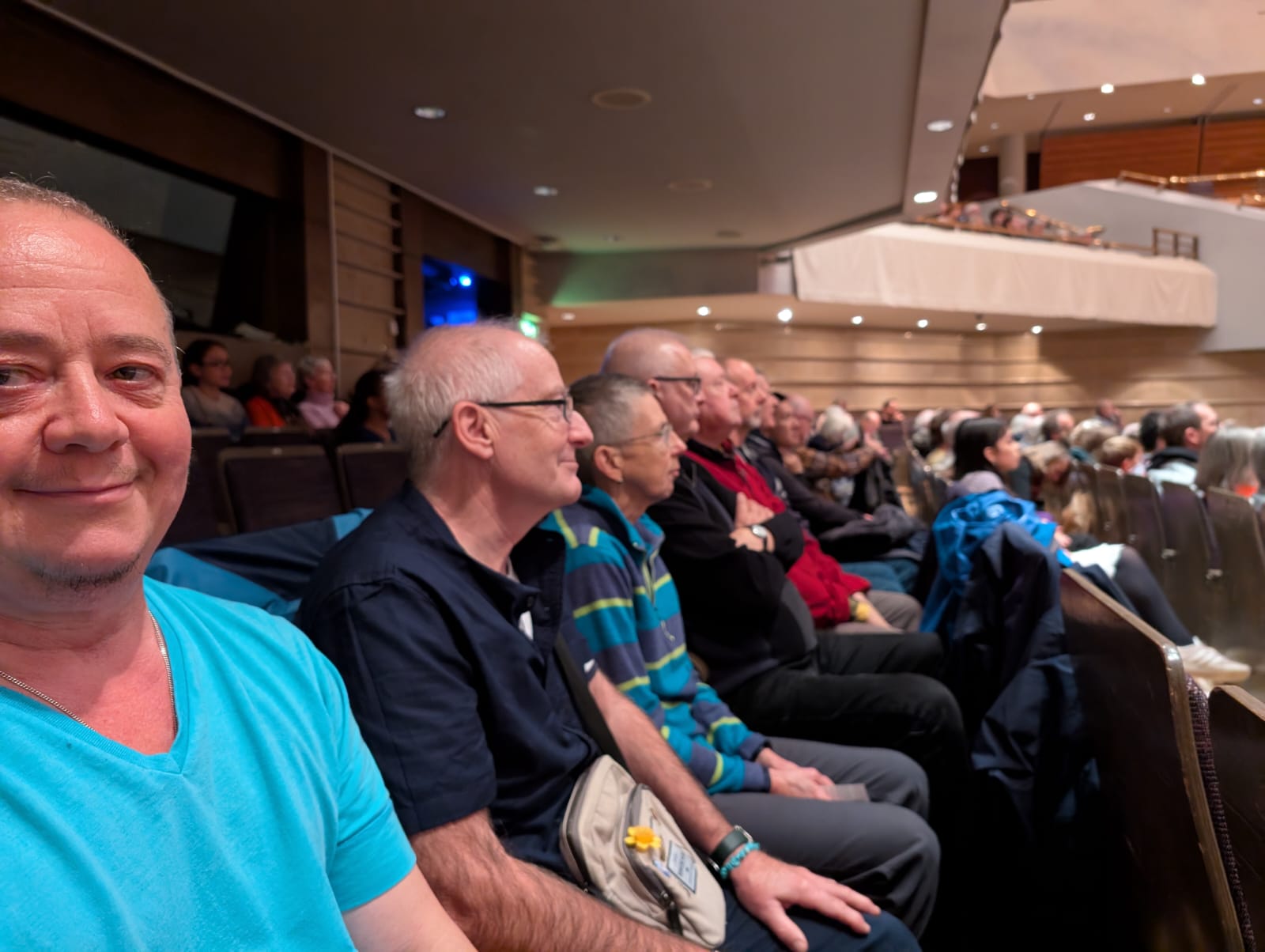
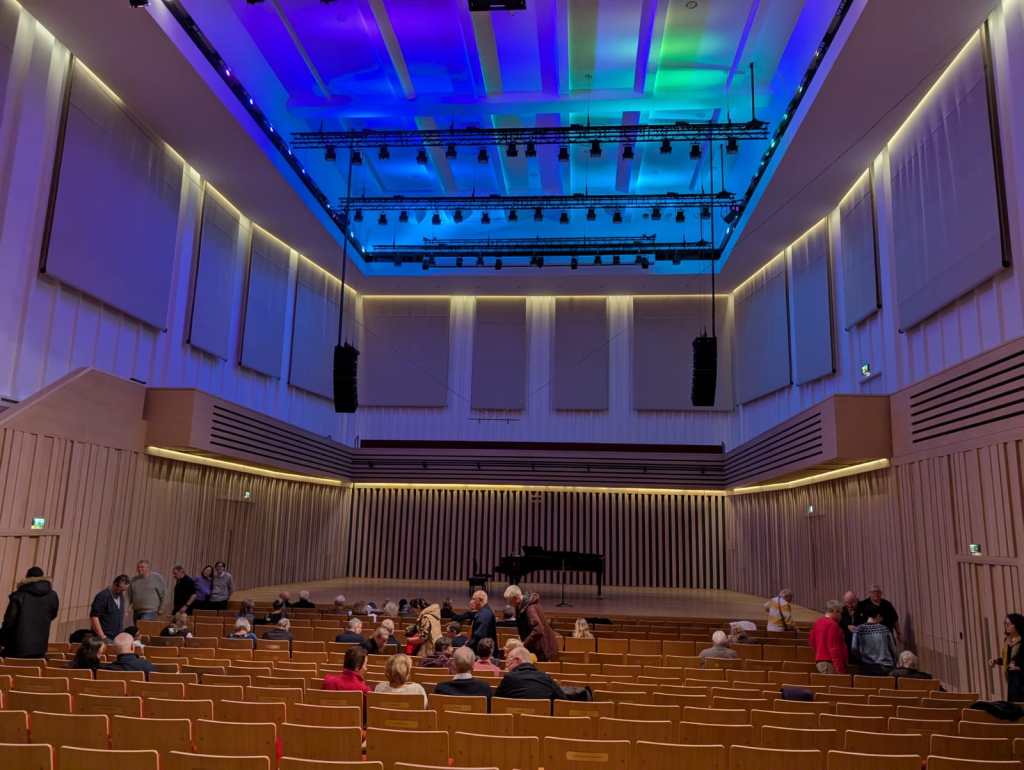
On 12 November pianist Vesselin Stanev and flautist Eva Oertle performed a concert at The Stoller Hall celebrating music by female composers from Fanny Mendelssohn to Mélanie Bonis, alongside Brahm’s Sonata No 2 in E flat major, a piece originally written for clarinet. It was a delightful concert and another excellent evening.

Astley Cheetham Art Gallery
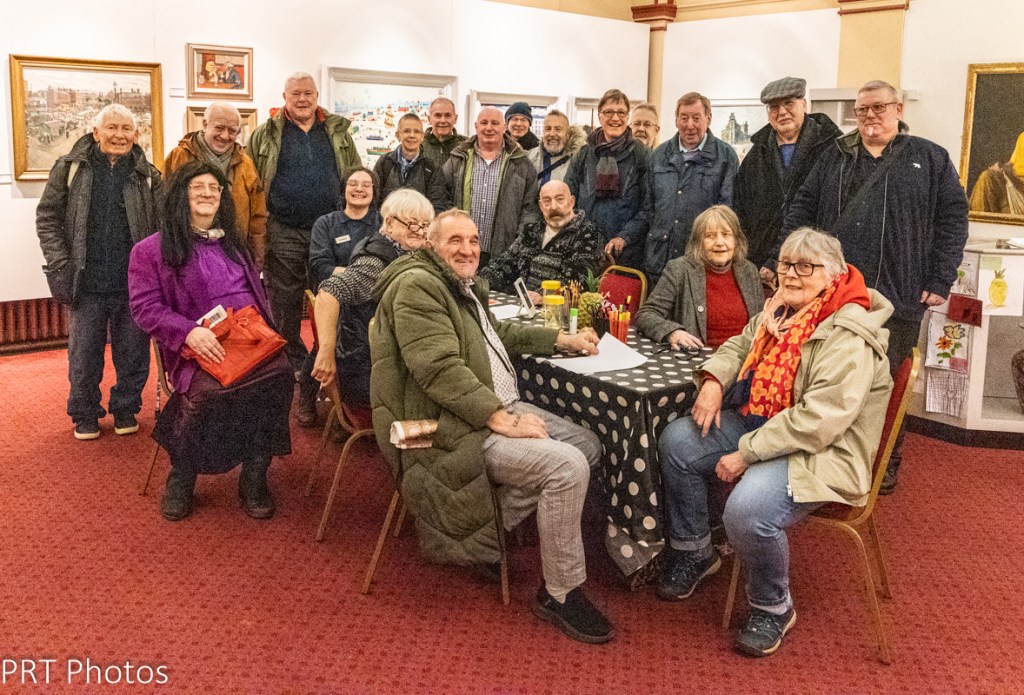
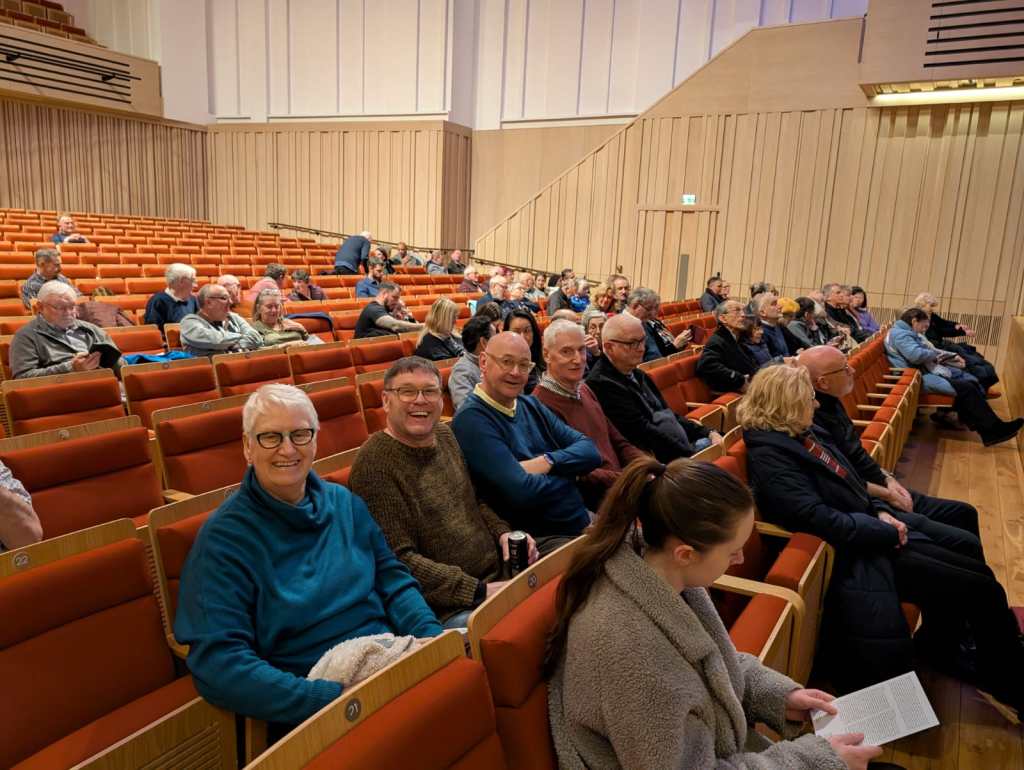
On 13 November we visited the Astley Cheetham Art Gallery in Stalybridge, which was built as a gift to the town by John Frederick Cheetham and his wife Beatrice Astley in 1901. The gallery originally opened as a lecture theatre and then the space was turned into a gallery to house the Astley Cheetham Art Collection, bequeathed in 1932. This collection has grown with gifts and donations throughout the twentieth century.
The current exhibition marks the 50th anniversary of the creation of the Metropolitan Borough of Tameside. On 1 April 1974, nine towns in what was south east Lancashire and north east Cheshire – Ashton-under-Lyne, Audenshaw, Denton, Droylsden, Dukinfield, Hyde, Longdendale, Mossley and Stalybridge – came together to form one of the new boroughs of Greater Manchester.
The towns shared a common history, culture and economy, but Tameside wasn’t named after a single town, but the river Tame.
More photos can be seen here.
Were “The Two Maidens” of Pompeii Actually Gay Lovers?
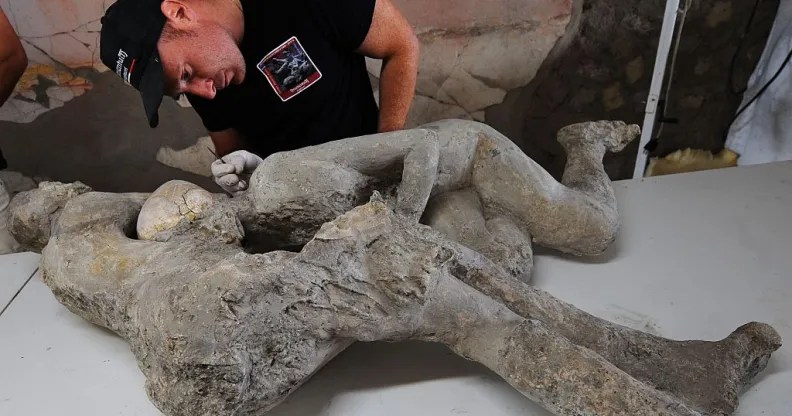
The eruption of Vesuvius over 2,000 years ago in 79AD buried several nearby towns, killing the inhabitants and burying, under pumice lapilli and ash deposits, a unique set of civil and private buildings, monuments, sculptures, paintings and mosaics that provide a rich picture of life in the Roman empire.
The eruption also preserved the forms of many of the dying as the ash compacted around their bodies. Although their soft tissue has decayed over the years, the outlines of the bodies remained and were recovered by excavators centuries later by filling the cavities with plaster. From skeletal material embedded in the casts, ancient DNA data was preserved allowing for the researchers to do the testing. The results characterised the genetic relationships, sex, ancestry and mobility of five individuals, including two who were found embracing each other as they died.
Known for years as “The Two Maidens”’ – they were first found in 1914 – new DNA analysis has suggested that the iconic pair might actually have been two men – and they weren’t related.
Researchers from the Max Planck Institute found at that at least one of the individuals had genetic markers suggesting they were male. The researchers also said that the two figures are estimated to be between 14 to 19 for one of them and the second one is a young adult.
The study excludes the possibility that the pair were sisters or mother and daughter and is therefore much more likely that they were lovers.
But their relationship can never be verified as any historical record of it has been erased from history, despite it being certain that they were not relatives.
So it is entirely possible that the pair could have been gay lovers whose last act alive was to hug each other, and perhaps more genetic testing in the future will confirm that the other figure is also a man – and then “The Two Maidens” might need a new name.

Since the first-ever excavation of Pompeii in 1748, more and more has been discovered about the ancient city that was at the mercy of Mount Vesuvius.
In 2020, for example, archaeologists excavating an Ancient Roman snack bar in Pompeii even discovered “homophobic” graffiti.
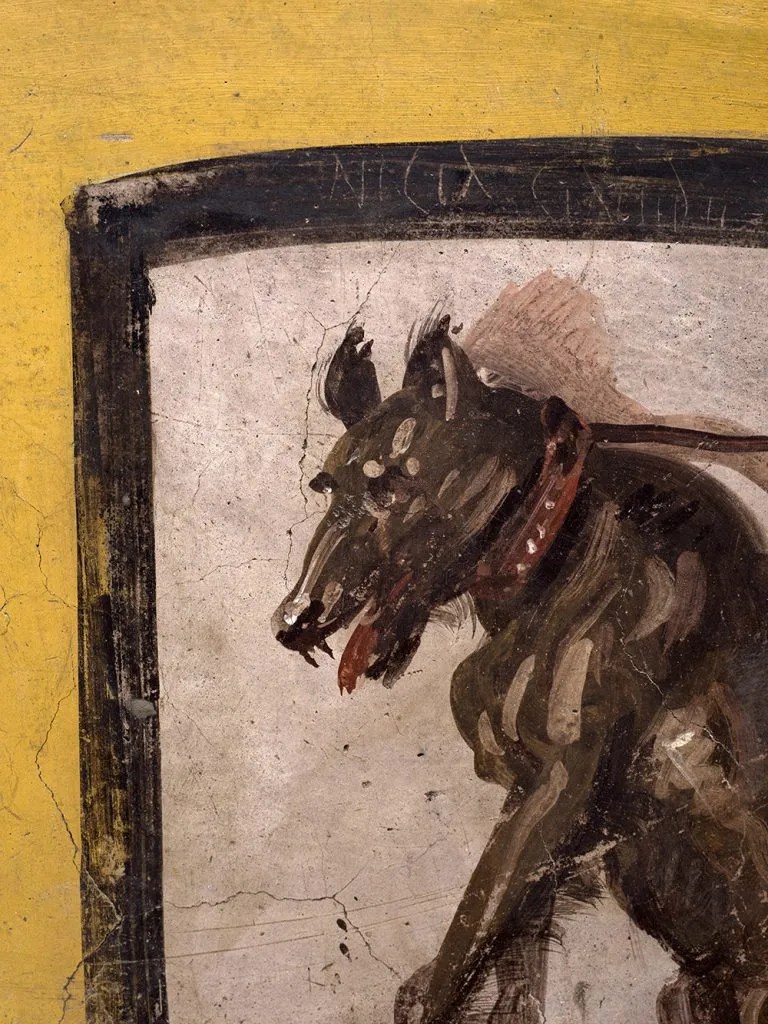
The “homophobic” graffiti was found scratched above a painting of a dog.
An ancient vandal has carved the words: “Nicia Cinaede Cacator.”
Nicias was likely to have been the owner of the bar, while “cinaede cacator” translates as “catamite s**tter”.
The word “catamite” does not have a modern-day equivalent, but referred to a teenage boy who was the sexual partner of a young man.
When directed at an older man, the word “catamite” was used as an insult.
 Out in the City