

Intersex Awareness Day
Intersex Awareness Day is observed on 26 October to uplift and honour intersex people around the globe.
What’s Intersex Bodily Autonomy?
Intersex is an umbrella term most often describing when someone’s reproductive or sexual anatomy that at birth does not fit into binary definitions of male or female.
In most hospitals, bodies are evaluated at birth and assigned male or female. When people with intersex bodies do not conform to this male-female sex binary, they are subjected to nonconsensual, permanent surgeries due to medical and social pressure.
This often means multiple surgeries throughout childhood and lasting effects on socialisation and self-image. Intersex people deserve bodily autonomy and should have the right to decide what is best for their bodies.

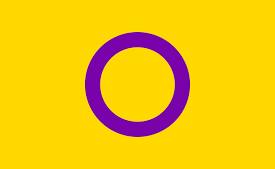
Up to 1.7 per cent of the world’s population is born intersex, a figure roughly equivalent to the number of redheads. Watch this video “Common as Red Hair”:

Sweden becomes first country to meet global HIV targets
Since the detection of the first AIDS cases in 1981, caused by the human immunodeficiency virus (HIV), there have been an estimated 85.6 million infections and there were 39 million people with HIV (PWHIV) at the end of 2022. With access to antiretroviral therapy (ART), life expectancy of PWHIV is approaching that of people without HIV.
Anonymous and free HIV testing and care is available for anyone in Sweden; free ART has been available since 2004. Testing for HIV is offered to all pregnant women and to migrants. It is also recommended to test people diagnosed with an HIV indicator disease.

Most new infections are acquired from undiagnosed PWHIV who are unaware of their HIV status. This means they cannot take preventative measures to reduce onward transmissions, including suppressive ART which is known to prevent further spread.
The World Health Organisation targets for the HIV epidemic, to be reached by 2025, means that 95% of all people living with HIV have been diagnosed, 95% of them are receiving treatment, and 95% of those treated have undetectable viral load.
Sweden had reached each of the three UNAIDS 95–95–95 targets by 2022, with 96% PWHIV being diagnosed, 99% of diagnosed being on ART, and 98% of those on ART being virally suppressed.
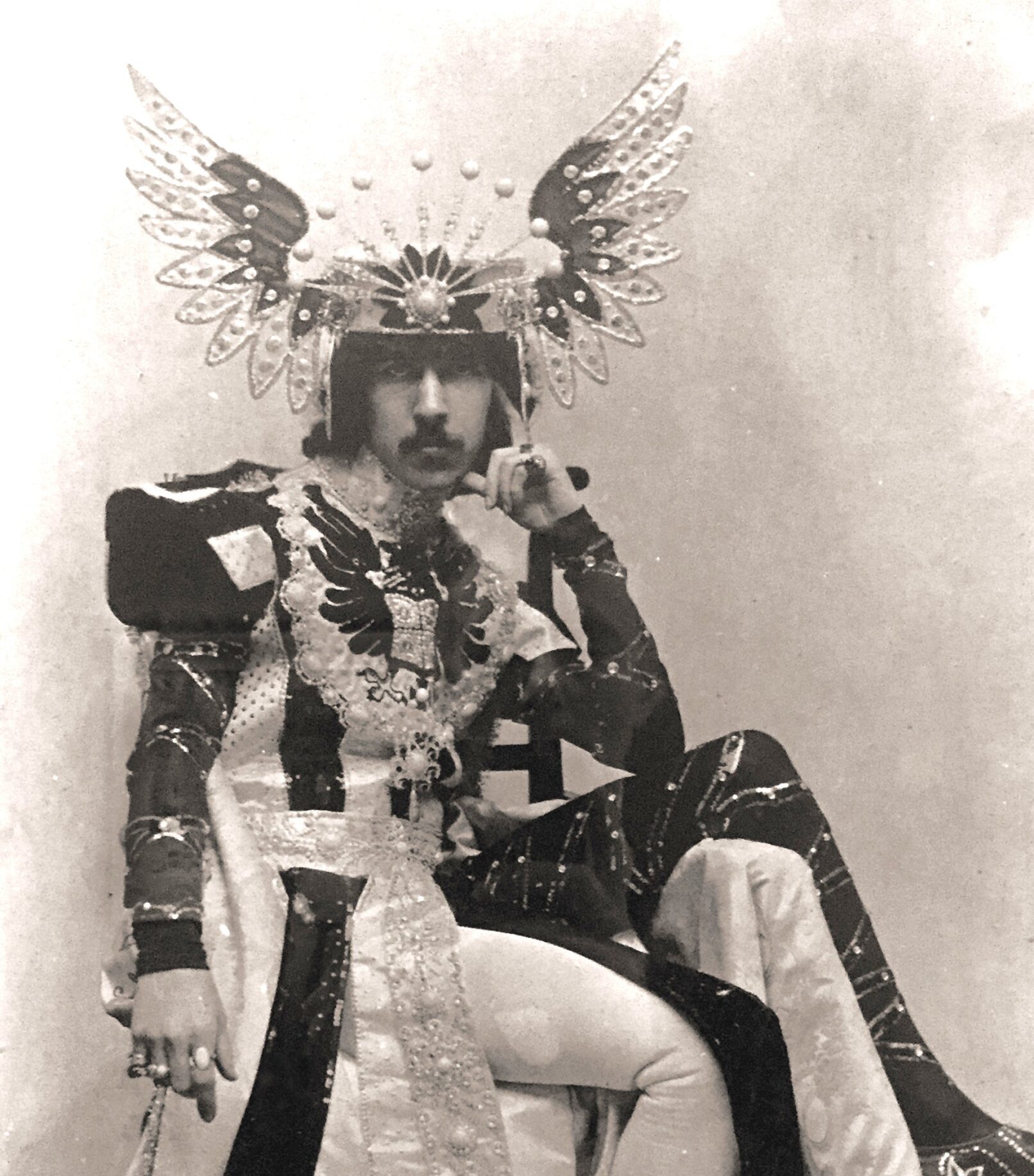
Henry Paget, The “Dancing Marquess”
In North Wales you can find an historic estate with a unique gay story.
The estate, “Plas Newydd”, meaning “new house or hall” has the same name as the estate belonging to the two Ladies of Llangollen.
This story centres on a flamboyant aristocrat who knew how to throw a party and wear a ball gown, but not necessarily produce a watchable theatrical production, though his life is about to hit the big screen in a film starring Rupert Everett, Siobhán McSweeney and Callum Scott Howells.
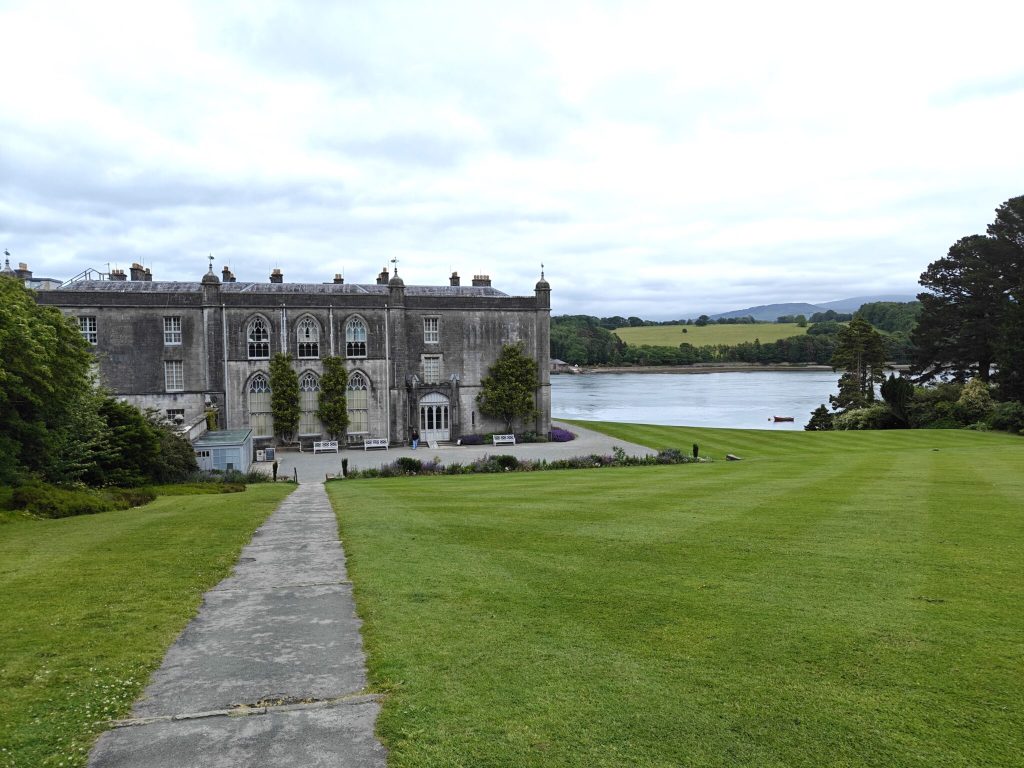
The handsome and huge Plas Newydd House and Gardens (Llanfairpwllgwyngyll, Wales), built in 1470, overlooks the Menai Strait on the island of Anglesey. The property is now operated as a museum and parklands by the National Trust, but following a line of succession, it was home to 19th century aristocrat Henry Paget, fifth Marquess of Anglesey, nicknamed the Dancing Marquess. Adhering to the philosophy of live fast, look good, die young, Paget died of an undiagnosed illness at age 29 after spending £43 million on “clothes, pink poodles and cars that billowed perfume.”
Born in 1875, Paget inherited Plas Newydd in 1898 along with about £110,000 a year (about £18 to £20 million) today. He renamed it Anglesey Castle and set about trying to make the property a centre of cultural life.
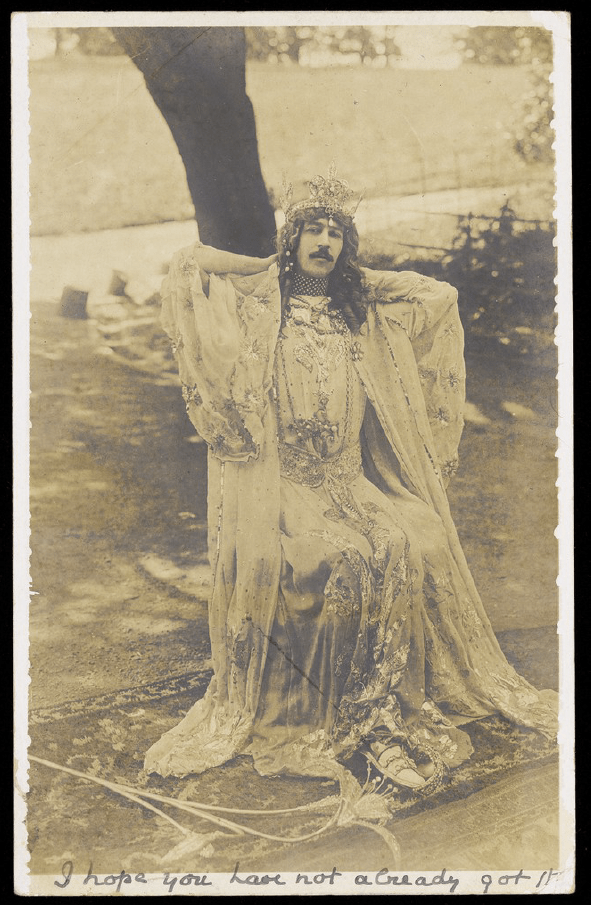
Despite much speculation, there is little documentation of Paget’s sex life, inside or outside his short marriage to his cousin. The 1997 BBC series The Aristocracy: Born to Rule 1875-1914 reported: “The closest (his) marriage ever came to consummation was that he would make her pose naked covered top to bottom in jewels and she had to sleep wearing the jewels. The marriage only lasted six weeks till she came running home.”
But Paget’s flamboyant tendencies and penchant for dressing in feminine clothes raised questions about his sexual orientation.
“He spent a very large amount of money on clothes, which he loved. I think he had 400 pairs of pyjamas and 300 waistcoats, most of which were never worn,” says Christopher Sykes, the seventh Marquess of Anglesey, in the BBC documentary. “He was mad keen about the theatre. He started a full theatre here, and he used to pay famous actors and actresses from London to come and play second to him.”
Paget frequently rewrote shows to include his signature performance, “The Butterfly Dance,” which involved waving a voluminous robe of transparent silk around like wings. (Sadly, there is no visual documentation of the dance.) He toured the dance around the UK and to Berlin and Dresden. One of his favourite roles was Queen Eleanor, which required a particularly voluptuous costume. “Such stories only confirmed the growing public view of the aristocracy as profligate and indulgent,” states the BBC documentary. Despite his extraordinary wealth, Paget blew all of it and died deep in debt in 1905.
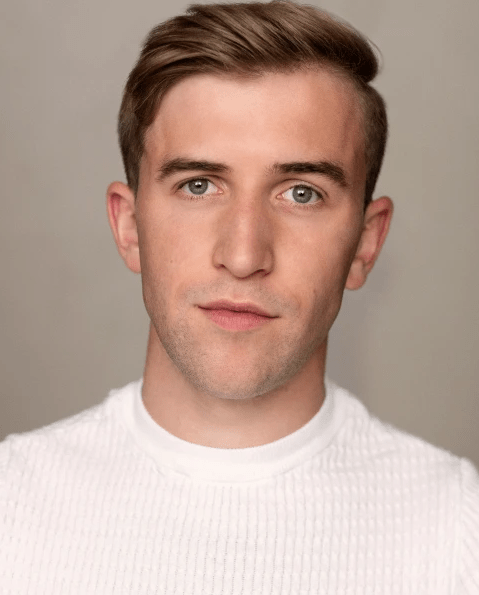
In the coming film version of Paget’s life, called Madfabulous, written by Welsh screenwriter Lisa Baker, the marquess will be played by queer Welsh actor Callum Scott Howells, who starred in the British mini series It’s a Sin as Colin Morris-Jones.
Also cast are Rupert Everett, one of the first mainstream British movie stars to come out publicly, and Irish actor Siobhán McSweeney, who played the wry Sister Michael in the cult sitcom Derry Girls – all signs indicating that the filmmakers are leaning into a gay camp portrayal of Paget.

 Out in the City
Hi Tony and Out In The City.
LikeLike
Thanks Tony for the heads-up regarding the upcoming film about the Dancing Marquess. I’ve been to Plas Newydd on many occasions and even spent a couple of nights there when it was used by Cheshire Education Committee for field trips. It’s a fascinating place and has a great mural along the whole wall of one room painted by a famous artist.
LikeLike