
International Drag Day
International Drag Day is an annual event held on 16 July. It is a day to celebrate and honour the art of drag and drag culture. This day was created to recognise and appreciate the drag queens, drag kings, and all members of the LGBTQ+ community who have made a significant contribution to the drag community.
Every time some people pass a dog, they go all gooey and warm and start cooing, “Awwww, look at the puppy I wanna pet it!” because they are easily swayed by adorable fuzzy things.
The thing that is really weird for me is when pet owners dress their dogs. Your dog hates it and everyone thinks you are weird for doing it. Save the money you would have used on that miniature designer outfit and just get your puppy a cuddly toy!
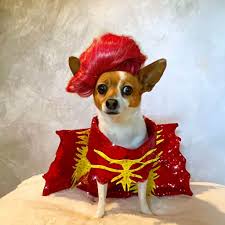
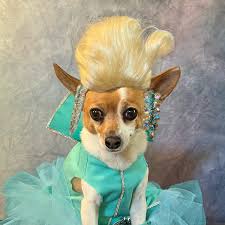
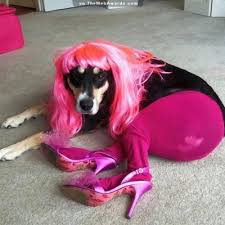
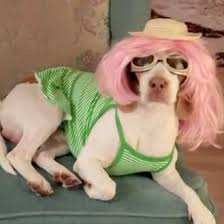
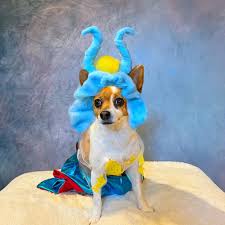
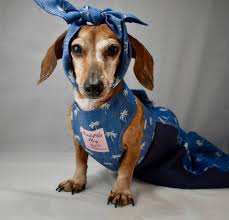
That being said the following photos of dogs and drag is the best thing ever:



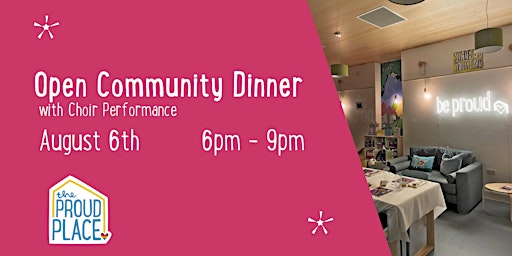
Open Community Dinner and Choir Performance
Join us for dinner and a show! Open dinner and a performance from Lesbian Boy Band Choir.
The Proud Place, 49-51 Sidney Street, Manchester M1 7HB
Tuesday, 6 August – 6.00pm – 9.00pm
To kick off Manchester’s Pride Month, we are hosting a free community dinner at The Proud Place and we’d love for you to join us!
We’ll have a range of delicious veggie and vegan hot and cold food supplied by Oak Street Kitchen, as well as a very special performance from Lesbian Boy Band Choir.
This will be a great opportunity to connect with both new and longstanding members of our community in the run up to Pride, and it’s completely free to attend so snap a ticket up while you can!
Register here.


Pulp Fiction Helped Define American Lesbianism
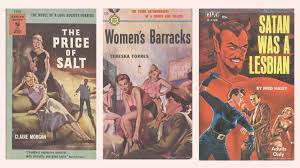
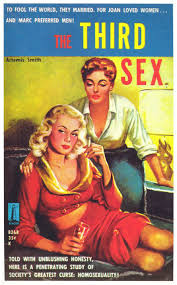
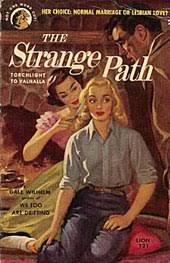
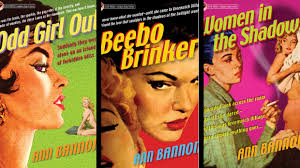
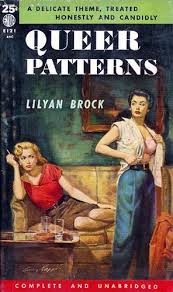
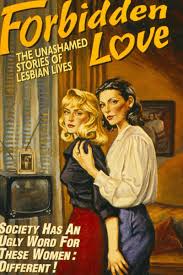
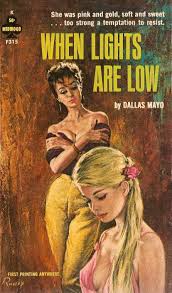
In the United States in the 1950s or early 1960s, readers browsing in booksellers or bus terminals were likely to see racks filled with books with cheap, sensational covers that hinted at lesbian content within. “Her choice: Normal marriage or lesbian love?” asked one cover. “In love with a woman,” asked another, “must society reject me?”
Society did reject lesbians. The era was one of blatant homophobia and the overwhelming silence of societally-enforced closets. But for many women, the cheap pulp novels that some dismissed as salacious entertainment were an eye-opening lifeline. The content packaged to titillate men actually gave lesbian women much-needed representation.
Academics shouldn’t ignore lesbian pulp fiction because it was marketed toward straight men. Though they engendered profoundly mixed feelings, the books offered some of their era’s only representations – and celebrations – of lesbian lives. For many women grappling with sexualities that were regarded as unhealthy and even criminal, these dismissed, yet foundational narratives offered a readily available, popular discourse that put the word lesbian in mass circulation as never before.
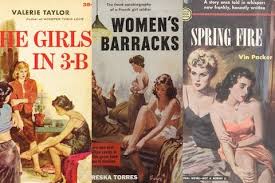
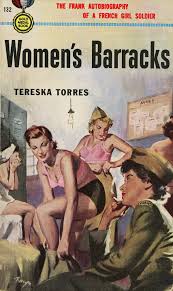
Between 1950 and 1965, more than five hundred lesbian pulps were published in the US. Cheaply manufactured and sold en masse, they came with salacious covers and dramatic titles like Spring Fire, Odd Girl Out and Twilight Girl. After the publication of Women’s Barracks, an autobiographical novel by Tereska Torres that has sold an astonishing four million copies in the US alone, the genre took off. Some stories masqueraded as journalistic looks into “deviant” lives. Others centred men and featured lots of sex. But many were authored by women, and offered stories of realistic and even happy lesbian relationships.
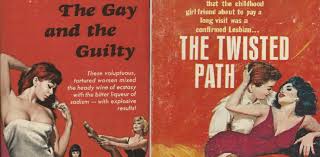
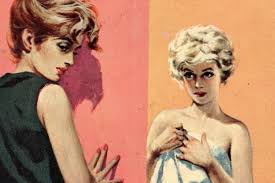
Scandalous cover art and text that focused on “savage” or “strange” loves all but shouted the lesbian content that could be found within.
In a world that hid homosexuality from view, lesbian pulps were surprisingly pervasive, and popular. Many of the books, and nearly all of their covers, reinforced homophobic stereotypes of lesbianism. But for women in search of more information about lesbianism, they were lifelines.
Lesbianism may have been taboo, but the pulps profited from proscriptions against same-sex relationships until the genre died out around 1965. Lesbian pulp novels helped set the stage for future LGBT+ activism, the women’s movement, and the cultural shifts of the late 1960s.
They may have been steamy, but books about lesbian sexuality were anything but disposable.
 Out in the City