
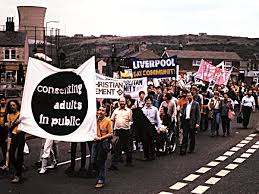
Huddersfield Pride
Pride in London is an annual LGBT pride festival and parade held each summer in London.
However, on 4 July 1981, the usual Pride march and rally was not held in London, decamping to Huddersfield instead as an act of solidarity with the Yorkshire gay community. They were claiming that the West Yorkshire Police were harassing them by repeatedly raiding the Gemini Club, a leading nightclub in the North of England at the time.

There were 2,000 gay rights campaigners on a full-scale Pride march through the town centre, holding hands, kissing, larking about and singing chants like: “Two, four, six, eight … is that copper really straight?” The marchers came from all over the UK and the events of 4 July 1981 deserve to be remembered as nothing less than the UK’s first national Gay Pride.

A Brief (but Incomplete) History of French LGBT+
Lesbian, gay, bisexual and transgender (LGBT) rights in France are progressive by world standards. Although same-sex sexual activity was a capital crime that often resulted in the death penalty during the Ancien Régime, all sodomy laws were repealed in 1791 during the French Revolution.
Discrimination, violence and anti-LGBT+ hatred remain a reality in France (and around the world), but France has been at the forefront of defending LGBT+ rights. In 2008, it launched the first campaign for the universal decriminalisation of homosexuality.
A brief history
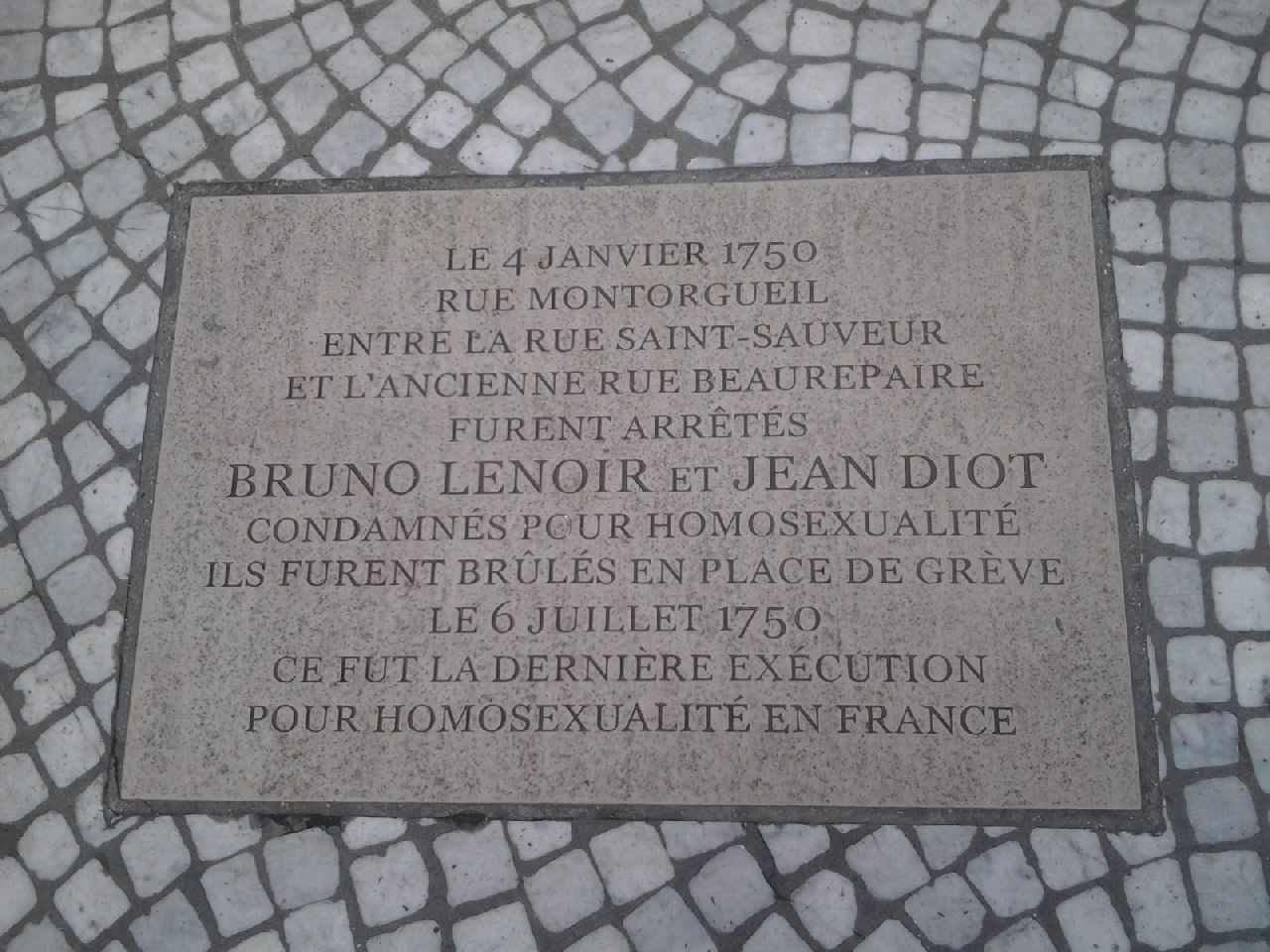
Jean Diot (1710) and Bruno Lenoir, were the last persons executed in France as punishment for homosexuality. In 1750 a watchmen caught them engaged in sex on the rue Montorgueil. One magistrate described the charges against them as “committing crimes which propriety does not permit us to describe in writing”. The two were strangled and burned to death. In 1791 the French Revolutionary government legalised homosexuality.
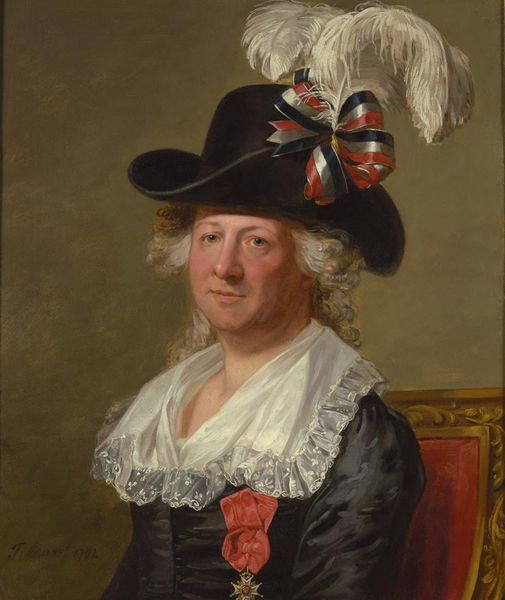
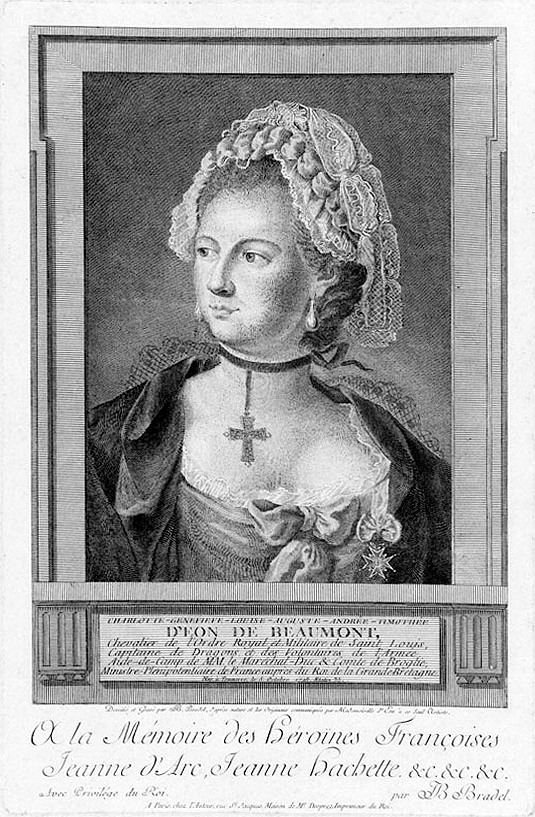
The Chevalier d’Éon (1728) is one of the most famous French LGTBQ+ people in history. d’Éon worked as a spy during the Seven Years’ War, infiltrating the Russian court before becoming a diplomat. d’Éon claimed to be a woman & won legal recognition as a woman from Louis XVI’s court. Upon death a doctor examined d’Éon’s body & found male organs with female characteristics, implying that d’Éon may have been intersex.
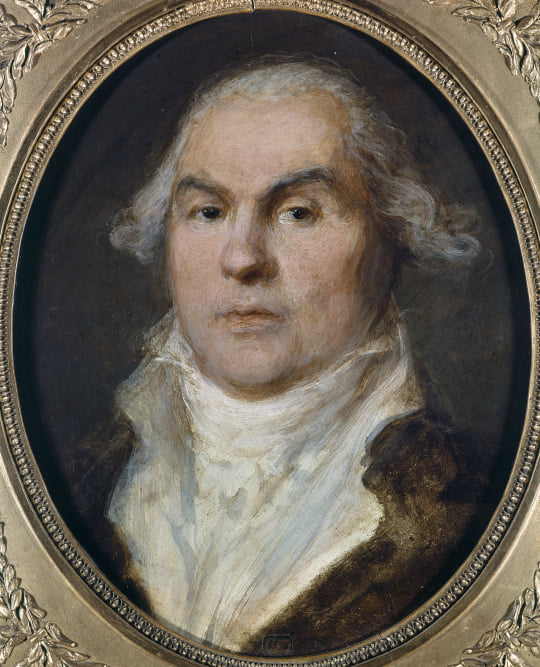
Jean-Jacques-Régis de Cambacérès (1753) was a famous lawyer and French revolutionary. He was one of the authors of the incredibly influential Napoleonic Code. He was also openly gay. When he recruited a woman for a job Napoleon joked “You’ve come closer to women?”
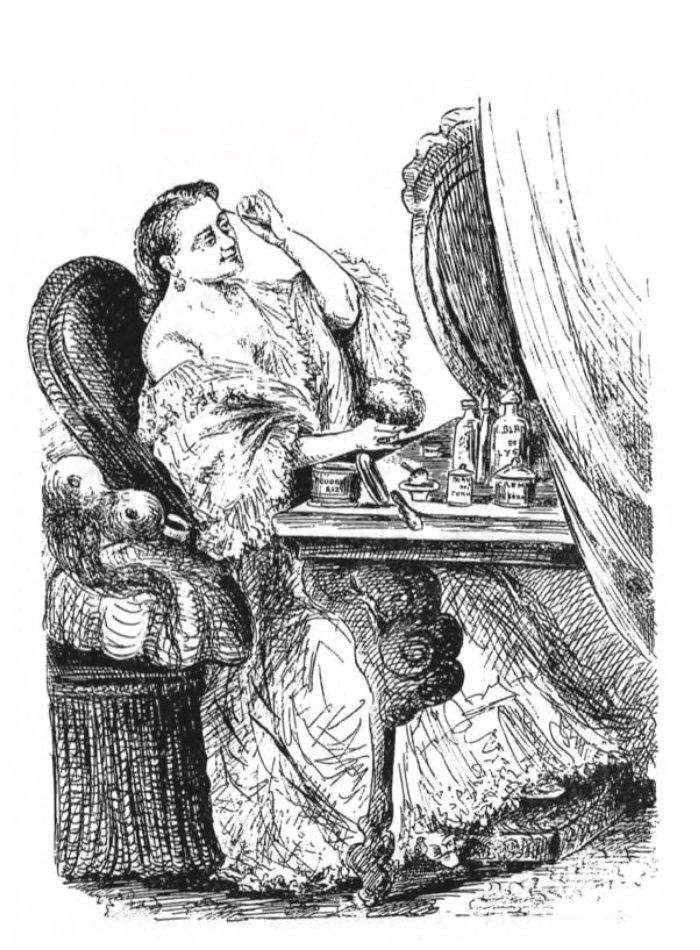
Arthur Berloget was born male in 19th century Paris. As an adolescent, Berloget began dressing in women’s clothes, identifying as a woman, took up the name ‘Pauline’ and had many male lovers, including one marquis. While living as a courtesan in Paris, she earned a living as a cabaret and café-concert singer. She became a central part of the queer scene in Paris, and her fellow admirers dubbed her ‘The Countess.’ She wrote an important autobiography The Secret Confessions of a Parisian: The Countess, 1850-1871, which was published in 1895, that details the 19th century Paris queer scene.
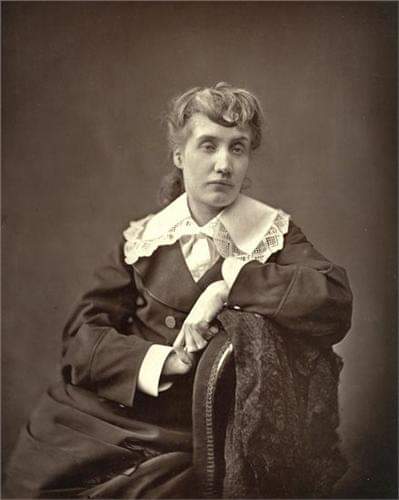
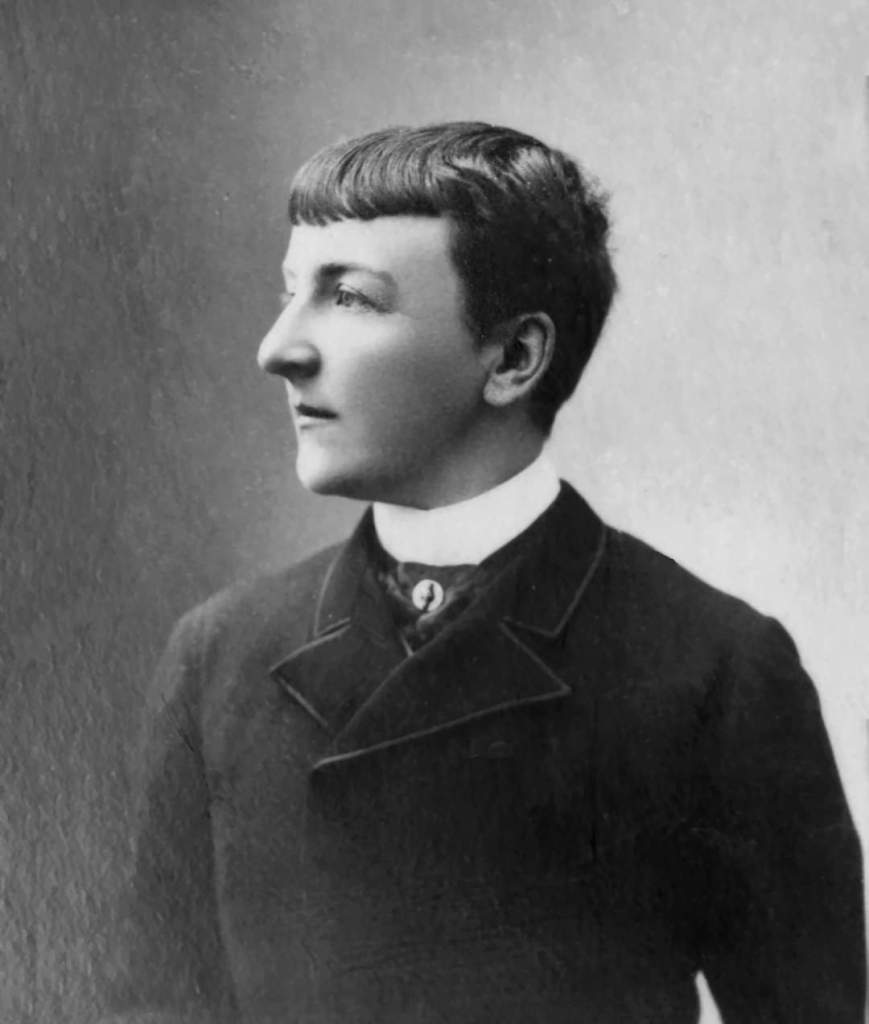
19th century writers Jane Dieulafoy (1851) and Marc de Montifaud (1845) were born female and sometimes identified as men in their writings.
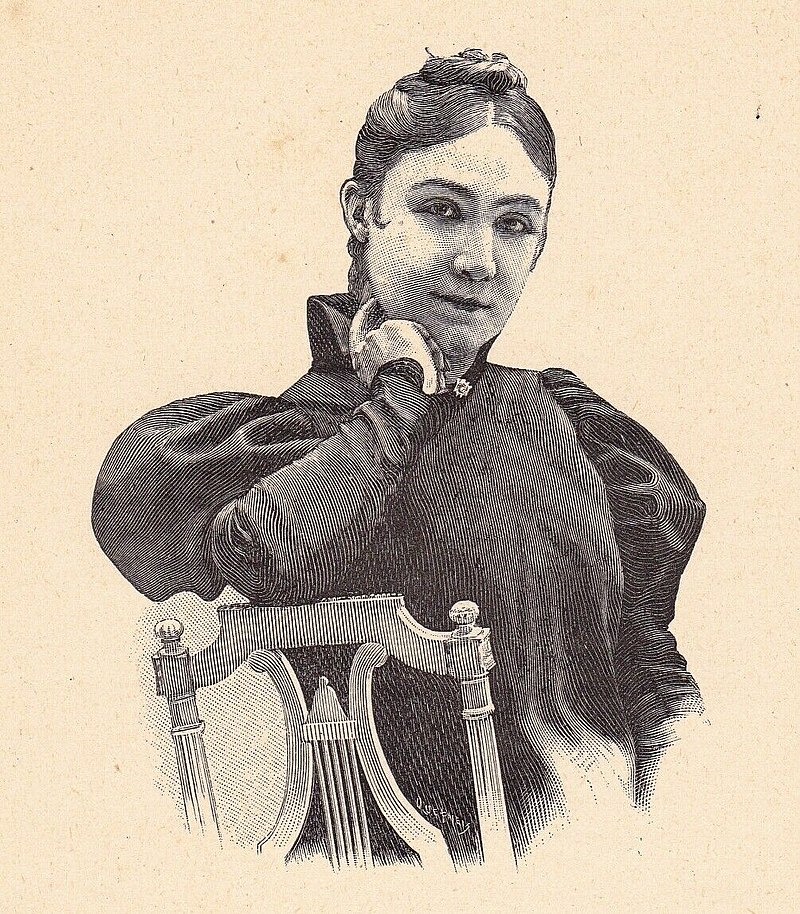
Marguerite Vallette-Eymery was born 1860 in Dordogne. Under the name ‘Rachilde,’ she went on to become a symbolist author and one of the most prominent figures associated with the Decadent Movement of fin de siècle France. Rachilde cross-dressed and even identified as male in some of her literary works. She had relationships with notable literary figures, male and female, including Gisèle d’Estoc.
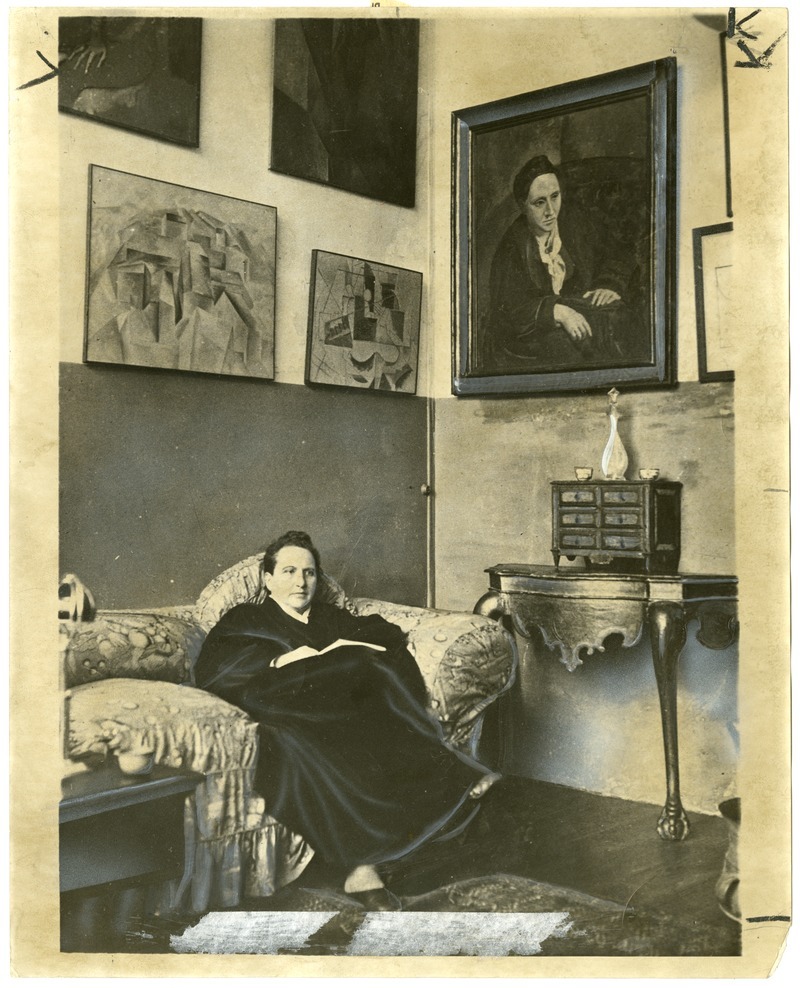
Gertrude Stein (1874) was born on the outskirts of Pittsburgh, Pennsylvania. In 1903 she moved to Paris and spent the rest of her life in France. She wrote her first novel Q.E.D. about a lesbian love affair, which she followed up with many other great works. She was most famous for hosting a Paris salon, where the leading figures of modernism in literature and art, such as Pablo Picasso, Ernest Hemingway, F Scott Fitzgerald, Sinclair Lewis, Ezra Pound, Sherwood Anderson and Henri Matisse, would meet. She maintained a romantic relationship with her ‘wife’ Alice B Tokias, until her death in 1946.

Renée Vivien (née Pauline Mary Tarn) was born in 1877. A British-born French poet, she was a high-profile lesbian writer in Belle Époque Paris. She was the subject of a pen-portrait by her friend and neighbour Colette.

Suzy “Solidor” was born in Brittany, 1900. She moved to Paris and became a popular singer who managed to open her own nightclub, La Vie Parisienne, which catered to lesbians like herself. One of the singer’s most famous publicity stunts was to become known as the “most painted woman in the world”. She posed for some of the most celebrated artists of the day including Pablo Picasso, Georges Braque, Raoul Dufy, Tamara de Lempicka, Marie Laurencin, Francis Picabia and Kees van Dongen. Her stipulation for sitting was that she would be given the paintings to hang in her club, and, by this time, she had accumulated thirty-three portraits of herself. La Vie Parisienne became one of the trendiest night spots in Paris. Like many artists of the period she performed for German soldiers to keep her business going. The French government punished her for this, banning her from public entertainment for 5 years.
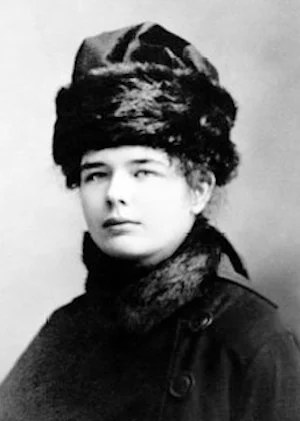
Marguerite Yourcenar was born in Brussels to French parents in 1903. She became a successful author and translator. In 1939 her partner, the American translator Grace Frick, invited her to the US to escape the war. Yourcenar continued her writing career, even getting nominated for the 1965 Nobel Prize. Yourcenar’s partner of three decades died in 1979, the year before Yourcenar became the first female member elected to the Académie Française.
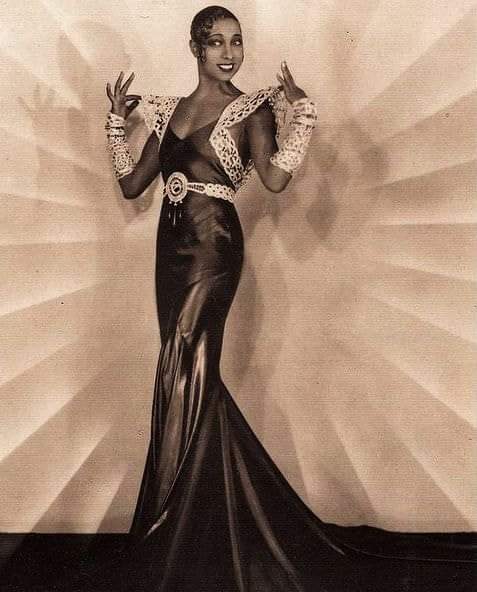
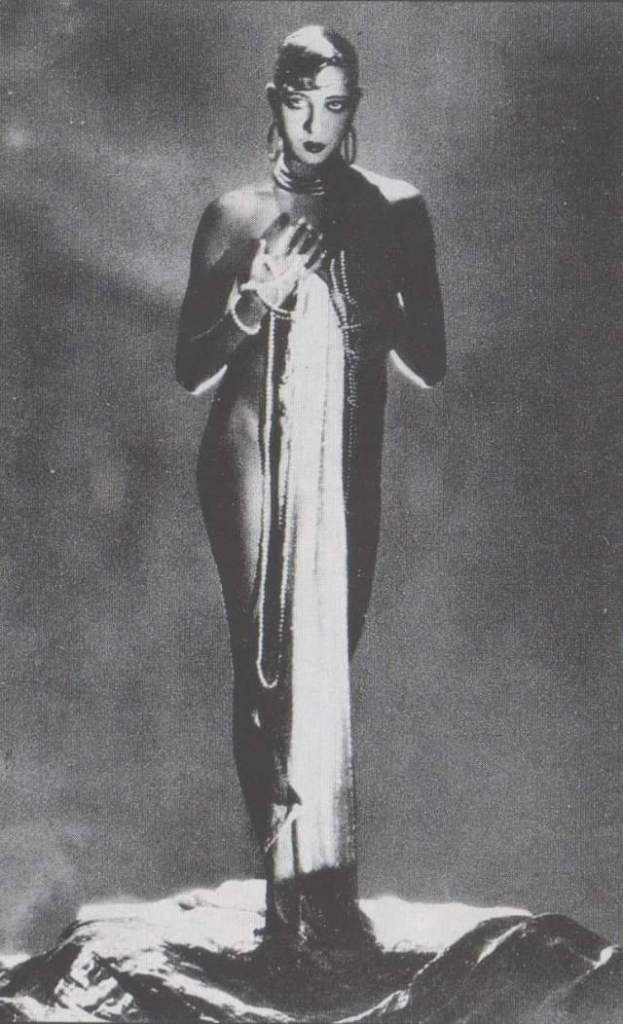
The bisexual Josephine Baker (1906) born in the US, was a prominent member of the Harlem Renaissance, moved to France and became a model and performer. She became a top-level spy in the Resistance and a leader in the US Civil Rights movement. What a life! (Pictures 1920s, France)
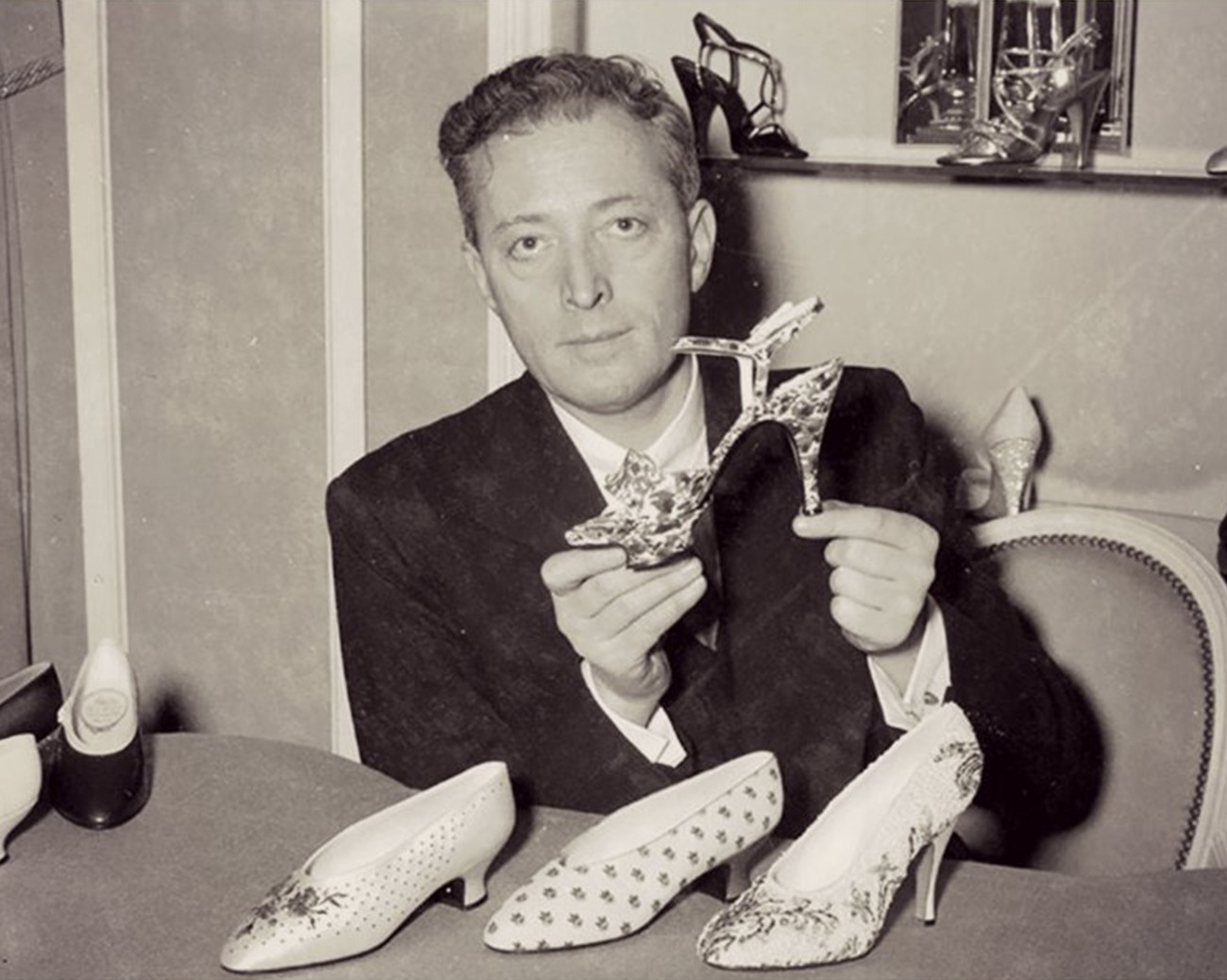
Roger Vivier was born in 1907. Originally studying sculpture, he became a shoe designer who gained his fame when German actress Marlene Dietrich wore his shoes. He fled the Nazi occupation for New York City where he made hats. Upon returning to France he invented the modern stiletto heel. Ava Gardner, Gloria Guinness and The Beatles were all Vivier customers, and he designed shoes for Queen Elizabeth II for her Coronation in 1953. Vivier designed shoes for Christian Dior & Yves Saint-Laurent while founding his own brand, which still exists. He was also a well-known homosexual, though he kept the details of his love life private.

Charles Trenet was born in Narbonne, 1913. Trenet proved a brilliant musician from an early age, and travelled to Berlin and Paris to hone his craft. From 1933-1936 Trenet and Swiss pianist Johnny Hess formed a music duo with a record deal with Columbia. During this time Trenet gained his lifelong nickname: The Singing Madman. Trenet was called to service in 1940, but returned to civilian life during the Occupation. He performed for German crowds to keep his career alive. After the war, the French government investigated him for collaboration, and gave him an official reprimand. Trenet left France for the United States for a few years, meeting Louis Armstrong and developing a lifelong friendship with Charlie Chaplin. He returned to France in 1951 and his musical career boomed. However, things took a turn in 1963 when his homosexuality became public. Despite this, he was still respected, and helped spread French culture abroad when in 1970, Trenet flew to Japan to represent France at the Universal Exhibition in Osaka. He died at the age of 87 in 2001, having composed the music and lyrics for over 1,000 songs.
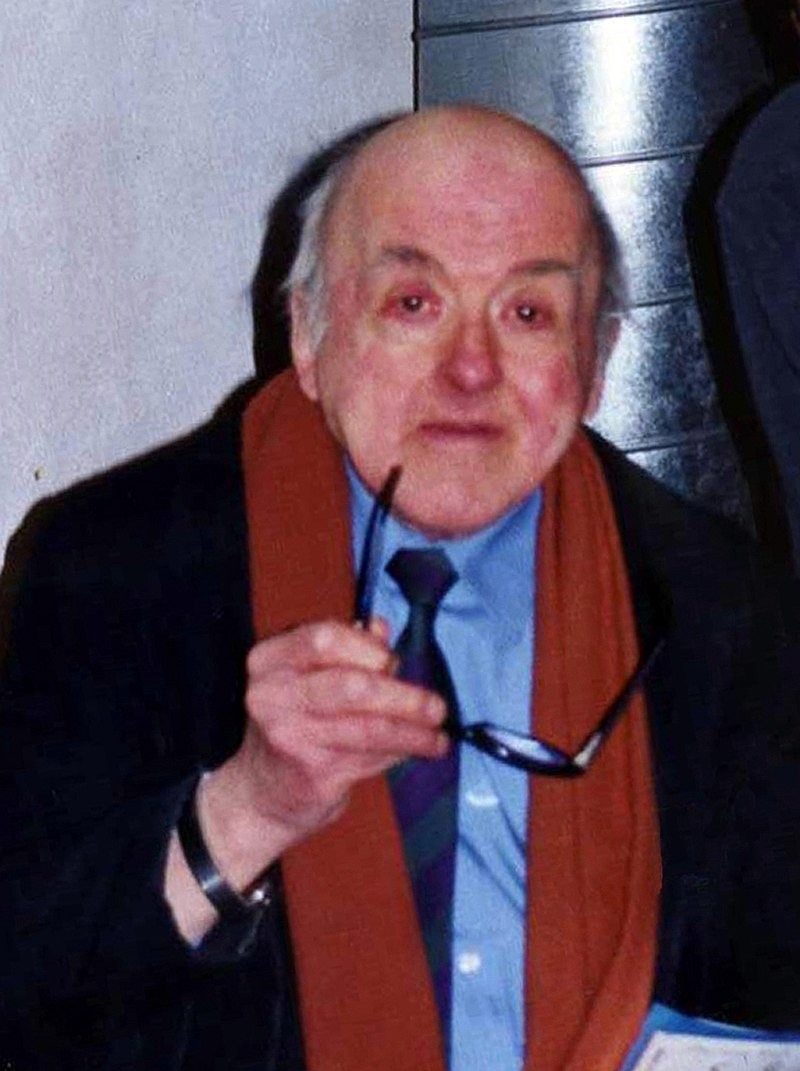
Pierre Seel was born to a wealthy Alsatian family in a castle in Haguenau in 1923. As a young man he became involved in the local gay scene. His life took a rapid downward turn following the Nazi invasion. On 3 May 1941, Seel was arrested, tortured and raped. He was deported to the Schirmeck-Vorbrück concentration camp for his homosexuality, and witnessed his lover Jo’s execution by guard dogs. Curiously, the Germans then conscripted him to fight in the East. Seel served in various positions until he voluntarily surrendered to the Soviets. Despite this, the Soviets decided to execute him, and he only survived by singing The International in front of the firing squad. Between 1945 – 1960 France experienced a pronounced period of homophobia, and Seel was publicly ridiculed for his homosexuality. In 1981 he became the only French person to have testified openly about his experience of deportation during World War II due to his homosexuality. He went on to be an advocate for fellow gays and a public figure for their remembrance in Holocaust history.
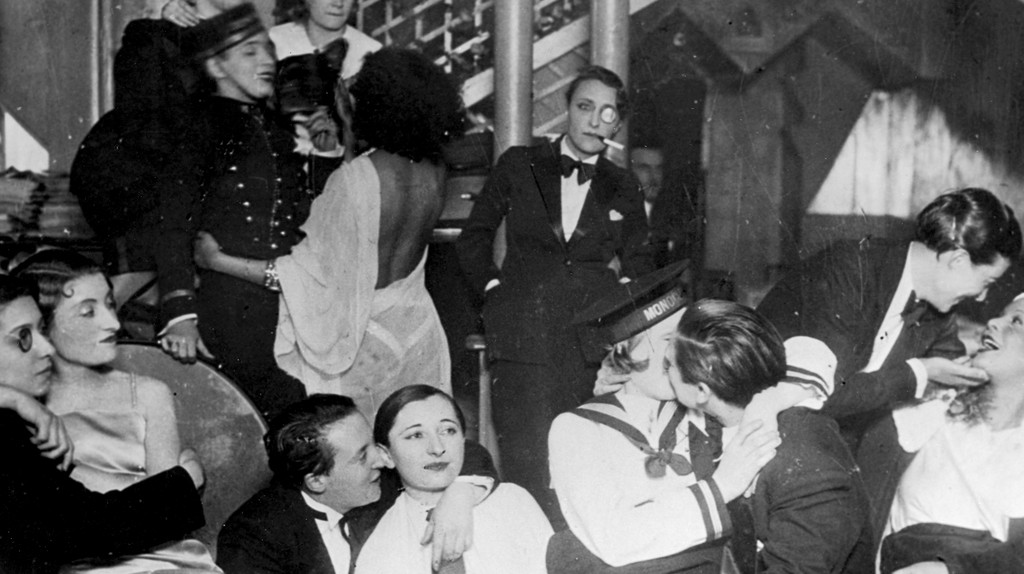
Famous Parisian lesbian bar Le Monocle, 1930s

Maria Schneider (1952) was a legendary French actress who promoted equality for women and queer people. In the late 1960s she barely made enough money to live working as a model and film extra. When she told superstar Brigitte Bardot that she was homeless, Bardot offered Schneider a room in her house. Schneider is best known for co-starring opposite Marlon Brando in Last Tango in Paris (1972). While that film made her an international star, it broke her mentally due to a graphic rape scene, which she was only informed of a few minutes before the cameras started rolling. Afterwards she publicly advocated for more women directors and better treatment of women in films. She also came out as bisexual, saying “I’ve had quite a few lovers for my age … probably 50 men and 20 women. I’m incapable of fidelity; have a need for a million experiences. Women I love more for beauty than for sex. Men I love for grace and intelligence.” She died of cancer at the age of 58. She has since been immortalised in the film “Maria” (2024).
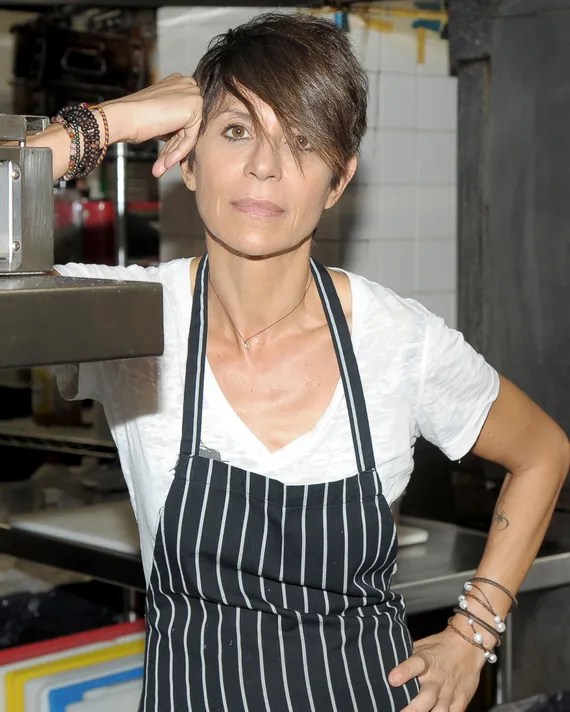
Dominique Crenn was born in 1965. Her adoptive mother took her on trips to Paris to sample world cuisine, inspiring Crenn to become a chef. She worked at various restaurants across the United States before landing a job In Jakarta. She was Indonesia’s first ever female head chef, but was forced to flee the country during civil unrest in 1998. She returned to San Francisco and founded several highly-awarded restaurants. As of 2016 she became the only woman to have a three-star Michelin restaurant in the US. In 2024 she married actress Maria Bello.


 Out in the City