
Lesbian Visibility Week
Lesbian Visibility Week was originally celebrated in California in 1990, and since then it has been an annual celebration of identity, community, culture and progress.
In 2020, Linda Riley, publisher of Diva magazine, began a new Lesbian Visibility Week.

Maybe they were inspired by social reformer and women’s rights activist Susan B Anthony, who fought for gender equality. Born over 200 years ago, she never stopped speaking up, but a large part of her was silenced. She was a lesbian hero but they don’t teach you that in history class.
This year Lesbian Visibility Week (22 – 28 April) is all about a community that is unified, not uniform. Diva are working with their global partners to celebrate the incredible diversity of LGBTQIA women, and they want every single one of you to get involved!
For Lesbian Visibility Week 2024 the power of sisterhood will be celebrated by uplifting incredible LGBTQIA women from every generation, in every field and in every country around the world. One community, so many brilliant individuals can all take a moment in the spotlight to be recognised for the work they do and the joy they bring.
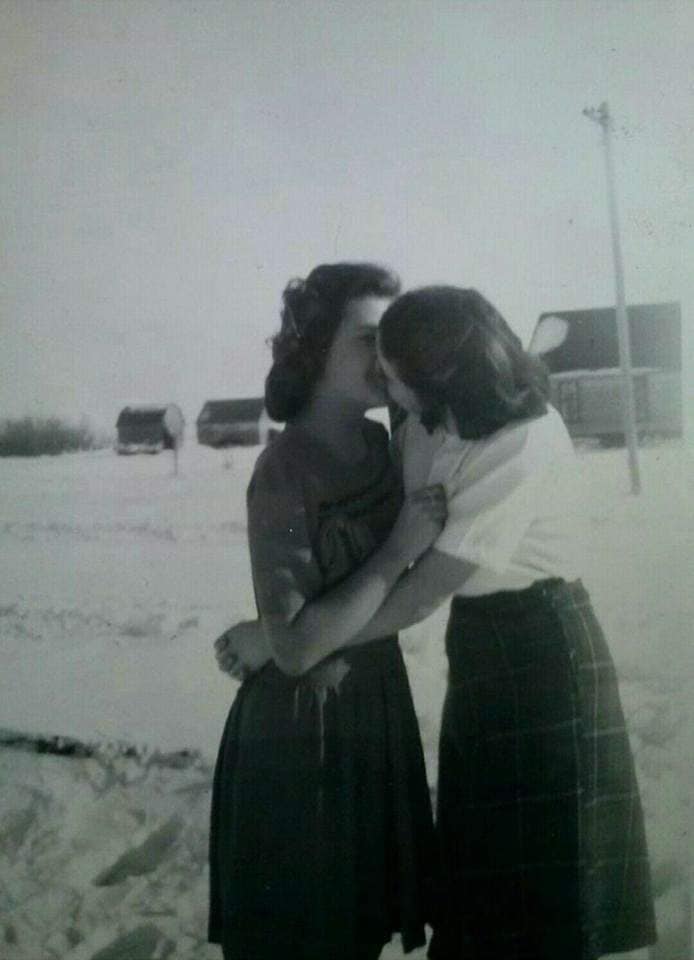
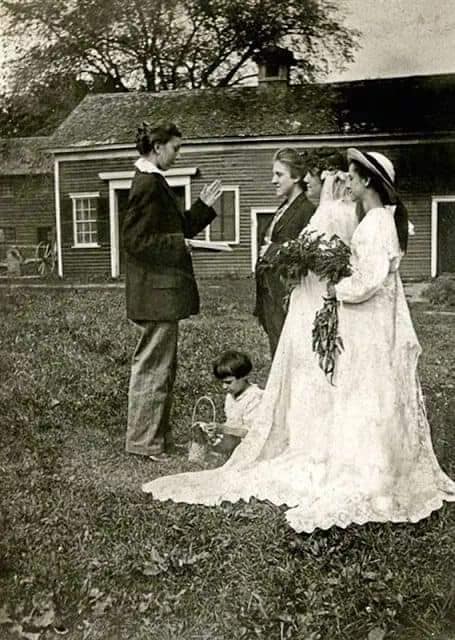
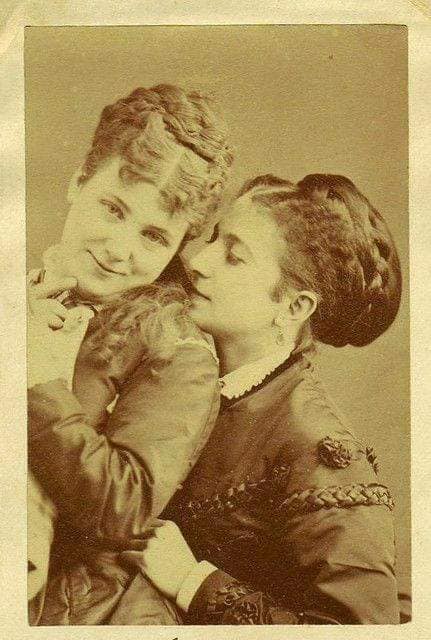
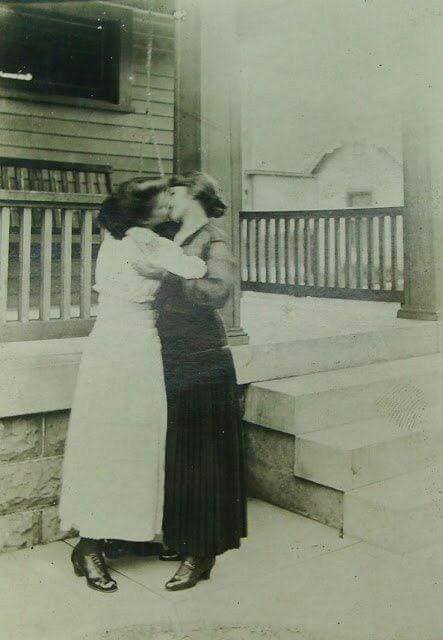
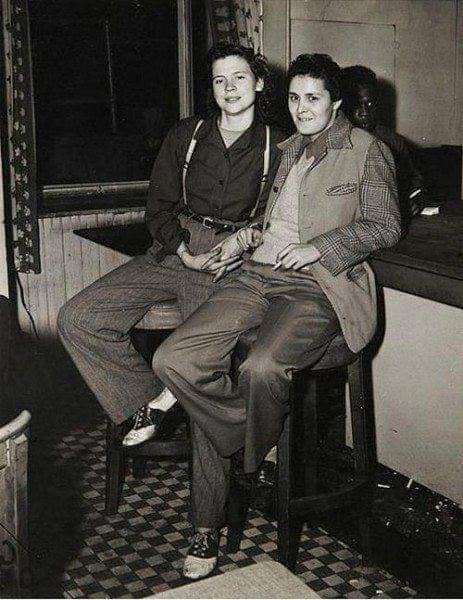
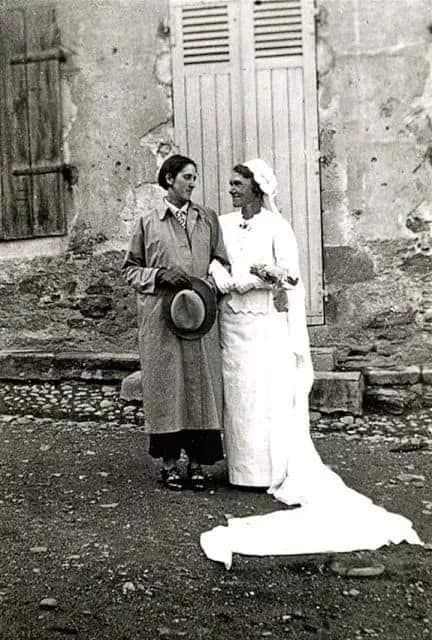
Immerse yourself in herstory with Lesbian herstory, an Instagram account that posts images of lesbians and related cultural artefacts from times gone by.
Some photos from back in the day:




How We Met: ‘My neighbours encouraged me to call and ask her out’

Deborah, 67, and Maria, 70, met at a line dancing class in 1995. They fell in love and now live in Hove.
After a divorce, Deborah found herself living in Portslade, Brighton, in the mid-1990s. “I had only recently come out,” she says. “I didn’t have many lesbian friends, so I’d started going out more to meet people.” She decided to give line dancing a whirl.
“I walked in and saw Maria. She was wearing a hat that looked like a flying cap and was with someone called Tanya, who I’d seen before.” She went over to say hello, but didn’t get the response she was expecting. “Tanya turned to Maria and said, ‘Do we know her?’ I was a bit crushed.”
Despite the awkward start, Maria thought Deborah was “cute and a bit cheeky”. They chatted briefly, but then the class started. “I’d moved to Brighton from London and was living in a shared house,” says Maria. “I wasn’t able to work because I was struggling with ME, but I liked to get out when I was well enough.”
At the time, homophobia was still rife in some parts of the country, but there was an active LGBT+ community in Brighton. “People used to say, ‘Are you on the scene?’ which meant going out and about and meeting people. The scene was quite small, with a few bars that women used to go to,” says Deborah. “So we kept bumping into each other at different dance classes and started chatting more and more.”
Eventually they swapped numbers. “I was close to my neighbours at the time and they encouraged me to call and ask her out,” says Deborah. When she rang, Maria was in the middle of running a local gathering for Polish women and had asked not to be disturbed by any calls. “When they said it was Deb, I said, ‘Oh, I will take that!’ and just grabbed the phone. I couldn’t talk long but she said let’s go to the theatre. At first I didn’t cotton on to the fact that she liked me.”
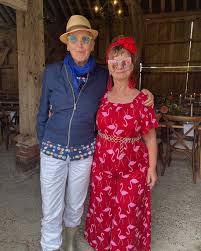
In September 1995, Maria suggested they go for a walk together. “I love being in nature,” she says. “My plan was to go and see the white chalk cliffs and watch the sun setting over the sea. Deb had the wrong shoes and no jacket so I lent her one, then we went to the pub afterwards.” Deborah still remembers their conversation. “For some reason, I started talking about how organic lemons were really good. I remember thinking, ‘For God’s sake, stop talking about lemons,’” she laughs.
They soon began setting up dates, including parties and more dancing classes. “I was busy co-parenting my daughter, and Maria was still recovering from ME, so it suited us both to take things slow to start,” says Deborah. At a party, Maria met Deborah’s daughter for the first time and knew things were getting more serious. “It was a bit of a milestone because I was meeting someone important and we got on really well.”
Telling their families about the relationship was another big step. “My mum was a bit surprised and frosty at first, but she quickly warmed to Maria,” says Deborah. “Later in her life, as she got infirm, Maria was a great nurse to her.” Maria says her parents were initially “judgmental” about two women having a relationship but that Deborah persisted in getting to know them. “She’s so nice that they eventually cracked.”
The pair moved in together in Hove two years after meeting, and had a civil partnership in 2006. “In the 70s and 80s, it was really hard to be gay, and women with children would have them taken away if they came out,” says Maria. “But by the mid-90s it had become much easier. It’s hard to imagine now how scary it used to be.”
Deborah taught education as a university lecturer in Brighton, before retiring in 2018 to write novels and a memoir. Maria later worked as a Polish interpreter, writer and creative writing teacher.
Deborah says they have supported each other through bereavements, including her mother’s death and losing both of Maria’s parents. “We lost our friend Tanya in an accident, too. We offered each other very practical help as well as emotional.”
Maria says Deb is “really beautiful” and one of the most dynamic people she’s ever met. “She’s an exciting person to live with and you can never be bored around her.”
Whatever happens, Deborah says they always “have a laugh together”. “Maria has the most integrity of anyone I know and she’s always got my back.”

Out In The City Women’s Meeting
Thursday, 25 April 2024 – 2.00pm – 4.00pm
Meeting at Cross Street Chapel, 29 Cross Street, Manchester M2 1NL (Kenworthy Room)
Drop in – No need to book
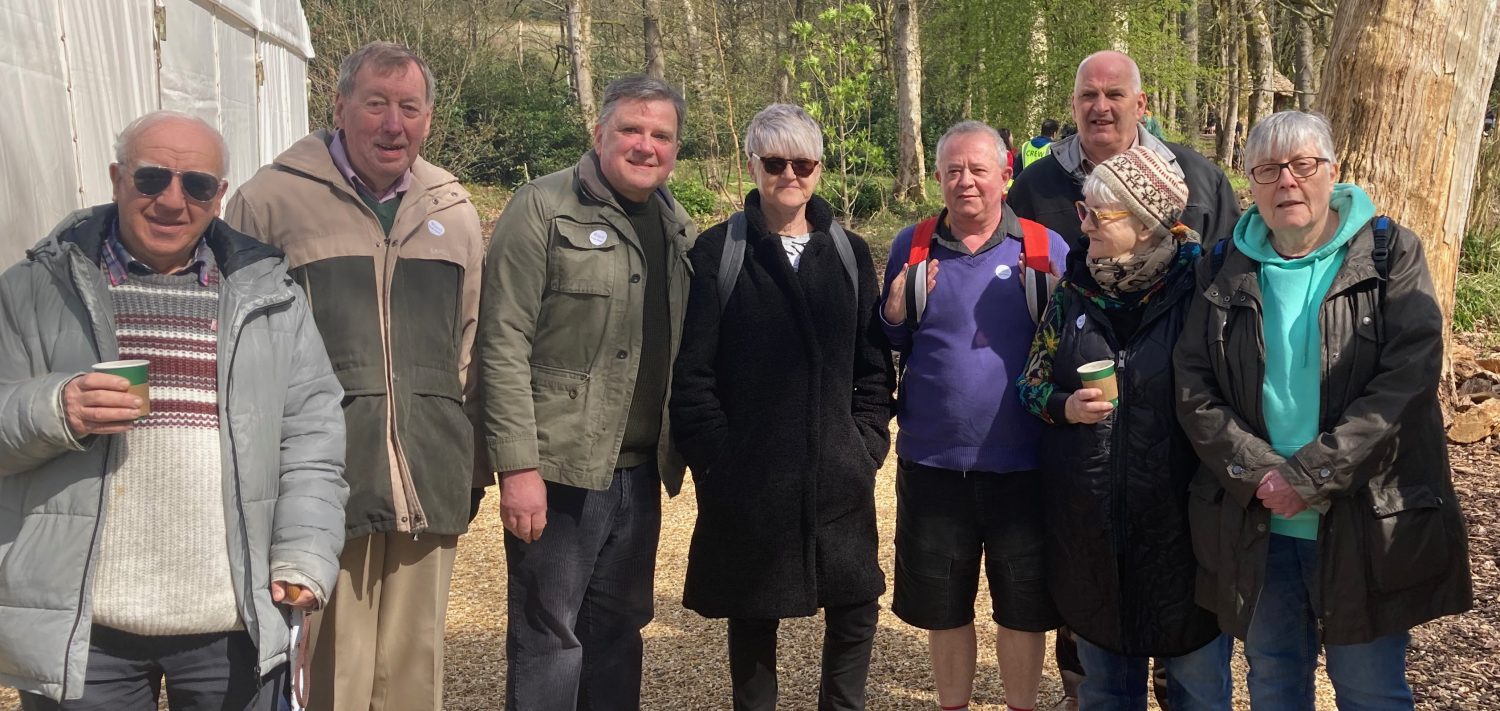
 Out in the City