
Remembering The Day Manchester Said NO to Section 28
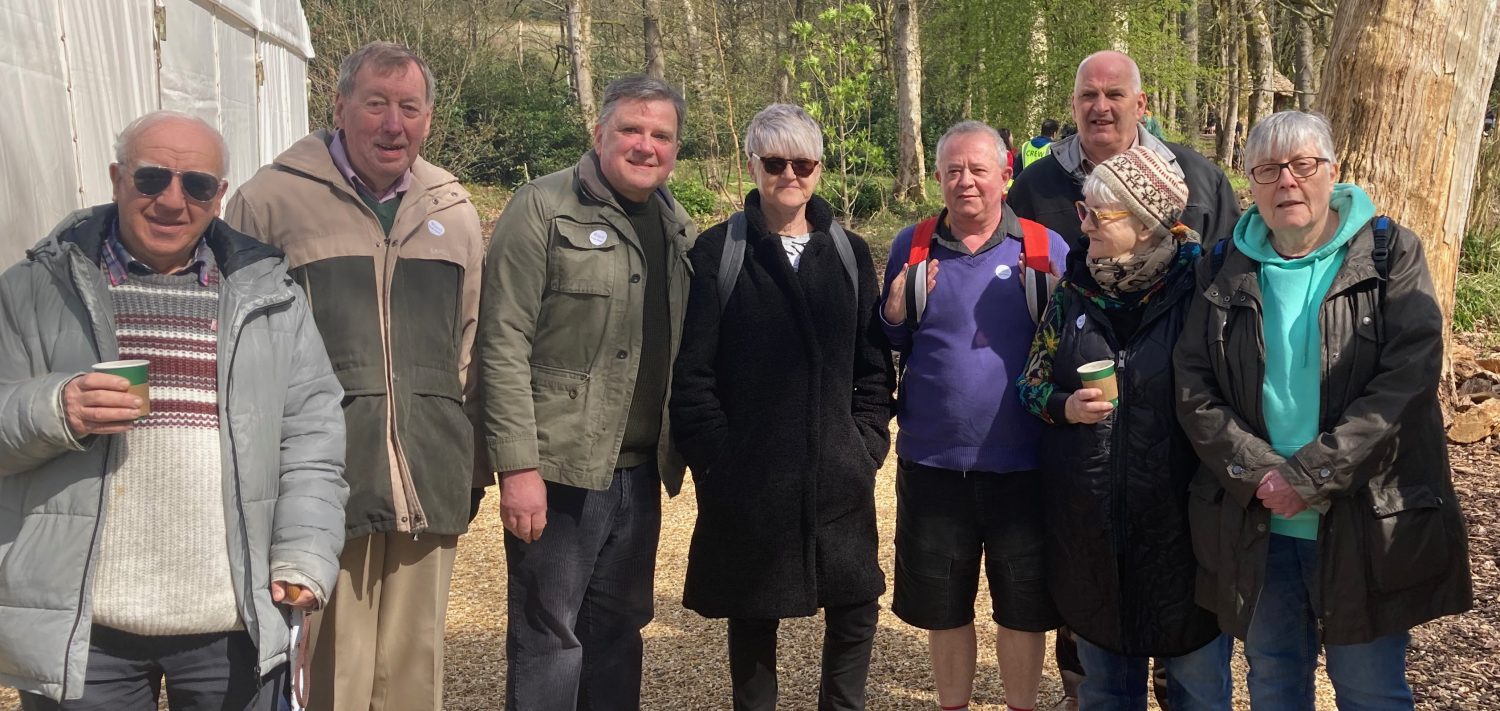
Our trip this week was advertised as a “mystery trip”. We met at Piccadilly Gardens Bus Station and headed towards the university area.
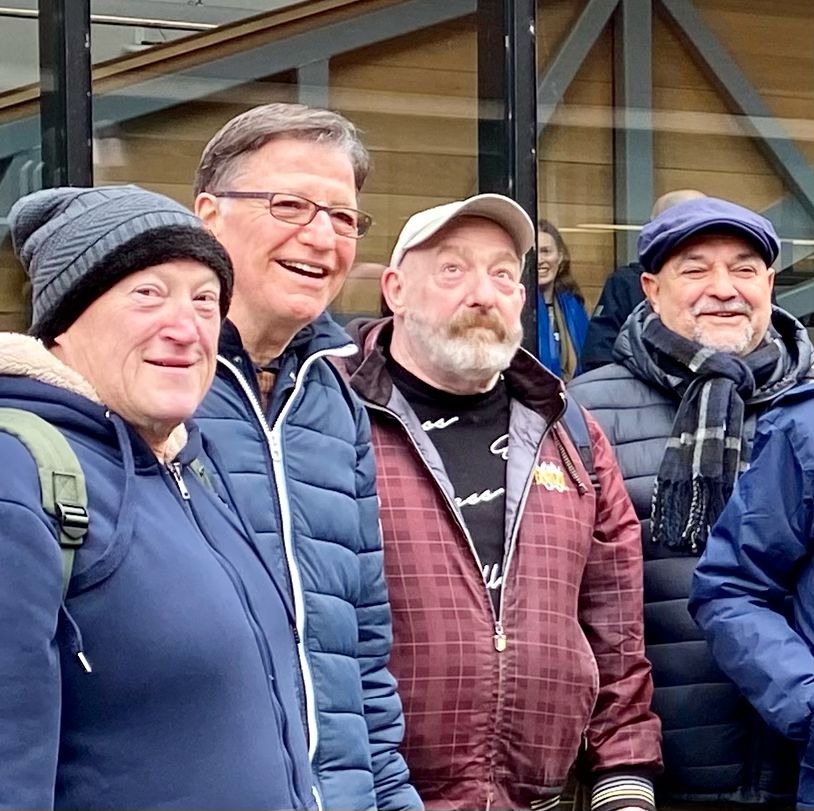
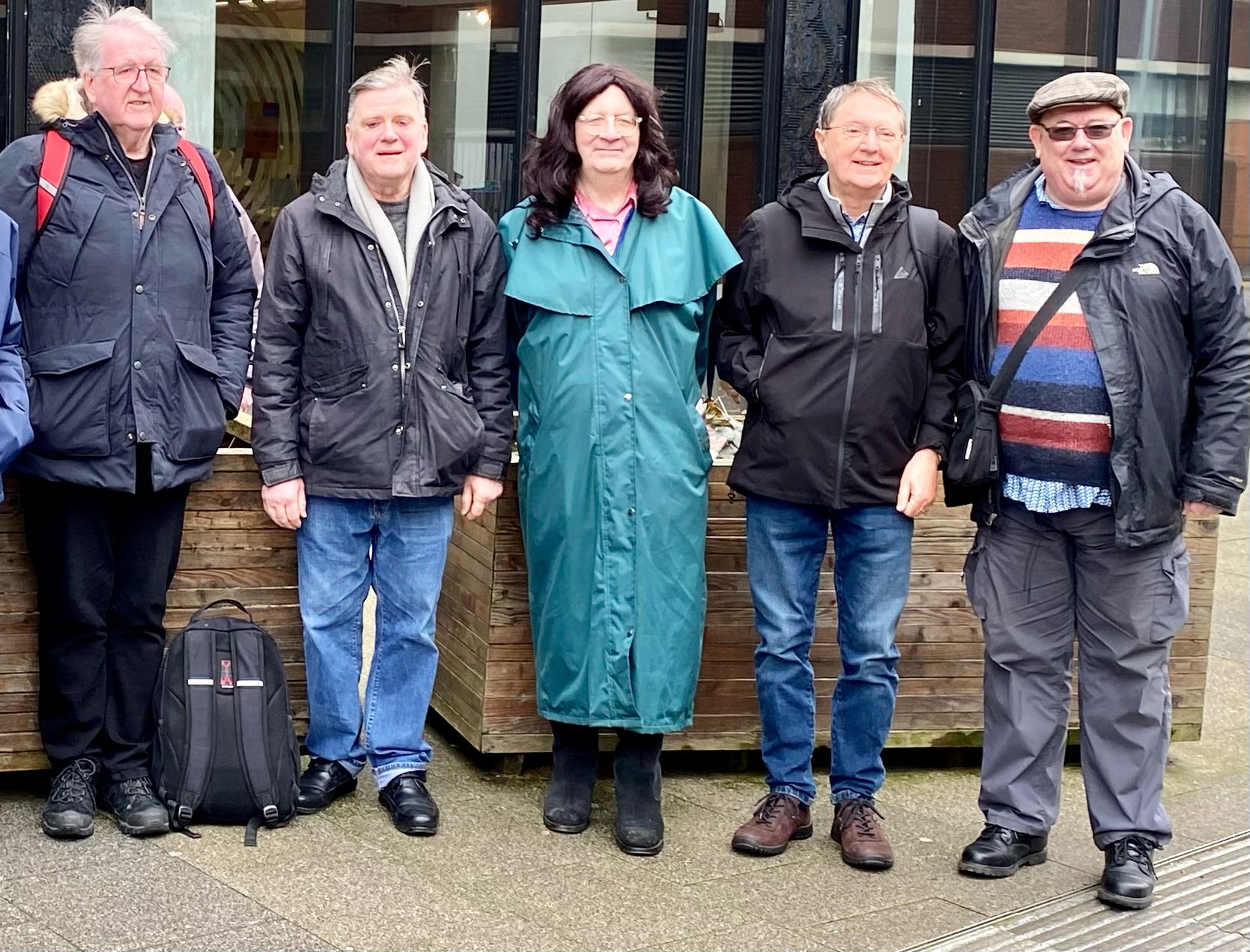
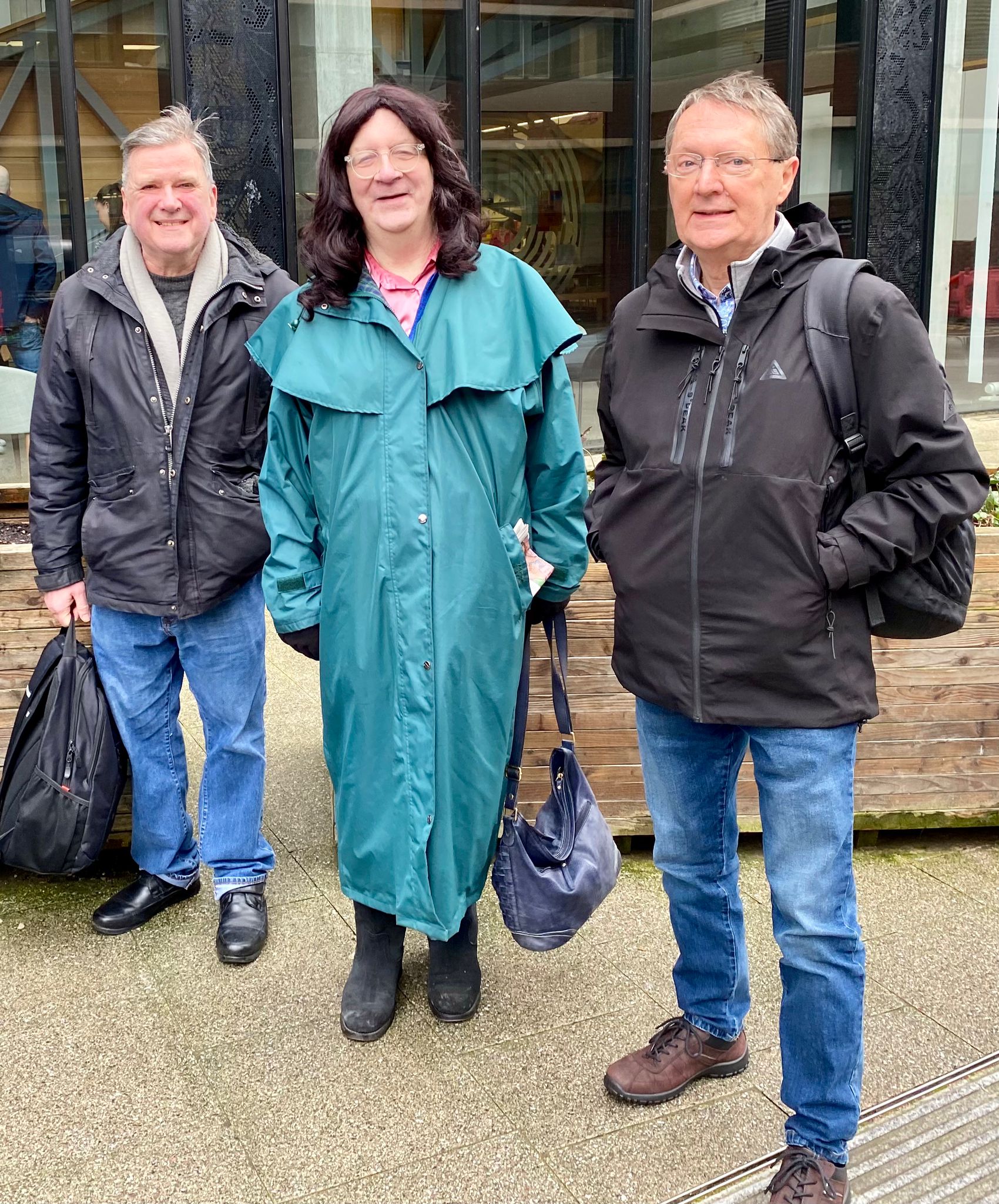
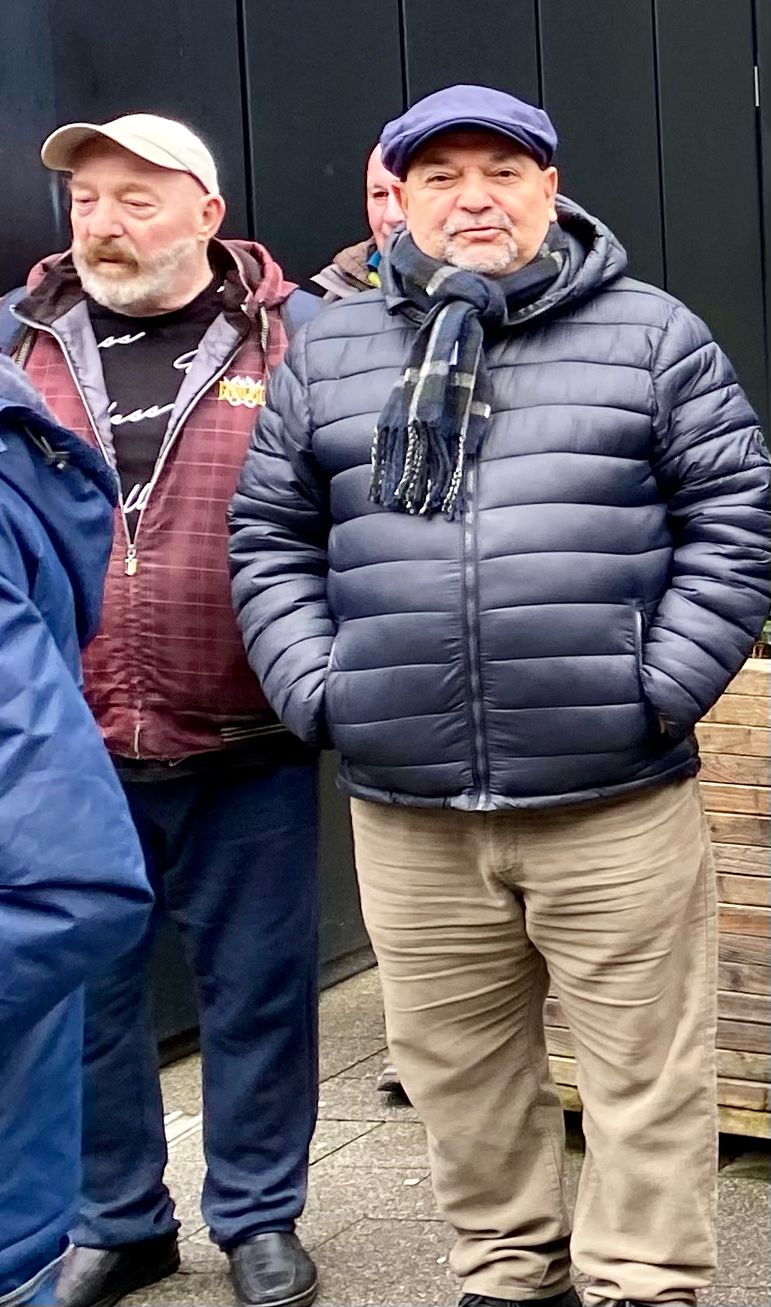
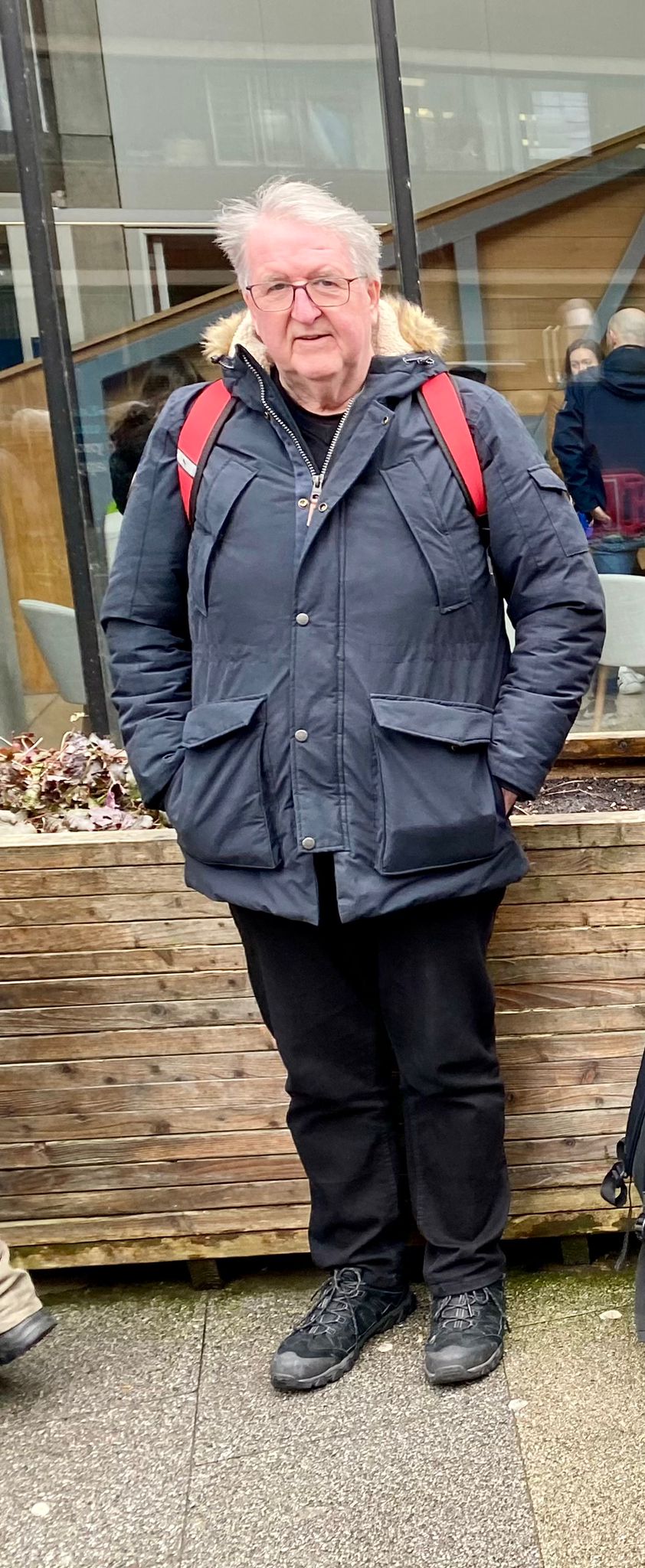
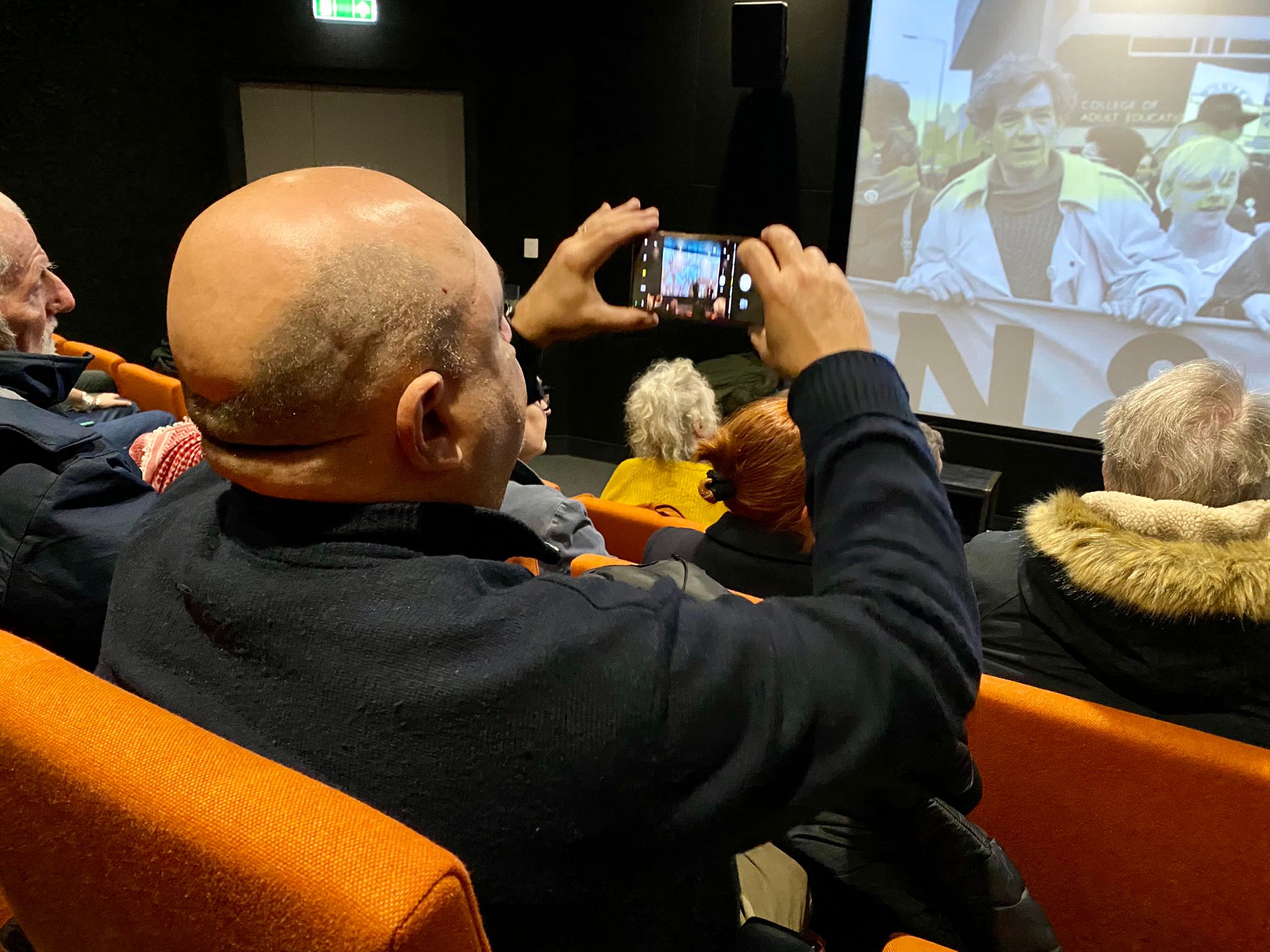
To round off LGBTQ+ History Month, Manchester Metropolitan University was holding a special screening of a film showing footage of the Manchester protest against Section 28.
A new law known as Section 28 banned local authorities from “promoting” homosexuality or educating people about its acceptability. It was a clause in the Local Government Act, and caused real problems for people in their workplaces and schools due to self censorship.
A huge rally against Section 28 was organised by the NW Campaign for Lesbian & Gay Equality. On Saturday 20 February 1988, over 20,000 people took to the streets of Manchester. They were there to protest against the Thatcher Government’s proposed introduction of the homophobic Section 28.
There were a number of speeches (including from Sir Ian McKellen, Michael Cashman and Sue Johnston), as well as music performances. This landmark event in the fight for LGBTQ+ rights was captured on film and is held in the North West Film Archive. The law was finally repealed in 2003.
Paul Fairweather MBE and Councillor Pat Karney introduced the film and there was the opportunity to discuss the fight for LGBTQ+ rights then and now.
LGBTQ+ people are coming under increasing attack from hostile governments – both at home and abroad. The rights we fought so hard for are at risk of being lost, meaning the need to stand up and be heard is more vital than ever before.
You can watch the film here:
More photos can be seen here.

LGBT+ History Month
LGBT+ History Month is an annual celebration of the lives of LGBT+ people of the past. It is marked every February in the UK, with each year’s celebration having its own unique theme. To round off the month we are celebrating with another article from Arthur Martland.
Mancunian Cruising in the Eighteenth Century
Where could Mancunian men who enjoyed sex with other men meet like-minded partners during the eighteenth century?

One Mancunian, Ralph Harrison, in search of a friend, went over to Wigan! His trip there did not end happily, alas, for on 14 April 1760 he was indicted ‘for that most detestable horrid and Sodomitical crime called buggery’. As the ‘offence’ occurred locally, it was Magistrates in Wigan who arranged for Ralph’s committal to the Lancaster Assize for trial. The outcome of the trial is, as yet, unknown and we only know about the case as a copy of his indictment was preserved at the Lancashire Archives in Preston (ref QJI/1/134/43).
Information about a more popular local meeting place, however, came to light following the raid on Isaac Hitchen’s molly house in Great Sankey, near Warrington, in 1806. One of those arrested in the raid, Thomas Rix (a 47-year-old native of Salford, working as a chair-bottomer), gave details of where he had previously met men for sex in Manchester when questioned by the prosecuting magistrates.
The record of his examination was uncovered in the Althorp Papers by the academic writer H G Cocks who provided some of the detail of Rix’s confession in an essay on the aftermath of the raid on Hitchen’s molly house (1).
Rix claimed that in the 1780s he had met a man named Bromilow who had ‘persuaded’ him into homosexual acts –
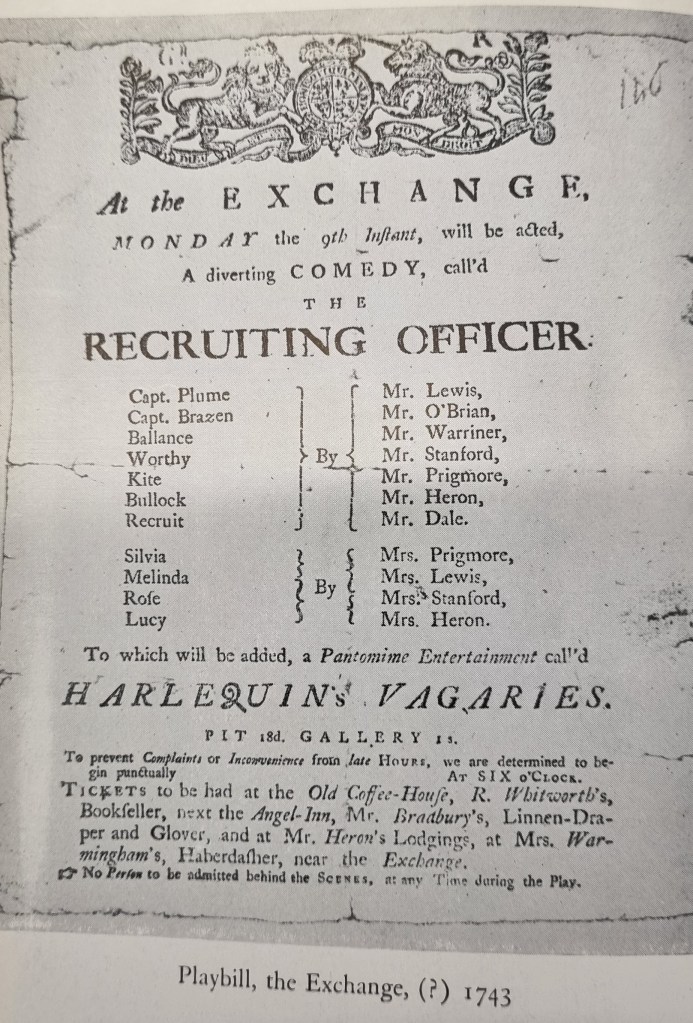
Rix said he had been ‘making water on the way home with Bromilow from a pub in Manchester when his friend ‘came up to him and took hold of his yard’ [his penis]. Then, Rix recalled simply, they had ‘used friction with each other till nature spent’. Bromilow also reassured his friend that ‘there were many other persons who did what they had been doing’. They met, he said, in the heart of Manchester’s civic and commercial spaces, at the Exchange in the centre of the town … (Cocks 131).
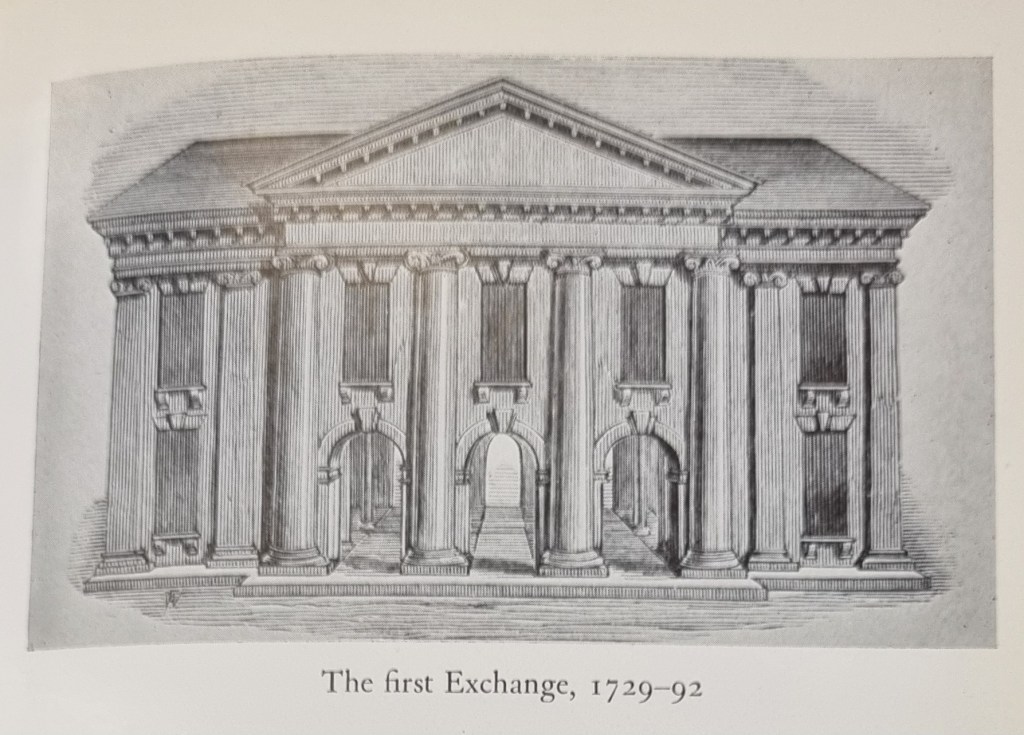
Built in 1729, the first Manchester Exchange was a small affair in the Market Place serving primarily as a cotton exchange, where cotton was bought and sold. The upper storey was used for occasional concerts and plays but also served as a meeting place for local magistrates and for the leet court. The classically-designed building stood out among narrow, predominantly medieval, streets with half-timbered houses surrounding it. The approach to St Ann’s Square was blocked by buildings ‘penetrated by narrow dirty passages’ and, by the 1780s, ‘its open colonnades had become the haunt of riff-raff’ (2). The courts, wynds and alleys that surrounded the Exchange were dark, even at noon, one even going by the name of ‘Dark Entry’ (Cocks 132).
Cocks writes how soon after his meeting with Bromilow at the unnamed Manchester pub, Rix frequently visited the Exchange and that –
…. he learned how to identify potential partners from his informant. Bromilow told him that ‘these sort of persons … Generally stood in the night as if they were making water … in the corner in the inside, and that if any person wanted to be connected with people of that sort they might go and stand near them and put their hands behind them’. If they ‘were of this description of people they would put their yards into their hands’. According to his statement, Rix then went to the Exchange in a spirit of curiosity to see if what he had been told was true and ‘often repeated this experiment at the ‘Change in Manchester, but never with any person that he knew’ (Cocks 132-3).
Encounters were also common in the dark streets that surrounded the Exchange, which offered excellent cover for clandestine sex.
Towards the latter end of the eighteenth century, butchers’ stalls filled the arcades of the Exchange and it became ’a harbour for vagrants and dirt’ (Manchester Guardian, 8 October 1921). It was said that it had ‘long afforded a lounging place for idleness and petty criminals’, acquiring a ‘deteriorating reputation for cleanliness and morality’ (Cocks 132).
Eventually, in 1792, the building was demolished. And, in that same year, nightwatchmen were employed to patrol the streets of Manchester, who, no doubt, like the earlier followers of The Society for Reformation of Manners, were on the look-out for ‘criminals’ of all kinds, including those practitioners of –
that most detestable and unnatural Sin of Sodomy, which … has been of late transplanted from the hotter Climates to our more temperate Country, and has dared to shew its hideous Face among a People that formerly had it in the utmost Abhorrence; (3)
Should any ‘Sodomite’ have tired of Manchester, or failed to find another meeting place after the demise of the Exchange, he could go over to Liverpool (where Rix had lived in the 1790s) for ‘there were several persons who followed the same practices’ in that town who met in the Rope Walk leading out of White Chapel and in the recently improved Dale Street (Cocks 133).
Reference List:
Cocks, H. G. Safeguarding Civility: Sodomy, Class and Moral Reform in Early Ninteenth Century England in Past & Present, Number 190, February 2006, pp. 121-146
The Story of the Exchange in Manchester Guardian of 8 October 1921
Extract from A Sermon preached to the Societies for Reformation Of Manners at St Mary-le-Bow on Wednesday, 10 January 1727 by the Right Reverend Father in God, Richard [Smallbroke], Lord Bishop of St David’s.
Arthur Martland © 2024
Thanks to Arthur Martland for researching and writing this article.

British Royal Mint Issues George Michael £5 Coin

The Royal Mint has announced a limited edition £5 coin honouring the late singer George Michael.
The commemorative coin features the former Wham! lead singer wearing his signature sunglasses. It also includes a snippet of lyrics from his song “Faith,” released after he left the band to embark on a solo career.
One of the best-selling artists in the world, the gay icon came out in 1998.
Michael was arrested for performing “a lewd act” with another man in a Los Angeles public restroom shortly before coming out.
The singer died at the age of 53 in 2016 after battling a drug and alcohol addiction.

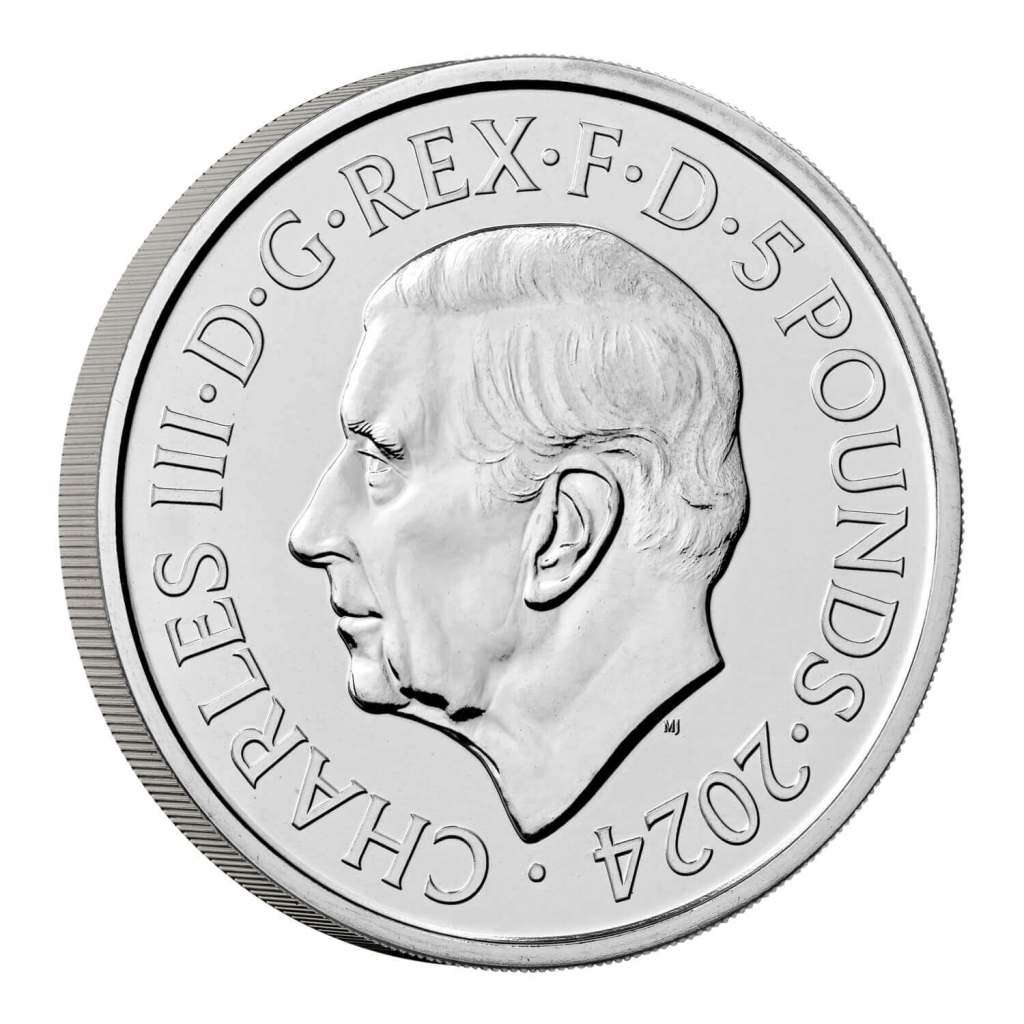
The £5 uncirculated coin can be purchased for £15.50.
“We are deeply honoured that the Royal Mint is paying tribute to him by creating a series of beautifully crafted coins,” George Michael Entertainment said after the announcement. “He would have been enormously proud and genuinely touched that a national institution should have decided to pay tribute to his memory this way.”
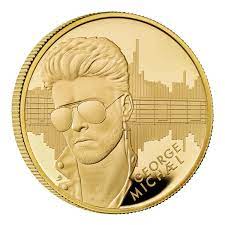
The 1oz Gold Proof £5 coin costs £2770.00 and comes in a limited edition of 150.
 Out in the City
Great day, ace subject but it looks like ive almost morphed into Santa Clause from the photos. 🤔
LikeLike